Article

DGF-Net: A Novel Approach for Tropical Cyclone Path Prediction Using Multimodal Meteorological Data

College of Mathematics and Computer, Guangdong Ocean University, Zhanjiang 524094, China
*
Author to whom correspondence should be addressed.
Atmosphere 2026, 17(3), 276; https://doi.org/10.3390/atmos17030276
Submission received: 25 January 2026 / Revised: 28 February 2026 / Accepted: 4 March 2026 / Published: 6 March 2026
(This article belongs to the Section Meteorology)

Abstract

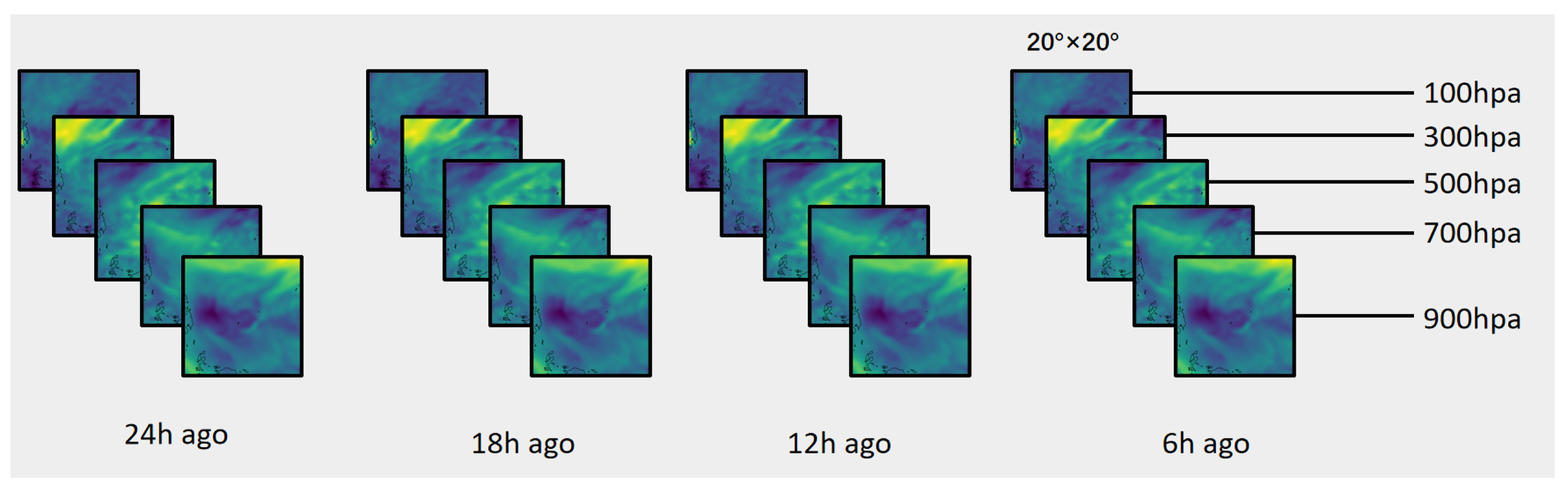
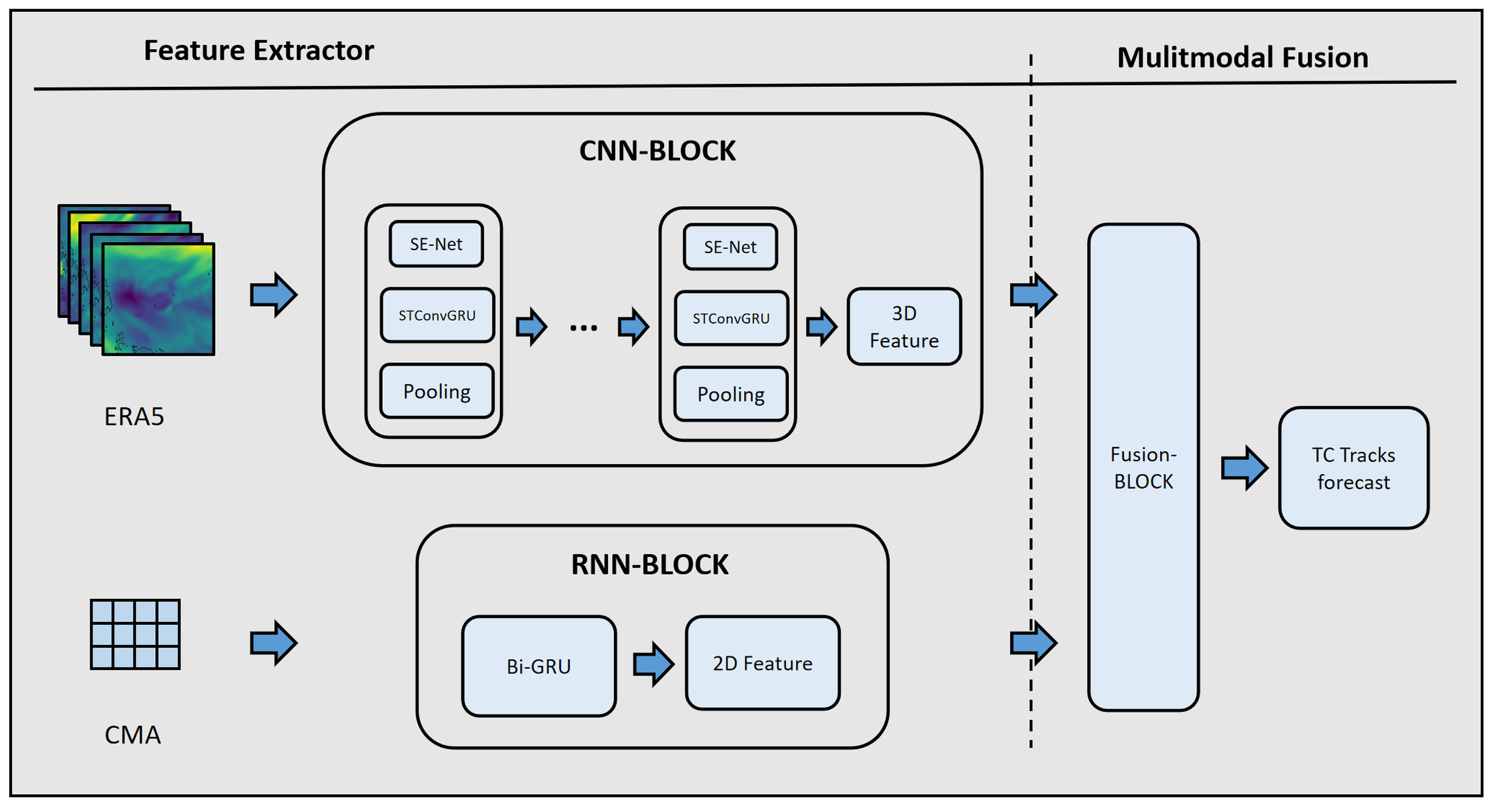
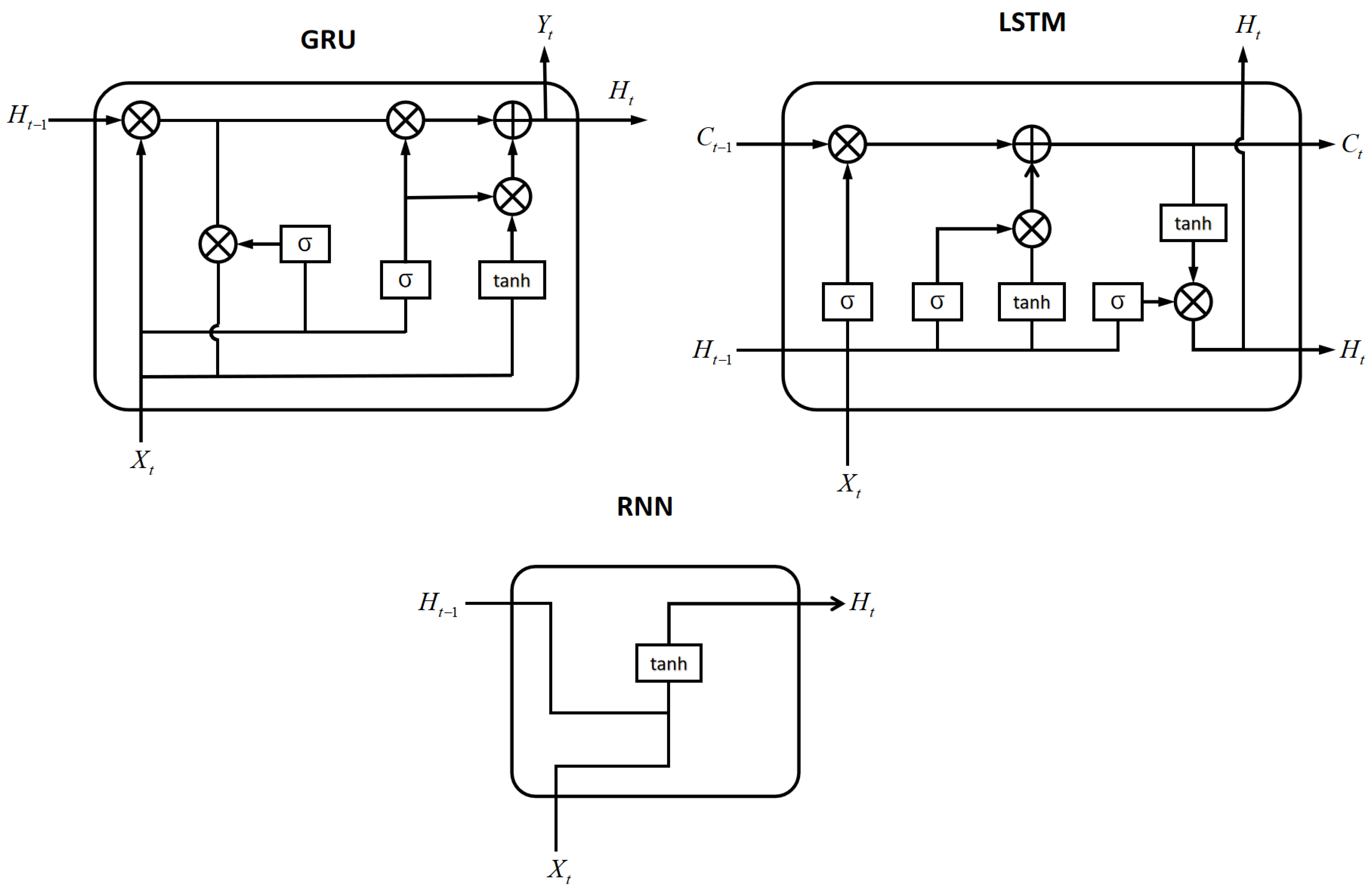
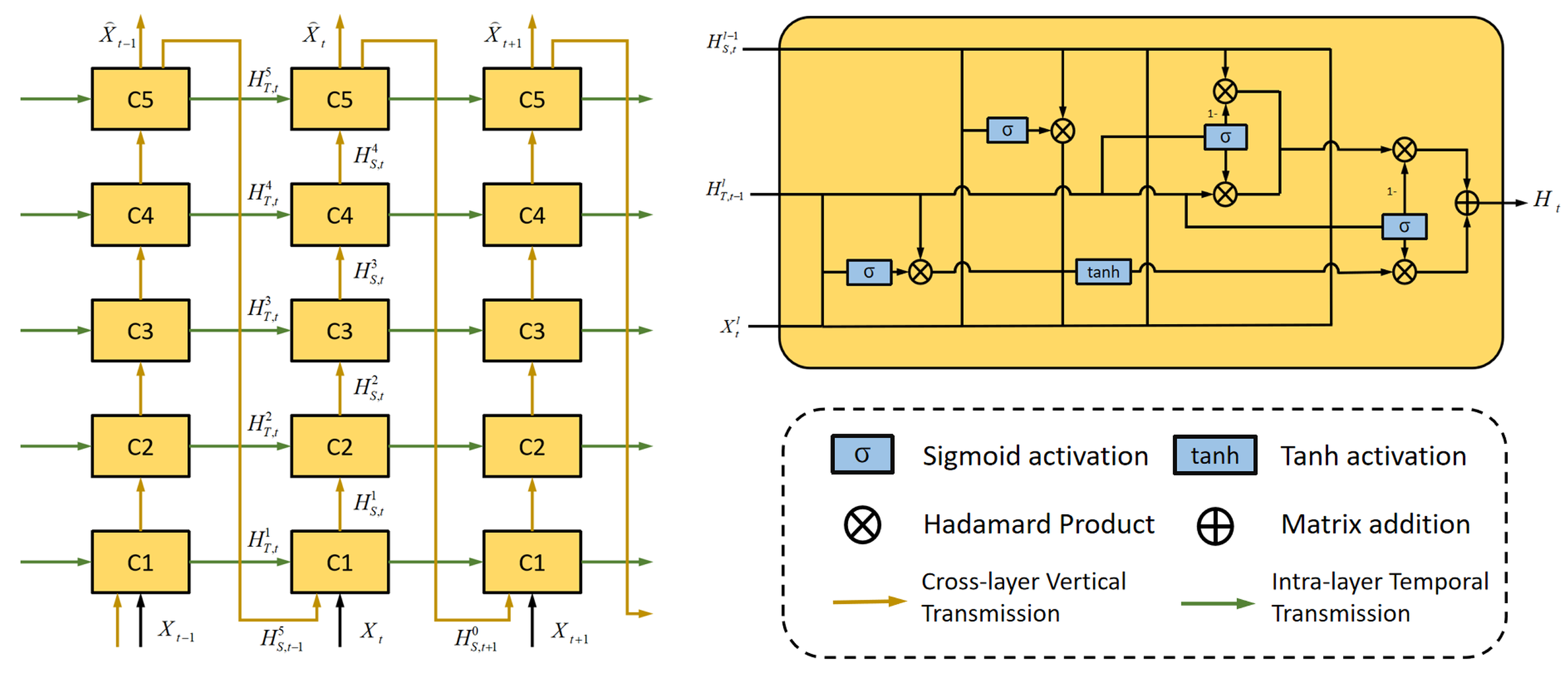
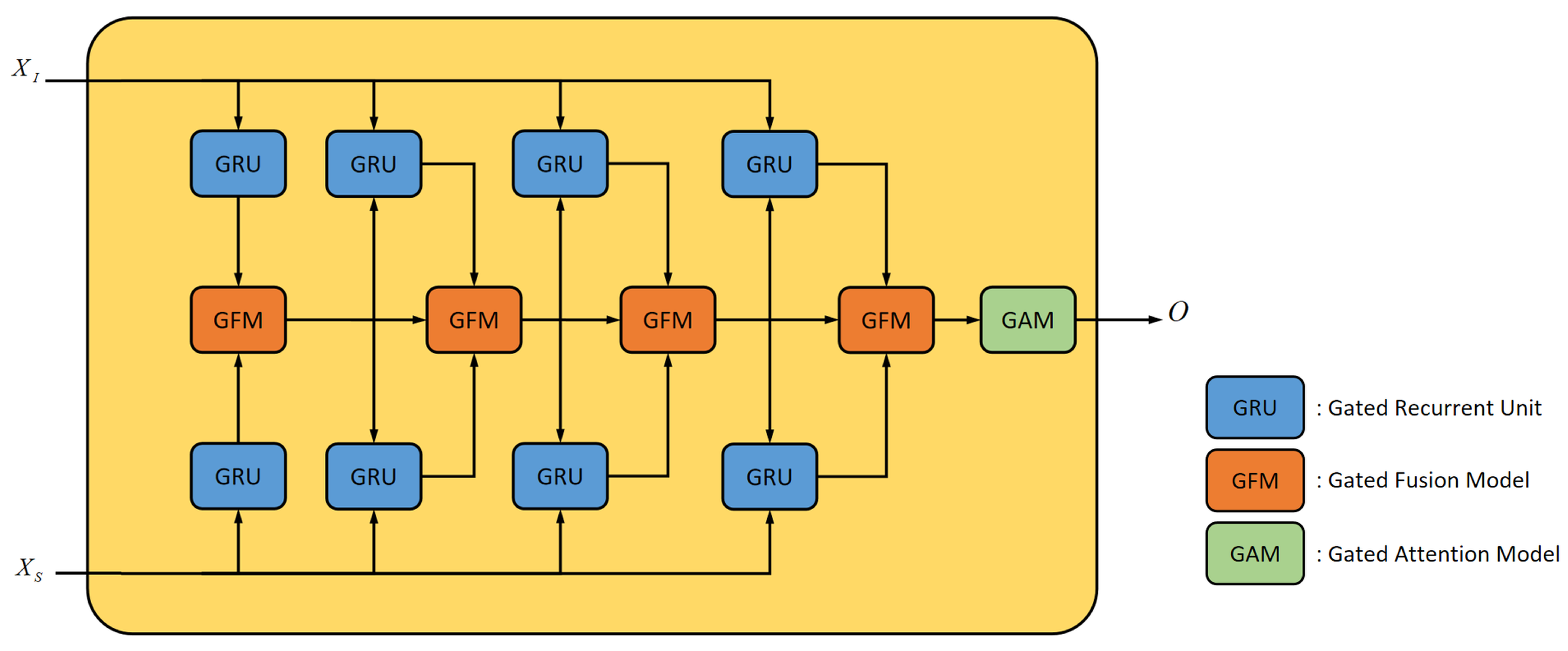
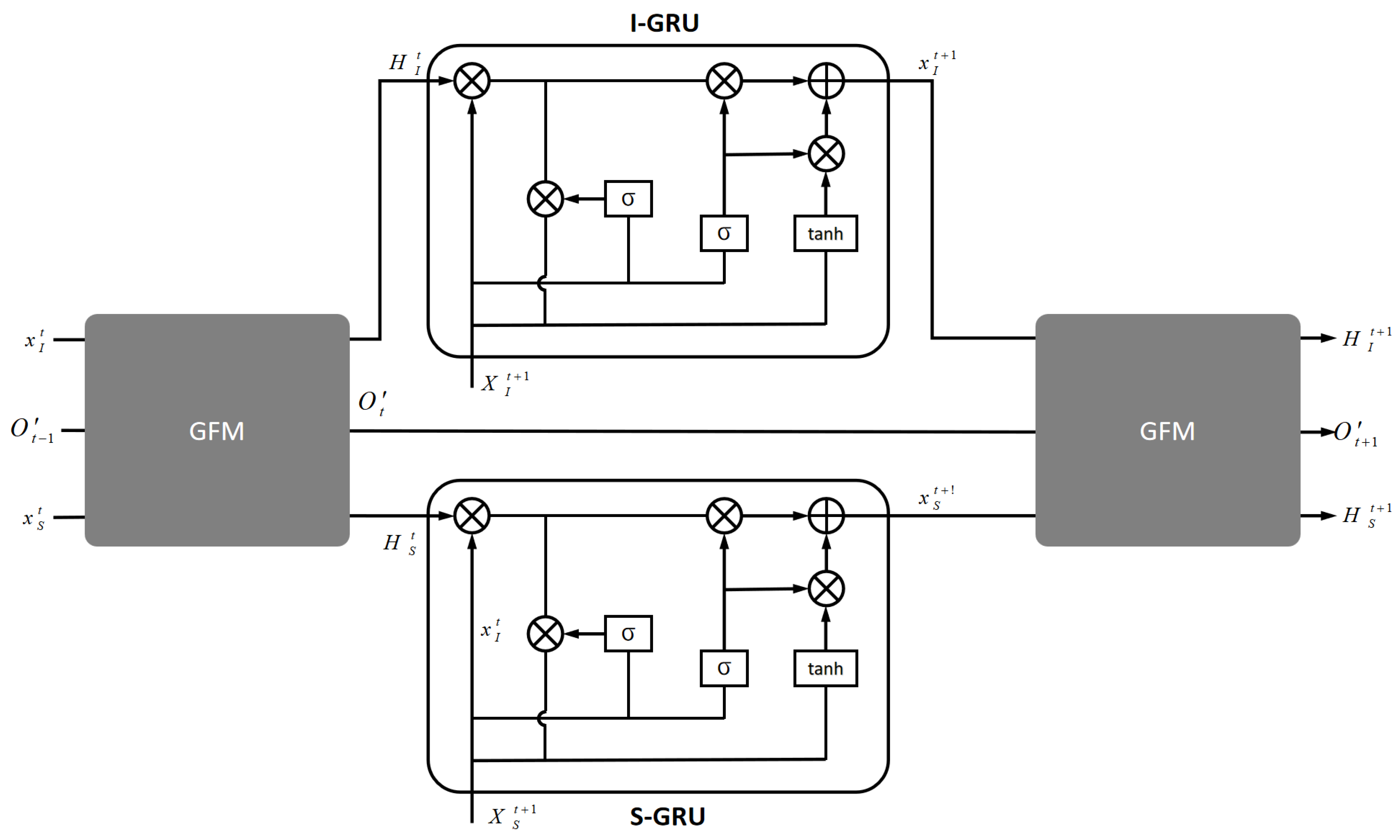
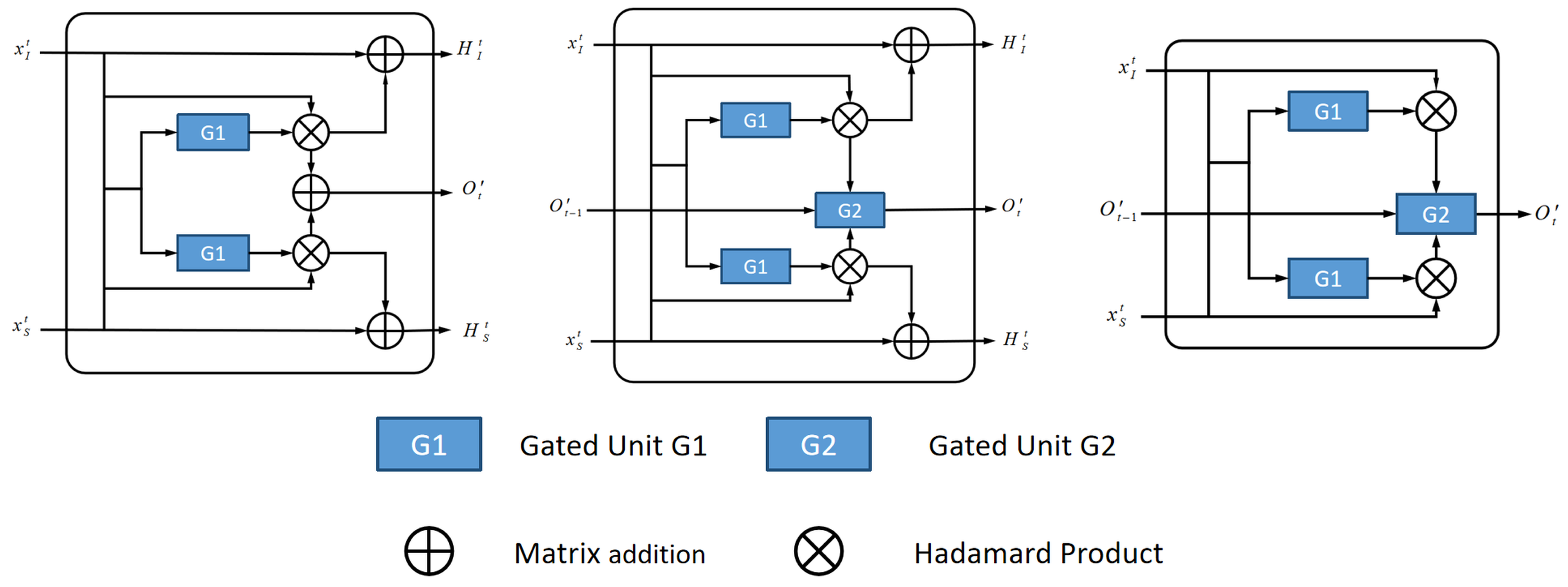
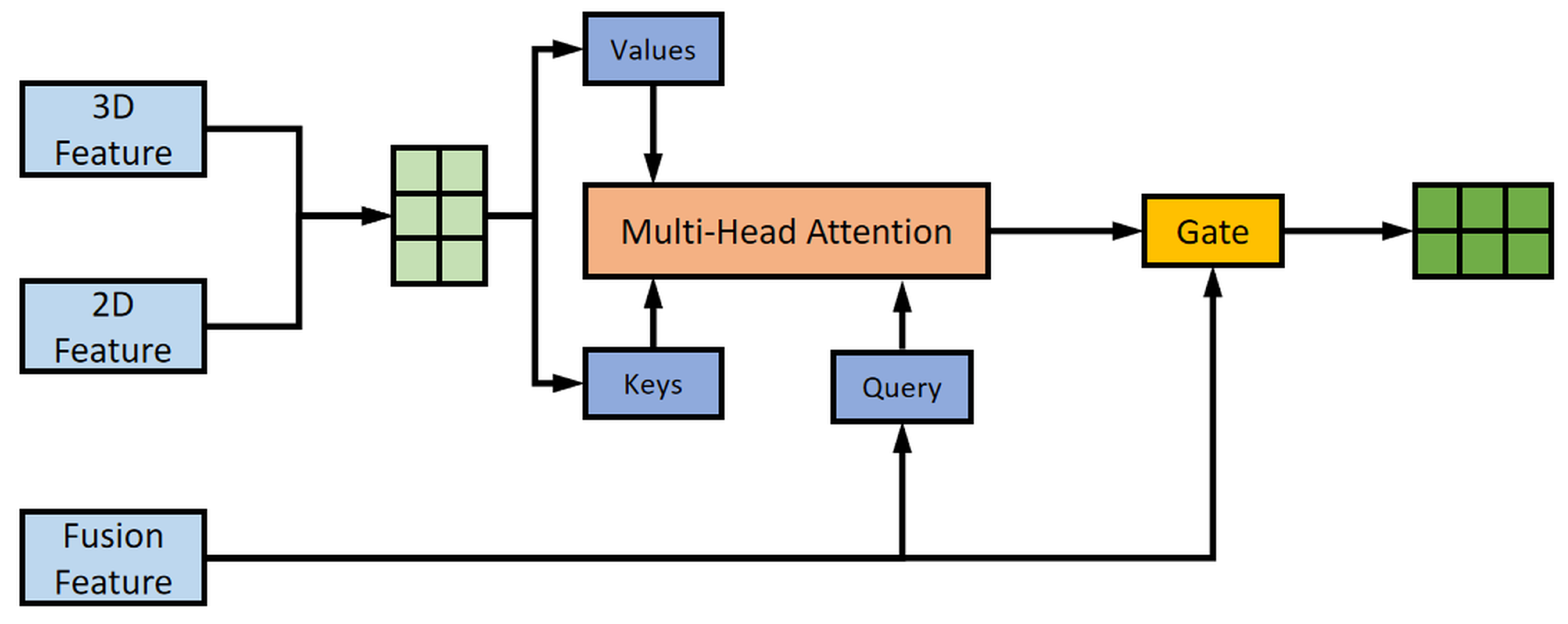
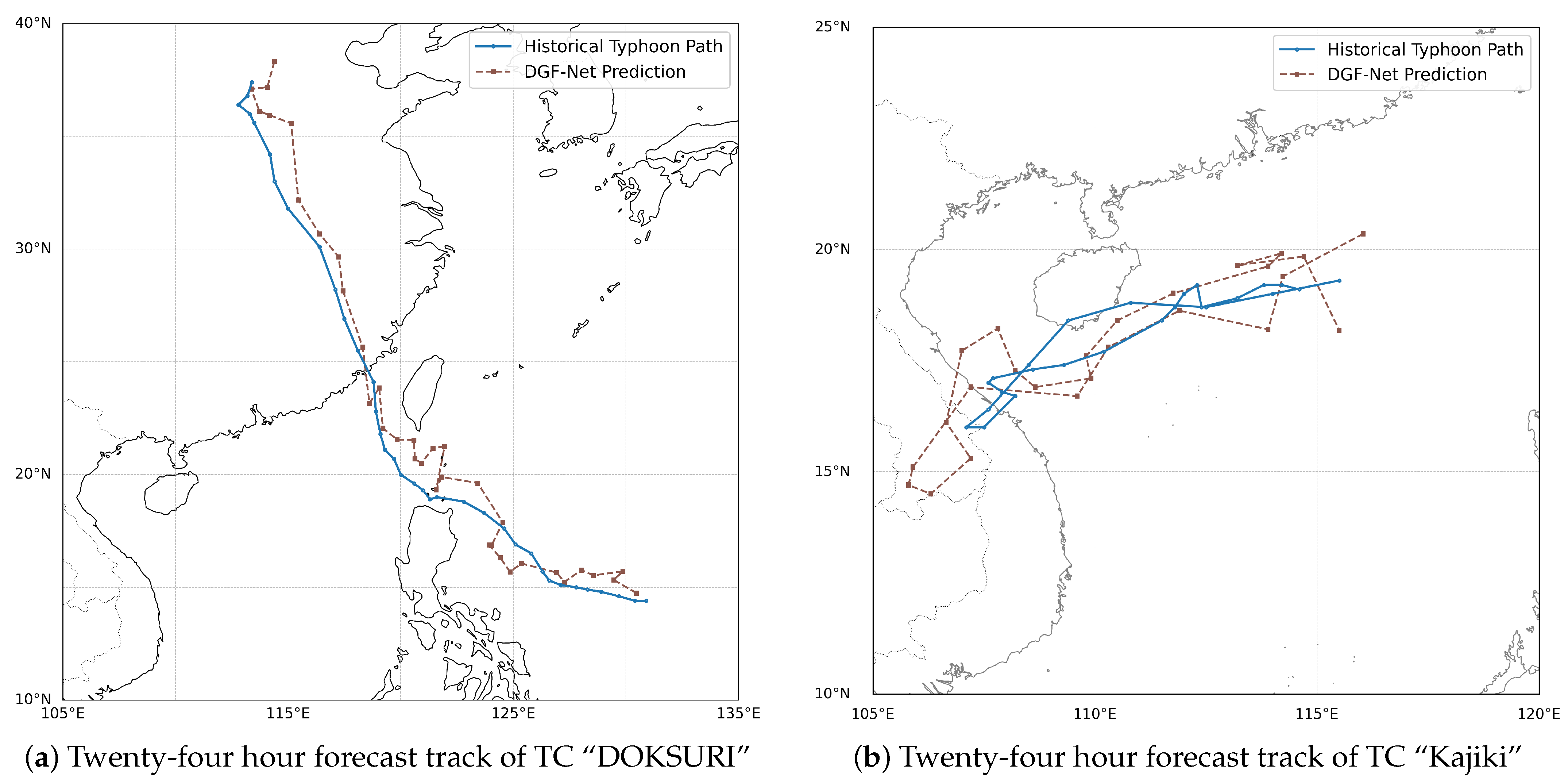
Tropical cyclones are among the most destructive meteorological systems on Earth. Accurate track forecasting of tropical cyclones remains a core challenge in atmospheric science, and it is of great significance for disaster prevention and mitigation. This study targets the critical limitations of existing tropical cyclone track forecasting models: the insufficient ability to extract non-linear spatiotemporal features from 3D atmospheric circulation fields and the long-standing bottlenecks in multi-source heterogeneous meteorological data fusion. To address these issues, we propose a Dual-Stream Gated Fusion Network (DGF-Net), a high-precision track forecasting method tailored to the Northwest Pacific basin. The proposed framework takes the Best Track dataset and ERA5 Reanalysis Dataset as primary inputs: a Bidirectional Gated Recurrent Unit (Bi-GRU) is adopted to capture the temporal evolution characteristics of 2D tropical cyclone trajectory sequences, and a SpatioTemporal Convolutional Gated Recurrent Unit (STConvGRU) is used to extract complex non-linear features from 3D atmospheric environmental fields. Then, a multimodal fusion module integrating gating and attention mechanism is constructed to achieve deep fusion of cross-dimensional features, which effectively mines the intrinsic physical correlations between tropical cyclone track evolution and environmental driving factors. Comparative experiments based on historical observational datasets of the Northwest Pacific show that DGF-Net achieves superior forecasting performance, with the 6 h, 12 h, and 24 h Great Circle Distance (GCD) errors of 35.62 km, 43.53 km, and 135.49 km, respectively. The results significantly outperform mainstream baseline models, which validates the effectiveness of DGF-Net in feature extraction and multimodal fusion and provides solid technical support for tropical cyclone disaster prevention and operational decision-making.
Keywords: tropical cyclones; tracking forecast; fused deep learning; gated mechanism tropical cyclones; tracking forecast; fused deep learning; gated mechanism