Article

Atmospheric Pollen Monitoring and Bayesian Network Analysis Identify Bet v 1 and Cross-Reactive Cry j 1 as Dominant Tree Allergens in Ukraine

1
Department of Pharmacy, National Pirogov Memorial Medical University, 21018 Vinnytsia, Ukraine
2
Department of System Analysis and Information Technologies, Vinnytsia National Technical University, 21021 Vinnytsia, Ukraine
3
Department of Pediatrics No2, Bohomolets National Medical University, 01601 Kyiv, Ukraine
4
Department of Botany, Uzhhorod National University, 88000 Uzhhorod, Ukraine
5
Medical Centre “Divero”, 03189 Kyiv, Ukraine
*
Author to whom correspondence should be addressed.
Atmosphere 2026, 17(2), 128; https://doi.org/10.3390/atmos17020128
Submission received: 14 December 2025 / Revised: 21 January 2026 / Accepted: 22 January 2026 / Published: 26 January 2026
(This article belongs to the Special Issue Pollen Monitoring and Health Risks)

Abstract

Tree pollen allergies are influenced by regional atmospheric pollen concentrations and flora distribution. Climate change and urban landscaping have altered airborne pollen profiles in Ukraine, potentially affecting sensitization patterns. We examined 7518 patients (57.63% children) sensitized to at least one of 26 molecular components from 19 tree species using ALEX testing (2020–2022). Atmospheric pollen data from Ukrainian aerobiology stations were integrated with clinical data. Regional sensitization was mapped using the Geographic Information System, and Bayesian network modeling determined hierarchical relationships. Sensitization to Cry j 1 (46.01%), Bet v 1 (41.67%), and Fag s 1 (34.38%) dominated across age groups. High Fagales sensitization correlated with elevated atmospheric Betula, Alnus, and Corylus pollen concentrations, confirming environmental exposure-sensitization relationships. Bayesian modeling identified Bet v 1 as the root allergen (89.43% accuracy) driving cascading sensitization to other Fagales and non-Fagales allergens. Unexpectedly high Cry j 1 sensitization despite minimal atmospheric Cryptomeria presence suggests Thuja and Ambrosia cross-reactivity. Fagales sensitization dominated 10 of 17 regions, correlating with forest geography and urban landscaping. This study validates aerobiological monitoring’s clinical relevance. Diagnostic protocols should prioritize Bet v 1 while interpreting Cry j 1 positivity as potential cross-reactivity. Climate-driven shifts in atmospheric pollen patterns require ongoing coordinated aerobiological and clinical surveillance.

1. Introduction

Tree pollen is a significant allergen source in various populations worldwide [1,2], with allergen composition varying strictly according to regional bioclimatic conditions [3,4]. In Eastern and Central Europe, the Fagales order (specifically the Betulaceae family) represents the primary source of allergenic tree pollen [5,6]. In contrast, the Mediterranean basin is characterized by a distinct aeroallergen profile where Olea europaea L. (Oleaceae), Cupressus sempervirens L. (Cupressaceae), and Quercus ilex L. (Fagaceae) predominate [7,8]. While the Ole e 1 molecule serves as the primary marker for Mediterranean Oleaceae sensitization [7,9], the clinical picture in this region is further complicated by high exposure to Cup s 1 and other pectate lyases [10]. In East Asia, particularly Japan and South Korea, Japanese cedar (Cryptomeria japonica (L.f.) D.Don), belonging to the Cupressaceae family, remains the most prevalent allergen source [11,12].
The Ole e 1-like protein family is another significant group of tree pollen allergens [13]. Ole e 1 serves as a marker allergen for genuine sensitization to the Oleaceae family, including the genera Olea L., Fraxinus L., and Ligustrum L. [7]. Mediterranean residents typically demonstrate primary sensitivity to O. europaea, whereas populations in Northern Europe and North America are more commonly affected by European ash (Fraxinus excelsior L.) pollen, which contains the cross-reactive molecule Fra e 1 [9].
Situated at a bioclimatic crossroads, Ukraine’s woody flora has undergone significant shifts due to both climate change and intensive urban greening initiatives [14]. Research indicates that allergies to tree pollen from the Betulaceae family—including Betula pendula Roth (silver birch), Alnus glutinosa (L.) Gaertn. (black alder), Corylus avellana L. (common hazel) Carpinus betulus L. (European hornbeam)—is present in the region and contributes to the total Fagales pollen load [15]. Among other Fagales species, C. betulus is an abundant component of the natural and urban flora in Right-bank Ukraine. Additionally, while less common, the genus Ostrya Scop. (specifically, Ostrya carpinifolia Scop.) contribute to the regional allergen profile, albeit to a lesser extent [16].
The current trend of incorporating non-native plant species into Ukrainian urban landscaping, such as various Cupressaceae taxa [17], poses increased allergy risks [18,19]. Species of the genus Thuja L. and, to a lesser extent, Juniperus L. and Cupressus L., are increasingly popular despite not being native to the region [17].
Consequently, Ukraine’s spring pollination season features pollen containing all the aforementioned allergen groups [20]. This increasing diversity necessitates a transition from traditional skin-prick testing to component-resolved diagnosis (CRD) to differentiate primary sensitization to various molecules from cross-reactivity across biochemical classes [3].
This study aimed to analyze molecular sensitization patterns to tree pollen allergens in the studied population in correlation with atmospheric pollen counts to facilitate further development of optimal strategies for preventing and treating seasonal pollen allergies. The analysis covers general population trends, regional variations, age-related patterns, and individual hypersensitivity profiles to tree allergies in Ukraine.

2. Materials and Methods

This study analyzed pollen count data and its correspondence with the allergic sensitization from 7518 individuals with sensitivity to the molecular components of tree allergens, tested using the ALEX (Allergy Explorer) method across 17 regions of Ukraine between 2020 and 2022. Proportions were compared using the χ2 test or Fisher’s exact test where appropriate. Confidence intervals (95%) for differences in proportions (adults−children) were calculated using the Newcombe–Wilson method.
Study inclusion criteria required participants to have a documented medical history of at least one of the following conditions: seasonal allergic rhinitis, allergic conjunctivitis, atopic dermatitis, or bronchial asthma. Individuals were excluded from the study if they lacked either a relevant allergy-related medical history or did not demonstrate sensitization to tree allergens.
All patients provided informed consent before testing, which included a clause on the use of anonymized data for scientific purposes. The Bioethics Committee of the National Pirogov Memorial Medical University, Vinnytsia, Ukraine, approved the research protocol on 11 November 2024.
Patients with sensitization to at least one tree pollen component on the ALEX2 multiplex allergy test were included in the analysis. Sensitization was defined as a specific Immunoglobulin E (sIgE) level ≥ 0.31 kUA/L (Kilounits of Allergen-specific Antibody per Liter), corresponding to the analytical positivity cut-off recommended by the ALEX2 manufacturer, which reports sIgE semi-quantitatively and classifies values < 0.3 kUA/L as negative or uncertain and ≥0.3 kUA/L as positive [21]. This 0.3 kUA/L threshold has been adopted in several clinical and validation studies using ALEX2 or comparable molecular multiplex IgE platforms [22] and has shown good diagnostic performance for molecular sensitization, including high sensitivity and specificity for PR-10 allergens [23]. In our study, we therefore considered sIgE ≥ 0.31 kUA/L as evidence of molecular sensitization to tree pollen components on the ALEX2 macroarray. It enables the detection of sensitivity to 19 types of tree pollen. The test identified 26 allergens, encompassing both individual molecules and pollen extracts. Among these were: PR-10 (Pathogenesis-Related protein family 10) family molecules such as Bet v 1 (B. pendula), Aln g 1 (A. glutinosa), Cor a 1.0103 (C. avellana), Fag s 1 (Fagus sylvatica L.); pectate lyases Cry j 1 (C. japonica), Cup a 1 (Cupressus arizonica Greene); Ole e 1-like proteins Ole e 1 (O. europaea), Fra e 1 (F. excelsior). Other molecules included Aln g 4 (polycalcin, A. glutinosa), Bet v 2 (profilin, B. pendula), Bet v 6 (phenylcoumaran benzyl ether reductase, B. pendula), Ole e 9 (1-3-beta glucanase, O. europaea), Pla a 1 (invertase inhibitor, Platanus × acerifolia (Aiton) Willd.), Pla a 2 (polygalacturonase, Platanus × acerifolia (Aiton) Willd.), Pla a 3 (nsLTP—non-specific Lipid Transfer Protein, Platanus × acerifolia (Aiton) Willd.). The remaining components were pollen extracts: Aca m (Acacia spp.), Ail a (Ailanthus altissima (Mill.) Swingle), Bro pa (Broussonetia papyrifera (L.) Vent.), Cor a_pollen (C. avellana), Cup s (C. sempervirens), Fra e (F. excelsior), Jug r_pollen (Juglans regia L.), Jun a (Juniperus ashei J.Buchholz), Mor r (Morus rubra L.), Pop n (Populus nigra L.), Ulm c (Ulmus campestris L.). Allergen classification was based on the WHO/IUIS (World Health Organization/International Union of Immunological Societies) Allergen Nomenclature database [24]; botanical nomenclature and species names were verified according to the International Plant Names Index (IPNI) [25].
Atmospheric pollen monitoring data were obtained from aerobiological monitoring sites located in Vinnytsia (Central Ukraine; 49.22775° N, 28.44500° E) and Zaporizhzhia (Southeastern Ukraine; 47.83750° N, 35.11764° E). These represent the only sites in Ukraine for which monitoring data were available during the study period. Sampling was performed using volumetric Hirst-type traps. They were positioned at heights of 25 m and 20 m above ground level, respectively [26]. The monitoring procedures at both sites followed the European Standard EN 16868:2019 [27] and the minimum requirements of the European Aerobiology Society [28].
The temporal boundaries of the pollen seasons were defined according to the standardized criteria proposed by the EAACI [29].
Pollen data were processed according to the standardized terminology and methodology proposed by Galán et al. [30], with cumulative abundance expressed as the Annual Pollen Integral (APIn) in units of pollen grains·day·m−3.
To process patient data, an algorithm filtered out records in which sensitivity to each allergen was below the threshold of 0.31 kU/L, yielding a cohort of tree allergen-sensitive patients. Descriptive statistics in MS Excel 2013 were used to analyze their distribution by age, sIgE levels to tree extracts and components.
To determine the combinations of individual patients’ sensitivities to various tree components, a set of programs was developed and implemented using the Python 3.10 programming language.
To identify the regional characteristics of sensitivity to tree pollen, the percentage of patients sensitive to the allergen groups selected for mapping was calculated separately for each specific region. The different categories of sensitization—from the lowest to the highest—were defined as quartiles for the data range between the minimum and maximum percentage values of sensitivity to a particular molecule or group of molecules in the region.
To construct a generalized map, priority molecules for the region were determined. If the frequency of sensitization to the first (absolute) maximum exceeded that of the next by more than 5%, then only the molecule with the highest sensitivity indicator was considered the primary agent in the region. If the sensitization frequencies for some components differed by less than 5%, it was concluded that the inhabitants of the region were sensitized to two or more molecules with equal significance.
The Natural Breaks (Jenks) method, suitable for unevenly distributed data, was applied to generate maps reflecting sensitization levels in each region. The maps were created using the Geographic Information System ArcGIS Maps SDK version 10.8 for JavaScript [31].
A Bayesian network was used to estimate the probability of combined sensitivities to tree molecular components. This statistical method, which is grounded on the Bayesian theorem, integrates prior knowledge with new data to build probabilistic models. It is widely applied in fields like machine learning, medicine, and economics to support data-driven decisions [32,33]. To ensure the internal validity of the model, the dataset was randomly partitioned into a training set (80%) for structure and parameter learning and an independent validation set (20%) for performance testing. This split was conducted using a fixed random seed to ensure reproducibility. Notably, the final dataset contained no missing values after preprocessing; therefore, the model’s performance reflects analysis of a complete observation matrix without the need for data imputation. Consequently, the reported accuracy reflects population-level performance, which is now discussed as a limitation and a direction for future work.

3. Results

The study cohort comprised 7518 patients, consisting of 3185 adults (42.37%) and 4333 children (57.63%). Children significantly outnumbered adults by a factor of 1.36 (p < 0.001, χ2 test). The 95% confidence interval for the proportion of pediatric patients was 56.5–58.8%The median age of sensitized individuals was 14 years. The largest subgroup was children aged 0–8 years, with peak sensitization at ages 5–6. Among adults, ages 33–40 were most prevalent (Figure 1).
The most common allergen was Cry j 1 (Cryptomeria, 46.01%), followed by Bet v 1 (Betula, 41.67%), and Fag s 1 (Fagus, 34.38%). Pop n (Populus, 33.21%) and Cor a 1.0103 (Corylus, 29.84%) also had significant sensitization rates. When calculating the number of people sensitized to each allergen, the proportion of children was generally higher, except for Fra e 1, Ole e1, Ole e 9, and Pla a 1. In these cases, a higher percentage of adults were sensitized although the overall levels remained low (<7%).
The age-related differences observed in sensitization patterns were confirmed by formal statistical analysis. Sensitization to several allergens was significantly more frequent in children than in adults, whereas for the most prevalent allergens, including Bet v 1 and Cry j 1, sensitization rates did not differ significantly between age groups. This finding suggests that age-related effects are allergen-specific and do not uniformly affect the overall sensitization profile (Table S1).
Children and adults exhibited similar sensitization rates for several allergens, including Bet v 1 (41.98% vs. 41.26%) and Cry j 1 (46.46% vs. 45.4%). The components with the highest sensitization also had the highest specific IgE (sIgE) levels, notably Bet v 1 (15.97 ± 15.63), Cry j 1 (10.47 ± 13.39), and Fag s 1 (9.89 ± 12.16). In all cases, children exhibited higher sIgE levels.
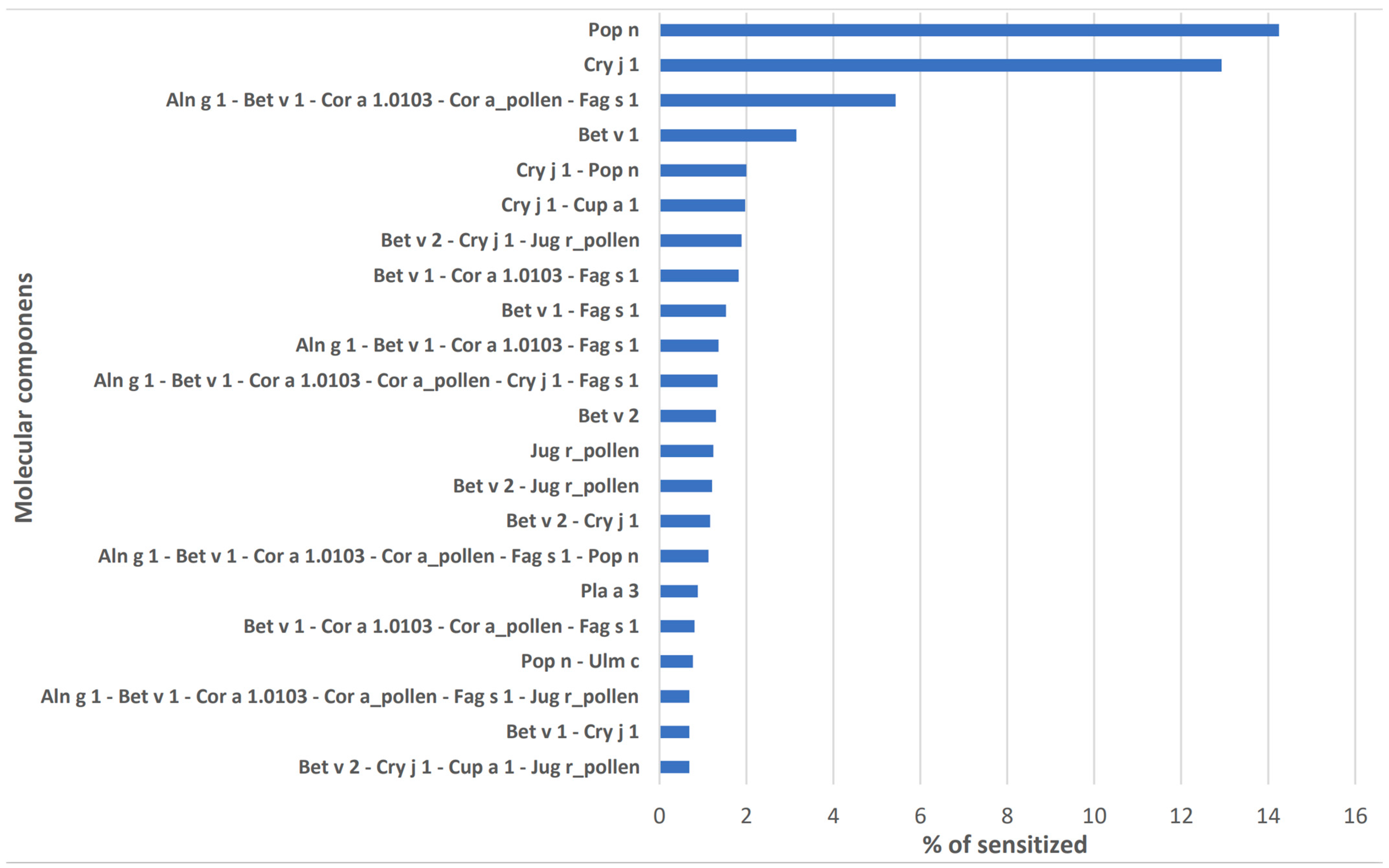
Low sIgE levels were associated with Pop n, Cup s, Ulm c, Mor r, and Ail a allergens. A notable percentage of patients were sensitized only to Pop n (14.25%) or Cry j 1 (13.93%), far exceeding those uniquely sensitized to other components (0.01% (Jun a)—3.15% (Bet v 1)) (Table 1).
It is noteworthy that individuals sensitized exclusively to Cry j 1 were abundant among those with low and high sIgE levels. In the case of Bet v 1 and other considered molecules, most sensitized individuals exhibited low sIgE levels. Individuals sensitized solely to Pop n showed almost exclusively low-level sIgE (sIgE < 1 kU/L).
Sensitization to poplar extract alone, without combinations with other tree molecules, was the most frequent profile observed in individual patient records. Sensitization exclusively to pectate lyase Cry j 1 as the only tree allergen ranked second. The third most frequent profile was the combined sensitization to components of Fagales (Aln g 1, Bet v 1, Cor a 1.0103, Cor a_pollen, and Fag s 1). Other prominent profiles included sensitization solely to the Bet v 1 component, a combination of sensitization to Cry j 1 and Pop n, and a combination of Cry j 1, Cup a 1, and other allergens, as presented in Figure 2.
The average level of total Immunoglobulin E (tIgE) for the entire tree-sensitized group was 264.52 ± 447.80 kU/L. The average level of tIgE in children was 341.56 ± 505.27 kU/L, and the average level of tIgE in adults—159.79 ± 327.63 kU/L.
The phenological and quantitative dynamics of tree pollen exposure were assessed for the period 2017–2022. This window was selected to ensure that atmospheric data spanned at least three years preceding the clinical data collection, providing a sufficient proxy for the cumulative exposure window necessary for sensitization development.
The atmospheric data, acting as bioclimatic indicators for the Forest-Steppe (Vinnytsia) and Steppe (Zaporizhzhia) regions, strongly confirm the Betulaceae family—primarily B. pendula and A. glutinosa—as the dominant taxa in terms of regional atmospheric load. These findings align with the high sensitization rates observed. Betula pendula was the primary driver of both duration and total load, with the highest Annual Pollen Integral (APIn) of 3526.7 pollen grains·day·m−3 and the longest average season duration (109.0 days). It also recorded the highest seasonal peak concentration at 424.2 grains/m3. A. glutinosa followed with the second-highest cumulative load (APIn: 1380.2 pollen grains·day·m−3) and a duration of 73.8 days.
The top four taxa by Annual Pollen Integral—Betula spp., Alnus spp., Populus spp. (931.6 pollen grains·day·m−3), and F. excelsior (630.5 pollen grains·day·m−3)—are logically ranked and correspond well with typical sensitization patterns observed. A strong general correlation was observed between average season duration and the Pollen Integral; taxa with the shortest durations, such as Acacia spp. (4.0 days) and Platanus × acerifolia. (5.0 days), yielded the lowest cumulative loads. Regarding Platanus, it must be noted that its recorded atmospheric contribution likely underrepresents the actual exposure risk for the urban population. Research indicates that approximately 98% of plane tree pollen deposits within a one-kilometer radius of the source [34]. Consequently, the central monitoring stations may only capture a fraction of the localized pollen occurring in streets lined with these trees. While the recorded APIn for Platanus was low (e.g., in comparison to the long-range transport of Betula), the clinical risk remains significant for individuals in the immediate vicinity of these urban plantings.
The pollen season consistently commences early in both bioclimatic zones, with C. avellana (14 February 2020) and A. glutinosa (17 February 2020) recording the earliest start dates, establishing mid-February as the initiation of the spring allergy period. Exposure extends into the summer, with the latest season end date belonging to the Oleaceae family (28 July 2019).
Quercus spp. (predominantly Quercus robur L.) is a significant contributor, with a Pollen Integral of 558.6 pollen grains·day·m−3 and an average duration of 54.5 days. Its high regional concentration highlights its importance as a major spring pollen producer. Crucially, the close phylogenetic relationship with Fagus sylvatica L. suggests that high Quercus pollen concentrations are the most plausible source of cross-sensitization to the less abundant Fagus pollen (APIn: 44.2 pollen grains·day·m−3).
Moraceae recorded a low APIn (175.3 pollen grains·day·m−3) and a short season duration (12.5 days), validating the observation that its overall allergenic impact is likely minor compared to the dominant taxa. Populus spp., while having a lower peak concentration (175.0 grains/m3) than Betula or Alnus, contributes a substantial cumulative load (APIn = 931.6 pollen grains·day·m−3), maintaining its clinical significance. F. excelsior, ranking fourth in total load, is a key early spring allergen; its cumulative load over an average 54.7-day season confirms its major role in national sensitization patterns. Finally, Cupressaceae is notable for its long average duration (60.8 days) despite a lower APIn (293.4 pollen grains·day·m−3), indicating a prolonged, low-level background exposure across the studied regions (Table 2).
The allergic season consistently starts very early, with Corylus sp. (14 February 2020) and Alnus spp. (17 February 2020) recording the earliest season commencement dates, establishing mid-February as the true start of the spring allergy period. Exposure extends into the summer, evidenced by the latest season end date belonging to Oleaceae (28 July 2019).
Quercus spp. is a significant contributor, with APIn = 558.6 pollen grains·day·m−3 and an average duration of 54.5 days. Its placement immediately following Fraxinus spp. highlights its importance as a major spring pollen producer. Crucially, its close phylogenetic relationship with Fagus spp. suggests that high Quercus pollen concentrations are the most likely source of cross-reactivity and sensitization to the less abundant Fagus pollen (APIn: 44.2 pollen grains·day·m−3).
Moraceae recorded a low APIn (175.3 pollen grains·day·m−3) and a short season duration (12.5 days), validating the observation that while it is present, its overall allergenic impact is minor compared to the dominant taxa. Populus spp., while having a lower peak concentration (175.0 pollen grains·day·m−3) than Betula spp. or Alnus spp., contributes a substantial cumulative load (PI: 931.6 pollen grains·day·m−3), maintaining its clinical significance for early-season sensitization. Fraxinus spp., ranking fourth in APIn (630.5 pollen grains·day·m−3), is a key early spring allergen that is often overlooked in comparison to birch; however, its cumulative load over an average 54.7-day season confirms its major role in sensitization.
Cupressaceae is notable for its long average season duration (60.8 days) despite a relatively low APIn (293.4 pollen grains·day·m−3), indicating prolonged, low-level background exposure (Table 2).
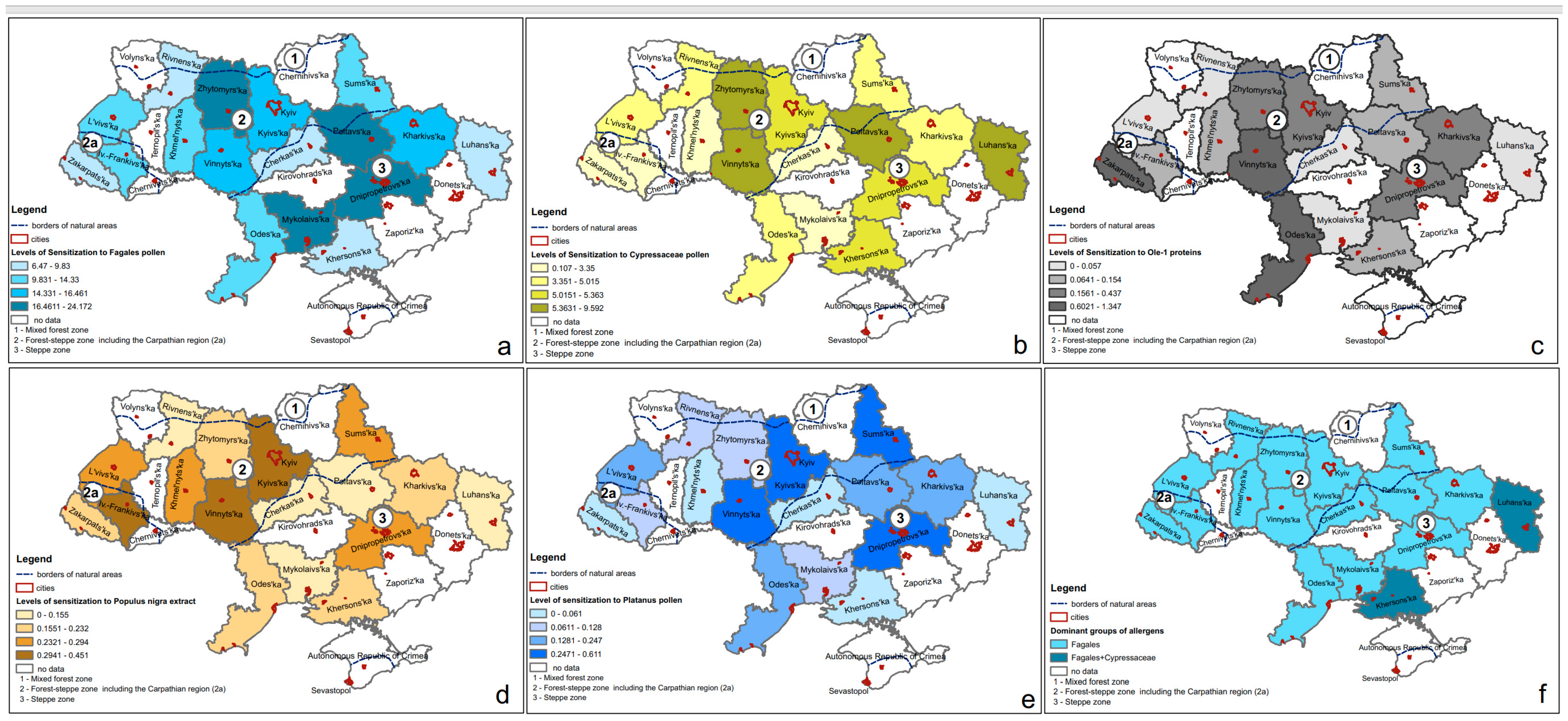
The region of residence was established for 3768 subjects (50.12% of those sensitive to tree allergens), enabling analysis of regional sensitization patterns in Ukraine. Maps were created for five allergen groups: Fagales (Aln g 1, Aln g 4, Bet v 1, Bet v 2, Bet v 6, Cor a 1.0103, Cor a_pollen, Fag s 1, Jug r_pollen), Cupressaceae (Cry j 1, Cup a 1, Cup s, Jun a), Oleaceae (Fra e, Fra e 1, Ole e 1, Ole e 9), P. nigra (Pop n), and Platanus (Pla a 1, Pla a 2, Pla a 3). Sensitization to these allergens was most common in the sample.
The mapping revealed minimal sensitivity to Fagales in southern and western forest-steppe regions, aligning with the natural distribution of beech trees (Figure 3a). Sensitization to Cupressaceae was uneven, most prominent in northern, eastern, and central Ukraine (Figure 3b). Oleaceae sensitivity, primarily from Fraxinus species, was widespread across the Right Bank, except for the northwestern forest-steppe (Figure 3c). Poplar sensitivity formed a belt across the southern forest-steppe, Carpathians, and Kyiv and Sumy regions (Figure 3d). Platanus sensitivity was confined to 12 regions, most frequently in Vinnytsia and Mykolaiv (Figure 3e). Overall, Fagales dominated sensitization patterns in 10 of 17 regions, while specific combinations varied by region (Figure 3f).
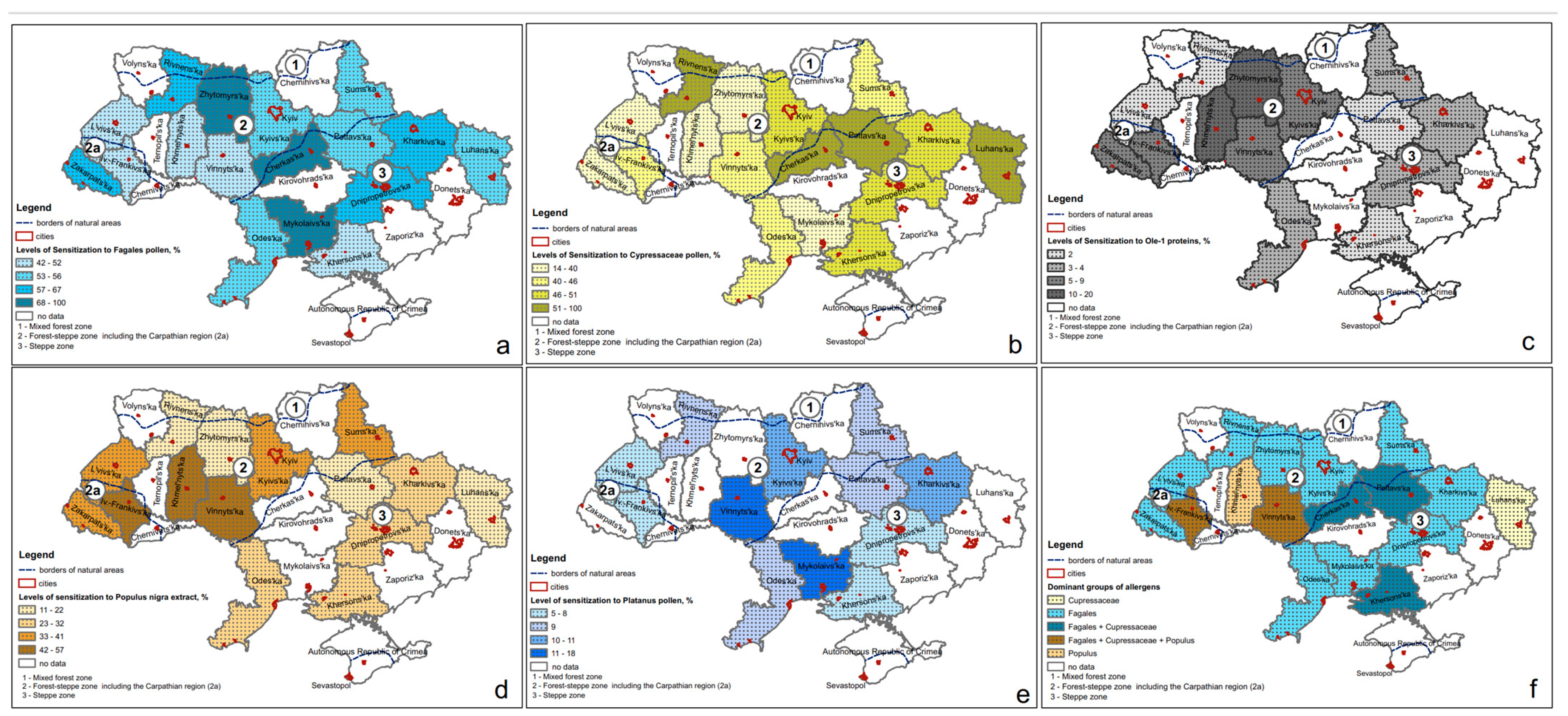
Severity maps indicated that Fagales sensitivity was the highest in 15 out of 17 regions in the forest-steppe and central-steppe; significant Cupressaceae sensitivity was seen in steppe and forest-steppe areas, and elevated Oleaceae sensitivity in Transcarpathia. The sensitivities of Poplar and Platanus followed similar regional distributions. In creating this series of maps (Figure 4), we assumed that the sensitization levels falling within the highest natural interval—on which the maps were based—are more likely to correspond to the symptoms expressed by the population in a given region [35,36].
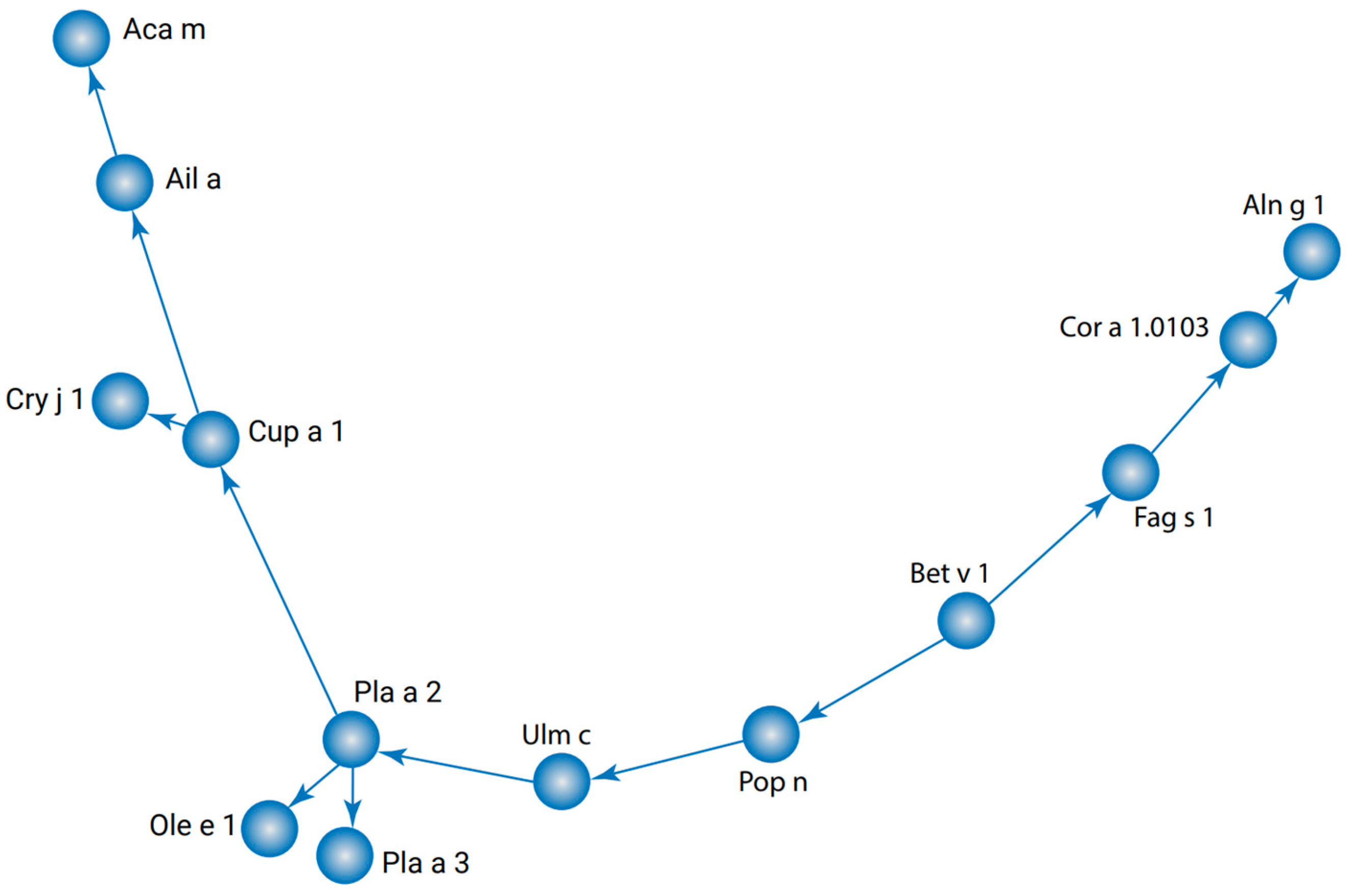
Bayesian modeling (89.43% accuracy) identified Bet v 1 as the root molecule linked to cascading sensitization across allergen groups, such as Fag s 1, Cor a 1.0103, and Aln g 1. Bet v 1 induced sensitivity to poplar extract (Pop n), which in turn promoted sensitivity to elm extract. Elm triggered sensitization to polygalacturonase (Pla a 2), and Pla a 2 subsequently led to sensitivity to Pla a 3, Cup a 1, and Ole e 1. The development of sensitization to Cry j 1 was associated with Cup a 1, whereas Cryptomeria pectate lyase induced sensitivity to Ail, which in turn predisposed individuals to Aca m (Figure 5).
Conditional probability distribution (CPD) analysis showed that Bet v 1 was the only independent molecule. The CPD for sensitization to Bet v 1, computed via a Bayesian Network, was 42.61% closely matching the descriptive statistic of 41.67% (Table 1) demonstrating the accuracy of the Bayesian model. The CPD for simultaneous sensitivity to Bet v 1 and Fag s 1 was 76.01%. Similarly, simultaneous sensitivity to Fag s 1 and Cor a 1.0103 was 76.54%, and to Cor a 1.0103 and Aln g 1 was 71.57% [37].

4. Discussion

Several limitations of this study should be acknowledged. First, the geographical scope of the environmental data was restricted to two monitoring sites in Central and Southeastern Ukraine, which, however, served as bioclimatic indicators for the Forest-Steppe and Steppe zones. While the Bayesian network achieved a high classification accuracy (89.43%) on a population level, its design prioritizes broader dependencies over regional variability. Initial attempts to integrate geographic features led to unstable parameter estimation due to small regional datasets. Thus, the Bayesian model represents a generalized national profile. Second, potential confounding factors, such as urban versus rural residence, comorbid conditions, and specific medication use, were not included as separate variables in the current model. However, it should be noted that the use of the MacroArray (ALEX2) platform provides a comprehensive ‘molecular passport’ that accounts for a wide array of sIgE responses. While medications do not alter underlying sIgE levels, we are currently completing a second paper that analyzes the complete molecular profiles of these patient—including all 295 ALEX2 molecules—to address these complexities. Additionally, because this study used a cross-sectional design, we cannot definitively prove a causal link between specific annual pollen integrals and the development of sensitization. A longitudinal study following patients over several years would be required to track how immune responses evolve in relation to multi-year pollen fluctuations. Finally, a possible selection bias exists, as the cohort consisted of patients with pre-existing allergic conditions. However, we argue that this is a methodological strength for this specific investigation, as it allowed for the analysis of clinically symptomatic individuals who are most representative of the allergic population responding to the Ukrainian aeroallergen environment.
Nonetheless, our findings on the characteristics of sensitivity to tree allergens in the Ukrainian population remain robust and are generally consistent with the country’s ecological composition, which predominantly spans Steppe, Forest-Steppe, and mixed and broadleaf forest zones (Figure 3 and Figure 4). These regions are dominated by beech order species, particularly birch, beech, oak, and alder. Among all tree species, Scots pine (Pinus sylvestris L.) ranks first in prevalence (33%), followed by oak (24%), spruce (8%), beech (7%), birch (6%), alder (6%), and others at lower percentages [38]. So, approximately 45% of Ukraine’s forests consist of Fagales species, likely contributing to the high sensitization rates observed due to their pollen. Sensitivity to the Fag s 1 molecule may result from exposure to oak and beech pollen, both of which belong to the Fagaceae family, with documented structural homology among their pollen proteins [39].
The predominance of children in the studied sample may be explained by the heightened susceptibility of their immune systems to allergens. Similar findings were reported in Leipzig, Germany, where children living near high tree concentrations were at an elevated risk of developing allergic rhinitis before age 15 [40].
Bayesian modeling results align with the existing literature [41,42], identifying the major birch allergen, Bet v 1, as a key driver of sensitization to other Fagales allergens, including Fag s 1, Cor a 1.0103, and Aln a 1. These allergens share high amino acid sequence identity with Bet v 1, ranging from 79% to 83%, and are part of the pathogenesis-related protein class 10 (PR-10) family. Beech allergen Fag s 1 exhibits a 69% sequence homology with Bet v 1, thereby explaining the cross-reactivity and the progression of sensitization [39].
A novel finding of this study is the potential role of Bet v 1 as a central allergen in tree pollen sensitization. Bayesian modeling suggests that Bet v 1 sensitization may precede and influence the development of sensitivity to other tree allergens, such as Pop n, Ulm c, Pla a 2, and Cup a 1. This hypothesis is supported by the high prevalence of individuals sensitized exclusively to Bet v 1 and the elevated specific IgE levels observed, consistent with its ability to elicit airborne type I allergic responses [41,42].
Another key allergen identified was Cry j 1, a pectate lyase from C. japonica. Monosensitivity to Cry j 1 exceeded that of Bet v 1 (Table 1), though Bayesian modeling indicated its role as a secondary allergen, potentially promoting sensitization through cross-reactivity with other taxa. While C. japonica is not native to Ukraine [18,19], the observed sensitization is likely driven by the widespread cultivation of Thuja occidentalis L. over the past 40–50 years [43,44]. It is plausible that the maturation of these urban plantings has created a prolonged exposure window for the local population. This hypothesis is supported by the fact that Thuja is recognized as significant triggers of respiratory allergy [45,46].
The allergenicity of Thuja pollen at the molecular level was also confirmed by other researchers, who found out that Cupressaceae pollen pectate-lyase allergens are structurally conserved proteins prevalent among closely related plant genera (Chamaecyparis, Cryptomeria, Cupressus, Hesperocyparis, Juniperus, Thuja), contributing to their widespread cross-allergenicity [47,48].
While Cupressaceae exhibited lower Pollen Integrals in our study, their clinical relevance in urban environments is significant due to the long pollination period and high allergenic potency of their pectate lyases, which can trigger symptoms even at low concentrations. This relevance is further underscored by a climate-driven trend for Cupressaceae bioclimatic niches to migrate northward [49,50]. In Ukraine, changing climatic conditions have become more favorable for both natural and ornamental flora of cypress family, such as the widely planted T. occidentalis [43,44], which now may contribute more substantially to the regional allergen profile. Furthermore, the observed heterogeneity in sensitization across Ukraine reflects broader European trends where shifting regional bioclimatic conditions dictate specific clinical phenotypes [51].
It should be noted that in routine aerobiological monitoring, pollen from the Cupressaceae family (including Thuja spp., Juniperus spp., and Cupressus spp.) is morphologically indistinguishable at the genus level under light microscopy [52]. Consequently, Thuja pollen is reported within the broader Cupressaceae category. Despite its relatively low cumulative atmospheric load in our study (APIn: 293.4 grains · day/m3), the high sensitization to Cry j 1 is plausible due to the mentioned molecular homology among pectate lyases across the Cupressaceae family. While direct evidence through inhibition assays was not part of this study, the widespread prevalence of mature T. occidentalis in Ukraine suggests it is a local source of these cross-reactive allergens. This suggests that Cry j 1 serves as a reliable molecular proxy for sensitization driven by local Cupressaceae taxa that are not yet represented in standard diagnostic panels.
Cross-reactivity with pectate lyase of ragweed (Amb a 1) may also contribute to allergenic responses in Cry j 1-sensitized individuals [53]. Our previous study [54] showed that sensitivity to ragweed can develop before sensitization to Japanese cedar. This is consistent both with our Bayesian modeling data, which showed that Cry j 1 is a secondary allergen, and with clinical data obtained in Ukraine indicating that allergy to Cryptomeria develops after allergy to ragweed. The cross-reactivity between Cry j 1 and Amb a 1 is also supported by the high molecular homology and conserved β-helix structural fold shared among pectate lyases, including those from Cupressaceae and the unrelated Ambrosia artemisiifolia L. (Amb a 1): Pichler et al. (2015) demonstrated that these allergens possess similar surface epitopes, providing a molecular explanation for the observed sensitization patterns in regions where certain taxa are absent but their molecular analogs are prevalent [55]. Furthermore, as was shown above, the current warming trend is facilitating the northward migration of bioclimatic niches for Cupressaceae [52], potentially increasing the allergenicity and duration of exposure to these cross-reactive proteins.
The growing prevalence of Cry j 1 sensitization might also be explained by shifts in birch distribution due to climate change, which creates space for Cupressaceae species [56]. Climate change is known to promote natural disturbances in European forests [57], as well as the potential northward migration of birch populations [58].
Furthermore, dendroecological analyses have highlighted the vulnerability of southern birch populations to drought in Spain. A clear link has been documented between local hydrology, land use, and reduced tree growth, particularly at the southern limits of the species’ range [59].
Therefore, there is a possibility of changes in sensitization patterns in populations due to climate change-driven migration of natural vegetation from some areas to other regions.
Sensitivity to Oleaceae family allergens, particularly Ole e 1, may result from significant ash plantations in Ukraine, including European ash (F. excelsior) and Pennsylvania ash (Fraxinus pennsylvanica). These species are commonly planted along roadsides, especially in central Ukraine and Transcarpathia, where hypersensitivity levels were highest. Other Oleaceae species, such as forsythia, privet, and lilac, which are widely used in landscaping [60], likely contribute to sensitization due to their high cross-reactivity and protein structural identity [61].
Poplar sensitization, which ranked highest in some southern and southwestern regions, can be attributed to its extensive use in urban landscaping. Poplar forests in Ukraine cover over 29,000 hectares, with additional plantations for bioenergy purposes [62]. Poplar and willow gallery forests along floodplains and riverbanks further contribute to allergen exposure in the identified regions [63,64].
These findings underscore the need to consider the correspondence of allergenic pollen count and use of tree species in urban greening and forestry programs. Maintaining biodiversity may help mitigate sensitization risks, as higher plant species diversity is associated with lower pollen concentrations from any single species [65]. Given the long-term nature of tree cultivation [66], incorporating allergenicity assessments into government programs and appropriate education of urban forest and green space professionals [67] is essential. Special attention should be given to environments for children who are more vulnerable to allergenic factors [68].

5. Conclusions and Recommendations

The sensitization of Ukraine’s population to tree allergens strongly aligns with the country’s bioclimatic positioning across the Forest, Forest-Steppe, and Steppe zones. Our data confirms that Betula and other Fagales species (birch, oak, alder) remain the primary drivers of tree hypersensitivity, with Bet v 1 acting as the key allergen in the sensitization network. Bayesian modeling suggests that primary sensitization to birch may facilitate clinical reactions to related taxa, including Fagus, Corylus, and Alnus, as well as other urban trees like Populus, Ulmus, and Platanus.
However, this study also highlights the rising clinical significance of Cupressaceae allergens. We propose that in Eastern Europe, Cry j 1 positivity should be interpreted as a reliable molecular proxy for exposure to local Cupressaceae (e.g., Thuja and Juniperus) and cross-reactive Ambrosia proteins. This trend is likely amplified by the northward migration of bioclimatic niches due to climate change and the maturation of non-native Thuja urban plantings over the last 50 years.
Based on these findings, we offer the following recommendations for public health and urban policy:
Diagnostic Guidelines: Clinicians should utilize component-resolved diagnosis (CDR) to distinguish primary sensitization from cross-reactivity. In regions without native cypress, high Cry j 1 sIgE should prompt an assessment of exposure to ornamental Thuja or seasonal Ambrosia.
Urban Planning and Policy: Landscaping strategies must transition toward a “allergy friendly” model. We advocate for the biodiversity, selection of male-sterile cultivars and non-invasive, low-pollen-producing species in government- and locally led urban greening programs to reduce the cumulative atmospheric Pollen Integral.
Public Health Surveillance: Ukraine requires a more granular national aerobiological network to better represent regional ecological variations. Integrating real-time pollen monitoring with molecular platforms like ALEX2 would enable the development of “allergy passports” and early warning systems, allowing for personalized patient management and a reduced socio-economic burden of allergic disease.
Ultimately, mitigating the risk of pollen sensitization requires the integration of botanical, atmospheric, and clinical data into long-term national health and urban planning strategies.

Supplementary Materials

The following supporting information can be downloaded at: https://www.mdpi.com/article/10.3390/atmos17020128/s1, Table S1: Statistical comparison of allergen sensitization prevalence between children and adults.

Author Contributions

V.R.: Formal analysis; conceptualization; writing—original draft; review and editing. V.M.: Methodology; software; validation; writing—review & editing; visualization. M.Y.: Conceptualization; writing original draft; visualization; review & editing. Y.K.: Statistical analyses of regional sensitivity data, its mapping. M.K.: Conceptualization; discussion the results and writing—original draft; R.K.: Conceptualization, data interpretation, writing and editing; S.Y.: Conceptualization; data curation; funding and other resources acquisition; investigation; project administration; writing—original draft; review and editing. All authors have read and agreed to the published version of the manuscript.

Funding

This research received no external funding.

Institutional Review Board Statement

The study was approved by The Bioethics Committee of the National Pirogov Memorial Medical University, Vinnytsya, Ukraine (Protocol No 11, issued on 11 November 2024). The collected information was kept confidential and used only for research purposes.

Informed Consent Statement

Informed consent to participate in the study was obtained from all the participants or their parent or legal guardian in the case of children under 18.

Data Availability Statement

Supporting statistical calculations and analysis profiles are provided in Supplementary Table S1. Additional data files and comprehensive analysis materials can be obtained from the corresponding author upon reasonable request.

Acknowledgments

The authors would like to thank Yarmilko Natalia for improving the quality of pictures used in this article.

Conflicts of Interest

The authors declare no conflicts of interest.

Abbreviations

ALEX2Allergy Explorer 2 (Multiplex Macroarray Test)
APInAnnual Pollen Integral
CIConfidence Interval
CRDComponent-Resolved Diagnosis
EAACIEuropean Academy of Allergy and Clinical Immunology
GISGeographic Information System
IPNIInternational Plant Names Index
kUA/LKilounits of Allergen-specific Antibody per Liter
nsLTPNon-specific Lipid Transfer Protein
PIPollen Integral
PR-10Pathogenesis-Related protein family 10
sIgESpecific Immunoglobulin E
tIgETotal Immunoglobulin E
WHO/IUISWorld Health Organization/International Union of Immunological Societies

References

  1. Luo, W.T.; Zheng, X.H.; Zhang, J.L.; Sun, B.Q. Component-resolved diagnosis of tree pollen allergen: Identify key allergens to develop treatment plans. Zhonghua Yu Fang Yi Xue Za Zhi 2024, 58, 268–274. [Google Scholar] [CrossRef]
  2. Mansouritorghabeh, H.; Jabbari-Azad, F.; Sankian, M.; Varasteh, A.; Farid-Hosseini, R. The most common allergenic tree pollen grains in the Middle East: A narrative review. Iran. J. Med. Sci. 2019, 44, 87–98. [Google Scholar]
  3. Pablos, I.; Wildner, S.; Asam, C.; Wallner, M.; Gadermaier, G. Pollen allergens for molecular diagnosis. Curr. Allergy Asthma Rep. 2016, 16, 31. [Google Scholar] [CrossRef]
  4. Singh, A.B.; Chandni, M. Climate change and pollen allergy in India and South Asia. Immunol. Allergy Clin. 2021, 41, 33–52. [Google Scholar] [CrossRef]
  5. Grewling, Ł.; Ribeiro, H.; Antunes, C.; Apangu, G.P.; Çelenk, S.; Costa, A.; Eguiluz-Gracia, I.; Galveias, A.; Roldan, N.G.; Lika, M.; et al. Outdoor airborne allergens: Characterization, behavior, and monitoring in Europe. Sci. Total Environ. 2023, 905, 167042. [Google Scholar] [CrossRef]
  6. Besh, L.; Novikevych, S.; Zadvorna, O.; Oliyarnyk, L. Dynamics of structure of hypersensitivity to pollen allergen among children in Lviv region during 20-year follow-up. Childs Health 2022, 7, 37–42. [Google Scholar] [CrossRef]
  7. Fernández-González, M.; Ribeiro, H.; Pereira, S.; Rajo, F.J.; Abreu, I. Pollen Ole e 1 content variations in olive cultivars of different Portugal regions. Aerobiologia 2021, 37, 205–216. [Google Scholar] [CrossRef]
  8. Calzada, D.; Cremades-Jimeno, L.; López-Ramos, M.; Cárdaba, B. Peptide allergen immunotherapy: A new perspective in olive-pollen allergy. Pharmaceutics 2021, 13, 1007. [Google Scholar] [CrossRef] [PubMed]
  9. Palomares, O.; Swoboda, I.; Villalba, M.; Balic, N.; Spitzauer, S.; Rodríguez, R.; Valenta, R. The major allergen of olive pollen Ole e 1 is a diagnostic marker for sensitization to Oleaceae. Int. Arch. Allergy Immunol. 2006, 141, 110–118. [Google Scholar] [CrossRef] [PubMed]
  10. Huang, H.-J.; Breyer-Kohansal, R.; Niespodziana, K.; Lim, C.J.M.; Breyer, M.-K.; Valenta, R.; Hartl, S. Molecular IgE sensitization profiling with micro-arrayed allergen molecules in adult patients with asthma from the LEAD cohort: A precision medicine approach. Allergy 2025, 81, 130–144. [Google Scholar] [CrossRef] [PubMed]
  11. Ohashi-Doi, K.; Utsumi, D.; Mitobe, Y.; Fujinami, K. Japanese cedar pollen allergens in Japan. Curr. Protein Pept. Sci. 2022, 23, 837–850. [Google Scholar] [CrossRef]
  12. Charpin, D.; Calleja, M.; Lahoz, C.; Pichot, C.; Waisel, Y. Allergy to cypress pollen. Allergy 2005, 60, 293–301. [Google Scholar] [CrossRef] [PubMed]
  13. Calzada, D.; Cremades-Jimeno, L.; de Pedro, M.Á.; Baos, S.; Rial, M.; Sastre, J.; Quiralte, J.; Florido, F.; Lahoz, C.; Cárdaba, B. Therapeutic potential of peptides from Ole e 1 in olive-pollen allergy. Sci. Rep. 2019, 9, 15942. [Google Scholar] [CrossRef]
  14. Maurer, V.; Boboshko-Bardin, I.; Pinchuk, A. The current status and future prospects for the production of ornamental planting materials in forestry nurseries in Ukraine. Ukr. J. Wood Sci. 2023, 14, 40–56. [Google Scholar] [CrossRef]
  15. Cariñanos, P.; Grilo, F.; Pinho, P.; Casares-Porcel, M.; Branquinho, C.; Acil, N.; Andreucci, M.B.; Anjos, A.; Bianco, P.M.; Brini, S.; et al. Estimation of the allergenic potential of urban trees and urban parks: Towards the healthy design of urban green spaces of the future. Int. J. Environ. Res. Public Health 2019, 16, 1357. [Google Scholar] [CrossRef] [PubMed]
  16. Didukh, Y.P. (Ed.) The Red Data Book of Ukraine. Vegetable Kingdom; Globalconsulting: Kyiv, Ukraine, 2009; pp. 1–911. ISBN 978-966-97059-1-4. [Google Scholar]
  17. Besehanych, I.V.; Hasynets, Y.S.; Kish, R.Y.; Soyma, A.D.; Vakerych, M.M. Parks and park squares of the historical urban district “Malyi Galagov” of Uzhhorod city. Nauk. Visn. Uzhgorod Univ. Ser. Biol. 2020, 49, 7–35. [Google Scholar] [CrossRef]
  18. Wang, W.; Kikumoto, H.; Lin, C.; Oh, W.; Han, M.; Ooka, R. Relationship between natural ventilation modes and indoor/outdoor ratio of Japanese cedar pollen and Cry j 1 allergen. Build. Environ. 2024, 265, 111961. [Google Scholar] [CrossRef]
  19. Lee, J.; Lee, K.H.; Lee, H.S.; Hong, S.C.; Kim, J.H. Japanese cedar (Cryptomeria japonica) pollinosis in Jeju, Korea: Is it increasing? Allergy Asthma Immunol. Res. 2015, 7, 295–300. [Google Scholar] [CrossRef]
  20. Rodinkova, V.V. Airborne pollen spectrum and hay fever type prevalence in Vinnitsa, central Ukraine. Acta Agrobot. 2015, 68, 383–389. [Google Scholar] [CrossRef]
  21. Heffler, E.; Puggioni, F.; Peveri, S.; Montagni, M.; Canonica, G.W.; Melioli, G. Extended IgE profile based on an allergen macroarray: A novel tool for precision medicine in allergy diagnosis. World Allergy Organ. J. 2018, 11, 7. [Google Scholar] [CrossRef] [PubMed]
  22. Nösslinger, H.; Mair, E.; Oostingh, G.J.; Ahlgrimm-Siess, V.; Ringauf, A.; Lang, R. Multiplex Assays in Allergy Diagnosis: Allergy Explorer 2 versus ImmunoCAP ISAC E112i. Diagnostics 2024, 14, 976. [Google Scholar] [CrossRef] [PubMed] [PubMed Central]
  23. Diem, L.; Neuherz, B.; Rohrhofer, J.; Koidl, L.; Asero, R.; Brockow, K.; Diaz Perales, A.; Faber, M.; Gebhardt, J.; Torres, M.J.; et al. Real-life evaluation of molecular multiplex IgE test methods in the diagnosis of pollen associated food allergy. Allergy 2022, 77, 3028–3040. [Google Scholar] [CrossRef] [PubMed] [PubMed Central]
  24. Allergen.org. Available online: http://allergen.org (accessed on 28 January 2024).
  25. International Plant Names Index (IPNI). The Royal Botanic Gardens, Kew, Harvard University Herbaria & Libraries and Australian National Botanic Gardens. Available online: http://www.ipni.org (accessed on 10 January 2026).
  26. Buters, J. Pollen Monitoring Map of the World. ZAUM—Center of Allergy and Environment. Available online: https://www.zaum-online.de/pollen/pollen-monitoring-map-of-the-world/index.html (accessed on 10 January 2026).
  27. EN 16868:2019; Ambient Air—Sampling and Analysis of Airborne Pollen Grains and Fungal Spores for Allergy Networks—Volumetric Hirst Method. CEN: Brussels, Belgium, 2019.
  28. Galán, C.; Smith, M.; Thibaudon, M.; Frenguelli, G.; Oteros, J.; Gehrig, R.; Berger, U.; Clot, B.; Brandao, R.; EAS QC Working Group. Pollen monitoring: Minimum requirements and reproducibility of analysis. Aerobiologia 2014, 30, 385–395. [Google Scholar] [CrossRef]
  29. Pfaar, O.; Bastl, K.; Berger, U.; Beeh, K.M.; Bergmann, K.C.; Canis, M.; Casper, A.; Cour, A.; Ebner, C.; Fischer, R.; et al. Defining pollen exposure times for clinical trials of allergen immunotherapy for pollen-induced rhinoconjunctivitis—An EAACI position paper. Allergy 2017, 72, 713–722. [Google Scholar] [CrossRef] [PubMed]
  30. Galán, C.; Ariatti, A.; Bonini, M.; Clot, B.; Crouzy, B.; Dahl, A.; Fernandez-González, D.; Frenguelli, G.; Gehrig, R.; Isard, S.; et al. Recommended terminology for aerobiological studies. Aerobiologia 2017, 33, 293–295. [Google Scholar] [CrossRef]
  31. ESRI. Data Classification Methods. ArcGIS Pro. Available online: https://pro.arcgis.com/en/pro-app/latest/help/mapping/layer-properties/data-classification-methods.htm (accessed on 28 October 2024).
  32. Sieck, V.; Kolsti, K. Bayesian Methods in Test and Evaluation: A Decision Maker’s Perspective. Scientific Test & Analysis Techniques Center of Excellence. 2022. Available online: https://itea.org/journals/volume-44-1/bayesian-methods-in-test-and-evaluation/ (accessed on 1 January 2026).
  33. Gelman, A.; Carlin, G.; Stern, H.; Rubin, D.; Dunson, D.; Vehtari, A. Bayesian Data Analysis, 3rd ed.; Chapman and Hall/CRC: New York, NY, USA, 2015. [Google Scholar]
  34. Bricchi, E.; Frenguelli, G.; Mincigrucci, G. Experimental results about Platanus pollen deposition. Aerobiologia 2000, 16, 347–352. [Google Scholar] [CrossRef]
  35. Madulara, G.M.; Andaya, A.G. Effects of aeroallergen sensitization on symptom severity, pulmonary function, and bronchodilator response in children with bronchial asthma. J. Med. Univ. St. Tomas 2022, 6, 959–970. [Google Scholar] [CrossRef]
  36. Parnavi, V.; Kulkarni, K.D. Allergen sensitivity patterns and their correlation with total serum IgE levels and absolute eosinophil counts among patients with allergic rhinitis and asthma in North Karnataka. Cureus 2024, 16, e67183. [Google Scholar] [CrossRef]
  37. Mokin, V.B. Tree Prediction Using Bayesian Network. Kaggle. Version 4. 2023. Available online: https://www.kaggle.com/code/vbmokin/trees-bnlearn (accessed on 9 April 2025).
  38. Krynytskyi, H.T.; Lakuda, I.P.; Marchuk, Y.M.; Tkach, V.P.; Polyakova, L.V. According to data from the State Forest Resources Agency of Ukraine. Sci. Bull. UNFU 2017, 27, 10–15. [Google Scholar]
  39. Biedermann, T.; Winther, L.; Till, S.J.; Panzner, P.; Knulst, A.; Valovirta, E. Birch pollen allergy in Europe. Allergy 2019, 74, 1237–1248. [Google Scholar] [CrossRef]
  40. Markevych, I.; Ludwig, R.; Baumbach, C.; Standl, M.; Heinrich, J.; Herberth, G.; de Hoogh, K.; Pritsch, K.; Weikl, F. Residing near allergenic trees can increase the risk of allergies later in life: LISA Leipzig study. Environ. Res. 2020, 191, 110132. [Google Scholar] [CrossRef] [PubMed]
  41. Breiteneder, H.; Kraft, D. The history and science of the major birch pollen allergen Bet v 1. Biomolecules 2023, 13, 1151. [Google Scholar] [CrossRef] [PubMed]
  42. von Loetzen, C.S.; Hoffmann, T.; Hartl, M.J.; Schweimer, K.; Schwab, W.; Rösch, P.; Hartl-Spiegelhauer, O. Secret of the major birch pollen allergen Bet v 1: Identification of the physiological ligand. Biochem. J. 2014, 457, 379–390. [Google Scholar] [CrossRef]
  43. Kovalevskyi, S.B.; Kryvokhatko, H.A. Posukhostiykist ta vodoutrymuvalna zdatnist roslyn Thuja occidentalis L. ta yii kultyvariv [Drought resistance and water retention capacity of Thuja occidentalis L. plants and its cultivars]. Nauk. Visnyk NLTU Ukr. 2018, 28, 77–80. [Google Scholar]
  44. Kovalevskyi, S.B.; Kryvokhatko, H.A. Complex assessment of decorative effect of Thuja occidentalis L. cultivars. Sci. Bull. UNFU 2019, 29, 23–25. [Google Scholar] [CrossRef]
  45. Weber, R.W. Allergen of the month—Arborvitae. Ann. Allergy Asthma Immunol. 2012, 108, A7. [Google Scholar] [CrossRef]
  46. Weber, R.W. Allergen of the month—Western red cedar. Ann. Allergy Asthma Immunol. 2015, 115, PA11. [Google Scholar] [CrossRef] [PubMed]
  47. Barre, A.; Sénéchal, H.; Nguyen, C.; Granier, C.; Rougé, P.; Poncet, P. Identification of potential IgE-binding epitopes contributing to the cross-reactivity of the major Cupressaceae pectate-lyase pollen allergens (Group 1). Allergies 2022, 2, 106–118. [Google Scholar] [CrossRef]
  48. Recio, M.; Díaz-García, M. Trends in the “flowering” periods of Juniperus species (Cupressaceae) in the province of Malaga (western Mediterranean) during the last six decades (1971–2023). Agric. For. Meteorol. 2025, 372, 110712. [Google Scholar] [CrossRef]
  49. Charpin, D.; Calleja, M.; Lahneche, A.; Pichot, C.; Waisel, Y. Cypress Pollinosis: From Tree to Clinic. Clin. Rev. Allergy Immunol. 2019, 56, 174–195. [Google Scholar] [CrossRef]
  50. Charpin, D.; Sénéchal, H.; Poncet, P. Respiratory allergy to conifers. In Conifers: Recent Advances; Gonçalves, A.C., Fonseca, T.F., Eds.; IntechOpen: London, UK, 2021. [Google Scholar] [CrossRef]
  51. Dramburg, S.; Grittner, U.; Potapova, E.; Travaglini, A.; Tripodi, S.; Arasi, S.; Pelosi, S.; Şahin, A.A.; Aggelidis, X.; Barbalace, A.; et al. Heterogeneity of sensitization profiles and clinical phenotypes among patients with seasonal allergic rhinitis in Southern European countries—The @IT.2020 multicenter study. Allergy 2024, 79, 1542–1556. [Google Scholar] [CrossRef] [PubMed]
  52. De Linares, C.; Plaza, M.P.; Valle, A.; Alcázar, P.; Díaz de la Guardia, C. Airborne Cupressaceae pollen and its major allergen, Cup a 1, in urban green areas of southern Iberian Peninsula. Forests 2021, 12, 254. [Google Scholar] [CrossRef]
  53. Zbîrcea, L.-E.; Buzan, M.-R.; Grijincu, M.; Babaev, E.; Stolz, F.; Valenta, R.; Păunescu, V.; Panaitescu, C.; Chen, K.-W. Relationship between IgE levels specific for ragweed pollen extract, Amb a 1, and cross-reactive allergen molecules. Int. J. Mol. Sci. 2023, 24, 4040. [Google Scholar] [CrossRef]
  54. Kalyniuk, V.; Rodinkova, V.; Yuriev, S.; Mokin, V.; Losenko, A.; Kryvopustova, M.; Zabolotna, D.; Gogunska, I. Fungi-sensitized individuals have unique profiles where Alt a 1 dominates promoting response to grass, ragweed, and cat allergens. Front. Allergy 2024, 5, 1438393. [Google Scholar] [CrossRef]
  55. Pichler, U.; Hauser, M.; Wolf, M.; Bernardi, M.L.; Gadermaier, G.; Weiss, R.; Ebner, C.; Yokoi, H.; Takai, T.; Didierlaurent, A.; et al. Pectate lyase pollen allergens: Sensitization profiles and cross-reactivity pattern. PLoS ONE 2015, 10, e0120038. [Google Scholar] [CrossRef] [PubMed]
  56. Romeiro, J.M.N.; Eid, T.; Antón-Fernández, C.; Kangas, A.; Trømborg, E. Natural disturbances risks in European Boreal and Temperate forests and their links to climate change: A review of modelling approaches. For. Ecol. Manag. 2022, 509, 120071. [Google Scholar] [CrossRef]
  57. Beck, P.; Caudullo, G.; de Rigo, D.; Tinner, W. Betula pendula, Betula pubescens and other birches in Europe: Distribution, habitat, usage and threats. In European Atlas of Forest Tree Species; San-Miguel-Ayanz, J., de Rigo, D., Caudullo, G., Houston Durrant, T., Mauri, A., Eds.; Publications Office of the European Union: Luxembourg, 2016; pp. 70–73. [Google Scholar]
  58. Dubois, H.; Verkasalo, E.; Claessens, H. Potential of Birch (Betula pendula Roth and B. pubescens Ehrh.) for forestry and forest-based industry sector within the changing climatic and socio-economic context of Western Europe. Forests 2020, 11, 336. [Google Scholar] [CrossRef]
  59. González de Andrés, E.; Colangelo, M.; Luelmo-Lautenschlaeger, R.; López-Sáez, J.A.; Camarero, J.J. Sensitivity of Eurasian rear-edge birch populations to regional climate and local hydrological conditions. Forests 2023, 14, 1360. [Google Scholar] [CrossRef]
  60. Beshehanych, I.V.; Hasynets, Y.S.; Kish, R.Y.; Soima, A.D.; Vakerych, M.M. Derevno-chaharnykovi nasadzhennya mikrorayonu “Malyi Halagov” m. Uzhhoroda—Istoriya formuvannya ta suchasnyi stan [Tree and shrub plantations of the”Malyi Halagov” neighborhood in Uzhhorod: History of formation and current state]. Nauk. Visnyk Uzhhorodskoho Universytetu. Seriya Biol. 2020, 48, 56–71. [Google Scholar] [CrossRef]
  61. Retana, T.R.; Bradley-Clarke, J.; Croll, T.; Rose, R.; Honti, I.; Stagg, A.J.; Villalba, M.; Pickersgill, R.W. Lig v 1 structure and the inflammatory response to the Ole e 1 protein family. Allergy 2020, 75, 2395–2398. [Google Scholar] [CrossRef]
  62. Vysotska, N. Suchasnyi stan i perspektyvy zberezhennya henetychnykh resursiv topoli v Ukraini [Current status and prospects for the conservation of poplar genetic resources in Ukraine]. Nauk. Pr. Lisivnychoi Akad. Nauk. Ukr. 2017, 15, 38–44. [Google Scholar] [CrossRef]
  63. Geletukha, G. Ukrainska Ekolohichna Liha [Ukrainian Ecological League]. 2020. Available online: https://uabio.org/wp-content/uploads/2020/11/Geletukha-ukrayinska-ekologichna-liga-.pdf (accessed on 28 October 2024).
  64. Geletukha, G.; Zheliezna, T.; Tryboi, O. Prospects for the Growing and Use of Energy Crops in Ukraine. UABio Position Paper No. 10. UABio. 2014. Available online: https://uabio.org/en/activity/1131/ (accessed on 29 March 2025).
  65. Sousa-Silva, R.; Smargiassi, A.; Kneeshaw, D.; Dupras, J.; Zinszer, K.; Paquette, A. Strong variations in urban allergenicity risk scapes due to poor knowledge of tree pollen allergenic potential. Sci. Rep. 2021, 11, 10196. [Google Scholar] [CrossRef] [PubMed]
  66. Chen, M.; Yang, Z.; Li, H.; Zong, H.; Jiao, C. Changes in tree composition and diversity of streetscapes and their impact on allergenic risk of pollen during urban expansion: A case study in Chengdu, China. Landsc. Urban. Plan. 2026, 265, 105503. [Google Scholar] [CrossRef]
  67. Ostoić, S.K.; Massetti, L.; Ugolini, F.; Simoneti, M.; Sanesi, G.; Calaza-Martínez, P.; Cariñanos, P.; Verlič, A.; Gonçalves, A.; Šaulienė, I.; et al. Perceptions and attitudes of European urban forest and green space professionals towards public participation in planning and management. Urban. For. Urban. Green. 2025, 114, 129168. [Google Scholar] [CrossRef]
  68. Schmidt, S. An inflammatory question? Prenatal air pollution, childhood-allergic rhinitis, and healthy fats. Environ. Health Perspect. 2024, 132, 074001. [Google Scholar] [CrossRef]
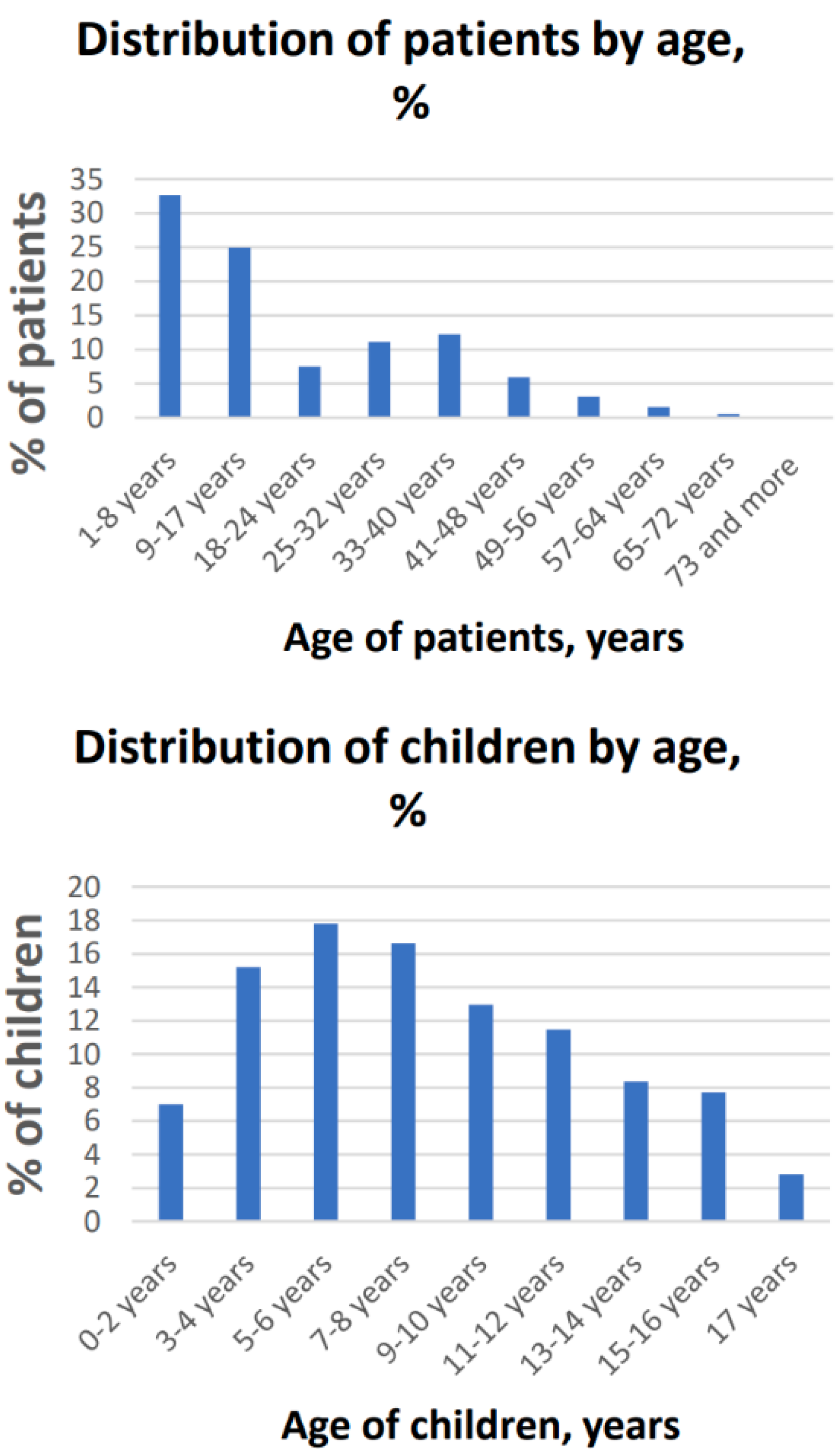
Figure 1. Age distribution in the studied sample.
Atmosphere 17 00128 g001
Figure 2. The most frequent combinations of tree pollen components in the individual profiles of patients.
Atmosphere 17 00128 g002
Figure 3. Sensitization levels to different groups of tree allergens in various Ukrainian regions.
Atmosphere 17 00128 g003
Figure 4. Criterion of severity of sensitization to different groups of tree allergens in different regions of Ukraine.
Atmosphere 17 00128 g004
Figure 5. The resulting Bayesian directed acyclic graph of probabilistic connections between tree allergen components in the studied sample.
Atmosphere 17 00128 g005
Table 1. Number, percentage, and average sIgE values of patients sensitized to molecular allergens of tree pollen.
Name of the
Allergenic
Component/
Biochemical
Name
Average Value of slgE.kU/L in Sensitive Individuals, M±σThe Number of Patients Sensitive to the Allergen (of Which Sensitive to This Tree Component Only)% of Allergen-Sensitive Patients from all Tested (of Which Sensitive to This Tree Component Only)Value of slgE in the Group of Children, kU/L, M±σThe Number of Children Sensitive to the Relevant Allergen (of Which Sensitive to This Tree Component Only)% of Children Sensitive to the Relevant Allergen (of Which Sensitive to This Tree Component Only)The Value of slgE in the Group of Adults, kU/L, M±σNumber of Adults Sensitive to the Relevant Allergen (of Which Sensitive to This Tree Component Only)% of Adults Sensitive to the Relevant Allergen (of Which Sensitive to This Tree Component Only)
Aca m/extract152 ± 3.10385 (10)5.12 (0.13)1.5 ± 2.23291 (9)6.72 (0.28)1.57 ± 4.994 (1)2.95 (0.02)
Ail a/extract1.14 ± 2.72277 (5)3.68 (0.07)1.05 ± 1.5183 (3)4.22 (0.09)1.33 ± 4.1694 (2)2.95 (0.05)
Aln g 1/PR-106.73 ± 8.881870 (18)24.87 (0.24)6.9 ± 8.851109 (5)25.6 (0.16)6.49 ± 8.92761 (13)23.9 (0.3)
Aln g 4/Polcalcin8.65 ± 13.74142 (43)1.9 (0.58)10.28 ± 14.7282 (22)1.9 (0.69)6.42 ± 11.9260 (21)1.9 (0.48)
Bet v 1/PR-1015.97 ± 15.633133 (237)41.67 (3.15)16.62 ± 15.931819 (98)41.98 (3.08)15.07 ± 15.161314 (139)41.26 (3.21)
Bet v 2/Profilin7.37 ± 9.231520 (98)20.22 (1.3)8.18 ± 10.03928 (54)21.42 (1.7)6.11 ± 7.65592 (44)18.59 (1.01)
Bet v 6/Isoflavon Reductase6.69 ± 10.5292 (38)3.88 (0.51)6.97 ± 10.35175 (18)4.04 (0.57)6.27 ± 10.71117 (20)3.67 (0.46)
Bro pa/extract1.22 ± 3.2297 (2)1.29 (0.03)0.93 ± 0.7377 (1)1.78 (0.03)2.32 ± 6.8520 (1)0.63 (0.02)
Cor a 1.0103/PR-109.72 ± 11.882243 (5)29.84 (0.07)10.11 ± 12.11325 (3)30.58 (0.09)9.16 ± 11.53918 (2)28.82 (0.05)
Cor a_pollen/extract4.27 ± 5.781737 (28)23.1 (0.37)4.32 ± 5.551041 (18)24.02 (0.57)4.2 ± 6.11696 (10)21.85 (0.23)
Cry j 1/pectate lyase10.47 ± 13.393459 (1047)46.01 (13.93)11.00 ± 13.772013 (589)46.46 (49.89)9.74 ± 12.821446 (458)45.4 (10.57)
Cup a 1/Pectate Lyase3.19 ± 6.221147 (42)15.26 (0.56)3.50 ± 6.56689 (30)15.9 (0.94)2.73 ± 5.63458 (12)14.38 (0.28)
Cup s/extract0.98 ± 2.17158 (28)2.1 (0.37)0.86 ± 0.85111 (19)2.56 (0.6)1.25 ± 3.7447 (9)1.48 (0.21)
Fag s 1/PR-109.89 ± 12.162585 (24)34.38 (0.32)10.41 ± 12.421508 (8)34.8 (0.25)9.16 ± 11.751077 (16)33.81 (0.37)
Fra e/extract4.59 ± 8.27262 (2)3.48 (0.03)3.67 ± 7.52159 (2)3.67 (0.06)6.00 ± 9.13103 (0)3.23 (0)
Fra e 1/Ole e 1-family6.79 ± 10.83188 (9)2.5 (0.12)6.22 ± 10.8697 (5)2.24 (0.07)7.39 ± 10.7691 (4)2.86 (0.09)
Jug r_pollen/extract2.72 ± 4.371680 (93)22.35 (1.24)3.00 ± 4.511019 (56)23.52 (1.76)2.30 ± 4.09661 (37)20.75 (0.85)
Jun a/extract1.98 ± 5.9452 (1)0.69 (0.01)1.29 ± 1.3938 (1)0.88 (0.03)3.86 ± 10.9914 (0)0.44 (0)
Mor r/extract:1.13 ± 2.8198 (1)1.3 (0.01)0.88 ± 0.7174 (0)1.7 (0)1.88 ± 5.4624 (1)0.75 (0.02)
Ole e 1/Common Olive Group 15.77 ± 9.86215 (2)2.86 (0.03)4.85 ± 8.63121 (1)2.79 (0.03)6.96 ± 11.1394 (1)2.95 (0.02)
Ole e 9/1.3 β Glucanase1.97 ± 2.2226 (4)0.35 (0.05)1.43 ± 1.2613 (2)0.3 (0.06)2.51 ± 2.7713 (2)0.41 (0.05)
Pla a 1/Plant Invertase4.71 ± 8.9349 (11)0.65 (0.15)5.95 ± 10.0527 (4)0.62 (0.13)3.18 ± 7.0422 (11)0.69 (0.25)
Pla a 2/Polygalac-turonase2.09 ± 4.47463 (13)6.16 (0.17)2.29 ± 4.57298 (9)6.88 (0.28)1.75 ± 4.26165 (4)5.18 (0.09)
Pla a 3/nsLTP3.4 ± 5.16368 (66)4.9 (0.88)3.68 ± 5.26212 (39)4.9 (1.22)3.01 ± 5.00156 (27)4.9 (0.62)
Pop n/extract0.71 ± 1.342497 (1071)33.21 (14.25)0.75 ± 1.21468 (631)33.88 (13.81)0.65 ± 1.531029 (440)32.31 (10.15)
Ulm c/extract1.00 ± 2.27367 (24)4.88 (0.32)0.92 ± 1.25233 (10)5.38 (0.31)1.12 ± 3.37134 (14)4.21 (0.32)
Total sentized 7518 4333 3185
Table 2. Summary of the phenological and quantitative dynamics of the seasons for culprit tree pollen.
Pollen TypeEarliest Season Start DateLatest Season End DateSeasonal Peak Value, p.g./m3Seasonal Total p.g/m3Average Season Duration, Days
Betula spp.04 March 202023 June 2018424.23526.7109.0
Alnus spp.17 February 202018 April 2022392.71380.273.8
Populus spp.26 February 202004 June 2018175.0931.662.8
Fraxinus spp.29 March 201714 June 2018103.2630.554.7
Juglans sp.18 April 202005 June 202192.4583.750.0
Quercus spp.29 March 201728 June 201867.2558.654.5
Ulmus spp.04 March 202019 May 202183.6501.446.0
Corylus sp.14 February 202024 April 202196.5297.452.2
Cupressaceae21 February 202009 June 202058.38293.4460.8
Moraceae24 April 201816 June 201827.3175.312.5
Oleaceae05 April 201728 July 201914.3100.833.6
Ailantus spp.27 April 202106 July 201925.270.68.0
Fagus sp.15 April 202224 May 201915.6844.212.6
Platanus spp.10 April 202201 June 20192.77.35.0
Acacia spp.14 April 201717 May 20170.62.54
Disclaimer/Publisher’s Note: The statements, opinions and data contained in all publications are solely those of the individual author(s) and contributor(s) and not of MDPI and/or the editor(s). MDPI and/or the editor(s) disclaim responsibility for any injury to people or property resulting from any ideas, methods, instructions or products referred to in the content.