Article

Assessing the Performance of the WRF Model in Simulating Squall Line Processes over the South African Highveld †

1
Unit for Environmental Sciences and Management, North-West University, Potchefstroom 2520, South Africa
2
South African Weather Service, Centurion Central, Centurion 0157, South Africa
3
Goddard Institute for Space Studies, National Aeronautics and Space Administration, New York, NY 10025, USA
4
Department of Geography, Geoinformatics and Meteorology, University of Pretoria, Pretoria 0028, South Africa
5
Department of Geography and Environmental Studies, University of Limpopo, Sovenga 0727, South Africa
6
South African Environmental Observation Network, National Research Foundation, Pretoria 0001, South Africa
7
Global Change Institute, University of Witwatersrand, Johannesburg 2050, South Africa
*
Author to whom correspondence should be addressed.
This article is a revised and expanded version of a paper entitled WRF simulations of squall line features over the South African Highveld, which was presented at 37th Annual conference of South African Society for Atmospheric Sciences, Cape Town, South Africa, 30 October–3 November 2023.
Atmosphere 2025, 16(9), 1055; https://doi.org/10.3390/atmos16091055
Submission received: 30 July 2025 / Revised: 28 August 2025 / Accepted: 4 September 2025 / Published: 6 September 2025
(This article belongs to the Section Meteorology)

Abstract

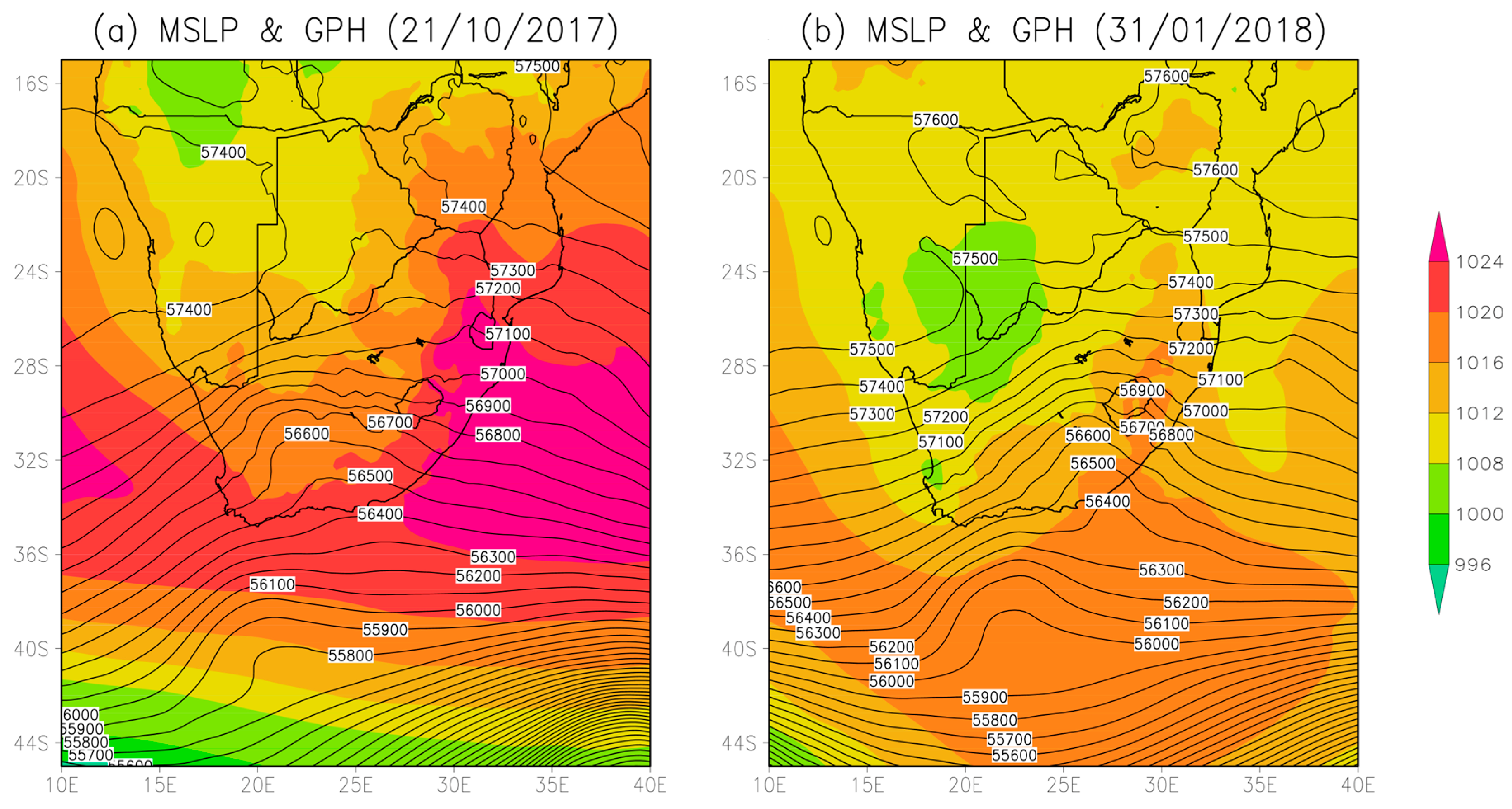
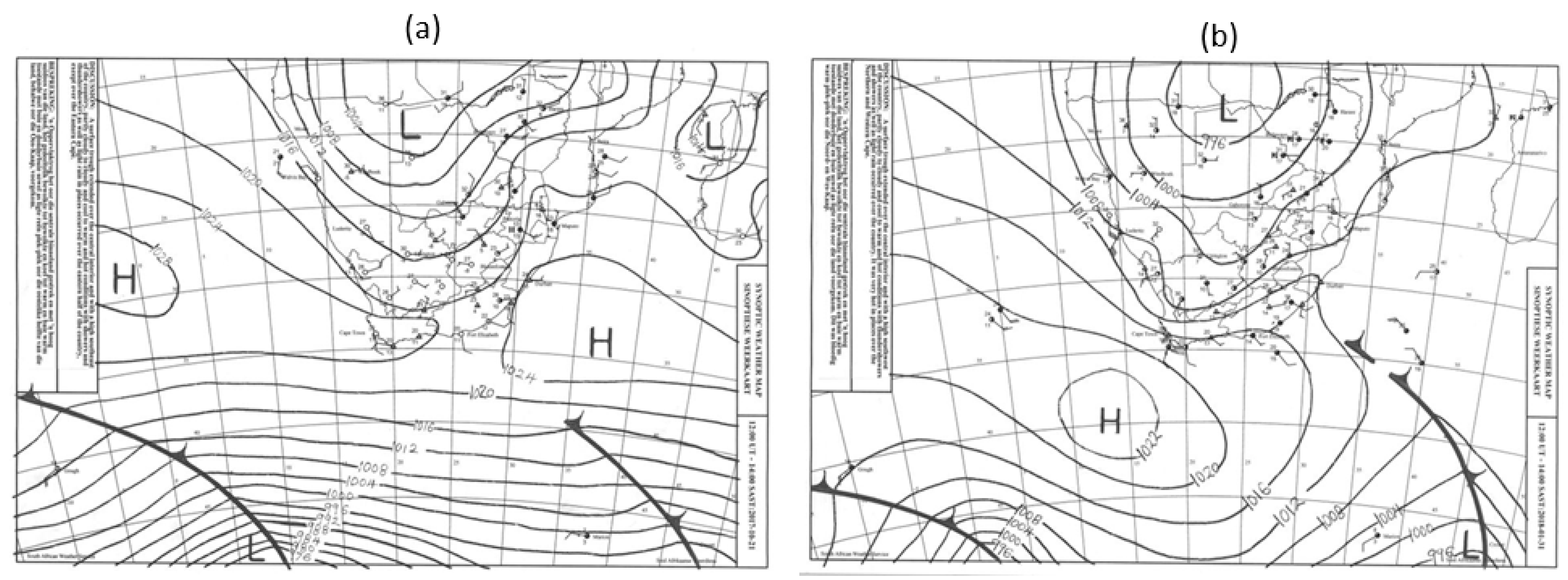
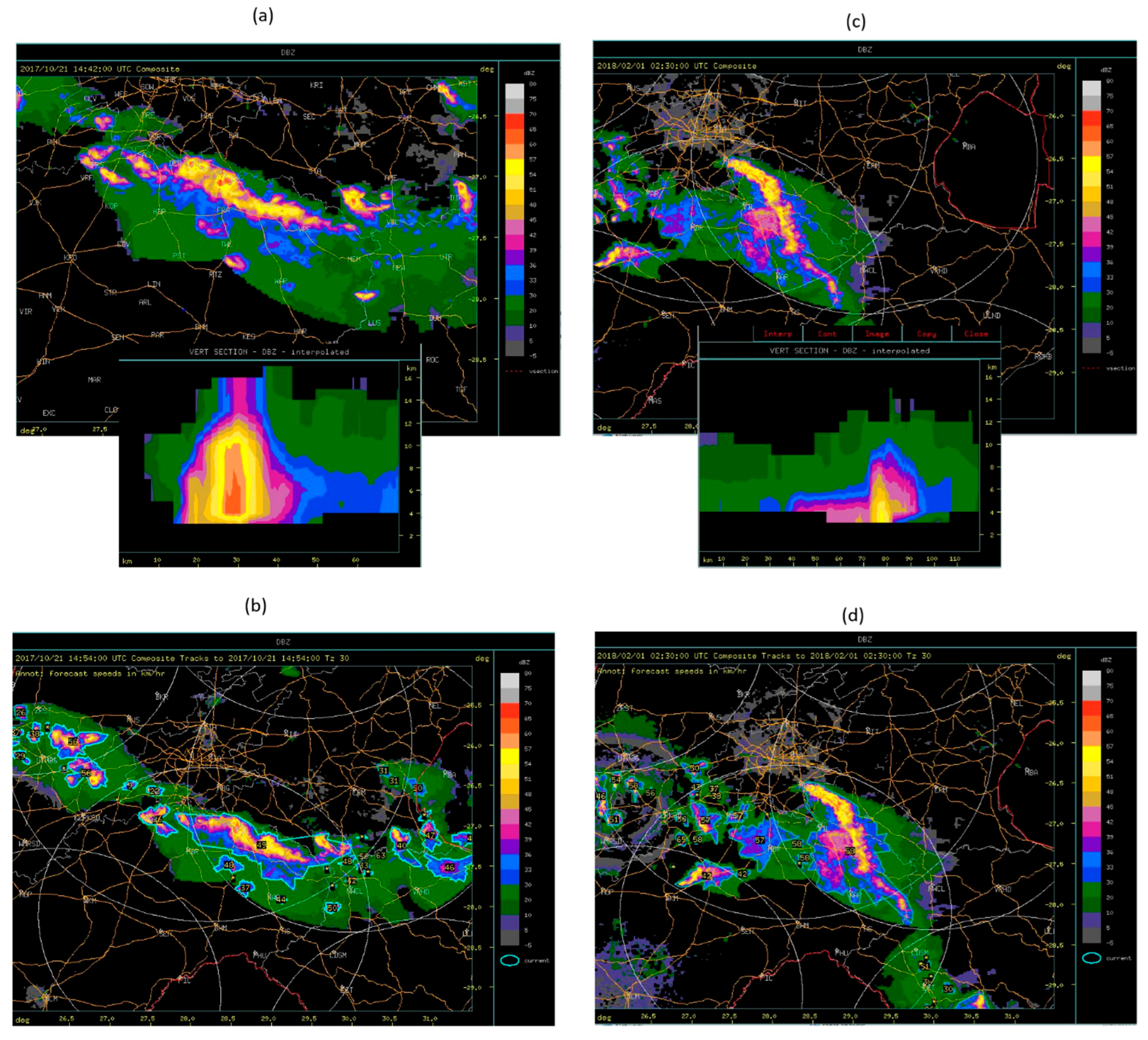
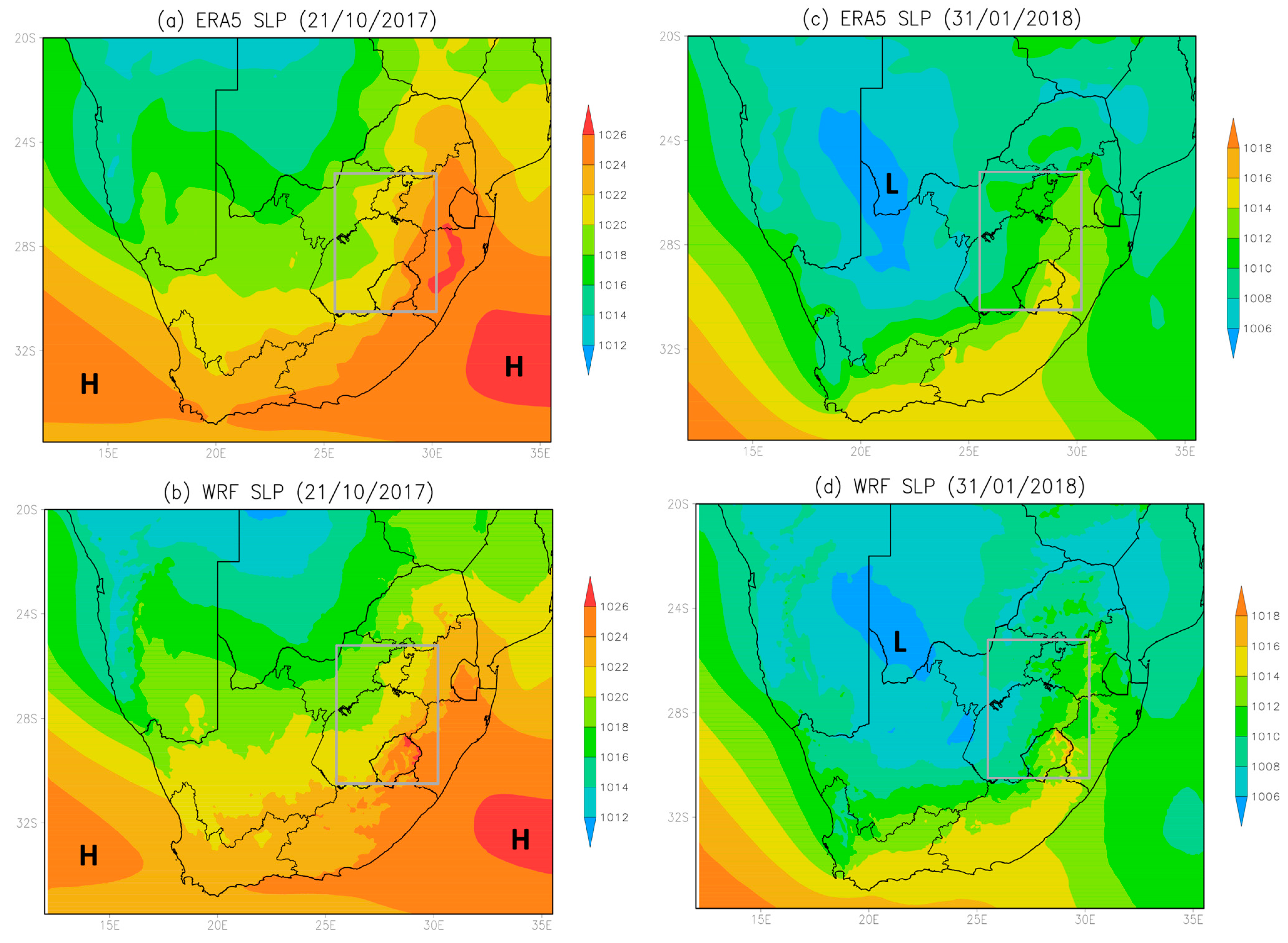
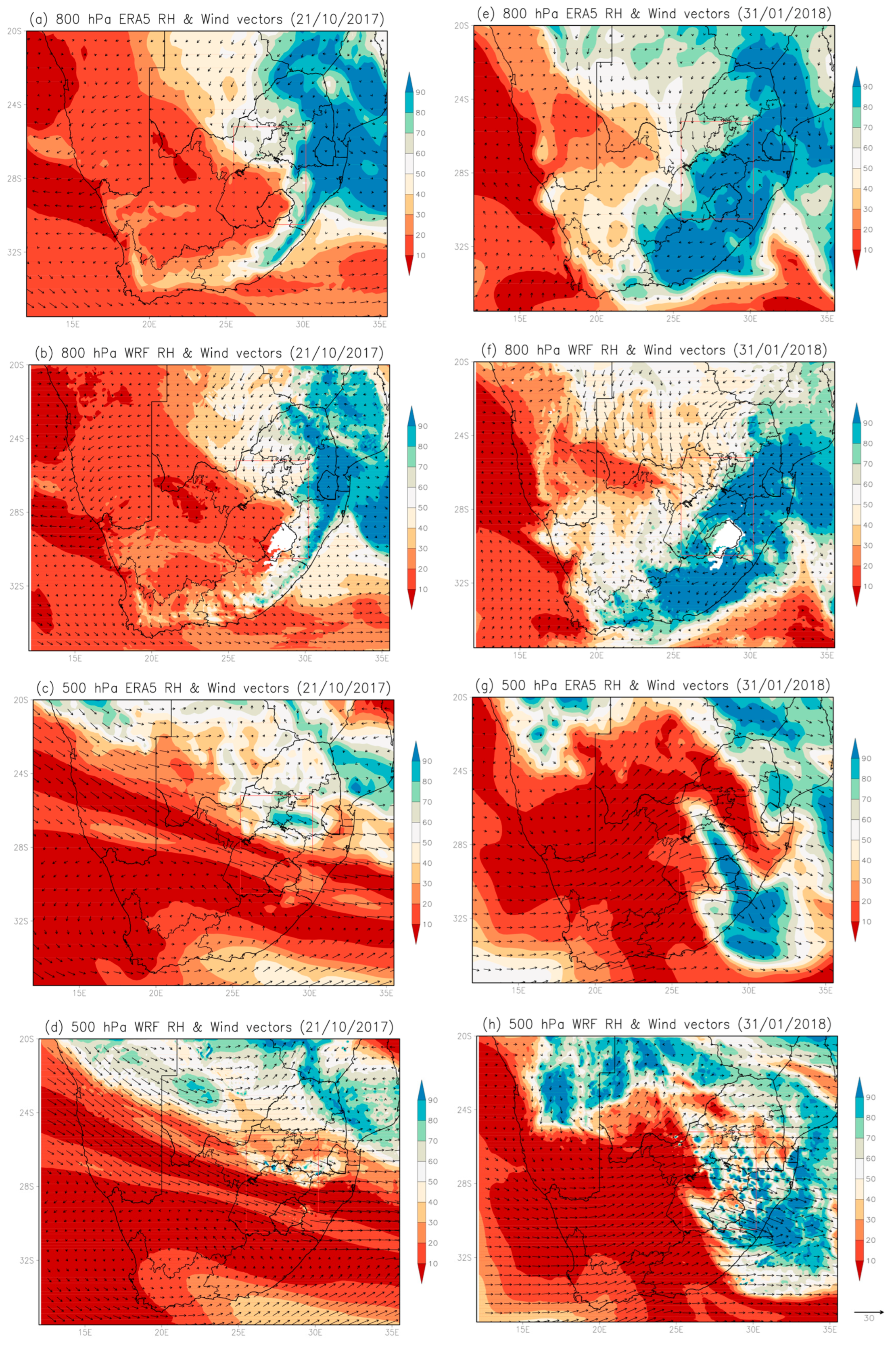
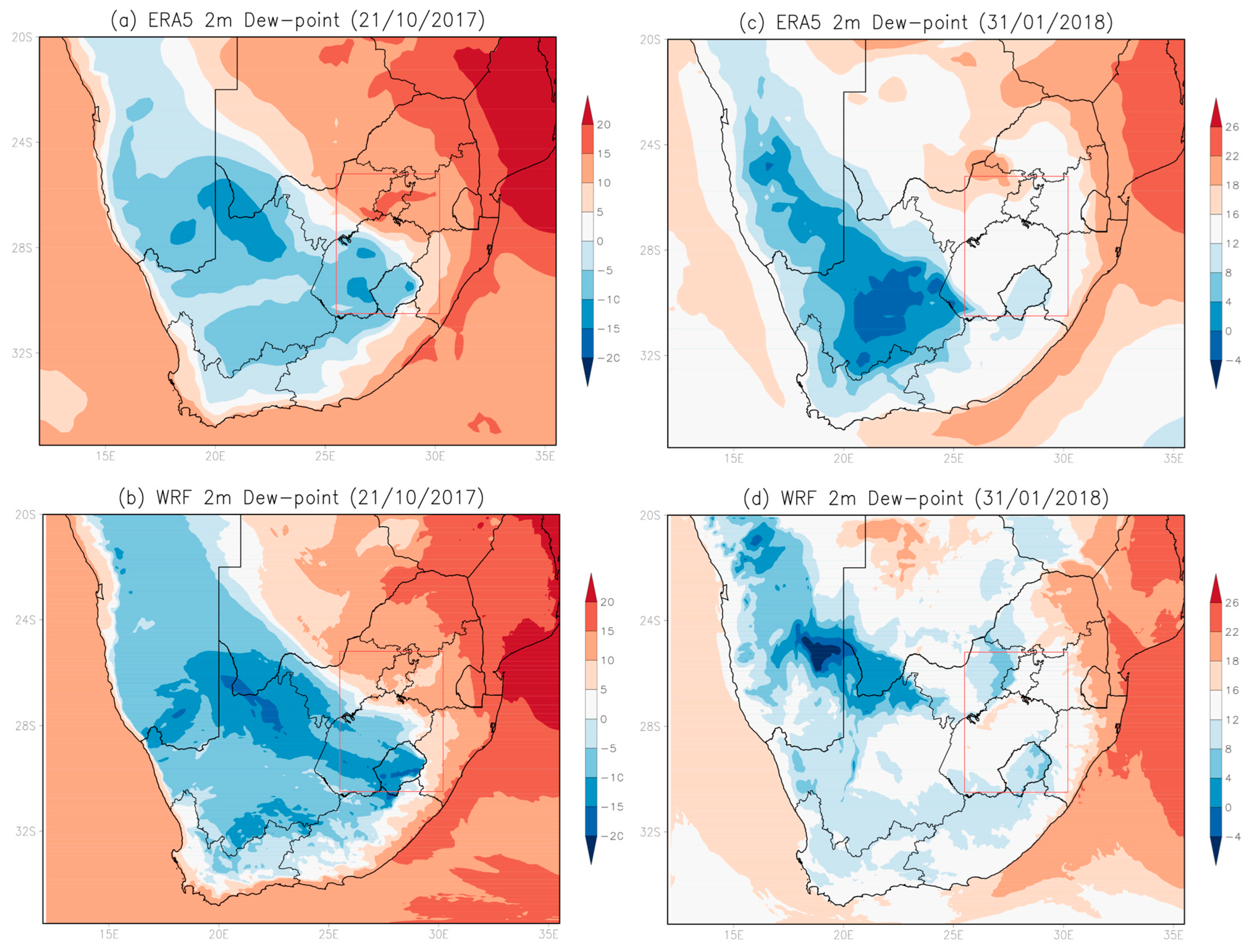
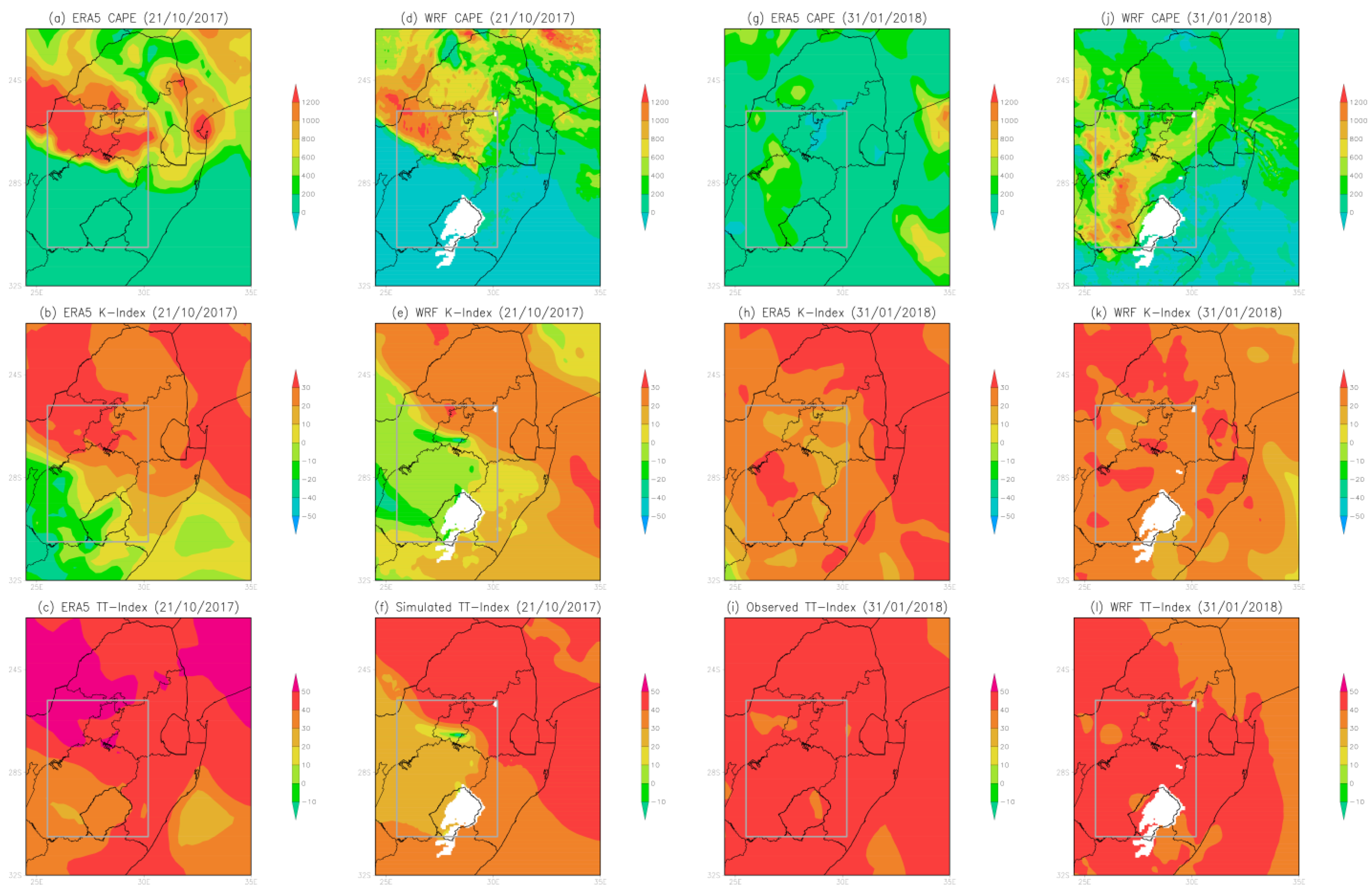
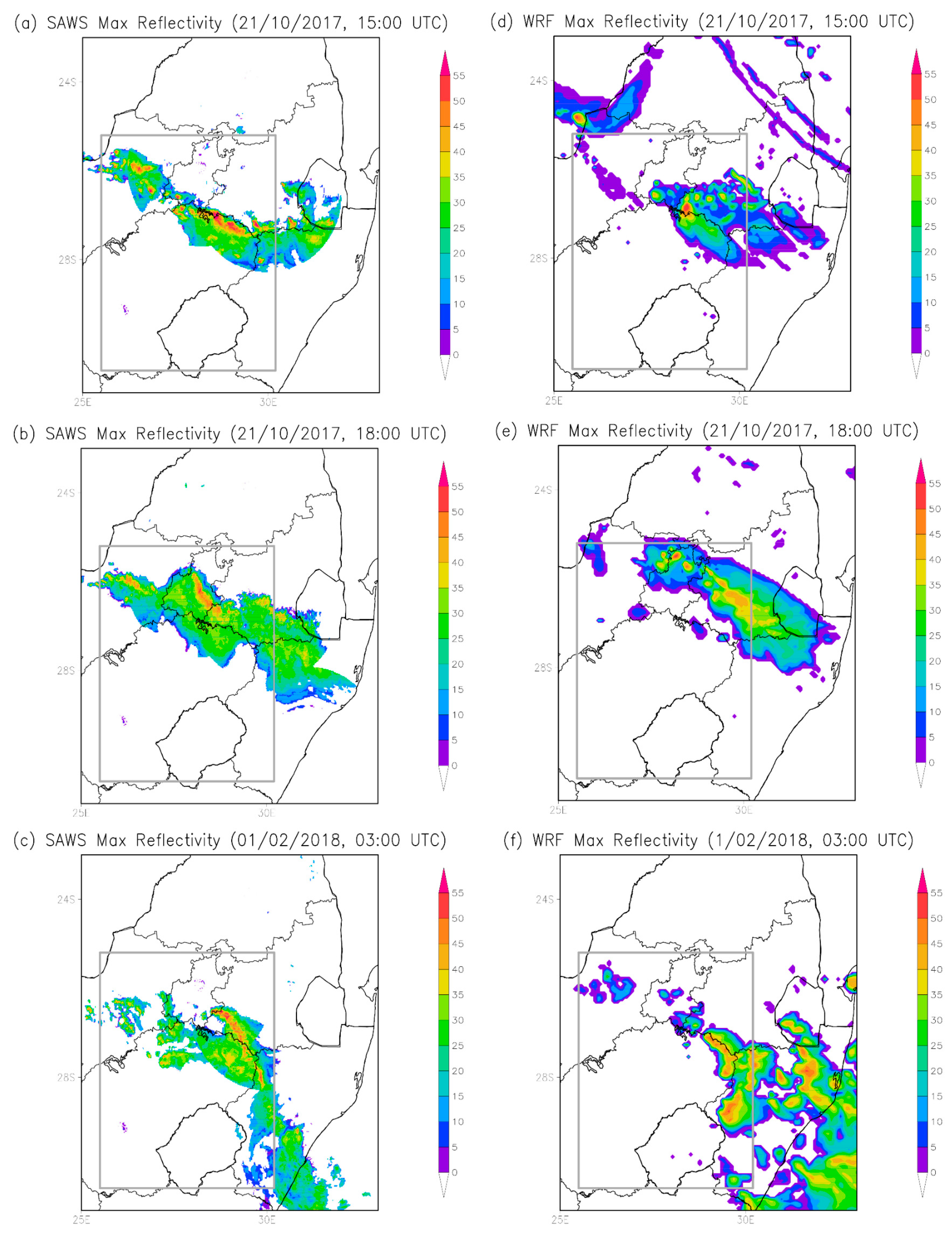
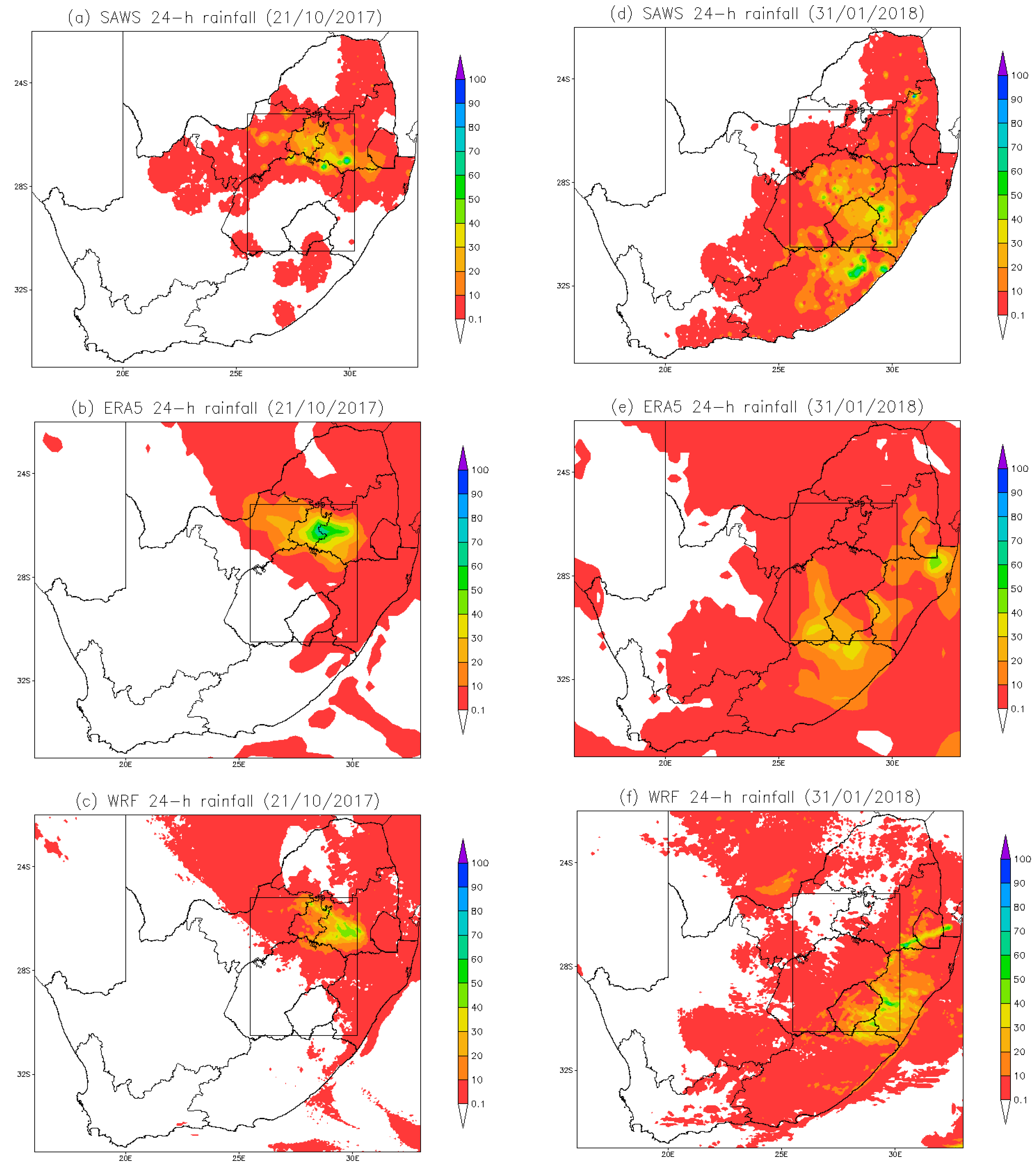
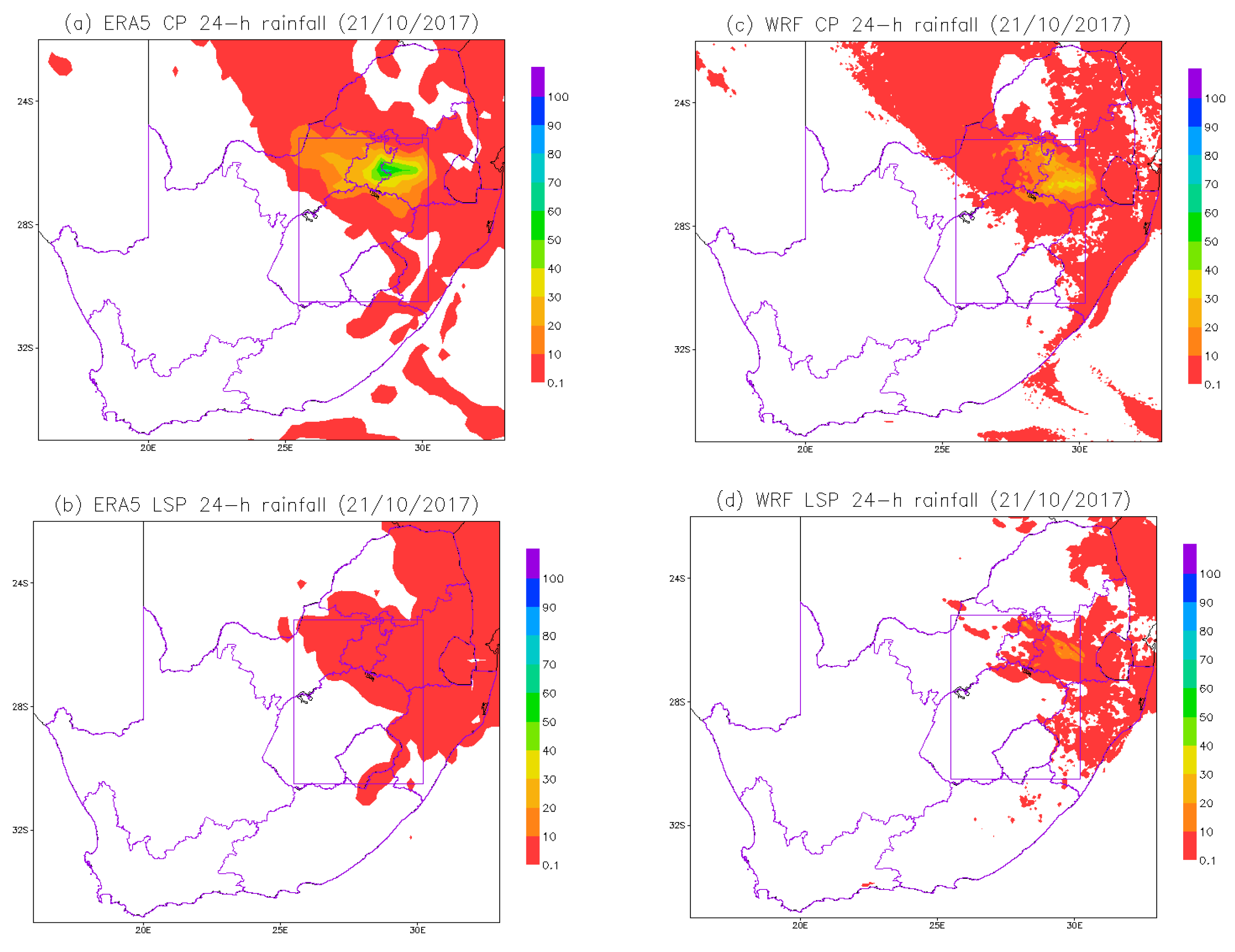
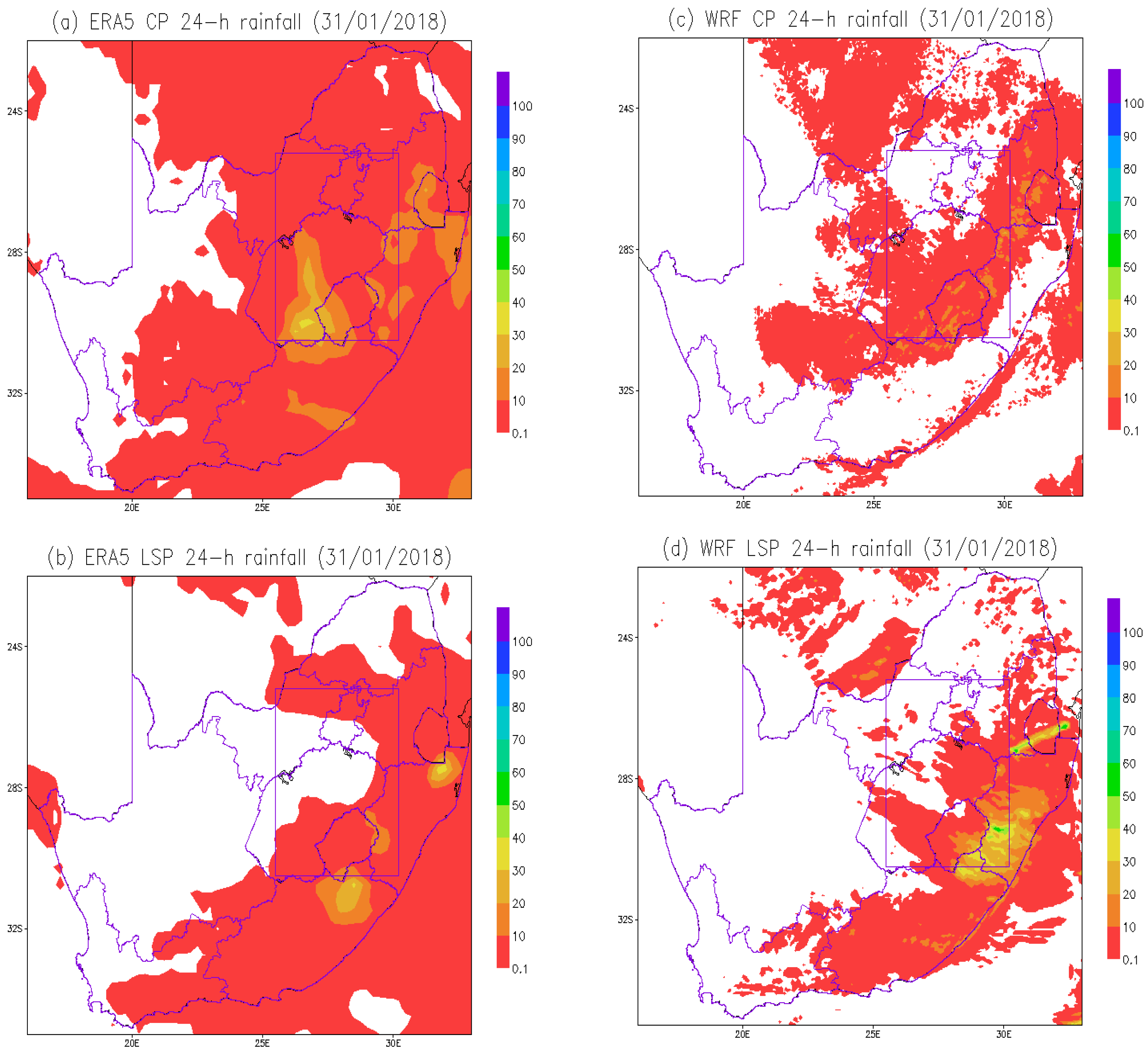
Squall lines are some of the most common types of mesoscale cloud systems in tropical and subtropical regions. Thunderstorms associated with these systems are among the major causes of weather-related disasters and socio-economic losses in many regions across the world. This study investigates the capability of the Weather Research and Forecasting (WRF) model in simulating squall line features over the South African Highveld region. Two squall line cases were selected based on the availability of South African Weather Service (SAWS) weather radar data: 21 October 2017 (early austral summer) and 31 January–1 February 2018 (late austral summer). The European Centre for Medium-Range Weather Forecasts ERA5 datasets were used as observational proxies to analyze squall line features and compare them with WRF simulations. Mid-tropospheric perturbations were observed along westerly waves in both cases. These perturbations were coupled with surface troughs over central interior together with the high-pressure systems to the south and southeast of the country creating strong pressure gradients over the plateau, which also transports relative humidity onshore and extending to the Highveld region. The 2018 case also had a zonal structured ridging High, which was responsible for driving moisture from the southwest Indian Ocean towards the eastern parts of South Africa. Both ERA5 and WRF captured onshore near surface (800 hPa) winds and high-moisture contents over the eastern parts of the Highveld. A well-defined dryline was observed and well simulated for the 2017 event, while both ERA5 and WRF did not show any dryline for the 2018 case that was triggered by orography. While WRF successfully reproduced the synoptic-scale processes of these extreme weather events, the simulated rainfall over the area of interest exhibited a broader spatial distribution, with large-scale precipitation overestimated and convective rainfall underestimated. Our study shows that models are able to capture these systems but with some shortcomings, highlighting the need for further improvement in forecasts.
Keywords: South Africa Highveld; squall line; WRF; large-scale circulations; stratiform precipitation; convective precipitation South Africa Highveld; squall line; WRF; large-scale circulations; stratiform precipitation; convective precipitation