Article

Monthly Precipitation Outlooks for Mexico Using El Niño Southern Oscillation Indices Approach

by
Miguel Angel González-González
* and
Arturo Corrales-Suastegui
Campo Experimental Pabellón, Instituto Nacional de Investigaciones Forestales, Agrícolas y Pecuarias, Pabellón de Arteaga 20670, Aguascalientes, Mexico
*
Author to whom correspondence should be addressed.
Atmosphere 2024, 15(8), 981; https://doi.org/10.3390/atmos15080981
Submission received: 3 May 2024 / Revised: 12 July 2024 / Accepted: 24 July 2024 / Published: 16 August 2024

Abstract

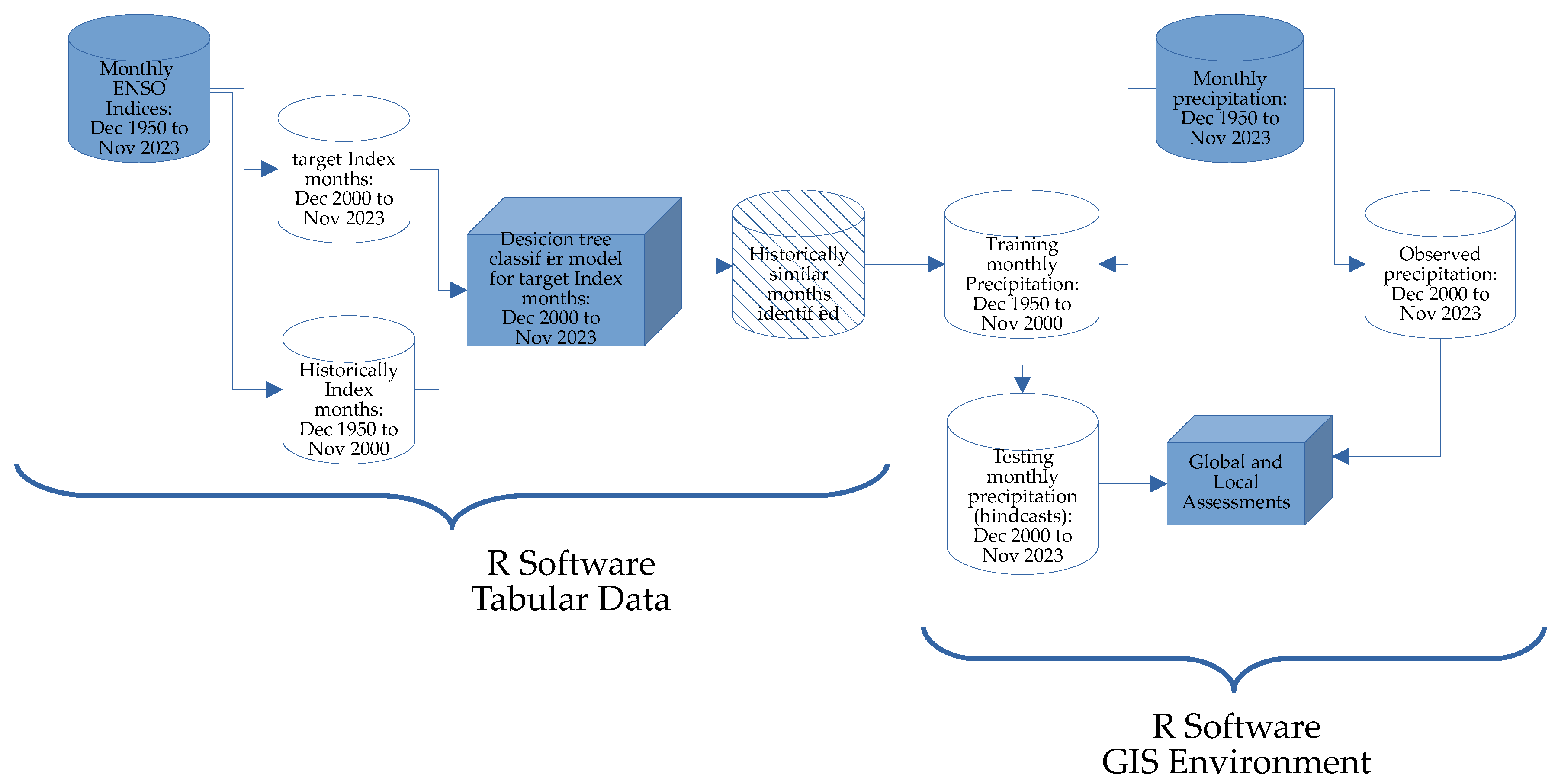
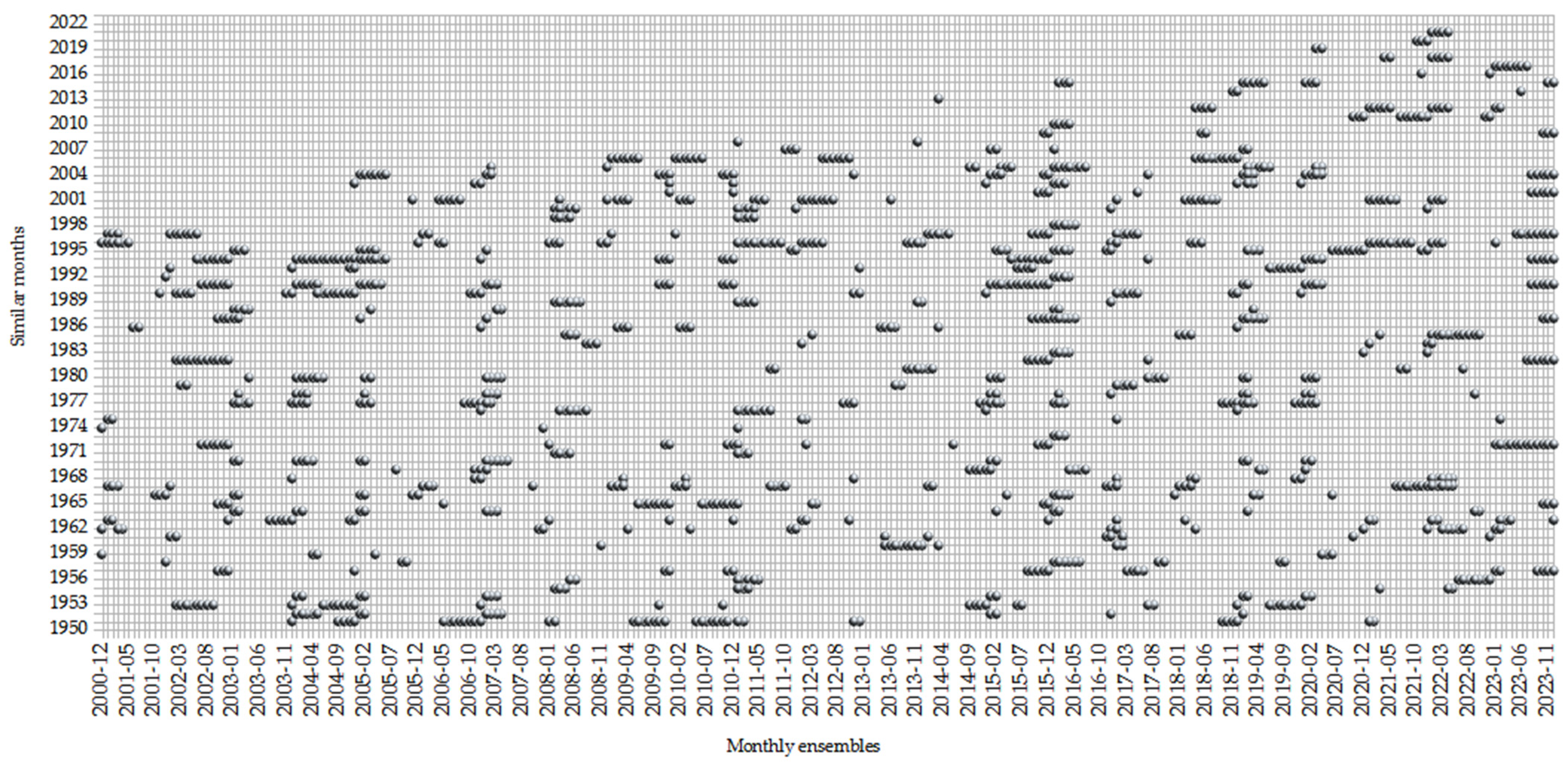
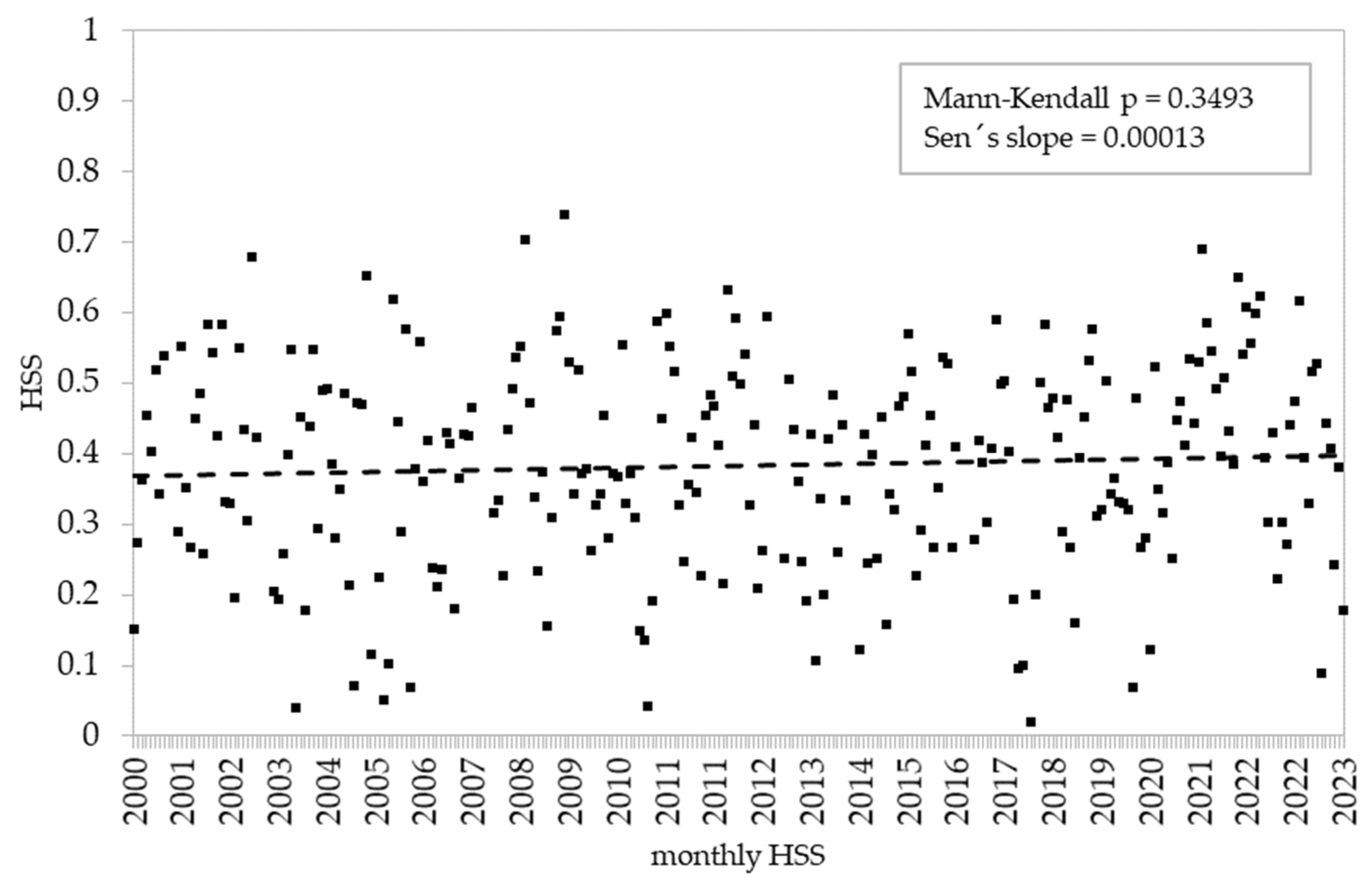
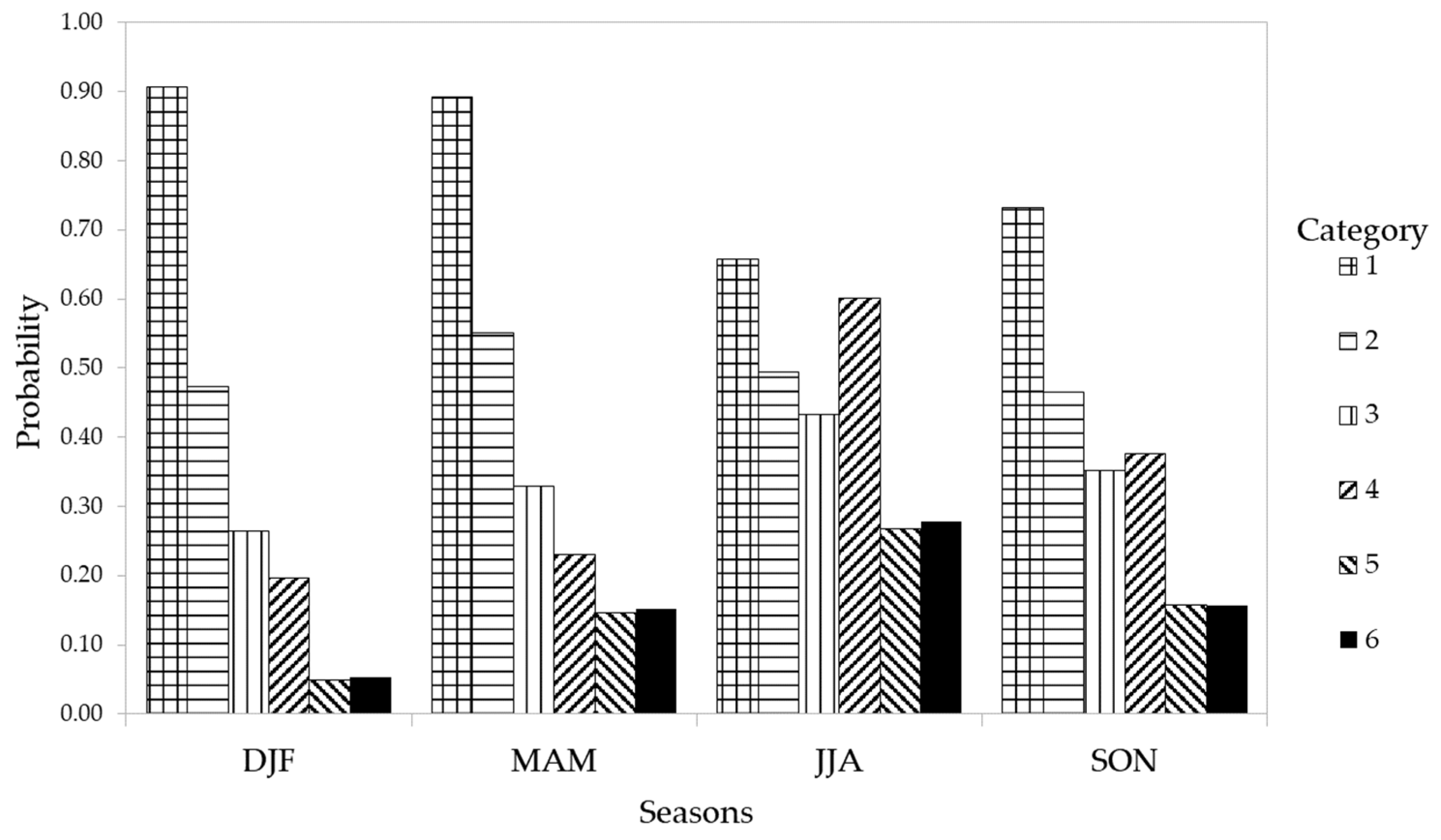
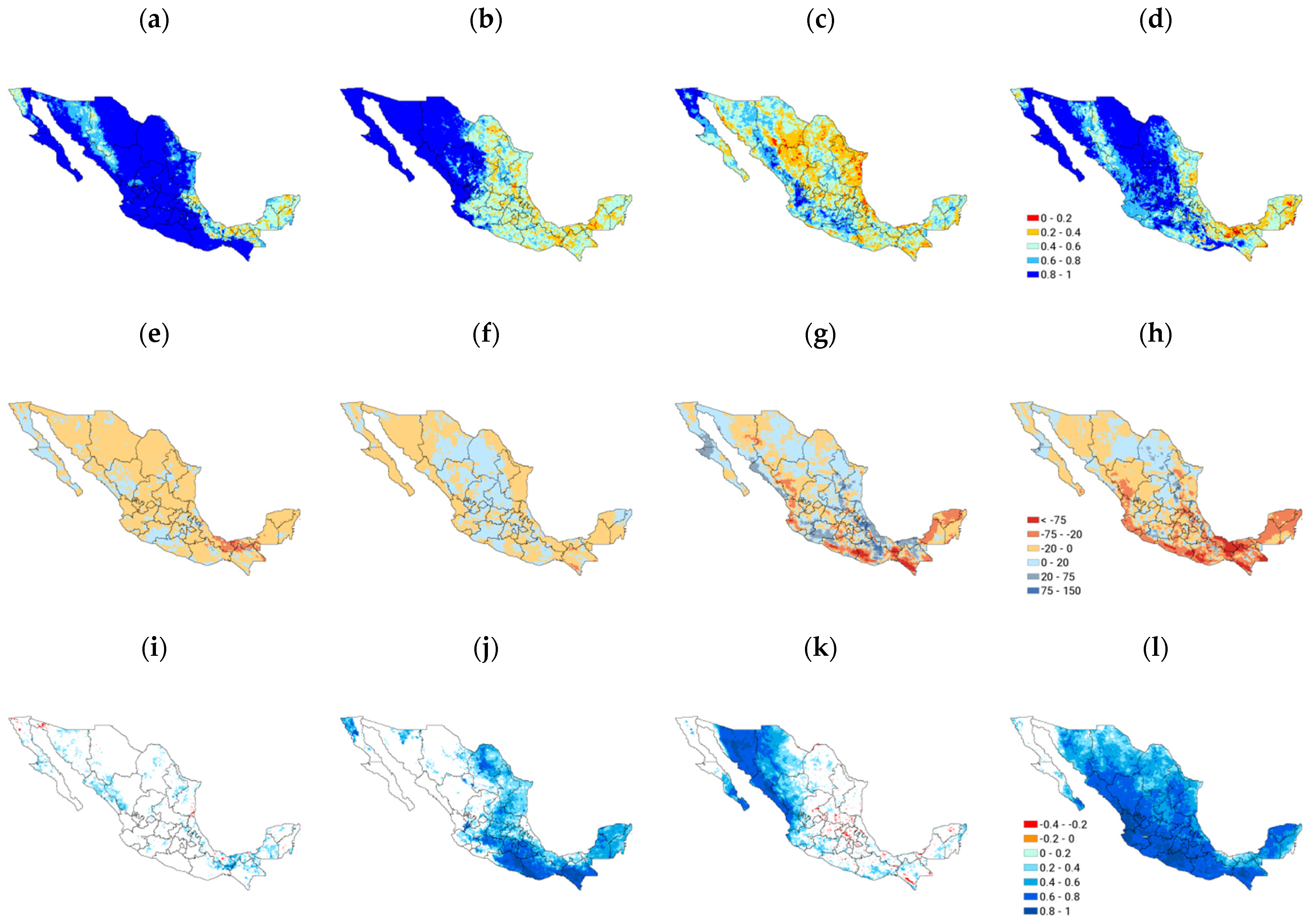
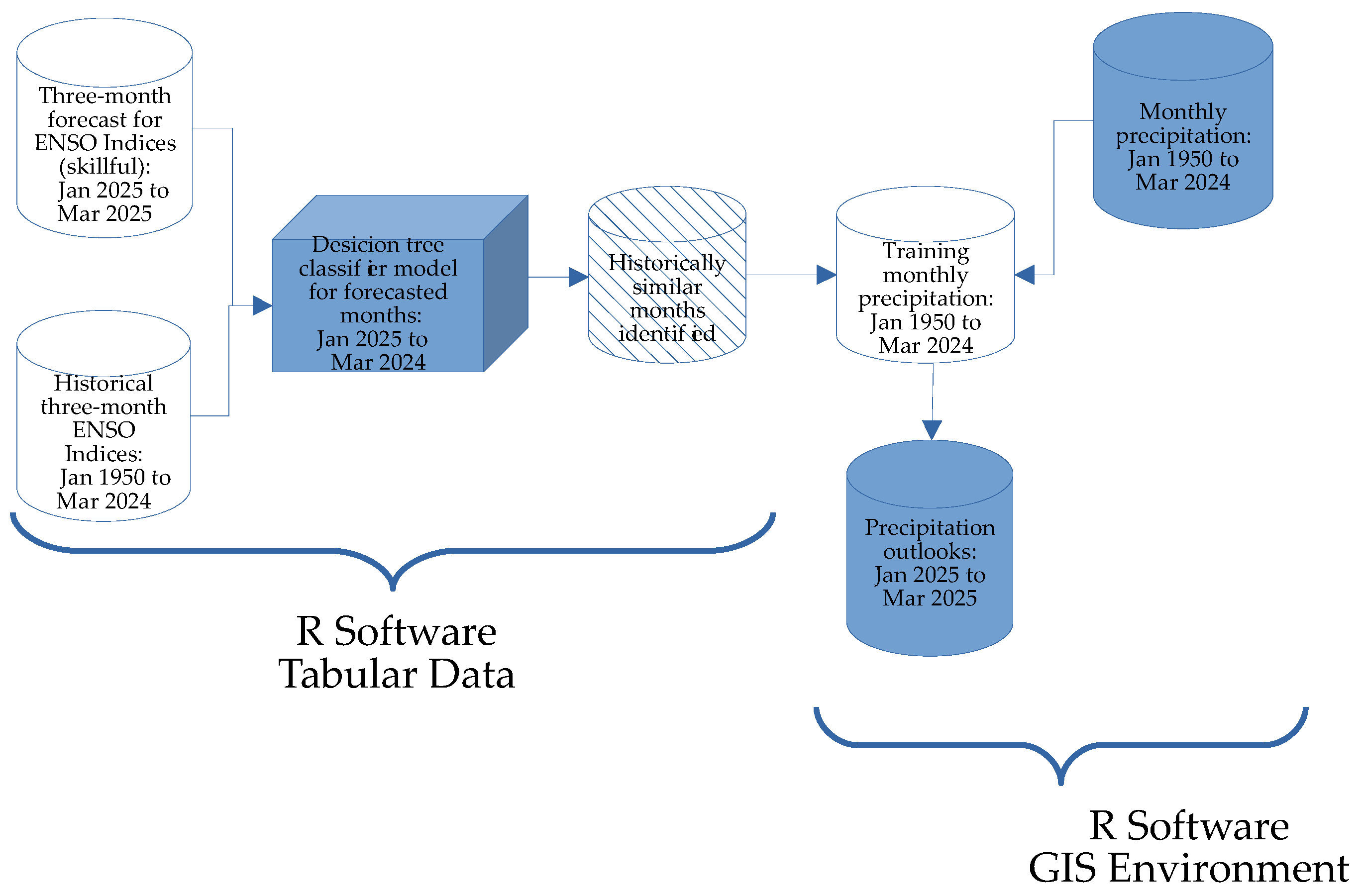
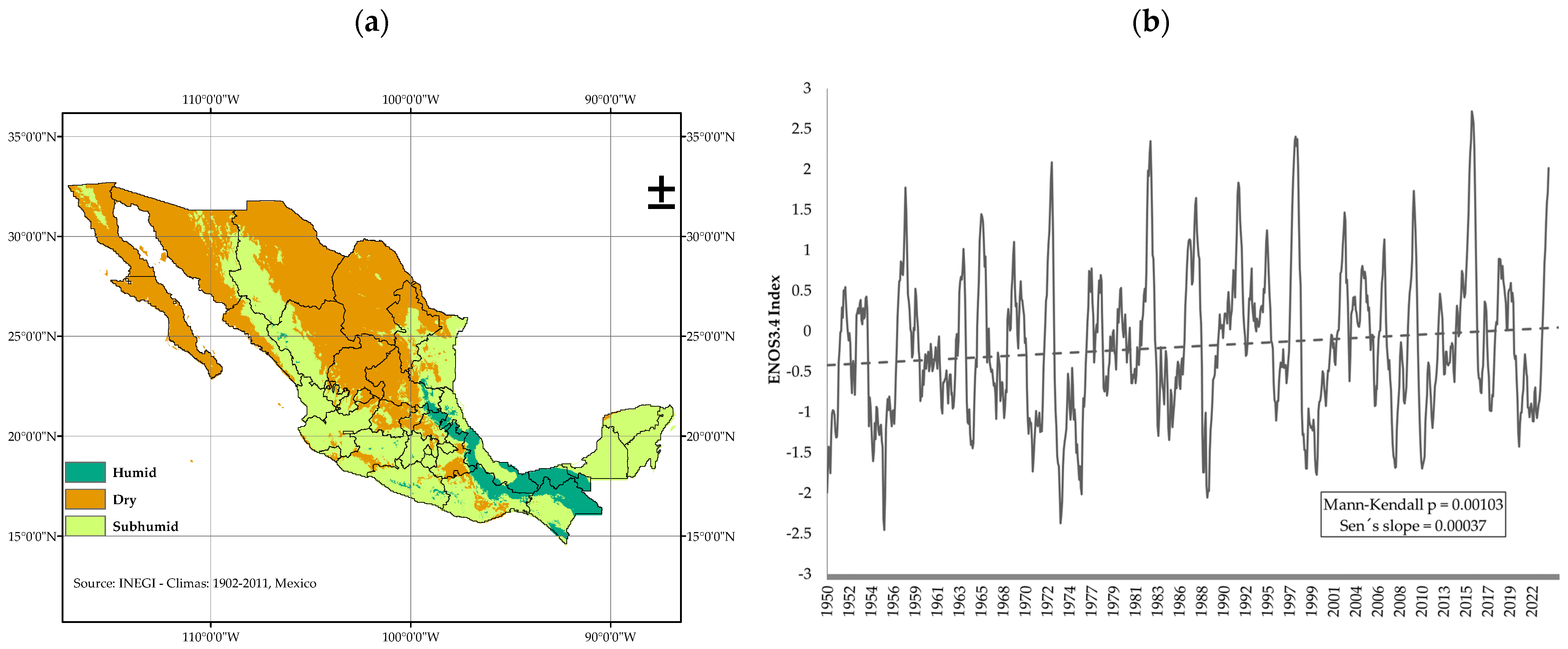
The socioeconomic sector increasingly relies on accessible and cost-effective tools for predicting climatic conditions. This study employs a straightforward decision tree classifier model to identify similar monthly ENSO (El Niño Southern Oscillation) conditions from December 2000 to November 2023, using historically monthly ENSO Indices data from December 1950 to November 2000 as a reference. The latter is to construct monthly precipitation hindcasts for Mexico spanning from December 2000 to November 2023 through historically high-resolution monthly precipitation rasters. The model’s performance is evaluated at a global and local scale across seasonal periods (winter, spring, summer, and fall). Assessment using global Hansen–Kuiper Skill Score and Heidkee Skill Score metrics indicates skillful performance across all seasons (>0.3) nationwide. However, local metrics reveal a higher spatial percent of corrects (>0.40) in winter and spring, corresponding to dry seasons, while a lower percent of corrects (<0.40) are observed in more extensive areas during summer and fall, indicative of rainy seasons, due to increased variability in precipitation. The choice of averaging method influences the degree of underestimations and overestimations, impacting the model’s variability. Spearman correlations highlight regions with significant model performance, revealing potential misinterpretations of high hit rates during winter and spring. Notably, during the fall, the model demonstrates spatial skill across most of Mexico, while in the spring, it performs well in the southern and northeastern regions and, in the summer, in the northwestern areas. Integration of accurate forecasts of ENSO Indices to predict precipitation months ahead is crucial for the operational efficacy of this model, given its heavy reliance on anticipating ENSO behavior. Overall, the empirical method exhibits great promise and potential for application in other developing countries directly impacted by the El Niño phenomenon, owing to its low resource costs.
Keywords: decision tree classifier model; ENSO3.4 Indices; monthly precipitation; hindcast decision tree classifier model; ENSO3.4 Indices; monthly precipitation; hindcast