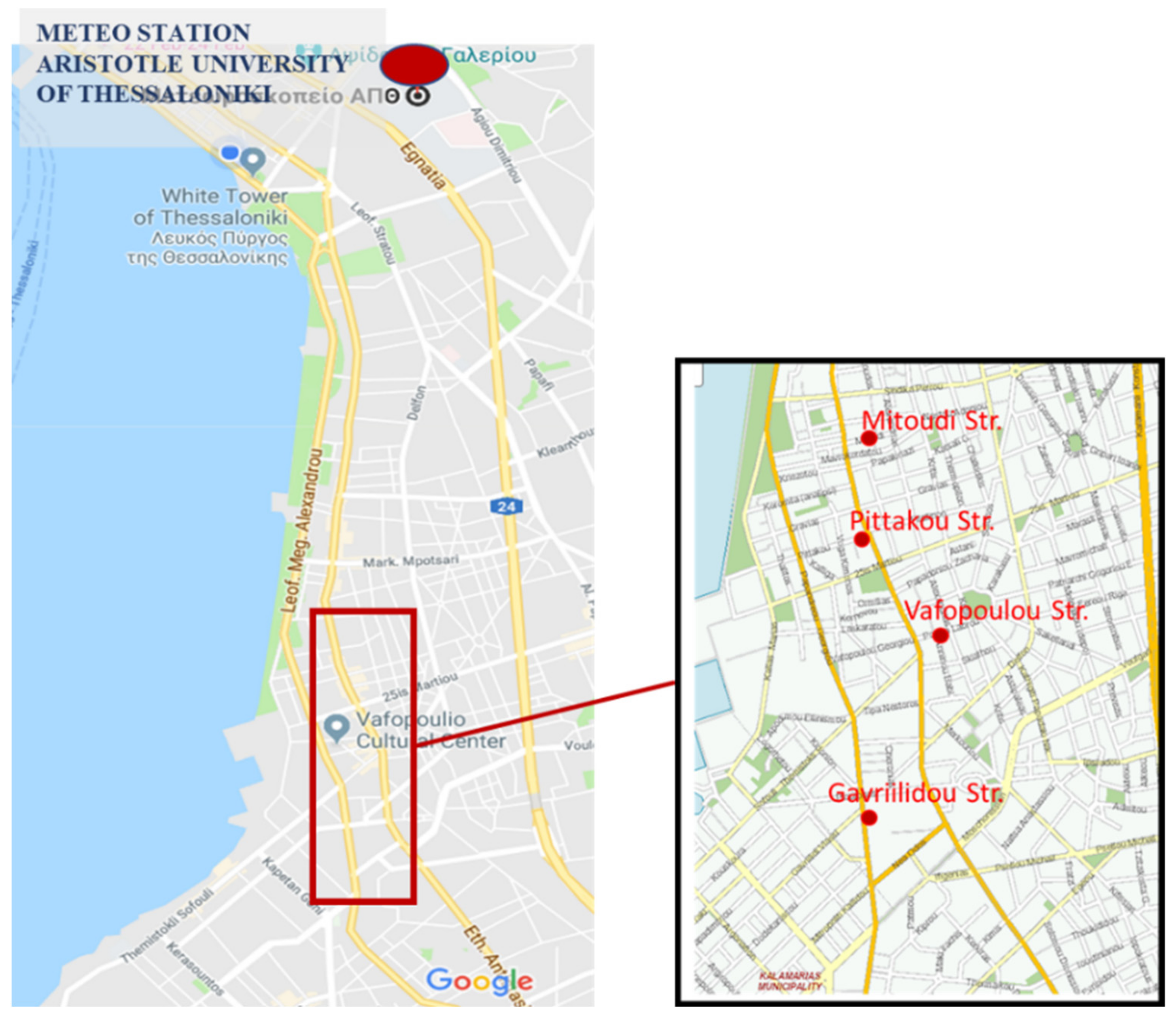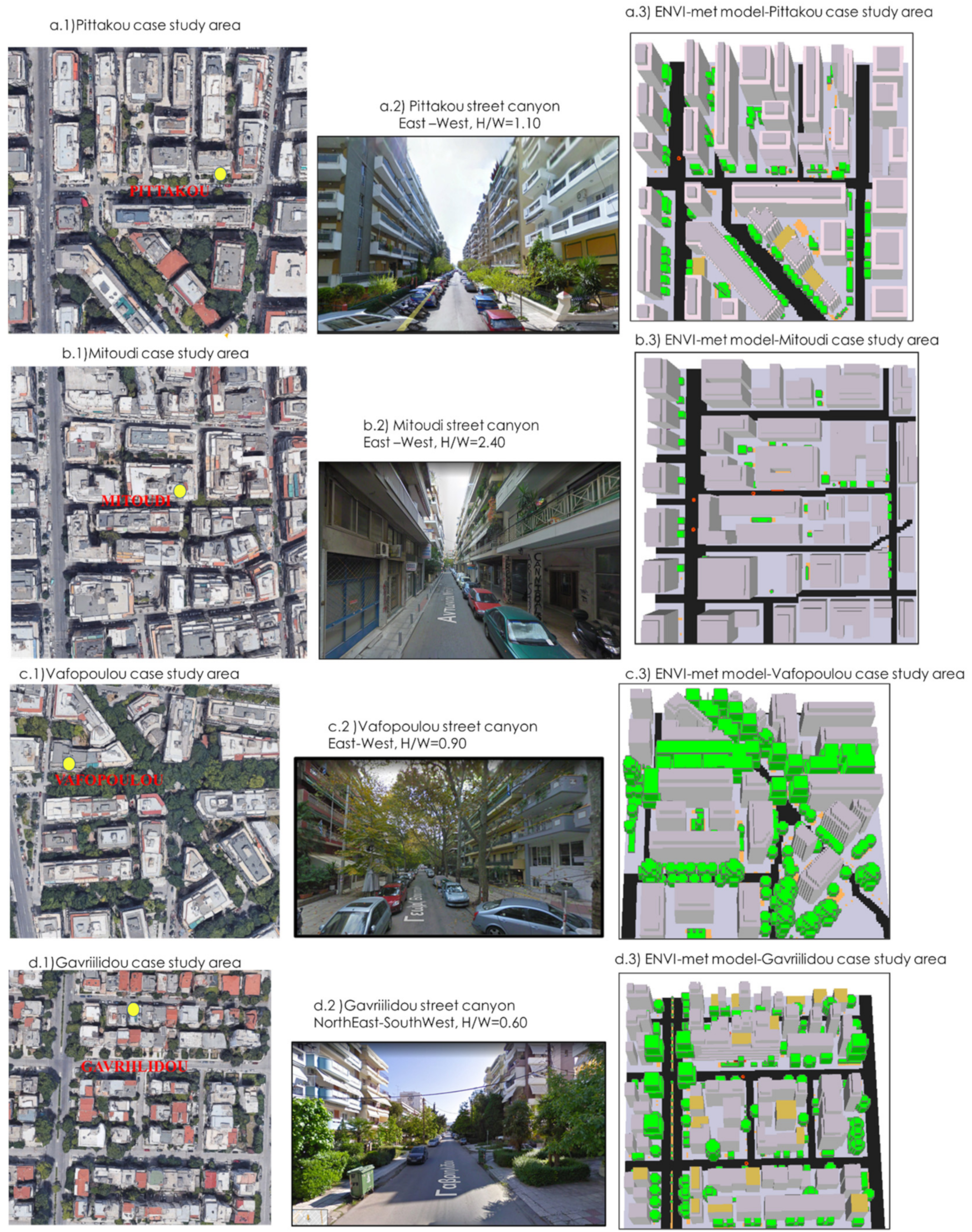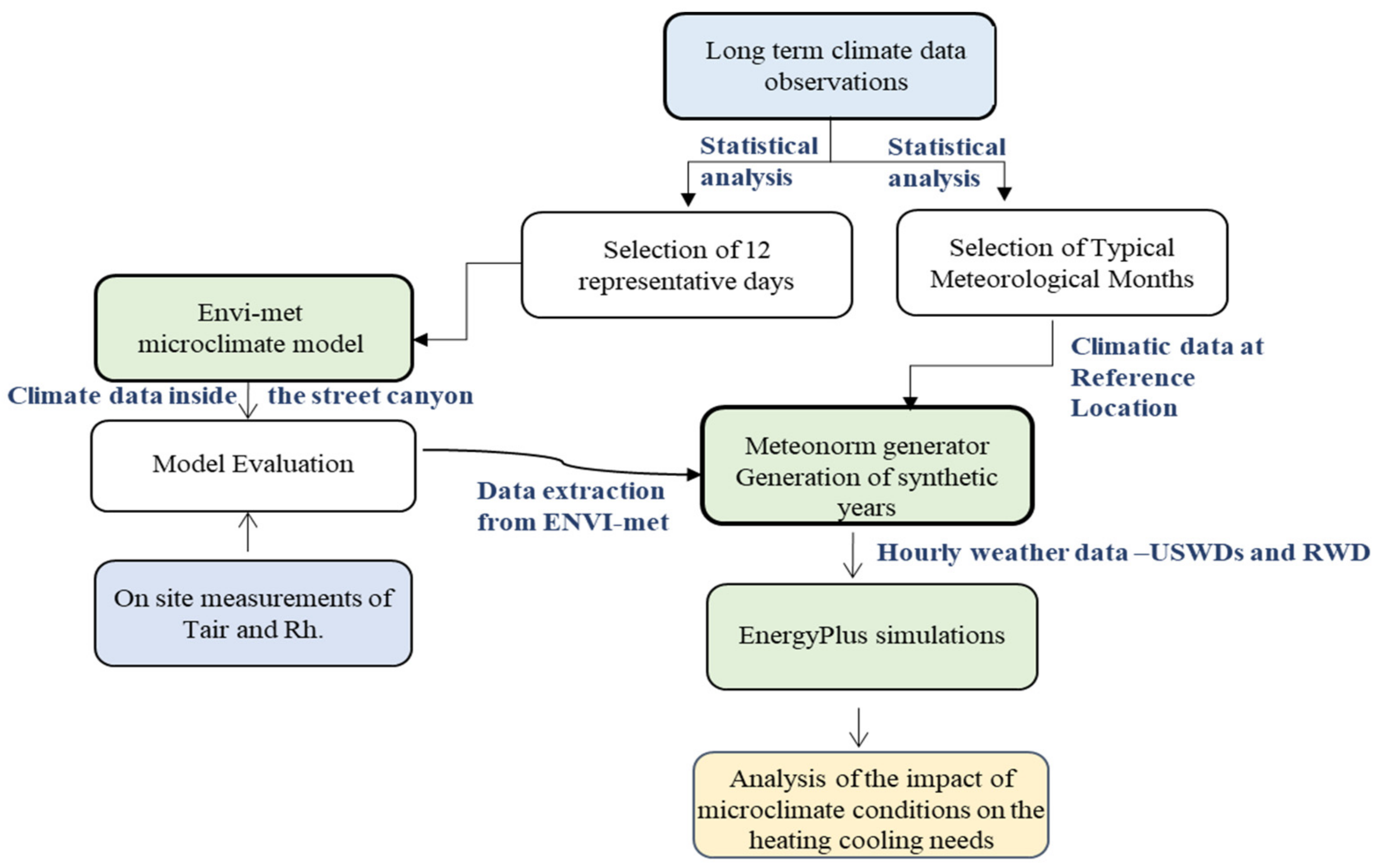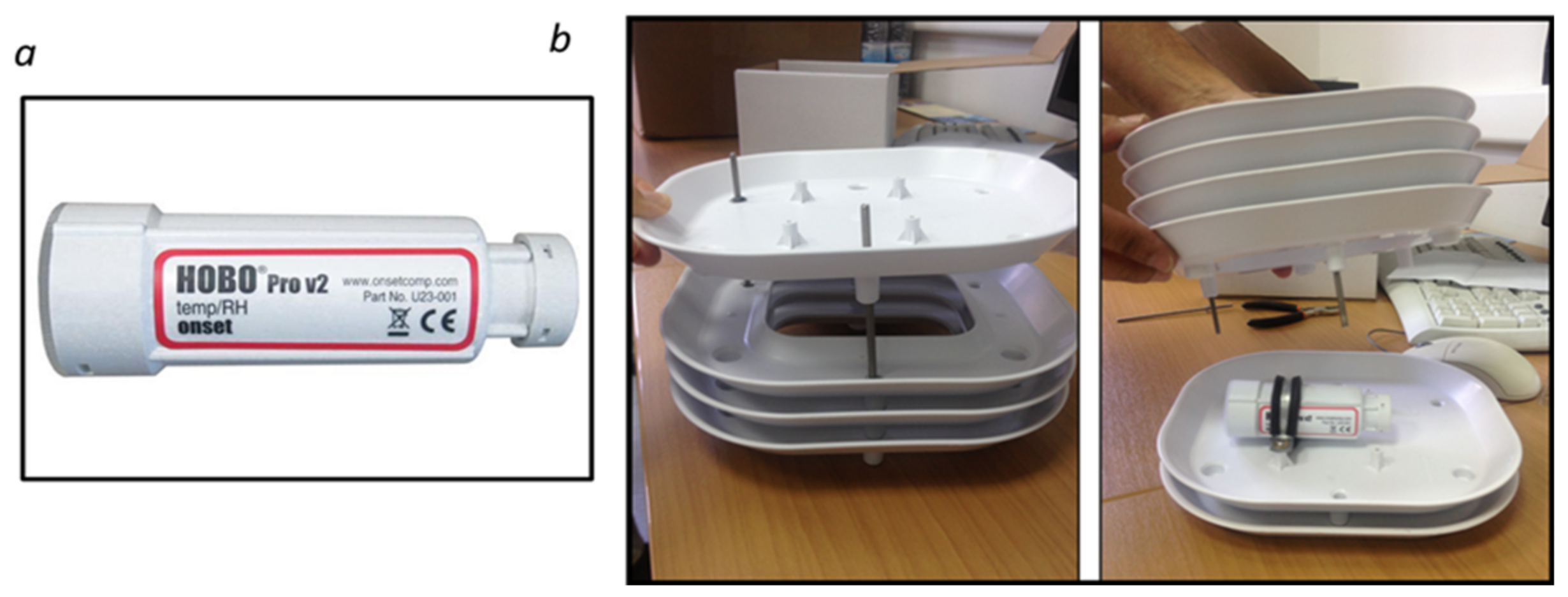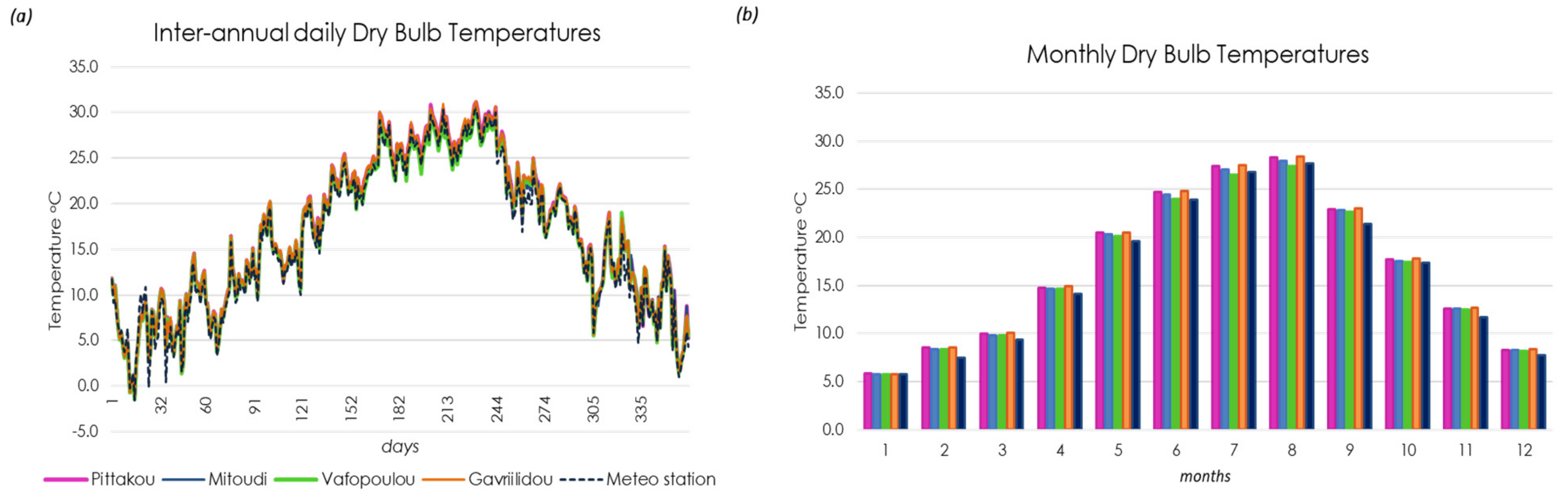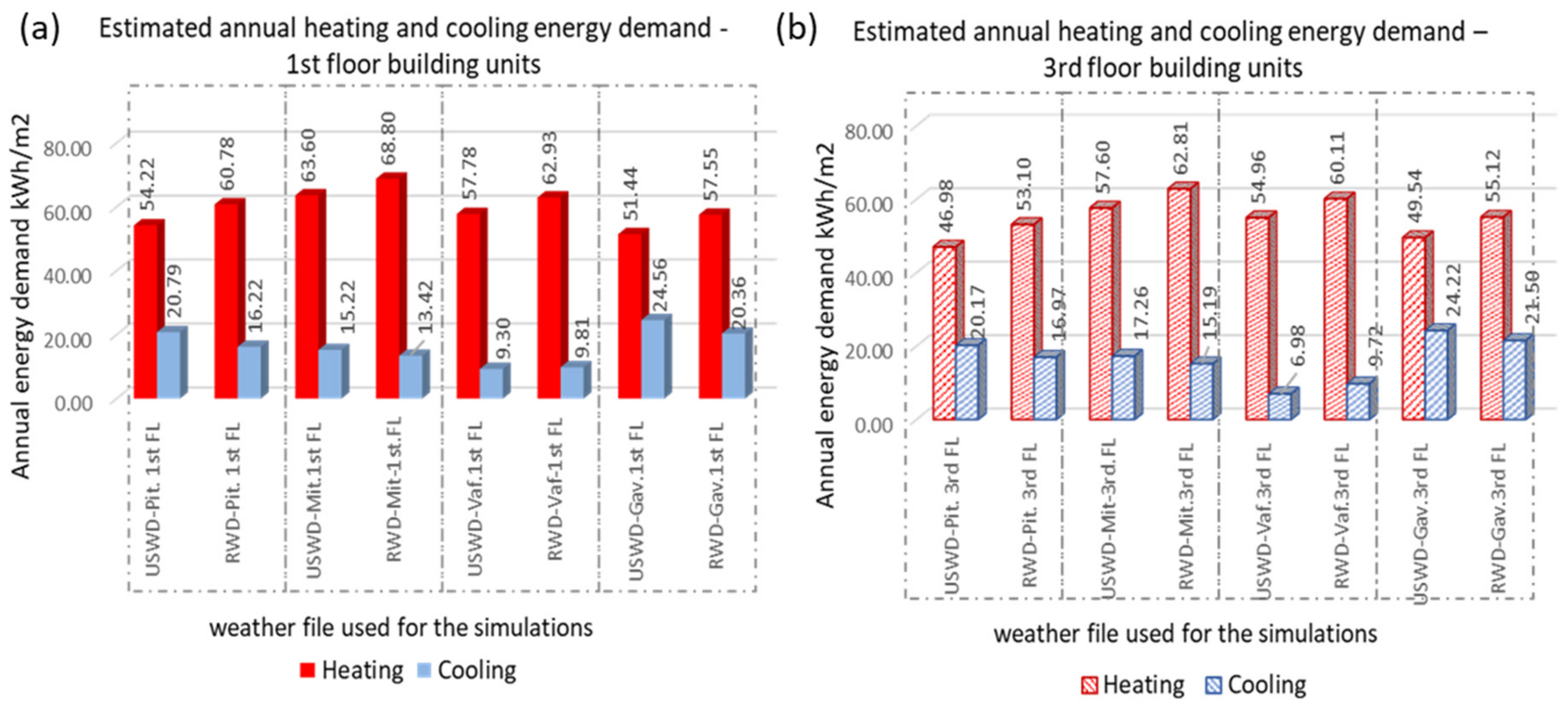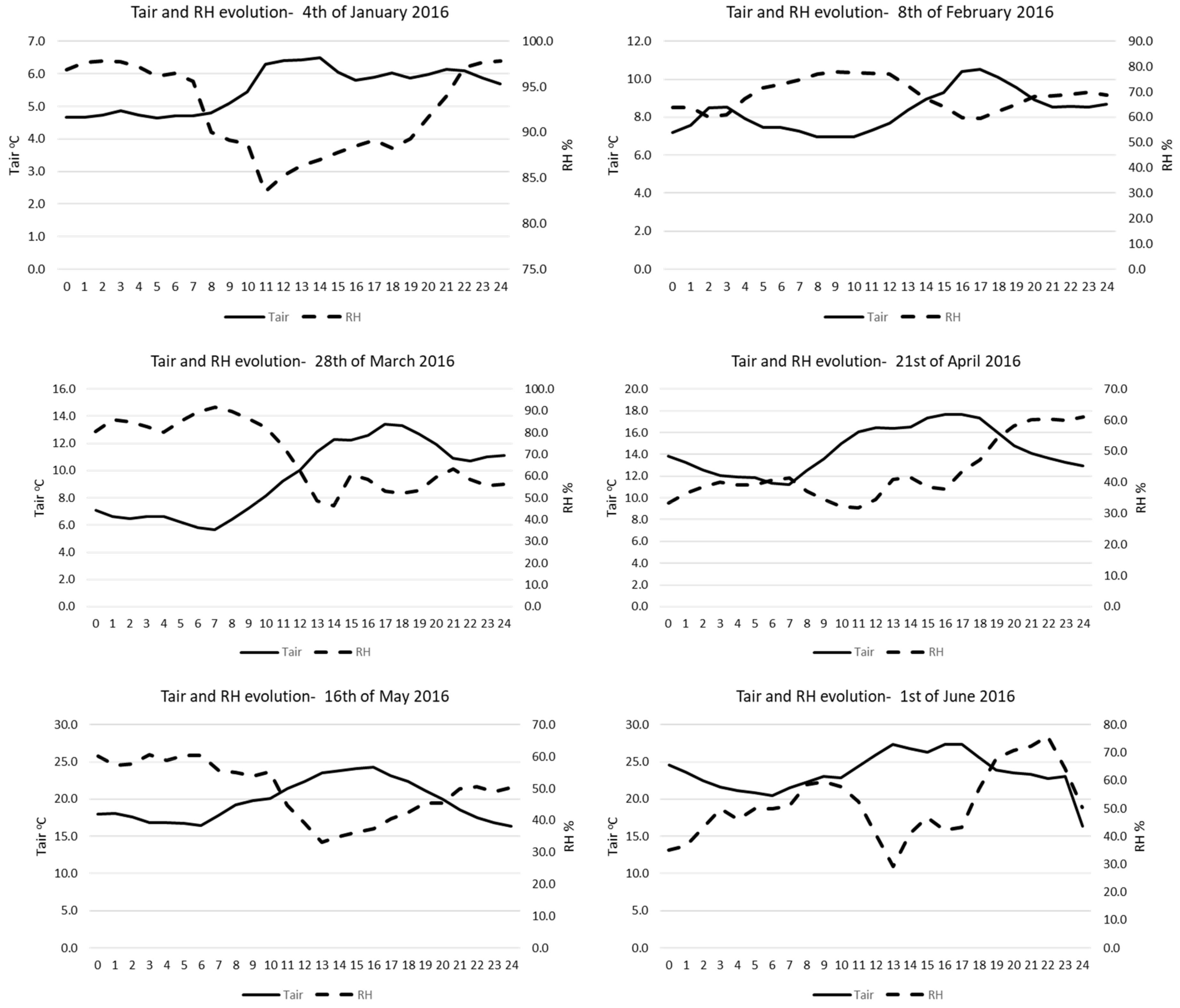

Evaluating the Impact of Urban Microclimate on Buildings’ Heating and Cooling Energy Demand Using a Co-Simulation Approach

Abstract
Share and Cite
Tsoka, S. Evaluating the Impact of Urban Microclimate on Buildings’ Heating and Cooling Energy Demand Using a Co-Simulation Approach. Atmosphere 2023, 14, 652. https://doi.org/10.3390/atmos14040652
Tsoka S. Evaluating the Impact of Urban Microclimate on Buildings’ Heating and Cooling Energy Demand Using a Co-Simulation Approach. Atmosphere. 2023; 14(4):652. https://doi.org/10.3390/atmos14040652
Chicago/Turabian StyleTsoka, Stella. 2023. "Evaluating the Impact of Urban Microclimate on Buildings’ Heating and Cooling Energy Demand Using a Co-Simulation Approach" Atmosphere 14, no. 4: 652. https://doi.org/10.3390/atmos14040652
APA StyleTsoka, S. (2023). Evaluating the Impact of Urban Microclimate on Buildings’ Heating and Cooling Energy Demand Using a Co-Simulation Approach. Atmosphere, 14(4), 652. https://doi.org/10.3390/atmos14040652