
Article

Improvement of Airflow Distribution and Contamination Control for a Biotech Cleanroom

1
Department of Refrigeration, Air Conditioning and Energy Engineering, National Chin-Yi University of Technology, Taichung 411, Taiwan
2
Graduate Institute of Precision Manufacturing, National Chin-Yi University of Technology, Taichung 411, Taiwan
3
Yuanlin Christian Hospital, Changhua 510, Taiwan
4
Department of Energy Science and Engineering, Indian Institute of Technology Delhi, New Delhi 110016, India
*
Author to whom correspondence should be addressed.
Atmosphere 2022, 13(2), 335; https://doi.org/10.3390/atmos13020335
Submission received: 31 December 2021 / Revised: 13 February 2022 / Accepted: 15 February 2022 / Published: 17 February 2022
(This article belongs to the Special Issue Atmospheric Boundary Layer: Observation and Simulation)

Abstract

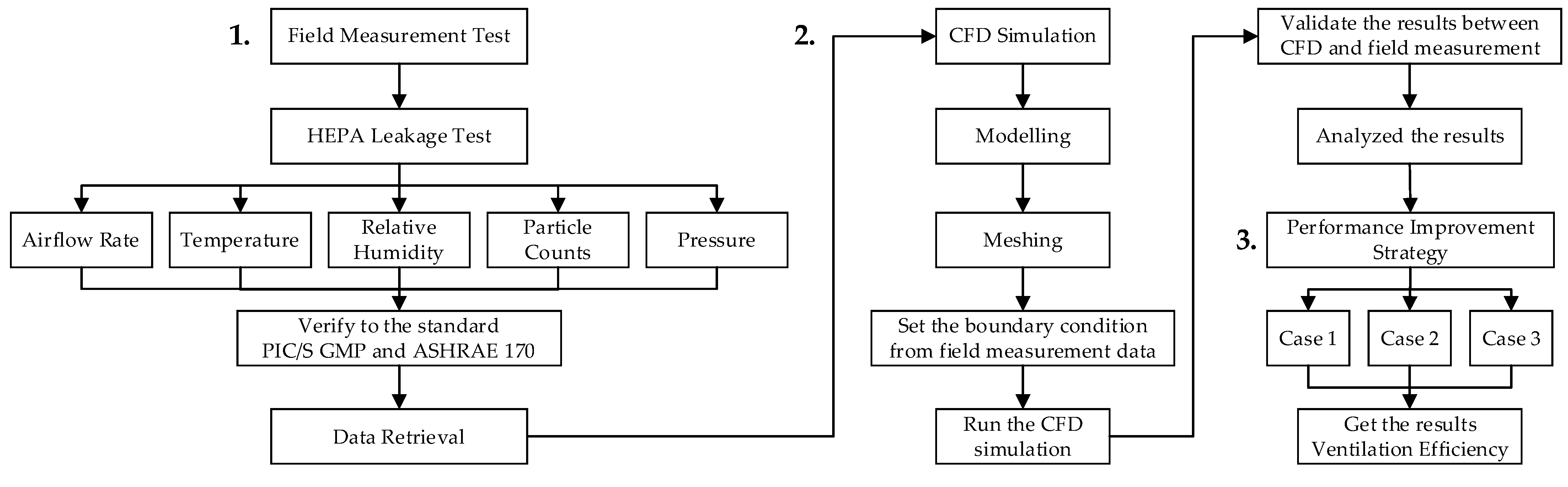
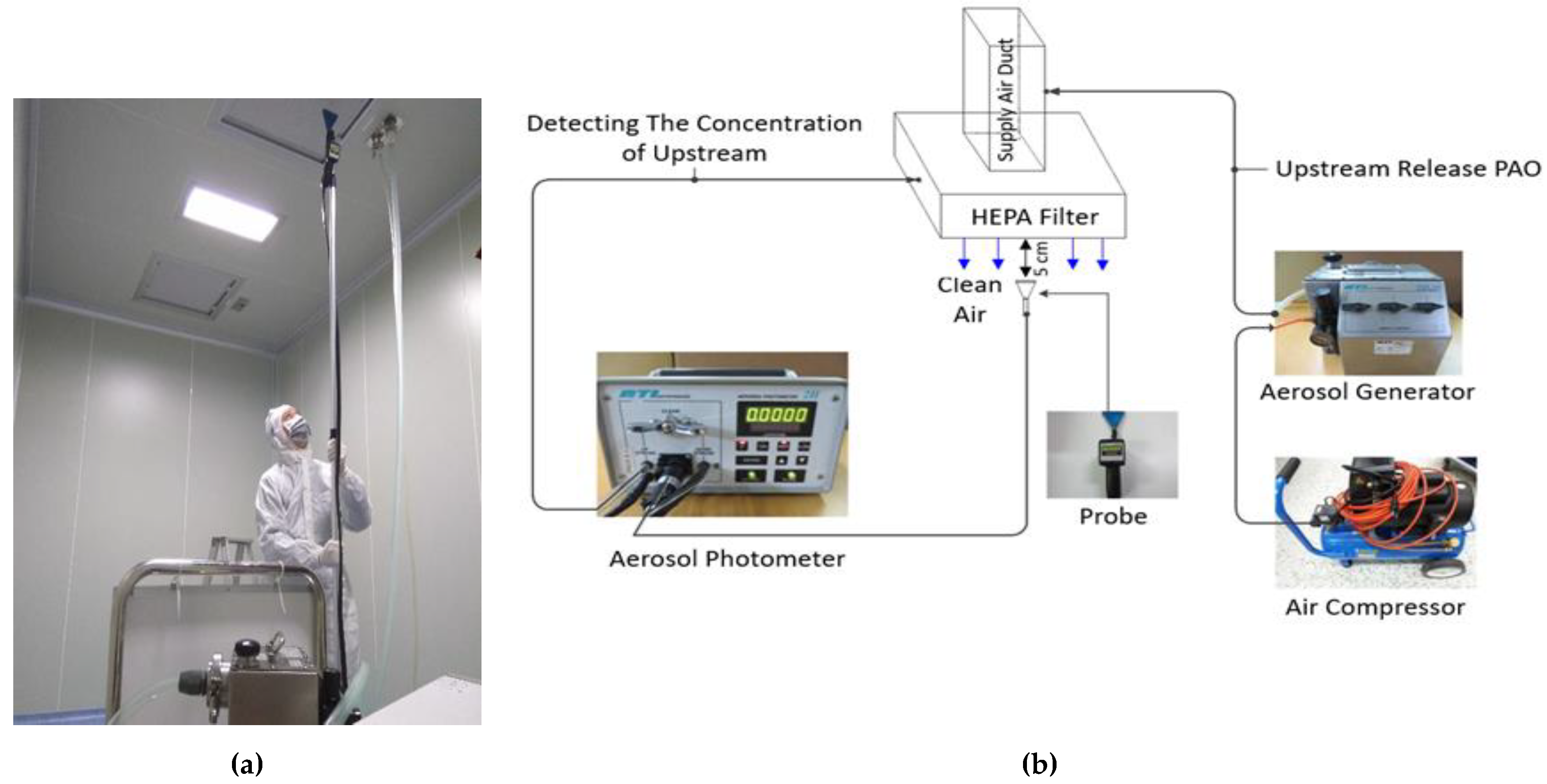
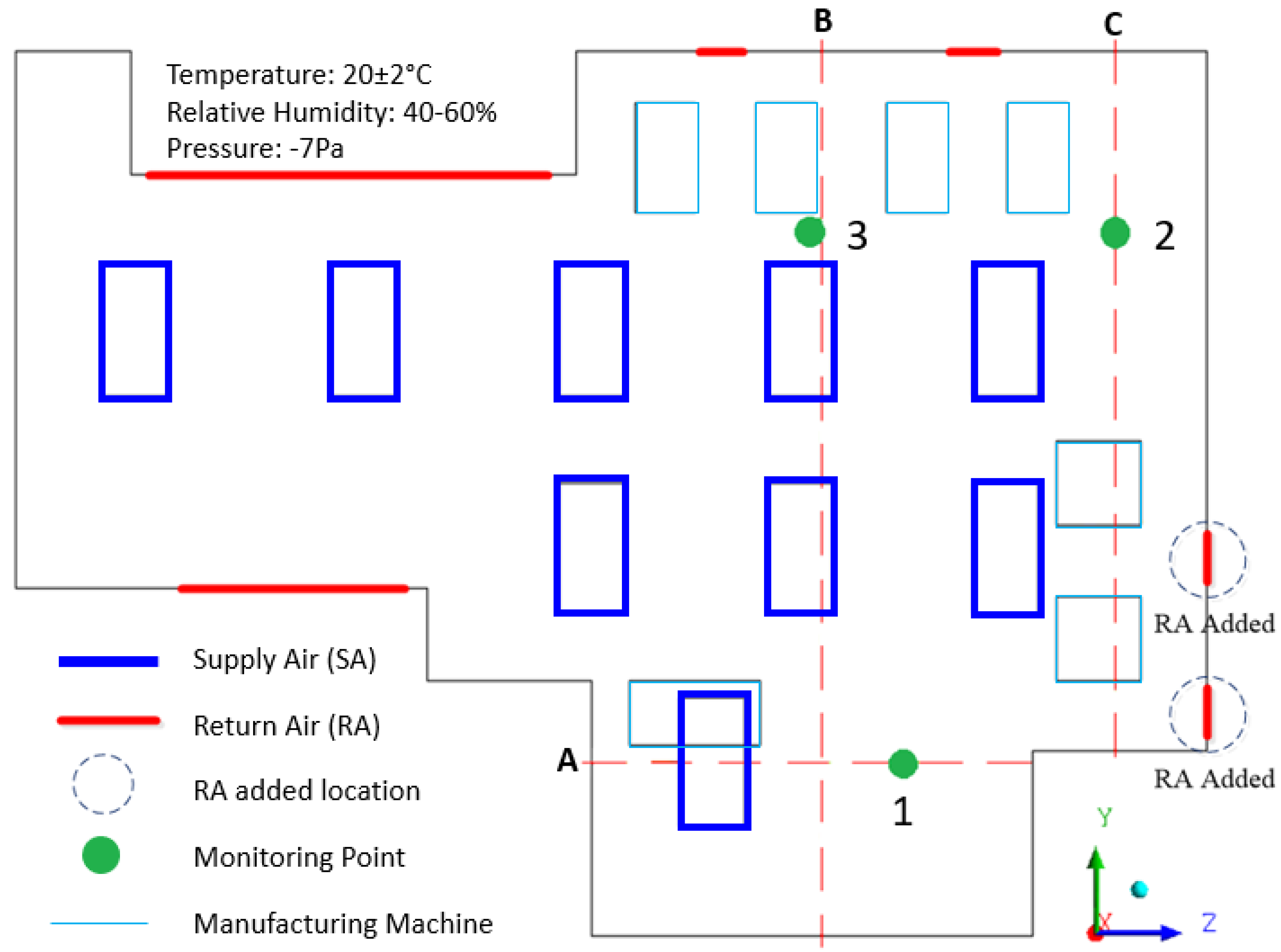
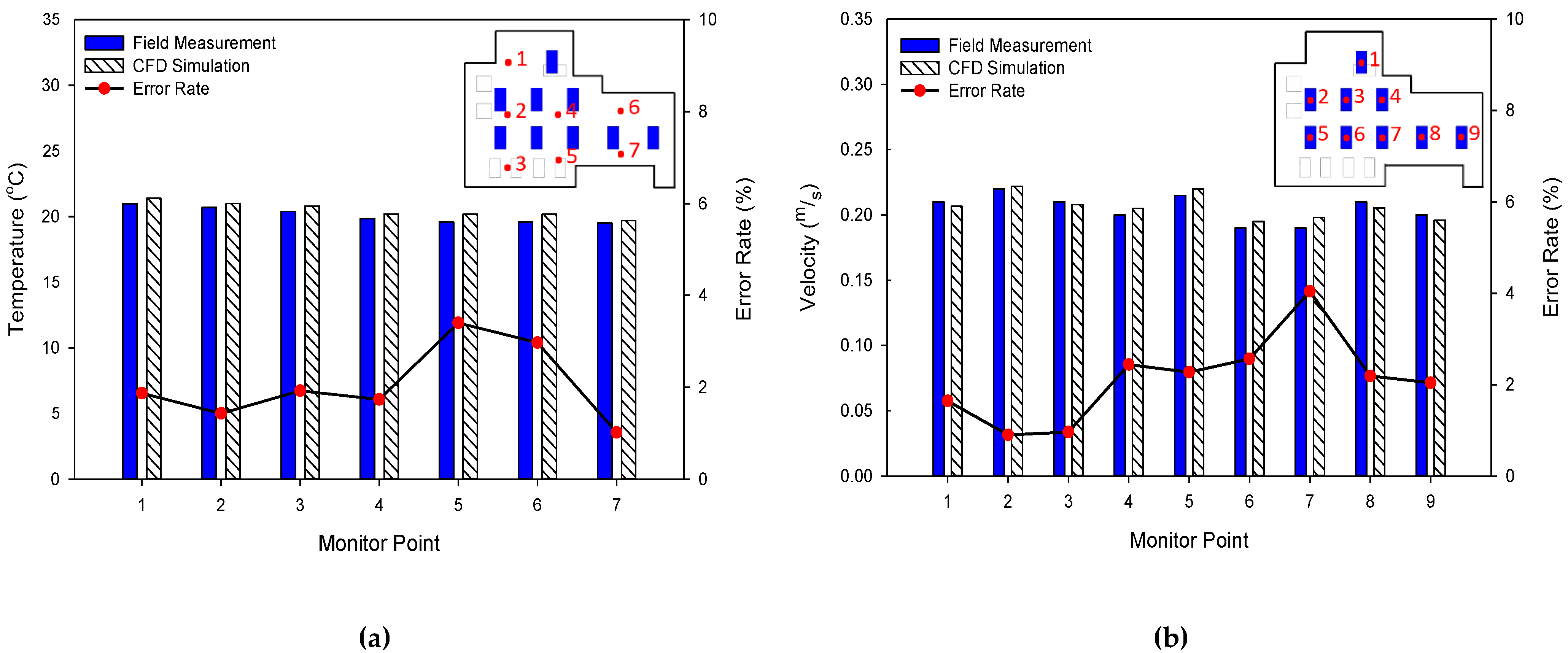
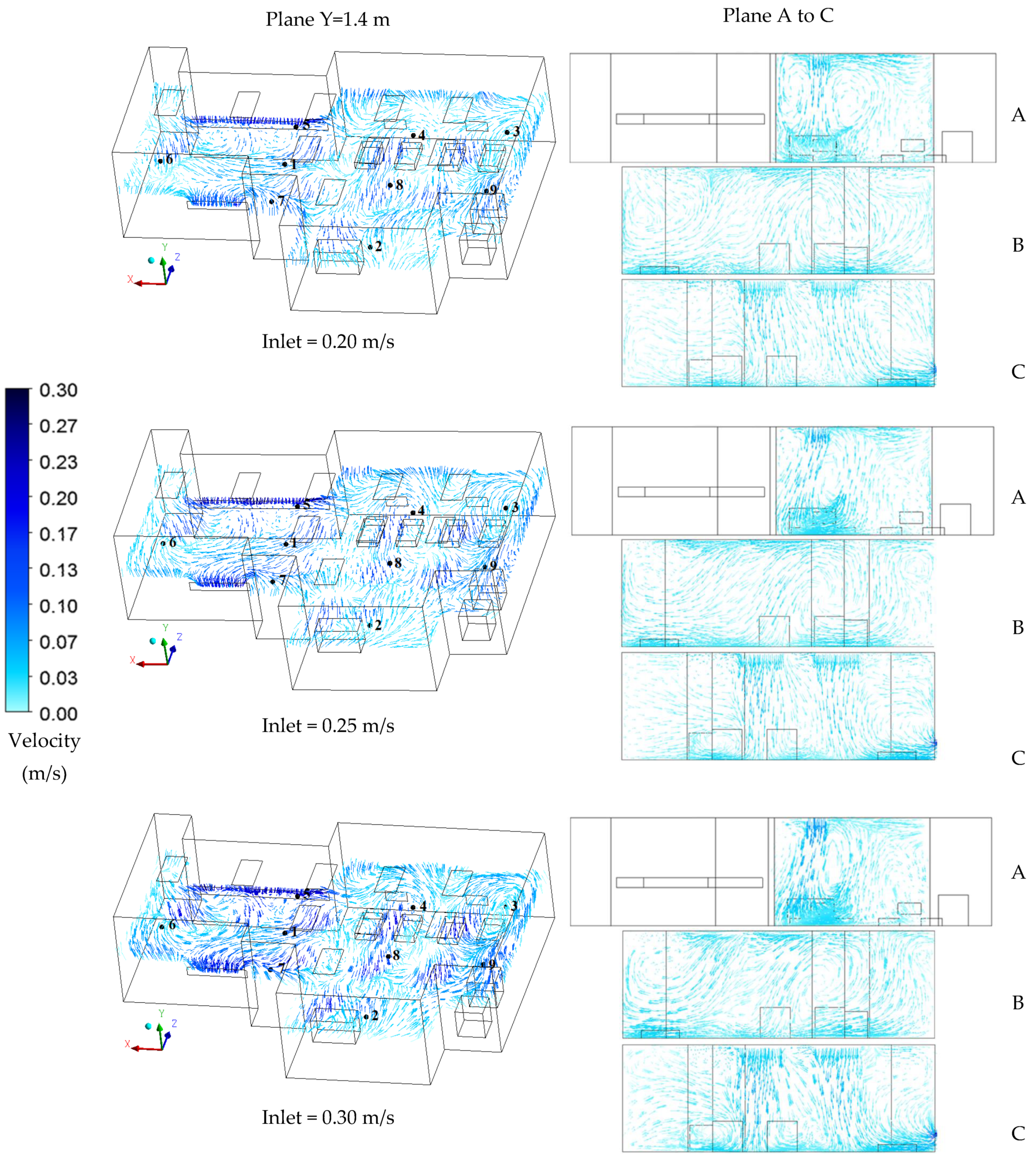
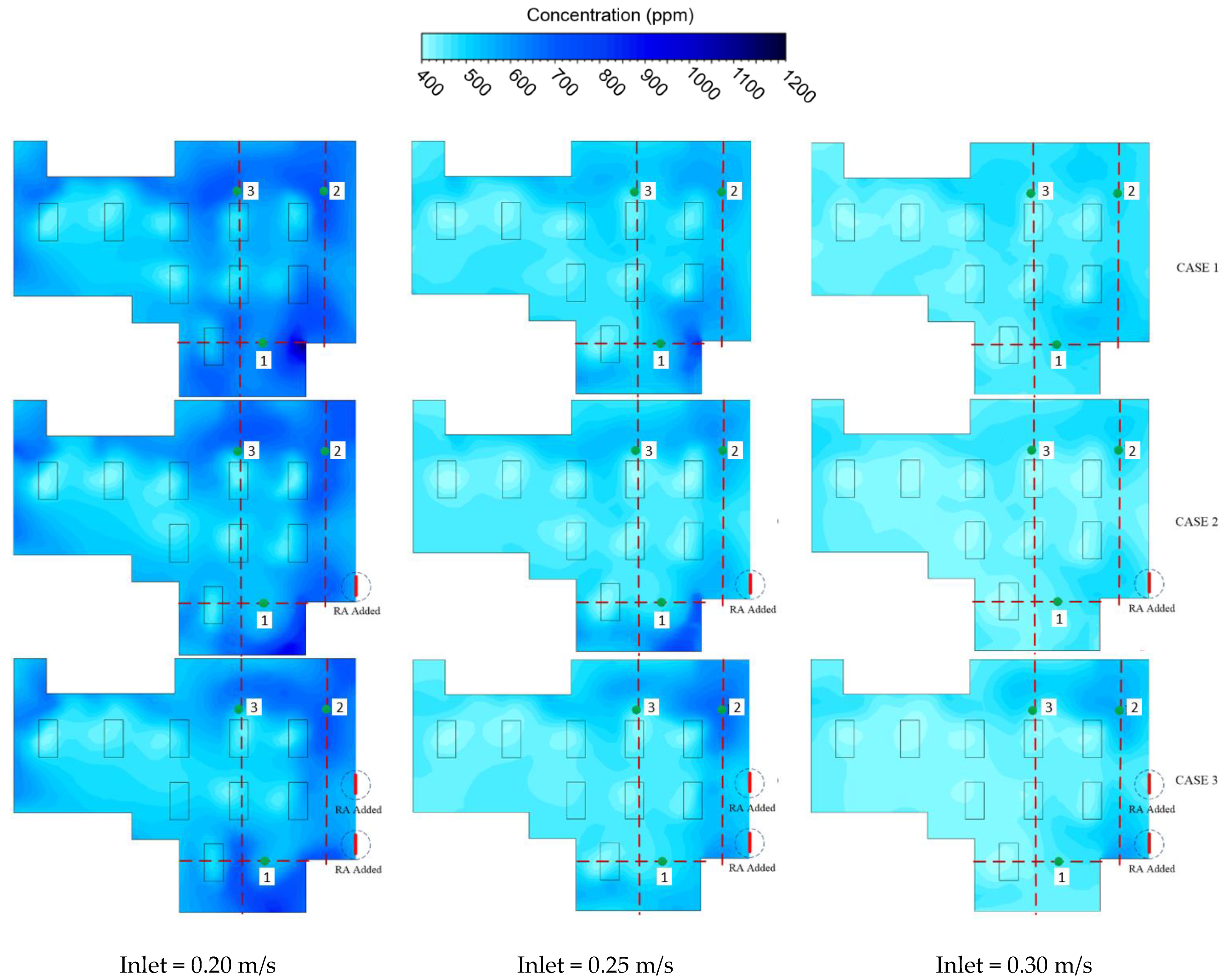
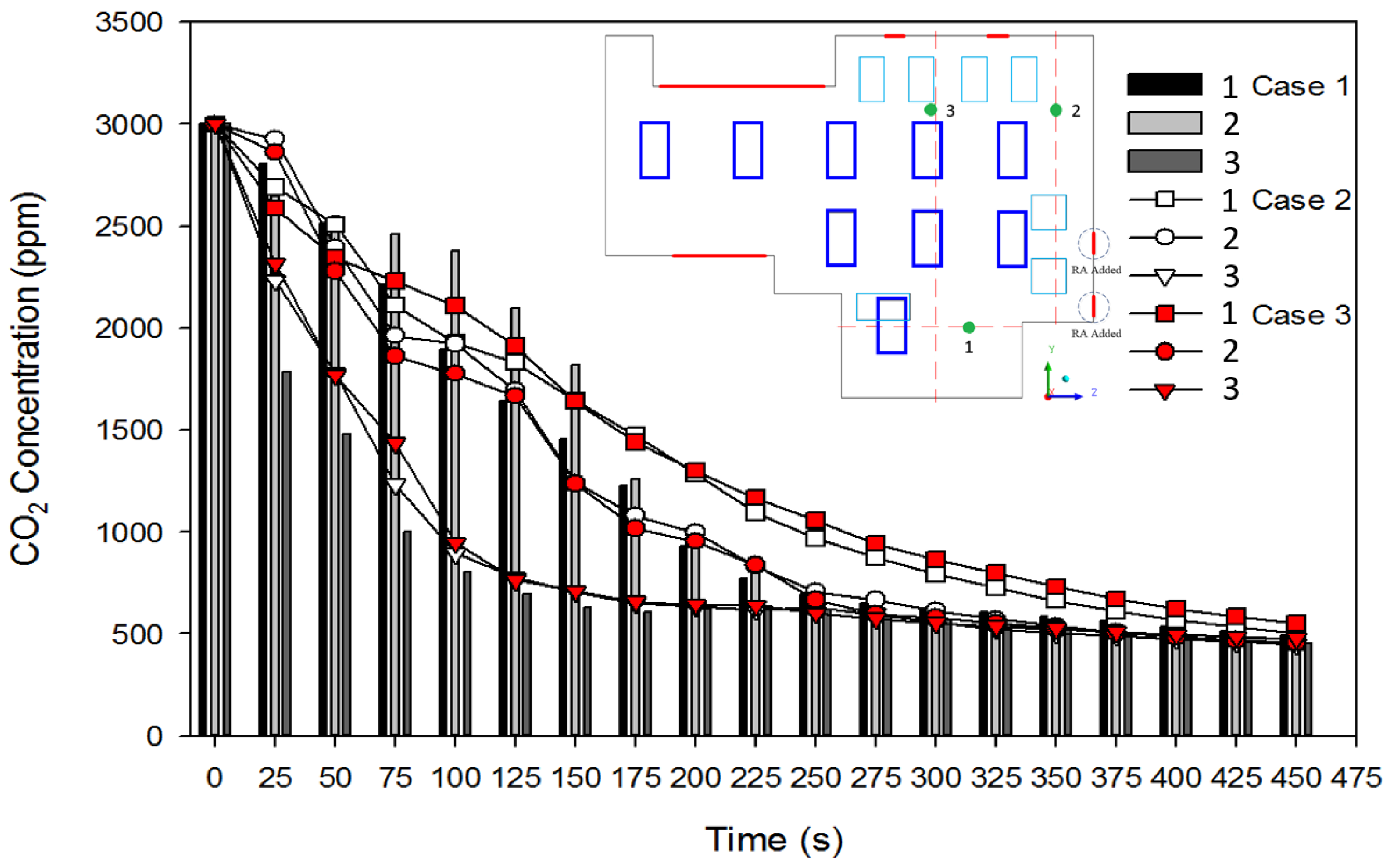
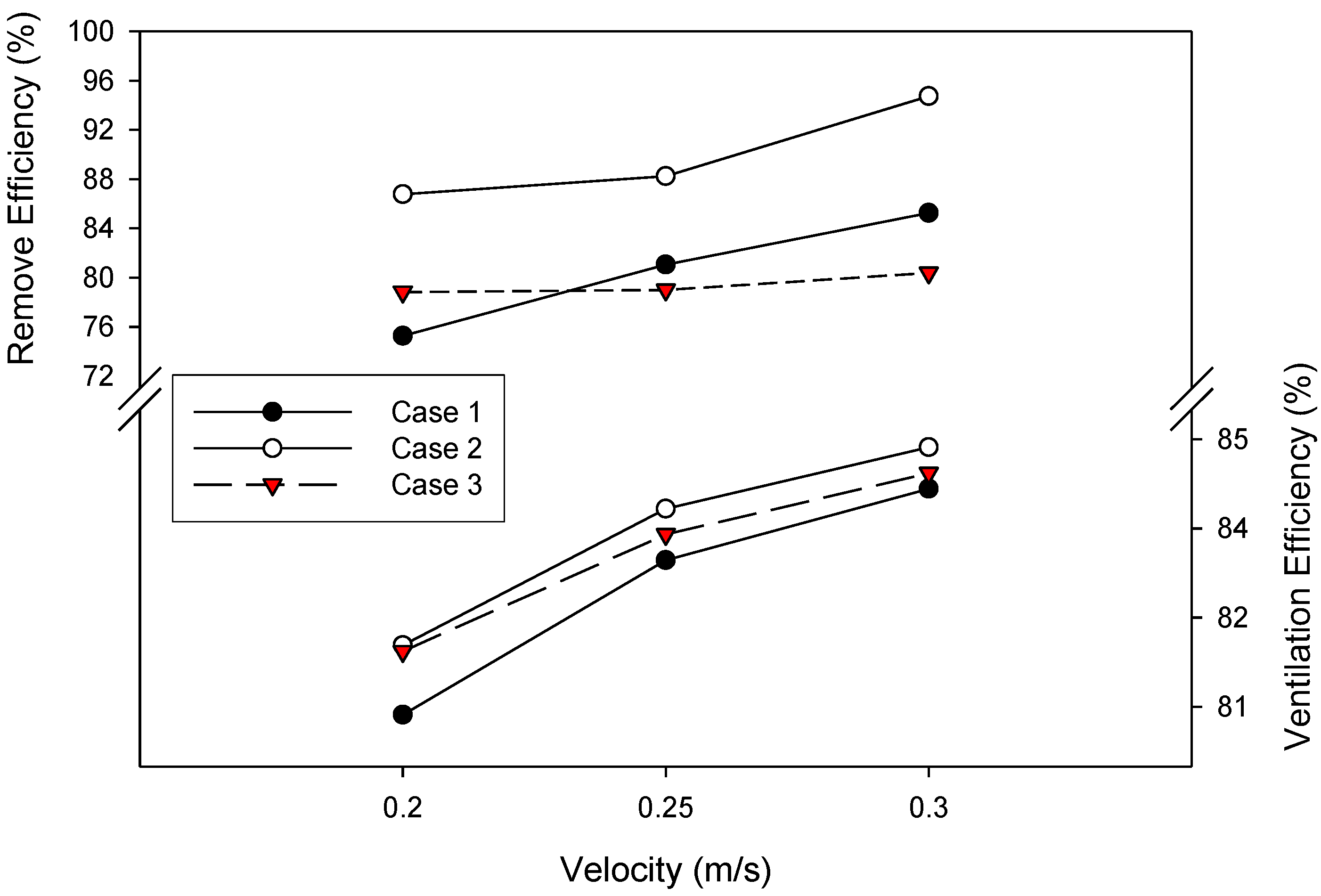
The biotech cleanroom industry presents a biological basis for living organisms or their components (bacteria or enzymes) to produce helpful medicine. However, biotech industries such as vaccine production need a clean critical environment and contamination control that is always a vital concern for the manufacturing process. This study investigates a biotech cleanroom through a comprehensive field measurement and numerical simulation. The field measurement test results conformed to the design specification to satisfactorily meet with the cleanroom standard of PIC/S and EU GMP. Furthermore, the field measurement data were used as a basic validation and boundary condition for numerical simulation. The numerical simulation results revealed that the concentration distribution in case 1 as a baseline case showed satisfactory results, with a removal efficiency of 75.2% and ventilation efficiency of 80%. However, there was still a high concentration accumulated in certain areas. The improvement strategy was analyzed through non-unidirectional flow ventilation with different face velocities and by adding one return air grille for case 2 and two return air grilles for case 3. The results revealed that case 2 presented the best results in this study, with a removal efficiency of 86.7% and ventilation efficiency of 82% when supplying air velocity at 0.2 m/s. In addition, increasing the supply air velocity to 0.3 m/s could enhance removal ventilation by around 19% and ventilation efficiency by around 5%.
Keywords: biotechnology; cleanroom; field measurement; numerical simulation; contamination biotechnology; cleanroom; field measurement; numerical simulation; contamination