
Article

Evaluation of Outdoor Environment PM10 Concentration in an Organized Industrial Zone Using Geographical Information System

Department of Environmental Engineering, Engineering Faculty, Necmettin Erbakan University, 42090 Konya, Turkey
*
Author to whom correspondence should be addressed.
Atmosphere 2022, 13(11), 1918; https://doi.org/10.3390/atmos13111918
Submission received: 29 September 2022 / Revised: 12 November 2022 / Accepted: 14 November 2022 / Published: 17 November 2022
(This article belongs to the Special Issue Industrial Air Pollution: Emission, Management and Policy)

Abstract

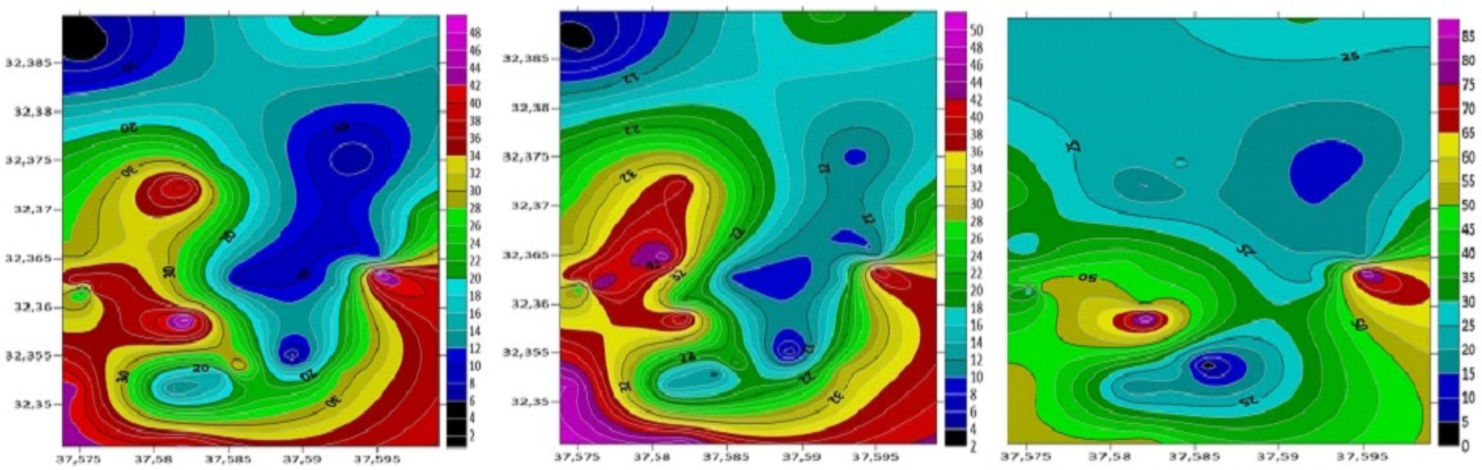
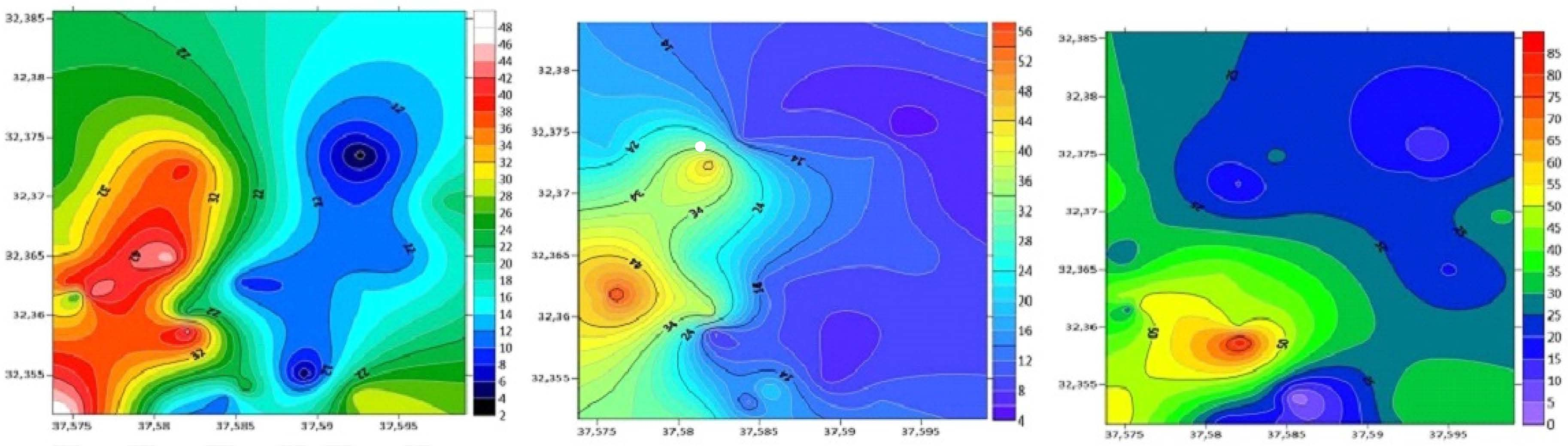
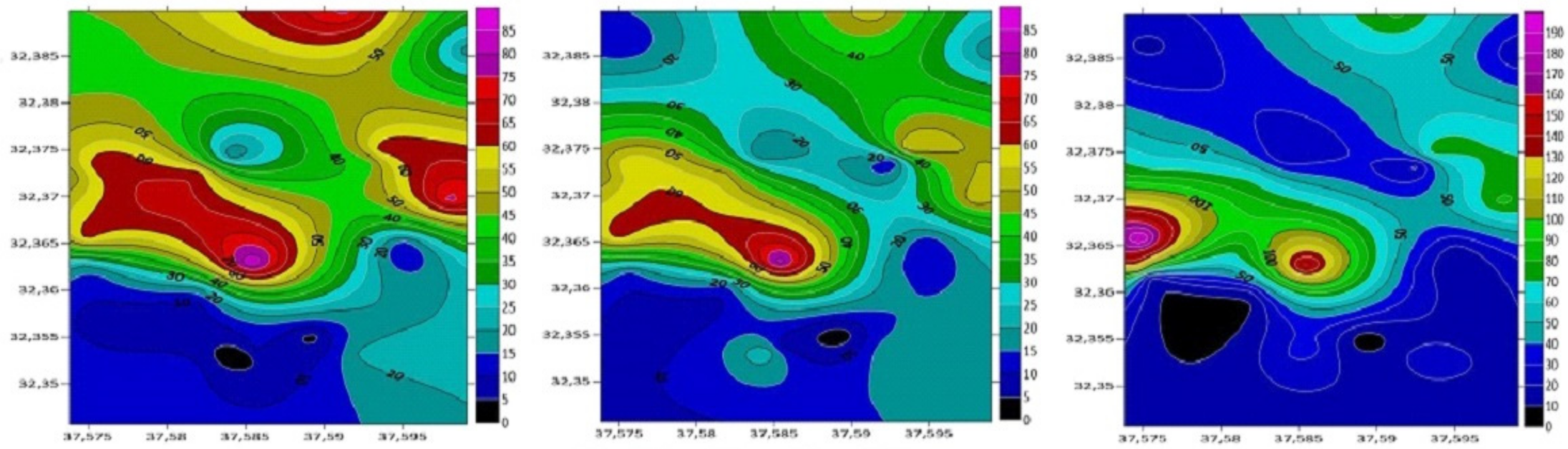
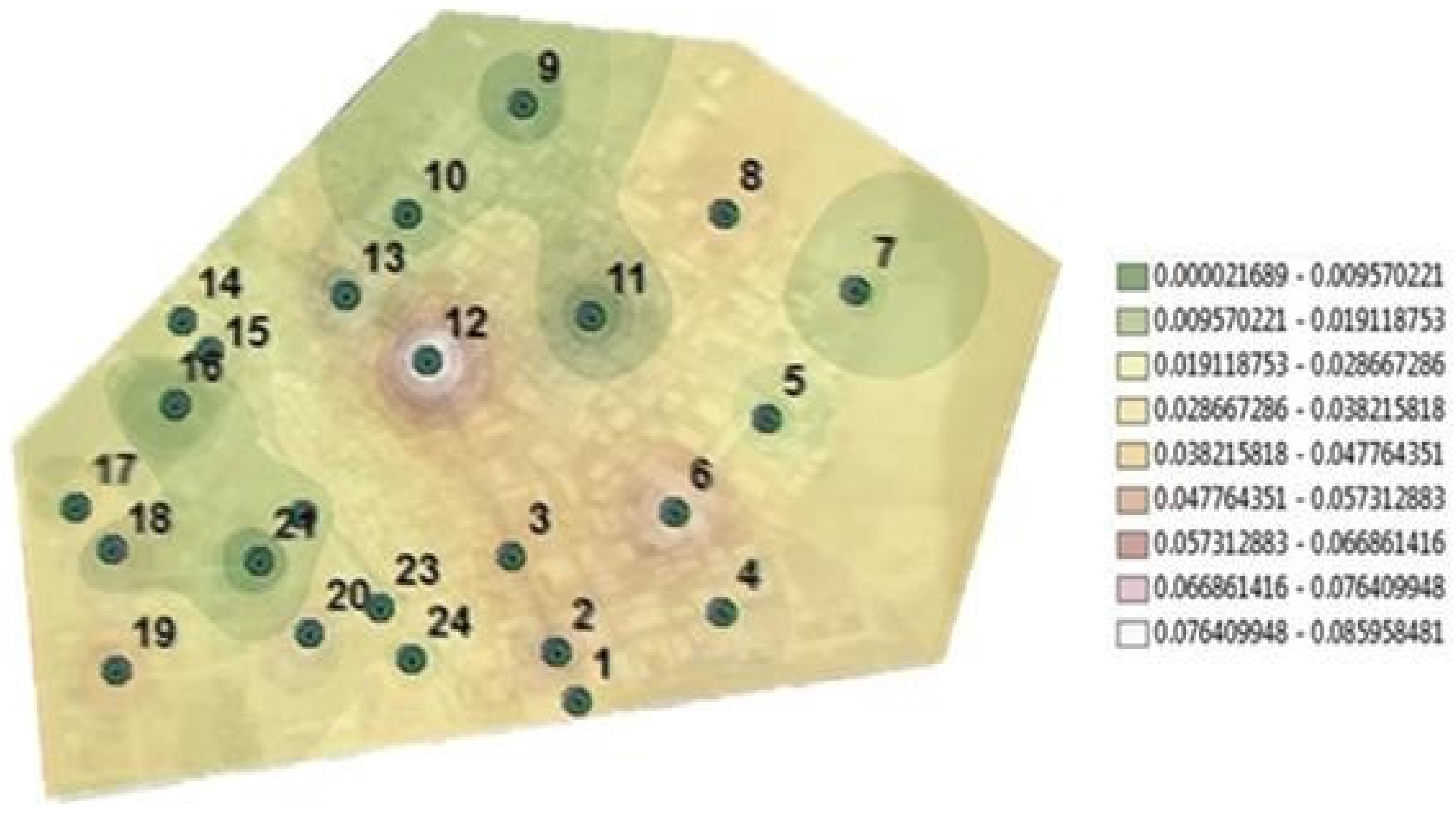
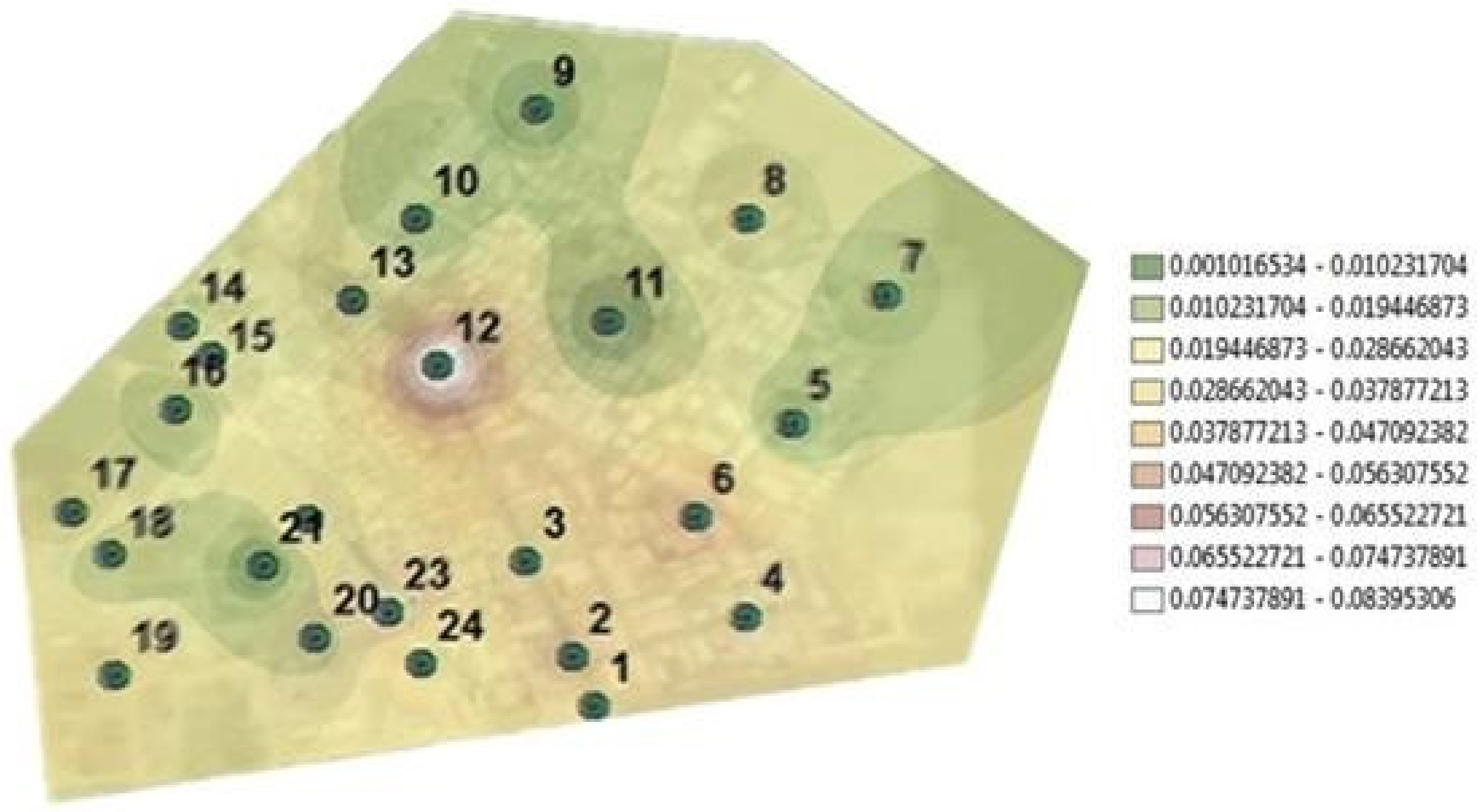
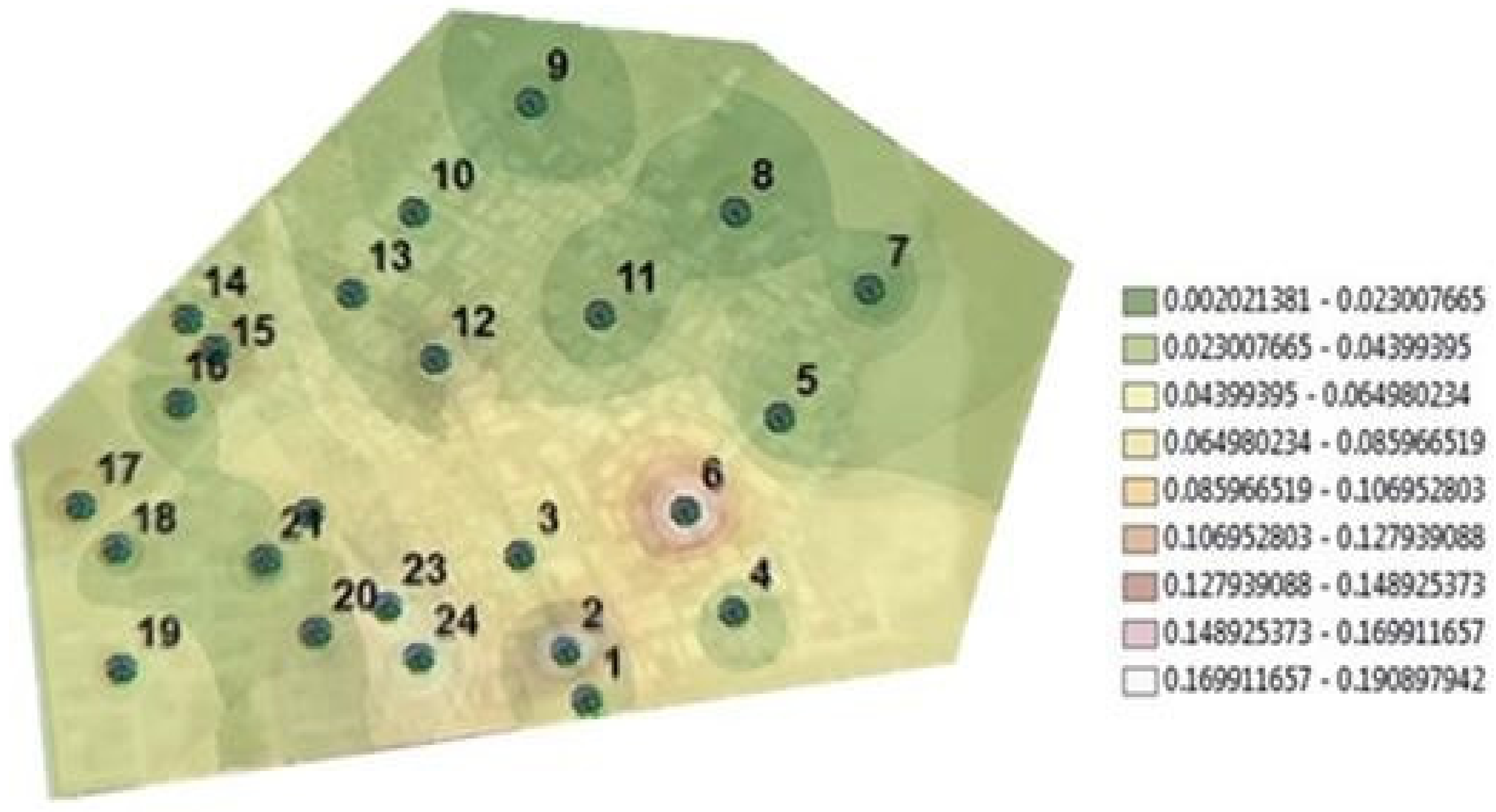
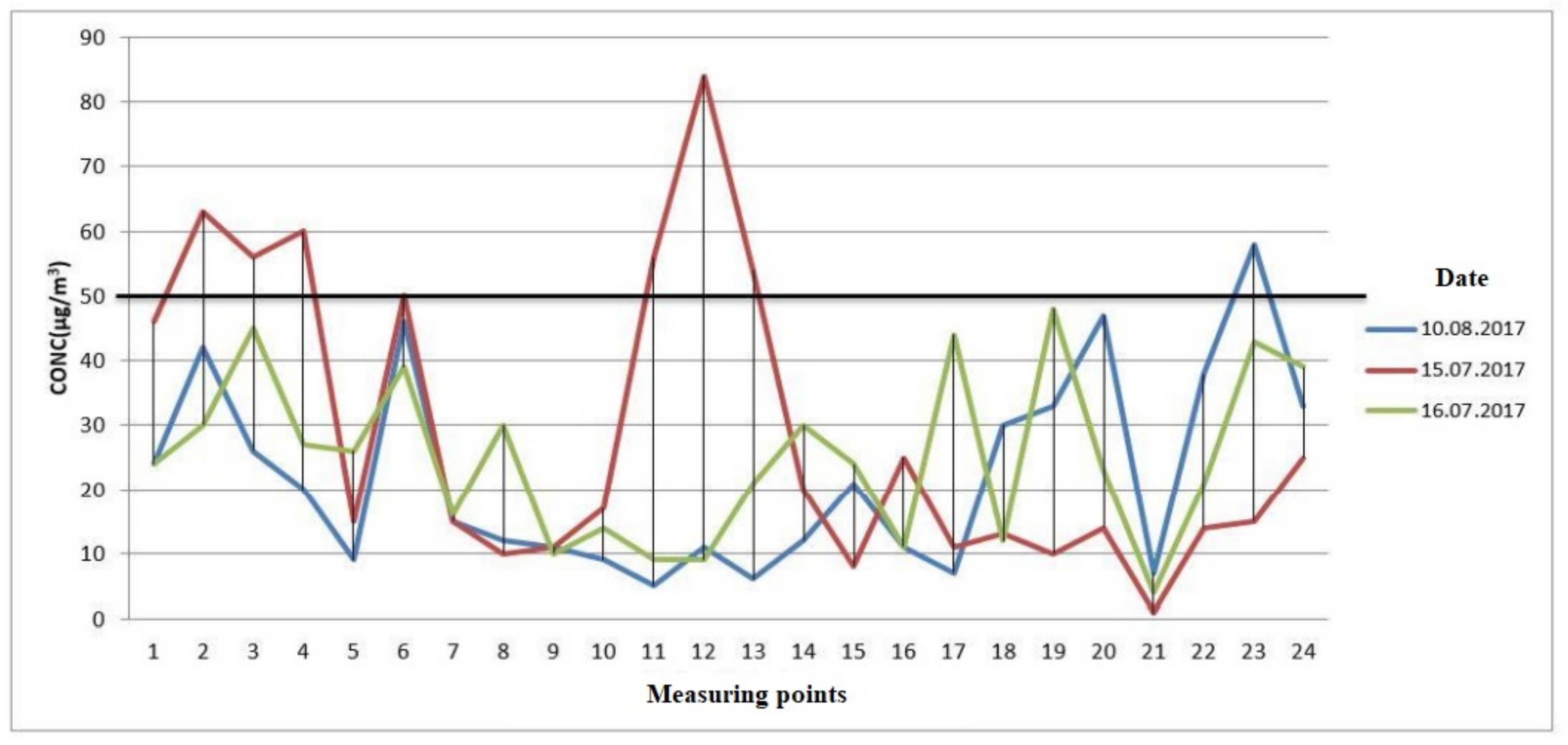
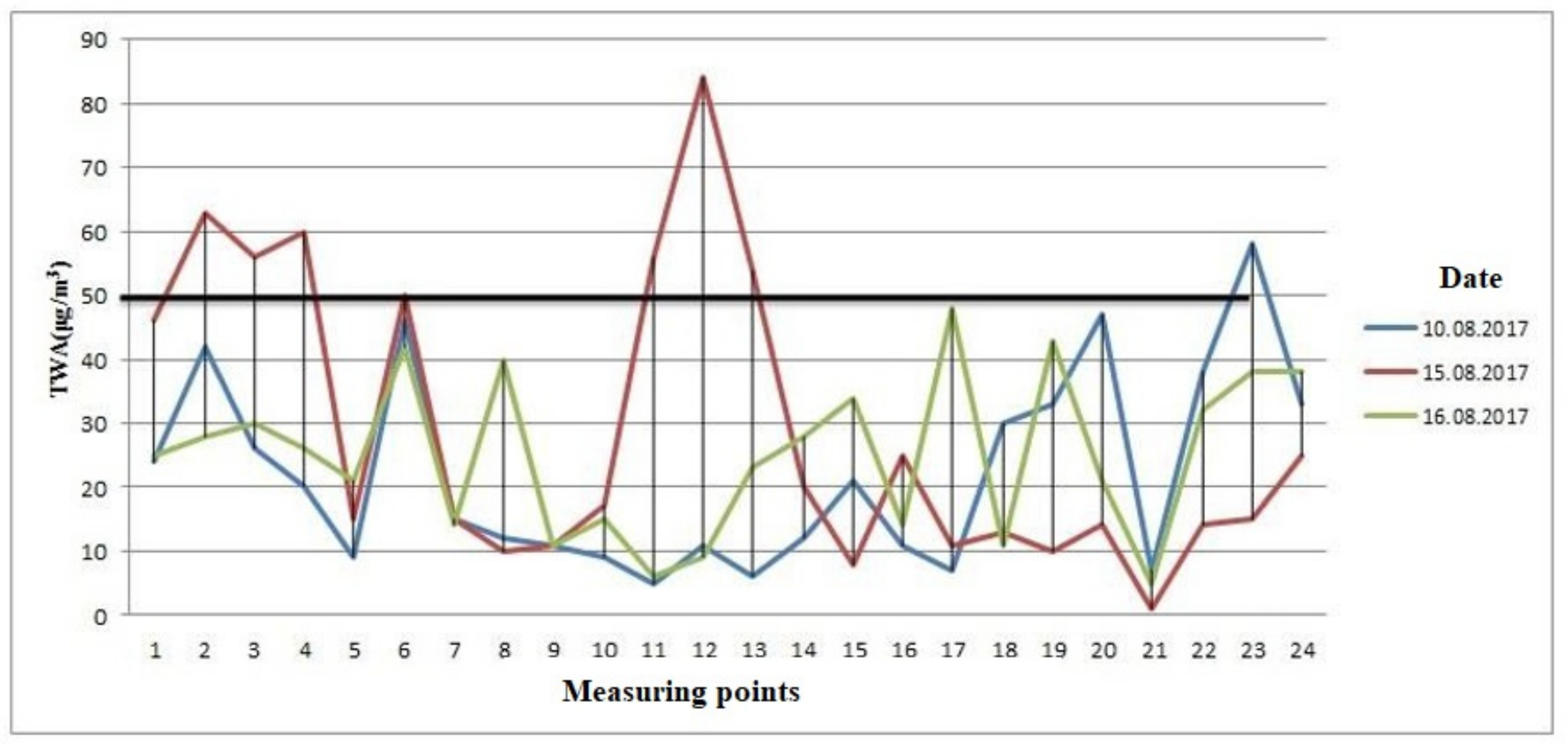
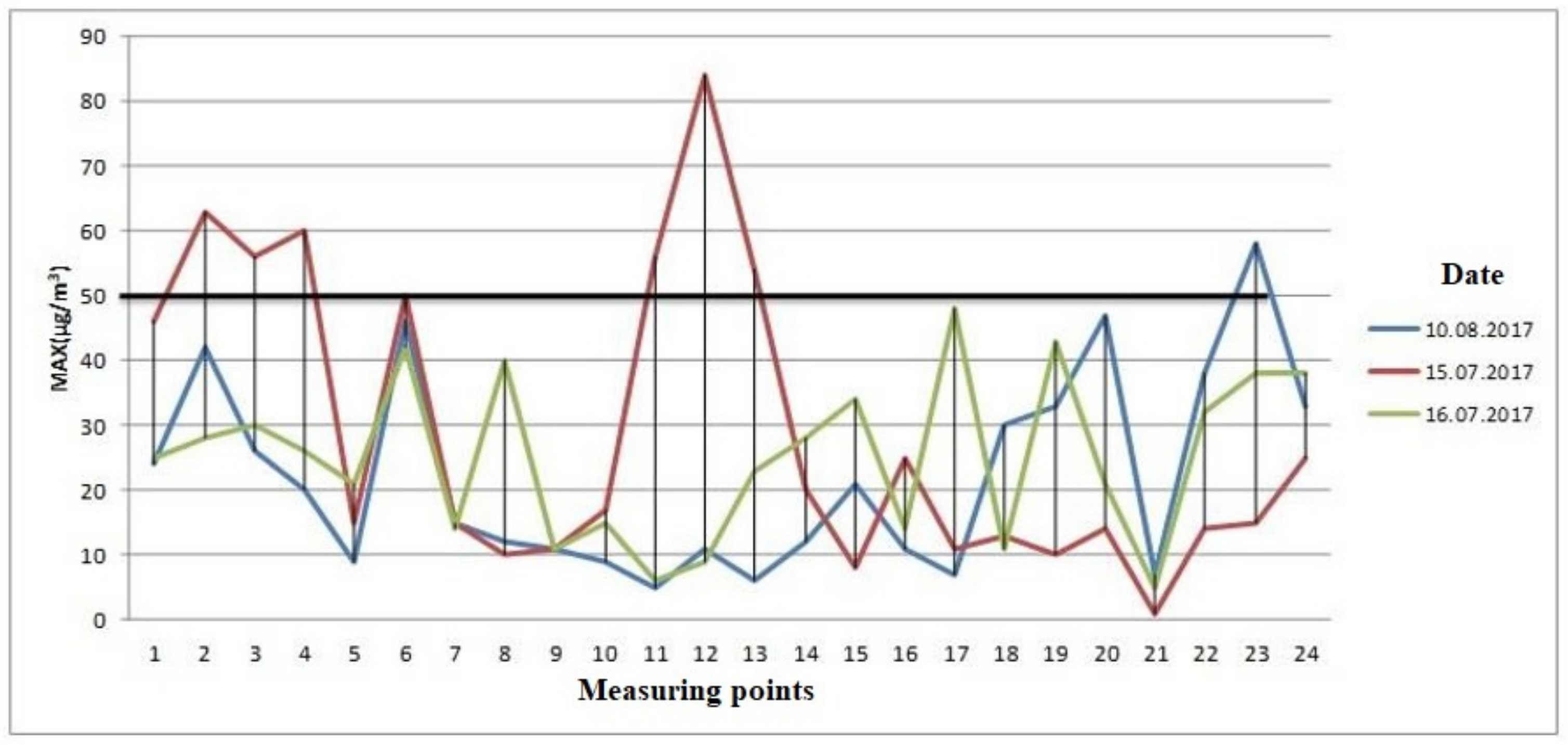
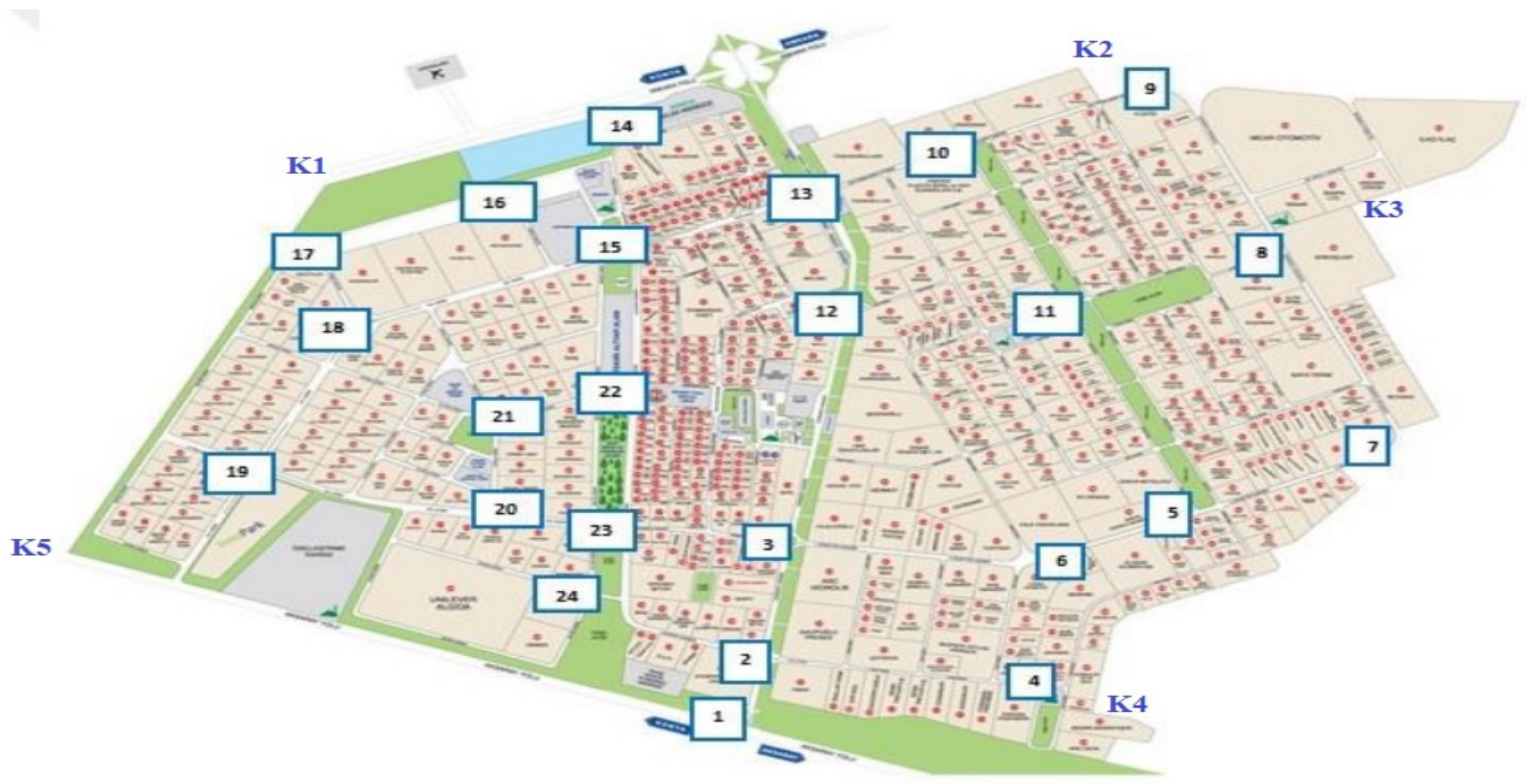
Air pollution adversely affects human health, visibility distance, materials, plants and animal health. Air pollution’s impact on human health arises from inhaling high amounts of harmful substances in the atmosphere. Notably, our understanding of the damage caused by PM10 pollutants is improving daily. This study aims to measure and analyze PM10 pollution in the Konya Organized Industrial Zone at certain times and places. Measurements were taken at twenty-four locations in the morning, noon and evening hours. The results were compared with the Turkish Air Quality Assessment and Management Regulation, and pollution maps of the regions were created with Surfer Software and ArcGIS 10.1 programs. With the measurements, it was observed that the times at which the limit was exceeded were mainly the evening hours. While no limit exceedance was recorded in the morning hours, the average concentration value was observed once in those hours, and around noon the maximum value was observed five times. In this study, we correlated the measurement results, the values of the measurement points located in the city center and the average number of vehicles passing through the region. It was observed that the PM10 -induced air pollution in the Konya Organized Industrial Zone was caused by dense traffic during evening hours. To prevent traffic-related pollution in the region, it is recommended to increase the number of entrance and exit gates in the industrial zone and to plant trees in appropriate sections.
Keywords: air pollution; Konya Organized Industrial Zone; particulate matter; CBS; Surfer Software; correlation air pollution; Konya Organized Industrial Zone; particulate matter; CBS; Surfer Software; correlation