Structure-Based Virtual Screening and Mechanistic Characterization of Methotrexate and Selinexor as Potent Anti-Melanogenic Agents via Multi-Pathway Suppression of MITF


Highlights
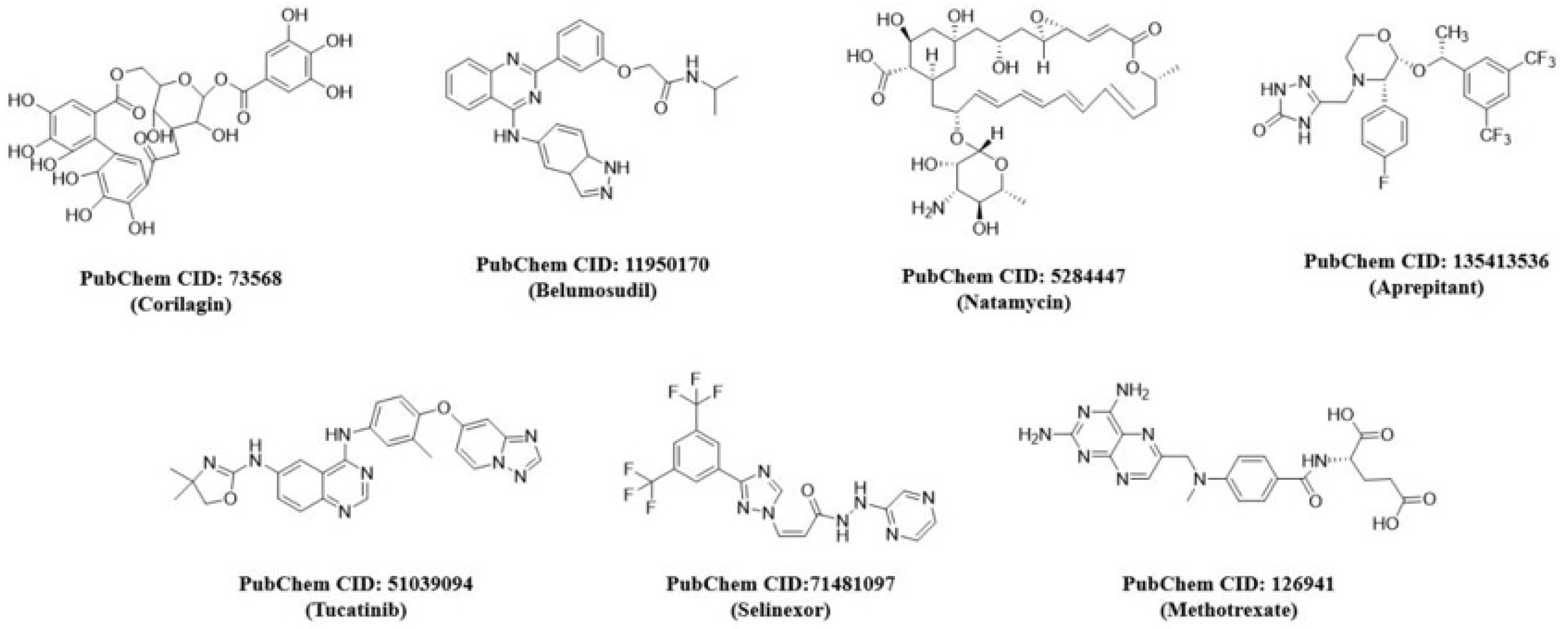
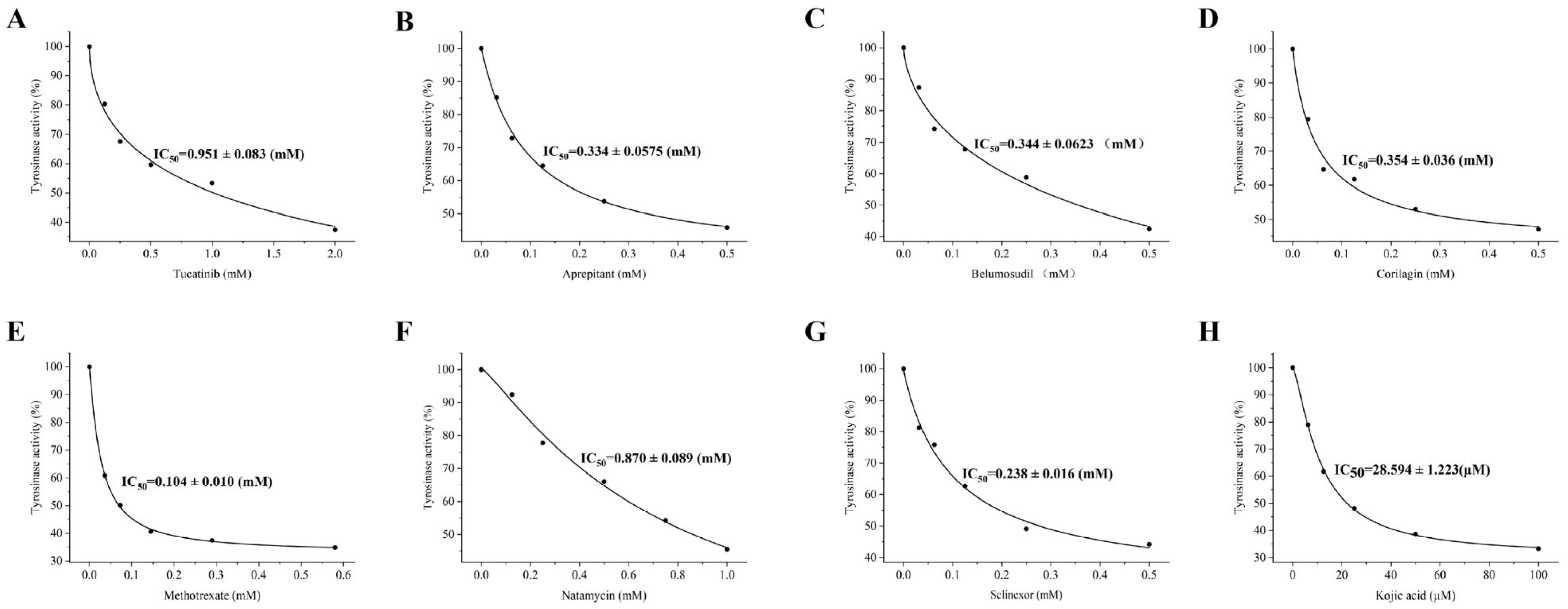
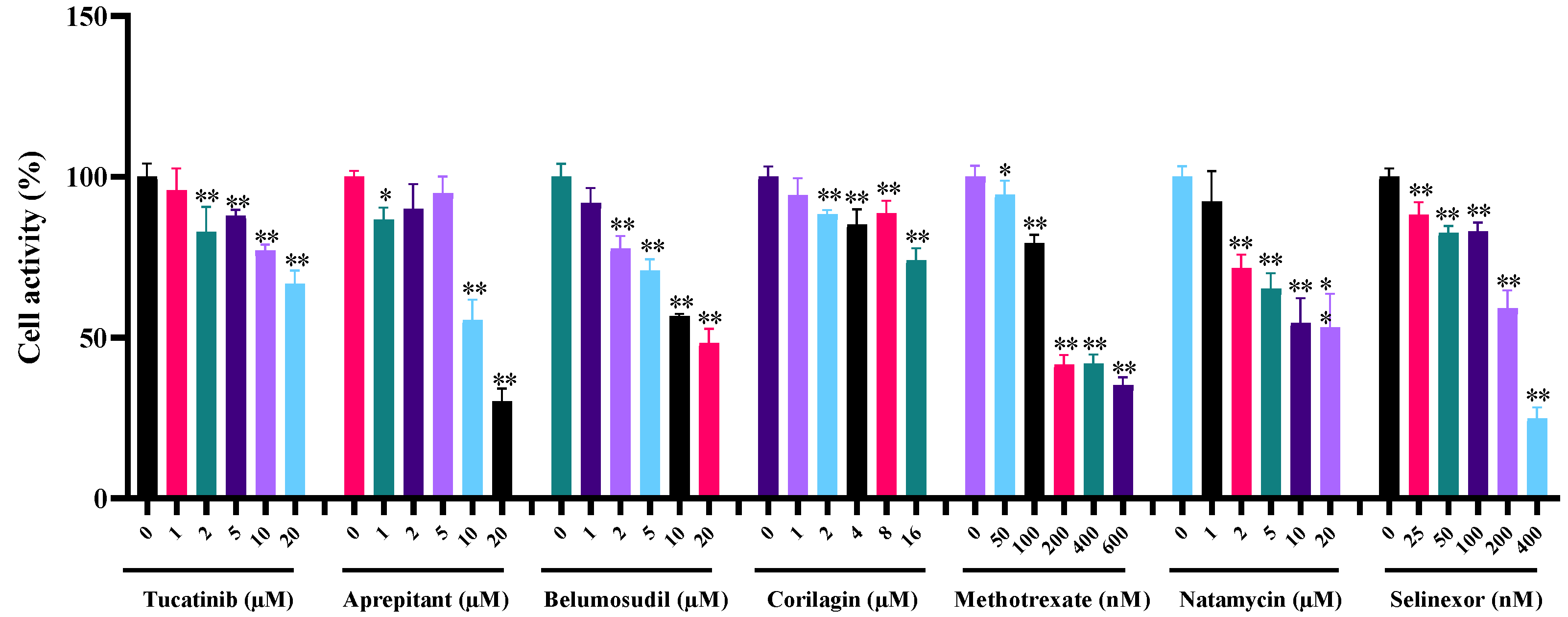
- Structure-based virtual screening against a human tyrosinase homology model identified methotrexate and selinexor as potent suppressors of melanogenesis, achieving nanomolar efficacy in MNT-1 melanoma cells.
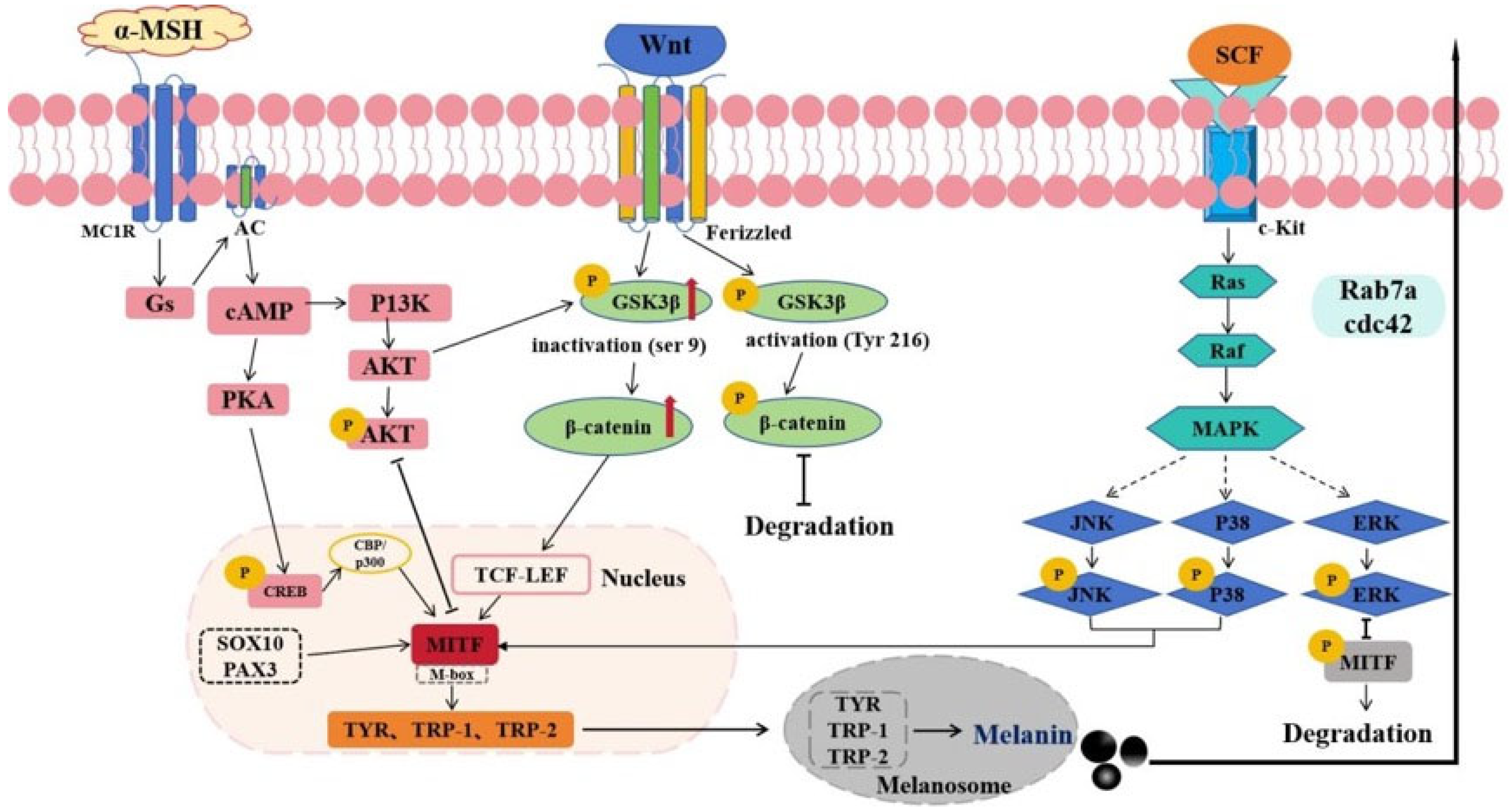
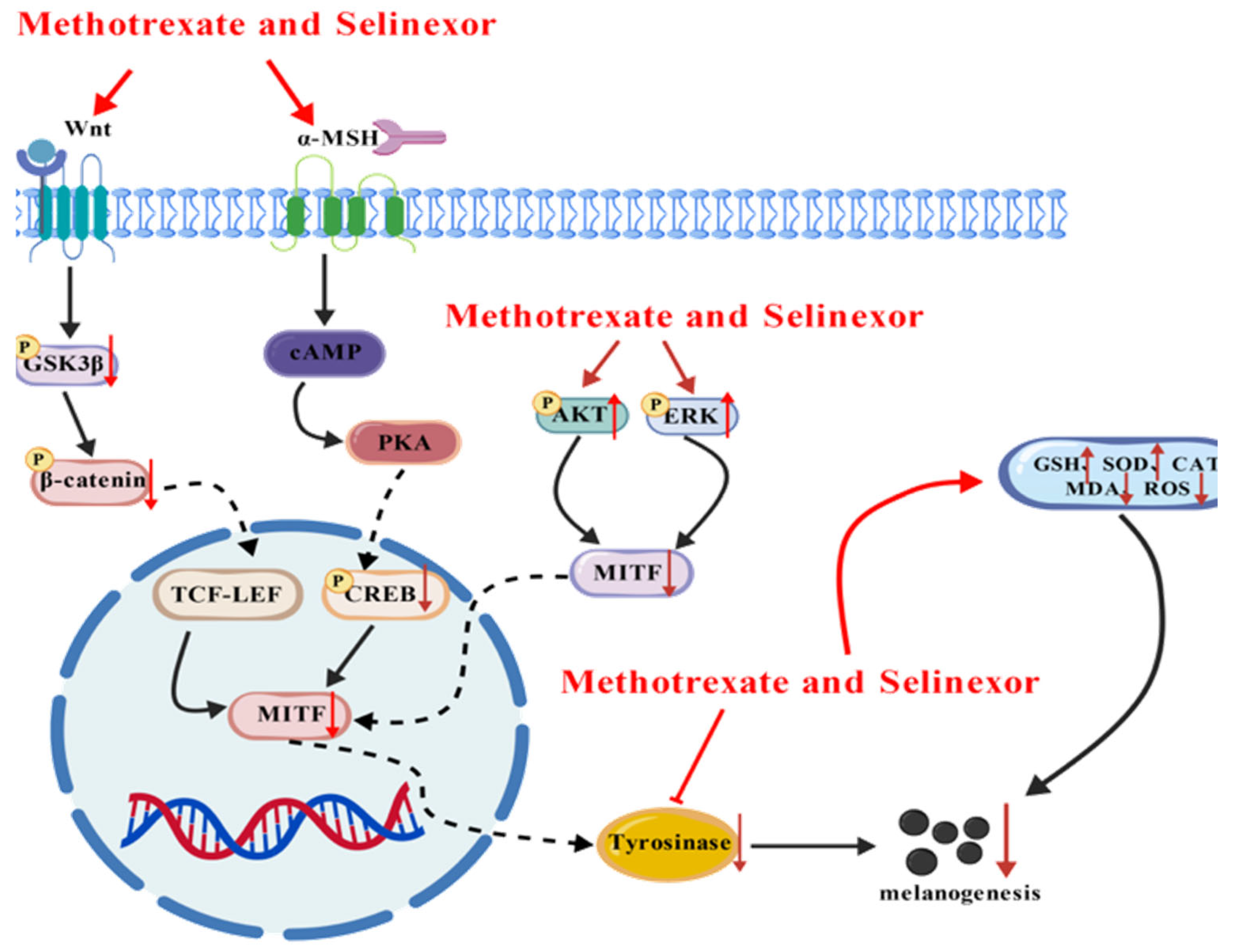
- They dismantle the melanogenic program through a coordinated multi-node attack on MITF: dual transcriptional blockade via the cAMP/PKA/CREB and Wnt/β-catenin pathways, accelerated proteasomal degradation through AKT/ERK activation, and reinforcement of the intracellular antioxidant defense system.
- Methotrexate and selinexor have well-documented systemic toxicities in their approved oncological indications. Therefore, their potential application in hyperpigmentation would require rigorous preclinical evaluation of topical formulations to ensure minimal systemic absorption and local tolerability.
- Convergent targeting of MITF at both the transcriptional and post-translational levels constitutes a robust anti-melanogenic strategy and provides a framework for next-generation depigmenting therapeutics.
Abstract
1. Introduction
2. Materials and Methods
2.1. Chemicals and Reagents
2.2. Homology Modeling and Structure-Based Virtual Screening
2.3. In Vitro Tyrosinase Activity
2.4. Cell Culture
2.5. Cell Viability Assay
2.6. Intracellular Tyrosinase Activity
2.7. Melanin Content Quantification
2.8. Intracellular ROS Measurement
2.9. Determination of GSH, MDA, SOD, and CAT
2.10. Quantitative Real-Time PCR
2.11. Western Blot Analysis
2.12. Immunofluorescence and Confocal Microscopy
2.13. MITF-M Overexpression
2.14. Statistical Analysis
3. Results and Discussion
3.1. Docking-Based Virtual Screening and Hit Identification
3.2. Inhibitory Effects of Candidate Compounds on Mushroom Tyrosinase Activity
3.3. Cytotoxic Profiling and Safety Assessment in MNT-1 Melanoma Cells
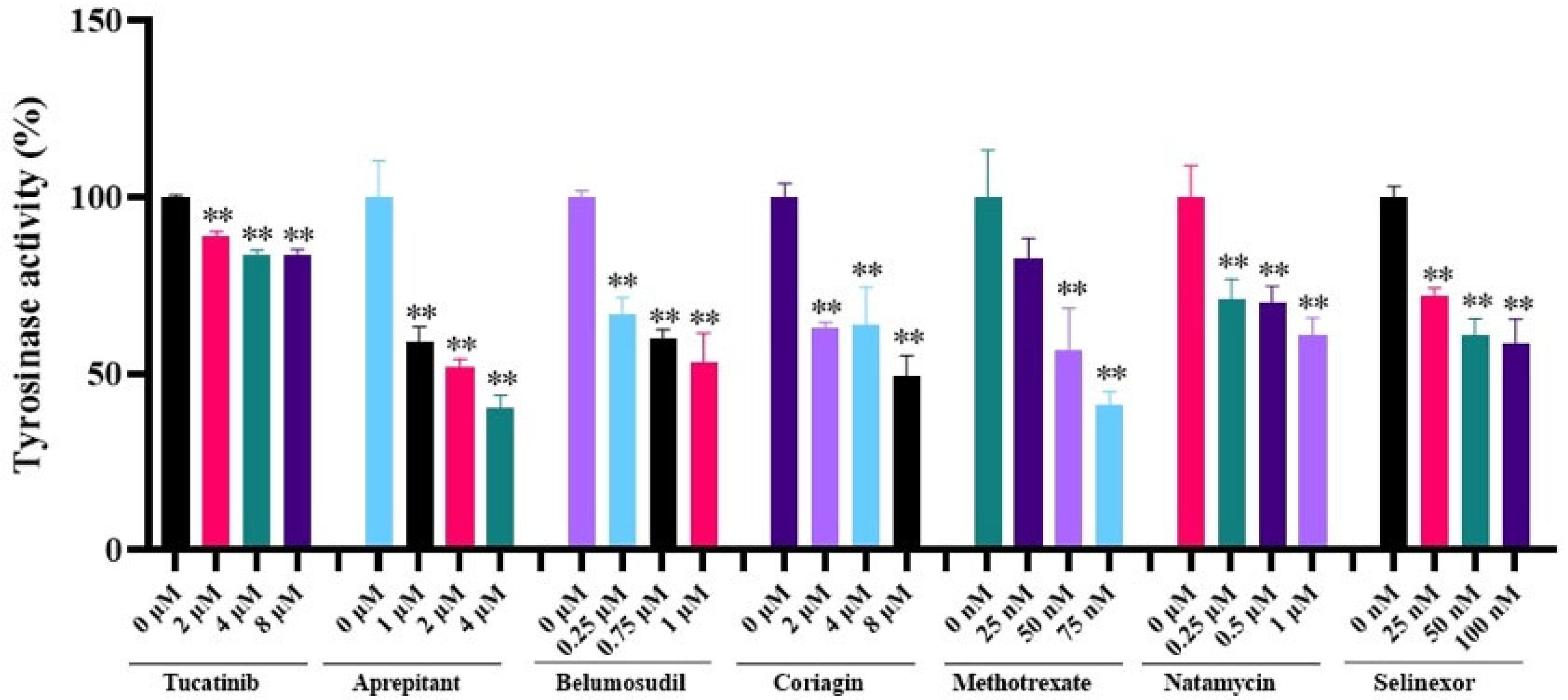
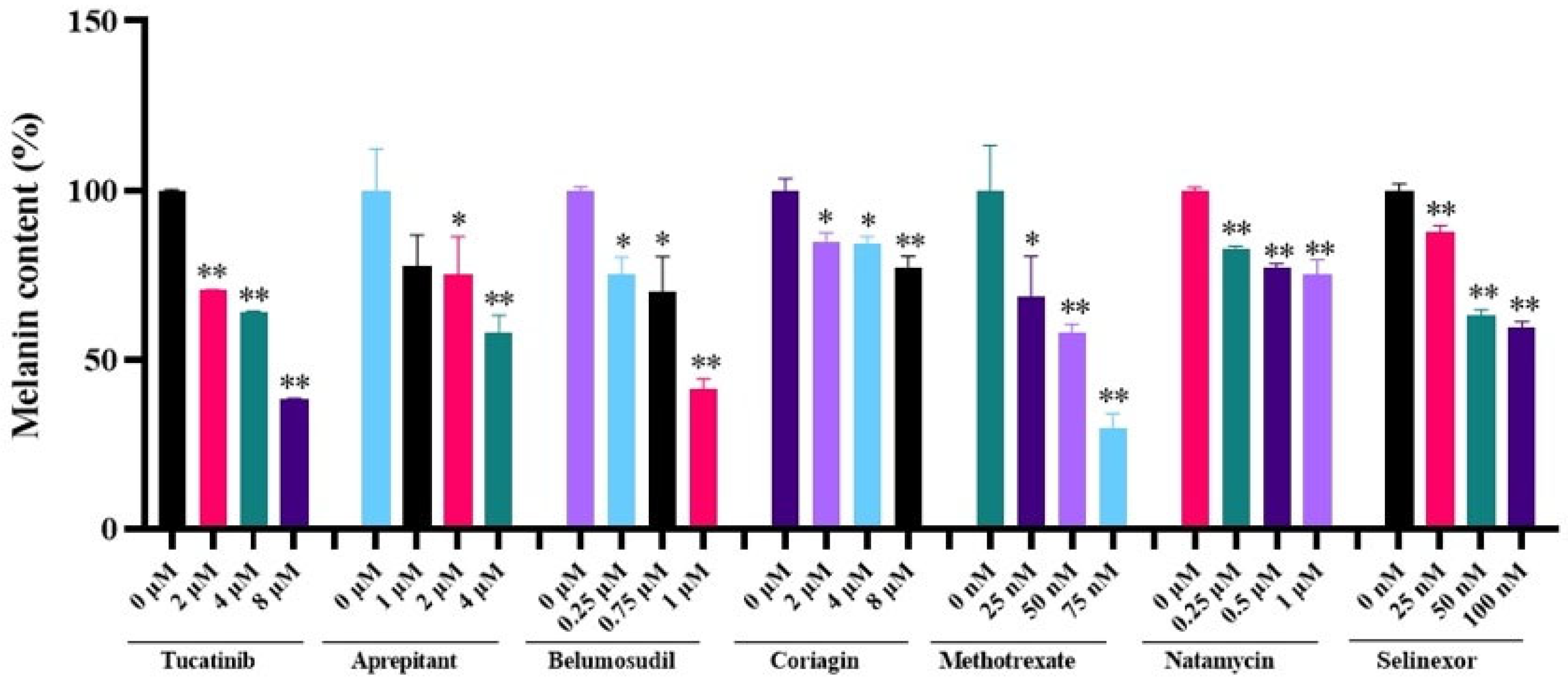
3.4. Methotrexate and Selinexor Exhibit Superior Inhibition of Cellular Tyrosinase Activity and Melanin Production
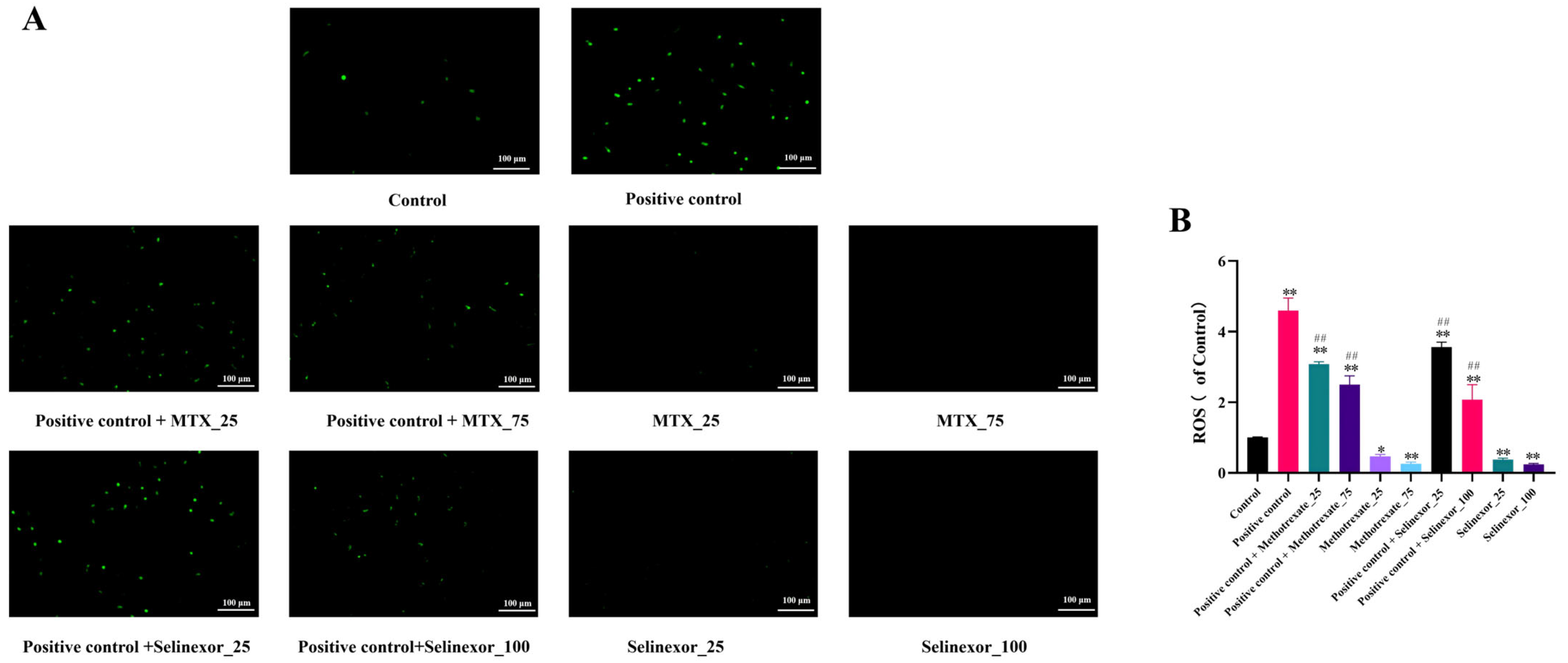
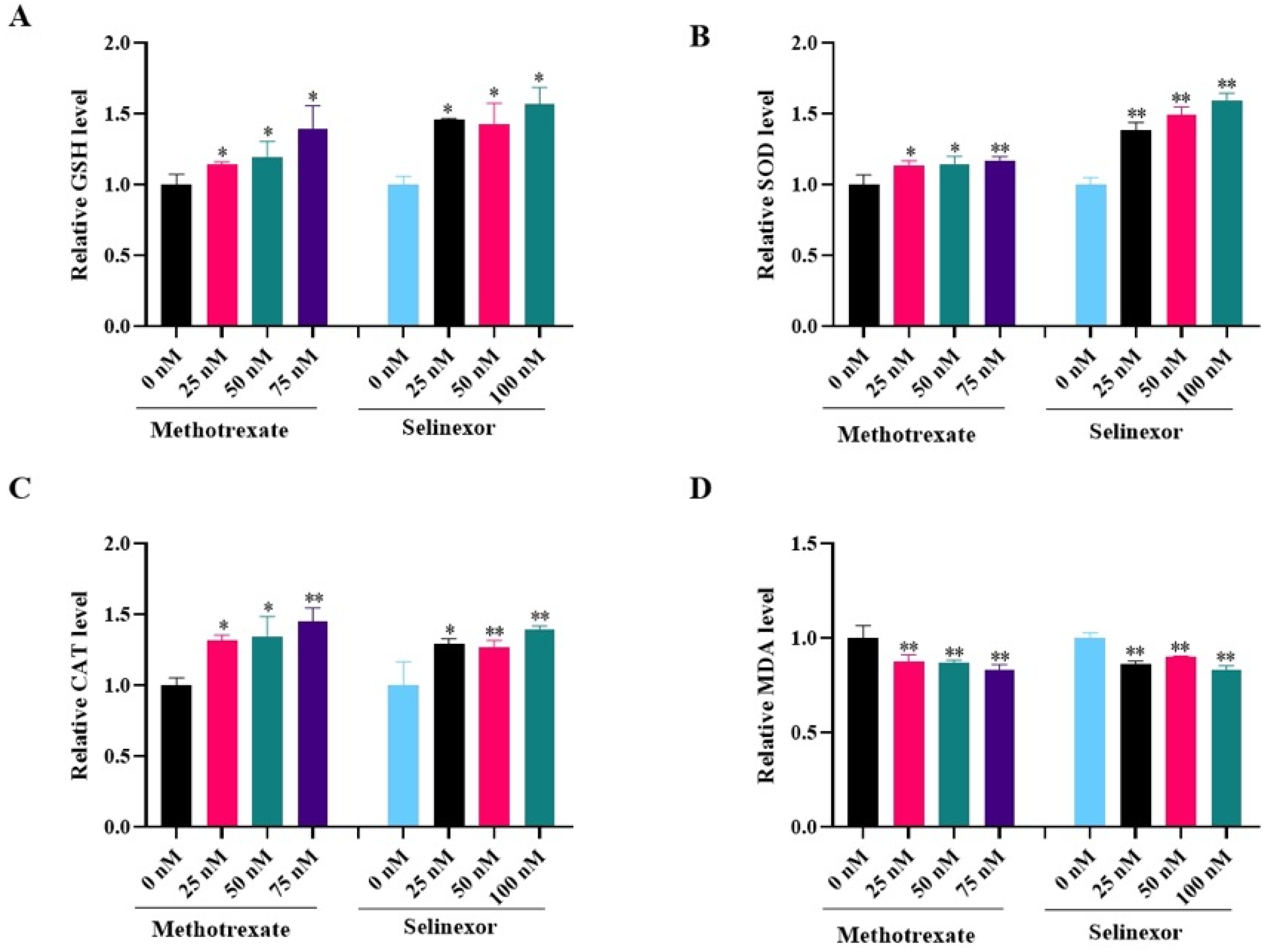
3.5. Modulation of Intracellular Redox Homeostasis by Methotrexate and Selinexor
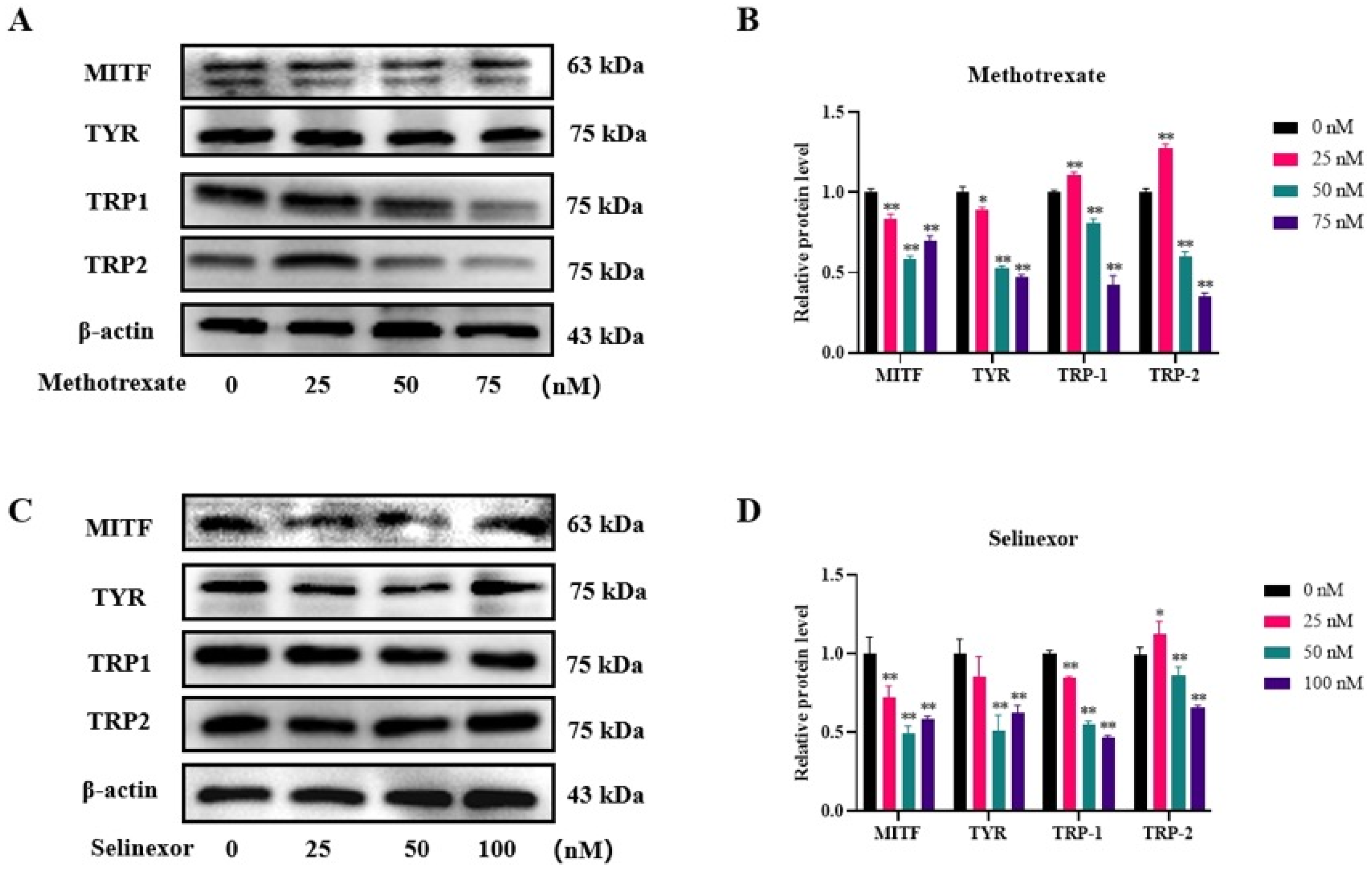
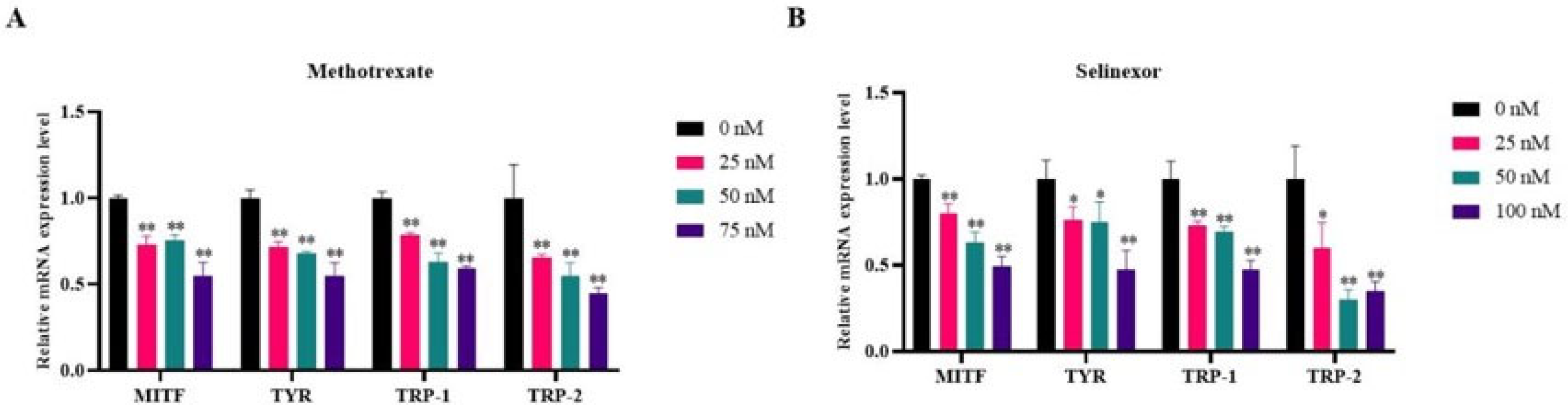
3.6. Transcriptional Suppression of the MITF/TYR Axis Is a Primary Mechanism of Action
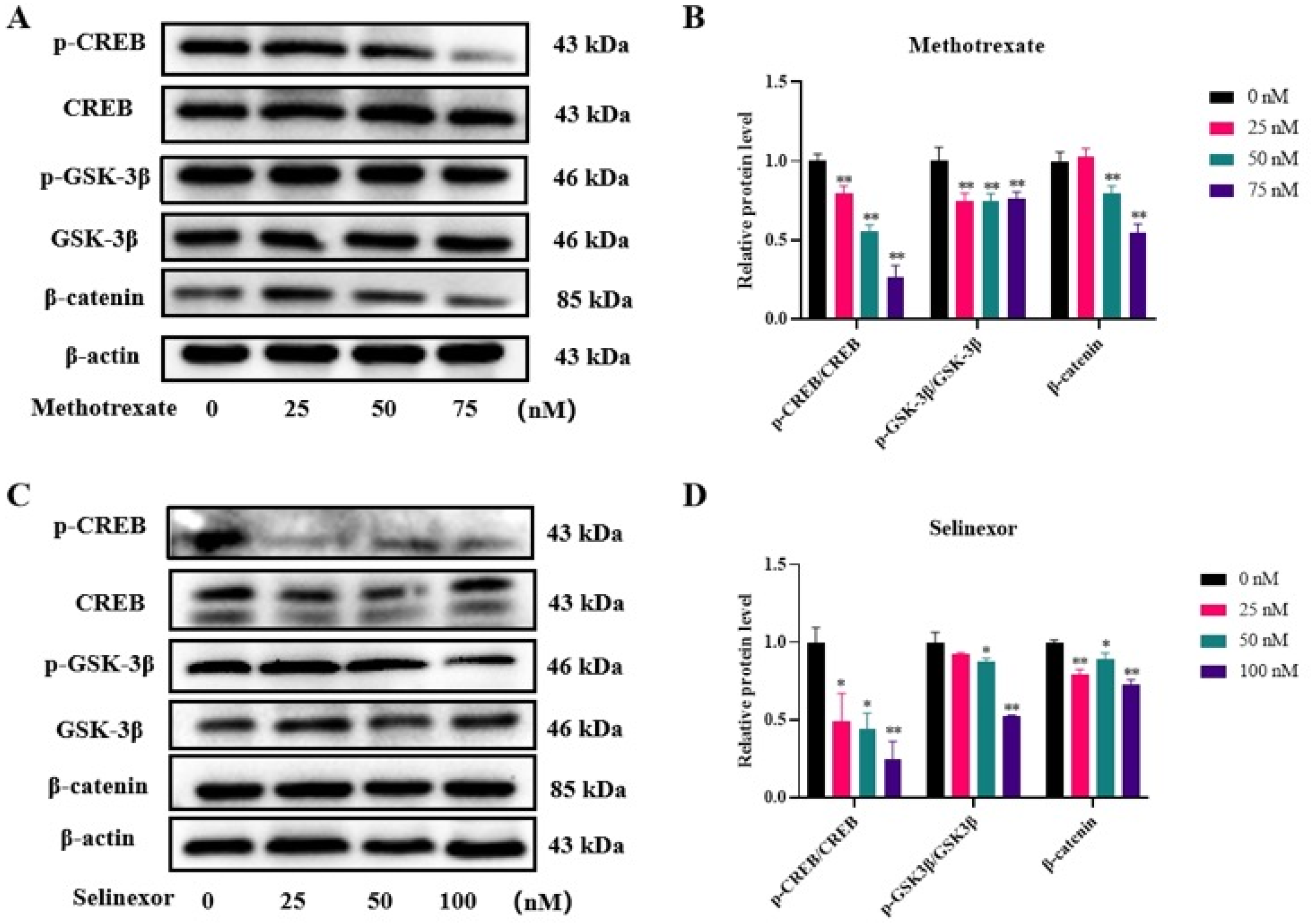
3.7. Dual-Pathway Inhibition of MITF Transcription via CREB and β-Catenin
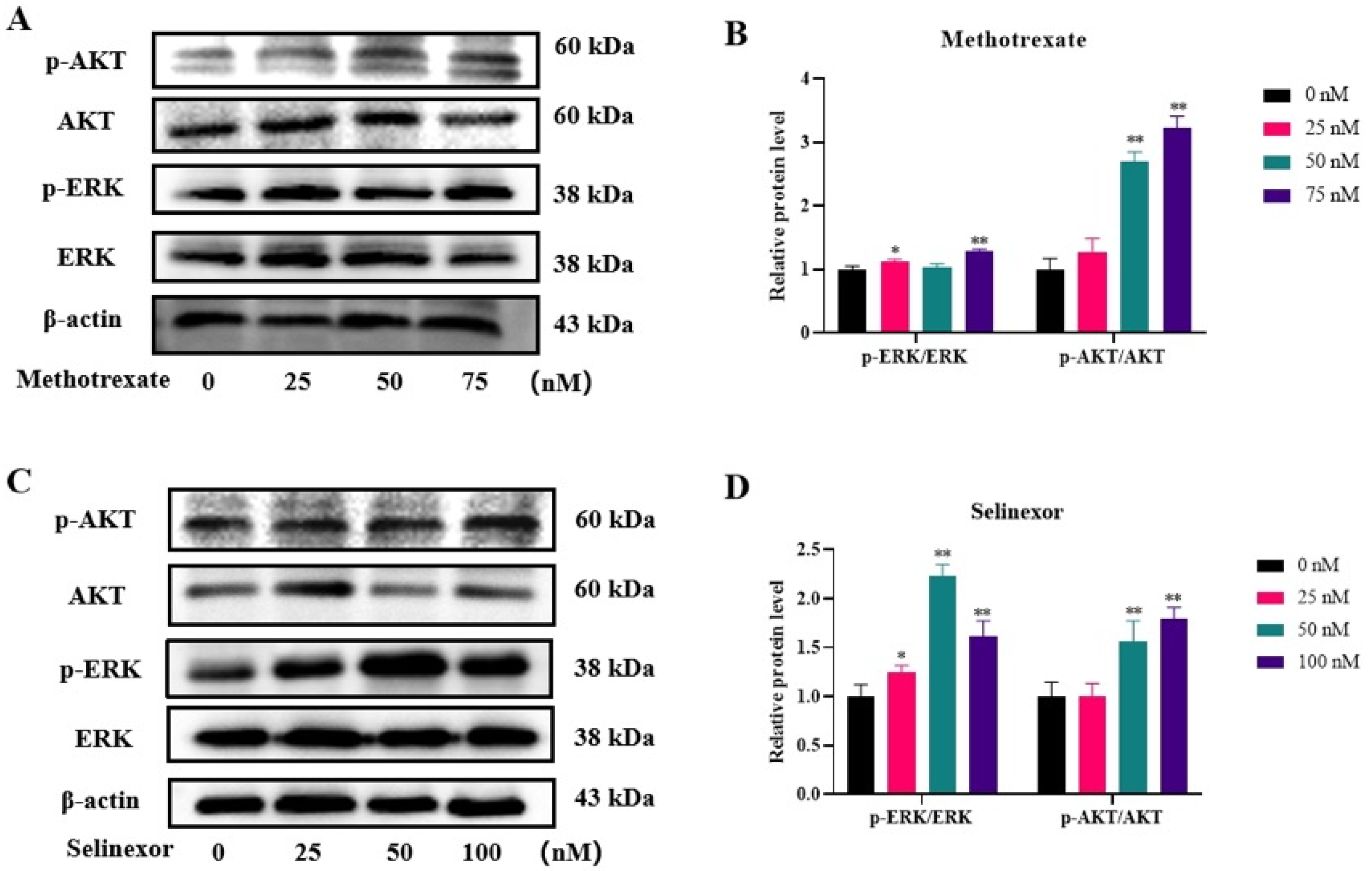
3.8. Post-Translational Regulation: AKT/ERK Activation Promotes MITF Degradation
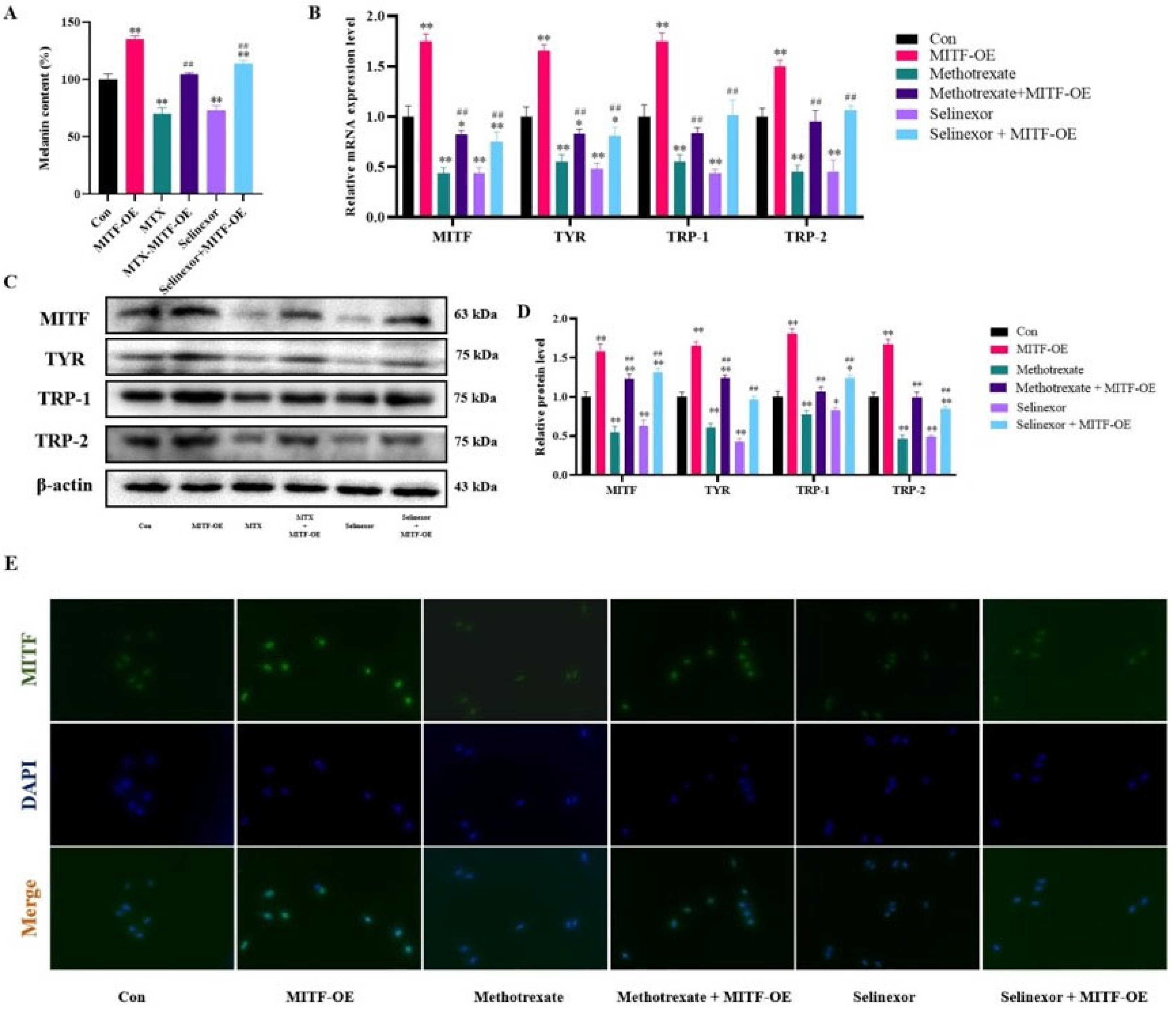
3.9. MITF Overexpression Rescues Drug-Induced Inhibition, Confirming Its Central Role
4. Conclusions
Supplementary Materials
Author Contributions
Funding
Institutional Review Board Statement
Informed Consent Statement
Data Availability Statement
Conflicts of Interest
References
- Li, K.; Lin, S.; Zhou, P.; Guo, Y.; Lin, S.; Ji, C. The role of exosomal lncRNAs in mediating apoptosis and inflammation in UV-induced skin photoaging. Front. Cell Dev. Biol. 2025, 13, 1538197. [Google Scholar] [CrossRef]
- Pillaiyar, T.; Manickam, M.; Namasivayam, V. Skin whitening agents: Medicinal chemistry perspective of tyrosinase inhibitors. J. Enzyme Inhib. Med. Chem. 2017, 32, 403–425. [Google Scholar] [CrossRef]
- Li, C.; Kuai, L.; Cui, R.; Miao, X. Melanogenesis and the Targeted Therapy of Melanoma. Biomolecules 2022, 12, 1874. [Google Scholar] [CrossRef]
- Pollock, S.; Taylor, S.; Oyerinde, O.; Nurmohamed, S.; Dlova, N.; Sarkar, R.; Galadari, H.; Manela-Azulay, M.; Chung, H.S.; Handog, E.; et al. The dark side of skin lightening: An international collaboration and review of a public health issue affecting dermatology. Int. J. Womens Dermatol. 2021, 7, 158–164. [Google Scholar] [CrossRef]
- Yu, C.L.; Huang, Y.L.; Huang, Y.; Zhong, Y.; Pang, H.; Wang, G.H. Baeckea frutescens Suppresses Melanogenesis via Modulation of PKA/CREB and ERK/MAPK Pathways: Insights from Cellular, Zebrafish, and In Silico Analyses. Molecules 2026, 31, 1685. [Google Scholar] [CrossRef]
- Byun, K.A.; Lee, S.Y.; Oh, S.; Batsukh, S.; Jang, J.W.; Lee, B.J.; Rheu, K.M.; Li, S.; Jeong, M.S.; Son, K.H.; et al. Fermented Fish Collagen Attenuates Melanogenesis via Decreasing UV-Induced Oxidative Stress. Mar. Drugs 2024, 22, 421. [Google Scholar] [CrossRef]
- Cha, S.Y.; Woo, I.K.; Cha, Y.J.; Lee, N.K.; Jang, H.J.; Paik, H.D. Anti-melanogenic and Antioxidant Activities of Lactiplantibacillus plantarum Strains in Skin Cells via the CREB/MITF and Nrf2/HO-1 Pathways. Probiotics Antimicrob. Proteins 2025, 17, 3795–3810. [Google Scholar] [CrossRef]
- In, K.R.; Kang, M.A.; Kim, S.D.; Shin, J.; Kang, S.U.; Park, T.J.; Kim, S.J.; Lee, J.S. Anhydrous Alum Inhibits α-MSH-Induced Melanogenesis by Down-Regulating MITF via Dual Modulation of CREB and ERK. Int. J. Mol. Sci. 2023, 24, 14662. [Google Scholar] [CrossRef]
- Ei, Z.Z.; Racha, S.; Zou, H.; Chanvorachote, P. Mechanistic Insights into Anti-Melanogenic Effects of Fisetin: PKCα-Induced β-Catenin Degradation, ERK/MITF Inhibition, and Direct Tyrosinase Suppression. Int. J. Mol. Sci. 2025, 26, 11739. [Google Scholar] [CrossRef]
- Lai, X.; Wichers, H.J.; Soler-Lopez, M.; Dijkstra, B.W. Structure and Function of Human Tyrosinase and Tyrosinase-Related Proteins. Chemistry 2018, 24, 47–55. [Google Scholar] [CrossRef]
- Khezri, K.; Saeedi, M.; Morteza-Semnani, K.; Akbari, J.; Rostamkalaei, S.S. An emerging technology in lipid research for targeting hydrophilic drugs to the skin in the treatment of hyperpigmentation disorders: Kojic acid-solid lipid nanoparticles. Artif. Cells Nanomed. Biotechnol. 2020, 48, 841–853. [Google Scholar] [CrossRef] [PubMed]
- O’Donoghue, J.L. Hydroquinone and its analogues in dermatology—A risk-benefit viewpoint. J. Cosmet. Dermatol. 2006, 5, 196–203. [Google Scholar] [CrossRef] [PubMed]
- Mann, T.; Gerwat, W.; Batzer, J.; Eggers, K.; Scherner, C.; Wenck, H.; Stäb, F.; Hearing, V.J.; Röhm, K.H.; Kolbe, L. Inhibition of Human Tyrosinase Requires Molecular Motifs Distinctively Different from Mushroom Tyrosinase. J. Investig. Dermatol. 2018, 138, 1601–1608. [Google Scholar] [CrossRef]
- Forli, S.; Huey, R.; Pique, M.E.; Sanner, M.F.; Goodsell, D.S.; Olson, A.J. Computational protein-ligand docking and virtual drug screening with the AutoDock suite. Nat. Protoc. 2016, 11, 905–919. [Google Scholar] [CrossRef] [PubMed]
- Ricci, F.; Schira, K.; Khettabi, L.; Lombardo, L.; Mirabile, S.; Gitto, R.; Soler-Lopez, M.; Scheuermann, J.; Wolber, G.; De Luca, L. Computational methods to analyze and predict the binding mode of inhibitors targeting both human and mushroom tyrosinase. Eur. J. Med. Chem. 2023, 260, 115771. [Google Scholar] [CrossRef]
- Pushpakom, S.; Iorio, F.; Eyers, P.A.; Escott, K.J.; Hopper, S.; Wells, A.; Doig, A.; Guilliams, T.; Latimer, J.; McNamee, C.; et al. Drug repurposing: Progress, challenges and recommendations. Nat. Rev. Drug Discov. 2019, 18, 41–58. [Google Scholar] [CrossRef]
- Mahalapbutr, P.; Sabuakham, S.; Nasoontorn, S.; Rungrotmongkol, T.; Silsirivanit, A.; Suriya, U. Discovery of amphotericin B, an antifungal drug as tyrosinase inhibitor with potent anti-melanogenic activity. Int. J. Biol. Macromol. 2023, 246, 125587. [Google Scholar] [CrossRef]
- Liu, J.; Xu, T.; Ding, J.; Wen, H.; Meng, J.; Liu, Q.; Liu, X.; Zhang, W.; Zhu, G.Y.; Jiang, Z.H.; et al. Discovery of anti-melanogenic components in persimmon (Diospyros kaki) leaf using LC-MS/MS-MN, AlphaFold2-enabled virtual screening and biological validation. Food Chem. 2024, 455, 139814. [Google Scholar] [CrossRef]
- Waterhouse, A.; Bertoni, M.; Bienert, S.; Studer, G.; Tauriello, G.; Gumienny, R.; Heer, F.T.; de Beer, T.A.P.; Rempfer, C.; Bordoli, L.; et al. SWISS-MODEL: Homology modelling of protein structures and complexes. Nucleic Acids Res. 2018, 46, W296–W303. [Google Scholar] [CrossRef]
- Ismaya, W.T.; Rozeboom, H.J.; Weijn, A.; Mes, J.J.; Fusetti, F.; Wichers, H.J.; Dijkstra, B.W. Crystal structure of Agaricus bisporus mushroom tyrosinase: Identity of the tetramer subunits and interaction with tropolone. Biochemistry 2011, 50, 5477–5486. [Google Scholar] [CrossRef]
- Roulier, B.; Pérès, B.; Haudecoeur, R. Advances in the Design of Genuine Human Tyrosinase Inhibitors for Targeting Melanogenesis and Related Pigmentations. J. Med. Chem. 2020, 63, 13428–13443. [Google Scholar] [CrossRef]
- Sadaqat, M.; Qasim, M.; Tahir Ul Qamar, M.; Masoud, M.S.; Ashfaq, U.A.; Noor, F.; Fatima, K.; Allemailem, K.S.; Alrumaihi, F.; Almatroudi, A. Advanced network pharmacology study reveals multi-pathway and multi-gene regulatory molecular mechanism of Bacopa monnieri in liver cancer based on data mining, molecular modeling, and microarray data analysis. Comput. Biol. Med. 2023, 161, 107059. [Google Scholar] [CrossRef]
- Trott, O.; Olson, A.J. AutoDock Vina: Improving the speed and accuracy of docking with a new scoring function, efficient optimization, and multithreading. J. Comput. Chem. 2010, 31, 455–461. [Google Scholar] [CrossRef]
- Sabuakham, S.; Nasoontorn, S.; Nuramrum, N.; Silsirivanit, A.; Rungrotmongkol, T.; Pingaew, R.; Mahalapbutr, P. Discovery of bis-thiourea derivatives as potent tyrosinase inhibitors: Combined experimental and computational study. J. Enzyme Inhib. Med. Chem. 2025, 40, 2518195. [Google Scholar] [CrossRef] [PubMed]
- Han, N.R.; Park, H.J.; Ko, S.G.; Moon, P.D. Maltol has anti-cancer effects via modulating PD-L1 signaling pathway in B16F10 cells. Front. Pharmacol. 2023, 14, 1255586. [Google Scholar] [CrossRef] [PubMed]
- Sanjaya, S.S.; Park, M.H.; Karunarathne, W.; Lee, K.T.; Choi, Y.H.; Kang, C.H.; Lee, M.H.; Jung, M.J.; Ryu, H.W.; Kim, G.Y. Inhibition of α-melanocyte-stimulating hormone-induced melanogenesis and molecular mechanisms by polyphenol-enriched fraction of Tagetes erecta L. flower. Phytomedicine 2024, 126, 155442. [Google Scholar] [CrossRef] [PubMed]
- Wohlrab, J.; Neubert, R.H.; Michael, J.; Naumann, S. Methotrexate for topical application in an extemporaneous preparation. J. Dtsch. Dermatol. Ges. 2015, 13, 891–901. [Google Scholar] [CrossRef]
- Aickara, D.; Bashyam, A.M.; Pichardo, R.O.; Feldman, S.R. Topical methotrexate in dermatology: A review of the literature. J. Dermatol. Treat. 2022, 33, 512–517. [Google Scholar] [CrossRef]
- Erdoğar, N.; Gür, B.; Örgül, D. Recent developments of novel nanotechnology-based drug delivery systems for dermal and transdermal applications. Eur. J. Pharm. Sci. 2026, 217, 107413. [Google Scholar] [CrossRef]
- Moin, A.; Shivally Boregowda, S.; Chowdappa, G.; Abburu Jayaramu, R.; Mohamedtoom Awadalkarim, A. Decoding psoriasis: Pathological mechanisms, evolving treatments, clinical investigations, and future perspectives. Cutan. Ocul. Toxicol. 2026, 1–15. [Google Scholar] [CrossRef]
- Chang, W.L.; Ko, C.H. The Role of Oxidative Stress in Vitiligo: An Update on Its Pathogenesis and Therapeutic Implications. Cells 2023, 12, 936. [Google Scholar] [CrossRef] [PubMed]
- Kim, S.H.; Lee, J.; Jung, J.; Kim, G.H.; Yun, C.Y.; Jung, S.H.; Hwang, B.Y.; Hong, J.T.; Han, S.B.; Jung, J.K.; et al. Interruption of p38(MAPK)-MSK1-CREB-MITF-M pathway to prevent hyperpigmentation in the skin. Int. J. Biol. Sci. 2024, 20, 1688–1704. [Google Scholar] [CrossRef]
- Yoon, J.H.; Kim, D.O.; Lee, S.; Lee, B.H.; Kim, E.S.; Son, Y.K.; Kopalli, S.R.; Lee, J.H.; Ju, Y.; Lee, J.; et al. Anti-apoptotic, anti-inflammatory, and anti-melanogenic effects of the ethanol extract of Picrasma quassioides (D. Don) Benn. J. Ethnopharmacol. 2024, 332, 118374. [Google Scholar] [CrossRef] [PubMed]
- Liu, J.; Xu, X.; Zhou, J.; Sun, G.; Li, Z.; Zhai, L.; Wang, J.; Ma, R.; Zhao, D.; Jiang, R.; et al. Phenolic acids in Panax ginseng inhibit melanin production through bidirectional regulation of melanin synthase transcription via different signaling pathways. J. Ginseng Res. 2023, 47, 714–725. [Google Scholar] [CrossRef] [PubMed]
- Katoh, M. Multi-layered prevention and treatment of chronic inflammation, organ fibrosis and cancer associated with canonical WNT/β-catenin signaling activation (Review). Int. J. Mol. Med. 2018, 42, 713–725. [Google Scholar] [CrossRef]
- Chen, Y.; Wu, X.; Chen, X.; Guo, D.; Ma, W.; Guo, Y.; Xu, K.; Ma, S.; Yuan, Y.; Zhu, Q. LncRNA TGFB2-OT1 Promotes Progression and Angiogenesis in Hepatocellular Carcinoma by Dephosphorylating β-Catenin. J. Hepatocell. Carcinoma 2023, 10, 429–446. [Google Scholar] [CrossRef]
- Gong, R.H.; Chen, M.; Huang, C.; Wong, H.L.X.; Kwan, H.Y.; Bian, Z. Combination of artesunate and WNT974 induces KRAS protein degradation by upregulating E3 ligase ANACP2 and β-TrCP in the ubiquitin-proteasome pathway. Cell Commun. Signal. 2022, 20, 34. [Google Scholar] [CrossRef]
- Hwang, S.J.; Bang, H.J.; Lee, H.J. Ginsenoside Re inhibits melanogenesis and melanoma growth by downregulating microphthalmia-associated transcription factor. Biomed. Pharmacother. 2023, 165, 115037. [Google Scholar] [CrossRef]
- Rana, S.; Dranchak, P.; Dahlin, J.L.; Lamy, L.; Li, W.; Oliphant, E.; Shrimp, J.H.; Rajacharya, G.H.; Tharakan, R.; Holland, D.O.; et al. Methotrexate-based PROTACs as DHFR-specific chemical probes. Cell Chem. Biol. 2024, 31, 221–233.e14. [Google Scholar] [CrossRef]
- Binder, A.F.; Walker, C.J.; Mark, T.M.; Baljevic, M. Impacting T-cell fitness in multiple myeloma: Potential roles for selinexor and XPO1 inhibitors. Front. Immunol. 2023, 14, 1275329. [Google Scholar] [CrossRef]
- Flesher, J.L.; Paterson-Coleman, E.K.; Vasudeva, P.; Ruiz-Vega, R.; Marshall, M.; Pearlman, E.; MacGregor, G.R.; Neumann, J.; Ganesan, A.K. Delineating the role of MITF isoforms in pigmentation and tissue homeostasis. Pigment. Cell Melanoma Res. 2020, 33, 279–292. [Google Scholar] [CrossRef]
- Chu, C.; Li, J.; Yang, F.; Yang, K.; Liu, B.; Tong, S.; Yan, J.; Chen, S. A novel high-resolution monophenolase/diphenolase/radical scavenging profiling for the rapid screening of natural whitening candidates from Peaonia lactiflora root and their mechanism study with molecular docking. J. Ethnopharmacol. 2022, 282, 114607. [Google Scholar] [CrossRef]
- Choi, H.; Yoon, J.H.; Youn, K.; Jun, M. Decursin prevents melanogenesis by suppressing MITF expression through the regulation of PKA/CREB, MAPKs, and PI3K/Akt/GSK-3β cascades. Biomed. Pharmacother. 2022, 147, 112651. [Google Scholar] [CrossRef]
- Yun, C.Y.; You, S.T.; Kim, J.H.; Chung, J.H.; Han, S.B.; Shin, E.Y.; Kim, E.G. p21-activated kinase 4 critically regulates melanogenesis via activation of the CREB/MITF and β-catenin/MITF pathways. J. Investig. Dermatol. 2015, 135, 1385–1394. [Google Scholar] [CrossRef]
- Yokoyama, S.; Feige, E.; Poling, L.L.; Levy, C.; Widlund, H.R.; Khaled, M.; Kung, A.L.; Fisher, D.E. Pharmacologic suppression of MITF expression via HDAC inhibitors in the melanocyte lineage. Pigment. Cell Melanoma Res. 2008, 21, 457–463. [Google Scholar] [CrossRef]




Disclaimer/Publisher’s Note: The statements, opinions and data contained in all publications are solely those of the individual author(s) and contributor(s) and not of MDPI and/or the editor(s). MDPI and/or the editor(s) disclaim responsibility for any injury to people or property resulting from any ideas, methods, instructions or products referred to in the content. |
© 2026 by the authors. Licensee MDPI, Basel, Switzerland. This article is an open access article distributed under the terms and conditions of the Creative Commons Attribution (CC BY) license.
Share and Cite
Zhang, Z.; Li, H.; Shi, Z.; Bai, X.; Yin, P.; Yang, L. Structure-Based Virtual Screening and Mechanistic Characterization of Methotrexate and Selinexor as Potent Anti-Melanogenic Agents via Multi-Pathway Suppression of MITF. Cells 2026, 15, 1070. https://doi.org/10.3390/cells15121070
Zhang Z, Li H, Shi Z, Bai X, Yin P, Yang L. Structure-Based Virtual Screening and Mechanistic Characterization of Methotrexate and Selinexor as Potent Anti-Melanogenic Agents via Multi-Pathway Suppression of MITF. Cells. 2026; 15(12):1070. https://doi.org/10.3390/cells15121070
Chicago/Turabian StyleZhang, Zhongwei, Huiran Li, Zhonglan Shi, Xuan Bai, Peipei Yin, and Lingguang Yang. 2026. "Structure-Based Virtual Screening and Mechanistic Characterization of Methotrexate and Selinexor as Potent Anti-Melanogenic Agents via Multi-Pathway Suppression of MITF" Cells 15, no. 12: 1070. https://doi.org/10.3390/cells15121070
APA StyleZhang, Z., Li, H., Shi, Z., Bai, X., Yin, P., & Yang, L. (2026). Structure-Based Virtual Screening and Mechanistic Characterization of Methotrexate and Selinexor as Potent Anti-Melanogenic Agents via Multi-Pathway Suppression of MITF. Cells, 15(12), 1070. https://doi.org/10.3390/cells15121070