Next Article in Journal
Oversecretion of CCL3 by Irradiation-Induced Senescent Osteocytes Mediates Bone Homeostasis Imbalance
Previous Article in Journal
Autologous Paracrine Prostasin–Matriptase Serine Protease Interaction in Lymphoid Cancer Cells
 
 
Correction published on 16 April 2026, see Cells 2026, 15(8), 704.
Article

Combinational Inhibition of MEK and AKT Synergistically Induces Melanoma Stem Cell Apoptosis and Blocks NRAS Tumor Growth


1
Department of Biochemistry and Molecular & Cellular Biology, Georgetown University School of Medicine, Washington, DC 20057, USA
2
Department of Pathology, King Saud University College of Medicine, Riyadh 11461, Saudi Arabia
3
Amelia Technologies, LLC, Washington, DC 20001, USA
*
Author to whom correspondence should be addressed.
These authors contributed equally to this work.
Cells 2025, 14(4), 248; https://doi.org/10.3390/cells14040248
Submission received: 30 December 2024 / Revised: 30 January 2025 / Accepted: 5 February 2025 / Published: 10 February 2025 / Corrected: 16 April 2026
(This article belongs to the Section Cellular Pathology)

Abstract

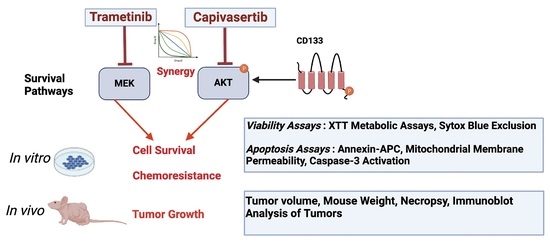
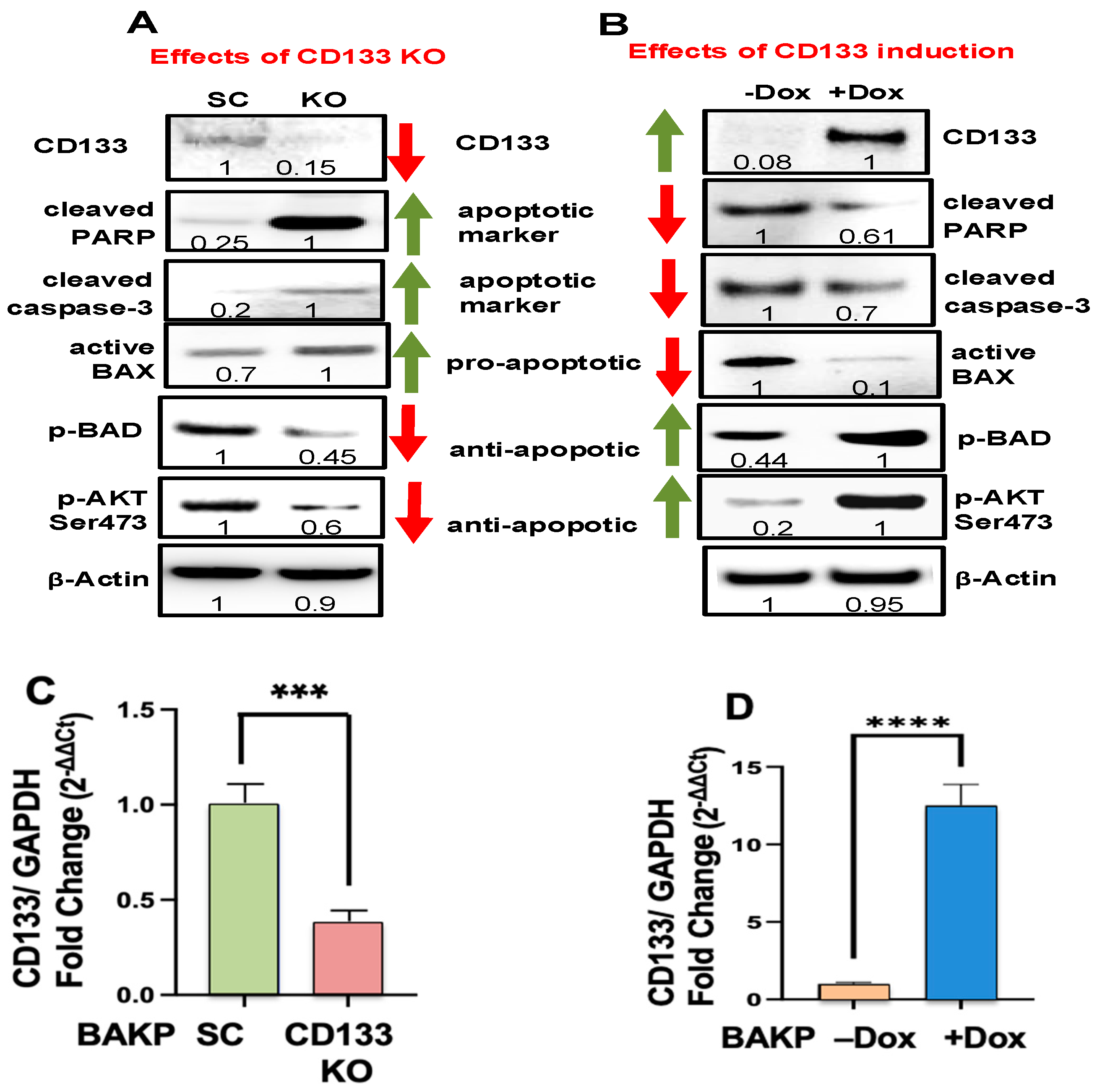
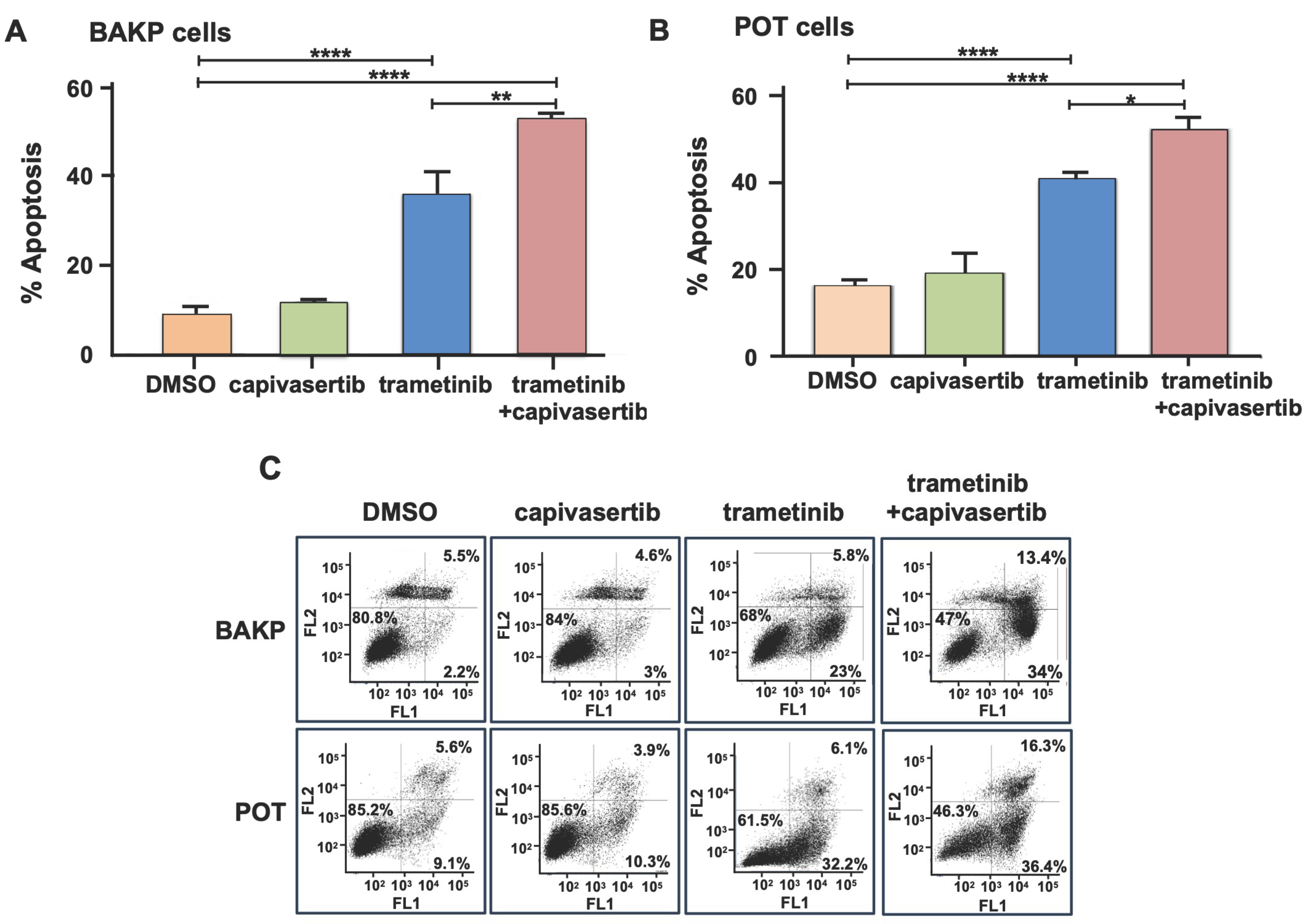
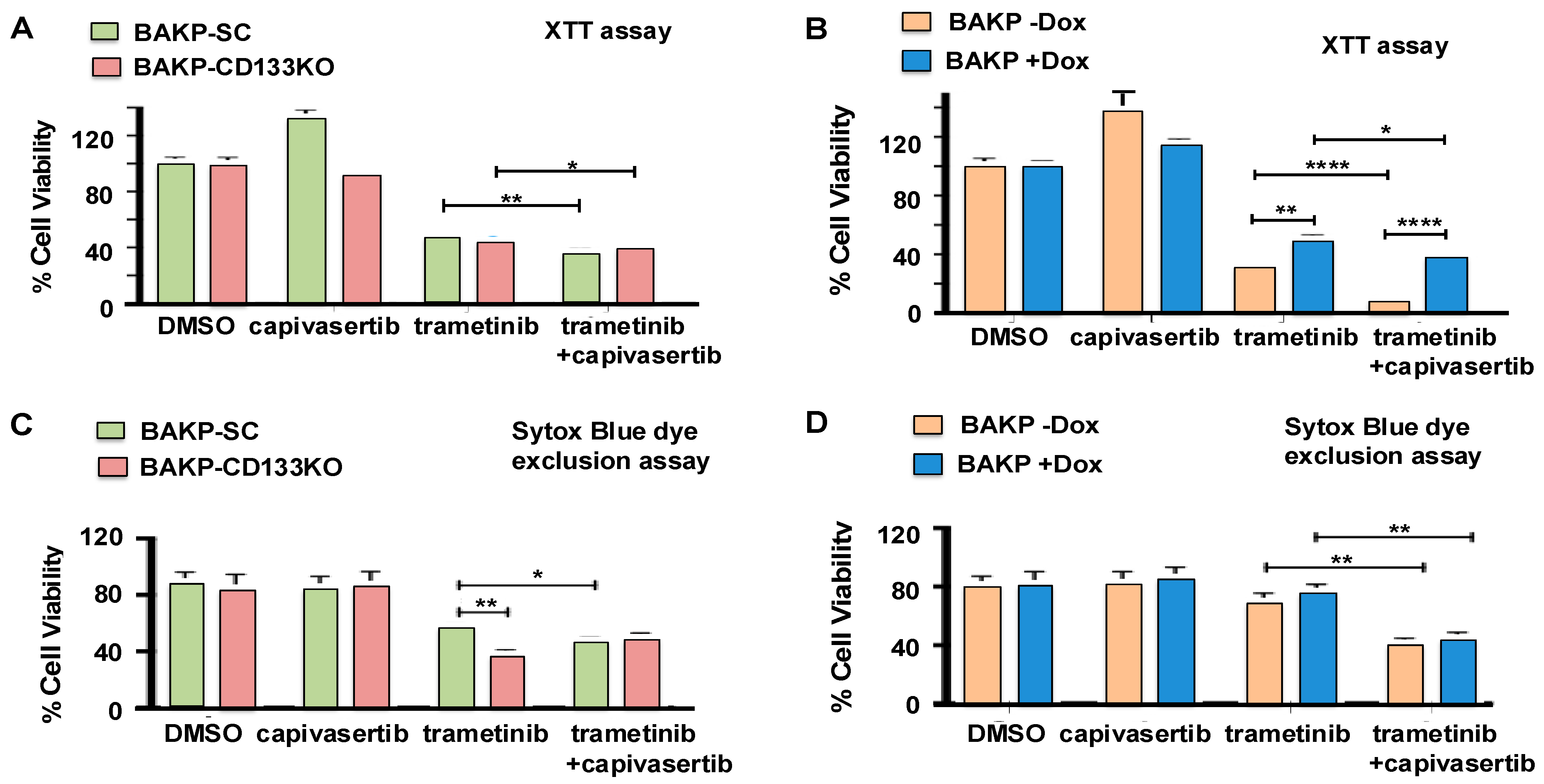
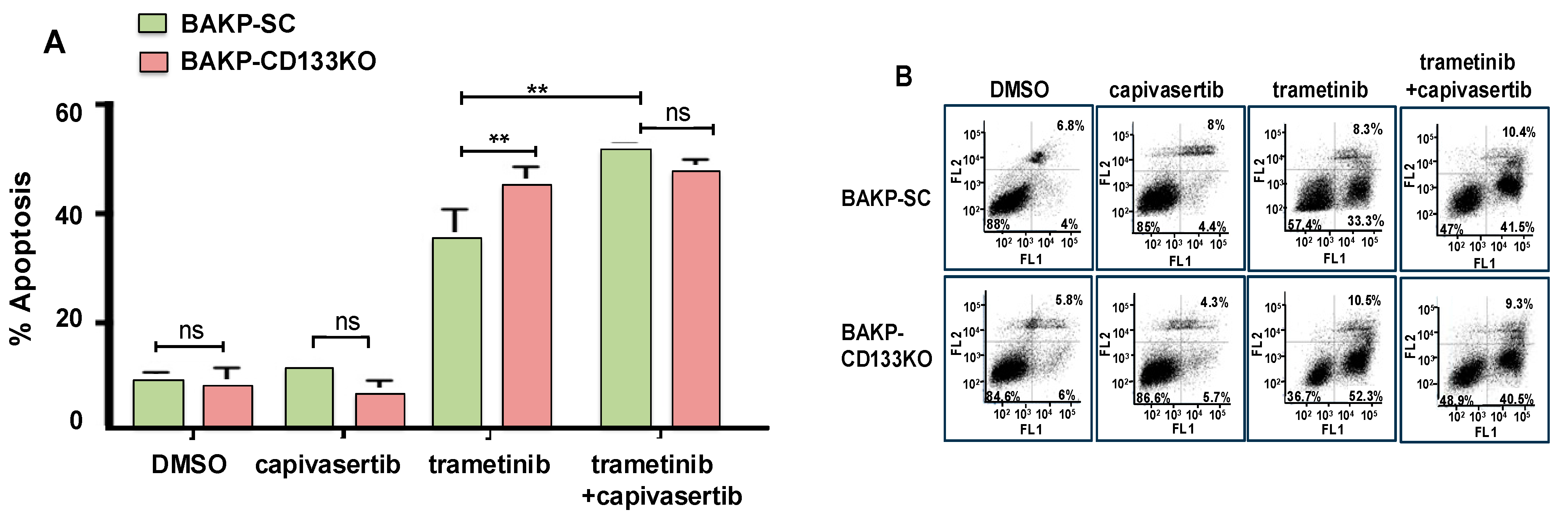
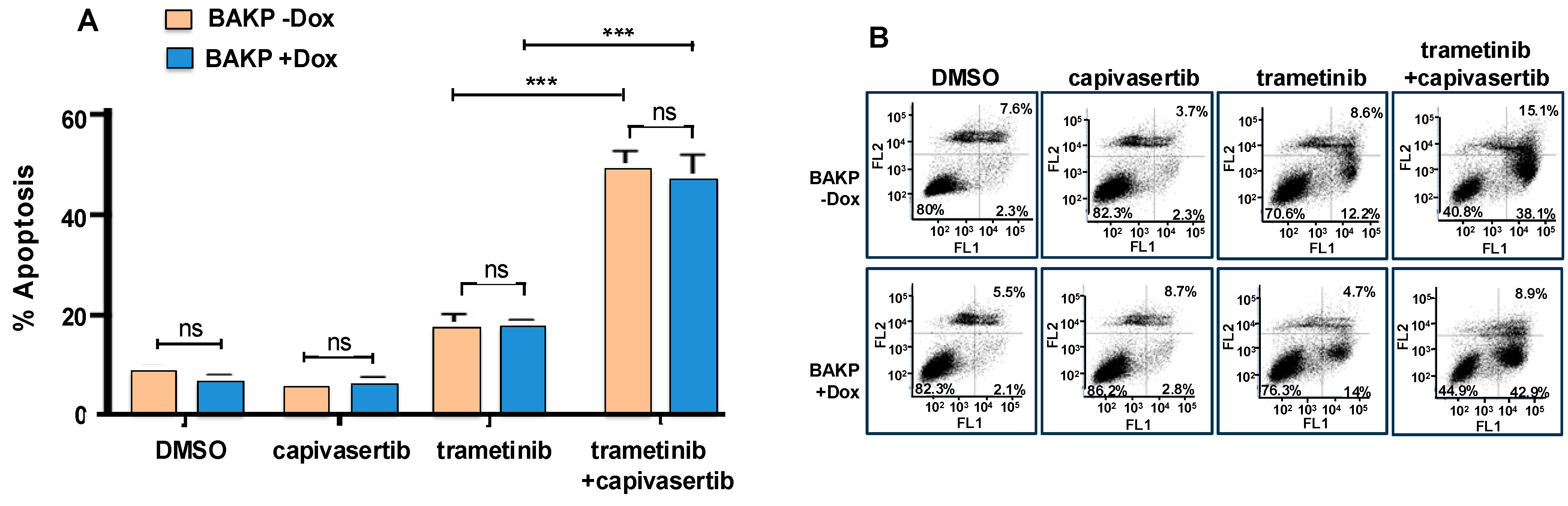
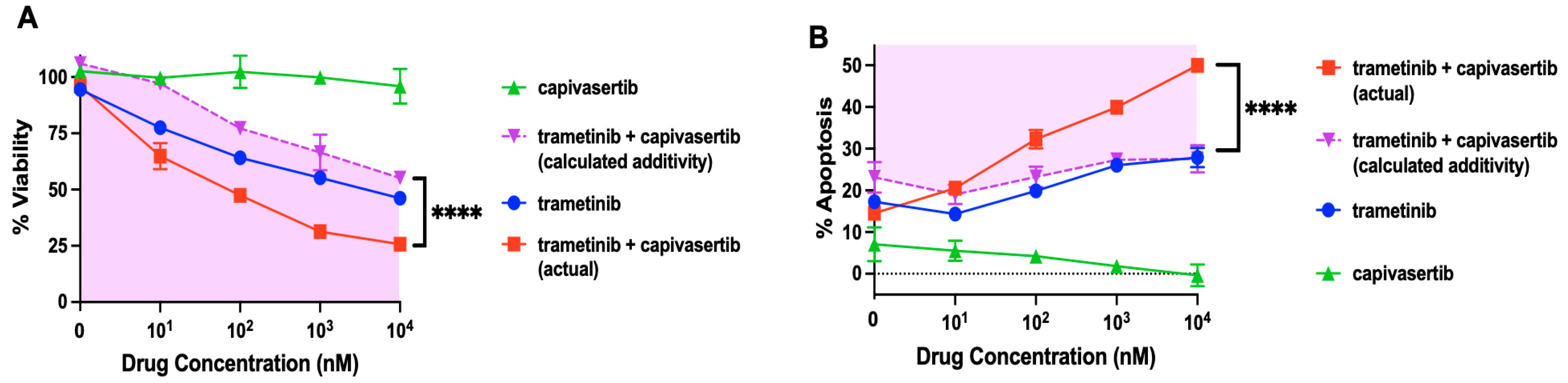
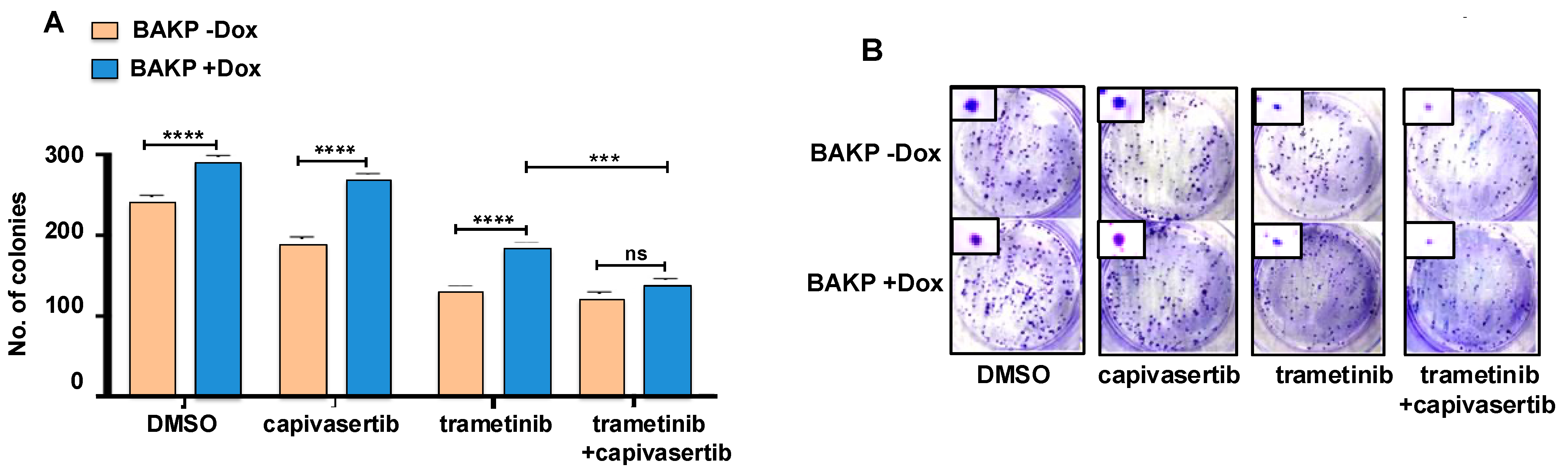
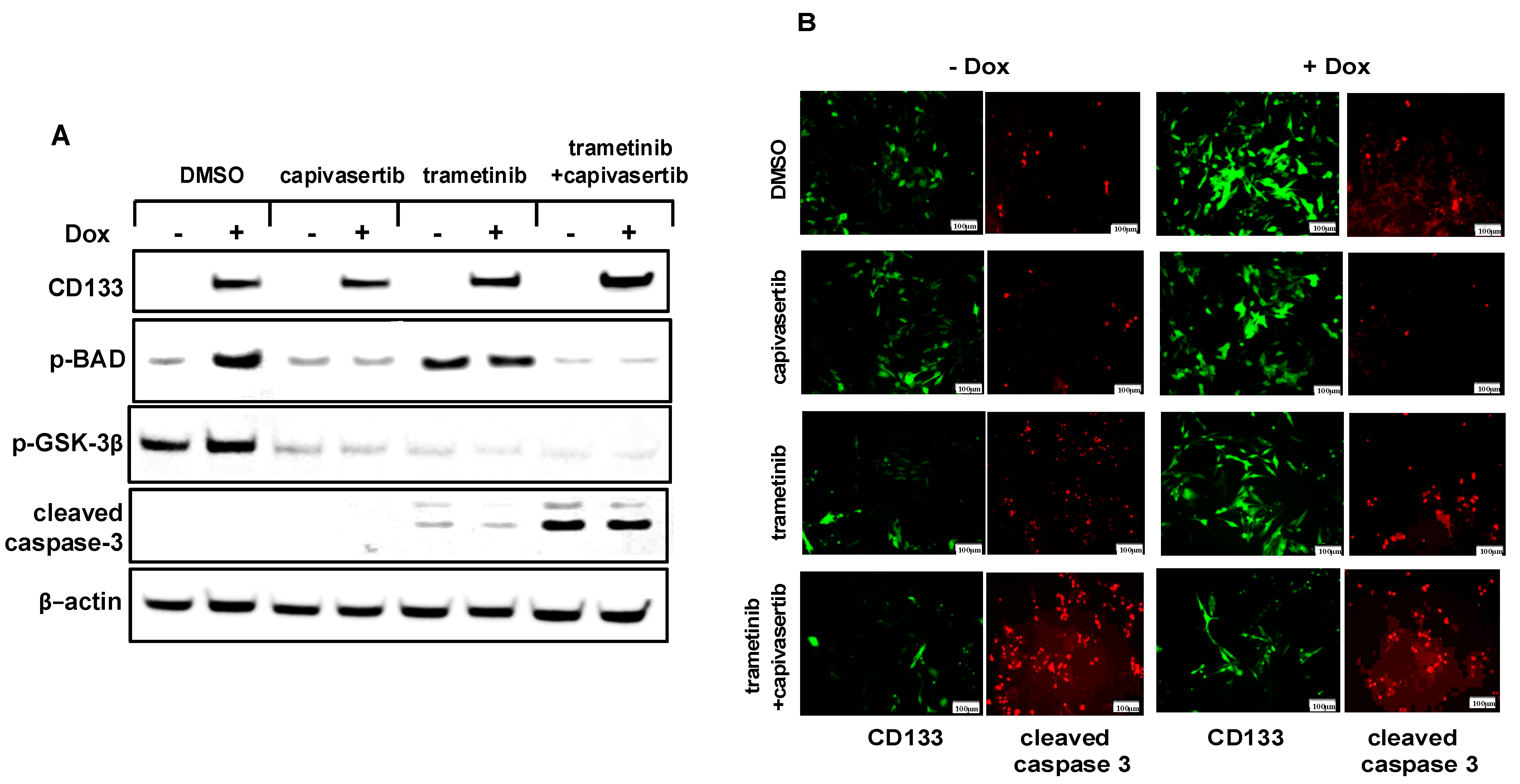
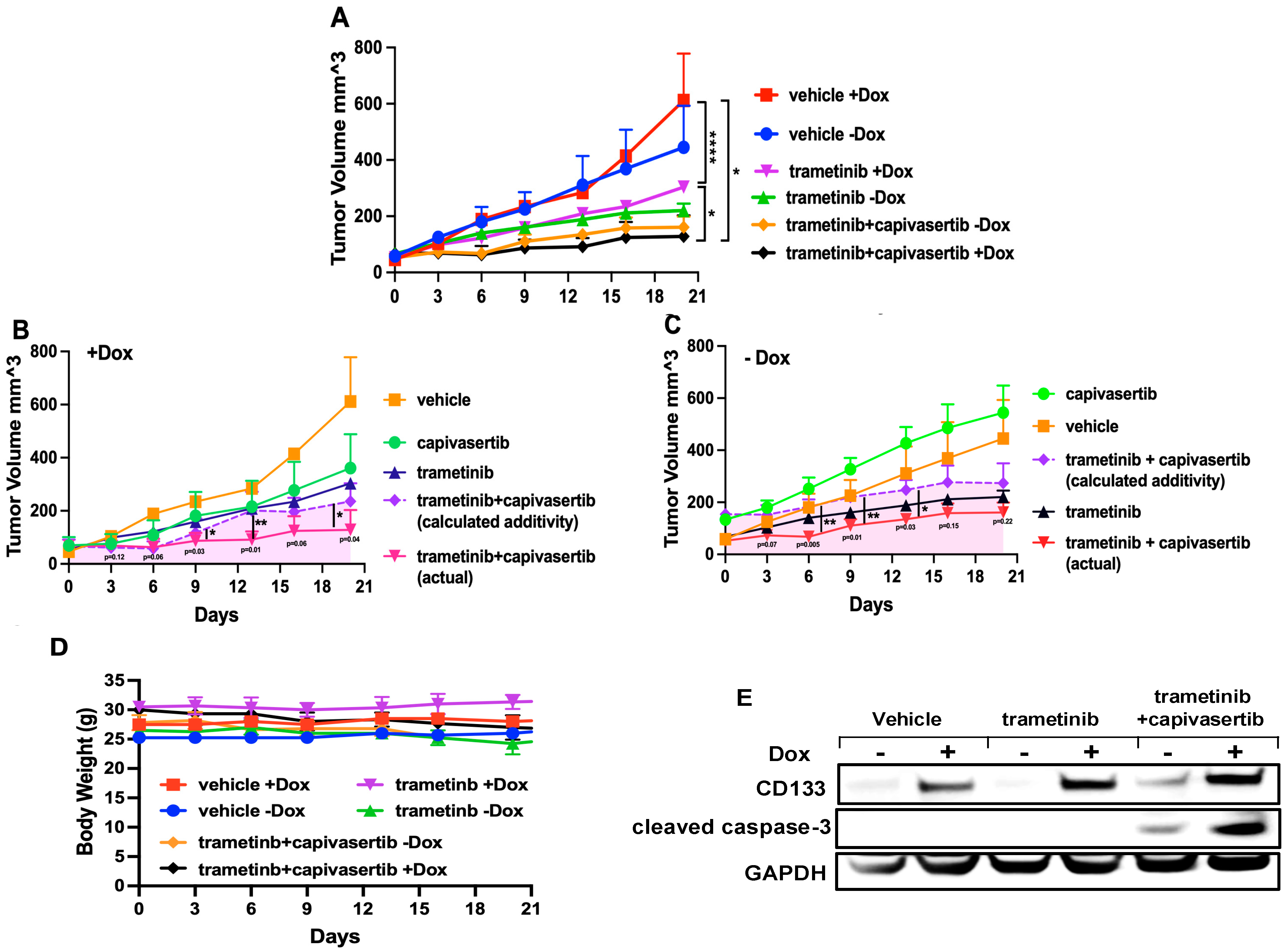
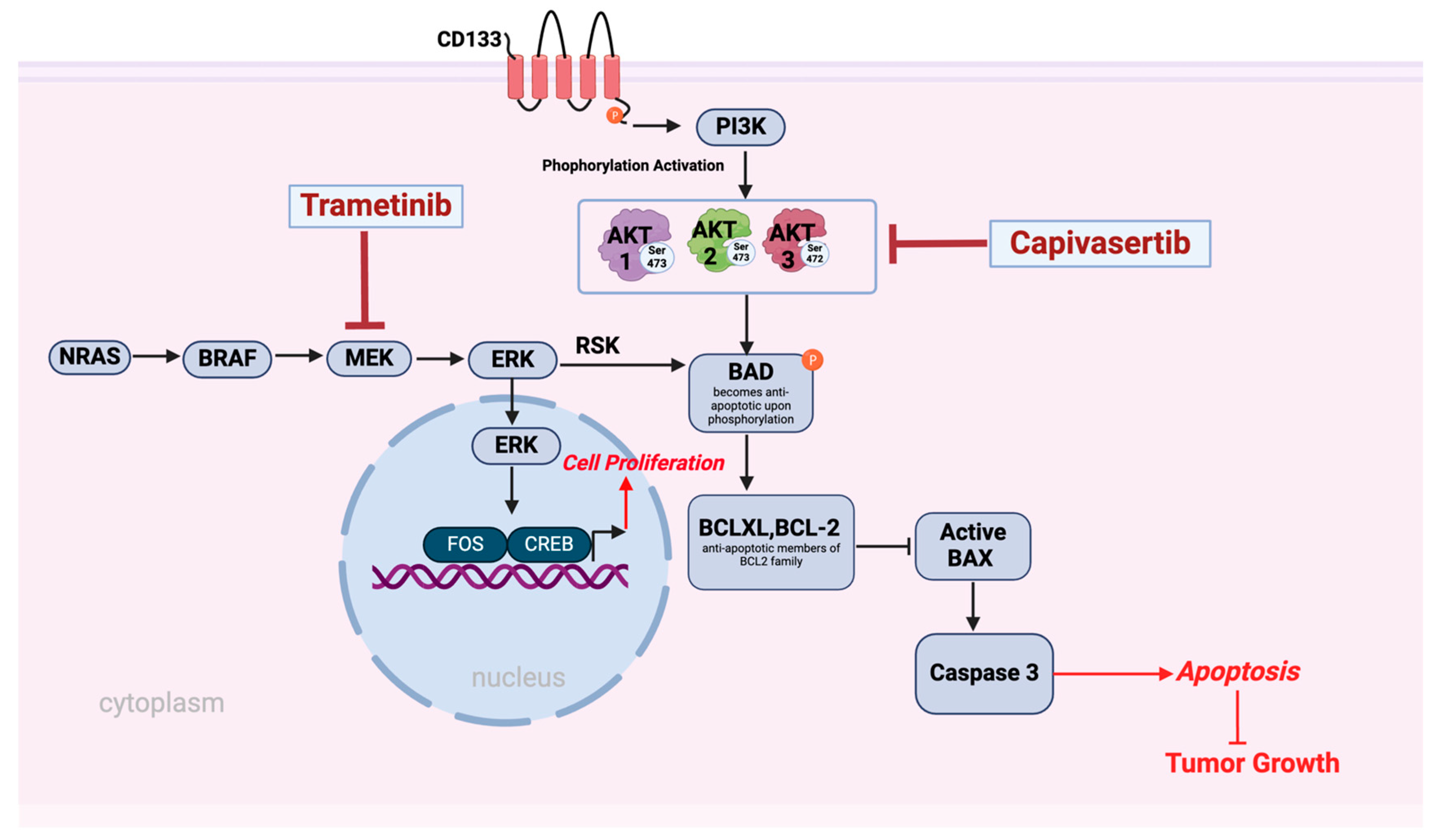
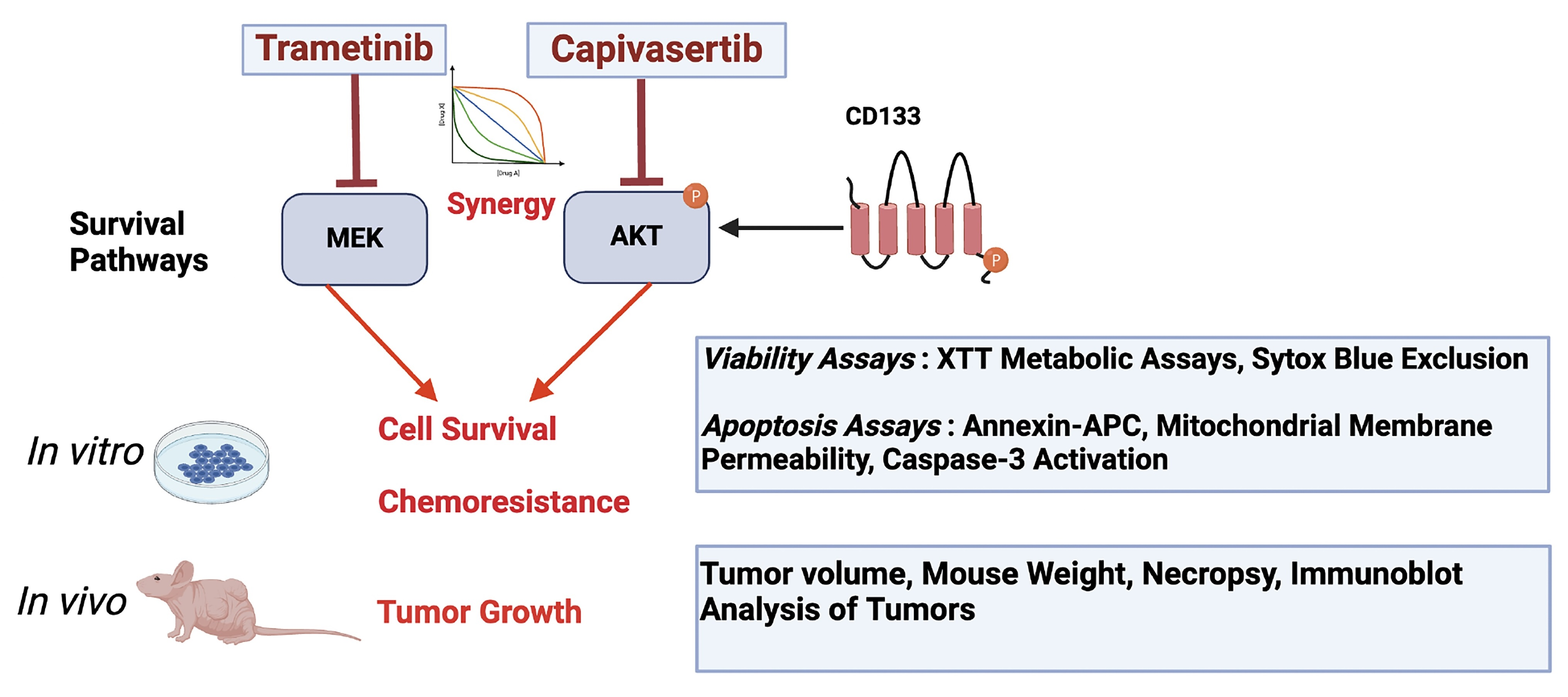
Malignant melanoma is a lethal skin cancer containing melanoma-initiating cells (MICs), implicated in tumorigenesis, invasion, and drug resistance, and characterized by an elevated expression of stem cell markers, including CD133. siRNA knockdown of CD133 has been previously shown to enhance apoptosis induced by the MEK inhibitor trametinib in melanoma cells. This study investigates the underlying mechanisms of CD133’s anti-apoptotic activity in patient-derived BAKP melanoma, harboring the difficult-to-treat NRASQ61K driver mutation, after CRISPR-Cas9 CD133 knockout or Doxycycline (Dox)-inducible re-expression of CD133. CD133 knockout in BAKP cells increased trametinib-induced apoptosis by reducing anti-apoptotic p-AKT and p-BAD and increasing pro-apoptotic BAX. Conversely, Dox-induced CD133 expression diminished apoptosis in trametinib-treated cells, coincident with elevated p-AKT, p-BAD, and decreased activation of BAX and caspase-3. However, trametinib in combination with pan-AKT inhibitor capivasertib reduced cell survival as measured by XTT viability assays and apoptosis and colony formation assays, independent of CD133 status. CD133 may therefore activate a survival pathway wherein (1) increased AKT phosphorylation and activation induces (2) BAD phosphorylation and inactivation, which (3) decreases BAX activation, and (4) reduces caspases-3 activity and caspase-mediated PARP cleavage, leading to apoptosis suppression and drug resistance in melanoma. In vivo mouse xenograft studies using Dox-inducible melanoma cells revealed increased rates of tumor growth after induction of CD133 expression in trametinib-treated +Dox mice, an effect which was synergistically suppressed by combination treatment. Targeting nodes of the AKT and MAPK survival pathways with trametinib and capivasertib highlights the potential for combination therapies for NRAS-mutant melanoma stem cells for the development of more effective treatments for patients with high-risk melanoma.
Keywords: NRAS; drug resistance; capivasertib; trametinib; xenograft; CRISPR-Cas9 NRAS; drug resistance; capivasertib; trametinib; xenograft; CRISPR-Cas9
Graphical Abstract