Article

Elevated Mutation Burdens in Canadian Oat and Wheat Cultivars Released over the Past Century

Plant Gene Resources of Canada, Saskatoon Research and Development Centre, Agriculture and Agri-Food Canada, 107 Science Place, Saskatoon, SK S7N 0X2, Canada
*
Author to whom correspondence should be addressed.
Cells 2025, 14(11), 844; https://doi.org/10.3390/cells14110844
Submission received: 14 May 2025 / Revised: 29 May 2025 / Accepted: 2 June 2025 / Published: 4 June 2025
(This article belongs to the Section Plant, Algae and Fungi Cell Biology)

Abstract

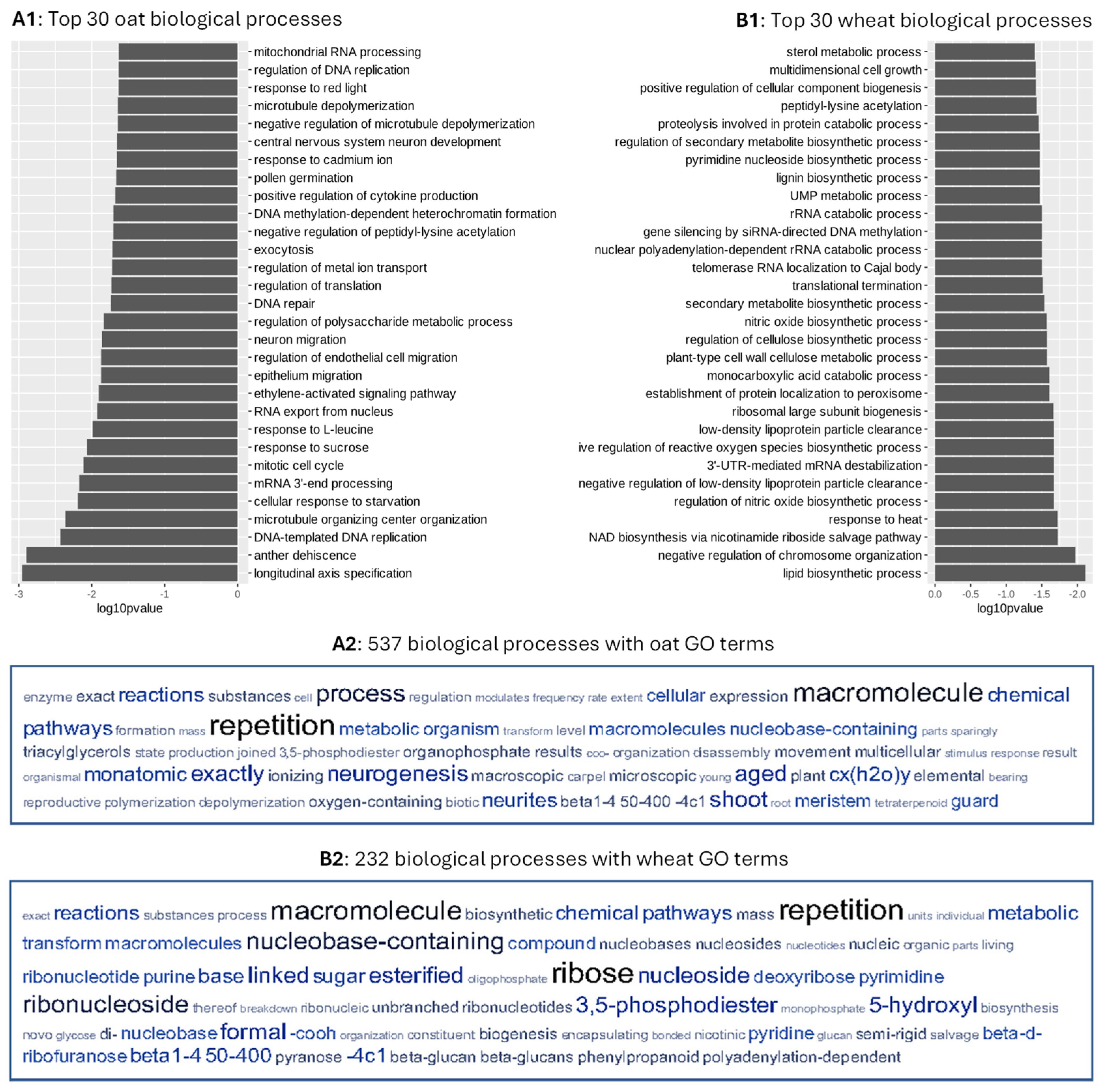
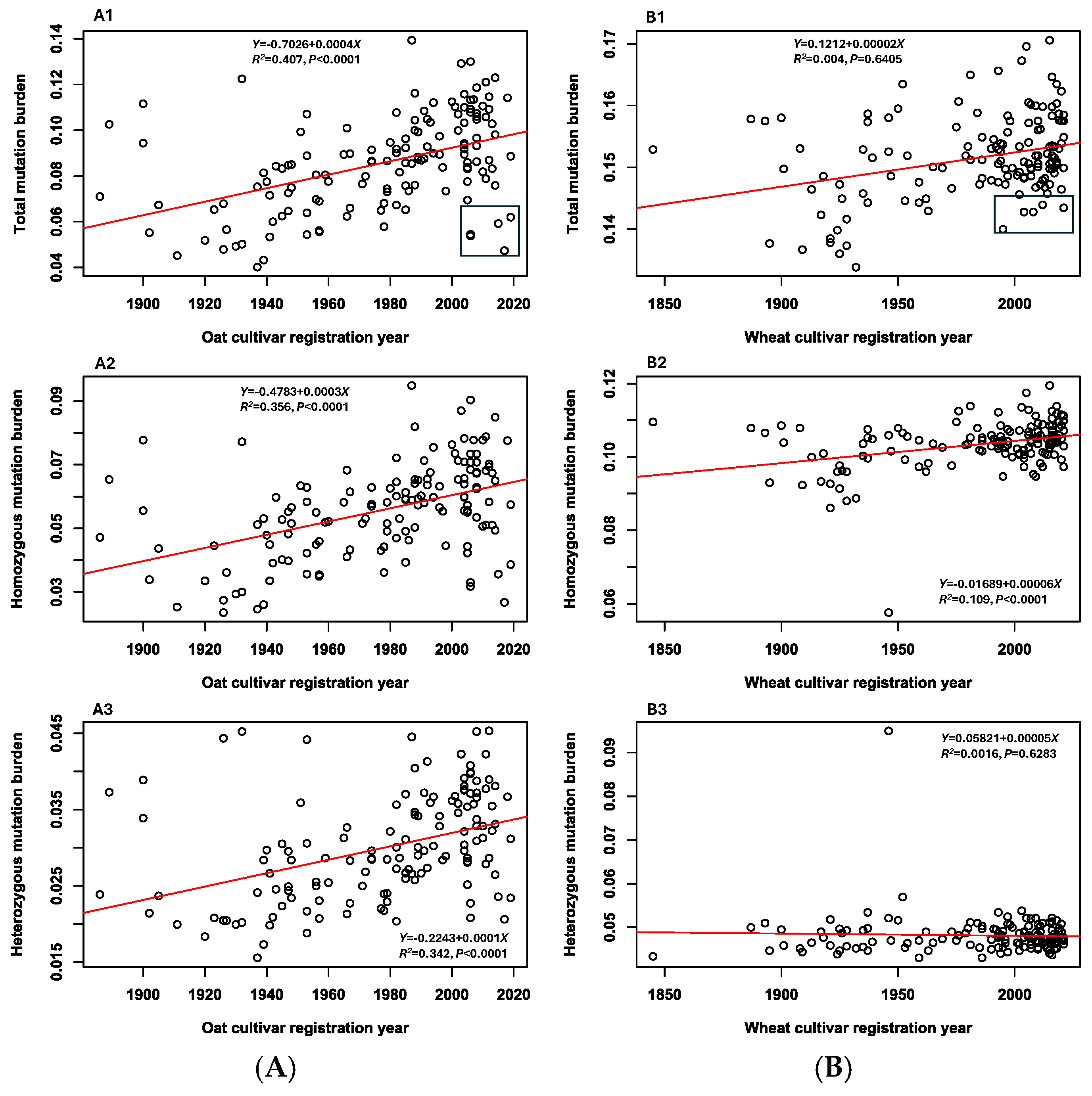
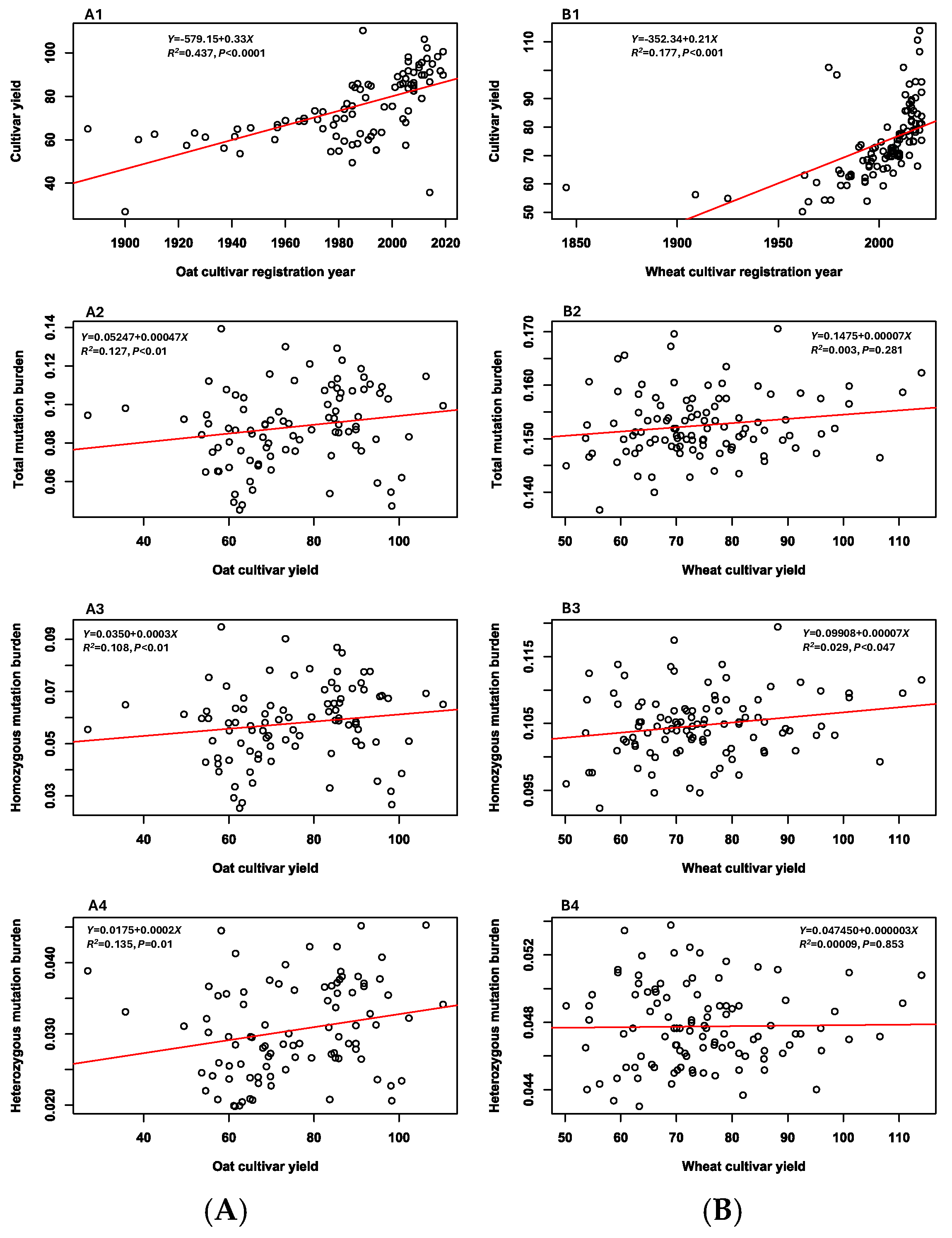
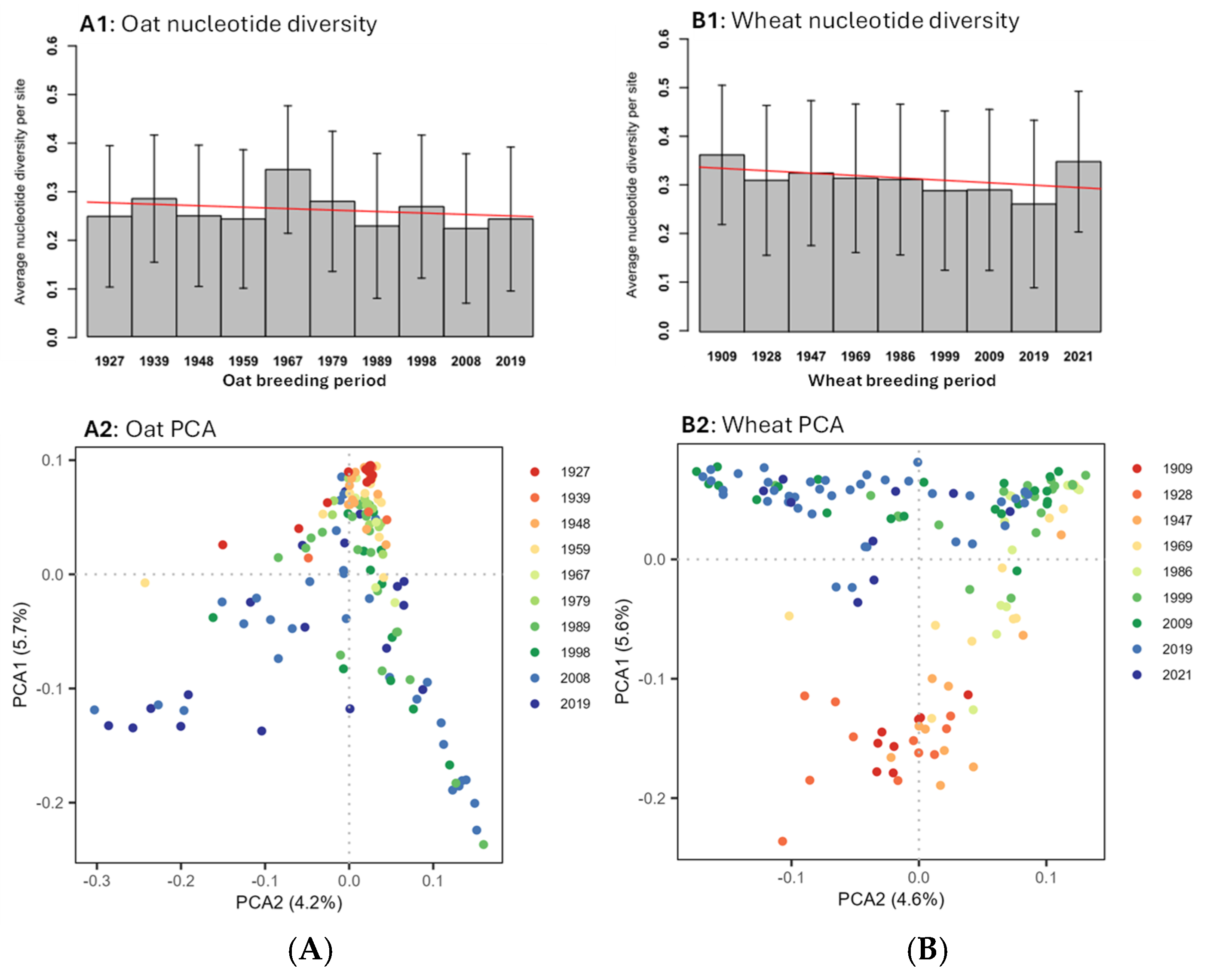
Modern high-yielding crop cultivars are known to have narrow genetic bases, making them vulnerable to biotic and abiotic stresses. However, little is known about the extent of deleterious genetic variants (or mutation burden) present in these cultivars. An attempt was made using RNA-Seq to screen genome-wide deleterious genetic variants in 141 oat and 142 wheat cultivars released through Canadian breeding programs over the past century. The screening identified 5726 and 3022 deleterious genetic variants across all 21 chromosomes of both the oat and wheat genomes, respectively. These deleterious variants were largely harbored in a few cultivars and were involved with diverse biological processes, cellular components, and molecular functions. More highly deleterious variants were predicted in oat, than in wheat, cultivars, and different gene expression profiles at the early seedling stage were observed between oat and wheat cultivars, illustrating different genetic impacts of the oat and wheat breeding programs. Estimating mutation burdens for each cultivar revealed large variations among both the oat and wheat cultivars. These mutation burdens were found to increase from early to recent oat and wheat cultivars and were associated with higher cultivar yields. Genetic analyses also revealed genetic shifts and expansions from early to recent oat and wheat cultivars. These findings provide the first empirical evidence of elevated mutation burdens in Canadian oat and wheat cultivars and are useful for advancing plant breeding programs to minimize genetic risk.
Keywords: deleterious mutation; mutation burden; genetic risk; genetic vulnerability; plant breeding; oat; wheat; breeding gene pool deleterious mutation; mutation burden; genetic risk; genetic vulnerability; plant breeding; oat; wheat; breeding gene pool