Article

Does Hyperglycemia Cause Oxidative Stress in the Diabetic Rat Retina?

by
Mohammad Shamsul Ola
Department of Biochemistry, College of Science, King Saud University, 2B10, Building 5, P.O. Box 2455, Riyadh 11451, Saudi Arabia
Cells 2021, 10(4), 794; https://doi.org/10.3390/cells10040794
Submission received: 3 February 2021 / Revised: 26 March 2021 / Accepted: 31 March 2021 / Published: 2 April 2021

Abstract

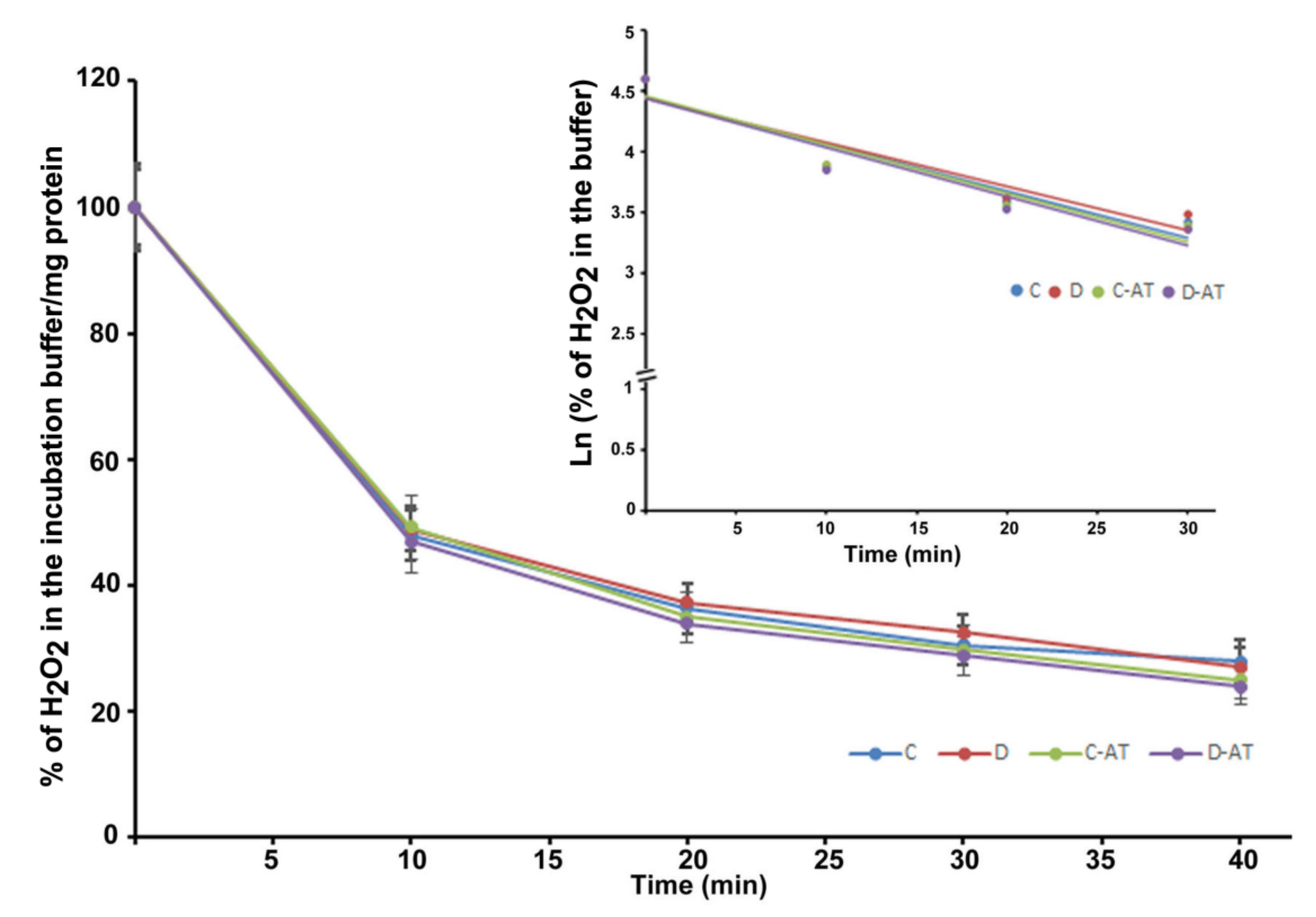
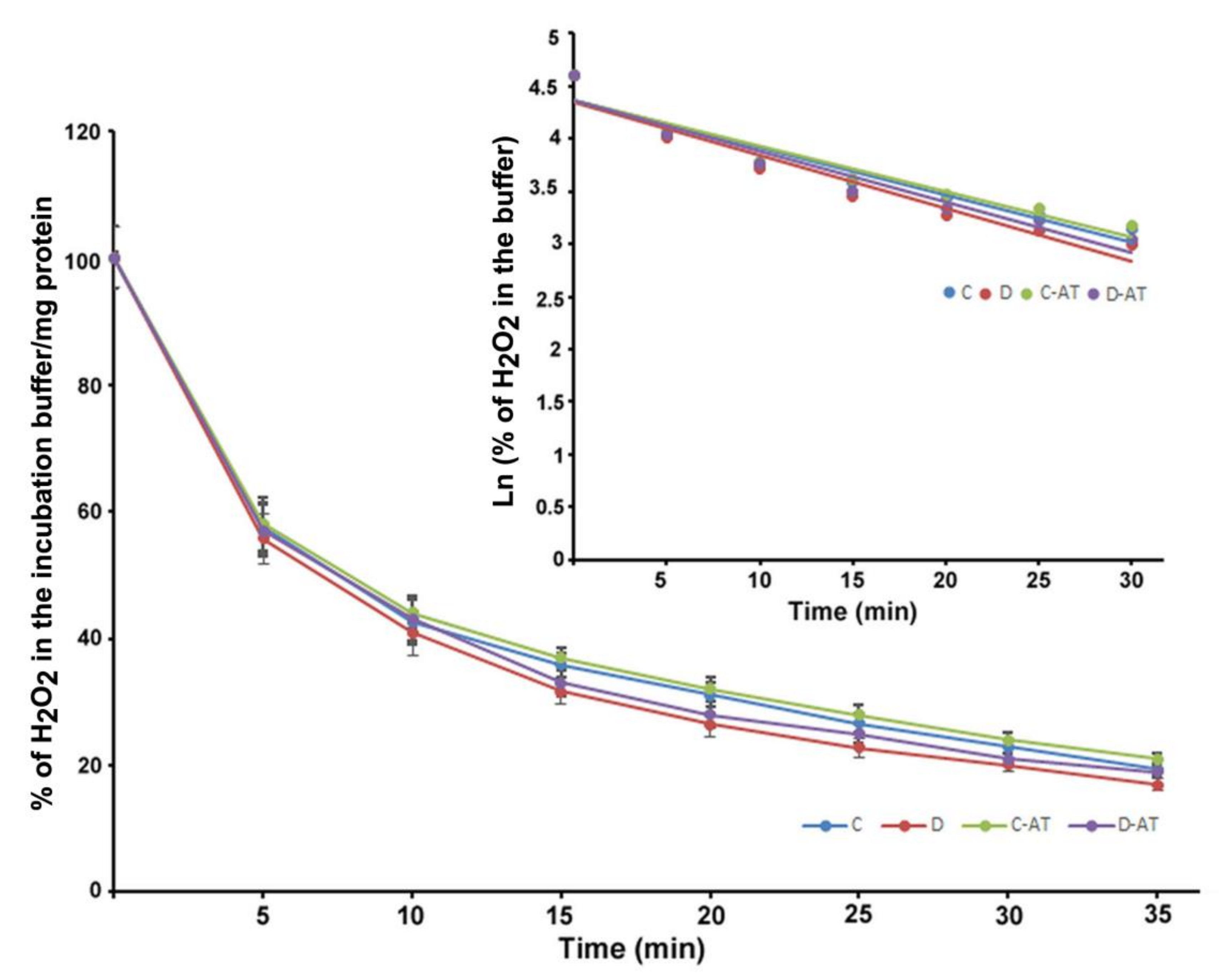
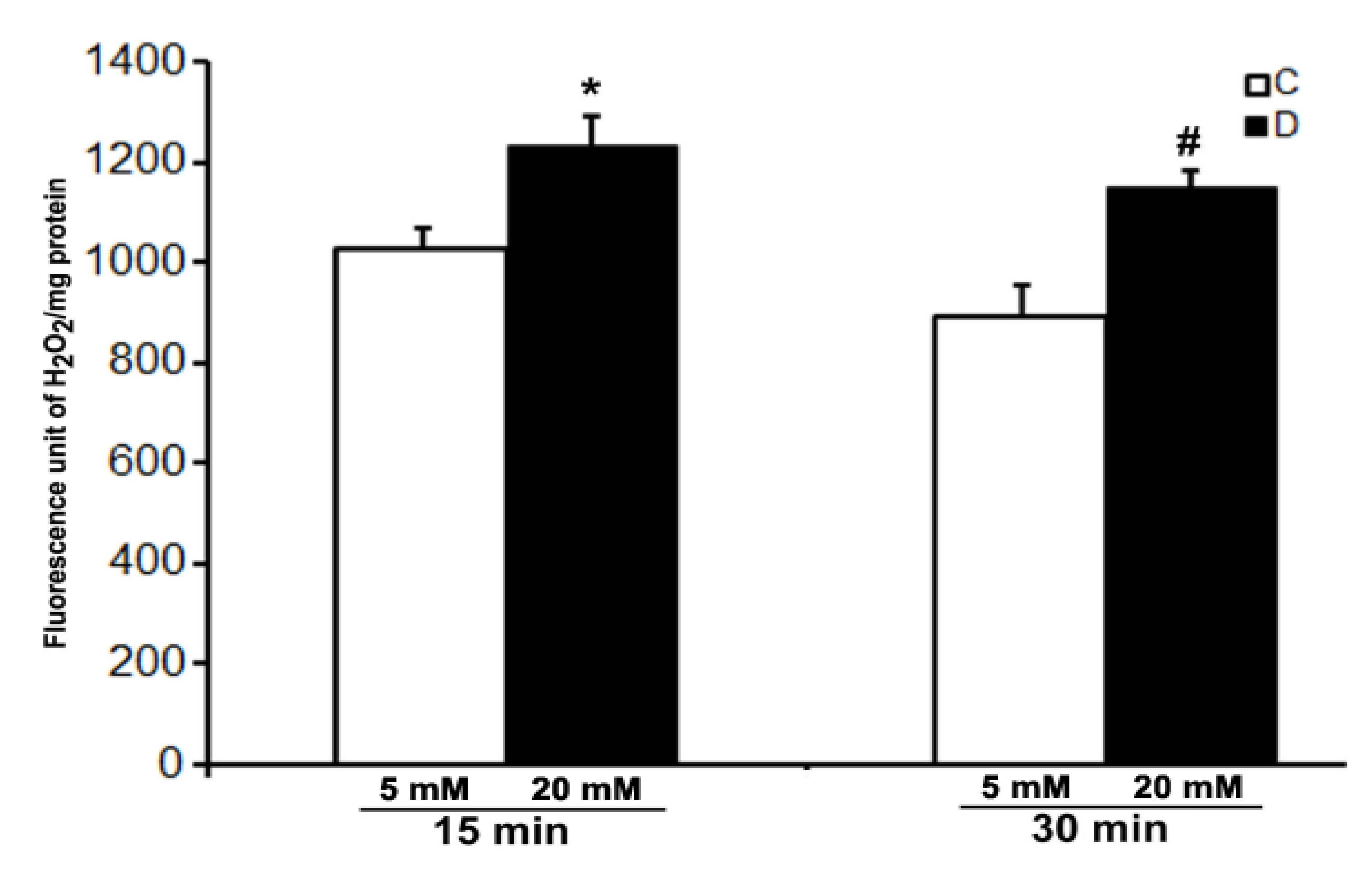
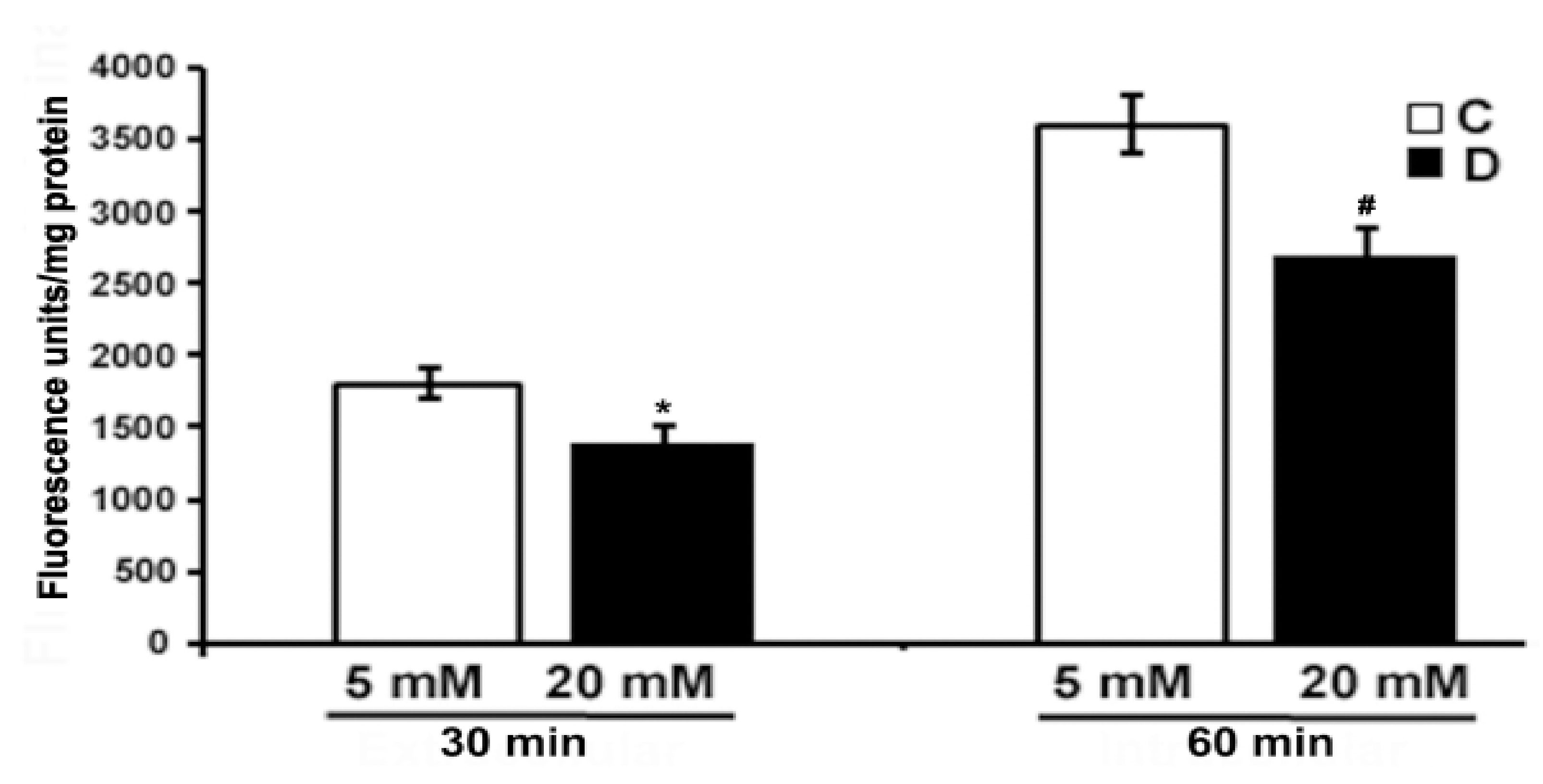
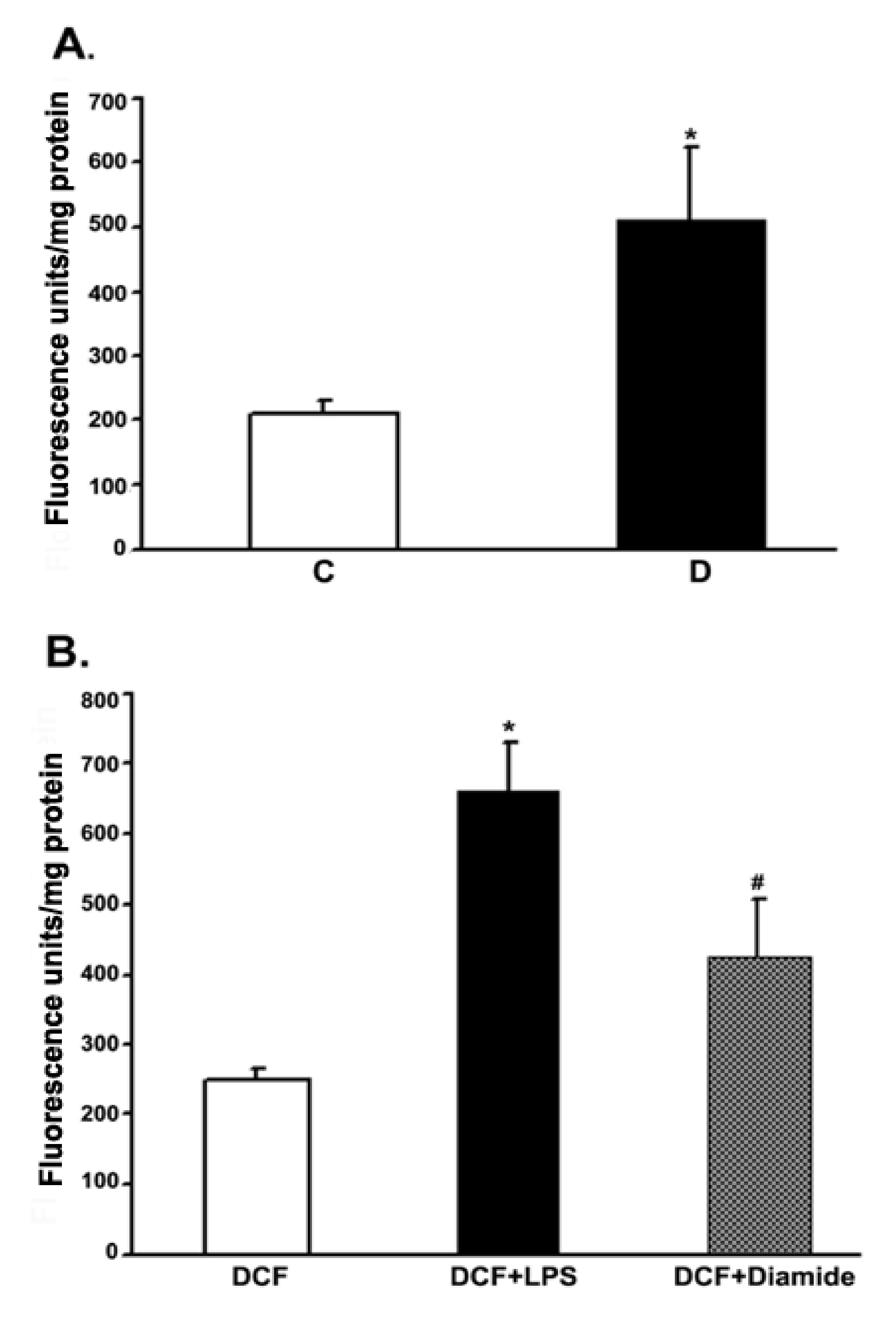
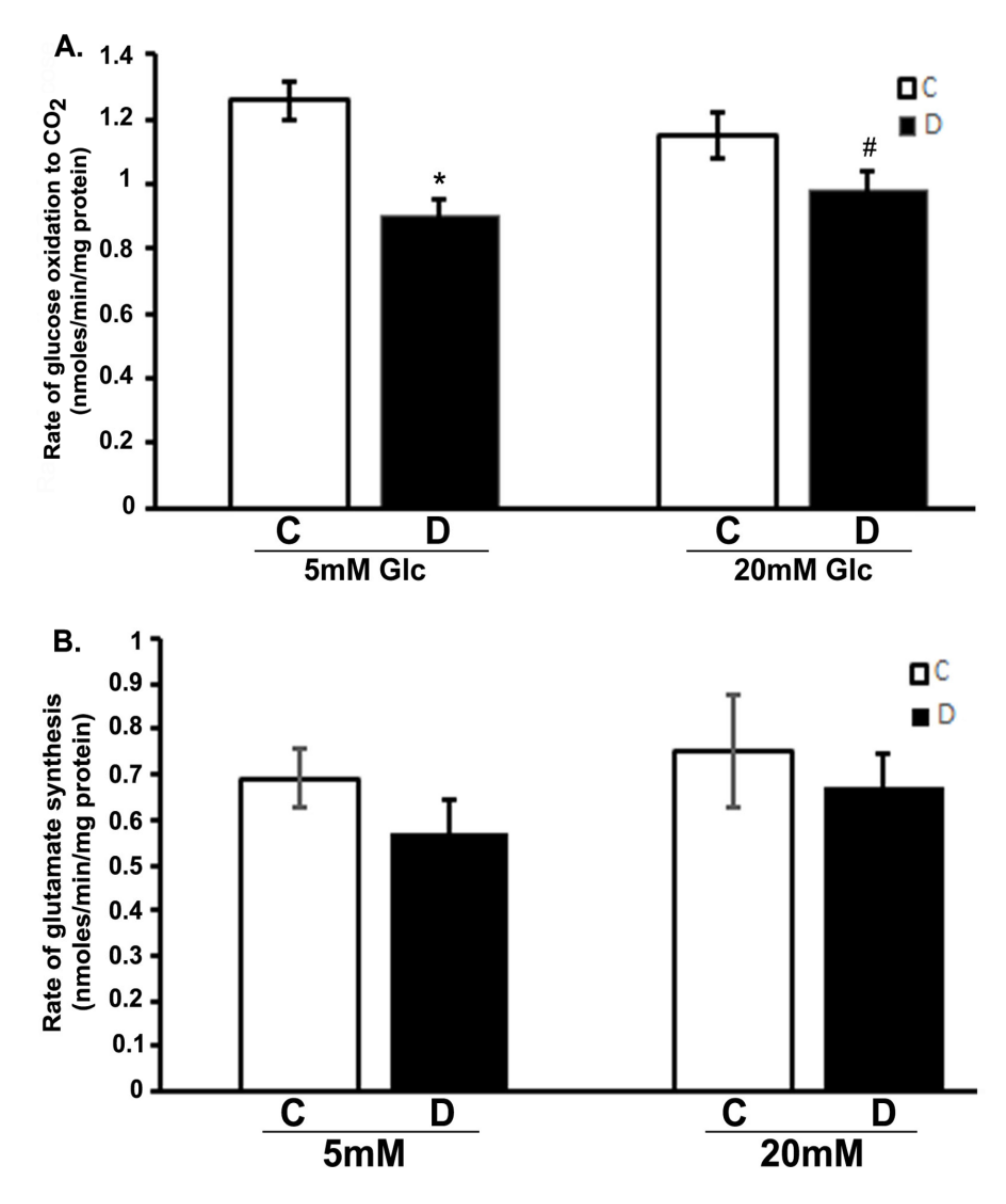
Diabetes, being a metabolic disease dysregulates a large number of metabolites and factors. However, among those altered metabolites, hyperglycemia is considered as the major factor to cause an increase in oxidative stress that initiates the pathophysiology of retinal damage leading to diabetic retinopathy. Diabetes-induced oxidative stress in the diabetic retina and its damaging effects are well known, but still, the exact source and the mechanism of hyperglycemia-induced reactive oxygen species (ROS) generation especially through mitochondria remains uncertain. In this study, we analyzed precisely the generation of ROS and the antioxidant capacity of enzymes in a real-time situation under ex vivo and in vivo conditions in the control and streptozotocin-induced diabetic rat retinas. We also measured the rate of flux through the citric acid cycle by determining the oxidation of glucose to CO2 and glutamate, under ex vivo conditions in the control and diabetic retinas. Measurements of H2O2 clearance from the ex vivo control and diabetic retinas indicated that activities of mitochondrial antioxidant enzymes are intact in the diabetic retina. Short-term hyperglycemia seems to influence a decrease in ROS generation in the diabetic retina compared to controls, which is also correlated with a decreased oxidation rate of glucose in the diabetic retina. However, an increase in the formation of ROS was observed in the diabetic retinas compared to controls under in vivo conditions. Thus, our results suggest of diabetes/hyperglycemia-induced non-mitochondrial sources may serve as major sources of ROS generation in the diabetic retina as opposed to widely believed hyperglycemia-induced mitochondrial sources of excess ROS. Therefore, hyperglycemia per se may not cause an increase in oxidative stress, especially through mitochondria to damage the retina as in the case of diabetic retinopathy.
Keywords: retina; diabetes; hyperglycemia; oxidative stress; metabolism retina; diabetes; hyperglycemia; oxidative stress; metabolism