Article

STAT6 Deficiency Attenuates Myeloid Fibroblast Activation and Macrophage Polarization in Experimental Folic Acid Nephropathy

1
Division of Nephrology, Department of Medicine, University of Connecticut School of Medicine, Farmington, CT 06030, USA
2
Department of Immunology, University of Connecticut School of Medicine, Farmington, CT 06030, USA
3
Department of Cell Biology, University of Connecticut School of Medicine, Farmington, CT 06030, USA
4
Institute for Systems Genomics, University of Connecticut School of Medicine, Farmington, CT 06030, USA
5
Renal Section, Veterans Affairs Connecticut Healthcare System, West Haven, CT 06516, USA
*
Author to whom correspondence should be addressed.
Cells 2021, 10(11), 3057; https://doi.org/10.3390/cells10113057
Submission received: 4 October 2021 / Revised: 25 October 2021 / Accepted: 4 November 2021 / Published: 6 November 2021

Abstract

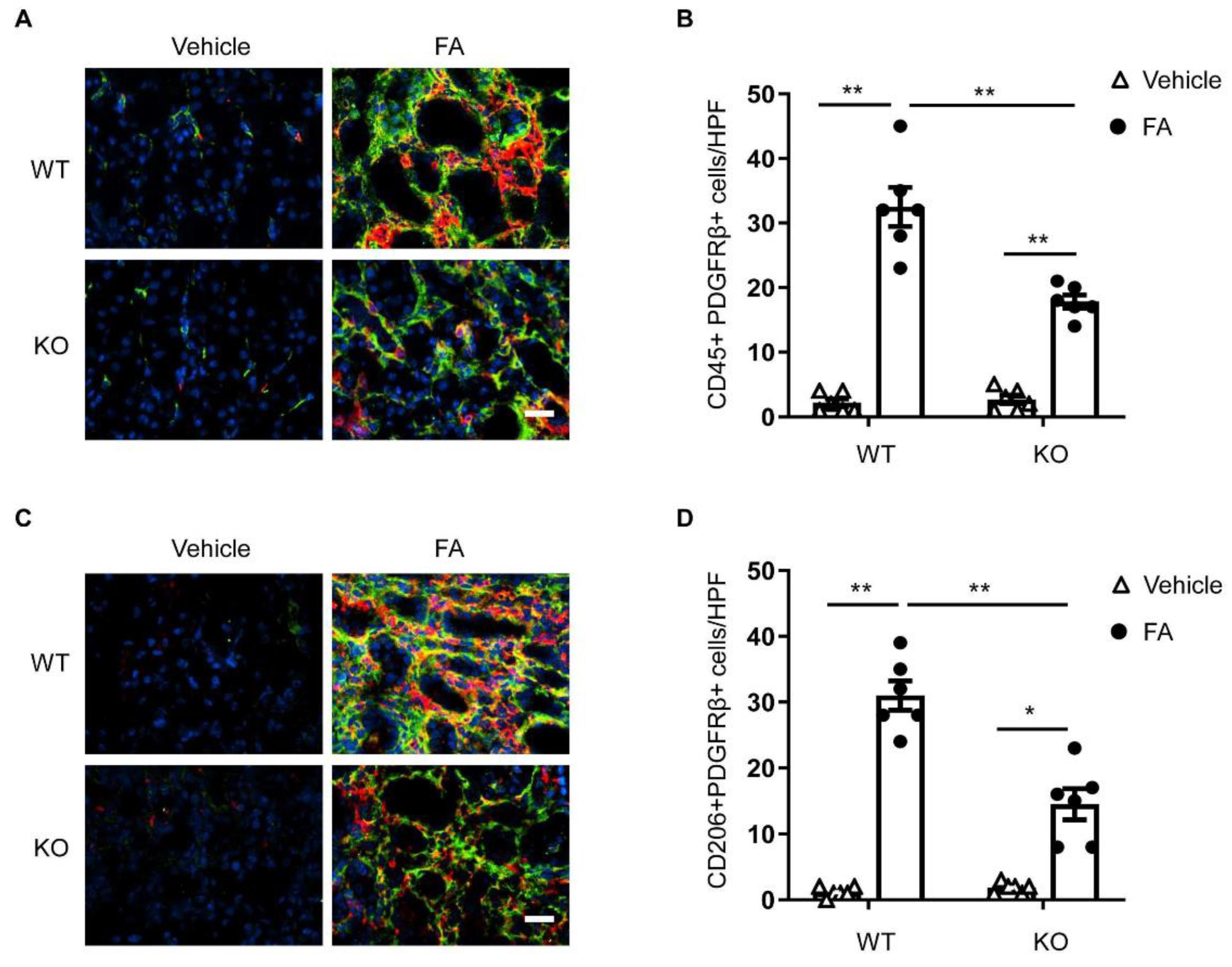
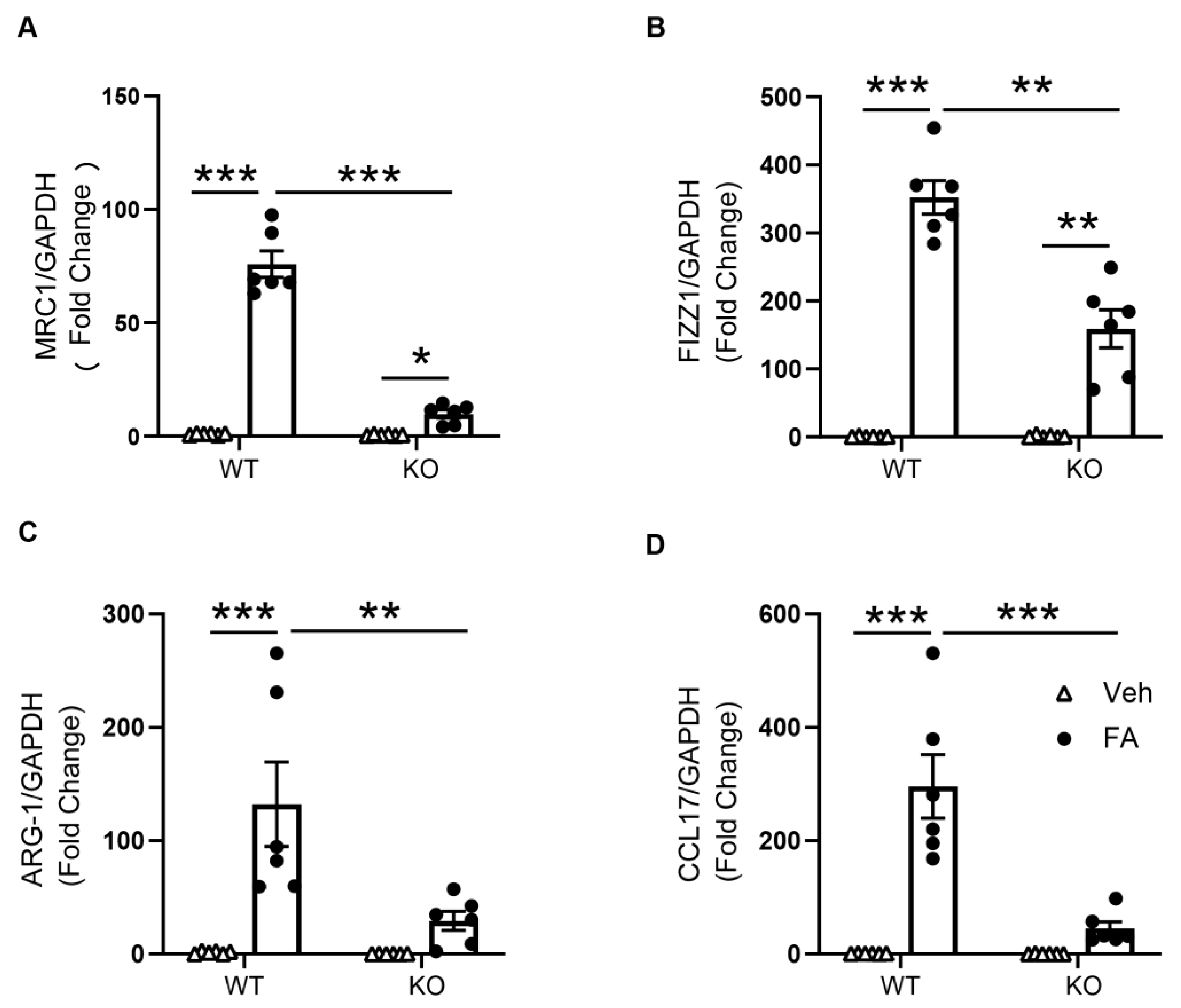
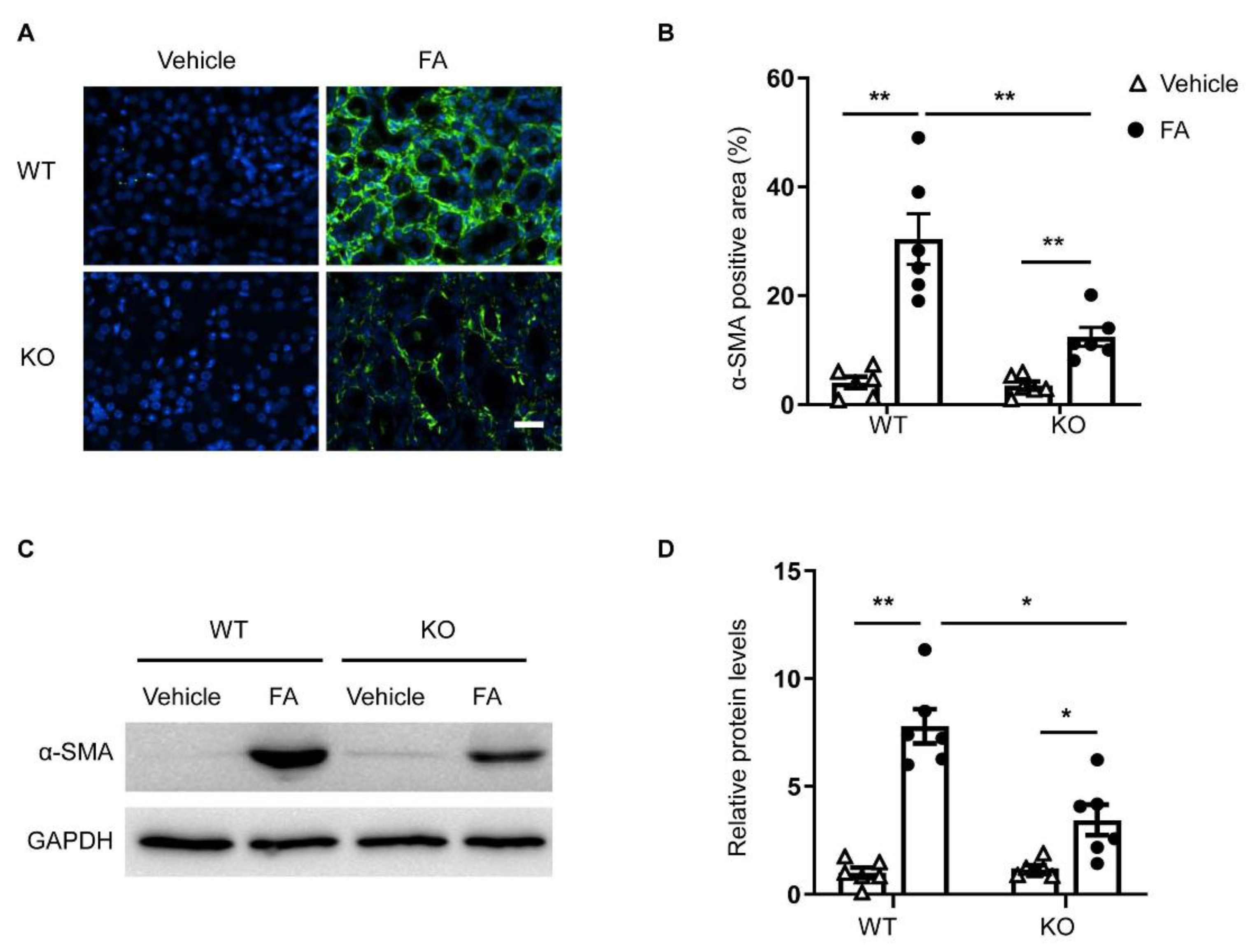
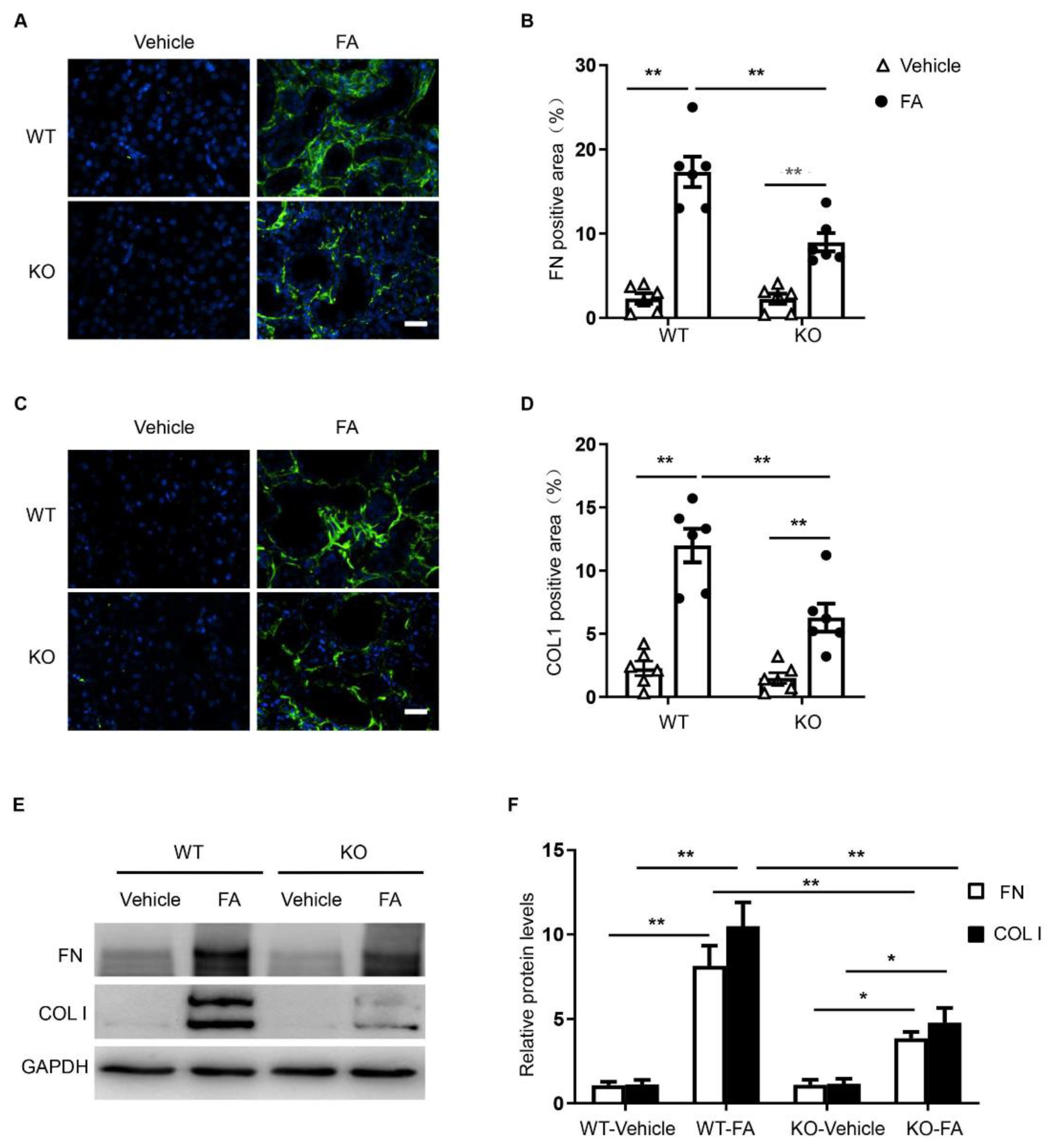
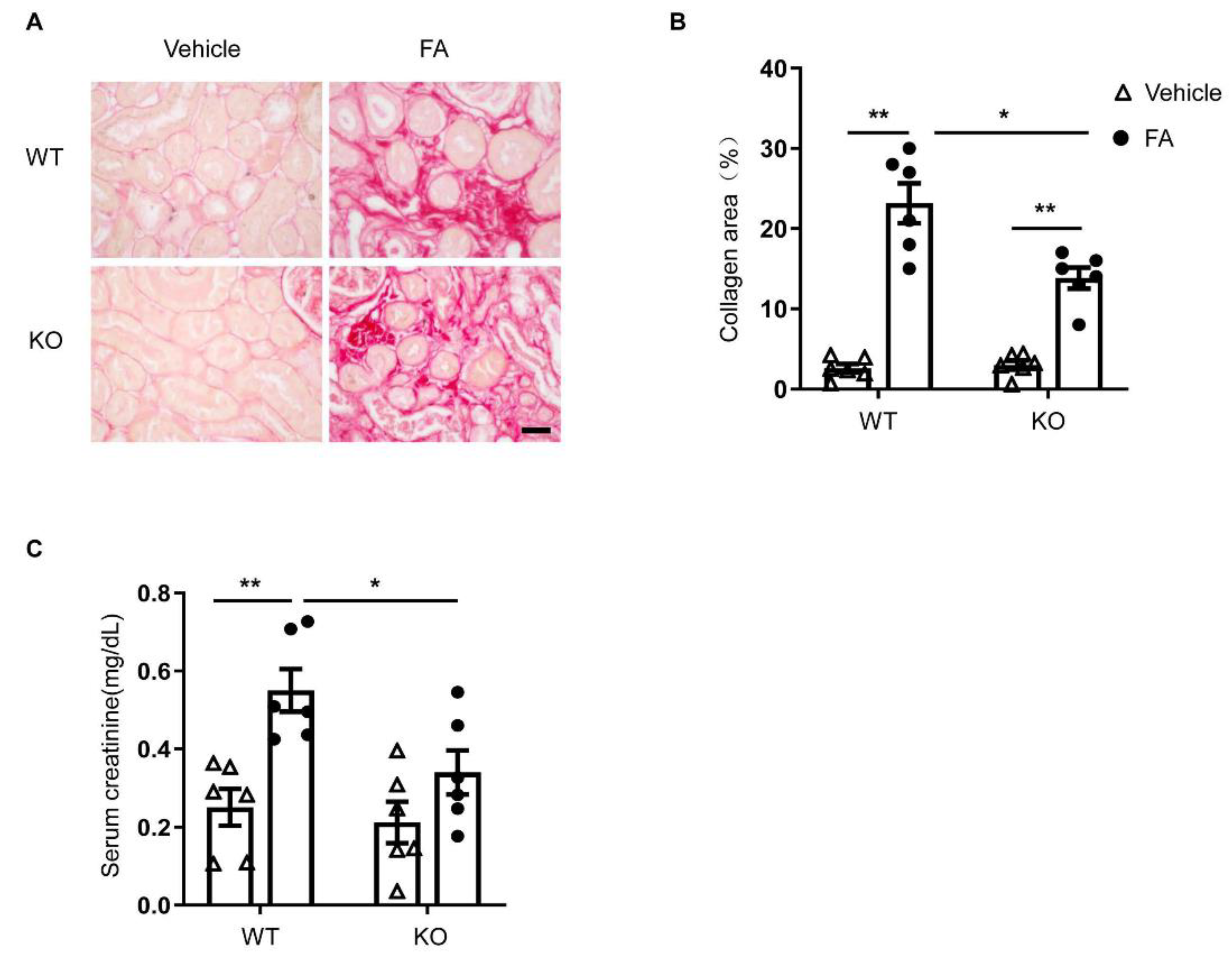
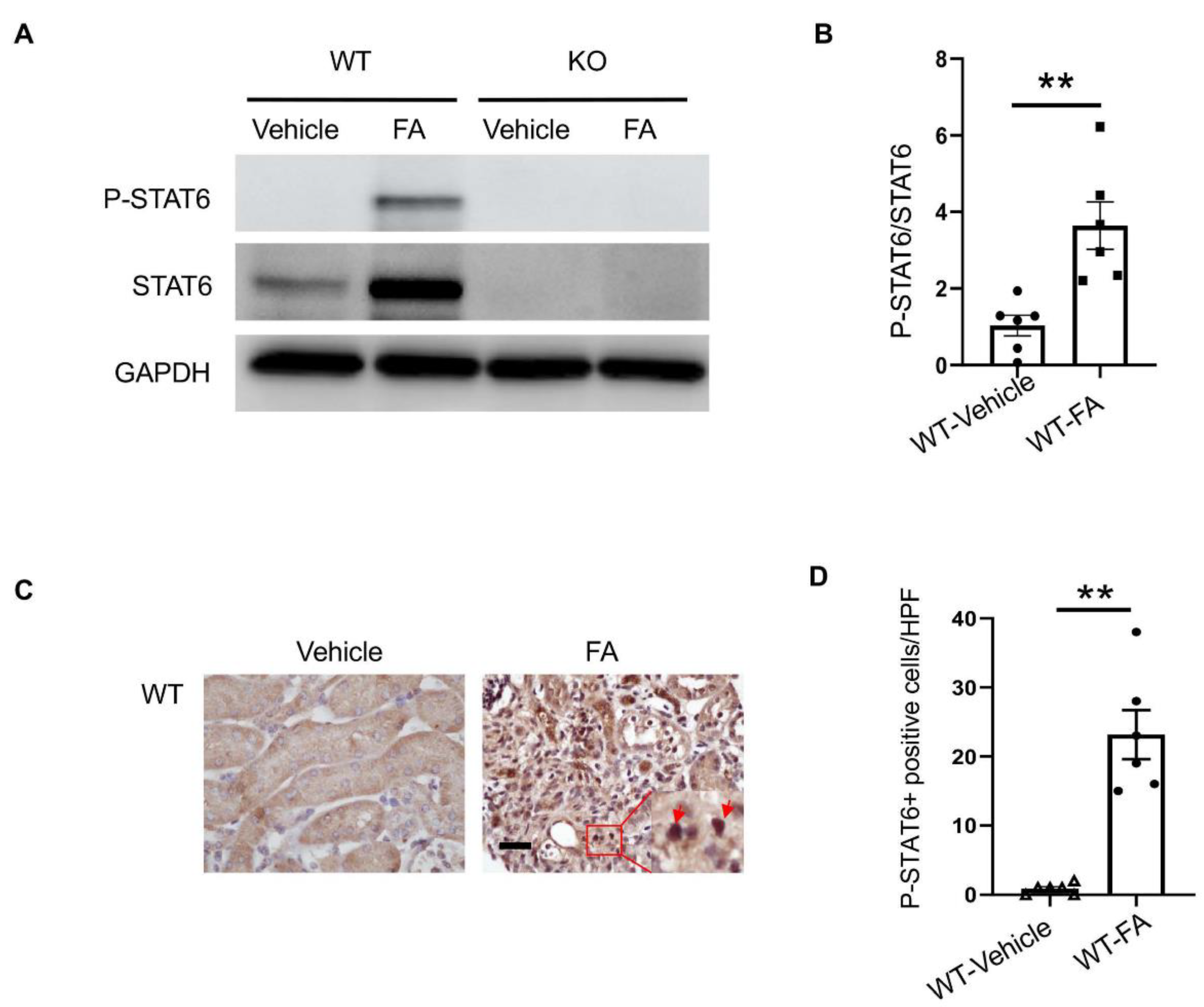
Renal fibrosis is a pathologic feature of chronic kidney disease, which can lead to end-stage kidney disease. Myeloid fibroblasts play a central role in the pathogenesis of renal fibrosis. However, the molecular mechanisms pertaining to myeloid fibroblast activation remain to be elucidated. In the present study, we examine the role of signal transducer and activator of transcription 6 (STAT6) in myeloid fibroblast activation, macrophage polarization, and renal fibrosis development in a mouse model of folic acid nephropathy. STAT6 is activated in the kidney with folic acid nephropathy. Compared with folic-acid-treated wild-type mice, STAT6 knockout mice had markedly reduced myeloid fibroblasts and myofibroblasts in the kidney with folic acid nephropathy. Furthermore, STAT6 knockout mice exhibited significantly less CD206 and PDGFR-β dual-positive fibroblast accumulation and M2 macrophage polarization in the kidney with folic acid nephropathy. Consistent with these findings, STAT6 knockout mice produced less extracellular matrix protein, exhibited less severe interstitial fibrosis, and preserved kidney function in folic acid nephropathy. Taken together, these results have shown that STAT6 plays a critical role in myeloid fibroblasts activation, M2 macrophage polarization, extracellular matrix protein production, and renal fibrosis development in folic acid nephropathy. Therefore, targeting STAT6 may provide a novel therapeutic strategy for fibrotic kidney disease.
Keywords: STAT6; macrophage polarization; fibroblasts; fibrosis; chronic kidney disease STAT6; macrophage polarization; fibroblasts; fibrosis; chronic kidney disease