Regulation of Transplanted Cell Homing by FGF1 and PDGFB after Doxorubicin Myocardial Injury


Abstract
1. Introduction
2. Materials and Methods
2.1. Chemicals and Reagents
2.2. Experimental Animals
2.3. Doxorubicin Treatment and Cell Transplantation
2.4. Assessment of Donor Cell Transplantation Efficiencies
2.5. Immunostaining of Histological Sections
2.6. Histochemical Staining Procedures
2.7. Electrocardiography and Echocardiography
2.8. Cell Migration and Invasion Tests
2.9. RNA Isolation, and Quantitative PCR Amplification
2.10. Protein Extraction and Westerns Blotting
2.11. Statistical Analysis
3. Results
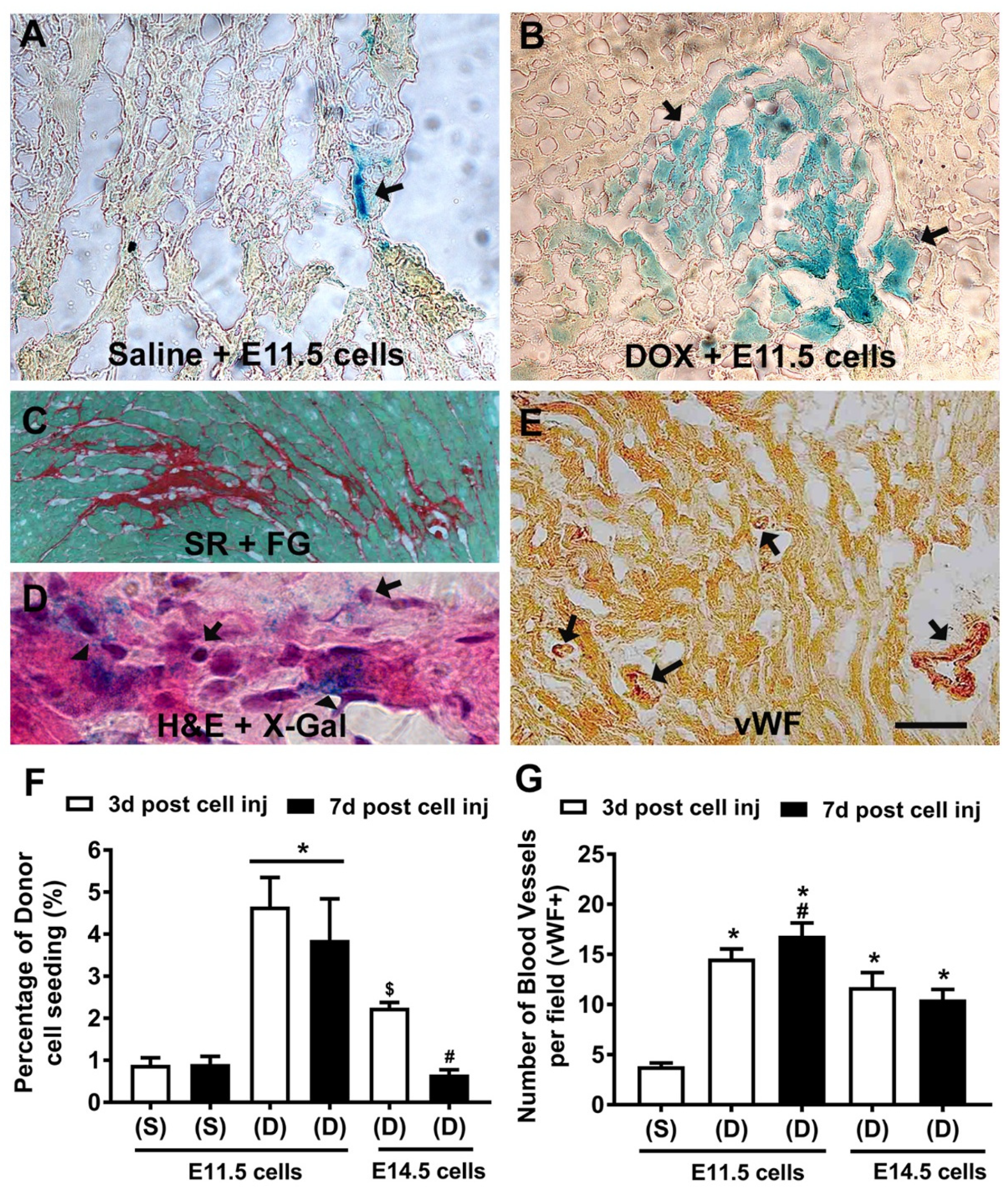
3.1. Embryonic Ventricular Cells Home to Injured Tissue and Increase Angiogenesis
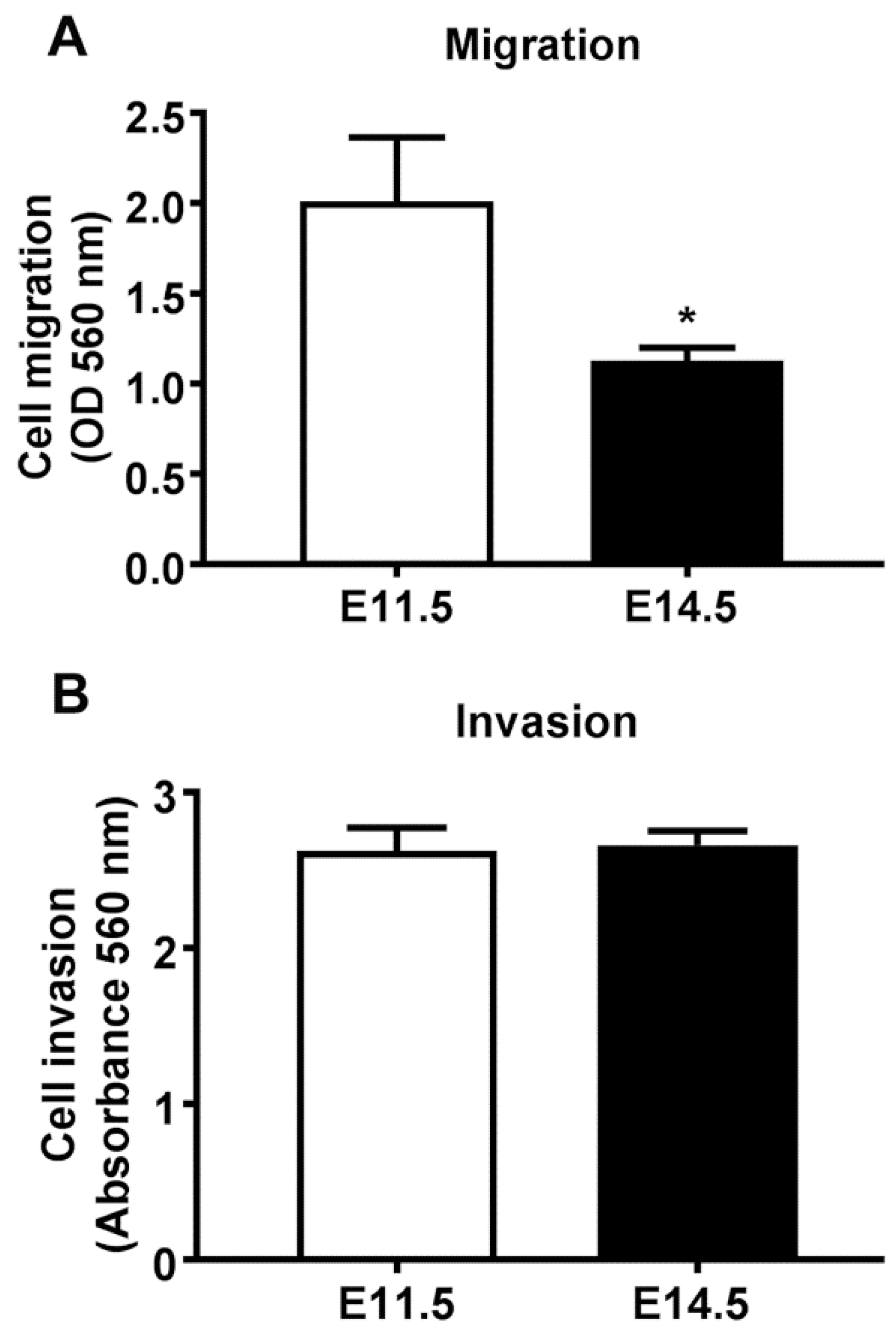
3.2. Quantification of Cell Migration and Invasiveness of Embryonic Ventricular Cells
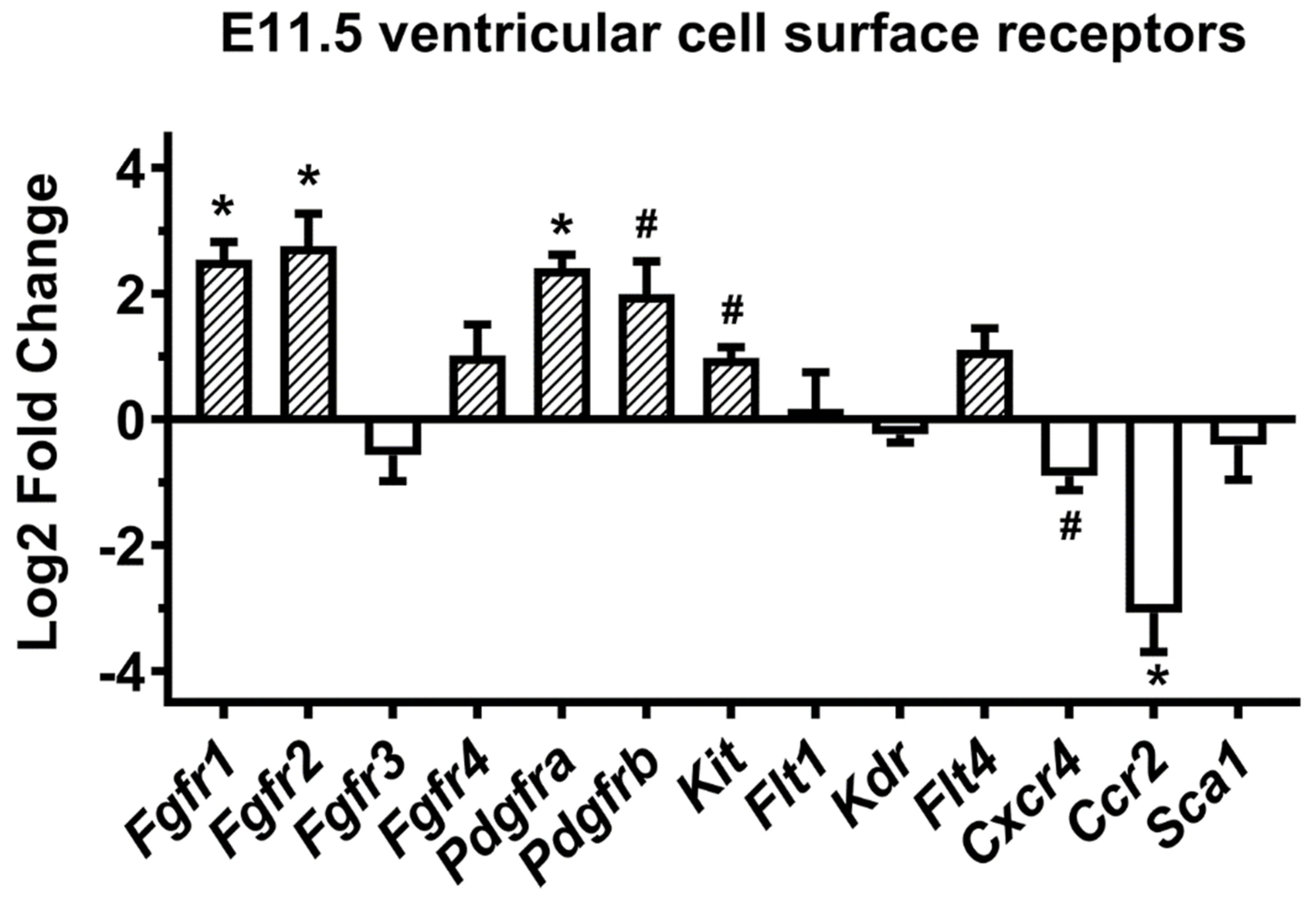
3.3. Developmental Differences in Growth Factor and Chemokine Receptor Gene Expression in Embryonic Ventricular Cells
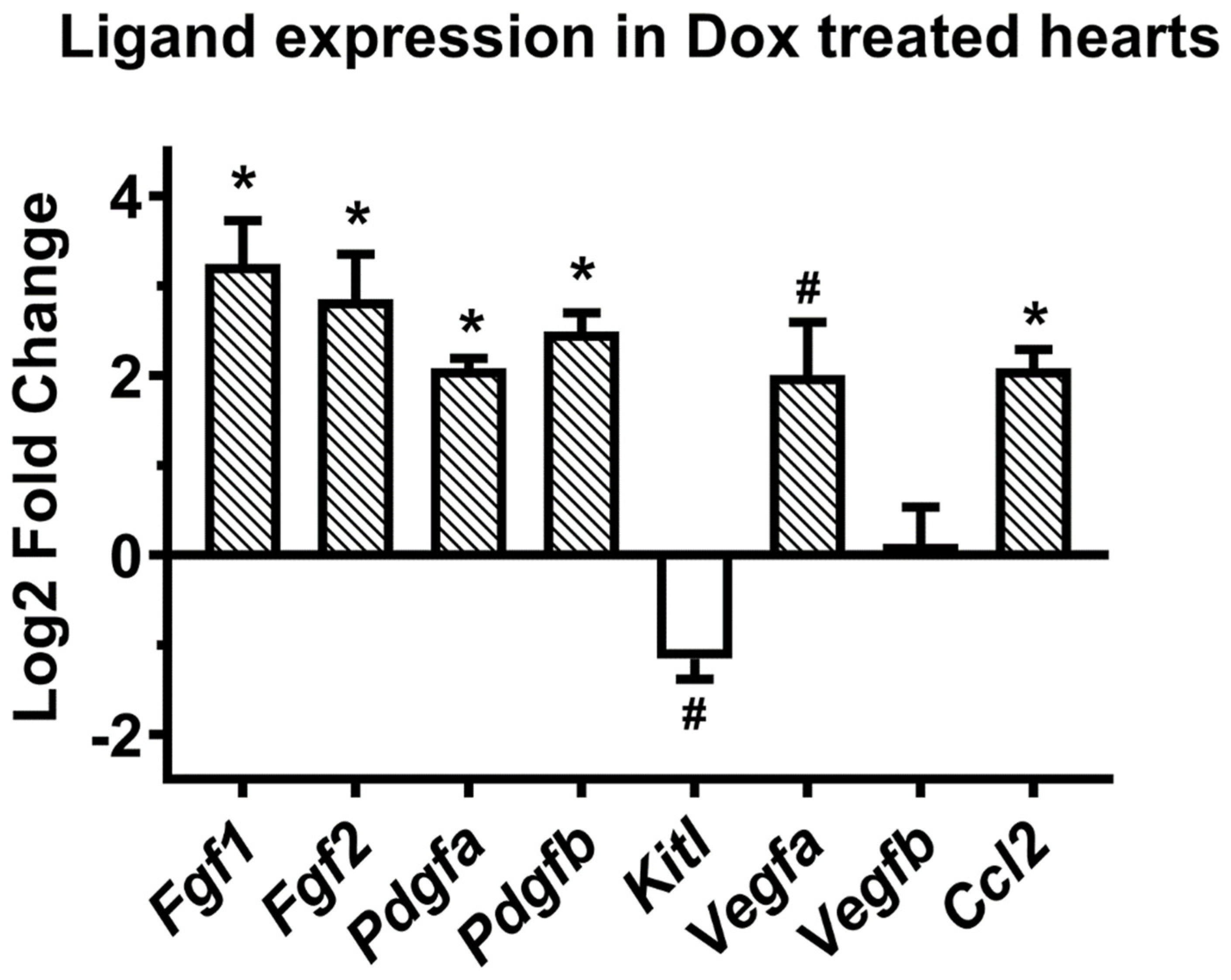
3.4. Assessment of Growth Factor and Chemokine Gene Expression Levels in the Ventricles of Recipient Mice after Treatment with Doxorubicin
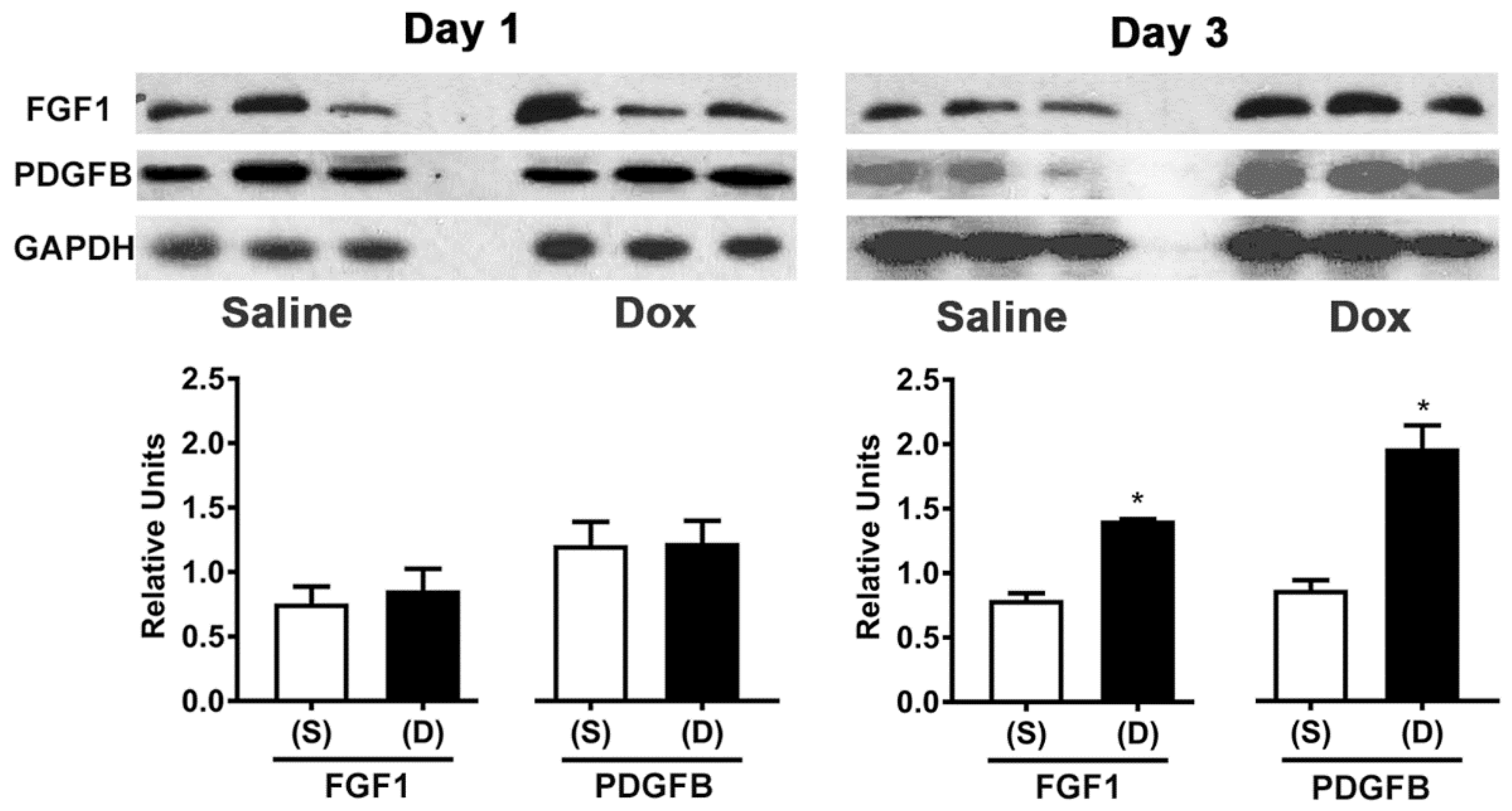
3.5. Doxorubicin Treatment Increases FGF1 and PDGFB Protein Levels in the Adult Heart Ventricles
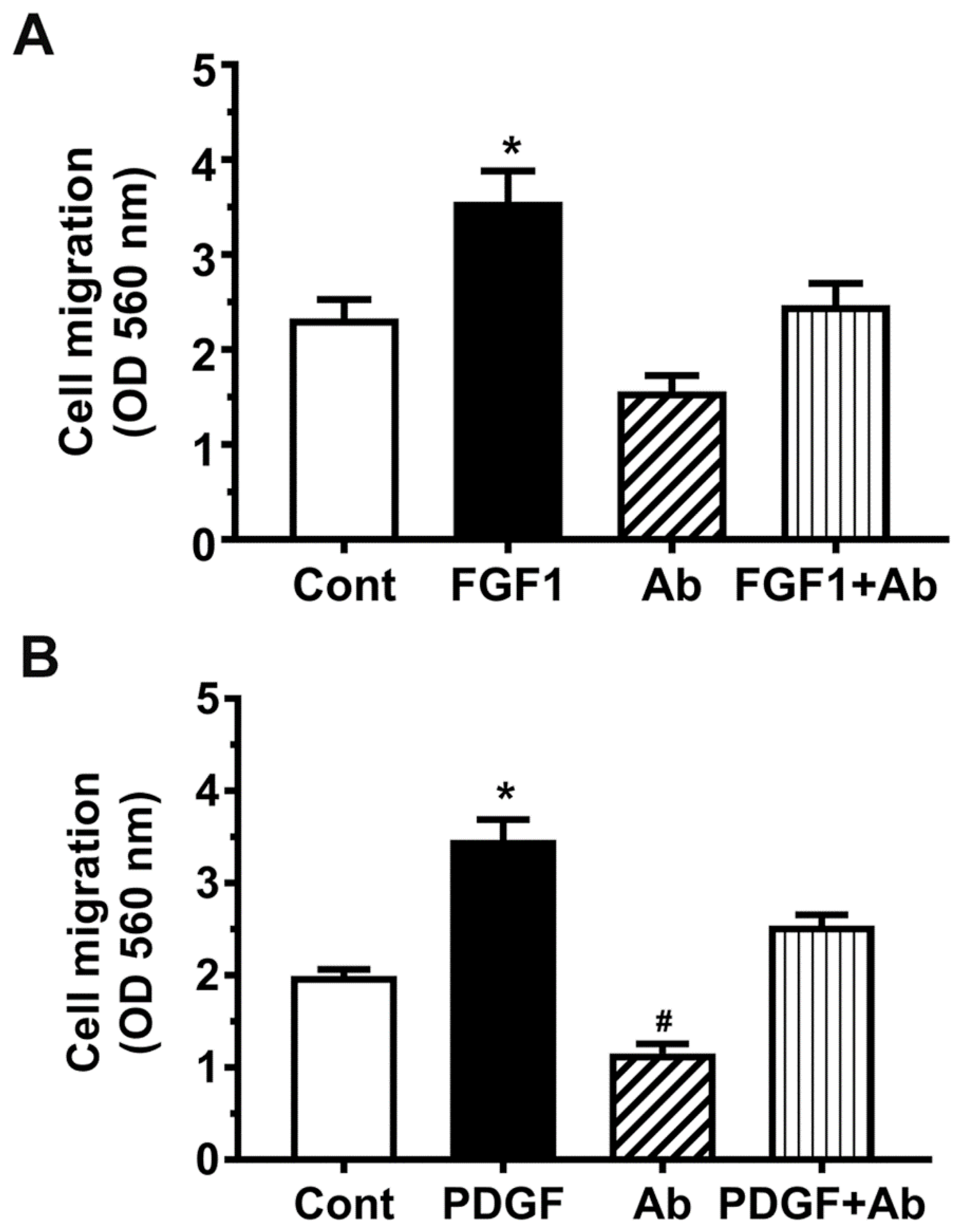
3.6. FGF1 and PDGFB Increase Embryonic Ventricular Cell Migration
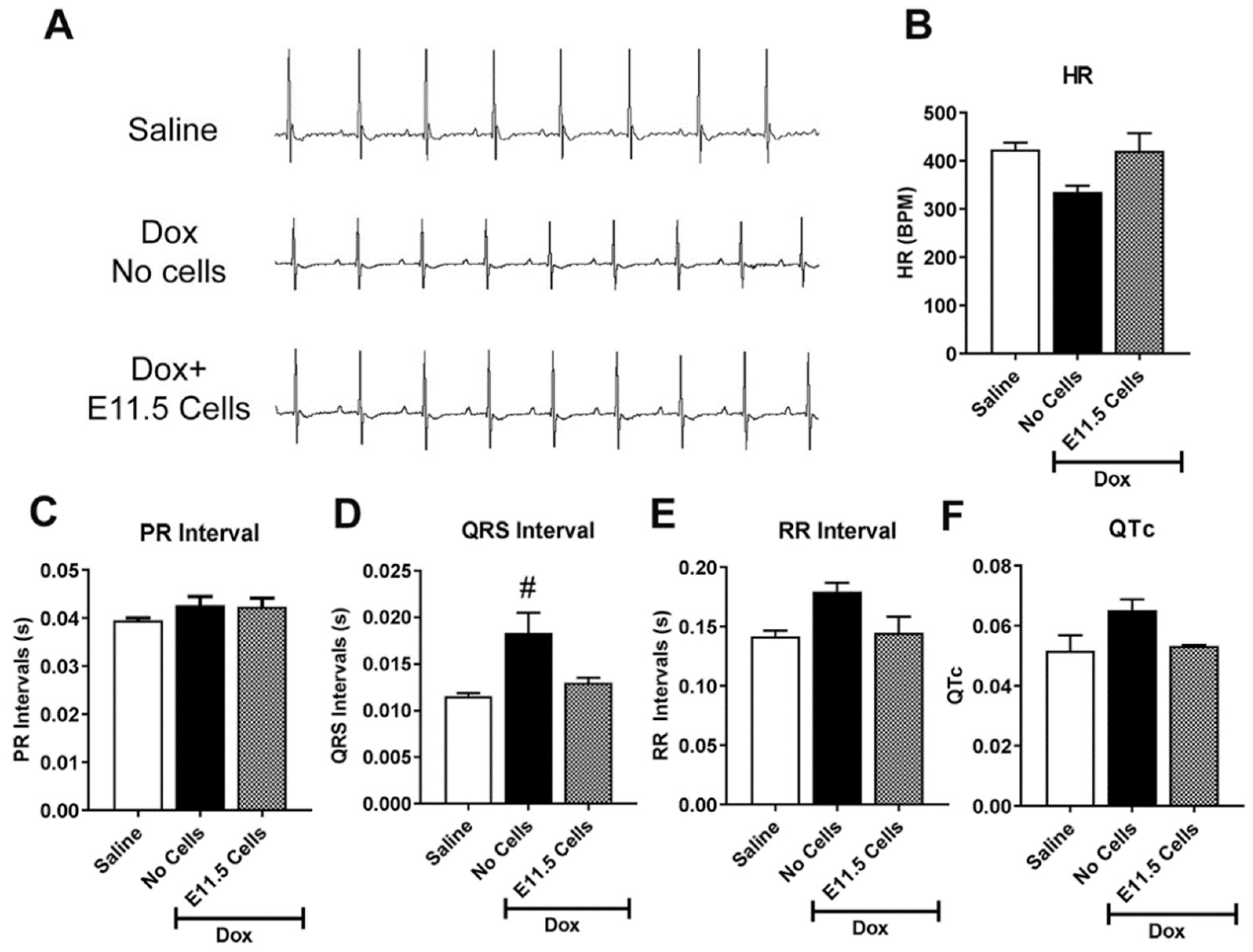
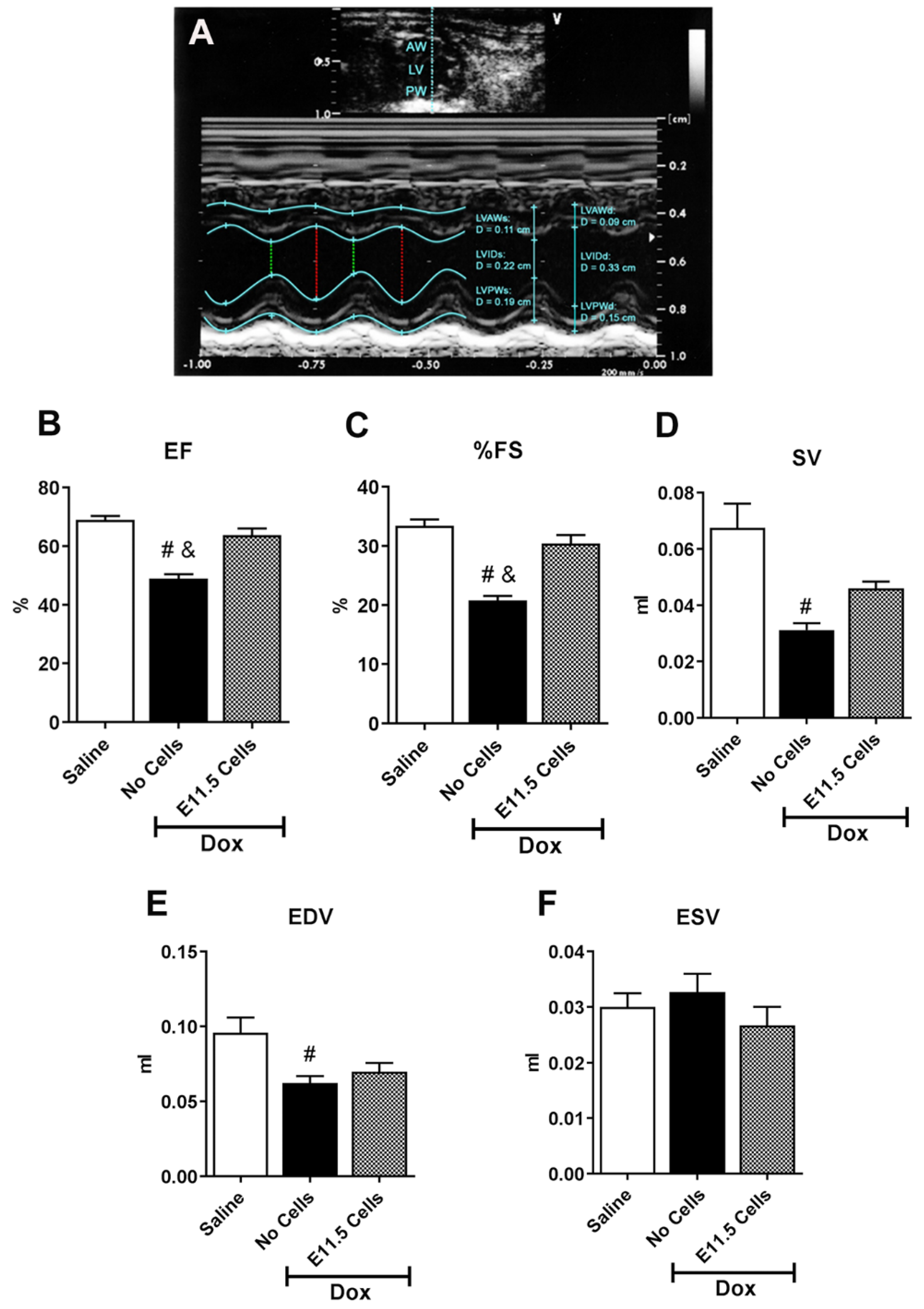
3.7. Engraftment of E11.5 Ventricular Cells Can Abrogate ECG Abnormalities and Improve Cardiac Function of the Injured Myocardium
4. Discussion
Author Contributions
Funding
Institutional Review Board Statement
Informed Consent Statement
Data Availability Statement
Acknowledgments
Conflicts of Interest
References
- Lamore, S.D.; Kohnken, R.A.; Peters, M.F.; Kolaja, K.L. Cardiovascular Toxicity Induced by Kinase Inhibitors: Mechanisms and Preclinical Approaches. Chem. Res. Toxicol. 2020, 33, 125–136. [Google Scholar] [CrossRef] [Scilit] [PubMed]
- Octavia, Y.; Tocchetti, C.G.; Gabrielson, K.L.; Janssens, S.; Crijns, H.J.; Moens, A.L. Doxorubicin-induced cardiomyopathy: From molecular mechanisms to therapeutic strategies. J. Mol. Cell Cardiol. 2012, 52, 1213–1225. [Google Scholar] [CrossRef] [Scilit]
- Feridooni, T.; Hotchkiss, A.; Remley-Carr, S.; Saga, Y.; Pasumarthi, K.B. Cardiomyocyte specific ablation of p53 is not sufficient to block doxorubicin induced cardiac fibrosis and associated cytoskeletal changes. PLoS ONE 2011, 6, e22801. [Google Scholar] [CrossRef] [Scilit]
- Horacek, J.M.; Jakl, M.; Horackova, J.; Pudil, R.; Jebavy, L.; Maly, J. Assessment of anthracycline-induced cardiotoxicity with electrocardiography. Exp. Oncol. 2009, 31, 115–117. [Google Scholar]
- Billingham, M.E.; Mason, J.W.; Bristow, M.R.; Daniels, J.R. Anthracycline cardiomyopathy monitored by morphologic changes. Cancer Treat Rep. 1978, 62, 865–872. [Google Scholar]
- Eschenhagen, T.; Bolli, R.; Braun, T.; Field, L.J.; Fleischmann, B.K.; Frisen, J.; Giacca, M.; Hare, J.M.; Houser, S.; Lee, R.T.; et al. Cardiomyocyte Regeneration: A Consensus Statement. Circulation 2017, 136, 680–686. [Google Scholar] [CrossRef] [Scilit] [PubMed]
- Pasumarthi, K.B.; Field, L.J. Cardiomyocyte cell cycle regulation. Circ. Res. 2002, 90, 1044–1054. [Google Scholar] [CrossRef] [Scilit]
- Dowell, J.D.; Rubart, M.; Pasumarthi, K.B.; Soonpaa, M.H.; Field, L.J. Myocyte and myogenic stem cell transplantation in the heart. Cardiovasc. Res. 2003, 58, 336–350. [Google Scholar] [CrossRef] [Scilit]
- Murry, C.E.; Field, L.J.; Menasche, P. Cell-based cardiac repair: Reflections at the 10-year point. Circulation 2005, 112, 3174–3183. [Google Scholar] [CrossRef] [Scilit]
- Spallarossa, P.; Maurea, N.; Cadeddu, C.; Madonna, R.; Mele, D.; Monte, I.; Novo, G.; Pagliaro, P.; Pepe, A.; Tocchetti, C.G.; et al. A recommended practical approach to the management of anthracycline-based chemotherapy cardiotoxicity: An opinion paper of the working group on drug cardiotoxicity and cardioprotection, Italian Society of Cardiology. J. Cardiovasc. Med. (Hagerstown) 2016, 17 (Suppl. 1), S84–S92. [Google Scholar] [CrossRef] [Scilit]
- McMullen, N.M.; Pasumarthi, K.B. Donor cell transplantation for myocardial disease: Does it complement current pharmacological therapies? Can. J. Physiol. Pharmacol. 2007, 85, 1–15. [Google Scholar] [CrossRef] [Scilit]
- Abushouk, A.I.; Salem, A.M.A.; Saad, A.; Afifi, A.M.; Afify, A.Y.; Afify, H.; Salem, H.S.E.; Ghanem, E.; Abdel-Daim, M.M. Mesenchymal Stem Cell Therapy for Doxorubicin-Induced Cardiomyopathy: Potential Mechanisms, Governing Factors, and Implications of the Heart Stem Cell Debate. Front. Pharmacol. 2019, 10, 635. [Google Scholar] [CrossRef] [Scilit] [PubMed]
- Ammar, H.I.; Sequiera, G.L.; Nashed, M.B.; Ammar, R.I.; Gabr, H.M.; Elsayed, H.E.; Sareen, N.; Rub, E.A.; Zickri, M.B.; Dhingra, S. Comparison of adipose tissue- and bone marrow- derived mesenchymal stem cells for alleviating doxorubicin-induced cardiac dysfunction in diabetic rats. Stem Cell Res. Ther. 2015, 6, 148. [Google Scholar] [CrossRef] [Scilit] [PubMed]
- Ezquer, F.; Gutierrez, J.; Ezquer, M.; Caglevic, C.; Salgado, H.C.; Calligaris, S.D. Mesenchymal stem cell therapy for doxorubicin cardiomyopathy: Hopes and fears. Stem Cell Res. Ther. 2015, 6, 116. [Google Scholar] [CrossRef] [Scilit]
- Roell, W.; Lewalter, T.; Sasse, P.; Tallini, Y.N.; Choi, B.R.; Breitbach, M.; Doran, R.; Becher, U.M.; Hwang, S.M.; Bostani, T.; et al. Engraftment of connexin 43-expressing cells prevents post-infarct arrhythmia. Nature 2007, 450, 819–824. [Google Scholar] [CrossRef] [Scilit]
- Rubart, M.; Pasumarthi, K.B.; Nakajima, H.; Soonpaa, M.H.; Nakajima, H.O.; Field, L.J. Physiological coupling of donor and host cardiomyocytes after cellular transplantation. Circ. Res. 2003, 92, 1217–1224. [Google Scholar] [CrossRef] [Scilit]
- Shiba, Y.; Fernandes, S.; Zhu, W.Z.; Filice, D.; Muskheli, V.; Kim, J.; Palpant, N.J.; Gantz, J.; Moyes, K.W.; Reinecke, H.; et al. Human ES-cell-derived cardiomyocytes electrically couple and suppress arrhythmias in injured hearts. Nature 2012, 489, 322–325. [Google Scholar] [CrossRef] [Scilit]
- Smart, N.; Riley, P.R. The stem cell movement. Circ. Res. 2008, 102, 1155–1168. [Google Scholar] [CrossRef] [Scilit]
- Wright, D.E.; Wagers, A.J.; Gulati, A.P.; Johnson, F.L.; Weissman, I.L. Physiological migration of hematopoietic stem and progenitor cells. Science 2001, 294, 1933–1936. [Google Scholar] [CrossRef] [Scilit] [PubMed]
- Zhang, F.; Pasumarthi, K.B. Ultrastructural and immunocharacterization of undifferentiated myocardial cells in the developing mouse heart. J. Cell. Mol. Med. 2007, 11, 552–560. [Google Scholar] [CrossRef] [Scilit]
- Zhang, F.; Feridooni, T.; Hotchkiss, A.; Pasumarthi, K.B. Divergent cell cycle kinetics of midgestation ventricular cells entail a higher engraftment efficiency after cell transplantation. Am. J. Physiol. Cell Physiol. 2015, 308, C220–C228. [Google Scholar] [CrossRef] [Scilit] [PubMed]
- Stanley, E.G.; Biben, C.; Elefanty, A.; Barnett, L.; Koentgen, F.; Robb, L.; Harvey, R.P. Efficient Cre-mediated deletion in cardiac progenitor cells conferred by a 3’UTR-ires-Cre allele of the homeobox gene Nkx2-5. Int. J. Dev. Biol. 2002, 46, 431–439. [Google Scholar]
- Feridooni, T.; Hotchkiss, A.; Baguma-Nibasheka, M.; Zhang, F.; Allen, B.; Chinni, S.; Pasumarthi, K.B.S. Effects of beta-adrenergic receptor drugs on embryonic ventricular cell proliferation and differentiation and their impact on donor cell transplantation. Am. J. Physiol. Heart Circ. Physiol. 2017, 312, H919–H931. [Google Scholar] [CrossRef] [Scilit] [PubMed]
- Hotchkiss, A.; Feridooni, T.; Baguma-Nibasheka, M.; McNeil, K.; Chinni, S.; Pasumarthi, K.B. Atrial natriuretic peptide inhibits cell cycle activity of embryonic cardiac progenitor cells via its NPRA receptor signaling axis. Am. J. Physiol. Cell Physiol. 2015, 308, C557–G569. [Google Scholar] [CrossRef] [Scilit] [PubMed]
- Gaspard, G.J.; Pasumarthi, K.B. Quantification of cardiac fibrosis by colour-subtractive computer-assisted image analysis. Clin Exp. Pharmacol. Physiol. 2008, 35, 679–686. [Google Scholar] [CrossRef] [Scilit] [PubMed]
- Nakajima, H.; Nakajima, H.O.; Dembowsky, K.; Pasumarthi, K.B.; Field, L.J. Cardiomyocyte cell cycle activation ameliorates fibrosis in the atrium. Circ. Res. 2006, 98, 141–148. [Google Scholar] [CrossRef] [Scilit]
- Baguma-Nibasheka, M.; Macfarlane, L.A.; Murphy, P.R. Regulation of fibroblast growth factor-2 expression and cell cycle progression by an endogenous antisense RNA. Genes 2012, 3, 505–520. [Google Scholar] [CrossRef] [Scilit] [PubMed]
- Govindapillai, A.; Hotchkiss, A.; Baguma-Nibasheka, M.; Rose, R.A.; Miquerol, L.; Smithies, O.; Maeda, N.; Pasumarthi, K.B.S. Characterizing the role of atrial natriuretic peptide signaling in the development of embryonic ventricular conduction system. Sci. Rep. 2018, 8, 6939. [Google Scholar] [CrossRef] [Scilit]
- Hotchkiss, A.; Feridooni, T.; Zhang, F.; Pasumarthi, K.B. The effects of calcium channel blockade on proliferation and differentiation of cardiac progenitor cells. Cell Calcium 2014, 55, 238–251. [Google Scholar] [CrossRef] [Scilit] [PubMed]
- Livak, K.J.; Schmittgen, T.D. Analysis of relative gene expression data using real-time quantitative PCR and the 2(-Delta Delta C(T)) Method. Methods 2001, 25, 402–408. [Google Scholar] [CrossRef] [Scilit]
- Sun, Q.; Zhang, F.; Wafa, K.; Baptist, T.; Pasumarthi, K.B. A splice variant of cyclin D2 regulates cardiomyocyte cell cycle through a novel protein aggregation pathway. J. Cell Sci. 2009, 122, 1563–1573. [Google Scholar] [CrossRef] [Scilit]
- Wafa, K.; MacLean, J.; Zhang, F.; Pasumarthi, K.B. Characterization of growth suppressive functions of a splice variant of cyclin D2. PLoS ONE 2013, 8, e53503. [Google Scholar] [CrossRef] [Scilit]
- Barbash, I.M.; Chouraqui, P.; Baron, J.; Feinberg, M.S.; Etzion, S.; Tessone, A.; Miller, L.; Guetta, E.; Zipori, D.; Kedes, L.H.; et al. Systemic delivery of bone marrow-derived mesenchymal stem cells to the infarcted myocardium: Feasibility, cell migration, and body distribution. Circulation 2003, 108, 863–868. [Google Scholar] [CrossRef] [Scilit]
- Kraitchman, D.L.; Tatsumi, M.; Gilson, W.D.; Ishimori, T.; Kedziorek, D.; Walczak, P.; Segars, W.P.; Chen, H.H.; Fritzges, D.; Izbudak, I.; et al. Dynamic imaging of allogeneic mesenchymal stem cells trafficking to myocardial infarction. Circulation 2005, 112, 1451–1461. [Google Scholar] [CrossRef] [Scilit] [PubMed]
- Schenk, S.; Mal, N.; Finan, A.; Zhang, M.; Kiedrowski, M.; Popovic, Z.; McCarthy, P.M.; Penn, M.S. Monocyte chemotactic protein-3 is a myocardial mesenchymal stem cell homing factor. Stem Cells 2007, 25, 245–251. [Google Scholar] [CrossRef] [Scilit]
- Walczak, P.; Zhang, J.; Gilad, A.A.; Kedziorek, D.A.; Ruiz-Cabello, J.; Young, R.G.; Pittenger, M.F.; van Zijl, P.C.; Huang, J.; Bulte, J.W. Dual-modality monitoring of targeted intraarterial delivery of mesenchymal stem cells after transient ischemia. Stroke 2008, 39, 1569–1574. [Google Scholar] [CrossRef] [Scilit] [PubMed]
- Wilkinson, E.L.; Sidaway, J.E.; Cross, M.J. Cardiotoxic drugs Herceptin and doxorubicin inhibit cardiac microvascular endothelial cell barrier formation resulting in increased drug permeability. Biol. Open 2016, 5, 1362–1370. [Google Scholar] [CrossRef] [Scilit] [PubMed]
- Freyman, T.; Polin, G.; Osman, H.; Crary, J.; Lu, M.; Cheng, L.; Palasis, M.; Wilensky, R.L. A quantitative, randomized study evaluating three methods of mesenchymal stem cell delivery following myocardial infarction. Eur. Heart J. 2006, 27, 1114–1122. [Google Scholar] [CrossRef] [Scilit] [PubMed]
- Reinecke, H.; Murry, C.E. Taking the death toll after cardiomyocyte grafting: A reminder of the importance of quantitative biology. J. Mol. Cell Cardiol. 2002, 34, 251–253. [Google Scholar] [CrossRef] [Scilit]
- Thankamony, S.P.; Sackstein, R. Enforced hematopoietic cell E- and L-selectin ligand (HCELL) expression primes transendothelial migration of human mesenchymal stem cells. Proc. Natl. Acad. Sci. USA 2011, 108, 2258–2263. [Google Scholar] [CrossRef] [Scilit] [PubMed]
- Abbott, J.D.; Huang, Y.; Liu, D.; Hickey, R.; Krause, D.S.; Giordano, F.J. Stromal cell-derived factor-1alpha plays a critical role in stem cell recruitment to the heart after myocardial infarction but is not sufficient to induce homing in the absence of injury. Circulation 2004, 110, 3300–3305. [Google Scholar] [CrossRef] [Scilit]
- Belema-Bedada, F.; Uchida, S.; Martire, A.; Kostin, S.; Braun, T. Efficient homing of multipotent adult mesenchymal stem cells depends on FROUNT-mediated clustering of CCR2. Cell Stem Cell 2008, 2, 566–575. [Google Scholar] [CrossRef] [Scilit] [PubMed]
- Todorova, V.K.; Makhoul, I.; Siegel, E.R.; Wei, J.; Stone, A.; Carter, W.; Beggs, M.L.; Owen, A.; Klimberg, V.S. Biomarkers for Presymptomatic Doxorubicin-Induced Cardiotoxicity in Breast Cancer Patients. PLoS ONE 2016, 11, e0160224. [Google Scholar] [CrossRef] [Scilit] [PubMed]
- Yu, L.R.; Cao, Z.; Makhoul, I.; Daniels, J.R.; Klimberg, S.; Wei, J.Y.; Bai, J.P.; Li, J.; Lathrop, J.T.; Beger, R.D.; et al. Immune response proteins as predictive biomarkers of doxorubicin-induced cardiotoxicity in breast cancer patients. Exp. Biol. Med. 2018, 243, 248–255. [Google Scholar] [CrossRef] [Scilit]
- Bae, Y.K.; Trisnadi, N.; Kadam, S.; Stathopoulos, A. The role of FGF signaling in guiding coordinate movement of cell groups: Guidance cue and cell adhesion regulator? Cell Adhes. Migr. 2012, 6, 397–403. [Google Scholar] [CrossRef] [Scilit]
- Beh, J.; Shi, W.; Levine, M.; Davidson, B.; Christiaen, L. FoxF is essential for FGF-induced migration of heart progenitor cells in the ascidian Ciona intestinalis. Development 2007, 134, 3297–3305. [Google Scholar] [CrossRef] [Scilit] [PubMed]
- Liu, J.; Huang, C.; Zhan, X. Src is required for cell migration and shape changes induced by fibroblast growth factor 1. Oncogene 1999, 18, 6700–6706. [Google Scholar] [CrossRef] [Scilit] [PubMed]
- Siegbahn, A.; Hammacher, A.; Westermark, B.; Heldin, C.H. Differential effects of the various isoforms of platelet-derived growth factor on chemotaxis of fibroblasts, monocytes, and granulocytes. J. Clin. Investig. 1990, 85, 916–920. [Google Scholar] [CrossRef] [Scilit]
- Villani, F.; Monti, E.; Piccinini, F.; Favalli, L.; Lanza, E.; Rozza Dionigi, A.; Poggi, P. Relationship between doxorubicin-induced ECG changes and myocardial alterations in rats. Tumori 1986, 72, 323–329. [Google Scholar] [CrossRef] [Scilit]
- Warpe, V.S.; Mali, V.R.; Arulmozhi, S.; Bodhankar, S.L.; Mahadik, K.R. Cardioprotective effect of ellagic acid on doxorubicin induced cardiotoxicity in wistar rats. J. Acute Med. 2015, 5, 1–8. [Google Scholar] [CrossRef] [Scilit]
- Jones, S.M.; Kirby, M.S.; Harding, S.E.; Vescova, G.; Wanless, R.B.; Dalla Libera, L.D.; Poole-Wilson, P.A. Adriamycin cardiomyopathy in the rabbit: Alterations in contractile proteins and myocyte function. Cardiovasc. Res. 1990, 24, 834–842. [Google Scholar] [CrossRef] [Scilit]
- Gziri, M.M.; Pokreisz, P.; De Vos, R.; Verbeken, E.; Debieve, F.; Mertens, L.; Janssens, S.P.; Amant, F. Fetal rat hearts do not display acute cardiotoxicity in response to maternal Doxorubicin treatment. J. Pharmacol. Exp. Ther. 2013, 346, 362–369. [Google Scholar] [CrossRef] [Scilit]
- Hydock, D.S.; Lien, C.Y.; Hayward, R. Anandamide preserves cardiac function and geometry in an acute doxorubicin cardiotoxicity rat model. J. Cardiovasc. Pharmacol. Ther. 2009, 14, 59–67. [Google Scholar] [CrossRef] [Scilit]
- Kizaki, K.; Ito, R.; Okada, M.; Yoshioka, K.; Uchide, T.; Temma, K.; Mutoh, K.; Uechi, M.; Hara, Y. Enhanced gene expression of myocardial matrix metalloproteinases 2 and 9 after acute treatment with doxorubicin in mice. Pharmacol. Res. 2006, 53, 341–346. [Google Scholar] [CrossRef] [Scilit] [PubMed]
- Weinstein, D.M.; Mihm, M.J.; Bauer, J.A. Cardiac peroxynitrite formation and left ventricular dysfunction following doxorubicin treatment in mice. J. Pharmacol. Exp. Ther. 2000, 294, 396–401. [Google Scholar] [PubMed]
- Fazio, S.; Palmieri, E.A.; Ferravante, B.; Bone, F.; Biondi, B.; Sacca, L. Doxorubicin-induced cardiomyopathy treated with carvedilol. Clin. Cardiol. 1998, 21, 777–779. [Google Scholar] [CrossRef] [Scilit]
- Liu, Y.; Jiang, B.; Cao, Y.; Chen, W.; Yin, L.; Xu, Y.; Qiu, Z. High expression levels and localization of Sox5 in dilated cardiomyopathy. Mol. Med. Rep. 2020, 22, 948–956. [Google Scholar] [CrossRef] [Scilit]
- Ni, J.; Liu, Y.; Wang, K.; Wu, M.; Kang, L.; Sha, D.; Xu, B.; Gu, R. Trophoblast Stem-Cell-Derived Exosomes Improve Doxorubicin-Induced Dilated Cardiomyopathy by Modulating the let-7i/YAP Pathway. Mol. Ther. Nucleic Acids 2020, 22, 948–956. [Google Scholar] [CrossRef] [Scilit] [PubMed]
- Lipshultz, S.E.; Colan, S.D.; Gelber, R.D.; Perez-Atayde, A.R.; Sallan, S.E.; Sanders, S.P. Late cardiac effects of doxorubicin therapy for acute lymphoblastic leukemia in childhood. N. Engl. J. Med. 1991, 324, 808–815. [Google Scholar] [CrossRef] [Scilit]
- Abdullah, C.S.; Alam, S.; Aishwarya, R.; Miriyala, S.; Bhuiyan, M.A.N.; Panchatcharam, M.; Pattillo, C.B.; Orr, A.W.; Sadoshima, J.; Hill, J.A.; et al. Doxorubicin-induced cardiomyopathy associated with inhibition of autophagic degradation process and defects in mitochondrial respiration. Sci. Rep. 2019, 9, 2002. [Google Scholar] [CrossRef] [Scilit]
- Zhu, W.; Shou, W.; Payne, R.M.; Caldwell, R.; Field, L.J. A mouse model for juvenile doxorubicin-induced cardiac dysfunction. Pediatr. Res. 2008, 64, 488–494. [Google Scholar] [CrossRef] [Scilit] [PubMed]
- Nagiub, M.; Filippone, S.; Durrant, D.; Das, A.; Kukreja, R.C. Long-acting PDE5 inhibitor tadalafil prevents early doxorubicin-induced left ventricle diastolic dysfunction in juvenile mice: Potential role of cytoskeletal proteins. Can. J. Physiol. Pharmacol. 2017, 95, 295–304. [Google Scholar] [CrossRef] [Scilit] [PubMed]
- Sabatino, J.; De Rosa, S.; Tamme, L.; Iaconetti, C.; Sorrentino, S.; Polimeni, A.; Mignogna, C.; Amorosi, A.; Spaccarotella, C.; Yasuda, M.; et al. Empagliflozin prevents doxorubicin-induced myocardial dysfunction. Cardiovasc. Diabetol. 2020, 19, 66. [Google Scholar] [CrossRef] [Scilit] [PubMed]
- Tsai, T.H.; Lin, C.J.; Hang, C.L.; Chen, W.Y. Calcitriol Attenuates Doxorubicin-Induced Cardiac Dysfunction and Inhibits Endothelial-to-Mesenchymal Transition in Mice. Cells 2019, 8, 865. [Google Scholar] [CrossRef] [Scilit] [PubMed]
- Ribeiro, A.P.D.; Pereira, A.G.; Todo, M.C.; Fujimori, A.S.S.; Dos Santos, P.P.; Dantas, D.; Fernandes, A.A.; Zanati, S.G.; Hassimotto, N.M.A.; Zornoff, L.A.M.; et al. Pera orange (Citrus sinensis) and Moro orange (Citrus sinensis (L.) Osbeck) juices attenuate left ventricular dysfunction and oxidative stress and improve myocardial energy metabolism in acute doxorubicin-induced cardiotoxicity in rats. Nutrition 2021, 91–92, 111350. [Google Scholar] [CrossRef] [Scilit] [PubMed]
- Mincu, R.I.; Lampe, L.F.; Mahabadi, A.A.; Kimmig, R.; Rassaf, T.; Totzeck, M. Left Ventricular Diastolic Function Following Anthracycline-Based Chemotherapy in Patients with Breast Cancer without Previous Cardiac Disease-A Meta-Analysis. J. Clin. Med. 2021, 10, 3890. [Google Scholar] [CrossRef] [Scilit] [PubMed]
- Wu, S.M.; Fujiwara, Y.; Cibulsky, S.M.; Clapham, D.E.; Lien, C.L.; Schultheiss, T.M.; Orkin, S.H. Developmental origin of a bipotential myocardial and smooth muscle cell precursor in the mammalian heart. Cell 2006, 127, 1137–1150. [Google Scholar] [CrossRef] [Scilit]
- Fernandez, B.; Buehler, A.; Wolfram, S.; Kostin, S.; Espanion, G.; Franz, W.M.; Niemann, H.; Doevendans, P.A.; Schaper, W.; Zimmermann, R. Transgenic myocardial overexpression of fibroblast growth factor-1 increases coronary artery density and branching. Circ. Res. 2000, 87, 207–213. [Google Scholar] [CrossRef] [Scilit]
- Tomanek, R.J.; Hansen, H.K.; Christensen, L.P. Temporally expressed PDGF and FGF-2 regulate embryonic coronary artery formation and growth. Arterioscler. Thromb. Vasc. Biol. 2008, 28, 1237–1243. [Google Scholar] [CrossRef] [Scilit] [PubMed]
- Van den Akker, N.M.; Winkel, L.C.; Nisancioglu, M.H.; Maas, S.; Wisse, L.J.; Armulik, A.; Poelmann, R.E.; Lie-Venema, H.; Betsholtz, C.; Gittenberger-de Groot, A.C. PDGF-B signaling is important for murine cardiac development: Its role in developing atrioventricular valves, coronaries, and cardiac innervation. Dev. Dyn. 2008, 237, 494–503. [Google Scholar] [CrossRef] [Scilit]
- Calderone, A.; Thaik, C.M.; Takahashi, N.; Chang, D.L.; Colucci, W.S. Nitric oxide, atrial natriuretic peptide, and cyclic GMP inhibit the growth-promoting effects of norepinephrine in cardiac myocytes and fibroblasts. J. Clin. Investig. 1998, 101, 812–818. [Google Scholar] [CrossRef] [Scilit]
- Maki, T.; Horio, T.; Yoshihara, F.; Suga, S.; Takeo, S.; Matsuo, H.; Kangawa, K. Effect of neutral endopeptidase inhibitor on endogenous atrial natriuretic peptide as a paracrine factor in cultured cardiac fibroblasts. Br. J. Pharmacol. 2000, 131, 1204–1210. [Google Scholar] [CrossRef] [Scilit] [PubMed]
- Milano, G.; Biemmi, V.; Lazzarini, E.; Balbi, C.; Ciullo, A.; Bolis, S.; Ameri, P.; Di Silvestre, D.; Mauri, P.; Barile, L.; et al. Intravenous administration of cardiac progenitor cell-derived exosomes protects against doxorubicin/trastuzumab-induced cardiac toxicity. Cardiovasc. Res. 2020, 116, 383–392. [Google Scholar] [CrossRef] [Scilit]
- Barile, L.; Lionetti, V.; Cervio, E.; Matteucci, M.; Gherghiceanu, M.; Popescu, L.M.; Torre, T.; Siclari, F.; Moccetti, T.; Vassalli, G. Extracellular vesicles from human cardiac progenitor cells inhibit cardiomyocyte apoptosis and improve cardiac function after myocardial infarction. Cardiovasc. Res. 2014, 103, 530–541. [Google Scholar] [CrossRef] [Scilit]
- Kervadec, A.; Bellamy, V.; El Harane, N.; Arakelian, L.; Vanneaux, V.; Cacciapuoti, I.; Nemetalla, H.; Perier, M.C.; Toeg, H.D.; Richart, A.; et al. Cardiovascular progenitor-derived extracellular vesicles recapitulate the beneficial effects of their parent cells in the treatment of chronic heart failure. J. Heart Lung Transplant. 2016, 35, 795–807. [Google Scholar] [CrossRef] [Scilit] [PubMed]
- Khan, M.; Nickoloff, E.; Abramova, T.; Johnson, J.; Verma, S.K.; Krishnamurthy, P.; Mackie, A.R.; Vaughan, E.; Garikipati, V.N.; Benedict, C.; et al. Embryonic stem cell-derived exosomes promote endogenous repair mechanisms and enhance cardiac function following myocardial infarction. Circ. Res. 2015, 117, 52–64. [Google Scholar] [CrossRef] [Scilit] [PubMed]
- Feridooni, T.; Pasumarthi, K.B.S. Fractionation of embryonic cardiac progenitor cells and evaluation of their differentiation potential. Differentiation 2019, 105, 1–13. [Google Scholar] [CrossRef] [Scilit]




| Gene Target | Primer Sequence a, 5′ to 3′ | Amplicon Size (bp) |
|---|---|---|
| Fgfr1 | f: AGACTCCACTTCCACAGGGA r: CCAACCTCTAACCGCAGAAC | 150 |
| Fgfr2 | f: GACAAACTCCACATCCCCTC r: ACCACACCTACCACCTCGAT | 110 |
| Fgfr3 | f: CTCCTGCTGGCTAGGTTCAG r: CTCTGGAGCCATGGTAGTCC | 145 |
| Fgfr4 | f: GCTTCATCACCTCCATCTCG r: GTGCAGAGGCCTTTGGTATG | 129 |
| Pdgfra | f: AGAAAATCCGATACCCGGAG r: AGAGGAGGAGCTTGAGGGAG | 95 |
| Pdgfrb | f: TGGCCTCTGAGGACTAAAGC r: AACAGAAGACAGCGAGGTGG | 118 |
| Kit | f: CTCTGATTGTGCTGGATGGAT r: GATCTGCTCTGCGTCCTGTT | 111 |
| Flt1 | f: AAGAGAGTCTGGCCTGCTTG r: CTGCTCGGGTGTCTGCTT | 110 |
| Kdr | f: GGAAACAGGTGAGGTAGGCA r: AGAGTTGGTGGAGCATTTGG | 139 |
| Flt4 | f: GCTGTCCCCTGCAGGATATG r: GTGGCTCTGCCTCGGACT | 131 |
| Cxcr4 | f: TCCAGACCCCACTTCTTCAG r: AGTGACCCTCTGAGGCGTTT | 124 |
| Ccr2 | f: AGCACATGTGGTGAATCCAA r: TGCCATCATAAAGGAGCCA | 91 |
| Ly6a | f: GGCAGATGGGTAAGCAAAGA r: CAATTACCTGCCCCTACCCT | 108 |
| Fgf1 | f: GTTGTGATCTCCCCTTCAGC r: CGGACTTCATTCCCGTCTT | 123 |
| Fgf2 | f: TGGCACACACTCCCTTGAT r: AGCGGCTCTACTGCAAGAAC | 150 |
| PdgfA | f: CCTCACCTGGACCTCTTTCA r: TAACACCAGCAGCGTCAAGT | 112 |
| PdgfB | f: CAGCCCCATCTTCATCTACG r: CTCTCTGCTGCTACCTGCGT | 147 |
| Kitl | f: CCGCAGATCTCCTTGGTTT r: GAACAGCTAAACGGAGTCGC | 150 |
| VegfA | f: AATGCTTTCTCCGCTCTGAA r: CTCACCAAAGCCAGCACATA | 126 |
| VegfB | f: TGTGCTCCACTCTTCTCCCT r: GGCTTAGAGCTCAACCCAGA | 124 |
| Ccl12 | f: CCTGAAGATCACAGCTTCCC r: GTCCTCAGGTATTGGCTGGA | 149 |
| GAPDH | f: TCGTCCCGTAGACAAAATGG r: TTGAGGTCAATGAAGGGGTC | 132 |
| Saline (Control) | Dox-Injected | Dox- Injected + E11.5 Cells | |
|---|---|---|---|
| IVSd (mm) | 0.83 ± 0.059 | 0.99 ± 0.034 * | 0.87 ± 0.033 |
| LVPWd (mm) | 1.47 ± 0.111 | 1.09 ± 0.034 * | 0.87 ± 0.088 * |
| LVIDd (mm) | 3.29 ± 0.132 | 2.85 ± 0.861 * | 2.97 ± 0.881 |
| IVSs (mm) | 1.17 ± 0.033 | 1.21 ± 0.018 | 1.07 ± 0.089 |
| LVPWs (mm) | 1.90 ± 0.102 | 1.28 ± 0.030 * | 1.07 ± 0.0186 * |
| LVIDs (mm) | 2.20 ± 0.070 | 2.27 ± 0.078 | 2.17 ± 0.088 |
Publisher’s Note: MDPI stays neutral with regard to jurisdictional claims in published maps and institutional affiliations. |
© 2021 by the authors. Licensee MDPI, Basel, Switzerland. This article is an open access article distributed under the terms and conditions of the Creative Commons Attribution (CC BY) license (https://creativecommons.org/licenses/by/4.0/).
Share and Cite
Baguma-Nibasheka, M.; Feridooni, T.; Zhang, F.; Pasumarthi, K.B.S. Regulation of Transplanted Cell Homing by FGF1 and PDGFB after Doxorubicin Myocardial Injury. Cells 2021, 10, 2998. https://doi.org/10.3390/cells10112998
Baguma-Nibasheka M, Feridooni T, Zhang F, Pasumarthi KBS. Regulation of Transplanted Cell Homing by FGF1 and PDGFB after Doxorubicin Myocardial Injury. Cells. 2021; 10(11):2998. https://doi.org/10.3390/cells10112998
Chicago/Turabian StyleBaguma-Nibasheka, Mark, Tiam Feridooni, Feixiong Zhang, and Kishore B.S. Pasumarthi. 2021. "Regulation of Transplanted Cell Homing by FGF1 and PDGFB after Doxorubicin Myocardial Injury" Cells 10, no. 11: 2998. https://doi.org/10.3390/cells10112998
APA StyleBaguma-Nibasheka, M., Feridooni, T., Zhang, F., & Pasumarthi, K. B. S. (2021). Regulation of Transplanted Cell Homing by FGF1 and PDGFB after Doxorubicin Myocardial Injury. Cells, 10(11), 2998. https://doi.org/10.3390/cells10112998