Article

Effect of Biostimulants Containing Rhizobacteria on the Growth of Wheat, Barley, and Oilseed Rape Under Various Soil Moisture Conditions

1
Department of Agronomy, Faculty of Agriculture, Horticulture and Biotechnology, Poznań University of Life Sciences, Dojazd 11, 60-632 Poznań, Poland
2
Department of Biotechnology and Food Microbiology, Poznan University of Life Sciences, Wojska Polskiego 48, 60-627 Poznań, Poland
*
Author to whom correspondence should be addressed.
Agronomy 2026, 16(3), 400; https://doi.org/10.3390/agronomy16030400
Submission received: 29 December 2025 / Revised: 3 February 2026 / Accepted: 4 February 2026 / Published: 6 February 2026
(This article belongs to the Section Pest and Disease Management)

Abstract

Preparations containing appropriate microorganisms stimulate plant growth and are increasingly used to alleviate plant stress, including water deficit stress. Despite the growing interest in PGPR, little is known about the post-emergence efficacy of formulations based on native strains under water stress. In this study, we tested the post-emergence efficacy of preparations based on Bacillus velezensis_KT27 and Bacillus subtilis + Pseudomonas simiae + Bacillus velezensis_S103 at doses of half a liter and one liter × 200 L × ha−1 in culture fluid or oil dispersion each at a final microbial cell concentration of 5 × 10⁸ (CFU/mL) for the tested strains. Our hypothesis was that the different biostimulants may positively affect plants’ tolerance to water stress. To this end, analyses of plant height, fresh weight, dry weight, chlorophyll, flavonol and anthocyanin content, and chlorophyll fluorescence were conducted under greenhouse conditions for winter wheat, winter barley, and winter oilseed rape. The preparations promoted the growth and water-stress tolerance of the selected plants, with effectiveness depending on strain, plant, dose, and formulation. B. velezensis_KT27 (0.5 L in oil dispersion) increased the dry weight of winter wheat by 17% (optimal) and 14% (water deficit stress) and of winter barley by 17% and 28%. Bacillus spp. + Pseudomonas spp. (0.5 L in oil dispersion) increased winter oilseed rape dry weight by 13% in both conditions. These findings highlight the potential of Bacillus spp. and Pseudomonas spp. for post-emergence biostimulation under variable soil levels of moisture.

1. Introduction

Using microbial preparations is one way to reduce the impact of water scarcity on plant growth. Plant-growth-promoting rhizobacteria employ a number of mechanisms in reducing water deficit stress. For example, they colonize the rhizosphere and improve moisture conditions, are responsible for changes in hormonal balance, improve nutrient availability, modulate plant growth and development processes, and produce metabolites [1,2].
Rhizosphere bacteria belonging to the genus Bacillus are the most commonly used microbiological agents. Representatives of these microorganisms exhibit many positive features that influence plant stimulation [3]. Bacillus spp. bacteria produce spores, do not pose a threat to ecosystems, are easy to apply and widely used in plant protection, and maintain their properties for a long time [4,5]. Bacillus velezensis inhabits the soil adjacent to plant roots; facilitates the availability of, e.g., organic phosphorus; improves nutrient absorption; and secretes enzymes such as urease as well as siderophores, thereby strengthening crop plants. Bacillus velezensis strains can also produce metabolites that induce changes in metabolic pathways, promoting plant growth and development. Energy suppliers for these strains may include oligosaccharides [6,7,8]. Bacillus spp. can activate inaccessible macronutrients, thus positively affecting soil quality, and they also produce the phytohormones indole-3-acetic acid and volatile compounds that help improve plant growth [9,10]. Bacillus subtilis has been tested in a variety of ways to stimulate the growth of crop plants [11]. These microorganisms exhibit many beneficial properties, including the ability to produce growth hormones and improve nutrient availability, which contribute to better plant development [11,12]. Pseudomonas spp. strains inhabiting the rhizosphere of plant roots produce various growth-stimulating substances, e.g., plant hormones, ACC-degrading enzymes, and chemically diverse molecules chelating iron ions [13], that have a positive impact on the growth of both aboveground and underground parts of crop plants [14]. Additionally, these microorganisms can reduce the toxicity of pesticides [13]. Preparations containing specially selected Bacillus spp. and Pseudomonas spp. bacteria have been proven safe for the environment [15]. The physiological and ecological traits of these bacteria enable them to effectively colonize the plant phyllosphere [16], which represents a dynamic and stressful environment for microbial life, characterized by high microclimatic variability and limited availability of water and nutrients [17,18]. Microorganisms, thanks to their broad action, can stimulate the growth of crop plants and reduce the negative impact of abiotic factors, thus protecting crops and increasing agricultural production. The many positive characteristics of microorganisms have led to their widespread use, even as partial alternatives to harmful chemical fertilizers [15,19]. Microorganisms classified as Bacillus spp. increase plant height, along with yield parameters under optimal and stressful conditions [20]. Inoculation with Pseudomonas spp. induces changes in physical, physiological, and biochemical traits that provide drought resistance [21]. Notably, there are different species of microorganisms in different regions of the world, the effects of which vary depending on the specific microbial strain [22,23]. It should also be emphasized that the presence of certain bacterial strains can trigger varied growth responses in plants, indicating different sensitivities of individual species to the applied microorganisms [24]. We have already tested selected biostimulants containing the microorganisms Bacillus spp. and Pseudomonas spp. in specific doses as seed-applied microbial treatments [25]. An important aspect of understanding the activity of these microorganisms is determining their effectiveness in the case of foliar application as well as under various plant growth conditions. Therefore, it is necessary to conduct research on the effectiveness of native strains of Bacillus spp. and Pseudomonas spp. microorganisms with respect to various plants and under different environmental conditions. The information above clearly indicates that the microorganisms in question are an important element of sustainable agriculture.
When using microbial preparations as an alternative to chemical methods of growth stimulation, it is crucial to ensure their effectiveness. This goal can be achieved by appropriately selecting carriers and types of formulations of the applied agents. The ingredients of a formulation may improve the coverage of plants and their uptake of biopreparations [26]. Such preparation formulation needs to exhibit consistent properties in terms of the viability and activity of microorganisms, a relatively simple process in their preparation and use for selected purposes [27]. Foliar sprays allow plants to be treated at specific growth stages during the growing season. This approach is used to promote plant growth [28]. Foliar application of selected microbial strains can effectively promote the growth of crop plants, with efficacy comparable to, and in some cases exceeding, that of other delivery methods [29,30]. Although foliar spraying is widely used [29,30,31], the efficacy of Bacillus and Pseudomonas biostimulants with respect to plant growth—across different formulations and under varying soil moisture conditions—is not well established.
Water deficiency can lead to disruption of both physiological and metabolic processes in plants and plant–microbe interactions. Drought, a form of abiotic stress, limits food production and is a major problem affecting agricultural production worldwide [32]. It negatively affects crop metabolism, photosynthesis, and gas exchange, contributing to decreases in yields and plant biomass and threatening food security [33,34].
The aim of the study was to assess and compare the impact of post-emergence application of biostimulants containing microbial strains (Bacillus spp. and Pseudomonas spp.) used in different formulations (oil dispersion (OD) and culture fluid (CF)) and under different conditions (optimal soil moisture and water deficit stress) in a greenhouse pot experiment on the growth of winter wheat, winter barley, and winter oilseed rape. The hypothesis was that the post-emergence application of different biostimulants (containing bacteria isolated from soils) may enhance early plant vigor and tolerance to soil moisture deficit stress.

2. Materials and Methods

2.1. Sampling, Isolation, Identification, and Selection of Bacterial Strains

Between 2002 and 2020, plant samples (roots, stems, and nodules) were collected from agricultural fields in the Wielkopolska region of Poland to isolate bacteria from the rhizosphere and endosphere. Host plants included rapeseed, soybean, beetroot, corn, blueberry, mustard, cabbage, lupine, radish, field pea, and wheat. Isolation was performed using compost derived from biofermented and aerobic organic waste. Bacteria were isolated and identified according to the protocols established by Filipczak et al. [25]. Full methodological details are included in the Supplementary Data Text S1 and Text S2. All microbial strains used in this study were stored in the Polish Collection of Microorganisms at the Institute of Immunology and Experimental Therapy in Wrocław (Supplementary Text S3). This collection is registered with the World Federation of Culture Collections (WFCC No. 106) and the European Culture Collections Organisation (ECCO). The bacterial strains selected for this study include Bacillus velezensis KT27, Bacillus velezensis S103, Bacillus subtilis, and Pseudomonas simiae.
Bacillus velezensis KT27, Bacillus velezensis S103, Bacillus subtilis, and Pseudomonas simiae were selected based on both previously published evidence and experimental characterization reported in our earlier work and in the literature. As described in the referenced study by Filipczak et al. [25], the strains B. velezensis KT27 and S103 were found to exhibit multiple plant-growth-promoting properties, including phytohormone (IAA) production, phosphate solubilization, and the ability to enhance plant tolerance to abiotic stress. Moreover, the capacity of Bacillus spp. to form endospores, ensuring high environmental stability and persistence under adverse conditions, is well documented and represents a key criterion for their use in agricultural bioinoculants [35]. Pseudomonas simiae was included in this study due to its complementary plant-growth-promoting traits, including ACC deaminase activity and siderophore production [36]. By using both a single-strain preparation and a multi-strain consortium, we aimed to evaluate the effects of individual bacterial strains compared to the combined effects of multiple strains following post-emergence application.

2.2. Growth of Bacteria in a Pilot-Scale Bioreactor

The selected bacterial strains were grown in a pilot-scale bioreactor (Biostat Cplus, Sartorius AG, Göttingen, Germany) with a working volume of 30 L. The biosynthesis medium was composed of glucose (30 g/L), soy peptone (10 g/L), yeast extract (5 g/L), K2HPO4 (0.5 g/L), MgSO4⋅H2O (2 g/L), CaCl2 (0.005 g/L), and FeSO47H2O (0.0025 g/L). Before sterilization, the pH was calibrated to 7.0. The medium was sterilized via autoclaving at 121 °C for 30 min. Under sterile conditions, the bioreactor was inoculated with an inoculum volume equivalent to 10% of the total medium volume. Incubation was carried out for 72 h at 30 °C. During this period, pH was stabilized at 7.0 via automatic addition of 0.1% hydrochloric acid or 0.1% sodium hydroxide. The dissolved oxygen level was maintained at 20% saturation through continuous aeration at a flow rate of 1 vvm and agitation speeds varying between 200 and 750 rpm. The cultivation conditions were optimized in a series of preliminary experiments. Material was sampled to count vegetative cells and spores. The post-cultivation medium was recovered from the bioreactor and refrigerated at 4 °C for subsequent analysis. Bacterial cell concentration was determined via the pour-plate method on Tryptone Soy Agar (TSA, Becton, Dickinson and Co., Franklin Lakes, NJ, USA). After incubation at 30 °C for 48 h, the colonies on the plates were counted to determine the final CFU/mL.

2.3. Preparation of the Bacterial Strains for Plant Treatment

Following cultivation, the post-culture fluid containing the bacterial cells was separated into two equal portions. The first portion was standardized to a specific cell concentration by diluting it with sterile deionized water. The volume of water required was calculated based on the results of the bacterial cell count obtained from samples collected at the end of the culture period. The preparations were standardized to obtain a final cell concentration of 5 × 10⁸ CFU/mL for each bacterial strain (Figure 1).
The remaining culture fluid was centrifuged at 12,000× g on a disk stack centrifuge (GEA Westfalia Separator SA-1, Oelde, Germany) to obtain a cell concentrate. After centrifugation, the cells were suspended in a sterile carrier solution containing 20% w/w maltodextrin with DE 5 (PPZ NOWAMYL S.A., Łobez, Poland) and 5% w/w trehalose (Natural, Warsaw, Poland). The cell suspension was mixed with a protectant solution and freeze-dried (Lyo-Tech, Międzyrzecz, Poland). Before drying, a sample of the cell suspension with a cryoprotectant was collected, and the cell count and dry matter content were determined (applying the gravimetric method according to Archacka et al.) [37]. The suspension was then poured onto 2.5 cm deep stainless-steel trays. The liquid layer on the tray was 1.5 cm deep. The freeze-drying process was conducted in several stages: freezing the cell suspension with a cryoprotectant at −35 °C; drying it at 30 Pa and 0 °C for 12 h; drying it under vacuum conditions (30 Pa) and at 15 °C for 24 h; and drying it under vacuum conditions (30 Pa) and at 20 °C for 12 h. After the drying process, the dried biomass was packaged without further processing in a barrier bag and stored at 20 °C until use. A sample was taken from the resulting powder, and its dry matter content was determined gravimetrically. Furthermore, the cell count was determined (after rehydration in water for 2 h). Based on the results of the cell counts before and after drying, cell viability during drying was calculated. In the case of Bacillus velezensis_S103, the value was 79.1 ± 2.5%, while for Bacillus velezensis_KT27, Bacillus subtilis, and Pseudomonas simiae, the values were 80.1 ± 1.8%, 81.2 ± 1.5%, and 5.2 ± 1.1%, respectively. The water content in the resulting powders was 4.57 ± 1.73%.
After drying, the resulting powders were formulated into an oil-based suspension (OD formulation) with a final microbial concentration of 5 × 10⁸ CFU/mL, matching the post-culture fluids. The formulation was prepared using the following Croda reagents: sunflower oil (68.5% w/w), Atlas G-1086 (emulsifier, 5% w/w), Altox 4916 (non-aqueous dispersant, 1% w/w), Tween L-0515 (co-emulsifier, 2% w/w), and Rheostrux 200 (rheology modifier, 15% w/w). Atlox Rheostrux was added to the continuous oil phase, and the mixture was heated to 80–85 °C with stirring applied (~500 rpm) until it became a homogeneous solution. The mixture was then allowed to cool to room temperature while stirring continued, resulting in a thick fluid. The surfactants were then added, with stirring applied, followed by powdered microbes. The final mixture was stirred until a homogeneous suspension was obtained.

2.4. Greenhouse Experiment

2.4.1. Plant Material and Growth Conditions

The experiment was conducted at the Department of Agronomy, Poznań University of Life Sciences, Poznań, Poland (52.482854, 16.900465). Winter wheat (Tricticum aestivum L.) cultivar Banatus, winter barley cultivar Midnight (Hordeum vulgare L.), and winter oilseed rape cultivar Arnold (Brassica napus L.) were grown under the following greenhouse conditions: A photoperiod of 16 h:8 h (D:N) was employed, with natural light supplemented using an LED lamp (EKO-LED Brzezinski, Kozicki Sp. k. Józefosław, Poland). Daytime temperature was 25 ± 2 °C, and nighttime temperature was 20 ± 2 °C, while humidity was 50–80%. Production pots with a capacity of 1 L and measuring 15 cm in diameter were filled with the ready substrate, KRONEN® BIO soil for vegetables. The organic soil quality specifications were as follows: pH (5.2–6.2); electrical conductivity (EC)—below 90 mS·m®−1; particle size—fraction, 0–5 mm (Lasland Sp. z o. o., Grądy, Poland). Plant seeds were placed in pots 3 cm deep in four replications (ten seeds for each replication) for winter wheat and winter barley and 2 cm deep in four replications (eight seeds for each replication) for winter rape in each series. The experiment was conducted in two series.
The experiment was divided into two moisture regimes—adequate soil moisture conditions and water deficit stress—ten days after the application of microbial preparations. Each group contained 9 combinations with 4 replications in each measurement series; two series were employed, resulting in a total of 18 combinations for each of the studied plants. For plants grown under optimum conditions throughout the growing season, soil water was supplemented with tap water every 48 h for winter wheat, winter barley, and winter rape. Plants under water deficit stress were irrigated (as described) up to 10 days after post-emergence treatment with microbial preparations. Subsequently, we induced water deficit stress that lasted 10 days until the end of the experiment. This procedure involved normal irrigation for a period of ten days after the application of bioagents, after which soil moisture deficit conditions were maintained from the tenth to the twentieth day after the application of the microorganisms. Soil moisture was tested 10 and 20 days after microorganism application (on the day of water deficit stress introduction and 10 days after the start of the soil moisture deficit period). At the end of the experiment, average soil moisture under water deficit stress reached 5.8% v/v for winter wheat, 5.1% v/v for winter barley, and 4.3% v/v for winter rape. Under optimum conditions, average soil moisture was 25.4% v/v for winter wheat, 23.8% v/v for winter barley, and 20.3% v/v for winter rape. Measurements were taken using an ML3 ThetaProbe Soil Moisture Sensor (Delta-T Devices Ltd., Burwell, Cambridge, UK), with 2 measurements/replication (8 measurements/combinations), for winter wheat, winter barley, and winter rape in each measurement series, yielding a total of 16 measurements/combinations for each plant.

2.4.2. Post-Emergence Application of Microorganisms and Recorded Measurements

Fourteen days after sowing, when the winter wheat and winter barley plants were at the 1-2-leaf stage, and the winter rape plants were at the 2-leaf stage, individual preparations were applied. No experimental treatments were applied in the control combination. The following preparations were applied in the subsequent variants: B. velezensis_KT27 at half a liter and one liter, and B. subtilis + P. simiae + B. velezensis_S103 at half a liter and one liter. Each microbial preparation was applied in two formulations (oil dispersion and culture fluid) according to Table 1. The treatment was performed with a laboratory sprayer equipped with a spray chamber using Tee Jet type DGTJ60 1102 (TeeJet Technologies GmbH, Schorndorf, Germany) nozzles delivering 200 dm3 ha−1 at 0.3 MPa. Sprayers were positioned 50 cm above the plants.
Chlorophyll fluorescence and leaf pigment content were measured 20 days after microorganism application. The analyses were performed on the youngest, fully developed leaf of each plant, with 2 measurements/replication for wheat, barley, and winter rape in each measurement series. A multi-mode handheld fluorimeter designed for taking measurements in the shade, OSI-FV-MTR (Opti-Sciences, Inc., Hudson, NH, USA), applied using the selected protocol, was used to measure plant chlorophyll fluorescence. Following 30 min dark acclimation, the following measurements were taken: F0—minimal fluorescence, and Fv/Fm—maximum photochemical yield of PSII. The fluorescence signal ranged from 150 to 250 units and was stable, ensuring the reliability of the results. The content of chlorophyll, flavonol, and anthocyanins was determined using the MPM-100 multi-pigment meter (Opti-Sciences, Inc., Hudson, NH, USA).
Plant height (cm plant−1) was measured 20 days after microorganism application and recorded for 8 plants/replication for winter wheat and winter barley in each measurement series. For winter rape, 6 plants/replication in each measurement series were measured.
On the last day of the greenhouse experiment, the fresh weights of the plants were measured. The plants were cut at the soil-line level and weighed using a laboratory scale (RADWAG Scales, Radom, Poland). In each repetition, 8 plants were weighed for winter wheat and winter barley and 6 plants were weighed for winter rape for each test series. The last measurement was of the dry weight of the plants tested. Pre-collected plant material was dried in a SLW 240 ECO laboratory dryer (POL-EKO, Wodzisław Śląski, Poland) oven at 105 °C for half an hour and then at 75 °C for three days according to Li et al.’s method [38] and subsequently reweighed.
The Shapiro–Wilk test was employed to evaluate homogeneity of variances, while the Brown–Forsythe test was used to confirm the assumption that the distribution of results in the analyzed data groups was normal. The effects of the applied mixtures B. velezensis_KT27 and B. subtilis + P. simiae + B. velezensis_S103 under optimal and water deficit conditions on photosynthetic parameters (F0, Fv/Fm, ChlM, FlvM, AnthM) and plant height, fresh weight, and dry weight data were analyzed via two-way analysis of variance (ANOVA) using Statistica 13 software (StatSoft Polska Sp. z o.o., Kraków, Poland). Tukey’s test (HSD) was employed to determine homogeneous groups if the influence of a factor on a characteristic was conclusively demonstrated at a significance level of p = 0.05.

3. Results

3.1. Influence of Soil Moisture Conditions on the Recorded Measurements

Soil moisture level had a statistically significant effect on all the parameters studied, except for chlorophyll content in winter wheat and winter barley leaves (Table 2). Water deficit stress reduced plant height (by 1.7%, 7%, and 26% for winter wheat, winter barley, and winter oilseed rape, respectively), fresh weight (by 43%, 49%, and 59%, respectively), dry weight (by 29%, 32%, and 38%, respectively), and maximum quantum yield of PSII photochemistry in the tested plants. It also led to an increase in minimal fluorescence and the content of flavonols and anthocyanins in all plants. FlvM content rose by 28%, 47%, and 67% in winter wheat, winter barley, and winter oilseed rape, respectively, while AnthM content increased by 36%, 45%, and 71% under water deficit conditions. Statistically, chlorophyll intensity increased in the leaves of winter oilseed rape under water deficit conditions. The magnitude of the differences in the parameters tested between the moisture conditions varied for the plants tested.
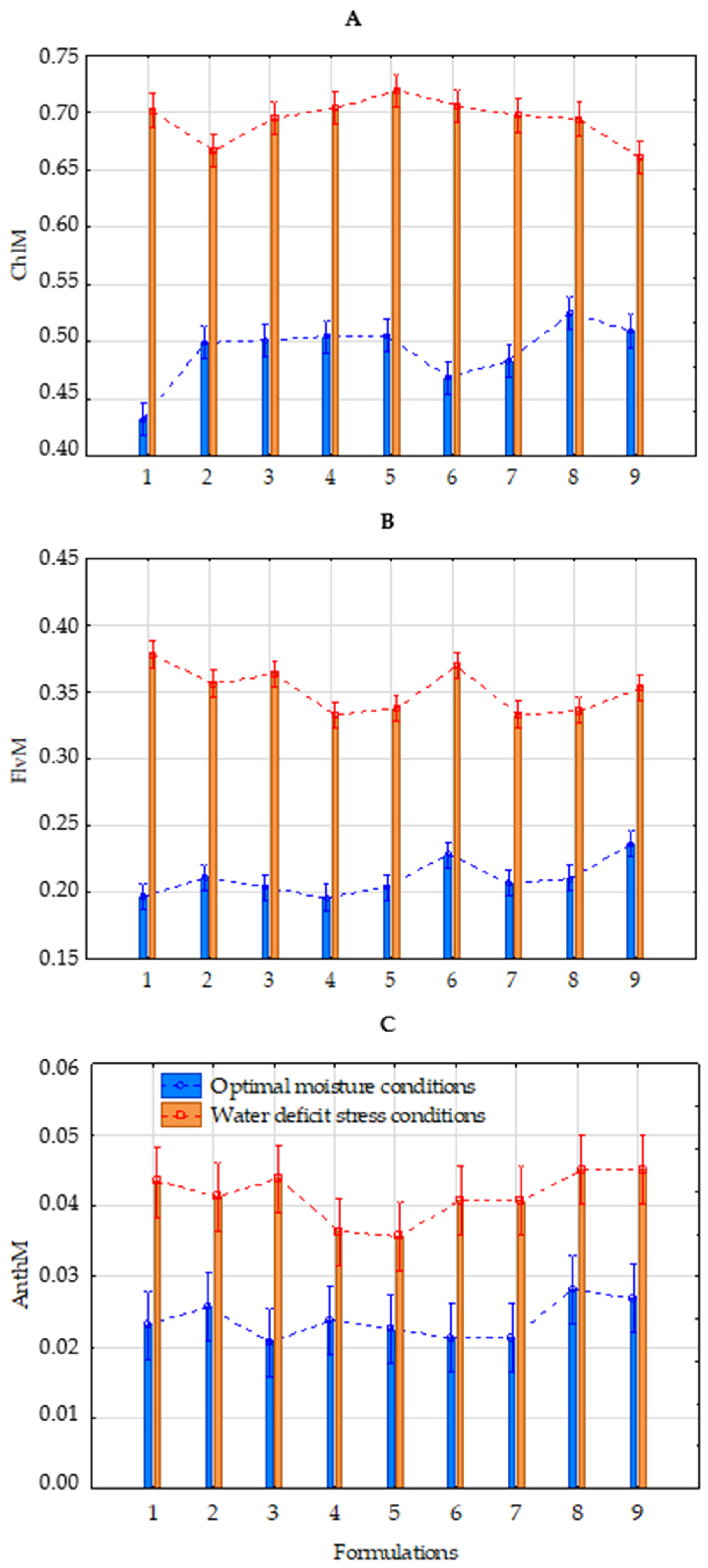
For winter wheat, the effects of the microbial treatments on ChlM, FlvM, and AnthM content were generally consistent across soil moisture conditions, indicating that treatment performance was largely independent of water availability (Figure 2). Under optimal conditions, ChlM content was higher under all treatments. In contrast, under water deficit stress, the selected formulations significantly reduced FlvM accumulation, with the strongest effect observed for combination 8 (−27% relative to the control). AnthM content increased under water deficit stress, whereas it decreased under optimal moisture conditions, particularly following treatment 7.
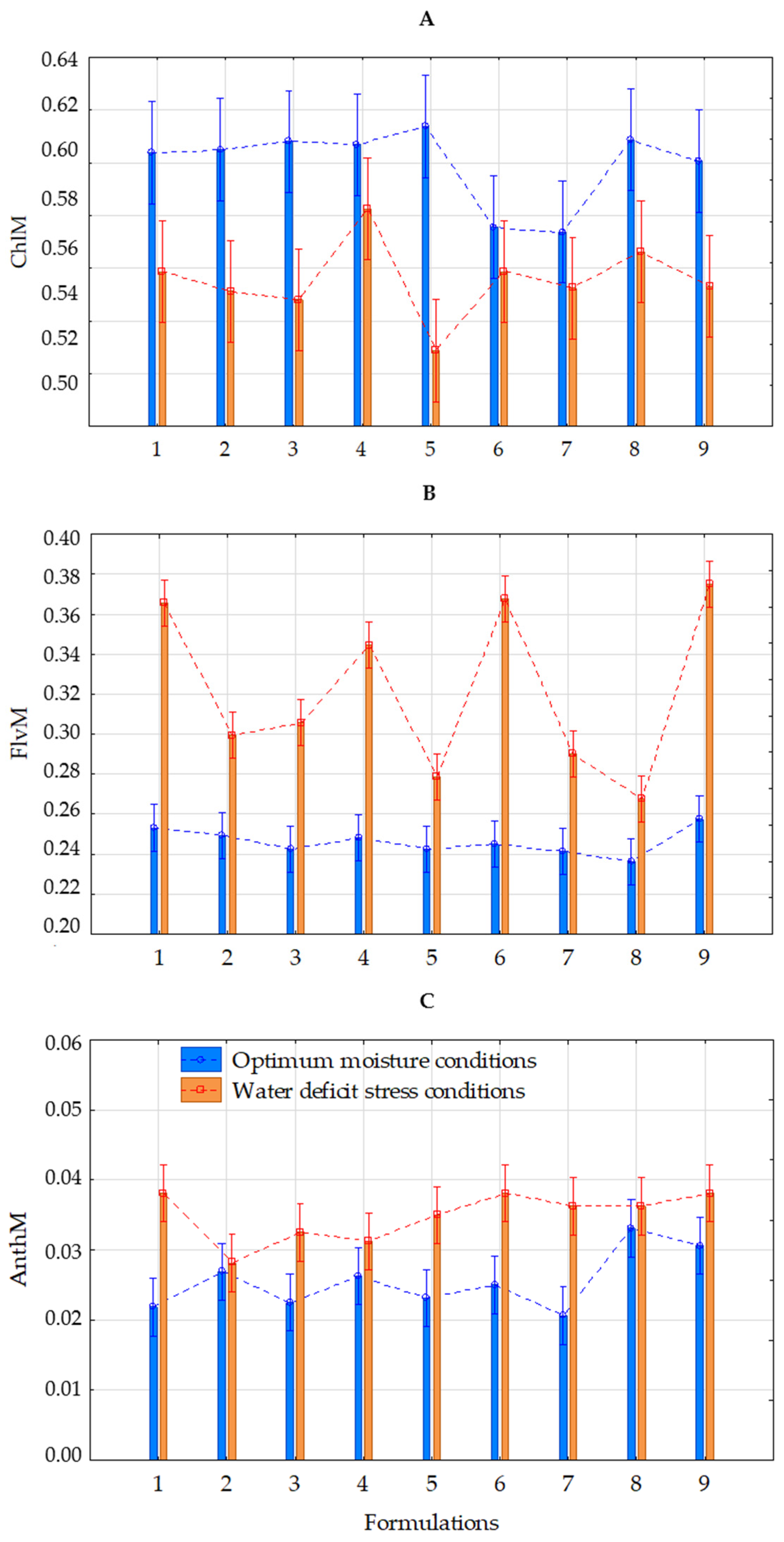
For winter barley, a significant interaction between soil moisture conditions and microbial treatments was observed for ChlM and AnthM content (Figure 3). Under water deficit stress, microbial application maintained or increased ChlM levels relative to the control. FlvM content was generally lower under optimal soil moisture conditions, whereas under water deficit stress, the lowest FlvM values were recorded for treatment 8. AnthM accumulation was reduced by the selected formulations, with treatment 2 inducing the strongest decrease (−34% relative to the control).
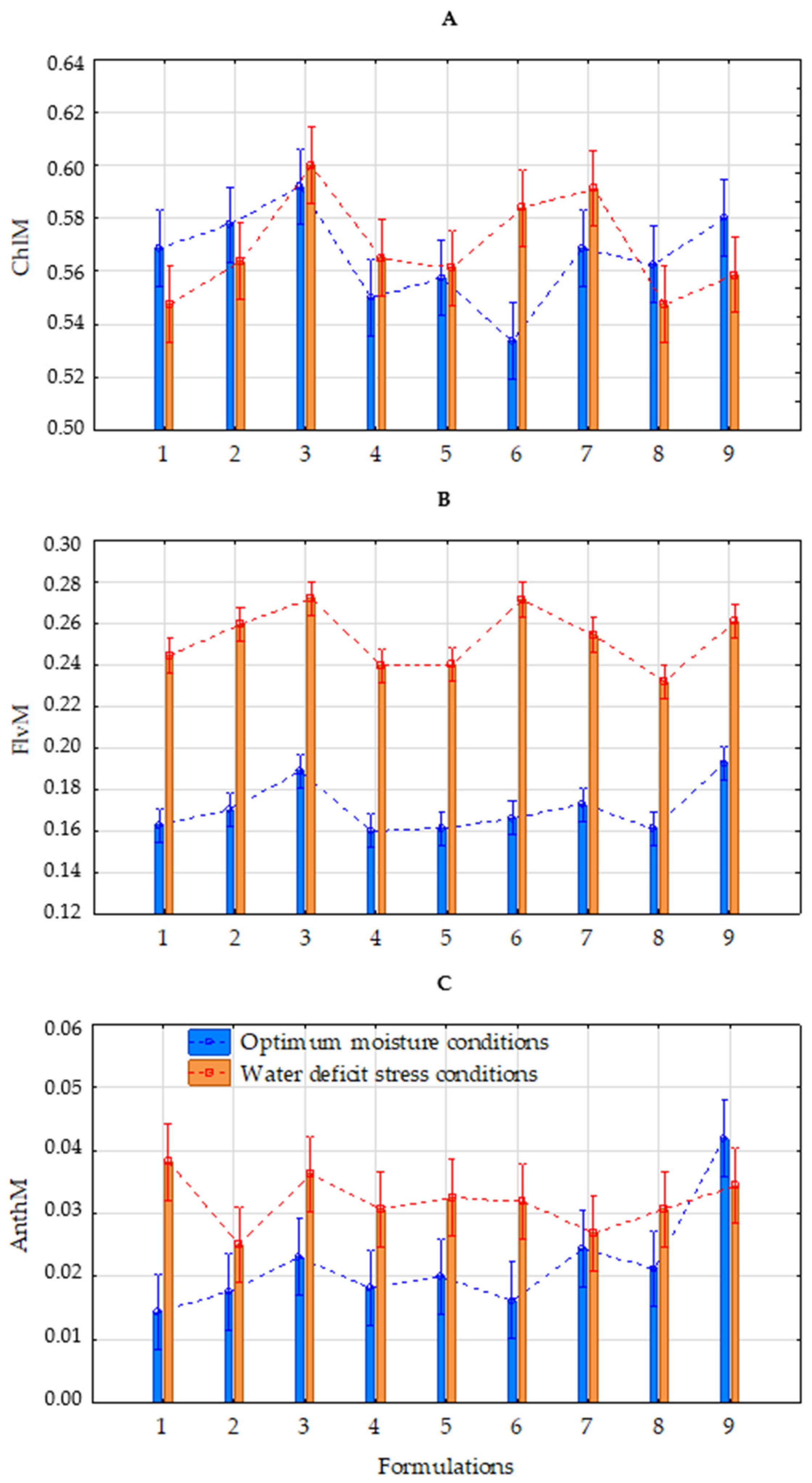
For winter oilseed rape, no significant interactions between soil moisture conditions and microbial treatments were observed regarding ChlM, FlvM, and AnthM content (Figure 4). Under optimal soil moisture conditions, microbial application significantly increased ChlM levels, with the highest value recorded for treatment 8 (+22% relative to the control). Under water deficit stress, FlvM accumulation generally decreased following microbial treatment, except for treatment 6. Similarly, AnthM content declined under water deficit stress after the selected formulations were applied, with the strongest reduction observed for treatments 4 and 5 (−19% relative to the control).

3.2. Plant Chlorophyll Fluorescence

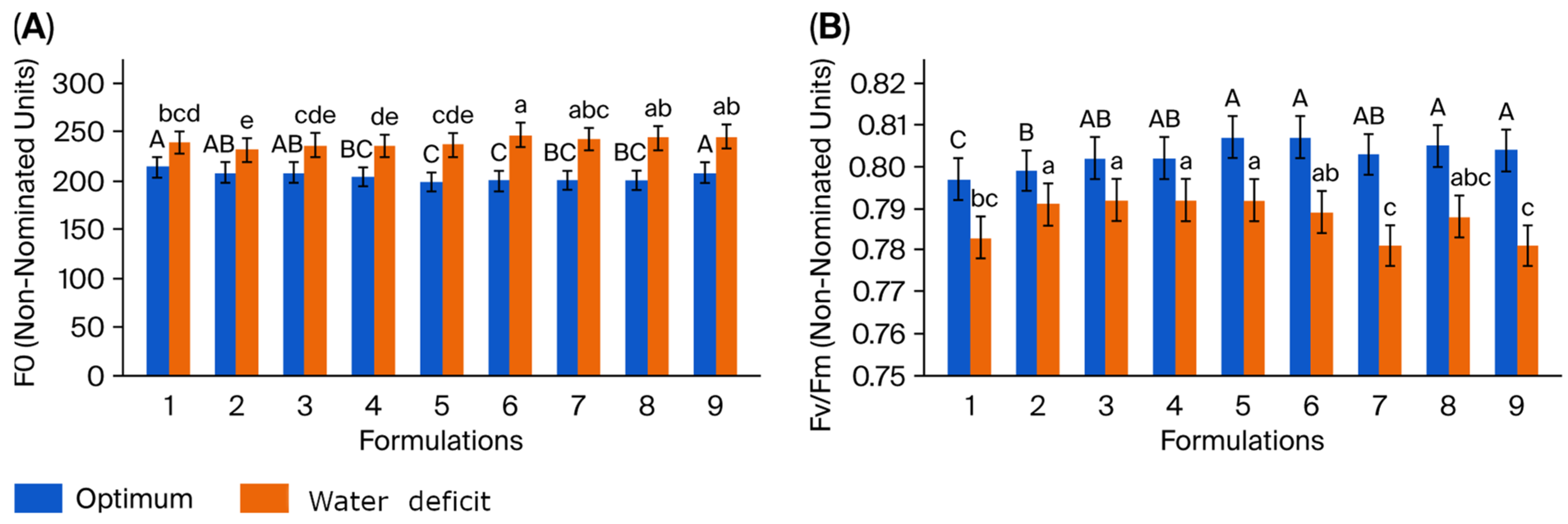
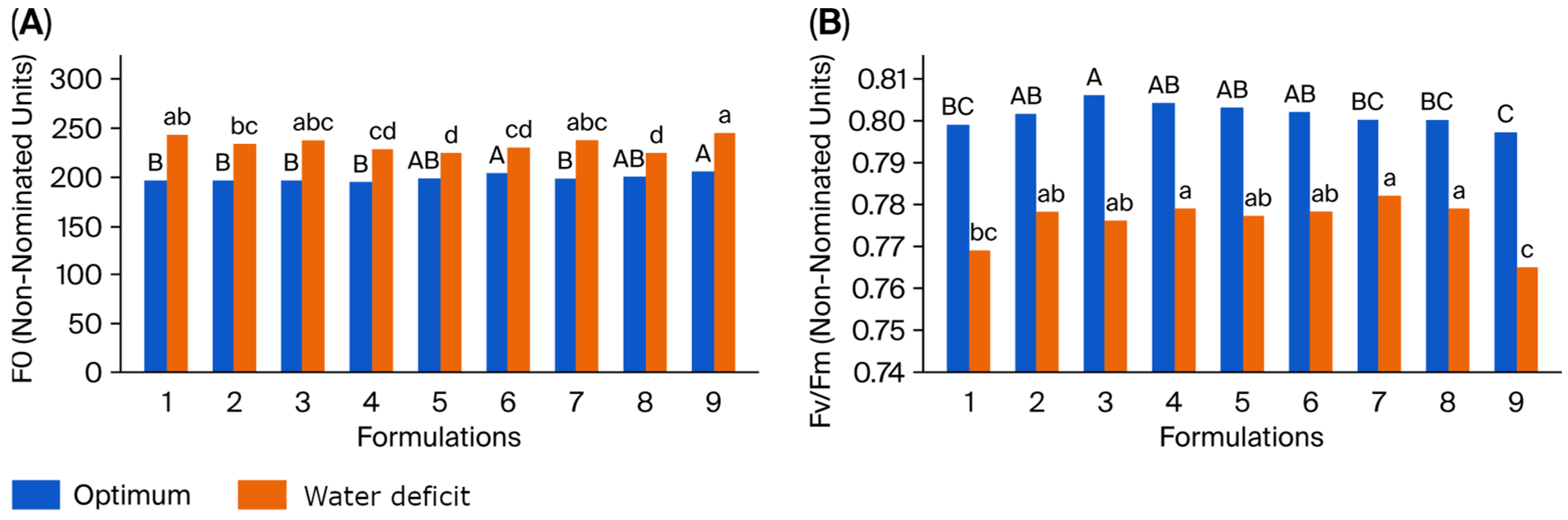
The microbial treatments based on Bacillus spp. and Pseudomonas spp. significantly affected minimal fluorescence (F0) and the maximum photochemical efficiency of PSII (Fv/Fm) under different soil moisture conditions (Figure 5). Under optimal moisture conditions, the lowest F0 values were observed for treatments 5 and 6, whereas under water deficit stress, treatment 2 resulted in the lowest F0. All microbial formulations significantly increased Fv/Fm relative to the control under optimal conditions. Under water deficit stress, treatments based on B. velezensis KT27 consistently enhanced Fv/Fm, with increases of up to approximately 2% compared to the control.
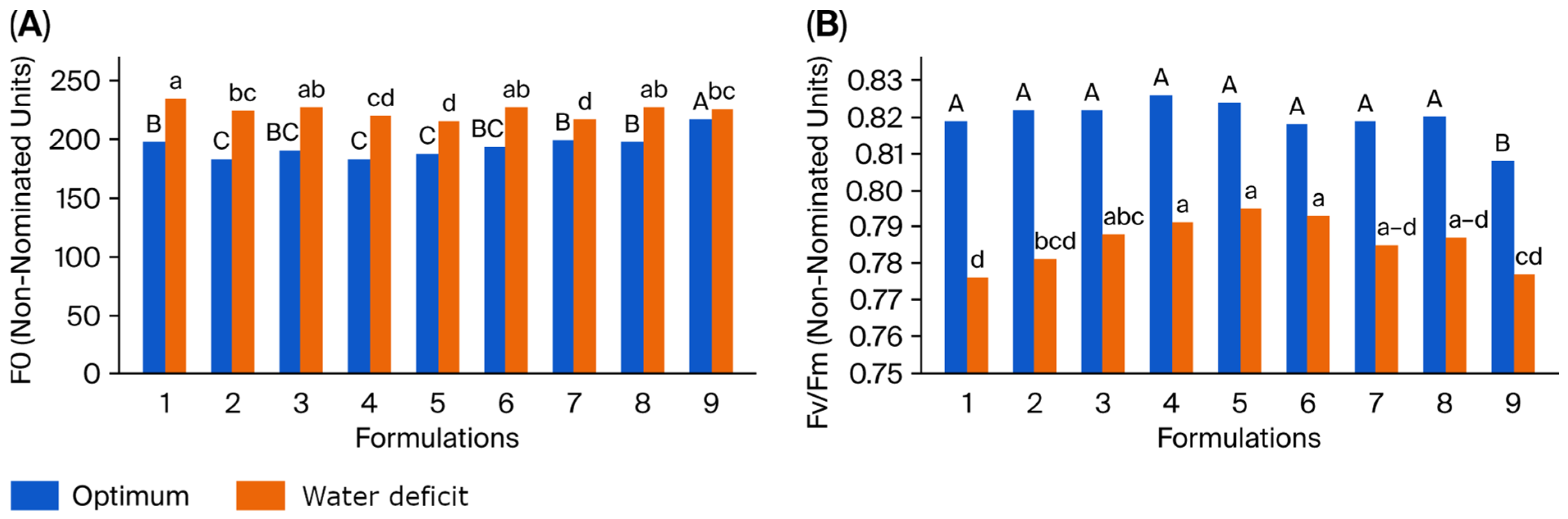
For winter barley, microbial treatments significantly affected minimal fluorescence (F0) and maximum photochemical efficiency of PSII (Fv/Fm) under different soil moisture conditions (Figure 6). Under water deficit stress, the lowest F0 values were recorded for treatment 5. Under optimum conditions, the highest Fv/Fm was observed for treatment 3. Moreover, treatments 4, 7, and 8 resulted in the highest Fv/Fm under water deficit conditions, with increases of up to approximately 2% compared to the control.
In winter oilseed rape, microbial treatments significantly influenced both minimal fluorescence (F0) and maximum photochemical efficiency of PSII (Fv/Fm) across different soil moisture regimes relative to the control (Figure 7). Under water deficit stress, treatments 5 and 7 resulted in the lowest F0 values. Under optimum conditions, Fv/Fm remained comparable to that for the control for most treatments, with the exception of treatment 9. Conversely, under water deficit stress, application of the tested microbial formulations led to an increase in Fv/Fm of up to 2.5% relative to the control.

3.3. Height and Weight of Plants Under Greenhouse Conditions

Microbial treatments based on Bacillus spp. and Pseudomonas spp. applied in two formulations significantly affected plant height in winter wheat under both optimal and water deficit conditions (Table 3). Under optimal moisture conditions, the lowest plant height was observed for the plants subjected to treatment 9. In contrast, under water deficit stress, all the microbial formulations promoted stem elongation, with the strongest response recorded for treatments 3 and 5, which increased plant height by approximately 7% relative to the control.
The results reveal a statistically significant effect of selected formulations on plant height in winter barley under different soil moisture conditions (Table 4). Statistical differences in this parameter were found between all the combinations, except for treatment 9, for winter barley plants under optimum and water deficit stress conditions relative to the control. All treatments, except for combination 9, increased winter barley height by 2% to 7% under optimal conditions and by at least 7% under water deficit stress.
For winter oilseed rape, a statistically significant increase in plant height compared to the control was recorded after treatment 8 under optimal soil moisture conditions, resulting in a 5% increase in plant height. Under water deficit stress, all the applied formulations significantly increased the tested parameter compared to the control. The highest results were obtained for combinations 7 and 8, resulting in a 6% increase in plant height in both cases (Table 5).
Statistical analysis revealed a significant effect of microbial treatments on both fresh and dry weight of winter wheat, with responses depending on soil moisture conditions, microbial strain, dose, and formulation (Table 6). Under optimal soil moisture conditions, the highest fresh and dry weight values were recorded for treatment 4, resulting in an approximately 20% increase in fresh weight compared with the control. Under water deficit stress, the lowest values of both parameters were observed for the control and treatment 9. Overall, most microbial formulations significantly enhanced winter wheat dry weight, increasing it by 4% to 17% under optimal moisture conditions and, except for combination 9, by 7% to 17% under water deficit stress.
Statistical analysis demonstrated significant effects of microbial treatments on both fresh and dry weight of winter barley under optimal soil moisture and water deficit stress conditions (Table 7). Under optimal moisture conditions, the highest fresh weight was recorded for treatment 4, showing an increase of approximately 20% relative to the control, while under water deficit stress, the same treatment resulted in the highest dry weight, with an increase of 28%. Moreover, all the microbial formulations applied enhanced the fresh weight of winter barley under water deficit stress relative to the control. Under optimal soil moisture, treatments based on B. velezensis KT27 consistently produced the highest dry weight values, increasing biomass by 15% to 17% relative to the control.
Significant differences in fresh and dry biomass of winter oilseed rape were observed following microbial treatment under both optimal and water-deficient conditions (Table 8). The greatest increase in fresh weight across both moisture regimes was achieved with treatment 5, resulting in approximately 10% and 13% enhancement under optimal and water deficit conditions, respectively, while also producing the highest dry weight under water deficit stress. Under optimal moisture conditions, a comparable improvement in fresh weight was recorded for treatment 4 (+10%). Furthermore, treatment 8 significantly increased dry weight under optimal conditions, leading to a 12% rise relative to the control.

4. Discussion

The present study demonstrated that post-emergence foliar application of microbial formulations based on Bacillus spp. and Pseudomonas spp. significantly improved physiological performance and early growth of winter wheat, winter barley, and winter oilseed rape under both optimal and water-deficient conditions.
Greenhouse-grown plants are often characterized by reduced microbial diversity and limited recruitment from natural reservoirs [39,40], creating ecological niches that favor successful artificial inoculation and stable early colonization. In contrast, under field conditions, plants are rapidly colonized by diverse native microbial communities originating from the soil, air, and neighboring vegetation, resulting in intense microbial competition that may suppress the establishment and persistence of introduced strains [41]. Under greenhouse conditions with high environmental control, microbial strains with the highest biostimulatory potential can be precisely selected.
Chlorophyll fluorescence is a process in which excess energy is emitted in the form of light and, as a physiological parameter, allows the determination of the overall state of a plant and assessment of levels of stress, such as abiotic stress. Measurement of chlorophyll fluorescence provides non-invasive measurements at the site of plant growth and is characterized by highly accurate, sensitive, and reliable results [42]. Chlorophyll, the main pigment in chloroplasts, absorbs solar radiation and drives photosynthesis [43]. Its concentration often correlates with plant vitality and metabolic activity; under adverse environmental conditions, chlorophyll levels typically decline [44]. Flavonoids can alleviate the destructive effects of drought on plants. They can coordinate the action of stomatal cells and reduce oxygen free radicals [45].
Plant growth under water deficit led to a decrease in the height, fresh weight, dry weight, and maximum quantum yield of PSII photochemistry of the plants tested. Water shortages in the soil resulted in increased content of flavonols and anthocyanins and minimal fluorescence in all the tested crops. Similar negative effects of water deficit on biomass and physiological performance for wheat and barley [46,47,48]. Water-deficit-treated winter oilseed rape plants showed decreases in plant height, fresh weight, and the Fv/Fm parameter [49]. These responses are likely associated with impaired photosynthesis, enhanced production of reactive oxygen species (ROS), and the resulting redox imbalance in plant cells, which collectively reduce photosynthetic efficiency [50]. A reduction in nitrogen uptake under water deficit stress conditions may also be a factor limiting yields [51]. Previous research has also shown that changes in chlorophyll and anthocyanin accumulation under water deficit conditions depend on plant genotype and environmental context [52].
The application of all the preparations based on B. velezensis_KT27 resulted in statistically higher and different results for the Fv/Fm parameter under the tested soil moisture conditions for winter wheat compared to the control. For winter barley under optimal soil moisture conditions, the highest maximum photochemical efficiency of photosystem II was provided by a combination using B. velezensis_KT27 at a higher dose in culture fluid. These water-deficit-treated plants showed increased Fv/Fm values for the B. velezensis_KT27 combination at a lower dose in an oil dispersion. In water-deficit-stressed oilseed rape, the combination of B. velezensis_KT27 at two doses in an oil dispersion and a lower dose of B. subtilis + P. simiae + B. velezensis_S103 in culture fluid resulted in the highest increase in the described parameter compared to the control. Previous studies have also shown that Bacillus spp. can enhance photosynthetic performance under drought stress by protecting chlorophyll from ROS-induced degradation and improving photosystem stability [20,53]. Similar positive effects on light absorption and membrane integrity following inoculation with Bacillus spp. and Pseudomonas spp. have been reported in wheat [54]. In the present study, winter wheat grown under conditions of adequate soil moisture and treated with preparations containing B. subtilis + P. simiae + B. velezensis_S103 in both formulations showed statistically significantly higher values of the Fv/Fm parameter compared to the control.
In our study, the use of Bacillus spp. and Pseudomonas spp. affected the pigment content in the leaves of the tested crops to varying degrees. All the combinations led to an increase in chlorophyll content in winter oilseed rape grown under optimal soil moisture conditions. The values of the tested parameter increased in winter wheat plants grown without exposure to water deficit stress and in winter barley under water deficit stress, but this trend was not observed uniformly for all the tested formulations. In a study by Bai et al. [55], B. velezensis applied as different liquids promoted an increase in chlorophyll content in potato plants at varying levels. The different formulations of B. velezensis led to changes in plant hormone content, which, according to the researchers, could affect chlorophyll content. In contrast, treatment of plants with different Bacillus spp. showed no statistical differences in the content of chlorophyll, carotenoids, and anthocyanins compared to a control [56].
The flavonol content in the leaves of plants treated with the different combinations was equal to or lower than that in the control under water deficit stress conditions for winter oilseed rape and winter wheat, a result that aligns with findings reported by Sobiech et al. [57]. The anthocyanin content in the leaves of the test plants was equal to or greater than that of the control under optimum soil moisture conditions after the tested preparations were applied. Anthocyanins contribute to the maintenance of reactive oxygen species homeostasis in plant cells. Stress in plants can also result in higher anthocyanin accumulation in leaves [58]. This notion is confirmed by this study, in which an increase in the content of these substances in leaves was recorded in every crop under water deficit stress conditions. A study by Jan et al. [59] confirmed that the application of Pseudomonas spp. increased the anthocyanin content in Brassica juncea plants grown under stress conditions. Inoculation with Pseudomonas spp. in the presence of stress led to an increase in the activity of enzymatic and non-enzymatic antioxidants, such as glutathione.
Beneficial plant-growth-promoting bacteria have enormous potential to promote plant growth and improve tolerance to environmental stresses, including, e.g., water deficit. According to the literature, these effects are associated with several mechanisms, such as the production of phytohormones (gibberellins, auxins, and abscisic acid), modulation of ethylene levels via ACC deaminase activity, and the synthesis of siderophores, which increase iron bioavailability for plants [8,18,60,61,62,63]. Additional reported mechanisms include indole-3-acetic acid production, glycine-betaine synthesis, phosphate solubilization, and increased macro- and micronutrient uptake [64,65,66,67]. Some studies have also demonstrated enhanced proline accumulation in plant tissues following inoculation with Bacillus spp., contributing to improved stress tolerance [68]. It should be emphasized, however, that these mechanisms were not directly measured in the present study and are considered as potential explanations for the observed results.
All the microorganisms influenced plant height in the tested crops, but this effect was not found for every formulation. Differences between the combinations and the control depended on the type of plant tested, the microbial strain employed, and the applied dose. These variations may be explained by several factors. First, different concentrations of microorganisms may exert variable effects on plant growth, as demonstrated by Wang et al. [69]. Second, in terms of their efficacy, selecting the right beneficial microorganisms is very important. The use of different mixtures of microorganisms and different formulations can positively affect their performance by improving their physiology [20,23,70]. Third, bacteria can also have a beneficial effect on plants in combinations of two or more compatible microorganisms of different species or strains via synergies in action. However, it has also been reported that, in specific cases, the application of Pseudomonas spp. alone can induce comparable or even superior effects relative to multi-strain consortia. This phenomenon may be associated with reduced functional performance of individual strains within complex microbial mixtures, which can ultimately limit their overall effectiveness, especially in oil-based formulations [71,72,73]. Moreover, microorganisms belonging to the Bacillus spp. and Pseudomonas spp. can colonize the plant phyllosphere [16]. The ability of Bacillus spp. to form protective biofilms and produce stress-resistant endospores enables their effective colonization and long-term persistence on leaf surfaces [74], providing a strong biological basis for their application as post-emergence biostimulant agents. However, some studies suggest that Pseudomonas spp. may show a certain sensitivity to environmental pressures, which, depending on conditions, could affect the long-term stability of their phyllosphere colonization [41]. Finally, previous studies have demonstrated the ability of the tested strains to solubilize phosphorus, although this capacity strongly depends on the bacterial genus, species, and strain in question [25].
The combination of Pseudomonas spp. and Bacillus spp. strains may have contributed to the positive effect on the tested parameters. Under optimal conditions, the highest growth for winter wheat was recorded for the combination with B. velezensis_KT27 in the oil dispersion, while the tallest plants under water deficit stress were found at higher doses of B. velezensis_KT27 in both formulations. The greatest plant height for the winter barley that was not subjected to water deficit was recorded for combinations after the application of B. subtilis + P. simiae + B. velezensis_S103 at lower doses in the culture fluid. In contrast, under water deficit stress, the most advantageous values of this parameter were obtained for combination 8 (B. subtilis + P. simiae + B. velezensis_S103 at a dose of half a liter × 200 L × ha−1 in oil dispersion). Winter oilseed rape plants treated with this formulation exhibited the greatest growth under both optimal moisture and water deficit conditions. These results indicate that biostimulant efficacy depended on crop species, formulation type, and dose.
The responses observed in the present study are partly consistent with earlier reports, although some differences were noted. Bakaeva et al. [75] reported a positive effect of Pseudomonas spp. on wheat height only under favorable soil moisture conditions, whereas Lubyanova et al. [68] demonstrated that B. subtilis enhanced wheat shoot growth under both optimal and water-deficient conditions. Similarly, Chen et al. [64] showed that B. velezensis improved barley growth under stress conditions, while Dobrzyński et al. [65] confirmed that a consortium of Pseudomonas spp. increased shoot growth and yield of winter oilseed rape. Previous studies have shown that Bacillus spp. can enhance grain yield, thousand-grain weight, and plant height, depending on the strain and environmental conditions, and that early positive physiological responses in treated plants may contribute to improved final yield from an agronomic perspective [20,57,76].
In the present experiment, post-emergence application of Bacillus spp. and Pseudomonas spp. positively affected plant biomass, increasing fresh weight under optimal soil moisture and dry weight under both moisture regimes. The greatest improvement in fresh and dry weight of winter wheat was obtained after application of B. velezensis KT27 in oil dispersion. Similarly, barley treated with B. velezensis KT27 at 0.5 L × 200 L × ha−1 in oil dispersion showed the highest fresh weight under optimal moisture and the highest dry weight under both conditions. Under water deficit, the formulation containing B. subtilis + P. simiae + B. velezensis S103 at a lower dose in oil dispersion produced the greatest fresh weight in barley and the highest dry matter content in winter oilseed rape under optimal moisture. Overall, plants grown without water limitation consistently exhibited higher fresh weight than those subjected to water deficit.
Similar positive effects on plant biomass have been reported in previous studies. B. velezensis was shown to increase the fresh aboveground mass of winter barley plants under stress conditions [64]. Zaib et al. [66] demonstrated that barley plants inoculated with Pseudomonas spp. exhibited higher fresh weight compared with non-inoculated controls under water deficit conditions. Other studies have also reported that application of Pseudomonas spp. improved root and shoot growth as well as fresh and dry weight in Chinese cabbage and lettuce [63]. Positive effects of Bacillus spp. on oilseed rape biomass have likewise been documented, including increases in shoot dry mass and total nitrogen content per plant relative to untreated controls [67].

5. Conclusions

Water deficit stress contributes significantly to limiting plant growth and function, as confirmed in various studies. Applying selected microorganisms constitutes an effective approach to reducing the effects of environmental stress. Our analyses indicate that post-emergence application of Bacillus spp. and Pseudomonas spp. had a positive influence on the development of winter wheat, winter barley, and winter oilseed rape under greenhouse conditions across varying soil moisture levels, highlighting their potential to alleviate water deficit stress. Improved photosynthetic efficiency, biomass accumulation, and stress tolerance during early growth stages may contribute to enhanced early plant vigor and increased yield potential under field conditions.
The microbial preparations used in the pot experiment had a beneficial effect on the plant parameters tested, although such results were not observed for every formulation. As the experiments showed, the effect of such selected indigenous microorganisms is worth testing not only under diverse conditions but also in various formulations. For all the tested species under both moisture conditions, the half-liter doses in the oil dispersion formulation of Bacillus spp. or Bacillus spp. and Pseudomonas spp. led to the highest values for most of the evaluated traits. Given their strong positive effects, we recommend evaluating these preparations under agricultural conditions. The knowledge gained from such an endeavor could aid collaboration among researchers and the development of research on native microbiomes.

Supplementary Materials

The following supporting information can be downloaded at https://www.mdpi.com/article/10.3390/agronomy16030400/s1. Text S1: Protocol followed to isolate and identify the bacterial strains [37,77]; Text S2: Information regarding the PCR reaction conditions and primers used; Text S3: Sequences for individual strains with patent deposit numbers in the Polish Collection of Microorganisms.

Author Contributions

Conceptualization, A.F., Ł.S., W.B., and M.G.; methodology, A.F., Ł.S., W.B., and M.G.; software, A.F., R.M., and P.S.; validation, A.F., Ł.S., W.B., and M.G.; formal analysis, A.F. and R.I.; resources, A.F., Ł.S., W.B., and R.M.; data curation, A.F., M.G., and A.W.; writing—original draft preparation, A.F.; writing—review and editing, A.F., A.W., R.M., and P.S.; visualization, A.F. and W.B.; supervision, A.F., Ł.S., W.B., and M.G.; project administration, A.F., Ł.S., R.I., P.S., and M.G. All authors have read and agreed to the published version of the manuscript.

Funding

This research received no external funding.

Data Availability Statement

The original contributions presented in this study are included in the article/Supplementary Materials. Further inquiries can be directed to the corresponding author.

Acknowledgments

We would like to thank Paweł Wieczorek from Croda for providing samples of substances for the preparation of formulations. The publication was financed by the Polish Minister of Science and Higher Education as part of the Strategy of the Poznań University of Life Sciences for 2024–2026 in the field of improving scientific research and development work in priority research areas.

Conflicts of Interest

The authors declare no conflicts of interest.

Correction Statement

This article has been republished with a minor correction to the Acknowledgments. This change does not affect the scientific content of the article.

Abbreviations

The following abbreviations are used in this manuscript:
F0minimal fluorescence in a dark-adapted state
Fv/Fmmaximum PSII quantum yield in a dark-acclimated state
ChlMchlorophyll content
FlvMflavonol content
AnthManthocyanin content
CFMicroorganisms that were formulated into a culture fluid
ODMicroorganisms that were formulated into an oil-based suspension

References

  1. Niu, X.; Song, L.; Xiao, Y.; Ge, W. Drought-Tolerant Plant Growth-Promoting Rhizobacteria Associated with Foxtail Millet in a Semi-arid Agroecosystem and Their Potential in Alleviating Drought Stress. Front. Microbiol. 2018, 8, 2580. [Google Scholar] [CrossRef]
  2. Khan, M.S.; Gao, J.; Chen, X.; Zhang, M.; Yang, F.; Du, Y.; Moe, T.S.; Munir, I.; Xue, J.; Zhang, X. Isolation and Characterization of Plant Growth-Promoting Endophytic Bacteria Paenibacillus polymyxa SK1 from Lilium lancifolium. BioMed Res. Int. 2020, 2020, 8650957. [Google Scholar] [CrossRef] [PubMed]
  3. Sarvani, B.; Reddy, S.R. In vitro screening of native Bacillus isolates for plant growth promoting attributes. Int. J. Bio-Resour. Stress Manag. 2013, 4, 298–303. [Google Scholar]
  4. Wu, L.; Wu, H.J.; Qiao, J.; Gao, X.; Borriss, R. Novel Routes for Improving Biocontrol Activity of Bacillus Based Bioinoculants. Front. Microbiol. 2015, 6, 1395. [Google Scholar] [CrossRef] [PubMed]
  5. Cao, Y.; Pi, H.; Chandrangsu, P.; Li, Y.; Wang, Y.; Zhou, H.; Xiong, H.; Helmann, J.D.; Cai, Y. Antagonism of two plant-growth promoting Bacillus velezensis isolates against Ralstonia solanacearum and Fusarium oxysporum. Sci. Rep. 2018, 8, 4360. [Google Scholar] [CrossRef]
  6. Al-Ali, A.; Deravel, J.; Krier, F.; Béchet, M.; Ongena, M.; Jacques, J. Biofilm formation is determinant in tomato rhizosphere colonization by Bacillus velezensis FZB42. Environ. Sci. Pollut. Res. 2018, 25, 29910–29920. [Google Scholar] [CrossRef]
  7. Wang, X.; Wang, Y.; Fu, Y.; Zhai, Y.; Bai, X.; Liu, T.; Li, G.; Zeng, L.; Zhu, S. Multiple omics revealed the growth-promoting mechanism of Bacillus velezensis strains on ramie. Front. Plant Sci. 2024, 15, 1367862. [Google Scholar] [CrossRef]
  8. Torres, M.; Llamas, I.; Torres, B.; Toral, L.; Sampedro, I.; Béjar, V. Growth promotion on horticultural crops and antifungal activity of Bacillus velezensis XT1. Appl. Soil Ecol. 2020, 150, 103453. [Google Scholar] [CrossRef]
  9. Sabaté, D.C.; Brandán, C.P. Bacillus amyloliquefaciens strain enhances rhizospheric microbial growth and reduces root and stem rot in a degraded agricultural system. Rhizosphere 2022, 22, 100544. [Google Scholar] [CrossRef]
  10. Shao, J.; Xu, Z.; Zhang, N.; Shen, Q.; Zhang, R. Contribution of indole-3-acetic acid in the plant growth promotion by the rhizospheric strain Bacillus amyloliquefaciens SQR9. Biol. Fertil. Soils 2015, 51, 321–330. [Google Scholar] [CrossRef]
  11. Blake, C.; Christensen, M.N.; Kovács, Á.T. Molecular aspects of plant growth promotion and protection by Bacillus subtilis. Mol. Plant-Microbe Interact. 2021, 34, 15–25. [Google Scholar] [CrossRef]
  12. Arkhipova, T.N.; Veselov, S.U.; Melentiev, A.I.; Martynenko, E.V.; Kudoyarova, G.R. Ability of bacterium Bacillus subtilis to produce cytokinins and to influence the growth and endogenous hormone content of lettuce plants. Plant Soil 2005, 272, 201–209. [Google Scholar] [CrossRef]
  13. Al-Enazi, N.M.; AlTami, M.S.; Alhomaidi, E. Unraveling the potential of pesticide-tolerant Pseudomonas sp. augmenting biological and physiological attributes of Vigna radiata (L.) under pesticide stress. RSC Adv. 2022, 12, 17765–17783. [Google Scholar] [CrossRef] [PubMed]
  14. Chavéz-Díaz, I.F.; Cruz-Cárdenas, C.I.; Sandoval-Cancino, G.; Calvillo-Aguilar, F.F.; Ruíz-Ramírez, S.; Blanco-Camarillo, M.; Rojas-Anaya, E.; Ramírez-Vega, H.; Arteaga-Garibay, R.I.; Zelaya-Molina, L.X. Seedling growth promotion and potential biocontrol against phytopathogenic Fusarium by native rhizospheric Pseudomonas spp. strains from Amarillo Zamorano maize landrace. Rhizosphere 2022, 24, 100601. [Google Scholar] [CrossRef]
  15. Patel, P.; Sayyed, R.Z.; Patel, H. PGPR: A Sustainable Agricultural Mitigator for Stressed Agro-Environments. In Plant Growth Promoting Microorganisms of Arid Region; Mawar, R., Sayyed, R.Z., Sharma, S.K., Sattiraju, K.S., Eds.; Springer: Singapore, 2023. [Google Scholar] [CrossRef]
  16. Sobanbabu, G.; Oviya, R.; Meena, B.; Vijayasamundeeswari, A.; Shanmugaiah, V.; Ramamoorthy, V. Evaluation of phyllosphere bacterial biocontrol agents for the suppression of rice foliar diseases. J. Phytopathol. 2024, 172, e13300. [Google Scholar] [CrossRef]
  17. Remus-Emsermann, M.N.P.; Schlechter, R.O. Phyllosphere microbiology: At the interface between microbial individuals and the plant host. New Phytol. 2018, 218, 1327–1333. [Google Scholar] [CrossRef]
  18. Vorholt, J.A. Microbial life in the phyllosphere. Nat. Rev. Microbiol. 2012, 10, 828–840. [Google Scholar] [CrossRef]
  19. Bala, K. Microbial fertilizer as an alternative to chemical fertilizer in modern agriculture. In Beneficial Microorganisms in Agriculture; Springer Nature: Singapore, 2022; pp. 111–130. [Google Scholar]
  20. Radzikowska-Kujawska, D.; John, P.; Piechota, T.; Nowicki, M.; Kowalczewski, P.Ł. Response of Winter Wheat (Triticum aestivum L.) to Selected Biostimulants under Drought Conditions. Agriculture 2023, 13, 121. [Google Scholar] [CrossRef]
  21. Tiwari, S.; Lata, C.; Chauhan, P.S.; Nautiyal, C.S. Pseudomonas putida attunes morphophysiological, biochemical and molecular responses in Cicer arietinum L. during drought stress and recovery. Plant Physiol. Biochem. 2016, 99, 108–117. [Google Scholar] [CrossRef]
  22. Crowther, T.W.; van den Hoogen, J.; Wan, J.; Mayes, M.A.; Keiser, A.D.; Mo, I.; Averill, C.; Maynard, D.S. The global soil community and its influence on biogeochemistry. Science 2019, 365, eaav0550. [Google Scholar] [CrossRef]
  23. Phi, Q.-T.; Park, Y.-M.; Seul, K.-J.; Ryu, C.-M.; Park, S.-H.; Kim, J.-G.; Ghim, S.-Y. Assessment of root-associated Paenibacillus polymyxa groups on growth promotion and induced systemic resistance in pepper. J. Microbiol. Biotechnol. 2010, 20, 1605–1613. [Google Scholar] [CrossRef]
  24. Minuț, M.; Diaconu, M.; Roșca, M.; Cozma, P.; Bulgariu, L.; Gavrilescu, M. Screening of Azotobacter, Bacillus and Pseudomonas Species as Plant Growth-Promoting Bacteria. Processes 2023, 11, 80. [Google Scholar] [CrossRef]
  25. Filipczak, A.; Sobiech, Ł.; Wita, A.; Marecik, R.; Białas, W.; Drożdżyńska, A.; Grzanka, M.; Danielewicz, J.; Szulc, P. Efficacy of Selected Bacterial Strains in the Protection and Growth Stimulation of Winter Wheat and Maize. Plants 2025, 14, 636. [Google Scholar] [CrossRef]
  26. Martinez, Y.; Ribera, J.; Schwarze, F.W.; De France, K. Biotechnological development of Trichoderma-based formulations for biological control. Appl. Microbiol. Biotechnol. 2023, 107, 5595–5612. [Google Scholar] [CrossRef] [PubMed]
  27. Harman, G.E.; Obregón, M.A.; Samuels, G.J.; Lorito, M. Changing models for commercialization and implementation of biocontrol in the developing and the developed world. Plant Dis. 2010, 94, 928–939. [Google Scholar] [CrossRef]
  28. Preininger, C.; Sauer, U.; Bejarano, A.; Berninger, T. Concepts and applications of foliar spray for microbial inoculants. Appl. Microbiol. Biotechnol. 2018, 102, 7265–7282. [Google Scholar] [CrossRef]
  29. Hungria, M.; Rondina, A.B.L.; Nunes, A.L.P.; Araújo, R.S.; Nogueira, M.A. Seed and Leaf-Spray Inoculation of PGPR in Brachiarias (Urochloa spp.) as an Economic and Environmental Opportunity to Improve Plant Growth, Forage Yield and Nutrient Status. Plant Soil 2021, 463, 171–186. [Google Scholar] [CrossRef]
  30. Habibzadeh, F.; Sorooshzadeh, A.; Pirdashti, H.; Modarres Sanavy SA, M. A comparison between foliar application and seed inoculation of biofertilizers on canola (Brassica napus L.) grown under waterlogged conditions. Aust. J. Crop Sci. 2012, 6, 1435–1440. Available online: https://search.informit.org/doi/10.3316/informit.907713436582562 (accessed on 27 November 2025).
  31. Rossini, A.; Ruggeri, R.; Rossini, F. Use of Foliar Biostimulants in Durum Wheat: Understanding Its Potential in Improving Agronomic and Quality Responses Under Mediterranean Field Conditions. Plants 2025, 14, 2276. [Google Scholar] [CrossRef] [PubMed]
  32. Yang, X.; Lu, M.; Wang, Y.; Wang, Y.; Liu, Z.; Chen, S. Response Mechanism of Plants to Drought Stress. Horticulturae 2021, 7, 50. [Google Scholar] [CrossRef]
  33. Sharma, A.; Kumar, V.; Shahzad, B. Photosynthetic Response of Plants Under Different Abiotic Stresses: A Review. J. Plant Growth Regul. 2020, 39, 509–531. [Google Scholar] [CrossRef]
  34. Raza, A. Eco-physiological and Biochemical Responses of Rapeseed (Brassica napus L.) to Abiotic Stresses: Consequences and Mitigation Strategies. J. Plant Growth Regul. 2021, 40, 1368–1388. [Google Scholar] [CrossRef]
  35. Miljaković, D.; Marinković, J.; Balešević-Tubić, S. The significance of Bacillus spp. in disease suppression and growth promotion of field and vegetable crops. Microorganisms 2020, 8, 1037. [Google Scholar] [CrossRef]
  36. Núñez-Cano, J.; Ruiz-Castilla, F.J.; Romera, F.J.; Ramos, J.; Lucena, C. Pseudomonas simiae WCS417 and Debaryomyces hansenii Induce Iron Deficiency Responses in Rice (Oryza sativa L.) Through Phytosiderophore Production and Gene Expression Modulation. Plants 2025, 14, 3769. [Google Scholar] [CrossRef]
  37. Archacka, M.; Celińska, E.; Białas, W. Techno-Economic Analysis for Probiotics Preparation Production Using Optimized Corn Flour Medium and Spray-Drying Protective Blends. Food Bioprod. Process. 2020, 123, 354–366. [Google Scholar] [CrossRef]
  38. Li, Q.; Luo, T.; Cheng, T.; Yang, S.; She, H.; Li, J.; Wang, B.; Kuai, J.; Wang, J.; Xu, Z. Evaluation and Screening of Rapeseed Varieties (Brassica napus L.) Suitable for Mechanized Harvesting with High Yield and Quality. Agronomy 2023, 13, 795. [Google Scholar] [CrossRef]
  39. Maignien, L.; DeForce, E.A.; Chafee, M.E.; Eren, A.M.; Simmons, S.L. Ecological succession and stochastic variation in the assembly of Arabidopsis thaliana phyllosphere communities. mBio 2014, 5, e00682-13. [Google Scholar] [CrossRef]
  40. Knief, C.; Ramette, A.; Frances, L.; Alonso-Blanco, C.; Vorholt, J.A. Site and plant species are important determinants of the Methylobacterium community composition in the plant phyllosphere. ISME J. 2010, 4, 719–728. [Google Scholar] [CrossRef]
  41. Mehlferber, E.C.; Debray, R.; Conover, A.E.; Sherman, J.K.; Kaulbach, G.; Reed, R.; McCue, K.F.; Ferrel, J.E.; Khanna, R.; Koskella, B. Phyllosphere microbial associations improve plant reproductive success. Front. Plant Sci. 2023, 14, 1273330. [Google Scholar] [CrossRef] [PubMed]
  42. Cetner, M.D.; Dąbrowski, P.; Samborska, I.A.; Łukasik, I.; Swoczyna, T.; Pietkiewicz, S.; Bąba, W.; Kalaji, H.M. Application of chlorophyll fluorescence measurements in environmental research. Kosm. Probl. Nauk Biol. 2016, 65, 197–205. [Google Scholar]
  43. Pilarski, J.; Tokarz, K.; Kocurek, M. Optical Properties of the Cork of Stems and Trunks of Beech (Fagus sylvatica L.). Pol. J. Environ. Stud. 2008, 17, 773–779. [Google Scholar]
  44. Kozłowski, S.; Goliński, P.; Golińska, B. Barwniki chlorofilowe jako wskaźniki wartości użytkowych gatunków i odmian traw. Zesz. Probl. Postęp. Nauk Rol. 2001, 474, 215–223. [Google Scholar]
  45. Baozhu, L.; Ruonan, F.; Yanting, F.; Runan, L.; Hui, Z.; Tingting, C.; Chun-peng, S. The flavonoid biosynthesis regulator PFG3 confers drought stress tolerance in plants by promoting flavonoid accumulation. Environ. Exp. Bot. 2022, 196, 104792. [Google Scholar] [CrossRef]
  46. Chen, X.; Zhu, Y.; Ding, Y.; Pan, R.; Shen, W.; Yu, X.; Xiong, F. The relationship between characteristics of root morphology and grain filling in wheat under drought stress. PeerJ 2021, 9, e12015. [Google Scholar] [CrossRef] [PubMed]
  47. Kirova, E.; Pecheva, D.; Simova-Stoilova, L. Drought response in winter wheat: Protection from oxidative stress and mutagenesis effect. Acta Physiol. Plant. 2021, 43, 8. [Google Scholar] [CrossRef]
  48. Gul, F.; Khan, I.U.; Rutherford, S.; Dai, Z.-C.; Li, G.; Du, D.-L. Plant growth promoting rhizobacteria and biochar production from Parthenium hysterophorus enhance seed germination and productivity in barley under drought stress. Front. Plant Sci. 2023, 14, 1175097. [Google Scholar] [CrossRef]
  49. Liu, L.; Chen, C.; Xiong, J.; Ma, N.; Li, J. Resilience of oilseed rape plants to drought stress after exogenous application of AM1, an ABA-mimicking ligand. Oil Crop Sci. 2021, 6, 151–157. [Google Scholar] [CrossRef]
  50. Zahra, N.; Hafeez, M.B.; Kausar, A.; Al Zeidi, M.; Asekova, S.; Siddique, K.H.M.M.; Farooq, M.; Al Zeidi, M.; Asekova, S.; Siddique, K.H.M.M.; et al. Plant photosynthetic responses under drought stress: Effects and management. J. Agron. Crop Sci. 2023, 209, 651–672. [Google Scholar] [CrossRef]
  51. Sun, Z.; Yang, R.; Wang, J.; Zhou, P.; Gong, Y.; Gao, F.; Wang, C. Effects of Nutrient Deficiency on Crop Yield and Soil Nutrients Under Winter Wheat–Summer Maize Rotation System in the North China Plain. Agronomy 2024, 14, 2690. [Google Scholar] [CrossRef]
  52. Chen, W.; Miao, Y.; Ayyaz, A.; Huang, Q.; Hannan, F.; Zou, H.X.; Zhou, W. Anthocyanin accumulation enhances drought tolerance in purple-leaf Brassica napus: Transcriptomic, metabolomic, and physiological evidence. Ind. Crops. Prod. 2025, 223, 120149. [Google Scholar] [CrossRef]
  53. Fonseca, M.D.C.D.; Bossolani, J.W.; de Oliveira, S.L.; Moretti, L.G.; Portugal, J.R.; Scudeletti, D.; de Oliveira, E.F.; Crusciol, C.A.C. Bacillus subtilis Inoculation Improves Nutrient Uptake and Physiological Activity in Sugarcane under Drought Stress. Microorganisms 2022, 10, 809. [Google Scholar] [CrossRef]
  54. Brito, T.S.; Guimarães, V.F.; Cecatto Júnior, R. Modifications in Chlorophyll a Fluorescence in Wheat Inoculated with Azospirillum brasilense, Bacillus (B. megaterium + B. subtilis) and Pseudomonas fluorescens as a Function of Morphometric and Biochemical Alterations. Preprint 2024. [Google Scholar] [CrossRef]
  55. Bai, X.; Li, Q.; Zhang, D.; Zhao, Y.; Zhao, D.; Pan, Y.; Wang, J.; Yang, Z.; Zhu, J. Bacillus velezensis Strain HN-Q-8 Induced Resistance to Alternaria solani and Stimulated Growth of Potato Plant. Biology 2023, 12, 856. [Google Scholar] [CrossRef]
  56. Costa-Santos, M.; Mariz-Ponte, N.; Dias, M.C.; Moura, L.; Marques, G.; Santos, C. Effect of Bacillus spp. and Brevibacillus sp. on the Photosynthesis and Redox Status of Solanum lycopersicum. Horticulturae 2021, 7, 24. [Google Scholar] [CrossRef]
  57. Sobiech, Ł.; Grzanka, M.; Idziak, R.; Blecharczyk, A. The Effect of Post-Emergence Application of Biostimulants and Soil Amendments in Maize Cultivation on the Growth and Yield of Plants. Plants 2025, 14, 1274. [Google Scholar] [CrossRef]
  58. Li, Z.; Ahammed, G.J. Hormonal regulation of anthocyanin biosynthesis for improved stress tolerance in plants. Plant Physiol. Biochem. 2023, 201, 107835. [Google Scholar] [CrossRef]
  59. Jan, S.; Singh, B.; Bhardwaj, R.; Singh, R.; Alsahli, A.A.; Kaushik, P.; Ahmad, P. The pesticide thiamethoxam induced toxicity in Brassica juncea and its detoxification by Pseudomonas putida through biochemical and molecular modifications. Chemosphere 2023, 342, 140111. [Google Scholar] [CrossRef] [PubMed]
  60. Oleńska, E.; Małek, W.; Wójcik, M.; Swiecicka, I.; Thijs, S.; Vangronsveld, J. Beneficial features of plant growth-promoting rhizobacteria for improving plant growth and health in challenging conditions: A methodical review. Sci. Total Environ. 2020, 743, 140682. [Google Scholar] [CrossRef] [PubMed]
  61. Kudoyarova, G.; Arkhipova, T.; Korshunova, T.; Bakaeva, M.; Loginov, O.; Dodd, I.C. Phytohormone Mediation of Interactions Between Plants and Non-Symbiotic Growth Promoting Bacteria Under Edaphic Stresses. Front. Plant Sci. 2019, 10, 1368. [Google Scholar] [CrossRef]
  62. Pérez-Miranda, S.; Cabirol, N.; George-Téllez, R.; Zamudio-Rivera, L.S.; Fernández, F.J. O-CAS, a fast and universal method for siderophore detection. J. Microbiol. Methods 2007, 70, 127–131. [Google Scholar] [CrossRef]
  63. Kang, S.M.; Adhikari, A.; Lee, K.E.; Park, Y.G.; Shahzad, R.; Lee, I.J. Gibberellin producing rhizobacteria Pseudomonas koreensis MU2 enhance growth of lettuce (Lactuca sativa) and Chinese cabbage (Brassica rapa, chinensis). J. Microbiol. Biotechnol. Food Sci. 2019, 9, 166–170. [Google Scholar] [CrossRef]
  64. Chen, Z.; Zhang, H.; Lv, W.; Zhang, S.; Du, L.; Li, S.; Zhang, H.; Zheng, X.; Zhang, J.; Zhang, T.; et al. Bacillus velezensis SS-20 as a potential and efficient multifunctional agent in biocontrol, saline-alkaline tolerance, and plant-growth promotion. Appl. Soil Ecol. 2025, 205, 105772. [Google Scholar] [CrossRef]
  65. Dobrzyński, J.; Kulkova, I.; Jakubowska, Z.; Wróbel, B. Non-Native PGPB Consortium Altered the Rhizobacterial Community and Slightly Stimulated the Growth of Winter Oilseed Rape (Brassica napus L.) under Field Conditions. Microb. Ecol. 2024, 87, 168. [Google Scholar] [CrossRef] [PubMed]
  66. Zaib, S.; Zubair, A.; Abbas, S.; Hussain, J.; Ahmad, I.; Shakeel, S.N. Plant Growth-Promoting Rhizobacteria (PGPR) Reduce Adverse Effects of Salinity and Drought Stresses by Regulating Nutritional Profile of Barley. Appl. Environ. Soil Sci. 2023, 2023, 7261784. [Google Scholar] [CrossRef]
  67. Hu, X.; Roberts, D.P.; Maul, J.E.; Emche, S.E.; Liao, X.; Guo, X.; Liu, X.; McKenna, L.F.; Buyer, J.S.; Liu, S. Formulations of the endophytic bacterium Bacillus subtilis Tu-100 suppress Sclerotinia sclerotiorum on oilseed rape and improve plant vigor in field trials conducted at separate locations. Can. J. Microbiol. 2011, 57, 539–546. [Google Scholar] [CrossRef]
  68. Lubyanova, A.R.; Allagulova, C.R.; Lastochkina, O.V. The Effects of Seed Pretreatment with Endophytic Bacteria Bacillus subtilis on the Water Balance of Spring and Winter Wheat Seedlings under Short-Time Water Deficit. Plants 2023, 12, 2684. [Google Scholar] [CrossRef] [PubMed]
  69. Wang, B.; Li, E.; Lin, Y.; Xiao, T.; Ji, X.; Zhao, Z.; Yan, W. Identification, Biocontrol Activity, and Field Application Effect of Bacillus velezensis Yb-1. Horticulturae 2023, 9, 376. [Google Scholar] [CrossRef]
  70. Lahlali, R.; Ezrari, S.; Radouane, N.; Kenfaoui, J.; Esmaeel, Q.; El Hamss, H.; Belabess, Z.; Barka, E.A. Biological Control of Plant Pathogens: A Global Perspective. Microorganisms 2022, 10, 596. [Google Scholar] [CrossRef]
  71. Stockwell, V.O.; Johnson, K.B.; Sugar, D.; Loper, J.E. Mechanistically compatible mixtures of bacterial antagonists improve biological control of fire blight of pear. Phytopathology 2011, 101, 113–123. [Google Scholar] [CrossRef]
  72. Louca, S.; Polz, M.F.; Mazel, F.; Albright, M.B.N.; Huber, J.A.; O’Connor, M.I.; Ackermann, M.; Hahn, A.S.; Srivastava, D.S.; Crowe, S.A.; et al. Function and functional redundancy in microbial systems. Nat. Ecol. Evol. 2018, 2, 936–943. [Google Scholar] [CrossRef]
  73. Peeran, M.F.; Nagendran, K.; Gandhi, K.; Raguchander, T.; Prabakar, K. Water in oil based PGPR formulation of Pseudomonas fluorescens (FP7) showed enhanced resistance against Colletotrichum musae. Crop Prot. 2014, 65, 186–193. [Google Scholar] [CrossRef]
  74. Fessia, A.; Barra, P.; Barros, G.; Nesci, A. Could Bacillus biofilms enhance the effectivity of biocontrol strategies in the phyllosphere? J. Appl. Microbiol. 2022, 133, 2148–2166. [Google Scholar] [CrossRef] [PubMed]
  75. Bakaeva, M.; Chetverikov, S.; Timergalin, M.; Feoktistova, A.; Rameev, T.; Chetverikova, D.Y.; Hkudaygulov, G. PGP-Bacterium Pseudomonas protegens improves bread wheat growth and mitigates herbicide and drought stress. Plants 2022, 11, 3289. [Google Scholar] [CrossRef]
  76. Devarajan, A.K.; Muthukrishanan, G.; Truu, J.; Truu, M.; Ostonen, I.; Kizhaeral, S.S.; Panneerselvam, P.; Kuttalingam Gopalasubramanian, S. The Foliar Application of Rice Phyllosphere Bacteria induces Drought-Stress Tolerance in Oryza sativa (L.). Plants 2021, 10, 387. [Google Scholar] [CrossRef] [PubMed]
  77. Thermo Fisher Scientific Inc. Phusion™ Green High-Fidelity DNA Polymerase User Guide, Publication No. MAN0012395, Rev. Date: 27 June 2018; Thermo Fisher Scientific Inc.: Waltham, MA, USA, 2018. [Google Scholar]
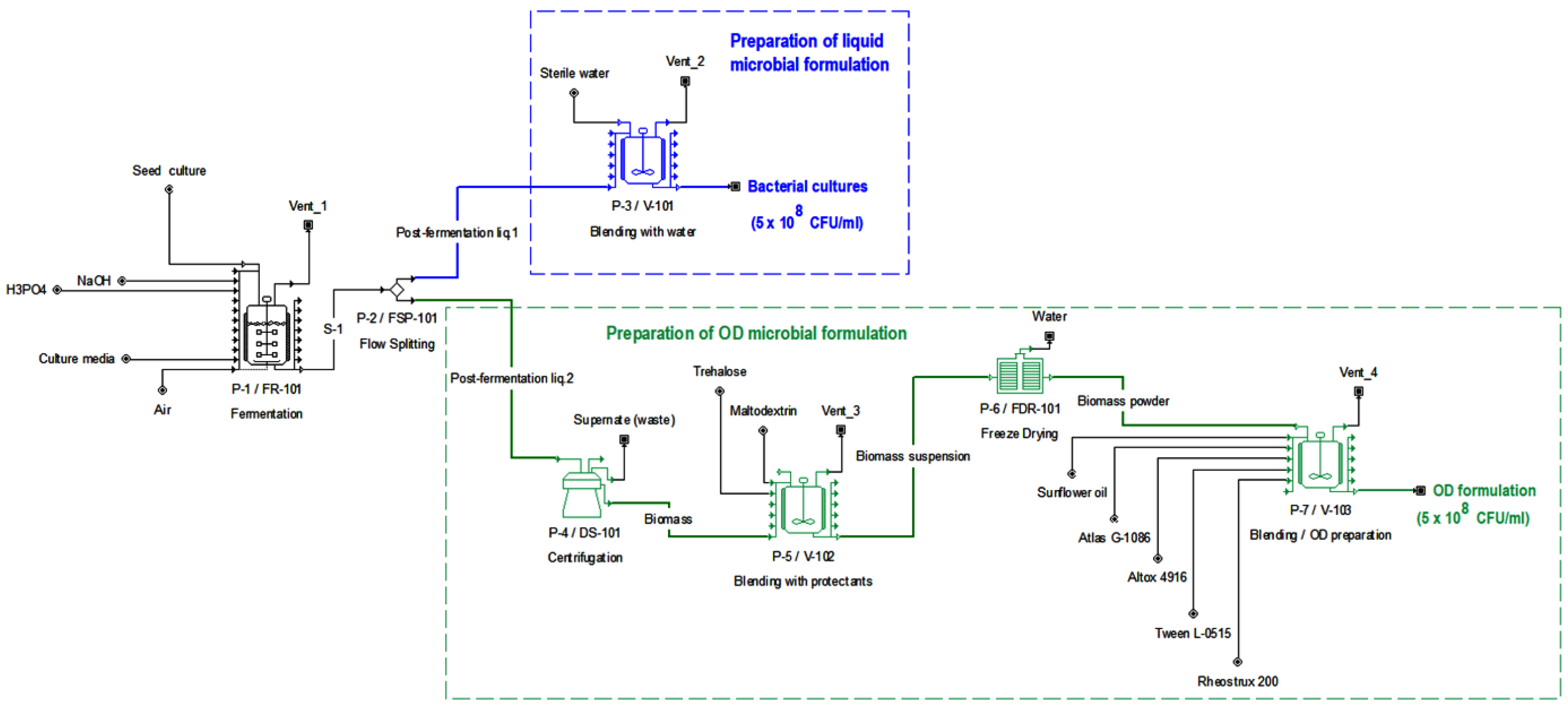
Figure 1. Production of microbial formulations.
Agronomy 16 00400 g001
Figure 2. The effect of moisture conditions and Bacillus spp. and Pseudomonas spp. in two formulations on chlorophyll (ChlM) (A), flavonols (FlvM) (B), and anthocyanins (AnthM) (C) in winter wheat plants. 1—control; 2 (0.5 L) and 3 (1.0 L)—B. velezensis_KT27 in culture fluid; 4 (0.5 L) and 5 (1.0 L)—B. velezensis_KT27 in oil dispersion; 6 (0.5 L) and 7 (1.0 L)—B. subtilis + P. simiae + B. velezensis_S103 in culture fluid; 8 (0.5 L) and 9 (1.0 L)—B. subtilis + P. simiae + B. velezensis_S103 in oil dispersion. The formulations and their doses used in combinations 1–9 correspond to the numbers and values given in Table 1.
Agronomy 16 00400 g002
Figure 3. The effect of moisture conditions and Bacillus spp. and Pseudomonas spp. in two formulations on chlorophyll (ChlM) (A), flavonols (FlvM) (B), and anthocyanins (AnthM) (C) in winter barley plants. 1—control; 2 (0.5 L) and 3 (1.0 L)—B. velezensis_KT27 in culture fluid; 4 (0.5 L) and 5 (1.0 L)—B. velezensis_KT27 in oil dispersion; 6 (0.5 L) and 7 (1.0 L)—B. subtilis + P. simiae + B. velezensis_S103 in culture fluid; and 8 (0.5 L) and 9 (1.0 L)—B. subtilis + P. simiae + B. velezensis_S103 in oil dispersion. The formulations and their doses used in combinations 1–9 correspond to the numbers and values given in Table 1.
Agronomy 16 00400 g003
Figure 4. The effect of moisture conditions and Bacillus spp. and Pseudomonas spp. in two formulations on chlorophyll (ChlM) (A), flavonols (FlvM) (B), and anthocyanins (AnthM) (C) in winter oilseed rape plants. 1—control; 2 (0.5 L) and 3 (1.0 L)—B. velezensis_KT27 in culture fluid; 4 (0.5 L) and 5 (1.0 L)—B. velezensis_KT27 in oil dispersion; 6 (0.5 L) and 7 (1.0 L)—B. subtilis + P. simiae + B. velezensis_S103 in culture fluid; and 8 (0.5 L) and 9 (1.0 L)—B. subtilis + P. simiae + B. velezensis_S103 in oil dispersion. The formulations and their doses used in combinations 1–9 correspond to the numbers and values given in Table 1.
Agronomy 16 00400 g004
Figure 5. The effect of Bacillus spp. and Pseudomonas spp. in two formulations on F0—minimal fluorescence (A)—and Fv/Fm, i.e., maximum PSII quantum yield in a dark-acclimated state under light (B) (in non-nominated units), in winter wheat plants under conditions of optimal soil moisture and water deficit stress. 1—control; 2 (0.5 L) and 3 (1.0 L)—B. velezensis_KT27 in culture fluid; 4 (0.5 L) and 5 (1.0 L)—B. velezensis_KT27 in oil dispersion; 6 (0.5 L) and 7 (1.0 L)—B. subtilis + P. simiae + B. velezensis_S103 in culture fluid; and 8 (0.5 L) and 9 (1.0 L)—B. subtilis + P. simiae + B. velezensis_S103 in oil dispersion. The formulations and their doses used in combinations 1–9 correspond to the numbers and values given in Table 1. Statistically significant differences in mean values are indicated by different letters according to Tukey’s HSD (p = 0.05). Capital letters above the blue bars refer to optimal conditions, while lowercase letters above the orange bars represent water deficit.
Agronomy 16 00400 g005
Figure 6. The effect of Bacillus spp. and Pseudomonas spp. on F0, i.e., minimal fluorescence (A), and Fv/Fm, that is, maximum PSII quantum yield in a dark-acclimated state under light (B) (in non-nominated units), in winter barley plants under conditions of optimal soil moisture and water deficit stress. 1—control; 2 (0.5 L) and 3 (1.0 L)—B. velezensis_KT27 in culture fluid; 4 (0.5 L) and 5 (1.0 L)—B. velezensis_KT27 in oil dispersion; 6 (0.5 L) and 7 (1.0 L)—B. subtilis + P. simiae + B. velezensis_S103 in culture fluid; and 8 (0.5 L) and 9 (1.0 L)—B. subtilis + P. simiae + B. velezensis_S103 in oil dispersion. The formulations and their doses used in combinations 1–9 correspond to the numbers and values given in Table 1. Statistically significant differences in mean values are indicated by different letters according to Tukey’s HSD (p = 0.05). Capital letters above the blue bars refer to optimal conditions, while lowercase letters above the orange bars represent water deficit.
Agronomy 16 00400 g006
Figure 7. The effect of Bacillus spp. and Pseudomonas spp. in two formulations on F0 (minimal fluorescence) (A) and Fv/Fm (maximum PSII quantum yield in a dark-acclimated state on the light) (B) (non-nominated units) in winter oilseed rape plants under conditions of optimal soil moisture and water deficit stress. 1—control; 2 (0.5 L) and 3 (1.0 L)—B. velezensis_KT27 in culture fluid; 4 (0.5 L) and 5 (1.0 L)—B. velezensis_KT27 in oil dispersion; 6 (0.5 L) and 7 (1.0 L)—B. subtilis + P. simiae + B. velezensis_S103 in culture fluid; and 8 (0.5 L) and 9 (1.0 L)—B. subtilis + P. simiae + B. velezensis_S103 in oil dispersion. The formulations and their doses used in combinations 1–9 correspond to the numbers and values given in Table 1. Statistically significant mean values are indicated by different letters according to Tukey’s HSD (p = 0.05). Capital letters above the blue bars refer to optimal conditions, while lowercase letters above the orange bars represent water deficit.
Agronomy 16 00400 g007
Table 1. Formulations containing Bacillus spp. and Pseudomonas spp. and the dosages (L) × 200 L × ha−1.
No.FormulationsDose per 200 L × ha−1 (L)
1Control-
2Bacillus velezensis_KT27 CF *0.5
3Bacillus velezensis_KT27 CF *1.0
4Bacillus velezensis_KT27 OD **0.5
5Bacillus velezensis_KT27 OD **1.0
6Bacillus subtilis + Pseudomonas simiae + Bacillus velezensis_S103 CF *0.5
7Bacillus subtilis + Pseudomonas simiae + Bacillus velezensis_S103 CF *1.0
8Bacillus subtilis + Pseudomonas simiae + Bacillus velezensis_S103 OD **0.5
9Bacillus subtilis + Pseudomonas simiae + Bacillus velezensis_S103 OD **1.0
CF *–culture fluid; OD **–oil dispersion.
Table 2. Influence of soil moisture conditions on the parameters of winter wheat, winter barley, and winter oilseed rape plants evaluated under greenhouse conditions.
Winter Wheat
No.ParameterMoisture Conditions
OptimumWater Deficit Stress
1.Height47.0 a ± 1.34 *46.2 b ± 1.55
2.Fresh weight18.9 a ± 1.1410.7 b ± 0.89
3.Dry weight2.1 a ± 0.111.5 b ± 0.10
4.F0204.4 b ± 8.68239.3 a ± 7.82
5.Fv/Fm0.803 a ± 0.010.788 b ±0.01
6.ChlM0.59 a ± 0.030.56 a ± 0.05
7.FlvM0.25 b ± 0.020.32 a ± 0.05
8.AnthM0.025 b ± 0.010.034 a ± 0.01
Winter barley
1.Height48.0 a ± 1.8844.5 b ± 2.31
2.Fresh weight28.7 a ± 2.1214.6 b ± 1.04
3.Dry weight3.1 a ± 0.212.1 b ± 0.16
4.F0199.8 b ± 6.49234.5 a ± 10.9
5.Fv/Fm0.801 a ± 0.010.776 b ± 0.01
6.ChlM0.57 a ± 0.020.57 a ± 0.04
7.FlvM0.17 b ± 0.020.25 a ± 0.02
8.AnthM0.022 b ± 0.020.032 a ± 0.01
Winter oilseed rape
1.Height27.1 a ± 0.6820.2 b ± 0.57
2.Fresh weight47.9 a ± 2.0819.6 b ± 1.44
3.Dry weight4.8 a ± 0.483.0 b ± 0.43
4.F0194.5 b ± 13.6224.4 a ± 9.13
5.Fv/Fm0.820 a ± 0.010.786 b ± 0.01
6.ChlM0.49 b ± 0.040.69 a ± 0.03
7.FlvM0.21 b ± 0.020.35 a ± 0.03
8.AnthM0.024 b ± 0.010.041 a ± 0.01
Different letters (a, b) in each row indicate statistically different mean values according to Tukey’s HSD test at p = 0.05. Height—cm; fresh and dry weight—g; F0—minimal fluorescence of dark-adapted state; Fv/Fm—maximum PSII quantum yield in a dark-acclimated state under light; F0, Fv/Fm—non-nominated units; ChlM—chlorophyll content; FlvM—flavonol content; AnthM—anthocyanin content; ChlM, FlvM, AnthM—absolute units; * mean ± SD.
Table 3. The effect of Bacillus spp. and Pseudomonas spp. in two formulations on plant height in winter wheat under conditions of optimal soil moisture and water deficit stress.
No.FormulationsDose per 200 L × ha−1 (L)Winter Wheat Height (cm)
OptimalWater Deficit Stress
1Control-46.2 bc ± 1.36 ***44.1 d ± 1.76
2Bacillus velezensis_KT27 CF *0.546.9 abc ± 1.4145.9 bc ± 1.39
3Bacillus velezensis_KT27 CF *1.047.2 ab ± 0.8147.3 a ± 1.60
4Bacillus velezensis_KT27 OD **0.547.9 a ± 1.5045.8 bc ± 0.97
5Bacillus velezensis_KT27 OD **1.047.8 a ± 1.2947.3 a ± 0.55
6Bacillus subtilis + Pseudomonas simiae + Bacillus velezensis_S103 CF *0.547.0 ab ± 1.0846.9 ab ± 0.52
7Bacillus subtilis + Pseudomonas simiae + Bacillus velezensis_S103 CF *1.047.0 ab ± 1.0746.8 ab ± 1.62
8Bacillus subtilis + Pseudomonas simiae +Bacillus velezensis_S103 OD **0.547.6 a ± 0.9746.2 abc ± 0.86
9Bacillus subtilis + Pseudomonas simiae + Bacillus velezensis_S103 OD **1.045.7 c ± 0.84 45.1 c ± 0.79
Statistically significant vertical differences for individual columns in mean values are indicated by different letters according to Tukey’s HSD (p = 0.05); 2 and 3—B. velezensis_KT27 in culture fluid; 4 and 5—B. velezensis_KT27 in oil dispersion; 6 and 7—B. subtilis + P. simiae + B. velezensis_S103 in culture fluid; and 8 and 9—B. subtilis + P. simiae + B. velezensis_S103 in oil dispersion. CF *—culture fluid; OD **—oil dispersion; ***—mean ± SD.
Table 4. The effect of Bacillus spp. and Pseudomonas spp. in two formulations on plant height in winter barley under conditions of optimal soil moisture and water deficit stress.
No.FormulationsDose per 200 L × ha−1 (L)Winter Barley Height (cm)
OptimalWater Deficit Stress
1Control-45.9 c ± 1.22 ***40.6 d ± 1.03
2Bacillus velezensis_KT27 CF *0.547.0 b ± 1.2343.5 c ± 1.34
3Bacillus velezensis_KT27 CF *1.048.3 ab ± 1.3144.9 b ± 0.72
4Bacillus velezensis_KT27 OD **0.548.9 a ± 1.1445.6 ab ± 1.34
5Bacillus velezensis_KT27 OD **1.048.9 a ± 1.2846.3 a ± 1.34
6Bacillus subtilis + Pseudomonas simiae + Bacillus velezensis_S103 CF *0.549.4 a ± 0.9546.3 a ± 1.30
7Bacillus subtilis + Pseudomonas simiae + Bacillus velezensis_S103 CF *1.049.2 a ± 1.0545.0 b ± 1.30
8Bacillus subtilis + Pseudomonas simiae +Bacillus velezensis_S103 OD **0.549.4 a ± 1.2246.5 a ± 0.43
9Bacillus subtilis + Pseudomonas simiae + Bacillus velezensis_S103 OD **1.045.2 c ± 1.0141.6 d ± 1.06
Statistically significant vertical differences for individual columns in mean values are indicated by different letters according to Tukey’s HSD (p = 0.05); 2 and 3—B. velezensis_KT27 in culture fluid; 4 and 5—B. velezensis_KT27 in oil dispersion; 6 and 7—B. subtilis + P. simiae + B. velezensis_S103 in culture fluid; and 8 and 9—B. subtilis + P. simiae + B. velezensis_S103 in oil dispersion. CF *—culture fluid; OD **—oil dispersion; ***—mean ± SD.
Table 5. The effect of Bacillus spp. and Pseudomonas spp. in two formulations on plant height in winter oilseed rape under conditions of optimal soil moisture and water deficit stress.
No.FormulationsDose per 200 L × ha−1 (L)Winter Oilseed Rape Height (cm)
OptimalWater Deficit Stress
1Control-26.4 d ± 0.63 ***20.3 c ± 0.38
2Bacillus velezensis_KT27 CF *0.527.2 bc ± 0.4221.0 b ± 0.44
3Bacillus velezensis_KT27 CF *1.026.5 d ± 0.4721.3 ab ± 0.39
4Bacillus velezensis_KT27 OD **0.527.5 ab ± 0.4721.4 ab ± 0.42
5Bacillus velezensis_KT27 OD **1.027.5 ab ± 0.4021.4 ab ± 0.47
6Bacillus subtilis + Pseudomonas simiae + Bacillus velezensis_S103 CF *0.526.9 cd ± 0.5721.4 ab ± 0.50
7Bacillus subtilis + Pseudomonas simiae + Bacillus velezensis_S103 CF *1.027.0 bc ± 0.6121.5 a ± 0.55
8Bacillus subtilis + Pseudomonas simiae + Bacillus velezensis_S103 OD **0.527.8 a ± 0.6921.5 a ± 0.48
9Bacillus subtilis + Pseudomonas simiae + Bacillus velezensis_S103 OD **1.027.2 bc ± 0.4121.1 ab ± 0.36
Statistically significant vertical differences for individual columns in mean values are indicated by different letters according to Tukey’s HSD (p = 0.05); 2 and 3—B. velezensis_KT27 in culture fluid; 4 and 5—B. velezensis_KT27 in oil dispersion; 6 and 7—B. subtilis + P. simiae + B. velezensis_S103 in culture fluid; and 8 and 9—B. subtilis + P. simiae + B. velezensis_S103 in oil dispersion. CF *—culture fluid; OD **—oil dispersion; ***—mean ± SD.
Table 6. The effect of Bacillus spp. and Pseudomonas spp. in two formulations on fresh weight and dry weight of winter wheat plants under conditions of optimal soil moisture and water deficit stress.
No.FormulationsDose per 200 L × ha−1 (L)Fresh Weight (g)Dry Weight (g)
OptimalWater
Deficit Stress
OptimalWater
Deficit Stress
1Control-17.07 f ± 0.51 ***9.57 c ± 0.281.89 f ± 0.051.38 d ± 0.04
2Bacillus velezensis_KT27 CF *0.517.77 e ± 0.4910.41 b ± 0.371.93 e ± 0.041.47 c ± 0.04
3Bacillus velezensis_KT27 CF *1.019.18 bcd ± 0.3410.54 b ± 0.212.03 d ± 0.041.49 c ± 0.01
4Bacillus velezensis_KT27 OD **0.520.54 a ± 0.5911.52 a ± 0.392.22 a ± 0.041.58 ab ± 0.04
5Bacillus velezensis_KT27 OD **1.019.77 b ± 0.4011.41 a ± 0.482.17 b ± 0.021.62 a ± 0.07
6Bacillus subtilis + Pseudomonas simiae + Bacillus velezensis_S103 CF *0.519.02 cd ± 0.5711.40 a ± 0.712.09 c ± 0.021.57 b ± 0.04
7Bacillus subtilis + Pseudomonas simiae + Bacillus velezensis_S103 CF *1.018.63 d ± 0.7310.96 ab ± 0.622.08 c ± 0.031.50 c ± 0.04
8Bacillus subtilis + Pseudomonas simiae + Bacillus velezensis_S103 OD **0.519.39 bc ± 0.7511.17 a ± 0.792.14 b ± 0.031.61 ab ± 0.06
9Bacillus subtilis + Pseudomonas simiae + Bacillus velezensis_S103 OD **1.018.59 d ± 0.779.43 c ± 0.442.10 c ± 0.031.41 d ± 0.07
Statistically significant vertical differences for individual columns in mean values are indicated by different letters according to Tukey’s HSD (p = 0.05); 2 and 3—B. velezensis_KT27 in culture fluid; 4 and 5—B. velezensis_KT27 in oil dispersion; 6 and 7—B. subtilis + P. simiae + B. velezensis_S103 in culture fluid; and 8 and 9—B. subtilis + P. simiae + B. velezensis_S103 in oil dispersion. CF *—culture fluid; OD **—oil dispersion; ***—mean ± SD.
Table 7. The effect of Bacillus spp. and Pseudomonas spp. in two formulations on the fresh and dry weight of winter barley plants under optimal soil moisture and water deficit stress conditions.
No.FormulationsDose per 200 L × ha−1 (L)Fresh Weight (g)Dry Weight (g)
OptimalWater
Deficit Stress
OptimalWater
Deficit Stress
1Control-25.9 e ± 1.10 ***13.0 g ± 0.512.83 d ± 0.051.82 e ± 0.06
2Bacillus velezensis_KT27 CF *0.530.3 b ± 0.8814.3 e ± 0.323.30 a ± 0.122.10 d ± 0.05
3Bacillus velezensis_KT27 CF *1.029.8 bc ± 0.6314.7 de ± 0.393.30 a ± 0.062.09 d ± 0.03
4Bacillus velezensis_KT27 OD **0.531.2 a ± 0.7115.5 ab ± 0.363.32 a ± 0.072.33 a ± 0.05
5Bacillus velezensis_KT27 OD **1.030.0 b ± 0.7515.0 bcd ± 0.393.25 a ± 0.062.26 b ± 0.10
6Bacillus subtilis + Pseudomonas simiae + Bacillus velezensis_S103 CF *0.528.6 d ± 0.7314.8 cd ± 0.323.06 c ± 0.062.11 d ± 0.07
7Bacillus subtilis + Pseudomonas simiae + Bacillus velezensis_S103 CF *1.028.8 d ± 0.7315.2 bc ± 0.413.13 bc ± 0.072.18 c ± 0.05
8Bacillus subtilis + Pseudomonas simiae + Bacillus velezensis_S103 OD **0.529.0 cd ± 0.5315.7 a ± 0.493.17 b ± 0.072.29 ab ± 0.05
9Bacillus subtilis + Pseudomonas simiae + Bacillus velezensis_S103 OD **1.024.9 f ± 0.6613.5 f ± 0.362.76 d ± 0.082.06 d ± 0.05
Statistically significant vertical differences for individual columns in mean values are indicated by different letters according to Tukey’s HSD (p = 0.05); 2 and 3—B. velezensis_KT27 in culture fluid; 4 and 5—B. velezensis_KT27 in oil dispersion; 6 and 7—B. subtilis + P. simiae + B. velezensis_S103 in culture fluid; and 8 and 9—B. subtilis + P. simiae + B. velezensis_S103 in oil dispersion. CF *—culture fluid; OD **—oil dispersion; ***—mean ± SD.
Table 8. The effect of Bacillus spp. and Pseudomonas spp. in two formulations on the fresh and dry weight of winter oilseed rape plants under optimal soil moisture and water deficit stress conditions.
No.FormulationsDose per 200 L × ha−1 (L)Fresh Weight (g)Dry Weight (g)
OptimalWater
Deficit Stress
OptimalWater
Deficit Stress
1Control-45.79 c ± 1.06 ***18.91 de ± 1.404.59 cd ± 0.272.79 b ± 0.36
2Bacillus velezensis_KT27 CF *0.548.47 b ± 1.2120.38 abc ± 0.934.49 cd ± 0.312.99 ab ± 0.42
3Bacillus velezensis_KT27 CF *1.048.54 b ± 1.0118.21 ef ± 0.974.61 cd ± 0.392.75 b ± 0.31
4Bacillus velezensis_KT27 OD **0.550.24 a ± 0.7020.90 ab ± 0.404.91 abc ± 0.293.12 ab ± 0.57
5Bacillus velezensis_KT27 OD **1.050.37 a ± 1.3521.32 a ± 0.655.11 ab ± 0.353.26 a ± 0.30
6Bacillus subtilis + Pseudomonas simiae + Bacillus velezensis_S103 CF *0.544.90 c ± 1.3620.14 bc ± 0.964.36 d ± 0.533.14 ab ± 0.20
7Bacillus subtilis + Pseudomonas simiae + Bacillus velezensis_S103 CF *1.047.35 b ± 1.3519.40 cd ± 1.124.72 bcd ± 0.613.03 ab ± 0.24
8Bacillus subtilis + Pseudomonas simiae + Bacillus velezensis_S103 OD **0.547.51 b ± 1.3218.85 de ± 0.555.17 a ± 0.253.15 ab ± 0.53
9Bacillus subtilis + Pseudomonas simiae + Bacillus velezensis_S103 OD **1.047.53 b ± 1.2617.79 e ± 0.704.93 abc ± 0.502.89 ab ± 0.53
Statistically significant vertical differences in mean values for individual columns are indicated by different letters according to Tukey’s HSD (p = 0.05); 2 and 3—B. velezensis_KT27 in culture fluid; 4 and 5—B. velezensis_KT27 in oil dispersion; 6 and 7—B. subtilis + P. simiae + B. velezensis_S103 in culture fluid; and 8 and 9—B. subtilis + P. simiae + B. velezensis_S103 in oil dispersion. CF *—culture fluid; OD **—oil dispersion; ***—mean ± SD.
Disclaimer/Publisher’s Note: The statements, opinions and data contained in all publications are solely those of the individual author(s) and contributor(s) and not of MDPI and/or the editor(s). MDPI and/or the editor(s) disclaim responsibility for any injury to people or property resulting from any ideas, methods, instructions or products referred to in the content.