Article

Flight Dynamics of the True Armyworm (Mythimna unipuncta) in a Maize Agroecosystem in Southeast Romania


1
Agricultural Engineering Laboratory, National Agricultural Research and Development Institute Fundulea, 915200 Fundulea, Romania
2
Crop Science Department, Faculty of Agriculture, University of Agronomic Sciences and Veterinary Medicine of Bucharest, 011464 Bucharest, Romania
3
“Gh. Zane” Institute for Economic and Social Research, Romanian Academy, Iași Branch, 700481 Iași, Romania
4
Maize Breeding Laboratory, National Agricultural Research and Development Institute Fundulea, 915200 Fundulea, Romania
*
Author to whom correspondence should be addressed.
Agronomy 2026, 16(13), 1267; https://doi.org/10.3390/agronomy16131267
Submission received: 7 May 2026 / Revised: 15 June 2026 / Accepted: 23 June 2026 / Published: 30 June 2026

Abstract

True armyworm (Mythimna unipuncta) is a polyphagous pest that damages forage grasses, small grains, or maize crops. This pest is found in the Americas, Western Africa, Asia, and Europe. The true armyworm was detected in Romania a few decades ago, but no studies have examined its flight dynamics in crops. This paper presents five years of results from monitoring the flight dynamics of the true armyworm (Mythimna unipuncta) using pheromone traps, and two years of field assessments for larvae scouting at maize plants. The field site is in southeastern Romania, in Călărași County, at the National Agricultural Research and Development Institute in Fundulea, within a temperate continental climate. Five moths were captured in the traps in 2021; 18 moths were captured in 2022; 32 in 2023; 38 in 2024, and 22 moths were captured in 2025. In 2021, the true armyworm flight started on 21 September and ended on 27 October; in 2022, the flight started on 31 October and ended on 25 November; in 2023, the flight started on 23 October and ended on 22 November; in 2024 the flight started on 8 October and ended on 28 November; while in 2025 the flight started on 3 October and ended on 25 November. Results from maize plant assessments for true armyworm larval scouting indicate that no larvae were detected in the last twenty days of July during 2024 and 2025, August, and the first ten days of September. This is the first report in the Romanian literature concerning the constant presence of the true armyworm during autumn in the southeast of this country over the last five years. However, the pest population density in this country did not reach pest levels, but this situation could change in the future due to global warming.

1. Introduction

True armyworm (Mythimna unipuncta Haworth, 1809, Lepidoptera: Noctuidae) is a polyphagous pest that can produce damage to forage grasses, small grain crops, maize, vegetables, or sweet potato crops [1]. This species is Neotropical in origin but now has a wide geographic distribution across North and South America, Western Africa, Asia (except Southeast Asia), and Europe [2,3,4,5]. True armyworm was not recorded in Australia, New Zealand, or certain Pacific islands [2]. In the northern hemisphere, in areas with mild winter temperatures, true armyworm populations develop year-round, and insects do not enter diapause [6,7]. In Europe, these areas are usually in southern Mediterranean countries [5,8]. In regions with winter temperatures below freezing, there is a spring migration from southern areas [2]. Research from the United States indicates that true armyworms overwinter in the south and migrate to the northern US and southern Canada during the spring, recolonizing temperate regions [9,10]. In the fall, as temperatures and daylight decrease, adults migrate south [11]. These migration patterns are also found in Europe; the pest can migrate into northern countries, but densities are lower there, so it does not cause crop damage [2,12]. Recent studies have shown that true armyworm moths can migrate up to 1300 km [13]. The moth can use wind currents to migrate over long distances [2,10]. At the same time, larvae can migrate in larger groups to neighboring areas when the food source in one place is depleted [1]. Larvae exhibit gregarious behavior in the first two instars, feeding during the day, and becoming solitary in the third instar, feeding at night [2]. True armyworms are considered agricultural pests. In years with high outbreaks, yield losses ranged from 5 to 50% [13]. However, these outbreaks are unpredictable [6]. On cereals or forage grasses, the larva can skeletonize the leaves or cut the seed head, whereas on maize, in case of higher attack, the larva can consume the whole leaves, leaving only the stalks intact [1]. Early reports indicated economic losses exceeding $10 million in Kentucky and Minnesota (USA) in the 1950s [2]. In Europe, some reports indicate yield losses from true armyworm in maize crops in Spain [14,15]. Early reports suggest yield losses during the outbreak in northern Italy [16]. Other reports indicate that the true armyworm is considered a minor pest in southern Europe, but during outbreaks, damage to maize and small-grain cereals can be serious [17]. Some reports indicate a high M. unipunta population in Switzerland and damage caused by this pest in this country due to rising temperatures [18]. In Central Europe and to the North of the continent, there have not been reports of damage from this pest, although it is present every year, migrating from southern areas [19]. Research on soil tillage systems indicates that maize grown under no-till favors increased true armyworm populations [20]. In recent years, more farmers in Europe have adopted minimum-tillage or no-till systems to reduce fuel consumption and soil erosion [21,22,23]. Reports over the last decade have documented resistance in true armyworm larvae to Bt maize [15,24,25,26]. A possible reason for this resistance is the altered activation of the Cry1Ab protein [27]. M. unipuncta was reported in Romania a few decades ago [28]. However, there were no studies on population dynamics in this country. Few reports of this pest’s presence in the eastern Dobrogea region date back two decades, to a macrolepidopteran survey [29]. In Romania, the most important crops are among the main host plants of the M. unipuncta. Over the last decade, maize and cereals have been cultivated on more than 2 million hectares each year, with some years exceeding 2.5 million hectares [30,31,32]. At the same time, in Romania, a few million hectares are used for permanent grassland, and more than 800,000 hectares are cultivated with forage crops [33,34]. In recent years, due to drought and intense summer heatwaves, maize production has declined [35,36]. As a result, farmers are increasing the area under winter cereals and decreasing the area sown to maize [37]. More Romanian farmers are cultivating maize and cereals using minimum-tillage systems, while no-till and strip-till are becoming increasingly popular [38,39,40,41]. Maize leaf weevil (Tanymecus dilaticollis), European corn borer (Ostrinia nubilallis), wireworms (Agriotes spp.), and corn rootworm (Diabrotica virgifera virgifera) are among the main pests of maize in Romania [42,43,44,45,46,47,48]. However, our previous research showed that the cotton bollworm (Helicoverpa armigera), considered a minor maize pest, has become a major pest of this crop in south-east Romania in recent years, driven by climate change [49]. Moreover, in the autumn of the year 2023, the presence of the fall armyworm (Spodoptera frugiperda) was first detected in Romania [50]. In the face of increasing pest pressure, it was necessary to study the flight dynamics and population density of the true armyworm to assess the future risk it poses to cereals and maize crops.
The aim of this study was:
  • To evaluate the true armyworm flight dynamics in a maize field located in south-east Romania;
  • To evaluate the true armyworm larva density on maize plants in south-east Romania.

2. Materials and Methods

2.1. Field Site

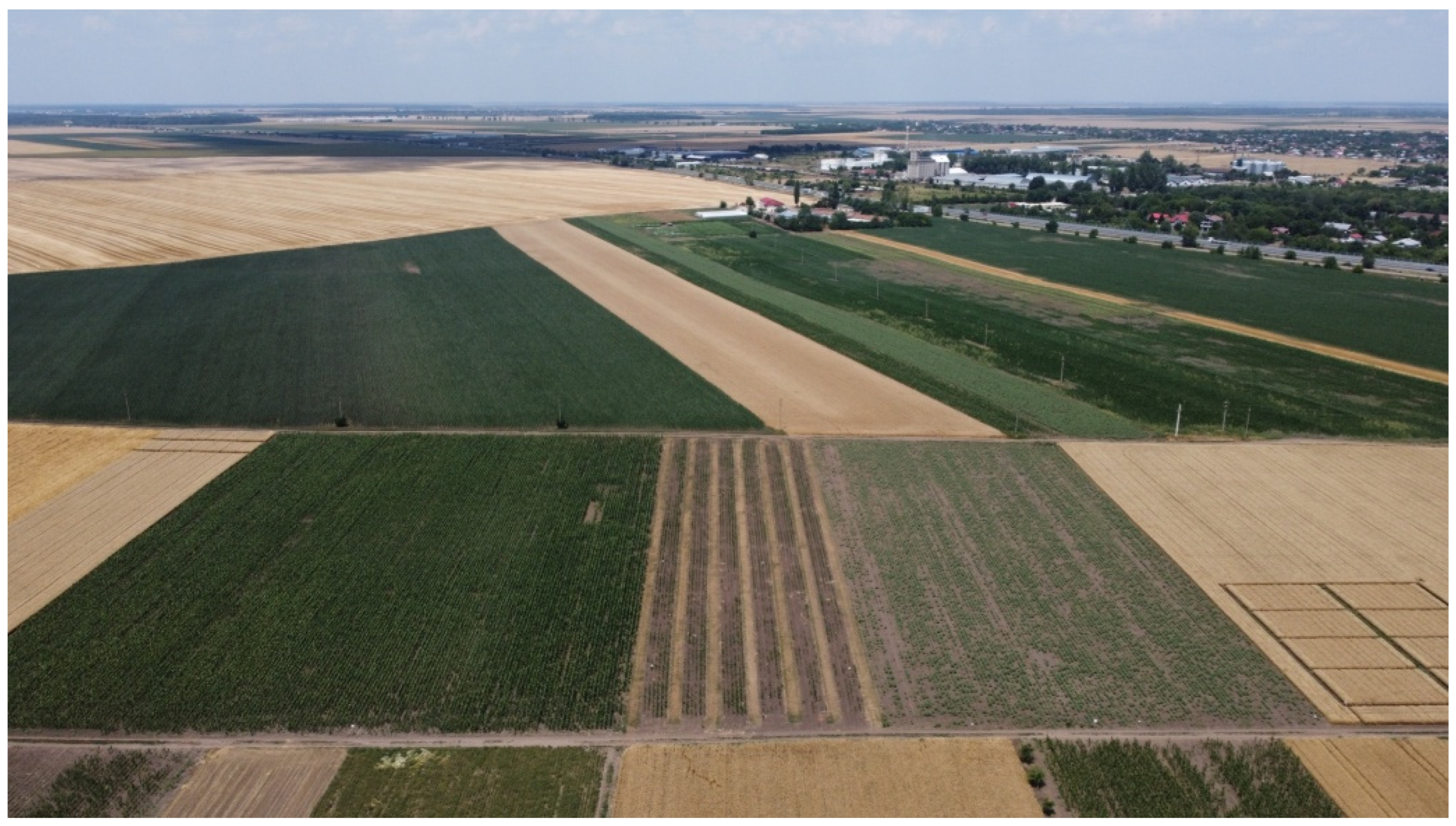
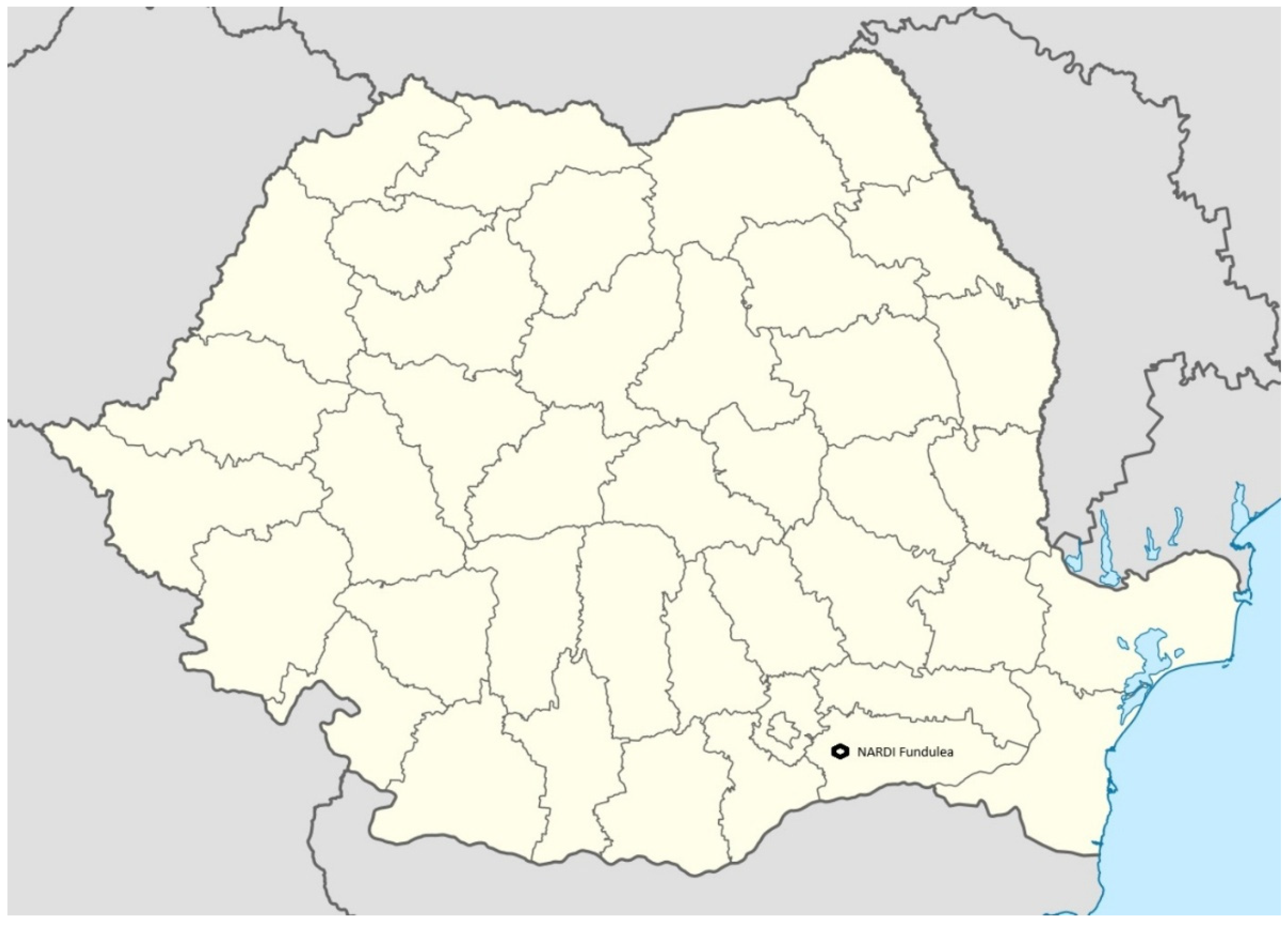
This study was conducted between 2021 and 2025 at one location, at a maize field site from the Plant Protection Collective, the Agricultural Engineering Laboratory from the National Agricultural Research and Development Institute (NARDI), Fundulea, Călărași County, southeast Romania (latitude: 44°46′ N; longitude: 26°32′ E, 68 m a.s.l, Figure 1 and Figure 2). The terrain is flat, and the soil type is clay loam (33% clay and 35% loam) with medium texture, a humus content of 2.8–3.2%, and a pH of 6.4–6.8 [51]. According to the Köppen climate classification, south-east Romania has a hot-summer humid continental climate (Dfa) with hot summers and cold winters [52]. At NARDI Fundulea, the average temperature in the coldest months (January and February) is below 0 °C, while in the warmest months (July and August) it is above 22 °C (Table 1).
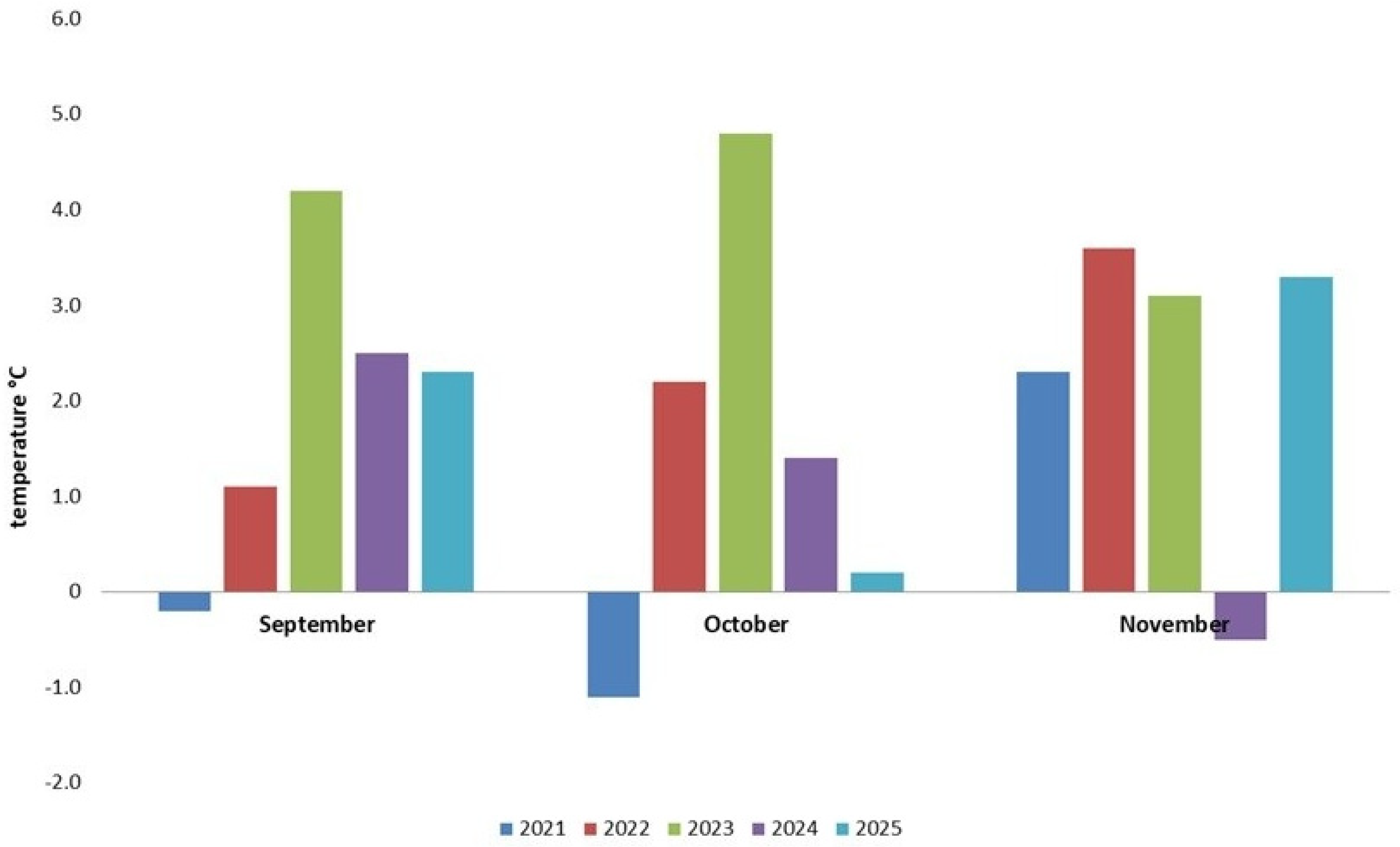
From 2021 to 2025, autumn temperatures were above the multi-year average in most years (Figure 1). The highest deviation from the average was observed in all months of the 2023 autumn (green columns in Figure 3). Generally, November recorded the largest deviation from the average, except in 2024, when it was negative. In 2021, the average temperature in September and October was below average, while the November temperature was above average.
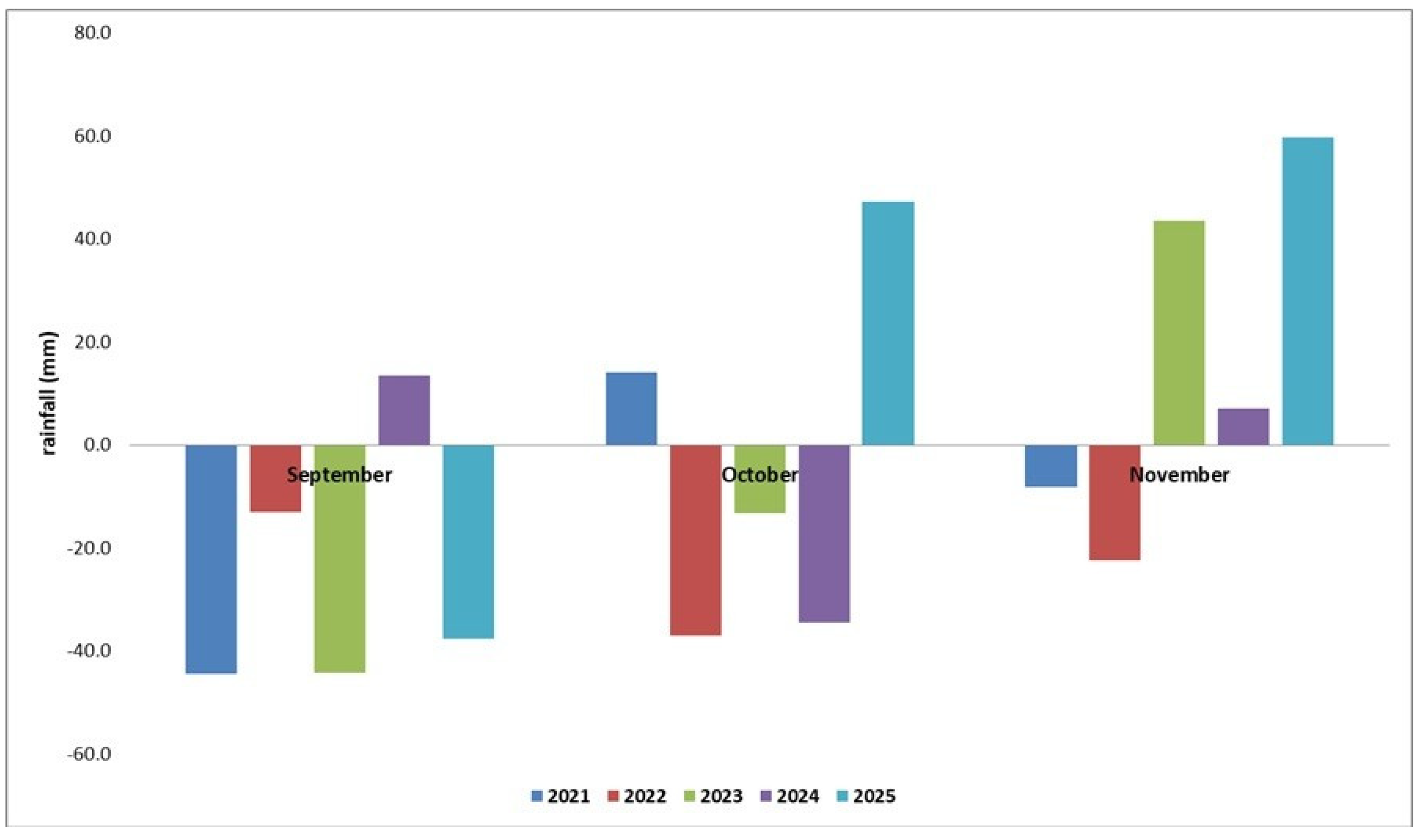
During this research, rainfall in the autumn months was below average in most cases (Figure 4). However, in October and November 2025, rainfall was higher than average. Also, in November 2023, it recorded rainfall above the 50-year average. In the Supplementary Materials, there are charts showing the average yearly temperatures and rainfall recorded at the NARDI Fundulea meteorological station from 1960 to 2025 (Figures S1-1 and S1-2). In the last two decades, average yearly temperatures have been higher than average. In 2007, the temperature reached its highest value since 1960 (12.66 °C). In 2019 and 2020, the average annual temperature was, for the first time, higher than 13 °C (13.18 °C in 2019 and 13.45 °C in 2020). In 2023 and 2024, the average yearly temperature was, for the first time, higher than 14 °C (14.09 °C in 2023 and 14.12 °C in 2024). Higher differences from the average registered in the last two decades at the field site from NARDI Fundulea were due to the warmer winters than usual and warmer summer and autumn months. Regarding rainfall amounts over one year, recordings from the NARDI Fundulea meteorological station show that from 2018 to 2025, rainfall was below the multi-year average. In 2022, rainfall was the lowest since meteorological recording began in 1960 (285.2 mm). From 2023 to 2025, annual rainfall ranged from 420 mm to 450 mm, below the area’s average. However, in October and November 2025, it recorded high rainfall in a short period.
Data from Table 2 reveal that in the field site, maize plants were sown in the first 10 days of May, except in 2024, when maize was sown on 14 May. Generally, maize was harvested in the last 10 days of September or the beginning of October, except in 2024, when it was harvested on 31 October. During this study, maize crop technology is in accordance with the agronomic standards for south-east Romania. A conventional tillage system was used, plowing in November and harrowing in the spring. Before sowing, the soil was prepared with the seedbed cultivator. For each year, the sowing density was 62,000 plants/hectare. Table 3 lists the maize hybrids used in this study for monitoring M. unipuncta. The hybrids were created at NARDI Fundulea and were from the same FAO group [53,54].

2.2. The Monitoring of the True Armyworm Flight

The flight dynamics of M. unipuncta were monitored at NARDI Fundulea in southeastern Romania from 2021 to 2025. Three pheromonal funnel traps (VRAL+ type) from Csalomon were placed in a 4-hectare maize field in a triangular arrangement, spaced 150 m apart [55]. The minimum distance between traps and the field margin was 10 m. The surrounding crops are sunflowers, wheat, barley, and peas. The traps were placed from the beginning of April until the first decade of December (Supplementary Material, Figure S3-1). The traps were moved for a few hours while maize plants were harvested in September or October, and then returned to the same positions. The trap’s height was adjusted to match maize height, reaching a maximum of 1.5 m above ground at the beginning of July. The traps remain in the same position until the maize harvest. During maize harvest, the traps were temporarily moved for 12 h, and then returned to their original positions. Traps were checked twice per week. During the summer months, the bait containing the pheromone is changed once every 4 weeks. In spring and autumn, the bait was replaced every 6 weeks in accordance with the producer’s instructions [55].

2.3. Scouting for True Armyworm Larvae

In 2024 and 2025, at the maize field where this pest was monitored, assessments were conducted to detect true armyworm larvae. The assessments were made at the heading stage (BBCH 55–59), the flowering stage (BBCH 67–69), the early milk stage (BBCH 73), the early dough stage (BBCH 83), and the fully ripe stage (BBCH 89). The assessments were made at four points along the diagonal of the maize field. At each point, 25 maize plants were checked, 5 plants per row. All plants and the surrounding soil were carefully checked for M. unipuncta larval density.

2.4. Statistical Analysis

The data of the true armyworm flight dynamics monitoring were analyzed using Microsoft Excel 2016. The charts were made with Microsoft Excel 2016. The traps’ monitoring data were statistically analyzed using Tukey’s honest significant difference (HSD) test at a significance level of p ≤ 0.05 with ARM 2022 software [56].

3. Results

3.1. True Armyworm Flight Dynamics

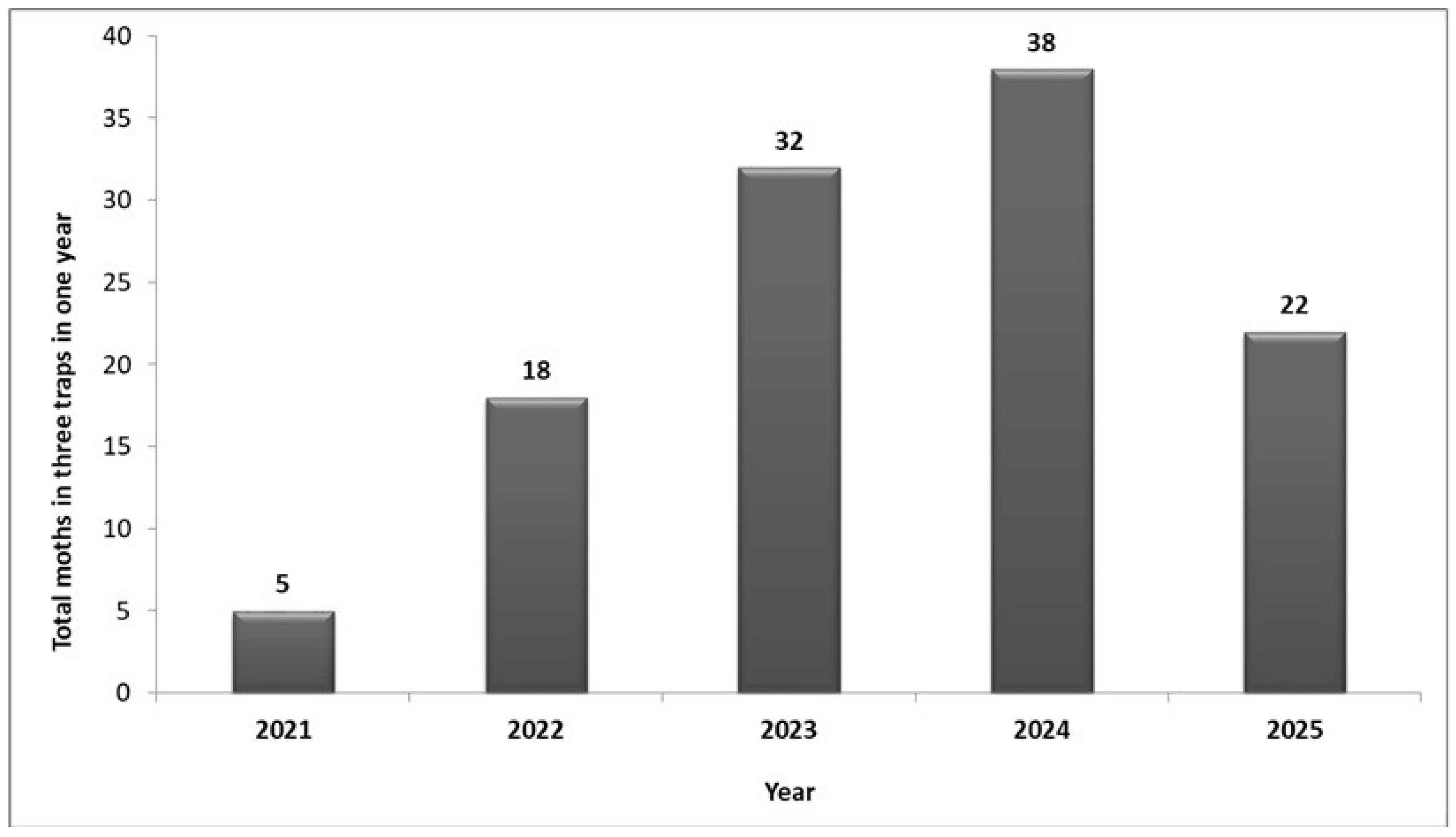
During our study in the maize field at NARDI Fundulea in southeast Romania (Figure 5), we found M. unipuncta moths in the traps in the autumn. In 2021, only a few moths were captured in the traps. The total number of captures increased gradually from 18 in 2022 to 38 in 2024 and decreased in 2025 (22 captures).
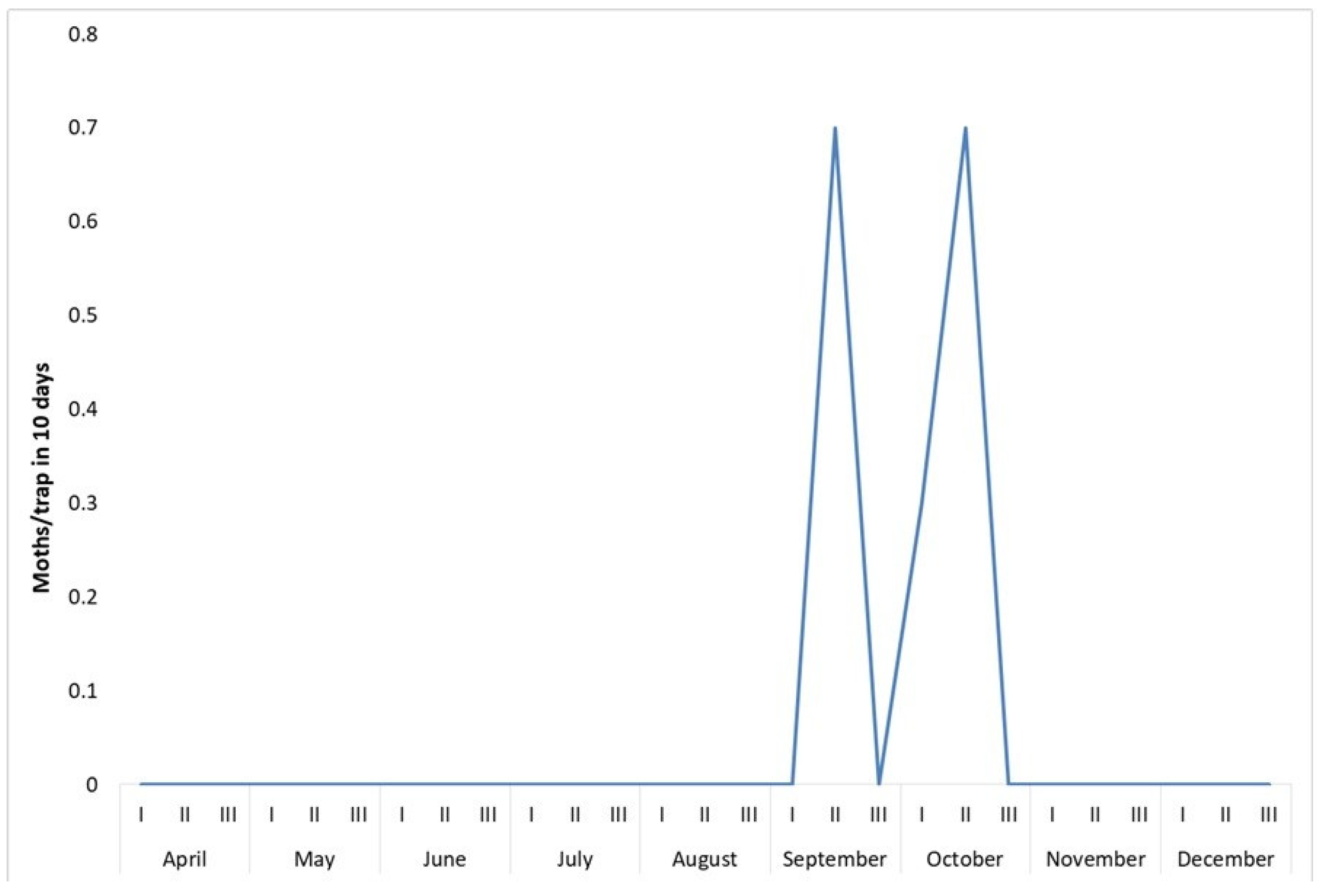
In 2021, the first capture was on 21 September. The rest of the captured moths were in the middle of September and October. The last month captured was 27 October (Table 4 and Table 5, Figure 6). We noticed higher-than-average temperatures in September and the first 10 days of October, while in November temperatures were higher in the first few days but then decreased over the following days and remained constant until the end of the month (Supplementary Materials, Figures S2-1–S2-3). In September and the first 10 days of October, rainfall was lower, followed by a few days with significant rainfall amounts (Supplementary Materials, Figures S2-4–S2-6).
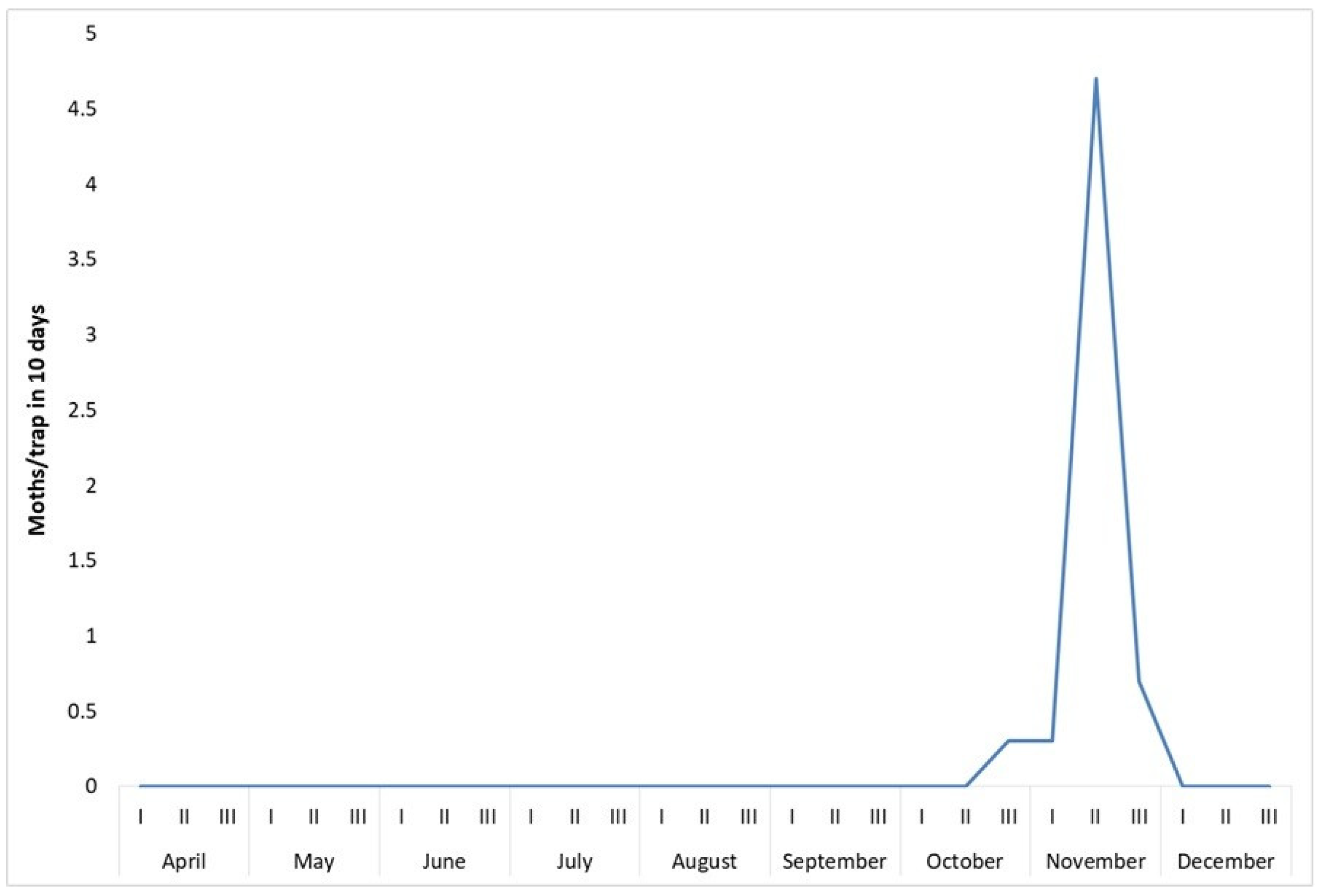
In 2022, the first capture was on 31 October. Flight peak was in the middle of November (4.7 moths/trap, Figure 7). The flight continues till the end of November (last capture on 25 November). This year’s highest activity of the true armyworm occurred in November, after the maize harvest. In the autumn of 2022, in October and the first 10 days of November, the weather was warm, and rainfall was lower. Temperatures begin to drop after the first 10 days of November (Supplementary Materials, Figures S2-7–S2-12).
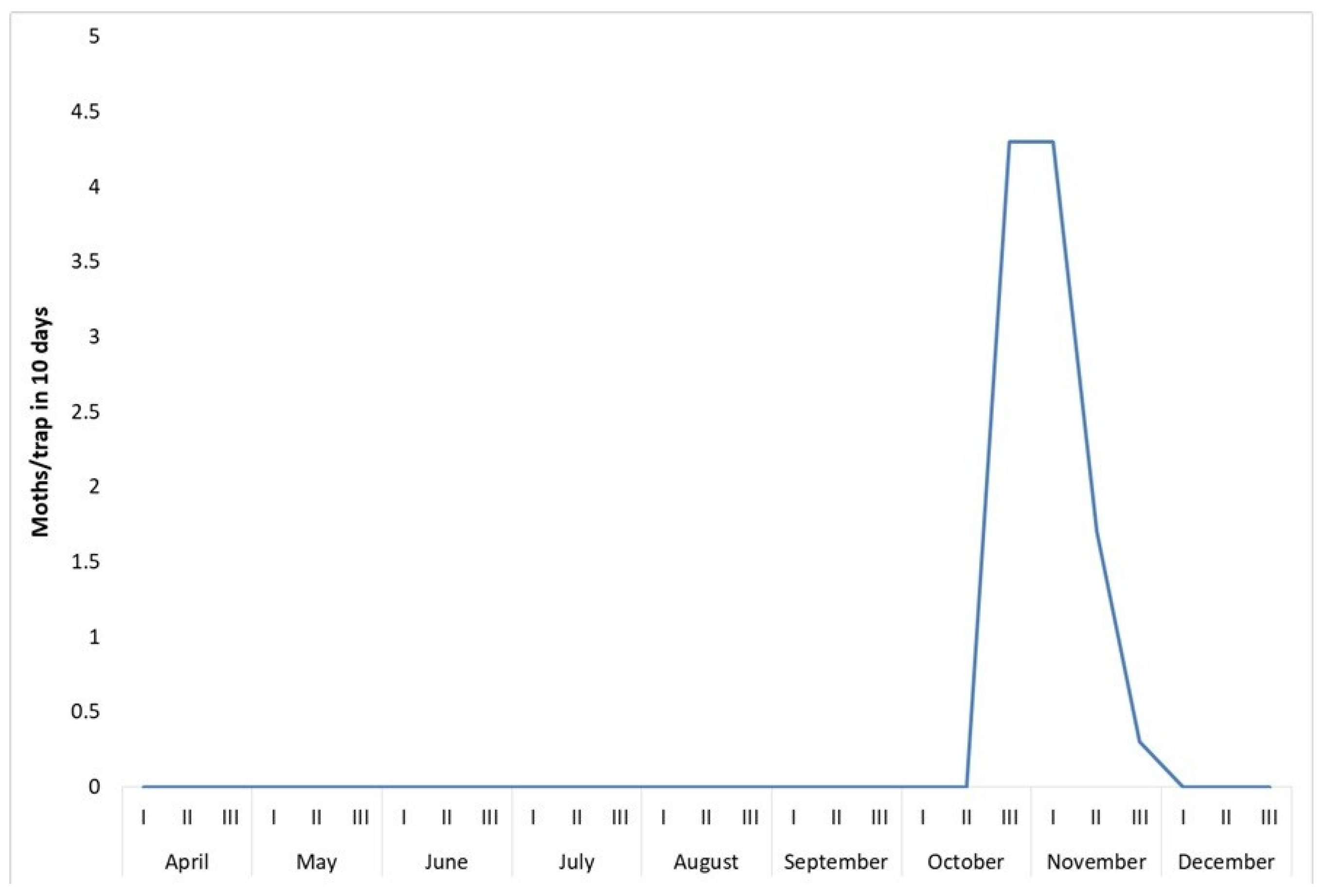
In 2023, the first capture was on 23 October. The flight peak was in the last 10 days of October and the first 10 days of November (4.3 and 4.7 moths/trap, respectively). The flight of the true armyworm continues in the middle of November, while the last capture in the traps occurred on 22 November (Figure 8). In the last 10 days of October, the maximum temperature exceeded 30 °C. In the first 10 days of November, the temperature shows a similar trend and gradually starts decreasing in the second 10 days of this month (Supplementary Materials, Figures S2-13–S2-15).
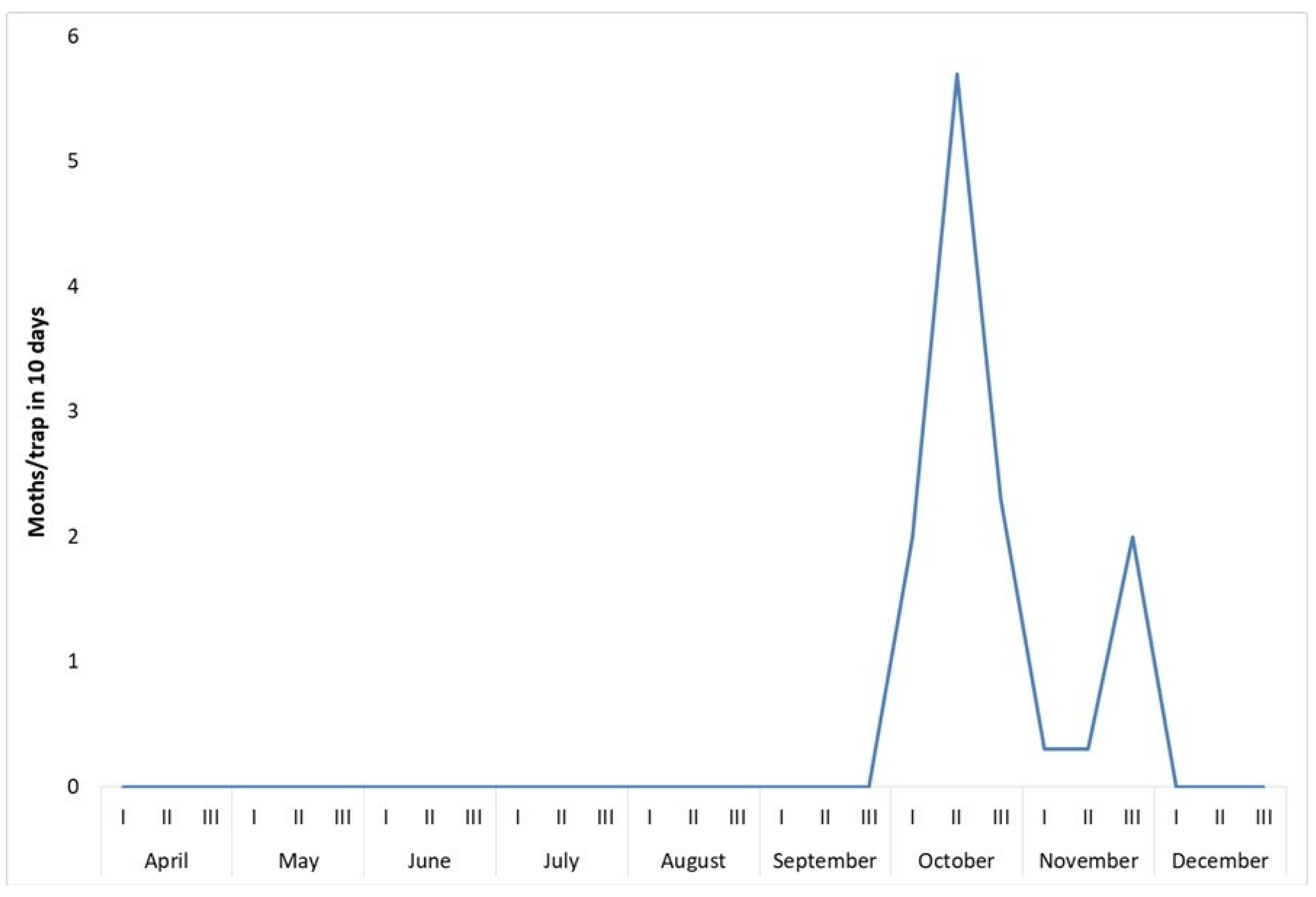
In September 2024, it registered only 4.0 mm of rainfall. In the last 10 days of October and the first 10 days of November, it has registered less rainfall. High rainfall occurred in the last 7 days of November (Supplementary Materials, Figures S2-16–S2-18). In 2024, the first capture was on 8 October. The flight peak was in the middle of October (5.7 moths/trap, respectively, Figure 9). The true armyworm flight continues in the last 10 days of October and almost all of November. However, only in the last 10 days of November were higher capture numbers recorded compared to the first 20 days of this month.
The last moth was captured in the traps on 28 November. Since the beginning of this study in 2024, the latest capture of the true armyworm moth was in late December (Figure 9). The autumn of 2024 was warmer than average in September and October.
As in previous years, temperatures begin to decrease gradually after 10 days in November (Supplementary Materials, Figures S2-19–S2-21). However, in November 2024, the minimum temperature fell below 0 °C for many days, especially in the second half of the month. In the second part of October and the first 10 days of November, there is no rainfall. Higher rainfalls occurred in the middle of November (Supplementary Materials, Figures S2-22–S2-24).
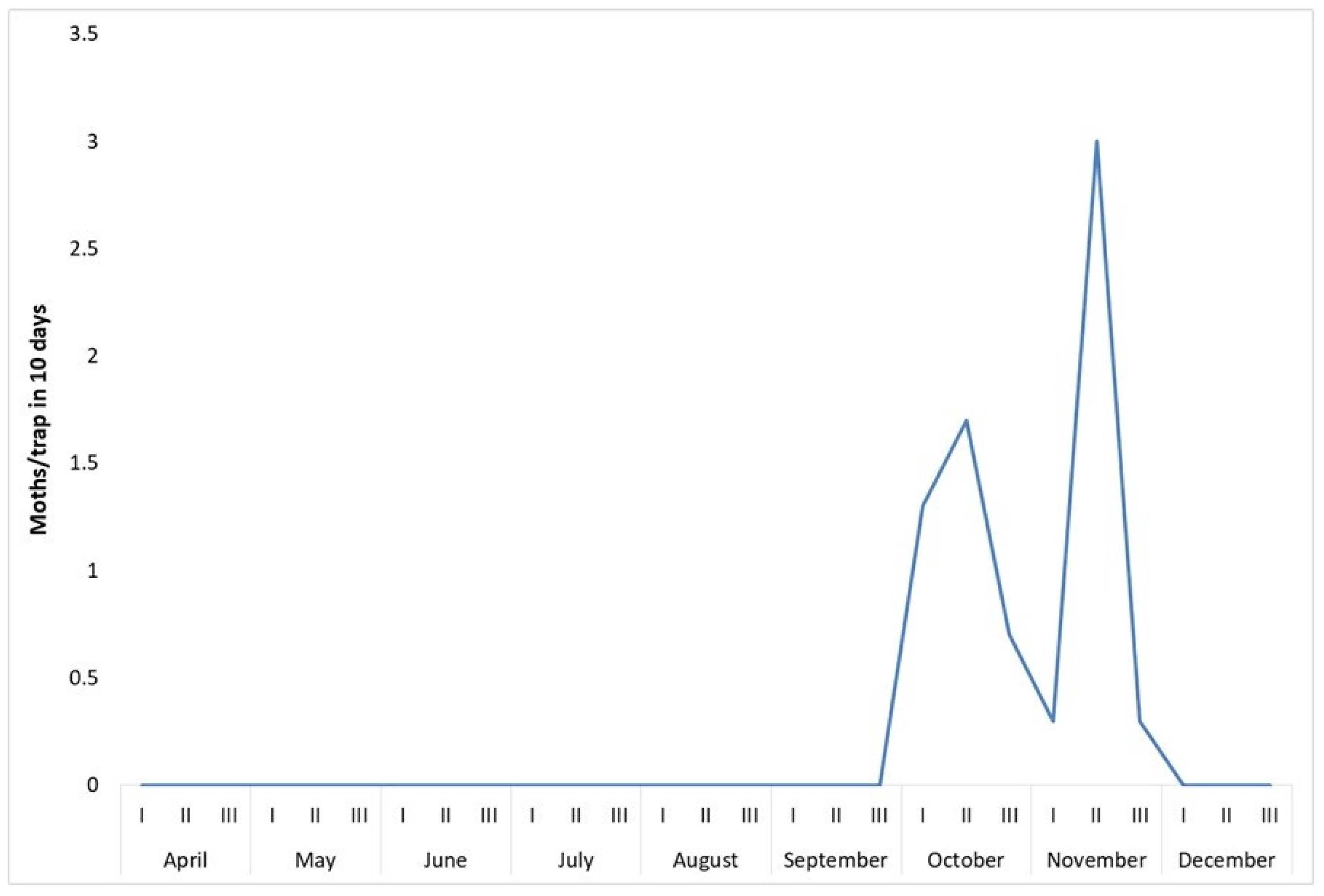
In 2025, the first capture was on 3 October. In the first 20 days of this month, it was a constant flight of true armyworm with 1.3 moths/trap in the first 10 days of October and 1.7 in the next 10 days (Figure 9). In the last 10 days of October and the first 10 days of November, there were only a few captures, while the flight peak was in the middle of November (2.0 moths/trap). The last captures in the traps were on 25 November. In the autumn of 2025, weather conditions differed from those in previous years of this study (Figure 10).
In September, temperatures fell rapidly over the last few days, while in October they fluctuated. In November, temperatures decrease after the first week, a trend similar to previous years, then increase again in the second half of the month (Supplementary Materials, Figures S2-25–S2-27). The rainfall was higher in the first 10 days of October and in November (Supplementary Materials, Figures S2-28–S2-30).
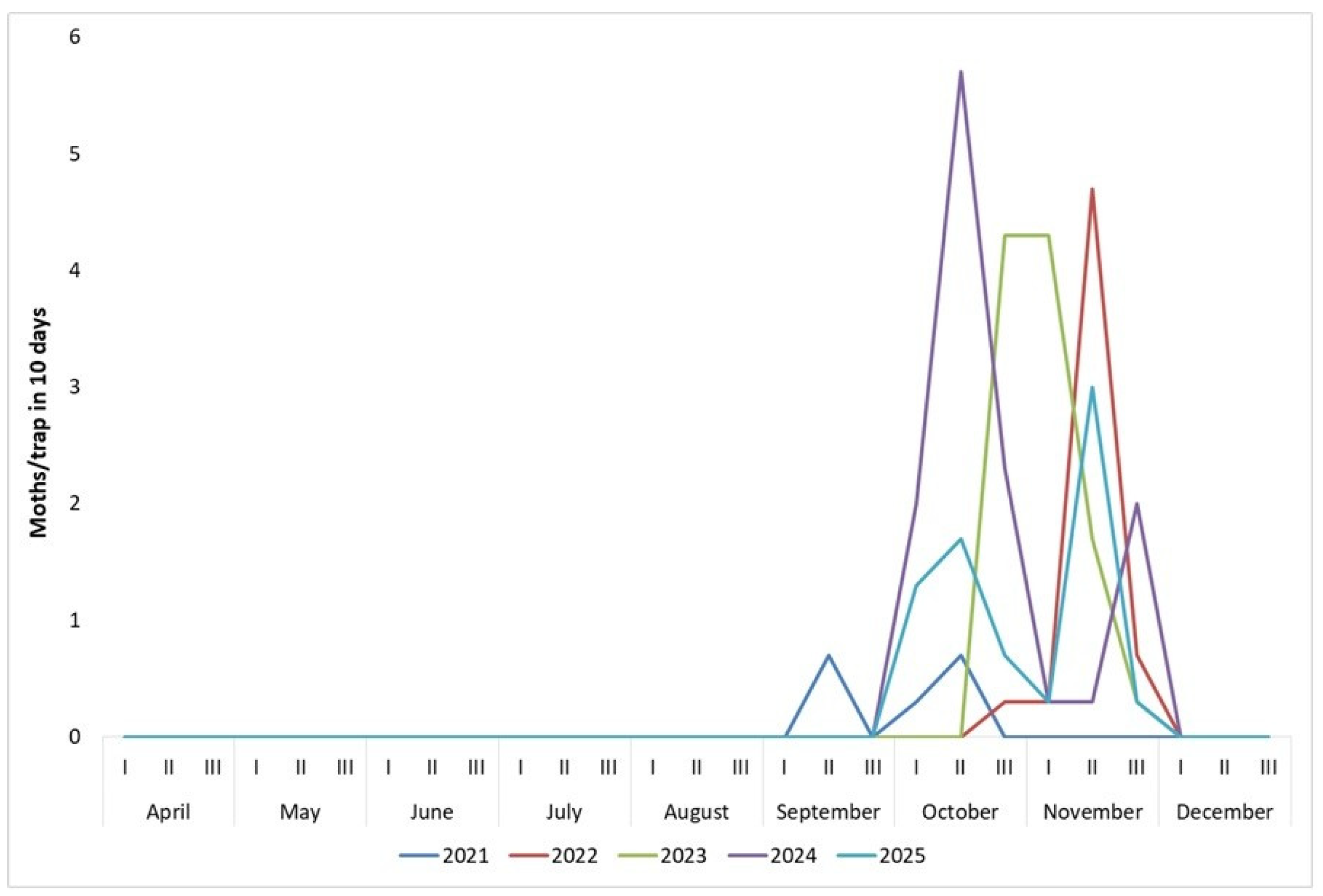
Figure 11 presents the true armyworm flight dynamics during this study. In most cases, the flight peak of this pest occurs in late autumn, in the last half of October or the first half of November.
Only in 2021, moths appeared early in the traps, but there were only a few captures all year. In the Supplementary Materials, there are pictures of true armyworm moths captured in pheromone traps or on the ground (Figures S3-2–S3-9).

3.2. True Armyworm Larvae Counting

At the maize field site at NARDI Fundulea, where true armyworm was monitored with pheromone traps, assessments were conducted to detect larvae.
In 2024, during the second half of July, August, or the first 10 days of September, no larvae were detected in the assessments conducted (Table 6). The same situation was similar in 2025 (Table 7).

4. Discussion

This is the first study in Romania on the flight dynamics of the true armyworm (M. unipuncta) in maize fields located in the southeast of this country. Our findings indicate a constant flight of the true armyworm in the autumn, especially in October and November. However, trap captures are lower than expected, indicating that the true armyworm population has not reached pest levels in southeast Romania. As a result, we consider it a minor pest without impact on the maize crop. Because the true armyworm is a polyphagous pest, it can threaten small-grain crops in the future, such as wheat or barley sown in the autumn in Romania, especially during warmer autumns. A report from Turkey showed that in 2021 and 2022, true armyworm larvae reached their first peak in August and a second peak from mid to late September [5]. In our study, we did not find larvae in the maize field site in 2024 and 2025. Further studies are necessary to elucidate whether the presence of the M. unipuncta in autumn is a result of the migrant populations or is a local population. Also, we recommend larval scouting in small-grain crops. In a study from the North American continent, stable isotope measurements in insect tissues combined with the development of tissue-specific isoscapes of modeled geographic isotope patterns, Hobsen et al. [11] demonstrate that true armyworms migrate in Ontario (Canada) from the United States in the spring, and immigrants produce a new generation in the place where they arrive. At the same time, moths captured in Texas (south of the USA) in autumn migrate from the far north. This was the first confirmation of the southward return of this species. A study from Ontario (Canada) using stable isotopes as endogenous markers confirms that M. unipuncta migrates from the southern USA to Canada in the spring and returns to the southern USA in the fall [57]. In most years, fall armyworm densities in Canada are low, but major outbreaks occur sporadically, resulting in serious economic losses [57]. Another study from Quebec (Canada) reveals that in 2018 and 2019, males migrated at the same time as females, but their abundance was smaller than that of females [58]. At the same time, females are more tolerant of cooler temperatures (10–17 °C) than warmer ones (25 °C). This can be important information, given that we found many captures in the trap in south-east Romania in November, when the maximum temperatures were below 15–20 °C. The same author noted that in some years, the true armyworm can damage maize crops, as its larvae cause significant defoliation. In Europe, there were no reports of damage from the migrant armyworm in the north. Only a few mentions are found in the literature about true armyworm moths collected during lepidoptera surveys [12,29]. There are reports of damage from Mediterranean countries in southern Europe during pest-outbreak years [25,26,59,60,61]. Hächler et Brunetti [17] report for the first time the true armyworm in the Magadino plain in Tessin, Switzerland. A few years later, the authors report an increase in this pest population due to favorable weather conditions, resulting in damage to grasslands and to maize seed culture in the spring of the following year. This was the first report of true armyworm damage to agricultural crops outside the Mediterranean region. Data from the literature reveal that higher temperatures increase pest populations and crop pest pressure [62]. Generally, lepidopteran pests of maize are favored by higher temperatures [63,64]. Global warming can alter the ecological dynamics of pests in temperate agroecosystems and magnify the economic impacts of long-distance migratory pests [65]. The increase in temperatures can extend pest migration into the northern areas. The same authors note that global warming can expand the overwintering ranges of some pest species northward. The majority of studies have concluded that yield losses occur because pest attacks increase with rising temperatures in the Northern Hemisphere [66,67,68]. A recent study demonstrates that in the last four decades, Europe has warmed more rapidly than the global mean in both winter and summer [69]. The same authors show that air temperature in Europe increased at around three times the rate of the global mean temperature in both seasons. A warmer Europe can, as a consequence, provide better conditions for pests that usually migrate from southern areas to overwinter. Continued monitoring of this pest in Romania is needed because warmer autumns may favor longer flight activity or future population increases.

5. Conclusions

In this study, from 2021 to 2025 in southeastern Romania, M. unipuncta exhibits constant flight in autumn. During this study, true armyworm populations were low and did not reach pest levels, although they remained a constant presence in the traps during autumn. This study provides recent data about this pest in southeast Romania. Further studies are necessary in additional locations across southeastern Romania to clarify whether the pest can threaten autumn crops in this country.

Supplementary Materials

The following supporting information can be downloaded at: https://www.mdpi.com/article/10.3390/agronomy16131267/s1, Figures S1-1 and S1-2: Charts with yearly temperatures and rainfalls registered at NARDI Fundulea from 1960 to 2025; Figures S2-1–S2-30: Charts with daily temperature and rainfall amount during autumn at NARDI Fundulea field site, from 2021 to 2025; Figures S3-1–S3-9: Pictures from the maize field site and Mythimna unipuncta monitoring, NARDI Fundulea.

Author Contributions

Conceptualization, E.G. and M.T.; methodology, E.G.; software, E.G. and L.C.; validation, investigation, E.G.; resources, E.G. and I.S.B.; writing—original draft preparation, E.G.; writing—review and editing, M.T. and I.S.B.; visualization, validation, data curation, H.D.; project administration, L.C.; funding acquisition, I.S.B. All authors have read and agreed to the published version of the manuscript.

Funding

This research was supported by the Ministry of Agriculture and Rural Development, Romania, through the ADER Program 2019–2022 within the project ADER 2.2.1 “Research concerning the impact of using neonicotinoid insecticides on plants and agricultural products of melliferous interest crops, bees, and hives products, and integrated pest management system elaboration of the melliferous crop pests” (contract nr. 2.2.1./27.09.2019), and the ADER Program 2023–2026 within the project ADER 2.1.5 “Fly dynamics of the Ostrinia nubilalis and Helicoverpa armigera based on classical and automated traps in the South-East area of Romania and influence of those pests concerning contamination with mycotoxins” (contract nr. 2.1.5./4.04.2024).

Data Availability Statement

The original contributions presented in this study are included in the article. Further inquiries can be directed to the corresponding author.

Acknowledgments

The authors especially thank the field technicians Loghinescu Ioana, Stoian Silvia, Radu Daniela, Cenea Daniela, Vasilescu Adrian, and tractor driver Gunică Daniel. They all work at the Plant Protection Collective, Agricultural Engineering Laboratory, of the National Agricultural Research and Development Institute in Fundulea, Romania.

Conflicts of Interest

The authors declare no conflicts of interest.

References

  1. Batallas, R.E.; Rossato, J.A.S.; Mori, B.A.; Beres, B.L.; Evenden, M.L. Influence of crop variety and fertilization on oviposition preference and larval performance of a generalist herbivore, the true armyworm, Mythimna unipuncta. Entomol. Exp. Appl. 2020, 168, 266–278. [Google Scholar] [CrossRef] [Scilit]
  2. CABI. Mythimna unipuncta (Rice Armyworm). In CABI Compendium; CABI: Wallingford, UK, 2021; p. 45094. [Google Scholar] [CrossRef] [Scilit]
  3. Falcon-Brindis, A.; Villanueva, R.T. A battle of armies: Massive attack of natural enemies to the true armyworm Mythimna unipuncta (Haworth, 1809) (Lepidoptera: Noctuidae) in forage crops. Insecta Mundi 2025, 1130, 1–13. [Google Scholar] [CrossRef] [Scilit]
  4. Bibolini, C. Appearance and injuriousness of Mythimna unipuncta Hw.(Lep.-Noctuidae) in Versilia and references to its world importance in plant pathology. Frustula Entomol. 1970, 4, 1–38. [Google Scholar]
  5. Koca, A.S.; Kaçar, G. Maize Pests and Their Natural Enemies in the North-West of Türkiye. KSU J. Agric. Nat. 2024, 27, 59–73. [Google Scholar] [CrossRef] [Scilit]
  6. Fields, P.G.; McNeil, J.N. The overwintering potential of true armyworm, Pseudaletia unipuncta (Lepidoptera: Noctuidae), populations in Quebec. Can. Entomol. 1984, 116, 1647–1652. [Google Scholar] [CrossRef] [Scilit]
  7. Anparasan, L.; Hobson, K.A.; McNeil, J.N. Effect of rearing conditions on fatty acid allocation during flight in nectivorous lepidopteran Mythimna unipuncta. Front. Ecol. Evol. 2023, 11, 1055534. [Google Scholar] [CrossRef] [Scilit]
  8. Depalo, L.; Dindo, M.L.; Eizaguirre, M. Host location and suitability of the armyworm larvae of Mythimna unipuncta for the tachinid parasitoid Exorista larvarum. BioControl 2012, 57, 471–479. [Google Scholar] [CrossRef] [Scilit]
  9. Harrison, R.L.; Mowery, J.D.; Bauchan, G.R.; Theilmann, D.A.; Erlandson, M.A. The complete genome sequence of a second alphabaculovirus from the true armyworm, Mythimna unipuncta: Implications for baculovirus phylogeny and host specificity. Virus Genes 2019, 55, 104–116. [Google Scholar] [CrossRef] [Scilit] [PubMed]
  10. Espino, L.; Grettenberger, I.; Leinfelder-Miles, M. Use of pheromone traps to monitor for armyworms, Mythimna unipuncta (Lepidoptera: Noctuidae), in California rice. J. Econ. Entomol. 2025, 118, 2348–2356. [Google Scholar] [CrossRef] [Scilit] [PubMed]
  11. Hobson, K.A.; Doward, K.; Kardynal, K.J.; Mcneil, J.N. Inferring origins of migrating insects using isoscapes: A case study using the true armyworm, Mythimna unipuncta, in North America. Ecol. Entomol. 2018, 43, 332–341. [Google Scholar] [CrossRef] [Scilit]
  12. Andersen, T.; Fjeldså, A. A record of the migrant Mythimna unipuncta (Lepidoptera, Noctuidae) in western Norway. Not. Entomol. 1983, 63, 192–194. [Google Scholar]
  13. Taylor, P.S.; Shields, E.J. Development of the Armyworm (Lepidoptera: Noctuidae) Under Fluctuating Daily Temperature Regimes. Environ. Entomol. 1990, 19, 1422–1431. [Google Scholar] [CrossRef] [Scilit]
  14. Malvar, R.A.; Revilla, P.; Velasco, P.; Cartea, M.E.; Ordás, A. Insect damage to sweet corn hybrids in the south Atlantic European coast. J. Am. Soc. Hortic. Sci. 2002, 127, 693–696. [Google Scholar] [CrossRef] [Scilit]
  15. Pérez-Hedo, M.; Reiter, D.; López, C.; Eizaguirre, M. Processing of the maize Bt toxin in the gut of Mythimna unipuncta caterpillars. Entomol. Exp. Appl. 2013, 148, 56–64. [Google Scholar] [CrossRef] [Scilit]
  16. Giudici, M.L.; Villa, B. The armyworm Mythimna unipuncta (Haworth) found on rice in Italy. In Proceedings or the Conference “Challenges and Opportunities for Sustainable Rice-Based Production Systems”, Turin, Italy, 13–15 September 2004; pp. 211–215. [Google Scholar]
  17. Hächler, H.; Brunetti, R. Appearance of a new pest, Pseudaletia (Mythimna, Cirphis) unipuncta Haw. (Lepidoptera: Noctuidae), in the Magadino plain (Ticino). Rev. Suisse d’Agric. 2002, 34, 211–215. [Google Scholar]
  18. Koca, A.S.; Kaçar, G. Monitoring of Three Major Lepidopteran Pests and Inundative Releases of Trichogramma evanescens Westwood (Hymenoptera: Trichogrammatidae) and Bracon hebetor Say. (Hymenoptera: Braconidae). J. Crop Health 2025, 77, 94. [Google Scholar] [CrossRef] [Scilit]
  19. Beshkov, S.; Plant, C.W.; Nahirnić, A.; King, A.; Jakšić, P. A contribution to knowledge of Balkan Lepidoptera: Moths collected in May–June 2018 in Austria, Slovenia, Serbia, North Macedonia and Albania. Entomol. Rec. J. Var. 2020, 132, 24–45. [Google Scholar]
  20. Willson, H.R.; Eisley, J.B. Effects of tillage and prior crop on the incidence of five key pests on Ohio corn. J. Econ. Entomol. 1992, 85, 853–859. [Google Scholar] [CrossRef] [Scilit]
  21. Junge, S.M.; Storch, J.; Finckh, M.R.; Schmidt, J.H. Developing Organic Minimum Tillage Farming Systems for Central and Northern European Conditions. In No-Till Farming Systems for Sustainable Agriculture: Challenges and Opportunities; Dang, Y., Dalal, R., Menzies, N., Eds.; Springer International Publishing: Cham, Switzerland, 2020; pp. 173–192. [Google Scholar] [CrossRef] [Scilit] [PubMed]
  22. Achankeng, E.; Cornelis, W. Conservation tillage effects on European crop yields: A meta-analysis. Field Crops Res. 2023, 298, 108967. [Google Scholar] [CrossRef] [Scilit]
  23. Jug, D.; Jug, I.; Brozović, B.; Šeremešić, S.; Dolijanović, Ž.; Zsembeli, J.; Ujj, A.; Marjanovic, J.; Smutny, V.; Dušková, S.; et al. Conservation Soil Tillage: Bridging Science and Farmer Expectations—An Overview from Southern to Northern Europe. Agriculture 2025, 15, 260. [Google Scholar] [CrossRef] [Scilit]
  24. Pérez-Hedo, M.; López, C.; Albajes, R.; Eizaguirre, M. Low susceptibility of non-target Lepidopteran maize pests to the Bt protein Cry1Ab. Bull. Entomol. Res. 2012, 102, 737–743. [Google Scholar] [CrossRef] [Scilit] [PubMed]
  25. Priesnitz, K.U.; Vaasen, A.; Gathmann, A. Baseline susceptibility of different European lepidopteran and coleopteran pests to Bt proteins expressed in Bt maize: A systematic review. Environ. Evid. 2016, 5, 27. [Google Scholar] [CrossRef] [Scilit]
  26. López, C.; Muñoz, P.; Pérez-Hedo, M.; Moralejo, M.; Eizaguirre, M. How do caterpillars cope with xenobiotics? The case of Mythimna unipuncta, a species with low susceptibility to Bt. Ann. Appl. Biol. 2017, 171, 364–375. [Google Scholar] [CrossRef] [Scilit]
  27. González-Cabrera, J.; García, M.; Hernández-Crespo, P.; Farinós, G.P.; Ortego, F.; Castañera, P. Resistance to Bt maize in Mythimna unipuncta (Lepidoptera: Noctuidae) is mediated by alteration in Cry1Ab protein activation. Insect Biochem. Mol. Biol. 2013, 43, 635–643. [Google Scholar] [CrossRef] [Scilit] [PubMed]
  28. Popescu-Gorj, A.; Drághia, I. Mythimna unipuncta Hw. en Roumanie (Lép. Noctuidae). Publ. Soc. Linn. Lyon 1964, 33, 94–95. [Google Scholar] [CrossRef] [Scilit]
  29. Székely, L.; Dincă, V.; Juhász, I. Macrolepidoptera from the steppes of Dobrogea (south-eastern Romania). Phegea 2011, 39, 85–106. [Google Scholar]
  30. Romanian Ministry of Agriculture and Rural Development Data. Available online: https://www.madr.ro/culturi-de-camp/cereale.html (accessed on 24 April 2026).
  31. Stoicea, P.; Basa, A.G.; Stoian, E.; Toma, E.; Micu, M.M.; Gidea, M.; Dobre, C.A.; Iorga, A.M.; Chiurciu, I.A. Crop Rotation Practiced by Romanian Crop Farms before the Introduction of the “Environmentally Beneficial Practices Applicable to Arable Land” Eco-Scheme. Agronomy 2023, 13, 2086. [Google Scholar] [CrossRef] [Scilit]
  32. Ghiorghe, I.A.; Turek-Rahoveanu, A. The evolution of maize cultivated area and production in Romania (2011–2021). Sci. Pap. Ser. Manag. Econ. Eng. Agric. Rural Dev. 2022, 22, 255–260. [Google Scholar]
  33. Knoema.com. Permanent Meadows and Pastures, World Data Atlas. 2022. Available online: https://knoema.com/atlas/topics/Land-Use/Permanentcrops-meadows-and-pastures/Permanent-meadowsand-pastures (accessed on 25 April 2026).
  34. Popescu, A.; Tindeche, C.; Marcuta, A.; Marcuta, L.; Hontus, A.; Stanciu, M. Land use for animal feed in Romania in the period 2013–2022. Sci. Pap. Ser. Manag. Econ. Eng. Agric. Rural Dev. 2024, 24, 799–808. [Google Scholar]
  35. Călugăr, R.E.; Varga, A.; Vana, C.D.; Ceclan, L.A.; Racz, I.; Chețan, F.; Șimon, A.; Popa, C.; Tritean, N.; Russu, F.; et al. Influence of Changing Weather on Old and New Maize Hybrids: A Case Study in Romania. Plants 2024, 13, 3322. [Google Scholar] [CrossRef] [Scilit] [PubMed]
  36. Brumă, I.S.; Tanasă, L.; Matei, D.; Doboș, S.; Păsărin, B.; Hoha, G.V. Drought-Induced Yield Decline in Maize (Zea mays) and Sunflower (Helianthus annuus) Crops a Case Study of Agricultural Vulnerability in Iași County, Romania. Rom. Agric. Res. 2025, 42, 733–753. [Google Scholar] [CrossRef] [Scilit]
  37. Barna, F.M.; Manescu, A.C. The Impact of Drought Risk on Maize Crop in Romania. Sustainability 2025, 17, 8870. [Google Scholar] [CrossRef] [Scilit]
  38. Partal, E.; Oltenacu, C.V.; Paraschivu, M.; Cotuna, O.; Dima, M.; Contescu, E.L. Effects of different soil tillage on soil moisture, weed control, yield and quality of maize (Zea mays L.). Rom. Agric. Res. 2023, 40, 473–482. [Google Scholar] [CrossRef] [Scilit]
  39. Chețan, F.; Rusu, T.; Chețan, C.; Șimon, A.; Vălean, A.-M.; Ceclan, A.O.; Bărdaș, M.; Tărău, A. Application of Unconventional Tillage Systems to Maize Cultivation and Measures for Rational Use of Agricultural Lands. Land 2023, 12, 2046. [Google Scholar] [CrossRef] [Scilit]
  40. Bogdan, C.; Ranta, O.; Ghețe, A.B.; Marian, O.; Andraș, I.G.C. A Romanian Standpoint on Minimum Tillage Soil System and Prospects for an Sustainable Agriculture: A Review. In Farm Machinery and Processes Management in Sustainable Agriculture; Lecture Notes in Civil Engineering; Lorencowicz, E., Huyghebaert, B., Uziak, J., Eds.; Springer: Cham, Switzerland, 2024; Volume 609. [Google Scholar] [CrossRef] [Scilit]
  41. Anghel, A.; Burtan, L.; Calciu, I. The Impact of Different Soil Tillage Systems on the Physical Characteristics of Soils in the Context of Current Climate Change. Rom. Agric. Res. 2026, 43, 205–214. [Google Scholar] [CrossRef] [Scilit]
  42. Bărbulescu, A.; Voinescu, I.; Sadagorschi, D.; Penescu, A.; Popov, C.; Vasilescu, S. CRUISER 350 FS—A new product for maize and sunflower seed treatment against Tanymecus dilaticollis Gyll. Rom. Agric. Res. 2001, 15, 77–87. [Google Scholar]
  43. Georgescu, E.; Toader, M.; Cană, L.; Horhocea, D.; Manole, T.; Zaharia, R.; Rîșnoveanu, L. Researches concerning the effectiveness of the maize foliar treatment compared with seeds treatment for chemical control of the maize leaf weevil (Tanymecus dilaticollis Gyll) in the south-east of Romania. Rom. Agric. Res. 2021, 38, 357–369. [Google Scholar] [CrossRef] [Scilit]
  44. Traşcă, F.; Traşcă, G.; Podea, M.M.; Ghiorghe, C.; Dinuță, C.I.; Gheorhe, R.M.; Georgescu, E.I. Damages and integrated control possibilities of wire worms in corn crops, in the area of subcarpatic hills. Analele INCDA Fundulea 2021, 89, 191–200. [Google Scholar]
  45. Pintilie, P.L.; Trotuș, E.; Tălmaciu, N.; Irimia, L.M.; Herea, M.; Mocanu, I.; Amarghioalei, R.G.; Popa, L.D.; Tălmaciu, M. European Corn Borer (Ostrinia nubilalis Hbn.) Bioecology in Eastern Romania. Insects 2023, 14, 738. [Google Scholar] [CrossRef] [Scilit] [PubMed]
  46. Tărău, A.D.; Urdă, C.; Vălean, A.M.; Şopterean, L.; Suciu, L.; Șimon, A.; Russu, F.; Varga, A.; Călugăr, R. The Impact of the Sowing Time on the European corn borer (Ostrinia nubilalis Hubner) Attack on Some Romanian Maize Hybrids. Rom. Agric. Res. 2025, 42, 215–223. [Google Scholar] [CrossRef] [Scilit]
  47. Amarghioalei, R.-G.; Tălmaciu, N.; Herea, M.; Mocanu, I.; Pintilie, P.-L.; Pintilie, A.-S.; Trotuș, E.; Tălmaciu, M. Chemical Control of Western Corn Rootworm (Diabrotica virgifera virgifera Le Conte, Coleoptera: Chrysomelidae) in Eastern Romania. Insects 2025, 16, 293. [Google Scholar] [CrossRef] [Scilit] [PubMed]
  48. Purice, D.M.; Grozea, I. Field Comparison of Manual and Automated Trapping Systems for Monitoring Diabrotica virgifera virgifera adults in Maize. Agriculture 2026, 16, 96. [Google Scholar] [CrossRef] [Scilit]
  49. Georgescu, E.; Toader, M.; Brumă, I.S.; Cană, L.; Rîșnoveanu, L.; Pintilie, P.-L.; Amarghioalei, R.-G.; Crețu, A.; Cionga, C.; Radu, C.; et al. Maize Under Pressure: Spread of Helicoverpa armigera into Romanian Agroecosystems. Agronomy 2025, 15, 1306. [Google Scholar] [CrossRef] [Scilit]
  50. Cean, M.; Taddei, A.; Gottsberger, R.A.; Reisenzein, H.; Georgescu, E.I.V. First report of the fall armyworm Spodoptera frugiperda (JE Smith, 1797) in Romania. EPPO Bull. 2024, 54, 212–216. [Google Scholar] [CrossRef] [Scilit]
  51. National Agricultural Research and Development Institute, General Information. Available online: https://www.incda-fundulea.ro/informatii_en.htm (accessed on 27 April 2026).
  52. Mimić, G.; Podraščanin, Z.; Basarin, B. Change detection of the Köppen climate zones in Southeastern Europe. Atmos. Sci. Lett. 2024, 25, e1270. [Google Scholar] [CrossRef] [Scilit]
  53. Horhocea, D.; Martura, T.; Iordan, H.L.; Bãduț, C.; Ciocãzanu, I. Felix, a new semi-late maize hybrid released by the NARDI Fundulea. Analele INCDA Fundulea [Analele Inst. Națl. Cercet.-Dezvoltare Agric. Fundulea] 2019, 87, 57–80. Available online: https://www.incda-fundulea.ro/anale/anale87.html (accessed on 27 April 2026).
  54. Horhocea, D.; Petcu, E.; Iordan, H.; Ciontu, C. Evaluation of New Maize Genotypes for Seed Yield Potential and Stability. Rom. Agric. Res. 2024, 41, 489–496. [Google Scholar] [CrossRef] [Scilit]
  55. Csalomon, Cotton Bollworm–True Armyworm (White-Speck Wainscot) Mythimna (Pseudaletia) unipuncta Haw. Available online: https://www.csalomontraps.com/ (accessed on 28 April 2026).
  56. Gylling Data Management Inc. ARM 2022® GDM Software, revision 9.2022.5 (B = 28627); Gylling Data Management Inc.: Brookings, SD, USA, 2022. [Google Scholar]
  57. Doward, K. Migratory Movements of the True Armyworm (Mythimna unipuncta) (Haworth): An Investigation Using Naturally Occurring Stable Hydrogen Isotopes. Master’s Thesis, The University of Western Ontario, London, ON, Canada, 2018; p. 16. Available online: https://www.proquest.com/openview/ea2778fbf3ec1b0dc99894b5df995899/1?pq-origsite=gscholar&cbl=18750&diss=y (accessed on 28 April 2026).
  58. Lemaire-Hamel, S.; Neau, M.; McCune, F.; Fournier, V.; Saguez, J. Armyworm (Lepidoptera: Noctuidae) in the province of Quebec, Canada: Trapping, sex ratios, and female reproductive status. Can. Entomol. 2025, 157, e15. [Google Scholar] [CrossRef] [Scilit]
  59. López, C.; Sans, A.; Eizaguirre, M. Vuelos de la defoliadora de maíz, pastos y céspedes, Mythimna (Pseudaletia) unipuncta (Haworth) en la zona de Lleida. Bol. Sanid. Veg. Plagas 2000, 26, 255–259. [Google Scholar]
  60. Jiménez-Galindo, J.C.; Álvarez-Iglesias, L.; Malvar, R.A.; Revilla, P. Protective Effects of Resistant Beans on Maize Damage by Mythimna unipuncta and Sitotroga cerealella. Plant 2018, 6, 38–42. [Google Scholar] [CrossRef] [Scilit]
  61. Ozdemir, N.; Uzunali, S. Noctuid Species Causing Damage to Maize in Turkey1. EPPO Bull. 1981, 11, 97–99. [Google Scholar] [CrossRef] [Scilit]
  62. Quarles, W. Global warming means more pests. IPM Pract. 2007, 29, 1–8. [Google Scholar]
  63. Diffenbaugh, N.S.; Krupke, C.H.; White, M.A.; Alexander, C.E. Global warming presents new challenges for maize pest management. Environ. Res. Lett. 2008, 3, 044007. [Google Scholar] [CrossRef] [Scilit]
  64. Deutsch, C.A.; Tewksbury, J.J.; Tigchelaar, M.; Battisti, D.S.; Merrill, S.C.; Huey, R.B.; Naylor, R.L. Increase in crop losses to insect pests in a warming climate. Science 2018, 361, 916–919. [Google Scholar] [CrossRef] [Scilit] [PubMed]
  65. Zeng, J.; Liu, Y.; Zhang, H.; Liu, J.; Jiang, Y.; Wyckhuys, K.A.; Wu, K. Global warming modifies long-distance migration of an agricultural insect pest. J. Pest Sci. 2020, 93, 569–581. [Google Scholar] [CrossRef] [Scilit]
  66. Song, Y.; Linderholm, H.W.; Luo, Y.; Xu, J.; Zhou, G. Climatic Causes of Maize Production Loss under Global Warming in Northeast China. Sustainability 2020, 12, 7829. [Google Scholar] [CrossRef] [Scilit]
  67. Skendžić, S.; Zovko, M.; Živković, I.P.; Lešić, V.; Lemić, D. The Impact of Climate Change on Agricultural Insect Pests. Insects 2021, 12, 440. [Google Scholar] [CrossRef] [Scilit] [PubMed]
  68. Chaya, M.; Xiang, T. Impact of climate change on pests of wheat and maize. CABI Rev. 2026, 21, 0016. [Google Scholar] [CrossRef] [Scilit]
  69. Dong, B.; Sutton, R.T. Drivers and mechanisms contributing to excess warming in Europe during recent decades. npj Clim. Atmos. Sci. 2025, 8, 41. [Google Scholar] [CrossRef] [Scilit]
Figure 1. Field site, image drone (2024).
Agronomy 16 01267 g001
Figure 2. Position of the NARDI Fundulea field site in south-east Romania.
Agronomy 16 01267 g002
Figure 3. Temperature deviation from the average at NARDI Fundulea, in the fall, from 2021 to 2025.
Agronomy 16 01267 g003
Figure 4. Rainfall deviation from the average at NARDI Fundulea, in the fall, from 2021 to 2025.
Agronomy 16 01267 g004
Figure 5. The total number of true armyworm moths from the traps during one year in the maize field site, NARDI Fundulea.
Agronomy 16 01267 g005
Figure 6. M. unipuncta flight dynamics at the field site from NARDI Fundulea in 2021.
Agronomy 16 01267 g006
Figure 7. M. unipuncta flight dynamics at the field site from NARDI Fundulea in 2022.
Agronomy 16 01267 g007
Figure 8. M. unipuncta flight dynamics at the field site from NARDI Fundulea in 2023.
Agronomy 16 01267 g008
Figure 9. M. unipuncta flight dynamics at the field site from NARDI Fundulea in 2024.
Agronomy 16 01267 g009
Figure 10. M. unipuncta flight dynamics at the field site from NARDI Fundulea in 2025.
Agronomy 16 01267 g010
Figure 11. M. unipuncta flight dynamics at the field site from NARDI Fundulea, between 2021 and 2025.
Agronomy 16 01267 g011
Table 1. Temperature and rainfall multiyear averages at NARDI Fundulea meteorological station.
YearMultiyear Average (50 Years)
(°C)
Rainfall 50-Year Average
(mm)
January−2.431.5
February−0.432.0
March4.937.4
April11.345.1
May17.062.5
June20.874.9
July22.771.1
August22.349.7
September17.548.5
October11.342.3
November5.442.0
December0.045.7
Average temperature10.9 °CSum 582.7 mm
Table 2. Data on maize sowing, emergence, and harvest at the field site where Mythimna unipuncta were monitored.
YearSowingEmergenceHarvest
20217 May15 May5 October
20223 May10 May4 October
20235 May12 May22 September
202414 May21 May31 October
20255 May15 May29 September
Table 3. Maize hybrids in the field site where M. unipuncta were monitored.
YearHybridFAOProducer
2021F423470NARDI Fundulea
2022Iezer475NARDI Fundulea
2023Iezer475NARDI Fundulea
2024Felix460NARDI Fundulea
2025Felix460NARDI Fundulea
Table 4. M. unipuncta average number of moths/trap, in the at the field site from NARDI Fundulea, between 2021 and 2025.
MonthYear
2021
Year
2022
Year
2023
Year
2024
Year
2025
Number of Moths/Trap
AprilI0 ± 0 a0 ± 0 b0 ± 0 c0 ± 0 c0 ± 0 c
II0 ± 0 a0 ± 0 b0 ± 0 c0 ± 0 c0 ± 0 c
III0 ± 0 a0 ± 0 b0 ± 0 c0 ± 0 c0 ± 0 c
MayI0 ± 0 a0 ± 0 b0 ± 0 c0 ± 0 c0 ± 0 c
II0 ± 0 a0 ± 0 b0 ± 0 c0 ± 0 c0 ± 0 c
III0 ± 0 a0 ± 0 b0 ± 0 c0 ± 0 c0 ± 0 c
JuneI0 ± 0 a0 ± 0 b0 ± 0 c0 ± 0 c0 ± 0 c
II0 ± 0 a0 ± 0 b0 ± 0 c0 ± 0 c0 ± 0 c
III0 ± 0 a0 ± 0 b0 ± 0 c0 ± 0 c0 ± 0 c
JulyI0 ± 0 a0 ± 0 b0 ± 0 c0 ± 0 c0 ± 0 c
II0 ± 0 a0 ± 0 b0 ± 0 c0 ± 0 c0 ± 0 c
III0 ± 0 a0 ± 0 b0 ± 0 c0 ± 0 c0 ± 0 c
AugustI0 ± 0 a0 ± 0 b0 ± 0 c0 ± 0 c0 ± 0 c
II0 ± 0 a0 ± 0 b0 ± 0 c0 ± 0 c0 ± 0 c
III0 ± 0 a0 ± 0 b0 ± 0 c0 ± 0 c0 ± 0 c
SeptemberI0 ± 0 a0 ± 0 b0 ± 0 c0 ± 0 c0 ± 0 c
II0.7 ± 0.2 a0 ± 0 b0 ± 0 c0 ± 0 c0 ± 0 c
III0 ± 0 a0 ± 0 b0 ± 0 c0 ± 0 c0 ± 0 c
OctoberI0.3 ± 0.2 a0 ± 0 b0 ± 0 c2.0 ± 2.1 ab1.3 ± 0.1 abc
II0.7 ± 0.2 a0 ± 0 b0 ± 0 c5.7 ± 1.9 a1.7 ± 0.2 ab
III0 ± 0 a0.3 ± 0.6 b4.3 ± 0.1 a2.3 ± 2.4 a0.7 ± 0.2 bc
NovemberI0 ± 0 a0.3 ± 0.6 b4.3 ± 0.1 a0.3 ± 3.5 bc0.3 ± 0.2 bc
II0 ± 0 a4.7 ± 2.5 a1.7 ± 0.2 b0.3 ± 3.3 bc3.0 ± 0.1 a
III0 ± 0 a0.7 ± 0.6 b0.3 ± 0.2 c2.0 ± 2.1 ab0.3 ± 0.2 bc
DecemberI0 ± 0 a0 ± 0 b0 ± 0 c0 ± 0 c0 ± 0 c
II0 ± 0 a0 ± 0 b0 ± 0 c0 ± 0 c0 ± 0 c
III0 ± 0 a0 ± 0 b0 ± 0 c0 ± 0 c0 ± 0 c
Tukey’s HSD (p = 0.05)0.762.631.172.041.76
Standard deviation (SD)0.100.910.102.240.13
Variation coefficient (CV)176.21135.7845.7048.1067.14
Means followed by the same letter do not significantly differ (p = 0.05, Tukey’s HSD).
Table 5. M. unipuncta, data of first and last captures in the traps at the field site NARDI Fundulea, from 2021 to 2025.
YearFirst CaptureLast Capture
202121 September27 October
202231 October25 November
202323 October22 November
20248 October28 November
20253 October25 November
Table 6. The number of M. unipuncta larvae on maize plants, NARDI Fundulea field site 2024.
Nr. crt.Assessment DataNumber of Larvae/Plant
115 July0
223 July0
32 August0
414 August0
510 September0
Table 7. The number of M. unipuncta larvae on maize plants, NARDI Fundulea field site 2025.
Nr. crt.Assessment DataNumber of Larvae/Plant
111 July0
218 July0
31 August0
418 August0
59 September0
Disclaimer/Publisher’s Note: The statements, opinions and data contained in all publications are solely those of the individual author(s) and contributor(s) and not of MDPI and/or the editor(s). MDPI and/or the editor(s) disclaim responsibility for any injury to people or property resulting from any ideas, methods, instructions or products referred to in the content.