Article

Developmental Dynamics of Anthocyanin and Carotenoid Accumulation and Associated Gene Expression in Two Red-Fleshed Apple Cultivars


1
Apple Research Center, National Institute of Horticultural and Herbal Science, Rural Development Administration, Daegu 43100, Republic of Korea
2
Department of Horticulture & Life Science, Yeungnam University, Gyeongsan 38541, Republic of Korea
3
Vegetable Research Division, National Institute of Horticultural and Herbal Science, Rural Development Administration, Wanju-gun 55365, Republic of Korea
*
Authors to whom correspondence should be addressed.
These authors are co-first authors of this work.
Agronomy 2026, 16(13), 1243; https://doi.org/10.3390/agronomy16131243 (registering DOI)
Submission received: 31 May 2026 / Revised: 24 June 2026 / Accepted: 24 June 2026 / Published: 26 June 2026

Abstract

Fruit color, a key quality trait in apples, is primarily determined by anthocyanin and carotenoid accumulation. Although the regulation of pigmentation in red-skinned apples has been extensively investigated, comparative information regarding pigment dynamics in red-fleshed cultivars during fruit development remains limited. In this study, two red-fleshed apple cultivars, ‘Okanagan’ and ‘Pink Wood,’ were examined at five developmental stages, 30, 60, 90, and 120 days after full bloom (DAFB), and at harvest (135 DAFB), to evaluate changes in peel and flesh coloration, pigment accumulation, and expression of genes associated with anthocyanin and carotenoid biosynthesis. Both cultivars exhibited peak peel redness during early fruit development. The peel anthocyanin concentration was highest at 30 DAFB. Anthocyanin accumulation in flesh tissues was comparatively low but increased slightly during later stages. Transcripts of anthocyanin pathway genes and the regulatory transcription factor MdMYB10 were abundant in peel tissues during the early stages. Strong positive correlations were observed between anthocyanin-associated gene expression, peel and flesh redness (a*), and anthocyanin concentration. ‘Pink Wood’ exhibited stronger red pigmentation in flesh tissues at harvest. These findings provide comparative insights into the cultivar-dependent mechanisms regulating fruit coloration in red-fleshed apples, and may support breeding strategies targeting enhanced visual and nutritional quality.

1. Introduction

Apple (Malus domestica Borkh.) is an extensively cultivated fruit crop worldwide, with its external appearance being a primary determinant of market value and consumer preference [1]. Fruit color is a key visual attribute that notably influences consumer purchasing decisions and is frequently associated with ripeness, flavor perception, and nutritional quality [2,3]. The coloration of apples is primarily influenced by the accumulation of anthocyanins, resulting in red-to-purple hues, and carotenoids, which produce the orange coloration [4,5,6].
Most commercial apple cultivars have pigmentation that is predominantly present in the peel. In contrast, red-fleshed genotypes accumulate pigments in the skin, as well as within the internal tissues (flesh), making them attractive specialty fruits with added commercial value [7,8]. Red-fleshed apples have also attracted increasing interest owing to the presence of anthocyanins, which exhibit antioxidant properties and may have health-promoting effects, including protection against oxidative stress and inflammation [9].
Anthocyanin biosynthesis in apples proceeds via the phenylpropanoid and flavonoid pathways and involves the coordinated activity of several structural genes, including phenylalanine ammonia-lyase (PAL), chalcone synthase (CHS), chalcone isomerase (CHI), flavanone 3-hydroxylase (F3H), dihydroflavonol 4-reductase (DFR), anthocyanidin synthase (ANS), and UDP-glucose: flavonoid 3-O-glucosyltransferase (UFGT). Transcription factors regulate the expression of these genes, with MdMYB10 identified as a key activator of red pigmentation in apple peel and flesh. Differences in the timing, intensity, and tissue specificity of the expression of MdMYB10 are key determinants of color variation among cultivars [10,11].
Carotenoids are synthesized via the isoprenoid pathway beginning with geranylgeranyl pyrophosphate (GGPPS) and involving enzymes such as phytoene synthase (PSY), phytoene desaturase (PDS), ζ-carotene desaturase (ZDS), carotenoid isomerases, lycopene cyclases, and hydroxylases. In apples, carotenoid accumulation is influenced by genotype, light exposure, and developmental stage [12]. Although anthocyanins are regarded as the principal pigments responsible for red coloration in red-fleshed apples, carotenoids may also influence the underlying coloration and overall visual appearance [12,13].
Pigmentation is highly dynamic during fruit development. Anthocyanin accumulation in apple peels frequently occurs during early growth, declines during rapid fruit enlargement, and may increase again as the fruit approaches maturity [1,3,13]. In red-fleshed cultivars, flesh coloration typically intensifies during later developmental stages and is closely associated with increased MdMYB10 expression levels [10,13]. However, most studies have focused on single cultivars or specific tissues, and comparative analyses integrating peel and flesh pigmentation across multiple developmental stages remain limited.
A comprehensive understanding of temporal pigment accumulation and the associated gene regulation in red-fleshed apples is particularly valuable for breeding programs focused on improving both appearance and nutritional quality. Therefore, in this study, we compared two red-fleshed apple cultivars, ‘Okanagan’ and ‘Pink Wood,’ at five stages of fruit development. This study aimed to: (i) characterize changes in peel and flesh coloration; (ii) quantify anthocyanin and β-carotene accumulation; (iii) examine the expression patterns of genes related to anthocyanin and carotenoid biosynthesis; and (iv) identify relationships among pigment concentration, gene expression, and color parameters. These results provide new insights into the cultivar-specific regulatory patterns underlying coloration in red-fleshed apples. We hypothesized that the two cultivars would have differences in timing and magnitude of anthocyanin gene activation in flesh tissues, where the cultivar with darker flesh coloration would have increased MdMYB10 and other genes involved in biosynthesis expression.

2. Materials and Methods

2.1. Plant Materials and Fruit Sampling

The fruit samples were collected from two red-fleshed apple (Malus domestica Borkh.) cultivars, ‘Okanagan’ and ‘Pink Wood,’ grown at the Apple Research Center, National Institute of Horticultural and Herbal Science, Daegu, Republic of Korea (Figure 1). The trees were grafted onto M.9 rootstock and maintained under standard orchard management practices. The trees selected for the multiyear fruit quality survey were between 3 and 6 years old during the experimental period (2022–2025). Full bloom occurred on April 14, and a commercial harvest was conducted on August 30 (135 days after full bloom [DAFB]). Fruits were sampled at five developmental stages (30, 60, 90, 120, and 135 DAFB). At each stage, 15 fruits were randomly collected from multiple trees of each cultivar, and three biological replicates were prepared. Immediately following harvest, the fruits were used to measure growth, color, and quality traits. For molecular and biochemical analyses, peel and flesh tissues collected during the 2025 season were separated, frozen immediately in liquid nitrogen, and stored at −80 °C until use.

2.2. Measurement of Fruit Growth and Quality Attributes

Fresh fruit weight was determined using a digital balance. Fruit length (vertical diameter) and width (horizontal diameter) were measured using a digital caliper, and the length-to-diameter (L/D) ratio was calculated. Fruit firmness was measured at three equatorial positions after peel removal using a penetrometer (TR Turoni, Forlì, Italy) equipped with a Ø8 mm plunger. The soluble solid content (SSC) and titratable acidity (TA) of the juice extracted from each fruit sample were determined. The SSC was measured using a digital refractometer (PAL-1; Atago, Tokyo, Japan) and expressed as °Brix. TA was determined by titration with 0.1 N NaOH to pH 8.1 and expressed as percentage malic acid equivalents [14].

2.3. Fruit Color Measurement

The collected fruits were surface-cleaned with wet coarse cotton to remove dirt, waxy films, and moisture. The fruit peel color was measured at three equatorial positions per fruit using a chroma meter (CR-400; Konica Minolta, Tokyo, Japan) [13]. Color values were recorded as CIE L* (lightness), a* (redness/greenness), and b* (yellowness/blueness). Flesh color was measured at three random positions on freshly cut transverse sections using the same instrument.

2.4. RNA Extraction and Quantification of Gene Expression Analysis

The freeze-dried peel and flesh tissues were ground into a fine powder in liquid nitrogen using a grinder. The total RNA was extracted using cetyltrimethylammonium bromide (CTAB). RNA concentration and purity were assessed using a NanoDrop spectrophotometer, and RNA integrity was verified using agarose gel electrophoresis. Residual genomic DNA was removed using a TURBO DNA-free kit (Invitrogen, Carlsbad, CA, USA), according to the manufacturer’s instructions. First-strand cDNA was synthesized from 1.0 μg of total RNA using a PrimeScript™ 1st Strand cDNA Synthesis Kit (Takara, Kusatsu, Japan) with oligo(dT) primers according to the manufacturer’s instructions. Quantitative real-time PCR (qRT-PCR) was performed using LightCycler 480 SYBR Green I Master Mix (Roche, Basel, Switzerland) on a LightCycler 480 II system (Roche Diagnostics, Mannheim, Germany) under running conditions as previously described [14]. The apple reference gene MDP0000336547 was used for normalization. Relative transcript abundance was calculated using the 2−ΔΔCt method. Three biological replicates were analyzed for each treatment, and technical replicates were performed for each sample. The primer sequences used for anthocyanin- and carotenoid-related genes are listed inTables S1 and S2, respectively.

2.5. Quantification of Anthocyanin and Carotenoid Content

Total anthocyanin content was quantified using the pH differential method, as previously described [13]. Briefly, extracts were prepared in acidified ethanol (1% HCl, v/v) at pH 1.0 and 4.5, and the absorbance was measured at 510 and 700 nm. Anthocyanin content was calculated using the formula as previously described [15]: Anthocyanin = (Absorbance × MW × 1000)/(ε × C), where absorbance = (A520 − A700)pH1.0 − (A520 − A700)pH4.5, molar absorptivity (ε) is 26,900, molecular weight (MW) is 449.2 g/mol, and C is the concentration of buffer. The results are expressed as cyanidin-3-glucoside equivalents (μg/g fresh weight, FW).
Carotenoids were extracted from the peel and flesh according to previously established procedures [12]. Briefly, approximately 0.5 g of freeze-dried tissue samples were ground into a fine powder and subjected to saponification with 3% pyrogallol and 60% KOH at 70 °C. Carotenoids were subsequently extracted multiple times using a hexane:ethyl acetate mixture, and the combined supernatants were concentrated under nitrogen gas. After extraction and centrifugation, the supernatant was filtered and injected into an HPLC system (Shiseido SP3202; Tokyo, Japan). The detection was performed at 450 nm. β-Carotene was identified by comparison of retention time and absorption spectra with authentic standards. The results are expressed as μg/g FW.

2.6. Statistical Analysis

All data are presented as mean ± standard deviation (SD) from three independent biological replicates. Differences among developmental stages within each cultivar were analyzed using a one-way analysis of variance (ANOVA), followed by Tukey’s honest significant difference (HSD) test at p < 0.05, using IBM SPSS Statistics (Version 26, IBM Corp., Armonk, NY, USA). For multiyear fruit quality data, differences among annual means were evaluated using Tukey’s HSD test (p < 0.05). Relationships between color parameters, pigment concentrations, and gene expression levels were evaluated using Pearson’s correlation coefficients (r) in Microsoft Excel (Microsoft Corp., Redmond, WA, USA), and correlation heatmaps were visualized using MetaboAnalyst 6.0.

3. Results

3.1. Fruit Growth and Quality Characteristics During Development

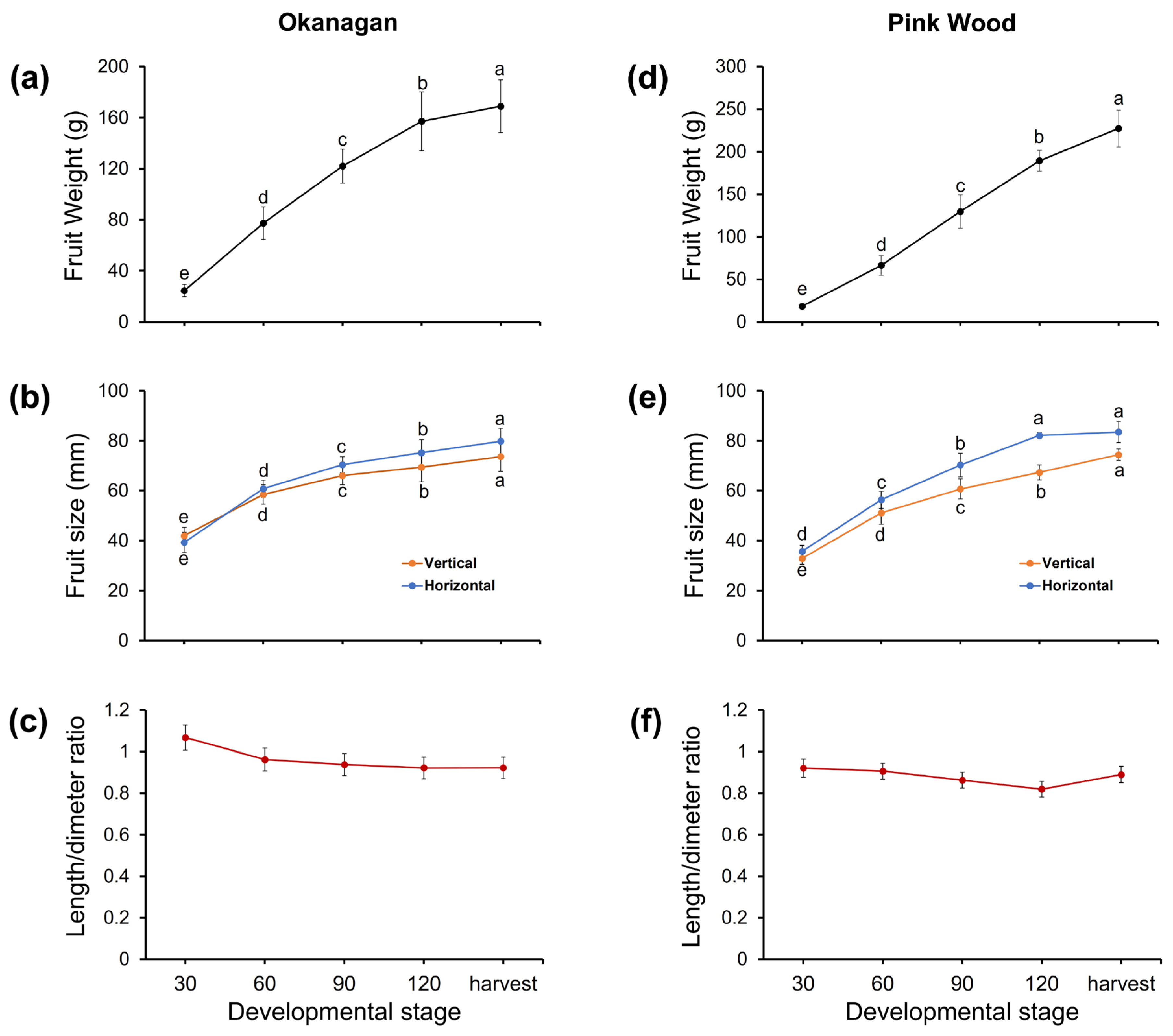
Both cultivars exhibited a continuous increase in fruit weight and size from 30 DAFB until harvest (Figure 2). In ‘Okanagan,’ fruit weight increased progressively from approximately 20 g at 30 DAFB to 165 g at harvest, whereas fruit length and diameter reached approximately 75 and 80 mm, respectively (Figure 2a,b). ‘Pink Wood’ exhibited a stronger growth response, with fruit weight increasing from approximately 15 to 230 g over the same period. The final fruit dimensions of ‘Pink Wood’ were also greater than those of ‘Okanagan,’ reaching approximately 75 mm in length and 83 mm in diameter (Figure 2d,e). The length-to-diameter (L/D) ratio gradually decreased in both cultivars as development progressed, indicating a shift toward a more rounded or slightly flattened fruit shape at maturity. Multiyear observations (2022–2025) further confirmed the cultivar differences in fruit size at harvest (Table 1). ‘Pink Wood’ consistently produced significantly heavier and larger fruits than those of ‘Okanagan’ in all years (p < 0.05). Fruit weight increased with tree age in both cultivars, suggesting an effect of orchard establishment and tree maturation.
The harvest quality traits are summarized in Table 1. Fruit firmness remained relatively stable over the years for both cultivars. The soluble solids content ranged from 11.2 to 11.5 °Brix in ‘Okanagan’ and from 11.7 to 12.1 °Brix in ‘Pink Wood.’ Titratable acidity was higher in ‘Okanagan’ (0.90–1.03%) than in ‘Pink Wood’ (0.77–0.86%), indicating that ‘Pink Wood’ may provide a comparatively milder taste profile.

3.2. Changes in Peel and Flesh Color During Fruit Development

3.2.1. Peel Color

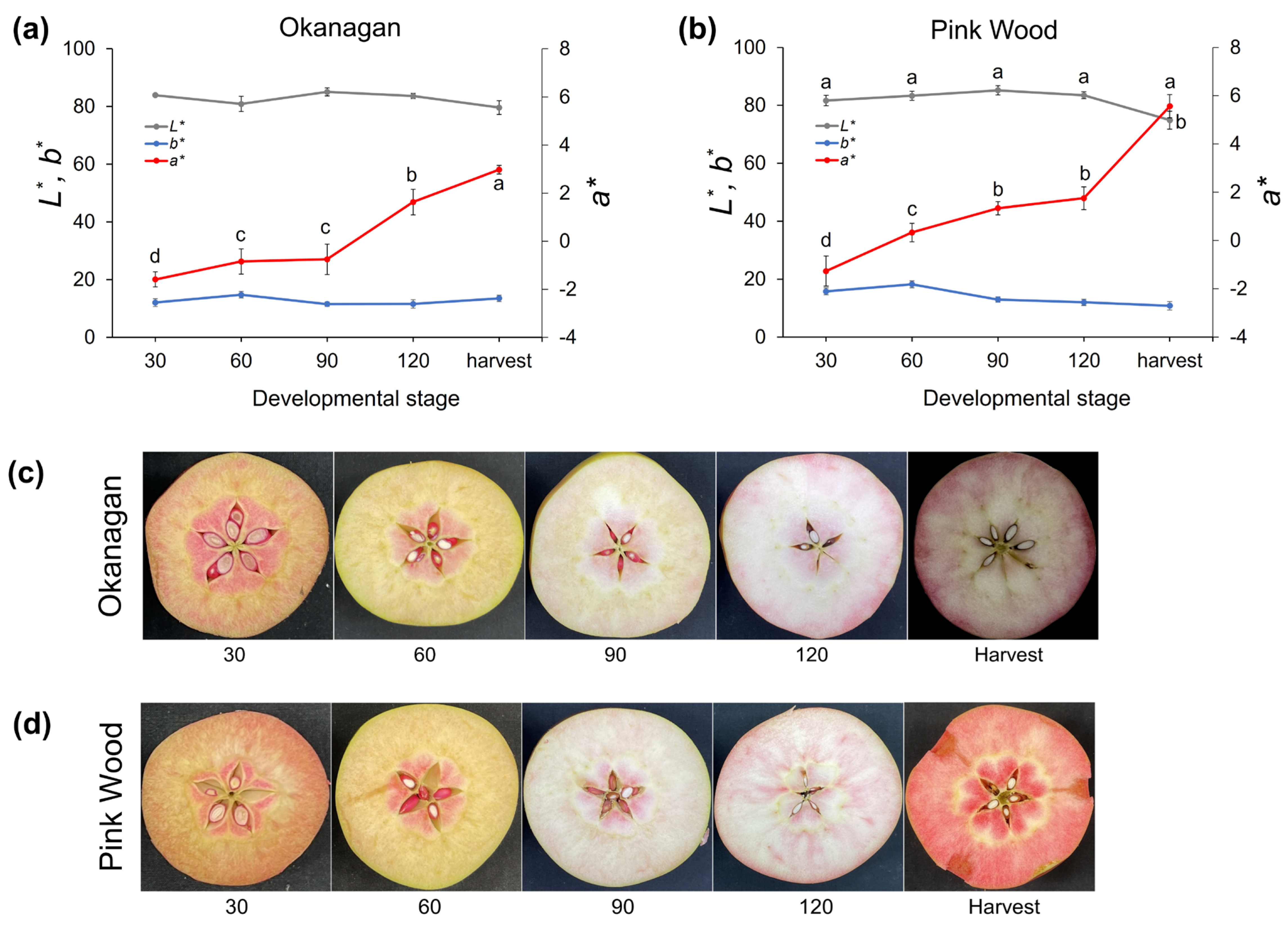
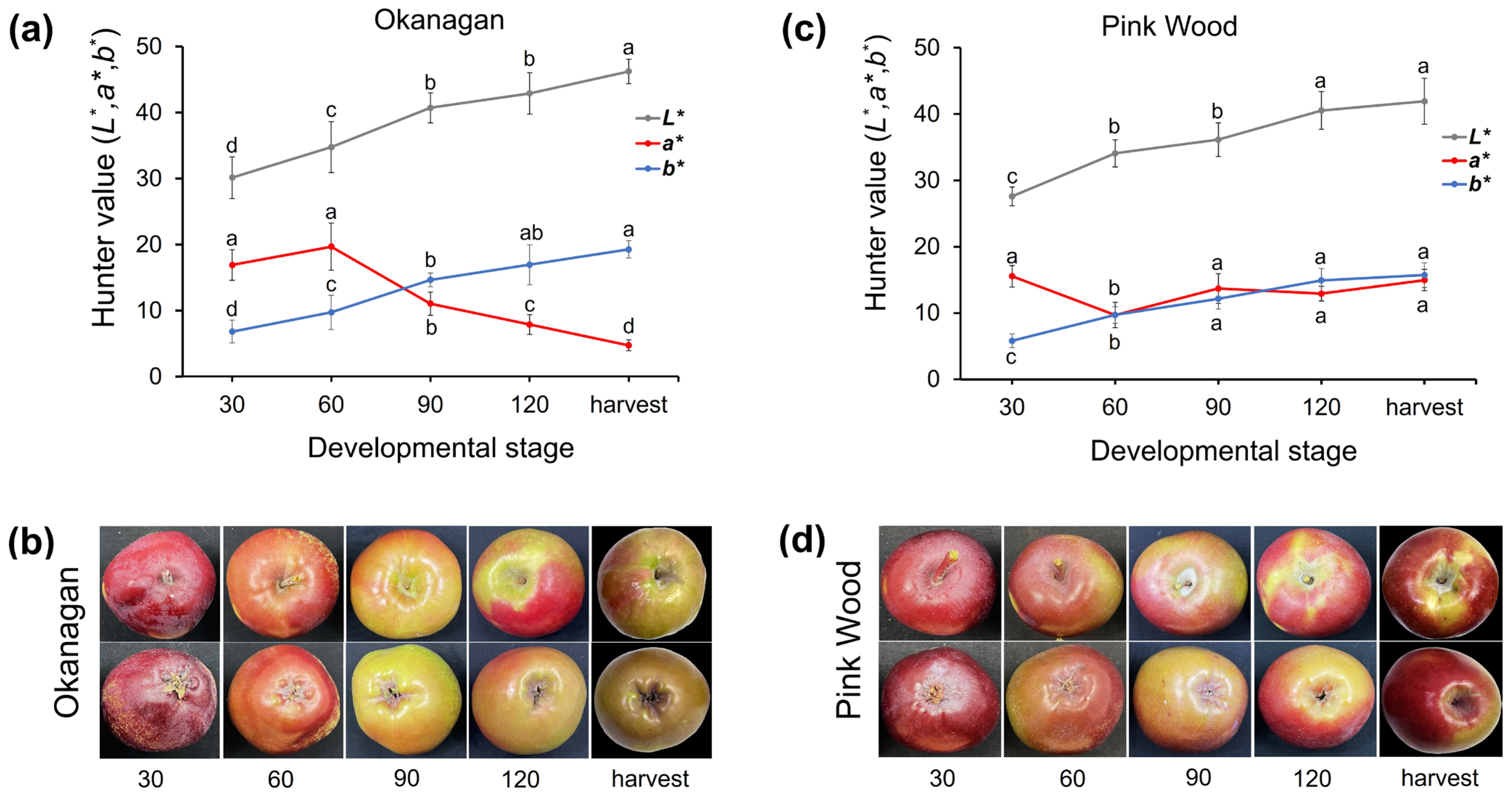
Distinct variations in peel coloration were observed between the cultivars throughout their development (Figure 3). In ‘Okanagan,’ L* values increased consistently from early growth to harvest, indicating progressive surface lightening. Peel a* values were highest during early development, peaked at approximately 60 DAFB, and then declined notably toward harvest. In contrast, b* values increased continuously, indicating a gradual shift toward a yellow-green background coloration at maturity (Figure 3a). Visual assessments supported these measurements, indicating that young fruits exhibited more pronounced red surface coloration, which decreased in intensity as harvest approached (Figure 3b).
In ‘Pink Wood,’ L* values also increased as development progressed. However, peel redness was more persistent than that in ‘Okanagan.’ Although a* values declined after 30 DAFB, they remained relatively stable during mid-development and partially increased at harvest. The increase in b* values was less pronounced than in ‘Okanagan’ (Figure 3c). The fruit images confirmed that ‘Pink Wood’ retained a more uniform red peel surface throughout the development (Figure 3d).

3.2.2. Flesh Color

Flesh color followed a developmental pattern distinct from that of the peel (Figure 4). In both cultivars, L* and b* values exhibited minimal changes, whereas a* values notably increased from 90 DAFB. In ‘Okanagan,’ flesh a* values increased from negative values during early stages to positive values at harvest, indicating the gradual development of red pigmentation in internal tissues (Figure 4a). ‘Pink Wood’ exhibited a more pronounced increase in flesh redness, reaching higher final a* values than those of ‘Okanagan’ (Figure 4b). The cross-sectional images confirmed these trends (Figure 4c,d). Flesh tissues exhibited pale or minimal pigmentation at the early developmental stages, whereas visibly red coloration became apparent during the later stages, particularly around the core region. This effect was most pronounced in ‘Pink Wood,’ which showed intense red flesh coloration at the time of harvest.

3.3. Pigment Accumulation During Fruit Development

3.3.1. Anthocyanin Content

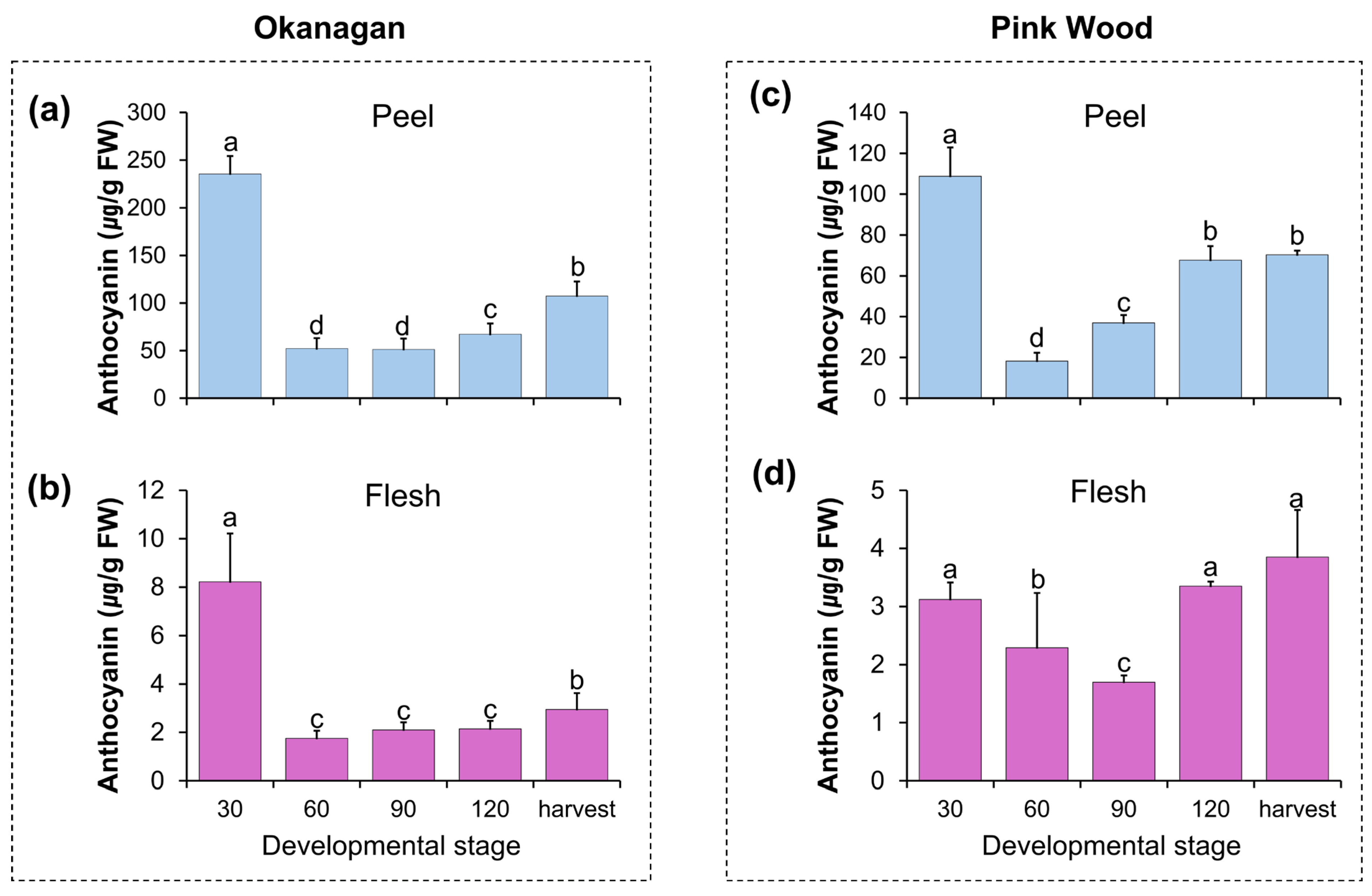
The anthocyanin concentration in the peel tissues showed a biphasic pattern in both cultivars (Figure 5). In ‘Okanagan,’ the peel anthocyanin was highest at 30 DAFB (235.54 μg/g FW), decreased notably during mid-development through 60 DAFB (52.18 μg/g FW) and 90 DAFB (51.30 μg/g FW), gradually recovered at 120 DAFB (67.25 μg/g FW) and increased again toward harvest (107.35 μg/g FW) (Figure 5a). A similar trend was observed in ‘Pink Wood,’ with the highest anthocyanin concentration at 30 DAFB (108.83 μg/g FW), followed by a substantial decline at 60 and 90 DAFB (18.17 and 36.90 μg/g FW), before partially re-accumulating at 120 DAFB (67.65 μg/g FW) and at harvest (70.25 μg/g FW). However, the absolute concentrations were lower than those measured in ‘Okanagan’ throughout most stages (Figure 5b).
The flesh anthocyanin concentrations were substantially lower than the peel values in both cultivars. In ‘Okanagan,’ flesh anthocyanin was highest at 30 DAFB (8.22 μg/g FW), subsequently declined at 60 DAFB (1.76 μg/g FW), followed by a slight increase at harvest (2.95 μg/g FW) (Figure 5c). In ‘Pink Wood,’ concentrations remained relatively consistent during development, with the highest value at harvest (3.85 μg/g FW) (Figure 5d). Overall, peel tissues accumulated substantially higher anthocyanin levels than those of flesh tissues, whereas late-stage flesh pigmentation was more visually evident than that indicated by the bulk anthocyanin concentration alone.

3.3.2. β-Carotene Content

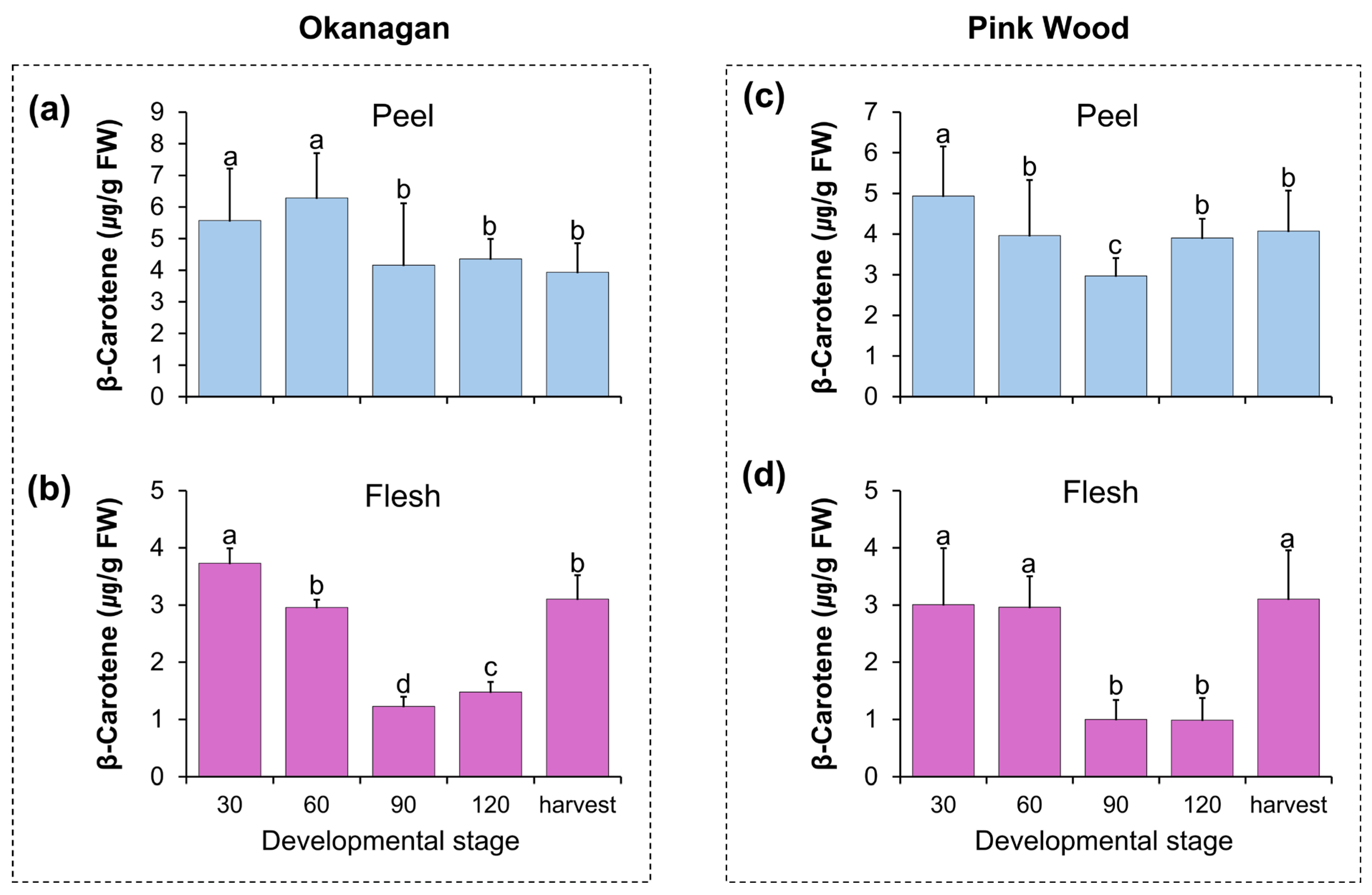
β-Carotene concentration generally declined as fruit development progressed in both peel and flesh tissues (Figure 6). In ‘Okanagan,’ the peel β-carotene concentrations were highest during the early stages (5.57 and 6.29 μg/g FW at 30 and 60 DAFB, respectively) and decreased significantly after 90 DAFB, as well as a reduced concentration of 3.94 μg/g FW at harvest (Figure 6a). ‘Pink Wood’ exhibited a similar trend, although a partial recovery was observed during late development, from 2.97 μg/g FW at 90 DAFB to 4.07 μg/g FW at harvest (Figure 6c).
In both cultivars, β-carotene concentrations in flesh tissues were also highest during early fruit growth, declined during mid-development, and slightly increased again at harvest (Figure 6b,d). These results indicated that carotenoid accumulation was most active during the early developmental stages, whereas anthocyanin-associated coloration became more prominent later in fruit maturation.

3.4. Expression Profiles of the Anthocyanin Biosynthesis-Related Genes

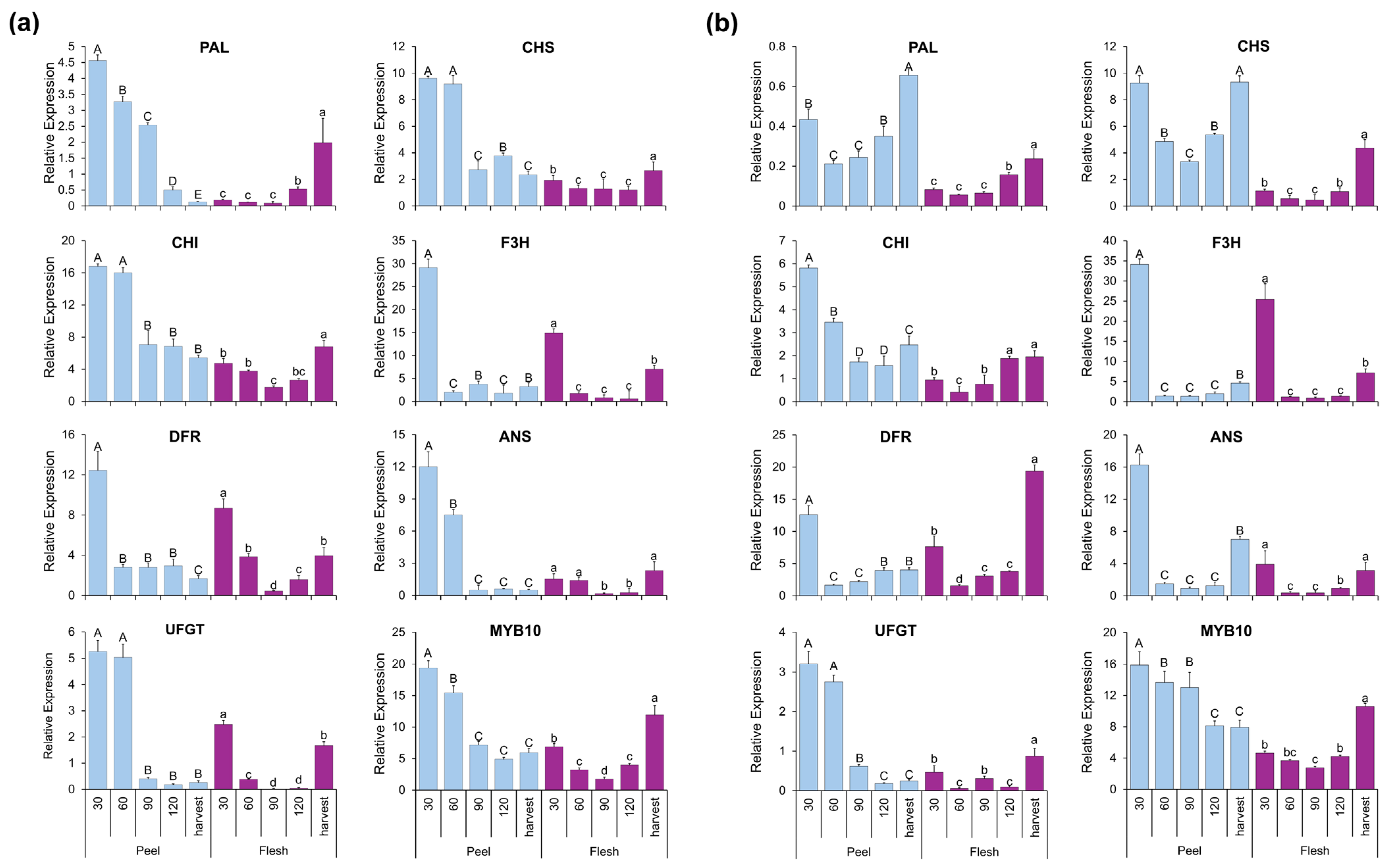
The expression profiles of the anthocyanin pathway genes are shown in Figure 7. In both cultivars, the transcripts of MdPAL, MdCHS, MdCHI, MdF3H, MdDFR, MdANS, and MdUFGT, along with the regulatory gene MdMYB10, were strongly expressed in peel tissues at 30 DAFB and subsequently declined.
In ‘Okanagan,’ all genes were most highly expressed in the peel at 30 DAFB, with the expression declining progressively through 60–90 DAFB and reaching minimum levels at 120 DAFB and harvest (Figure 7a). In the flesh of ‘Okanagan,’ transcript levels were substantially lower than those in the peel for all genes during the early stages. The expression profiles of these genes showed different trends from those observed in peel tissues. Most genes were highly expressed during the early growth stage (30 DAFB), declined notably during the mid-developmental stage (60–120 DAFB), and gradually returned to high levels at harvest. MdPAL exhibited an opposite expression pattern to that of most genes in the peel, showing a gradual increase in transcript abundance and reaching elevated expression levels at harvest in the flesh. Several genes, particularly MdDFR and MdMYB10, showed increased transcript abundance in the flesh tissues at maturity, corresponding to an increase in flesh redness. This transcript pattern coincided with an increase in the a* value and partial anthocyanin re-accumulation at maturity, corresponding to an increase in flesh redness (Figure 4a,c).
In ‘Pink Wood,’ the expression of all anthocyanin-related genes in the peel was the highest at 30 DAFB (Figure 7b). Similar to ‘Okanagan,’ most genes exhibited increased expression levels during the early stage, followed by a progressive decline. However, MdPAL, MdCHS, and MdANS exhibited elevated expression levels in the peels at harvest. In the flesh of ‘Pink Wood,’ transcript expression showed an increasing trend and was notably elevated at harvest, consistent with the intense red flesh coloration (high a* value) observed at this stage (Figure 4b,d).
In a comparison of the two cultivars, MdDFR and MdCHS were notably upregulated at harvest in the flesh of ‘Pink Wood,’ consistent with the more intense red flesh coloration of this cultivar relative to that of ‘Okanagan.’ These inter-cultivar differences indicate that ‘Pink Wood’ undergoes stronger transcriptional activation of the anthocyanin biosynthetic pathway in flesh tissue near maturity, which may explain its intense flesh pigmentation compared to that of ‘Okanagan.’

3.5. Expression Profiles of the Carotenoid Biosynthesis-Related Genes

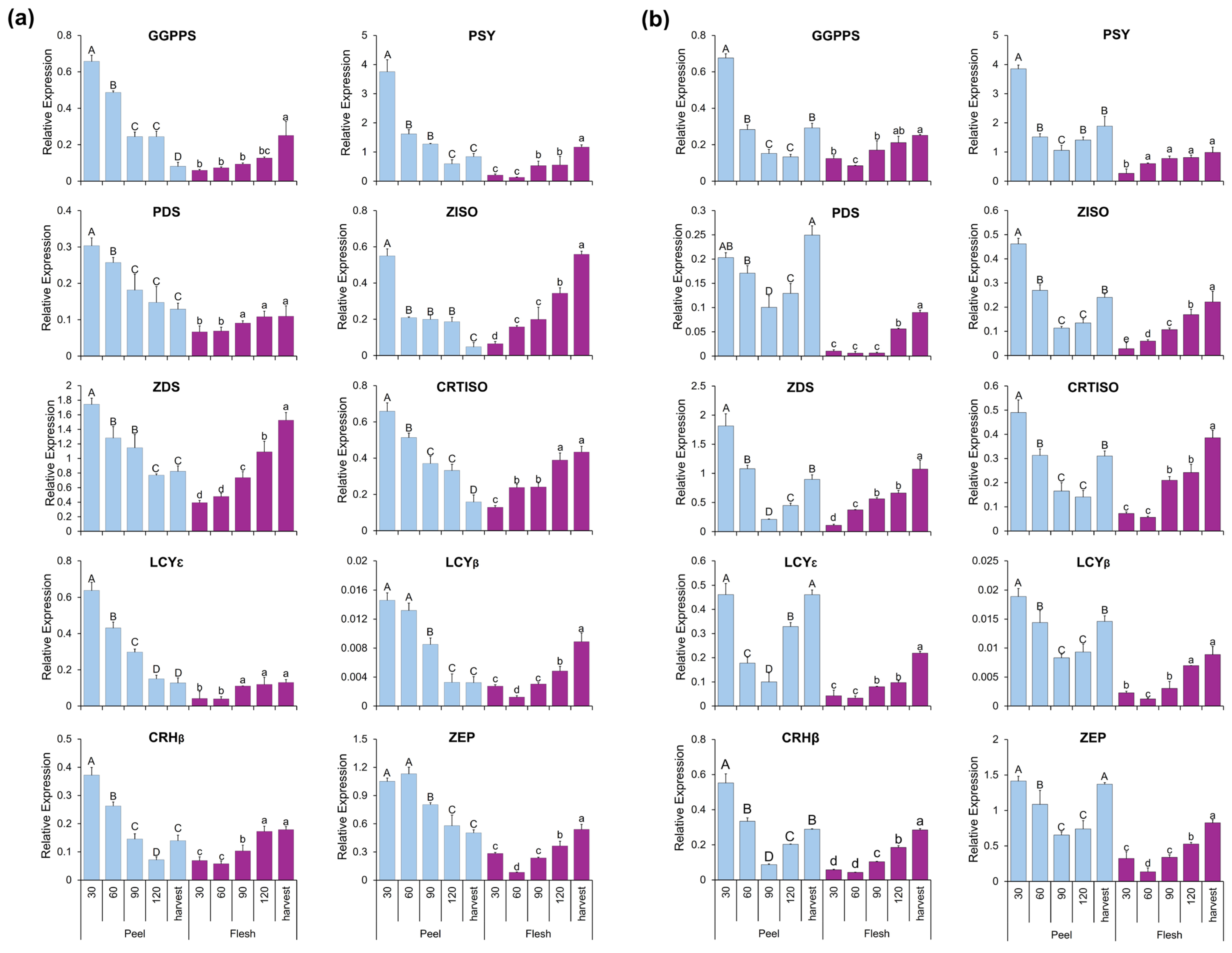
The expression profiles of all carotenoid biosynthesis-related genes were strongly expressed at the early stage (30 DAFB) and subsequently declined rapidly throughout the development stages in the peel tissues of ‘Okanagan’ (Figure 8a). This was similar to the expression profiles of anthocyanin pathway genes (Figure 7a). Most carotenoid genes were expressed at lower levels in the flesh than in the peel. In contrast to the peel, the expression of carotenoid-related genes in the flesh of ‘Okanagan’ gradually increased through development from the early to the harvest stage.
In ‘Pink Wood’ (Figure 8b), the relative expression profiles of carotenoid biosynthesis genes showed a bimodal pattern: the expression levels were highest at the early stage (30 DAFB), substantially declined from 60 to 90 (DAFB), gradually recovered at 120 DAFB, and partially re-elevated at harvest in the peel. However, in the peel, similar to ‘Okanagan,’ all carotenoid genes showed a gradual increase throughout the development stages from 30 DAFB to harvest. The expression levels in the flesh tissues were generally lower than those in the peel tissues of both cultivars.

3.6. Relationships Among Color Parameters, Pigments, and Gene Expression

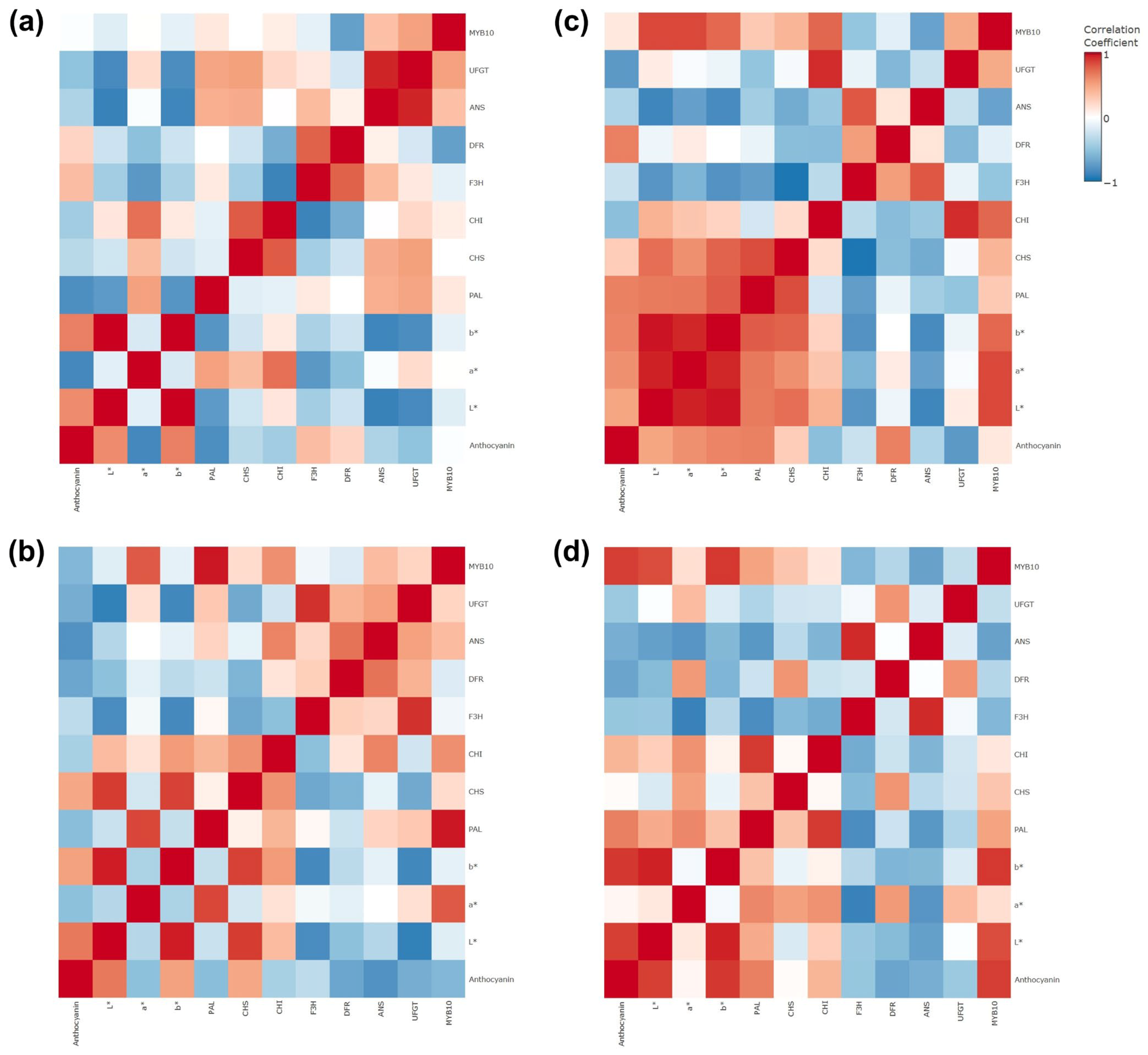
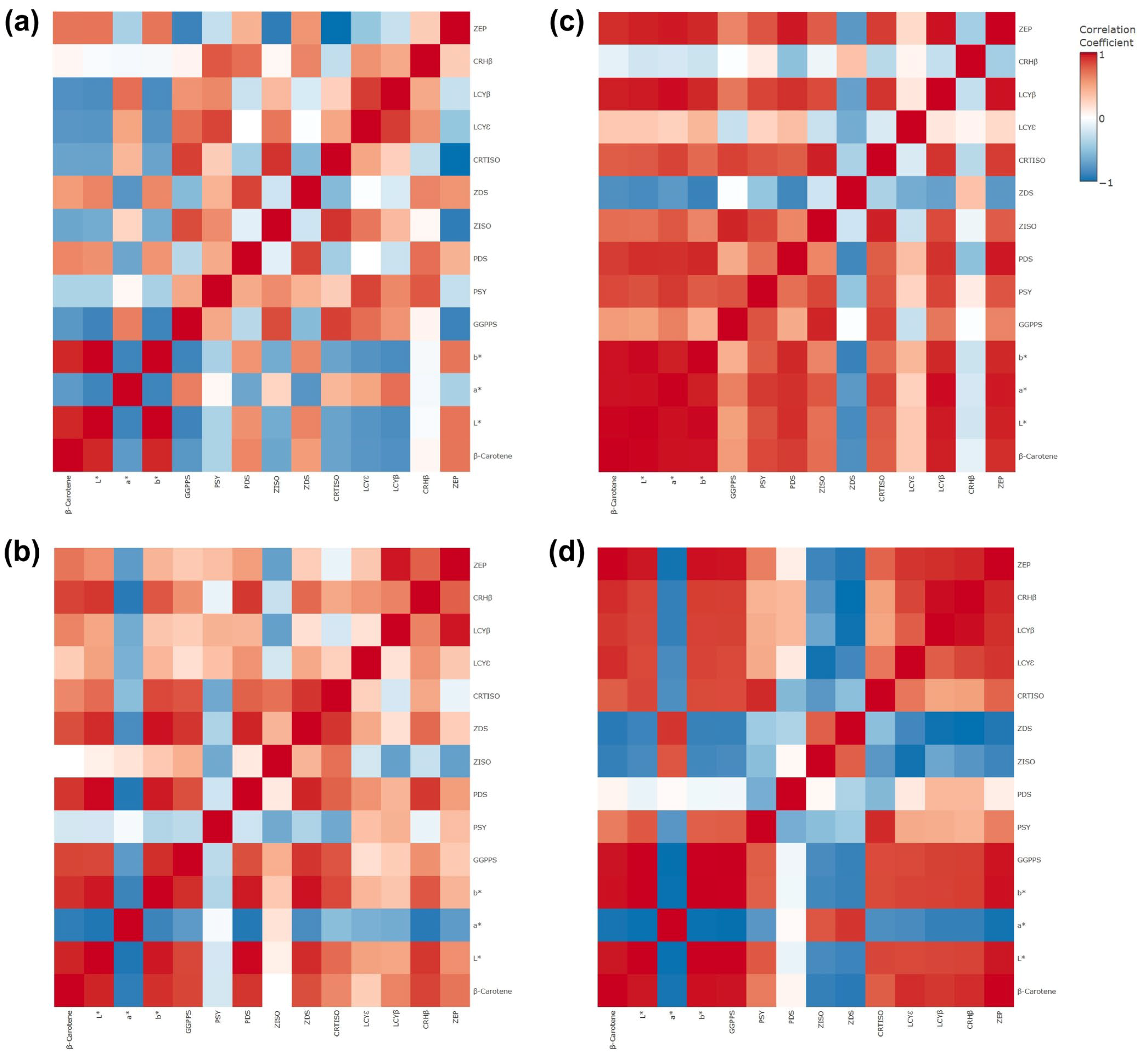
To elucidate the regulatory basis of fruit coloration, Pearson’s correlation analyses were performed to evaluate the relationships between colorimetric parameters (L*, a*, and b* values), pigment concentrations, and expression of biosynthesis-related genes across all developmental stages in both cultivars (Figure 9 and Figure 10, Table S3).
Distinct tissue- and cultivar-dependent correlation patterns were observed for anthocyanin-related traits (Figure 9). In the peel of ‘Okanagan’ (Figure 9a), anthocyanin accumulation was positively associated with L*, b*, and the expression of the late anthocyanin biosynthesis genes MdF3H and MdDFR. In contrast, a* values strongly negatively correlated with L*, b*, and anthocyanin concentrations. The expression of the early biosynthetic genes MdPAL and MdCHS exhibited comparatively weaker associations with anthocyanin accumulation. In the flesh tissues of ‘Okanagan’ (Figure 9b), anthocyanin content was positively correlated with MdCHS expression, whereas MdPAL, MdCHI, and MdF3H exhibited weak or negligible correlations. Several other genes showed negative correlations with anthocyanin concentration in the flesh.
Compared to those of ‘Okanagan,’ ‘Pink Wood’ exhibited broader and more consistent positive correlations across both peel and flesh tissues. In the peel (Figure 9c), the anthocyanin content was strongly associated with a* values and the expression of MdPAL, MdCHS, and MdDFR. Positive correlations were also observed between the anthocyanin concentration and transcription factor MdMYB10. In flesh tissues (Figure 9d), anthocyanin accumulation was strongly and positively correlated with MdPAL, MdCHI, and MdMYB10, indicating an enhanced transcriptional coordination of anthocyanin biosynthesis in this cultivar.
For carotenoid-related parameters (Figure 10), β-carotene concentration generally showed positive correlations with L*, b*, and the expression of most carotenoid biosynthesis genes, whereas a* values were negatively correlated with these parameters across both cultivars and tissues. In ‘Okanagan’ peels (Figure 10a), MdPDS, MdZDS, and MdZEP exhibited the strongest positive correlations with β-carotene accumulation. Similar patterns were observed in flesh tissues (Figure 10b), where β-carotene content was positively associated with most carotenoid-related genes, while MdZISO and MdPSY showed weak or near-zero correlations.
In ‘Pink Wood’ peels (Figure 10c), β-carotene exhibited strong and highly coordinated positive correlations with nearly all carotenoid biosynthesis genes and color indices, indicating enhanced regulation of carotenoid metabolism in this cultivar. In flesh tissues (Figure 10d), β-carotene remained strongly positively correlated with MdGGPPS (r = 0.980), MdZEP (r = 0.998), MdLCYε, MdLCYβ, and MdCRHβ. By contrast, MdZISO and MdZDS strongly negatively correlated with β-carotene concentration.
Across both cultivars, the consistently negative relationship between a* values and β-carotene concentration indicated contrasting developmental trends between carotenoid-associated background coloration and anthocyanin-mediated red pigmentation. These results suggest that pigment dominance shifts during fruit maturation, with carotenoids contributing predominantly during the early developmental stage, and anthocyanins becoming increasingly important during the later stages. Overall, the correlation analysis indicated that anthocyanin-driven redness became increasingly important during late fruit development, whereas carotenoid-related coloration was more prominent during the early growth stages.

4. Discussion

In this study, we compared developmental changes in fruit coloration, pigment accumulation, and expression of biosynthesis-related genes in two red-fleshed apple cultivars, ‘Okanagan’ and ‘Pink Wood.’ The results demonstrated that both cultivars share common developmental trends but differ substantially in the timing and intensity of pigmentation, particularly in the flesh tissues. These cultivar-specific responses provide valuable insights into the regulatory mechanisms underlying red-fleshed apple coloration.
A notable finding was the biphasic pattern of anthocyanin accumulation in peels. In both cultivars, the anthocyanin concentration was high during early fruit development (30 DAFB), declined during the period of rapid enlargement (mid-season), and increased as harvest approached (Figure 4a,c). Similar patterns have been reported in red-skinned and red-fleshed apple genotypes [4,7,13,16]. Early anthocyanin accumulation in immature fruit is typically considered a protective response to excess light and oxidative stress during active cell division and expansion. As fruit size increases, pigment concentration may decline owing to the dilution effects associated with tissue growth and reduced biosynthetic activity. The partial recovery observed in the period immediately preceding harvest is consistent with renewed anthocyanin synthesis stimulated by cooler temperatures, increased light exposure in late summer, and maturation-related regulatory signals [4,11,16].
Although both cultivars followed this general pattern, ‘Okanagan’ maintained higher peel anthocyanin concentrations than those of ‘Pink Wood’ during most developmental stages. This suggests that cultivar-specific genetic factors influence the capacity for pigment synthesis and retention in peel tissues. These variations may result from differences in promoter activity, transcription factor abundance, or responsiveness of structural genes involved in the flavonoid pathway [10,11].
In contrast to the peel tissues, flesh coloration intensified predominantly during the late fruit development stage (Figure 3). Flesh redness increased notably from 90 DAFB onward, with the strongest response observed in Pink Wood (Figure 3b,d). This trend supports previous observations that the internal pigmentation in red-fleshed apples is frequently developmentally delayed relative to that of peel coloration. Flesh tissues may require the maturation-dependent activation of regulatory pathways before substantial anthocyanin biosynthesis occurs, in coordination with MdMYB10-driven transcriptional activation [10,11,16]. Notably, visual increases in flesh redness were greater than the changes in the measured total anthocyanin concentration. This discrepancy indicates that factors other than absolute pigment quantity may influence the perception of internal color. Tissue structure, vacuolar pH, pigment localization, copigmentation effects, and changes in cellular transparency may contribute to enhanced visual redness during maturation. Therefore, flesh color intensity should not be interpreted solely based on the total anthocyanin concentration [17,18].
Gene expression analysis strongly supported the transcriptional basis of pigment development. In both cultivars, anthocyanin structural genes (MdPAL, MdCHS, MdCHI, MdF3H, MdDFR, MdANS, and MdUFGT) and the regulator MdMYB10 were highly expressed in peel tissues during the early developmental stages, coinciding with increased peel anthocyanin levels. Subsequently, the expression declined, simultaneously with the reduction in pigmentation. These coordinated responses indicate that early peel coloration is controlled by the active transcription of the anthocyanin pathway. Honda et al. [4] and Kondo et al. [16] demonstrated that anthocyanin biosynthesis genes are coordinately expressed and correlate with MdMYB10 transcript levels in apple skin. Our findings extend these observations to the two-tissue context (peel and flesh) of two distinct red-fleshed cultivars and highlight that the late-stage increase in flesh pigmentation is associated with the renewed expression of several genes, particularly MdCHS, MdCHI, MdF3H, MdDFR, and MdMYB10. This relationship was particularly evident in ‘Pink Wood,’ where strong flesh redness at harvest aligned with higher transcript abundance than in ‘Okanagan.’ These findings suggest that cultivar differences in flesh coloration are primarily determined by the extent of late developmental activation of MdMYB10 and its downstream biosynthetic genes [10,19,20]. As MdMYB10 is a positive regulator of anthocyanin synthesis in apple, enhanced or prolonged activity of this transcription factor may explain the superior flesh pigmentation observed in ‘Pink Wood.’ Similar patterns have been reported in ‘Red Delicious’ and related variants, where MdMYB10 activity is closely associated with the formation of striped and over-color patterns [10,21].
Carotenoid metabolism exhibited contrasting developmental patterns. β-Carotene concentration generally decreased in peel tissues as fruit matured (Figure 5a,c), along with a declining expression of carotenoid biosynthesis genes (Figure 7). These results indicated that carotenoid accumulation was more active during early fruit growth than during ripening. Early carotenoid synthesis may be linked to plastid development and photoprotection in immature fruit tissue. The coordinated decline of all measured carotenoid biosynthesis genes and β-carotene content in peels throughout fruit development is consistent with studies that revealed that the chloroplast-to-chromoplast transition during apple ripening drives progressive changes in carotenoid composition and total carotenoid content [22,23,24,25].
The strong Pearson correlations between anthocyanin pathway gene expression, colorimetric redness (a*), and anthocyanin content support a transcriptionally regulated model of color development in both the peel and flesh, consistent with the established role of MdMYB10 as a key regulator of anthocyanin biosynthesis in apple [10,11]. For carotenoids, the positive correlations between the expression of upstream biosynthetic genes and β-carotene content indicate that metabolic flux is predominantly regulated at the transcriptional level during early fruit development, whereas post-transcriptional and enzymatic regulation may become increasingly important during the later stages [26,27]. The opposing developmental trajectories of anthocyanins and β-carotene indicate a shift in pigment dominance during fruit growth. Carotenoids likely contribute more strongly to early yellow-orange background coloration, whereas anthocyanins become increasingly important for red coloration during the later stages. This transition was evidenced by the association of peel b* values (yellowness) with β-carotene during the early stages, while a* values (redness) were strongly linked to anthocyanin-related genes and pigment concentration during the later stages.
The production of anthocyanins is highly sensitive to various environmental conditions, including temperature and light exposure. Cooler temperatures induce anthocyanin production via upregulation of MdMYB10 and structure genes, while warm temperatures inhibit anthocyanin production by reducing the expression levels of MdMYB10 and promoting anthocyanin breakdown [11]. Similarly, light exposure, especially UV-B radiation, stimulates anthocyanin biosynthesis through activation of the UVR8 signaling pathway [28,29]. While there was no assessment of environmental factors in this study, the development of peel coloration observed here is in line with changing seasons that affect environmental temperatures and light availability. Given that both types of apples were cultivated under the same orchard environment the differences in flesh pigmentation and gene expression are most likely attributable to genetic variation rather than environmental effects.
Compared with previous studies on red-fleshed apple pigmentation, this study offers a comparative assessment of two different red-fleshed cultivars in both peel and flesh tissues throughout fruit development. The results reveal cultivar-specific differences in the temporal expression of MdMYB10 and MdDFR in the later stages of development, and ‘Pink Wood’ displays higher levels of transcription and flesh redness compared with those in ‘Okanagan’. Furthermore, the integration of pigment quantification, colorimetric measurements, and biosynthetic gene expression profiles highlights a developmental transition from carotenoid-dominated pigmentation during early fruit growth to anthocyanin-driven coloration at later stages, providing a more comprehensive understanding of pigment regulation in red-fleshed apples.
Overall, this study demonstrated that fruit coloration in red-fleshed apples is regulated by the dynamic and tissue-specific regulation of pigment metabolism during development. Although both cultivars exhibited common developmental trends, ‘Pink Wood’ exhibited stronger late-stage anthocyanin activation in flesh tissues, resulting in intense internal red coloration. These findings improve our current understanding of pigmentation biology in apples and provide practical information for cultivar selection and breeding.

5. Conclusions

This study revealed distinct developmental patterns of pigmentation in two red-fleshed apple cultivars, ‘Okanagan’ and ‘Pink Wood.’ Both cultivars showed high peel anthocyanin accumulation during early fruit growth, followed by a mid-developmental decline and partial recovery near harvest, whereas flesh redness increased primarily after 90 DAFB. Red coloration was strongly associated with the expression of MdMYB10 and key anthocyanin biosynthetic genes, particularly MdCHS, MdCHI, MdF3H, and MdDFR, confirming the importance of transcriptional regulation in pigment formation. β-carotene content and carotenoid-related gene expression typically decreased during development, indicating increased carotenoid activity during the early growth stages. ‘Pink Wood’ exhibited stronger flesh pigmentation and greater late-stage activation of anthocyanin genes than those of ‘Okanagan,’ suggesting superior potential for breeding programs targeting enhanced internal color and anthocyanin enrichment. These findings provide a valuable reference for improving the appearance and nutritional quality of red-fleshed apple cultivars. From a practical breeding perspective, MdMYB10 transcript abundance in flesh tissue at 90–120 DAFB may serve as a useful early molecular marker for selecting genotypes with enhanced internal red coloration. Moreover, the strong late-stage expression of MdDFR and MdCHS observed in ‘Pink Wood’ highlights its potential as a valuable parent for breeding anthocyanin-rich red-fleshed apple cultivars with improved visual and nutritional quality.

Supplementary Materials

The following supporting information can be downloaded at: https://www.mdpi.com/article/10.3390/agronomy16131243/s1, Table S1. Primer sequences for qRT-PCR analysis of anthocyanin biosynthesis-related genes; Table S2. Primer sequences for qRT-PCR analysis of carotenoid biosynthesis-related genes; Table S3. Pearson’s correlation analyses.

Author Contributions

Conceptualization, S.K. and V.G.D.; methodology, H.K., S.-I.K. and R.-Y.H.; validation, J.Y., D.K. and J.-H.K.; formal analysis, J.-G.K., H.K., S.-I.K. and J.-T.P.; investigation, V.G.D., S.K. and J.-G.K.; resources, J.-H.K. and D.K.; data curation, H.K. and S.-I.K.; writing—original draft preparation, V.G.D. and S.K.; writing—review and editing, J.Y., S.K. and V.G.D.; visualization, V.G.D. and J.-G.K.; supervision, S.K., H.K., S.-I.K. and R.-Y.H.; project administration, J.-T.P.; funding acquisition, S.K. and R.-Y.H. All authors have read and agreed to the published version of the manuscript.

Funding

This research was supported by the RDA Fellowship Program of the National Institute of Horticultural and Herbal Science, Rural Development Administration, Republic of Korea, and funded by the Rural Development Administration Research Program (PJ01605601), Republic of Korea.

Data Availability Statement

The original contributions presented in this study are included in the article/Supplementary Material. Further inquiries can be directed to the corresponding authors.

Conflicts of Interest

The authors declare no conflicts of interest.

Abbreviations

The following abbreviations are used in this manuscript:
DAFBDays after full bloom
FWFresh weight
SSCSoluble solid content
TATitratable acidity
L/DLength-to-diameter ratio
qRT-PCRQuantitative real-time polymerase chain reaction
HPLCHigh-performance liquid chromatography
SDStandard deviation
HSDHonest significant difference
PALPhenylalanine ammonia-lyase
CHSChalcone synthase
CHIChalcone isomerase
F3HFlavanone 3-hydroxylase
DFRDihydroflavonol 4-reductase
ANSAnthocyanidin synthase
UFGTUDP-glucose: flavonoid 3-O-glucosyltransferase
GGPPSGeranylgeranyl Pyrophosphate Synthase
PSYPhytoene synthase
PDSPhytoene desaturase
ZISOzeta-carotene isomerase
ZDSzeta-carotene isomerase
CRTISOCarotenoid prolycopene isomerase
LCYεepsilon lycopene cyclase
LCYβbeta lycopene cyclase
CRHβbeta-carotene hydroxylase
ZEPZeaxanthin epoxidase

References

  1. Jaeger, S.R.; Antúnez, L.; Ares, G.; Swaney-Stueve, M.; Jin, D.; Harker, F.R. Quality perceptions regarding external appearance of apples: Insights from experts and consumers in four countries. Postharvest Biol. Technol. 2018, 146, 99–107. [Google Scholar] [CrossRef]
  2. Wang, Y.; Liu, L.; Wei, Y. The influence of consumption purpose on consumer preferences for fruit attributes: The moderating effect of color perception. Foods 2025, 14, 1902. [Google Scholar] [CrossRef] [PubMed]
  3. Kardas, M.; Rakuła, M.; Kołodziejczyk, A.; Staśkiewicz-Bartecka, W. Consumer preferences, sensory evaluation, and color analysis of beetroot and tomato juices: Implications for product development and marketing in health-promoting beverages. Foods 2024, 13, 4059. [Google Scholar] [CrossRef] [PubMed]
  4. Honda, C.; Kotoda, N.; Wada, M.; Kondo, S.; Kobayashi, S.; Soejima, J.; Zhang, Z.; Tsuda, T.; Moriguchi, T. Anthocyanin biosynthetic genes are coordinately expressed during red coloration in apple skin. Plant Physiol. Biochem. 2002, 40, 955–962. [Google Scholar] [CrossRef]
  5. Zhang, X.; Wang, L.; Liu, Y.; Chen, X.; Yang, Y.; Zhao, Z. Differential gene expression analysis of ‘Granny Smith’ apple (Malus domestica Borkh.) during fruit skin coloration. S. Afr. J. Bot. 2013, 88, 125–131. [Google Scholar] [CrossRef]
  6. Bu, H.; Gu, G.; Hu, Y.; Yang, Y.; Yang, L.; Yuan, H.; Yu, W. Research advances in the synthesis and regulation of apple anthocyanins. Biology 2025, 14, 1322. [Google Scholar] [CrossRef] [PubMed]
  7. van Nocker, S.; Berry, G.; Najdowski, J.; Michelutti, R.; Luffman, M.; Forsline, P.; Alsmairat, N.; Beaudry, R.; Nair, M.G.; Ordidge, M. Genetic diversity of red-fleshed apples (Malus). Euphytica 2012, 185, 281–293. [Google Scholar] [CrossRef]
  8. Contessa, C.; Botta, R. Comparison of physicochemical traits of red-fleshed, commercial and ancient apple cultivars. Hort. Sci. 2016, 43, 159–166. [Google Scholar] [CrossRef]
  9. Yuste, S.; Ludwig, I.A.; Romero, M.P.; Piñol-Felis, C.; Catalán, Ú.; Pedret, A.; Valls, R.M.; Fernández-Castillejo, S.; Motilva, M.J.; Macià, A.; et al. A red-fleshed apple rich in anthocyanins improves endothelial function, reduces inflammation, and modulates the immune system in hypercholesterolemic subjects: The AppleCOR study. Food Funct. 2024, 15, 6360–6374. [Google Scholar] [CrossRef] [PubMed]
  10. Espley, R.V.; Hellens, R.P.; Putterill, J.; Stevenson, D.E.; Kutty-Amma, S.; Allan, A.C. Red colouration in apple fruit is due to the activity of the MYB transcription factor, MdMYB10. Plant J. 2007, 49, 414–427. [Google Scholar] [CrossRef] [PubMed]
  11. Lin-Wang, K.; Micheletti, D.; Palmer, J.; Volz, R.; Lozano, L.; Espley, R.; Hellens, R.P.; Chagne, D.; Rowan, D.D.; Troggio, M.; et al. High temperature reduces apple fruit colour via modulation of the anthocyanin regulatory complex. Plant Cell Environ. 2011, 34, 1176–1190. [Google Scholar] [CrossRef] [PubMed]
  12. Do, V.G.; Lee, Y.; Kweon, H.; Kim, S. Light induces carotenoid biosynthesis-related gene expression, accumulation of pigment content, and expression of the small heat shock protein in apple fruit. Int. J. Mol. Sci. 2022, 23, 6153. [Google Scholar] [CrossRef] [PubMed]
  13. Do, V.G.; Kim, S.; Lee, Y.; Yang, S.; Kim, J.-H.; Win, N.M.; Kwon, Y.-S.; Park, J.; Park, J.-T. Differential coloration, pigment biosynthesis-related gene expression, and accumulation according to developmental stage in the ‘Enbu’ apple. Horticulturae 2023, 9, 1072. [Google Scholar] [CrossRef]
  14. Van Giap, D.; Kim, S.; Lee, Y.; Kweon, H.-J. Effect of reflected sunlight on differential expression of anthocyanin synthesis-related genes in young apple fruit. Int. J. Fruit. Sci. 2021, 21, 440–455. [Google Scholar] [CrossRef]
  15. Win, N.M.; Do, V.G.; Kwon, J.-G.; Park, J.-T.; Park, J.; Lee, Y.; Kweon, H.-J.; Kang, I.-K.; Kwon, S.-I.; Kim, S. Fruit bag removal timing influences fruit coloration, quality, and physiological disorders in ‘Arisoo’ apples. Plants 2025, 14, 2923. [Google Scholar] [CrossRef] [PubMed]
  16. Kondo, S.; Hiraoka, K.; Kobayashi, S.; Honda, C.; Terahara, N. Changes in the expression of anthocyanin biosynthetic genes during apple development. J. Am. Soc. Hortic. Sci. 2002, 127, 971–976. [Google Scholar] [CrossRef]
  17. Gardin, J.P.F.; Sauge, M.H.; Capitan, F.; Pascal, T.; Westercamp, P. Tracing the color: Quantitative trait loci analysis reveals new insights into red-flesh pigmentation in apple (Malus domestica). Front. Plant Sci. 2024, 15, 1389154. [Google Scholar] [CrossRef] [PubMed]
  18. Bars-Cortina, D.; Martínez-Bardíaj, A.; Macià, A.; Motilva, M.J.; Piñol-Felis, C. Consumption evaluation of one apple flesh a day in the initial phases prior to adenoma/adenocarcinoma in an azoxymethane rat colon carcinogenesis model. J. Nutr. Biochem. 2020, 83, 108418. [Google Scholar] [CrossRef] [PubMed]
  19. Yang, Y.-N.; Yao, G.-F.; Zheng, D.; Zhang, S.-L.; Wang, C.; Zhang, M.-Y.; Wu, J. Expression differences of anthocyanin biosynthesis genes reveal regulation patterns for red pear coloration. Plant Cell Rep. 2015, 34, 189–198. [Google Scholar] [CrossRef] [PubMed]
  20. Wu, M.; Liu, J.; Song, L.; Li, X.; Cong, L.; Yue, R.; Yang, C.; Liu, Z.; Xu, L.; Wang, Z. Differences among the anthocyanin accumulation patterns and related gene expression levels in red pears. Plants 2019, 8, 100. [Google Scholar] [CrossRef] [PubMed]
  21. Ben-Yehudah, G.; Korchinsky, R.; Redel, G.; Ovadya, R.; Oren-Shamir, M.; Cohen, Y. Colour accumulation patterns and the anthocyanin biosynthetic pathway in ‘Red Delicious’ apple variants. J. Hortic. Sci. Biotechnol. 2005, 80, 187–192. [Google Scholar] [CrossRef]
  22. Camara, B.; Brangeon, J. Carotenoid metabolism during chloroplast to chromoplast transformation in Capsicum annuum fruit. Planta 1981, 151, 359–364. [Google Scholar] [CrossRef] [PubMed]
  23. Ampomah-Dwamena, C.; Bhargava, N.; Tomes, S.; Lin-Wang, K.; Elborough, C.; Deng, C.H.; Rebstock, R. Elevating fruit carotenoid content in apple (Malus x domestica Borkh). In Methods in Enzymology; Elsevier: Amsterdam, The Netherlands, 2022; Volume 671, pp. 63–98. [Google Scholar] [CrossRef] [PubMed]
  24. Tatmala, N.; Ma, G.; Zhang, L.; Kato, M.; Kaewsuksaeng, S. Characterization of carotenoid accumulation and carotenogenic gene expression during fruit ripening in red colored pulp of ‘siam red ruby’pumelo (Citrus grandis) cultivated in Thailand. Hortic. J. 2020, 89, 237–243. [Google Scholar] [CrossRef]
  25. Kapoor, L.; Simkin, A.J.; George Priya Doss, C.; Siva, R. Fruit ripening: Dynamics and integrated analysis of carotenoids and anthocyanins. BMC Plant Biol. 2022, 22, 27. [Google Scholar] [CrossRef] [PubMed]
  26. Duduit, J.R.; Kosentka, P.Z.; Miller, M.A.; Blanco-Ulate, B.; Lenucci, M.S.; Panthee, D.R.; Perkins-Veazie, P.; Liu, W. Coordinated transcriptional regulation of the carotenoid biosynthesis contributes to fruit lycopene content in high-lycopene tomato genotypes. Hortic. Res. 2022, 9, uhac084. [Google Scholar] [CrossRef] [PubMed]
  27. Lado, J.; Zacarías, L.; Rodrigo, M.J. Regulation of carotenoid biosynthesis during fruit development. In Carotenoids in Nature: Biosynthesis, Regulation and Function; Springer: Cham, Switzerland, 2016; pp. 161–198. [Google Scholar] [CrossRef] [PubMed]
  28. Rebecca, A.; Henry, K.; Blue, P.; Miriam, H.; Tony, M.; Andrew, C.A.; Jason, J.W.; Richard, V.E. Solar UV light regulates flavonoid metabolism in apple (Malus x domestica). Plant Cell Environ. 2018, 41, 481–704. [Google Scholar] [CrossRef] [PubMed]
  29. Jiang, N.; García, N.T.; Lee, Y.S.; Emily, G.P.; Sunyoung, P.; Erich, G. Flavonoid pathway intermediates implicate UVR8 in functions beyond canonical UV-B signaling. Nat. Commun. 2025, 16, 7810. [Google Scholar] [CrossRef] [PubMed]
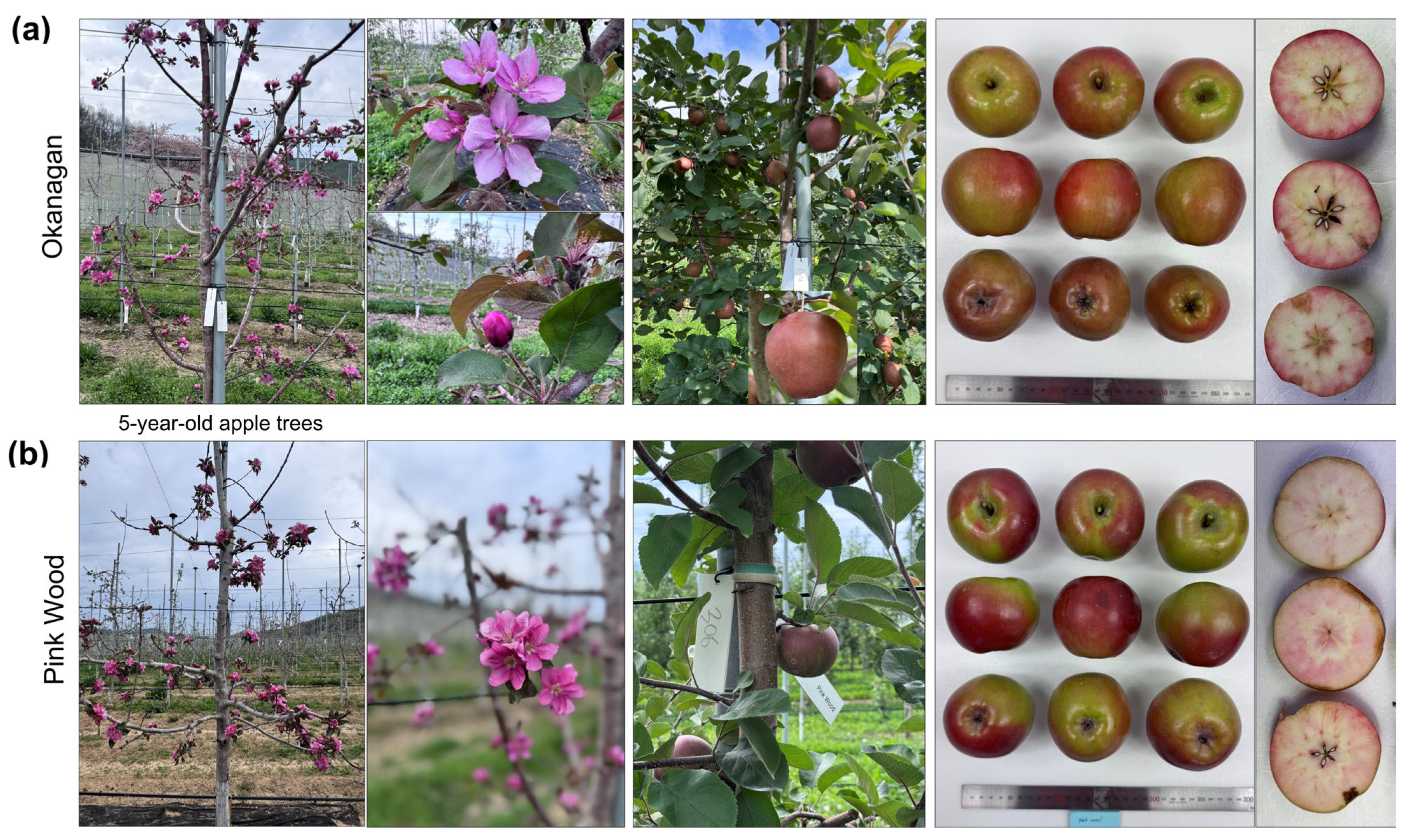
Figure 1. Representative 6-year-old trees of two red-fleshed apple cultivars, ‘Okanagan’ (a) and ‘Pink Wood’ (b), monitored from full bloom (14 April) to harvest (30 August) in 2025.
Agronomy 16 01243 g001
Figure 2. Changes in fruit enlargement during development: (a,d) fruit weight, (b,e) fruit size (vertical and horizontal diameter), and (c,f) length-to-diameter ratio in ‘Okanagan’ and ‘Pink Wood’, respectively. Data are presented as mean ± standard deviation (SD) (n = 15). Different letters indicate significant differences (p < 0.05) according to Tukey’s HSD test. Fruits were sampled at the following developmental stages in the 2025 season: 30 DAFB (15 May), 60 DAFB (15 June), 90 DAFB (15 July), 120 DAFB (15 August), and harvest (135 DAFB, 30 August).
Agronomy 16 01243 g002
Figure 3. Peel coloration patterns of two red-fleshed apple cultivars at different fruit developmental stages. Color indices (L*, a*, and b*) of apple peel during development in ‘Okanagan’ (a,b) and ‘Pink Wood’ (c,d). Data are expressed as mean ± SD (n = 15). Different letters indicate significant differences (p < 0.05). L*: light–dark scale. a*: green–red scale. b*: yellow–blue scale.
Agronomy 16 01243 g003
Figure 4. Flesh coloration patterns of two red-fleshed apple cultivars at different fruit developmental stages. Color indices (L*, a*, and b*) of apple flesh during development in ‘Okanagan’ (a) and ‘Pink Wood’ (b). Representative cross-sections of ‘Okanagan’ (c) and ‘Pink Wood’ fruits (d) at different developmental stages. Data are expressed as the mean ± SD (error bars) of 15 fruits. Different letters indicate significant differences (p < 0.05) according to Tukey’s HSD test. L*: light–dark scale; a*: green–red scale; b*: yellow–blue scale.
Agronomy 16 01243 g004
Figure 5. Anthocyanin accumulation in the peel (a,c) and flesh (b,d) tissues of ‘Okanagan’ and ‘Pink Wood’ apples, respectively. Data are expressed as the mean ± SD of three biological replicates. Different letters indicate significant differences (p < 0.05) according to Tukey’s HSD test.
Agronomy 16 01243 g005
Figure 6. β-Carotene accumulation in the peel (a,c) and flesh (b,d) tissues of ‘Okanagan’ and ‘Pink Wood’ apples, respectively. Data are expressed as the mean ± SD of three biological replicates. Different letters indicate significant differences (p < 0.05) according to Tukey’s HSD test.
Agronomy 16 01243 g006
Figure 7. Relative expression profiles of anthocyanin biosynthesis-related genes (MdPAL, MdCHS, MdCHI, MdF3H, MdDFR, MdANS, and MdUFGT) and the transcription factor MdMYB10 in the peel (blue color) and flesh (purple) tissues of ‘Okanagan’ (a) and ‘Pink Wood’ (b) apples at different developmental stages. Transcript levels were normalized to the reference gene (MDP0000336547). Data are expressed as mean ± SD (n = 3). Different uppercase letters indicate significant differences in peel tissues, whereas different lowercase letters indicate significant differences in flesh tissues (p < 0.05).
Agronomy 16 01243 g007
Figure 8. Relative expression profiles of carotenoid biosynthesis-related genes at different developmental stages in the peel (blue color) and flesh (purple) tissues of ‘Okanagan’ (a) and ‘Pink Wood’ (b) apples. Data are expressed as mean ± SD of three biological replicates. Different uppercase and lowercase letters indicate significant differences (p < 0.05) in peel and flesh tissues, respectively.
Agronomy 16 01243 g008
Figure 9. Correlation coefficients (r) of coloration patterns, anthocyanin accumulation, and anthocyanin-related gene expression levels in two red-fleshed apple cultivars. (a) Peel of ‘Okanagan’; (b) flesh of ‘Okanagan’; (c) peel of ‘Pink Wood’; and (d) flesh of ‘Pink Wood’. Correlations were calculated using data collected at five developmental stages (30, 60, 90, 120, and 135 DAFB). Red indicates a positive correlation (r approaching +1), blue indicates a negative correlation (r approaching −1), and white indicates minimal or no correlation (r ≈ 0). Data were normalized using the median values of three biological replicates. Correlation heatmaps were visualized using MetaboAnalyst 6.0.
Agronomy 16 01243 g009
Figure 10. Correlation coefficients of coloration patterns, β-carotene concentration, and carotenoid-related gene expression levels in two red-fleshed apple cultivars. (a) Peel and flesh, (b) tissues of ‘Okanagan,’ (c) peel and flesh, (d) tissues of ‘Pink Wood.’ Data are normalized by the median of three biological replicates. Heatmaps were generated using MetaboAnalyst 6.0.
Agronomy 16 01243 g010
Table 1. Four-year survey of fruit enlargement and quality attributes at harvest in two red-fleshed apple cultivars, ‘Okanagan’ and ‘Pink Wood’.
CultivarYearFruit Weight
(g)
Length
(mm)
Diameter
(mm)
L/DFirmness
(N)
SSC
(oBrix)
TA
(%)
Okanagan2022155.0 ± 6.2 xby68.7 ± 2.0 b72.5 ± 2.6 b0.95 ± 0.0452.00 ± 1.3711.4 ± 0.60.96 ± 0.02
2023158.4 ± 5.6 b 70.9 ± 1.6 b76.7 ± 1.6 ab0.93 ± 0.0253.04 ± 0.7411.2 ± 0.41.03 ± 0.02
2024167.1 ± 6.4 a69.5 ± 2.9 b75.3 ± 2.6 ab0.92 ± 0.0150.81 ± 1.1011.4 ± 0.4 0.90 ± 0.01
2025169.0 ± 7.6 a73.6 ± 1.6 a79.8 ± 1.6 a0.92 ± 0.0251.80 ± 1.1011.5 ± 0.61.00 ± 0.04
Pink Wood2022179.0 ± 3.3 b66.1 ± 1.8 b76.3 ± 1.7 b0.87 ± 0.0351.99 ± 2.1712.0 ± 0.80.84 ± 0.02
2023220.5 ± 4.1 a74.2 ± 1.2 a84.1 ± 1.5 a0.88 ± 0.0150.26 ± 1.0211.7 ± 0.90.83 ± 0.03
2024224.8 ± 5.9 a72.1 ± 0.8 a85.6 ± 1.9 a0.84 ± 0.0251.04 ± 1.0112.0 ± 1.00.86 ± 0.03
2025227.4 ± 5.4 a74.4 ± 2.6 a83.6 ± 2.6 a0.89 ± 0.0150.72 ± 1.6812.1 ± 0.60.77 ± 0.03
x Data indicate mean ± standard error. y letters within each cultivar indicate significant differences among years based on Tukey’s honest significant difference test (p < 0.05). L/D = length-to-diameter ratio.
Disclaimer/Publisher’s Note: The statements, opinions and data contained in all publications are solely those of the individual author(s) and contributor(s) and not of MDPI and/or the editor(s). MDPI and/or the editor(s) disclaim responsibility for any injury to people or property resulting from any ideas, methods, instructions or products referred to in the content.