3.1. The Effect of Spraying Magnesium with Nitrogen on the Yield and Biomass of Tomato
Applying nitrogen significantly increased tomato fruit yield (
p < 0.001). Similarly, magnesium spraying also had a significant positive effect on yield (
p < 0.01). Moreover, the interaction between nitrogen and magnesium was significant (
p < 0.05) (
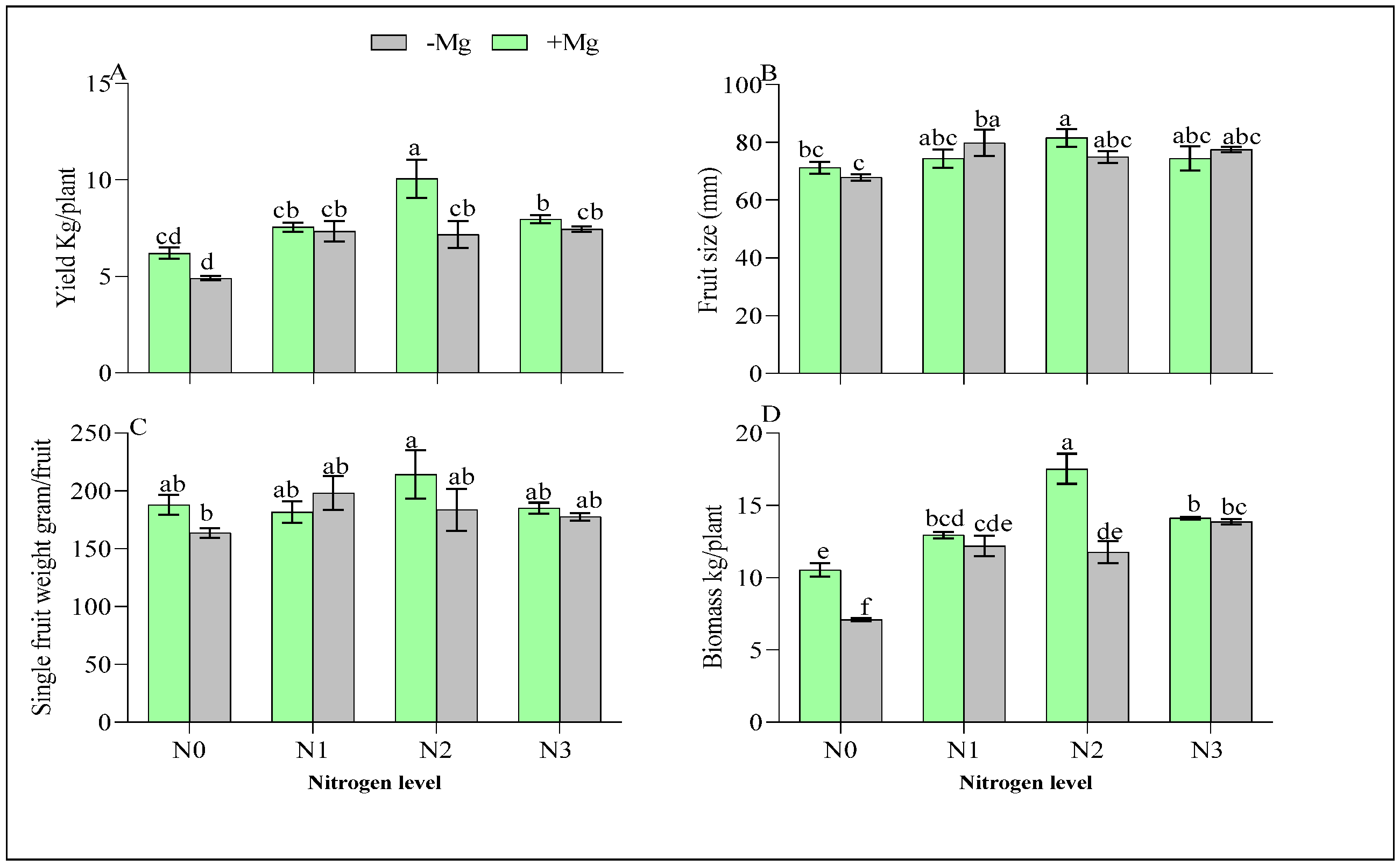
Table 1). Without spraying magnesium fertilizer, the increase in fruit yield (kg/plant) for N1, N2, and N3 was 49.38%, 45.88%, and 51.83%, respectively. With magnesium fertilizer spraying, these increases were significantly higher at 53.78%, 104.90%, and 62.08%, respectively (
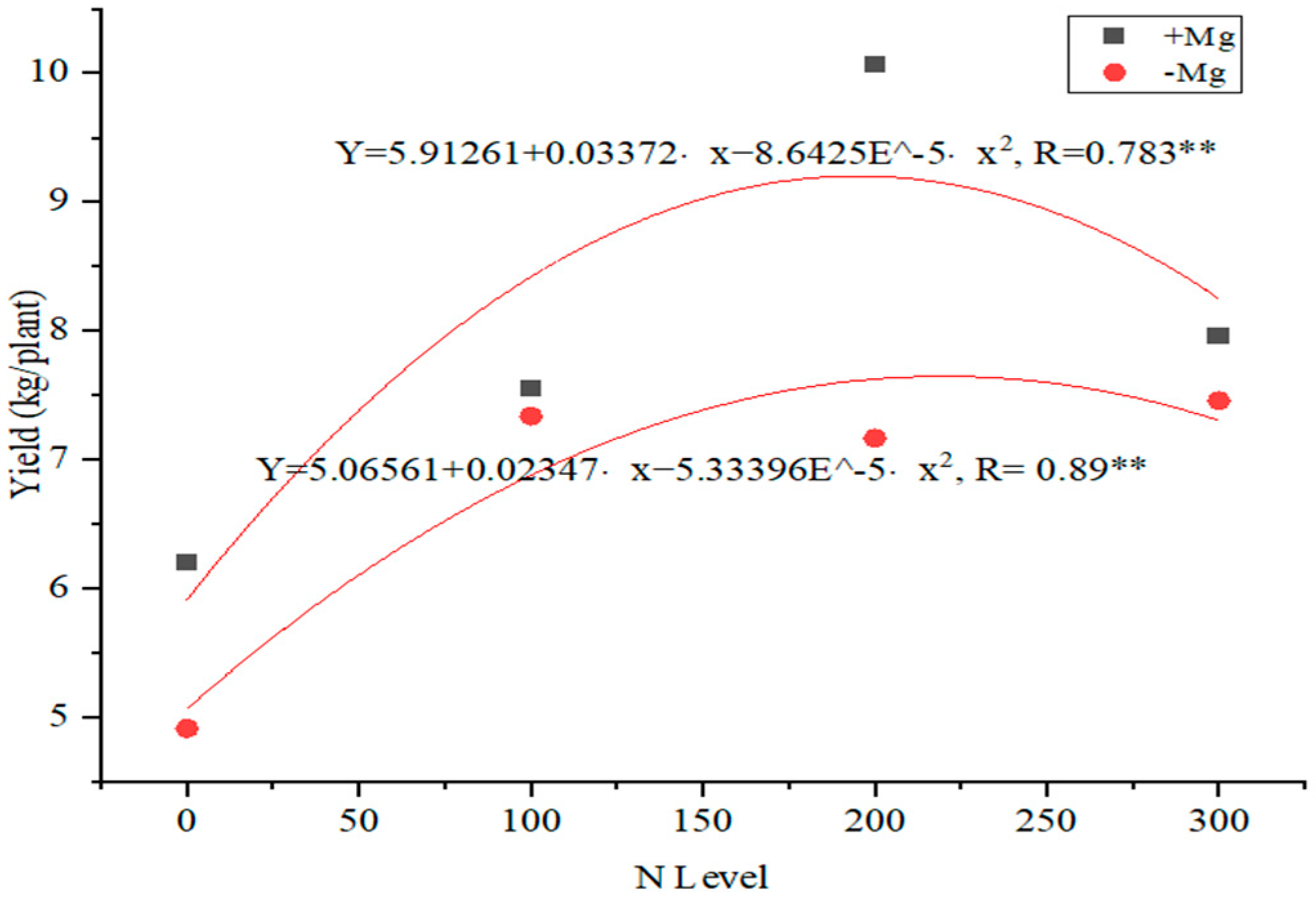
Figure 1A).The theoretical maximum tomato fruit yield was achieved with Mg spraying combined with N2 (200 kg/ha) (
Figure 2).
It showed that nitrogen application with Mg spraying consistently increased yield more than in plants with no Mg spraying and that Mg spraying improved tomato yield regardless of nitrogen fertilizer levels, with significantly higher increases under higher nitrogen levels (N2) than under excess (N3) or lower (N1) levels.
Applying nitrogen significantly increased tomato biomass yield (
p < 0.001). Similarly, magnesium application also had a notable positive effect, boosting biomass yield (
p < 0.001). Additionally, the interaction between nitrogen and magnesium was significant (
p < 0.001) (
Table 1).
Without spraying magnesium fertilizer, the biomass (kg/plant) increased by 72.07%, 65.98%, and 95.82% for N1, N2, and N3, respectively. When magnesium fertilizer was applied, this biomass was increased significantly 82.78%, 147.31%, and 99.21% by three nitrogen levels (
Figure 1D). It was the same as fruit yield that the nitrogen application with Mg spraying consistently increased more biomass than no Mg spraying plants, and Mg spraying improved tomato biomass regardless of nitrogen fertilizer levels, with significantly higher increases under higher nitrogen levels (N2) than excess (N3) or lower (N1) levels.
A similar pattern was observed in untreated plants (−Mg), with fruit yield initially increasing and then decreasing at the highest nitrogen application rate (R
2 = 0.89**). A quadratic regression described the relationship between tomato yield and nitrogen application, indicating a maximum yield at approximately 200 kg N ha
−1 (
Figure 2). However, this estimate should be interpreted cautiously because the regression was based on only four nitrogen application rates. Therefore, the estimated optimum nitrogen rate should be viewed as an approximation of the response trend rather than a definitive recommendation. Future studies incorporating additional nitrogen levels are required to improve the precision and reliability of optimum nitrogen rate estimation.
Similarly, spraying magnesium significantly increased tomato fruit size (
p < 0.05). However, nitrogen application and the interaction between magnesium and nitrogen did not significantly affect fruit size. Additionally, magnesium spraying, nitrogen application, and their interaction did not significantly influence the weight of a single tomato fruit (
Table 1).
3.2. Spraying Magnesium with Nitrogen Influences N and Mg Accumulation and Nitrogen Use Efficiency
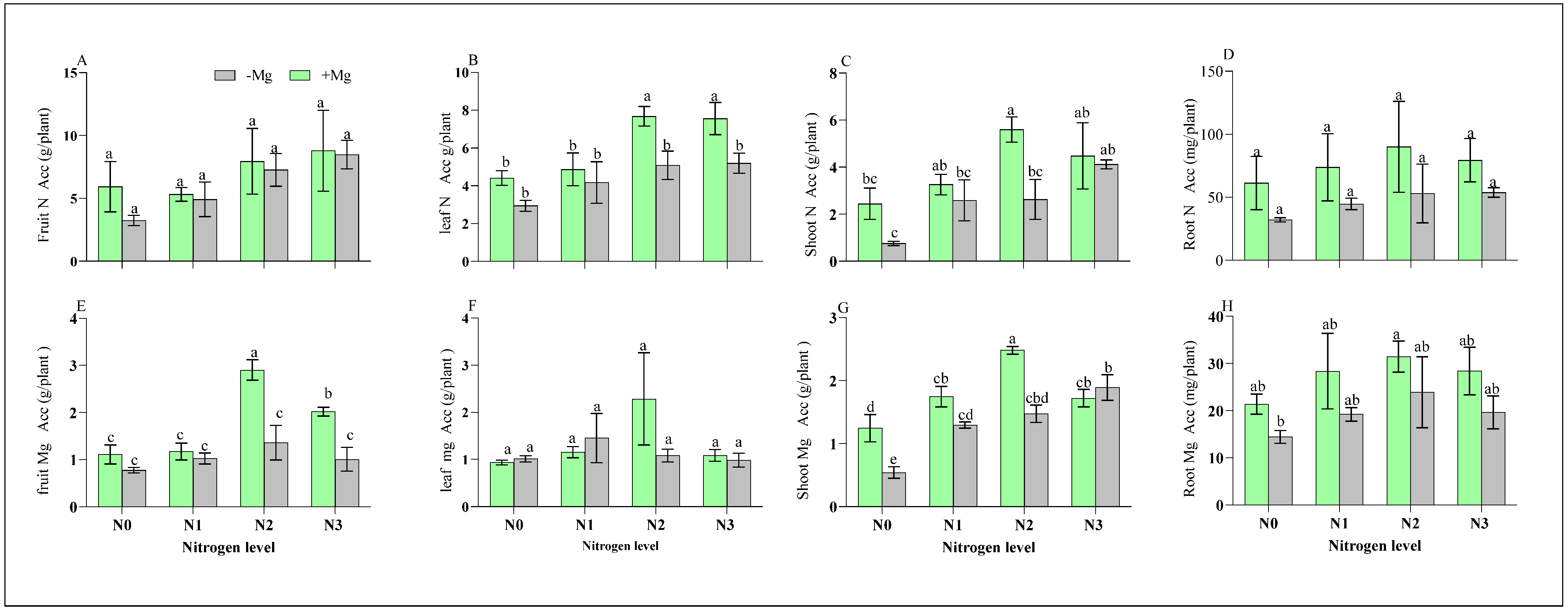
Magnesium spraying, different nitrogen levels, and the interaction between magnesium and nitrogen did not significantly affect nitrogen accumulation in the fruit and roots of tomato, but spraying magnesium and applying different levels of nitrogen significantly affected accumulation of nitrogen in leaves and shoots (
p < 0.05); however, the interaction between spraying magnesium and nitrogen was not significant (
Table 2).
Leaf N accumulation was consistently higher in the +Mg treatment than in the −Mg treatment across all nitrogen levels, suggesting a potential association between magnesium application and improved nitrogen use efficiency and leaf biomass production.
Without spraying magnesium fertilizer, the increases in leaf N accumulation for N1, N2, and N3 were 41.90%, 72.94%, and 76.45%, respectively. When magnesium fertilizer was sprayed, leaf N accumulation increased by 65.38%, 160.86%, and 156.77% for N1, N2, and N3, respectively. However, they were not significantly different from each other (
Figure 3B,C).
At N1 (100 kg N ha−1), leaf N accumulation increased further, suggesting that moderate nitrogen combined with Mg supported better nutrient assimilation; however, at N2 (200 kg N ha−1) and N3 (300 kg N ha−1), the highest values were recorded under +Mg. At the same nitrogen application rates, leaf N accumulation remained lower in the −Mg treatment than in the +Mg treatment, particularly under N2 (200 kg N ha−1) and N3 (300 kg N ha−1).
Spraying magnesium with different levels of nitrogen significantly affected (
p < 0.001) shoot Mg accumulation, and the interaction between magnesium and nitrogen was significantly affected (
p < 0.05). Additionally, spraying magnesium at different nitrogen levels significantly affected (
p < 0.01) tomato fruit Mg accumulation, but the interaction between magnesium and nitrogen was not significant (
Table 2).
The +Mg treatment increased shoot Mg accumulation across all nitrogen levels compared with −Mg, confirming improved soil Mg availability and enhanced uptake and translocation within the plant.
Without spraying magnesium fertilizer, the increase in shoot Mg accumulation for N1, N2, and N3 was 139.1%, 171.7%, and 248.4%, respectively. When magnesium fertilizer was sprayed, these Mg concentrations increased significantly by 222.0%, 357.6%, and 217.5%, respectively, for N1, N2, and N3 (
Figure 3G).
The increase from N2 (200 kg ha−1) to N3 (300 kg ha−1) indicates that high nitrogen supply enhances plant growth and biomass, leading to greater Mg uptake and accumulation in shoots. However, excess nitrogen May reduce Mg uptake efficiency.
Fruit Mg accumulation increased with nitrogen application up to the N2 level, at which the highest accumulation was observed, particularly under the +Mg treatment. However, further nitrogen application at the N3 level resulted in a decline in Mg accumulation.
Without spraying magnesium fertilizer, the increase in fruit Mg accumulation for N1, N2, and N3 was 32.00%, 75.04%, 9.83%, respectively. When magnesium fertilizer was sprayed, the Mg concentration in these leaves increased significantly by 50.96%, 273.20%, and 159.75% in N1, N2, and N3, respectively (
Figure 3E).
The +Mg treatment significantly increased fruit Mg accumulation across all nitrogen levels, confirming enhanced Mg availability and uptake and improved partitioning of Mg to reproductive organs (fruits).
Fruit Mg accumulation increased up to N2 (200 kg ha−1) and decreased at N3 (300 kg ha−1). This indicates that neither too low nor excessive nitrogen levels promote better plant growth, nutrient uptake, and Mg translocation to fruits. The highest N2 (200 kg ha−1) + Mg levels show that optimal nitrogen and Mg supply maximize nutrient recovery and utilization.
Spraying magnesium at different nitrogen levels cannot significantly affect leaf and root Mg accumulation in tomato (
Table 3).
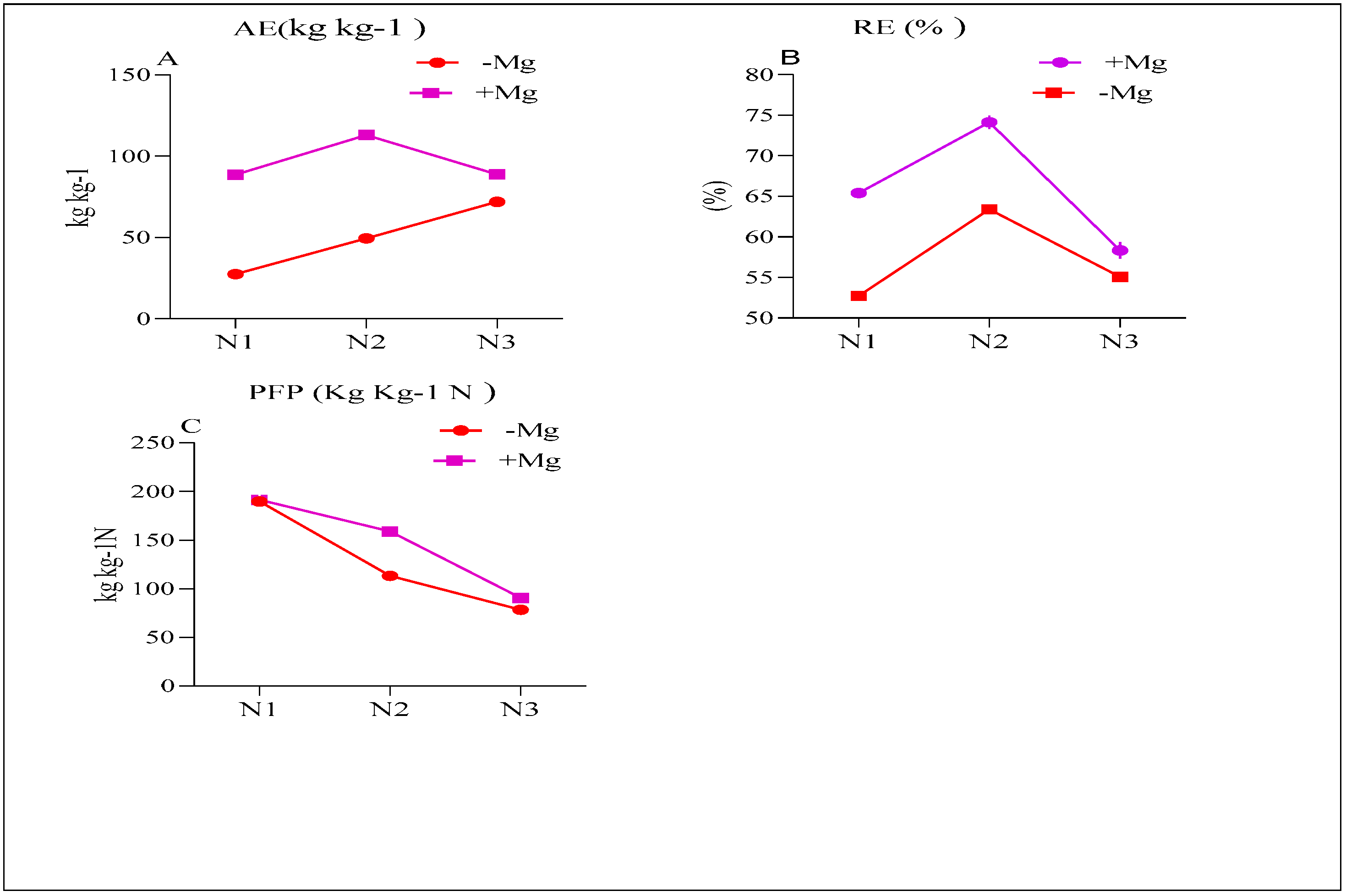
A significant interaction between nitrogen and magnesium was observed for agronomic efficiency (AE) (
Figure 4A). Under the −Mg treatment, AE remained relatively low across nitrogen levels and declined at the highest nitrogen rate (N3 (300 kg ha
−1)). In contrast, AE values were higher under +Mg, with the greatest difference between Mg treatments observed at N2 (200 kg ha
−1). The highest AE was recorded under the N2 + Mg treatment.
Magnesium application (+Mg) consistently led to higher recovery efficiency (RE) (
Figure 4B) compared to -Mg across all nitrogen levels. RE increased from N1 (100 kg ha
−1) to N2 (200 kg ha
−1) but declined at N3 (300 kg ha
−1) under both Mg treatments. The greatest difference between +Mg and −Mg was observed at N2 (200 kg ha
−1), where RE peaked. This suggests that magnesium promotes nitrogen uptake and utilization at higher nitrogen levels.
PFP (partial productivity factor) decreased with increasing nitrogen rates under both Mg and non-Mg treatments (
Figure 4C), indicating diminishing returns at higher N levels. However, magnesium application consistently improved PFP, especially at N2 and N3, emphasizing Mg’s role in sustaining nitrogen productivity during moderate to high N supply. Overall, a balanced combination of N and Mg nutrition enhances fertilizer efficiency compared to applying nitrogen alone.
3.3. Spraying of Magnesium with Nitrogen in the Coloration of Tomato Fruit (Face Score)
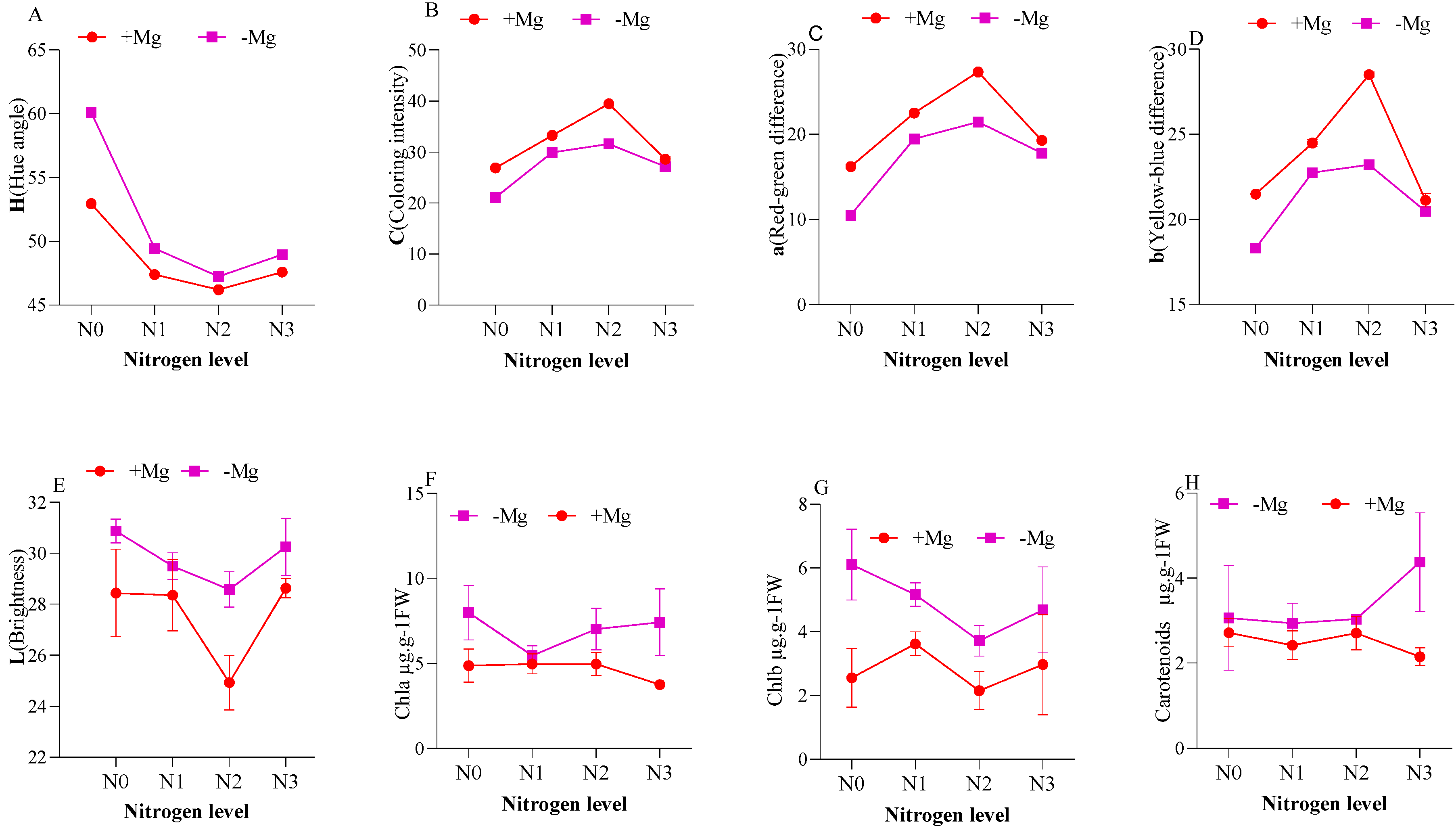
Magnesium spraying significantly affected the hue angle of tomato fruits, and a strong interaction between magnesium and nitrogen treatments was observed. Both nitrogen application combined with magnesium spraying and the nitrogen × magnesium interaction were highly significant (
p < 0.001) (
Table 3).
Across all nitrogen levels, magnesium-sprayed plants (+Mg) consistently exhibited lower hue angle values than non-sprayed plants (−Mg), indicating enhanced fruit coloration and ripening. The lowest hue angle was recorded at N2 under both magnesium treatments, although the reduction was more pronounced in the +Mg treatment (
Figure 5A).
The progressive decline in hue angle from N0 to N2 (200 kg ha−1) indicates a transition in fruit color from green/yellow toward deeper, more mature ripening tones as nitrogen availability increased. However, a slight increase in hue angle at N3 (300 kg ha−1) suggests that excessive nitrogen may delay fruit ripening by stimulating vegetative growth, thereby reducing the intensity of color development.
Tomato fruit color intensity (C), as measured by hue angle, was significantly affected by nitrogen levels, magnesium application, and their interaction (
p < 0.001) (
Table 3). Fruits treated with magnesium spray (+Mg) consistently exhibited higher color intensity than those without magnesium application (−Mg). Color intensity increased progressively from N0 to N2, reaching its maximum at N2 (200 kg N ha
−1) before declining slightly at N3 (300 kg N ha
−1).
Without magnesium spraying, fruit color intensity increased by 11.25%, 17.46%, and 0.87% under N1, N2, and N3, respectively. In contrast, magnesium spraying markedly enhanced fruit color intensity, resulting in increases of 23.59%, 46.77%, and 6.27% under N1, N2, and N3, respectively (
Figure 5B).
The improved coloration seen with magnesium application, especially at the N2 level, boosted the visual appeal and market visual quality of the fruits, indicating higher consumer interest and marketability. These findings suggest that applying magnesium alongside the N2 nitrogen level encourages better fruit color development and enhances overall fruit quality in tomatoes.
Magnesium spraying in combination with nitrogen application significantly influenced the a* value of tomato fruits (
p < 0.001), indicating an enhancement in fruit redness intensity. A significant interaction between magnesium and nitrogen was also observed (
p < 0.001) (
Table 3). The a* value increased progressively from N0 to N2, reaching its maximum at N2 (200 kg ha
−1) before declining at N3 (300 kg ha
−1). Across all nitrogen levels, fruits treated with magnesium (+Mg) consistently recorded higher a* values than those without magnesium application (−Mg).
In the absence of magnesium spraying, the a* values increased by 20.12%, 32.41%, and 9.95% under N1, N2, and N3, respectively. However, magnesium application further enhanced fruit redness, with increases of 38.91%, 68.63%, and 18.98% under N1, N2, and N3, respectively (
Figure 5C).
The highest a* value was observed under the N2 (200 kg N ha
−1) plus Mg treatment, indicating enhanced red coloration of tomato fruits. The increased redness under Mg application reflects improved fruit color development and visual quality. However, because carotenoid content was not significantly affected by the treatments (
Table 3), the higher a* value should not be directly attributed to increased carotenoid accumulation. Therefore, the N2 + Mg treatment improved external fruit color characteristics, although the underlying biochemical mechanisms require further investigation.
The b* value (yellow–blue difference) of tomato fruit was significantly affected by magnesium spraying and nitrogen levels (
p < 0.001), and their interaction was significant (
p < 0.001) (
Table 3). The b* value increased from N0 to N2 (200 kg N ha
−1), reached the highest level at N2, and then declined at N3. Across all nitrogen levels, the +Mg treatment consistently produced higher b* values than the −Mg treatment (
Figure 5D). The increased b* values up to N2 indicate enhanced yellow coloration due to greater carotenoid accumulation under adequate nitrogen supply. Improved color development under magnesium application contributed to better fruit appearance and a higher market face score for tomato fruits.
Tomato fruit brightness (L* value) was significantly influenced by nitrogen levels and magnesium application, showing a significant N × Mg interaction (
p < 0.001) (
Table 3). The L* value decreased up to N2 (200 kg N ha
−1) and then increased at N3. Across all nitrogen levels, fruits treated with magnesium (+Mg) consistently showed lower L* values than untreated fruits (−Mg), particularly at N2 (
Figure 5E). Lower L* values indicate darker fruits, which are associated with greater pigment accumulation during ripening. The darker and more intense fruit color under +Mg treatment improved the visual quality and enhanced the market appeal of tomato fruits.
3.4. The Impact of Spraying Magnesium with Nitrogen on Tomato Internal Quality
3.4.1. Titratable Acidity (TA %) and Total Soluble Solid
Applying magnesium and nitrogen significantly increased tomato fruits’ titratable acidity (TA %) (
p < 0.01) (
Table 3). Additionally, the interaction between nitrogen and magnesium was significant (
p < 0.05) (
Table 3).
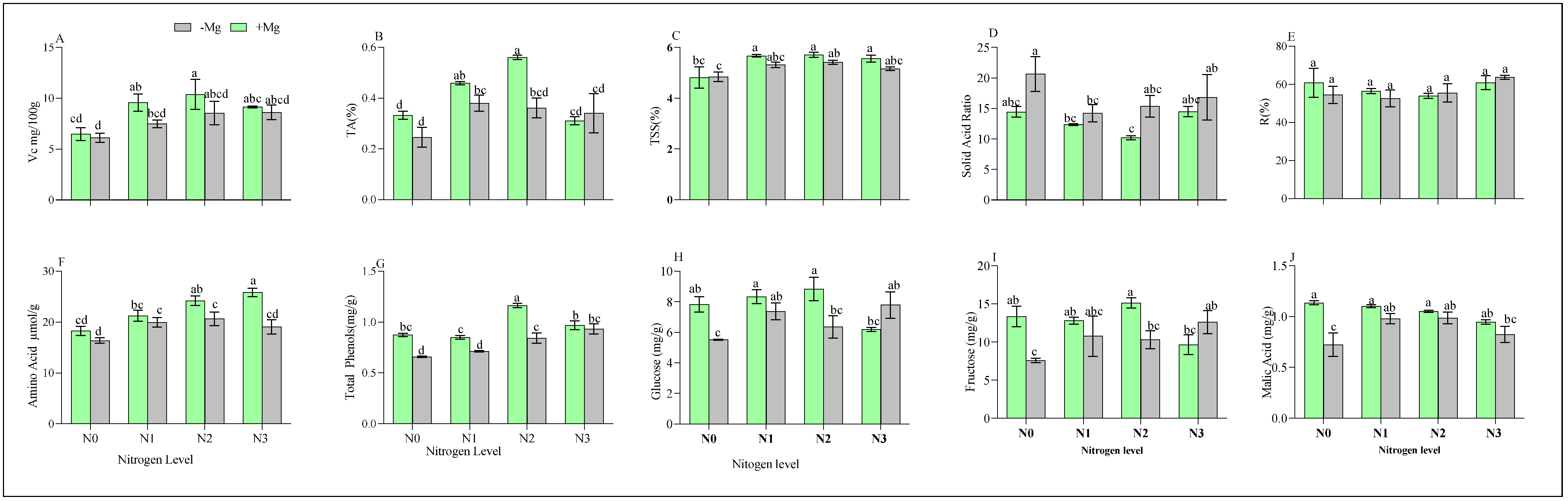
Titratable acidity (TA %) increased up to N2 (200 kg ha−1), reaching a maximum at N2 (200 kg ha−1), and then declined at N3 (300 kg ha−1). At most nitrogen levels, +Mg treatment resulted in higher TA% than −Mg. This shows that it enhances nutrient balance, supporting better fruit biochemical quality.
Without spraying magnesium fertilizer, the increase in fruit titratable acidity (TA %) for N1, N2, and N3 was 54.63%, 47.18%, and 38.59%, respectively. With magnesium fertilizer spraying, these increased significantly by 87.10%, 128.33%, and 26.47% for N1, N2, and N3 nitrogen levels (
Figure 6B).
The increase in TA up to N2 (200 kg ha−1) suggests that adequate nitrogen enhances organic acid synthesis and accumulation, contributing to improved fruit quality. The decline in excess nitrogen (N3) suggests it may dilute organic acids.
Applying nitrogen showed a significant difference between treatments on tomato fruit total soluble solids (TSSs) (
p < 0.01) and magnesium spraying (
p < 0.05). However, the interaction between nitrogen and magnesium was not significant (
Table 3).
TSS increased from N1 and N2, reaching higher values at moderate to higher nitrogen levels (N1 (100 N ha−1) and N2 (200 N ha−1)) and slightly declined at N3 (300 kg ha−1). Across all treatments, the +Mg result showed that +Mg improved over −Mg, indicating improved sugar accumulation.
Without spraying magnesium fertilizer, the increase in fruit total soluble solids (TSSs) for N1, N2, and N3 was 10.39%, 12.47%, and 7.16%, respectively. With magnesium fertilizer spraying at 15.47% for the N1, N2, and N3 nitrogen levels, these total soluble solids (TSSs) increased significantly by 17.78%, 18.59%, and 15.47%, respectively, for the N1, N2, and N3 nitrogen levels (
Figure 6C).
At N1 and N2, +Mg produced the highest TSS, significantly greater than the −Mg treatment. The increase in TSS up to N2 (200 N ha−1) indicates that adequate nitrogen levels enhance carbohydrate synthesis and sugar accumulation in fruits, thereby improving sweetness and quality. The decline at N3 (300 kg ha−1) indicates excess nitrogen application, which promotes vegetative growth and reduction in fruit quality.
3.4.2. Ascorbic Acid (Vc)
Spraying magnesium and different nitrogen levels significantly affected (
p < 0.001); the interaction between nitrogen and magnesium was also significant (
p < 0.001) (
Table 3).
Vitamin C content increased from up to N2 (200 N ha−1), reaching the highest value at N2 (200 N ha−1) under +Mg, and then slightly declined at N3 (300 N ha−1). Across all nitrogen levels, the +Mg treatment resulted in higher VC than the −Mg treatment.
Without spraying magnesium fertilizer, the increase in fruit ascorbic acid (VC) for N1, N2, and N3 was 22.24%, 39.92%, and 40.64%, respectively. With magnesium fertilizer spraying, the ascorbic acid (VC) in the fruit increased significantly by 56.58%, 69.80%, and 49.48% for N1, N2, and N3, respectively (
Figure 6A).
The vitamin C (VC) content increased progressively up to N2 (200 kg N ha−1) and declined at N3 (300 kg N ha−1). This result indicates that an optimal nitrogen level combined with magnesium application enhanced metabolic activity and promoted the biosynthesis of ascorbic acid, thereby improving the nutritional quality of tomato fruits. In contrast, excessive nitrogen application negatively affected fruit quality and reduced vitamin C accumulation.
3.4.3. Solid Acid Ratio
Spraying magnesium significantly affected the solid acid ratio (
p < 0.05). However, applying nitrogen and the interaction between nitrogen and magnesium were not significant (
Table 3). The highest mean solid acid ratio was recorded in the control treatments without magnesium application. The effect of magnesium spraying varies with nitrogen level, mostly happening at the N2 (200 kg ha
−1) level, with the spraying of magnesium decreasing the solid acid ratio further than other combinations (
Figure 6D).
3.4.4. Free Amino Acid and Total Phenols
The analysis of variance revealed that magnesium application, nitrogen levels, and their interaction significantly affected amino acid and total phenol contents (
p < 0.001) (
Table 3). Increasing nitrogen supply significantly enhanced both parameters, with the highest values observed under the N2 and N3 treatments (
Figure 6F,G). Moreover, the significant Mg × N interaction indicated that the accumulation of amino acids and total phenols in tomato fruits depended on the combined effect of nitrogen and magnesium supply. These results suggest that adequate nitrogen, together with magnesium application, promoted metabolic activity and the synthesis of bioactive compounds, thereby improving the nutritional and antioxidant quality of tomato fruits.
Without magnesium spraying, fruit free amino acid content increased by 21.94%, 26.14%, and 16.56% under N1, N2, and N3, respectively. However, magnesium application further enhanced free amino acid accumulation, resulting in significant increases of 29.83%, 47.83%, and 57.86% under N1, N2, and N3, respectively (
Figure 6F).
Similarly, without magnesium spraying, total phenol content increased by 8.08%, 27.97%, and 41.73% under N1, N2, and N3, respectively. With magnesium spraying, total phenol content increased significantly by 29.12%, 76.62%, and 46.96% under N1, N2, and N3, respectively (
Figure 6G). These results indicate that magnesium application, particularly when combined with optimal nitrogen supply, enhanced the accumulation of amino acids and phenolic compounds, thereby improving the nutritional and antioxidant quality of tomato fruits.
3.4.5. Simple Sugar and Organic Acid
Spraying magnesium and its interaction with nitrogen significantly affected glucose and fructose concentrations (
p < 0.05). However, applying different rates of nitrogen was not significant (
Table 3).
Glucose and fructose contents increased up to N2 (200 kg ha−1), reaching the highest values under the +Mg treatment, and then decreased at N3 (300 kg N ha−1). In most nitrogen levels, magnesium-treated plants (+Mg) showed higher glucose and fructose contents compared with untreated plants (−Mg), except at N3, where the −Mg treatment showed comparable or slightly higher values.
Without magnesium spraying, glucose content increased by 33.69%, 15.20%, and 41.21% under N1, N2, and N3, respectively, while fructose content increased by 42.12%, 36.04%, and 66.35%, respectively (
Figure 6H,I). With magnesium spraying, glucose content further increased by 51.16%, 60.25%, and 12.15%, whereas fructose content increased by 68.96%, 99.48%, and 27.39% under N1, N2, and N3, respectively (
Figure 6H,I).
The significant interaction between nitrogen and magnesium suggests that the influence of foliar Mg application on fruit sugar composition was dependent on nitrogen nutritional conditions.
Malic acid concentration was significantly affected by magnesium application (
p < 0.05), whereas different nitrogen rates showed no significant effect (
Table 3). Malic acid content was highest at nitrogen levels up to N1 and gradually decreased with increasing nitrogen supply, reaching the lowest value at N3. Across all treatments, the +Mg treatment consistently resulted in higher malic acid content than the −Mg treatment.
Without magnesium spraying, malic acid content increased by 35.19%, 36.28%, and 13.92% under N1, N2, and N3, respectively. With magnesium spraying, the increases were 52.27%, 45.31%, and 30.83% under N1, N2, and N3, respectively (
Figure 6J). However, these differences were not statistically significant compared with the magnesium-sprayed treatments.
The decline in malic acid content with increasing nitrogen levels suggests that excessive nitrogen reduced organic acid accumulation, leading to lower fruit acidity. In contrast, low to moderate nitrogen levels promoted greater organic acid accumulation, contributing to improved fruit acidity and flavor quality.
3.5. Correlation Matrix and Principal Component Analysis (PCA) of Internal and External Quality of Tomato Fruit
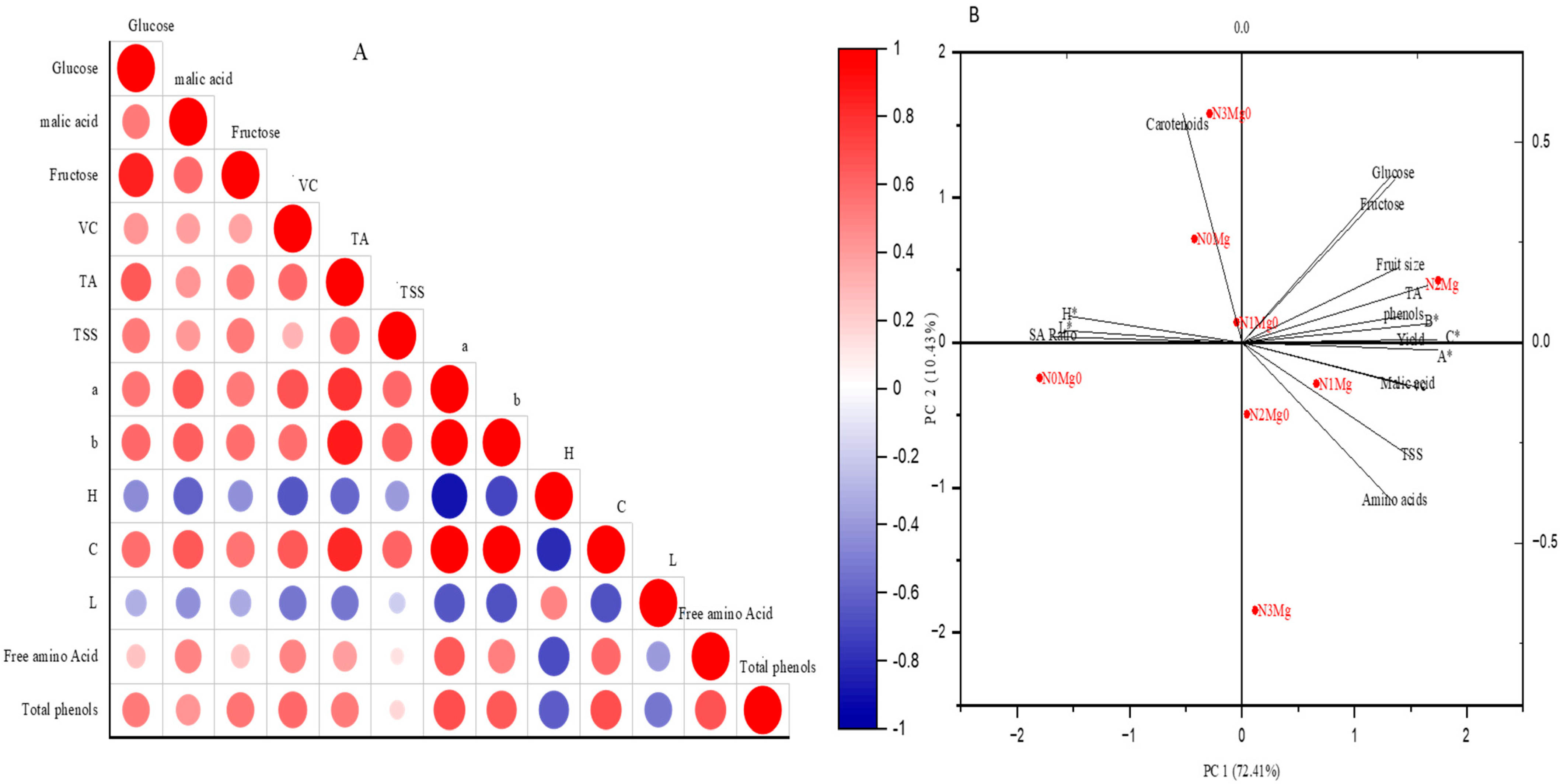
A Pearson correlation analysis was conducted to examine relationships between colorimetric parameters (L*, a*, b*, chroma, and hue angle) and biochemical quality attributes of tomato fruit, including vitamin C (VC), titratable acidity (TA), total soluble solids (TSSs), glucose, fructose, malic acid, and amino acids (
Figure 7A). Significant correlations were observed between fruit color characteristics and several biochemical traits, indicating that color parameters were closely associated with changes in fruit composition during ripening.
The L* value (lightness) showed variable relationships with fruit quality attributes. Lower L* values were associated with higher concentrations of glucose, fructose, and TSS, whereas higher L* values were generally associated with lower concentrations of these compounds. These relationships suggest that darker fruits tend to have higher levels of soluble sugars and soluble solids.
The a* value, representing the transition from green to red coloration, was positively correlated with glucose, fructose, TSS, VC, and amino acid contents. Similarly, chroma (C*), which reflects color intensity and saturation, showed positive associations with most biochemical quality attributes, particularly soluble sugars, VC, and amino acids. These results indicate that fruits with greater redness and color intensity were generally associated with favorable biochemical quality characteristics.
The b* value showed moderate positive correlations with VC and soluble sugars. However, these associations were weaker than those observed for a* and chroma, suggesting that yellow color development was less closely related to fruit biochemical composition.
In contrast, hue angle (H°) showed strong negative correlations with glucose, fructose, TSS, VC, and amino acids. Lower H° values were associated with higher concentrations of these quality-related compounds, consistent with more advanced fruit ripening.
Titratable acidity (TA) and malic acid showed a negative correlation with a* and chroma and a positive correlation with hue angle. These findings suggest that fruits exhibiting more redness and color vibrancy generally have lower levels of organic acids. Overall, the correlation analysis highlights notable links between external color features and internal quality parameters; nonetheless, these relationships are associations and do not necessarily imply causation.
Principal component analysis (PCA) was conducted to assess relationships among fruit quality traits and treatment responses across nitrogen and magnesium combinations. The first two principal components explained 82.84% of the total variation, with PC1 and PC2 accounting for 72.41% and 10.43%, respectively (
Figure 7B). PC1 was positively associated with glucose, fructose, fruit size, titratable acidity (TA), phenols, yield, total soluble solids (TSS), amino acids, and malic acid, indicating that these traits responded in concert to nutrient management and collectively contributed to fruit quality. In contrast, the sugar–acid ratio and color parameters (H* and L*) were negatively associated with PC1, reflecting an opposing response pattern.
From a physiological perspective, the clustering of sugars, amino acids, phenols, yield, and fruit size on the positive side of PC1 suggests coordinated regulation of carbon and nitrogen metabolism. Nitrogen supports protein synthesis and primary metabolism, whereas magnesium is critical for chlorophyll formation, photosynthesis, and assimilate transport. Consequently, treatments with positive PC1 values tended to show enhanced fruit development and biochemical quality.
Among the treatments, N2Mg was strongly linked to fruit size, TA, phenols, yield, and color parameters (a* and b*), suggesting a positive balance between productivity and fruit quality. This pattern indicates that N2Mg enhances effective assimilate production and allocation, supporting both fruit development and metabolite buildup. Conversely, N3Mg showed a stronger connection with TSS and amino acids, implying that higher nitrogen levels favor the buildup of soluble metabolites over increases in yield-related traits. Treatments without nitrogen (N0Mg0 and N0Mg) clustered on the negative side of PC1 and were negatively correlated with most quality parameters, indicating lower metabolic activity and reduced fruit quality.
Overall, the PCA shows that nitrogen and magnesium together affected fruit composition and yield. The strong link between N2Mg and traits related to both yield and quality indicates that this treatment offered the best balance between fruit production and biochemical quality. Conversely, too much nitrogen led to increased metabolite buildup without corresponding improvements in overall productivity.
3.6. Relationships Between a* Color Value and Biochemical Quality Attributes of the Fruit
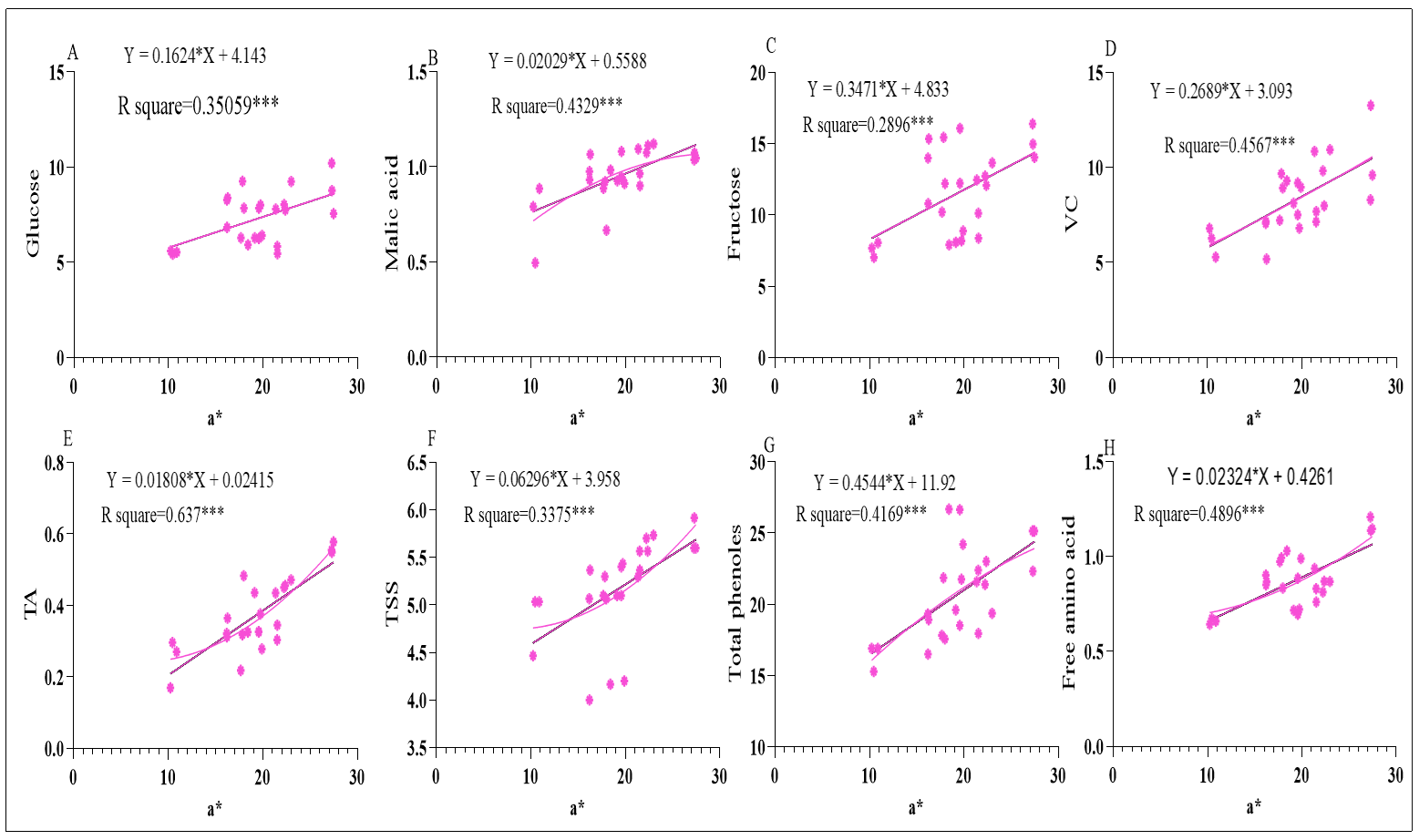
The peel color parameter a* showed significant positive correlations with all measured internal quality traits, indicating that as tomato fruits developed deeper red coloration, both nutritional quality and eating quality improved.
Glucose content increased significantly with increasing a* values (R
2 = 0.351,
p < 0.001;
Figure 8A), indicating that fruits with stronger red coloration accumulated higher levels of reducing sugars. A similar positive relationship was observed for fructose (R
2 = 0.290,
p < 0.01;
Figure 8C), suggesting that sugar accumulation progressed simultaneously with color development during ripening. Total soluble solids (TSSs) were also positively correlated with a* (R
2 = 0.338,
p < 0.001;
Figure 8F), indicating that fruits with deeper red color generally possessed sweeter taste and superior flavor quality. These findings demonstrate that enhanced redness not only improved fruit appearance and market face score but also reflected better internal quality and consumer acceptability.
Malic acid showed a moderate correlation with a* values (R
2 = 0.433,
p < 0.001;
Figure 8B), while free amino acid content also increased with increasing a* values (R
2 = 0.480,
p < 0.01;
Figure 8H). These results indicate that the development of deeper red coloration was closely associated with changes in important metabolites related to fruit flavor and nutritional quality. Therefore, fruits with higher a* values not only exhibited improved visual appearance and market face score but also possessed enhanced internal quality attributes that contribute to better taste and nutritional value.
Vitamin C content increased significantly with increasing a* values (R
2 = 0.457,
p < 0.001;
Figure 8D), indicating that fruits with deeper red coloration contained higher levels of ascorbic acid. Among all measured traits, flavonoid content showed the strongest relationship with a* (R
2 = 0.637,
p < 0.001;
Figure 8E), demonstrating a close association between peel redness and flavonoid accumulation. Total polyphenol content was also positively correlated with a* (R
2 = 0.416,
p < 0.001;
Figure 8G), confirming that redder fruits accumulated greater amounts of antioxidant compounds. These findings suggest that enhanced red coloration not only improved fruit appearance and market face score but also reflected the superior nutritional and antioxidant quality of tomato fruits.




 ,
,