Article

Fluorine as a Factor Determining the Amino Acid Content in Plants

by
Radosław Szostek
,
Mirosław Wyszkowski
*,
Elżbieta Rolka
and
Zdzisław Ciećko
Department of Agricultural and Environmental Chemistry, University of Warmia and Mazury in Olsztyn, Łódzki 4 Sq., 10-727 Olsztyn, Poland
*
Author to whom correspondence should be addressed.
Agronomy 2026, 16(11), 1107; https://doi.org/10.3390/agronomy16111107
Submission received: 21 April 2026 / Revised: 15 May 2026 / Accepted: 2 June 2026 / Published: 3 June 2026

Abstract

Plant quality is strongly influenced by environmental conditions, including the presence of micronutrients and potentially toxic elements in the soil. This study aimed to evaluate the effect of soil-applied fluorine on the content of exogenous (essential) and endogenous (non-essential) amino acids in black radish roots and the aerial biomass of narrow-leaved lupine. The following essential amino acids were identified: histidine, threonine, arginine, lysine, tyrosine, leucine, phenylalanine, isoleucine, methionine, and valine. The group of endogenous amino acids comprised cysteine, proline, serine, glutamic acid, aspartic acid, glycine, and alanine. Increasing fluorine application generally enhanced the accumulation of both essential and endogenous amino acids in lupine shoots and radish roots. The strongest stimulatory effect on the synthesis of most amino acids was observed at the lowest fluorine doses, i.e., 20 mg F kg−1 soil for narrow-leaved lupine and 100 mg F kg−1 soil for black radish. By contrast, the concentrations of certain endogenous amino acids, such as aspartic acid, glutamic acid and proline in radish roots and aspartic acid in lupine shoots, were highest at intermediate fluorine contamination levels. Moreover, the maximum contents of tyrosine and cysteine in lupine aerial parts were recorded under the highest fluorine dose. Overall, protein derived from black radish exhibited a higher nutritional value than that of narrow-leaved lupine. The results obtained show that simulated soil contamination with fluoride stimulates amino acid synthesis in both plants. The research enables a better assessment of the quality and nutritional value of crops grown under conditions of environmental contamination, and helps to explain the mechanisms by which plants defend themselves against chemical stress. The research suggests that moderate fluoride contamination causes changes in nitrogen metabolism, increasing amino acid production, which may be a defence mechanism in plants against stress.

1. Introduction

Plants constitute the initial and most vulnerable component of terrestrial ecosystems with respect to fluorine exposure. Under natural conditions, the absorption of fluorine by vegetation from soil is generally limited, as this element predominantly occurs in chemical forms that are poorly available for plant uptake. Consequently, vegetation growing in uncontaminated environments contains only trace amounts of fluorine, typically not exceeding 10 mg F kg−1 dry matter (DM) [1]. Elevated fluorine accumulation in plants may occur when soils are polluted and specific environmental conditions enhance its bioavailability. This situation is frequently observed in regions influenced by industrial emissions or in agricultural soils subjected to long-term application of phosphate-based fertilisers, which are known sources of fluorine enrichment [2]. Under such circumstances, phytotoxic effects may develop rapidly, even at relatively low atmospheric concentrations of fluorine compounds [3]. Hydrogen fluoride released into the environment exhibits markedly higher toxicity, approximately threefold, compared to other common air pollutants such as O3, SO2, and NO3 [4]. Airborne hydrogen fluoride at a concentration of 0.1 µg m−3 is already sufficient to cause damage to plant tissues and is widely regarded as the critical toxicity threshold.
Fluorine that is absorbed through the root system is generally considered to be less harmful to plants than fluorine that is taken up through foliar pathways. Plants can mitigate the toxicity of soil-derived fluorine through metabolic detoxification processes, as well as through internal redistribution and dilution during biomass accumulation. Some plant species can also eliminate fluorine by releasing volatile fluorinated compounds, such as vinyl fluoride and fluoroacetate [5].
Typically, fluorine concentrations are higher in root tissues than in aerial plant parts, a pattern that has also been confirmed in our earlier investigations [6]. This distribution is probably due to the limited permeability of endodermal cell layers, which restricts the translocation of fluorine from roots to shoots. By contrast, in industrially polluted areas, atmospheric fluorine compounds are the main source of plant contamination. Research conducted by Klódka et al. [7] demonstrated that leafy vegetables cultivated in the vicinity of the “Police” Chemical Plant in Poland contained between 15 and 80 mg F kg−1 DM, whereas root vegetables accumulated 9–48 mg F kg−1 DM. These values considerably exceed the natural background range of fluorine in plants, which is typically 2–10 mg F kg−1 DM [8,9].
Regions subjected to intense emissions of gaseous fluorine compounds experience contamination not only of soils and vegetation but also of grazing animals that consume polluted forage [10]. In the context of climate change and increasing anthropogenic pressure on ecosystems, sustainable agricultural practices are being promoted, including the reduction in mineral nitrogen fertiliser use, which benefits soil quality. One such approach involves cultivating leguminous crops, such as faba bean, which form symbiotic associations with Rhizobium bacteria capable of fixing atmospheric nitrogen into forms available to plants. This biological process enhances crop productivity and improves the nutritional and energy value of fodder [11]. As a result, legumes are increasingly considered valuable components of animal feed formulations and can effectively replace post-extraction soybean meal.
In Poland, narrow-leaved lupine represents one of the most significant legume crops [12]. Owing to its high protein content, lupine is widely utilised in animal nutrition and in the production of so-called “functional foods,” which contain bioactive compounds that provide health benefits beyond basic nutrition [13]. Interest in cultivating narrow-leaved lupine is growing due to its moderate soil requirements, high yield potential and superior resistance to anthracnose compared to other lupine species. Lupine is used for concentrated feed production, green forage, green manure, and catch crops. Within crop rotations, it serves as an excellent forecrop, enhancing yields of subsequent plants. Through atmospheric nitrogen fixation, lupine reduces the need for nitrogen fertilisation, while its deep and well-developed root system improves soil structure and facilitates the upward movement of nutrients such as phosphorus, potassium, and calcium from deeper soil horizons, making them accessible to crops with shallower root systems [14,15,16]. Narrow-leaved lupine is characterised by stable and high yields, typically exceeding 3 Mg ha−1, which is more than 1 Mg ha−1 higher than that of yellow lupine. Uniform maturation further simplifies harvesting operations. Seed protein content usually exceeds 30% DM, depending on cultivar, and the absence of alkaloids confers superior nutritional quality compared with other legumes. Moreover, lupine’s tolerance to low temperatures enhances its suitability for cultivation in cooler climates, underscoring its importance as a crop of the future [17]. According to FAO data [18], global lupine production reached 1,380,000 Mg in 2021, representing an increase of nearly 14% compared with a decade earlier. Australia dominates global production with a 63% share (865,619 Mg), followed by Europe (29%), with Poland ranking second worldwide (221,390 Mg), ahead of Russia (69,723 Mg).
Black radish (Raphanus sativus L. var. niger), belonging to the Brassicaceae family [19], is also of considerable importance in both human and animal nutrition. Cultivated worldwide, it is consumed primarily raw in salads, but also after cooking or pickling. The roots are rich in B-group vitamins, vitamins C and A, and exogenous minerals such as iron, potassium, magnesium, zinc, and calcium. Furthermore, black radish contains all exogenous amino acids, making it particularly valuable for vegetarian and vegan diets. Owing to its high concentration of bioactive nutrients, black radish supports immune function and contributes to the prevention of numerous diseases [20,21,22,23]. Its leaves are suitable for producing easily digestible animal feed. Although consumer demand for black radish as a food product remains moderate, its use as animal fodder is steadily increasing [19]. From an economic perspective, radish cultivation is highly significant, accounting for approximately 2% of global vegetable production, equivalent to about 7 million Mg annually [24,25]. A major concern associated with industrial fluorine contamination of crops is the risk of fluorosis in animals and humans resulting from the consumption of contaminated feed and plant-derived food products [26].
The choice of narrow-leaved lupine and black radish as the subjects of the study is based on their agronomic, biological and nutritional characteristics. The above data indicate that both species are of key importance to Polish agriculture, lupine as a legume and black radish as a root vegetable of the Brassicaceae family, constituting a vital link in domestic production. Both crops feature in the human diet as so-called functional foods (lupine for its protein content, and black radish as a rich source of vitamins, minerals and essential amino acids for vegans/vegetarians). Furthermore, lupine and black radish are morphologically and physiologically two completely different species. Lupine, belonging to the Fabaceae family, fixes atmospheric nitrogen and enriches the soil with nutrients, whereas black radish intensively draws nutrients from the soil and contributes to its depletion. A comparative analysis of these plants in terms of their nutritional value for humans reveals a clear distinction between plants with high protein/nutritional value and those primarily used as animal feed or industrial raw materials. Lupine appear to have the highest nutritional value in the human diet, whilst black radish, in turn, stands out for other properties, mainly medicinal ones or its low calorie content. The culinary use of black radish, as a root vegetable, involves using it for juice, mainly due to its high content of vitamin C and sulphur compounds [27,28,29]. Taking all this into account, the choice of these plants allows the fluoride risk to be assessed at two different levels: through the consumption of the green parts and roots by humans, and through animal feed for livestock [6].
The existing scientific literature [30,31,32,33] extensively documents the direct impact of fluoride on key plant parameters, such as growth, yield and basic chemical composition. Most of the available studies are limited to a superficial observation of the final effect, namely, the fact that fluoride toxicity leads to changes in the levels of certain amino acids. However, the literature does not provide a comprehensive explanation of the relationship between fluoride and amino acid metabolism. Elucidating such plant defence mechanisms is of paramount importance and would contribute unique insights to the discussion on plant resistance to xenobiotics.
Accordingly, the objective of the present study was to assess the impact of soil fluorine contamination on amino acid profiles and protein quality in agriculturally important plant species, specifically black radish roots and the aerial biomass of narrow-leaved lupine cultivated for green fodder.

2. Materials and Methods

2.1. Plant Growth Experiment

The pot trial was conducted under controlled conditions in the vegetation hall of the University of Warmia and Mazury in Olsztyn, Poland (53°46′23″ N, 20°28′34″ E). The experimental soil was collected from an arable field from the 0–25 cm layer and was classified texturally as loamy sand.
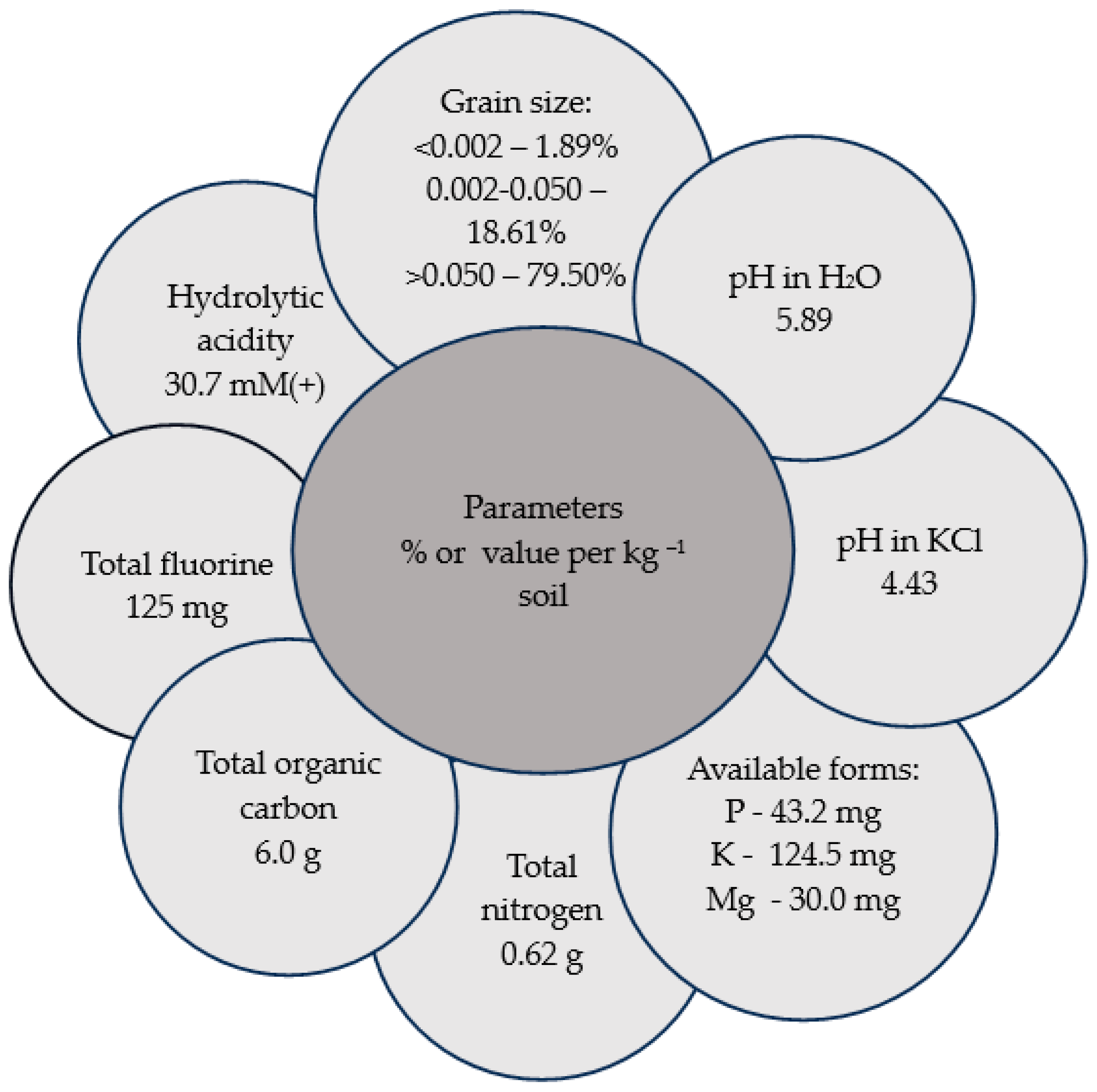
The principal physicochemical characteristics of the soil are presented in Figure 1. The total fluorine content in the soil prior to the establishment of both experiments was 125 mg F kg−1. The soil pH prior to the start of the experiment was 5.89.
The plant material consisted of black radish (Raphanus sativus L., cv. Negro) and narrow-leaved lupine (Lupinus angustifolius L., cv. Graf). The levels of soil fluorine contamination applied in the experiment were established based on preliminary studies performed at the department, which assessed the relative sensitivity of the selected species to fluorine stress. Accordingly, black radish was grown in soil amended with fluorine at concentrations of 100, 200, and 300 mg F kg−1 soil, whereas lower contamination levels of 20, 40, and 60 mg F kg−1 soil were used for narrow-leaved lupine. In both experiments, plants cultivated in uncontaminated soil served as the control treatment. The applied fluorine doses reflected the average total fluorine content reported for Polish soils [5]. In preliminary studies, higher fluorine doses of up to 1500 mg F kg−1 were initially used; however, plant emergence was negligible as early as the germination stage. Consequently, the fluorine doses were gradually reduced, eventually reaching levels of 100, 200 and 300 mg F kg−1 of soil for black radish, and 20, 40 and 60 mg F kg−1 of soil for narrow-leaved lupine, which proved to be the plant most sensitive to soil fluoride contamination. Fluorine was supplied in the form of commercially available potassium fluoride, characterised by a molecular weight of 58.09 g mol−1, a melting point of 858 °C, a boiling point of 1505 °C, a density of 2.49 g cm−3, and a vapour density relative to air of 2.01. The relevant literature [34] indicates that the toxicity of fluorines depends mainly on their solubility, which determines how quickly fluorine ions are released into the environment. The chemical properties of these compounds determine their intended use; thus, Ca2F and NH4F are mainly used in heavy industry, KF is mainly used in agriculture as a component of pesticides, and NaF in dentistry or water fluoridation.
A review of the scientific literature reveals that most studies are based on the use of fluorine in the form of sodium fluoride [35,36,37]. In this study, however, the authors chose to use fluorine in the form of potassium fluoride, which, like NaF, is highly soluble in water and is therefore rapidly released into the environment. Ammonium fluoride, like KF and NaF, is also highly soluble in water; however, in an aquatic environment, it undergoes hydrolysis to form hydrofluoric acid, which makes it more hazardous and more aggressive. Calcium fluoride (Ca2F), on the other hand, is significantly less toxic than the others, mainly due to its very low solubility in water, which means that fluorine ions are released very slowly and pose a minimal risk. Based on these assumptions, the authors of this study sought to expand knowledge regarding the effects of this xenobiotic on plants, specifically, when present in the form of a chemical compound primarily used in agriculture.
To ensure adequate nutrient availability, uniform mineral fertilisation was applied across all treatments, consisting of urea (46% N) at 111 mg N, triple superphosphate (46% P) at 48 mg P, and potassium salt (57% K) at 111 mg K per kg of soil. Prior to pot filling, the soil was air-dried and passed through a 1 cm sieve. The required amounts of fluorine and mineral fertilisers were thoroughly homogenised with the soil, which was then transferred into labelled polyethylene pots, each containing 9 kg of substrate. Sowing was performed immediately after pot preparation. Plant density was set at eight plants per pot for black radish and thirteen plants per pot for narrow-leaved lupine. Throughout the experimental period, soil moisture was maintained at 60% of capillary water capacity.
Meteorological conditions during the experiment were considered typical for the region, with a mean air temperature of 11.3 °C, daily extremes ranging from 6.0 to 16.0 °C, an average relative humidity of 62.9%, and a photoperiod varying between 9 h 4 min and 16 h 18 min. Black radish plants were harvested at the stage of technical root maturity, with separation of aerial biomass and roots. Narrow-leaved lupine was harvested on 20 October at the flowering stage. At harvest, radish roots and lupine aerial parts were collected simultaneously and prepared for subsequent chemical analyses.

2.2. Analytical and Statistical Determinations

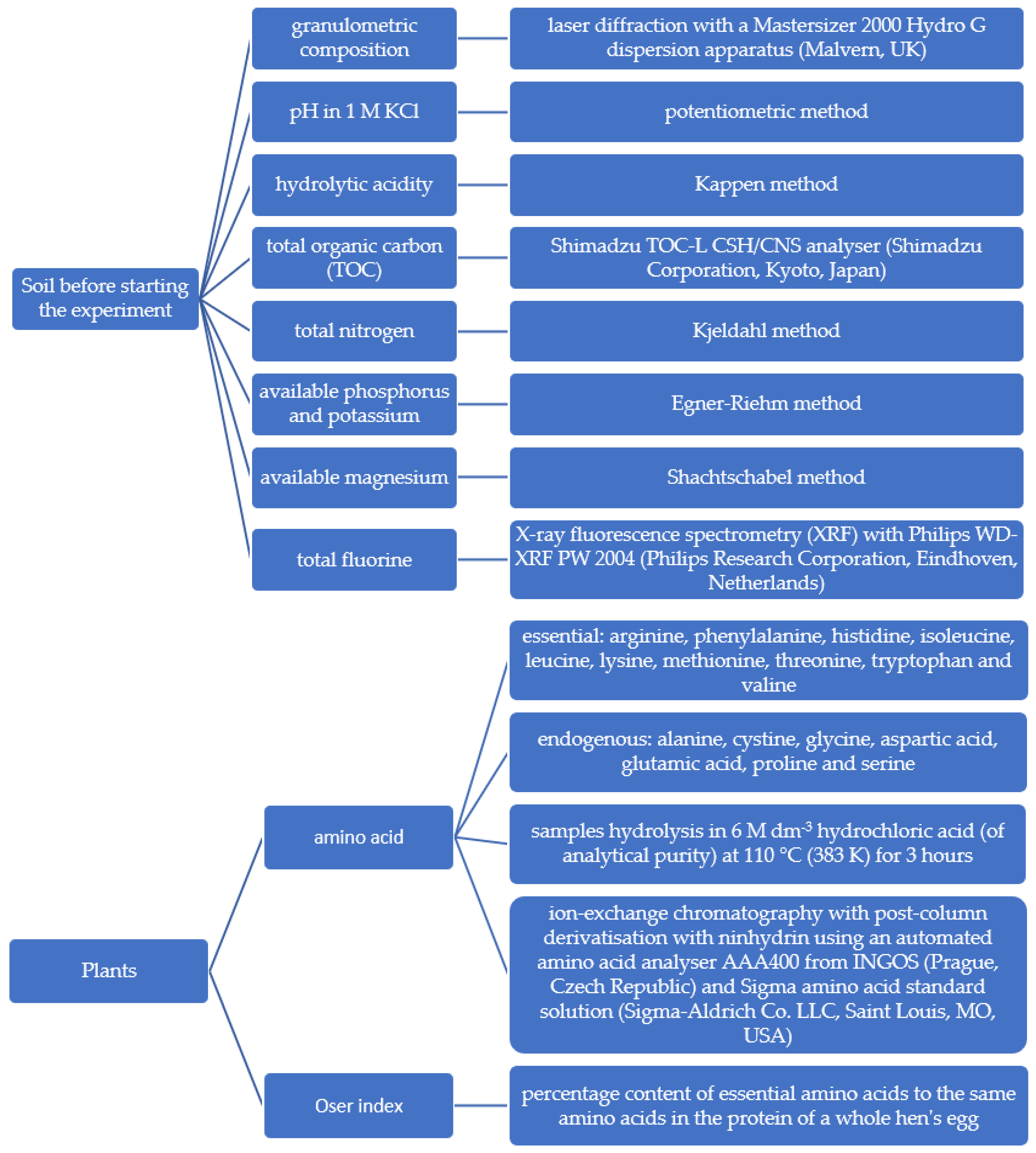
Following harvest, representative samples of plant material were collected for laboratory analyses. The total biomass obtained from each pot was first weighed, after which the plant material was chopped and oven-dried at 60 °C. Once a constant mass was achieved, the dried samples were finely ground for further determinations. Soil analyses were performed prior to the initiation of the experiment. A detailed overview of the analytical procedures and instrumentation applied to both plant and soil samples before the experimental phase is provided in Figure 2 [38,39,40,41,42,43,44]. The procedure for determining amino acids on the AAA 400 analyser (INGOS, Prague, Czech Republic) using the ion-exchange method involves, in brief, weighing the sample and then adding 6 M HCl. In the case of sulphur-containing amino acids, trace amounts of phenol are added to the acid. Finally, the sample is placed in a heating block or oven for 3 h at 110 °C, where the actual hydrolysis takes place. Once heating is complete, the hydrolysate is prepared for analysis by evaporating the excess HCl in the sample, dissolving the residue in a starting Buffet, usually a citrate buffer at pH 2.2, and finally filtering to remove any impurities that could clog the column. At this point, the actual analysis takes place according to the programmed cycle. The results of the determination of the total amino acid content in the aerial parts of both plants are presented relative to dry matter and total protein.
Statistical evaluation of the experimental data was carried out using the Statistica 13.0 software package. Differences among treatments were assessed by analysis of variance (ANOVA), followed by Tukey’s honestly significant difference (HSD) post hoc test to identify statistically significant contrasts [45].

3. Results

Soil enrichment with fluorine significantly altered the amino acid profiles of both the aerial biomass of narrow-leaved lupine and the roots of black radish. These modifications were reflected in increased concentrations of both exogenous (ExAAs) and endogenous (EnAAs) amino acids in the analysed plant organs (Figure 3, Figure 4, Figure 5, Figure 6, Figure 7, Figure 8, Figure 9 and Figure 10).

3.1. Narrow-Leaved Lupine

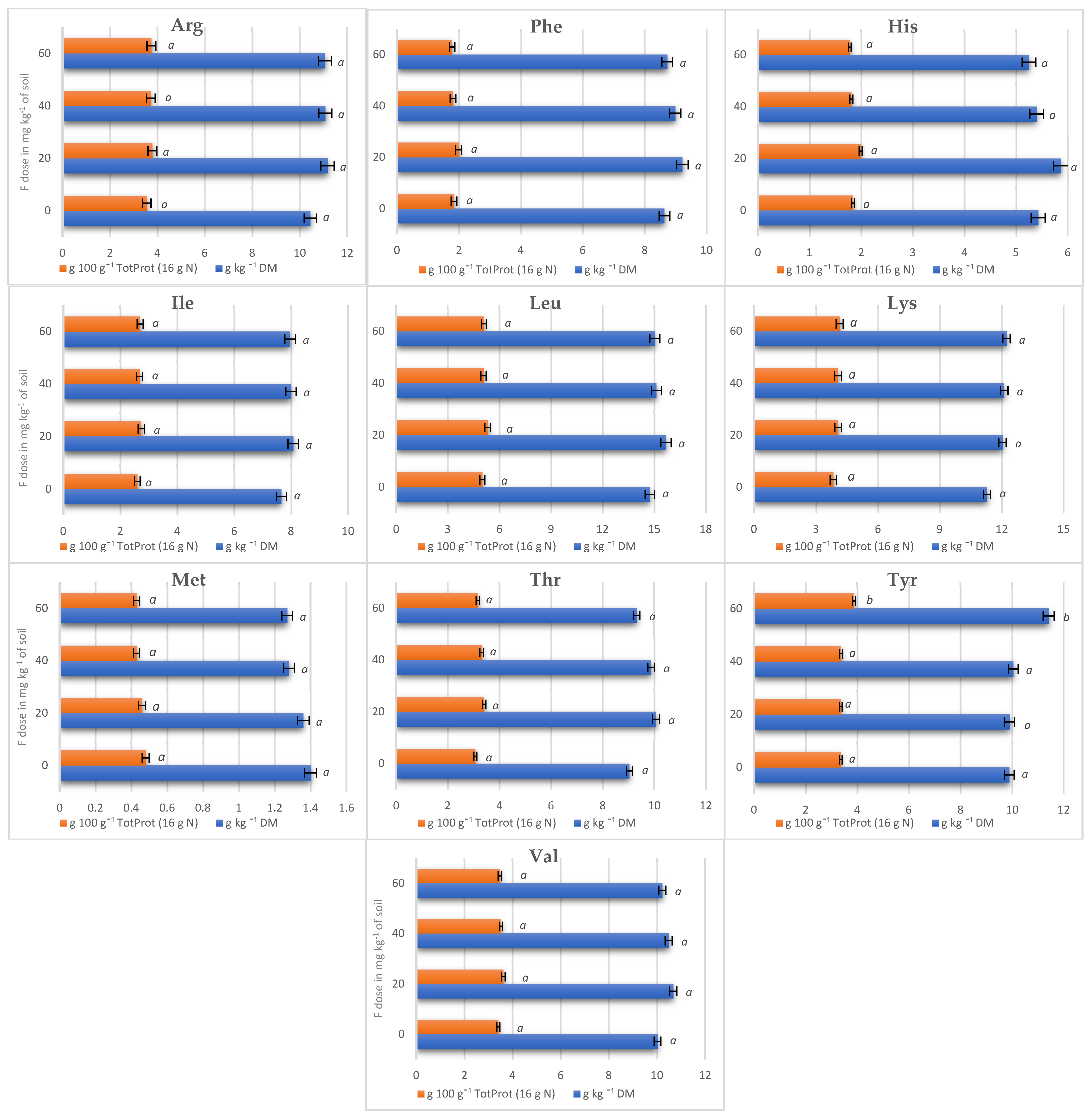
The results indicate that rising levels of soil fluorine exerted a stimulatory effect on the accumulation of exogenous amino acids in the aerial parts of narrow-leaved lupine (Figure 3). The total content of exogenous amino acids, expressed per 100 g of total protein (16 g N), increased from 29.00 g in the control treatment to 30.75 g in plants grown in soil contaminated with 20 mg F kg−1. All fluorine treatments resulted in a moderate elevation of the analysed amino acids relative to the control. The most pronounced response was observed at the lowest fluorine dose, where the increase reached approximately 6%. Higher concentrations of arginine, isoleucine, leucine, lysine, threonine, tyrosine and valine were found in lupine aerial tissues due to enhanced soil fluorine availability, but only tyrosine was significant. In contrast, phenylalanine and histidine exhibited increased levels only at the lowest contamination level (20 mg F kg−1 soil). Methionine responded differently, showing a decline already at the lowest fluorine dose, with a reduction of approximately 10% at 60 mg F kg−1 soil compared with the control.
When expressed on a dry matter basis, the highest total amount of exogenous amino acids (94.10 g kg−1 DM) was recorded in plants exposed to the lowest fluorine concentration, representing a 6% increase relative to the control. Intermediate and highest fluorine doses also enhanced exogenous amino acid accumulation, although to a lesser extent (approximately 4%). With the exception of histidine and methionine, all exogenous amino acids showed increased concentrations under fluorine exposure.
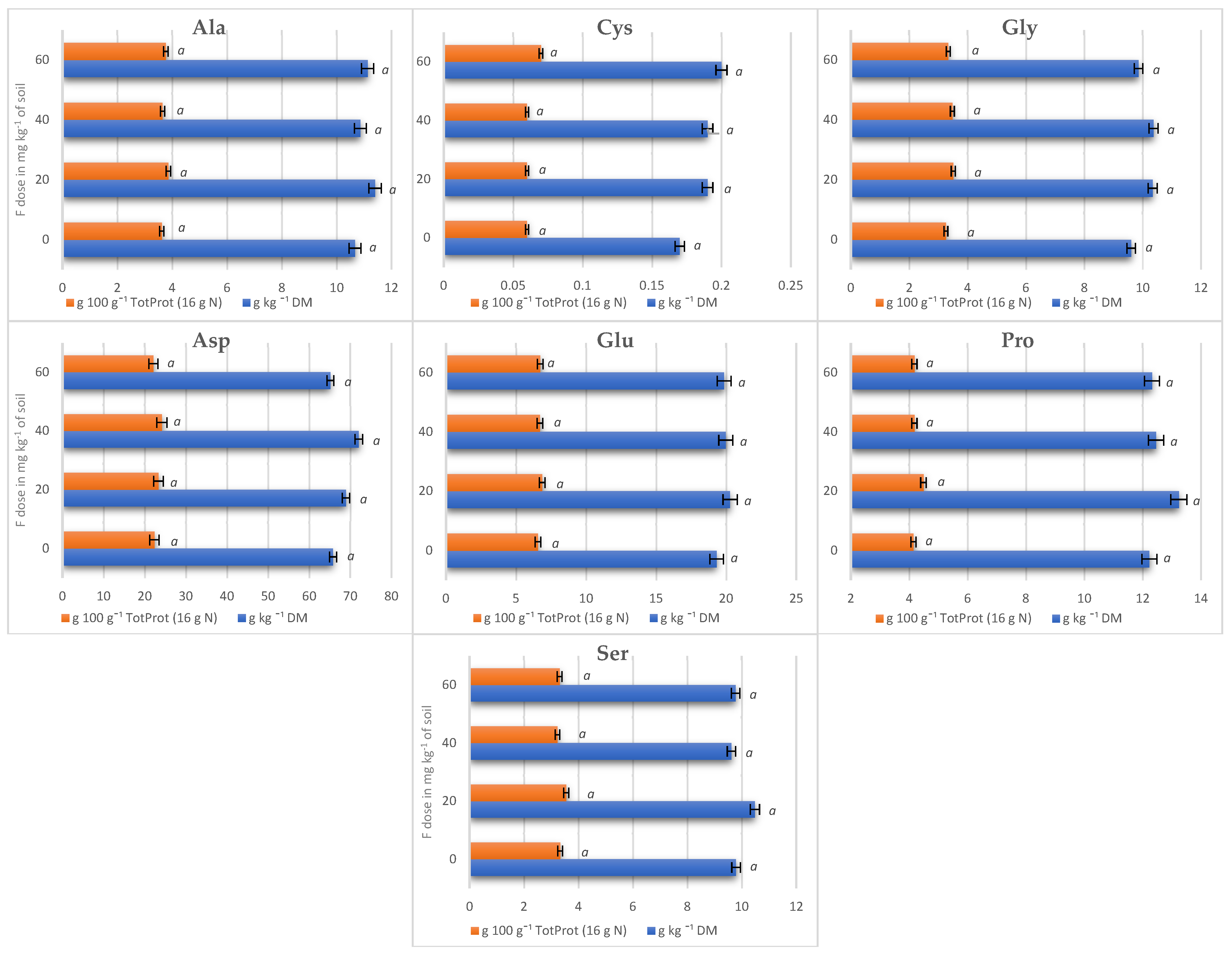
The sum of endogenous amino acids per 100 g of total protein in lupine aerial parts ranged from 43.34 g in the control to 45.71 g at 20 mg F kg−1 soil (Figure 4). Each level of fluorine contamination positively influenced the concentration of non-essential amino acids, with the strongest response again observed at the lowest dose, resulting in an average increase of about 5%. Fluorine application enhanced the levels of alanine, glycine, aspartic acid, and glutamic acid. However, aspartic acid increased only up to the intermediate fluorine dose, while serine content was elevated exclusively at the lowest contamination level.
On a dry matter basis, the highest total concentration of endogenous amino acids was found in lupin cultivated in soil contaminated with 40 mg F kg−1. The increase relative to the control treatment ranged from 5.7% at the lowest fluorine dose to 6.2% at the intermediate dose. At the highest fluorine level, the concentrations of endogenous amino acids were similar to those of the control treatment.
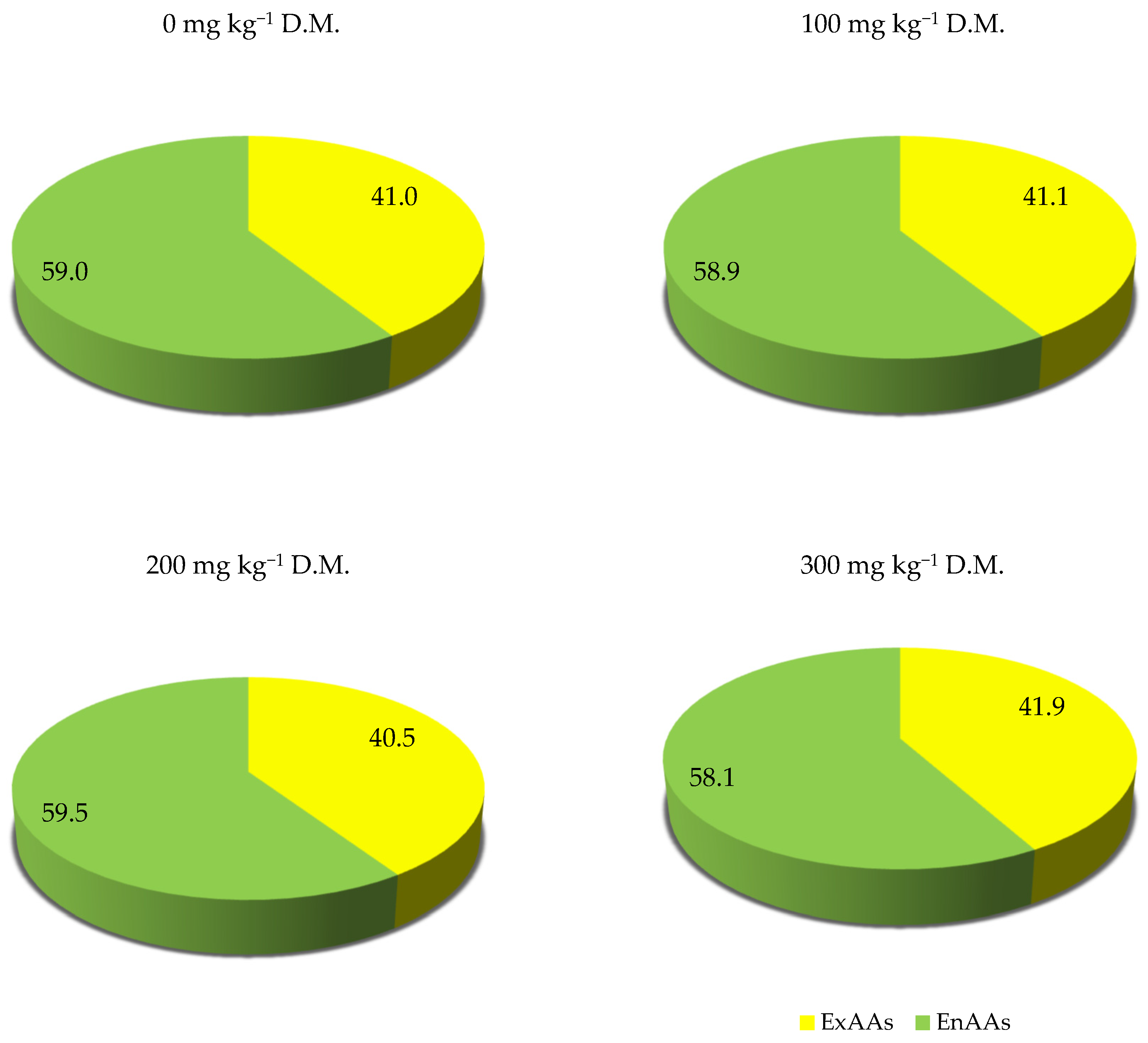
Overall, the lowest fluorine dose exerted the most favourable effect on the total amino acid pool in lupine, regardless of whether values were expressed per unit of protein or dry matter. In contrast, higher fluorine levels resulted in a slight shift towards a greater proportion of endogenous amino acids at the expense of exogenous ones in the total amino acid content (Figure 5).
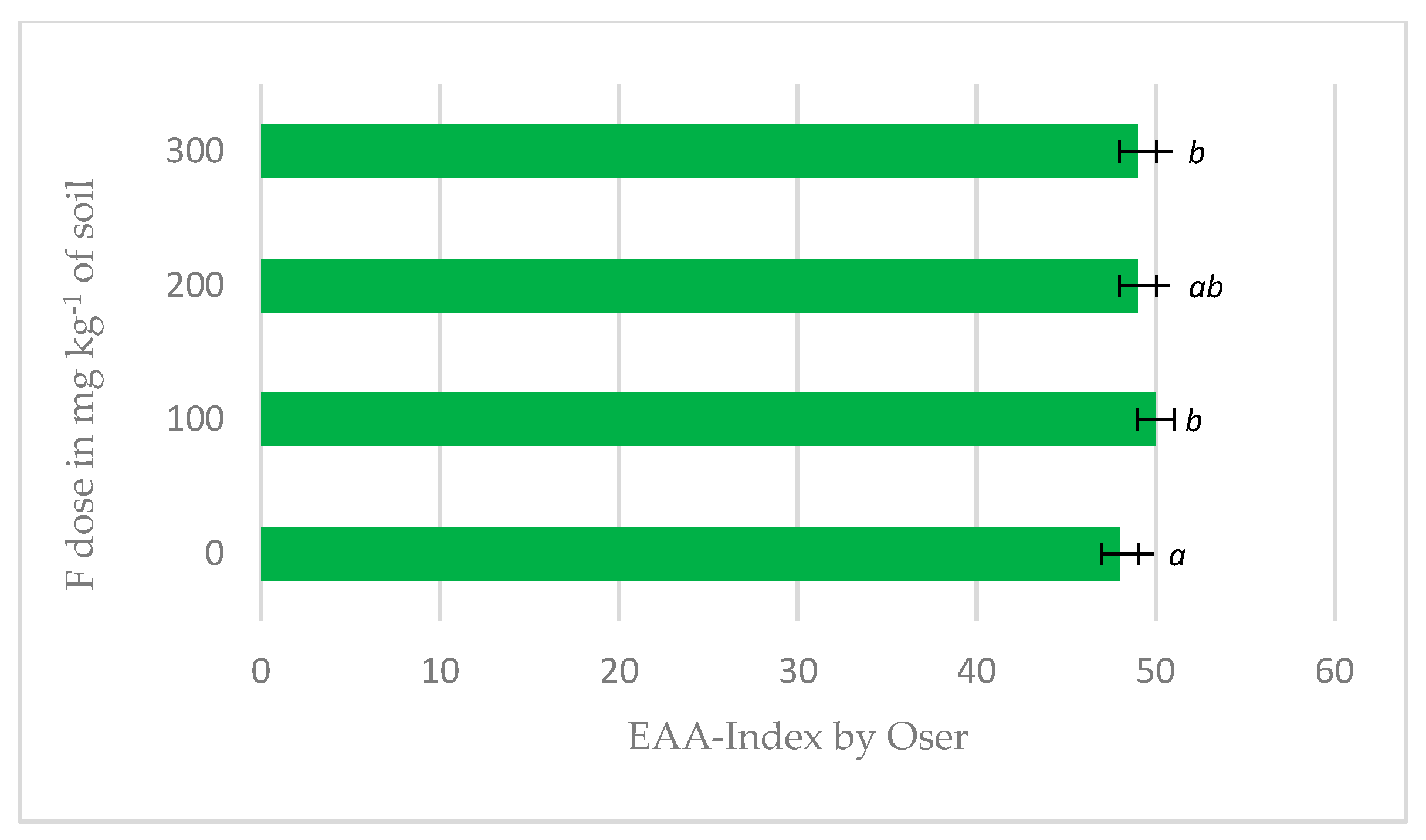
The nutritional quality of lupine protein, evaluated based on exogenous amino acid composition, ranged from 48 in the control to 50 in plants grown at 20 mg F kg−1 soil (Figure 6). Although increasing fluorine concentrations slightly reduced protein quality compared with the lowest dose, all fluorine treatments yielded higher values than the control. The most significant improvement, at just over 4%, was associated with the lowest fluorine application rate.

3.2. Black Radish

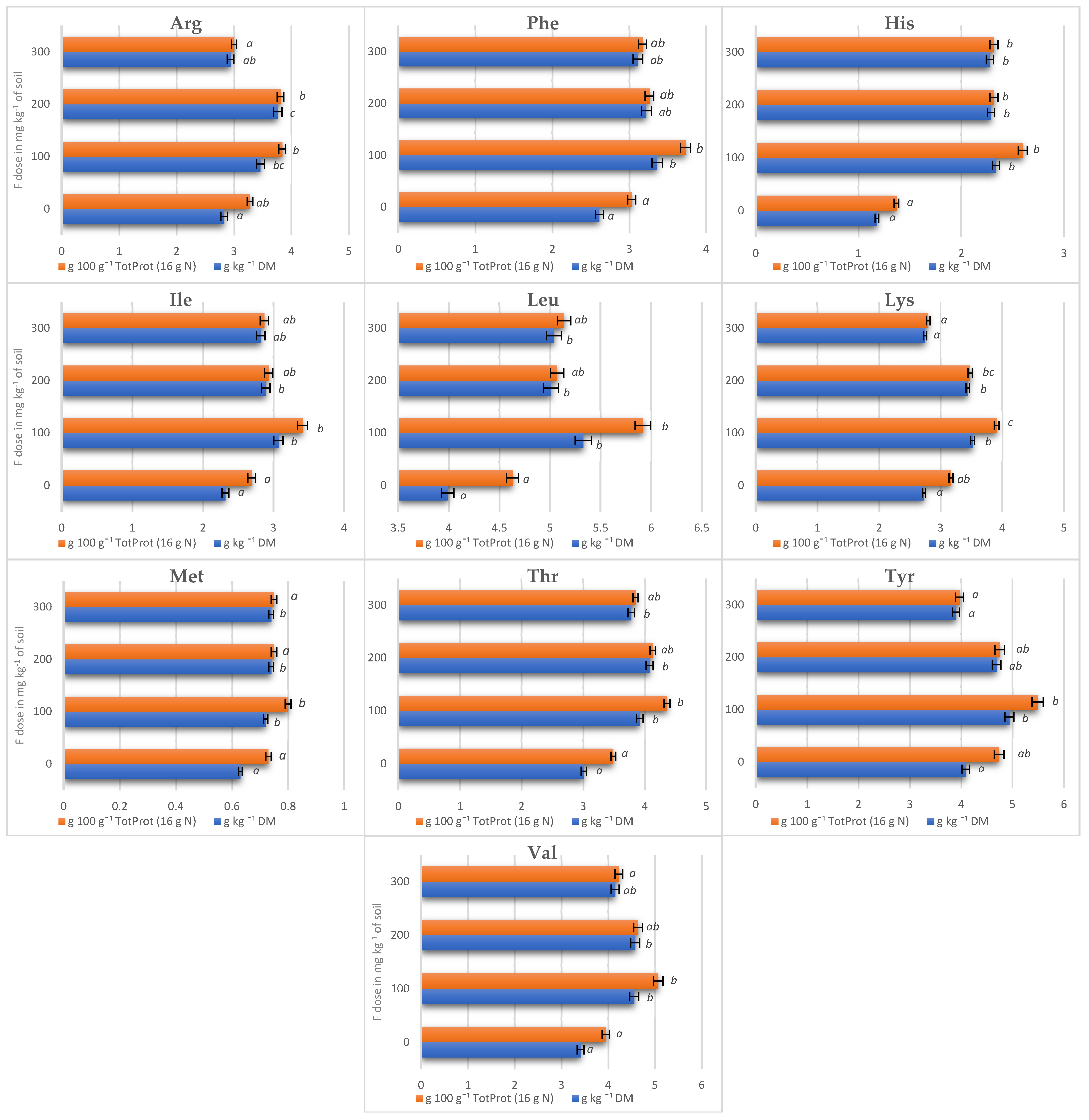
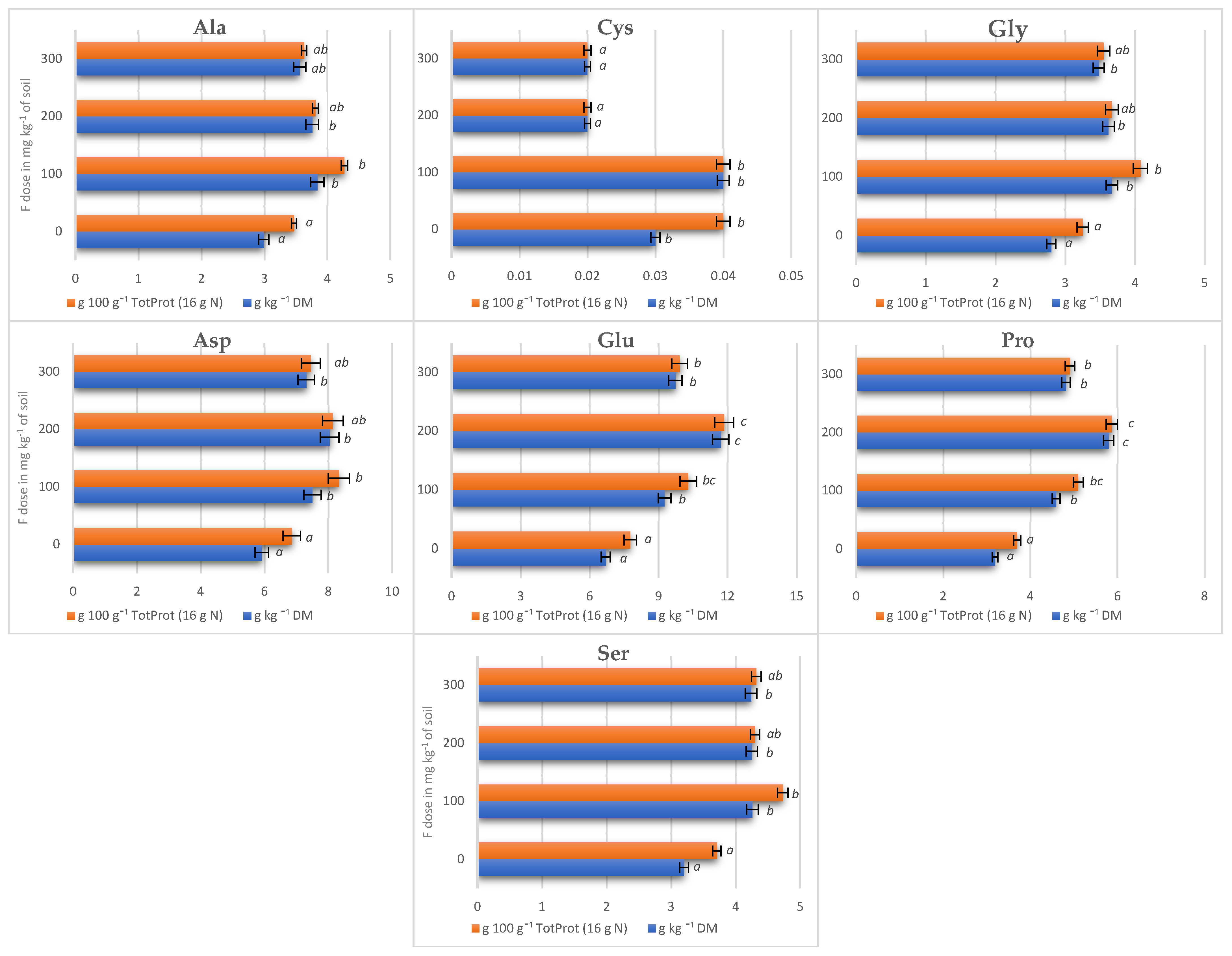
In black radish roots, the total concentration of exogenous amino acids per 100 g of total protein increased from 31.07 g in the control to 39.13 g at the lowest fluorine dose (100 mg F kg−1 soil) (Figure 7). All fluorine treatments stimulated exogenous amino acid accumulation, with the most beneficial effect observed at the lowest contamination level. Exposure to fluorine significantly increased the concentrations of phenylalanine, histidine, isoleucine, leucine, methionine, threonine and valine. Conversely, arginine, lysine, and tyrosine showed significant and declining trends with increasing fluorine doses, particularly at the highest level of contamination. The highest individual and total exogenous amino acid contents were consistently recorded in roots exposed to 100 mg F kg−1 soil, corresponding to a 31% increase relative to non-contaminated plants. This pattern was also reflected in dry matter-based values, where the sum of exogenous amino acids ranged from 26.80 g kg−1 DM in the control to 35.22 g kg−1 DM at the lowest fluorine dose. With the exception of tyrosine, whose concentration declined at the highest fluorine level, all exogenous amino acids increased under fluorine exposure.
The total content of endogenous amino acids per 100 g of protein in black radish roots increased markedly with soil fluorine contamination, rising from 28.78 g in the control to 37.66 g at the intermediate fluorine dose (200 mg F kg−1 soil) (Figure 8). The strongest response, corresponding to a 31% increase, was observed at this intermediate contamination level. The concentrations of alanine, glycine, aspartic acid, glutamic acid, proline and serine increased progressively and significantly with the fluorine dose. In contrast, cystine exhibited a decreasing trend.
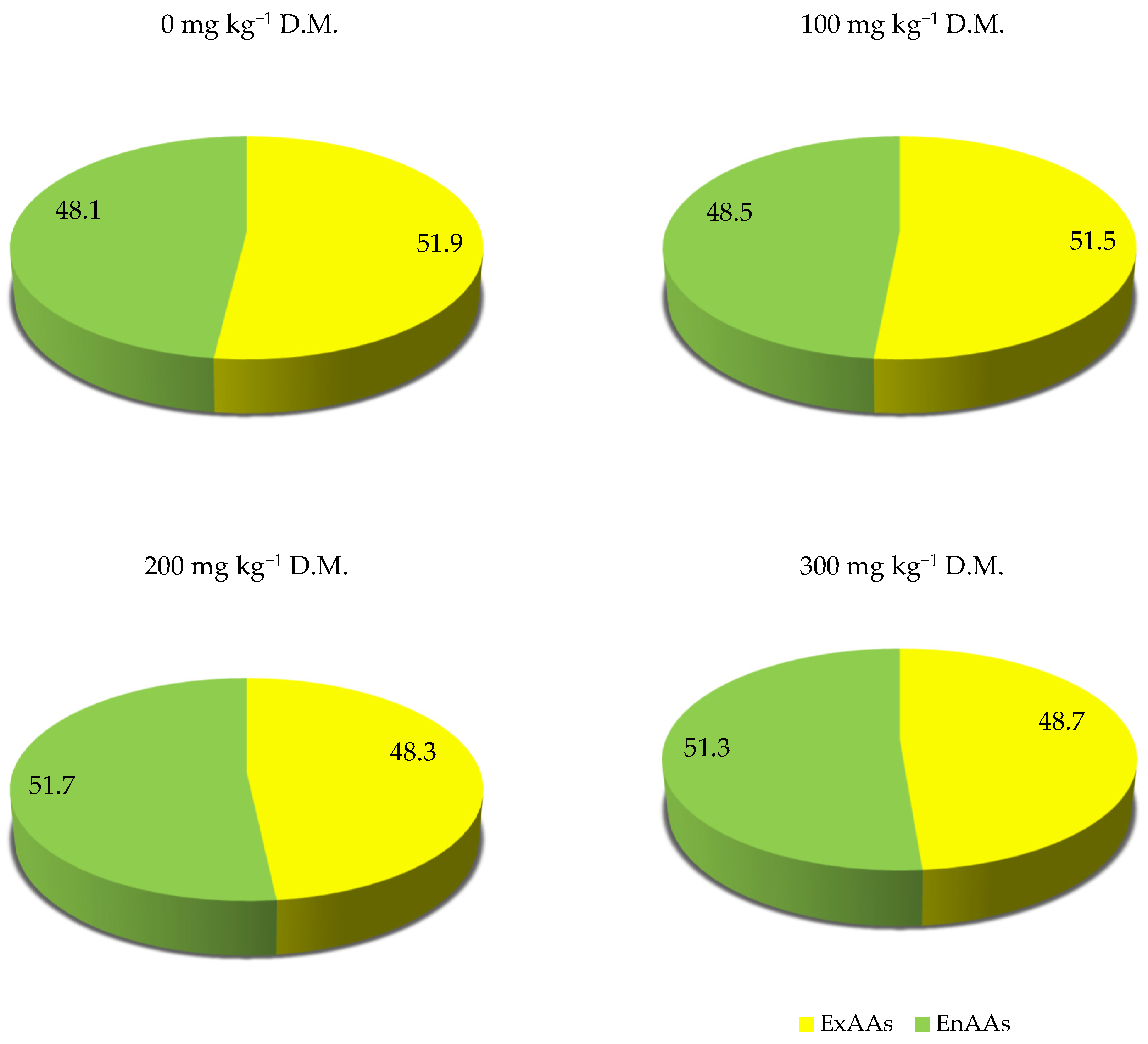
Similarly, the sum of endogenous amino acids per kilogram of dry matter was highest at 200 mg F kg−1 soil, mirroring the pattern observed in protein-based values. The combined pool of all determined amino acids reached its maximum at this intermediate fluorine level, with overall increases ranging from 25% to 39% compared with the control across all fluorine treatments. Fluorine contamination did not induce a clear or consistent shift in the relative proportions of exogenous and endogenous amino acids in black radish roots (Figure 9), as observed changes were minor and lacked a uniform trend.
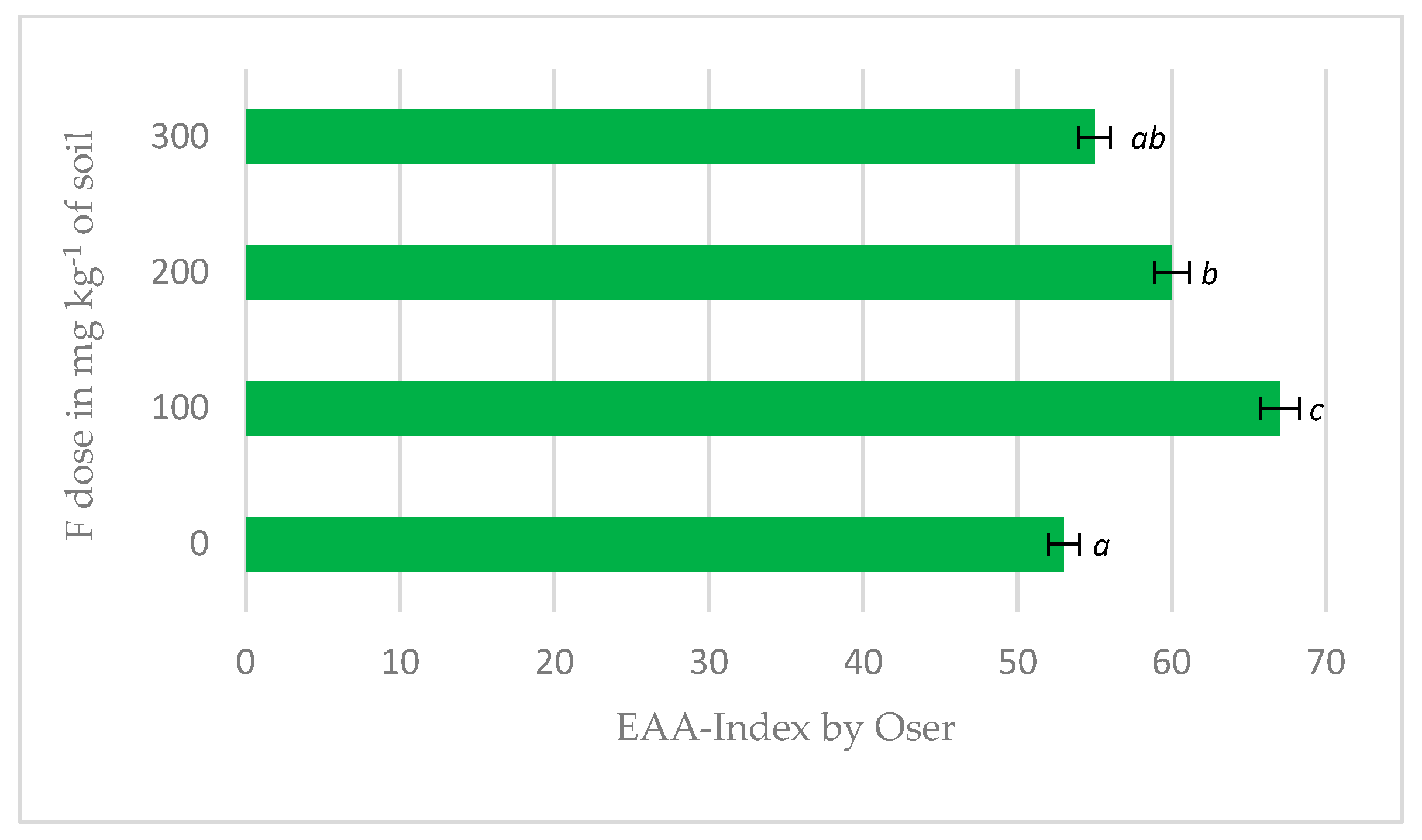
The nutritional value of black radish root protein, calculated relative to hen egg protein, increased significantly from 53 in the control to 67 at the lowest fluorine dose (Figure 10). Overall, fluorine application improved protein quality, following a parabolic response pattern.
In summary, soil fluorine contamination exerted a stronger influence on amino acid composition and protein quality in black radish roots than in the aerial parts of narrow-leaved lupine.

4. Discussion

Amino acids constitute the fundamental structural units of proteins and play a central role in regulating key metabolic pathways and physiological processes. Among them, nine amino acids (lysine, histidine, isoleucine, phenylalanine, methionine, leucine, valine, tryptophan, and threonine) cannot be synthesised endogenously in the human body and therefore must be supplied through the diet. For this reason, the proportion and balance of these essential amino acids are widely regarded as primary indicators of protein nutritional quality [46,47].
Fluorine is recognised as a factor that disrupts plant metabolism, particularly by impairing photosynthesis and interfering with amino acid and protein metabolism. These effects are primarily linked to a reduction in chlorophyll content and other physiological disturbances, ultimately resulting in alterations to the biochemical composition of plants [48].
The findings of the present study demonstrate that fluorine contamination of soil significantly modified both amino acid profiles and the biological value of protein in the aerial biomass of narrow-leaved lupine and in black radish roots. The magnitude of these changes was considerably greater in black radish roots than in lupine shoots, indicating species- and organ-specific responses to fluorine stress. Similar variability in plant reactions to soil fluorine contamination, including changes in amino acid composition and protein quality, has been documented in previous in-house investigations [49,50].
Our results also showed that increasing levels of soil fluorine contamination led to higher levels of amino acids in proteins derived from lupine aerial parts and black radish roots. Detailed analysis indicated marked increases in arginine, lysine, isoleucine, tyrosine, and cystine in lupine biomass, whereas black radish roots exhibited elevated levels of histidine, leucine, methionine, threonine, glycine, aspartic acid, glutamic acid, proline, and serine. Comparable trends have been reported in the literature. For instance, Li and Ni [51] observed an overall increase in most amino acids in Camellia sinensis leaves exposed to fluorine, although changes in tyrosine and cysteine followed less consistent patterns.
Tang et al. [52] also reported elevated concentrations of selected free amino acids in plants treated with fluorine doses ranging from 20 to 200 mg F kg−1. However, they also noted a simultaneous decline in the total amino acid pool. A reduction in overall amino acid content accompanied by an accumulation of proline under fluorine stress has been described by numerous authors [53,54,55,56,57,58,59,60]. Zhu et al. [61] demonstrated significant decreases in polyphenols, free amino acids, and catechins, while sulphur-containing amino acids and proline showed opposite trends. Proline accumulation is frequently used as a biomarker of plant tolerance to fluorine stress [62], suggesting that fluorine exposure strongly affects nitrogen metabolism. Peng et al. [63] reported reduced levels of aspartic acid, L-alanine, and L-allothreonine alongside increased concentrations of histidine, lysine, glutamine, glutamate, homoglutamine, L-β-homothreonine, and L-pyroglutamic acid. In contrast, Banerjee and Roychoudhury [64] observed more than a twofold increase in aspartic acid in rice seedlings, while Banerjee et al. [65] documented a concurrent rise in proline content. Proline is one of the most abundant and extensively studied free amino acids in plants. It participates in numerous biochemical reactions, and its accumulation is widely recognised as an indicator of osmotic stress induced by xenobiotics, drought, or soil salinity [66,67,68,69]. The present findings support this interpretation, as both lupine aerial parts and black radish roots exhibited increased proline concentrations even at the lowest fluorine contamination level. The plant availability of trace elements, including fluorine, and thus the extent to which this element accumulates in plants, is influenced by both soil and fertiliser factors. One of the main factors determining the bioavailability to plants of contaminants present in the soil is soil pH. In slightly acidic or acidic soil, there is an increase in the concentration of plant-available forms of trace elements in the soil solution, and consequently an increased content of these elements in plants. This is caused by an increase in the solubility of the chemical compounds of these elements and a reduction in their binding to soil colloids under conditions of low soil pH. According to Romar et al. [70], in alkaline soils rich in calcium, fluorine is bound by the soil into insoluble compounds such as CaF2 or apatite compounds of similar composition, thereby limiting the bioavailability of fluorine to plants. According to Kau et al. [71], fluorine has a high affinity for calcium and magnesium, which results in its strong binding in the soil and conversion into poorly soluble compounds.
Consistent with these observations, Singh et al. [72] reported increases exceeding 170% in proline and 113% in total amino acids in rice exposed to fluorine, relative to untreated controls. Similar gradual increases were described by Banerjee and Roychoudhury [73]. According to Ahmed et al. [74], proline accumulation under abiotic stress may result from suppressed activity of enzymes responsible for proline catabolism. Singh and Roychoudhury [75] demonstrated substantial increases in total amino acids in rice seedlings of different ages following fluorine exposure, findings corroborated by their earlier work [76], which also reported parallel increases in proline. Yang and Miller [77] suggested that fluorine-induced enlargement of the amino acid pool may arise from enhanced amino acid biosynthesis and stimulation of enzymatic activity at the cellular level. Yu and Miller [78] further proposed that fluorine can stimulate plant respiratory pathways, thereby increasing free amino acid synthesis. In contrast, Hautala and Holopainen [79] found that fluorine contamination at 100 and 200 mg F L−1 did not significantly affect the total free amino acid content, although it markedly altered the levels of specific amino acids, including aspartic acid, threonine, serine, glutamic acid, alanine, and valine.
Chakrabarti and Patra [80] observed a dose-dependent increase in free amino acids in rice exposed to NaF, attributing this response to enhanced protein degradation, intensified amino acid synthesis, and increased respiratory activity under stress conditions. Tak and Asthir [81] reported that proline concentrations were elevated in the shoots and roots of Triticum aestivum L. following the application of sodium fluoride. This suggests that shoot tissues play a protective role under root-induced oxidative stress. Similar increases in proline associated with fluorine exposure have been documented by numerous authors [82,83,84,85,86,87,88]. According to Heuer [89], proline plays a crucial role in maintaining membrane stability and scavenging reactive oxygen species (ROS) under stress conditions. Fluorine exposure is known to trigger excessive ROS production, leading to lipid peroxidation, protein degradation, and DNA damage.
Conversely, several studies report results that diverge from the trends observed here. Aslam et al. [90] documented a decline in total amino acid content in maize with increasing fluorine contamination, with Pearl maize showing greater sensitivity than Pak Afgoi. Karmakar et al. [91] observed substantial reductions in leaf protein content in Pistia stratiotes, Eichhornia crassipes, and Spirodela polyrhiza at 20 mg F L−1, although E. crassipes exhibited the highest tolerance. Decreases in protein content have also been reported by Pal et al. [92] and Singh et al. [93]. Eyini et al. [94] found a progressive decline in protein levels in water fern with increasing NaF concentration, while Sinha et al. [95] reported a 41% reduction in Hydrilla verticillata at 25 mg F L−1. Similarly, Li and Ni [96] observed a gradual decrease in protein content in tea leaves, reaching 25% at the highest fluorine dose. These findings suggest that metabolic stress may promote protein degradation and utilisation for energy production. Chang [97], however, proposed that fluorine primarily disrupts protein synthesis by impairing ribosome number and ribosomal protein structure.
In Shankar’s studies [98], we read that fluoride contributes to the development of metabolic stress, which, by reducing nitrate reductase activity and altering the expression of genes responsible for osmoregulation, forces the organism to shift its metabolism towards the production of protective amino acids. Asthir and Tak [99] explain in detail the effect of fluoride on amino acid metabolism. At higher concentrations, fluoride inhibits nitrate reductase activity, leading to a slowdown in the reduction of nitrates to ammonia. Under these stress conditions, plants and microorganisms often exhibit increased activity of aminotransferases, which convert available carbon skeletons into amino acids; this constitutes a compensatory response to disrupted metabolism, leading to their accumulation.
The increase in the content of amino acids in both tested plant species can be linked to the results obtained in previous studies [100], which showed that soil contamination with fluoride stimulated the yield of the tested plants and, what is important when discussing the content of amino acids, contributed to the increase in the content of total nitrogen, protein nitrogen and nitrate nitrogen (V).
Global dietary trends increasingly favour plant-based foods over animal products, intensifying interest in crops as alternative sources of high-quality nutrients. Legumes, in particular, represent an excellent substitute for meat due to their high protein content and favourable amino acid composition. Notably, the amino acid profile of lupine seed protein is similar to that of nutritionally valuable animal proteins. Furthermore, legumes are economically advantageous and have a lower environmental impact than protein sources derived from animals [28].
In this context, increasing attention should be directed towards the nutritional quality of agricultural products, especially food and feed crops cultivated in areas affected by fluorine contamination. Strategies aimed at ensuring food security must simultaneously reconcile agricultural productivity with environmental protection and public health. This is particularly relevant given the expanding role of legumes, including lupine, as sustainable protein sources. Despite their nutritional benefits, such crops differ in their sensitivity to fluorine stress and their capacity to accumulate fluoride from soil, water, and atmospheric sources [101,102].

5. Conclusions

Low doses of fluorine stimulated the accumulation of amino acids in both plants studied (lupine and radish), whereas higher levels led to a decrease in their levels, indicating a shift from a stimulatory to a toxic effect. Fluorine caused significant changes in the roots of black radish, increasing the proportion of endogenous amino acids at the expense of exogenous ones, whilst no clear and lasting changes were observed in narrow-leaved lupine.
Black radish protein exhibited a higher biological value than lupine protein, which is due to a more favourable ratio of essential amino acids. Small doses of fluorine improved protein quality in both species, whilst higher doses caused a partial reduction, although it remained higher than under uncontaminated conditions.
Fluorine has a beneficial effect in small amounts, but an excess limits its positive impact on plant metabolism and protein quality.
Future research should focus on elucidating the physiological and molecular mechanisms underlying dose-dependent fluorine effects on amino acid metabolism and protein quality, including stress-related pathways (e.g., nitrogen metabolism), as well as assessing long-term fluorine accumulation and nutritional safety of legume and root crops grown under environmentally realistic contamination scenarios.

Author Contributions

Conceptualization, Z.C.; methodology, Z.C.; investigation, R.S.; writing—review and editing, R.S., E.R. and M.W.; visualization, R.S. and M.W.; supervision, R.S., E.R. and M.W.; funding acquisition, R.S. and M.W.; M.W. corresponding author. All authors have read and agreed to the published version of the manuscript.

Funding

The results presented in this paper were obtained as part of a comprehensive study funded by the University of Warmia and Mazury in Olsztyn, Faculty of Environmental Management and Agriculture, Department of Environmental Chemistry (grant No. 528.1004-0881) and the Faculty of Agriculture and Forestry, Department of Agricultural and Environmental Chemistry (grant No. 30.610.004-110).

Institutional Review Board Statement

Not applicable.

Data Availability Statement

Data are contained within the article.

Conflicts of Interest

The authors declare no conflicts of interest. The funders had no role in the design of the study; in the collection, analyses, or interpretation of data; in the writing of the manuscript.

References

  1. Bhat, N.; Jain, S.; Asawa, K.; Tak, M.; Shinde, K.; Singh, A.; Gandhi, N.; Gupta, V.V. Assessment of fluoride concentration of soil and vegetables in vicinity of Zinc Smelter, Debari, Udaipur, Rajasthan. J. Clin. Diagn. Res. 2015, 9, 63–66. [Google Scholar] [CrossRef]
  2. Kumar, R.; Sinha, R.; Sharma, P.K.; Ivy, N.; Kumar, P.; Kant, N.; Jha, A.; Jha, P.K.; Gupta, P.K.; Sharma, P.; et al. Bioaccumulation of fluoride in plants and its microbially assisted remediation: A review of biological processes and technological performance. Processes 2021, 9, 2154. [Google Scholar] [CrossRef]
  3. Rakowski, K. Physiological and molecular bases of trees respond to environmental stress. Part II. Effect of hydrogen fluoride and low temperature. For. Res. Work. 2005, 2, 93–105. [Google Scholar]
  4. Weinstein, H.L.; Davison, A. Native plant species suitable as bioindicators and biomonitors for airborne fluoride. Environ. Pollut. 2003, 125, 3–11. [Google Scholar] [CrossRef]
  5. Kabata-Pendias, A.; Pendias, H. Trace Elements in Soils and Plants, 3rd ed.; CRC Press: Boca Raton, FL, USA, 2001; 403p. [Google Scholar]
  6. Szostek, R.; Ciećko, Z. Content of fluorine in biomass of crops depending on soil contamination by this element. Fluoride 2014, 47, 294–306. [Google Scholar]
  7. Kłódka, D.; Musik, D.; Wójcik, K.; Telesiński, A. Fluorine content in selected vegetables grown within the area affected by emission of that element from the ‘Police’ Chemical Plant. Bromatol. Chem. Toksykol. 2008, 61, 964–969. [Google Scholar]
  8. Arnesen, M.K.A. Availability of fluoride to plants grown in contaminated soils. Plant Soil 1997, 191, 13–25. [Google Scholar] [CrossRef]
  9. Vike, E. Air-pollutant dispersal patterns and vegetation damage in the vicinity of three aluminium smelters in Norway. Sci. Total Environ. 1999, 15, 75–90. [Google Scholar] [CrossRef] [PubMed]
  10. Bombik, E.; Bombik, A.; Górski, K.; Saba, L.; Bombik, T.; Rymuza, K. The effect of environmental contamination by fluorine compounds on selected horse tissues. Pol. J. Environ. Stud. 2011, 20, 37–43. [Google Scholar]
  11. Płaza, A.; Rudziński, R.; Górski, R. Yield and total protein content of mixtures of blue lupin and spring triticale grown for green matter in sustainable agriculture. Agron. Sci. 2023, 78, 69–80. [Google Scholar] [CrossRef]
  12. Hejdysz, M.; Kaczmarek, S.; Mikuła, R.; Kasprowicz-Potocka, M.; Zaworska, A.; Rutkowski, A. Possibilities of Using Legumes in Nutrition Monogastric Animals; Foundation for Aid Programs for Agriculture (FAPA): Warsaw, Poland, 2015; pp. 1–84. [Google Scholar]
  13. Lampart–Szczapa, E.; Łoza, A. Functional components of lupin seeds—The advantages and potential disadvantages. Probl. Noteb. Prog. Agric. Sci. 2007, 522, 387–392. [Google Scholar]
  14. Doležal, P.; Zeman, L.; Skládanka, J. Effect of supplementation of chemical preservatives on fermentation process of lupine silage. Slovak J. Anim. Sci. 2008, 1, 30–38. [Google Scholar]
  15. Amine-Khodja, I.R.; Boscari, A.; Riah, N.; Kechid, M.; Maougal, R.T.; Belbekri, N.; Djekoun, A. Impact of two strains of Rhizobium leguminosarum on the adaptation to terminal water deficyt of two cultivars Vicia faba. Plants 2022, 11, 515. [Google Scholar] [CrossRef]
  16. Tadele, Y. White lupin (Lupinus albus) grain, a potential source of protein for ruminants. Res. J. Agric. Environ. Manag. 2015, 4, 180–188. [Google Scholar]
  17. Adomas, B.; Piotrowicz-Cieślak, A.; Kowalik, K. The biological value of lupin seed proteins. Progr. Aagric. Sci. 2005, 5, 55–63. [Google Scholar]
  18. Faostat. Available online: https://www.fao.org/faostat (accessed on 23 September 2023).
  19. Bless, Y.; Ndlovu, L.; Gcanga, E.; Niekerk, L.-A.; Nkomo, M.; Bakare, O.; Mulaudzi, T.; Klein, A.; Gokul, A.; Keyster, M. Methylglyoxal improves zirconium stress tolerance in Raphanus sativus seedling shoots by restricting zirconium uptake, reducing oxidative damage, and upregulating glyoxalase I. Sci. Rep. 2023, 13, 13618–13631. [Google Scholar] [CrossRef] [PubMed]
  20. Santos, P.A.B.; Carvalho, L.G.; Schwerz, F.; Baptista, V.B.S.; Monti, C.A.U. Economic viability and development of radish (Raphanus sativus L.) under different soil water tensions and mulching types. Adv. Hort. Sci. 2022, 36, 227–237. [Google Scholar] [CrossRef]
  21. Hwang, K.A.; Hwang, Y.; Hwang, H.J.; Park, N. Hepatoprotective effects of radish (Raphanus sativus L.) on acetaminophen-induced liver damage via inhibiting oxidative stress and apoptosis. Nutrients 2022, 14, 5082. [Google Scholar] [CrossRef] [PubMed]
  22. Poudel, K.; Karki, S.; Kumar Sah, M.; Lal Mandal, J. Evaluation of radish (Raphanus sativus L.) genotypes in Eastern mid-hills conditio of Nepal. World News Nat. Sci. 2018, 19, 155–159. [Google Scholar]
  23. Sinyavina, N.G.; Kochetov, A.A.; Kocherina, N.V.; Egorova, K.V.; Kurina, A.B.; Panova, G.G.; Chesnokov, Y.V. Breeding approaches for controlled conditions of artificial light culture for small radish and radish (Raphanus sativus L.). Horticulture 2023, 9, 678. [Google Scholar] [CrossRef]
  24. Arro, J.; Labate, J.A. Population Structure and Diversity Estimates in a Geographical Core Set of Radish (Raphanus sativus). USDA. 2019. Available online: https://www.ars.usda.gov/research/publications/publication/?seqNo115=362050 (accessed on 21 March 2024).
  25. Kobayashi, H.; Shirasawa, K.; Fukino, N.; Hirakawa, H.; Akanuma, T.; Kitashiba, H. Identification of genome-wide single-nucleotide polymorphisms among geographically diverse radish accessions. DNA Res. 2020, 27, dsaa001. [Google Scholar] [CrossRef] [PubMed]
  26. Choubisa, S.L. Is industrial fluoride pollution harmful to agricultural crops? Farmers need to know. Environ. Anal. Ecol. Stud. 2023, 11, 1261–1266. [Google Scholar] [CrossRef]
  27. Jakubus, M.B.; Panasiewicz, K. Assessment of lupine seed fodder quality depending on the variety and tillage system used as factors for sustainable agriculture. Int. Agrophys. 2023, 37, 325–339. [Google Scholar] [CrossRef]
  28. Lemus-Conejo, A.; Rivero-Pino, F.; Montserrat-de la Paz, S.; Millan-Linares, M.C. Nutritional composition and biological activity of narrow-leafed lupins (Lupinus angustifolius L.) hydrolysates and seeds. Food Chem. 2023, 420, 136104. [Google Scholar] [CrossRef]
  29. Bryant, L.; Rangan, A.; Grafenauer, S. Lupins and health outcomes: A systematic literature review. Nutrients 2022, 14, 327. [Google Scholar] [CrossRef] [PubMed]
  30. Bano, R.; Khayyam, U.; Khalid, S. Effects of increasing soil fluoride on the growth of vegetation in the vicinity of brick kilns: A case study from Rawalpindi, Pakistan. Pol. J. Environ. Stud. 2020, 29, 1535–1544. [Google Scholar] [CrossRef] [PubMed]
  31. Chahine, S.; Melito, S.; Giannini, V.; Roggero, P.P.; Seddaiu, G. Endogenous calcium mediates seedling growth and fluoride stress tolerance in four bean genotypes. Ital. J. Agron. 2022, 17, 2073–2082. [Google Scholar] [CrossRef]
  32. Chahine, S.; Melito, S.; Giannini, V.; Seddai, G.; Roggero, P.P. Fluoride stress affects seed germination and seedling growth by altering the morphophysiology of an African local bean variety. Plant Growth Regul. 2024, 102, 339–350. [Google Scholar] [CrossRef]
  33. Sheikh, M.R.; Sathi, A.A.; Saha, D.; Lisa, L.; Toma, A.S.; Akter, A.; Uddin, M.E.; Miah, M.L.; Sayed, M.L. Determination of sodium fluoride effects on germination, seedling growth, and antioxidant enzyme activity of two buckwheat (Fagopyrum esculentum) genotypes. Fluoride 2025, 58, e396. [Google Scholar]
  34. Mishra, S.; Kumari, N.; Sharma, V. Effect of fluoride toxicity on morphological, biochemical and physiological parameters in different oat cultivars. J. Plant Nutr. 2024, 47, 3921–3937. [Google Scholar] [CrossRef]
  35. Bhat, R.S.; Alghamdi, J.M.; Aldbass, A.M.; Aljebrin, N.A.; Alangery, A.B.; Soliman, D.A.; Al-Daihan, S. Biochemical and FT-IR profiling of Tritium aestivum L. seedling in response to sodium fluoride treatment. Fluoride 2022, 55, 81–89. [Google Scholar]
  36. Krasavtseva, E.; Makarov, D. Changes in morphometric and physiological parameters of oat (Avena sativa L.) caused by fluoride contamination. Int. J. Plant Biol. 2024, 15, 1277–1287. [Google Scholar] [CrossRef]
  37. Kumar, R.; Gadi, B.R. Fluoride-induced physiological and biochemical responses in two species of fenugreek. Int. J. Bot. Stud. 2026, 11, 120–126. [Google Scholar]
  38. Research Procedure No. 29. Research Procedure. In Chemical-Agricultural Station Instruction, 2nd ed.; Chemical-Agricultural Station: Warsaw, Poland, 2008.
  39. Lityński, T.; Jurkowska, H.; Gorlach, E. Chemical and Agricultural Analysis; PWN Publishing House: Warsaw, Poland, 1976; pp. 129–132. [Google Scholar]
  40. Shimadzu. Shimadzu Analytical and Measuring Instruments. In User’s Manual; Shimadzu Corporation: Kyoto, Japan, 2016. [Google Scholar]
  41. Bremner, J.M. Total nitrogen. In Methods of Soil Analysis, Part 2. Chemical and Microbiological Properties (Agronomy 9); Black, C.A., Evans, D.D., Ensminger, L.E., White, J.L., Clark, F.E., Eds.; American Society of Agronomy: Madison, WI, USA, 1965; pp. 1149–1178. [Google Scholar]
  42. Panak, H. Methodical Guide to Agricultural Chemistry Exercises. In Agricultural and Technical Academy; ART Olsztyn Publishing House: Olsztyn, Poland, 1997; p. 242. [Google Scholar]
  43. Amino Acid Analyser AAA400, User Manual; Ingos S.R.O.: Prague, Czech Republic, 2007.
  44. Oser, B.L. An Integrated Essential Amino Acid Index for Predicting Biological Value of Proteins; Academic Press: New York, NY, USA, 1959; pp. 295–311. [Google Scholar]
  45. Statistica (Data Analysis Software System), Version 13.0; Tibco Software Inc.: Palo Alto, CA, USA, 2021.
  46. Hou, S.; Men, Y.; Wei, M.; Zhang, Y.; Li, H.; Sun, Z.; Han, Y. Total protein content, amino acid composition and eating-quality evaluation of Foxtail Millet (Setaria italica (L.) P. Beauv). Foods 2023, 12, 31. [Google Scholar] [CrossRef] [PubMed]
  47. Zeng, Y.; Chen, E.; Zhang, X.; Li, D.; Wang, Q.; Sun, Y. Nutritional value and physicochemical characteristics of alternative protein for meat and dairy—A review. Foods 2022, 11, 3326. [Google Scholar] [CrossRef]
  48. Ahmed, S.; Ashraf, R.; Sardar, R. Seed priming with 28-homo brassinolide attenuates sodium fluoride induced phytotoxicity in Pisum sativum L. Fluoride 2024, 57, e245. [Google Scholar]
  49. Szostek, R.; Ciećko, Z.; Rolka, E.; Wyszkowski, M. Content of amino acids in maize and yellow lupine after fluorine application to soil. Agriculture 2021, 11, 1120. [Google Scholar] [CrossRef]
  50. Szostek, R.; Wyszkowski, M.; Ciećko, Z. Amino acids content in Brassica napus L. and × Triticosecale Wittm. ex A. Camus on soil contaminated with fluorine. Agronomy 2023, 13, 1038. [Google Scholar] [CrossRef]
  51. Li, C.H.; Ni, D. Effect of fluoride on the amino acid composition of tea leaves. Fluoride 2016, 49, 274–278. [Google Scholar]
  52. Tang, Q.; Zhao, X.M.; Du, X.; Wu, Y.S.; Liang, Q.H.; Wang, C.M. Effects of fluorine stress on growth, physiological biochemical characteristics and quality of tea leaves. J. Plant Nutr. Fertil. Sci. 2011, 17, 186–194. [Google Scholar] [CrossRef]
  53. Ahmed, S.; Khalid, K.; Jabeen, F.; Ahmad, M.N.; Zia, A.; Haider, A.; Mujahid, M.; Zia, D.; Khan, N.P. The effects of fluoride stress on okra (Abelmoschus esculentus L.). Fluoride 2019, 52, 354–361. [Google Scholar]
  54. Dey, U.; Mondal, N.K.; Das, K.; Datta, J.K. Dual effect of fluoride and calcium on the uptake of fluoride, growth physiology, pigmentation and biochemistry of Bengal Gram Seedlings (Cicer arietinum L.). Fluoride 2012, 45, 389–393. [Google Scholar]
  55. Gadi, B.R.; Verma, P.; Amra, R. Influence of NaF on seed germination, membrane stability and some biochemical content in Vigna seedlings. J. Chem. Biol. Phys. Sci. 2012, 2, 1371–1378. [Google Scholar]
  56. Das, C.; Dey, U.; Chakraborty, D.; Datta, J.K.; Mondal, N.K. Fluoride toxicity effects in potato plant (Solanum tuberosum L.) grown in contaminated soils. Octa J. Environ. Res. 2015, 3, 136–143. [Google Scholar]
  57. Saleh, A.A.H.; Abdel-Kader, D.Z. Metabolic responses of two Helianthus annuus cultivars to different fluoride concentrations during germination and seedling growth stages. Egypt. J. Exp. Biol. 2003, 5, 43–54. [Google Scholar]
  58. Elloumi, N.; Zouari, M.; Chaari, L.; Abdallah, F.B.; Woodward, S.; Kallei, M. Effect of phosphogypsum on growth, physiology, and the antioxidative defense system in sunflower seedlings. Environ. Sci. Pollut. Res. 2015, 22, 14829–14840. [Google Scholar] [CrossRef]
  59. Elloumi, N.; Belhaj, D.; Mseddi, S.; Zouari, M.; Abdallah, F.B.; Woodward, S.; Kallel, M. Response of Nerium oleander to phosphogypsum amendment and its potential use for phytoremediation. Ecol. Eng. 2017, 99, 164–171. [Google Scholar] [CrossRef]
  60. Datta, J.K.; Maitra, A.; Mondal, N.K.; Banerjee, A. Studies on the impact of fluoride toxicity on germination and seedling growth of gram seed (Cicer arietinum L. cv. Anuradha). J. Stress Physiol. Biochem. 2012, 8, 194–202. [Google Scholar]
  61. Zhu, J.; Pan, J.; Nong, S.; Ma, Y.; Xing, A.; Zhu, X.; Wen, B.; Fang, W.; Wang, Y. Transcriptome analysis reveals the mechanism of fluoride treatment affecting biochemical components in Camellia sinensis. Int. J. Mol. Sci. 2019, 20, 237. [Google Scholar] [CrossRef]
  62. Zouari, M.; Ahmed, C.B.; Elloumi, N.; Rouina, B.B.; Labrousse, P.; Abdallah, F.B. Effects of irrigation water fluoride on relative water content, photosynthetic activity, and proline accumulation in young olive trees (Olea europaea L. cv. chemlali) in arid zones. Fluoride 2016, 49, 303–372. [Google Scholar]
  63. Peng, C.; Xu, X.; Zhu, H.-Y.; Ren, Y.-F.; Niu, X.-L.; Hou, R.-Y.; Wan, H.H.; Cai, H.-M. Metabolics and ionomics responses of tea leaves (Camellia sinensis (L.) O. Kuntze) to fluoride stress. Plant Phys. Bioch. 2021, 158, 65–75. [Google Scholar] [CrossRef]
  64. Banerjee, A.; Roychoudhury, A. Melatonin application reduces fluoride uptake and toxicity in rice seedlings by altering abscisic acid, gibberellin, auxin and antioxidant homeostasis. Plant Physiol. Biochem. 2019, 145, 164–173. [Google Scholar] [CrossRef]
  65. Banerjee, A.; Singh, A.; Roychoudhury, A. Fluoride toxicity variably affects overall physiology and grain development in three contrasting rice genotypes, representing a potential biohazard. Environ. Sci. Pollut. Res. 2021, 28, 40220–40232. [Google Scholar] [CrossRef]
  66. Ingrisano, R.; Tosato, E.; Trost, P.; Gurrieri, L.; Sparla, F. Proline, cysteine and branched-chain amino acids in abiotic stress response of land plants and microalgae. Plants 2023, 12, 3410. [Google Scholar] [CrossRef]
  67. Roychoudhury, A.; Chakraborty, M. Biochemical and molecular basis of varietal difference in plant salt tolerance. Annu. Rev. Res. Biol. 2013, 3, 422–454. [Google Scholar]
  68. Roychoudhury, A.; Banerjee, A. Endogenous glycine betaine accumulation mediates abiotic stress tolerance in plants. Trop. Plant Res. 2016, 3, 105–111. [Google Scholar]
  69. Szostek, R.; Ciećko, Z.; Walczak, M.; Swiontek-Brzezinska, M. Microbiological and enzymatic activity of soil after pollution with fluorine. Pol. J. Environ. Stud. 2015, 24, 2641–2646. [Google Scholar] [CrossRef]
  70. Romar, A.; Gago, C.; Fernandez-Marcos, L.M.; Alvarez, E. Influence of fluoride addition on the composition of solutions in Equilibrium with acid soils. Pedosphere 2009, 19, 60–70. [Google Scholar] [CrossRef]
  71. Kau, P.M.H.; Binning, P.; Hitchcock, P.W.; Smith, D.W. Experimental analysis of fluoride diffusion and sorption in clay. J. Contam. Hydrol. 1999, 36, 131–151. [Google Scholar] [CrossRef]
  72. Singh, A.; Chakraborty, S.; Roychoudhury, A. Activated charcoal alleviates fluoride stress by restricting fluoride uptake and counteracting oxidative damages in the rice cultivar MTU1010. Turk. J. Bot. 2023, 47, 97–110. [Google Scholar] [CrossRef]
  73. Banerjee, A.; Roychoudhury, A. Differential regulation of defence pathways in aromatic and non-aromatic indica rice cultivars towards fluoride toxicity. Plant Cell Rep. 2019, 38, 1217–1233. [Google Scholar] [CrossRef]
  74. Ahmed, S.; Hashmi, M.; Sardar, R. Impact of exogenous applications of salicylic acid on growth and physiochemical attributes of Trigonella foenum-graecum L. grown under sodium fluoride stress. Fluoride 2024, 57, e244. [Google Scholar]
  75. Singh, A.; Roychoudhury, A. Fluoride toxicity imposes differential reprogramming of the representative intermediates and enzymes belonging to nitrogen metabolism in two indica rice varieties, varying in their pattern of fluoride stress response. J. Plant Growth Regul. 2023, 42, 6091–6103. [Google Scholar] [CrossRef]
  76. Singh, U.P.; Rana Yashu, B.; Kumar, S.; Striastava, J.P. Biochemical responses of elevated level of fluoride in nutrient medium on wheat and barley. Int. J. Curr. Microbiol. Appl. Sci. 2020, 9, 3116–3123. [Google Scholar] [CrossRef]
  77. Yang, S.F.; Miller, G.W. Biochemical studies on the effect of fluoride on higher plants. 1. Metabolism of carbohydrates, organic acids and amino acids. Biochem. J. 1963, 88, 505–509. [Google Scholar] [CrossRef] [PubMed]
  78. Yu, M.; Miller, G.W. Effect of fluoride on the respiration of leaves from higher plants. Plant Cell Physiol. 1967, 8, 484–493. [Google Scholar] [CrossRef]
  79. Hautala, E.L.; Holopainen, J.K. Gramine and free amino acids as indicators of fluoride-induced stress in barley and its consequences to insect herbivory. Ecotoxicol. Environ. Saf. 1995, 31, 238–245. [Google Scholar] [CrossRef]
  80. Chakrabarti, S.; Patra, K.P. Biochemical and antioxidant responses of paddy (Oryza sativa L.) to fluoride stress. Fluoride 2015, 48, 56–61. [Google Scholar]
  81. Tak, Y.; Asthir, B. Fluoride-induced changes in the antioxidant defence system in two contrasting cultivars of Triticum aestivum L. Fluoride 2017, 50, 324–333. [Google Scholar]
  82. Hanson, A.D.; Nelson, C.E.; Everson, E.H. Evaluation of free proline accumulation as an index of drought resistance using, two contrasting barley cultivars. Crop Sci. 1977, 17, 720–726. [Google Scholar] [CrossRef]
  83. Li, C.; Zheng, Y.; Zhou, J.; Xu, J.; Ni, D. Changes of leaf antioxidant system, photosynthesis and ultrastructure in tea plant under the stress of fluorine. Biol. Plant. 2011, 55, 563–566. [Google Scholar] [CrossRef]
  84. Maitra, A.; Datta, J.K.; Mondal, N.K. Amelioration of fluoride toxicity with the use of indigenous inputs. J. Stress Physiol. Biochem. 2013, 9, 207–219. [Google Scholar]
  85. Elloumi, N.; Ben Amor, A.; Zouari, M.; Belhaj, D.; Ben Abdallah, F.; Kallel, M. Adaptive biochemical responses of punicagranatum to atmospheric fluoride pollution. Fluoride 2016, 49, 357–365. [Google Scholar]
  86. Elloumi, N.; Zouari, M.; Mezghani, I.; Abdallah, F.B.; Woodward, S.; Kallei, M. Adaptive biochemical and physiological responses of to fluoride air pollution. Ecotoxicology 2017, 26, 991–1001. [Google Scholar] [CrossRef] [PubMed]
  87. Cai, H.; Dong, Y.; Li, Y.; Li, D.; Peng, C.; Zhang, Z.; Wan, X. Physiological and cellular responses to fluoride stress in tea (Camellia sinensis) leaves. Acta Physiol. Plant. 2016, 38, 144–155. [Google Scholar] [CrossRef]
  88. Mezghani, I.; Zouari, M.; Rouina, B.B.; Abdallah, F.B. Mulberry leaves as a bioindicator of fluoride pollution in the vicinity of a phosphate fertilizer factory located in Sfax, Tunisia. Fluoride 2019, 52, 537–545. [Google Scholar]
  89. Heuer, B. Role of proline in plant response to drought and salinity. In Handbook of Plant and Crop Stress, 3rd ed.; Pessarakli, M., Ed.; CRC Press: Boca Raton, FL, USA, 2010; pp. 213–238. [Google Scholar] [CrossRef]
  90. Aslam, A.; Nawaz, H.; Khan, A.; Ghaffar, R.; Abbas, G. Effect of exogenous application of citric acid on growth of maize (Zea mays L.) under sodium fluoride stress. Fluoride 2023, 56, 329–350. [Google Scholar]
  91. Karmakar, S.; Mukherjee, J.; Mukherjee, S. Removal of fluoride contamination in water by three aquatic plants. Int. J. Phytorem. 2016, 18, 222–227. [Google Scholar] [CrossRef]
  92. Pal, C.K.; Mondal, K.N.; Bhaumik, R.; Banerjee, A.; Datta, K.J. Incorporation of fluoride in vegetation and associated biochemical changes due to fluoride contamination in water and soil: A comparative field study. Ann. Environ. Sci. 2012, 6, 123–139. [Google Scholar]
  93. Singh, A.; Banerjee, A.; Roychoudhury, A. Seed priming with calcium compounds abrogate fluoride-induced oxidative stress by upregulating defence pathways in an indica rice variety. Protoplasma 2020, 257, 767–782. [Google Scholar] [CrossRef]
  94. Eyini, M.; Sujanandini, K.; Pothiraj, C.; Jayakumar, M.; Kil, B.-S. Differental response of Azolla microphylla Kaulf. and Azolla filiculoides Lam. to sodium fluoride. J. Plant Biol. 1999, 42, 299–301. [Google Scholar] [CrossRef]
  95. Sinha, S.; Saxena, R.; Singh, S. Fluoride removal from water by Hydrilla verticillata (I.f.) royle and its toxic effects. Bull. Environ. Contam. Toxicol. 2000, 65, 683–690. [Google Scholar] [CrossRef] [PubMed]
  96. Li, C.L.; Ni, D.J. Effect of fluoride on chemical constituents of tea leaves. Fluoride 2009, 42, 237–243. [Google Scholar]
  97. Chang, C.W. Effect of fluoride on ribosomes from corn roots. Changes with growth retardation. Physiol. Plant. 1970, 23, 536–543. [Google Scholar] [CrossRef]
  98. Shankar, T. Influence of sodium fluoride on nitrate reductase inhibition and physiological changes in plants. Inven. Biol. 2024, 4, 111–121. [Google Scholar]
  99. Asthir, B.; Tak, Y. Fluoride-induced changes in carbon and nitrogen metabolism in two contrasting cultivars of Triticum aestivum L. Fluoride 2017, 50, 334–342. [Google Scholar]
  100. Szostek, R.; Ciećko, Z. Effect of soil contamination with fluorine on the yield and content of nitrogen forms in the biomass of crops. Environ. Sci. Pollut. Res. 2017, 24, 8588–8601. [Google Scholar] [CrossRef]
  101. Pereira, A.C. Fluoride in agriculture: Sources, mobility in soils, plant uptake, and human health risks—A critical review (2020–2025). Eur. Mod. Stud. J. 2026, 10, 273–300. [Google Scholar] [CrossRef]
  102. Essebbahi, I.; Ouazzani, C.; Moustaghfir, A.; Er-ramly, A.; El Baroudi, Y.; El Baroudi, H.; Dami, A.; Balouch, L. Assessment of fluoride accumulation in various vegetable and leafy greens consumed in Morocco. J. Saudi Soc. Agric. Sci. 2024, 23, 340–344. [Google Scholar] [CrossRef]
Figure 1. Physicochemical properties of the experimental soil.
Agronomy 16 01107 g001
Figure 2. Methods used to analyse soil before starting the experiment and plants [38,39,40,41,42,43,44].
Agronomy 16 01107 g002
Figure 3. Content of exogenous amino acids in aerial parts of narrow-leaved lupine. n = 3 for each object. Different letters to the right of the figure bars (a, b) are significant at p ≤ 0.01.
Agronomy 16 01107 g003
Figure 4. Content of endogenous amino acids in aerial parts of narrow-leaved lupine. n = 3 for each object. The same letter to the right of the figure bars (a) is not significant at p ≤ 0.01.
Agronomy 16 01107 g004
Figure 5. Proportions of exogenous (ExAAs) and endogenous amino acids (EnAAs) in the total amino acid content of narrow-leaved lupine aerial biomass (%), in %.
Agronomy 16 01107 g005
Figure 6. Nutritional value of protein from narrow-leaved lupine aerial parts under different soil fluorine levels. n = 3 for each object. Different letters to the right of the figure bars (a, b) are significant at p ≤ 0.01.
Agronomy 16 01107 g006
Figure 7. Content of exogenous amino acids in black radish roots. n = 3 for each object. Different letters to the right of the figure bars (a, b, c) are significant at p ≤ 0.01.
Agronomy 16 01107 g007
Figure 8. Content of endogenous amino acids in black radish roots. n = 3 for each object. Different letters to the right of the figure bars (a, b, c) are significant at p ≤ 0.01.
Agronomy 16 01107 g008
Figure 9. Proportions of exogenous (ExAAs) and endogenous amino acids (EnAAs) in the total amino acid content of black radish roots, in %.
Agronomy 16 01107 g009
Figure 10. Nutritional value of black radish root protein as affected by soil fluorine contamination. n = 3 for each object. Different letters to the right of the figure bars (a, b, c) are significant at p ≤ 0.01.
Agronomy 16 01107 g010
Disclaimer/Publisher’s Note: The statements, opinions and data contained in all publications are solely those of the individual author(s) and contributor(s) and not of MDPI and/or the editor(s). MDPI and/or the editor(s) disclaim responsibility for any injury to people or property resulting from any ideas, methods, instructions or products referred to in the content.