Article

Identification and Functional Analysis of ZmMAPKKKA-Interacting Proteins Involved in Cold Stress Response in Maize (Zea mays L.)
1
Maize Research Institute, Heilongjiang Academy of Agricultural Sciences, Harbin 150086, China
2
Key Laboratory of Biology and Genetics Improvement of Maize in Northern Northeast Region, Ministry of Agriculture and Rural Affairs, Harbin 150086, China
3
Key Laboratory of Germplasm Resources Creation and Utilization of Maize, Harbin 150086, China
4
Sanya International Maize Research Center, China Agricultural University, Sanya 572024, China
*
Authors to whom correspondence should be addressed.
These authors contributed equally to this work.
Agronomy 2026, 16(10), 978; https://doi.org/10.3390/agronomy16100978
Submission received: 3 April 2026 / Revised: 6 May 2026 / Accepted: 12 May 2026 / Published: 14 May 2026
(This article belongs to the Special Issue Plant Stress Tolerance: From Genetic Mechanism to Cultivation Methods)

Abstract

Maize (Zea mays L.), a typical thermophilic crop originating from tropical regions, exhibits an inherent sensitivity to low-temperature stress. Cold stress severely restricts maize seed germination, seedling growth, the physiological metabolism, and the final grain yield, which greatly limits its geographical cultivation range and sustainable industrial development. Elucidating the molecular regulatory mechanisms underlying maize cold tolerance and excavating cold-resistant functional genes are essential for the molecular breeding of cold-tolerant maize varieties and expanding maize planting areas in high-latitude and low-temperature-prone regions. In this study, using the strongly cold-tolerant maize inbred line B144 as the experimental material, we cloned the ZmMAPKKKA gene (NCBI accession: LOC103651289) and systematically screened and verified its cold-stress-specific interacting proteins via multiple molecular biological assays. The full-length coding sequence (CDS) of ZmMAPKKKA is 1134 bp, encoding a 377-amino-acid protein with a predicted molecular weight of 40.37 kDa. The quantitative real-time PCR (qRT-PCR) results demonstrated that the ZmMAPKKKA expression was significantly upregulated by 16.56-fold in maize roots after 12 h of low-temperature treatment, indicating a tissue-specific and robust cold response in root tissues. A total of 25 interacting proteins were identified through yeast two-hybrid screening, among which three stress-responsive proteins, including a protein kinase (LOC100286253), a protein phosphatase 2C (PP2C) (LOC542176), and a NAC transcription factor (LOC118474710), were selected for subsequent verification. The Pull-Down, Co-immunoprecipitation (Co-IP), and bimolecular fluorescence complementation (BiFC) assays consistently confirmed that ZmMAPKKKA specifically interacts with these three proteins both in vitro and in vivo under cold stress conditions. This study is the first to construct a ZmMAPKKKA-centered protein interaction module in the maize mitogen-activated protein kinase (MAPK) cascade under cold stress, establishing a novel kinase–phosphatase–transcription factor regulatory cascade that improves the current understanding of cold signal transduction mechanisms in maize. Homologous genes of ZmMAPKKKA in gramineous crops including rice (Oryza sativa) and sorghum (Sorghum bicolor) have been proven to participate in diverse abiotic stress responses, suggesting the conserved functional roles of MAPKKK family genes across gramineous species. Collectively, our findings provide comprehensive insights into the molecular mechanism of the maize MAPK signaling pathway mediating cold stress adaptation and supply valuable functional gene resources for cold-tolerant maize germplasm innovation and molecular breeding.

1. Introduction

Maize (Zea mays L.) is one of the most widely cultivated staple crops worldwide and occupies a core position in agricultural production and food security assurance in China. As a thermophilic crop, maize has an optimal growth temperature ranging from 25 °C to 32 °C [1], and is extremely susceptible to low-temperature stress throughout the whole growth period. When the ambient temperature drops below 10 °C, maize seedlings suffer severe chilling damage, manifested as inhibited seed germination, decreased seed vigor, retarded seedling growth, and disrupted cellular metabolism, ultimately leading to plant dwarfing and substantial grain yield loss [2,3]. In recent years, frequent spring low-temperature disasters in northern maize-planting regions of China have caused a 20–30% annual yield reduction, severely restricting the sustainable development of the maize industry [4]. Therefore, exploring the molecular mechanism of maize cold tolerance and breeding excellent cold-resistant maize germplasm are of great practical significance for mitigating the low-temperature damage and stabilizing the maize yield.
Low-temperature tolerance during maize germination and seedling establishment is a complex quantitative trait controlled by multiple functional genes and regulated by sophisticated signal networks. A large number of stress-related genes involved in reactive oxygen species scavenging, abscisic acid signal transduction, and osmotic balance regulation have been identified to participate in maize cold responses [5,6,7,8,9,10,11,12]. Mitogen-activated protein kinase (MAPK) cascades are highly conserved phosphorylation-dependent signaling modules in eukaryotes, which play indispensable regulatory roles in plant growth, development, and abiotic stress adaptation [13]. The canonical MAPK cascade consists of three sequentially phosphorylated core components, MAPKKK, MAPKK, and MAPK, which sense extracellular stress signals, amplify intracellular signaling cascades, and activate downstream stress-responsive gene expression to mediate plant stress adaptation [14,15]. In Arabidopsis thaliana, multiple MAPKKK genes (e.g., AtMAPKKK18 and AtMEKK1) positively respond to cold, salt, and drought stress [16,17,18,19]. In rice (Oryza sativa), OsMAPKKK63 modulates the abiotic stress tolerance via regulating the MKK1–MPK4 signaling cascade [20]. In cotton, complete MAPKKK–MAPKK–MAPK cascades serve as critical regulatory pathways in cold signal transduction [21]. However, in maize, only a limited number of downstream MAPK cascade genes (e.g., ZmMPK5, ZmMPK17, ZmMKK1, and ZmMKK4) have been reported to be associated with cold tolerance [22]. The functional characteristics and upstream regulatory mechanisms of maize MAPKKK family genes in cold stress responses remain largely unclear, resulting in a critical gap in the systematic understanding of maize MAPK-mediated cold signaling networks.
In our previous multi-omics study combined with a genome-wide association study (GWAS) and bulked segregant analysis sequencing (BSA-seq) using the cold-tolerant maize inbred line B144 and cold-sensitive line S319, ZmMAPKKKA was screened as a key candidate gene responding to low-temperature stress [4]. Homology analysis indicated that ZmMAPKKKA homologs in gramineous crops including rice (Oryza sativa), sorghum (Sorghum bicolor), and sugarcane have conserved functions in positively regulating plant abiotic stress resistance. In this study, we proposed the core research hypothesis that acts as a positive regulatory factor in maize cold tolerance; under low-temperature conditions, it activates downstream cold signaling pathways through interacting with intracellular kinases, phosphatases, and transcription factors, thereby mediating maize cold stress adaptation. To verify this hypothesis, we systematically characterized the molecular features and cold-induced tissue-specific expression patterns of ZmMAPKKKA, and further identified and validated the ZmMAPKKKA-centered protein interaction network under low-temperature conditions via multiple biochemical assays. This work aims to uncover the novel kinase–phosphatase–transcription factor regulatory module associated with the maize MAPK cascade, enrich the molecular regulatory mechanism underlying maize cold tolerance, and provide valid genetic resources for cold-tolerant maize molecular breeding. Distinct from prior studies focusing on downstream MAPK cascade genes, the present study targets the upstream core MAPKKK gene ZmMAPKKKA, filling the research gap regarding the upstream regulatory mechanism of the maize cold-responsive MAPK cascade and offering innovative theoretical support for elucidating cold signal transduction in gramineous crops.

2. Materials and Methods

2.1. Experimental Materials and Treatments

The experiment was conducted at the Key Laboratory of Ministry of Agriculture and Rural Affairs, Maize Research Institute, Heilongjiang Academy of Agricultural Sciences. The cold-tolerant maize inbred line B144 and cold-sensitive line S319 were used as experimental materials identified in our previous study [4]. Uniformly sized, fully mature, and pest-free seeds were sown in 24-hole plastic trays (37 cm × 24 cm × 8 cm) containing vermiculite and incubated in a growth chamber. The chamber was maintained at 25 °C with a 16 h light/8 h dark photoperiod and 70% relative humidity. At the three-leaf-one-heart stage, seedlings were exposed to 5 °C low-temperature stress (a non-lethal critical temperature for maize chilling response), while control seedlings remained at 25 °C. After 24 h, the second fully expanded leaves were sampled. Each treatment included three biological replicates (10 plants per replicate), and samples were immediately frozen in liquid nitrogen and stored at −80 °C.

2.2. Cloning and Sequence Analysis of the ZmMAPKKKA CDS

Total RNA was extracted from leaves treated at 5 °C for 24 h using a Plant RNA Kit (Omega Bio-Tek, Norcross, GA, USA). First-strand cDNA was synthesized following the manufacturer’s protocol of the PrimeScript™ II Strand cDNA Synthesis Kit (TaKaRa, Kusatsu, Shiga, Japan). The ZmMAPKKKA CDS was amplified via PCR with gene-specific primers designed using OligoCalc (https://mcb.berkeley.edu/labs/krantz/tools/oligocalc.html, accessed on 12 February 2026) (Table 1). The 25 μL PCR mixture included 1 μL cDNA, 12.5 μL 2× GC Buffer I, 0.5 μL forward/reverse primers (10 μmol/L), 0.2 μL dNTPs (10 mM), 0.2 μL Taq polymerase, and 10.1 μL ddH2O. The PCR program was as follows: 95 °C for 3 min; 33 cycles of 94 °C for 30 s, 58 °C for 30 s, 72 °C for 2 min; and final extension at 72 °C for 7 min. PCR products were gel-purified, ligated to pMD19-T, and transformed into Escherichia coli Top10 competent cells. Positive clones were verified by Sanger sequencing (Sangon Biotech, Shanghai, China).
Protein physicochemical properties were analyzed using ProtParam (https://web.expasy.org/protparam/, accessed on 12 February 2026), hydrophilicity with ProtScale (https://web.expasy.org/protscale/, accessed on 12 February 2026), and subcellular localization via Plant-mPLoc (Cell-PLoc-2) (http://www.csbio.sjtu.edu.cn/bioinf/Cell-PLoc-2/, accessed on 12 February 2026). Three-dimensional structure and interaction networks were predicted using UniProt (https://www.uniprot.org/, accessed on 12 February 2026). A phylogenetic tree was constructed in MEGA11 using the Neighbor-Joining method (1000 bootstrap replicates). Promoter cis-elements were analyzed using PlantCARE (http://bioinformatics.psb.ugent.be/webtools/plantcare/html/, accessed on 12 February 2026). Signal peptide and transmembrane domains were predicted using SignalP 6.0 (https://services.healthtech.dtu.dk/service.php?SignalP-6.0, accessed on 12 February 2026) and TMHMM 2.0 (https://services.healthtech.dtu.dk/service.php?TMHMM-2.0, accessed on 12 February 2026), respectively.

2.3. Expression Analysis of ZmMAPKKKA Gene Under Low-Temperature Stress

qRT-PCR was performed with ZmActin as the internal reference. Primers were designed using Primer Premier 6.0 (Table 1). Total RNA was extracted from radicles and coleoptiles treated at 5 °C for 0, 2, 4, 6, 8, 10, 12, 24, 36, and 48 h. For each sample, 1 μg RNA was reverse-transcribed into cDNA. qRT-PCR was performed in 10 μL reactions using SYBR® Premix Ex Taq™ (TaKaRa, Kusatsu, Shiga, Japan). The program was as follows: 95 °C for 3 min; 40 cycles of 95 °C for 10 s, 60 °C for 30 s, and 72 °C for 10 s. Fluorescence was detected using a qTOWER 2.0 system. Three biological replicates and three technical replicates were performed. Relative expression was calculated using the 2−∆∆CT method.

2.4. Self-Activation Detection of the Bait Vector

The full-length CDS of ZmMAPKKKA was cloned into the pGBKT7 vector to construct the recombinant bait vector pGBKT7-ZmMAPKKKA. The recombinant plasmid was transformed into yeast AH109 competent cells using the PEG/LiAc method. Positive control (pGADT7-LargeT/pGBKT7-p53), negative control (pGADT7-LargeT/pGBKT7-LaminC), and empty vector controls were included. Transformed yeast was grown on SD-TL and SD-TLHA + X-α-Gal plates at 30 °C for 4 days [23]. Six single colonies were randomly selected for self-activation testing, and no auto-activation was detected.

2.5. Yeast Two-Hybrid Library Construction and Screening

A cold-induced yeast two-hybrid cDNA library was constructed using B144 seedlings treated at 5 °C for 24 h. Library construction and high-throughput sequencing were performed by Beijing Allwegene Gene Technology Co., Ltd., Beijing, China using the Illumina NovaSeq 6000 platform (Illumina, San Diego, CA, USA). The library was screened using pGBKT7-ZmMAPKKKA as bait. Positive clones were selected on SD-TLH + 5 mM 3AT plates, and then verified on SD-TLHA + X-α-Gal plates. Positive plasmids were extracted, sequenced, and annotated using NCBI BLAST (Version 2.15.0) [24].

2.6. Pull-Down Assay

The ZmMAPKKKA CDS was cloned into a GST-tag vector, and candidate genes into His-tag vectors. Recombinant plasmids were transformed into E. coli BL21. Positive clones were confirmed by colony PCR and sequencing before protein induction. Protein expression was induced with 0.2 mM IPTG at 18 °C for 16 h. His-tagged proteins were purified using Ni-NTA beads, and GST-ZmMAPKKKA using Glutathione Agarose. For pull-down assays, 500 μg GST-ZmMAPKKKA or GST control was incubated with 500 μg His-tagged target protein at 4 °C overnight. Bound proteins were eluted, separated by SDS-PAGE, and transferred to PVDF membranes. Western blotting was performed using anti-His/anti-GST antibodies, and signals were visualized using ECL reagent. All assays were performed under cold-stress-mimicking conditions to verify cold-specific interactions.

2.7. Co-IP Assay

Recombinant plasmids were transformed into Agrobacterium tumefaciens GV3101. Tobacco (Nicotiana benthamiana) plants were grown at 25 °C, 16 h light/8 h dark, and 60% humidity for 4–6 weeks before infiltration. Bacterial suspensions (OD600 = 0.5) were infiltrated into tobacco leaves. After 48 h, total protein was extracted using NP-40 lysis buffer and incubated with GFP-Trap beads. Immunoprecipitated proteins were detected by Western blotting using anti-GFP and anti-HA antibodies. Tobacco leaves were subjected to 5 °C cold treatment for 12 h before protein extraction to confirm cold-specific interactions.

2.8. Bimolecular Fluorescence Complementation (BiFC) Assay

The ZmMAPKKKA CDS was cloned into pB221-nYFP and pB221-cYFP vectors. Recombinant plasmids were extracted and concentrated to 1500–2000 mg·L−1. Tobacco mesophyll protoplasts were isolated and transfected using the PEG-mediated method. Transfected protoplasts were incubated at 5 °C for 12 h before observation. After incubation at 22 °C for 18 h, YFP fluorescence signals were observed using a Leica TCS SP8 X confocal microscope (Leica Microsystems GmbH, Wetzlar, Germany).

3. Results and Analysis

3.1. Cloning and Sequence Analysis of the ZmMAPKKKA CDS

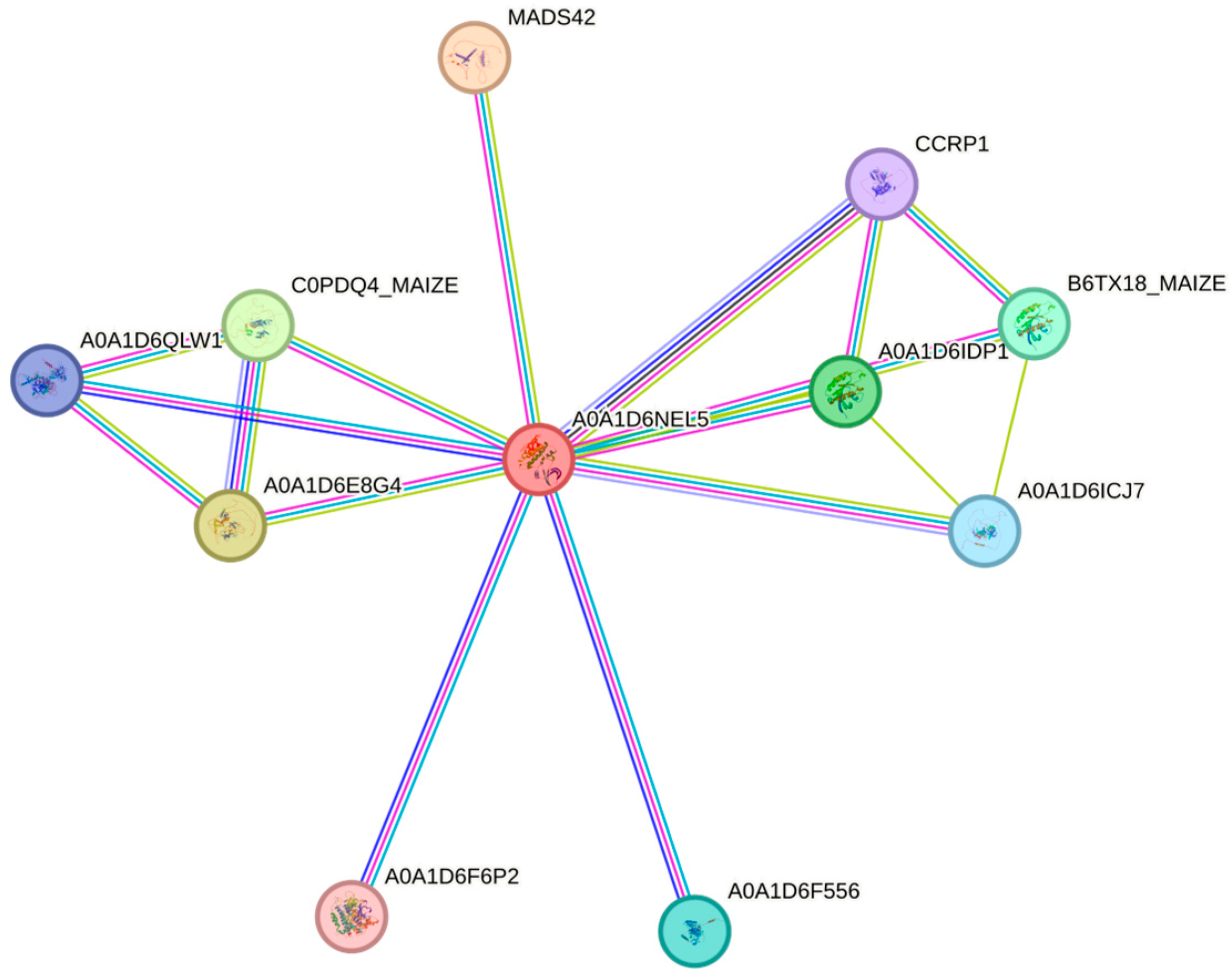
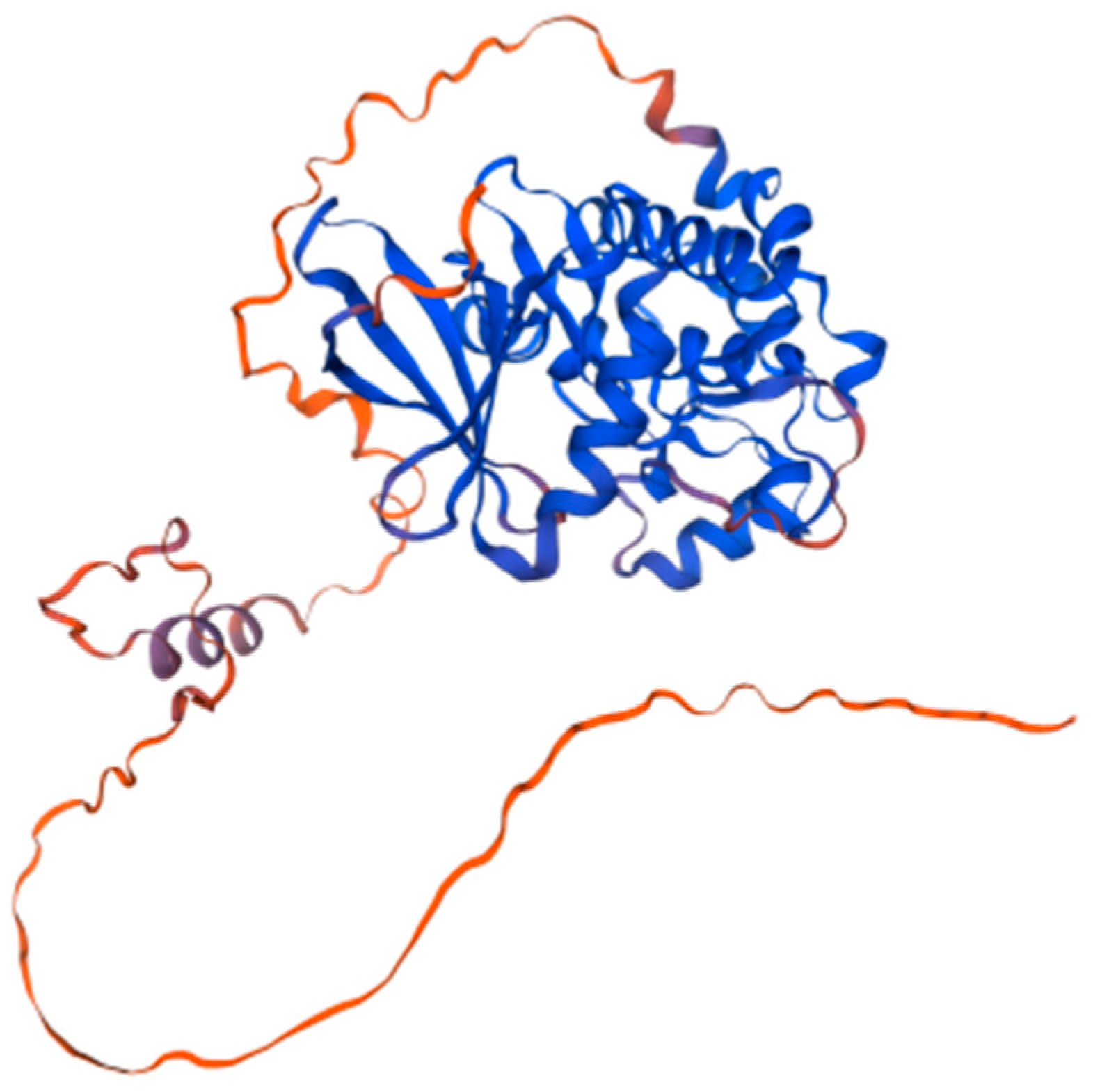
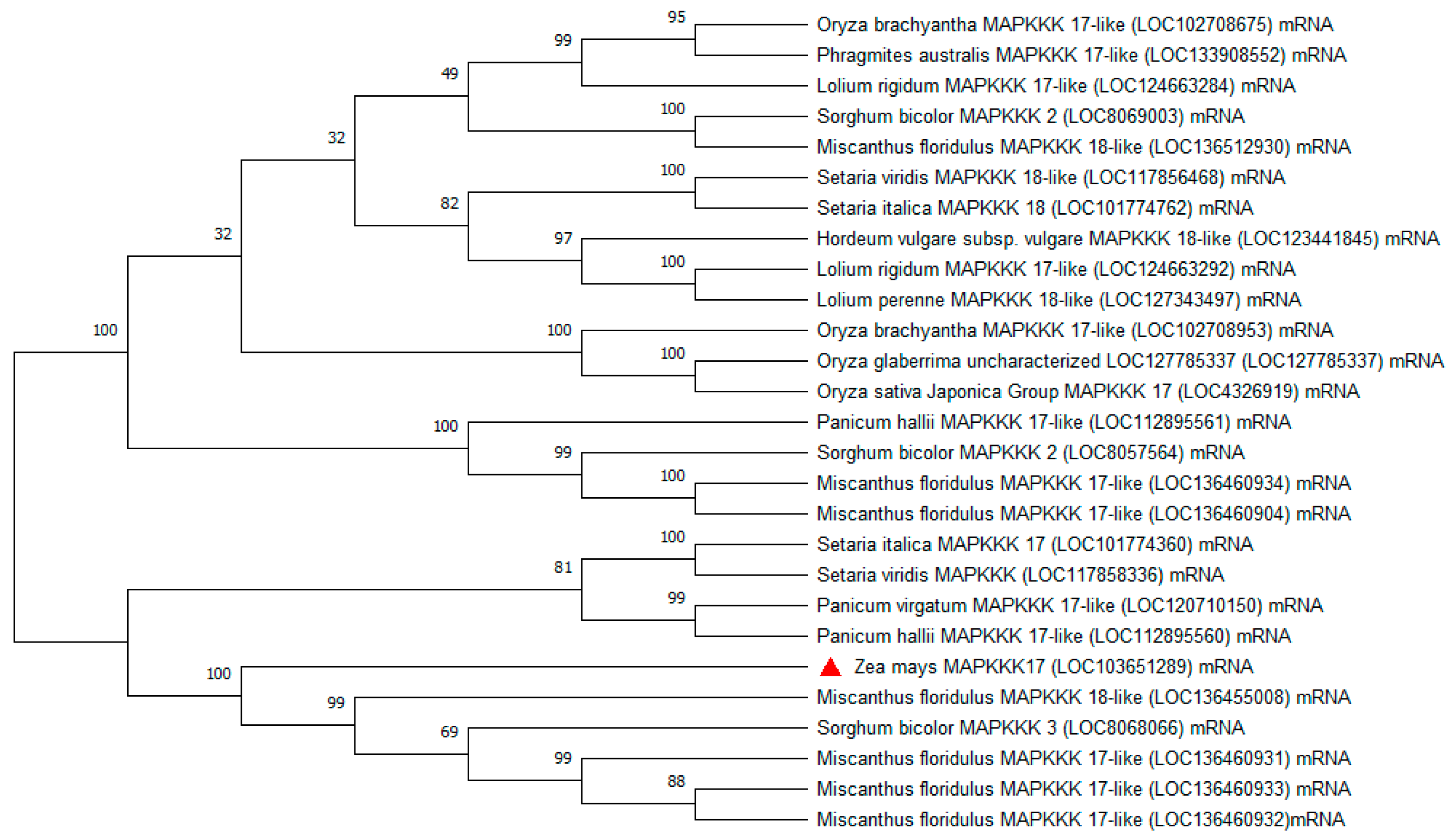
The full-length 1134 bp CDS of ZmMAPKKKA was successfully cloned from the cold-tolerant maize inbred line B144, encoding a 377-amino-acid protein with a molecular weight of 40.37 kDa and a theoretical pI of 4.84. The instability index of the ZmMAPKKKA protein is 49.1, indicating that it is an acidic, unstable, and hydrophilic protein with no signal peptide and transmembrane domain, and was predicted to be a non-secretory nuclear-localized protein. Promoter sequence analysis identified multiple stress-responsive cis-acting elements, including low-temperature response elements (LTR), drought-inducible elements (MYB, MYC, and MBS), and hormone response elements (ABRE, and TGACG-motif), suggesting that ZmMAPKKKA can respond to multiple abiotic stresses and endogenous hormone signals. A protein interaction prediction indicated that ZmMAPKKKA can bind to multiple stress-related proteins, including kinases, transcription factors, and signal regulatory proteins (Figure 1). The tertiary structure of ZmMAPKKKA was predicted via homologous modeling (Figure 2). Phylogenetic analysis showed that it shares an 88.31% sequence identity with MAPKKK18 and an 83.14% identity with MAPKKK3, clustering into the same evolutionary clade (Figure 3). All branch lines, bootstrap values, and species italicized names were explicitly marked in the revised tree, ensuring complete annotation and high visualization accuracy. These results confirmed the highly conserved evolutionary relationship of MAPKKK homologous proteins among gramineous crops.

3.2. Expression Analysis of ZmMAPKKKA Gene Under Low-Temperature Stress

ZmMAPKKKA transcript levels were significantly induced by cold stress in both roots and shoots, with a stronger induction in roots. In roots, the relative expression level of ZmMAPKKKA exhibited a unimodal curve trend, first increasing and then decreasing as the low-temperature treatment duration extended. The expression level rose continuously from 0 h, reached its peak at 12 h with a value of 16.56-fold (p < 0.01), and then declined gradually. This indicates that the defense or adaptation mechanism mediated by ZmMAPKKKA in maize root tissues was activated to the highest extent at 12 h under low-temperature stress. In contrast, the change in relative expression level in shoots was more complex, showing a multimodal curve trend of “increase → decrease → re-increase → re-decrease”, with the first peak at 10 h (2.17-fold, p < 0.05) and the second peak at 24 h. This complex expression pattern suggests that the transcriptional regulation of ZmMAPKKKA in shoot tissues is more sophisticated when coping with low-temperature stress, potentially involving multi-stage physiological adaptation processes. A significant difference was observed in the fold change of ZmMAPKKKA expression between roots and shoots. The relative expression level in roots at 12 h was 16.56-fold higher than the control (0 h), which was significantly higher than that in shoots (2.17-fold at 10 h, p < 0.01). These results imply that, during maize germination under low-temperature stress, the ZmMAPKKKA gene responds more strongly in root tissues, and may play a more critical role in the cold-resistant physiological processes of roots (e.g., regulating root growth, and maintaining cellular homeostasis). In contrast, the expression change of ZmMAPKKKA in shoots is relatively moderate, which may be related to the specific cold-resistant strategies or physiological function differences of shoot tissues.

3.3. Auto-Activation Detection of the Bait Expression Vector

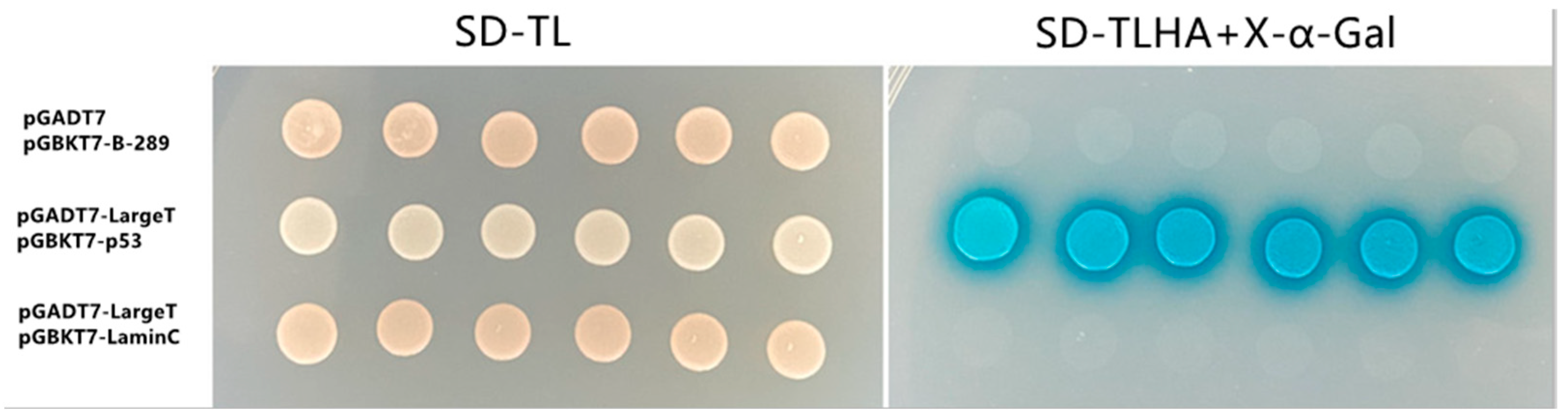
Prior to library screening, auto-activation detection was performed on the constructed bait vector pGBKT7-ZmMAPKKKA (designated as pGBKT7-B-289) to rule out false-positive signals caused by the self-activation of the bait protein. As shown in Figure 4, the detection results revealed the following: On the SD-TL (Synthetic Dropout medium lacking Tryptophan and Leucine)-deficient plate, both the positive control (pGADT7-LargeT/pGBKT7-p53) and the negative control (pGADT7-LargeT/pGBKT7-LaminC) exhibited normal growth. This confirmed that the yeast transformation was successful and that the basic growth conditions of the transformed yeast cells were not affected. Only the positive control (pGADT7-LargeT/pGBKT7-p53) could grow on the SD-TLHA (Synthetic Dropout medium lacking Tryptophan, Leucine, Histidine, and Adenine)-deficient plate supplemented with X-α-Gal. This indicated that the reporter gene activation system in yeast was functional, as the specific interaction between LargeT and p53 proteins triggered the expression of downstream reporter genes (HIS3, ADE2, and MEL1), enabling cell growth and X-α-Gal hydrolysis. For the transformants of pGADT7 (empty activation domain vector) and pGBKT7-B-289, six randomly selected colonies failed to grow on the SD-TLHA + X-α-Gal-deficient plate, showing a growth status identical to that of the negative control. Consistent with this, the result of the MEL1 reporter gene assay (reflected by X-α-Gal staining) was also consistent with the negative control. Collectively, these results demonstrated that the ZmMAPKKKA protein expressed by the pGBKT7-B-289 bait vector does not possess auto-activation activity, which validates the suitability of this bait vector for subsequent yeast two-hybrid library screening under cold stress.

3.4. Yeast Two-Hybrid Library Construction and Screening

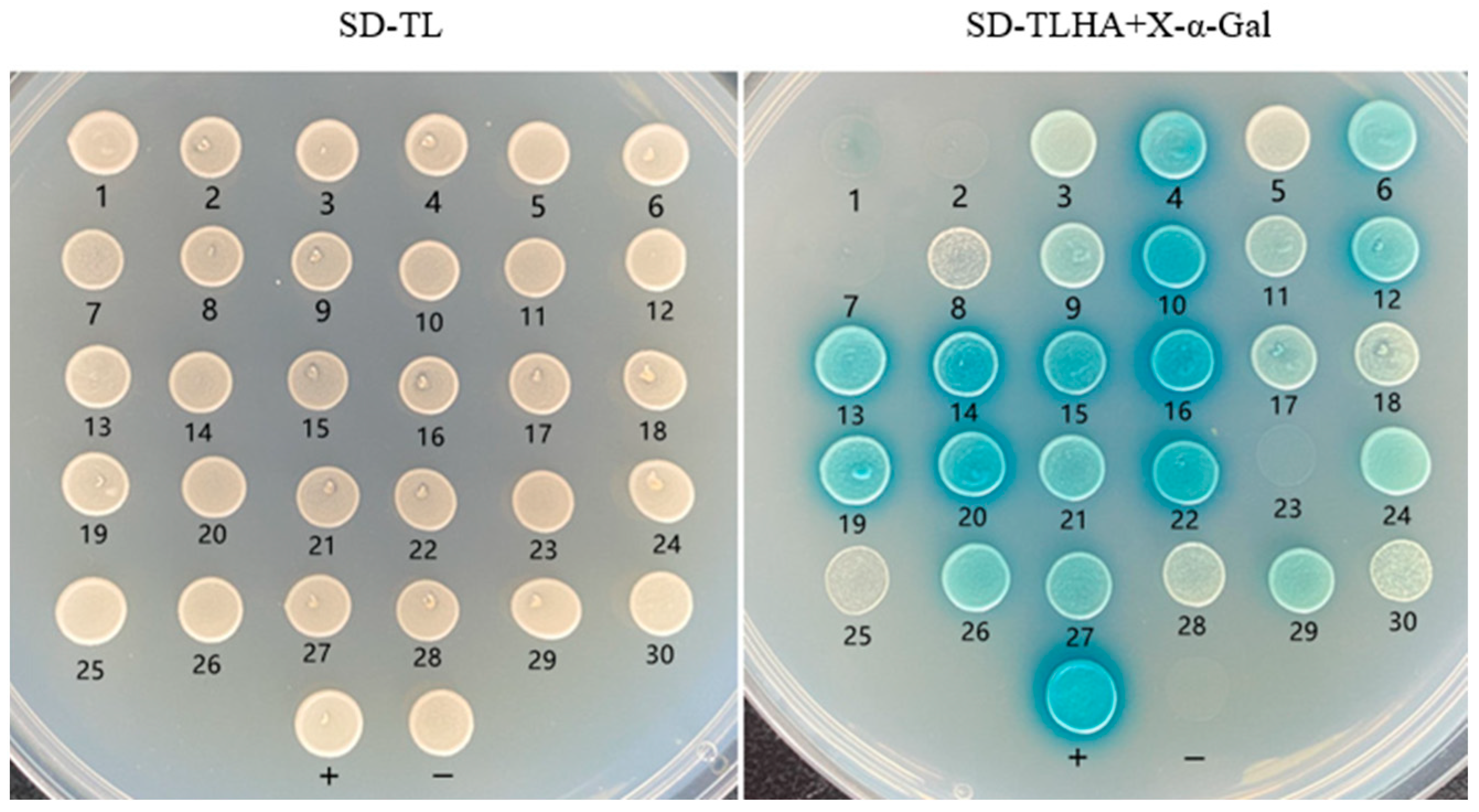
To identify proteins interacting with ZmMAPKKKA under cold stress, a yeast two-hybrid cDNA library was constructed, followed by a library screening using the validated pGBKT7-ZmMAPKKKA bait vector. The detection results of the HIS3, ADE2, and MEL1 reporter genes are shown in Figure 5: The positive control (pGADT7-LargeT/pGBKT7-p53) grew normally on both the SD-TL (Synthetic Dropout medium lacking Tryptophan and Leucine) and SD-TLHA + X-α-Gal (Synthetic Dropout medium lacking Tryptophan, Leucine, Histidine, and Adenine, supplemented with X-α-Gal) plates, and the colonies turned blue. This was attributed to the specific interaction between LargeT and p53 proteins, which activated the expression of HIS3, ADE2, and MEL1 reporter genes—enabling cell growth on the SD-TLHA medium and X-α-Gal hydrolysis (resulting in blue colonies). The negative control (pGADT7-LargeT/pGBKT7-LaminC) grew normally on the SD-TL plates but did not form blue colonies. It failed to grow on the SD-TLHA + X-α-Gal plates, as the absence of interaction between LargeT and LaminC prevented the activation of HIS3 and ADE2 reporter genes, thus inhibiting cell growth under Histidine- and Adenine-deficient conditions. Consistent with the positive control’s characteristics, the initially screened positive clones grew on the SD-TLHA + X-α-Gal plates and formed blue colonies, indicating that they simultaneously activated the HIS3, ADE2, and MEL1 reporter genes—confirming the potential interaction between the encoded proteins and ZmMAPKKKA under cold stress.
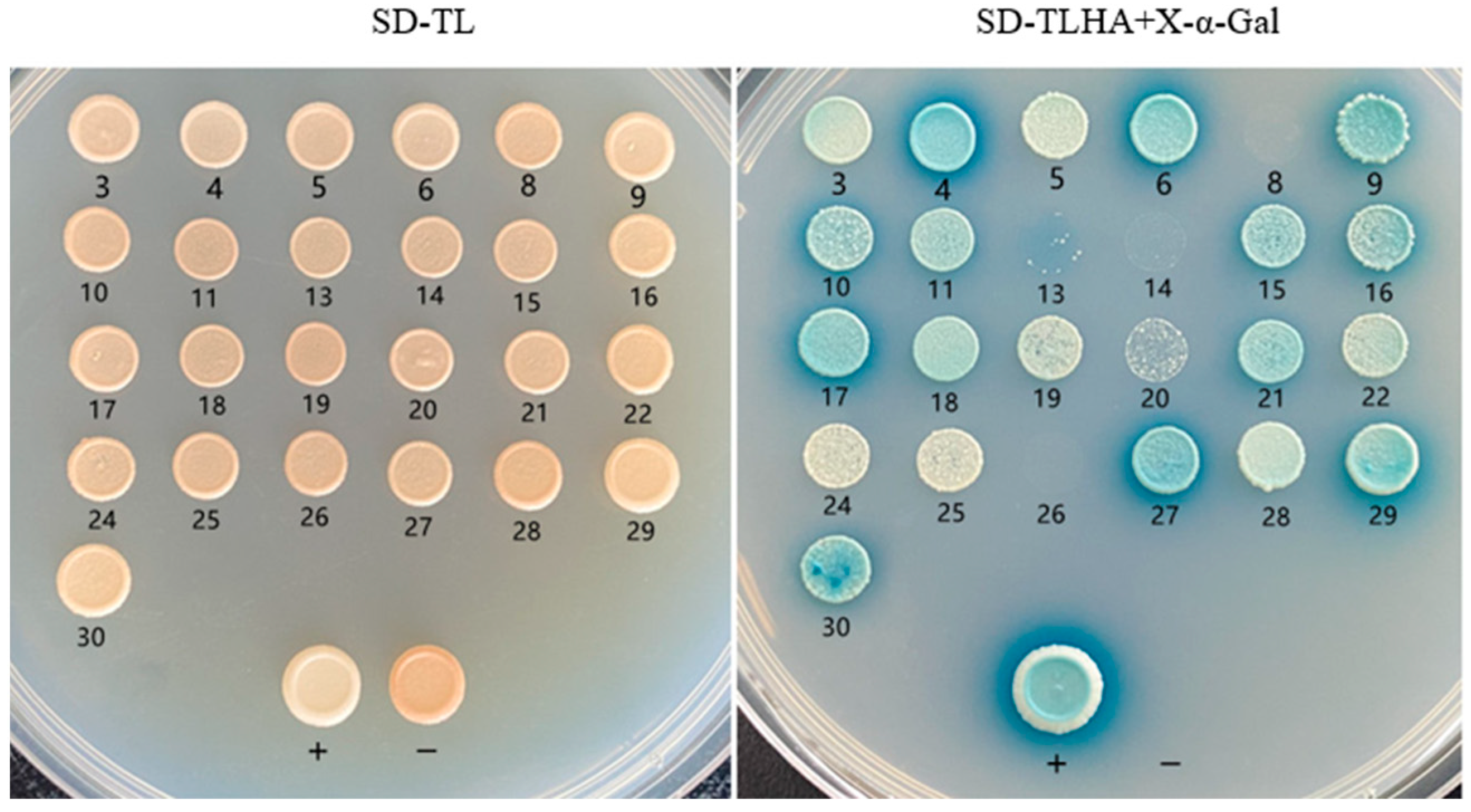
Plasmid DNAs were extracted from these positive clones and subjected to BLAST alignment. After removing redundant sequences, the positive clones were found to correspond to 25 distinct protein-coding genes (Table 2). As shown in Figure 6, re-transformation validation (re-transformation of the positive clone plasmids with the bait vector into yeast cells) yielded the following results: All 20 positive clones (designated as Clone 3, 4, 5, 9, 10, 11, 15, 16, 17, 18, 19, 20, 21, 22, 24, 25, 27, 28, 29, and 30) activated the HIS3 and ADE2 reporter genes. Fourteen of these clones (designated as Clone 4, 6, 9, 10, 11, 15, 16, 17, 18, 21, 22, 27, 29, and 30) further activated the MEL1 reporter gene. Among the 25 interacting proteins, 4 were identified as stress-response-related proteins, including a protein kinase (LOC100286253), maize protein phosphatase PP2C (LOC542176), maize NAC transcription factor (LOC118474710), and serine/threonine protein phosphatase PP2A (LOC103628994). These findings suggest that ZmMAPKKKA may participate in regulating plant stress responses specifically under cold stress by interacting with these proteins.

3.5. Pull-Down Assay

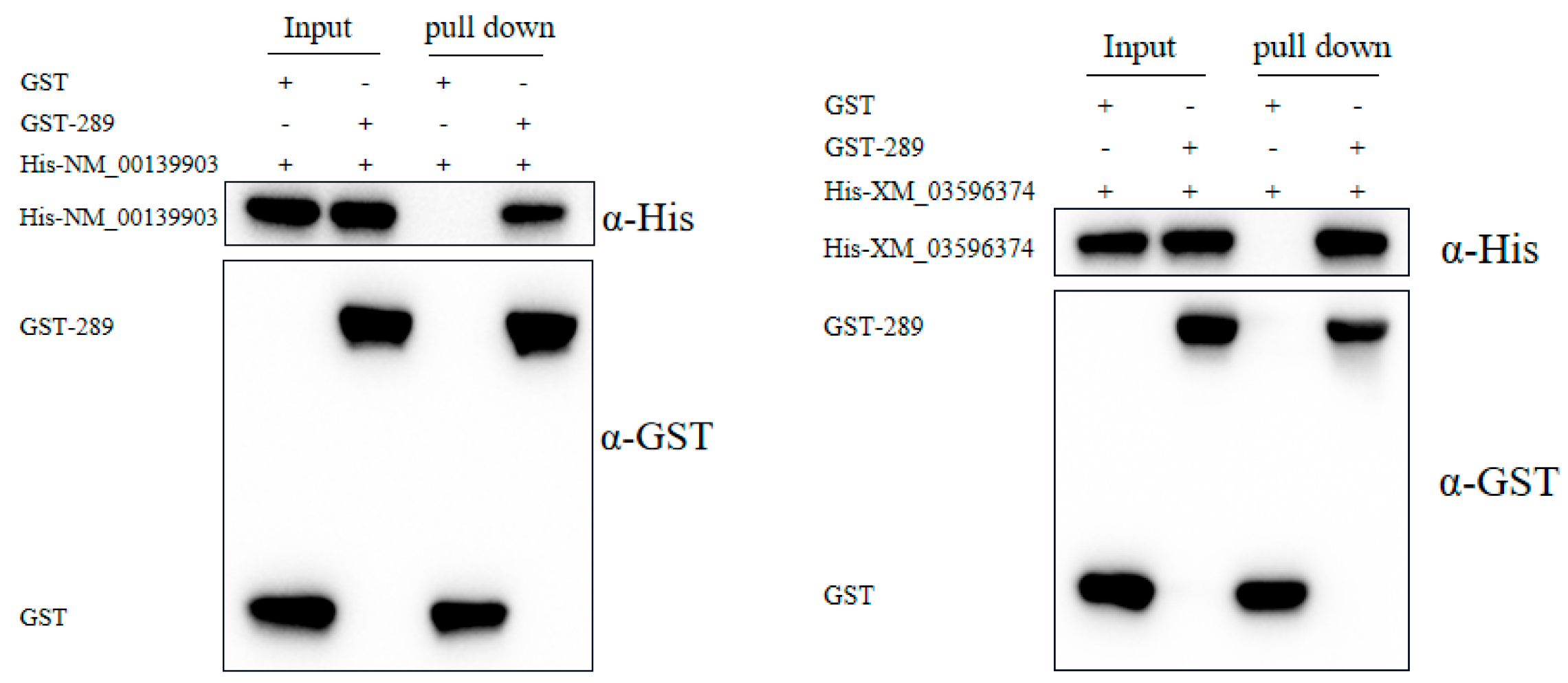
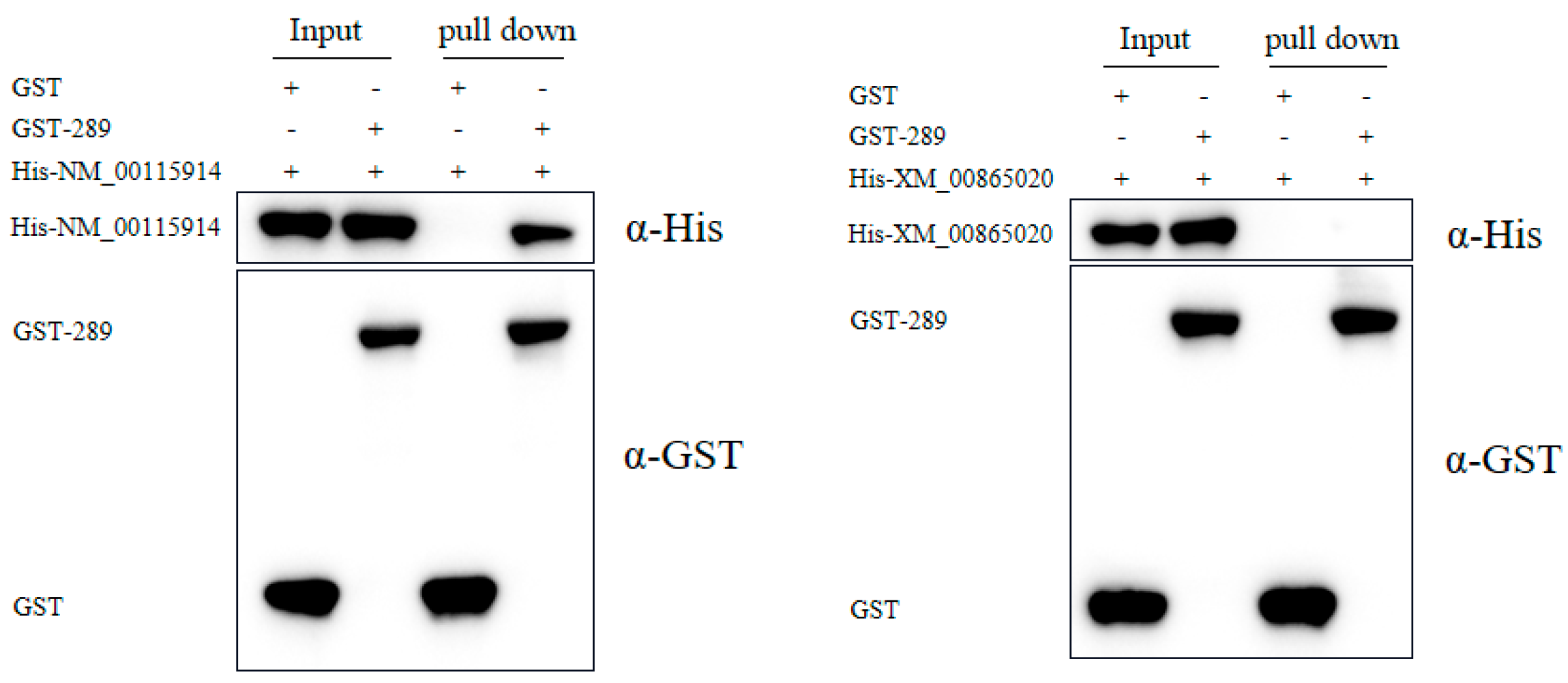
The protein concentrations of His-NM_00139903, His-XM_03596374, His-NM_00115914, and His-XM_00865020 eluted by 200 mM imidazole eluent are 0.82 μg/uL, 0.82 μg/uL, 0.35 μg/uL, and 0.35 μg/uL respectively, and the protein purities are 83.1%, 13.5%, 13.5%, and 13.5% respectively. The protein concentration of GST-289 eluted by 20 mM GSH eluent 1 is the highest, which is 0.05 μg/uL, and the protein purity is about 77.5%. The Pull-Down results are shown in Figure 7. From the results, it can be seen that there are protein–protein interactions specifically under cold stress between GST-ZmMAPKKKA and His-NM_00139903, His-XM_03596374, and His-NM_00115914, and there is no interaction between GST-ZmMAPKKKA and His-XM_00865020.

3.6. Co-Immunoprecipitation (Co-IP) Assay

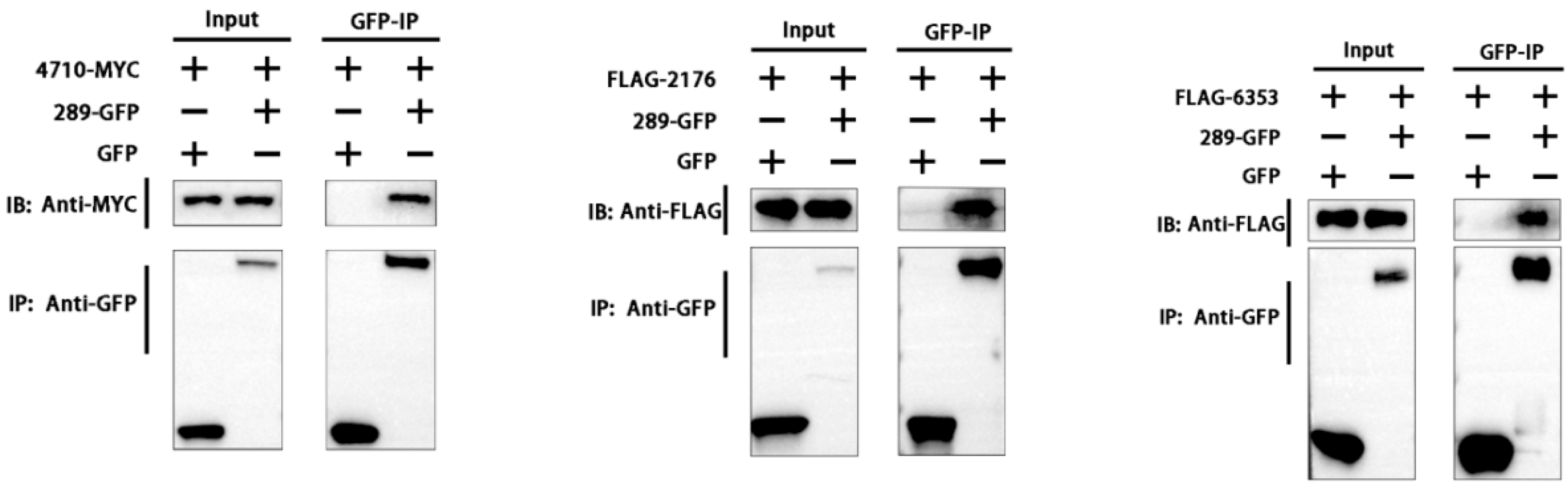
Three genes were found to interact with the target gene (ZmMAPKKKA) via the Pull-Down assay under cold stress. To further confirm these protein–protein interactions specifically under cold stress, the Co-IP technique was employed, and the results are presented in Figure 8. In this experiment, two groups were set up: the control group, which contained the prey protein and an empty tag (lacking the bait protein ZmMAPKKKA), and the experimental group, which included the prey protein and the bait protein (ZmMAPKKKA). In the immunoprecipitation (IP) fraction, the prey protein signal was detected in the experimental group, while no prey protein signal was observed in the control group—this result indicates a specific interaction between the bait protein (ZmMAPKKKA) and the prey proteins under cold stress in the experimental group. Collectively, the Co-IP assay further verified that ZmMAPKKKA interacts with three candidate proteins encoded by LOC542176, LOC118474710, and LOC100286253 specifically under cold stress, which is consistent with the findings from the previous Pull-Down assay.

3.7. BiFC Assay

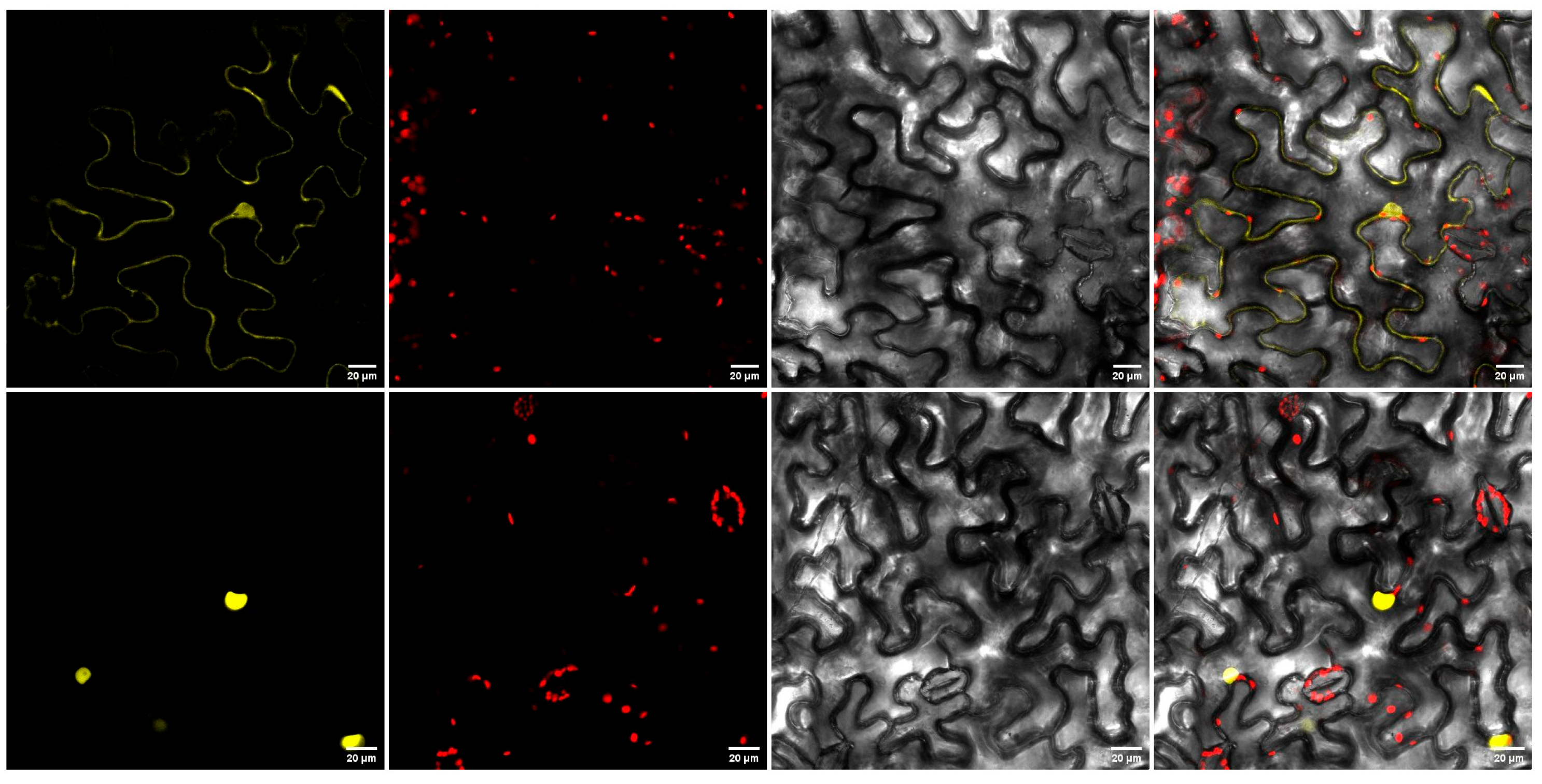
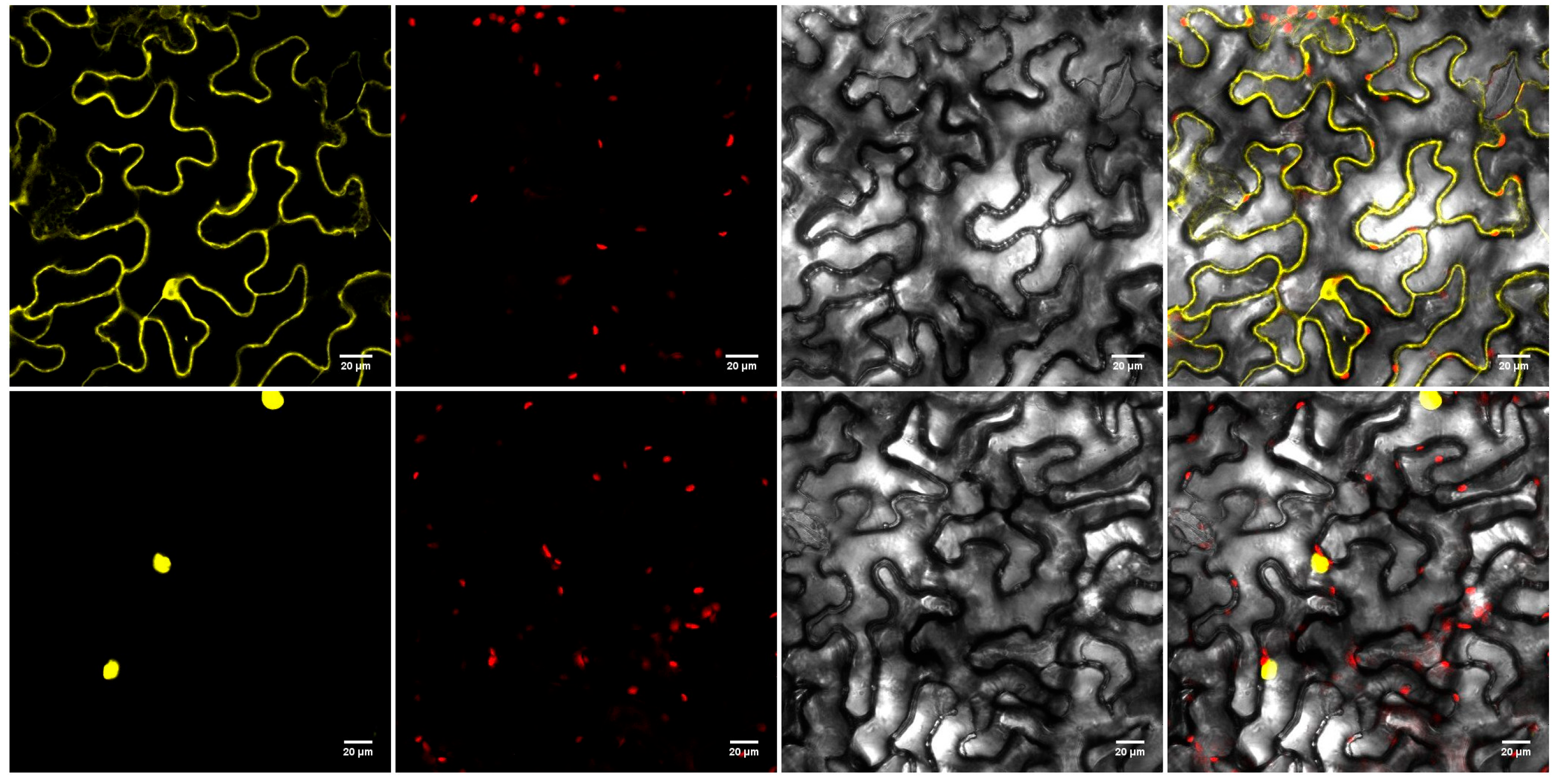
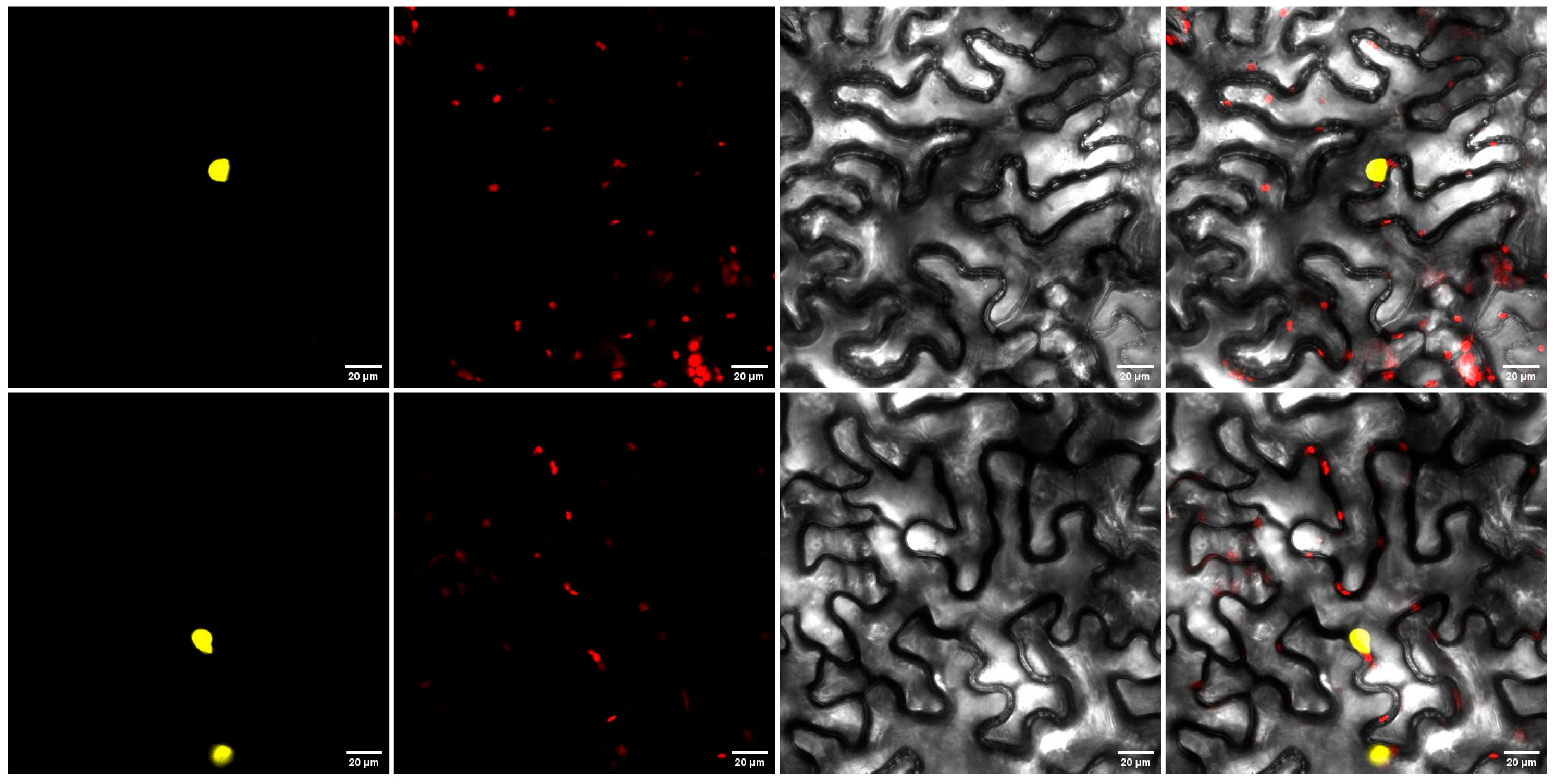
To further validate the protein–protein interactions between ZmMAPKKKA and its candidate targets, namely, LOC542176, LOC118474710, and LOC100286253—interactions that had been initially confirmed via Pull-Down and Co-IP assays—bimolecular fluorescence complementation (BiFC) assays were employed. The BiFC results demonstrated that ZmMAPKKKA interacts with all three candidate target proteins, while exhibiting distinct patterns in terms of subcellular localization and interaction intensity: specifically, the interaction between ZmMAPKKKA and LOC100286253 was associated with a fluorescent signal localized in both the nucleus and cytoplasm, albeit with a relatively weak intensity (Figure 9); a strong interaction was detected between ZmMAPKKKA and LOC542176, with their colocalization observed in both nuclear and cytoplasmic compartments (Figure 10); and the interaction between ZmMAPKKKA and LOC118474710 was validated, with the fluorescent signal primarily restricted to the nucleus and displaying a moderate expression intensity (Figure 11).

4. Discussion

Mitogen-activated protein kinases (MAPKs) constitute a conserved eukaryotic phosphorylation cascade system that transduces external environmental stimuli into intracellular physiological changes, serving as a central regulatory hub for plant abiotic stress adaptation [25]. Low-temperature stress severely restricts maize growth, development, and grain yield, and the MAPK cascade has long been recognized as a key signaling pathway governing plant cold tolerance. Most existing relevant studies mainly focus on model crops including banana and rice, clarifying that MAPK family genes regulate plant cold resistance by mediating the membrane lipid oxidation balance and CBF-COR cold signaling pathway activation [26,27]. However, the species-specific regulatory mode of the MAPK cascade in the maize cold response, as well as its interacting regulatory network, remains poorly characterized, which limits the elucidation of molecular mechanisms underlying maize cold tolerance. Against this background, the present study systematically characterized the function and regulatory mechanism of ZmMAPKKKA, a maize MAPKKK family gene, to fill the research gap of MAPK-mediated cold stress regulation in gramineous crops represented by maize.
The gene homology and phylogenetic analysis in this study demonstrated that maize ZmMAPKKKA shares a high sequence similarity and close evolutionary relationships with cold-tolerant MAPKKK homologous genes in sorghum and Miscanthus floridulus. Homologous MAPKKK genes in sorghum and miscanthus have been proven to positively regulate cold stress tolerance by activating downstream MAPK cascade phosphorylation and antioxidant defense pathways. This evolutionary conservation indicates that gramineous crop MAPKKK members retain conserved cold stress response functions during species evolution, and strongly supports the core regulatory role of ZmMAPKKKA in maize cold resistance. Promoter cis-acting element prediction further revealed abundant low-temperature, drought, and multiple hormone response elements in the ZmMAPKKKA promoter region. Different from previous studies that only verified the single stress response function of plant MAPK genes, this result indicates that maize ZmMAPKKKA is a multi-signal responsive gene that can integrate low-temperature abiotic stress and endogenous ABA, and JA hormone signaling cues, explaining the potential of this gene to participate in the complex crosstalk network of maize stress adaptation and hormone regulation, which is consistent with the universal regulatory relationship between the MAPK cascade and plant hormone signaling reported in previous studies [28].
The protein phosphorylation and dephosphorylation dynamic balance is the core post-translational regulatory mode of plant cold acclimation, which relies on the synergistic regulation of kinases and phosphatases to activate downstream cold-resistant signaling pathways [29,30]. Existing plant cold resistance studies mostly focus on the single regulatory function of OST1, SnRK2, and other kinases in the ICE1-CBF signaling pathway [31,32], while ignoring the upstream regulatory mechanism of the MAPK cascade and the interaction between core signaling proteins in maize. Relying on GST pull-down, Co-IP, and BiFC molecular verification technologies, this study innovatively confirmed that the ZmMAPKKKA protein can directly interact with maize LOC100286253 kinase, PP2C phosphatase LOC542176, and NAC transcription factor LOC118474710, which constructs a novel ZmMAPKKKA-centered ternary regulatory module specific to the maize cold stress response. Notably, prior maize MAPK studies rarely identified the upstream and downstream binding partners of MAPKKK proteins, and these newly validated interactors substantially expand the known protein interaction spectrum of the maize MAPK cascade.
PP2C phosphatase family proteins are key negative regulators in plant ABA and stress signaling pathways, and have been proven to participate in abiotic stress regulation in multiple crops [33,34,35]. Combined with previous reports that maize PP2C members can regulate crop stress tolerance through dephosphorylation modification and signal pathway inhibition, the interaction between ZmMAPKKKA and the PP2C protein identified in this study indicates that the MAPK phosphorylation cascade in maize is not an independent signaling pathway. Instead, it forms a dynamic phosphorylation–dephosphorylation regulatory loop with PP2C phosphatases. Mechanistically, PP2C is predicted to dephosphorylate ZmMAPKKKA to constrain the excessive MAPK cascade activation under mild cold stress, while sustained low-temperature stress suppresses PP2C activity, thereby releasing ZmMAPKKKA to trigger downstream MAPKK/MAPK phosphorylation and amplify cold resistance signals. This reversible regulatory mechanism can precisely fine-tune the intensity and duration of the maize cold stress signal transduction, avoiding an excessive stress response and growth inhibition under low temperature.
As one of the largest plant-specific transcription factor families, NAC members are pivotal hub proteins in plant abiotic stress signal networks, and multiple maize NAC genes have been confirmed to positively regulate crop cold and drought tolerance [36,37]. Most previous studies only explored the independent stress regulation function of NAC transcription factors, while few clarified their upstream protein regulatory mechanism in maize. The verified interaction between ZmMAPKKKA and the NAC transcription factor LOC118474710 in this study solves this research deficiency. As a core upstream MAPKKK kinase, activated ZmMAPKKKA is capable of phosphorylating conserved serine/threonine residues of NAC transcription factors, which improves NAC protein stability and promotes its nuclear accumulation. It is speculated that ZmMAPKKKA can activate the downstream cold response gene expression by phosphorylating NAC transcription factors, thereby participating in the regulation of maize low-temperature adaptation, which supplements the upstream regulatory pathway of NAC-mediated maize cold resistance signaling. Furthermore, the identified interaction between ZmMAPKKKA and the kinase LOC100286253 provides a novel upstream activation mode for the maize MAPK cascade. This protein interaction enables mutual phosphorylation modification between two kinases, forming a kinase cascade amplification effect to rapidly activate downstream cold signaling pathways when maize senses low-temperature stimuli. Collectively, these three types of protein interactions elucidate how ZmMAPKKKA modulates MAPK cascade kinase activity, phosphorylation efficiency, and downstream transcriptional reprogramming, addressing the mechanistic gaps in previous maize MAPK research.
In summary, different from the single-pathway regulatory model of MAPK cold resistance reported in banana, rice, and other crops, this study confirmed that maize ZmMAPKKKA integrates kinase, phosphatase, and transcription factor signals to form a multi-level cross-regulatory network. In terms of the study novelty and significance, this research first establishes a ternary phosphorylation regulatory module of MAPKKK–PP2C–NAC in maize. Compared with homologous MAPKKK genes in rice and banana that only regulate membrane oxidation and the CBF pathway independently, the gramineous-specific one achieves the dual regulation of protein phosphorylation and the downstream transcriptional response, which greatly enriches the species-specific regulatory mechanism of monocot MAPK cold signaling. This study not only verifies the conserved cold stress response function of gramineous MAPKKK genes, but also reveals the unique species-specific molecular regulatory mechanism of the maize MAPK cascade. It compensates for the insufficient research on the protein interaction and signal crosstalk of maize MAPK family cold-resistant genes, and provides key candidate genes and theoretical support for analyzing the molecular mechanism of maize cold tolerance and cultivating cold-resistant maize varieties.
In terms of research limitations, this study only validates the physical interaction between ZmMAPKKKA and target proteins at the molecular level in vitro. The specific phosphorylation sites of the interacting proteins, the quantitative changes in MAPK cascade activity after protein binding, and the in vivo regulatory efficiency of this module under natural low-temperature stress remain unclarified. In addition, this study only explores the cold stress response function of ZmMAPKKKA, and its potential regulatory role in the drought, hormone response, and crop growth trade-off still requires further exploration. Nevertheless, subsequent gene overexpression, gene silencing, and site-directed mutagenesis experiments are still required to further clarify the in vivo biological function of ZmMAPKKKA in maize cold stress adaptation.

5. Conclusions

In conclusion, this study investigated the cold tolerance function and regulatory mechanism of ZmMAPKKKA using the cold-tolerant maize inbred line B144. ZmMAPKKKA contains a 1134 bp full-length CDS encoding a 377-amino-acid protein. Its promoter harbors multiple stress-related cis-acting elements, and the gene is strongly cold-inducible, with a 16.56-fold expression increase in maize roots after 12 h of cold treatment and preferential root-specific expression. Twenty-five ZmMAPKKKA-interacting proteins were screened via a yeast two-hybrid assay. Three stress-related candidates, including one kinase, one PP2C phosphatase, and one NAC transcription factor, were confirmed to interact with ZmMAPKKKA in vitro and in vivo using GST Pull-Down, Co-IP, and BiFC assays. This study first identified a novel ZmMAPKKKA-centered kinase–phosphatase–transcription factor module governing maize cold signaling. Gramineous homologous genes exhibit conserved abiotic stress functions, revealing the evolutionary conservation of monocot MAPKKK activity. Overall, these findings elucidate the regulatory role of ZmMAPKKKA in maize cold tolerance, enrich the mechanistic understanding of the maize MAPK cascade in the cold response, and provide key gene resources for cold-tolerant maize breeding.

Author Contributions

Writing—original draft preparation, T.Y. and X.M.; writing—review and editing, T.Y., X.M., S.C., W.L. and G.Y.; supervision, T.Y.; project administration, J.Z.; funding acquisition, J.Z. All authors have read and agreed to the published version of the manuscript.

Funding

This work was funded by the Reward Project of Heilongjiang Provincial Science and Technology Innovation Base (JD25A008), the Key Research and Development Major Project of Heilongjiang Province (2025ZX03A03), the Innovation Project of Heilongjiang Academy of Agricultural Sciences (CX23ZD05), and the Heilongjiang Province Seed Industry Innovation and Development Project (2024HZYCXNK07).

Data Availability Statement

The original contributions presented in this study are included in the article. Further inquiries can be directed to the corresponding authors.

Conflicts of Interest

The authors declare that the research was conducted in the absence of any commercial or financial relationships that could be construed as potential conflicts of interest.

References

  1. Oláh, C.; Ludmerszki, E.; Rácz, I.; Balassa, G.; Rudnóy, S. S-Methylmethionine-salicylate pretreatment reduces low temperature stress in maize. Russ. J. Plant Physiol. 2018, 65, 63–68. [Google Scholar] [CrossRef]
  2. Yu, T.; Zhang, J.G.; Cao, J.S.; Ma, X.; Cao, S.; Li, W.; Yang, G.; Li, S. QTL analysis of low-temperature tolerance in maize germination by SLAF-seq and BSA technique. Electron. J. Biotechnol. 2024, 70, 14–22. [Google Scholar] [CrossRef]
  3. Cassman, K.G.; Dobermann, A.R.; Walters, D.T.; Yang, H. Meeting cereal demand while protecting natural resources and improving environmental quality. Annu. Rev. Environ. Resour. 2003, 28, 315–358. [Google Scholar] [CrossRef]
  4. Yu, T.; Zhang, J.; Ma, X.; Cao, S.; Li, W.; Yang, G. A multi-omics view of maize’s (Zea mays L.) response to low temperatures during the seedling stage. Int. J. Mol. Sci. 2024, 25, 12273. [Google Scholar] [CrossRef]
  5. Berberich, T.; Sano, H.; Kusano, T. Involvement of a MAP kinase, ZmMPK5, in senescence and recovery from low-temperature stress in maize. Mol. Gen. Genet. MGG 1999, 262, 534–542. [Google Scholar] [CrossRef]
  6. Shou, H.; Bordallo, P.; Fan, J.B.; Yeakley, J.M.; Bibikova, M.; Sheen, J.; Wang, K. Expression of an active tobacco mitogen-activated protein kinase kinase kinase enhances freezing tolerance in transgenic maize. Proc. Natl. Acad. Sci. USA 2004, 101, 3298–3303. [Google Scholar] [CrossRef]
  7. Berberich, T.; Kusano, T. Cycloheximide induces a subset of low temperature-inducible genes in maize. Mol. Gen. Genet. 1997, 254, 275–283. [Google Scholar] [CrossRef] [PubMed]
  8. Wang, Y. Isolation and functional characterization of a cold responsive phosphatidylinositol transfer-associated protein ZmSEC14p from maize (Zea mays L.). Plant Cell Rep. 2016, 35, 1671–1686. [Google Scholar] [CrossRef]
  9. Qin, F.; Kakimoto, M.; Sakuma, Y.; Maruyama, K.; Osakabe, Y.; Tran, L.S.; Shinozaki, K.; Yamaguchi-Shinozaki, K. Regulation and functional analysis of ZmDREB2A in response to drought and heat stresses in Zea mays L. Plant J. 2010, 50, 54–69. [Google Scholar] [CrossRef]
  10. Qin, F.; Sakuma, Y.; Li, J.; Liu, Q.; Li, Y.Q.; Shinozaki, K.; Yamaguchi-Shinozaki, K. Cloning and functional analysis of a novel DREB1/CBF transcription factor involved in cold-responsive gene expression in Zea mays L. Plant Cell Physiol. 2004, 45, 1042–1052. [Google Scholar] [CrossRef] [PubMed]
  11. Quan, R.; Shang, M.; Zhang, H.; Zhao, Y.; Zhang, J. Improved chilling tolerance by transformation with betA gene for the enhancement of glycinebetaine synthesis in maize. Plant Sci. 2004, 166, 141–149. [Google Scholar] [CrossRef]
  12. Gilmour, S.J.; Zarka, D.G.; Stockinger, E.J.; Salazar, M.P.; Houghton, J.M.; Thomashow, M.F. Low temperature regulation of the Arabidopsis CBF family of AP2 transcriptional activators as an early step in cold-induced COR gene expression. Plant J. 1998, 16, 433–442. [Google Scholar] [CrossRef] [PubMed]
  13. Van Gerrewey, T.; Chung, H.S. MAPK cascades in plant microbiota structure and functioning. J. Microbiol. 2024, 62, 231–248. [Google Scholar] [CrossRef]
  14. Zhang, M.; Zhang, S. Mitogen-activated protein kinase cascades in plant signaling. J. Integr. Plant Biol. 2022, 64, 301–341. [Google Scholar] [CrossRef] [PubMed]
  15. Chen, X.; Ding, Y.; Yang, Y.; Song, C.; Wang, B.; Yang, S.; Guo, Y.; Gong, Z. Protein kinases in plant responses to drought, salt, and cold stress. J. Integr. Plant Biol. 2021, 63, 53–78. [Google Scholar] [CrossRef]
  16. Zhao, C.; Wang, P.; Si, T.; Hsu, C.-C.; Wang, L.; Zayed, O.; Yu, Z.; Zhu, Y.; Dong, J.; Tao, W.A.; et al. MAP kinase cascades regulate the cold response by modulating ICE1 protein stability. Dev. Cell 2017, 43, 618–629.e5. [Google Scholar] [CrossRef]
  17. Teige, M.; Scheikl, E.; Eulgem, T.; Dóczi, R.; Ichimura, K.; Shinozaki, K.; Dangl, J.L.; Hirt, H. The MKK2 pathway mediates cold and salt stress signaling in Arabidopsis. Mol. Cell 2004, 15, 141–152. [Google Scholar] [CrossRef]
  18. Tajdel, M.; Mituła, F.; Ludwików, A. Regulation of Arabidopsis MAPKKK18 by ABI1 and SnRK2, components of the ABA signaling pathway. Plant Signal. Behav. 2016, 11, e1139277. [Google Scholar] [CrossRef]
  19. Romero-Hernandez, G.; Martinez, M. Opposite roles of MAPKKK17 and MAPKKK21 against Tetranychus urticae in Arabidopsis. Front. Plant Sci. 2022, 13, 1038866. [Google Scholar] [CrossRef] [PubMed]
  20. Na, Y.J.; Choi, H.K.; Park, M.Y.; Choi, S.-W.; Vo, K.T.X.; Jeon, J.-S.; Kim, S.Y. OsMAPKKK63 is involved in salt stress response and seed dormancy control. Plant Signal. Behav. 2019, 14, e1578633. [Google Scholar] [CrossRef]
  21. Yin, Z.; Zhu, W.; Zhang, X.; Chen, X.; Wang, W.; Lin, H.; Wang, J.; Ye, W. Molecular characterization, expression and interaction of MAPK, MAPKK and MAPKKK genes in upland cotton. Genomics 2021, 113, 1071–1086. [Google Scholar] [CrossRef] [PubMed]
  22. Zeng, R.; Li, Z.; Shi, Y.; Fu, D.; Yin, P.; Cheng, J.; Jiang, C.; Yang, S. Natural variation in a type-A response regulator confers maize chilling tolerance. Nat. Commun. 2021, 12, 4713. [Google Scholar] [CrossRef]
  23. Han, X.; Wang, S.F.; Lin, J.X. Construction of yeast two-hybrid library of Arabidopsis thaliana and screening of ADPG1 interacting proteins. Chin. J. Cell Biol. 2022, 44, 1048–1055. [Google Scholar]
  24. Zheng, Q.L.; Shen, W.; Yao, W.K.; Xu, W.R. Construction of yeast two-hybrid three-frame cDNA library of Vitis amurensis and screening of VaCIPK18 interaction protein. Acta Hortic. Sin. 2020, 47, 2301–2316. [Google Scholar]
  25. Shao, Y.M.; Yu, X.X.; Xu, X.W.; Li, Y.; Yuan, W.; Xu, Y.; Mao, C.; Zhang, S.; Xu, J. The YDA-MKK4/MKK5-MPK3/MPK6 cascade functions downstream of the RGF1-RGI ligand-receptor pair in regulating mitotic activity in root apical meristem. Mol. Plant 2020, 13, 1608–1623. [Google Scholar] [CrossRef]
  26. Fan, Z.Y.; Zhao, B.; Zeng, Y.; Lai, R.; Zhao, X.; Chen, Y.; Lin, Y.; Du, Y.; Lai, Z. MaMPK19, a key gene enhancing cold resistance by activating the CBF pathway in banana. Plant Physiol. Biochem. 2024, 196, 109290. [Google Scholar] [CrossRef] [PubMed]
  27. Liu, J.; Liu, J.; He, M.; Zhang, C.; Liu, Y.; Li, X.; Wang, Z.; Jin, X.; Sui, J.; Zhou, W.; et al. OsMAPK6 positively regulates rice cold tolerance at seedling stage via phosphorylating and stabilizing OsICE1 and OsIPA1. Theor. Appl. Genet. 2023, 137, 10. [Google Scholar] [CrossRef]
  28. Lin, L.; Wu, J.; Jiang, M.; Wang, Y. Plant mitogen-activated protein kinase cascades in environmental stresses. Int. J. Mol. Sci. 2021, 22, 1543. [Google Scholar] [CrossRef]
  29. Hwarari, D.; Guan, Y.L.; Ahmad, B.; Movahedi, A.; Min, T.; Hao, Z.; Lu, Y.; Chen, J.; Yang, L. ICE-CBF-COR signaling cascade and its regulation in plants responding to cold stress. Int. J. Mol. Sci. 2022, 23, 1549. [Google Scholar] [CrossRef] [PubMed]
  30. Ding, Y.L.; Li, H.; Zhang, X.Y.; Xie, Q.; Gong, Z.; Yang, S. OST1 kinase modulates freezing tolerance by enhancing ICE1 stability in Arabidopsis. Dev. Cell 2015, 32, 278–289. [Google Scholar] [CrossRef]
  31. Ding, Y.; Lv, J.; Shi, Y.; Gao, J.; Hua, J.; Song, C.; Gong, Z.; Yang, S. EGR2 phosphatase regulates OST1 kinase activity and freezing tolerance in Arabidopsis. EMBO J. 2019, 38, e99819. [Google Scholar] [CrossRef]
  32. Hu, X.; Liu, L.; Xiao, B.; Li, D.; Xing, X.; Kong, X.; Li, D. Enhanced tolerance to low temperature in tobacco by over-expression of a new maize protein phosphatase 2C, ZmPP2C2. J. Plant Physiol. 2010, 167, 1307–1315. [Google Scholar] [CrossRef]
  33. Zhang, P.; Yuan, Z.; Wei, L.; Qiu, X.; Wang, G.; Liu, Z.; Fu, J.; Cao, L.; Wang, T. Overexpression of ZmPP2C55 positively enhances tolerance to drought stress in transgenic maize plants. Plant Sci. 2022, 314, 111127. [Google Scholar] [CrossRef] [PubMed]
  34. He, Z.; Wu, J.; Sun, X.; Dai, M. The maize clade A PP2C phosphatases play critical roles in multiple abiotic stress responses. Int. J. Mol. Sci. 2019, 20, 3573. [Google Scholar] [CrossRef] [PubMed]
  35. Luo, P.; Chen, Y.; Rong, K.; Lu, Y.; Wang, N.; Xu, Z.; Pang, B.; Zhou, D.; Weng, J.; Li, M.; et al. ZmSNAC13, a maize NAC transcription factor conferring enhanced resistance to multiple abiotic stresses in transgenic Arabidopsis. Plant Physiol. Biochem. 2022, 170, 160–170. [Google Scholar] [CrossRef] [PubMed]
  36. Mao, H.; Yu, L.; Han, R.; Li, Z.; Liu, H. ZmNAC55, a maize stress-responsive NAC transcription factor, confers drought resistance in transgenic Arabidopsis. Plant Physiol. Biochem. 2016, 105, 55–66. [Google Scholar] [CrossRef]
  37. Mao, H.; Wang, H.; Liu, S.; Li, Z.; Yang, X.H.; Yan, J.B.; Li, J.S.; Tran, L.-S.P.; Qin, F. A transposable element in a NAC gene is associated with drought tolerance in maize seedlings. Nat. Commun. 2015, 6, 8326. [Google Scholar] [CrossRef]
Figure 1. Prediction of the protein–protein interaction network of ZmMAPKKKA.
Agronomy 16 00978 g001
Figure 2. Tertiary structure model of the ZmMAPKKKA protein.
Agronomy 16 00978 g002
Figure 3. Homologous sequence alignment and phylogenetic tree analysis of ZmMAPKKKA.
Agronomy 16 00978 g003
Figure 4. Results of bait protein auto-activation detection. Note: pGADT7-LargeT/pGBKT7-p53 was used as the positive control, and pGADT7-LargeT/pGBKT7-LaminC was used as the negative control.
Agronomy 16 00978 g004
Figure 5. Detection of positive clones for activation of HIS3, ADE2, and MEL1 reporter genes. Note: The group labeled “+” serves as the positive control, and the group labeled “−” serves as the negative control.
Agronomy 16 00978 g005
Figure 6. Detection of HIS3, ADE2, and MEL1 reporter gene activation in positive clone re-transformation validation. Note: The group labeled “+” is the positive control, and the group labeled “−” is the negative control.
Agronomy 16 00978 g006
Figure 7. Pull-Down assay results of GST-ZmMAPKKKA.
Agronomy 16 00978 g007aAgronomy 16 00978 g007b
Figure 8. Co-Immunoprecipitation (Co-IP) assay results of GST-ZmMAPKKKA.
Agronomy 16 00978 g008
Figure 9. Protein interaction results between ZmMAPKKKA and LOC100286253. Note: The upper panel shows the experimental group, and the lower panel shows the positive control. From left to right are the fluorescence channel, chloroplast channel, bright field, and merged image.
Agronomy 16 00978 g009
Figure 10. Protein interaction results between ZmMAPKKKA and LOC542176. Note: The upper panel shows the experimental group, and the lower panel shows the positive control. From left to right are the fluorescence channel, chloroplast channel, bright field, and merged image.
Agronomy 16 00978 g010
Figure 11. Protein interaction results between ZmMAPKKKA and LOC118474710. Note: The upper panel shows the experimental group, and the lower panel shows the positive control. From left to right are the fluorescence channel, chloroplast channel, bright field, and merged image.
Agronomy 16 00978 g011
Table 1. List of primers.
Primer NamePrimer Sequence (5′–3′)Purpose
RT1500-289-P1FATGGACGCCTCCGTGGGene cloning
RT1500-289-NP1′RCTCTGGCATATGGTAGAATCATCTCGene cloning
RT1500-289-NP1RCTGCGTGGACAGGCGAATGene cloning
LOC103651289-FTCAAGAGGGAGAGACATTTqPCR
LOC103651289-RGGTTACAAGGACAAGACAAqPCR
Actin-FTGTGCCAATCTACGAGGGTTTqPCR
Actin-RTTTCCCGCTCTGCTGTTTGqPCR
Table 2. Candidate interacting proteins obtained by yeast two-hybrid screening of ZmMAPKKKA.
NumberNCBI AccessionNCBI Description
3NM_001399038.1Zea mays putative protein phosphatase 2C family protein (LOC542176), Mrna
4, 12NM_001112518.2Zea mays suppressors of mec-8 and unc-52 (LOC100037818), mRNA
5NM_001368005.1Zea mays uncharacterized LOC100281412 (LOC100281412), mRNA
6XM_008679330.2PREDICTED: Zea mays Chaperone protein dnaJ A6 chloroplastic (LOC100382361), transcript variant X1, mRNA
8XM_008672056.3PREDICTED: Zea mays heat shock protein 81-1 (LOC103647533), mRNA
9NM_001358373.1Zea mays aconitase 2 (LOC100281040), transcript variant 2, mRNA
10NM_001305866.1Zea mays expansin-B3 (LOC541910), mRNA
11BT088091.1Zea mays full-length cDNA clone ZM_BFc0010I04 mRNA, complete cds
13XM_035963741.1PREDICTED: Zea mays NAC domain-containing protein 2-like (LOC118474710), mRNA
14EU956347.1Zea mays clone 1561092 bundle sheath defective protein 2 mRNA, complete cds
15XM_008664234.3PREDICTED: Zea mays DDT domain-containing protein PTM (LOC103640745), mRNA
16BT063471.1Zea mays full-length cDNA clone ZM_BFc0067D07 mRNA, complete cds
17NM_001157345.2Zea mays disulfide oxidoreductase/monooxygenase (LOC100284450), Mrna
18NM_001148946.2Zea mays uncharacterized LOC100274593 (LOC100274593), Mrna
19NM_001159140.1Zea mays protein kinase domain-containing protein (LOC100286253), Mrna
20NM_001365723.1Zea mays S-adenosyl-L-methionine-dependent methyltransferase superfamily protein (LOC100272998), mRNA
21NM_001136859.1Zea mays uncharacterized LOC100191426 (LOC100191426), mRNA
22BT068909.1Zea mays full-length cDNA clone ZM_BFc0186H23 mRNA, complete cds
24No result
25NM_001147354.1Zea mays Patatin-like protein 2 (LOC100272901), mRNA
26XM_008650200.3PREDICTED: Zea mays serine/threonine protein phosphatase 2A 57 kDa regulatory subunit B’ theta isoform (LOC103628994), Mrna
27XM_035965803.1PREDICTED: Zea mays uncharacterized LOC100278938 (LOC100278938), transcript variant X1, mRNA
28BT083797.2Zea mays full-length cDNA clone ZM_BFb0041D20 mRNA, complete cds
29XM_008664659.4PREDICTED: Zea mays chaperone protein dnaJ A7A, chloroplastic (LOC103641303), mRNA
30EU962976.1Zea mays clone 247018 mRNA sequence
Disclaimer/Publisher’s Note: The statements, opinions and data contained in all publications are solely those of the individual author(s) and contributor(s) and not of MDPI and/or the editor(s). MDPI and/or the editor(s) disclaim responsibility for any injury to people or property resulting from any ideas, methods, instructions or products referred to in the content.