1. Introduction
Brassica juncea, a species within the genus
Brassica (family Brassicaceae), is an important cash crop in China. The annual cultivation area of mustard in China exceeds one million hectares, with a total economic value surpassing 200 billion RMB [
1]. Through long-term natural evolution and artificial domestication, mustard has diversified into four major types (those bred specifically for their roots, stems, leaves, and flowers) and 16 recognized varieties in China.
Leaf morphology in
B. juncea varies significantly both within and between varieties, ranging from slender to elliptical forms. This morphological diversity is primarily governed by the growth dynamics of the marginal meristem, which retains meristematic activity [
2]. Auxin signaling plays a central role in regulating compound leaf development and margin serration. Auxins promote cell division by inducing expression of
AS1 and
AS2, thereby shaping leaf architecture. Mutations in
as1 and
as2 result in pronounced bilateral asymmetry, leading to lobed leaves and the formation of small leaflets at the petiole base [
3]. In
Solanum lyratum, the Aux/IAA family member
ENTIRE is expressed in the intercellular regions between leaves, where it suppresses auxin responses to maintain axillary leaflessness. ENTIRE interacts with ARF activators such as SIARF19A, SIARF19B, and SIMP, with varying doses of these ARFs promoting leaflet growth to different extents [
4]. The NAC-domain gene
GOBLET (
GOB) also modulates auxin signaling by altering its spatial distribution. In conjunction with ENTIRE-mediated auxin responses,
GOB facilitates compound leaf formation [
5].
Gibberellins (GAs) influence leaf shape in a species-dependent manner. In monocotyledonous plants, elevated GA levels lead to smooth, edge-veined leaves and simplified compound leaf structures [
6,
7]. During leaf development, GA and cytokinin (CK) exhibit antagonistic interactions. GA activity is modulated by the KNOX1 and TCP transcription factors: TCP enhances GA biosynthesis, while KNOX1 reduces GA levels and promotes CK accumulation. This hormonal interplay fine-tunes their balance, ultimately regulating the development of leaf margin morphology [
8]. During leaf development,
KNOX1 is expressed in the basal portion of the leaf midrib, while
RCO shows symmetrical expression in the basal region of leaf lamellipads. These two genes promote compound leaf formation by extending the growth potential of leaf primordia cells and driving anisotropic cell expansion, thereby inhibiting localized growth [
9].
KNOX1 expression is essential for normal lamellipad development in compound-leaf species. The interaction between LATE MERISTEM IDENTITY1 (LMI1) and KNOX1 jointly regulates leaf development, producing diverse morphologies such as broad, shallowly lobed, and compound leaves, with specific phenotypes determined by gene combinations [
10]. The formation of notches at the leaf margin is closely linked to
KNOX1 expression [
11]. Within the
KNOX1 gene family,
STM,
BREVIPEDICELLUS (
BP), and
KNOTTED-1 (
KN1) play key roles in the shaping of leaf margins.
ARP genes and miRNAs also contribute to leaf shape regulation: downregulation of
ARP alters lobe number and shape, while overexpression of
miR396 affects leaf morphology by targeting
GRF [
12].
As core components of plant transcriptional regulatory networks, the MYB gene family plays critical roles in leaf morphogenesis. All members possess a conserved MYB-DNA binding domain at the N-terminus and are classified into MYB1R, R2R3-MYB, MYB3R, and 4R-MYB subgroups based on repeat units. The R2R3-MYB subfamily directly regulates three-dimensional leaf structure through epidermal cell differentiation, vein patterning, and margin shaping [
13]. In tomato, the trifoliate gene (
Tf) contributes to leaf morphogenesis.
Tf encodes an R2R3-type MYB transcription factor that interacts with lateral organ fusion 1 (LOF1), functioning analogously to LOF2 in
Arabidopsis thaliana. Expressed primarily in leaf margins and axils, Tf maintains normal leaf morphology by inhibiting cell differentiation.
Tf mutations result in narrow, single leaves during early development and opposite-lanceolate leaflets with elongated petioles at the apex in later stages [
14].
The correlation between leaf margin splitting and temperature has been extensively documented. Plants in cold, arid regions typically exhibit deeply lobed or serrated margins, whereas those in tropical, humid environments predominantly develop leaf edges that are smooth and unlobed [
15,
16,
17,
18,
19]. This relationship has established leaf margin morphology as a biomarker for paleoclimate reconstruction [
15,
20] and is supported by experimental evidence [
16,
21]. However, the adaptive mechanisms underlying leaf margin plasticity remain controversial [
19,
21].
The diverse leaf margin morphologies observed in mustard plants represent critical biological adaptations to environmental conditions. Research implies that leaf edge fissures help regulate the leaf surface microenvironment, reducing water loss through transpiration and enhancing photosynthetic efficiency under high-temperature or drought stress [
22]. In the Brassicaceae family, the
Arabidopsis CUC2 gene mediates leaf margin serration by regulating auxin polar transport [
23], while the function of its
Brassica homolog BjuCUC2 and its role in plant architecture remain unclear.
Despite these foundational insights into leaf morphogenesis, significant knowledge gaps remain regarding the genetic basis of leaf morphology in
Brassica juncea. First, the major and modifier genes underlying lobed versus non-lobed phenotypes in
B. juncea remain poorly characterized. Most current studies are based on model organisms or other Brassica species, with limited systematic genetic mapping efforts specifically targeting
B. juncea. Second, the synergistic interplay among hormone signaling pathways (e.g., auxin and gibberellin), transcription factors, and cytoskeleton-related genes during leaf lobing development is not well understood. Existing research largely describes isolated roles of individual genes or pathways, lacking integrative mechanistic models. Third, there is a lack of comprehensive multi-omics approaches to dissect the complex regulatory networks governing leaf lobing. Single-platform analyses fail to capture the full scope of genomic and transcriptomic regulation [
12]. To address these limitations, this study employs an innovative multi-omics strategy integrating BSA-seq, RNA-seq, and WGCNA. BSA-seq enables rapid identification of candidate genomic regions associated with leaf lobing; RNA-seq facilitates the detection of differentially expressed genes across developmental stages; and WGCNA constructs co-expression networks to pinpoint core hub genes. Together, this forms a robust “localization-screening-validation” pipeline. The integrated approach not only overcomes the constraints of single-omics methods but also provides the first systematic evidence of the coordinated regulatory roles of LMI1 homologs, GATA transcription factors, ERF family genes, and cytoskeleton-associated genes (e.g.,
ADF4) in
B. juncea leaf lobing. This work fills a critical gap in understanding the genetic architecture of leaf morphology in
B. juncea and offers both theoretical insights and valuable genetic resources for improving leaf architecture in Brassica crops [
23].
This study identified the key genes governing leaf splitting traits in Brassica, offering insights into the genetic basis of the morphological diversity of leaves and providing theoretical basis and genetic resources for breeding high-yield mustard varieties with optimized leaf shape.
3. Results
3.1. Phenotype Identification of F1 and F2 Generations
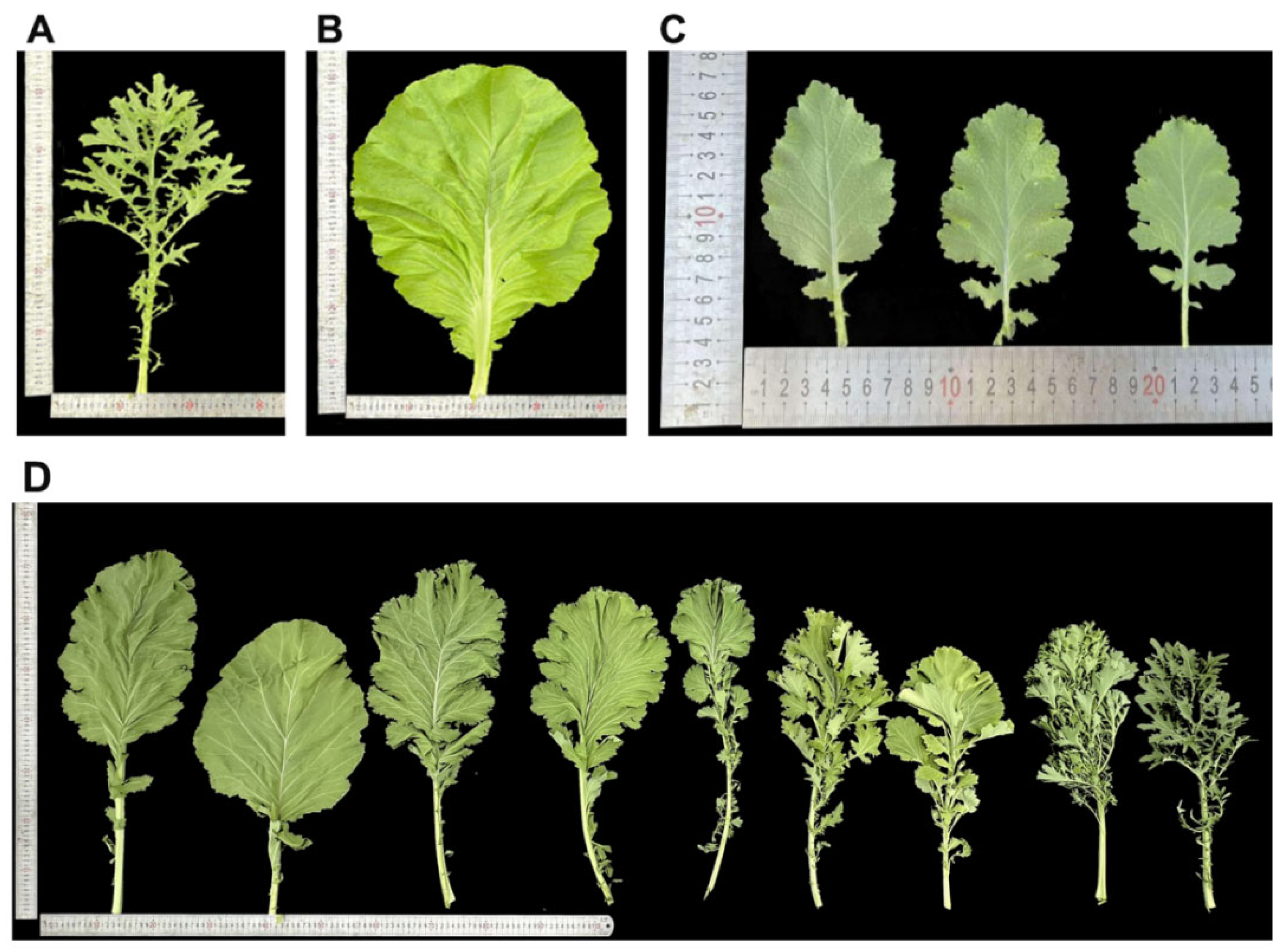
The F1 population developed through hybridization between A129 and B139 exhibited an intermediate leaf morphology (
Figure 1). Analysis of 495 F2 plants revealed 48, 51, and 384 plants with unlobed, deeply lobed, and intermediately lobed leaves, respectively, this indicates that the key gene controlling leaf splitting is dominant, with multiple minor genes having additive effects.
3.2. BSA Data Analysis
Statistical analysis of sequencing quality control results (
Table 1) showed a total raw data volume of 163.12 Gb, with 159.18 Gb of valid data retained after quality filtering. Raw data output per sample ranged from 10,243.877 Mb to 81,758.185 Mb. Quality metrics confirmed accurate base identification (Q20 ≥ 97.94%, Q30 ≥ 94.77%) and GC content distribution (38.65–40.25%) consistent with the characteristics of the mustard genome. These results validate the reliability of library construction and sequencing workflows, with both data quality and quantity meeting statistical requirements for downstream analyses.
Alignment rates between sequencing data and the reference genome reflect sequence similarity. Coverage depth (average reads per position) and coverage extent (number of genomic regions sequenced) indicate data uniformity and alignment quality. Alignment analysis against the reference genome (genome size: 894,189,992 bp) showed that all samples achieved alignment rates between 97.18% and 97.99% (
Table 2). After N-region correction, average coverage depth ranged from 11.08× to 81.76×, with >89.26% of genomic regions achieving at least 1× coverage. These metrics demonstrate high consistency between sequencing data and the reference genome. The coverage depth and distribution uniformity met technical standards for whole-genome variation detection (e.g., SNP/InDel screening) and functional annotation, ensuring reliable data quality for subsequent genetic analysis.
Through SNP detection (using GATK 3.3 software), filtering (VariantFiltration software), and annotation (ANNOVAR 2024-07-15 software [
27];
https://annovar.openbioinformatics.org), in total 7,447,848 high-quality SNP loci were identified following rigorous quality control (
Table 3). Among these, coding region variants included 648,648 synonymous mutations (8.71%) and 450,279 nonsynonymous mutations (6.05%). Genomic regional distribution analysis revealed significant SNP enrichment in exons, upstream/downstream regulatory regions, and intergenic areas (χ
2-test,
p < 0.01), with counts 3.1× higher than those in intronic regions. This indicates that SNPs tend to occur in functional element-dense regions such as conserved domains or regulatory sequences, potentially reflecting genomic functional constraints and evolutionary selection pressures.
Detection of individual InDels was performed using GATK, yielding 1,743,175 high-quality InDel variants after filtering (
Table 4). Transcode mutations accounted for 2.30% (40,019 cases), including 20,817 deletions and 19,202 insertions. These variants, due to reading frame shifts, are prone to disrupting protein translation, potentially affecting functional domains or causing premature termination. Regional genomic distribution analysis indicated significant enrichment of variants in exons (70,816 cases), regulatory regions upstream/downstream of genes, and intergenic regions (χ
2-test,
p < 0.01), with counts 2.8× higher than those in intronic regions. This pattern mirrors the SNP distribution and highlights the enrichment of variant events in functional elements, reflecting underlying evolutionary pressures and genomic constraints.
3.3. Genomic Mapping of Mustard Lobed Leaf Trait
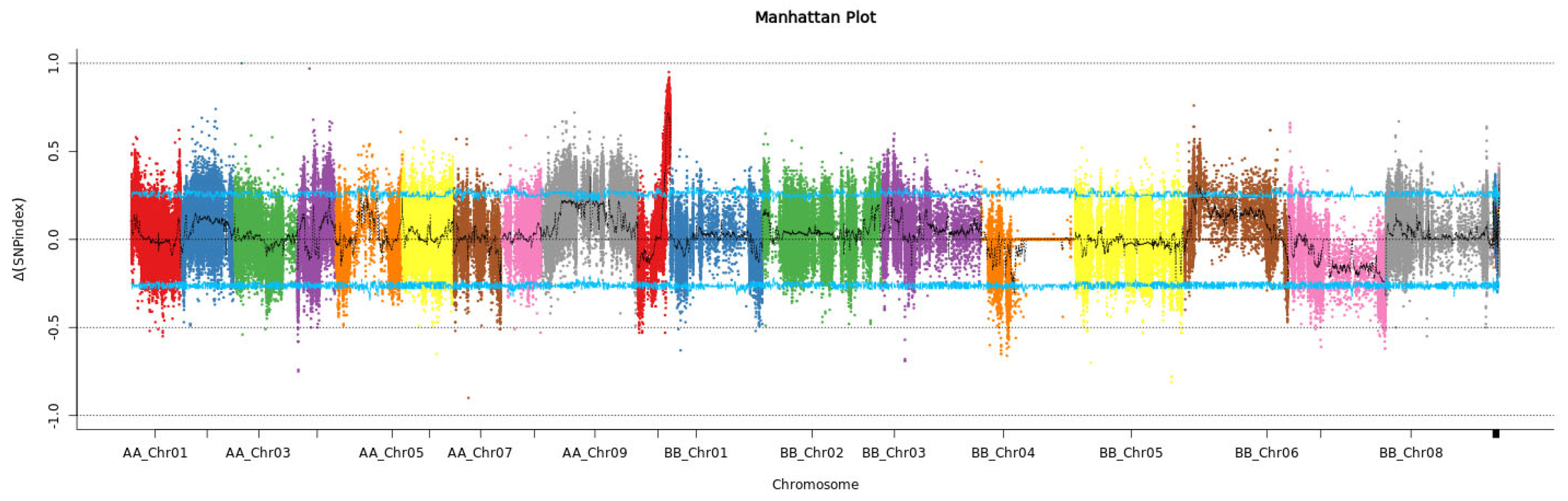
The SNPindex (i.e., SNP frequency) was calculated for 456,406 marker loci in the F2 generation between parental lines through computational analysis, resulting in 445,283 filtered polymorphic loci. To capture all genetic factors potentially influencing traits, including genes with minor effects, SNP loci showing significant differences between extreme trait F2 generations were screened across the entire genome. The formula used was △(SNP index) = SNP index (Extreme Trait B) − SNP index (Extreme Trait A). To validate the reliability of these differences, 1000 random data rearrangement tests were performed, and a 95% reliability threshold (indicated by the blue dashed line in
Figure 2) was established as the screening criterion. A candidate region spanning 17–19 Mb on chromosome A10 was identified, containing 550 genes.
Following multiple rounds of rigorous screening, including quality control and elimination of redundant sites, 540 high-quality polymorphic markers significantly associated with the target traits were identified (
Table 5). Genomic distribution analysis revealed the following: upstream and downstream 1 kb regulatory regions contained 41 (7.59%) and 40 (7.41%) variation sites, respectively, while 22 (4.07%) were located in intergenic overlapping regulatory regions (i.e., the 1 kb overlap between a gene’s upstream region and a neighboring gene’s downstream region). These variants may influence gene expression by affecting cis-regulatory elements such as promoters or enhancers. Exon regions accounted for 240 variants (44.44%), including 155 synonymous mutations (28.70%) and 85 nonsynonymous mutations (15.74%). Notably, 27 nonsynonymous mutations (31.76%) were located in conserved structural domains, potentially impacting protein function. Intron regions contained 148 variants (27.41%), with two potential mRNA splicing sites identified at splice boundaries (±2 bp from intron borders). An additional 25 variants (4.63%) were distributed in intergenic nonfunctional regions. These results indicate significant enrichment of polymorphic sites in functionally relevant regions (59.26% in coding and regulatory regions), likely shaped by natural selection pressure or functional constraints, and provide high-value candidate sites for downstream trait association analysis.
For the 540 polymorphic marker sites, annotation results from ANNOVAR were extracted. Variants causing gain or loss of stop codons, nonsynonymous mutations, or variable splicing were prioritized. Four SNP sites related to mustard leaf fragmentation were identified on chromosome A10 (
Table 6).
3.4. Transcriptome Sequencing and Differential Expression Analysis
After sequencing and filtering using the Illumina platform, 30 mustard samples yielded 1,822,424,008 clean reads, totaling 288.04 Gb of clean data (
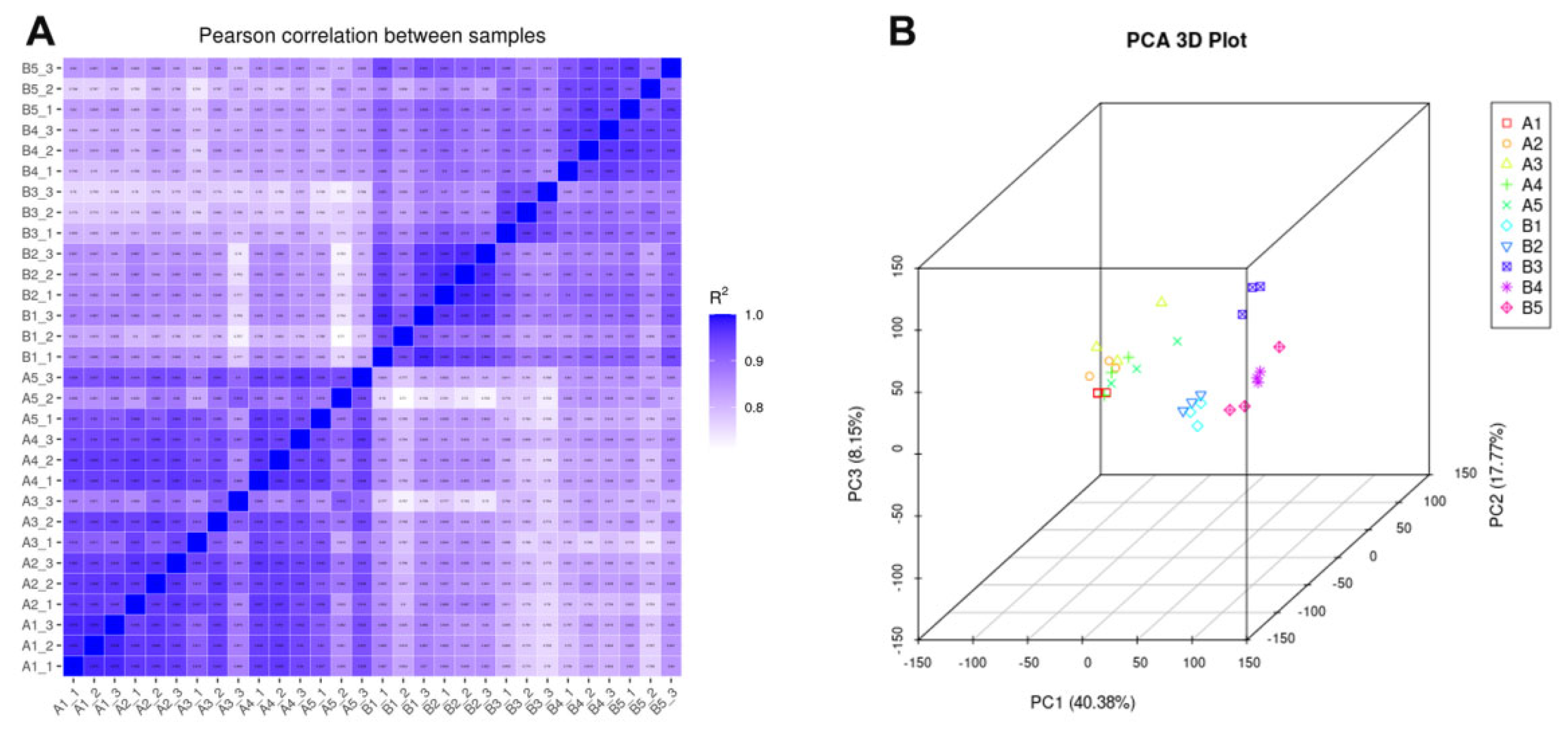
Table S2). All samples exceeded 8.43 Gb in measured data, meeting quality control standards. The average GC content per sample was 47.28%, with Q20 ranging from 98.75% to 98.93% and Q30 from 96.37% to 96.83%, indicating high-quality and high-quantity transcriptome sequencing. FPKM values, which correct for gene length and sequencing depth, were used to represent gene expression levels. Pearson correlation analysis and principal component analysis (
Figure 3) were conducted on these FPKM values. A heat map revealed strong correlations in FPKM values between leaf samples B139 and A129 across time points. The lowest correlation coefficient of 0.71 implied moderate inter-sample correlation, while higher coefficients among biological replicates indicated strong reproducibility. PCA analysis of the 30 samples showed tight clustering of biological replicates within each sample, confirming reproducibility, and revealed significant differences between the two sample groups. Both Pearson correlation and PCA analyses demonstrated good repeatability of transcriptome data and clear distinctions between lobed and unlobed plants.
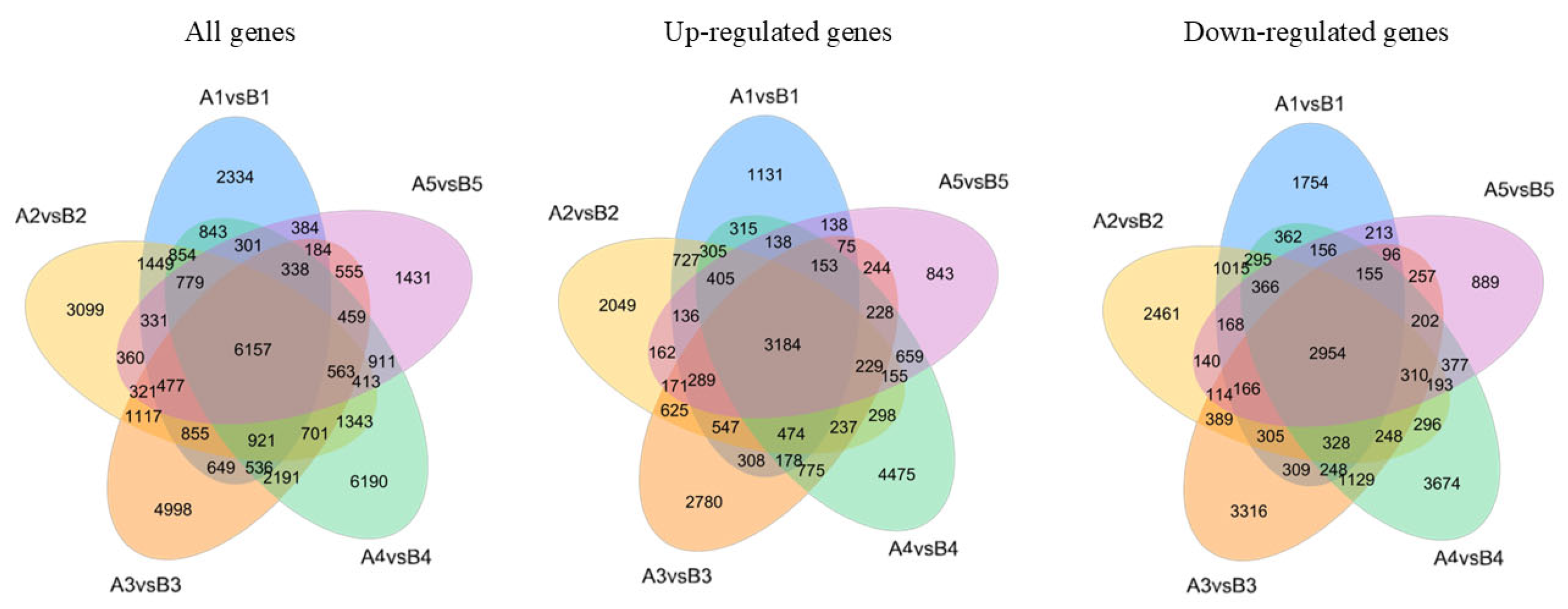
To identify the critical period influencing key genes in leaf splitting, we analyzed the distribution of DEGs across five sampling periods for B139 and A129. The results were categorized into three groups (
Figure 4), according to the distribution of all DEGs, upregulated DEGs, and downregulated DEGs across time points. From period 2 to period 4, the number of DEGs between A129 (AvsB) and B139 (AvsB) significantly increased, peaking in period 4 with 23,499 DEGs identified between A4 vs. B4. This number dropped to 13,963 in period 5 (A5 vs. B5). Upregulated DEGs in A129 vs. B139 increased steadily from period 2, reaching 12,207 in period 4. Downregulated DEGs followed a similar trend, peaking at 11,292 in period 4. These consistent patterns across all three groups imply that the critical period for leaf splitting lies between periods 2 and 4. Subsequent analyses focused on these three periods for comparisons between the two mustard varieties.
Venn diagrams provided deeper insight into DEG expression patterns. In intergroup comparisons, upregulated DEGs indicated higher expression in mustard samples with unlobed leaves relative to those with lobed leaves, while downregulated DEGs showed the opposite. Across developmental stages, 3181 DEGs were consistently upregulated, implying potential roles in suppressing lobed leaf differentiation. Conversely, 2953 DEGs were consistently downregulated, indicating possible involvement in promoting lobed leaf formation.
3.5. GO Enrichment and KEGG Pathway Analyses
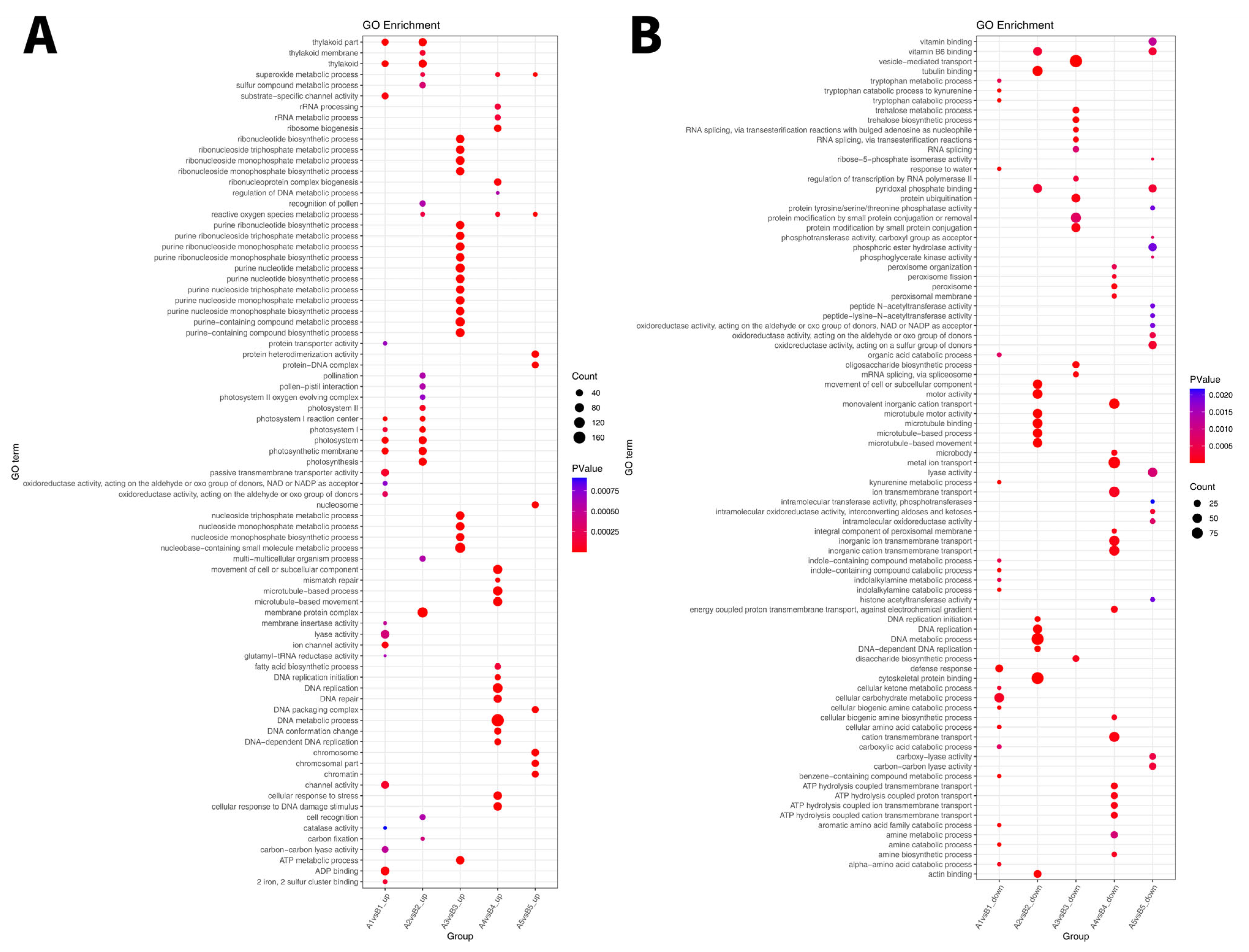
GO enrichment analyses were conducted on 9710 upregulated and 7982 downregulated DEGs across the two mustard varieties from five growth stages (
Figure 5), using a
p-value threshold of <0.05. For each stage, the top 20 GO terms with the highest enrichment scores were identified, with a particular focus on stages 2, 3, and 4. In upregulated pathways, stage 2 (12 days post-sowing) showed significant enrichment in photosynthesis-related pathways, indicating that true leaf germination at this stage primarily supports photosynthesis to synthesize essential plant nutrients, consistent with observed phenotypic changes. Both mustard samples had transitioned from the cotyledon stage to true leaf development at this point, with unlobed and lobed varieties completing differentiation from the emergence of the first true leaf. This implies that stages 1 and 2 are critical for lobed differentiation.
Stage 3 (17 days post-sowing) exhibited enrichment in biosynthesis-related pathways (including the synthesis of proteins, lipids, carbohydrates, and secondary metabolites), reflecting rapid vegetative growth in which cells actively synthesize biomolecules to support tissue expansion and organ development. Following leaf morphogenesis, leaf enlargement is driven by cell elongation and biosynthetic activity supporting tissue growth and metabolic function. Stage 4 (22 days post-sowing) showed primary enrichment in DNA metabolic pathways, implying active cell division or developmental phase transitions. DNA replication may prepare tissues for differentiation or reproductive development (e.g., flower bud formation), while DNA repair is associated with environmental responses or the regulation of developmental precision.
Among downregulated pathways, the most abundant enrichments were observed during phase 2 and phase 4. Phase 2 showed enrichment in DNA metabolic processes and microtubule dynamics. The former implies that phase 2 may correspond to an active cell division phase, as mustard leaf differentiation requires frequent cell division to form meristems or leaf primordia, with DNA metabolism serving as the foundation for proliferation. Microtubules, essential components of the cytoskeleton, help establish cell shape and participate in cytoplasmic division and polarity regulation. Their enrichment may directly influence leaf morphology by controlling elongation direction or mesophyll cell arrangement. Phase 4 showed predominant enrichment in ion transport-related pathways, likely involving cell swelling, substance accumulation, or stress responses.
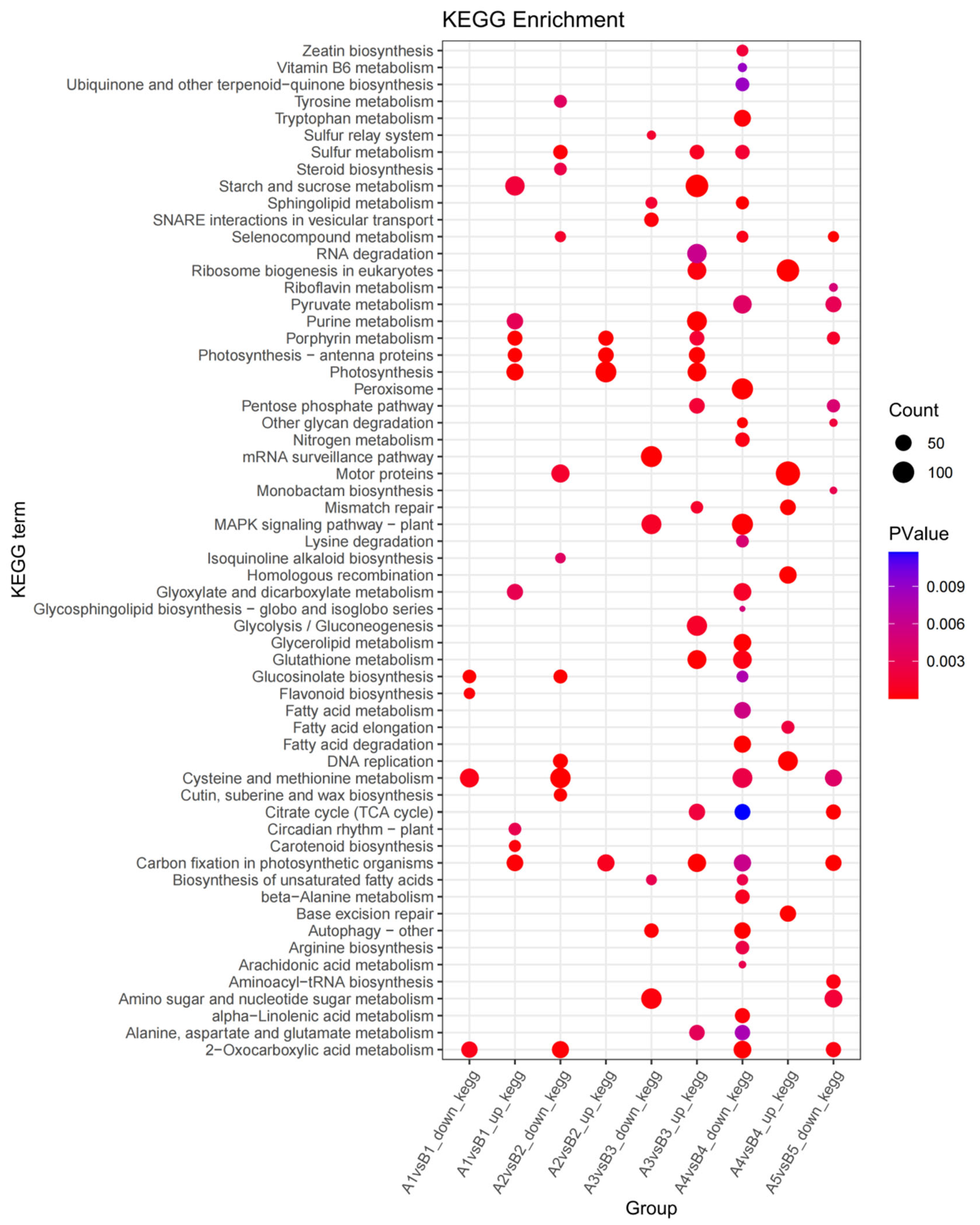
Subsequent KEGG analyses (
Figure 6) revealed that genes mapped to pathways such as “photosynthesis” and “biological synthesis and metabolic processes” displayed expression patterns consistent with the GO enrichment findings.
3.6. Screening of Key Genes Related to Plant Hormones in Lobed Leaf Mustard
Beyond genetic influences, plant hormones such as auxins, cytokinins, and GAs play critical roles in regulating leaf margins. In this study, initial BSA sequencing analysis identified four homeobox genes (BjuOA10G33260, BjuOA10G33270, BjuOA10G33290, BjuOA10G33300) with high homology to LMI among 550 genes within the mapped region.
Based on KEGG results, 1151 plant-hormone-related genes were identified from transcriptome sequencing data using the identifier “ath04075” (Plant Hormone Signal Transduction). From these, 460 significantly DEGs were selected by filtering transcriptome expression levels using the criteria |Log2 Fold Change| ≥ 1 and Q-value ≤ 0.05.
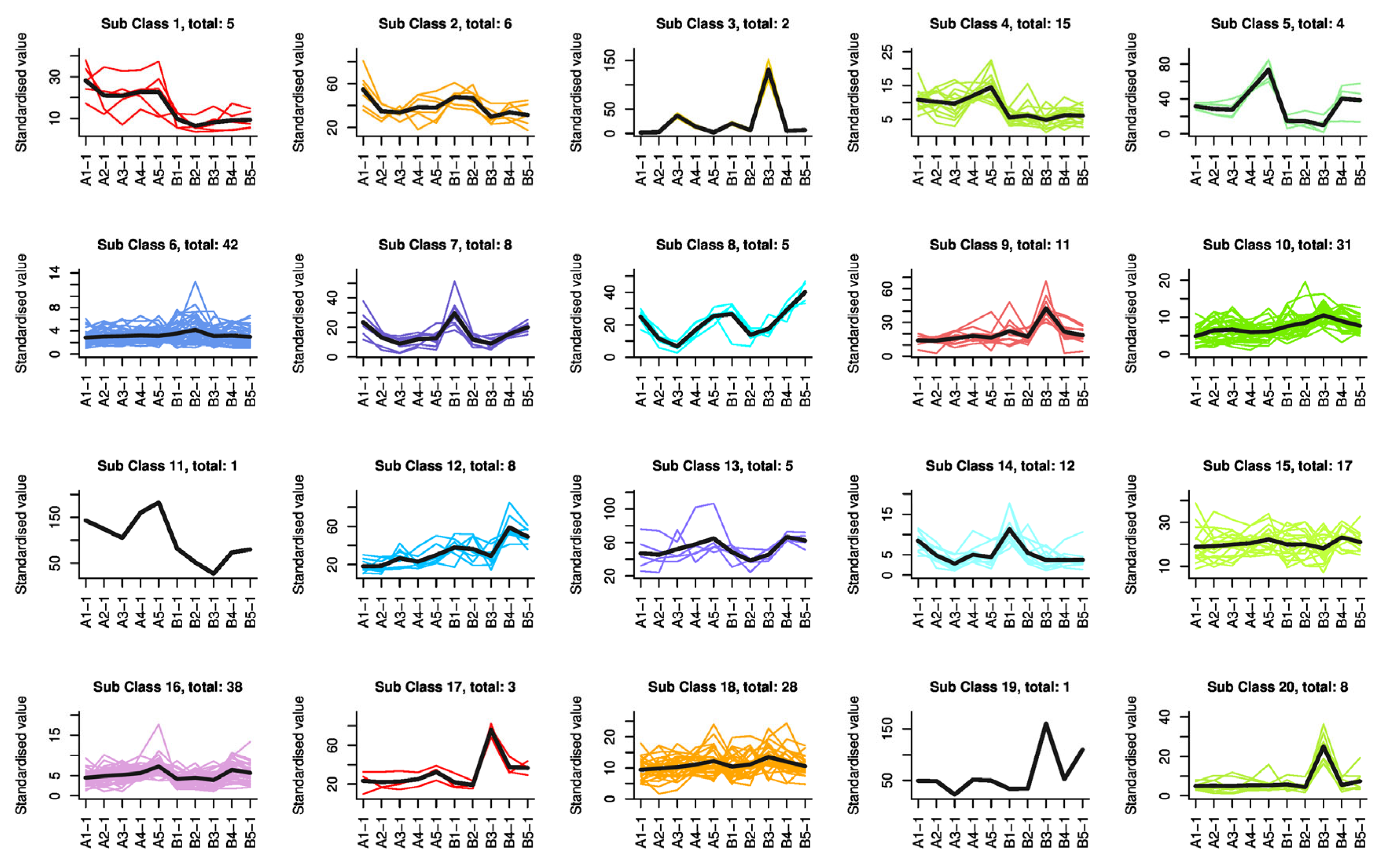
To integrate transcriptomic differential expression and enrichment analysis results, three comparative groups were selected for focused examination: A1vsA2 (samples without lobed leaves from period 1 vs. period 2), B1vsB2 (lobed samples from period 1 vs. period 2), and A2vsB2 (unlobed vs. lobed samples in period 2). Across these groups, 251 significant DEGs were identified and subjected to K-means clustering analysis (
Figure 7), revealing 20 distinct expression trend categories. Subsequent searches within the mapped region identified three genes:
BjuOA10G30380,
BjuOA10G33350, and
BjuOA10G34680. Functional annotations using six databases revealed that these genes directly or indirectly influence mustard leaf differentiation by modulating the ethylene and auxin signaling pathways.
3.7. Hub Gene Identification Through Coexpression Network Module Analysis
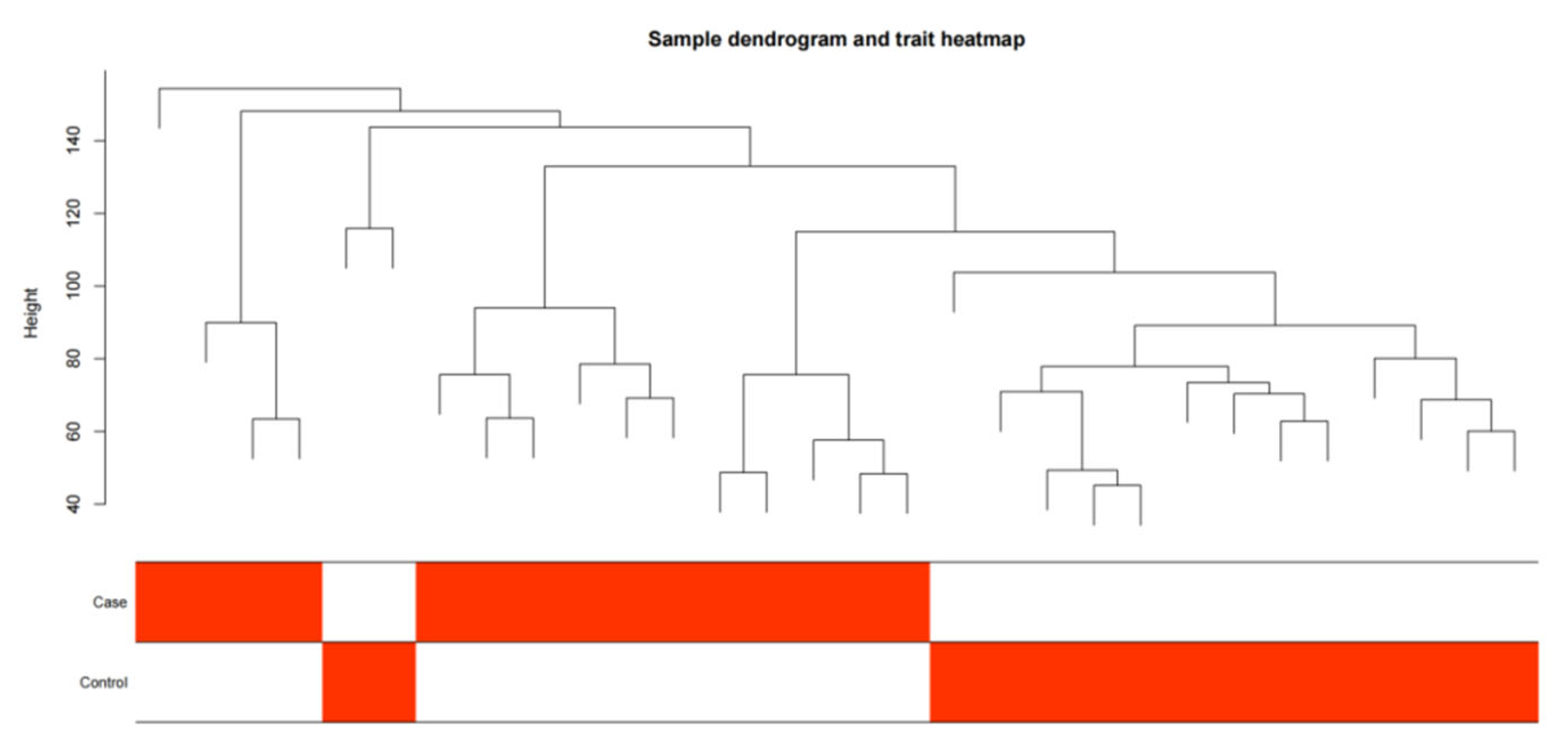
All experimental samples were screened, and a sample clustering tree was constructed. No outlier samples were detected, so all were retained for WGCNA analysis. Sample clustering results are shown in
Figure 8.
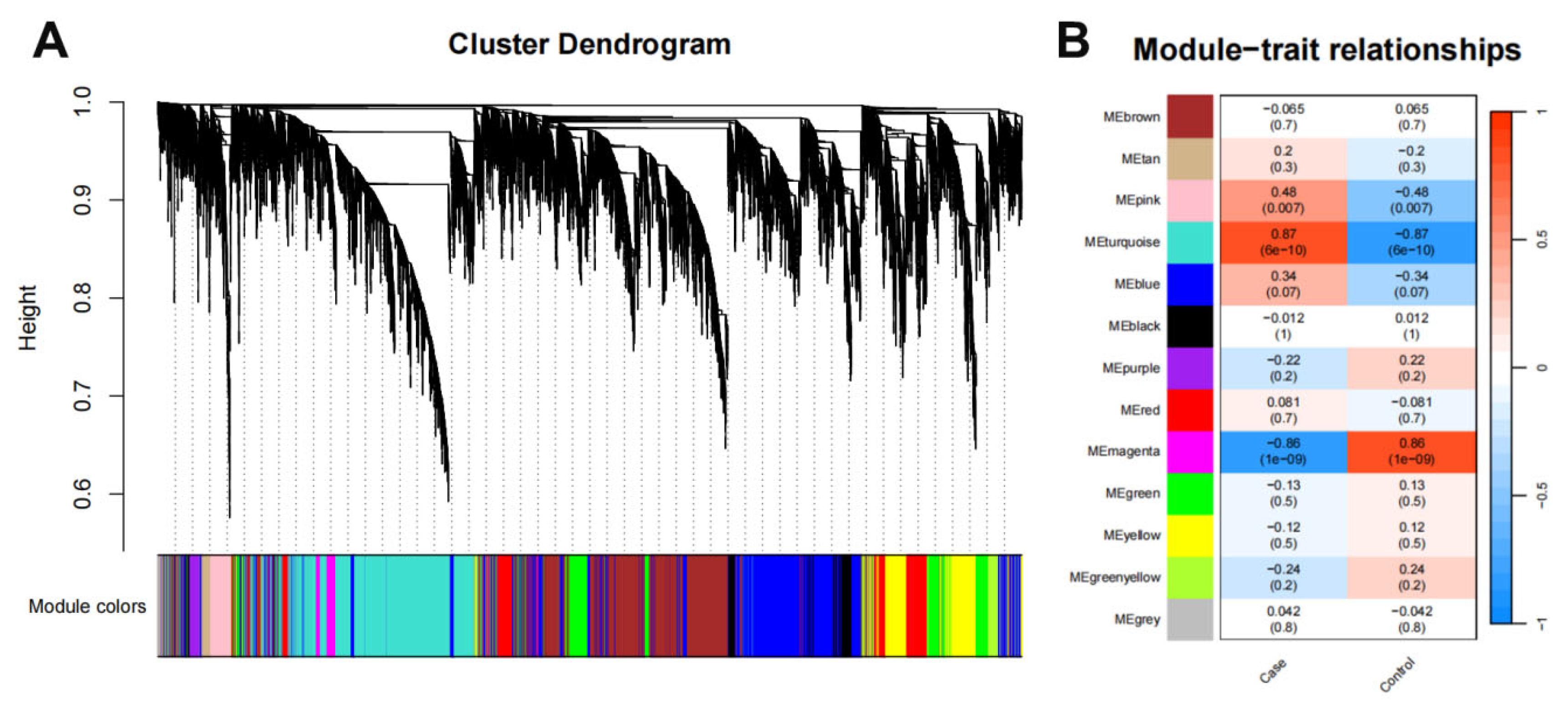
From transcriptomic analysis, 26,410 DEGs were selected for WGCNA, with the top 25% prioritized using median absolute difference (MAD) filtering. Gene similarity was assessed via adjacency-based calculations, followed by dissimilarity coefficient computation to construct a phylogenetic tree. Using the Hybrid Dynamic Tree Cutting algorithm, gene modules were defined with a minimum size of 100 genes. As shown in
Figure 9A, 13 distinct modules were identified. Expression patterns within each module were visualized using bar charts to highlight characteristic changes in gene expression. Modules showing strong biological reproducibility and representative trends in temporal or stratigraphic expression were selected for further analysis.
To investigate molecular regulatory differences between unlobed-leaf and lobed-leaf mustard (Group AB), gene modules with significant phenotypic associations were screened using WGCNA. Correlation analysis identified the MEturquoise module as most strongly associated with Group AB (Pearson r = 0.87,
p < 0.05), containing 5697 core genes (
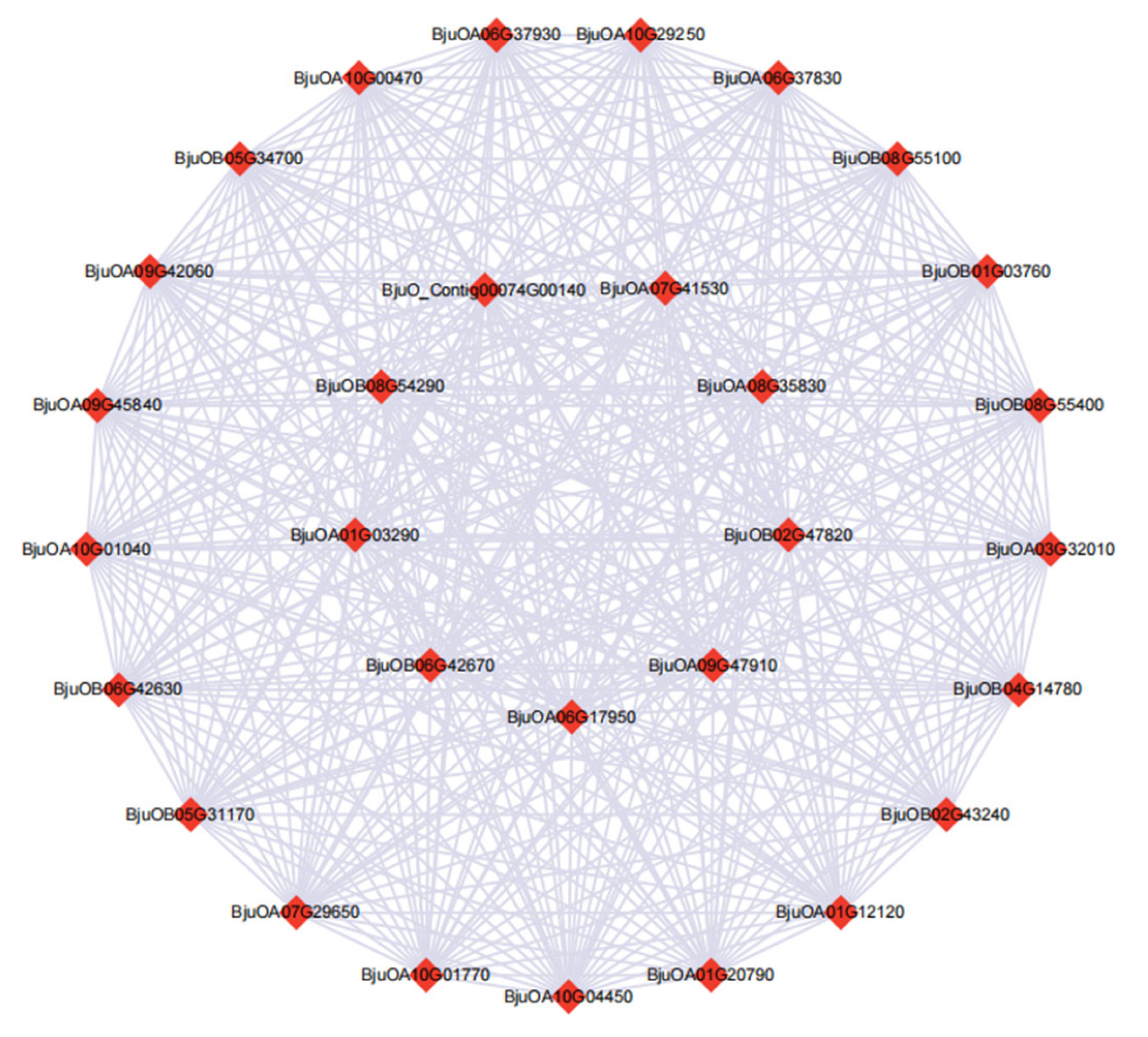
Figure 9B). The interaction strength within the module was evaluated using the soft connectivity algorithm, and the top 30 hub genes were selected to construct a coexpression network via Cytoscape (
Figure 10).
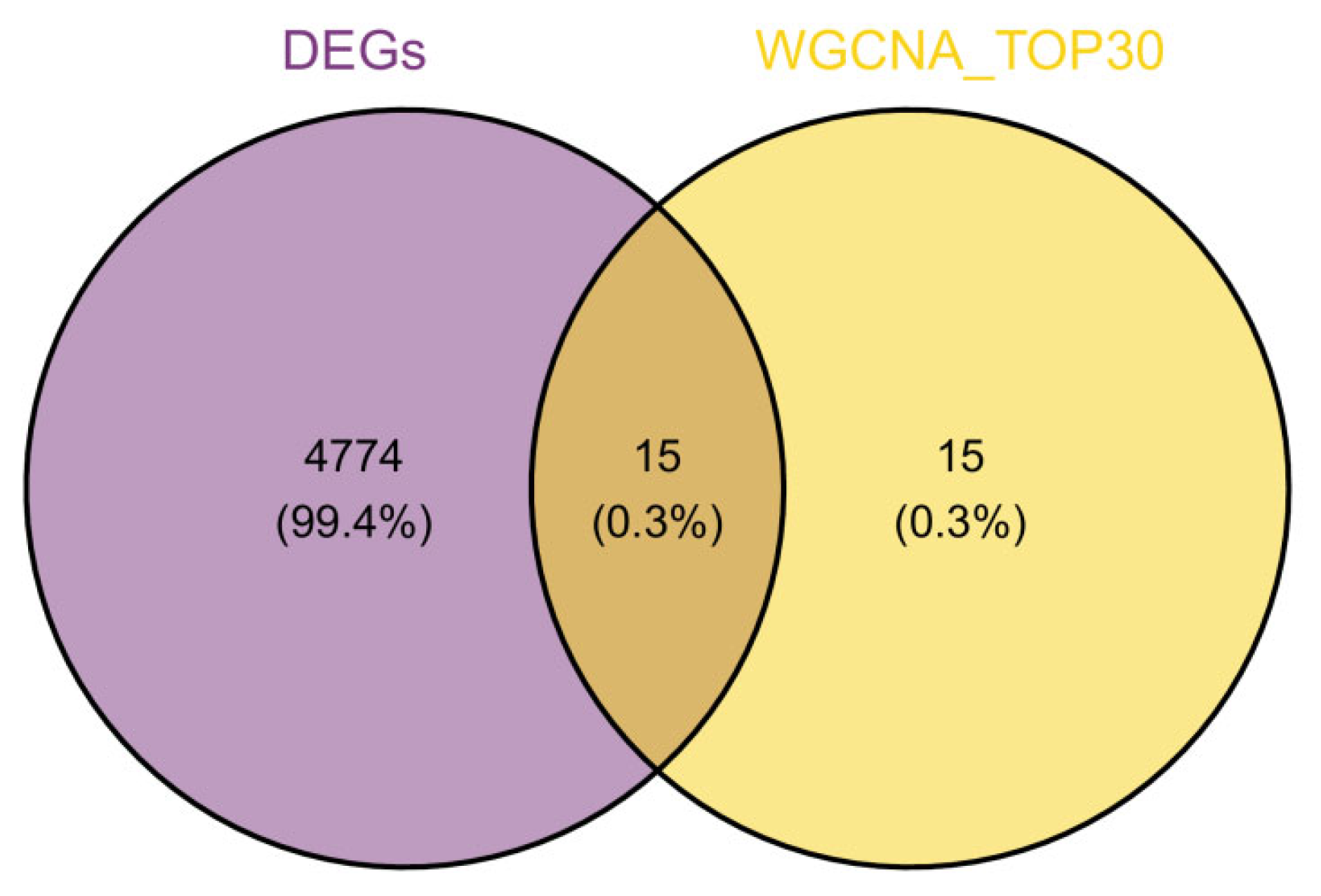
To identify key genes involved in lobed leaf formation, the top 30 hub genes from WGCNA (
Figure 11) were compared between lobed/unlobed samples during period 2. Intersecting the differential expression results from A2 vs. B2, 15 candidate genes were identified:
BjuOA09G45840,
BjuOB01G03760,
BjuO_Contig00074G00140,
BjuOA08G35830,
BjuOA09G42060,
BjuOA01G12120,
BjuOB05G34700,
BjuOA10G01770,
BjuOA07G41530,
BjuOA07G29650,
BjuOA01G20790,
BjuOB05G31170,
BjuOA06G17950,
BjuOA10G04450, and
BjuOB08G55100. These genes were annotated using databases including GO and KEGG. Based on functional annotations, 12 genes were identified as being related to leaf shape differentiation. Combined with BSA sequencing and two rounds of transcriptome screening, three additional candidate genes were identified. In total, 15 genes associated with mustard leaf splitting were confirmed:
BjuOA01G12120,
BjuOA06G17950,
BjuOA07G29650,
BjuOA07G41530,
BjuOA08G35830,
BjuOA09G42060,
BjuOA10G01770,
BjuOA10G04450,
BjuOA10G30380,
BjuOA10G33350,
BjuOA10G34680,
BjuOB05G31170,
BjuOB05G34700,
BjuOB08G55100, and
BjuO_Contig00074G00140. Annotation results are presented in
Table 7.
3.8. qRT-PCR Verification
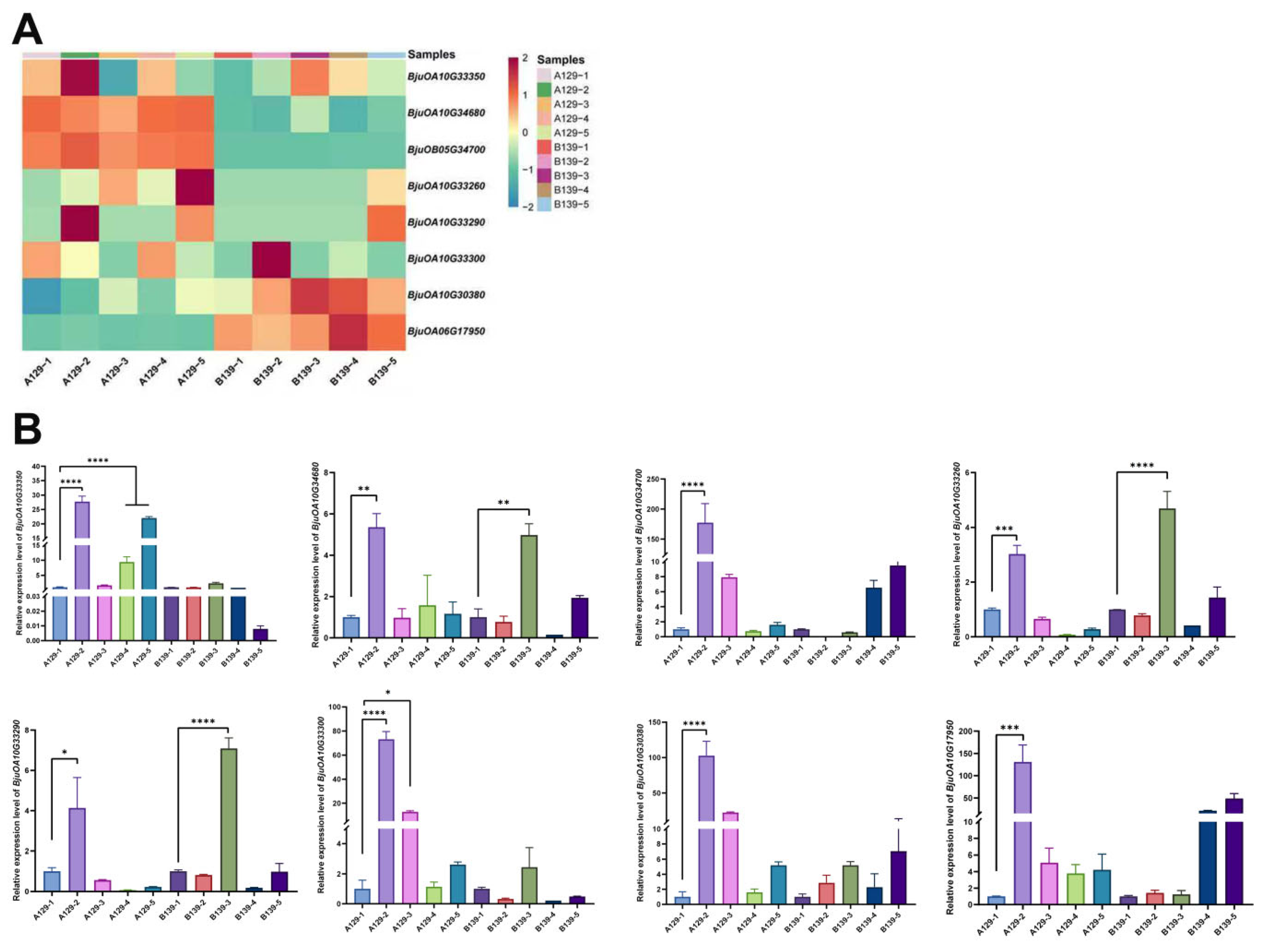
To evaluate the accuracy of the RNA-seq data, we assessed eight candidate genes via qRT-PCR (
Figure 12), with relative expression levels calculated using the 2
−ΔΔCT method. The results demonstrated high consistency in gene expression profiles across samples, validating the robustness of the transcriptomic analysis.
In addition, the LMI1 homologous genes (BjuOA10G33260, BjuOA10G33290, BjuOA10G33300) within the A10 interval were significantly upregulated in A129 at the A2 stage (12 days after sowing), which is consistent with the critical period of leaf lobe differentiation, supporting their role in promoting the formation of leaf margin lobes. The hormone signaling genes BjuOA10G34680 (LAX1) and BjuOA10G33350 (CTR1) maintained high expression levels throughout different developmental stages of A129, confirming the continuous role of auxin polar transport and ethylene signaling in the regulation of leaf lobes. The cytoskeleton-related hub gene BjuOB05G34700 (ADF4) was specifically upregulated in A129 from the A2 to A4 stages, which is in line with its predicted function in regulating the polar elongation of epidermal cells. These results not only validate the reliability of the multi-omics data but also strengthen the association between candidate genes, regulatory pathways, and leaf lobe phenotypes, providing crucial experimental support for the construction of the molecular regulatory network.
4. Discussion
Homeobox genes in plants are deeply conserved across species yet remarkably diverse in their roles in shaping leaf form and margin architecture. Studies across species demonstrate that these genes orchestrate leaf morphology through intricate regulatory networks. The homeobox transcription factor family includes key subgroups such as the WUSCHEL-related homeobox (WOX) and KNOTTED1-like homeobox (KNOX) gene families, both of which play essential roles in leaf margin differentiation [
28]. The WOX family is central to maintaining shoot apical meristem activity and establishing leaf polarity. In tomato, reduced
WOX1 expression leads to narrow cotyledons and diminished vascular density, while mutations in
WOX8/9 homologs impair inflorescence branching and leaf complexity. In soybean, the multifoliate mutant
MLW48 reveals that GmWOX1A regulates auxin-related gene expression, influencing compound leaf formation. Its protein interaction network further underscores the WOX family’s role in margin development [
29]. KNOX genes regulate leaf fissure patterns and margin morphology by modulating apical activity. In
Equisetum hyemale,
HdSTM (a KNOX family member) shows elevated expression in aquatic environments and interacts with
CUC3 to promote the deep-cleft phenotype of submerged leaves [
22]. Transgenic
Arabidopsis lines overexpressing
HdSTM exhibit increased leaf lobes, confirming its role in leaf margin morphogenesis [
30]. In maize, KNOX subfamily members such as
Knox6 and
Hb20 indirectly influence plant height and leaf arrangement by regulating the auxin synthesis gene
Vt2, implying that KNOX genes coordinate leaf morphology with broader developmental processes via hormonal signaling [
31].
Beyond WOX and KNOX, other homeobox genes such as
BIPINNATA and
BIP also contribute to leaf morphogenesis. In ornamental wild tomato SiFT,
BIP mutations increase leaf complexity, while
WOX1 inhibition results in narrow young leaves, together shaping distinct leaf morphologies [
31]. These findings demonstrate that homeobox gene subfamilies collectively determine final leaf architecture through modular regulatory networks. CRISPR-Cas9-based cis-regulatory editing has emerged as a powerful tool for dissecting homeobox gene function. For example, editing specific regions of the
SlWOX9 promoter enables precise regulation of pleiotropic phenotypes, offering potential for targeted leaf shape optimization in crop improvement [
32].
The LMI1-like (RCO)-CK pathway plays a pivotal role in leaf margin serration. In
A. thaliana,
RCO deletion results in simple leaves, while transgenic lines show lobed margins [
33].
LMI1 is a key determinant of leaf morphogenesis in
Gossypium hirsutum. In okra (
Gossypium okra), overexpression of
LMI1 via VIGS silencing restores normal lobulation [
34]. In
Brassica rapa var. glabra, three LMI1-like homologs have been identified as regulators of leaf morphology. Transgenic
A. thaliana lines overexpressing developmental regulators show increased meristematic activity at the leaf margins, promoting serration and lobing [
13]. Co-overexpression of
STM and
RCO in
Arabidopsis reveals a synergistic effect:
STM promotes cotyledon primordia differentiation via prolonged vascular meristem activity, while
RCO enhances morphological complexity by delaying leaf margin cell maturation, together driving the transition from simple to compound leaves [
35].
Homeobox genes thus play central roles in leaf morphology and margin development through conserved mechanisms and diverse regulatory strategies. Their multifunctionality, environmental responsiveness, and interaction networks provide a molecular framework for understanding mustard leaf diversity. LMI1 is particularly crucial for leaf shape differentiation, and future research may leverage gene-editing technologies to explore further its potential in morphological optimization.
Transcriptomic analysis identified the 12th day post-sowing (Phase 2) as a critical window for mustard leaf morphogenesis. DEGs during this phase showed significant enrichment in photosynthesis-related pathways, indicating coordinated development of leaf structure and photosynthetic capacity. Additionally, 460 DEGs were identified within the ethylene and auxin signaling pathways (ath04075), including the auxin transport protein gene
BjuOA10G34680 (
LAX1) and the ethylene response factor
BjuOA09G42060 (
ERF). As a key carrier in auxin polar transport, LAX1 may regulate cell proliferation patterns by shaping auxin distribution gradients at leaf margins [
36]. ERF, a core ethylene signal regulator, may influence meristematic cell fate through hormonal crosstalk with auxin [
37]. These findings align with the
CUC-dependent auxin–ethylene signaling mechanism underlying leaf serration in
Arabidopsis [
22].
WGCNA coexpression network analysis revealed a significant correlation between the MEturquoise module and lobed leaf phenotypes, with core genes including
BjuOB05G34700 (
ADF4) and
BjuOA08G35830 (
GATA11). As an actin depolymerization factor, ADF4 regulates cytoskeletal dynamics to influence cell morphology. Previous studies on
Arabidopsis have shown that ADF family members control polar extension of leaf epidermal cells and stomatal development by degrading microfilament networks [
38]. The specific high expression of
ADF4 in lobed leaf mustard implies its potential involvement in maintaining polar growth of leaf margin cells or meristematic activity. Meanwhile, GATA11, a member of the GATA transcription factor family, may regulate the differentiation of mesophyll cells through carbon–nitrogen metabolic balance or cytokinin signaling. While GATA2/NTL1 has been shown to control leaf edge serration in
Arabidopsis by binding to GATA cis-elements [
39], the differential expression of
GATA11 in our study further supports the conserved function of the GATA family in leaf shape differentiation.
Although we identified core candidate genes such as BjuOA09G42060 (ERF) and BjuOA07G29650 (GATA transcription factor gene), the specific molecular mechanisms underlying lobed leaf formation remain to be further investigated. For instance, whether ERF directly activates downstream target genes to regulate leaf differentiation or forms complexes with other transcription factors (e.g., CUC family members) to control organ boundary formation still requires experimental validation. While BjuOA06G17950 (F-box/LRR protein gene) and BjuOB08G55100 (ABC transporter gene) are predicted to participate in ubiquitination degradation or hormone transport, their roles in leaf shape differentiation remain unclear. In addition, the 15 core genes identified in this study provide targets for functional validation. In the future, expression profiling of these core genes under various stress treatments can be conducted to investigate the potential interactions between the genetic pathways regulating leaf morphology and those involved in stress response mechanisms. Future studies could validate these functions.