Article

Effect of Soil Treatments with Vermicompost and Ag+ on Strawberry (Fragaria × Ananassa) Inoculated with the Leaf Nematode Aphelenchoides Fragariae

by
Andrzej Skwiercz
1,
Małgorzata Sekrecka
1,
Aleksandra Trzewik
1,
Anna Wawrzyniak
1,
Tatyana Stefanovska
2,
Anastasiia Husieva
2,
Anita Zapałowska
3 and
Adam Masłoń
4,*
1
The National Institute of Horticultural Research, ul. Konstytucji 3 Maja 1/3, 96-100 Skierniewice, Poland
2
Department of Entomology, Integrated Pest Management and Plant Quarantine, National University of Life and Environmental Sciences of Ukraine, 15 Heroiv Oborony Street, 03041 Kyiv, Ukraine
3
Department of Agriculture and Waste Management, University of Rzeszów, ul. Ćwiklińskiej 1a, 35-601 Rzeszów, Poland
4
Department of Environmental Engineering and Chemistry, Rzeszów University of Technology, Al. Powstańców Warszawy 12, 35-959 Rzeszów, Poland
*
Author to whom correspondence should be addressed.
Agronomy 2025, 15(12), 2900; https://doi.org/10.3390/agronomy15122900
Submission received: 19 November 2025 / Revised: 13 December 2025 / Accepted: 15 December 2025 / Published: 17 December 2025

Abstract

The leaf nematode Aphelenchoides fragariae is one of the most serious pathogens of strawberries, causing significant yield losses. In search of environmentally friendly alternatives to chemical control, we evaluated the potential of vermicompost (Ve) and silver ions (Ag+) to suppress nematode populations. An experiment with four replicates was conducted to evaluate the effects of vermicompost and nanosilver on the leaf nematode A. fragariae and the yield of strawberry (Fragaria × ananassa). The study was conducted at The National Institute of Horticultural Research in Skierniewice in concrete rings (150 cm in diameter and 60 cm in depth) filled with medium sandy soil. Treatments included the application of vermicompost and Ag+, while untreated soil served as the control. Nematode population density, and total fruit yield were recorded in 2022 and 2023. The results demonstrated a significant decline in nematode populations compared with the control. Strawberry yields in 2022 and 2023 were 5.69 t/ha in the control, 6.61 t/ha with vermicompost (+0.92 t/ha), and 6.72 t/ha with silver nanoparticles (+1.03 t/ha). In the vermicompost treatment, the population of A. fragariae decreased by more than 51% in 2022 and by 79% in 2023. A similarly strong reduction was observed for nanosilver (Ag+), which lowered the nematode population by over 35% in 2022 and by 69% in 2023.

1. Introduction

Strawberry (Fragaria × ananassa) is a widely cultivated crop with global economic relevance. Poland is one of the major strawberry-producing countries in Europe and participates actively in the international frozen fruit sector. Worldwide, close to 10% of strawberry plantations are situated in Poland [1,2].
However, as strawberry production expands, growers increasingly face challenges from insect and mite pests that reduce yields. These pressures underscore the urgent need for effective integrated pest management and sustainable cultivation practices to maintain the long-term stability of the strawberry industry [3]. In addition to pest issues, strawberry crops are also threatened by a range of biotic stresses caused by diseases and other harmful organisms. Despite notable advances in management strategies, achieving consistent and sustainable control remains difficult. Among these challenges, soil-borne diseases are particularly destructive. Caused mainly by pathogenic fungi and plant-parasitic nematodes, these infections damage the root system, leading to severe yield losses and plant decline. Diagnosis is further complicated by the non-specific nature of symptoms, making effective management and control especially challenging. Sustainable pest management strategies are therefore essential to minimize environmental impact and preserve beneficial organisms. While insecticide-based control remains common, non-chemical alternatives are gaining prominence [4].
Nematodes represent a major constraint to global strawberry production due to their wide distribution and destructive potential [5,6,7]. Among the most detrimental species are the foliar nematodes Aphelenchoides fragariae and A. ritzemabosi, which possess broad host ranges exceeding 200 and 300 plant species, respectively. Infestations by these nematodes can lead to yield reductions of up to 60–70% in strawberry crops [8]. A. fragariae is particularly pathogenic, as it causes strawberry crimp–a disease characterized by distorted leaf growth, reduced vigor, and inhibited fruit development, ultimately resulting in substantial yield losses [6,9].
Vermicompost is a nutrient-rich organic fertilizer produced by earthworms that enhances soil fertility, microbial activity, and plant growth. It also helps suppress soil-borne pathogens and plant-parasitic nematodes by promoting beneficial microorganisms [10,11]. Nanotechnology offers new tools for crop protection. Silver nanoparticles, valued for their antimicrobial and nematicidal properties, are increasingly used to combat fungal, bacterial, and nematode diseases, enhance fertilizers, and prolong the storage life of agricultural products [12,13,14,15,16,17,18,19,20].
The aim of this study is to evaluate the effects of silver nanoparticles and vermicompost on the control of the nematodes A. fragariae in F. × ananassa. In our survey we will try to answer how is ‘Grandarosa’ the type of susceptibility to the main strawberry parasite nematode as A. fragariae. It is hypothesized that the application of silver nanoparticles and vermicompost will reduce the population density and reproduction rate of A. fragariae in the rhizosphere of this plant, offering an effective biocontrol strategy for these nematode species. The ‘Grandarosa’ cultivar is characterized by reduced susceptibility to powdery mildew and Verticillium wilt; however, there are currently no data regarding nematode parasitism in this variety.
The research carried out contributes to the development of sustainable agriculture and environmental engineering, as it indicates the possibilities of using vermicompost as an element of the circular economy and an alternative to chemical plant protection methods.

2. Materials and Methods

2.1. Experiment Design

The experiment was conducted in 2022–2023 at the National Institute of Horticultural Research in Skierniewice in Poland (51 96′15″ N, 20 13′69″ E). Twelve concrete circles with a diameter of 150 cm and a depth of 60 cm were filled with medium sandy soil.
The soil used in the experiment had a pH of 6.71 and a salinity of 0.2 g·L−1 NaCl. The nitrogen content was 26.66 mg·kg−1 (N-NO3) and 453.3 mg·kg−1 (N-NH4). The concentrations of phosphorus (P), potassium (K), calcium (Ca), and magnesium (Mg) were 202.66 mg·kg−1, 41.33 mg·kg−1, 2417.2 mg·kg−1, and 161 mg·kg−1, respectively. The organic carbon content (C org) was 3.84%.
The vermicompost used in the experiment was slightly alkaline, with pH values of 7.0. It contained 200 mg·kg−1 nitrate (N-NO3), 68.7 mg·kg−1 ammonium (N-NH4), 617 mg·kg−1 phosphorus (P), 1795 mg·kg−1 potassium (K), 1410 mg·kg−1 calcium (Ca), 369 mg·kg−1 magnesium (Mg), and 189 mg·kg−1 chlorine (Cl). The organic carbon content (C org) was 5.08%.
Silver nanoparticles (37 ppm) were purchased from Alter Medica (Zywiec, Poland).
The experiment was provided in four replications and had three treatments:
(1)
Control (soil without any amendment applied)
(2)
30 L of vermicompost (with 150–200 specimens of Eisenia fetida)
(3)
1 L of solutions of Ag-NPs (dose 60 mg per 1 L soil)
Prior to the experiment, initial populations of selected plant-parasitic nematodes (PPNs) were assessed in 100 cm3 of soil. From each plot, four preliminary subsamples of 200 cm3 of soil were collected near the strawberry root system. This yielded a total of approximately 800 cm3 of soil per plot. After thorough mixing, a composite sample was taken for population density analysis. The nematodes identified were:
-
Migratory endoparasites and foliar nematodes: Pratylenchus projectus (49 individuals), Pratylenchus fallax (17 individuals)
-
Semi-endoparasites: Helicotylenchus digonicus, (27 individuals), Helicotylenchus pseudorobustus (19 individuals)
-
Migratory ectoparasites: Geocenamus nothus (15 individuals)
Following this, five F. × ananassa of the ‘Grandosa’ cultivar were planted in each plot on 15 April 2022.
Two weeks later, within each circle, A. fragariae (180 specimens per 1 L of soil) in water solution were inoculated close to the root system as initial population (Pi). Two days prior to the experiment, using the Baermann method, A. fragariae were isolated from infected leaves and stems of strawberry seedlings from a plantation in Zduny, near Łowicz (Poland) (Table 1). The species were classified based on the Species Recognition Guide for the genus A. fragariae, Nematode diagnostics [21].
The initial population (Pi) of PPNs, across the experimental variants was calculated on 30 April 2022 (Figure 1).
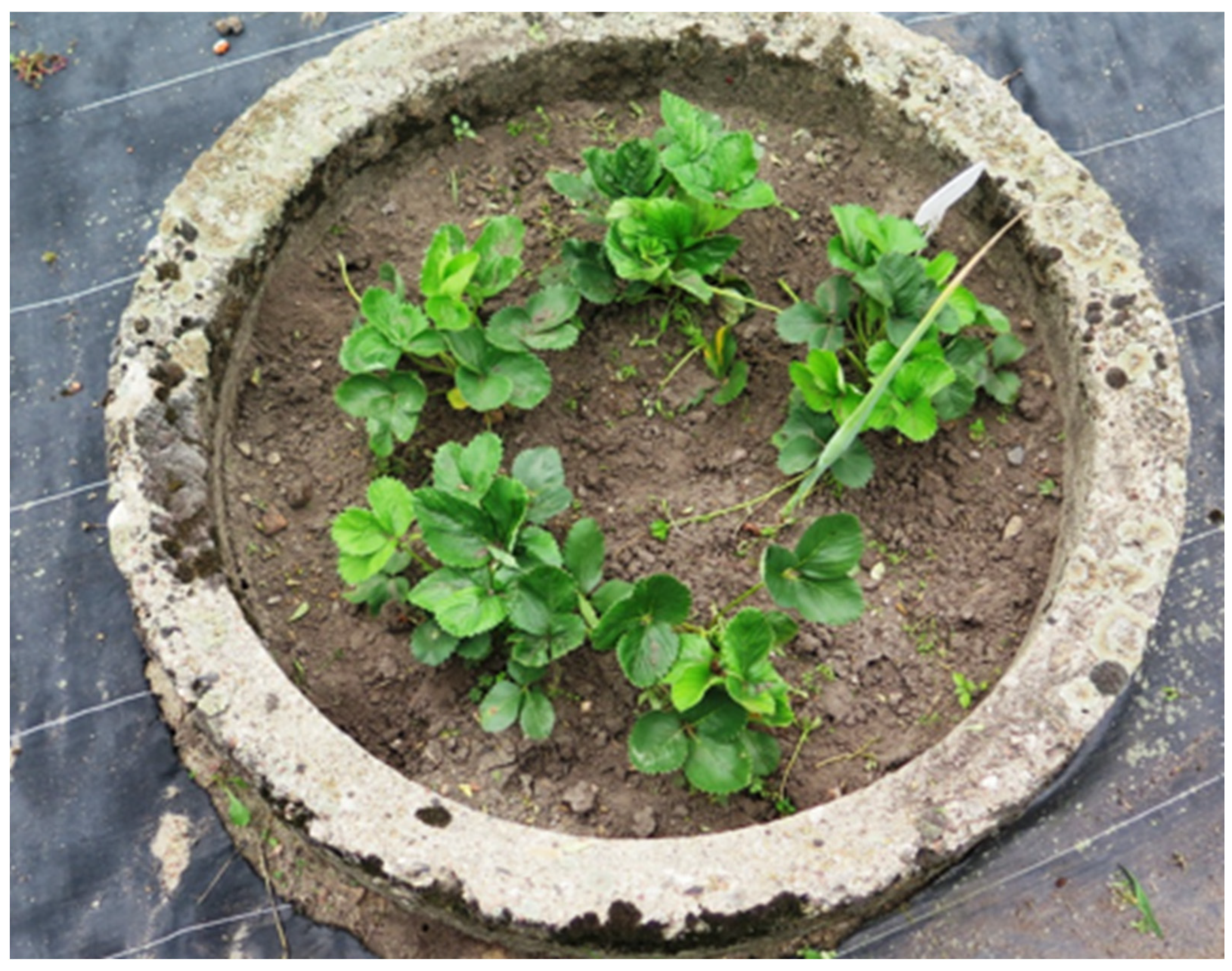
The experiment was conducted using the strawberry cultivar ‘Grandarosa’, a short-day variety bred in Skierniewice, Poland. Five seedlings of Fragaria × ananassa were planted in each ring (Figure 2).

2.2. Soil Analysis

Soil chemical properties, including pH, salinity (as total dissolved salts), and the content of plant-available nutrients, were determined using a standardized universal method [22]. In the universal extraction method, readily available forms of nitrogen (N-NO3 and N-NH4), phosphorus (P), potassium (K), magnesium (Mg), and calcium (Ca) were extracted using 0.03 N acetic acid, with a substrate-to-extractant volume ratio of 1:10. In the soil extracts, nitrogen forms (N-NO3 and N-NH4) were determined potentiometrically using Thermo Scientific ion-selective electrodes (model 93-07 for NO3 and model 93-1801 for NH4+). Phosphorus (P) was quantified using a colorimetric method. The colorimetric determination of phosphorus (P) involved adding a vanadate–molybdate reagent to the extraction solution, followed by measurement of phosphorus concentration using a HELIOS OMEGA UV–VIS spectrophotometer (Thermo Scientific, Waltham, MA, USA). Quantification was performed against calibration standards at a wavelength of λ = 460 nm.
The concentration of soluble salts in the soil solution was determined conductometrically using the universal method. A 20 mL portion of moist soil was mixed with 40 mL of distilled water, and the salt concentration in the resulting suspension was measured with a CC-551 conductivity meter (Elmetron, Zabrze, Poland), using NaCl as the calibration standard.
The remaining macroelements were determined in the soil using atomic absorption spectroscopy (AAS, Thermo Electron Corp., M Series, Waltham, MA, USA). Potassium (K) was measured using a cathode (hollow) lamp at a wavelength of 766.5 nm, magnesium (Mg) at 285.2 nm, calcium (Ca) at 422.9 nm, and sodium (Na) at 589.0 nm. The content of the remaining elements was determined using an inductively coupled plasma optical emission spectrometer (ICP-OES, Perkin-Elmer OPTIMA 2000 DV, PerkinElmer Inc., Waltham, MA, USA). Each element was measured at its characteristic wavelength [23,24,25,26,27]. Organic matter con-tent was determined by dry combustion in a muffle furnace at 550 °C. The results are ex-pressed as a percentage of dry organic matter (% DM).
Organic carbon content (C org) was calculated based on the organic matter using the conversion factor specified in [28].

2.3. Nematode Isolation and Analysis

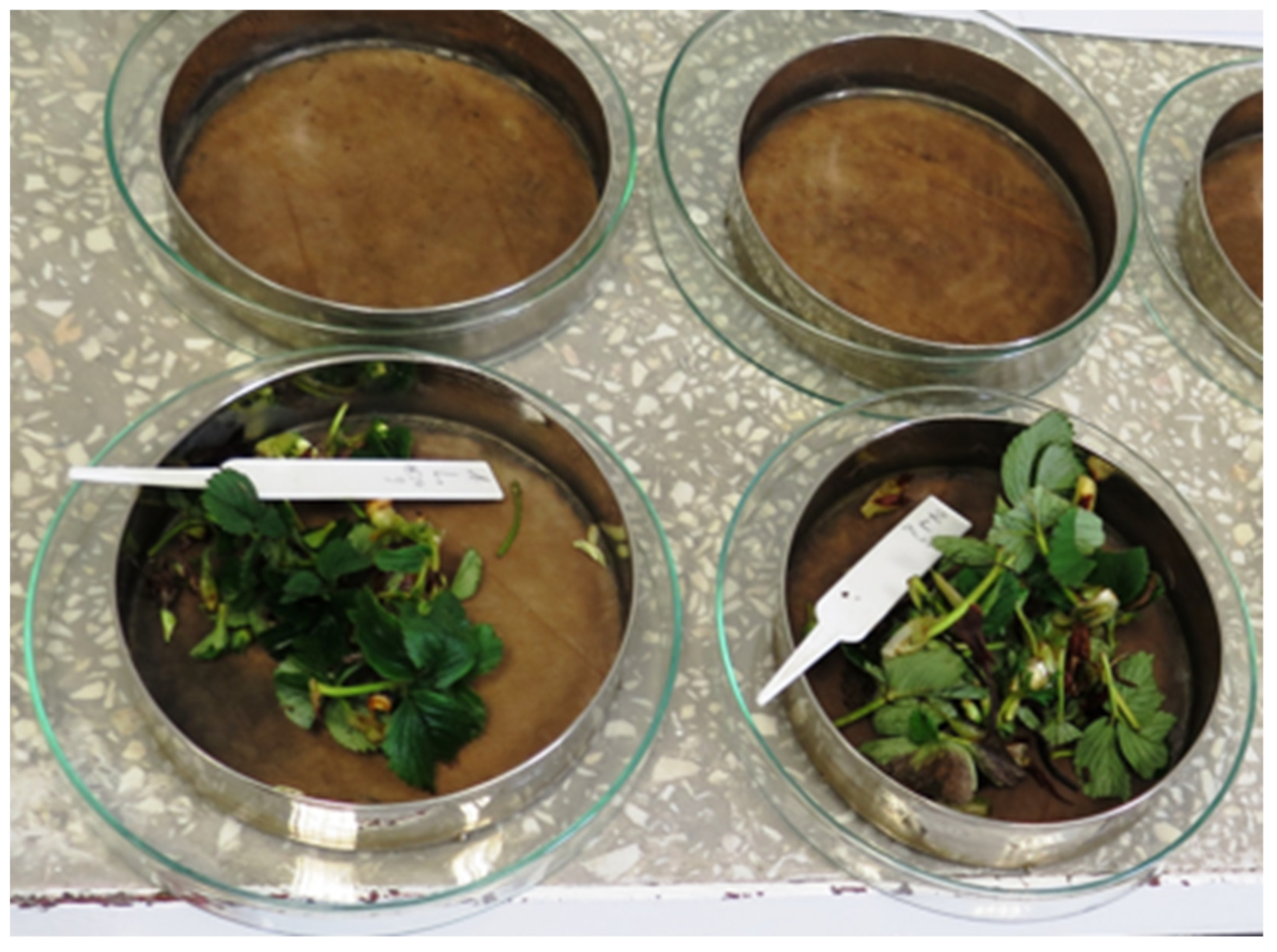
Nematode analysis was performed according to Stefanovska et al. [29]. Populations of A. fragariae were extracted from strawberry leaves, stems, and roots using the Baermann method (Figure 3) [30,31].
Plant-parasitic nematodes were initially identified at the genus level following Brzeski [32]. For microscopic observation, nematodes embedded in glycerol were mounted on glass slides using drops of anhydrous glycerol according to the paraffin ring method. Identification was based on morphological characteristics examined under a Carl Zeiss Jena A-Scope microscope, following the diagnostic keys of Brzeski [32] and Andrássy [33]. The observed morphological traits were consistent with the original description of A. fragariae by Chałańska et al. [21]. Permanent preparations were created by mounting nematodes in glycerin using the Seinhorst method [34].
The Shannon Diversity Index (H′) was calculated to assess nematode community diversity. The index was computed using the formula H′ = −∑ Pi (ln Pi) where Pi represents the proportion of each genus relative to the total nematode abundance in the sample.

2.4. Biometric Characteristics of Plants

The physiological evaluation included the determination of the relative chlorophyll content and leaf surface area. Measurements were performed at the late fruiting stage, using fully developed and healthy leaves.
From each treatment, ten leaves were randomly selected for analysis. The chlorophyll content index (CCI) was determined with a portable chlorophyll content meter (CCM-200, Opti-Sciences, Hudson, NH, USA), and the leaf surface area was measured using a portable leaf area scanner (ADC BioScientific Ltd., Hoddesdon, UK.).

2.5. Strawberry Yield Assessment

Strawberry yield was measured in both experimental years (2022 and 2023) on the same plants used for plant-parasitic nematode assessments. Fruits were harvested by hand at full maturity, and fresh weight was recorded immediately after collection. Seven harvests were conducted each year throughout the main fruiting period. The harvest dates were as follows:
  • 2022: 18 June, 22 June, 26 June, 30 June, 3 July, 7 July, 11 July
  • 2023: 19 June, 23 June, 27 June, 1 July, 5 July, 9 July, 13 July
For each plant, the total yield was calculated as the cumulative fruit weight from all harvest dates. A planting density of 5 plants per m2 was assumed. Plot-level yield was then converted to tons per hectare (t·ha−1)

2.6. Statistical Analysis

Data were analyzed using Statistica 13.3 (StatSoft Inc., Hamburg, Germany). The normality of data distribution was assessed using the Shapiro–Wilk test, and the homogeneity was verified using Levene’s test. A one-way analysis of variance (ANOVA) was then performed, followed by Tukey’s post hoc tests (p < 0.05). Pearson’s correlation coefficient was calculated to assess the relationships between the selected parameters of the analyzed traits.

3. Results and Discussion

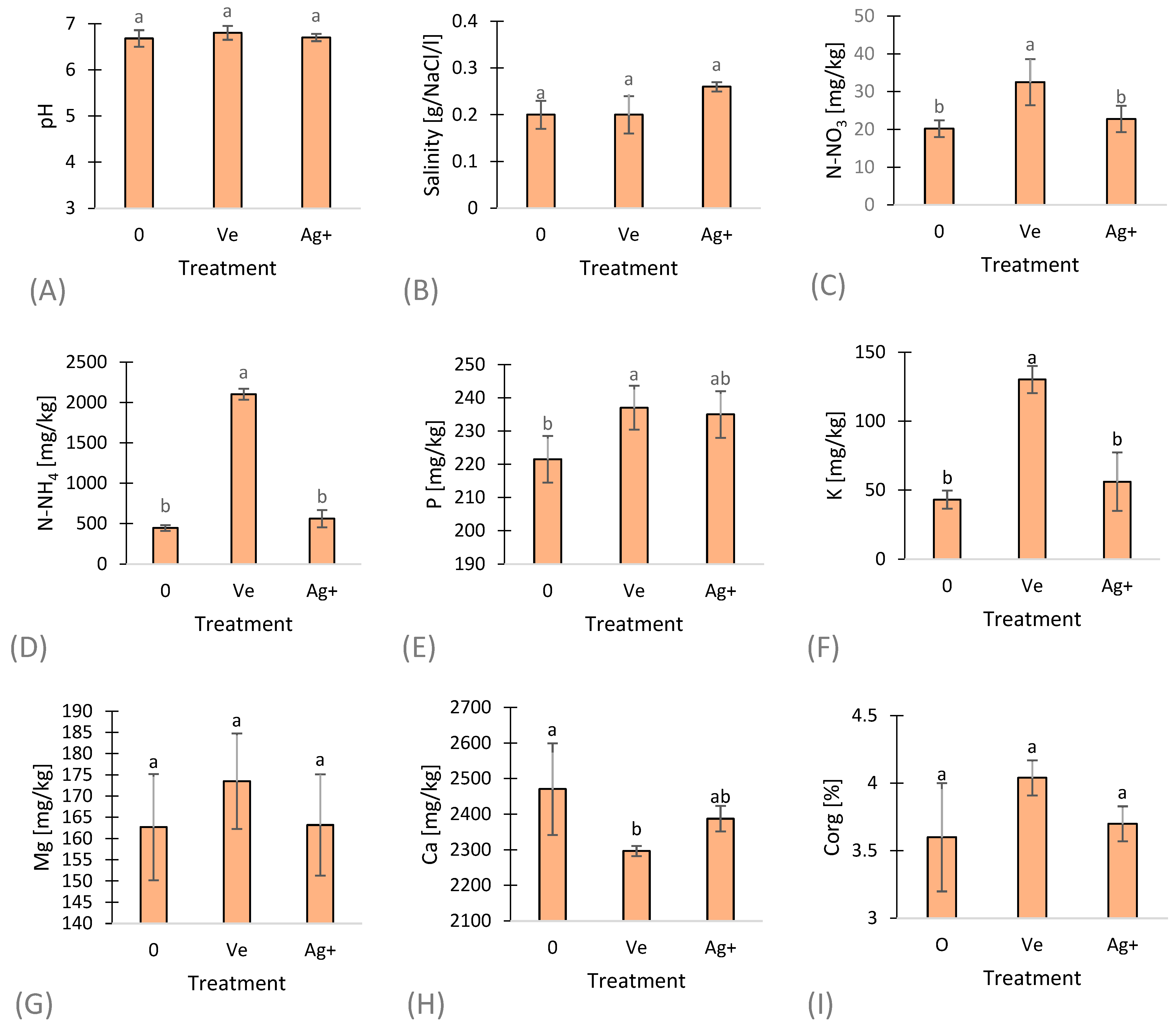
The soil pH remained relatively stable across all treatments, ranging from 6.68 to 6.80 (Figure 4A). The treatments maintained a neutral to slightly acidic pH, favorable for strawberry cultivation [35,36].
Similarly, soil salinity varied only slightly between treatments (0.20–0.26 g NaCl L−1), with no statistically significant differences observed (Figure 4B).
Clear treatment effects were observed for nitrogen forms. The vermicompost treatment significantly increased both nitrate (N–NO3) and ammonium (N–NH4) contents, reaching 32.5 mg·kg−1 and 2102.5 mg·kg−1, respectively, compared to the control (20.2 mg·kg−1 and 445 mg·kg−1) and Ag+ treatment (22.75 mg·kg−1 and 560 mg·kg−1) (Figure 4C,D). This indicates enhanced mineralization and nutrient release following organic matter addition.
Phosphorus (P) content remained stable, with average concentrations of 221.5, 237, and 235 mg·kg−1 for the control, vermicompost, and Ag+ treatments, respectively. These values indicate that both amendments maintained a balanced nutrient supply without causing nutrient accumulation or depletion (Figure 4E).
The vermicompost-amended soil contained the highest K level (130.2 mg·kg−1), nearly three times greater than the control (43 mg·kg−1) and more than twice that of the Ag+ treatment (56 mg·kg−1) (Figure 4F) This reflects the ability of vermicompost to enrich the soil with readily available nutrients through mineralization and cation exchange processes.
In the case of magnesium (Mg), only slight differences were recorded among treatments. Total Mg content ranged from 162.7 to 173.5 mg·kg−1, while available Mg varied between 11.23 and 12.5 mg·kg−1. These small variations indicate that neither vermicompost nor Ag+ significantly altered Mg availability, suggesting that the soil maintained its buffering capacity and stable cation balance (Figure 4G).
Calcium (Ca) content remained stable across treatments, ranging from 2296.75 to 2470.75 mg·kg−1, with slightly lower values in vermicompost-amended soil. These differences were not significant, indicating that both amendments maintained Ca stability in the soil environment (Figure 4H).
The organic carbon (C org) content showed a slight increase after vermicompost application (4.04%) compared with the control (3.6%) and Ag+ treatment (3.7% (Figure 4I).
The analysis of soil nematode communities offers valuable insights into their role in influencing soil quality and the health of various agricultural cropping systems and management practices, thereby serving as a critical indicator for assessing the sustainability of these systems. The final analysis (Pf) identified nematode species across the three treatment groups.
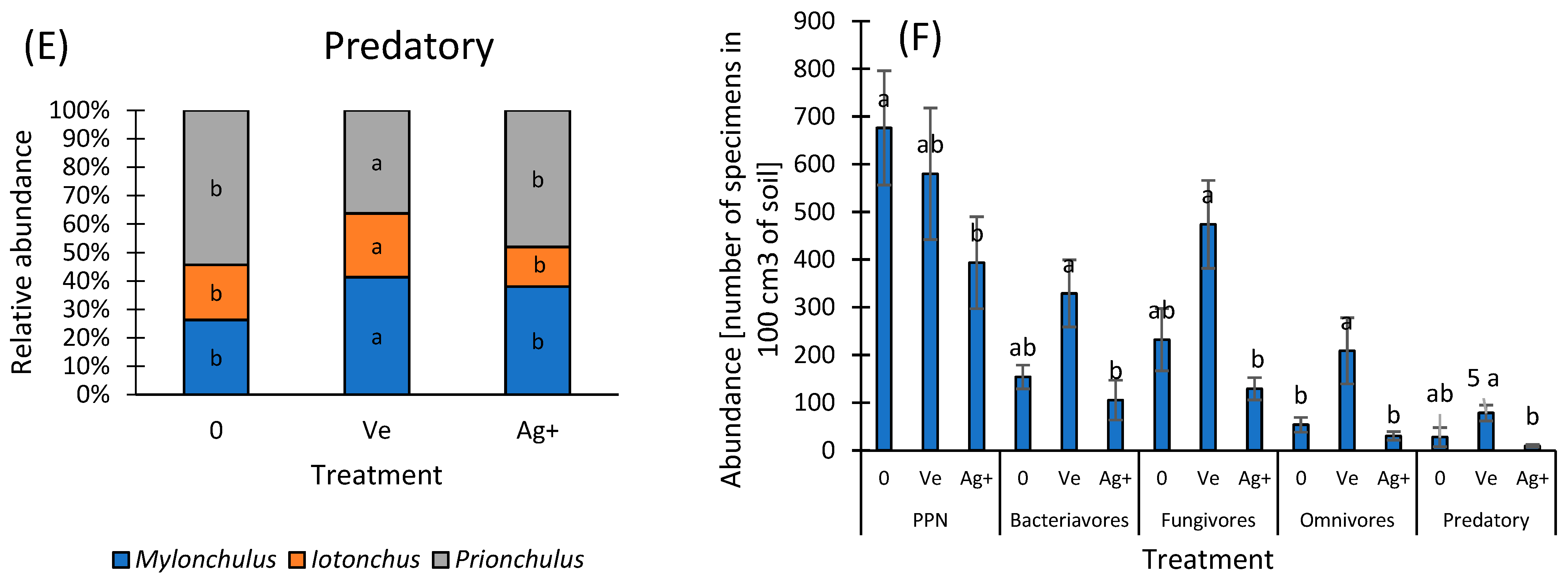
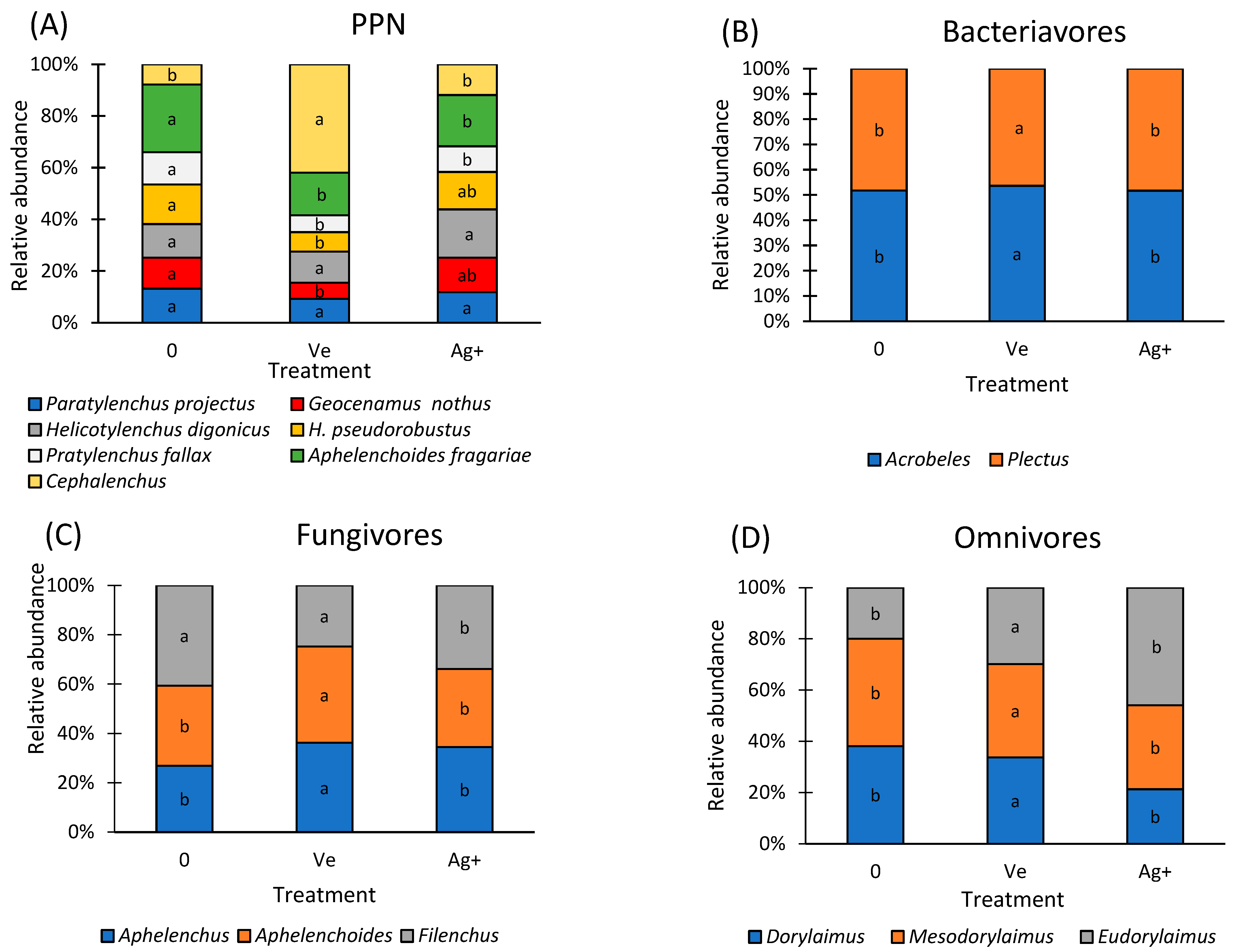
PPN populations included Paratylenchus projectus, Geocenamus nothus, Helicotylenchus digonicus, H. pseudorobustus, Pratylenchus fallax, Aphelenchoides fragariae and Cephalenchus (Figure 5A). Soil treatments with vermicompost (Ve) and silver ions (Ag+) significantly affected the population density of plant-parasitic nematodes compared with the untreated control. Both treatments reduced the abundance of most nematode taxa, although the magnitude of reduction varied among species. Application of vermicompost resulted in an average population decrease of 45.8% across all taxa, while Ag+ treatment caused an average reduction of 42.3% relative to the control. The highest reductions under the vermicompost treatment were observed for H. pseudorobustus (−58.0%), G. nothus (−55.6%), and P. fallax (−55.0%). In contrast, A. fragariae and P. projectus were most strongly affected by Ag+ application, with reductions of 55.9% and 47.8%, respectively. The population of H. digonicus showed the lowest response to either treatment, with decreases below 21%.
Soil treatments also affected the abundance of Bacteriavores, including Acrobeles, and Plectus. Populations of Acrobeles and Plectus rose substantially (+121% and +105%, respectively) (Figure 5B).
The applied treatments significantly influenced the abundance of fungivorous nematodes in the soil (Figure 5C). The vermicompost (Ve) treatment markedly increased the populations of Aphelenchus, Aphelenchoides, and Filenchus, reaching 171.5, 185, and 117.5 individuals/100 mL of soil, respectively, compared with the control (62.25, 75, and 94 individuals/100 mL of soil). This increase indicates that the addition of organic matter stimulated microbial and fungal growth, thereby enhancing food availability for fungivorous nematodes. In contrast, the Ag+ treatment caused a sharp decline in fungivore abundance, with populations dropping to 44.5, 41, and 43.75 individuals/100 mL of soil, respectively. This strong reduction suggests that silver nanoparticles exerted a toxic effect on soil microfauna and potentially suppressed fungal biomass, limiting resources for fungivores.
The abundance of omnivorous nematodes varied markedly among treatments (Figure 5D). The vermicompost (Ve) treatment resulted in a strong increase in populations of Dorylaimus, Mesodorylaimus, and Eudorylaimus, which reached 70.5, 76, and 62.5 individuals/100 mL of soil, respectively, compared to the control (20.5, 22.5, and 10.75 individuals/100 mL of soil). This reflects the positive influence of organic matter on soil trophic complexity and habitat conditions favorable for higher trophic-level nematodes.
Predatory nematodes responded strongly to the applied treatments. Their abundance was highest in the vermicompost (Ve) soil, reaching 89, 48.5, and 78.25 individuals for Mylonchulus, Iotonchus, and Prionchulus, respectively, compared with much lower numbers in the control and especially in the Ag+ treatment (7.5–9.5 individuals/100 mL of soil). The increase under vermicompost indicates enhanced soil biological activity and food web structure, while the sharp decline under Ag+ confirms its suppressive and toxic effect on soil predators.
The Shannon Diversity Index (H′) was used to evaluate nematode community diversity across treatments and years. In the control plots, H′ increased from 2.25 ± 0.05 in 2022 to 2.65 ± 0.08 in 2023, indicating a moderate rise in diversity over time. Similarly, in the Ve treatment, H′ increased from 2.30 ± 0.03 in 2022 to 2.71 ± 0.04 in 2023, while in the Ag+ treatment, H′ rose from 2.30 ± 0.04 to 2.65 ± 0.02 between 2022 and 2023. These results demonstrate that all treatments supported relatively similar nematode diversity, with a slight increase observed in the second year, potentially reflecting temporal changes in soil conditions or resource availability.
Proper plant nutrition is essential for achieving high strawberry yields and superior fruit quality [37,38]. Adequate and balanced nutrient supply supports vigorous vegetative growth, efficient flowering, and fruit set. Moreover, optimal nutrient management enhances plant resilience to environmental stress and reduces susceptibility to pests and diseases, ultimately contributing to more stable and sustainable production.
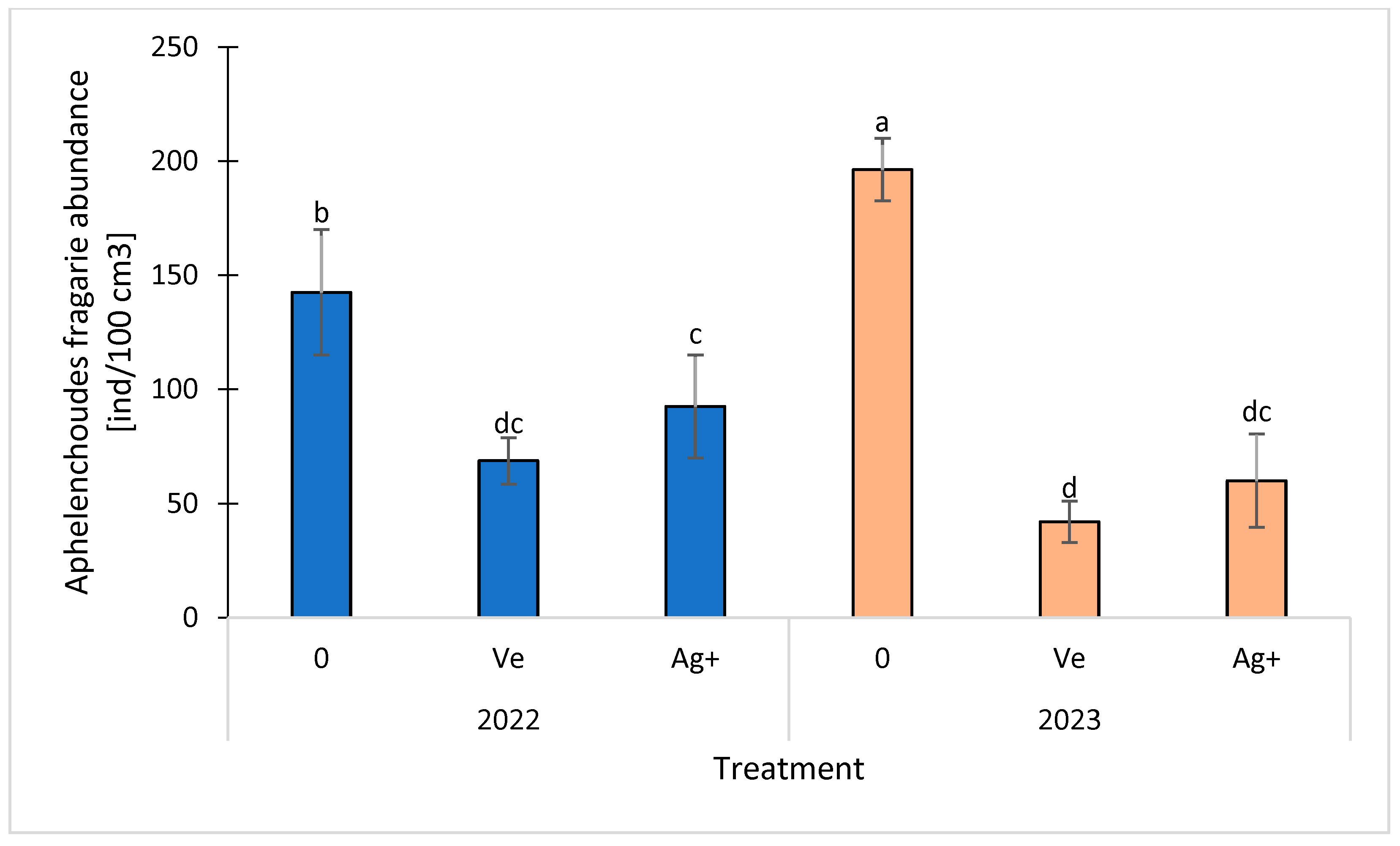
In our study, A. fragariae was identified as the target nematode species. The results presented in Figure 6 illustrate the effects of vermicompost (Ve) and silver nanoparticles (Ag+) on the final population densities of A. fragariae. Both treatments proved effective in significantly reducing nematode populations compared with the control. In the vermicompost treatment, the population of A. fragariae decreased by more than 51% in 2022 and by 79% in 2023. A similarly strong reduction was observed for nanosilver (Ag+), which lowered the nematode population by over 35% in 2022 and by 69% in 2023.
These results demonstrate that silver nanoparticles possess nematicidal effect, likely due to their antimicrobial properties, which could impact nematode survival, reproduction, or development [39,40].
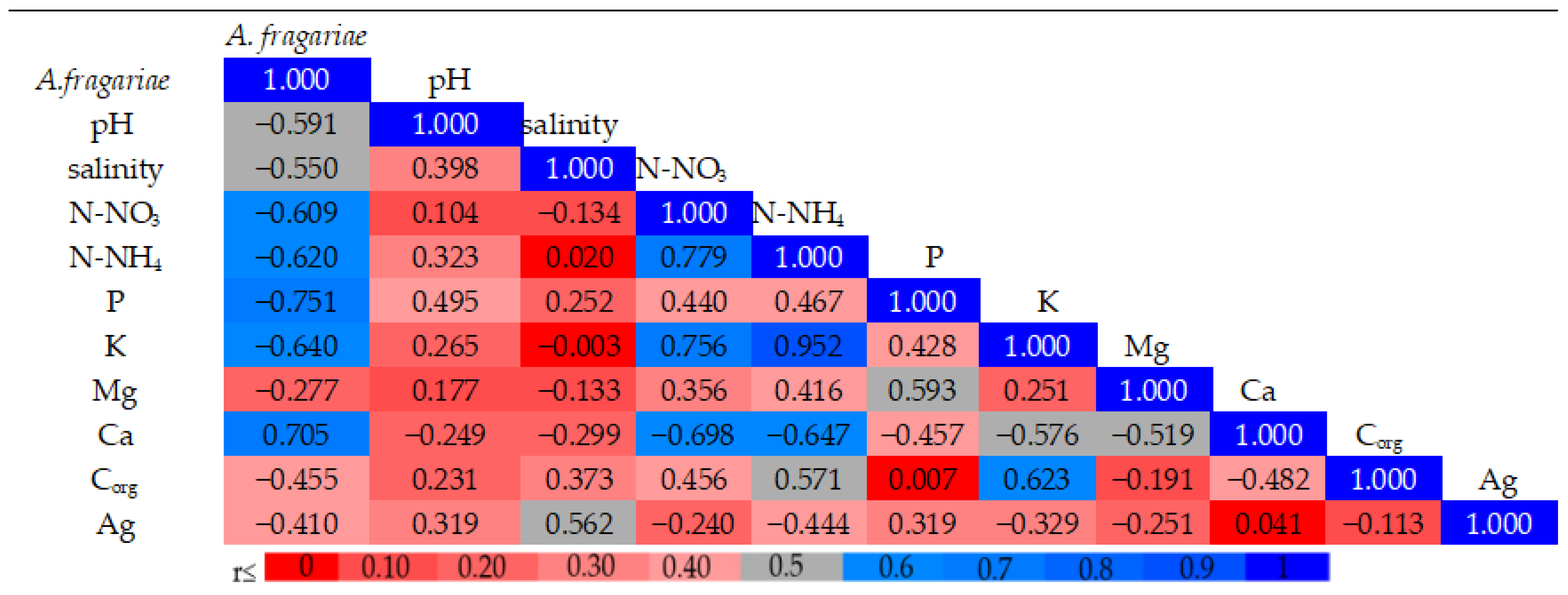
A. fragariae exhibited strong negative correlations with several chemical parameters. Phosphorus (P) showed the strongest negative association (r = −0.751), indicating that higher phosphorus concentrations are linked to lower abundances of the species. Potassium (K; r = −0.640), ammonium nitrogen (N-NH4; r = −0.620), and nitrate nitrogen (N-NO3; r = −0.609) were similarly negatively correlated, suggesting that elevated nutrient levels may inhibit the occurrence of A. fragariae. Additionally, pH (r = −0.591) and salinity (r = −0.550) were negatively associated with species abundance, reflecting a preference for slightly acidic to neutral, low-salinity habitats. In contrast, Ca was strongly positively correlated with A. fragariae abundance (r = 0.705). Organic carbon (Corg) showed a moderate negative correlation with A. fragariae abundance (r = –0.455) (Figure 7).
There are several thousand known strawberry varieties worldwide, and new ones are introduced every year. In Poland, a few dozen varieties are grown commercially, differing in fruit ripening time, size, shape, color, firmness, taste, and content of health-promoting compounds. These quality traits determine the suitability of the fruits for different purposes-some are intended primarily for fresh consumption, while others are better suited for processing or freezing. Fruits intended for processing should detach easily from the stem, be medium-sized, round or heart-shaped, dark red in color, and have a high content of anthocyanins and vitamin C. Dessert strawberries, on the other hand, should be primarily tasty and visually appealing- large, orange-red or bright red, glossy, and rich in nutrients [41,42].
The level of yields is one of the most important determinants of fruit production profitability [43,44,45,46]. It is often of key importance in establishing the profitability of farms and it is taken into consideration by producers when choosing new varieties for cultivation [47]. Therefore, it largely determines the functioning, development and competitiveness of farms [46]. Studies [48,49] have consistently shown that organic farms are generally characterized by lower production efficiency.
According to Zmarlicki and Brzozowski [49] strawberry production in Poland in recent years has undergone substantial changes and is becoming increasingly intensive. These changes include the adoption of modern cultivation techniques, improved varieties with higher yield potential, more precise fertilization and irrigation practices, and greater use of integrated pest and disease management. As a result, overall productivity per hectare has increased, and the gap between conventional and organic production has become more pronounced. Despite these advances, yields in organic systems still lag behind conventional farms, highlighting the need for effective soil amendments and innovative crop management strategies to enhance fruit quality and yield.
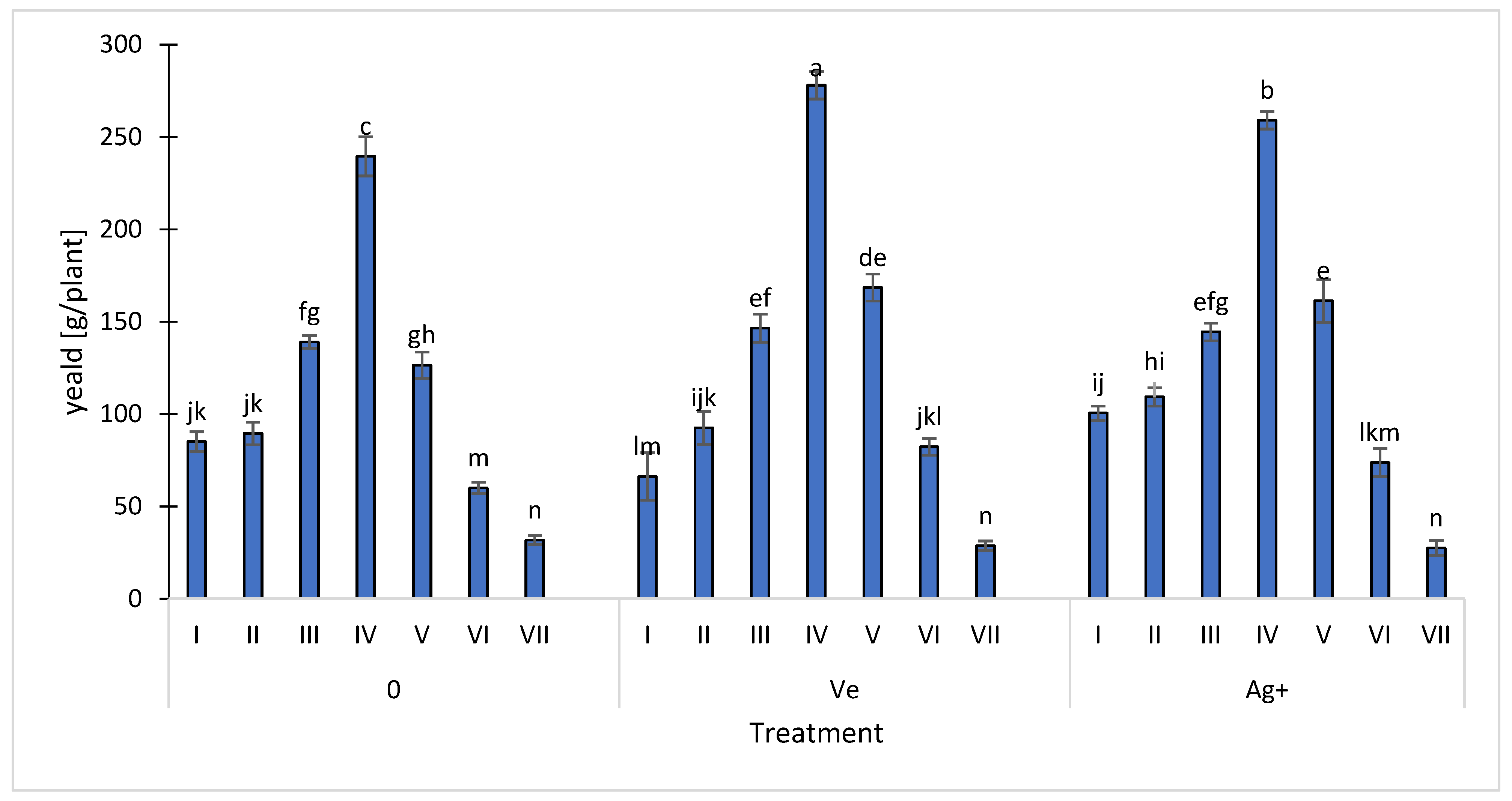
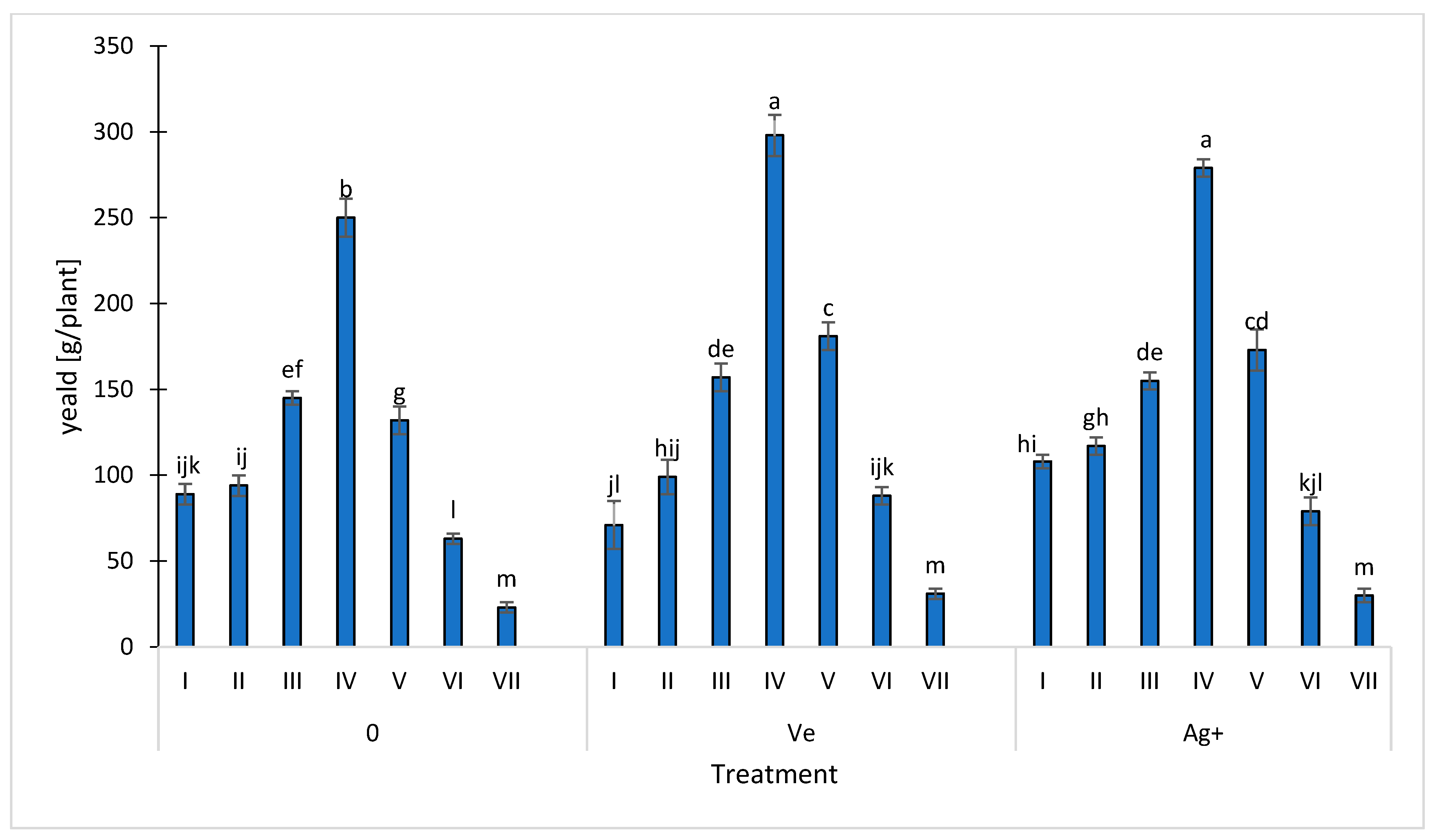
In our experiment, strawberries were harvested across seven collection periods during the growing season in 2022: (I) 18 June, (II) 22 June, (III) 26 June, (IV) 30 June, (V) 3 July, (VI) 7 July, (VII) 11 July and in 2023 (I) 19 June, (II) 23 June, (III) 27 June, and (IV) 1 July,(V) 5 July, (VI) 10 July, (VII) 14 July, allowing for a detailed assessment of yield dynamics throughout the growing season. The greatest positive effects of both treatments were recorded during the fourth and fifth harvests, while the seventh harvest consistently produced the lowest yields across all treatments (Figure 8 and Figure 9).
In 2022, strawberry yields varied across treatments and collection periods. In the control (0), the highest yield was recorded in the fourth harvest (250 g/plant), while the lowest occurred in the seventh harvest (23 g/plant). Vermicompost (Ve) treatment increased yields across most harvests, with the highest yield of 298 in the fourth harvest (+48 g/plant compared with the control) and the lowest the seventh harvest (+8 g/plant compared with the control). Similarly, silver nanoparticles (Ag+) improved yields relative to the control, reaching a maximum of 279 g/plant in the fourth harvest (+29 g/plant) and a minimum in the seventh harvest (+7 g/plant).
In 2023, strawberry yields showed similar patterns. In the control treatment (0), the highest yield was recorded during the fourth collection period (250 g/plant), while the lowest yield occurred in the seventh harvest (23 g/plant). Vermicompost (Ve) increased yields, with the highest yield of 298 g/plant in the fourth harvest (+48 g/plant compared with control) and the lowest of 31 g/plant in the seventh harvest (+8 g/plant). Silver nanoparticles (Ag+) reached a maximum of 279 g/plant in the fourth harvest (+29 g/plant) and a minimum of 30 in the seventh harvest (+7 g/plant). As in 2022, the fourth and fifth harvests showed the largest positive effects of both treatments, while the seventh harvest consistently had the lowest yields.
Both treatments showed the most pronounced positive effects in the fourth and fifth harvests, indicating that vermicompost and silver applications were particularly effective during the peak production period. Conversely, the first and seventh harvests consistently produced the lowest yields, reflecting either early- season limitations or late-season decline. Overall, vermicompost slightly outperformed Ag+ in terms of maximum yield, while both treatments provided clear benefits over the untreated control throughout the growing season.
The cumulative fruit yields in the control were 5.5 t/ha (110.1 g/plant) in 2022 and 5.69 t/ha (113.7 g/plant) in 2023. With vermicompost, yields increased to 6.1 t/ha (123 g/plant) in 2022 and 6.61 t/ha (132.1 g/plant) in 2023. Similarly, with silver nanoparticles, yields were 6.25 t/ha (125.08 g/plant) in 2022 and 6.72 t/ha (134.4 g/plant) in 2023.
The highest yields occurred in the fourth and fifth harvests, and the lowest in the seventh. Compared with historical data from organic farms between 2009 and 2013, which averaged 7.85 t/ha (ranging from 5.2 to 10.2 t/ha), the control yields were slightly lower, while vermicompost and Ag+ treatments partially narrowed this gap. Conventional farms during the same period averaged 9.1 t/ha, approximately 15.9% higher than organic production, consistent with the generally lower production efficiency observed in organic systems [48,50].
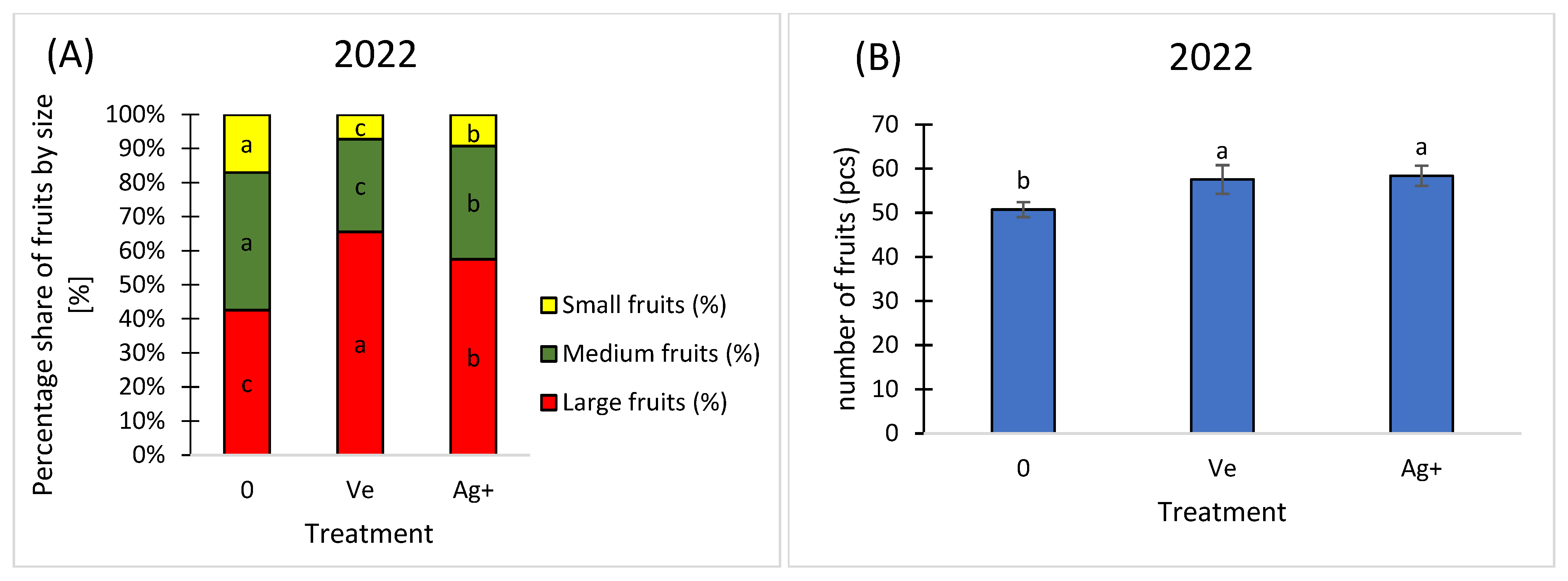
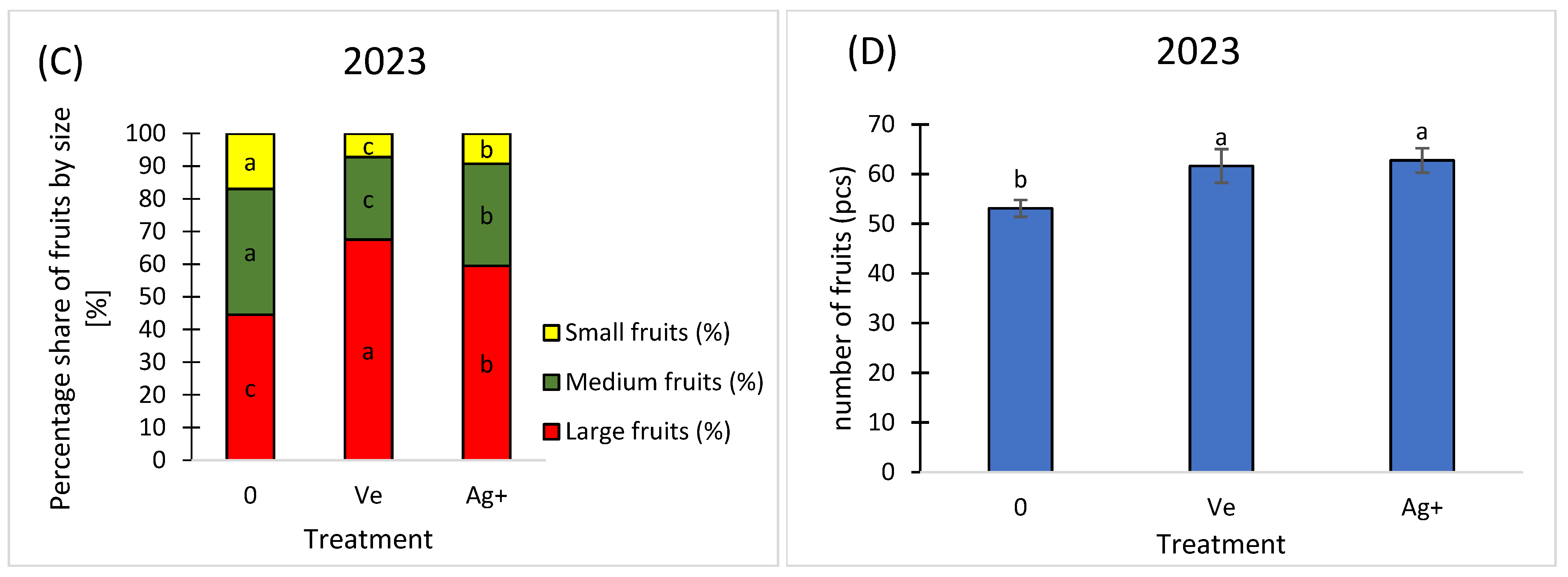
Across both 2022 and 2023, treatments with Ag+ and vermicompost (Ve) consistently increased the proportion of large fruits compared to the control. In 2022, the control produced 42% large fruits, while vermicompost and Ag+ increased this share to 65% and 57%, respectively. A similar trend was observed in 2023, with the control yielding 44.5% large fruits, vermicompost 67.5%, and Ag+ 59.5%, In both years, medium and small fruit proportions decreased under the treatments, with vermicompost having the most pronounced effect. Overall, both Ag+ and vermicompost improved fruit size distribution, with vermicompost consistently producing the highest proportion of large fruits (Figure 10A–D).
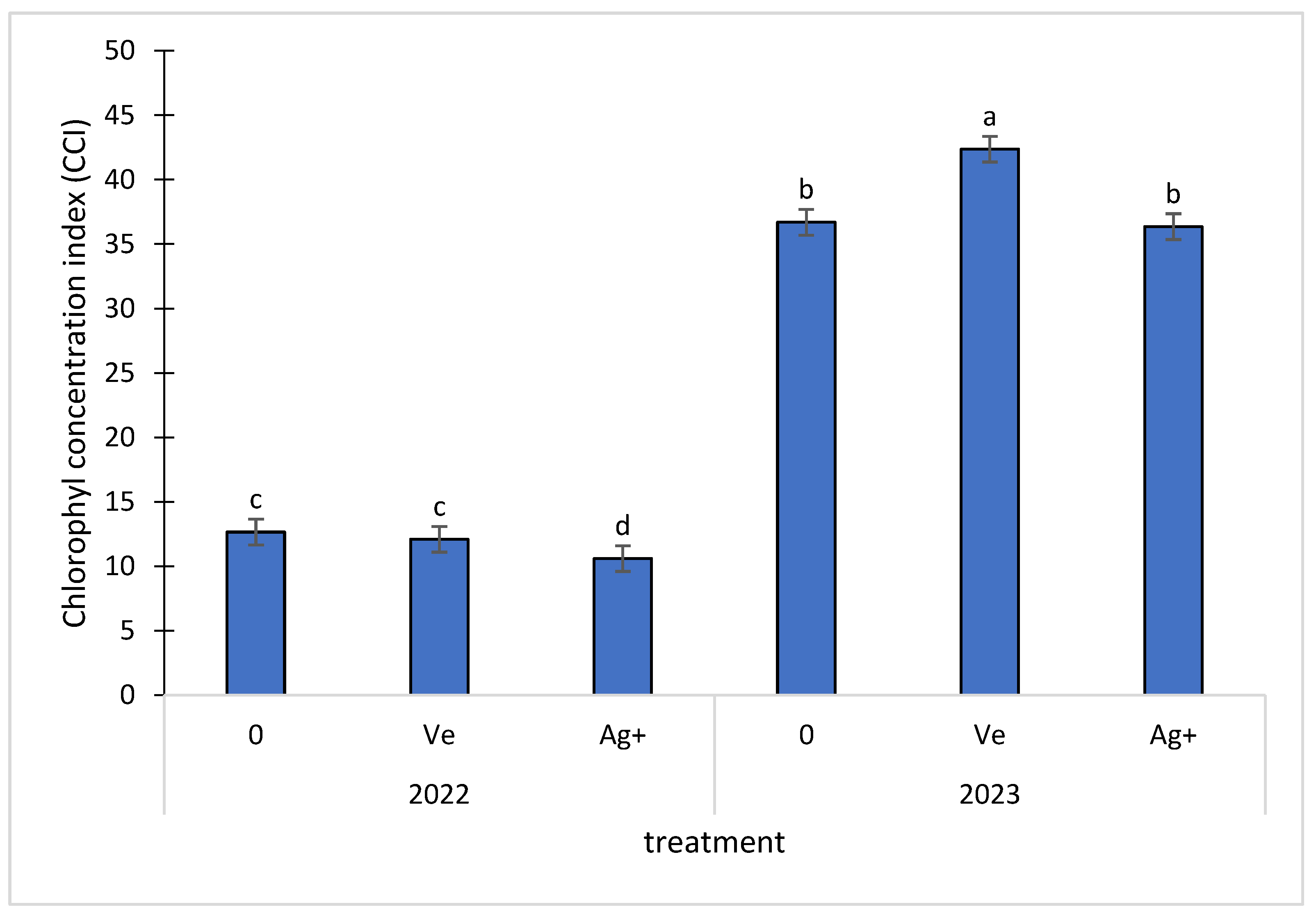
In 2022, the Chlorophyll Concentration Index (CCI) of control plants was 12.66 while vermicompost (Ve) and Ag+ treatments showed slightly lower values of 12.1 and 10.6, respectively. In 2023, CCI values increased across all treatments, with the control at 36.69 vermicompost reaching 42.36 and Ag+ remaining comparable to the control at 36.35. These results indicate that vermicompost consistently enhanced chlorophyll content, particularly in the second year, whereas Ag+ had minimal effect. Overall, the application of vermicompost can be considered an effective strategy to improve plant chlorophyll status and potentially support better growth and productivity (Figure 11).
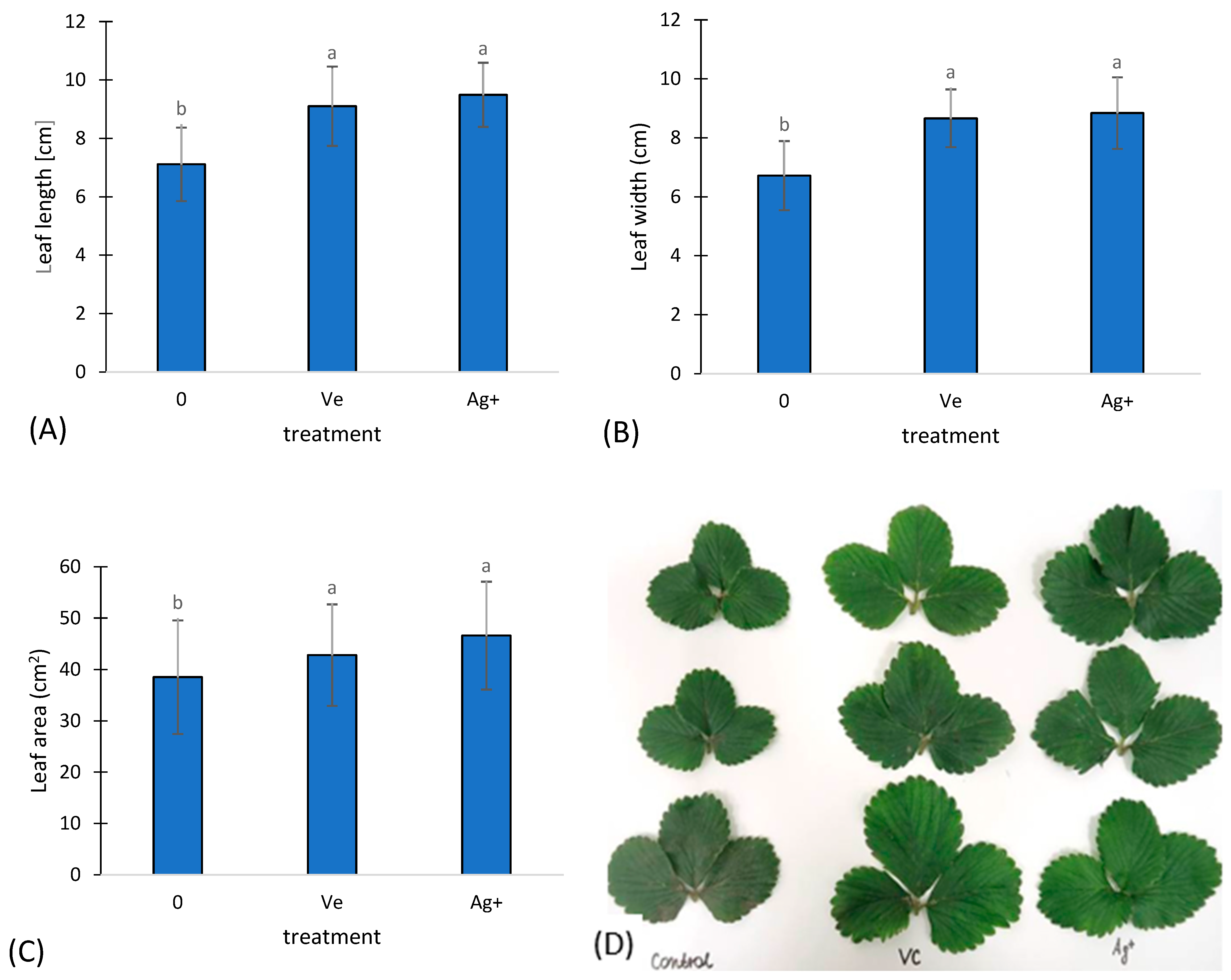
Leaf length increased from 7.11 cm in the control to 9.1 cm under vermicompost and 9.49 cm under Ag+, (Figure 12A) while leaf width expanded from 6.72 cm to 8.66 cm and 8.84 cm, respectively (Figure 12B). Leaf area followed the same pattern, increasing from 38.5 cm2 in the control to 42.8 cm2 with vermicompost and 46.6 cm2 with Ag+ (Figure 12C). Photographs of strawberry leaves (Figure 12D) confirmed the observed differences among the experimental treatments. Leaves of plants treated with vermicompost and Ag+ were distinctly larger and darker green compared to those of the control. These visual observations are consistent with the measured values of leaf length, width, and area, indicating that both treatments stimulated vegetative growth and increased chlorophyll content in strawberry leaves.

4. Conclusions

This study demonstrates that vermicompost and silver nanoparticles (Ag+) can influence strawberry cultivation outcomes. Vermicompost improved plant performance, likely through enhanced soil fertility and structure, contributing to better growth and yield. Ag+ application was associated with suppression of A. fragariae populations, suggesting its potential role in nematode management.
Over the two-year experiment, A. fragariae densities in control treatments increased only slightly, indicating that the ‘Grandarosa’ variety may be less susceptible to this nematode species. However, further studies are needed to confirm this host status and to evaluate the consistency of these effects under varying environmental conditions.
Although Ag+ appeared to benefit plant growth, this study did not assess plant nutrient content, so any claims regarding improved nutrient uptake remain unverified. Future research should include measurements of plant nutritional status, as well as longer-term assessments of soil health and nematode populations, to fully evaluate the potential of vermicompost and Ag+ as sustainable strategies for strawberry cultivation.

Author Contributions

Conceptualization, A.S.; methodology, A.S.; formal analysis, A.M.; investigation, M.S., A.T., T.S., A.W. and A.H.; resources, M.S., A.T. and A.S. writing—original draft preparation, A.Z.; writing—review and editing, A.M.; visualization, A.Z.; supervision, A.S. All authors have read and agreed to the published version of the manuscript.

Funding

This research received no external funding.

Institutional Review Board Statement

Not applicable.

Informed Consent Statement

Not applicable.

Data Availability Statement

The data presented in this study are available on request from the corresponding author.

Conflicts of Interest

The authors declare no conflicts of interest.

References

  1. Krajowy Ośrodek Wsparcia Rolnictwa (KOWR). Available online: https://www.gov.pl/web/kowr/polska-wsrod-liderow-produkcji-truskawek-w-ue (accessed on 22 July 2025). (In Polish)
  2. Wójcik, D.; Markiewicz, M.; Matysiak, B.; Sowik, I. Effect of LED light irradiation on morphology, chlorophyll content and photosynthetic activity of strawberry (Fragaria x ananasa Duch.) cuttings. Sci. J. Inst. Hortic. 2021, 29, 59–70. [Google Scholar]
  3. Lahiri, S.; Smith, H.A.; Gireesh, M.; Kaur, G.; Montemayor, J.D. Arthropod Pest Management in Strawberry. Insects 2022, 13, 475. [Google Scholar] [CrossRef]
  4. Furmanczyk, E.M.; Kozacki, D.; Ourry, M.; Bickel, S.; Olimi, E.; Masquelier, S.; Turci, S.; Bohr, A.; Maisel, H.; D’Avino, L.; et al. An Analysis of Soil Nematode Communities Across Diverse Horticultural Cropping Systems. Soil. Syst. 2025, 9, 77. [Google Scholar] [CrossRef]
  5. Abd-Elgawad, M.M.M. Plant-parasitic nematodes of strawberry in Egypt: A review. Bull. Natl. Res. Cent. 2019, 43, 7. [Google Scholar] [CrossRef]
  6. Samaliev, H.Y.; Mohamedova, M. Plant-parasitic nematodes associated with strawberry (Fragaria aiianassa Duch.) in Bulgaria. Bulg. J. Agric. Sci. Agric. Acad. 2011, 17, 730–735. [Google Scholar]
  7. Nyoike, T.W.; Mekete, T.; McSorley, R.; Weibelzahl-Karigi, E.; Liburd, O.E. Confirmation of Meloidogyne hapla on strawberry in Florida using molecular and morphological techniques. Nematropica 2012, 42, 253–259. [Google Scholar]
  8. Nematode Problems on Strawberries. Available online: https://www.canr.msu.edu/resources/nematode-problems-on-strawberries (accessed on 22 July 2025).
  9. Subbotin, S.A. Rapid Detection of the Strawberry Foliar Nematode Aphelenchoides fragariae Using Recombinase Polymerase Amplification Assay with Lateral Flow Dipsticks. Int. J. Mol. Sci. 2024, 25, 844. [Google Scholar] [CrossRef] [PubMed]
  10. Przemieniecki, S.W.; Zapałowska, A.; Skwiercz, A.; Damszel, M.; Telesiński, A.; Sierota, Z.; Gorczyca, A. An evaluation of selected chemical, biochemical, and biological parameters of soil enriched with vermicompost. Environ. Sci. Pollut. Res. 2021, 28, 8117–8127. [Google Scholar] [CrossRef] [PubMed]
  11. Zapałowska, A.; Skwiercz, A.; Puchalski, C.; Malewski, T. Influence of Eisenia fetida on the Nematode Populations During Vermicomposting Process. Appl. Sci. 2024, 14, 1576. [Google Scholar] [CrossRef]
  12. Kim, S.W.; Jung, J.H.; Lamsal, K.; Kim, Y.S.; Min, J.S.; Lee, Y.S. Antifungal Effects of Silver Nanoparticles (AgNPs) Against Various Plant Pathogenic Fungi. Mycobiology 2012, 1, 53–58. [Google Scholar] [CrossRef] [PubMed]
  13. Khan, S.; Zahoor, M.; Khan, R.S.; Ikram, M.; Islam, N.U. The impact of silver nanoparticles on the growth of plants: The agriculture applications. Heliyon 2023, 9, e16928. [Google Scholar] [CrossRef]
  14. Wasule, D.L.; Shingote, P.R.; Saxena, S. Exploitation of functionalized green nanomaterials for plant disease management. Discov. Nano 2024, 19, 118. [Google Scholar] [CrossRef] [PubMed]
  15. Alfosea-Simón, F.J.; Burgos, L.; Alburquerque, N. Silver Nanoparticles Help Plants Grow, Alleviate Stresses, and Fight Against Pathogens. Plants 2025, 14, 428. [Google Scholar] [CrossRef]
  16. Trotta, F.; Da Silva, S.; Massironi, A.; Mirpoor, S.F.; Lignou, S.; Ghawi, S.K.; Charalampopoulos, D. Advancing Food Preservation: Sustainable Green-AgNPs Bionanocomposites in Paper-Starch Flexible Packaging for Prolonged Shelf Life. Polymers 2024, 16, 941. [Google Scholar] [CrossRef] [PubMed]
  17. Gemail, M.M.; Elesawi, I.E.; Jghef, M.M.; Alharthi, B.; Alsanei, W.A.; Chen, C.; El-Hefnawi, S.M.; Gad, M.M. Influence of Wax and Silver Nanoparticles on Preservation Quality of Murcott Mandarin Fruit During Cold Storage and after Shelf-Life. Coatings 2023, 13, 90. [Google Scholar] [CrossRef]
  18. Kaegi, R.; Voegelin, A.; Sinnet, B.; Hagendorfer, H.; Burkhardt, M.; Siegrist, H. Behavior of metallic silver nanoparticles in a pilot wastewater treatment plant. Environ. Sci. Technol. 2011, 45, 3902–3908. [Google Scholar] [CrossRef]
  19. Ma, R.; Levard, C.; Judy, J.D.; Unrine, J.M.; Durenkamp, M.; Martin, B.; Jefferson, B.; Lowry, G.V. Fate of zinc oxide and silver nanoparticles in a pilot wastewater treatment plant and in processed biosolids. Environ. Sci. Technol. 2014, 48, 104–112. [Google Scholar] [CrossRef]
  20. Levard, C.; Hotze, E.M.; Lowry, G.V.; Brown, G.E. Environmental transformations of silver nanoparticles: Impact on stability and toxicity. Environ. Sci. Technol. 2012, 46, 6900–6914. [Google Scholar] [CrossRef]
  21. Chałańska, A.; Łabanowski, G.S.; Malewski, T. Diagnostyka Nicieni Liściowych z Rodzaju Aphelenchoides; Instytut Sadownictwa i Kwiaciarstwa (ISiK): Skierniewice, Poland, 2010; p. 24. [Google Scholar]
  22. IUSS Working Group WRB. World Reference Base for Soil Resources. International Soil Classification System for Naming Soils and Creating Legends for Soil Maps, 4th ed.; International Union of Soil Sciences (IUSS): Vienna, Austria, 2022; Available online: https://files.isric.org/public/documents/WRB_fourth_edition_2022-12-18.pdf (accessed on 22 July 2025).
  23. Nowosielski, O. Zasady Opracowywania Zaleceń Nawozowych w Ogrodnictwie, Wyd. III ed; PWRiL: Warszawa, Poland, 1988; p. 310. [Google Scholar]
  24. Komosa, A.; Breś, W.; Golcz, A.; Kozik, E. Żywienie Roślin Ogrodniczych—Podstawy i Perspektywy; PWRiL: Poznań, Poland, 2012; p. 390. Available online: https://www.agroswiat.pl/zywienie-roslin-ogrodniczych-11920.html (accessed on 22 July 2025). (In Polish)
  25. Ostrowska, A.; Gawliński, S.; Szczubiałka, Z. Metody Analizy i Oceny Właściwości Gleb i Roślin; Instytut Ochrony Środowiska: Warszawa, Poland, 1991; p. 334. Available online: https://www.scirp.org/reference/referencespapers?referenceid=1394461 (accessed on 22 July 2025). (In Polish).
  26. Antweiler, R.C.; Patton, C.J.; Taylor, H.E. Automated Colorimetric Methods for Determination Nitrate Plus Nitrite, Nitrite, Ammonium and Orthophosphate Ions in Natural Wather Samples; Open-File Report 93–638, Denver, Colorado, 1–23; U.S. Geological Survey: Reston, VA, USA, 1996. [CrossRef]
  27. Zawadzińska, A.; Salachna, P.; Nowak, J.S.; Kowalczyk, W.; Piechocki, R.; Łopusiewicz, Ł.; Pietrak, A. Compost Based on Pulp and Paper Mill Sludge, Fruit-Vegetable Waste, Mushroom Spent Substrate and Rye Straw Improves Yield and Nutritional Value of Tomato. Agronomy 2022, 12, 13. [Google Scholar] [CrossRef]
  28. Regulation (EU) 2019/1009 of the European Parliament and of the Council, Dated 5 June 2019. Available online: http://data.europa.eu/eli/reg/2019/1009/oj (accessed on 22 July 2025).
  29. Stefanovska, T.; Skwiercz, A.; Pidlisnyuk, V.; Zhukov, O.; Kozacki, D.; Mamirova, A.; Newton, R.A.; Ust’ak, S. The Short-Term Effects of Amendments on Nematode Communities and Diversity Patterns Under the Cultivation of Miscanthus × giganteus on Marginal Land. Agronomy 2022, 12, 2063. [Google Scholar] [CrossRef]
  30. Tintori, S.C.; Sloat, S.A.; Rockman, M.V. Rapid Isolation of Wild Nematodes by Baermann Funnel. J. Vis. Exp. 2022, 179, 10–3791. [Google Scholar] [CrossRef]
  31. Staniland, L.N. A Modification of the Baermann Funnel Technique for the Collection of Nematodes from Plant Material. J. Helminthol. 1954, 28, 115–118. [Google Scholar] [CrossRef]
  32. Brzeski, M.W. Nematodes of Tylenchina in Poland and Temperate Europe; Muzeum i Instytutu Zoologii, Polska Akademia Nauk (MiIZ PAN): Warsaw, Poland, 1998; ISBN 83-85192-84-0. [Google Scholar]
  33. Andrássy, I. Free-Living Nematodes of Hungary (Nematoda Errantia). In Pedozoologica Hungarica; Csuzdi, C., Mahunka, S., Eds.; Hungarian Natural History Museum and Systematic Zoology Research Group of the Hungarian Academy of Sciences: Budapest, Hungary, 2007; Volume II, ISBN 978-963508-574-3. [Google Scholar]
  34. Seinhorst, J.W. On the killing, fixation and transferring to glycerin of nematodes. Nematologica 1962, 8, 29–35. [Google Scholar] [CrossRef]
  35. Strawberry Nutrient Management. Available online: https://extension.umn.edu/strawberry-farming/strawberry-nutrient-management (accessed on 22 July 2025).
  36. Good Agricultural Practice: Strawberry Production. Available online: https://ati2.da.gov.ph/ati-car/content/sites/default/files/2022-12/gap_strawberry.pdf (accessed on 22 July 2025).
  37. Lanauskas, J.; Uselis, N.; Valiuskaite, A.; Viskelis, P. Effect of foliar and soil applied fertilizers on strawberry healthiness, yield and berry quality. J. Agron. Res. 2006, 4, 47–250. Available online: https://agronomy.emu.ee/vol04Spec/p4S26.pdf (accessed on 20 September 2025).
  38. Bamouh, A.; Bouras, H.; Nakro, A. Effect of foliar potassium fertilization on yield and fruit quality of strawberry, raspberry and blueberry. Acta Hortic. 2019, 1265, 255–262. [Google Scholar] [CrossRef]
  39. Furmanczyk, E.M.; Kozacki, D.; Hyk, W.; Muszyńska, M.; Sekrecka, M.; Skwiercz, A.T. In Vitro Study on Nematicidal Effect of Silver Nanoparticles Against Meloidogyne incognita. Molecules 2025, 30, 1132. [Google Scholar] [CrossRef] [PubMed]
  40. Zinovieva, S.V.; Udalova, Z.V.; Khasanova, O.S. Nanomaterials in Plant Protection against Parasitic Nemates. Usp. Sovrem. Biol. 2023, 143, 278–299. [Google Scholar] [CrossRef]
  41. Grandarosa. Available online: https://5porcji.pl/grandarosa-truskawka-doskonala-na-stol-i-do-ogrodu-dr-inz-agnieszka-masny-z-instytutu-ogrodnictwa/ (accessed on 22 July 2025). (In Polish).
  42. Masny, A.; Żurawicz, E.; Markowski, J. ‘Grandarosa’ Strawberry. HortScience 2015, 50, 1401–1404. [Google Scholar] [CrossRef]
  43. Paszko, D. Wybrane problemy rachunku ekonomicznego na przykładzie specjalistycznych gospodarstw sadowniczych województwa lubelskiego. Zesz. Nauk. Inst. Sadow. Kwiac. Skiern. 2006, 14, 96–106. [Google Scholar]
  44. Gołębiewska, B.; Sobczak, N. Kierunki wykorzystania i opłacalność produkcji truskawek. Zesz. Nauk. Szk. Gł. Gospod. Wiej. Warsz. Ekon. Organ. Gospod. Żywn. 2012, 98, 109–122. [Google Scholar] [CrossRef]
  45. Wójcik-Seliga, J.; Studnicki, M.; Wójcik-Gront, E. Evaluating economic value of 23 strawberry cultivars in the climatic conditions of central Europe. Acta Sci. Pol. Hortorum Cultus 2017, 16, 11–19. [Google Scholar]
  46. Wróblewska, W.; Pawlak, J.; Paszko, D. The influence of factors on the yields of two raspberry varieties (Rubus idaeus L.) and the economic results. Acta Sci. Pol. Hortorum Cultus 2020, 19, 63–70. [Google Scholar] [CrossRef]
  47. Vittori, L.D.; Mazzoni, L.; Battino, M.; Mezzetti, B. Pre-harvest factors influencing the quality of berries. Sci. Hortic. 2018, 233, 310–322. [Google Scholar] [CrossRef]
  48. Brzozowski, P.; Zmarlicki, K. Zmiany kosztów jednostkowych produkcji ekologicznej truskawek w latach 2009–2013. Rocz. Nauk. SERiA 2015, 117, 9–13. [Google Scholar]
  49. Zmarlicki, K.; Brzozowski, P. Perspektywy, Szanse i Zagrożenia dla Produkcji Truskawek, Jagody Kamczackiej i Aronii; Instytut Ogrodnictwa: Skierniewice, Poland, 2020; pp. 3–7. [Google Scholar]
  50. Pawlak, J.; Wróblewska, W.; Paszko, D. Production and economic efficiency in the cultivation of strawberry (Fragaria × ananassa Duch.) depending on the method of production—Case study. Agron. Sci. 2022, 77, 15–26. [Google Scholar] [CrossRef]
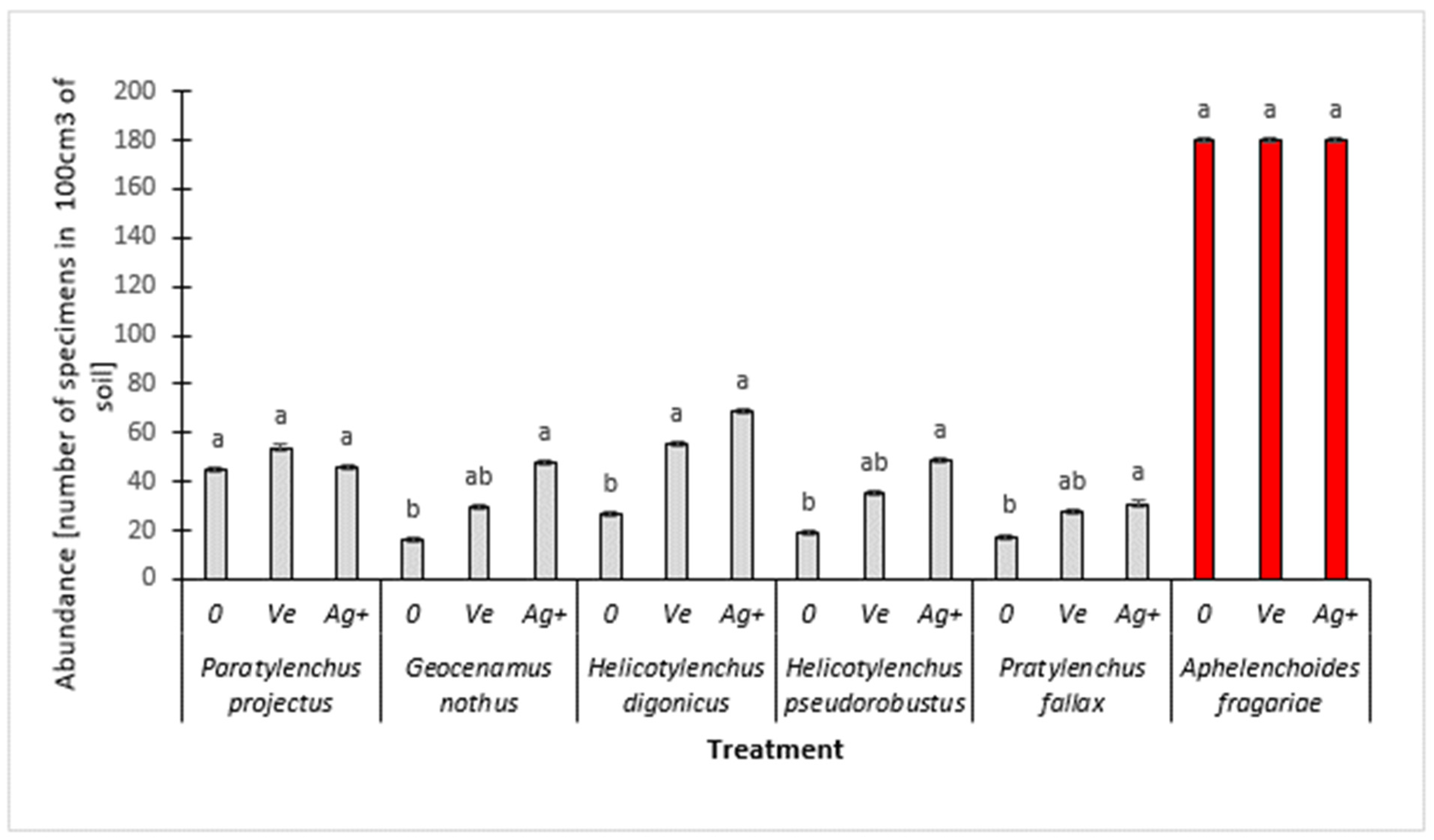
Figure 1. Initial population (Pi) of plant-parasitic nematodes (PPNs) (Paratylenchus projectus, Geocenamus nothus, Helioctylenchus digonicus, Helicotylenchus pseudorobustus, Pratylenchus fallax, Aphelenchoides fragarie) across the experimental variants (0- control, Ve-vermicompost, Ag+- silver nanoparticles) in 2022. Different letters indicate significant differences (p < 0.05) within the same species across the three variants (n = 4). Bars represent standard deviation (SD).
Agronomy 15 02900 g001
Figure 2. The concrete circle with Fragaria × ananassa.
Agronomy 15 02900 g002
Figure 3. Extraction of nematodes.
Agronomy 15 02900 g003
Figure 4. Chemical properties of three experimental treatments (0-control, Ve- vermicompost, Ag+-silver nanoparticles): pH (A), salinity (B), nitrate (C), ammonium (D), phosphorus (E), potassium (F), magnesium (G), calcium (H), organic carbon (I). Different letters indicate significant differences (p < 0.05), (n = 4). Bars represent standard deviation (SD).
Agronomy 15 02900 g004
Figure 5. Abundance of five nematode trophic groups—plant-parasitic nematodes (PPN) (A), bacterivores (B), fungivores (C), omnivores (D), and predators (E)—across three treatment variants (0: control; Ve: vermicompost; Ag+: silver nanoparticles). Diagram (F) shows the trophic group distribution as a function of treatments on the final day of the experiment (Pf). Sample size: n = 4. Different letters indicate significant differences (p < 0.05) within the same species across the three variants (n = 4). Bars represent standard deviation (SD).
Agronomy 15 02900 g005aAgronomy 15 02900 g005b
Figure 6. Population (Pf1) in (2022) and final population Pf2 in (2023) of A. fragarie across the experimental variants (0- control, Ve-vermicompost, Ag+- silver application). Different letters indicate significant differences (p < 0.05), (n = 4). Bars represent standard deviation (SD).
Agronomy 15 02900 g006
Figure 7. Pearson correlation between the selected parameters of the analyzed traits. Correlation coefficient (r) scale: −1.0: perfect negative correlation; −0.80 to −0.60: strong negative correlation; −0.40 to −0.20: moderate negative correlation; 0: no correlation; 0.20 to 0.40: moderate positive correlation; 0.60 to 0.80: strong positive correlation; 1.0: perfect positive correlation.
Agronomy 15 02900 g007
Figure 8. Strawberry yields [g/plant] recorded over seven harvests in 2022. Different letters indicate statistically significant differences across treatments. Different letters indicate significant differences (p < 0.05), (n = 4). Bars represent standard deviation (SD).
Agronomy 15 02900 g008
Figure 9. Strawberry yields [g/plant] recorded over seven harvests in 2022 and in 2023. Different letters indicate significant differences (p < 0.05), (n = 4). Bars represent standard deviation (SD).
Agronomy 15 02900 g009
Figure 10. Percentage of fruits by size (Small: 6–7 g; Medium: 8–14 g; Large: 15–20 g) (A,C) and number of fruits (pcs) (B,D) in the 2022 and 2023 seasons. Different letters indicate significant differences (p < 0.05), (n = 4).
Agronomy 15 02900 g010aAgronomy 15 02900 g010b
Figure 11. CCI in 2022 and 2023. Means with the same letter are not significantly different based on Tukey’s multiple comparison test (p = 0.05), presented as ± SD.
Agronomy 15 02900 g011
Figure 12. Leaf length (cm) (A), leaf width (cm) (B), and leaf area (cm2) (C) for 0, Ve, and Ag+ treatments (D). Values sharing the same letter are not significantly different (Tukey’s test, p = 0.05) and are presented as ± SD.
Agronomy 15 02900 g012
Table 1. Morphometrics of the A. fragariae population used in the experiment. Range of values (X1–X10) of individual traits, mean ± SD, n = 10. Measurements were conducted in μm.
Location: Skierniewice, Poland (51°96′15″ N, 20°13′69″ E)
Host Plant: Fragaria × ananassa
Character(X1–X10)Mean ± SD
Body length L568.5–876.8764.0 ± 94.7
Stylet length9.7–11.010.2 ± 0.4
Tail length36.3–55.446.4 ± 6.6
PUS%31.7–69.854.8 ± 0.1
a45.8–61.555.8 ± 3.1
b’4.6–6.66.5 ± 0.6
c11.9–18.316.3 ± 1.8
c’4.1–6.25.1 ± 0.4
V/AT3.0–5.44.4 ± 0.7
V%58.0–76.470.0 ± 3.5
L = body length; in millimeters; a = ratio of body length to largest body width; PUS (%) = ratio of postvulval sac to the vulva anus distance (V/A × 100%); b′ = ratio of body length to pharynx length from head to pharyngeal-intestinal junction; c = ratio of body length to tail length; c′ = ratio of tail length to body width at anus level; V/AT = ratio of vulva-anus distance to tail length; V% = distance from anterior end to vulva, expressed in percentage of body length × 100%.
Disclaimer/Publisher’s Note: The statements, opinions and data contained in all publications are solely those of the individual author(s) and contributor(s) and not of MDPI and/or the editor(s). MDPI and/or the editor(s) disclaim responsibility for any injury to people or property resulting from any ideas, methods, instructions or products referred to in the content.