Article

Biochar Regulates 2-Acetyl-1-Pyrroline, Grain Yield and Quality in Fragrant Rice Cropping Systems in Southern China

1
State Key Laboratory for Conservation and Utilization of Subtropical Agro-bioresources, College of Agriculture, South China Agricultural University, Guangzhou 510642, China
2
Scientific Observing and Experimental Station of Crop Cultivation in South China, Ministry of Agriculture and Rural Affairs, Guangzhou 510642, China
3
Guangzhou Key Laboratory for Science and Technology of Fragrant Rice, Guangzhou 510642, China
*
Author to whom correspondence should be addressed.
Agronomy 2023, 13(12), 2860; https://doi.org/10.3390/agronomy13122860

Submission received: 25 October 2023 / Revised: 16 November 2023 / Accepted: 17 November 2023 / Published: 21 November 2023

Abstract

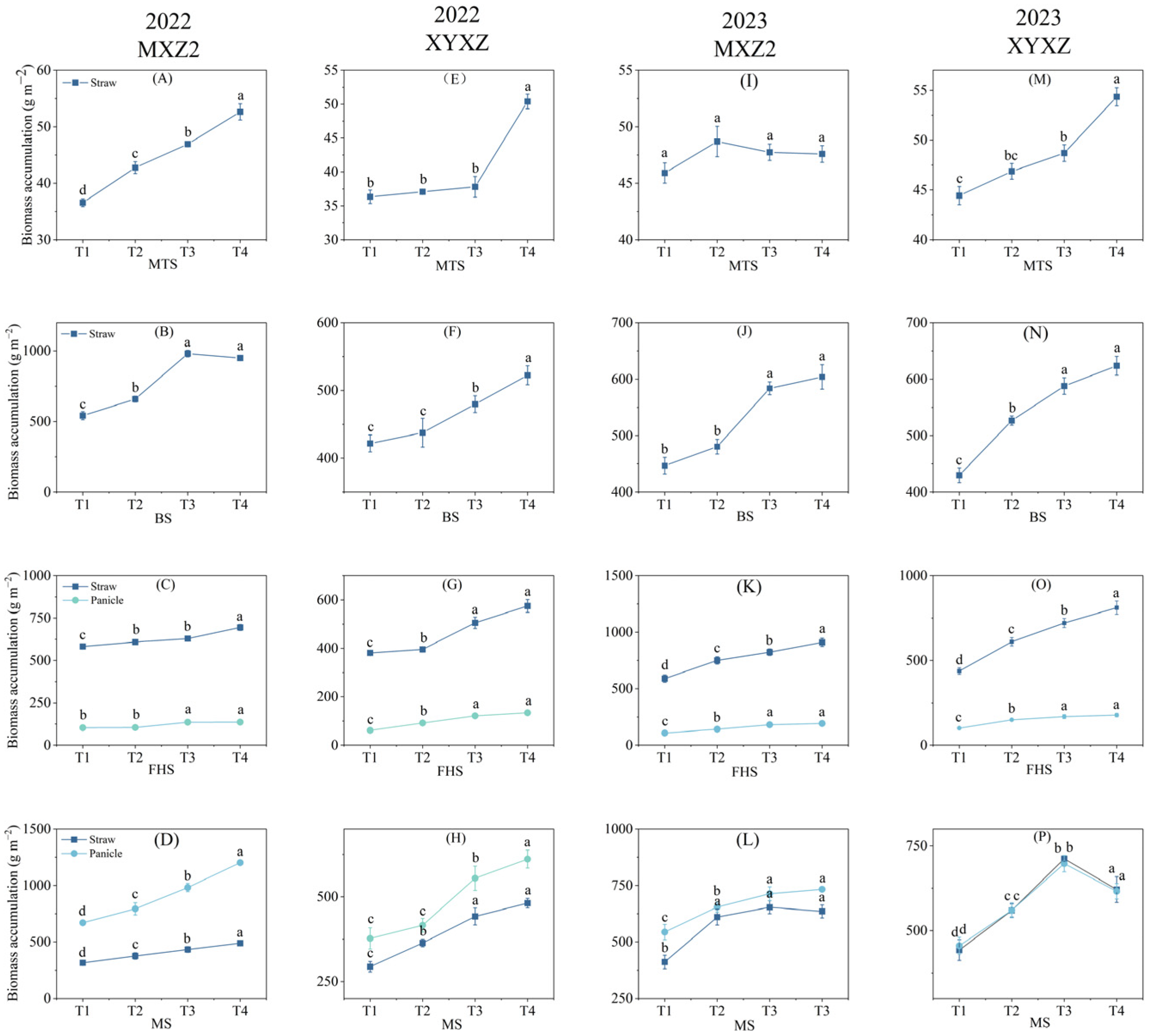
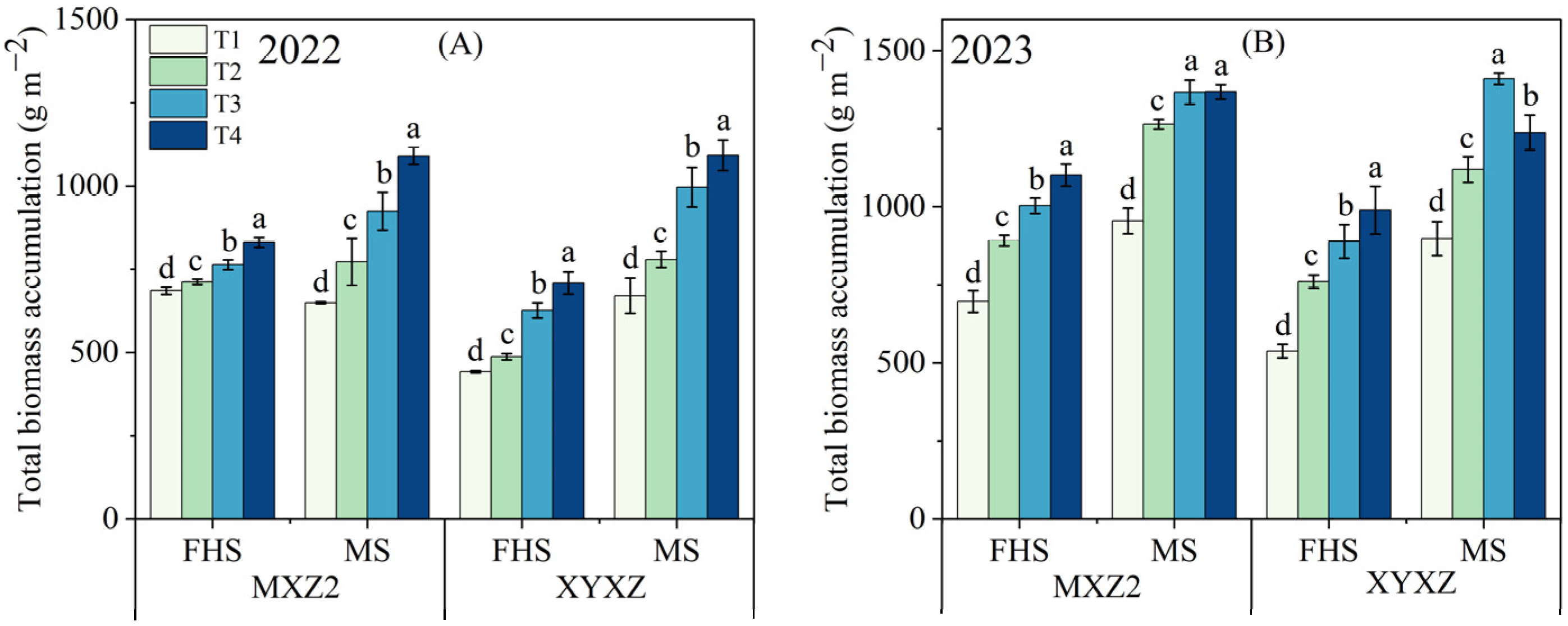
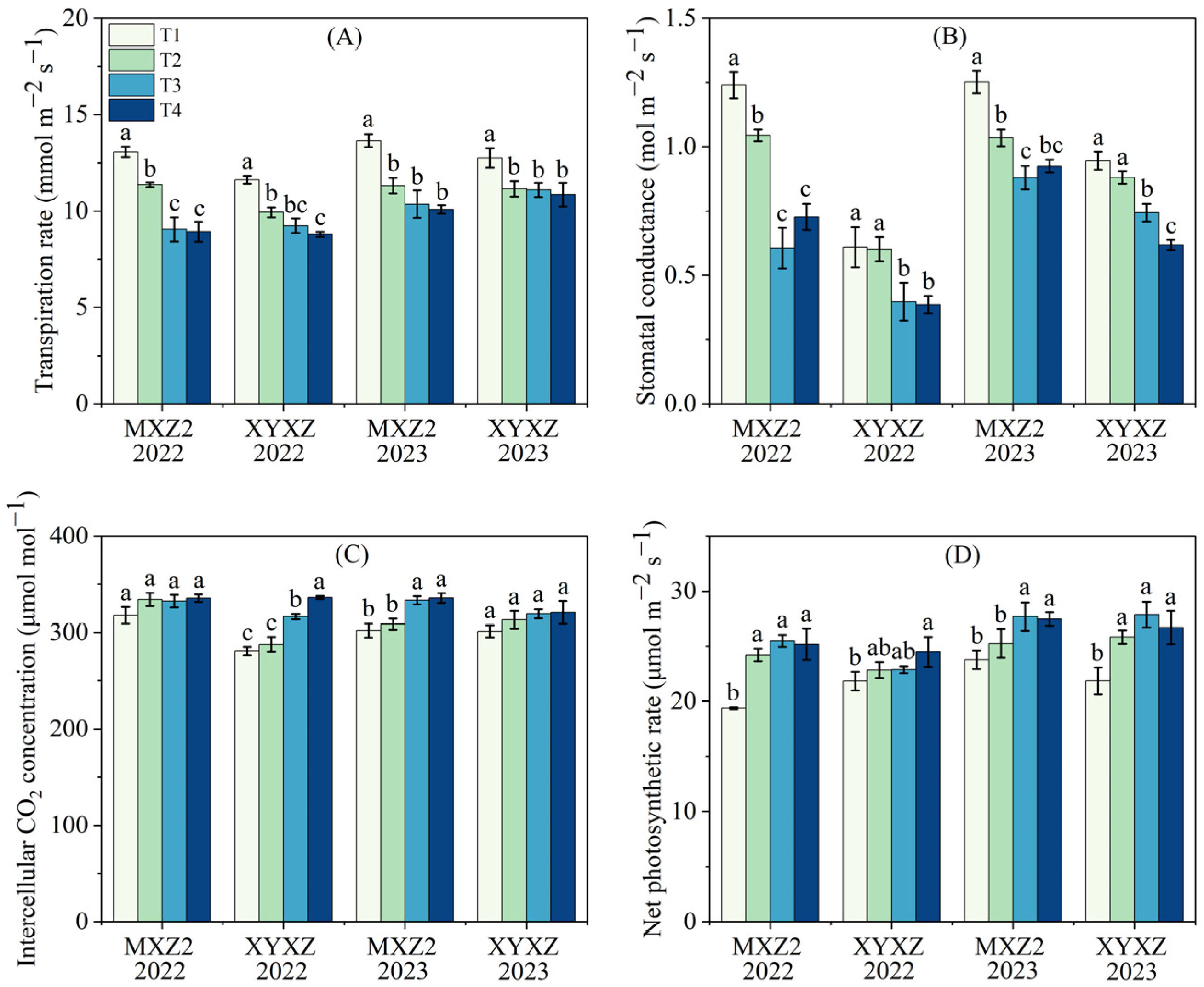
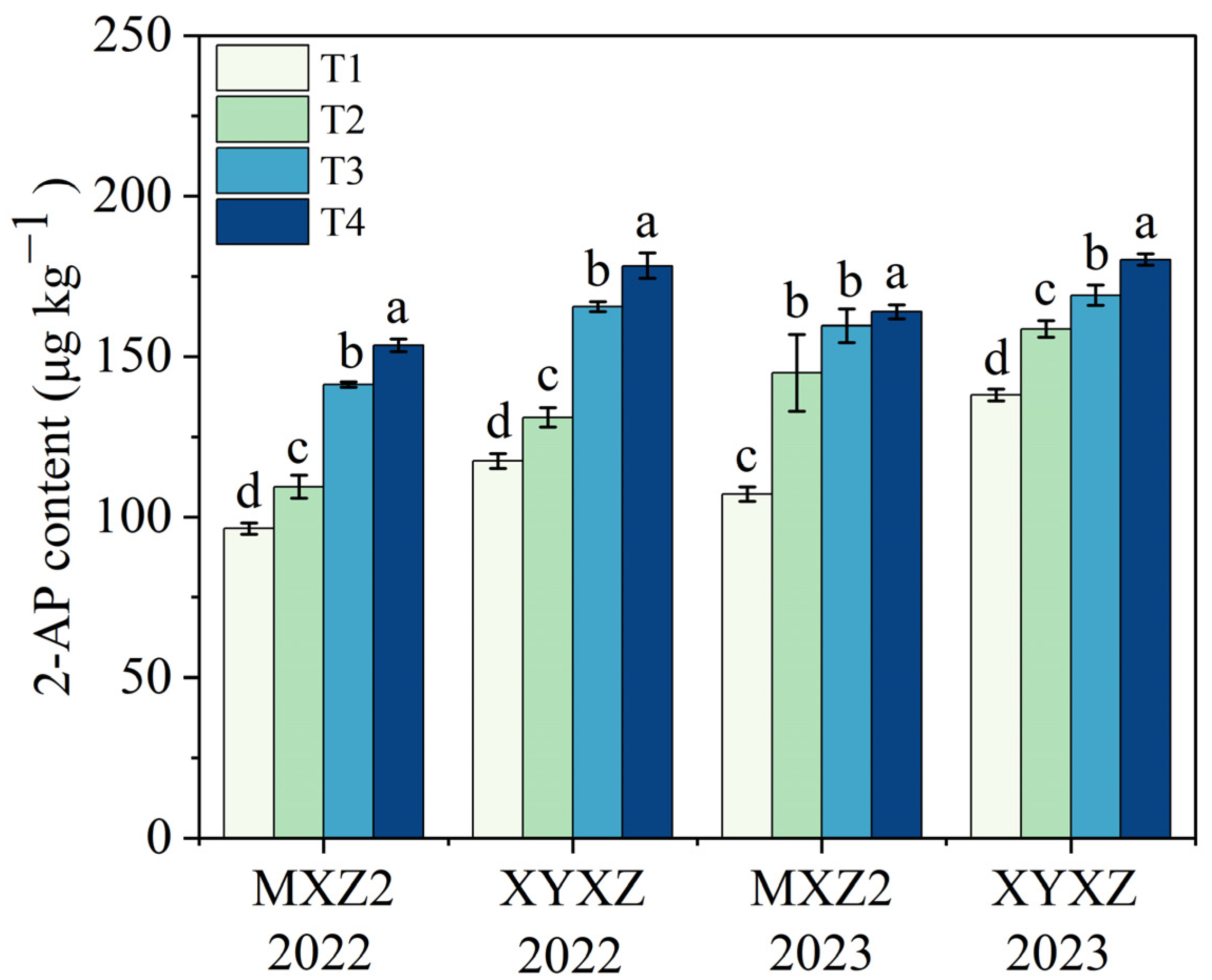
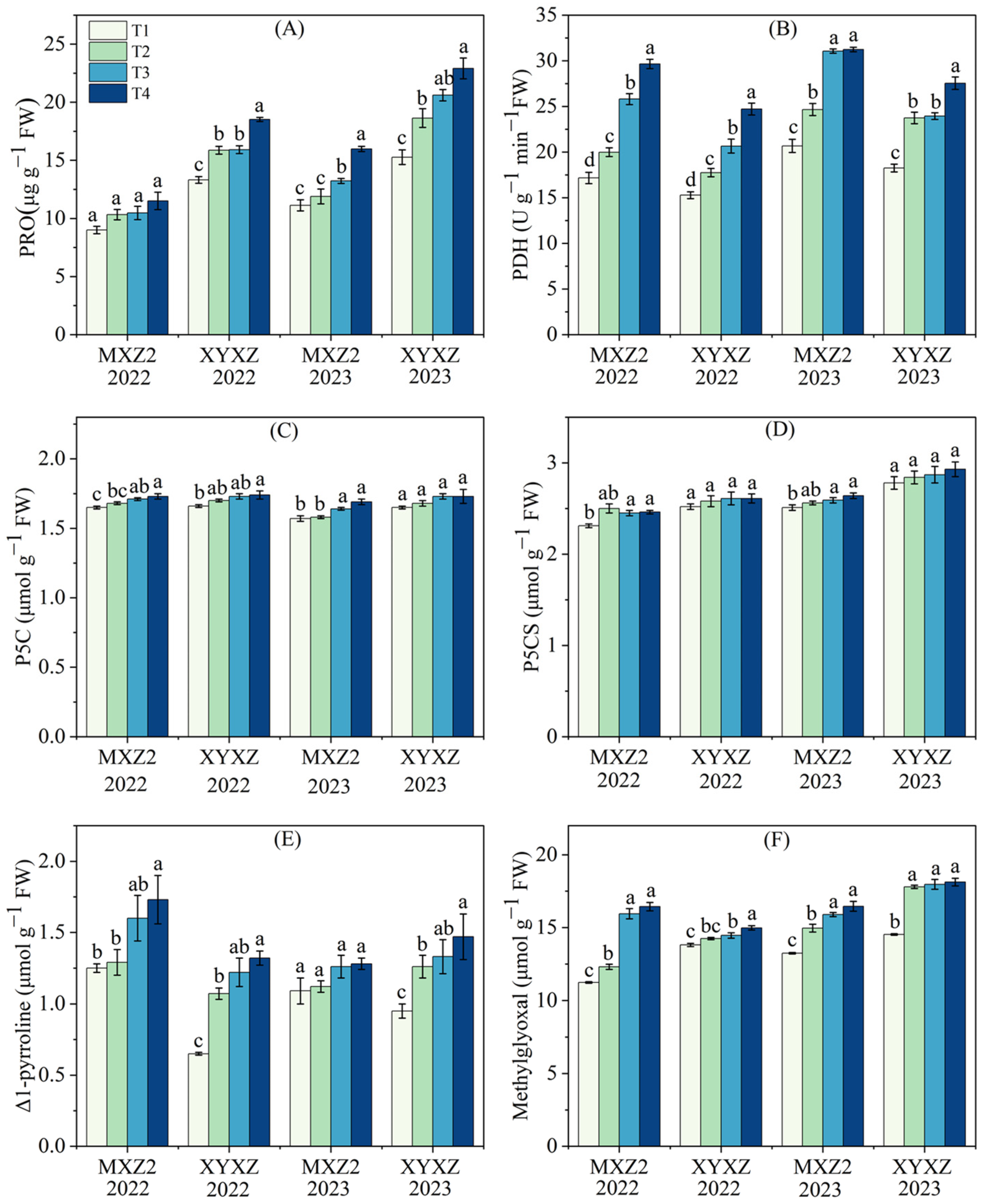
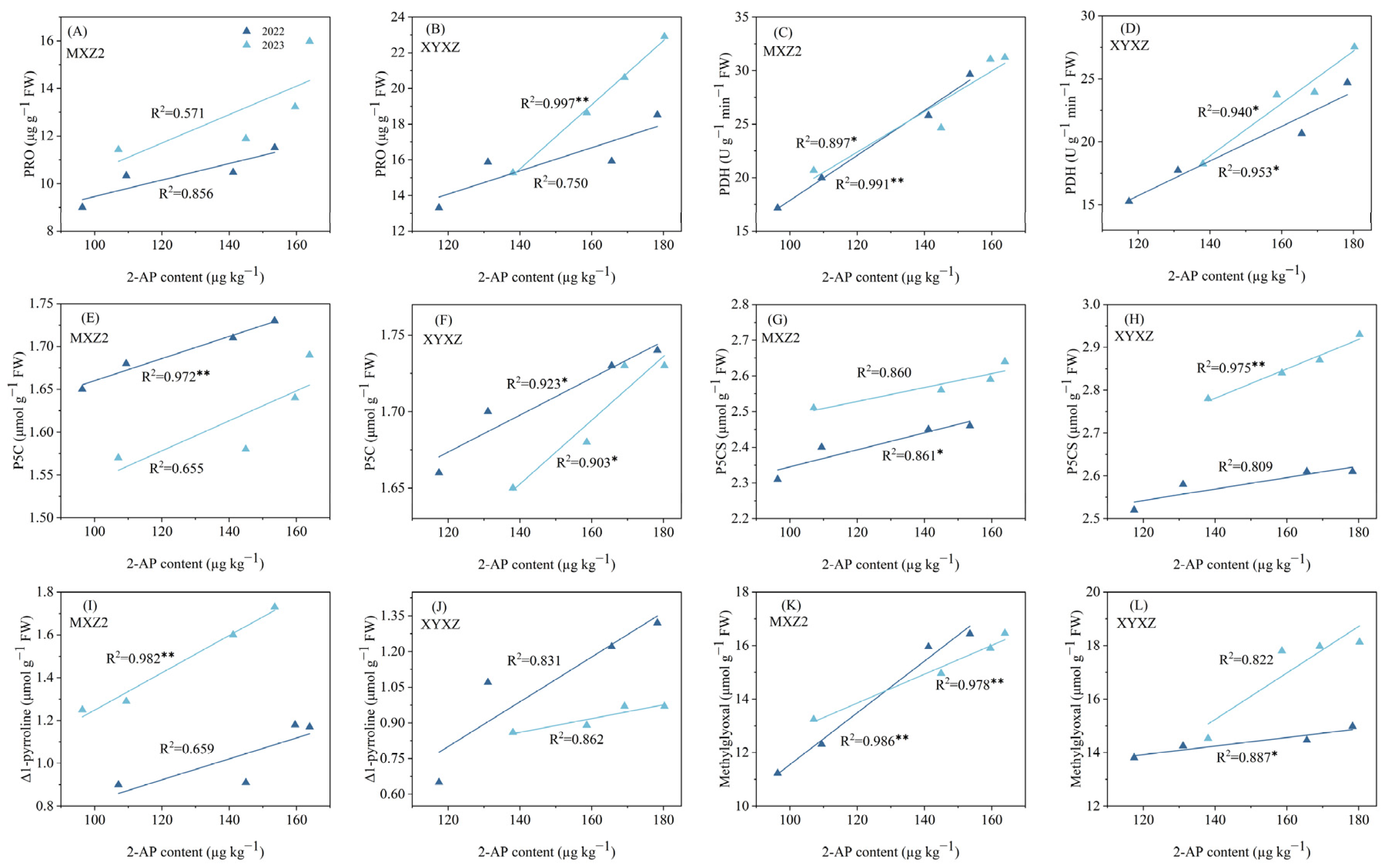
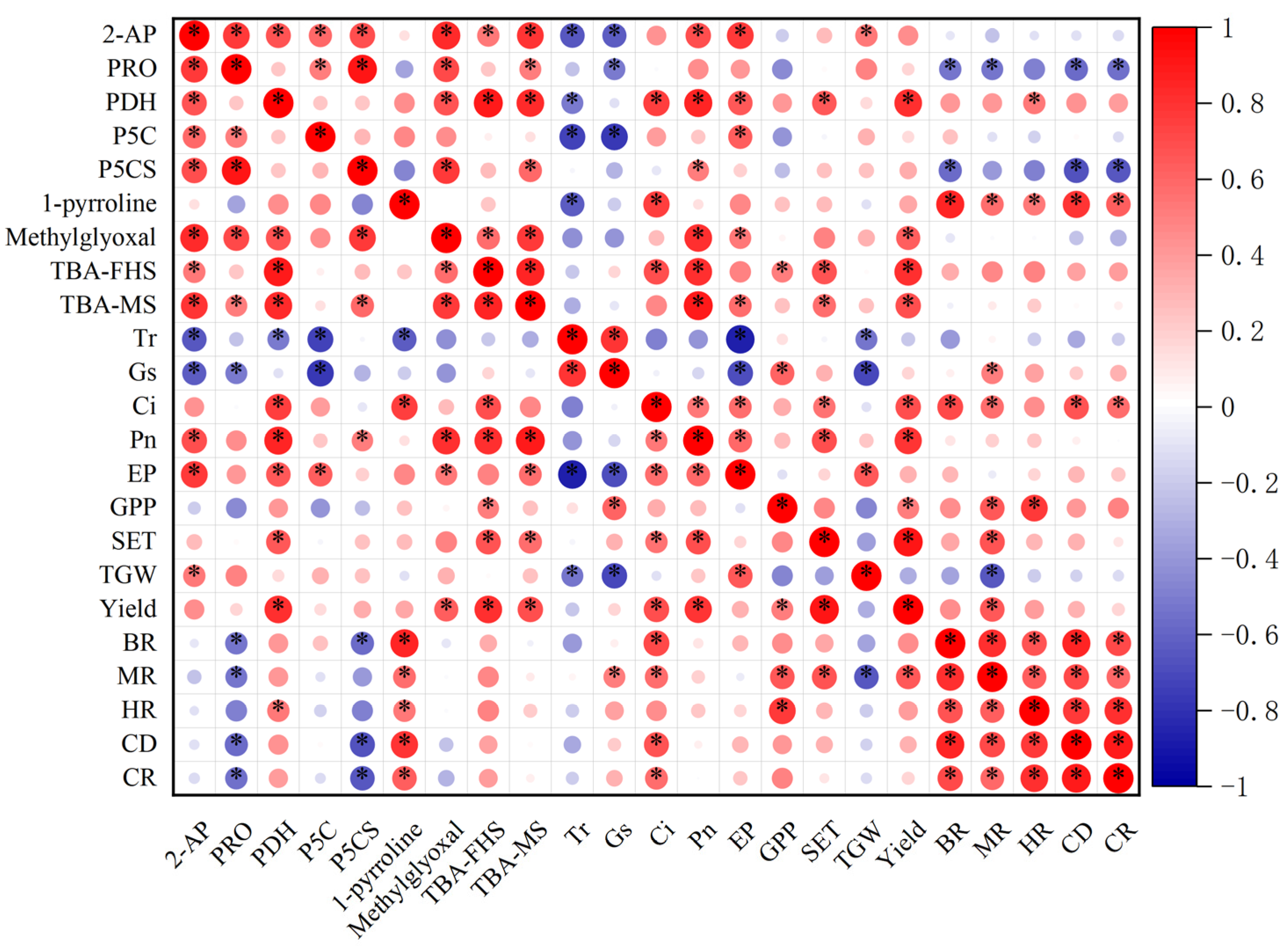
With the existing model of chemical fertilizer application faces, improving grain yield and quality is challenging. Fragrant rice is known for its distinctive aroma and flavor, but it generally produces less grain than non-fragrant rice varieties. Limited research has been conducted on the potential of biochar as a solution for increasing the grain yield of fragrant rice. In a two-year field trial conducted in 2022 and 2023, two fragrant rice cultivars, Meixiangzhan2 (MXZ2) and Xiangyaxiangzhan (XYXZ), were selected as the experimental materials. These rice cultivars were subjected to four different rates of biochar application: no biochar treatment(T1); biochar with 0.375 t ha−1 (T2); biochar with 0.75 t ha−1 (T3); and biochar with 1.50 t ha−1 (T4). The results showed that the grain yield of both cultivars increased to an extent in both 2022 and 2023 (an 8.57–33.77% increase for MXZ2; a 6.00–21.59% increase for XYXZ). Furthermore, under the T2, T3, and T4 treatments, there was an increase in the number of effective panicles, seed setting rate, 1000-grain weight, biomass accumulation, net photosynthetic rate, and intercellular CO2 concentration. However, the transpiration rate and stomatal conductance decreased. The content of 2-acetyl-1-pyrroline (2-AP) increased with an increased rate of biochar application, and the highest content was observed under the T4 treatment (153.54–178.32 µg kg−1 in 2022; 163.93–180.28 µg kg−1 in 2023). The activities of proline dehydrogenase (PDH) and 1-pyrrolin-5-carboxylic acid synthase (P5CS), as well as the contents of proline (PRO), 1-pyrrolin-5-carboxylic acid (P5C), ∆1-pyrroline, and methylglyoxal, were improved under the T2, T3, and T4 treatments compared to the T1 treatment. Moreover, under the T2, T3, and T4 treatments, the brown rice rate, milled rice rate, and head rice rate increased, while the chalkiness degree and chalk rice rate decreased. Our correlation analysis showed that grain yield was positively correlated with total biomass accumulation, the number of grains per panicle, and the seed setting rate. Additionally, the content of 2-AP showed positive correlations with PRO, P5C, ∆1-pyrroline and methylglyoxal, and the activities of PDH and P5CS. In conclusion, applying biochar at a rate of 1.5 t ha−1 can be more effective in increasing the grain yield and 2-AP content of fragrant rice.
Keywords: biochar; fragrant rice; yield; 2-acetyl-1-pyrroline; grain quality biochar; fragrant rice; yield; 2-acetyl-1-pyrroline; grain quality