Article

Lucerne (Medicago sativa L.) Persistence Remains Unchanged under Variable Cutting Regimes


1
Agriculture Victoria, Department of Jobs, Precincts and Regions, 124 Chiltern Valley Road, Rutherglen 3685, Victoria, Australia
2
Agriculture Victoria, Department of Jobs, Precincts and Regions, 915 Mount Napier Road, Hamilton 3300, Victoria, Australia
3
Jeff Hirth Editorial and Agronomic Services, 182 Anzac Road, Springhurst 3682, Victoria, Australia
4
Formerly Agriculture Victoria, Department of Jobs, Precincts and Regions, 915 Mount Napier Road, Hamilton 3300, Victoria, Australia
*
Author to whom correspondence should be addressed.
Agronomy 2020, 10(6), 844; https://doi.org/10.3390/agronomy10060844

Submission received: 14 April 2020 / Revised: 15 May 2020 / Accepted: 9 June 2020 / Published: 13 June 2020
(This article belongs to the Section Grassland and Pasture Science)

Abstract

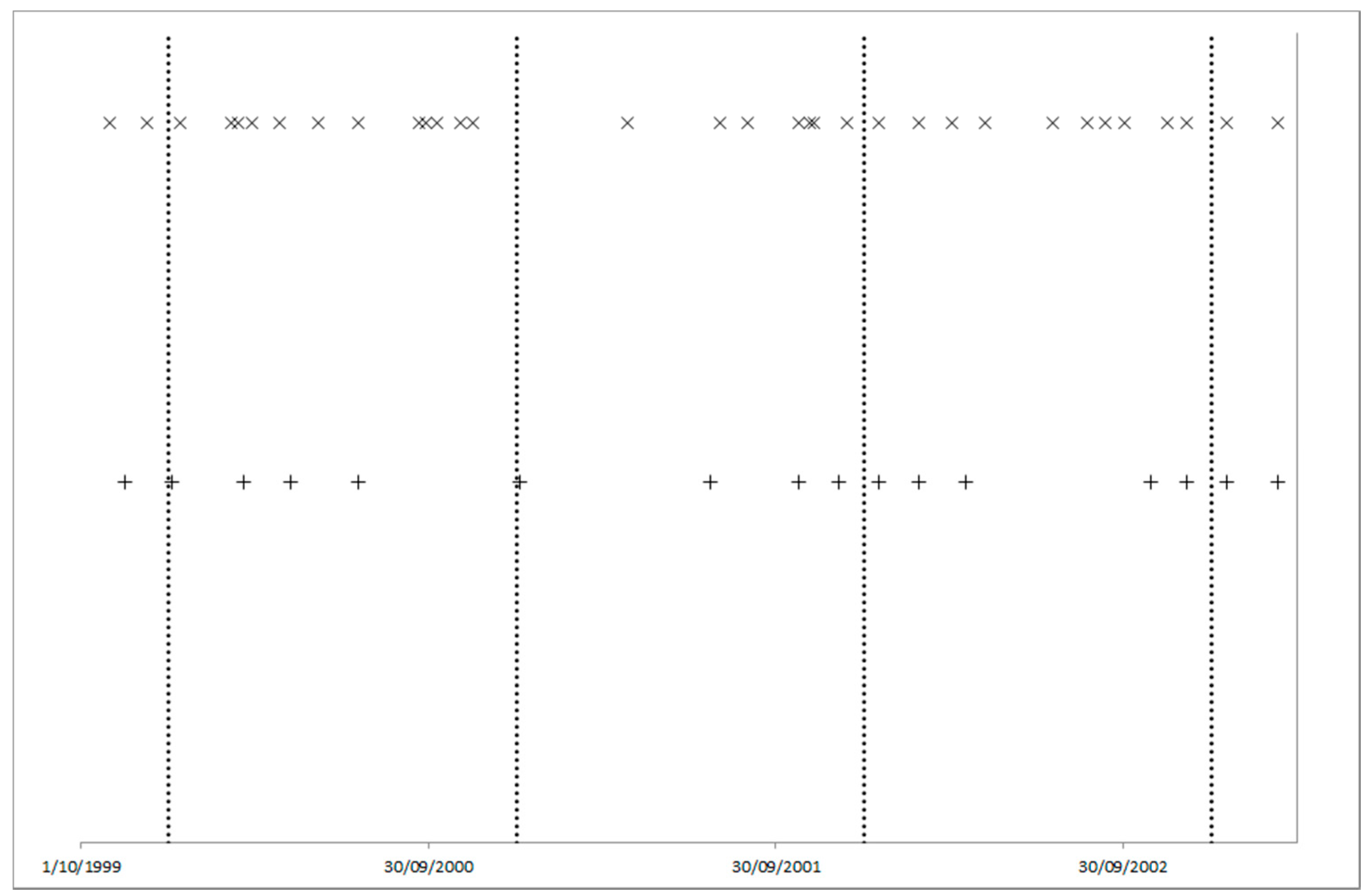
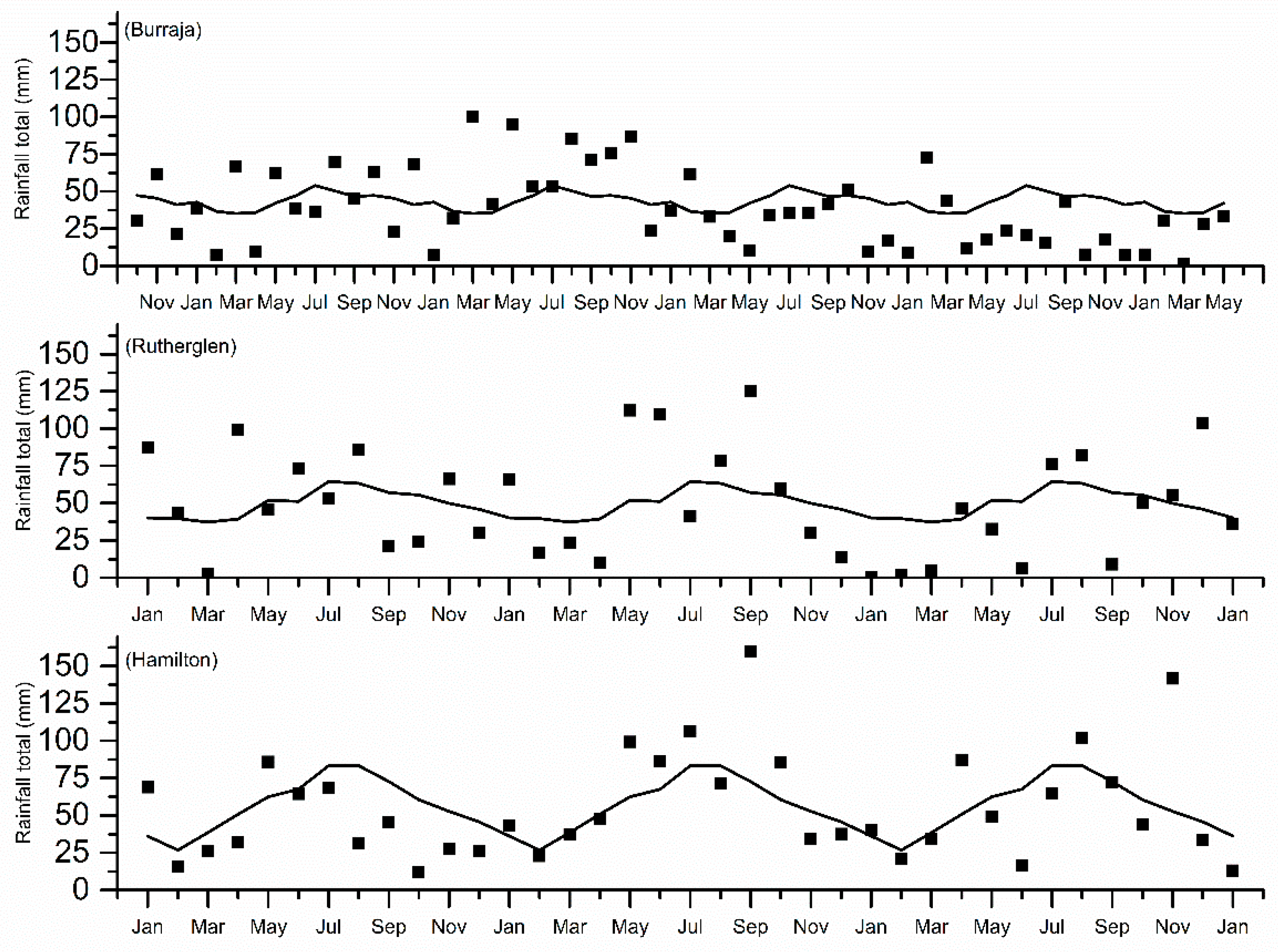
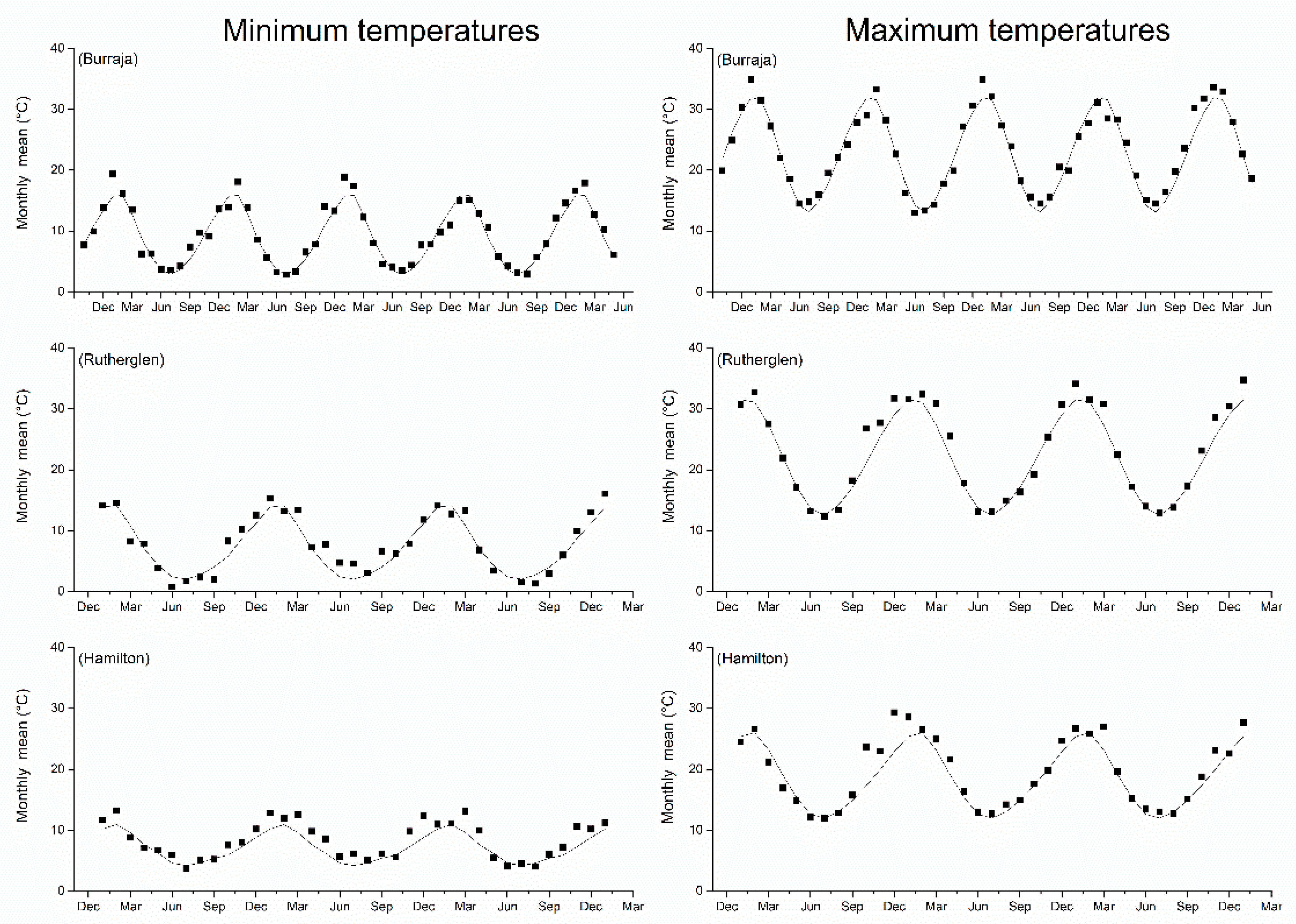
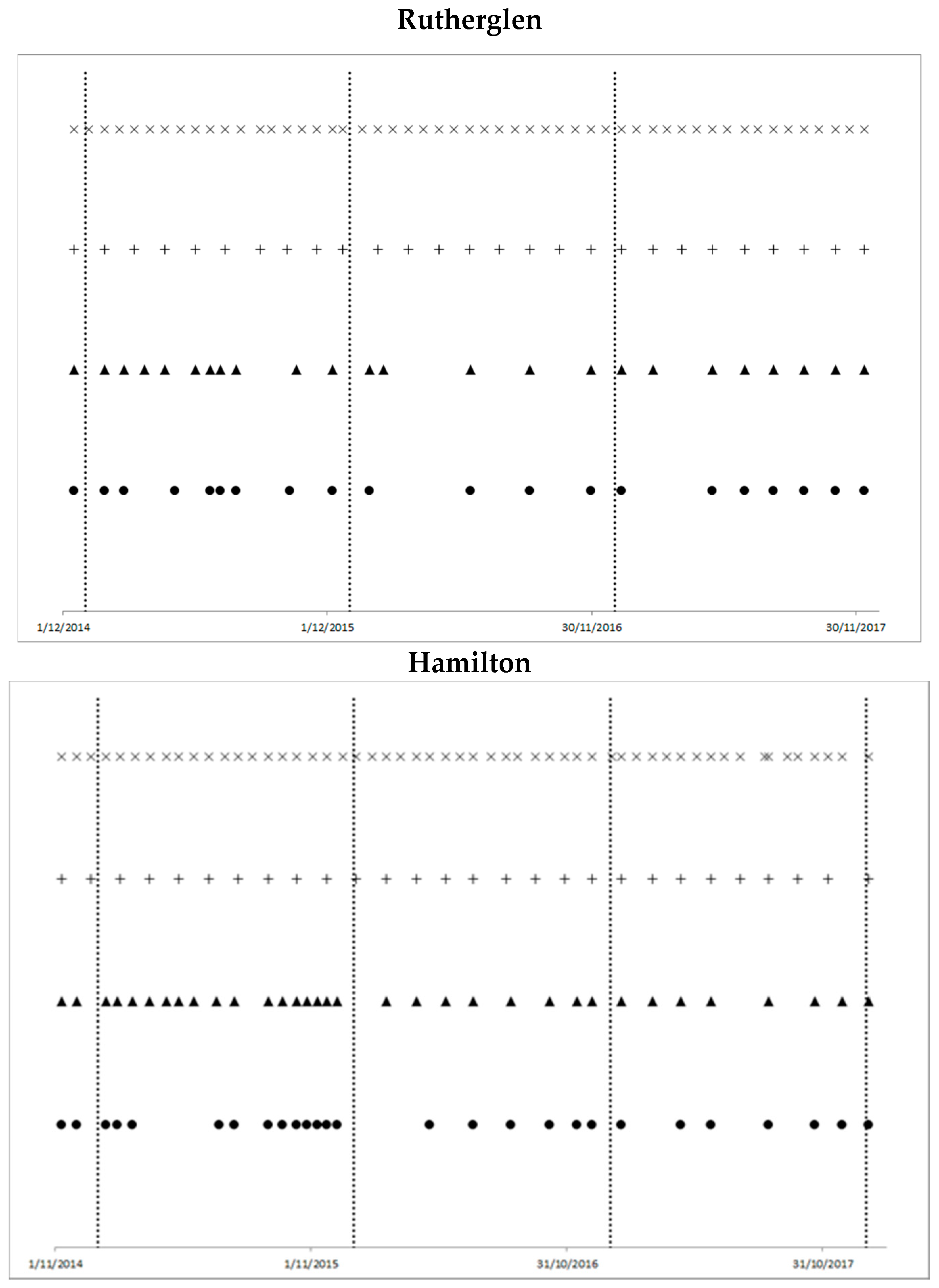
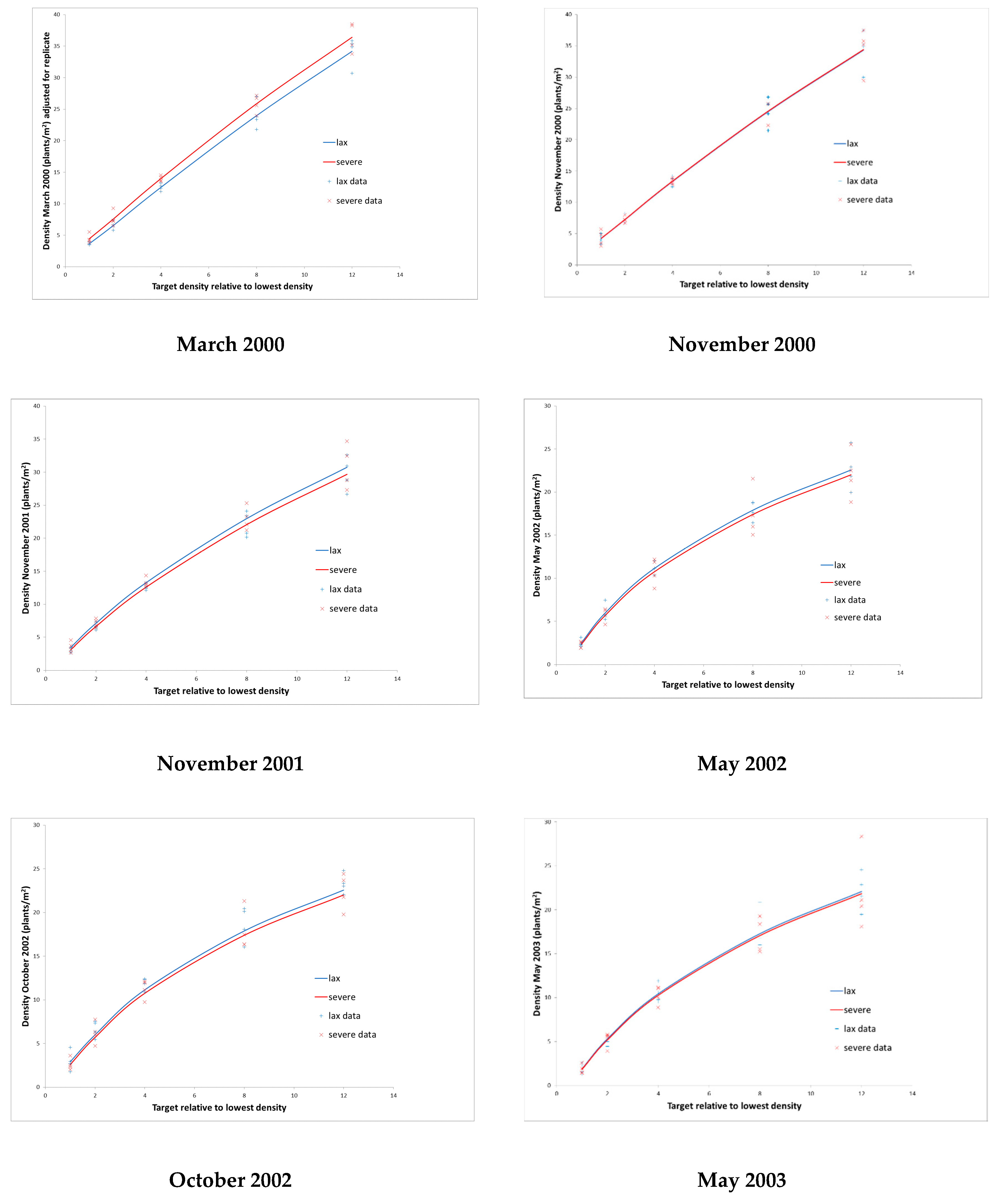
Lucerne (Medicago sativa L.) persistence is important for farming systems in south east Australia. Defoliation of lucerne that is too frequent (arguably more than once every six weeks) reduces yield and accelerates stand decline. Three experiments were conducted in south east Australia (Burraja, New South Wales; Rutherglen and Hamilton, Victoria) to investigate different cutting regimes on lucerne persistence. At Burraja lucerne was cut 16 (lax) or 33 (severe) times over three years at different plant densities. At Rutherglen and Hamilton lucerne was cut every 21 days (short rotation), every 42 days (long rotation), when new shoots (2.5 cm long) emerged (new shoots) or cutting when new shoots emerged but allowing the lucerne to flower in autumn (new shoots flowering). It was hypothesised that the frequent cutting of lucerne would result in lower plant densities. At Burraja there was little difference between treatments at any density or assessment. At Hamilton, apart from the assessment in June 2016, there was no difference (p > 0.1) between treatments. At Rutherglen, there was no difference (p > 0.1) between treatments at any assessment although plant numbers declined in 2016 from waterlogging. The results provide evidence that lucerne has intrinsic mechanisms that protect it from cutting, often at short intervals, thus promoting its persistence over three to four-year periods.
Keywords: alfalfa/lucerne; defoliation; density; farming system alfalfa/lucerne; defoliation; density; farming system