Preparation and Performance Evaluation of High-Temperature Resistant Acrylamide/Vinylpyrrolidone Copolymer-Based Gel System

Abstract
1. Introduction
2. Experimental Section
2.1. Materials
2.2. Preparation and Characterization
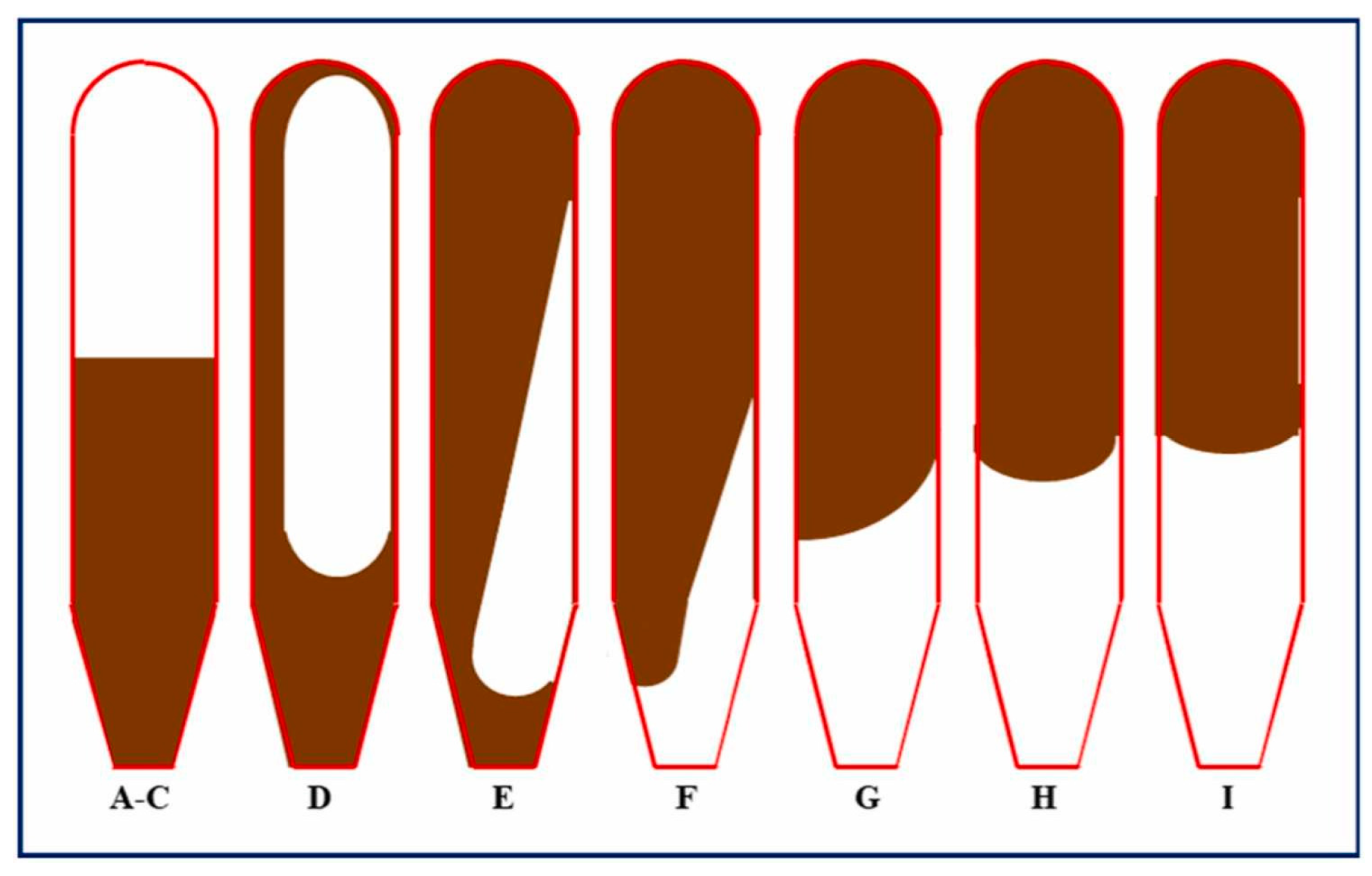
2.2.1. Gel Preparation and Gelation Behavior Characterization
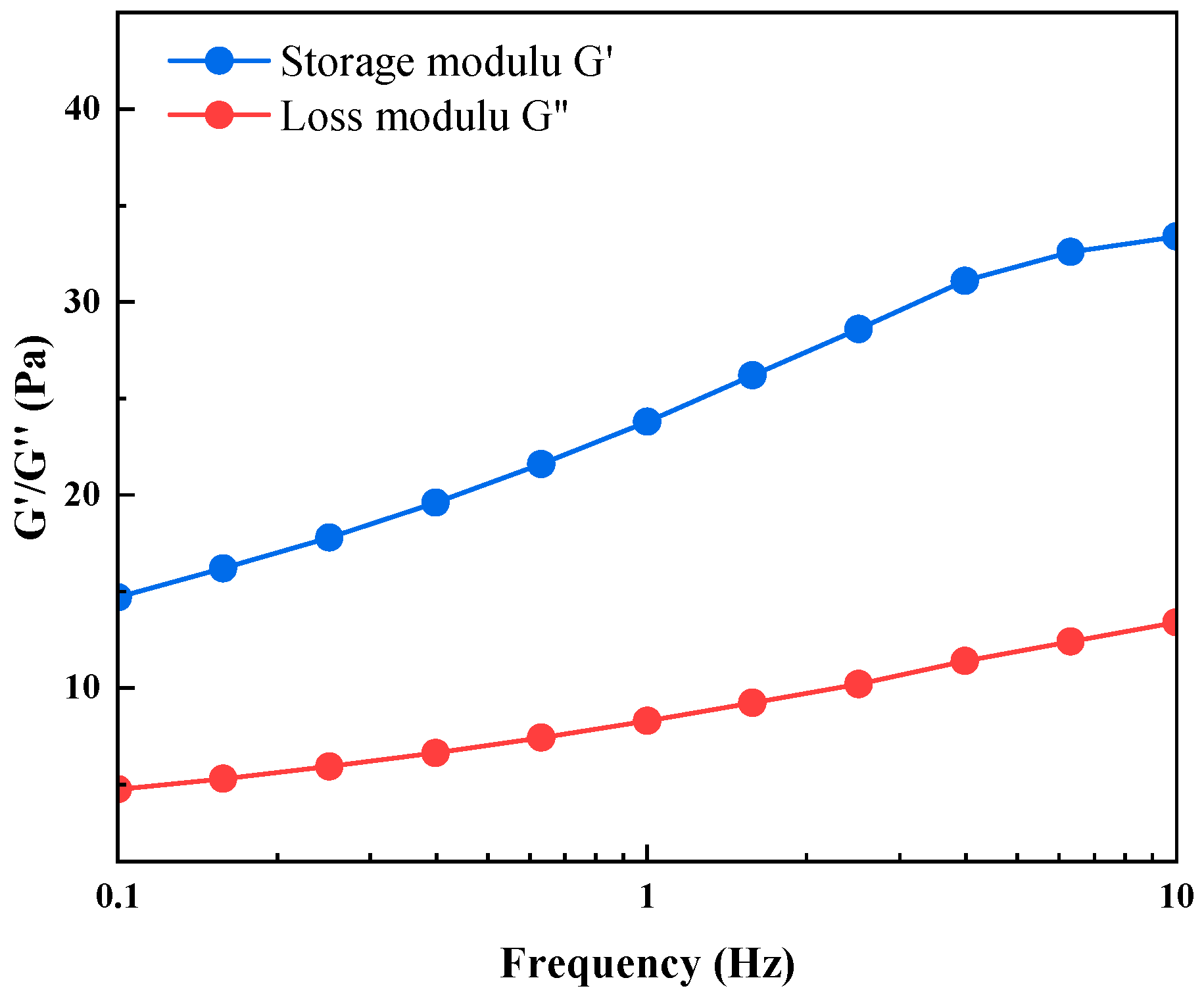
2.2.2. Viscoelasticity Measurements
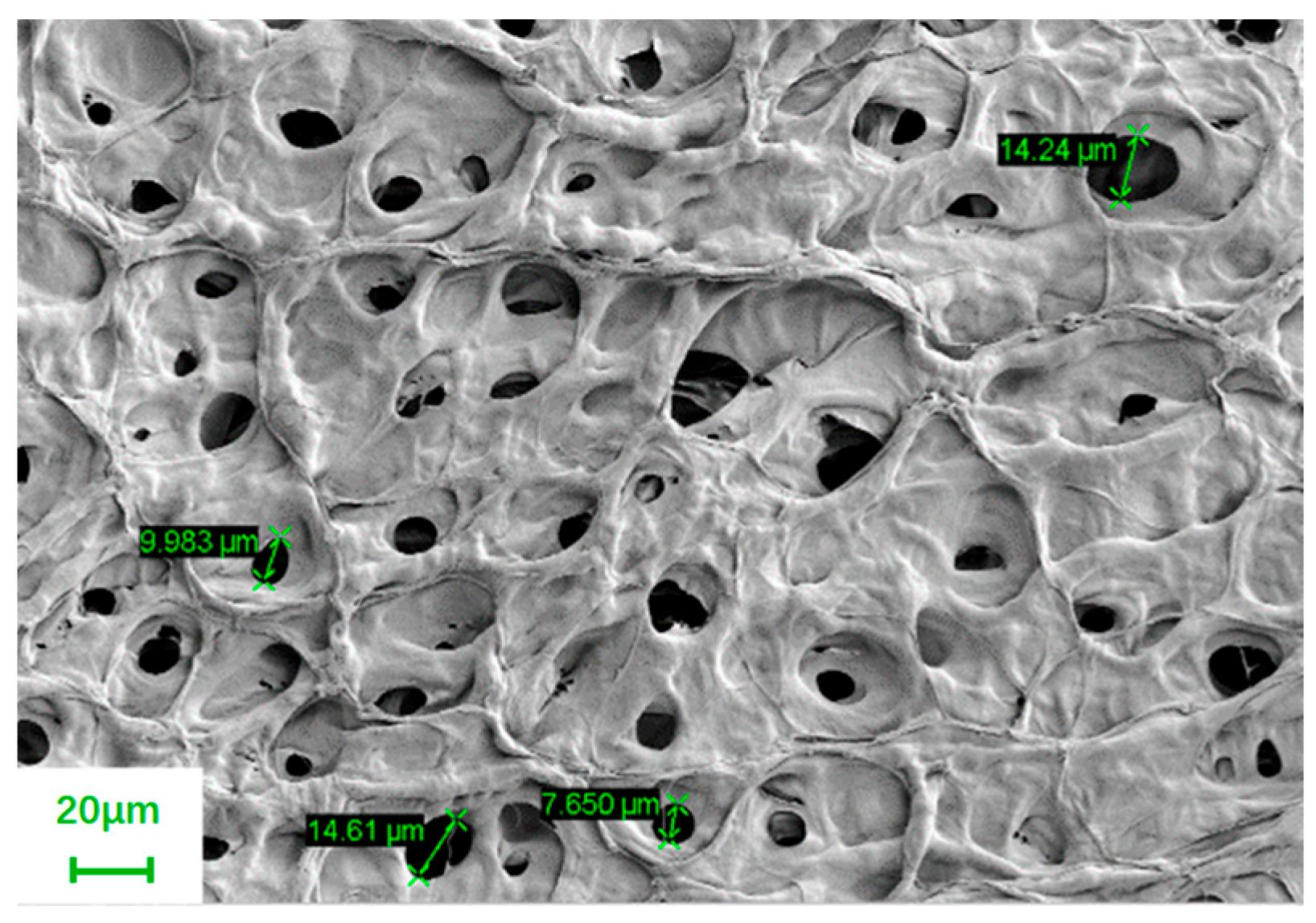
2.2.3. SEM Analysis
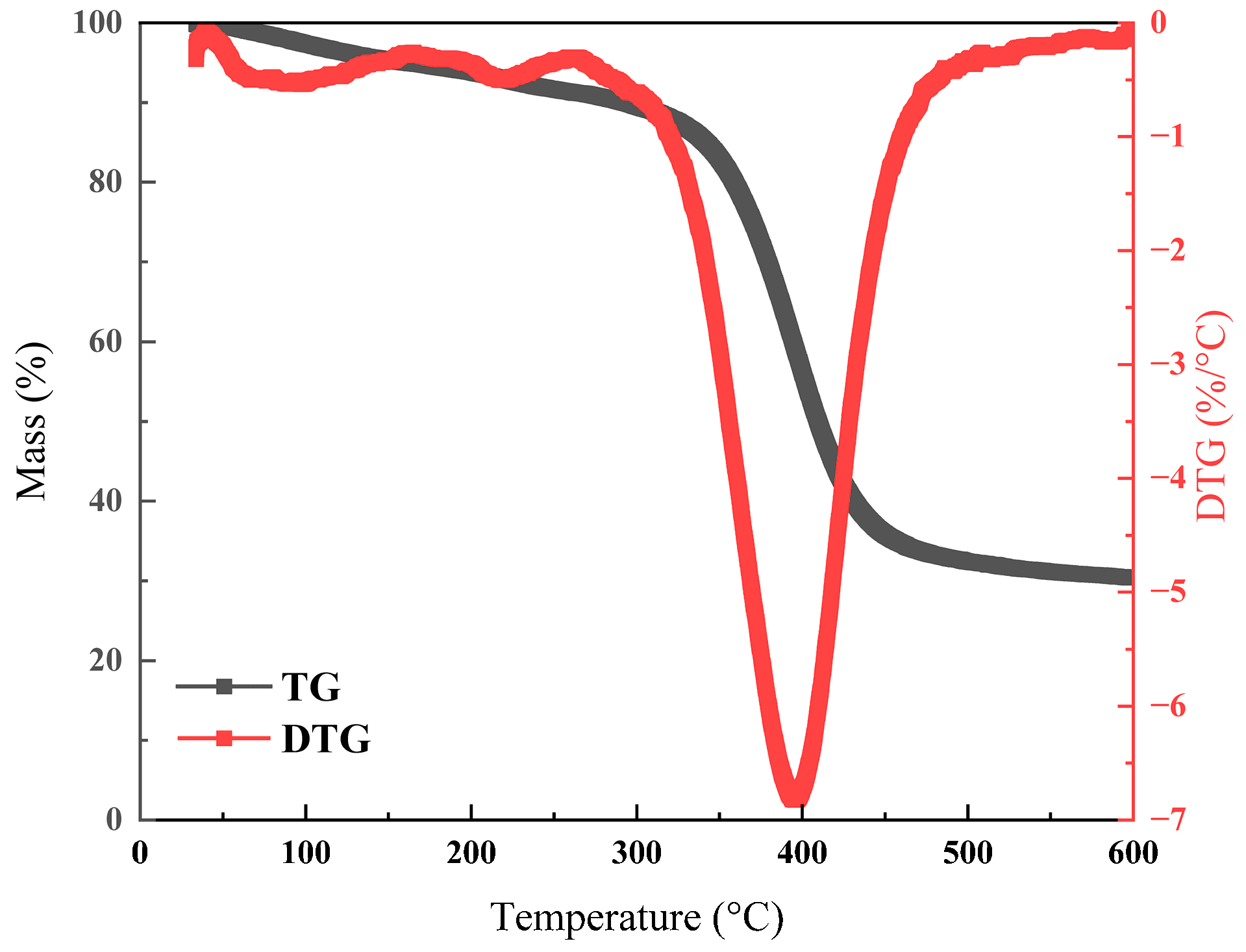
2.2.4. TGA Analysis
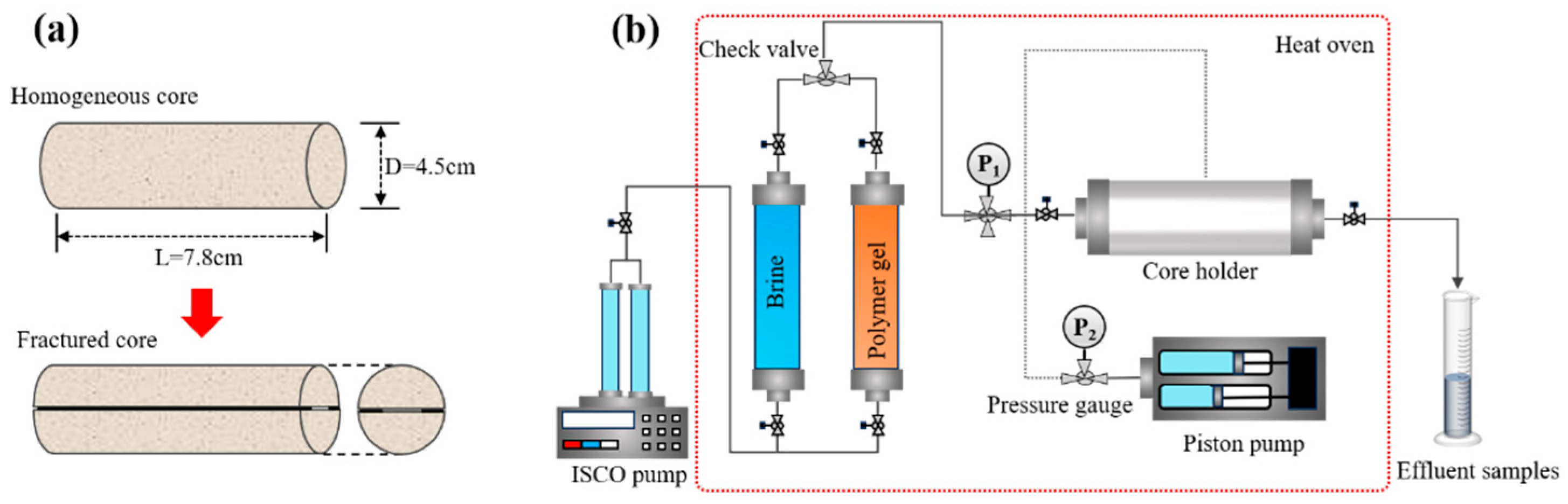
2.3. Core Plugging Experiments
- (1)
- Saturate dried homogeneous core with brine after vacuuming, and calculate pore volume and porosity through mass balance.
- (2)
- Inject brine into the core at 0.3 mL/min, record the pressure difference () between inlet and outlet of the core-holder and calculate matrix permeability () according to Darcy’s law.
- (3)
- Inject gelant solution into the core at 0.3 mL/min, record the pressure difference () and calculate resistance factor () according to Equation (1).
- (4)
- Initial permeability of fractured core () before plugging is calculated according to step (1) and (2).
- (5)
- Put the fracture core with 1 FV (fracture volume) gelant solution into oven at 150 °C for aging for 5 d to obtain complete gelation.
- (6)
- Inject brine into the fractured core at 0.3 mL/min, record breakthrough pressure () and stable pressure difference, then calculate permeability of fractured core with gel (), breakthrough pressure gradient () and plugging rate () according to Equation (2) and Equation (3), respectively.
- (7)
- After plugging experiment, remove the PTFE sheets, measure the matrix permeability () of core and calculate damage rate () to matrix permeability.
3. Results and Discussion
3.1. Gelation Performance
3.1.1. Screening of High-Temperature Crosslinker Type
3.1.2. Screening of Crosslinker Concentration
3.2. Viscoelasticity Properties of Gel
3.3. Microstructure of Gel
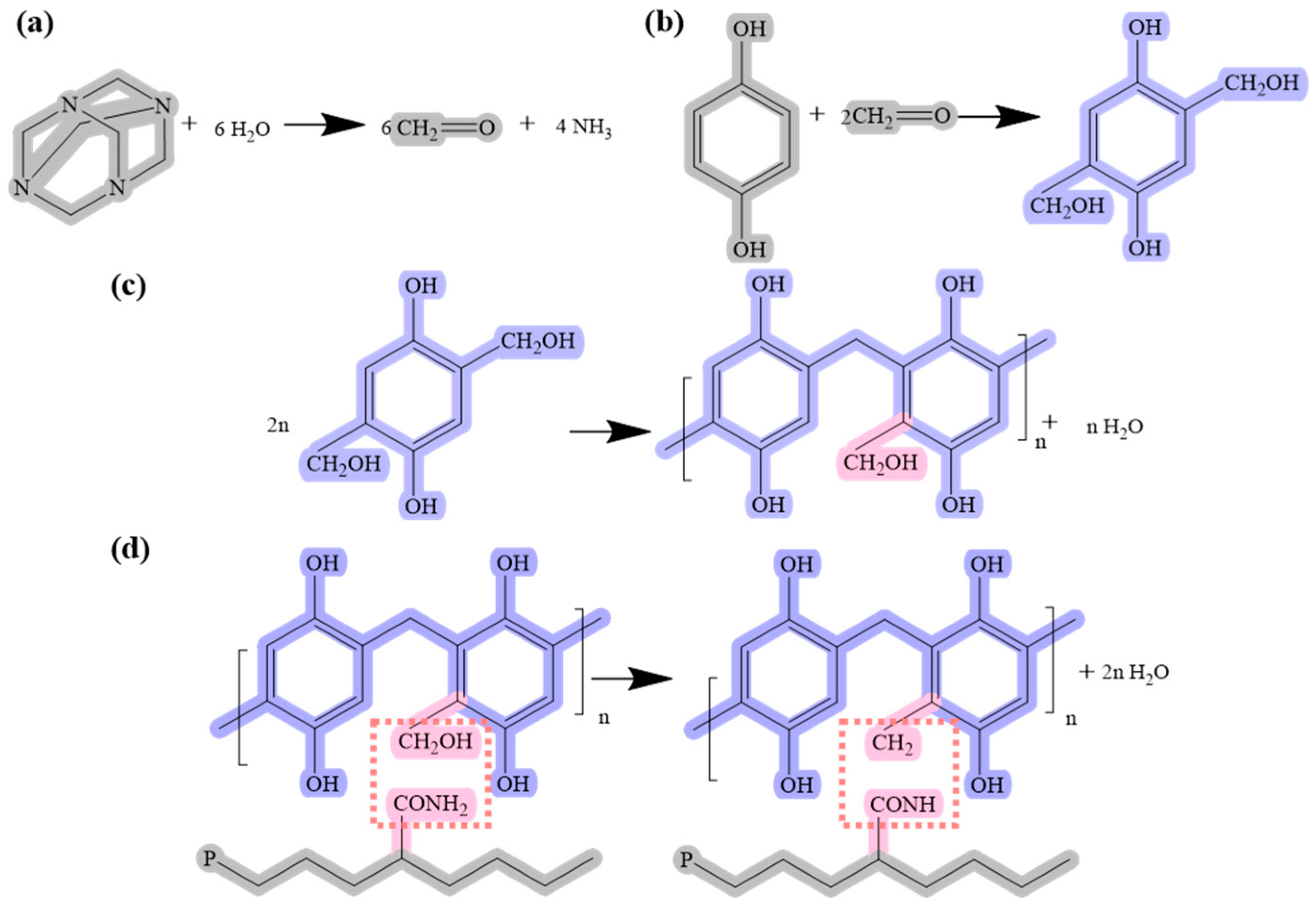
3.4. Thermal Stability Mechanism of Gel
3.5. Plugging Performance of Gel
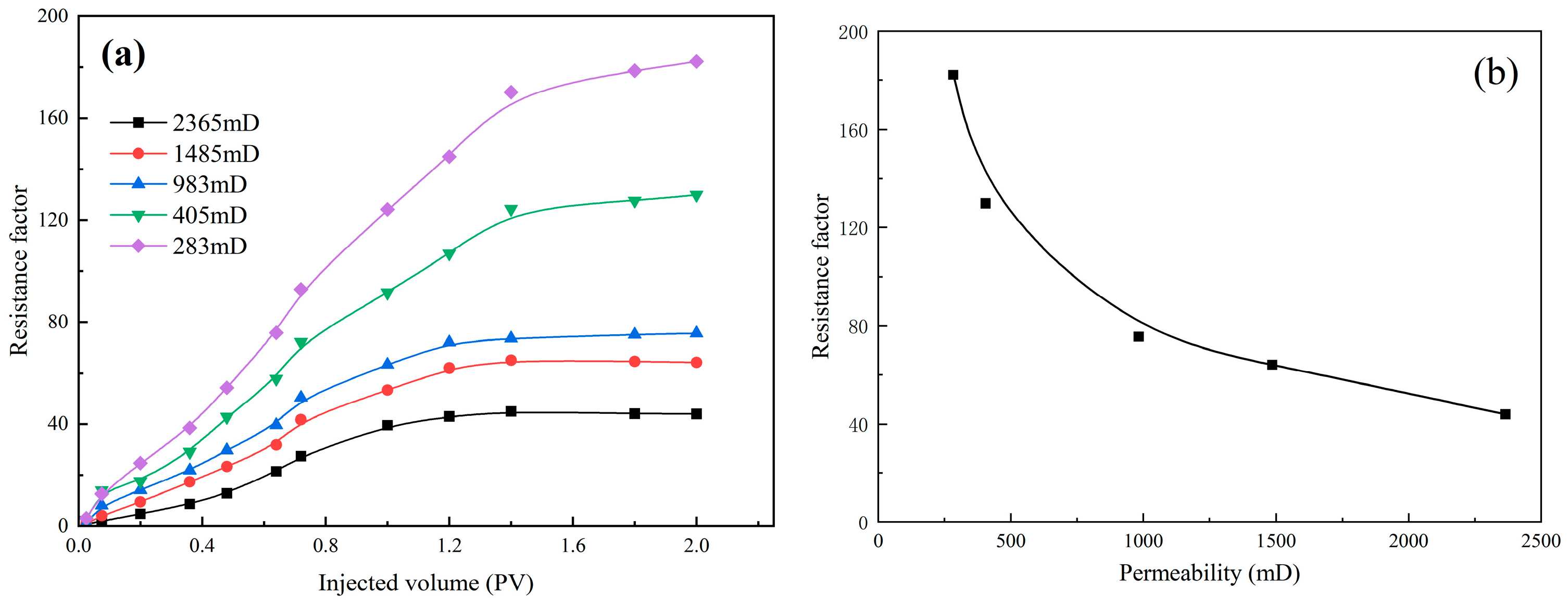
3.5.1. Injectivity of Gel in Homogenous Cores
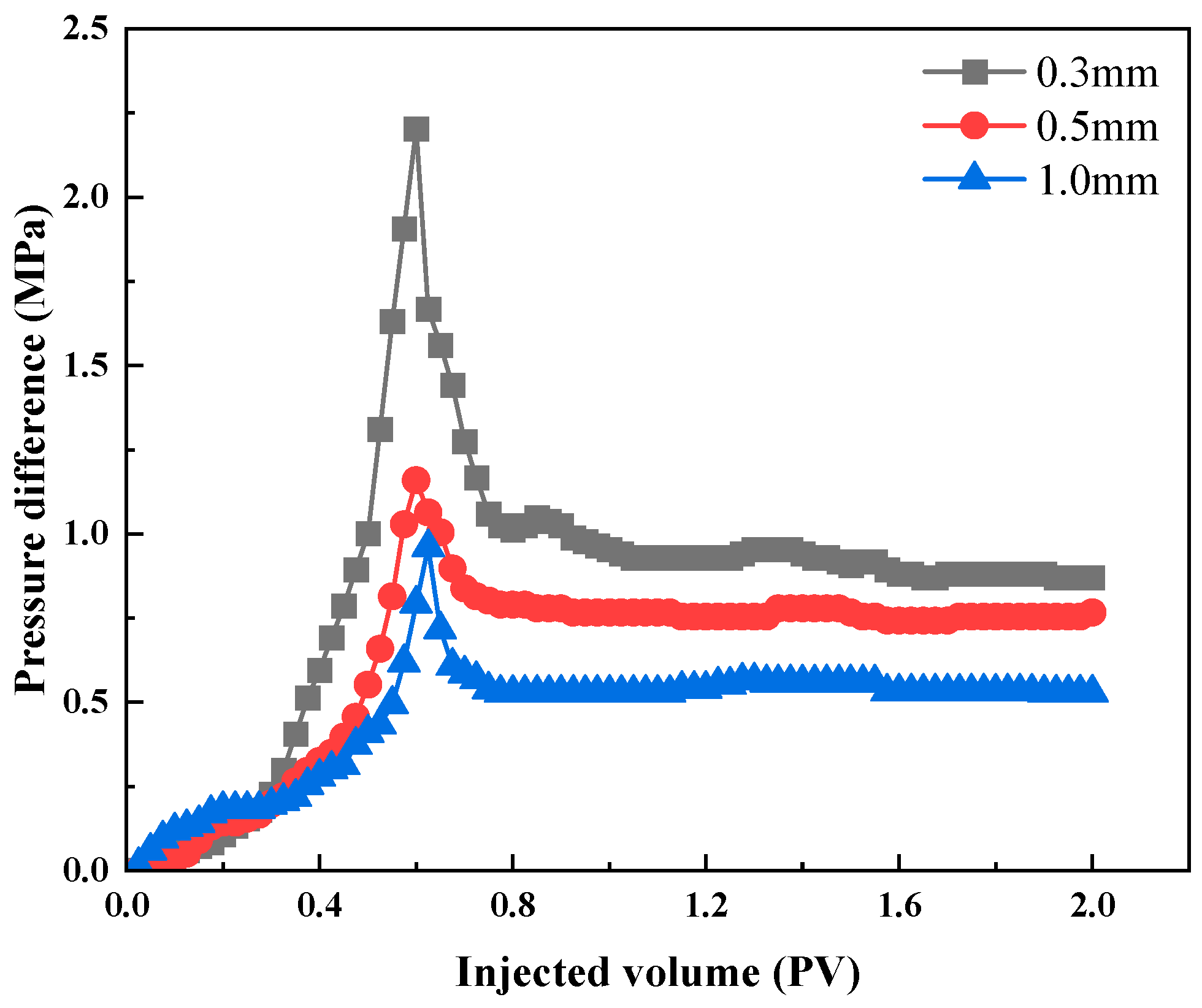
3.5.2. Plugging Effect of Gel on Fractured Cores
4. Conclusions
Supplementary Materials
Author Contributions
Funding
Institutional Review Board Statement
Data Availability Statement
Acknowledgments
Conflicts of Interest
References
- Zhao, Y.; Lu, G.; Zhang, L.; Yang, K.; Li, X.; Luo, J. Physical simulation of waterflooding development in large-scale fractured-vuggy reservoir considering filling characteristics. J. Pet. Sci. Eng. 2020, 191, 107328. [Google Scholar] [CrossRef]
- Sun, Y.; Fang, Y.; Chen, A.; You, Q.; Dai, C.; Cheng, R.; Liu, Y. Gelation behavior study of a resorcinol-hexamethyleneteramine crosslinked polymer gel for water shut-off treatment in low temperature and high salinity reservoirs. Energies 2017, 10, 913. [Google Scholar] [CrossRef]
- Jamaloei, B.Y.; Babolmorad, R.; Kharrat, R. Visualization and analysis of viscous fingering in alcohol-assisted surfactant waterflooding of heavy oil in a two-dimensional sandstone micromodel. Fuel 2016, 184, 169–179. [Google Scholar] [CrossRef]
- Wei, B.; Liu, J.; Zhang, X.; Xiang, H.; Zou, P.; Cao, J.; Bai, M. Nuclear Magnetic Resonance (NMR) mapping of remaining oil distribution during sequential rate waterflooding processes for improving oil recovery. J. Pet. Sci. Eng. 2020, 190, 107102. [Google Scholar] [CrossRef]
- Mai, A.; Kantzas, A. Heavy oil waterflooding: Effects of flow rate and oil viscosity. J. Can. Pet. Technol. 2007, 48, 42–51. [Google Scholar] [CrossRef]
- Wei, J.; Zhou, X.; Shi, X.; Gong, P.; Chen, Y.; Wang, Y.; Fu, P.; Yakushev, V.S.; Khaidina, M.P.; Zhang, D.; et al. Remaining oil distribution and recovery performances with waterflooding and surfactant-polymer flooding: An experimental investigation. Int. J. Hydrogen Energy 2023, 48, 8430–8439. [Google Scholar] [CrossRef]
- Miller, K.A. Improving the state of the art of Western Canadian heavy oil waterflood technology. J. Can. Pet. Technol. 2006, 45, 7–11. [Google Scholar] [CrossRef]
- Bai, B.; Zhou, J.; Yin, M. A comprehensive review of polyacrylamide polymer gels for conformance control. Pet. Explor. Dev. 2015, 42, 525–532. [Google Scholar] [CrossRef]
- Jamaloei, B.Y.; Babolmorad, R.; Kharrat, R. Correlations of viscous fingering in heavy oil waterflooding. Fuel 2016, 179, 97–102. [Google Scholar] [CrossRef]
- Fang, Y.; Yang, E.; Cui, X. Study on Profile Control and Water Shut-Off Performance of Interpenetrating Network Polymer Gel Composite System in Shallow Low Temperature Fractured Oil Layer. ChemistrySelect 2019, 4, 8158–8164. [Google Scholar] [CrossRef]
- Singh, R.; Mahto, V. Study of the polymer concentration and polymer/crosslinker ratio effect on gelation time of a novel grafted polymer gel for water shutoff using a central composite design method. Polym. Adv. Technol. 2016, 27, 204–212. [Google Scholar] [CrossRef]
- Sengupta, B.; Sharma, V.P.; Udayabhanu, G. Gelation studies of an organically cross-linked polyacrylamide water shut-off gel system at different temperatures and pH. J. Pet. Sci. Eng. 2012, 81, 145–150. [Google Scholar] [CrossRef]
- Jia, H.; Pu, W.F.; Zhao, J.Z.; Jin, F.Y. Research on the gelation performance of low toxic PEI cross-linking PHPAM gel systems as water shutoff agents in low temperature reservoirs. Ind. Eng. Chem. Res. 2010, 49, 9618–9624. [Google Scholar] [CrossRef]
- Pérez, D.; Fragachán, F.E.; Ramírez Barrera, A.; Féraud, J.P. Applications of polymer gel for establishing zonal isolations and water shutoff in carbonate formations. SPE Drill. Complet. 2001, 16, 182–189. [Google Scholar] [CrossRef]
- Leighton, J.; Saltel, J.L.; Morrison, J.; Welch, R.; Pilla, J. Water Shutoff Using an Inflatable Composite Sleeve Polymerized In-Situ: A Case History on Forties Delta. SPE Prod. Facil. 2001, 16, 97–105. [Google Scholar] [CrossRef]
- Liang, S.; Fang, T.; Xiong, W.; Ding, B.; Yan, Y.; Zhang, J. Oil detachment by modified nanoparticles: A molecular dynamics simulation study. Comput. Mater. Sci. 2019, 170, 109177. [Google Scholar] [CrossRef]
- Abedi Lenji, M.; Haghshenasfard, M.; Vafaie Sefti, M.; Baghban Salehi, M.; Mousavi Moghadam, A. Numerical modeling and experimental investigation of inorganic and organic crosslinkers effects on polymer gel properties. J. Pet. Sci. Eng. 2018, 160, 160–169. [Google Scholar] [CrossRef]
- Gaillard, N.; Giovannetti, B.; Favero, C. Improved oil recovery using thermally and chemically protected compositions based on co- and ter-polymers containing acrylamide. In Proceedings of the SPE Improved Oil Recovery Symposium, Tulsa, OK, USA, 24–28 April 2010; Volume 1, pp. 629–639. [Google Scholar] [CrossRef]
- Kelly, C.; Cleocir, J.; Edson, J.; Andreas, N. Thermal Degradation and Rheological Behavior of XanthanGum: Kinetics, Mechanism, and Aging Effects. Chem. Sel. 2025, 10, e00855. [Google Scholar] [CrossRef]
- Seright, R.S.; Henrici, B.J. Xanthan Stability At Elevated Temperatures. Soc. Pet. Eng. AIME SPE 1986, 2, 285–299. [Google Scholar] [CrossRef]
- Doe, P.H.; Moradi-Araghi, A.; Shaw, J.E.; Stahl, G.A. Development and Evaluation of Eor Polymers Suitable for Hostile Environments—Part 1: Copolymers of Vinylpyrrolidone and Acrylamide. SPE Reserv. Eng. 1987, 2, 461–467. [Google Scholar] [CrossRef]
- Jouenne, S. Polymer flooding in high temperature, high salinity conditions: Selection of polymer type and polymer chemistry, thermal stability. J. Pet. Sci. Eng. 2020, 195, 107545. [Google Scholar] [CrossRef]
- El Karsani, K.S.M.; Al-Muntasheri, G.A.; Sultan, A.S.; Hussein, I.A. Impact of salts on polyacrylamide hydrolysis and gelation: New insights. J. Appl. Polym. Sci. 2014, 131, 1–11. [Google Scholar] [CrossRef]
- Karimi, S.; Kazemi, S.; Kazemi, N. Syneresis measurement of the HPAM-Cr (III) gel polymer at different conditions: An experimental investigation. J. Nat. Gas Sci. Eng. 2016, 34, 1027–1033. [Google Scholar] [CrossRef]
- Jia, H.; Chen, H. Using DSC technique to investigate the non-isothermal gelation kinetics of the multi-crosslinked Chromium acetate (Cr3+)-Polyethyleneimine (PEI)-Polymer gel sealant. J. Pet. Sci. Eng. 2018, 165, 105–113. [Google Scholar] [CrossRef]
- Willhite, G.P.; Pancake, R.E. Controlling water production using gelled polymer systems. SPE Reserv. Eval. Eng. 2008, 11, 454–465. [Google Scholar] [CrossRef]
- Cordova, M.; Cheng, M.; Trejo, J.; Johnson, S.J.; Willhite, G.P.; Liang, J.T.; Berkland, C. Delayed HPAM gelation via transient sequestration of chromium in polyelectrolyte complex nanoparticles. Macromolecules 2008, 41, 4398–4404. [Google Scholar] [CrossRef]
- Fang, J.; Zhang, X.; He, L.; Zhao, G.; Dai, C. Experimental research of hydroquinone (HQ)/hexamethylene tetramine (HMTA) gel for water plugging treatments in high-temperature and high-salinity reservoirs. J. Appl. Polym. Sci. 2017, 134, 1–9. [Google Scholar] [CrossRef]
- Moradi-araghi, A. A review of thermally stable gels for fluid diversion in petroleum production. J. Pet. Sci. Eng. 2000, 26, 1–10. [Google Scholar] [CrossRef]
- Nijenhuis, K.T.; Mensert, A.; Zitha, P.L.J. Viscoelastic behaviour of partly hydrolysed polyacrylamide/chromium(III) gels. Rheol. Acta 2003, 42, 132–141. [Google Scholar] [CrossRef]
- Zhu, D.; Bai, B.; Hou, J. Polymer Gel Systems for Water Management in High-Temperature Petroleum Reservoirs: A Chemical Review. Energy Fuels 2017, 31, 13063–13087. [Google Scholar] [CrossRef]
- Albonico, P.; Bartosek, M.; Malandrino, A.; Bryant, S.; Lockhart, T.P. Studies on Phenol-Formaldehyde Crosslinked Polymer Gels in Bulk and in Porous Media. SPE J. 1995, 28983, 403–415. [Google Scholar] [CrossRef]
- Al Brahim, A.; Bai, B.; Schuman, T. Comprehensive Review of Polymer and Polymer Gel Treatments for Natural Gas-Related Conformance Control. Gels 2022, 8, 353. [Google Scholar] [CrossRef]
- Brattekås, B.; Pedersen, S.G.; Nistov, H.T.; Haugen, A.; Graue, A.; Liang, J.T.; Seright, R.S. Washout of Cr(III)-acetate-HPAM gels from fractures: Effect of gel state during placement. SPE Prod. Oper. 2015, 30, 99–109. [Google Scholar] [CrossRef]
- Hutchins, R.D.; Dovan, H.T.; Sandiford, B.B. Field applications of high temperature organic gels for water control. In Proceedings of the SPE/DOE Improved Oil Recovery Symposium, Tulsa, OK, USA, 21–24 April 1996; Volume 2, pp. 419–426. [Google Scholar] [CrossRef]
- Yadav, U.S.; Mahto, V. Investigating the effect of several parameters on the gelation behavior of partially hydrolyzed polyacrylamide-hexamine-hydroquinone gels. Ind. Eng. Chem. Res. 2013, 52, 9532–9537. [Google Scholar] [CrossRef]
- Liu, Y.; Dai, C.; Wang, K.; Zhao, M.; Zhao, G.; Yang, S.; Yan, Z.; You, Q. New insights into the hydroquinone (HQ)-hexamethylenetetramine (HMTA) gel system for water shut-off treatment in high temperature reservoirs. J. Ind. Eng. Chem. 2016, 35, 20–28. [Google Scholar] [CrossRef]
- Al-Muntasheri, G.A.; Nasr-El-Din, H.A.; Peters, J.A.; Zitha, P.L.J. Investigation of a high-temperature organic water-shutoff gel: Reaction mechanisms. SPE J. 2006, 11, 497–504. [Google Scholar] [CrossRef]
- Du, D.; Fang, Z.; Zhang, Y.; Song, M.; Chen, B.; Pu, W.; Xiao, P.; Bai, J.; Jia, H. Preparation and evaluation of copolymers with rigid pendants for enhanced oil recovery in ultra-high temperature and high salinity reservoirs. J. Dispers. Sci. Technol. 2025, 1–12. [Google Scholar] [CrossRef]
- He, H.; Wang, Y.; Zhang, J.; Xu, X.; Zhu, Y.; Bai, S. Comparison of Gelation Behavior and Morphology of Resorcinol–Hexamethylenetetramine–HPAM Gel in Bulk and Porous Media. Transp. Porous Media 2015, 109, 377–392. [Google Scholar] [CrossRef]
- Lu, S.; Liu, Q.; Zhao, G.; Xu, B.; Li, J.; Ni, M.; Dai, C. Preparation and enhancement mechanisms of a novel modified nanographite hybrid polymer gel for profile control in deep reservoirs. Colloids Surf. A 2024, 681, 132774. [Google Scholar] [CrossRef]
- Zhou, B.; Kang, W.; Yang, H.; Li, Z.; Zhang, H.; Zhang, M.; Xie, A.; Sun, Z.; Sarsenbekuly, B. The shear stability mechanism of cyclodextrin polymer and amphiphilic polymer inclusion gels. J. Mol. Liq. 2021, 328, 115399. [Google Scholar] [CrossRef]
- Amir, Z.; Said, I.M.; Jan, B.M. In situ organically cross-linked polymer gel for high-temperature reservoir conformance control: A review. Polym. Adv. Technol. 2019, 30, 13–39. [Google Scholar] [CrossRef]
- Bryant, S.L.; Bartosek, M. Laboratory evaluation of phenol-formaldehyde/polymer gelants for high-temperature applications. J. Pet. Sci. Eng. 1997, 17, 197–209. [Google Scholar] [CrossRef]
- Lazrag, M.; Steiner, E.; Lemaitre, C.; Mutelet, F.; Privat, R.; Rode, S.; Hannachi, A.; Barth, D. Experimental and thermodynamic comparison of the separation of CO2/toluene and CO2/tetralin mixtures in the process of organogel supercritical drying for aerogels production. J. Sol-Gel Sci. Technol. 2017, 84, 453–465. [Google Scholar] [CrossRef]




| Crosslinker | Gelation Time (h) | Gel Strength Code | Gel Strength Code After Aging | Dehydration Percentage (%) |
|---|---|---|---|---|
| Phenol-formaldehyde | 5.5 | G | F | 0 |
| Phenol-HMTA | 7.5 | H | H | 0 |
| RQ-formaldehyde | 2.5 | F | F | 0 |
| RQ-HMTA | 5.5 | G | G | 0 |
| HQ-formaldehyde | 7.5 | G | G | 0 |
| HQ-HMTA | 9.5 | H | H | 0 |
| HMTA Concentration (wt%) | Gelation Time (h) | Gel Strength Code | Gel Strength Code After Aging | Dehydration Rate (%) |
|---|---|---|---|---|
| 0.10 | 20 | F | - | >50 |
| 0.20 | 12 | G | G | 10 |
| 0.30 | 9.5 | H | H | 0 |
| 0.40 | 6 | H | H | 0 |
| 0.55 | 4 | H | F | 10 |
| Fracture Width (mm) | (mD) | (mD) | (MPa) | (MPa/m) | (%) |
|---|---|---|---|---|---|
| 0.3 | 4015 | 27 | 1.90 | 24.32 | 99.33 |
| 0.5 | 7646 | 90 | 1.21 | 15.56 | 98.82 |
| 1.0 | 10,547 | 164 | 0.96 | 12.28 | 98.45 |
| Fracture Width (mm) | (mD) | (mD) | (%) |
|---|---|---|---|
| 0.5 | 65 | 64 | 1.53 |
| 0.5 | 510 | 490 | 3.90 |
| 0.5 | 896 | 850 | 4.98 |
Disclaimer/Publisher’s Note: The statements, opinions and data contained in all publications are solely those of the individual author(s) and contributor(s) and not of MDPI and/or the editor(s). MDPI and/or the editor(s) disclaim responsibility for any injury to people or property resulting from any ideas, methods, instructions or products referred to in the content. |
© 2026 by the authors. Licensee MDPI, Basel, Switzerland. This article is an open access article distributed under the terms and conditions of the Creative Commons Attribution (CC BY) license.
Share and Cite
Yang, Z.; Li, H.; Cao, X.; Wang, H.; Bai, J.; Chen, B.; Fang, Z. Preparation and Performance Evaluation of High-Temperature Resistant Acrylamide/Vinylpyrrolidone Copolymer-Based Gel System. Polymers 2026, 18, 530. https://doi.org/10.3390/polym18040530
Yang Z, Li H, Cao X, Wang H, Bai J, Chen B, Fang Z. Preparation and Performance Evaluation of High-Temperature Resistant Acrylamide/Vinylpyrrolidone Copolymer-Based Gel System. Polymers. 2026; 18(4):530. https://doi.org/10.3390/polym18040530
Chicago/Turabian StyleYang, Zhande, Hua Li, Xiaodong Cao, Hao Wang, Jing Bai, Bowen Chen, and Zezhou Fang. 2026. "Preparation and Performance Evaluation of High-Temperature Resistant Acrylamide/Vinylpyrrolidone Copolymer-Based Gel System" Polymers 18, no. 4: 530. https://doi.org/10.3390/polym18040530
APA StyleYang, Z., Li, H., Cao, X., Wang, H., Bai, J., Chen, B., & Fang, Z. (2026). Preparation and Performance Evaluation of High-Temperature Resistant Acrylamide/Vinylpyrrolidone Copolymer-Based Gel System. Polymers, 18(4), 530. https://doi.org/10.3390/polym18040530