1. Introduction
Postoperative adhesions (POAs) are a common complication, especially Intra-abdominal adhesion is one of the most common and serious postoperative complications following abdominal surgery [
1,
2,
3,
4]. It has been reported that approximately 90% of patients develop adhesions of varying severity after abdominal operations, and about 10–20% of them experience clinically significant complications such as chronic abdominal pain, infertility, and intestinal obstruction [
3,
4]. These postoperative adhesions severely affect patients’ quality of life and impose a considerable healthcare and economic burden. To mitigate adhesion formation, various adhesion barrier products have been developed. These products mainly function by forming a temporary physical barrier at the surgical site to prevent direct contact between injured tissues and to reduce fibrotic responses [
4,
5]. Commonly used commercial products include absorbable films (e.g., Seprafilm
®, Interceed
®), gels or liquid barriers (e.g., Hyalobarrier
® Gel), and powder-type barriers (e.g., Arista™ AH, 4DryField
® PH, HaemoCer™ Plus) [
6,
7,
8,
9,
10,
11,
12].
Each form presents distinct functional characteristics that may influence clinical performance and surgical applicability. Film-type barriers such as Seprafilm
® are designed to provide a physical separator between injured tissue surfaces and have demonstrated efficacy in reducing postoperative adhesions in open surgery; however, they can be difficult to position and deploy through narrow laparoscopic ports and on uneven or concave surfaces, limiting their suitability for minimally invasive procedures [
13,
14]. Additionally, film materials may require careful hydration and fixation to remain in place during the critical early phases of healing.
Gel-type barriers, typically composed of hyaluronic acid and related polymers, offer enhanced conformability to complex anatomical geometries and can be readily injected or spread over large surfaces during laparoscopy. Clinical studies have shown that hyaluronic acid gels reduce adhesion incidence and severity in gynecologic surgery, and their viscoelastic properties help maintain consistent coverage even in deep or irregular cavities [
1,
15]. However, gel migration from the intended application site and dilution by peritoneal fluids can reduce barrier persistence, potentially compromising effectiveness in certain surgical contexts.
In recent years, powder-type adhesion barriers have attracted increasing interest due to their ease of application, adaptability, and clinical flexibility [
4,
16]. Unlike film- or gel-type barriers, powders can be directly applied to the surgical field without the need for cutting or fixation, making them particularly suitable for laparoscopic procedures and irregular or complex tissue surfaces [
17,
18]. Most powder-type products are derived from natural polysaccharides such as starch, chitosan, or oxidized regenerated cellulose [
1]. Upon contact with physiological fluids, they rapidly form a hydrogel layer that provides a temporary physical barrier to prevent tissue adhesion while simultaneously exhibiting hemostatic properties. Thus, these materials offer a dual function of hemostasis and anti-adhesion. Certain starch-based powder products such as 4DryField
® PH form an in situ gel upon irrigation with saline, combining the ease of powder delivery with the mechanical separation properties of a gel and significantly reducing adhesion formation in clinical settings. While not all powder products confer equivalent anti-adhesive efficacy, formulation-specific performance underscores the importance of product selection based on surgical requirements [
19]. In summary, film barriers provide structural separation but are less practical in restricted spaces, gels offer excellent conformability yet may be prone to migration, and powder-type barriers deliver broad surface coverage with simplified laparoscopic application—characteristics that may be particularly advantageous in complex and minimally invasive surgical environments. Furthermore, these materials are generally biocompatible and fully absorbable, degrading completely within few weeks postoperatively without requiring removal or interfering with wound healing [
7,
12,
18,
20,
21].
Previous studies by Poehnert et al. [
11,
12] have reported that despite claims made for several commercially available hemostatic powders, 4DryField
® PH remains the only starch-based product with verified dual functionality in both hemostasis and adhesion prevention, whereas other hemostatic agents show no significant reduction in peritoneal adhesion formation. 4DryField
® PH is a leading plant-based potato starch-based hemostatic and anti-adhesion product, and is also the most commonly used postoperative hemostatic and anti-adhesion product in clinical practice. Numerous preclinical and clinical studies [
8,
11,
12,
17,
22] have confirmed its reliable hemostatic properties and stable anti-adhesion effects. Therefore, plant starch has emerged as a promising candidate material for preventing postoperative adhesions [
21,
23,
24].
Plant starch powder has good biocompatibility, is fully biodegradable, and has excellent hydrophilicity. Due to its natural source, it does not contain animal proteins or synthetic polymers, thus minimizing the risk of immune responses and infection. Upon contact with water, it rapidly forms a stable hydrogel layer, providing a temporary physical barrier in the early stages of wound healing. This barrier effectively inhibits fibroblast migration and collagen deposition, thereby reducing the formation of fibrous adhesions [
5,
21,
23,
24].
BioSight hemostatic powder is an absorbable medical device manufactured in Taiwan, specifically developed for local hemostasis in surgical procedures, and was launched in 2025 (license number MOHW-MDT-MANU-008428). The product states that it is derived from plant starch and is designed to rapidly absorb blood and exudate from bleeding sites, thereby concentrating platelets and clotting factors and promoting thrombus formation. Due to its powder form, BioSight can be easily applied to irregular, wide, or hard-to-reach surfaces, making it suitable for both open and minimally invasive surgeries. After use, the material gradually degrades and is absorbed, requiring no removal. In addition to its known hemostatic function, its physicochemical properties suggest potential applications in surgical fields requiring easy application, surface adhesion, and temporary tissue coverage.
Although BioSight has been developed and used clinically as a hemostatic agent, its physicochemical properties—including rapid fluid absorption, surface adhesion, and temporary coverage of damaged tissue—suggest that it may also act as a physical barrier during the early postoperative healing phase. However, its anti-adhesion potential has not been systematically investigated. With growing interest in powdered materials as flexible and space-saving alternatives to film- or gel-based anti-adhesion barriers, this study focuses on BioSight, also because its composition is similar to 4DryField
® PH—both being plant-based starches—but their ability to prevent postoperative adhesions remains to be explored. Therefore, this study will use a rat peritoneal adhesion model [
25,
26,
27,
28] to evaluate the anti-adhesion effect of BioSight and compare it with the commercially available reference product, 4DryField
® PH. The findings of this study are expected to provide experimental evidence supporting the potential clinical value of plant-derived starch powders as safe, effective, and biocompatible anti-adhesion materials.
4. Conclusions
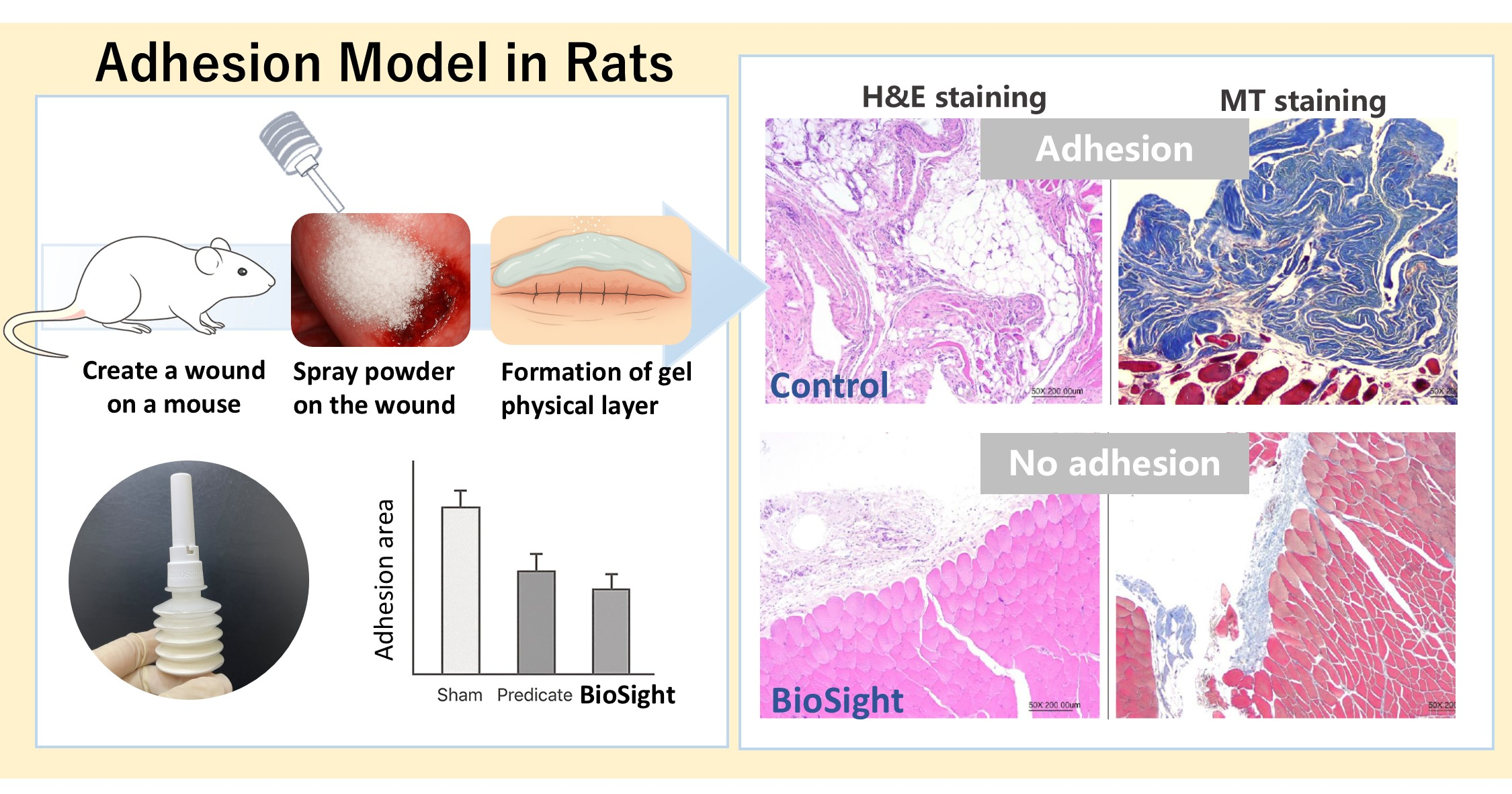
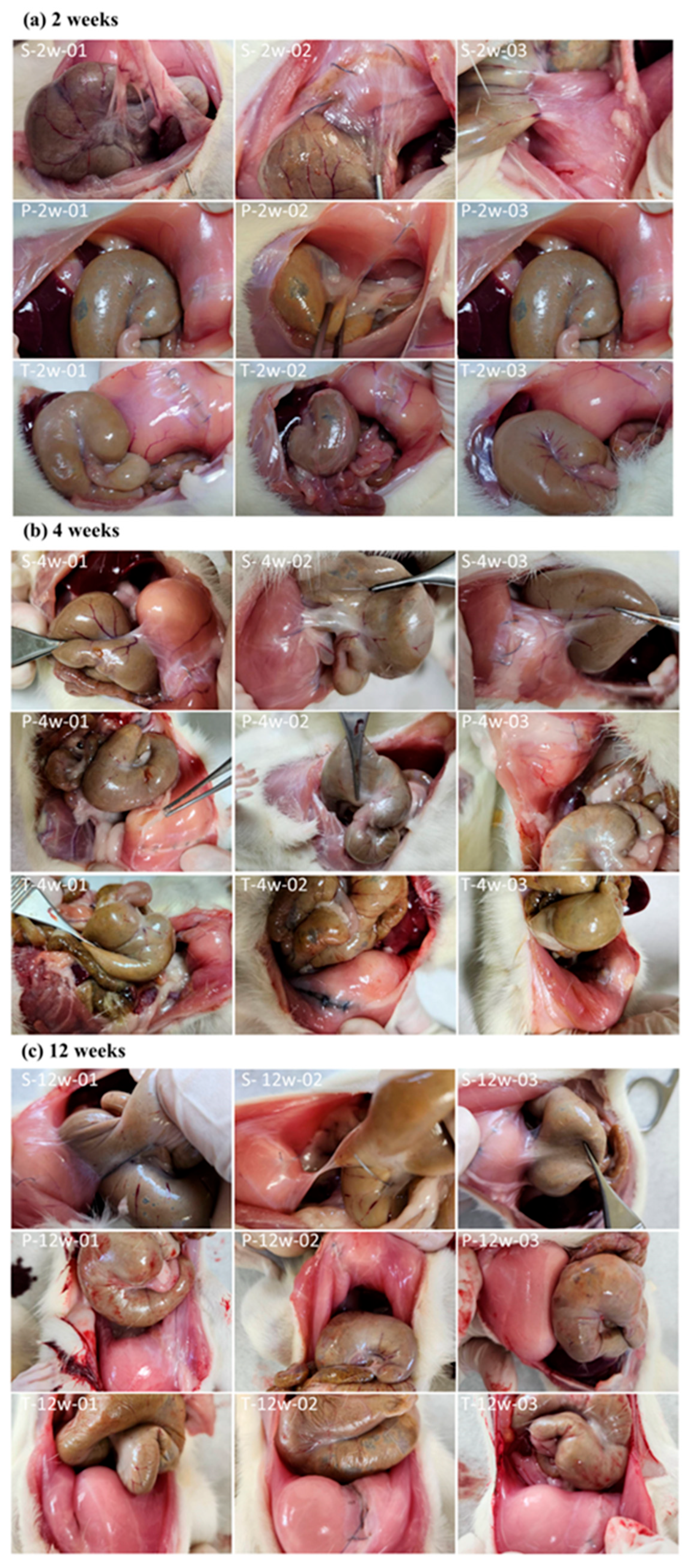
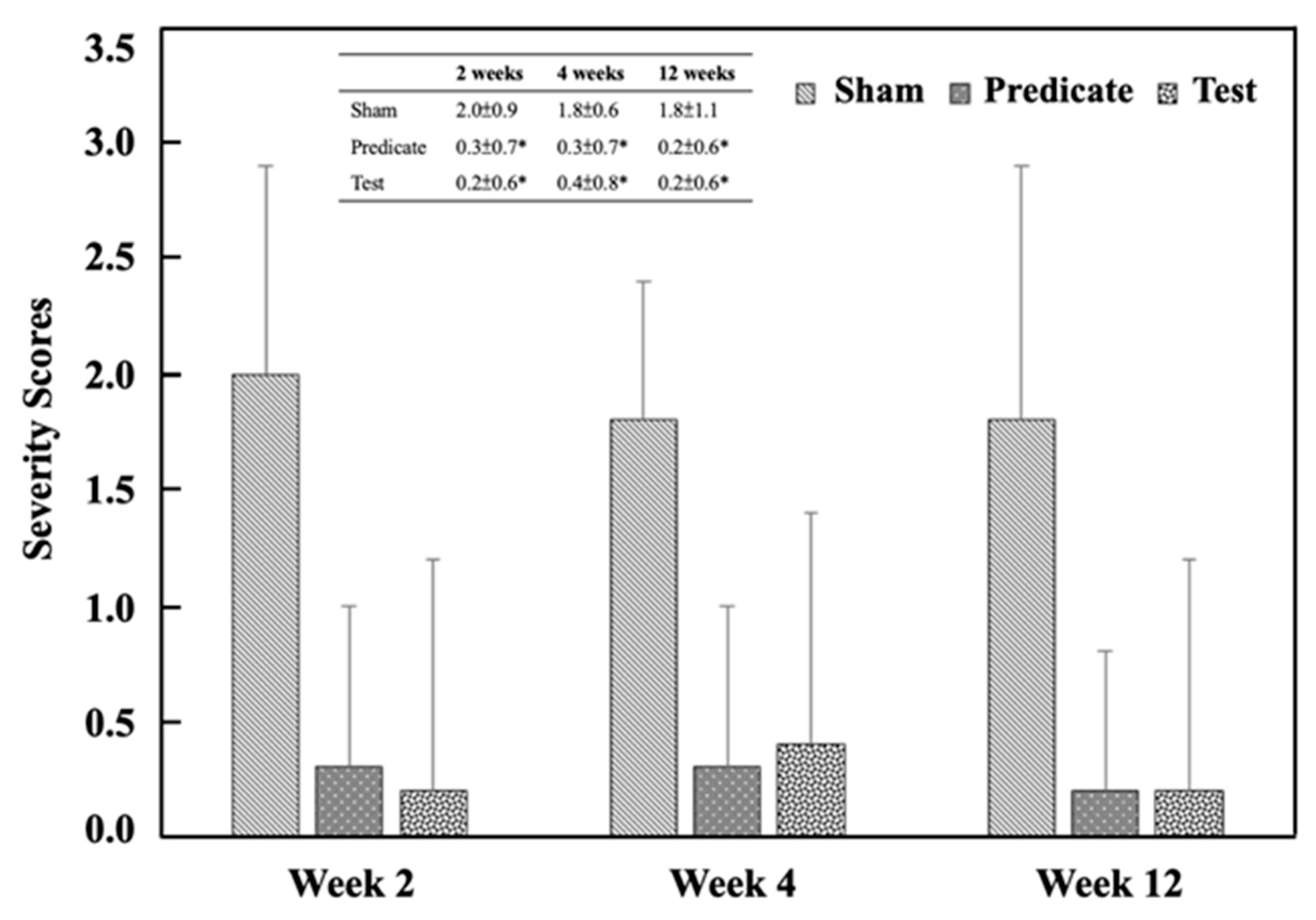
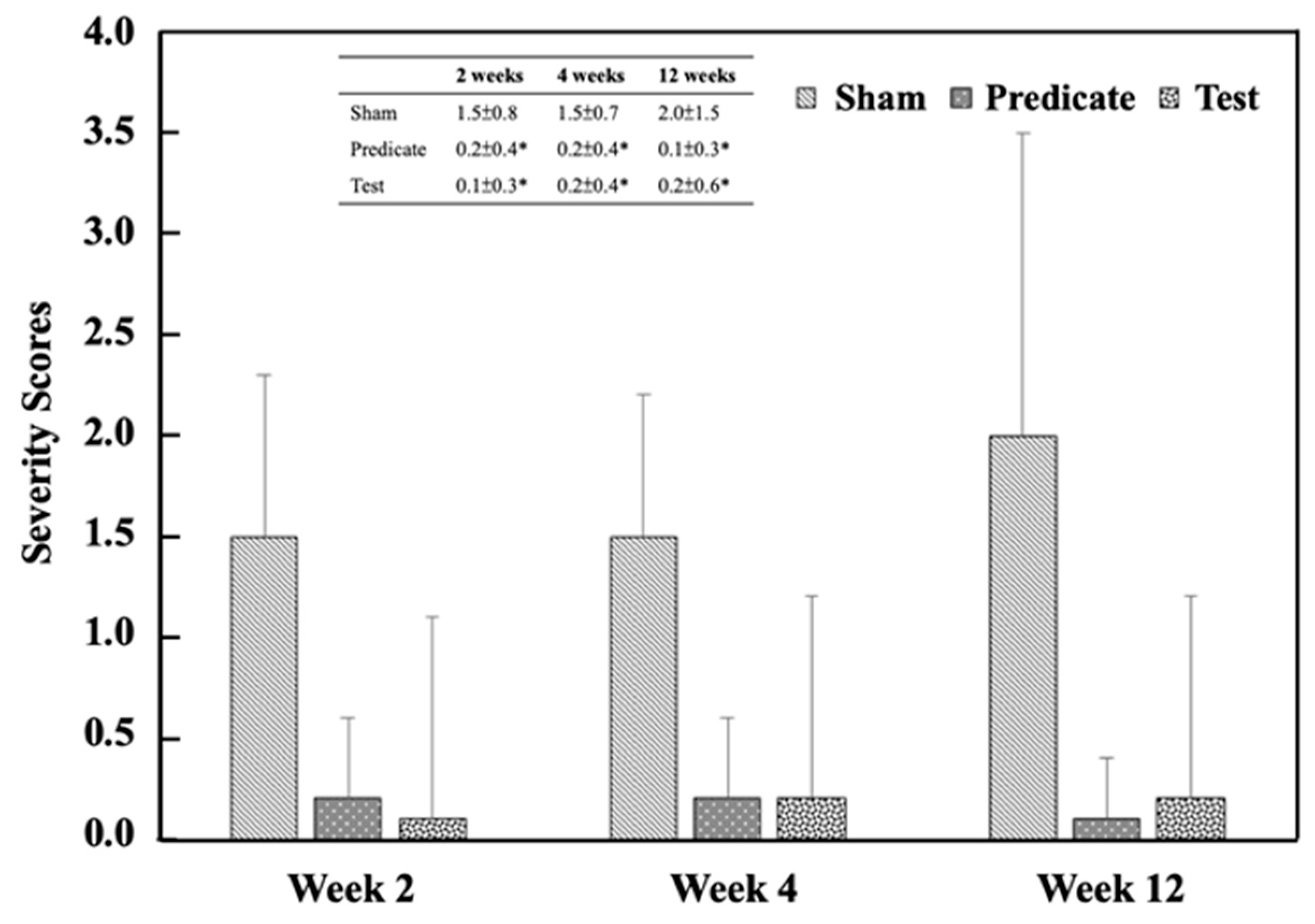
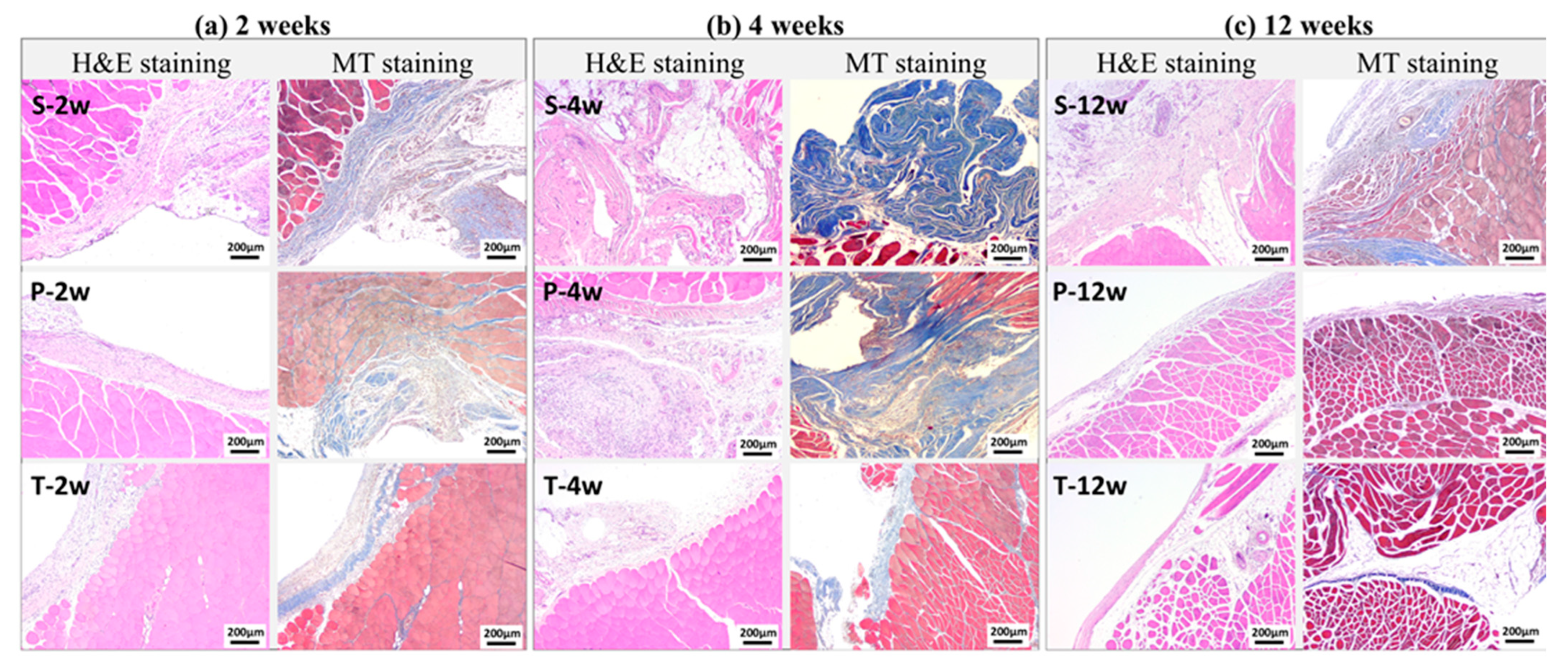
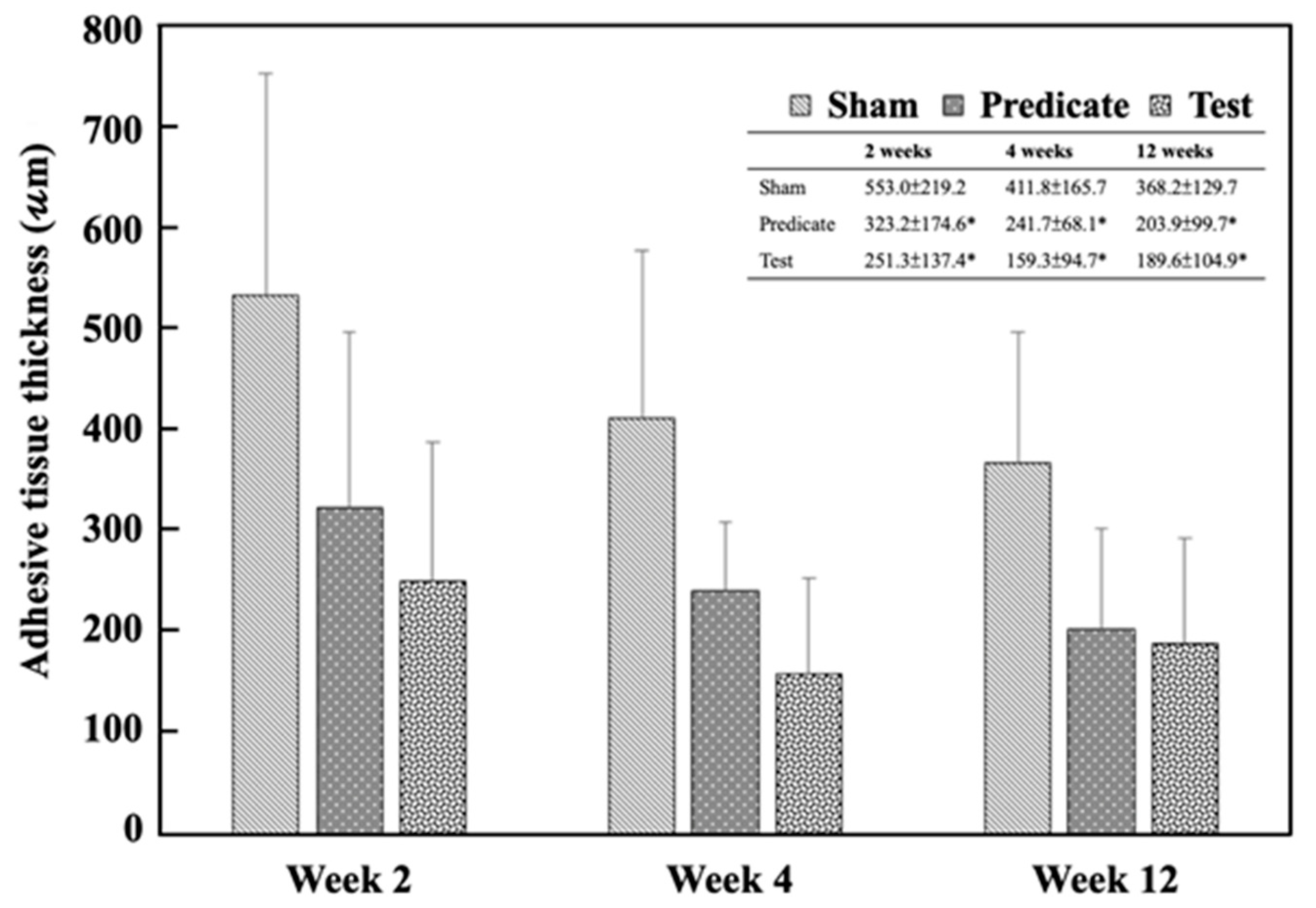
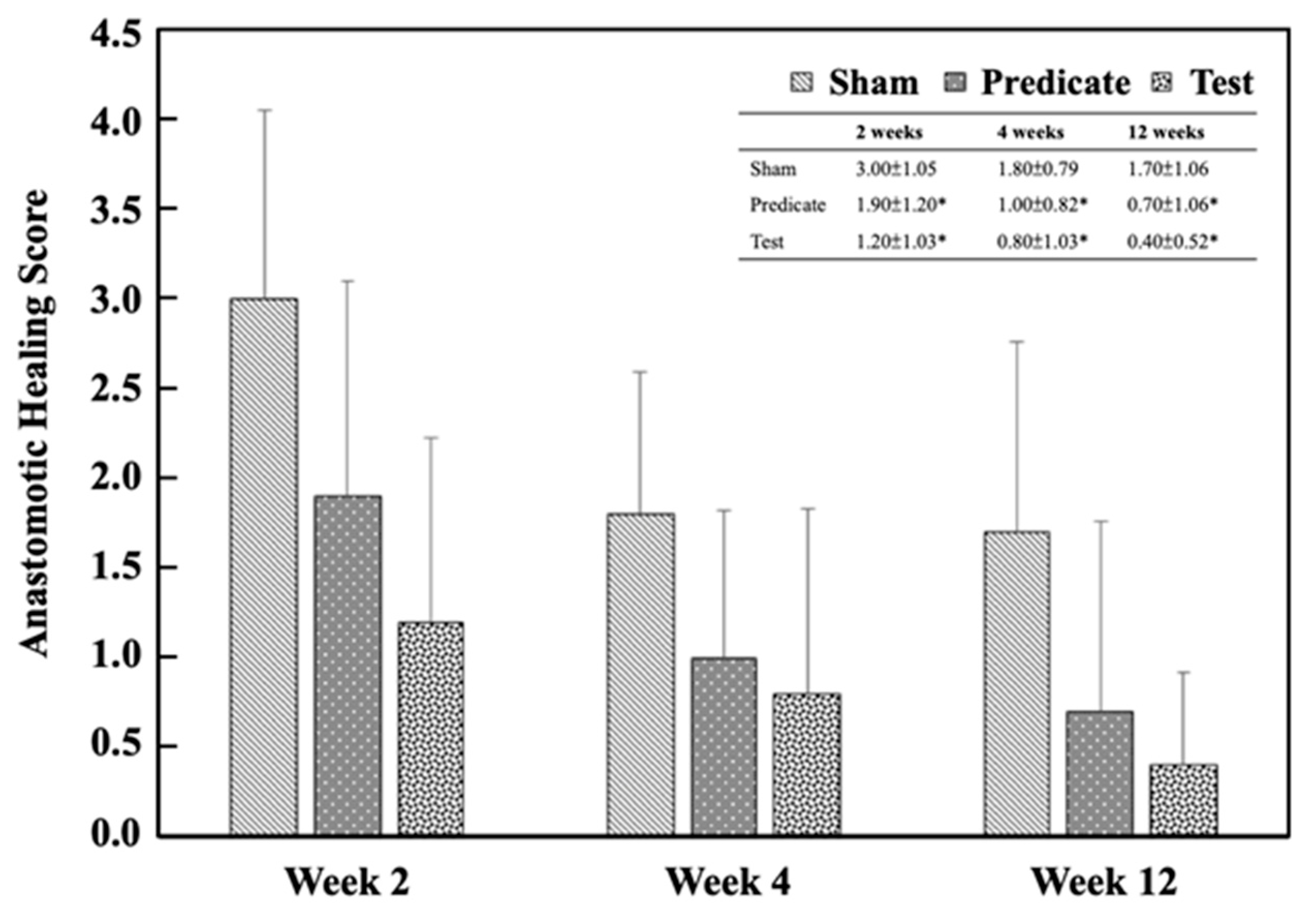
The present study demonstrates that BioSight, an absorbable plant-derived starch-based hemostatic agent and dressing, effectively mitigates postoperative intraperitoneal adhesion formation, and may also support physiological wound healing in a rat peritoneal adhesion model. Quantitative macroscopic and histological evaluations revealed that both BioSight and the commercial reference product 4DryField® PH significantly reduced the adhesion area, adhesion strength, and adhesion tissue thickness compared with the sham control group at all evaluated time points.
Beyond its confirmed hemostatic efficacy, BioSight exhibited a clear anti-adhesion effect attributable to its rapid in situ hydrogel formation and sustained barrier function during the critical early postoperative healing phase. Importantly, the controlled biodegradation profile of plant-derived starch allows the material to persist long enough to protect injured peritoneal surfaces throughout the inflammatory and fibroproliferative stages while subsequently undergoing complete enzymatic resorption without eliciting adverse tissue reactions. This degradation behavior addresses a key limitation associated with certain hydrogel-based anti-adhesion products, which may degrade or disperse prematurely in vivo.
Collectively, these findings highlight the dual functional advantages of BioSight—effective hemostasis combined with reliable adhesion prevention—and underscore the importance of material composition and degradation kinetics in anti-adhesion barrier design. The favorable biocompatibility, complete bioresorbability, and ease of application further support BioSight’s potential as a safe and practical anti-adhesion material for abdominal and minimally invasive laparoscopic surgical procedures. This study provides experimental evidence supporting the broader clinical value of plant-derived starch powders as multifunctional bioresorbable surgical adjuncts.





 ,
,