Article

Error Modeling and Error Control Study of PA/Pine Wood Biomass Composites

Department of Mechanical Engineering, College of Mechanical and Electrical Engineering, Northeast Forestry University, Harbin 150040, China
*
Author to whom correspondence should be addressed.
Polymers 2025, 17(14), 1920; https://doi.org/10.3390/polym17141920
Submission received: 30 May 2025 / Revised: 3 July 2025 / Accepted: 8 July 2025 / Published: 11 July 2025

Abstract

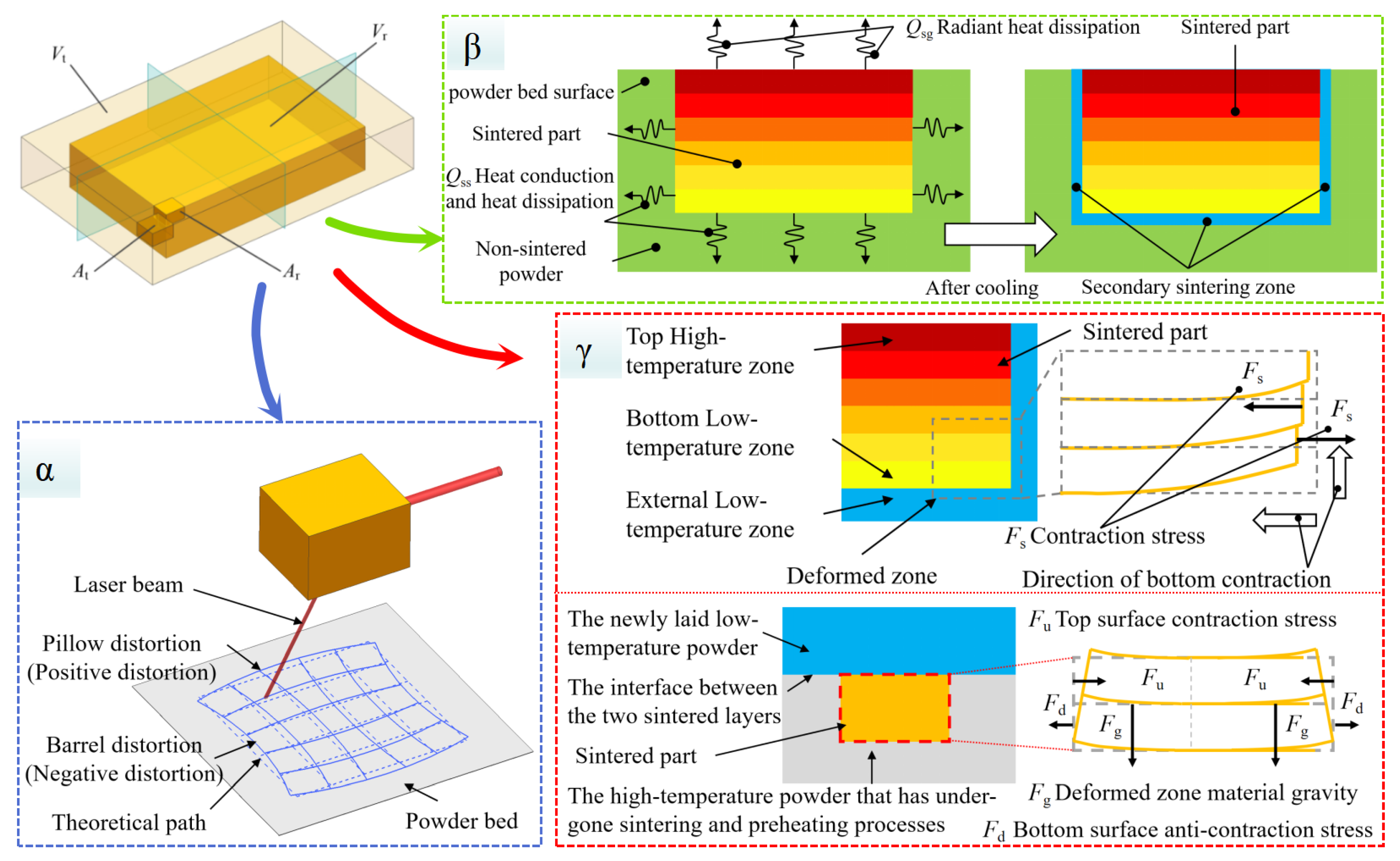
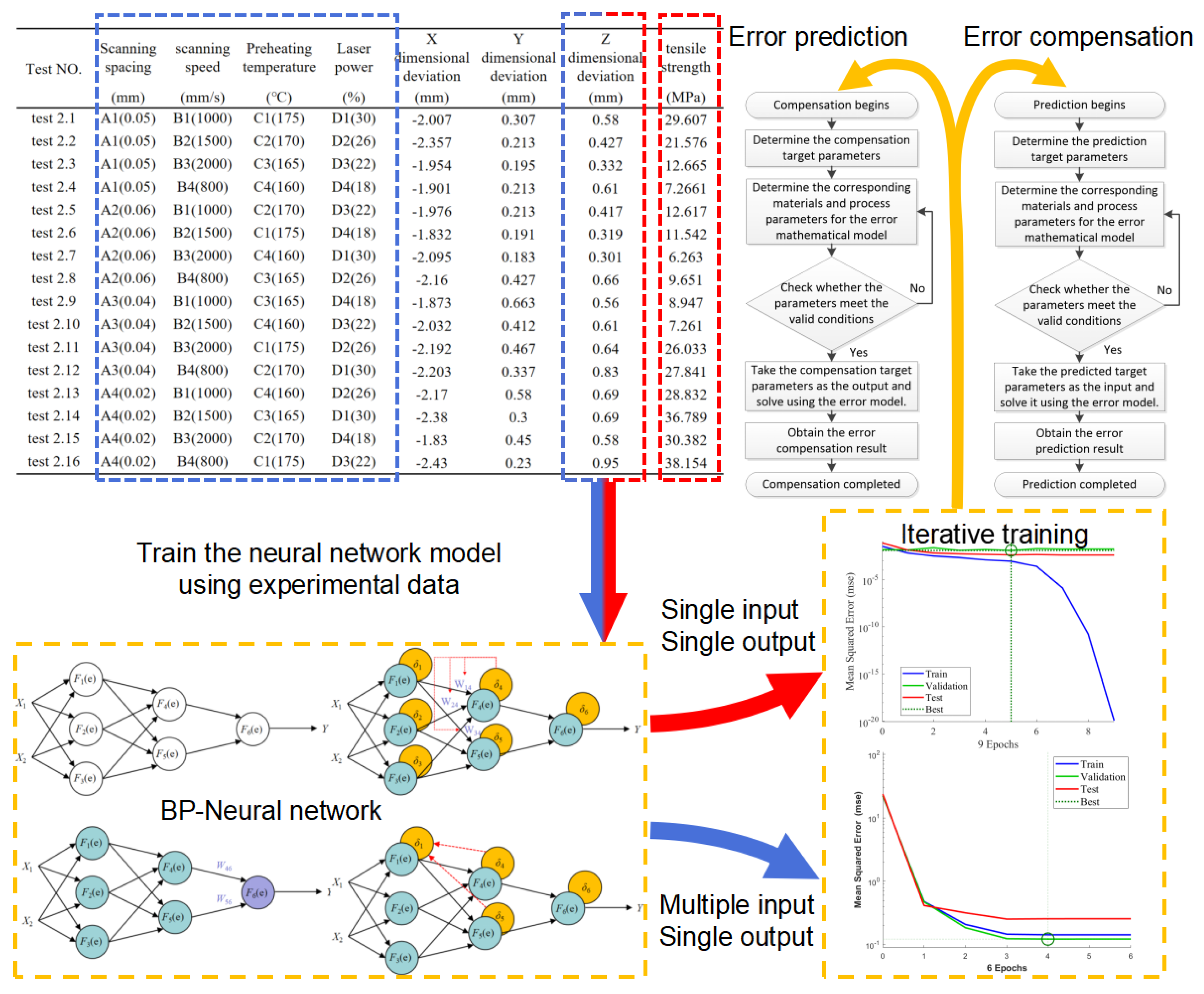
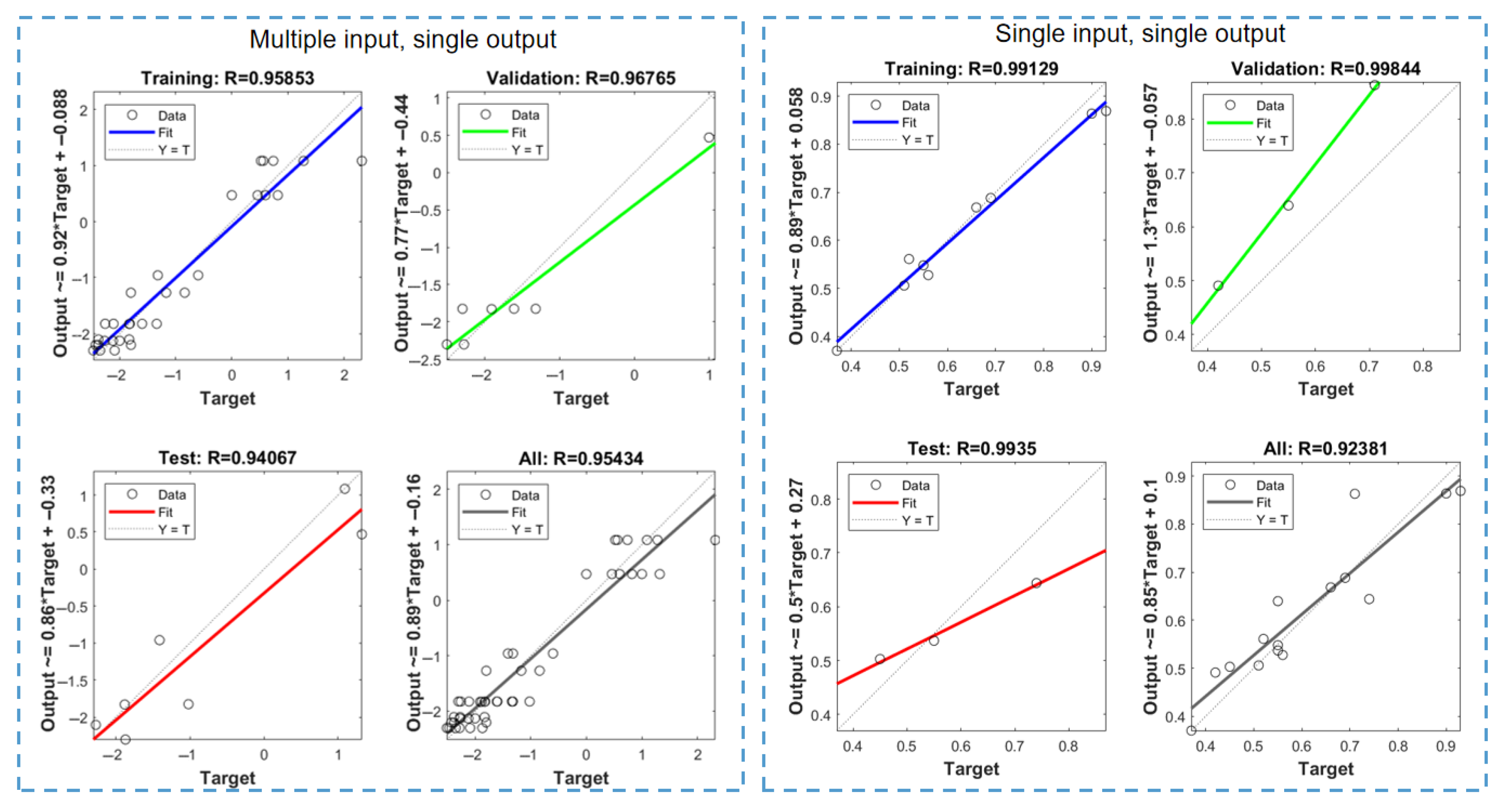
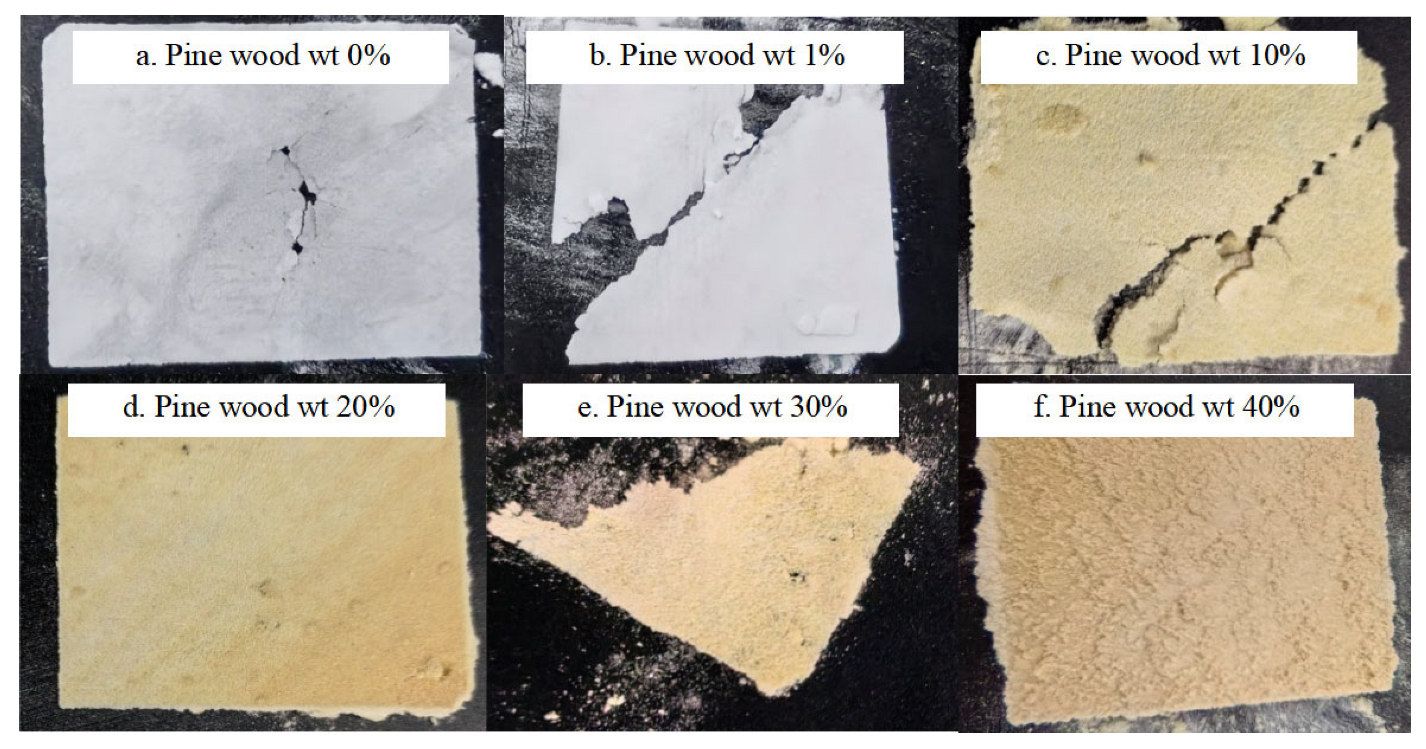
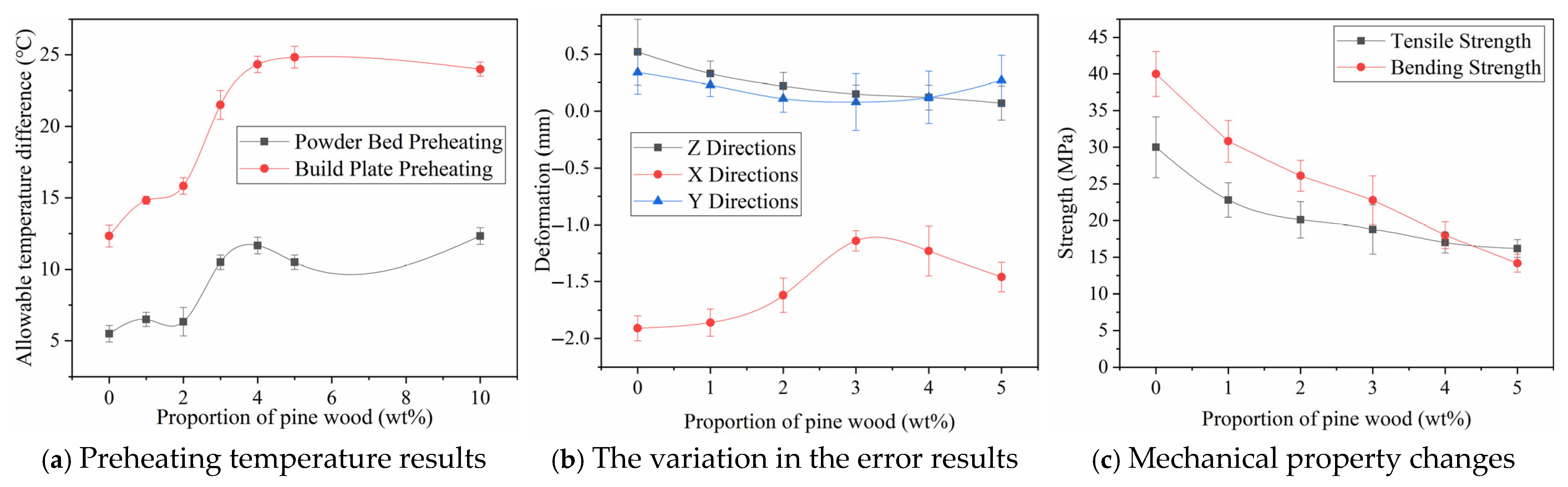
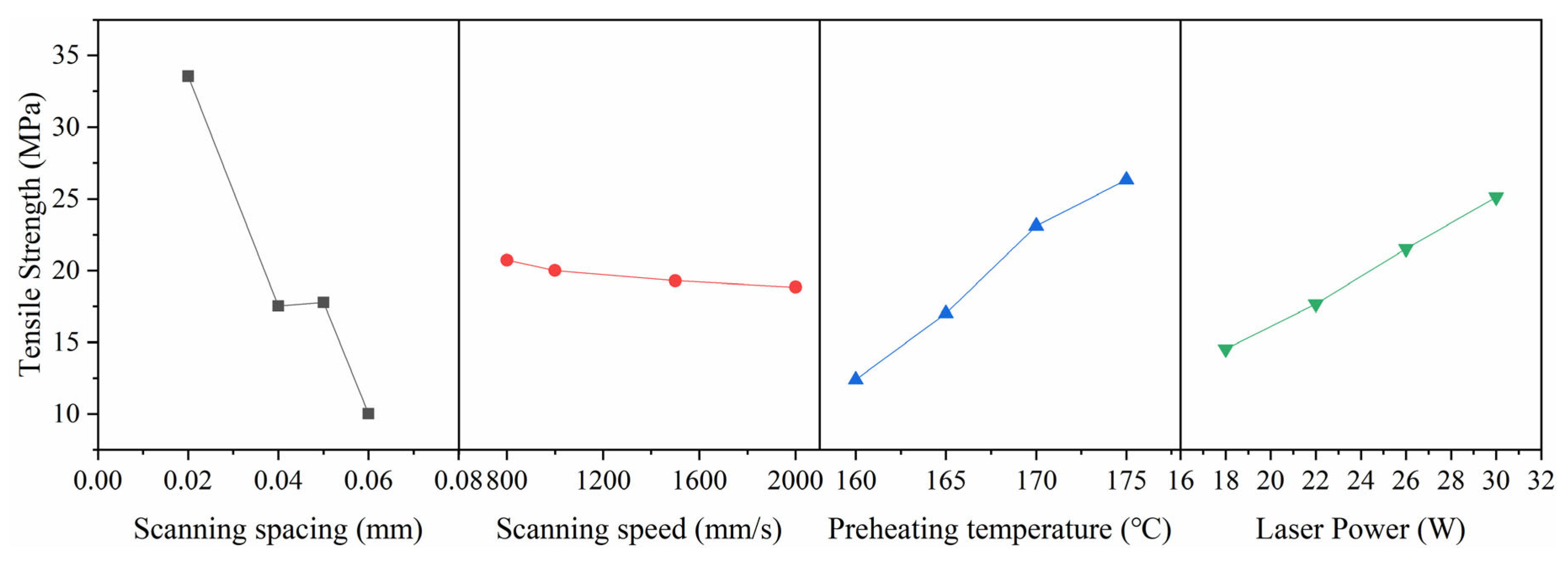
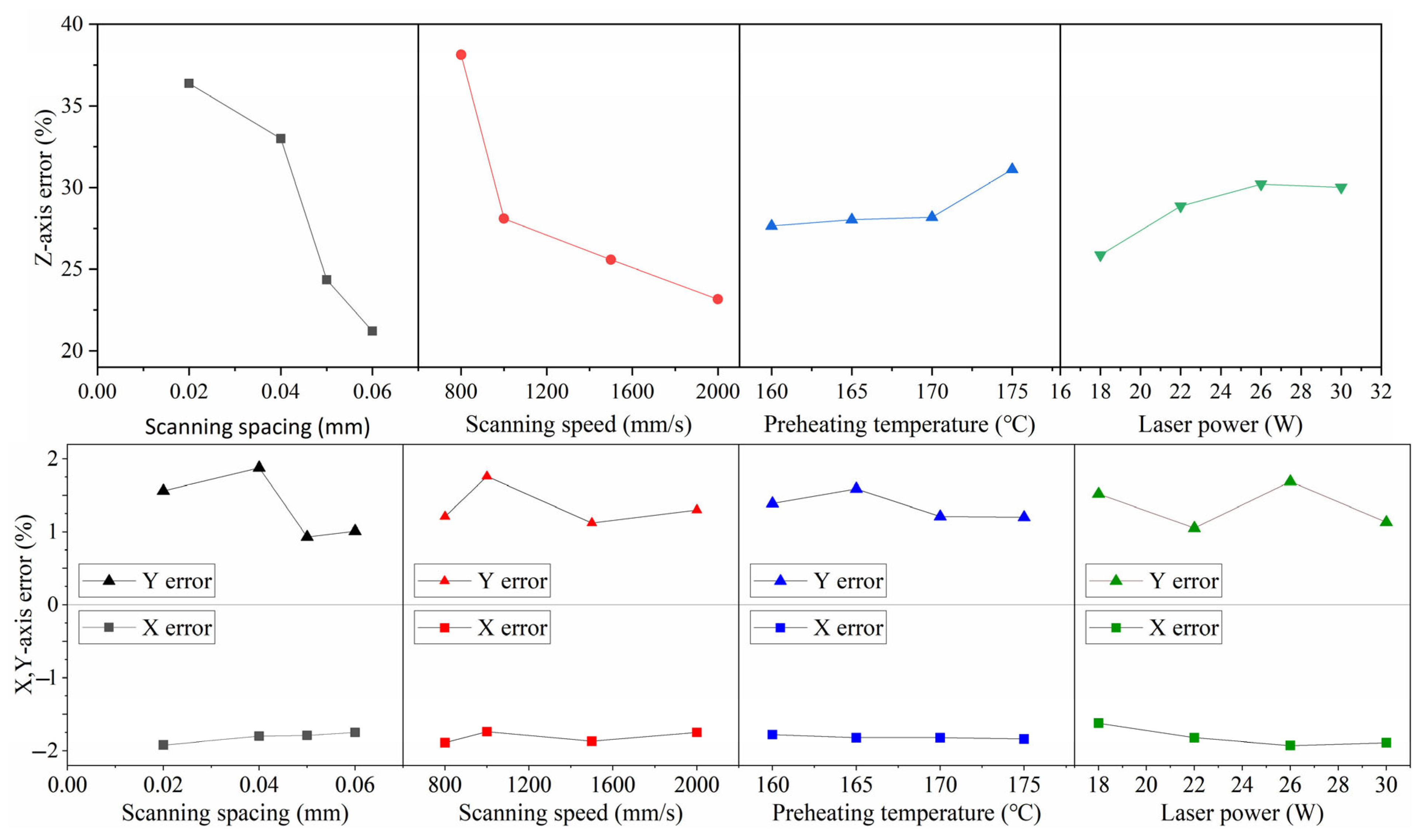
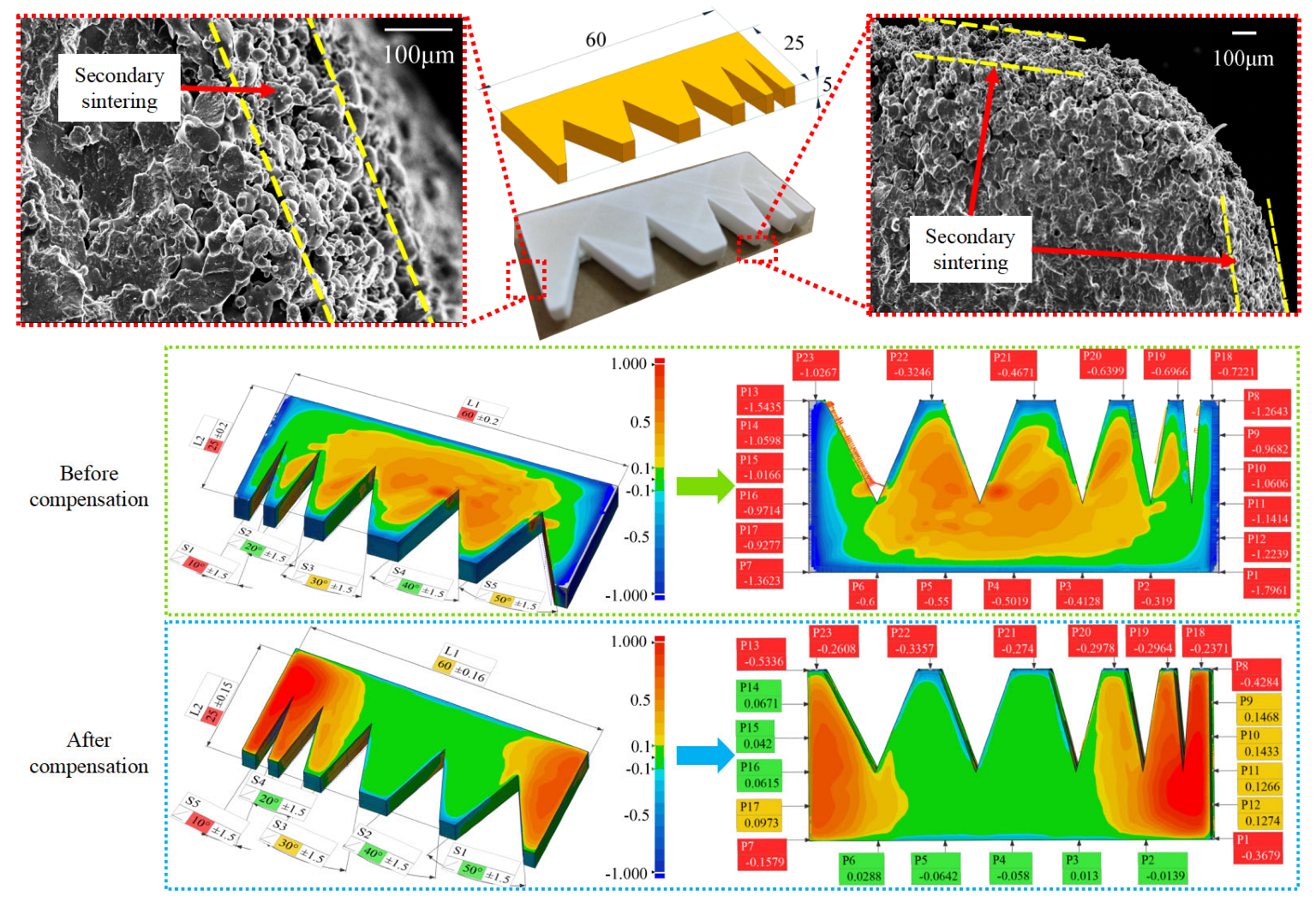
Laser sintering (LS) technology is one of the most widely commercialized additive manufacturing technologies. However, the popularization of LS technology in civilian applications has long been constrained by accuracy-related issues. Polyamide (PA), as the most mature LS material, still faces challenges in controlling part dimensional errors. Biomass materials, when used as fillers, can improve the printing accuracy of fabricated parts, demonstrating a technically feasible synergy between PA and biomass materials. Therefore, this study analyzes the fundamental material properties of PA/pine biomass composites and investigates error control methods for LS-fabricated parts using PA/biomass materials as feedstock. This study investigates the error modeling of LS-fabricated parts from two perspectives. First, a theoretical mathematical model is established to predict part errors by incorporating material properties, process parameters, and equipment factors. Second, a data-driven model is developed using BP neural network technology based on experimental data to correlate LS process parameters with part dimensional errors. Additionally, the predictive capabilities and compensation effects of both models are examined. The experimental results indicate that the nylon/pine wood biomass composite with a pine wood content of 3 wt% can produce molded parts with a tensile strength of 20 MPa. Additionally, this material exhibits a sintering preheating window range of 10 °C, which facilitates the production of parts with both favorable mechanical properties and dimensional accuracy. Both error prediction models are capable of predicting the dimensional deviations of the parts. The data-driven model demonstrates superior deviation prediction accuracy (approximately 81–91%) for LS parts compared to the theoretical mathematical model (approximately 62–73%). By applying compensation based on the error prediction models, the overall dimensional deviation can be reduced from 1.61–3.49% to 0.41–0.50%. Consequently, the part’s precision grade (according to ISO 2768) is improved from below Grade V to Grade C.
Keywords: error prediction model; polymer biomass materials; laser sintering error prediction model; polymer biomass materials; laser sintering