Article

Evaluation of Viscosity Changes and Rheological Properties of Diutan Gum, Xanthan Gum, and Scleroglucan in Extreme Reservoirs

1
School of Engineering Science, University of Chinese Academy of Sciences, Beijing 100049, China
2
Institute of Porous Flow and Fluid Mechanics, Chinese Academy of Sciences, Langfang 065007, China
3
State Key Laboratory of Enhanced Oil Recovery, PetroChina Research Institute of Petroleum Exploration & Development, Beijing 100083, China
*
Author to whom correspondence should be addressed.
Polymers 2023, 15(21), 4338; https://doi.org/10.3390/polym15214338
Submission received: 8 October 2023 / Revised: 1 November 2023 / Accepted: 1 November 2023 / Published: 6 November 2023
(This article belongs to the Section Polymer Analysis and Characterization)

Abstract

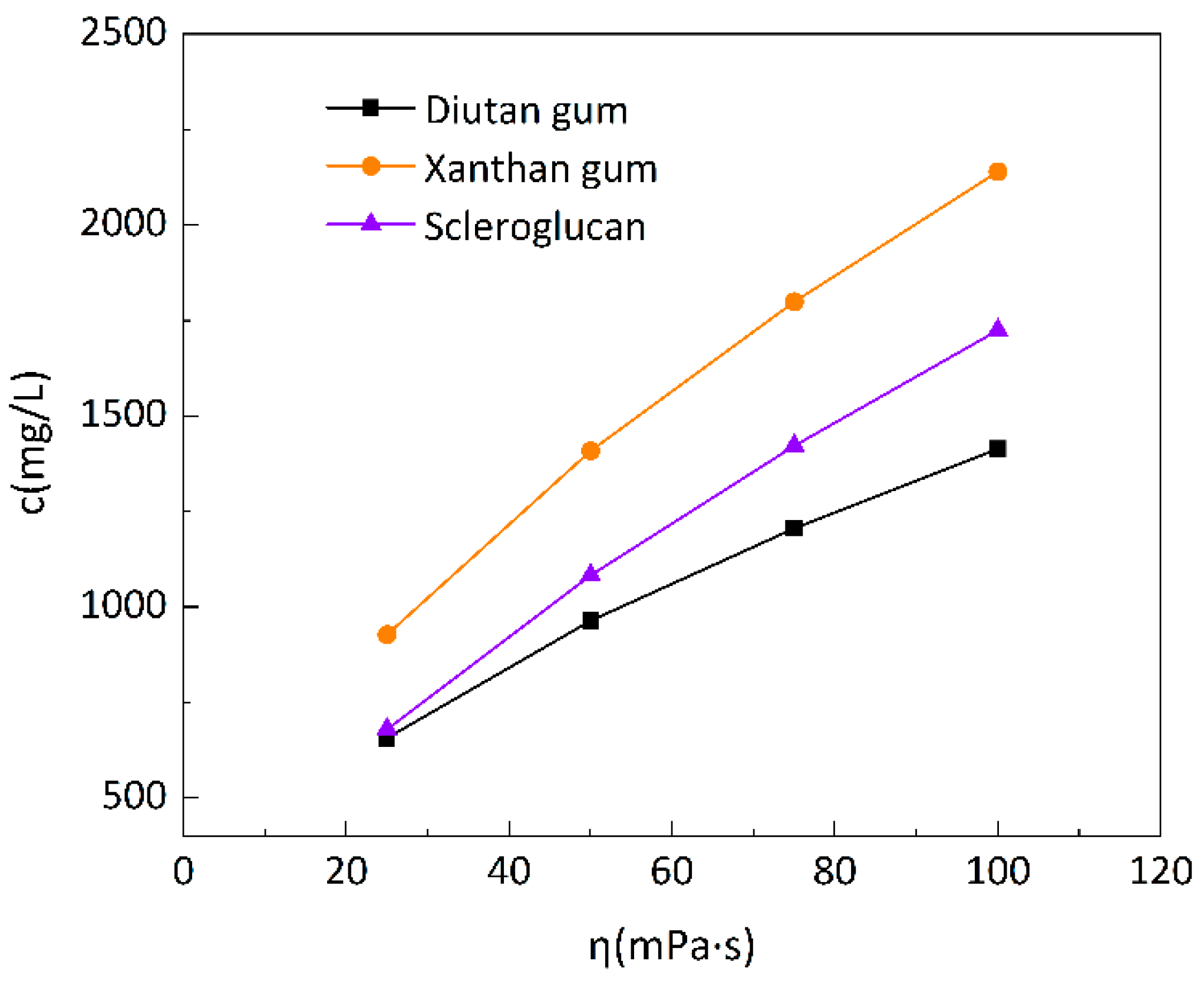
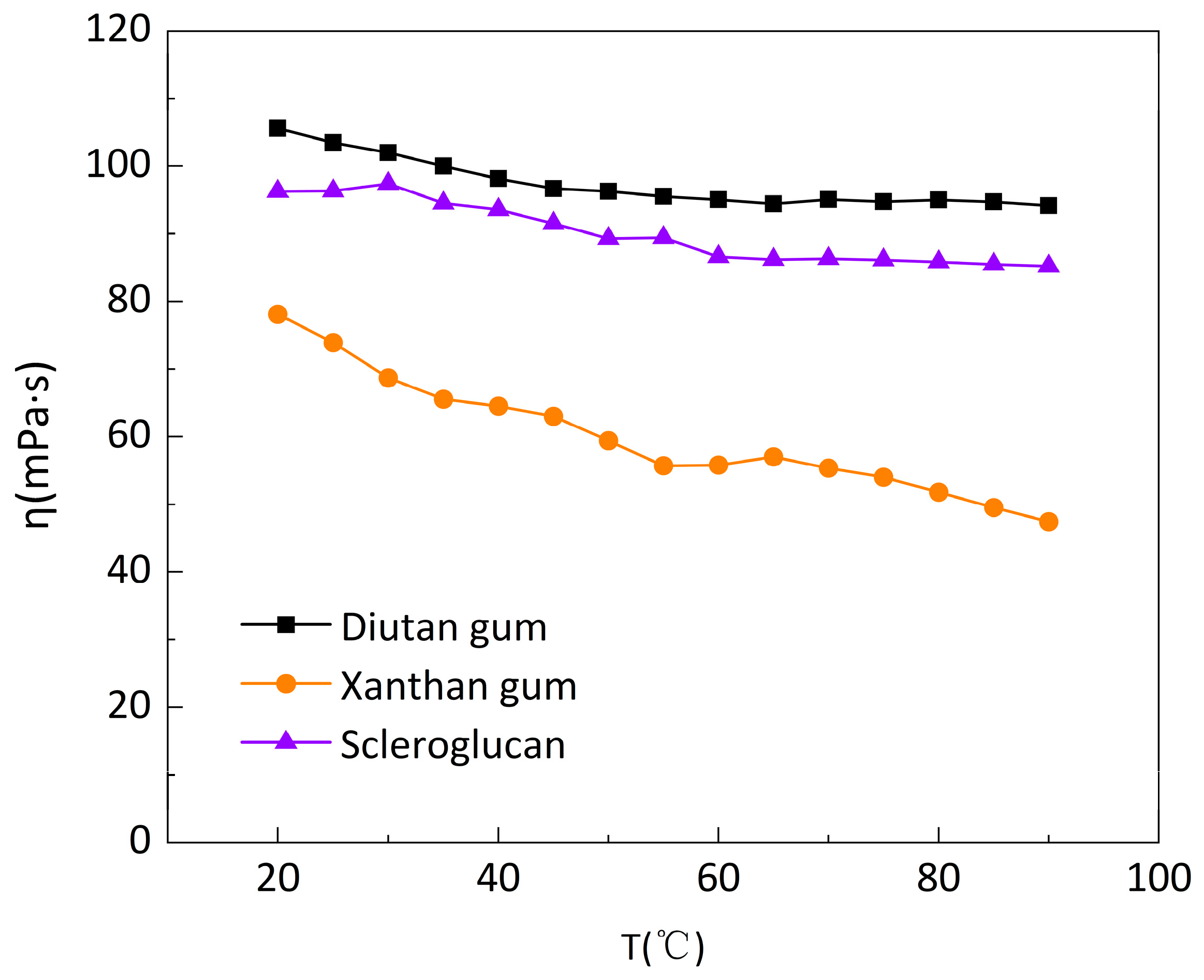
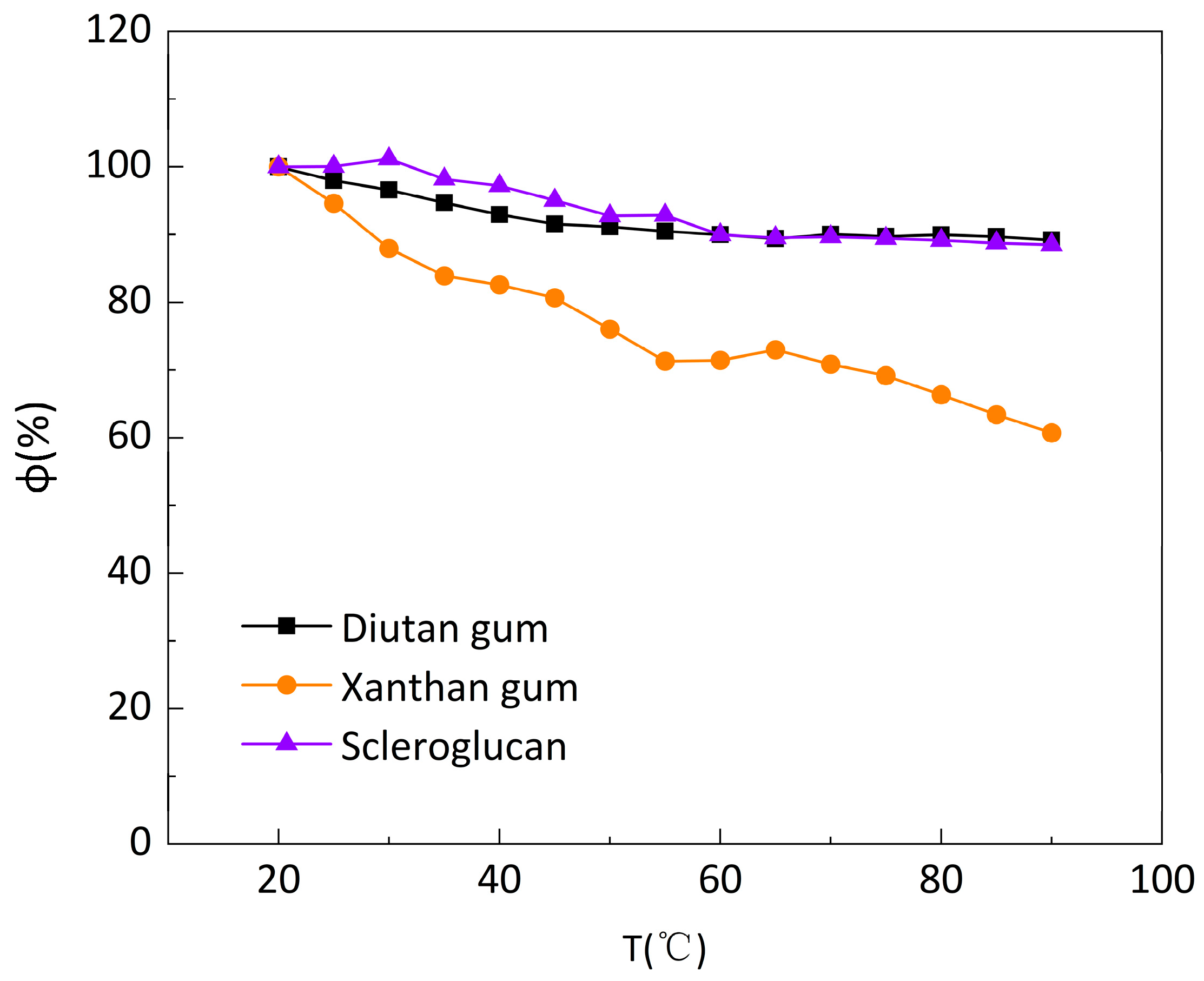
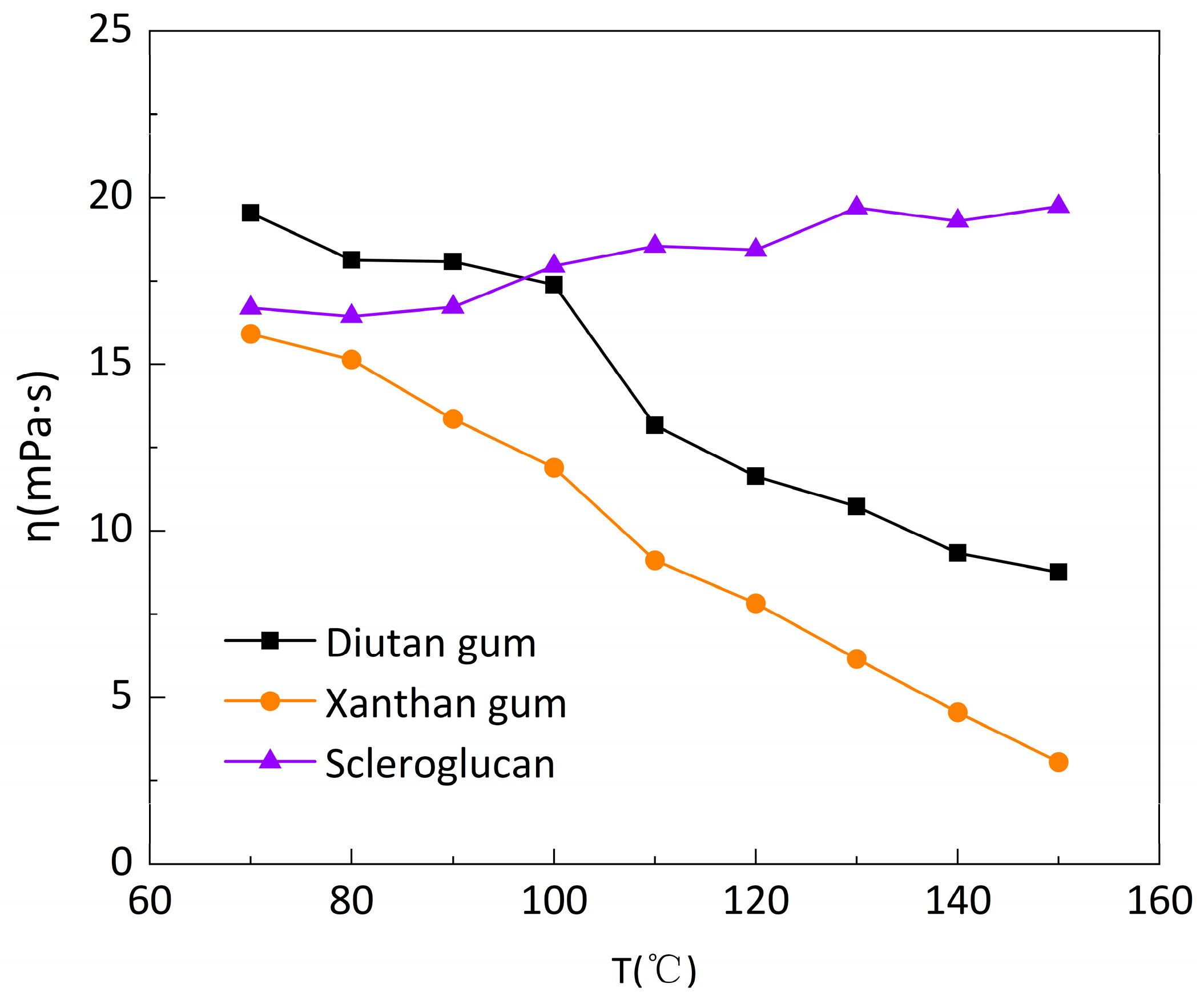
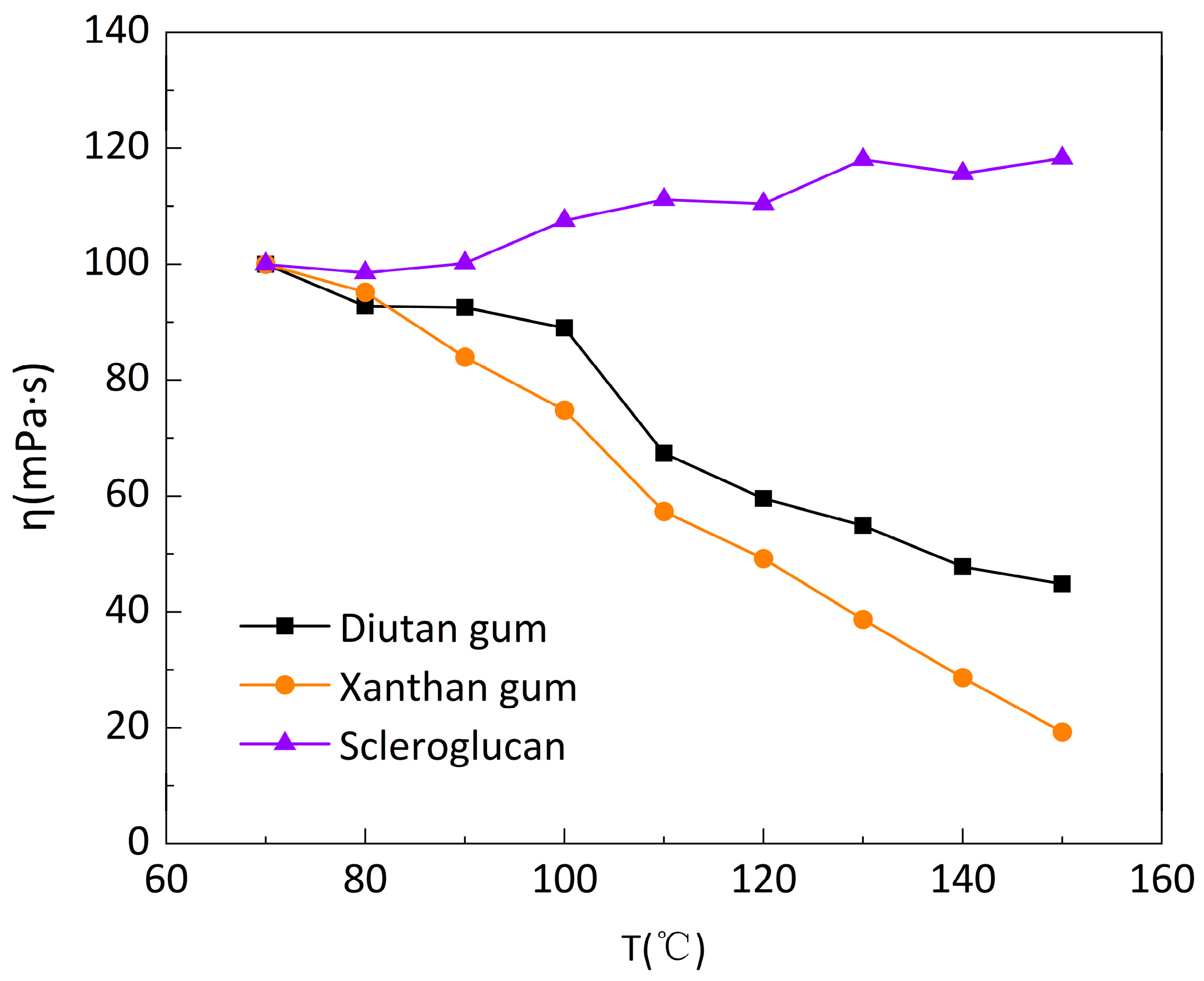
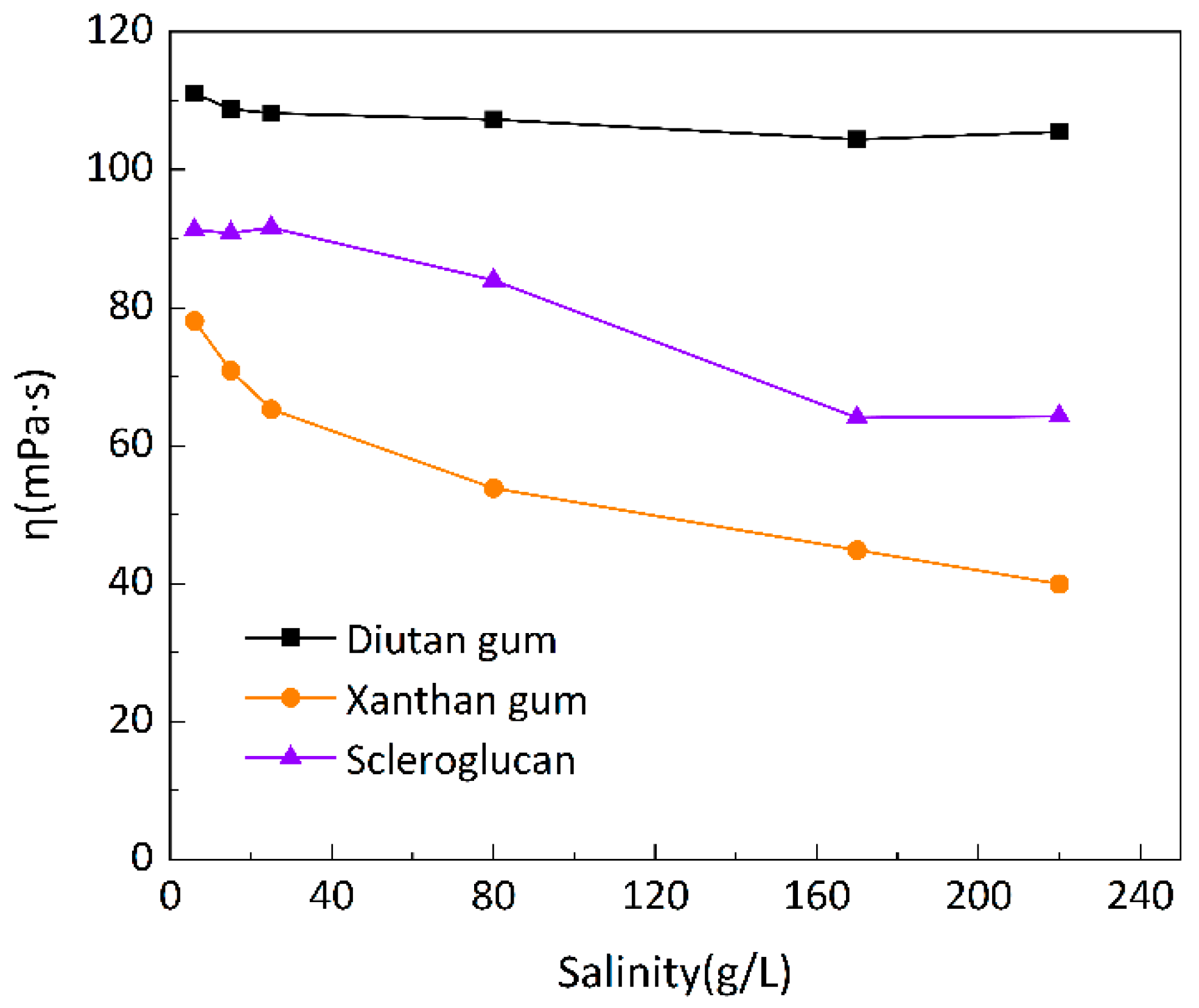
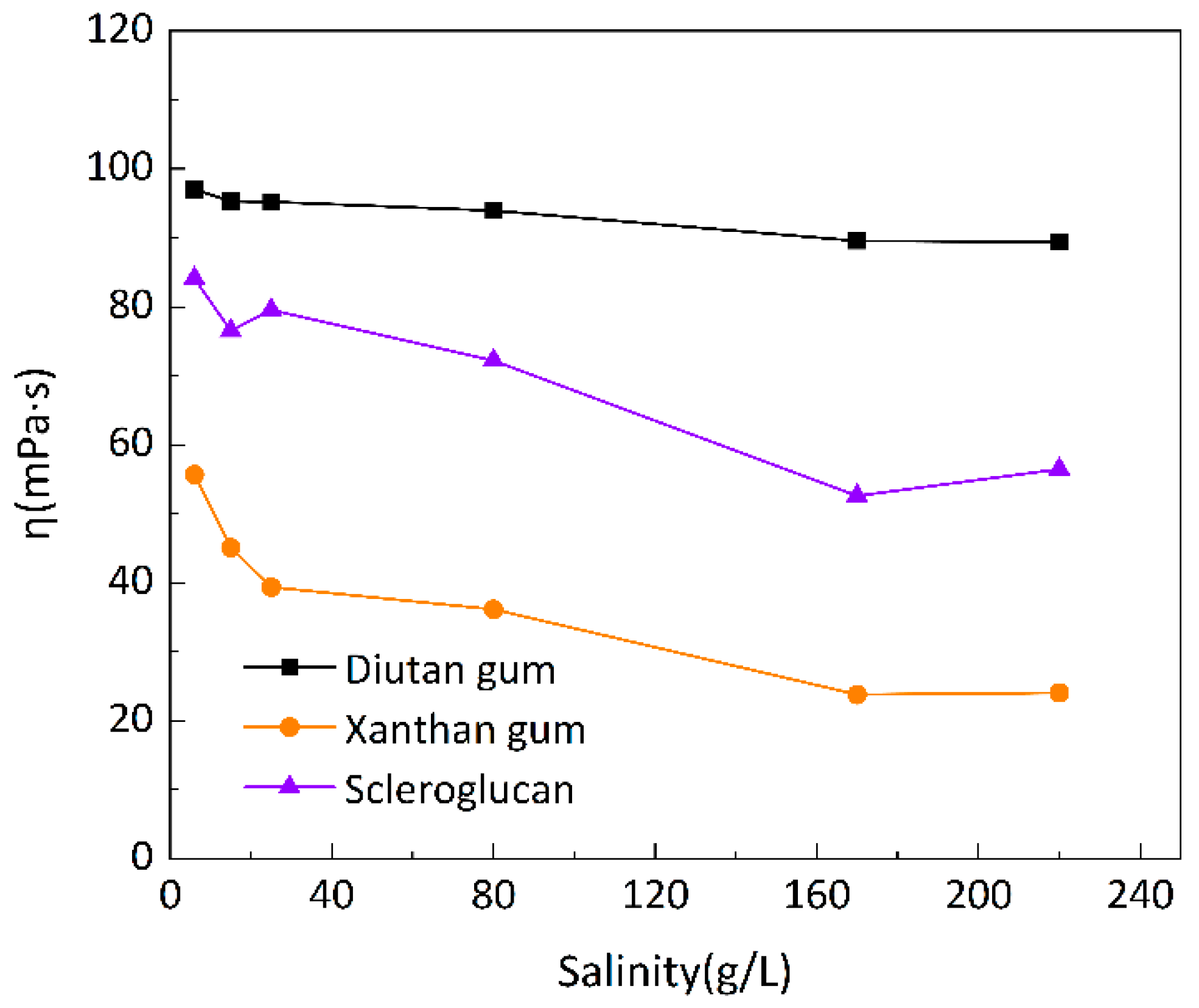
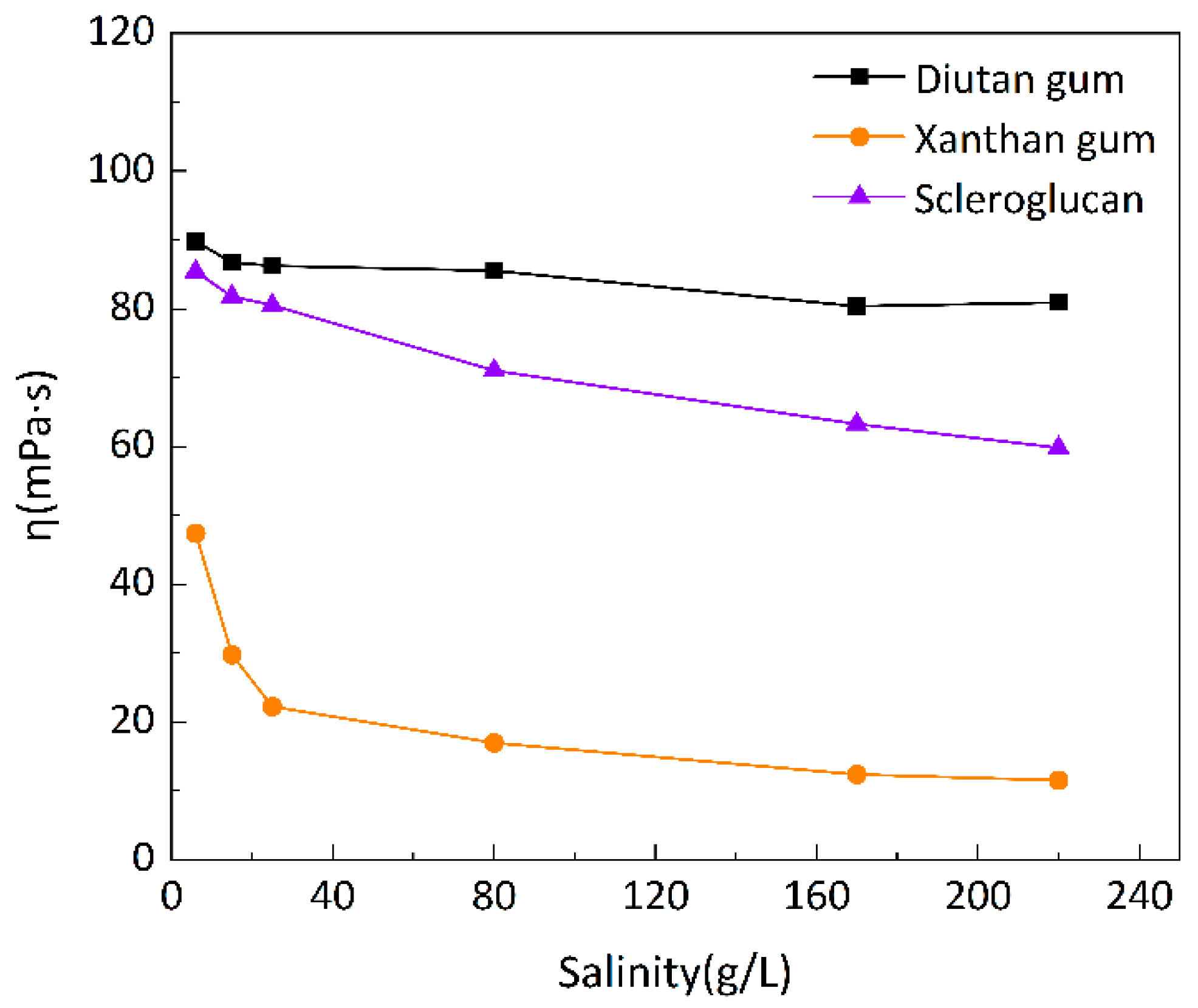
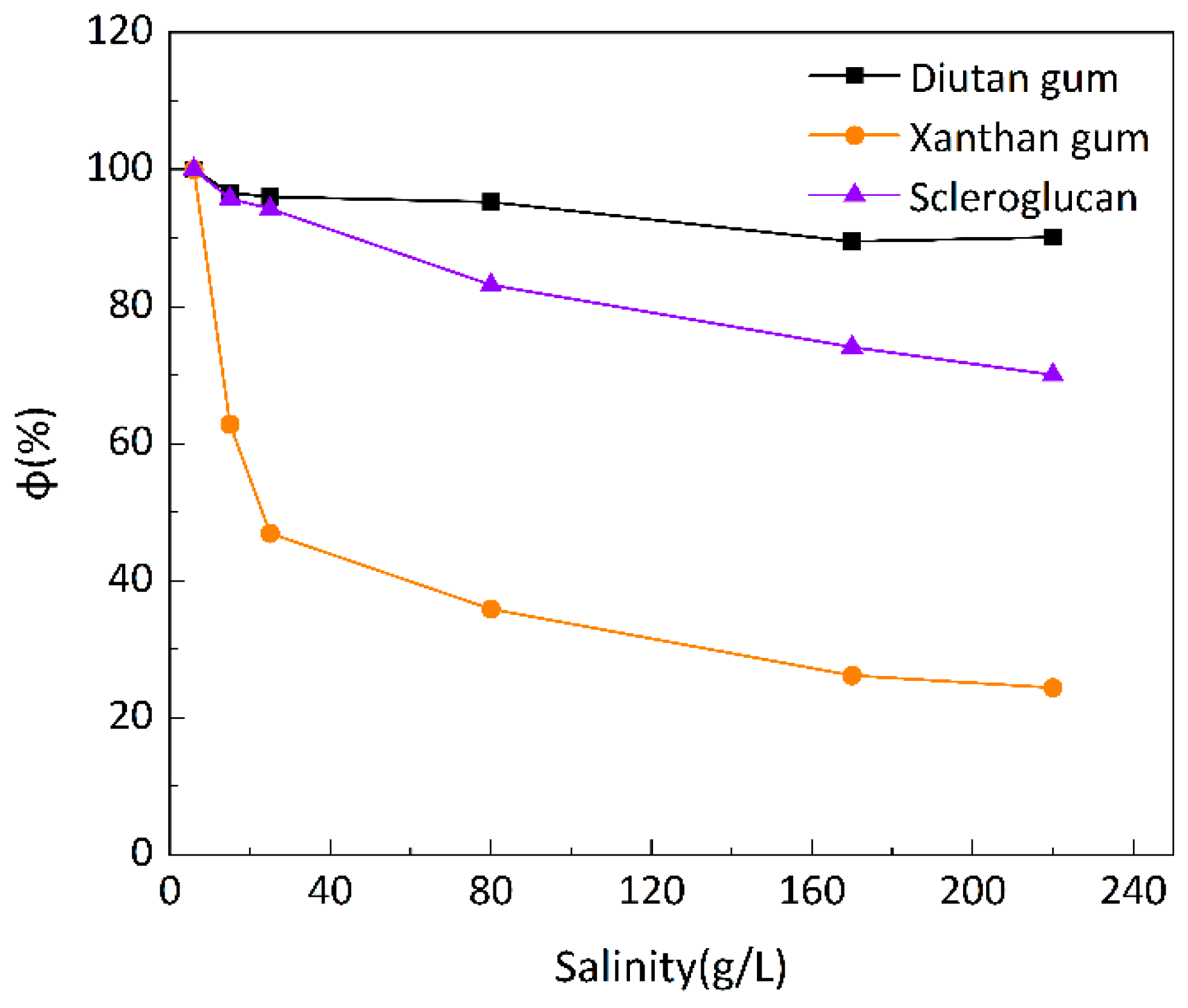
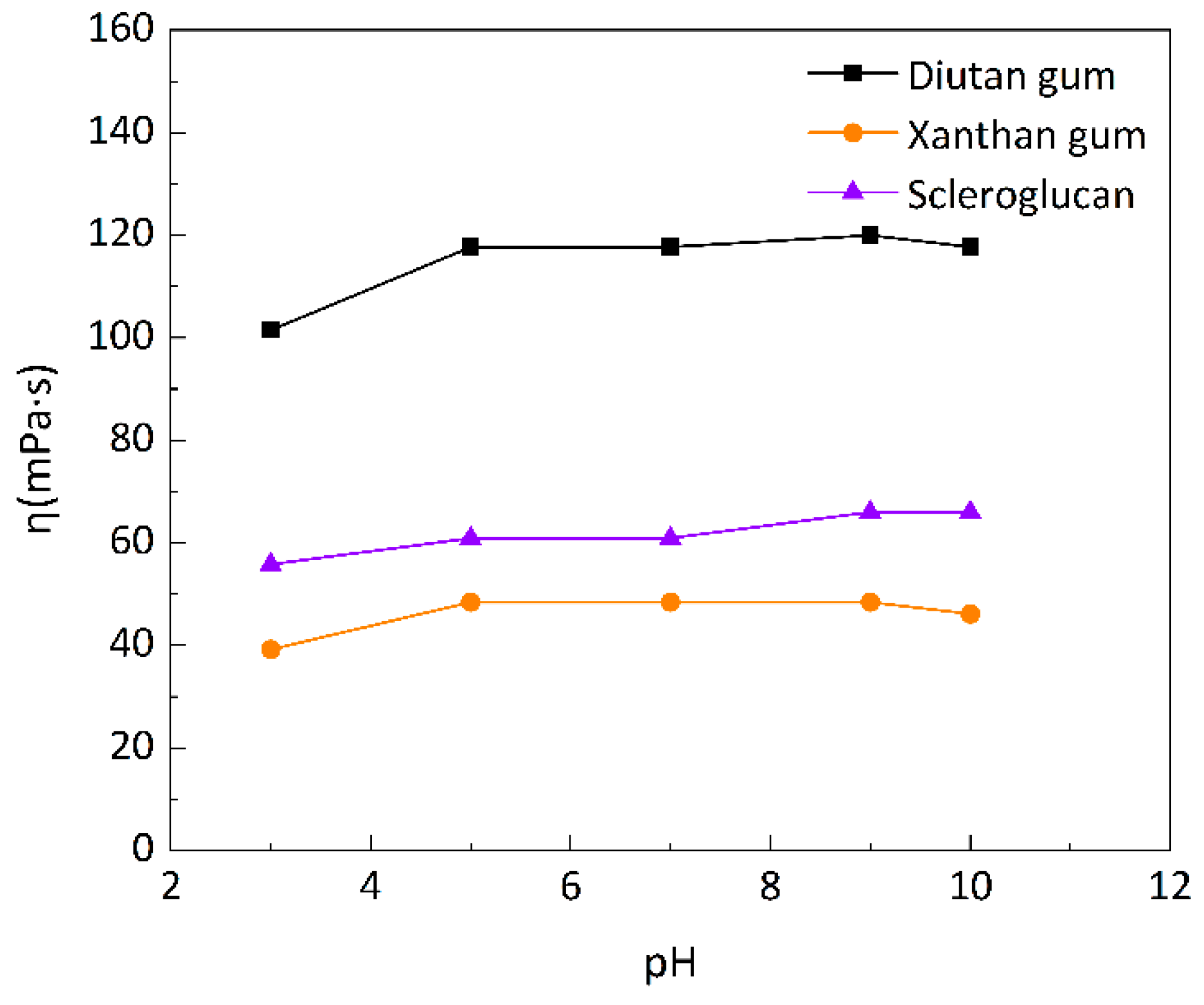
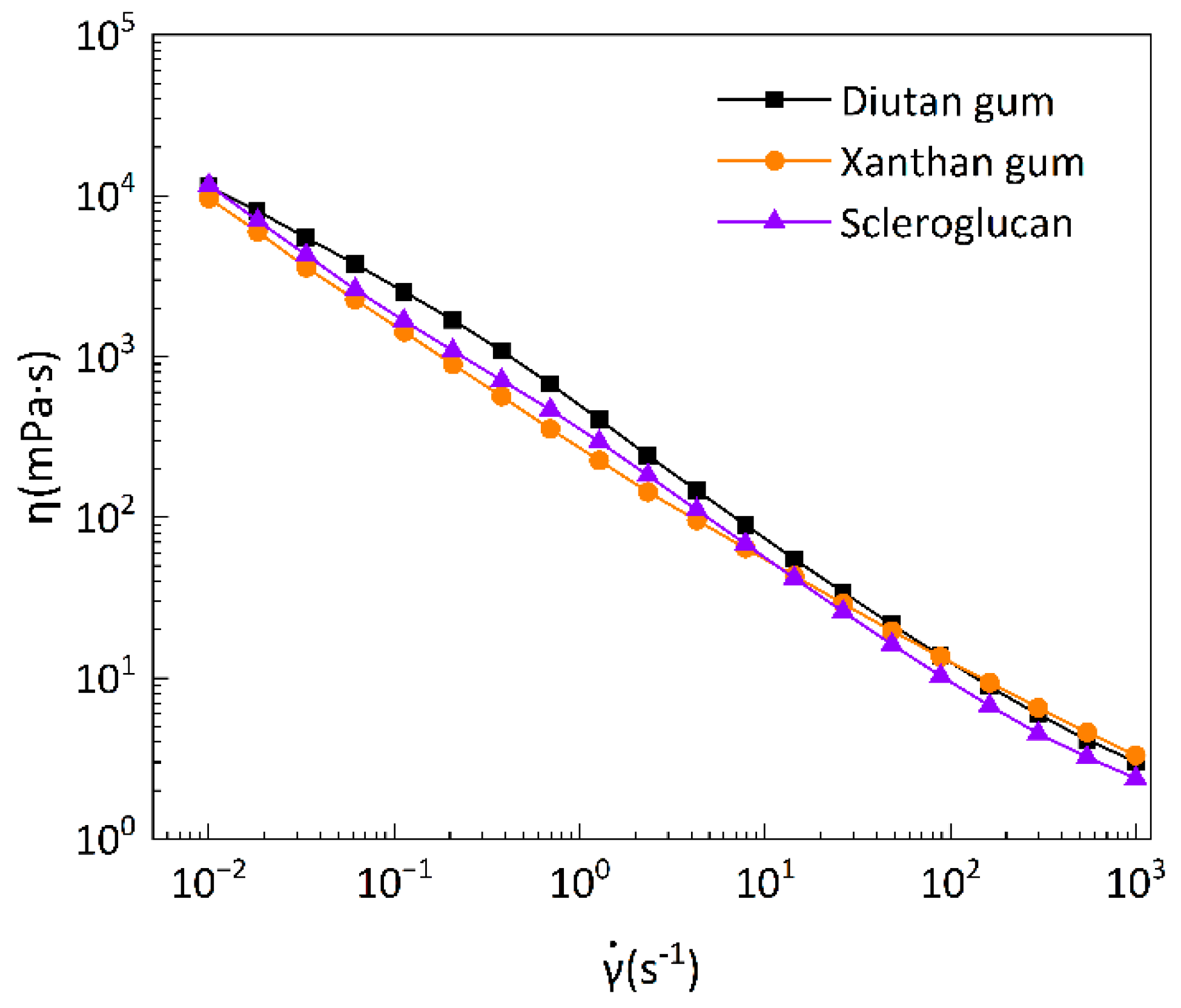
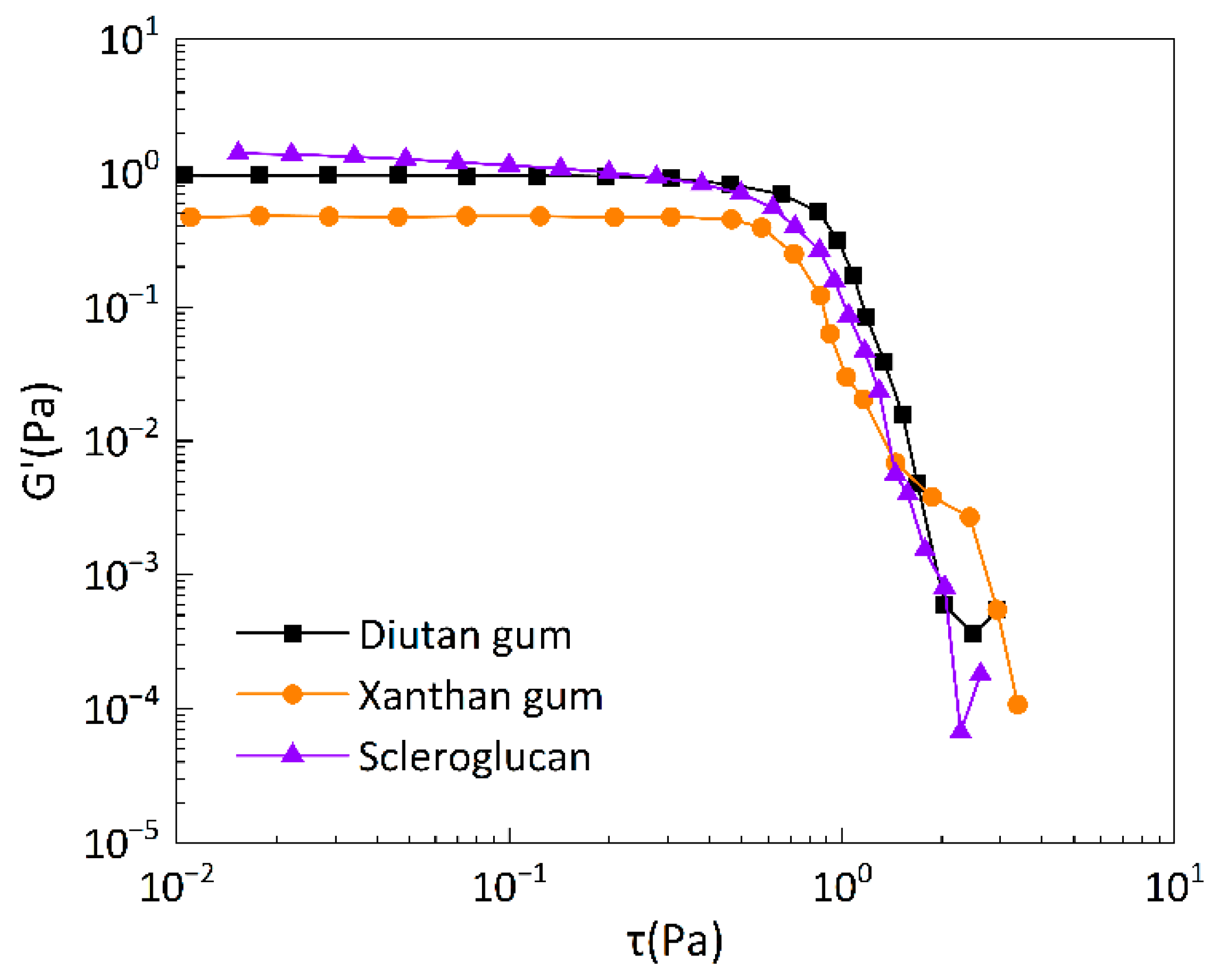
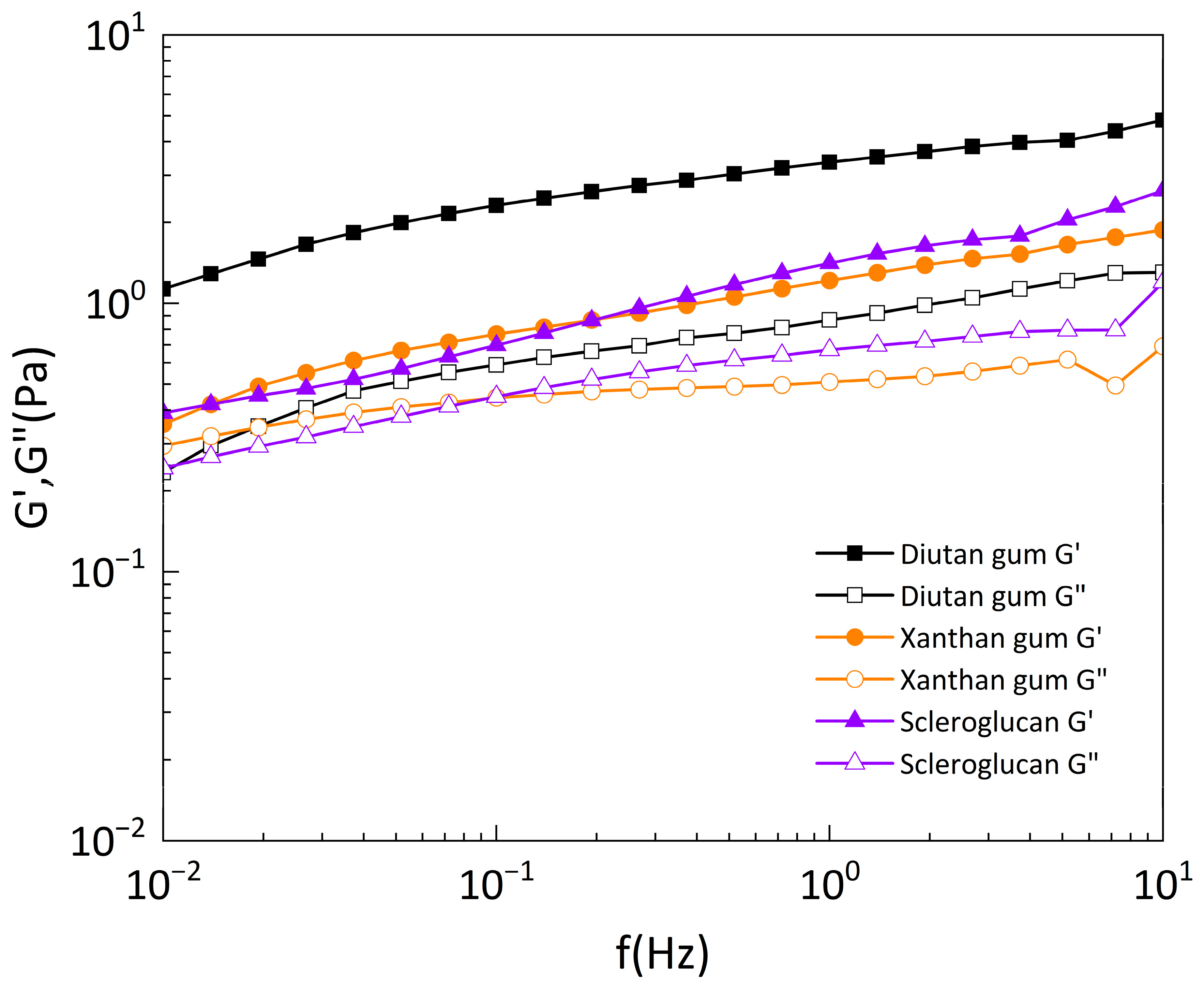
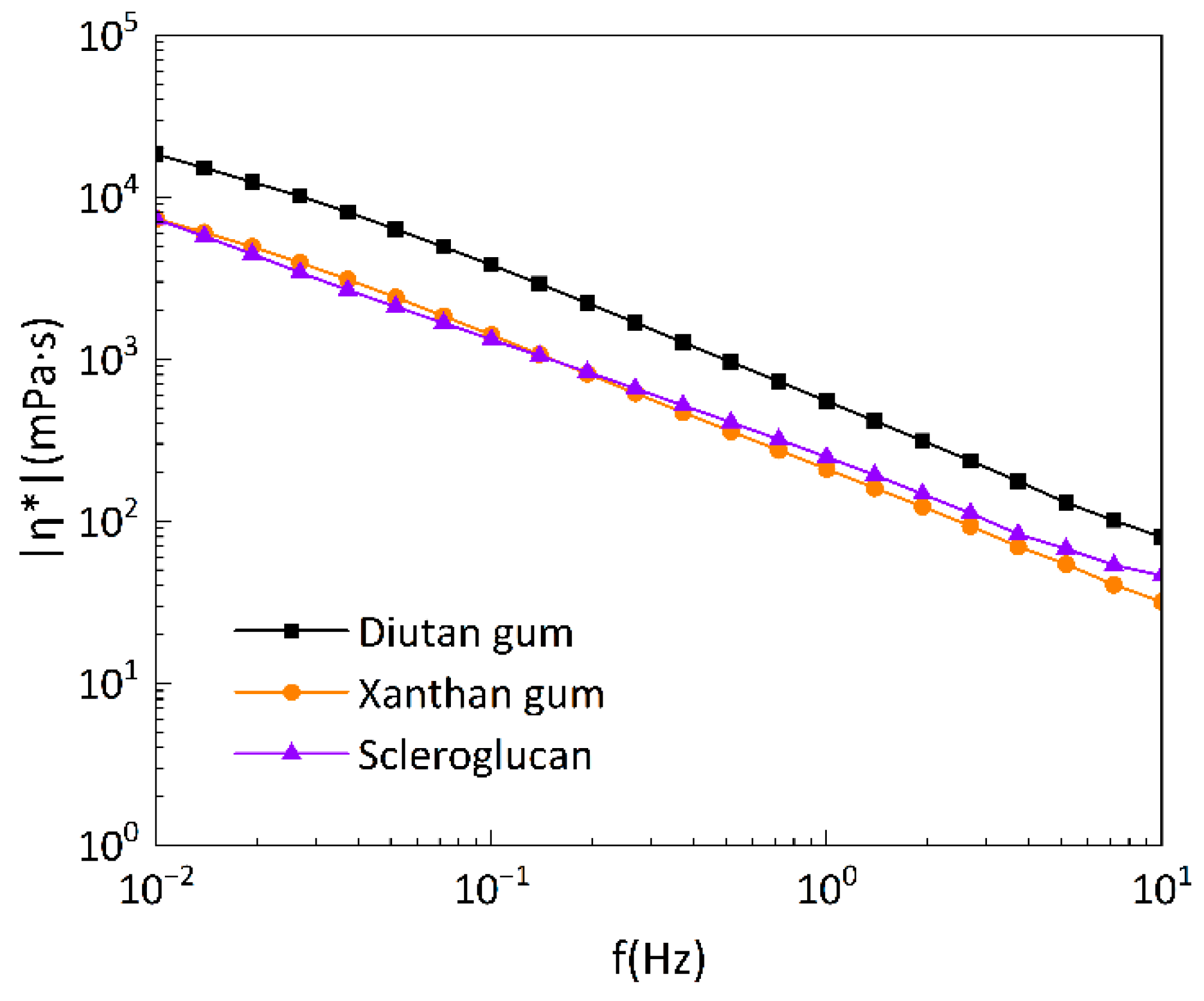
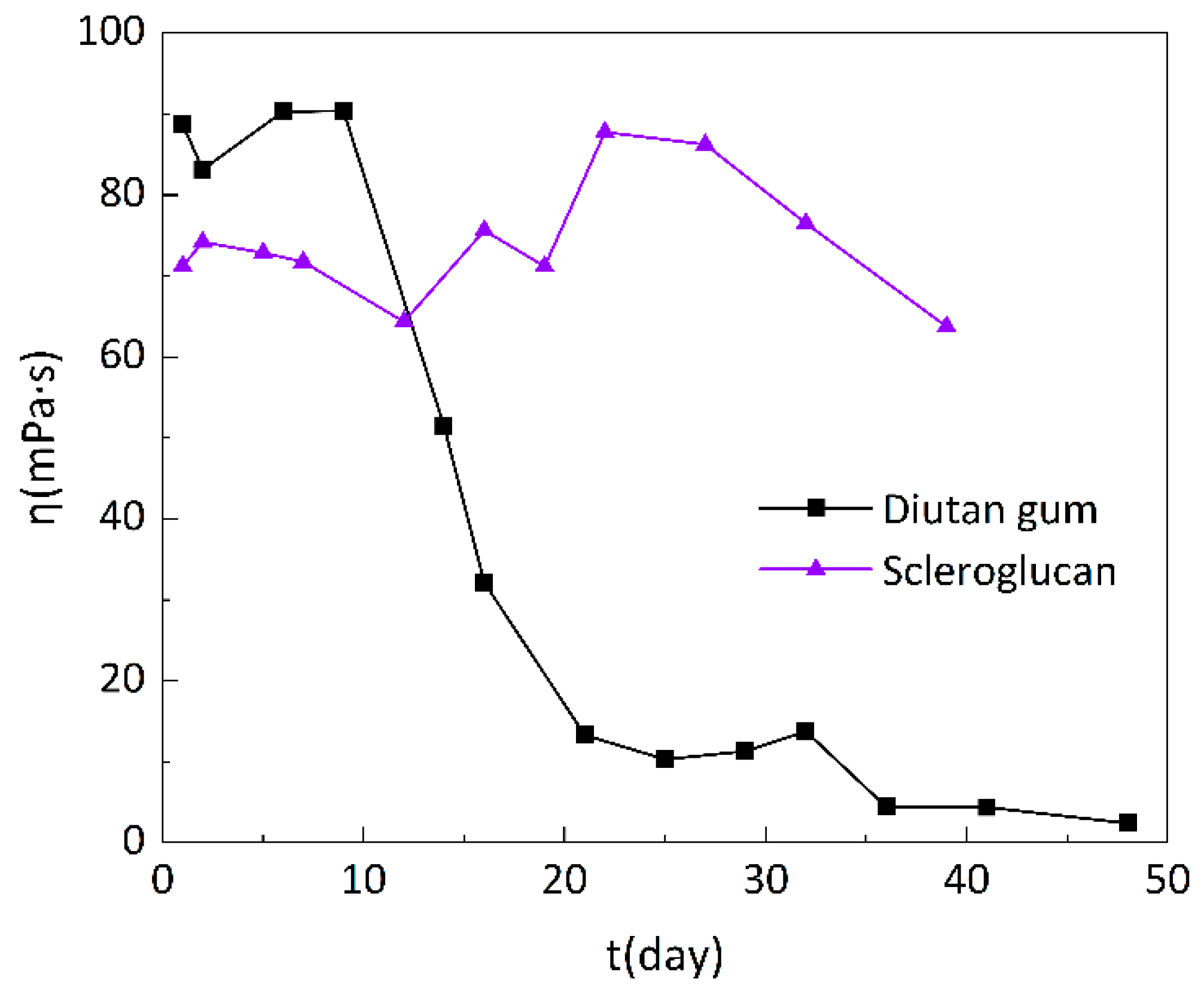
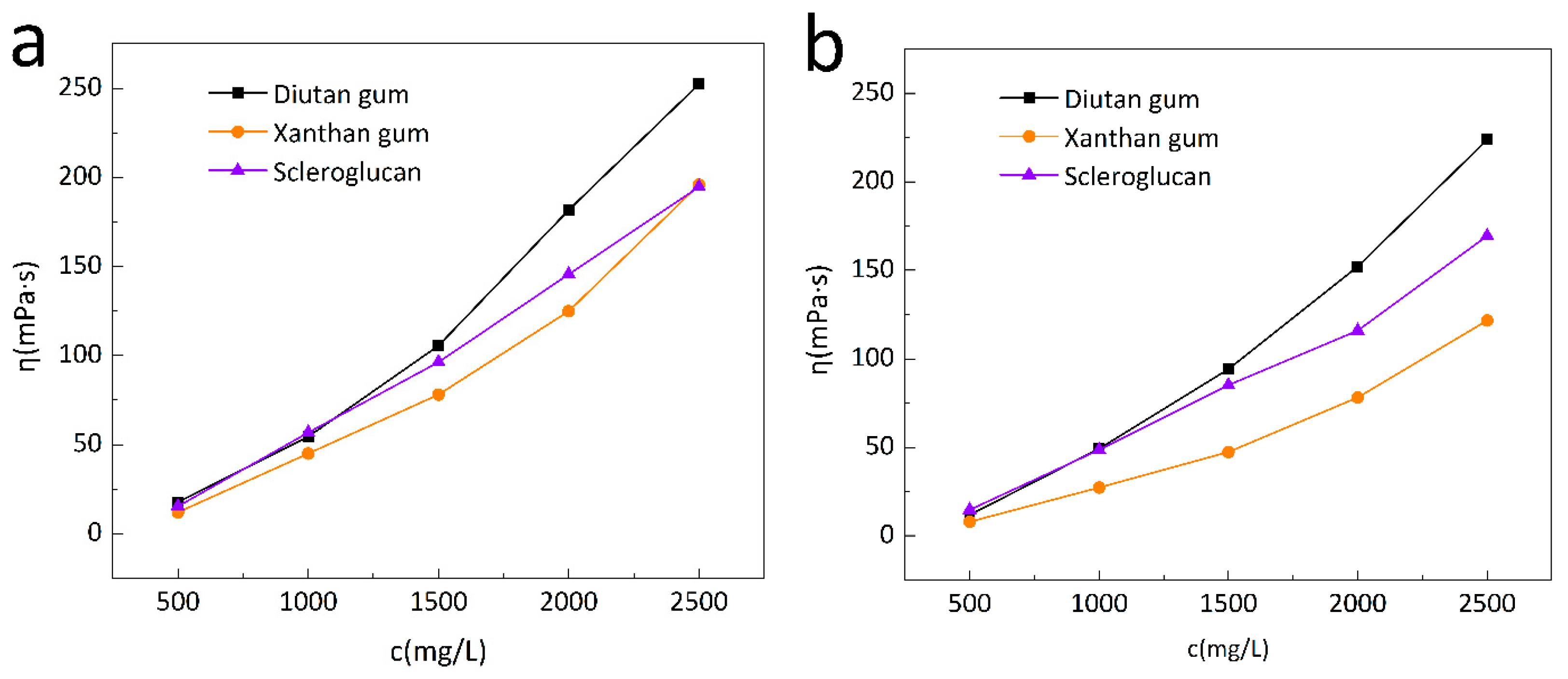
The chemically synthesized polymer polyacrylamide (HPAM) has achieved excellent oil displacement in conventional reservoirs, but its oil displacement is poor in extreme reservoir environments. To develop a biopolymer oil flooding agent suitable for extreme reservoir conditions, the viscosity changes and rheological properties of three biopolymers, diutan gum, xanthan gum, and scleroglucan, were studied under extreme reservoir conditions (high salt, high temperature, strong acid, and alkali), and the effects of temperature, mineralization, pH, and other factors on their viscosities and long-term stability were analyzed and compared. The results show that the three biopolymers had the best viscosity-increasing ability at temperatures of 90 °C and below. The viscosity of the three biopolymers was 80.94 mPa·s, 11.57 mPa·s, and 59.83 mPa·s, respectively, when the concentration was 1500 mg/L and the salinity 220 g/L. At the shear rate of 250 s−1, 100 °C~140 °C, scleroglucan had the best viscosification. At 140 °C, the solution viscosity was 19.74 mPa·s, and the retention rate could reach 118.27%. The results of the long-term stability study showed that the solution viscosity of scleroglucan with a mineralization level of 220 mg/L was 89.54% viscosity retention in 40 days, and the diutan gum could be stabilized for 10 days, with the viscosity maintained at 90 mPa·s. All three biopolymers were highly acid- and alkali-resistant, with viscosity variations of less than 15% in the pH3~10 range. Rheological tests showed that the unique double-helix structure of diutan gum and the rigid triple-helix structure of scleroglucan caused them to have better viscoelastic properties than xanthan gum. Therefore, these two biopolymers, diutan gum, and scleroglucan, have the potential for extreme reservoir oil displacement applications. It is recommended to use diutan gum for oil displacement in reservoirs up to 90 °C and scleroglucan for oil displacement in reservoirs between 100 °C and 140 °C.
Keywords: diutan gum; xanthan gum; scleroglucan; rheological behavior; extreme reservoir; long-term stability diutan gum; xanthan gum; scleroglucan; rheological behavior; extreme reservoir; long-term stability