Article

Study of a Mixed Conductive Layer Fabricated by Ion Implantation and Distribution Theory

1
College of Mathematics and Physics, Beijing University of Chemical Technology, Beijing 100029, China
2
College of Material Science and Engineering, Beijing University of Chemical Technology, Beijing 100029, China
3
College of Mechanical and Electrical Engineering, Beijing University of Chemical Technology, Beijing 100029, China
*
Authors to whom correspondence should be addressed.
These authors contributed equally to this work and should be considered co-first authors.
Polymers 2023, 15(2), 270; https://doi.org/10.3390/polym15020270
Submission received: 24 October 2022 / Revised: 12 November 2022 / Accepted: 15 November 2022 / Published: 5 January 2023
(This article belongs to the Special Issue Functional Polymeric Materials for Electrical Insulation Application)

Abstract

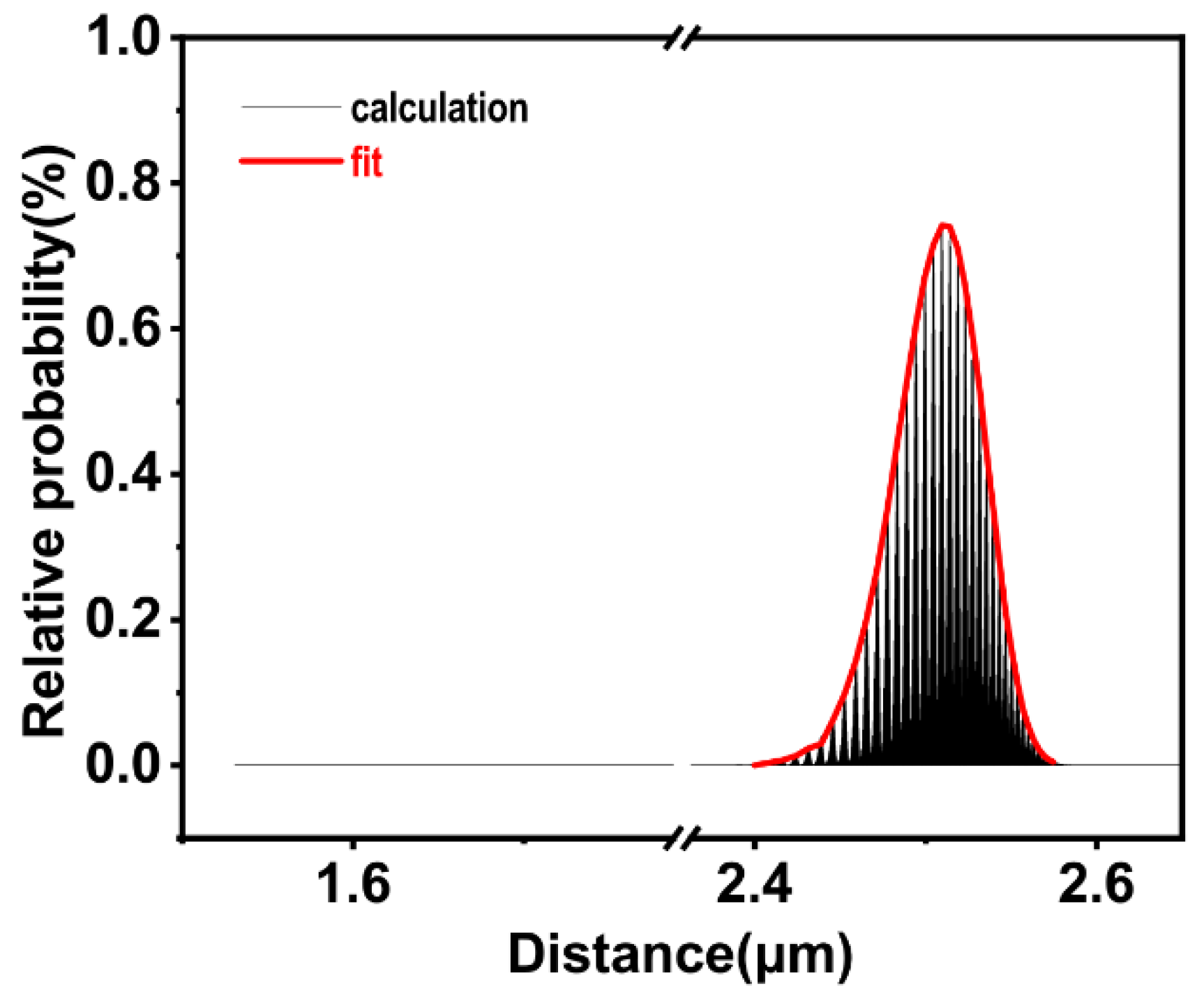
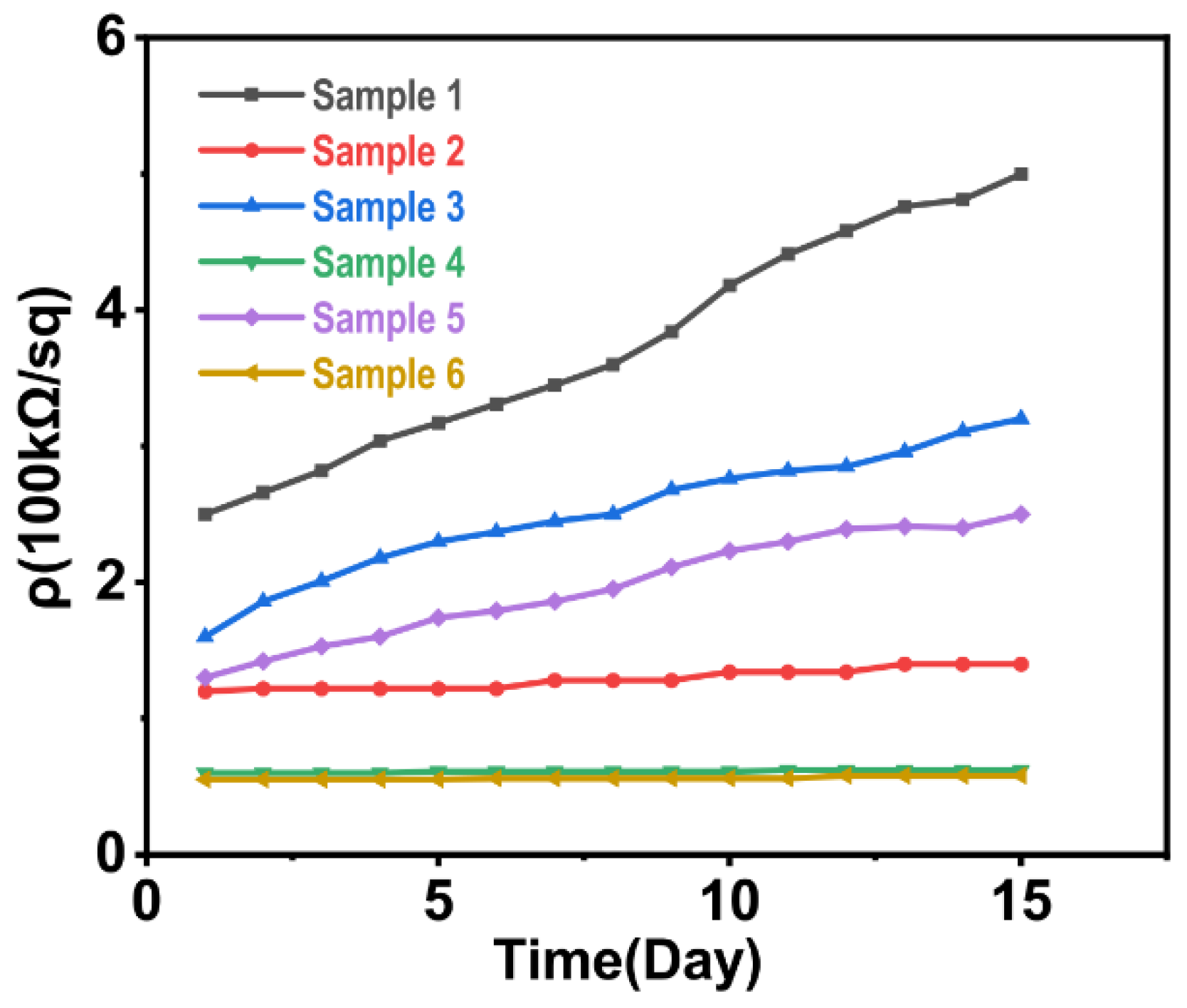
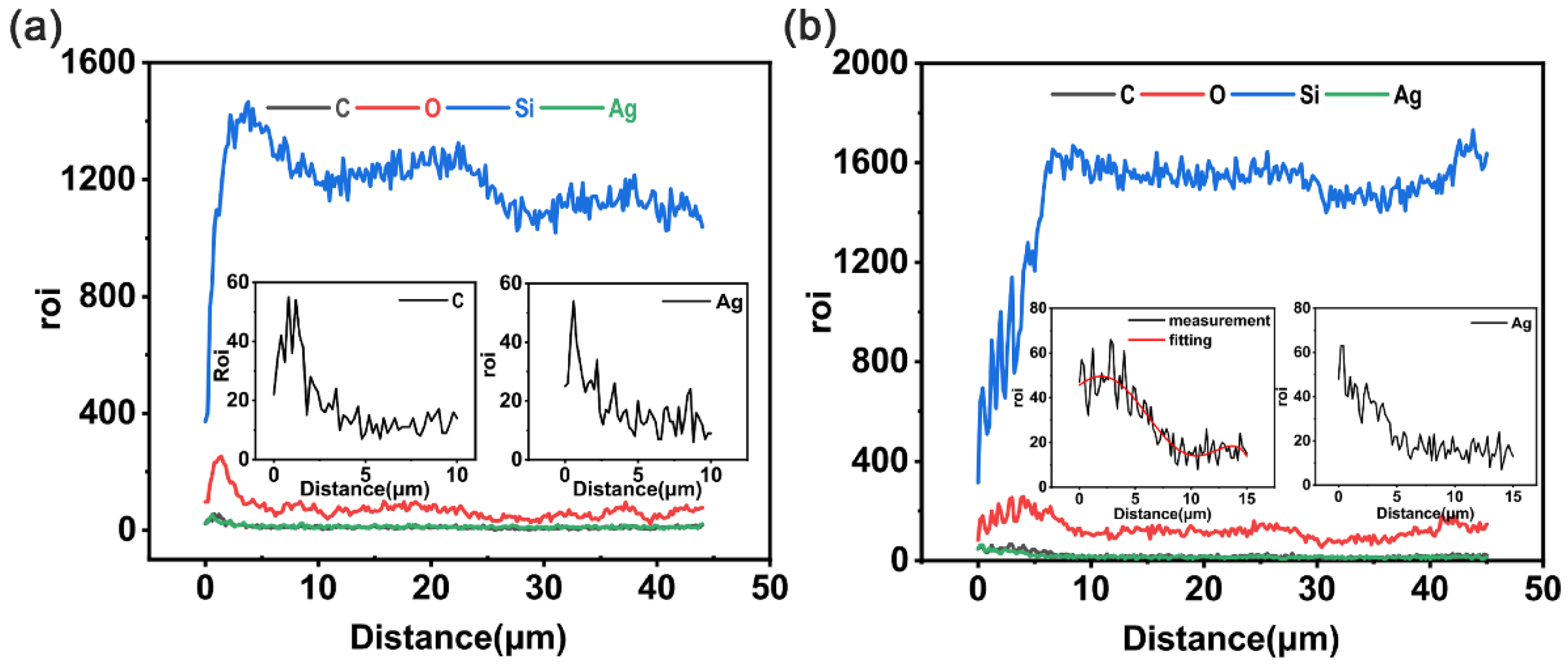
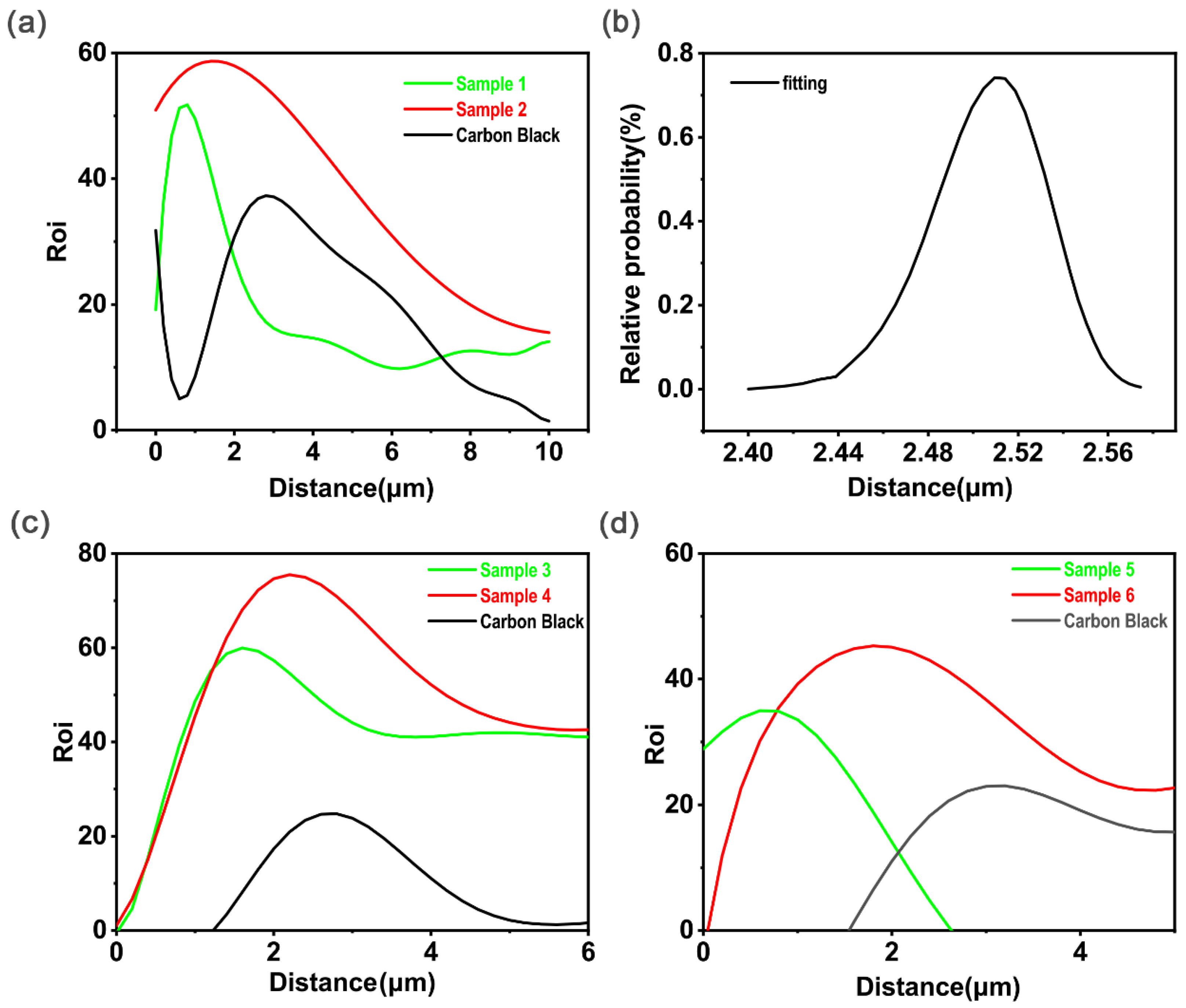
Electrodes are essential parts of capacitors that can consist of a variety of materials depending on the application. In dielectric elastomer transducers (DETs)—a type of special variable capacitor—the electrode needs to deform with a soft base. However, the current carbon-based electrodes are not stable, and the metal-based ones are not flexible for use in DETs. Thus, the need to fabricate an electrode which can meet both the stability and flexibility requirements is extremely important. In this work, silver ions with energy levels of 40 keV were implanted into the surface of polydimethylsiloxane (PDMS) to explore the effect of ion implantation on surface conductivity. The experimental results showed that the surface resistivity of PDMS reached 251.85 kΩ per square and dropped by 10 orders of magnitude after ion implantation. This indicates that the surface conductivity was significantly improved. EDS characterization results showed that the maximum penetration depth that ions could reach was about 2.5 μm. The surface resistivity of the sample coated with carbon black was further reduced by an order of magnitude after ion implantation and changed more stably with time. A quasi-melting-collision model was established to investigate the distribution of carbon black particles. The concentration of carbon black particles at a distance from the PDMS surface followed a Gaussian-like distribution.
Keywords: ion implantation; mixed conductive layer; distribution theory ion implantation; mixed conductive layer; distribution theory