Article

Tactile Sensing Using Magnetic Foam
1
Division for the Establishment of Frontier Sciences, Organization for Advanced Studies, Tohoku University, 2-1-1 Katahira, Aoba-ku, Sendai 980-8577, Japan
2
Advanced Institute for Materials Research, Tohoku University, 2-1-1 Katahira, Aoba-ku, Sendai 980-8577, Japan
3
Department of Robotics, Graduate School of Engineering, Tohoku University, 6-6-01, Aza Aoba, Aramaki Aoba-ku, Sendai 980-8579, Japan
4
Department of Electrical and Electronic Engineering, Faculty of Engineering, Tohoku Institute of Technology, Yagiyama Kasumi-cho 35-1, Taihaku-ku, Sendai 982-8577, Japan
5
Micro System Integration Center, Tohoku University, 519-1176 Aza Aoba, Aramaki Aoba-ku, Sendai 980-0845, Japan
*
Author to whom correspondence should be addressed.
Polymers 2022, 14(4), 834; https://doi.org/10.3390/polym14040834
Submission received: 11 January 2022 / Revised: 16 February 2022 / Accepted: 18 February 2022 / Published: 21 February 2022
(This article belongs to the Special Issue Electrical and Magnetic Properties of Polymers and Polymer Composites)

Abstract

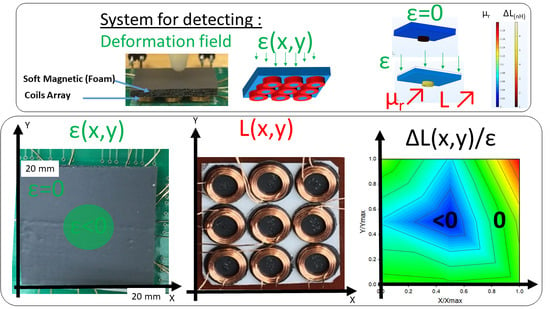
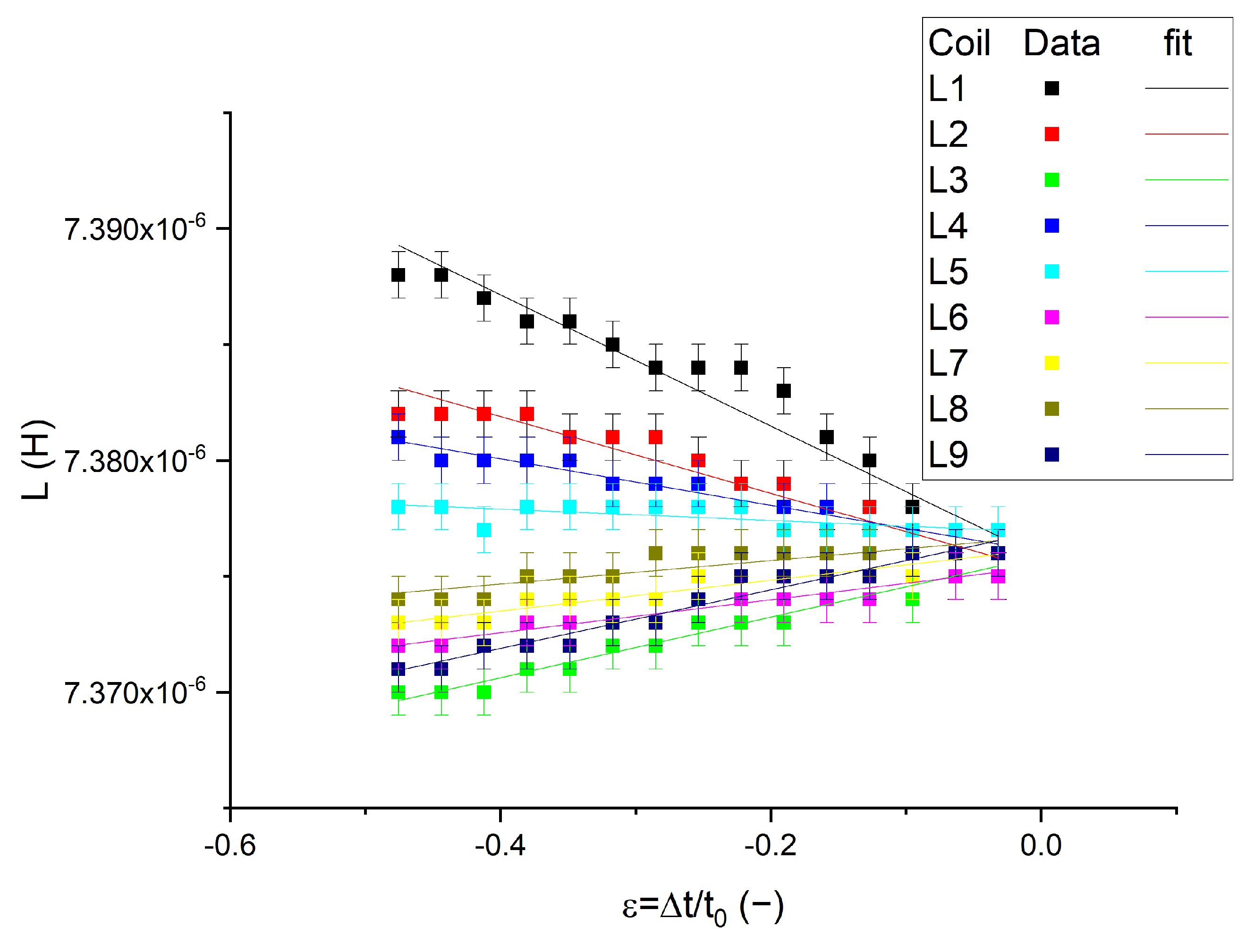
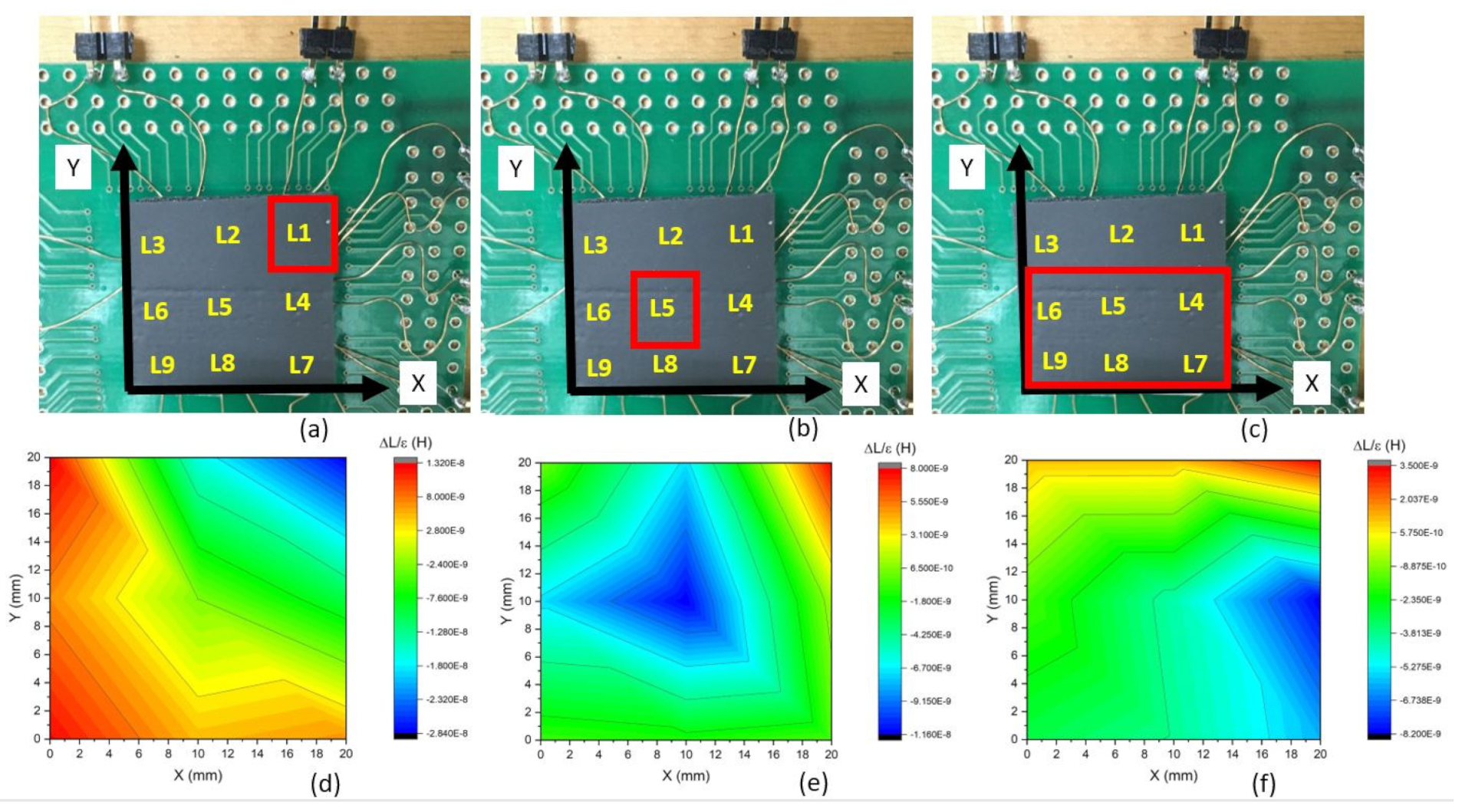
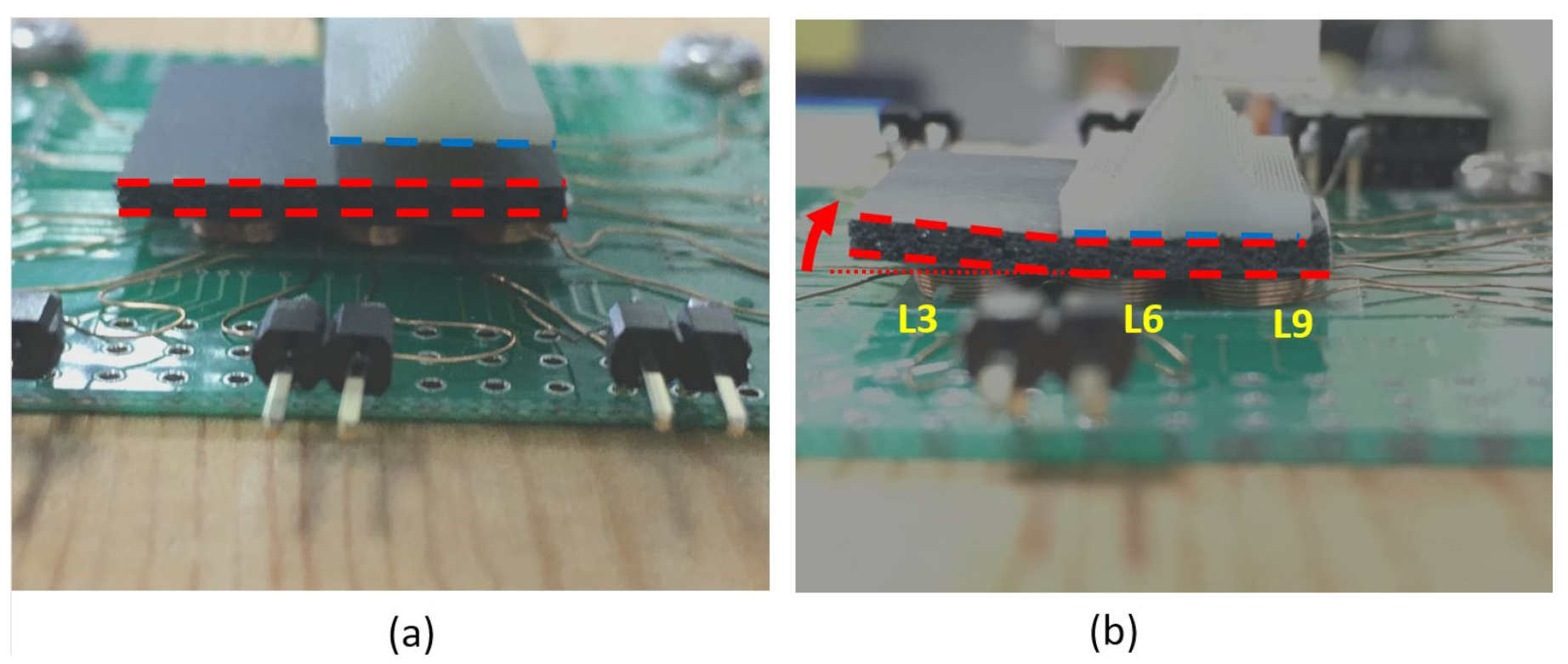
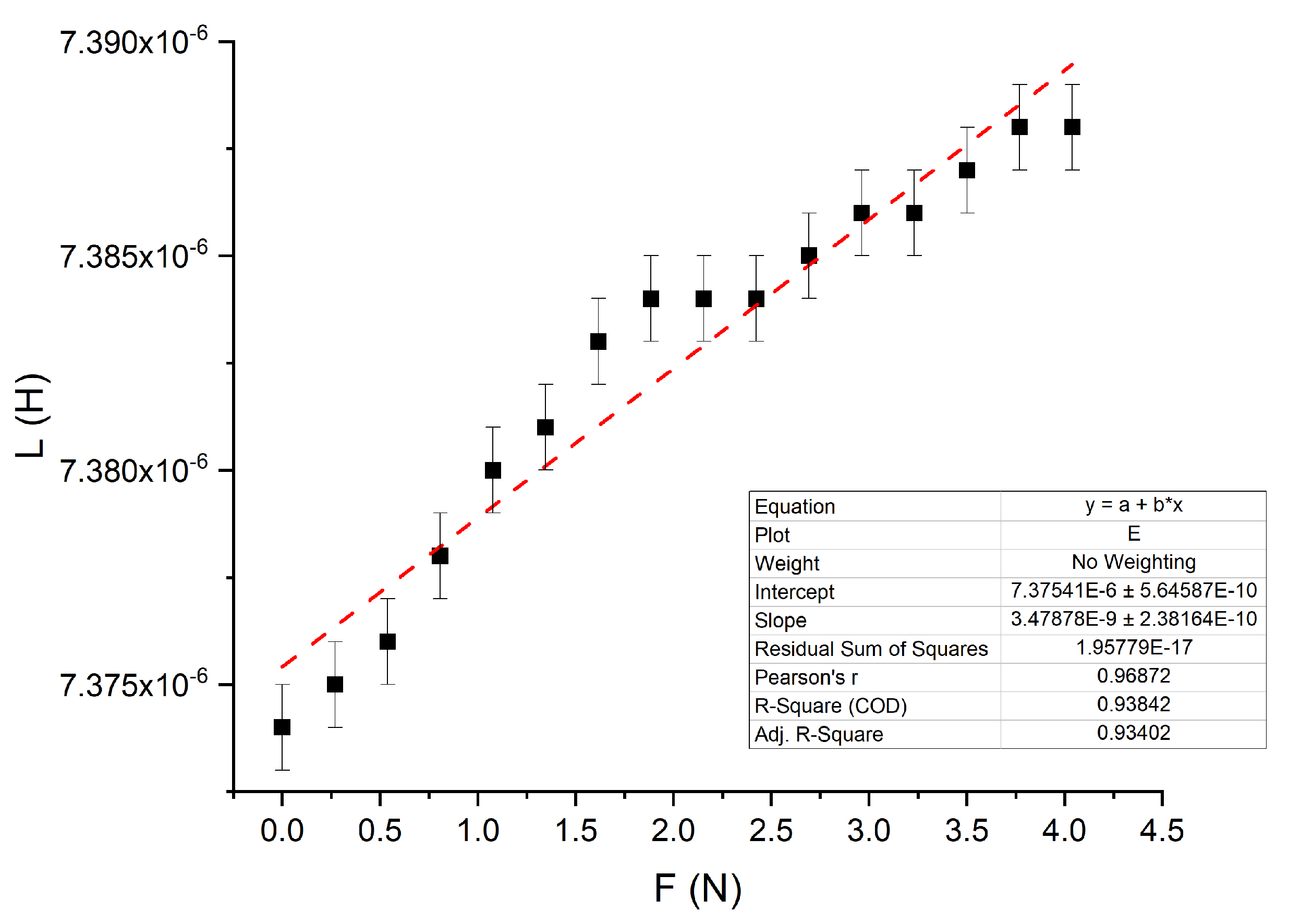
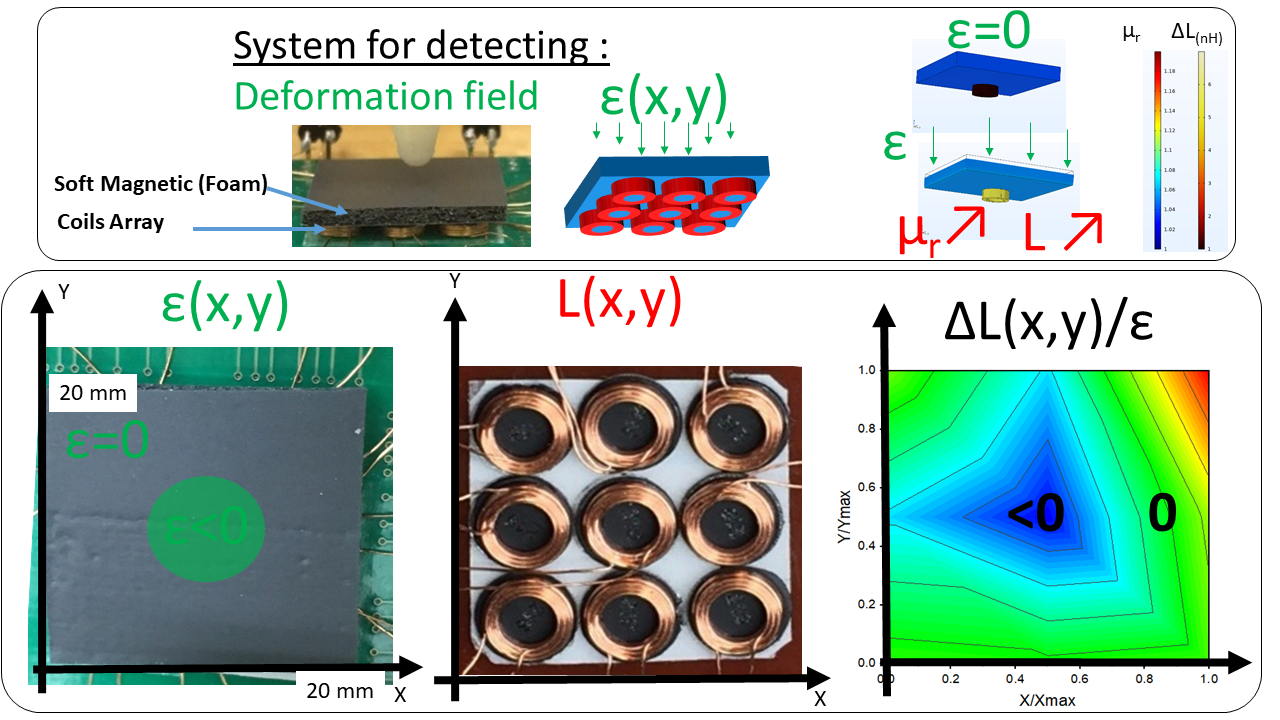
For biomedical applications, smart materials that are used as sensors or actuators have to match some criteria, especially bio-compatibility and softness. Smart polymers are candidates that fulfill these two criteria. A sensitivity to compression is created by adding magnetic particles to a compressible foam polymer. A foam-based composite is fabricated for its small Poisson’s ratio, which enables significant compression, up to 50%. This large compression induces a change in its magnetic properties, which can be detected using coils. By setting the sensing coils as a compact array of 3 × 3, the sensor successfully detected and localized an applied deformation.
Keywords: magnetic composite; deformation sensors; artificial skin magnetic composite; deformation sensors; artificial skin
Graphical Abstract