Article

Design of Triaxial Tests with Polymer Matrix Composites

by
María del Carmen Serna Moreno
1,*,
Sergio Horta Muñoz
1 and
Alberto Ruiz Gracia
2
1
Instituto de Investigación Aplicada a la Industria Aeronáutica, Escuela de Ingeniería Industrial y Aeroespacial de Toledo, Universidad de Castilla-La Mancha, Av. Carlos III s/n, Real Fábrica de Armas, 45004 Toledo, Spain
2
Escuela Técnica Superior de Ingenieros Industriales de Ciudad Real, Universidad de Castilla-La Mancha, Av. Camilo José Cela 2, Edificio Politécnico, 13071 Ciudad Real, Spain
*
Author to whom correspondence should be addressed.
Polymers 2022, 14(4), 837; https://doi.org/10.3390/polym14040837
Submission received: 5 February 2022 / Revised: 16 February 2022 / Accepted: 17 February 2022 / Published: 21 February 2022
(This article belongs to the Special Issue Mechanical Response of Fibre-Reinforced Polymers)

Abstract

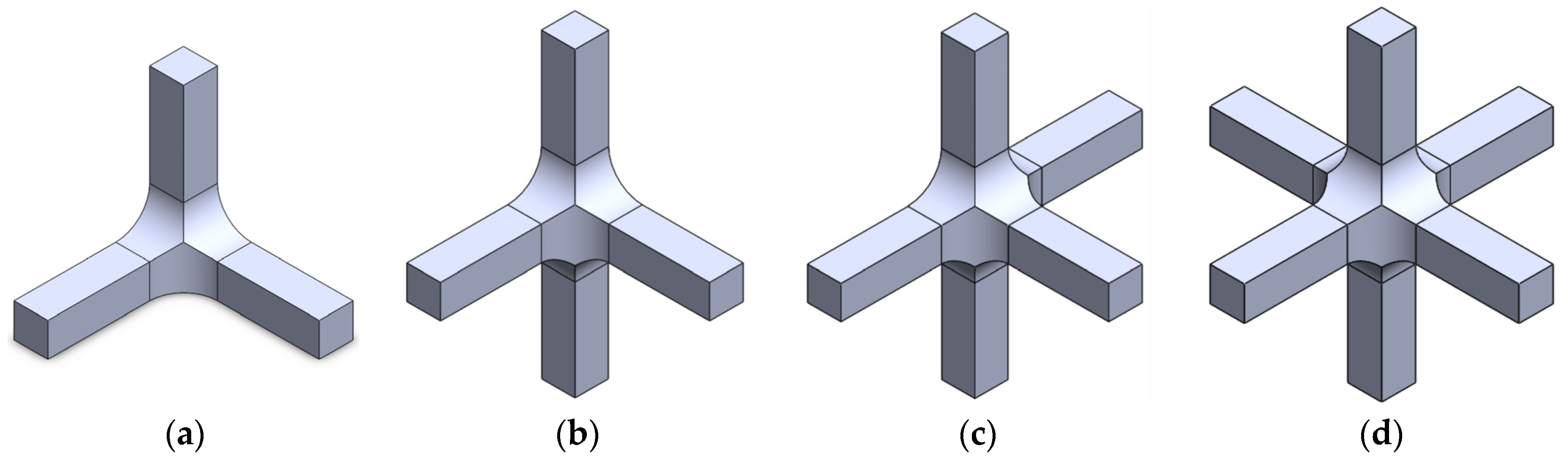
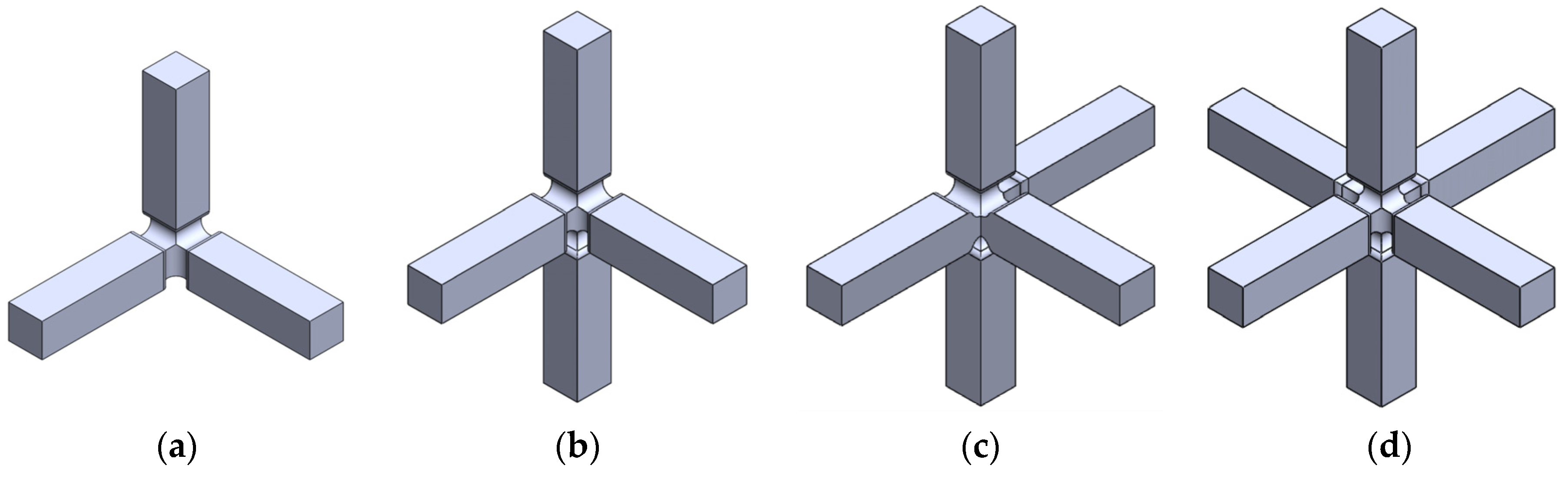
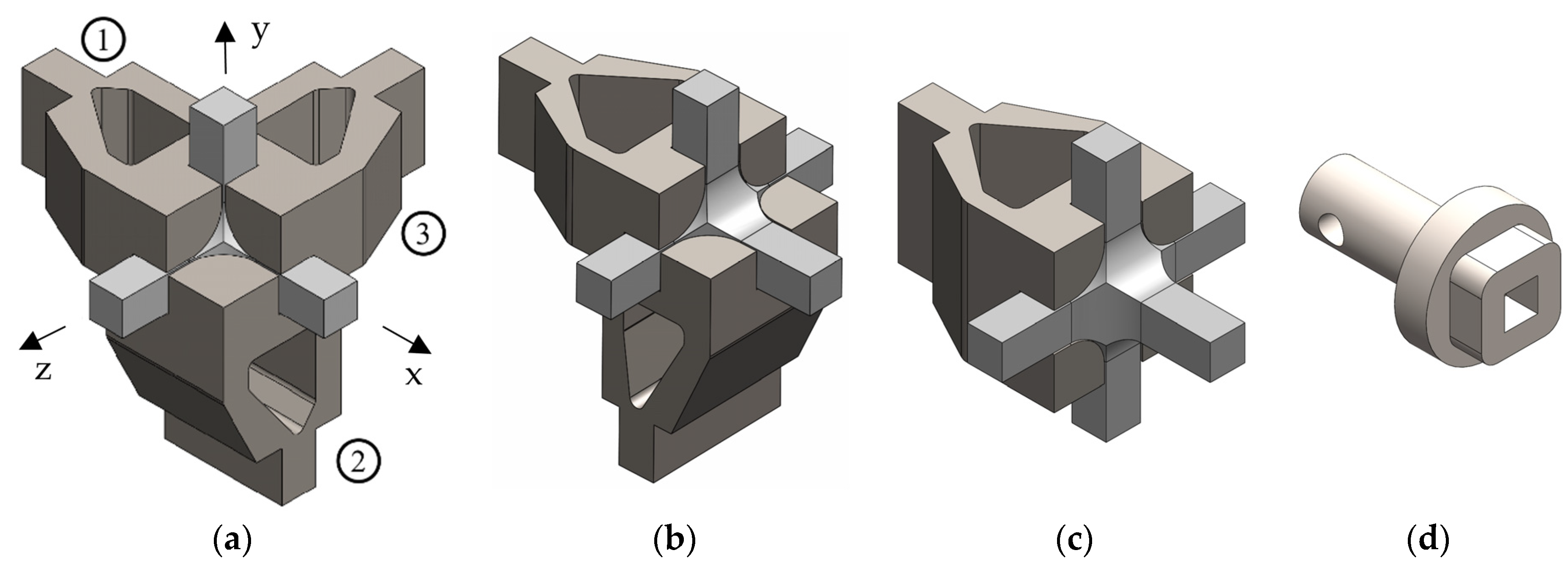
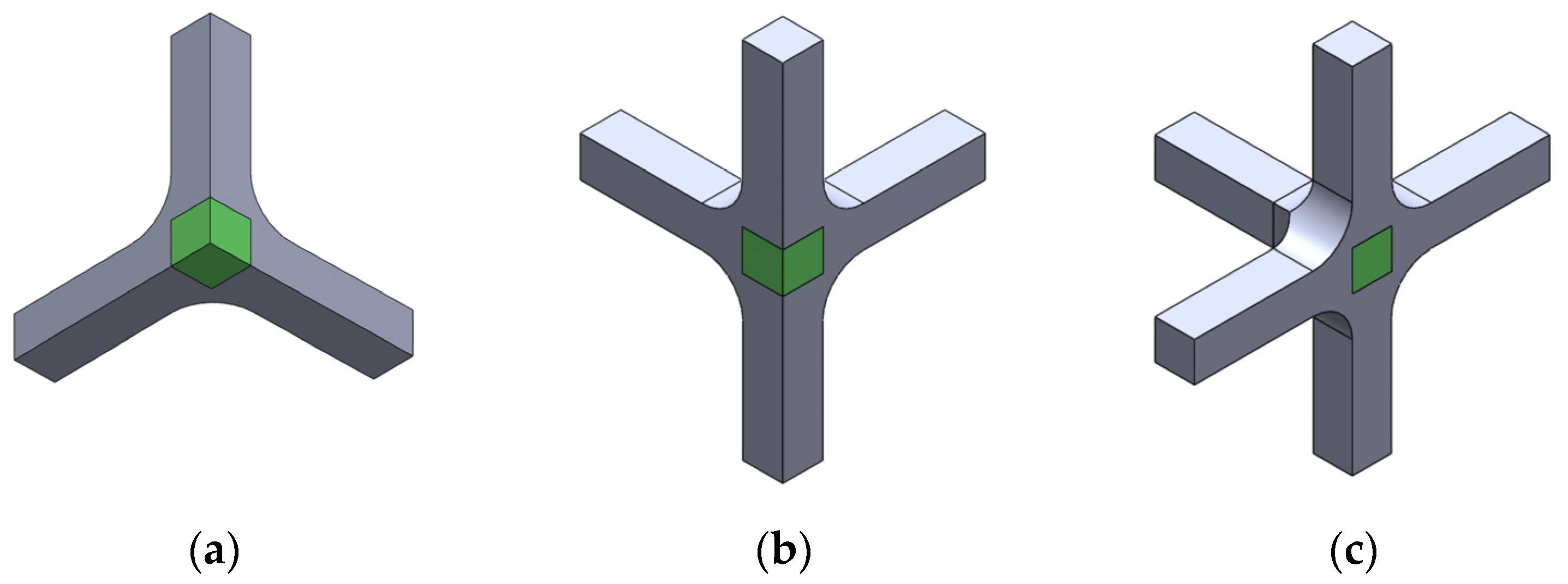
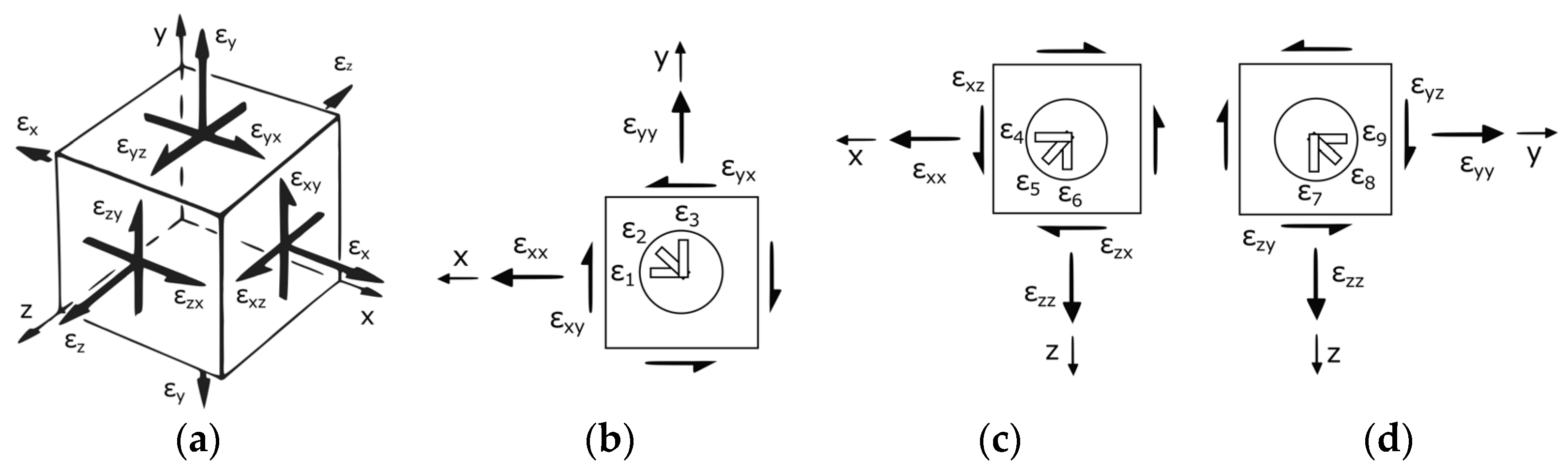
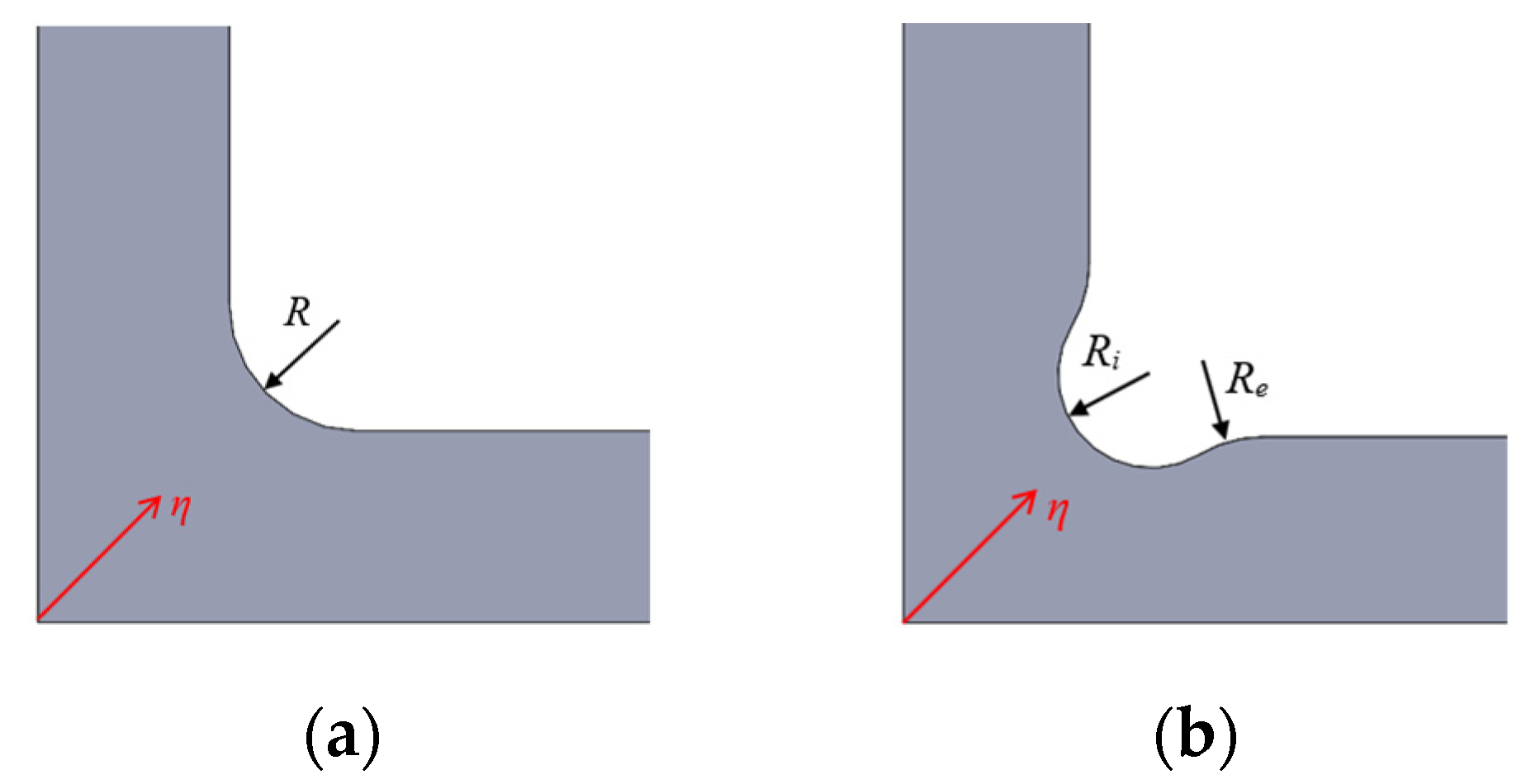
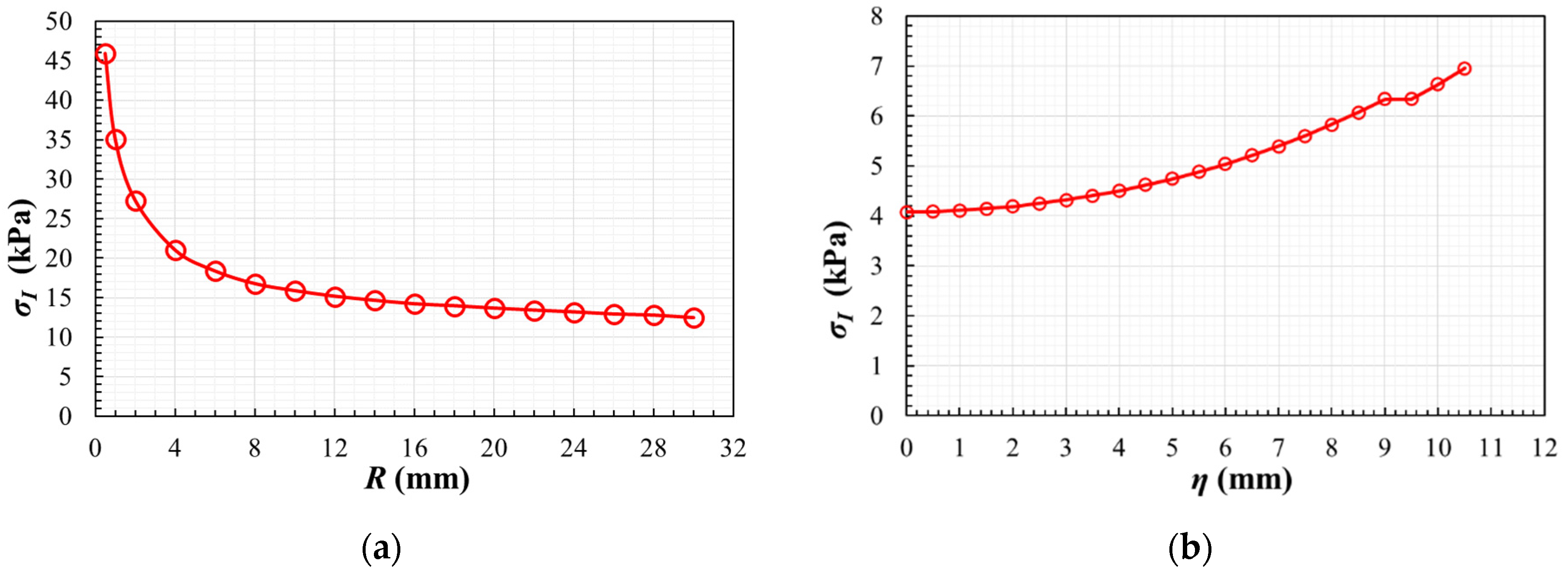
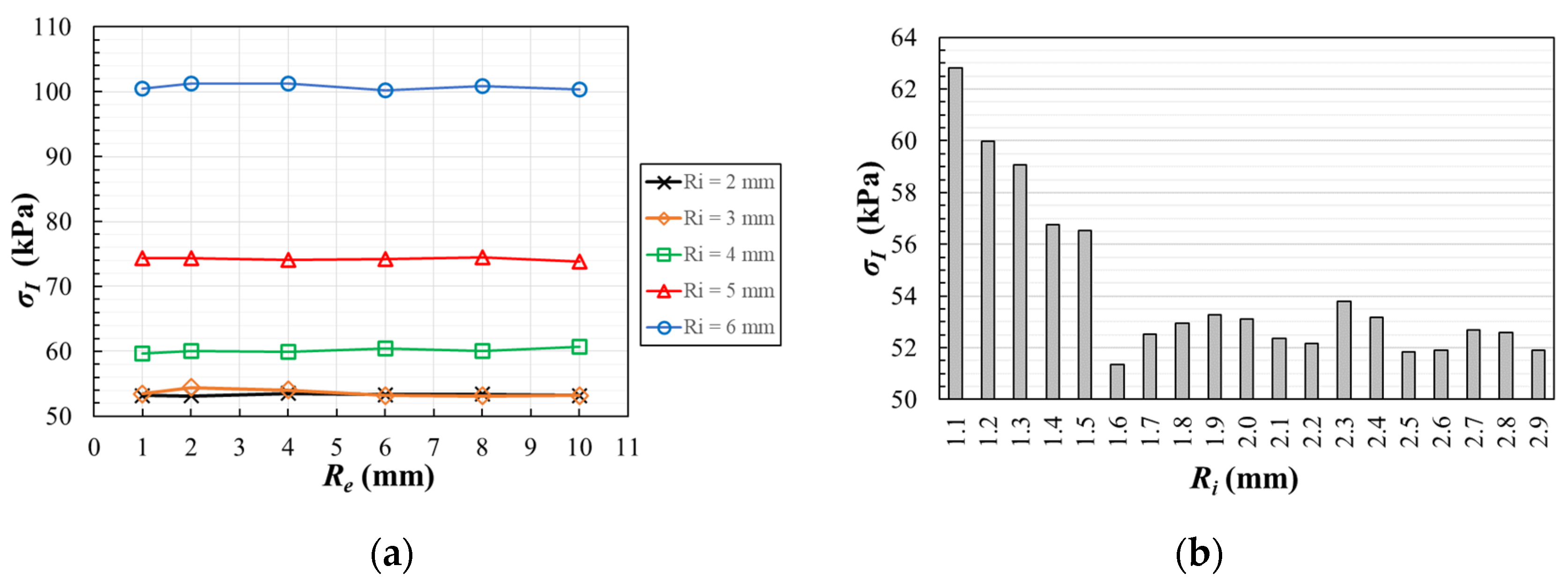
Multiaxial testing in composites may generate failure modes which are more representative of what occurs in a real structure submitted to complex loading conditions. However, some of its main handicaps include the need for special facilities, the correct design of the experiments, and the challenging interpretation of the results. The framework of this research is based on a triaxial testing machine with six actuators which is able to apply simultaneous and synchronized axial loads in the three space directions. Then, the aim was to design from a numerical point of view a triaxial experiment adapted to this equipment. The methodology proposed could allow for an adequate characterization of the triaxial response of a polymer-based composite with apparent isotropic behaviour in the testing directions. The finite element method (FEM) is applied in order to define the geometry of the triaxial specimen. The design pursues to achieve homogeneous stress and strain states in the triaxially loaded region, which should be accessible for direct measurement of the strains. Moreover, a fixing system is proposed for experimentally reproducing the desired boundary conditions imposed on the numerical simulations. The procedure to determine the full strain tensor in the triaxially loaded region is described analytically and with the help of FEM virtual testing. The hydrostatic component and the deviatoric part of the strain tensor are proposed for estimating the susceptibility of the polymer-based composite to fail due to the triaxial strain state imposed. Then, the loading scenarios that cause higher values of the deviatoric components in the triaxially loaded region are considered to be more prone to damage the region of interest. Nevertheless, the experimental failure is expected to be produced in the arms of the specimen which are uniaxially loaded, since in all of the loading cases the simulations show higher levels of stress concentration out of the triaxially loaded region. Thus, although the triaxial strength could not be accurately determined by the proposed tests, they can be utilized for observing the triaxial response before failure.
Keywords: triaxial testing; finite element method; polymer-based composites triaxial testing; finite element method; polymer-based composites