Article

Application of 3D-Woven Fabrics for Packaging Materials for Terminally Sterilized Medical Devices


1
Department of Textile Design and Management, Faculty of Textile Technology, University of Zagreb, Prilaz baruna Filipovi’ca 28a, 10000 Zagreb, Croatia
2
Department of Clothing Technology, Faculty of Textile Technology, University of Zagreb, Prilaz brauna Filipovića 28a, 10000 Zagreb, Croatia
3
Vertiv Croatia d.o.o., Oreškovićeva ulica 6n/2, 10000 Zagreb, Croatia
*
Author to whom correspondence should be addressed.
Polymers 2022, 14(22), 4952; https://doi.org/10.3390/polym14224952
Submission received: 14 October 2022 / Revised: 12 November 2022 / Accepted: 14 November 2022 / Published: 16 November 2022
(This article belongs to the Special Issue Mechanical Response of Fibre-Reinforced Polymers)

Abstract

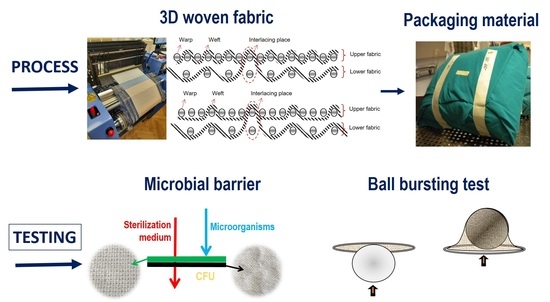
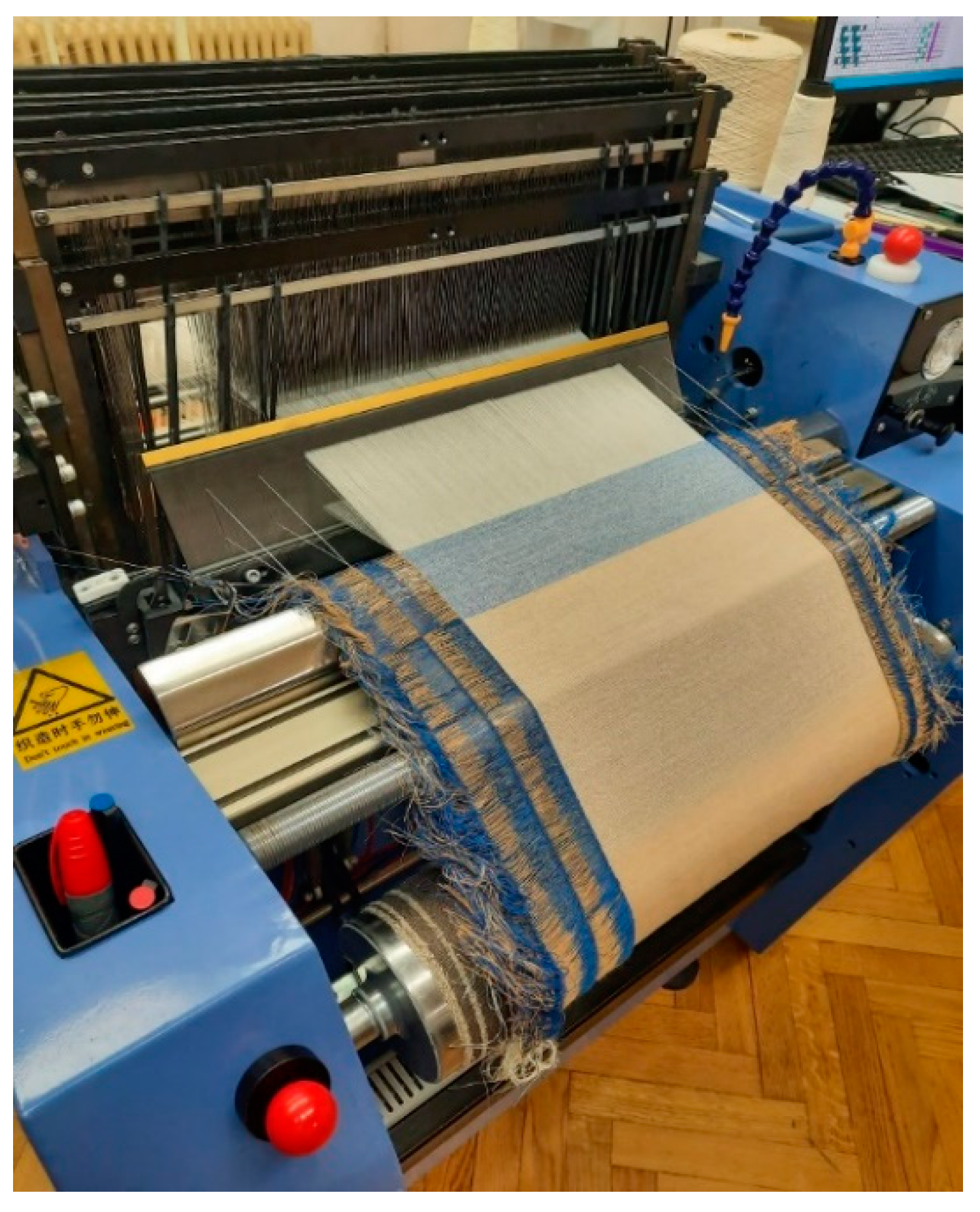
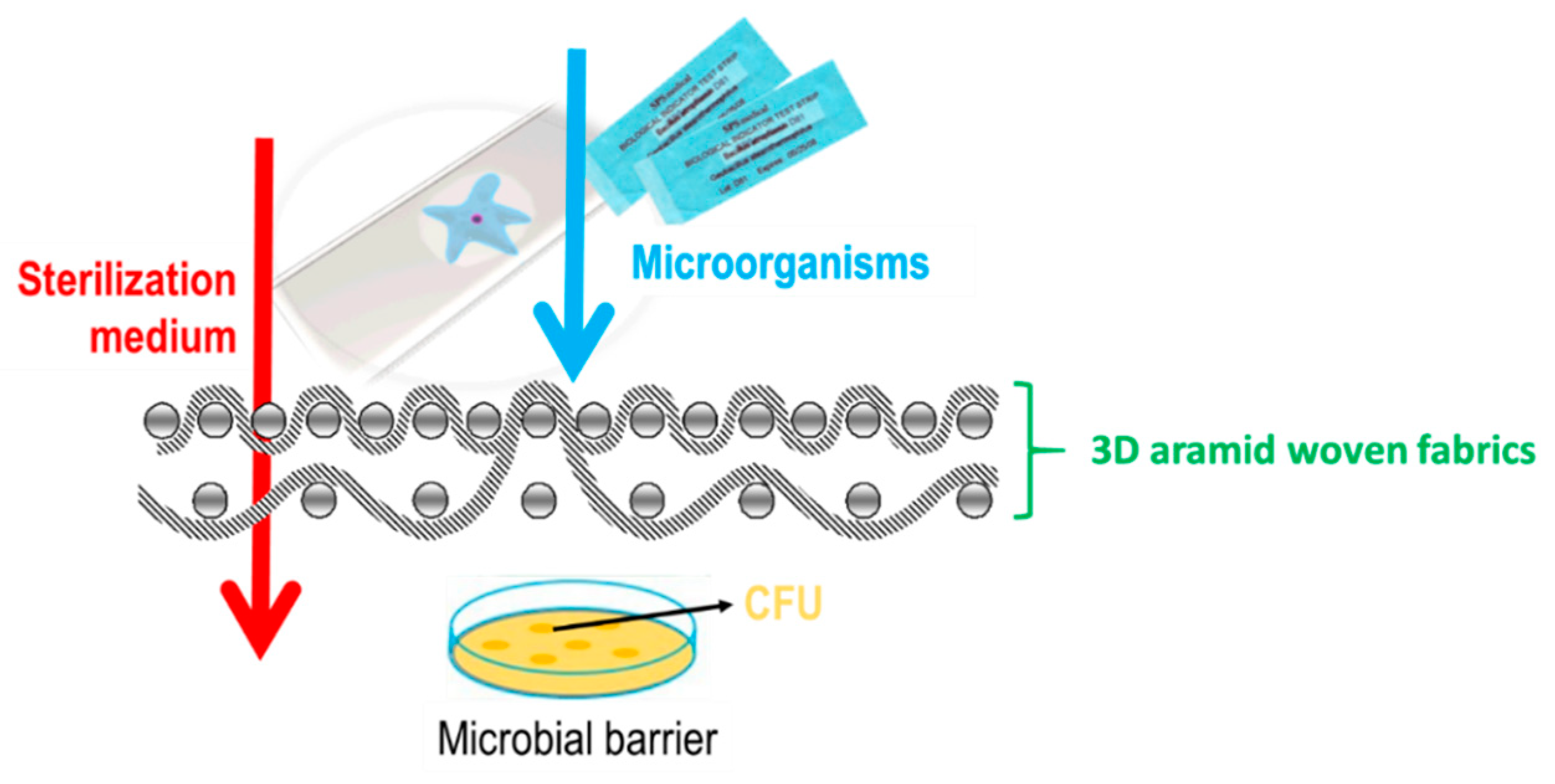
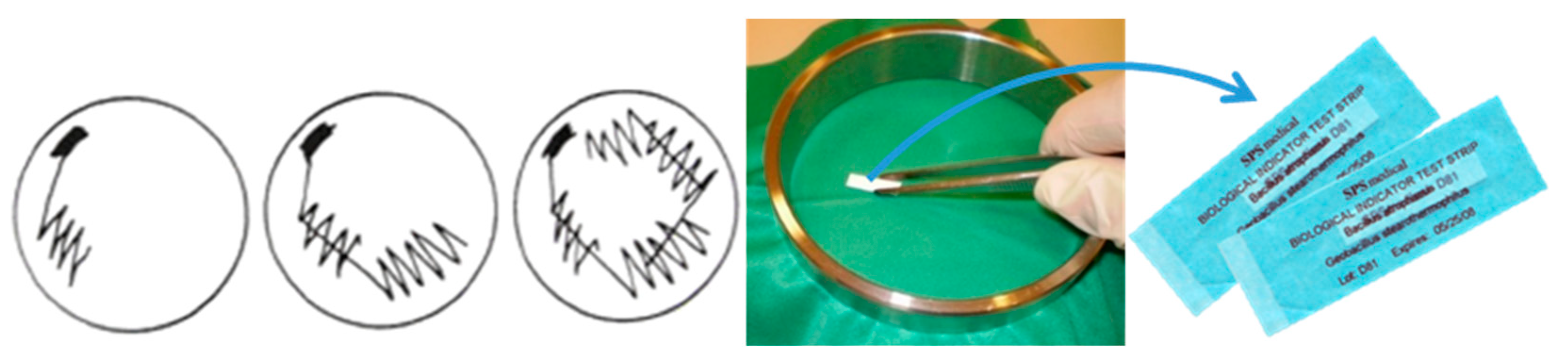
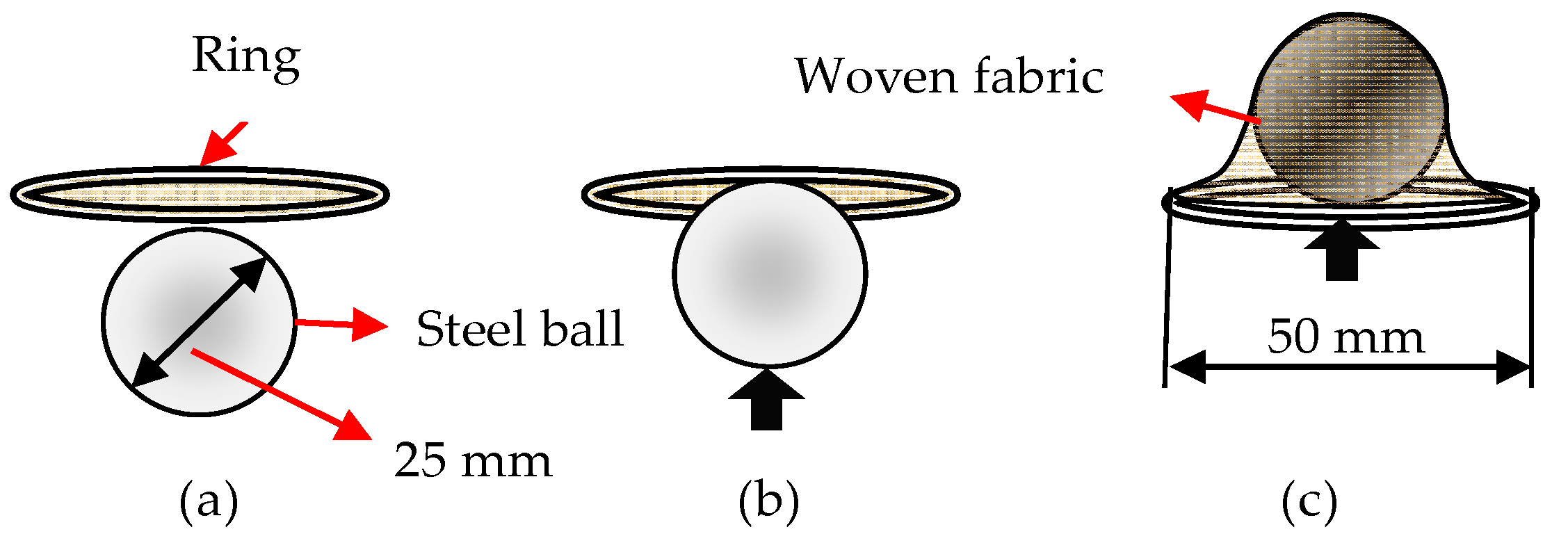
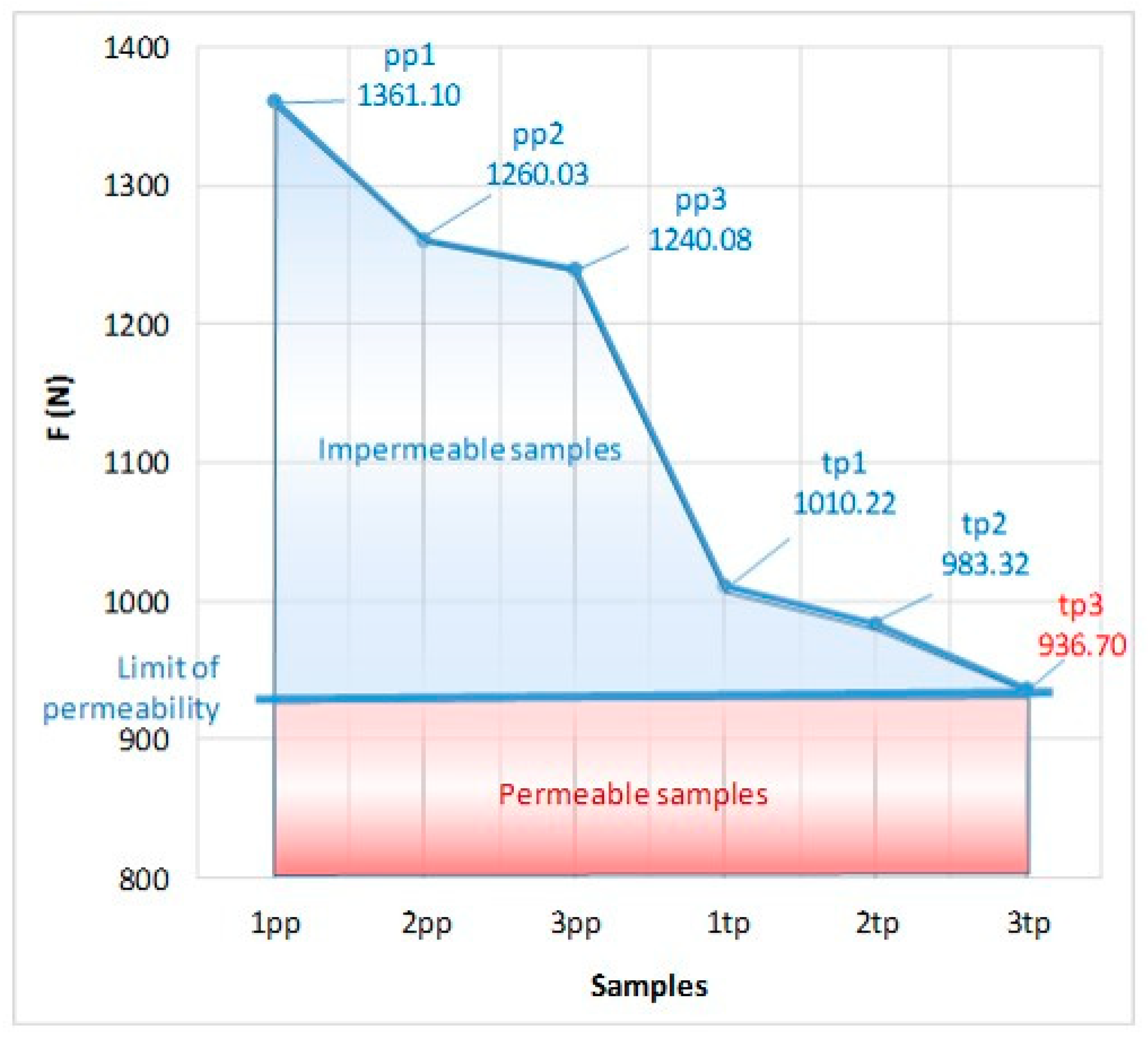
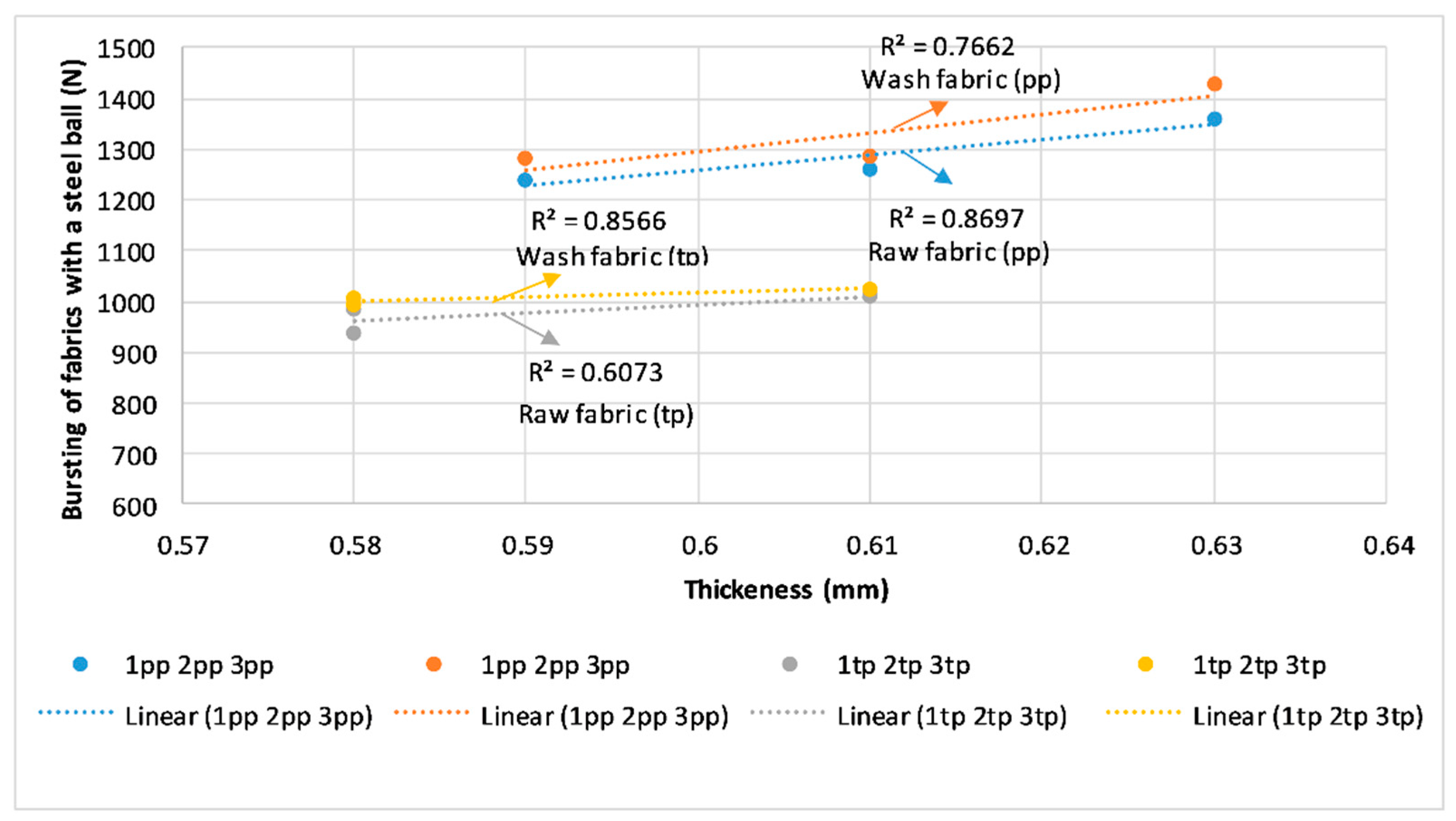
This research aimed to test a newly developed 3D fabric for use in a hospital sterilization unit as a packaging material. Two basic properties were tested: the efficiency of the microbial barrier, and the bursting strength of the woven fabric, determined with a steel ball. Material deformations caused by bursting are common in medical sterilization, as a consequence of the packaging of the medical tools needed in surgery. Six 3D-fabric samples were woven from the same warp, with three weft densities and in two different weaves. The weaving conditions and other construction characteristics of the fabrics were the same. To determine the effectiveness of the microbial barrier, bacterial endospores of an apathogenic species of the genus Bacillus, Geobacillus stearothermophilus and Bacillus atrophaeus, were used. Mechanical testing of the 3D-woven fabric, i.e., the bursting strength of the fabric using a steel ball, was carried out according to the standard method. The results showed the exceptional puncture strength of the woven fabrics and their formation of an effective microbial barrier, i.e., complete impermeability to microorganisms in five samples, which is the main condition for possible use as a packaging material in medical sterilization. Sample 3tp did not provide an effective microbial barrier and did not meet the basic requirements for use in medical sterilization.
Keywords: 3D woven fabric; packaging material; sterilization; microbial barrier; ball bursting test 3D woven fabric; packaging material; sterilization; microbial barrier; ball bursting test
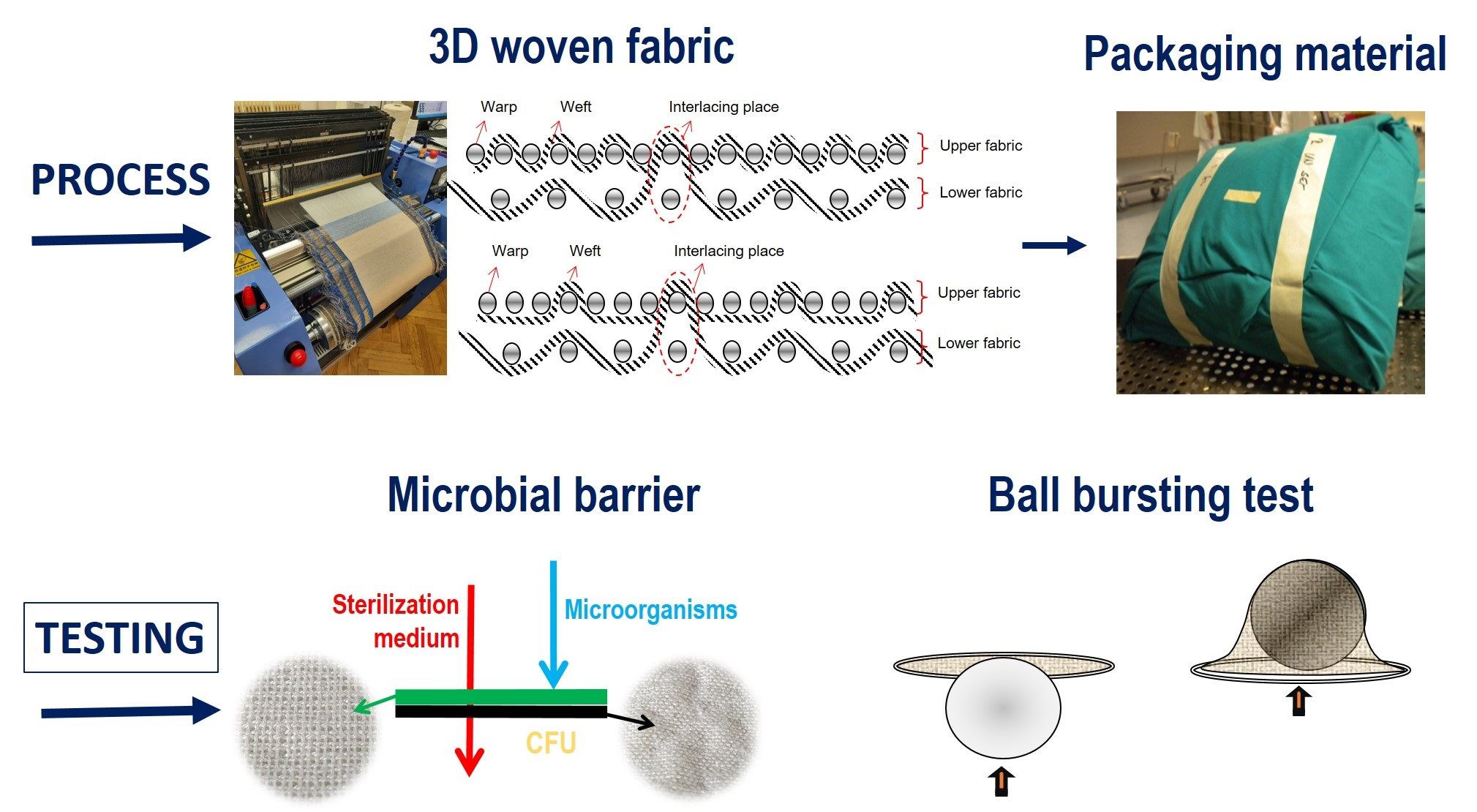
Graphical Abstract