Recent Developments in Polyurethane-Based Materials for Bone Tissue Engineering

Abstract
1. Introduction
2. Polyurethanes
3. PU-Based Materials in Biomedical Applications
- thermally induced phase separation,
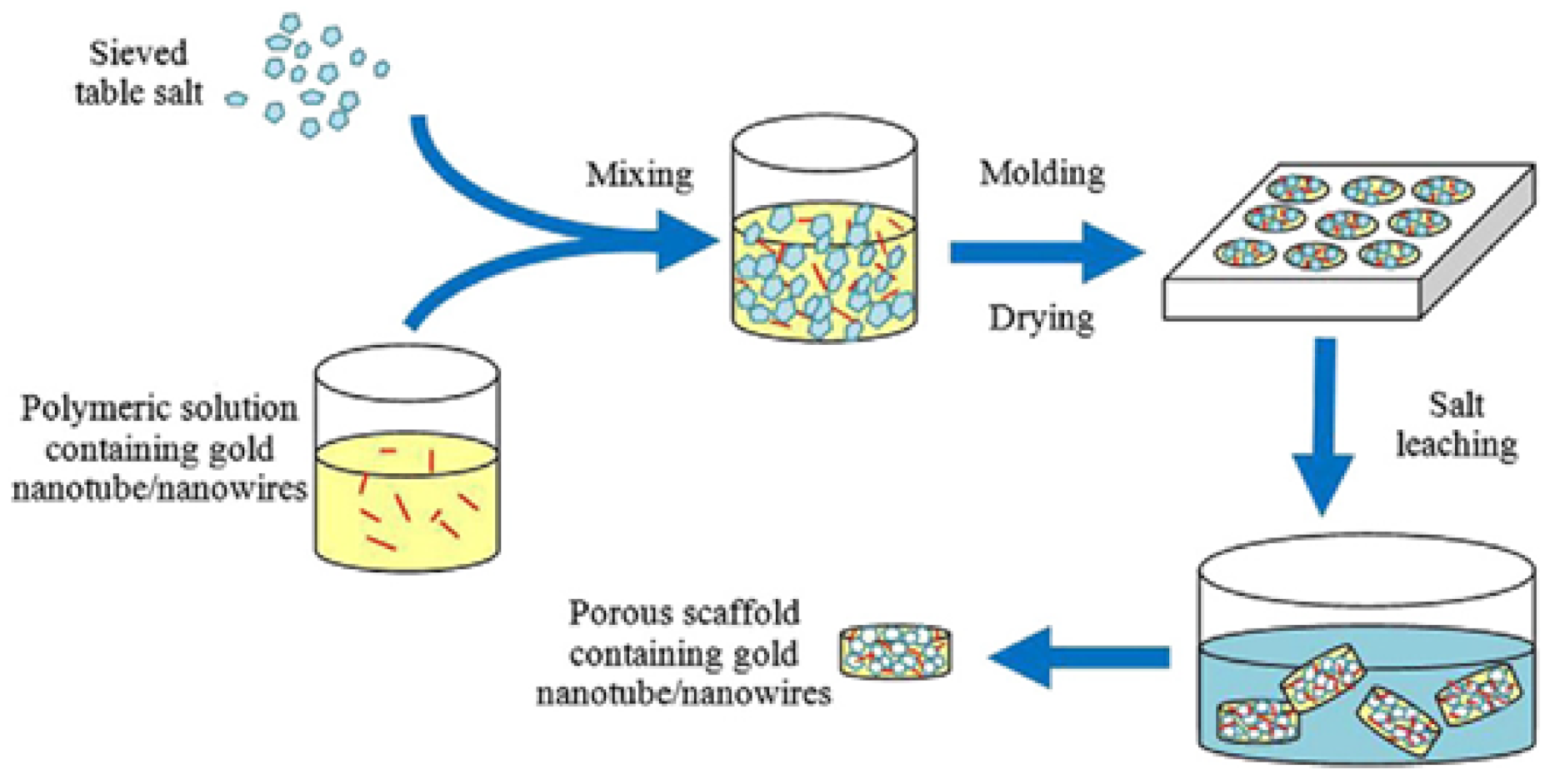
- salt leaching,
- wet spinning,
- electrospinning,
- carbon dioxide foaming,
- 3D printing.
3.1. Scaffolds Designed for Cardiovascular Applications
3.2. Scaffolds Designed for Musculoskeletal Applications
3.3. Scaffolds Designed for Nerve and Other Soft Tissues Regeneration
4. Bone Tissue
5. PU-Based Materials in Bone Tissue Engineering
5.1. Polyurethane Elastomers and Foams
5.2. Other Polyurethane Systems
5.3. Injectable Polyurethanes System
6. Bioactivity and Biocompatibility of PU-Based Materials
7. The Influence of Polyurethane Materials on Cell Proliferation and Differentiation
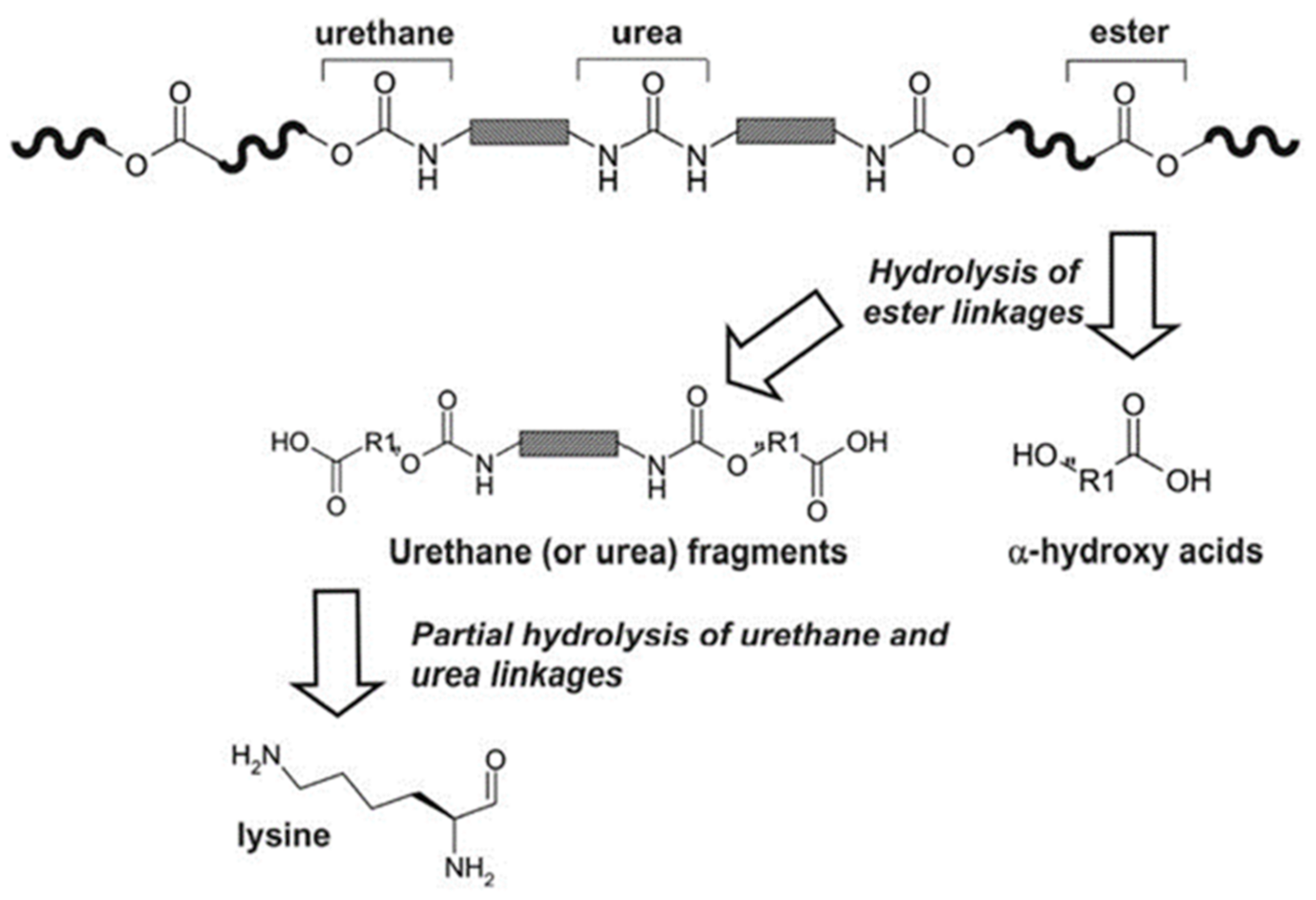
8. Biodegradation of PU Scaffolds
9. Conclusions and Future Trends
Author Contributions
Funding
Institutional Review Board Statement
Informed Consent Statement
Data Availability Statement
Conflicts of Interest
Abbreviations
| BDA | 1,4-butanediamine |
| BDI | 1,4-diisocyanatobutane |
| BMSC | bone marrow stromal cells |
| CE | cholesterol esterase |
| DMA | dynamic mechanical analysis |
| DSC | differential scanning calorimetry |
| ELDI | 2,6-diisocyanato hexanoate |
| ESHU | ABA block copolymer, poly(ethylene glycol)-poly(serinol hexamethylene urethane) |
| HAp | hydroxyapatite |
| HDI | 1,6-hexamethylenediisocyanate |
| HDIt | trimer of 1,6-hexamethylenediisocyanate |
| LDI | lysine diisocyanate |
| LTI | lysine triisocyanate |
| MDI | 4,4′-diisocyanate diphenylomethane |
| MSC | mesenchymal stem cells |
| PBS | phosphate buffered saline |
| PC diol | polycarbonate diol |
| PCL | poly(ε-caprolactone) |
| PEA | poly(ethylene adipate) diol |
| PEG | poly(ethylene glycol) |
| PEU | poly(ester urethane) |
| PEUUR | poly(ester urethane)urea |
| PEEUUR | poly(ether ester urethane)urea |
| PGC-diol | poly[glycolide-co-(ε-caprolactone)]-diol |
| PHA | polyhydroxyalkanoate |
| PHB | poly[(R)-3-hydroxybutyrate] |
| PLLA | poly(l-lactide) |
| PLGA | poly(lactide-co-glycolide) |
| PMMA | poly(methyl methacrylate) |
| PPF | poly(propylene fumarate) |
| PPG | poly(propylene glycol) |
| PSU | polysulphone |
| PTMC | poly(trimethylene carbonate) |
| PU | polyurethane |
| PUU | poly(urethane-urea) |
| PVLCL | poly(δ-valerolactone-co-ε-caprolactone) |
| RP | rapid prototyping |
| SEM | scanning electron microscope |
| TCP | tricalcium phosphate |
| TEDA | triethylenediamine |
| TIPS | thermally induced phase separation technique |
| TMHDI | 2,2,4-trimethyl hexamethylene diisocyanate |
| TyA | tyramine |
| WAXS | wide-angle X-ray scattering |
References
- Zanetta, M.; Quirici, N.; Demarosi, F.; Tanzi, M.C.; Rimondini, L.; Farè, S. Ability of polyurethanefoams to supportcellproliferation and the differentiation of MSCs into osteoblasts. Acta Biomater. 2009, 5, 1126–1136. [Google Scholar] [CrossRef] [Scilit] [PubMed]
- Langer, R.; Vacanti, J.P. Tissue Engineering. Science 1993, 260, 920–926. [Google Scholar] [CrossRef] [Scilit]
- Laurencin, C.T.; Nair, L.S. Nanotechnology and Tissue Engineering: The Scaffold; CRC Press: Boca Raton, FL, USA, 2008. [Google Scholar]
- Bertoldi, S.; Fare, S.; Denegri, M.; Rossi, D.; Haugen, H.J.; Parolini, O.; Tanzi, M.C. Ability of polyurethane foams to support placenta-derived cell adhesion and osteogenic differentiation: Preliminary results. J. Mater. Sci. Mater. Med. 2009, 21, 1005–1011. [Google Scholar] [CrossRef] [Scilit]
- Van Blitterswijk, V.; Thomsen, P.; Hubbell, J.; Cancedda, R.; de Bruijn, J.; Lindahl, A.; Sohier, J.; Williams, D.F. Tissue Engineering; Academic Press Series in Biomedical Engineering; Elsevier: Amsterdam, The Netherlands, 2008. [Google Scholar]
- Kasten, P.; Beyen, I.; Niemeyer, P.; Luginbühl, R.; Bohner, M.; Richter, W. Porosity and pore size of beta-tricalcium phosphate scaffold can influence protein production and osteogenic differentiation of human mesenchymal stem cells: An in vitro and in vivo study. Acta Biomater. 2008, 4, 1904–1915. [Google Scholar] [CrossRef] [Scilit]
- Pielichowska, K.; Blazewicz, S. Bioactive Polymer/Hydroxyapatite (Nano)composites for Bone Tissue Regeneration. In Biopolymers; Abe, A., Dusek, K., Kobayashi, S., Eds.; Springer: Berlin/Heidelberg, Germany, 2010; pp. 97–207. [Google Scholar]
- Venugopal, J.; Low, S.; Choon, A.T.; Kumar, T.S.S.; Ramakrishna, S. Mineralization of osteoblasts with electrospun collagen/hydroxyapatite nanofibers. J. Mater. Sci. Mater. Med. 2008, 19, 2039–2046. [Google Scholar] [CrossRef] [Scilit] [PubMed]
- Olmez, S.S.; Korkusuz, P.; Bilgili, H.; Senel, S. Chitosan and alginate scaffolds for bone tissue regeneration. Pharmazie 2007, 62, 423–431. [Google Scholar]
- Kim, J.; Kim, I.; Cho, T.H.; Lee, K.B.; Hwang, S.J.; Tae, G.; Noh, I.; Lee, S.H.; Park, Y.; Sun, K. Bone regeneration using hyaluronic acid-based hydrogel with bone morphogenic protein-2 and human mesenchymal stem cells. Biomaterials 2007, 28, 1830–1837. [Google Scholar] [CrossRef] [Scilit]
- Gogolewski, S.; Gorna, K. Biodegradable polyurethane cancellous bone graft substitutes in the treatment of iliac crest defects. J. Biomed. Mater. Res. Part A 2007, 80, 94–101. [Google Scholar] [CrossRef] [Scilit] [PubMed]
- Gorna, K.; Gogolewski, S. Preparation, degradation, and calcification of biodegradable polyurethane foams for bone graft substitutes. J. Biomed. Mater. Res. Part A 2003, 67, 813–827. [Google Scholar] [CrossRef] [Scilit] [PubMed]
- Pathiraja, A.; Gunatillake, R.A. Biodegradable synthetic polymers for tissue engineering. Eur. Cells Mater. 2003, 5, 1–16. [Google Scholar]
- Zhang, J.; Doll, B.; Beckman, E.J.; Hollinger, J.O. A biodegradable polyurethane-ascorbic acid scaffold for bone tissue engineering. J. Biomed. Mater. Res. Part A 2003, 67, 389–400. [Google Scholar] [CrossRef] [Scilit]
- Liu, H.W.; Chen, C.; Tsai, C.L.; Lin, I.H.; Hsiue, G.H. Heterobifunctional poly(ethylene glycol)-tethered bone morphogenetic protein-2-stimulated bone marrow mesenchymal stromal cell differentiation and osteogenesis. Tissue Eng. 2007, 13, 1113–1124. [Google Scholar] [CrossRef] [Scilit] [PubMed]
- Kim, S.S.; Park, M.S.; Gwak, S.J.; Choi, C.Y.; Kim, B.S. Accelerated bonelike apatite growth on porous polymer/ceramic composite scaffolds in vitro. Tissue Eng. 2006, 12, 2997–3006. [Google Scholar] [CrossRef] [Scilit] [PubMed]
- Nie, H.; Wang, C. Fabrication and characterization of PLGA/HAp composite scaffolds for delivery of BMP-2 plasmid DNA. J. Control. Release 2007, 120, 111–121. [Google Scholar] [CrossRef] [Scilit] [PubMed]
- Ren, J.; Ren, T.; Zhao, P.; Huang, Y.; Pan, K. Repair of mandibular defects using MSCs-seeded biodegradable polyester porous scaffolds. J. Biomater. Sci. Polym. Ed. 2007, 18, 505–517. [Google Scholar] [CrossRef] [Scilit] [PubMed]
- Król, B.; Pielichowska, K.; Sochacka-Piętal, M.; Król, P. Physicochemical and antibacterial properties of polyurethane coatings modified by ZnO. Polym. Adv. Technol. 2018, 29, 1056–1067. [Google Scholar] [CrossRef] [Scilit]
- Król, P.; Król, B.; Pielichowska, K.; Szalanski, P.; Kobylarz, D. Polyurethanes modified by hydroxyapatite as biomaterials. Polimery 2015, 60, 559–571. [Google Scholar] [CrossRef] [Scilit]
- Tanzi, M.C.; Farè, S.; Petrini, P.; Tanini, A.; Piscitelli, E.; Zecchi Orlandini, S.; Brandi, M.L. Cytocompatibility of polyurethane foams as biointegrable matrices for the preparation of scaffolds for bone reconstruction. J. Appl. Biomater. Biomech. 2003, 1, 58–66. [Google Scholar]
- Bonzani, I.C.; Adhikari, R.; Houshyar, S.; Mayadunne, R.; Gunatillake, P.; Stevens, M.M. Synthesis of two-component injectable polyurethanes for bone tissue engineering. Biomaterials 2007, 28, 423–433. [Google Scholar] [CrossRef] [Scilit]
- Kavlock, K.D.; Pechar, T.; Hollinger, J.O.; Guelcher, S.A.; Goldstein, A.S. Synthesis and characterization of segmented poly(esterurethane urea) elastomers for bone tissue engineering. Acta Biomater. 2007, 3, 475–484. [Google Scholar] [CrossRef] [Scilit]
- Szaraniec, B.; Pielichowska, K.; Pac, E.; Menaszek, E. Multifunctional polymer coatings for titanium implants. Mater. Sci. Eng. C 2018, 93, 950–957. [Google Scholar] [CrossRef] [Scilit] [PubMed]
- Szczepańczyk, P.; Pielichowska, K.; Chłopek, J. Polyurethane composite foams with β-tricalcium phosphate for biomedical applications. J. Reinf. Plast. Compos. 2015, 34, 1856–1870. [Google Scholar] [CrossRef] [Scilit]
- Farè, S.; Petrini, P.; Tanzi, M.C.; Bigi, A.; Roveri, N. Biointegrable 3-D polyurethane/α-TCP Composites for Bone Reconstruction; Mantovani, Ed.; Advanced Materials for Biomedical Applications; Canadian Institute of Mining, Meatllurgy and Petroleum: Montreal, QC, Canada, 2002; pp. 17–26. [Google Scholar]
- Dal Prà, I.; Petrini, P.; Charini, A.; Bozzini, S.; Farè, S.; Armato, U. Silk fibroin-coated three-dimensional polyurethane scaffolds for tissue engineering: Interactions with normal human fibroblasts. Tissue Eng. 2003, 9, 1113–1121. [Google Scholar] [CrossRef] [Scilit]
- Ma, P.X. Scaffolds for tissue fabrication. Mater. Today 2004, 7, 30–40. [Google Scholar] [CrossRef] [Scilit]
- Kim, B.S.; Baez, C.; Atala, A. Biomaterials for tissue engineering. World J. Urol. 2000, 18, 2–9. [Google Scholar] [CrossRef] [Scilit] [PubMed]
- Baldwin, S.P.; Saltzman, W.M. Polymers for tissue engineering. Trends Polym. Sci. 1996, 6, 177–182. [Google Scholar]
- Liu, X.; Ma, P.X. Polymeric Scaffolds for Bone Tissue Engineering. Ann. Biomed. Eng. 2004, 32, 477–486. [Google Scholar] [CrossRef] [Scilit]
- Agrawal, C.M.; Ray, R.B. Biodegradable polymeric scaffolds for musculoskeletal tissue engineering. J. Biomed. Mater. Res. 2001, 55, 141–150. [Google Scholar] [CrossRef]
- Zimmermann, W.H.; Eschenhagen, T. Cardiac tissue engineering for replacement therapy. Heart Fail. Rev. 2003, 8, 259–269. [Google Scholar] [CrossRef] [Scilit]
- Hutmacher, D.W. Scaffolds in tissue engineering bone and cartilage. Biomaterials 2000, 21, 2529–2543. [Google Scholar] [CrossRef] [Scilit]
- Bagdi, K.; Molnár, K.; Sajó, I.; Pukánszky, B. Specific interactions, structure and properties in segmented polyurethane elastomers. Express Polym. Lett. 2011, 5, 417–427. [Google Scholar] [CrossRef] [Scilit]
- Krol, P.; Chmielarz, P.; Król, B.; Pielichowska, K. Comparison of hydrolytic resistance of polyurethanes and poly(urethane-methacrylate) copolymers in terms of their use as polymer coatings in contact with the physiological liquid. Pol. J. Chem. Technol. 2014, 16, 16–26. [Google Scholar] [CrossRef] [Scilit]
- Jurkowski, P. Ocena wpływu modyfikacji biopolimeru poli(uretano-mocznikowego) wbudowanymi bocznymi łańcuchami alifatycznymi na biozgodność z krwią. DSc Thesis, Wydawnictwo Uczelniane Akademii Medycznej im Ludwika Rydygiera, Warszawa, Poland, 2001. [Google Scholar]
- Shin, H.; Jo, S.; Mikos, A.G. Biomimetic materials for tissue engineering. Biomaterials 2003, 24, 4353–4364. [Google Scholar] [CrossRef] [Scilit]
- Hench, L.L.; Polak, J.M.; Xynos, I.D.; Buttery, L.D.K. Bioactive materials to control cell cycle. Mater. Res. Innov. 2000, 3, 313–323. [Google Scholar] [CrossRef] [Scilit]
- Martinez-Perez, C.; García-Casillas, P.; Martínez-Villafañe, A.; Romero-Garcia, J. Hydroxyapatite coating on porous polyurethane facilitated by tetraethoxysilane. Silicon Chem. 2003, 2, 179–184. [Google Scholar] [CrossRef] [Scilit]
- Gaalen, S.v.; Kruyt, M.; Meijer, G.; Mistry, A.; Mikos, A.; van den Beucken, J.; Jansen, J.; De Groot, K.; Cancedda, R.; Olivo, C.; et al. Chapter 19—Tissue engineering of bone. In Tissue Engineering; Blitterswijk, C.V., Ed.; Academic Press: Burlington, VT, USA, 2008; pp. 559–610. [Google Scholar]
- Li, B.; Brown, K.V.; Wenke, J.C.; Guelcher, S.A. Sustained release of vancomycin from polyurethane scaffolds inhibits infection of bone wounds in a rat femoral segmental defect model. J. Control. Release 2010, 145, 221–230. [Google Scholar] [CrossRef] [Scilit]
- Isabelle Vroman, L.T. Biodegradable Polymers. Materials 2009, 20, 307. [Google Scholar] [CrossRef] [Scilit]
- Pielichowska, K.; Król, P.; Król, B.; Pagacz, J. TOPEM DSC study of glass transition region of polyurethane cationomers. Thermochim. Acta 2012, 545, 187–193. [Google Scholar] [CrossRef] [Scilit]
- Lelah, M.D.; Cooper, S.L. Polyurethanes in Medicine; CRC Press: Boca Raton, FL, USA, 1986. [Google Scholar]
- Stokes, K.M.R.; Anderson, J.M. Polyurethane elastomer biostability. J. Biomater. Appl. 1995, 9, 321–354. [Google Scholar] [CrossRef] [Scilit]
- Sartori, S.; Chiono, V.; Tonda-Turo, C.; Mattu, C.; Gianluca, C. Biomimetic polyurethanes in nano and regenerative medicine. J. Mater. Chem. B 2014, 2, 5128–5144. [Google Scholar] [CrossRef] [Scilit]
- Szycher, M.S.A. An assessment of 2,4 TDA formation from Surgitek polyurethane foam under simulated physiological conditions. J. Biomater. Appl. 1991, 5, 323–336. [Google Scholar] [CrossRef] [Scilit]
- Ganji, Y.; Kasra, M.; Kordestani, S.S.; Hariri, M.B. Synthesis and characterization of gold nanotube/nanowire–polyurethane composite based on castor oil and polyethylene glycol. Mater. Sci. Eng. C 2014, 42, 341–349. [Google Scholar] [CrossRef] [Scilit] [PubMed]
- Guan, J.S.M.; Beckman, E.J.; Wagner, W.R. Synthesis, characterization, and cytocompatibility of elastomeric, biodegradable poly(ester-urethane)ureas based on poly(caprolactone) and putrescine. J. Biomed. Mater. Res. 2002, 61, 493–503. [Google Scholar] [CrossRef] [Scilit]
- Guan, J.; Sacks, M.S.; Beckman, E.J.; Wagner, W.R. Biodegradable poly(ether ester urethane)urea elastomers based on poly(ether ester) triblock copolymers and putrescine: Synthesis, characterization and cytocompatibility. Biomaterials 2004, 25, 85–96. [Google Scholar] [CrossRef] [Scilit]
- Bil, M.; Ryszkowska, J.; Woźniak, P.; Kurzydłowski, K.J.; Lewandowska-Szumieł, M. Optimization of the structure of polyurethanes for bone tissue engineering applications. Acta Biomater. 2010, 6, 2501–2510. [Google Scholar] [CrossRef] [Scilit] [PubMed]
- Giannitelli, S.; Basoli, F.; Mozetic, P.; Piva, P.; Bartuli, F.; Luciani, F.; Arcuri, C.; Trombetta, M.; Rainer, A.; Licoccia, S. Graded porous polyurethane foam: A potential scaffold for oro-maxillary bone regeneration. Mater. Sci. Eng. C 2015, 51, 329–335. [Google Scholar] [CrossRef] [Scilit]
- Podporska-Carroll, J.; Ip, J.W.; Gogolewski, S. Biodegradable poly(ester urethane) urea scaffolds for tissue engineering: Interaction with osteoblast-like MG-63 cells. Acta Biomater. 2014, 10, 2781–2791. [Google Scholar] [CrossRef] [Scilit]
- Barros, V.M.R.; Rosa, A.L.; Chierice, G. In vivo biocompatibility of three different chemical compositions ofRicinus communis polyurethane. J. Biomed. Mater. Res. 2003, 67, 235–239. [Google Scholar] [CrossRef] [Scilit]
- Ali, F.B.; Kang, D.J.; Kim, M.P.; Cho, C.-H.; Kim, B.J. Synthesis of biodegradable and flexible, polylactic acid based, thermoplastic polyurethane with high gas barrier properties. Polym. Int. 2014, 63, 1620–1626. [Google Scholar] [CrossRef] [Scilit]
- Meskinfam, M.; Bertoldi, S.; Albanese, N.; Cerri, A.; Tanzi, M.; Imani, R.; Baheiraei, N.; Farokhi, M.; Fare’, S. Polyurethane foam/nano hydroxyapatite composite as a suitable scaffold for bone tissue regeneration. Mater. Sci. Eng. C 2018, 82, 130–140. [Google Scholar] [CrossRef] [Scilit] [PubMed]
- Asefnejad, A.; Behnamghader, A.; Khorasani, M.T.; Farsadzadeh, B. Polyurethane/fluor-hydroxyapatite nanocomposite scaffolds for bone tissue engineering. Part I: Morphological, physical, and mechanical characterization. Int. J. Nanomed. 2011, 6, 93–100. [Google Scholar] [CrossRef] [Scilit]
- Adhikari, R.; Gunatillake, P.A.; Griffiths, I.; Tatai, L.; Wickramaratna, M.; Houshyar, S.; Moore, T.; Mayadunne, R.T.; Field, J.; McGee, M.; et al. Biodegradable injectable polyurethanes: Synthesis and evaluation for orthopaedic applications. Biomaterials 2008, 29, 3762–3770. [Google Scholar] [CrossRef] [Scilit]
- Pereira, I.H.; Ayres, E.; Patrício, P.S.; Goes, A.M.; Gomide, V.S.; Junior, E.P.; Oréfice, R.L.; Junior, A.P. Photopolymerizable and injectable polyurethanes for biomedical applications: Synthesis and biocompatibility. Acta Biomater. 2010, 6, 3056–3066. [Google Scholar] [CrossRef] [Scilit] [PubMed]
- Ordon, K.; Szlachta, M.; Szatkowski, P.; Pielichowska, K. Examining the effect of starch and hydroxyapatite crosslinking on the thermal properties of polyurethane-based biomaterials. Thermochim. Acta 2019, 682, 178414. [Google Scholar] [CrossRef] [Scilit]
- Szlachta, M.; Ordon, K.; Nowicka, K.; Pielichowska, K. Thermal properties of polyurethane-based composites modified with chitosan for biomedical applications. J. Therm. Anal. Calorim. 2021, 143, 3471–3478. [Google Scholar] [CrossRef] [Scilit]
- Złocista-Szewczyk, N.; Szatkowski, P.; Pielichowska, K. Preparation and properties of polyurethane-based composites reinforced by bioactive ceramics. Eng. Biomater. 2020, 23, 22–29. [Google Scholar]
- Vannozzi, L.; Ricotti, L.; Santaniello, T.; Terencio, T.; Oropesa-Nunez, R.; Canale, C.; Borghi, F.; Menciassi, A.; Lenardi, C.; Gerges, I. 3D porous polyurethanes featured by different mechanical properties: Characterization and interaction with skeletal muscle cells. J. Mech. Behav. Biomed. Mater. 2017, 75, 147–159. [Google Scholar] [CrossRef] [Scilit] [PubMed]
- Guan, J.F.K.; Sacks, M.S.; Wagner, W.R. Preparation and characterization of highly porous, biodegradable polyurethane scaffolds for soft tissue applications. Biomaterials 2005, 26, 3961–3971. [Google Scholar] [CrossRef] [Scilit] [PubMed]
- Spaans, C.J.; De Groot, J.H.; Dekens, F.G.; Pennings, A.J. High molecular weight polyurethanes and a polyurethane urea based on 1,4-butanediisocyanate. Polym. Bull. 1998, 41, 131–138. [Google Scholar] [CrossRef] [Scilit]
- Dumas, J.E.; Davis, T.; Holt, G.E.; Yoshii, T.; Perrien, D.S.; Nyman, J.S.; Boyce, T.; Guelcher, S.A. Synthesis, characterization, and remodeling of weight-bearing allograft bone/polyurethane composites in the rabbit. Acta Biomater. 2010, 6, 2394–2406. [Google Scholar] [CrossRef] [Scilit]
- Gorna, K.; Gogolewski, S. Biodegradable porous polyurethane scaffolds for tissue repair and regeneration. J. Biomed. Mater. Res. Part A 2006, 79, 128–138. [Google Scholar] [CrossRef] [Scilit] [PubMed]
- Boissard, C.; Bourban, P.-E.; Tami, A.; Alini, M.; Eglin, D. Nanohydroxyapatite/poly(ester urethane) scaffold for bone tissue engineering. Acta Biomater. 2009, 5, 3316–3327. [Google Scholar] [CrossRef] [Scilit]
- Ryszkowska, J.L.; Auguścik, M.; Sheikh, A.; Boccaccini, A.R. Biodegradable polyurethane composite scaffolds containing Bioglass® for bone tissue engineering. Compos. Sci. Technol. 2010, 70, 1894–1908. [Google Scholar] [CrossRef] [Scilit]
- Boffito, M.; Gioffredi, E.; Chiono, V.; Calzone, S.; Ranzato, E.; Martinotti, S.; Ciardelli, G. Novel polyurethane-based thermosensitive hydrogels as drug release and tissue engineering platforms: Design and in vitro characterization. Polym. Int. 2016, 65, 756–769. [Google Scholar] [CrossRef] [Scilit]
- Pontremoli, C.; Boffito, M.; Fiorilli, S.; Laurano, R.; Torchio, A.; Bari, A.; Tonda-Turo, C.; Ciardelli, G.; Vitale-Brovarone, C. Hybrid injectable platforms for the in situ delivery of therapeutic ions from mesoporous glasses. Chem. Eng. J. 2018, 340, 103–113. [Google Scholar] [CrossRef] [Scilit]
- Stankus, J.J.; Soletti, L.; Fujimoto, K.; Hong, Y.; Vorp, D.A.; Wagner, W.R. Fabrication of cell microintegrated blood vessel constructs through electrohydrodynamic atomization. Biomaterials 2007, 28, 2738–2746. [Google Scholar] [CrossRef] [Scilit]
- Fujimoto, K.L.; Tobita, K.; Merryman, W.D.; Guan, J.; Momoi, N.; Stolz, D.B.; Sacks, M.S.; Keller, B.B.; Wagner, W.R. An Elastic, Biodegradable Cardiac Patch Induces Contractile Smooth Muscle and Improves Cardiac Remodeling and Function in Subacute Myocardial Infarction. J. Am. Coll. Cardiol. 2007, 49, 2292–2300. [Google Scholar] [CrossRef] [Scilit] [PubMed]
- Stankus, J.J.G.J.; Wagner, W.R. Fabrication of biodegradable elastomeric scaffolds with sub-micron morphologies. J. Biomed. Mater. Res. 2004, 70, 603–614. [Google Scholar] [CrossRef] [Scilit]
- Siepe, M.G.M.; Liljensten, E.; Nydegger, U.; Menasche, P.; Carrel, T.; Tevaearai, H.T. Construction of skeletal myoblast-based polyurethane scaffolds for myocardial repair. Artif. Organs 2007, 31, 425–433. [Google Scholar] [CrossRef] [Scilit]
- Siepe, M.G.M.; Pavlovic, M.; Receputo, C.; Beyersdorf, F.; Menasché, P.; Carrel, T.; Tevaearai, H.T. Myoblast-seeded biodegradable scaffolds to prevent post-myocardial infarction evolution toward heart failure. J. Thorac. Cardiovasc. Surg. 2006, 132, 124–131. [Google Scholar] [CrossRef] [Scilit] [PubMed]
- Ganji, Y.; Li, Q.; Quabius, E.S.; Böttner, M.; Selhuber-Unkel, C.; Kasra, M. Cardiomyocyte behavior on biodegradable polyurethane/gold nanocomposite scaffolds under electrical stimulation. Mater. Sci. Eng. C 2016, 59, 10–18. [Google Scholar] [CrossRef] [Scilit]
- Chiono, V.; Mozetic, P.; Boffito, M.; Sartori, S.; Gioffredi, E.; Silvestri, A.; Rainer, A.; Giannitelli, S.M.; Trombetta, M.; Nurzynska, D.; et al. Polyurethane-based scaffolds for myocardial tissue engineering. Interface Focus 2014, 4, 20130045. [Google Scholar] [CrossRef] [Scilit] [PubMed]
- Liljensten, E.; Gisselfält, K.; Edberg, B.; Bertilsson, H.; Flodin, P.; Nilsson, A.; Lindahl, A.; Peterson, L. Studies of polyurethane urea bands for ACL reconstruction. J. Mater. Sci. Mater. Electron. 2002, 13, 351–359. [Google Scholar] [CrossRef] [Scilit] [PubMed]
- De Groot, J.H.; Kuijper, H.W.; Pennings, A.J. A novel method for fabrication of biodegradable scaffolds with high compression moduli. J. Mater. Sci. Mater. Electron. 1997, 8, 707–712. [Google Scholar] [CrossRef] [Scilit]
- Hausner, T.S.R.; Zandieh, S.; Hopf, R.; Schultz, A.; Gogolewski, S.; Hertz, H.; Redl, H. Nerve regeneration using tubular scaffolds from biodegradable polyurethane. In Acta Neurochirurgica: Supplementum; Springer: Vienna, Austria, 2007; pp. 69–71. [Google Scholar]
- Niu, Y.; Chen, K.C.; He, T.; Yu, W.; Huang, S.; Xu, K. Scaffolds from block polyurethanes based on poly(ɛ-caprolactone) (PCL) and poly(ethylene glycol) (PEG) for peripheral nerve regeneration. Biomaterials 2014, 35, 4266–4277. [Google Scholar] [CrossRef] [Scilit] [PubMed]
- Cui, T.; Yan, Y.; Zhang, R.; Liu, L.; Xu, W.; Wang, X. Rapid Prototyping of a Double-Layer Polyurethane–Collagen Conduit for Peripheral Nerve Regeneration. Tissue Eng. Part C Methods 2009, 15, 1–9. [Google Scholar] [CrossRef] [Scilit] [PubMed]
- Guelcher, S.A. Biodegradable Polyurethanes: Synthesis and Applications. Tissue Eng. Part B 2008, 14, 3–17. [Google Scholar] [CrossRef] [Scilit] [PubMed]
- Camesasca, S. Espansi Poliuretanici Biodegradabili: Applicazioni per Ingegneria Dei Tessuti. Tesi di Laurea Specialistica Ingegneria Biomedica, Milan University, Milano, Italy, 2010. [Google Scholar]
- Fromstein, J.D.W.K. Elastomeric biodegradable polyurethane blends for soft tissue applications. J. Biomater. Sci. Polym. Ed. 2002, 13, 391–406. [Google Scholar] [CrossRef] [Scilit]
- Wu, Y.; Wang, L.; Guo, B.; Shao, Y.; Ma, P.X. Electroactive biodegradable polyurethane significantly enhanced Schwann cells myelin gene expression and neurotrophin secretion for peripheral nerve tissue engineering. Biomaterials 2016, 87, 18–31. [Google Scholar] [CrossRef] [Scilit]
- Mikuni-Takagaki, Y. Mechanical responses and signal transduction pathways in stretched osteocytes. J. Bone Minal Metab. 1999, 17, 57–60. [Google Scholar] [CrossRef] [Scilit] [PubMed]
- Dehority, W.; Halloran, B.P.; Bikle, D.D.; Curren, T.; Kostenuik, P.J.; Wronski, T.J.; Shen, Y.; Rabkin, B.; Bouraoui, A.; Morey-Holton, E. Bone and hormonal changes induced by skeletal unloading in the mature male rat. Am. J. Physiol. Content 1999, 276, E62–E69. [Google Scholar] [CrossRef] [Scilit]
- Montufar-Solis, D.D.P.; Morey-Holton, E. The Spacelab 3 simulation: Basis for a model of growth plate response in microgravity in the rat. J. Gravit. Physiol. 2001, 8, 67–76. [Google Scholar]
- Lips, P.; Van Schoor, N.M. The effect of vitamin D on bone and osteoporosis. Best Pract. Res. Clin. Endocrinol. Metab. 2011, 25, 585–591. [Google Scholar] [CrossRef] [Scilit] [PubMed]
- Mohan, S.B.D. Bone growth factors. Clin. Orthop. Relat. Res. 1991, 30–48. [Google Scholar] [CrossRef] [Scilit]
- Sandberg, M.M. Matrix in cartilage and bone development: Current views on the function and regulation of major organic components. Ann. Med. 1991, 23, 207–217. [Google Scholar] [CrossRef] [Scilit] [PubMed]
- D. Gentry Steele Department of Anthropology. The Anatomy and Biology of the Human Skeleton; Texas A&M University Press: College Station, TX, USA, 1988. [Google Scholar]
- Rho, J.-Y.; Kuhn-Spearing, L.; Zioupos, P. Mechanical properties and the hierarchical structure of bone. Med. Eng. Phys. 1998, 20, 92–102. [Google Scholar] [CrossRef] [Scilit]
- Caetano-Lopes, J.C.H.; Fonseca, J.E. Osteoblasts and bone formation. Acta Reum. Port. 2007, 32, 103–110. [Google Scholar]
- Probst, A.; Spiegel, H.-U. Cellular mechanisms of bone repair. J. Investig. Surg. 1997, 10, 77–86. [Google Scholar] [CrossRef] [Scilit]
- Guelcher, S.A.; Gallagher, K.M.; Didier, J.E.; Klinedinst, D.B.; Doctor, J.S.; Goldstein, A.S.; Wilkes, G.L.; Beckman, E.J.; Hollinger, J.O. Synthesis of biocompatible segmented polyurethanes from aliphatic diisocyanates and diurea diol chain extenders. Acta Biomater. 2005, 1, 471–484. [Google Scholar] [CrossRef] [Scilit] [PubMed]
- Fernando, S.; McEnery, M.; Guelcher, S.A. 16—Polyurethanes for bone tissue engineering. In Advances in Polyurethane Biomaterials; Cooper, S.L., Guan, J., Eds.; Woodhead Publishing: Sawston, UK, 2016; pp. 481–501. [Google Scholar]
- Zuidema, J.; Van Minnen, B.; Span, M.M.; Hissink, C.E.; Van Kooten, T.G.; Bos, R.R.M. In vitrodegradation of a biodegradable polyurethane foam, based on 1,4-butanediisocyanate: A three-year study at physiological and elevated temperature. J. Biomed. Mater. Res. Part A 2009, 90, 920–930. [Google Scholar] [CrossRef] [Scilit]
- Laschke, M.; Strohe, A.; Scheuer, C.; Eglin, D.; Verrier, S.; Alini, M.; Pohlemann, T.; Menger, M. In vivo biocompatibility and vascularization of biodegradable porous polyurethane scaffolds for tissue engineering. Acta Biomater. 2009, 5, 1991–2001. [Google Scholar] [CrossRef] [Scilit]
- Ma, Z.H.Y.; Nelson, D.M.; Pichamuthu, J.E.; Leeson, C.E.; Wagner, W.R. Biodegradable Polyurethane Ureas with Variable Polyester orPolycarbonate Soft Segments: Effects of Crystallinity, MolecularWeight, and Composition on Mechanical Properties. Biomacromolecules 2011, 12, 3265–3274. [Google Scholar] [CrossRef] [Scilit]
- Liu, K.L.; Wong, S.Y.; Li, X.; He, C.B.; Wang, J.; Li, J. Designing poly[(R)-3-hydroxybutyrate]-based polyurethane block copolymers for electrospun nanofiber scaffolds with improved mechanical properties and enhanced mineralization capability. J. Phys. Chem. 2010, 114, 7489–7498. [Google Scholar] [CrossRef] [Scilit]
- Zhang, J.Y.; Beckman, E.J.; Piesco, N.P.; Agarwal, S. A new peptide-based urethane polymer: Synthesis, biodegradation, and potential to support cell growth in vitro. Biomaterials 2000, 21, 1247–1258. [Google Scholar] [CrossRef] [Scilit]
- Eglin, D.; Grad, S.; Gogolewski, S.; Alini, M. Farsenol-modified biodegradable polyurethanes for cartilage tissue engineering. J. Biomed. Mater. Res. Part A 2010, 92, 393–408. [Google Scholar] [CrossRef] [Scilit]
- Ishaug, S.L.; Crane, G.M.; Miller, M.J.; Yasko, A.W.; Yaszemski, M.J.; Mikos, A.G. Bone formation by three-dimensional stromal osteoblast culture in biodegradable polymer scaffolds. J. Biomed. Mater. Res. 1997, 36, 17–28. [Google Scholar] [CrossRef]
- Ganta, S.R.; Piesco, N.P.; Long, P.; Gassner, R.; Motta, L.F.; Papworth, G.D.; Stolz, N.B.; Watkins, S.C.; Agarwal, S. Vascularization and tissue infiltration of a biodegradable polyurethane matrix. J. Biomed. Mater. Res. Part A 2002, 64, 242–248. [Google Scholar] [CrossRef] [Scilit] [PubMed]
- Aguilar-Perez, F.J.; Vargas-Coronado, R.; Cervantes-Uc, J.M.; Cauich-Rodriguez, J.V.; Rosales-Ibañez, R.; Pavon-Palacio, J.J.; Torres-Hernandez, Y.; Rodriguez-Ortiz, J.A. Preparation and characterization of titanium—segmented polyurethane composites for bone tissue engineering. J. Biomater. Appl. 2018, 33, 11–22. [Google Scholar] [CrossRef] [Scilit]
- Aguilar-Pérez, F.J.; Vargas-Coronado, R.F.; Cervantes-Uc, J.M.; Cauich-Rodríguez, J.V.; Rosales-Ibañez, R.; Rodríguez-Ortiz, J.A.; Torres-Hernández, Y. Titanium—castor oil based polyurethane composite foams for bone tissue engineering. J. Biomater. Sci. Polym. Ed. 2019, 30, 1415–1432. [Google Scholar] [CrossRef] [Scilit] [PubMed]
- Aguilar-Pérez, F.J.; Vargas-Coronado, R.F.; Cervantes-Uc, J.M.; Cauich-Rodríguez, J.V.; Covarrubias, C.; Pedram-Yazdani, M. Preparation and bioactive properties of nano bioactive glass and segmented polyurethane composites. J. Biomater. Appl. 2015, 30, 1362–1372. [Google Scholar] [CrossRef] [Scilit]
- Cetina-Diaz, S.M.; Chan-Chan, L.H.; Vargas-Coronado, R.F.; Cervantes-Uc, J.M.; Quintana-Owen, P.; Paakinaho, K.; Kellomaki, M.; Di-Silvio, L.; Deb, S.; Cauich-Rodríguez, J.V. Physicochemical characterization of segmented polyurethanes prepared with glutamine or ascorbic acid as chain extenders and their hydroxyapatite composites. J. Mater. Chem. B 2014, 2, 1966–1976. [Google Scholar] [CrossRef] [Scilit]
- Luo, K.; Wang, L.; Wang, Y.; Zhou, S.; Zhang, P.; Li, J. Porous 3D hydroxyapatite/polyurethane composite scaffold for bone tissue engineering and its in vitro degradation behavior. Ferroelectrics 2020, 566, 104–115. [Google Scholar] [CrossRef] [Scilit]
- Lei, K.; Zhu, Q.; Wang, X.; Xiao, H.; Zheng, Z. In Vitro and in Vivo Characterization of a Foam-Like Polyurethane Bone Adhesive for Promoting Bone Tissue Growth. ACS Biomater. Sci. Eng. 2019, 5, 5489–5497. [Google Scholar] [CrossRef] [Scilit] [PubMed]
- Pielichowska, K. The influence of molecular weight on the properties of polyacetal/hydroxyapatite nanocomposites. Part 1. Microstructural analysis and phase transition studies. J. Polym. Res. 2012, 19, 9775. [Google Scholar] [CrossRef] [Scilit]
- Chłopek, J.; Rosół, P.; Morawska-Chochół, A. Durability of polymer-ceramics composite implants. Compos. Sci. Technol. 2006, 1615–1622. [Google Scholar] [CrossRef] [Scilit]
- Pielichowska, K. The influence of molecular weight on the properties of polyacetal/hydroxyapatite nanocomposites. Part 2. In vitro assessment. J. Polym. Res. 2012, 19, 9788. [Google Scholar] [CrossRef] [Scilit]
- Rosół, P.; Chłopek, J.; Schweder, C. Biostable and bioresorbable polymeric composites modified by bioactive ceramics. Composites 2005, 29–30. [Google Scholar] [CrossRef] [Scilit]
- Martínez-Pérez, C.A.; Partido Romero, P.E.G.-C.; Juárez, C.; Martínez-Villafañe, C.; Moller, A.D.; Romero-García, J. Porous Biodegradable Polyurethane Scaffolds Prepared by Thermally Induced Phase Separation. J. Adv. Mater. 2006, 1, 5–11. [Google Scholar]
- Dias, R.C.M.; Góes, A.M.; Serakides, R.; Ayres, E.; Oréfice, R.L. Porous biodegradable polyurethane nanocomposites: Preparation, characterization, and biocompatibility tests. Mater. Res. 2010, 13, 211–218. [Google Scholar] [CrossRef] [Scilit]
- Wang, L.; Li, Y.; Zuo, Y.; Zhang, L.; Zou, Q.; Cheng, L.; Jiang, H. Porous bioactive scaffold of aliphatic polyurethane and hydroxyapatite for tissue regeneration. Biomed. Mater. 2009, 4, 025003. [Google Scholar] [CrossRef] [Scilit] [PubMed]
- Harrison, B.S.; Atala, A. Carbon nanotube applications for tissue engineering. Biomaterials 2007, 28, 344–353. [Google Scholar] [CrossRef] [Scilit] [PubMed]
- Zawadzak, E.; Bil, M.; Ryszkowska, J.; Nazhat, S.N.; Cho, J.; Bretcanu, O.; Roether, J.A.; Boccaccini, A.R. Polyurethane foams electrophoretically coated with carbon nanotubes for tissue engineering scaffolds. Biomed. Mater. 2008, 4, 015008. [Google Scholar] [CrossRef] [Scilit]
- Hill, C.M.; An, Y.H.; Kang, Q.K.; Hartsock, L.A.; Gogolewski, S.; Gorna, K. Osteogenesis of Osteoblast Seeded Polyurethane-Hydroxyapatite Scaffolds in Nude Mice. Macromol. Symp. 2007, 253, 94–97. [Google Scholar] [CrossRef] [Scilit]
- Wang, C.; Huang, W.; Zhou, Y.; He, L.; He, Z.; Chen, Z.; He, X.; Tian, S.; Liao, J.; Lu, B.; et al. 3D printing of bone tissue engineering scaffolds. Bioact. Mater. 2020, 5, 82–91. [Google Scholar] [CrossRef] [Scilit] [PubMed]
- Cooke, M.E.; Ramirez-Garcialuna, J.L.; Rangel-Berridi, K.; Park, H.; Nazhat, S.N.; Weber, M.H.; Henderson, J.E.; Rosenzweig, D.H. 3D Printed Polyurethane Scaffolds for the Repair of Bone Defects. Front. Bioeng. Biotechnol. 2020, 8, 557215. [Google Scholar] [CrossRef] [Scilit]
- Hung, K.-C.; Tseng, C.-S.; Hsu, S.-H. Synthesis and 3D Printing of Biodegradable Polyurethane Elastomer by a Water-Based Process for Cartilage Tissue Engineering Applications. Adv. Heal. Mater. 2014, 3, 1578–1587. [Google Scholar] [CrossRef] [Scilit] [PubMed]
- Shrestha, S.; Shrestha, B.K.; Ko, S.W.; Kandel, R.; Park, C.H.; Kim, C.S. Engineered cellular microenvironments from functionalized multiwalled carbon nanotubes integrating Zein/Chitosan @Polyurethane for bone cell regeneration. Carbohydr. Polym. 2021, 251, 117035. [Google Scholar] [CrossRef] [Scilit]
- Jiang, H.; Mani, M.P.; Jaganathan, S.K. Multifaceted Characterization And In Vitro Assessment Of Polyurethane-Based Electrospun Fibrous Composite For Bone Tissue Engineering. Int. J. Nanomed. 2019, 14, 8149–8159. [Google Scholar] [CrossRef] [Scilit] [PubMed]
- Page, J.M.; Prieto, E.M.; Dumas, J.E.; Zienkiewicz, K.J.; Wenke, J.C.; Brown-Baer, P.; Guelcher, S.A. Biocompatibility and chemical reaction kinetics of injectable, settable polyurethane/allograft bone biocomposites. Acta Biomater. 2012, 8, 4405–4416. [Google Scholar] [CrossRef] [Scilit] [PubMed]
- Ohara, G.H. Estudo experimental da biocompatibilidade do polímero poliuretano da mamona implantada intra-óssea e intra-articular em coelhos (Experimental study of the biocompatibility of the castor bean polyurethane polymer inserted intra osseous and intra articular in rabbits). Acta Ortop Bras. 1995, 3, 62–68. [Google Scholar]
- Carvalho, T.L.L.; Araújo, C.A.C.D.A.; Teófilo, J.M.; Brentegani, L.G. Histologic and histometric evaluation of rat alveolar wound healing around polyurethane resin implants. Int. J. Oral Maxillofac. Surg. 1997, 26, 149–152. [Google Scholar] [CrossRef] [Scilit]
- Júnior, B.K.; Forger, S.E.; Mascaro, M.B.; Beck, T.J. Biocompatibility of the polyurethane resin of the castor bean inserted into the alveolar bone of the dog. Ann. Anat. Anat. Anz. 1999, 181, 581–584. [Google Scholar] [CrossRef] [Scilit]
- Mrówka, P.; Kozakiewicz, J.; Jurkowska, A.; Sienkiewicz, E.; Przybylski, J.; Lewandowski, Z.; Lewandowska-Szumieł, M. Moisture-cured silicone-urethanes-Candidate materials for tissue engineering: A biocompatibility study in vitro. J. Biomed. Mater. Res. Part A 2010, 94, 71–83. [Google Scholar] [CrossRef] [Scilit]
- Dong, Z.; Li, Y.; Zou, Q. Degradation and biocompatibility of porous nano-hydroxyapatite/polyurethanecomposite scaffold for bone tissue engineering. Appl. Surf. Sci. 2009, 255, 6087–6091. [Google Scholar] [CrossRef] [Scilit]
- Bil, M.; Ryszkowska, J.; Roether, J.A.; Bretcanu, O.; Boccaccini, A.R. Bioactivity of polyurethane-based scaffolds coated with Bioglass®. Biomed. Mater. 2007, 2, 93–101. [Google Scholar] [CrossRef] [Scilit] [PubMed]
- Marzec, M.; Kucińska-Lipka, J.; Kalaszczyńska, I.; Janik, H. Development of polyurethanes for bone repair. Mater. Sci. Eng. C 2017, 80, 736–747. [Google Scholar] [CrossRef] [Scilit]
- Kommareddy, K.P.; Lange, C.; Rumpler, M.; Dunlop, J.W.C.; Manjubala, I.; Cui, J.; Kratz, K.; Lendlein, A.; Fratzl, P. Two stages in three-dimensional in vitro growth of tissue generated by osteoblastlike cells. Biointerphases 2010, 5, 45–52. [Google Scholar] [CrossRef] [Scilit] [PubMed]
- Kuo, Y.-C.; Hung, S.-C.; Hsu, S.-H. The effect of elastic biodegradable polyurethane electrospun nanofibers on the differentiation of mesenchymal stem cells. Colloids Surf. B Biointerfaces 2014, 122, 414–422. [Google Scholar] [CrossRef] [Scilit] [PubMed]
- Irving, M.; Murphy, M.F.; Lilley, F.; French, P.W.; Burton, D.R.; Dixon, S.; Sharp, M.C. The use of abrasive polishing and laser processing for developing polyurethane surfaces for controlling fibroblast cell behaviour. Mater. Sci. Eng. C 2017, 71, 690–697. [Google Scholar] [CrossRef] [Scilit] [PubMed]
- Hafeman, A.E.; Zienkiewicz, K.J.; Zachman, A.L.; Sung, H.-J.; Nanney, L.B.; Davidson, J.M.; Guelcher, S.A. Characterization of the degradation mechanisms of lysine-derived aliphatic poly(ester urethane) scaffolds. Biomaterials 2011, 32, 419–429. [Google Scholar] [CrossRef] [Scilit]
- Park, D.; Wu, W.; Wang, Y. A functionalizable reverse thermal gel based on a polyurethane/PEG block copolymer. Biomaterials 2011, 32, 777–786. [Google Scholar] [CrossRef] [Scilit] [PubMed]
- Labow, R.S.; Erfle, D.J.; Santerre, J. Elastase-induced hydrolysis of synthetic solid substrates: Poly(ester-urea-urethane) and poly(ether-urea-urethane). Biomaterials 1996, 17, 2381–2388. [Google Scholar] [CrossRef] [Scilit]
- Santerre, J.; Woodhouse, K.; Laroche, G.; Labow, R. Understanding the biodegradation of polyurethanes: From classical implants to tissue engineering materials. Biomaterials 2005, 26, 7457–7470. [Google Scholar] [CrossRef] [Scilit]
- Nair, L.S.; Bhattacharyya, S.; Laurencin, C.T. Nanotechnology and Tissue Engineering: The Scaffold Based Approach. In Nanotechnologies for the Life Sciences; Kumar, C.S.S.R., Ed.; Wiley: Weinheim, Germany, 2007. [Google Scholar]
- Låstbom, L.; Colmsjö, A.; Johansson, R.; Karlsson, D.; Melin, J.; Nordqvist, Y.; Skarping, G. Effects of thermal degradation products from polyurethane foams based on toluene diisocyanate and diphenylmethane diisocyanate on isolated, perfused lung of guinea pig. Scand. J. Work. Environ. Heal. 2003, 29, 152–158. [Google Scholar] [CrossRef] [Scilit]
- Phua, S.K.; Castillo, E.; Anderson, J.M.; Hiltner, A. Biodegradation of a polyurethane in vitro. J. Biomed. Mater. Res. 1987, 21, 231–246. [Google Scholar] [CrossRef] [Scilit]
- Akutsu, Y.; Nakajima-Kambe, T.; Nomura, N.; Nakahara, T. Purification and Properties of a Polyester Polyurethane-Degrading Enzyme from Comamonas acidovorans TB-35. Appl. Environ. Microbiol. 1998, 64, 62–67. [Google Scholar] [CrossRef] [Scilit] [PubMed]
- Howard, G.T. Biodegradation of polyurethane: A review. Int. Biodeterior. Biodegrad. 2002, 49, 245–252. [Google Scholar] [CrossRef] [Scilit]
- Hu, B.; Ye, C.; Gao, C. Synthesis and characterization of biodegradable polyurethanes with unsaturated carbon bonds based on poly(propylene fumarate). J. Appl. Polym. Sci. 2015, 132, 42065. [Google Scholar] [CrossRef] [Scilit]



| Isocyanates | Polyols | Chain Extenders/Crosslinkers | ||||||
|---|---|---|---|---|---|---|---|---|
| Name | Structure | Ref. | Name | Structure | Ref. | Name | Structure | Ref. |
| HDI | 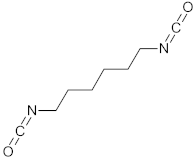 | [46,49,50] | PEG, PEO | −[CH2−CH2−O]n− | [49,50,51,52,53] | 1,6-hexamethylenediamine (HMDA) |  | [44] |
| LDI | 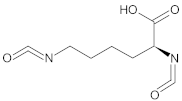 | [14] | PCL diol | 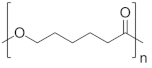 | [12,23,49,51,54] | Tyramine (Tyr) | 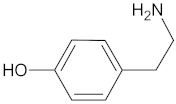 | [23] |
| MDI |  | [1,4,21,44] | PEA diol |  | [55] | 2,2,3,3-Tetrafluoro-1,4-butanediol (TFBD) | 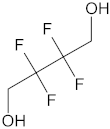 | [44] |
| HMDI | 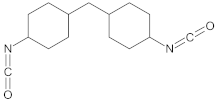 | [12,54] | PC diol | - | [51] | 1,4-butanediol (BD) | 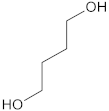 | [44] |
| BDI | 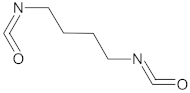 | [6,49,51] | PLA diol | HO-PLA-OH | [56] | N-methyl diethanoloamine (N-MDA) |  | [44] |
| Polyol | Isocyanate | Chain Extender/Crosslinker | Additives (Content) | Young Modulus (GPa) | Compressive Strength (MPa) | Tensile Strength (MPa) | Comments | Ref. |
|---|---|---|---|---|---|---|---|---|
| PEA | IPDI | Hexamethylene diamine | n/a | n/a | 0.16 | n/a | Poly(ester urethane) urea elastomer was synthesised in bulk; The scaffolds were prepared by a combined salt-leaching-phase inverse technique | [55] |
| Polyether | MDI | n/a | n/a | 0.0000254 | n/a | n/a | Process consisted in a one-step bulk polymerisation, performed by gas foaming reaction | [57] |
| PCL diol | Polymethylene polyphenyl isocyanate (PMDI) | n/a | n/a | 0.019 | n/a | n/a | One step synthesis. Foaming with water in polyethylene mould | [53] |
| PCL diol | HDI | BDO | Nano fluor-hydroxyapatite (nFHA) (5–20 wt.%) | n/a | 0.36–0.61 | n/a | The polyurethane was obtained in a two-step process; nanocomposite foams were prepared by solid–liquid phase separation, subsequent freeze drying | [58] |
| Pentaerythritol/glycolic acid (PE/GA) | ELDI | n/a | n/a | n/a | 136 | n/a | Two-part injectable prepolymer systems (prepolymer A and B); | [59] |
| Pentaerythritol/glycolic acid (PE/GA) | ELDI | β-TCP (10 wt.%) | n/a | n/a | 139 | n/a | ||
| Pentaerythritol/PDLLA | ELDI | n/a | n/a | n/a | 145 | n/a | ||
| Pentaerythrito/glycolic acid/PDLLA | ELDI | β-TCP (10 wt.%) | n/a | n/a | 187 | n/a | ||
| Pentaerythrito/glycolic acid/PDLLA | ELDI | n/a | n/a | n/a | 179 | n/a | ||
| Pentaerythrito/glycolic acid/PDLLA | ELDI | β-TCP (10 wt.%) | n/a | n/a | 104 | n/a | ||
| PPG | IPDI | Camphorquinone (CQ), 2-(dimethylamino)ethyl methacrylate (DMAEM) | n/a | 0.00084 | n/a | 1.04 | [60] | |
| PCL diol | IPDI | Camphorquinone (CQ), 2-(dimethylamino)ethyl methacrylate (DMAEM) | n/a | 0.01 | n/a | 6.45 | Polyurethane acrylate synthesis; Preparation of PUA films used photoinitiator and co-catalyst for curing | |
| PEG | HDI, MDI | BDO, chitosan, starch | 0–15% HAp | n/a | n/a | n/a | PUs were synthesised in bulk by a two-step polymerisation method with starch or chitosan as crosslinker | [61,62,63] |
| PCL diol | HMDI | Ethylene glycol (EG) | n/a | 0.039 | n/a | n/a | PUs were synthesised in bulk by a two-step polymerisation method | [52] |
| PEG 1000 PCL diol | BDI | Putrescine | n/a | n/a | n/a | 8.0 | The synthesis process of poly(ether ester urethane)urea (PEERs) was conducted under a dry nitrogen atmosphere in a two-step solution polymerisation | [51] |
| PEG 2000 | HDI | Gold nanotube/nanowire | 0.26 (at 37 °C) | For fabrication of porous scaffolds, 355–600 μm sieved table salt was added to the remaining solution, and the mixture of polymer and salt was casted in the Teflon mould having a 10 mm diameter | [49] | |||
| PEG 6000 | HDI | Calcium stearate | 0.001 | Foam formation started 10–15 s after introduction the catalyst and stopped after 90–100 s due to crosslinking of polymer | [64] | |||
| PCL diol 2000 PEG 1000 | BDI | Putrescine | 1.22 | [65] | ||||
| PCL diol | 1,4-butanediisocyanate | BDA, BDO | n/a | n/a | n/a | 145 | In the case of chain extension with a longer urethane diol block, a processible polymer was obtained with mechanical properties comparable to the polyurethane urea | [66] |
| PCL diol | BDI | Tyramine (TyA) | n/a | 0.278 | n/a | n/a | The PCL macrodiol were obtained from a BDO initiator and ε-caprolactone monomer | [23] |
| PCL diol | LTI | n/a | n/a | 3–6 GPa | 107–172 MPa | Nonporous composites have been fabricated by reactive compression moulding of mineralised allograft bone particles | [67] | |
| PCL diol | HDI | Isosorbide diol (1,4:3,6--dianhydro--D--sorbitol) (Iso) | n/a | n/a | 0.8 MPa | n/a | A two-step combined bulk-solution polymerisation was applied to synthesise the polyurethane used in the study | [68] |
| PCL diol | HDI | 1,4,3,6-Dianhydro-d-sorbitol (ISO) | Nanohydroxyapatite | 0.00126 | n/a | n/a | The PU was synthesised in a one-step solution polycondensation | [69] |
| PCL diol | HMDI | Ethylene glycol (EG) | Bioglass® | n/a | n/a | n/a | Porous scaffolds were fabricated by polymer coagulation combined with the salt-particle leaching method | [70] |
Publisher’s Note: MDPI stays neutral with regard to jurisdictional claims in published maps and institutional affiliations. |
© 2021 by the authors. Licensee MDPI, Basel, Switzerland. This article is an open access article distributed under the terms and conditions of the Creative Commons Attribution (CC BY) license (http://creativecommons.org/licenses/by/4.0/).
Share and Cite
Szczepańczyk, P.; Szlachta, M.; Złocista-Szewczyk, N.; Chłopek, J.; Pielichowska, K. Recent Developments in Polyurethane-Based Materials for Bone Tissue Engineering. Polymers 2021, 13, 946. https://doi.org/10.3390/polym13060946
Szczepańczyk P, Szlachta M, Złocista-Szewczyk N, Chłopek J, Pielichowska K. Recent Developments in Polyurethane-Based Materials for Bone Tissue Engineering. Polymers. 2021; 13(6):946. https://doi.org/10.3390/polym13060946
Chicago/Turabian StyleSzczepańczyk, Piotr, Monika Szlachta, Natalia Złocista-Szewczyk, Jan Chłopek, and Kinga Pielichowska. 2021. "Recent Developments in Polyurethane-Based Materials for Bone Tissue Engineering" Polymers 13, no. 6: 946. https://doi.org/10.3390/polym13060946
APA StyleSzczepańczyk, P., Szlachta, M., Złocista-Szewczyk, N., Chłopek, J., & Pielichowska, K. (2021). Recent Developments in Polyurethane-Based Materials for Bone Tissue Engineering. Polymers, 13(6), 946. https://doi.org/10.3390/polym13060946