Article

The Influence of Sonication Processing Conditions on Electrical and Mechanical Properties of Single and Hybrid Epoxy Nanocomposites Filled with Carbon Nanoparticles

by
Matheus Mendes de Oliveira
1,
Sven Forsberg
2,
Linnéa Selegård
3 and
Danilo Justino Carastan
1,*
1
Center for Engineering, Modeling and Applied Social Sciences, Federal University of ABC, Santo André, São Paulo 09210580, Brazil
2
2D fab, 85350 Sundsvall, Sweden
3
Saab AB, Business Area Aeronautics, 58188 Linköping, Sweden
*
Author to whom correspondence should be addressed.
Polymers 2021, 13(23), 4128; https://doi.org/10.3390/polym13234128
Submission received: 28 October 2021 / Revised: 14 November 2021 / Accepted: 15 November 2021 / Published: 26 November 2021

Abstract

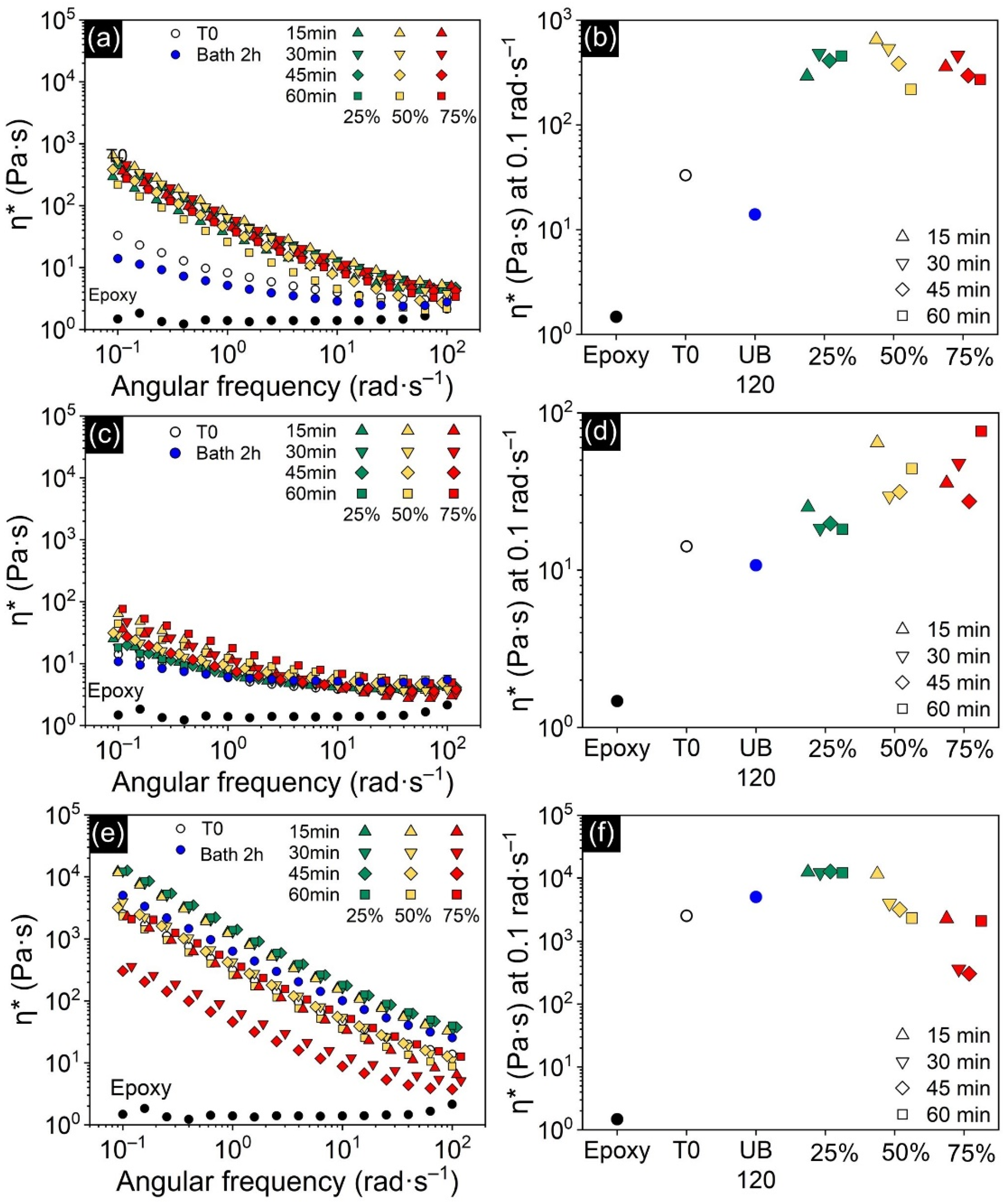
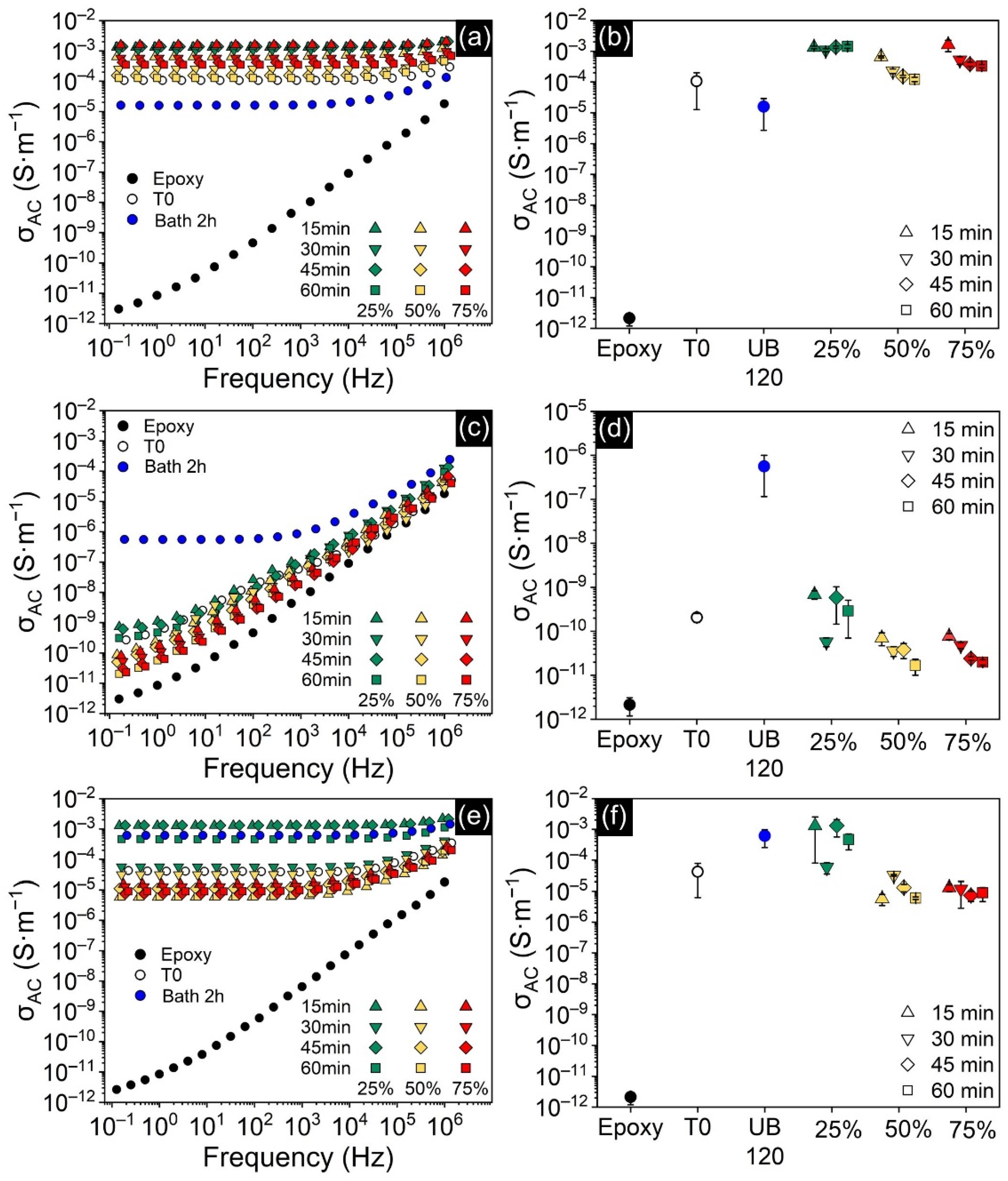
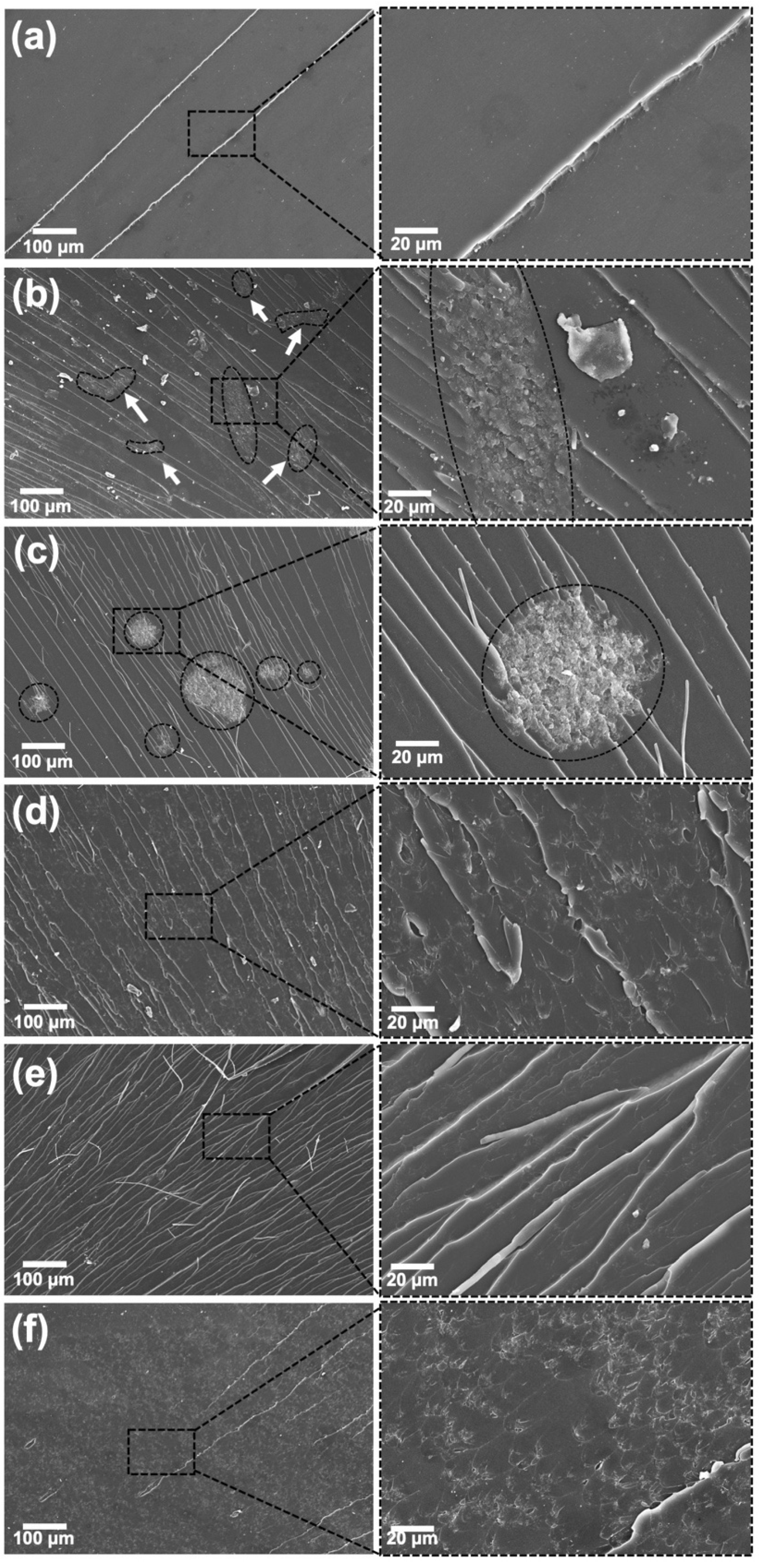
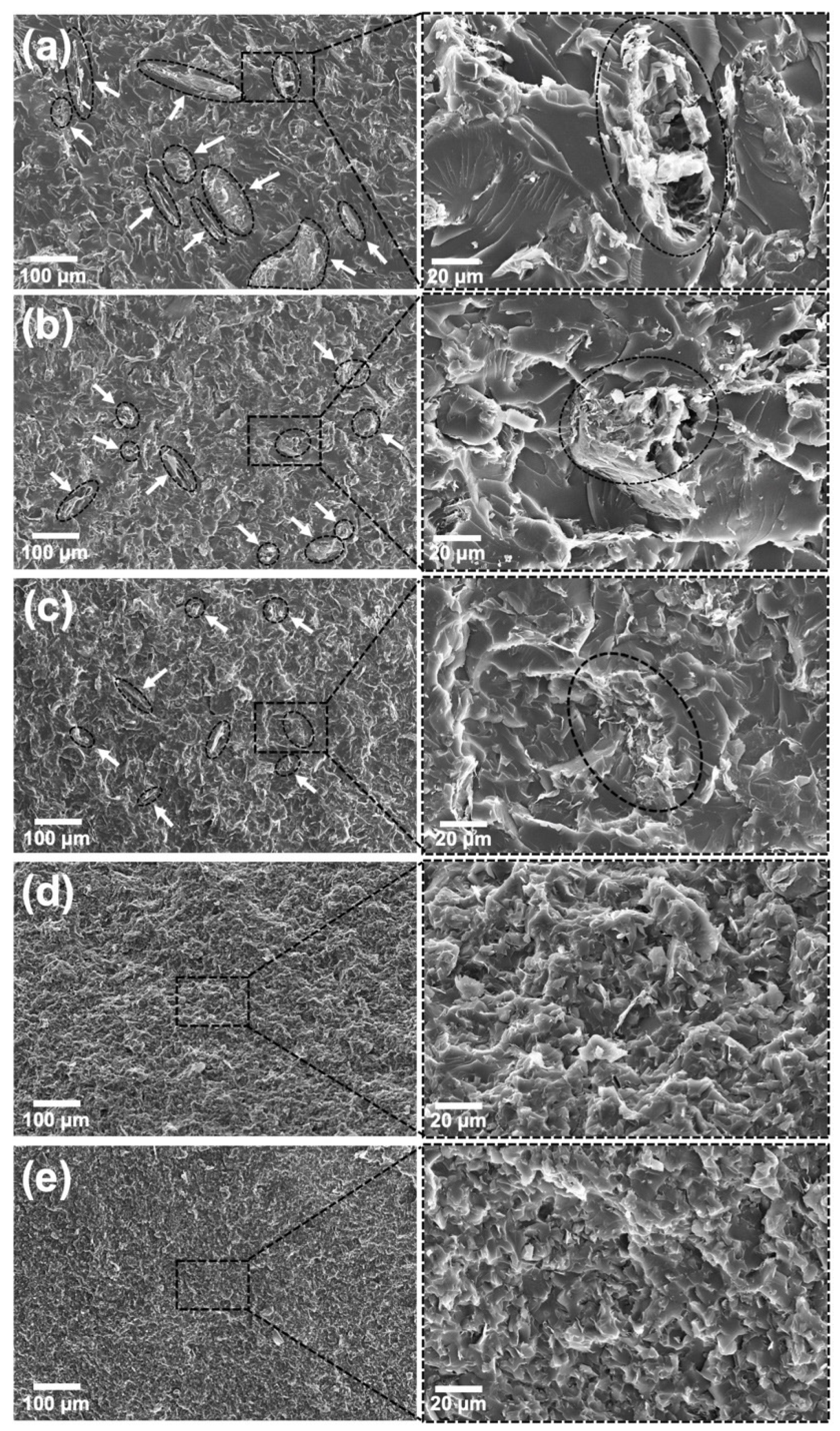
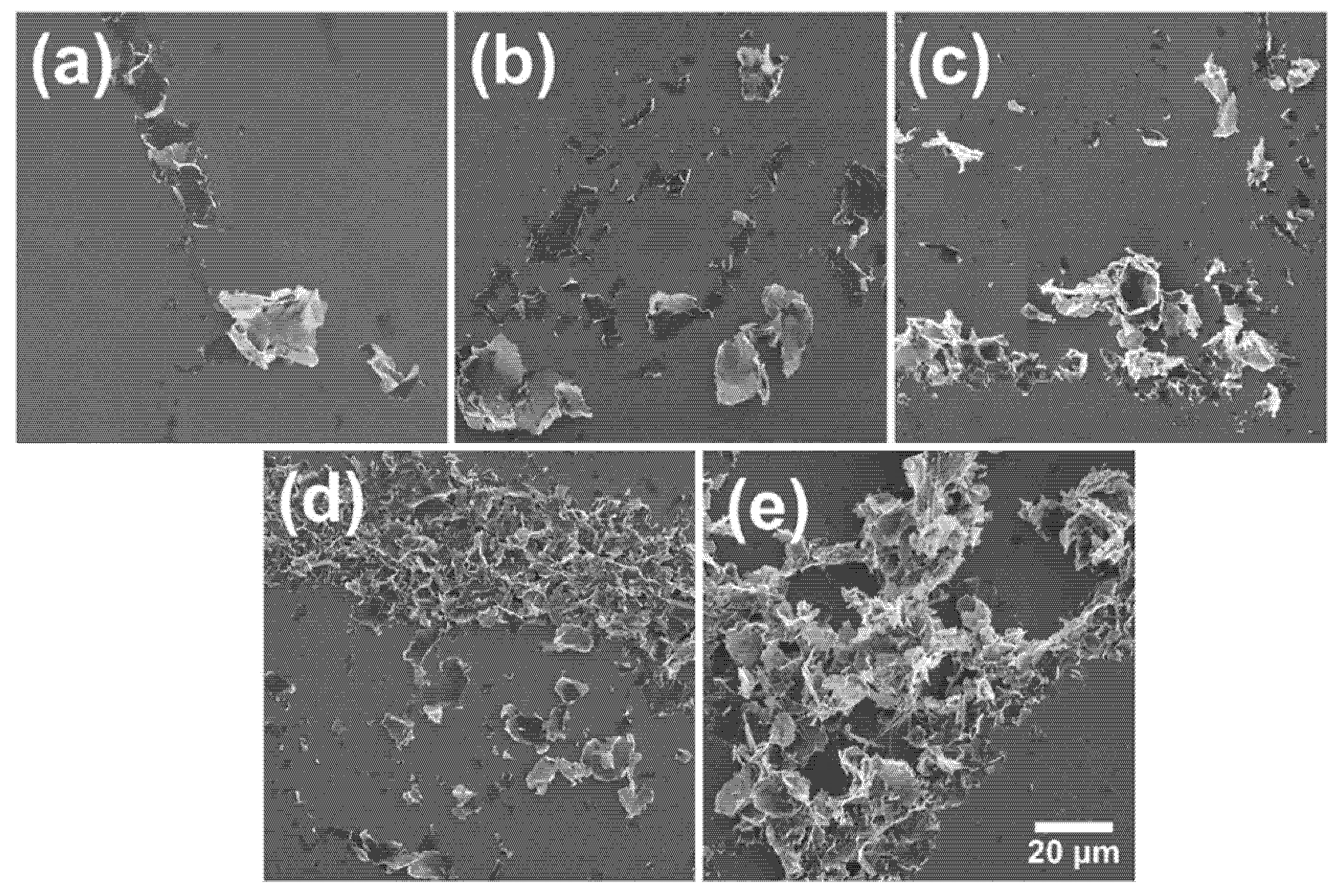
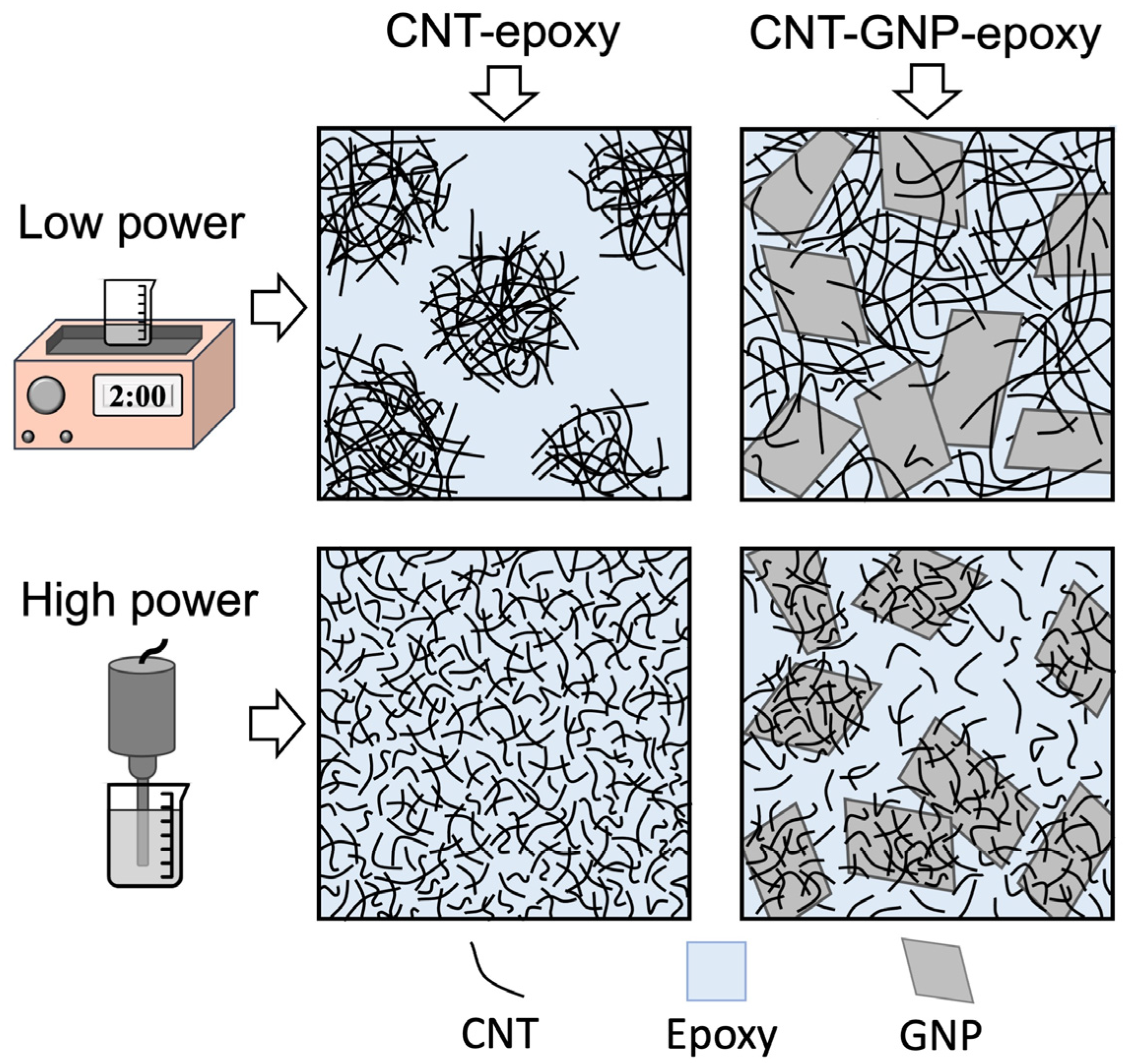
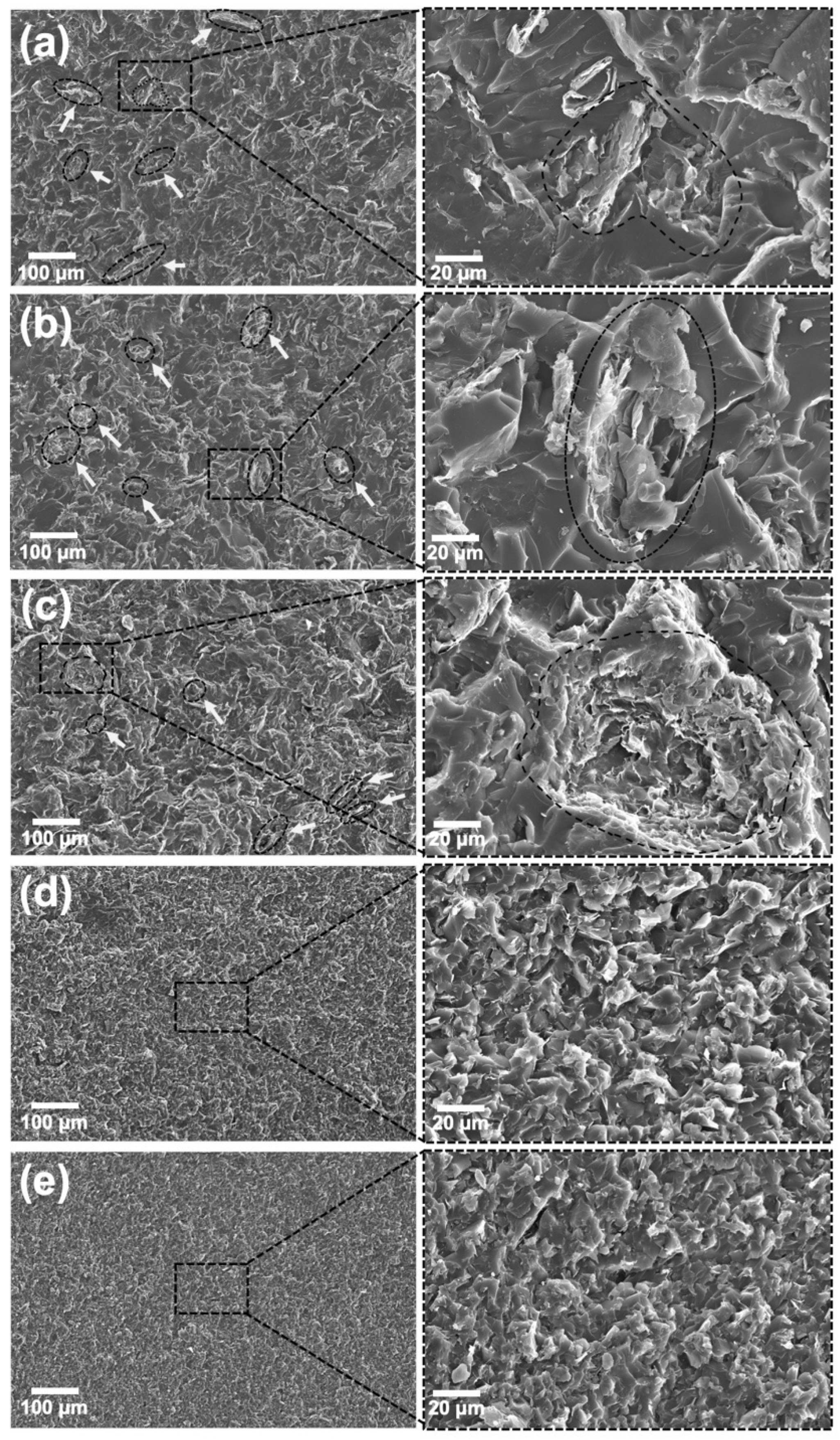
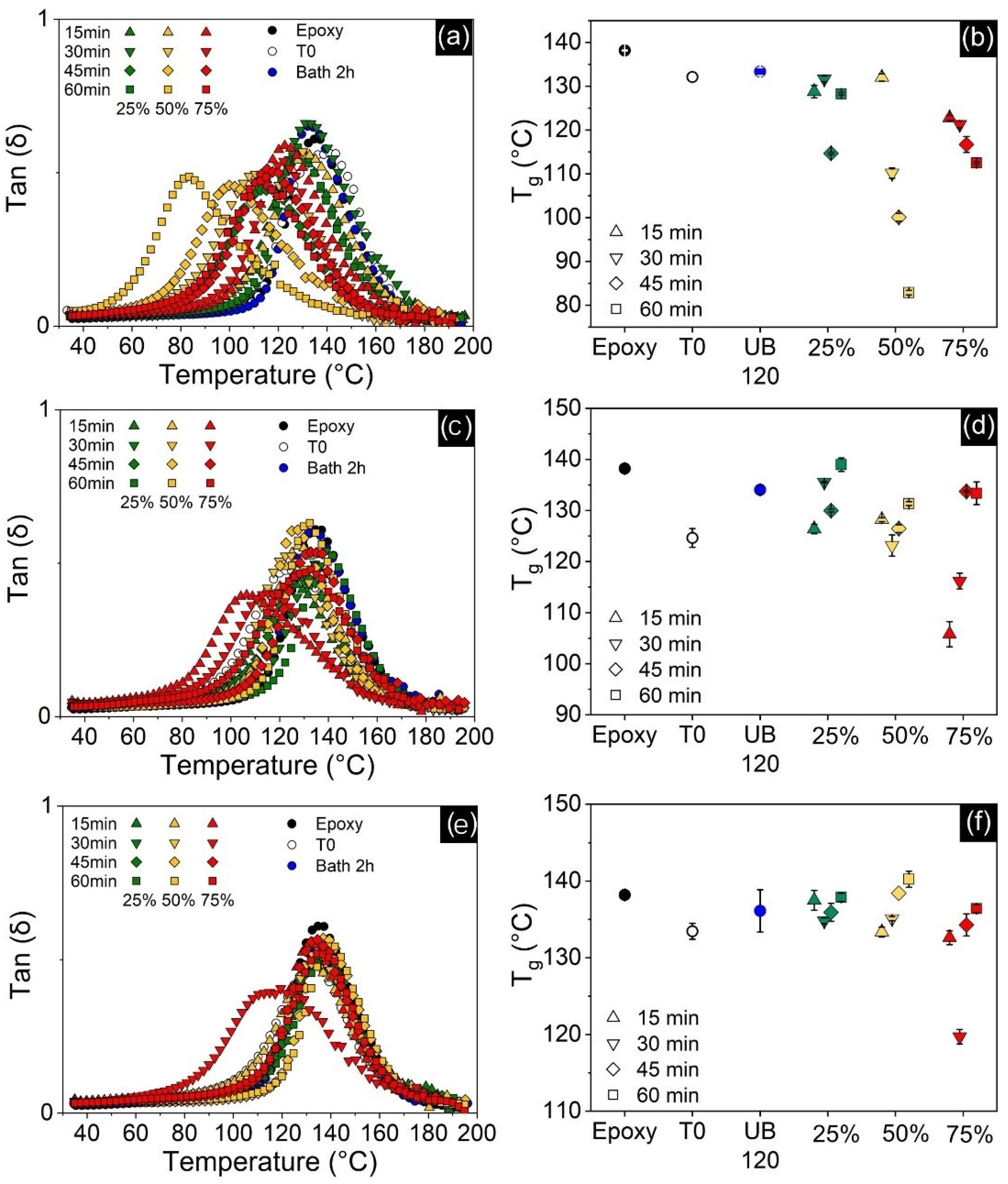
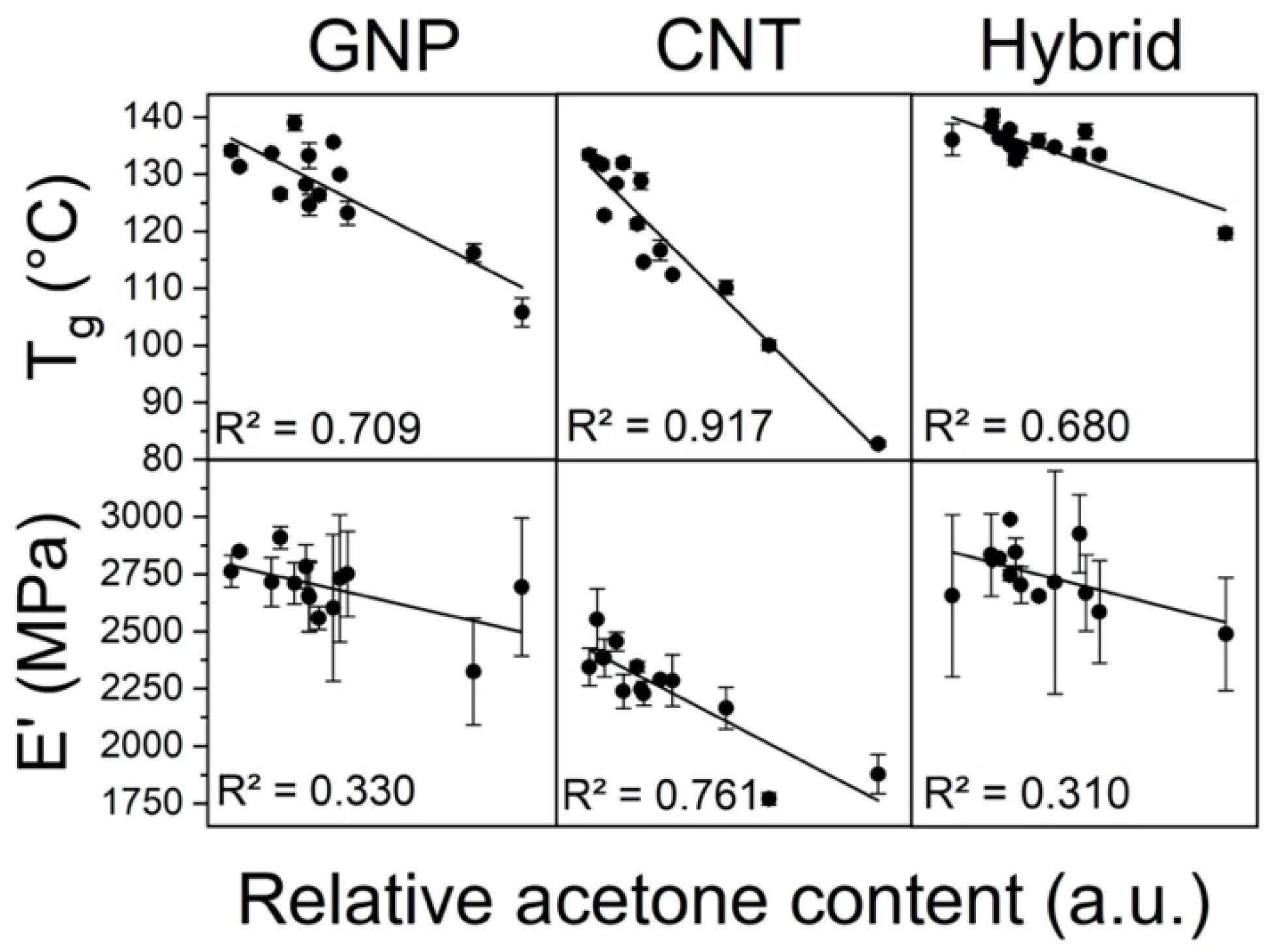
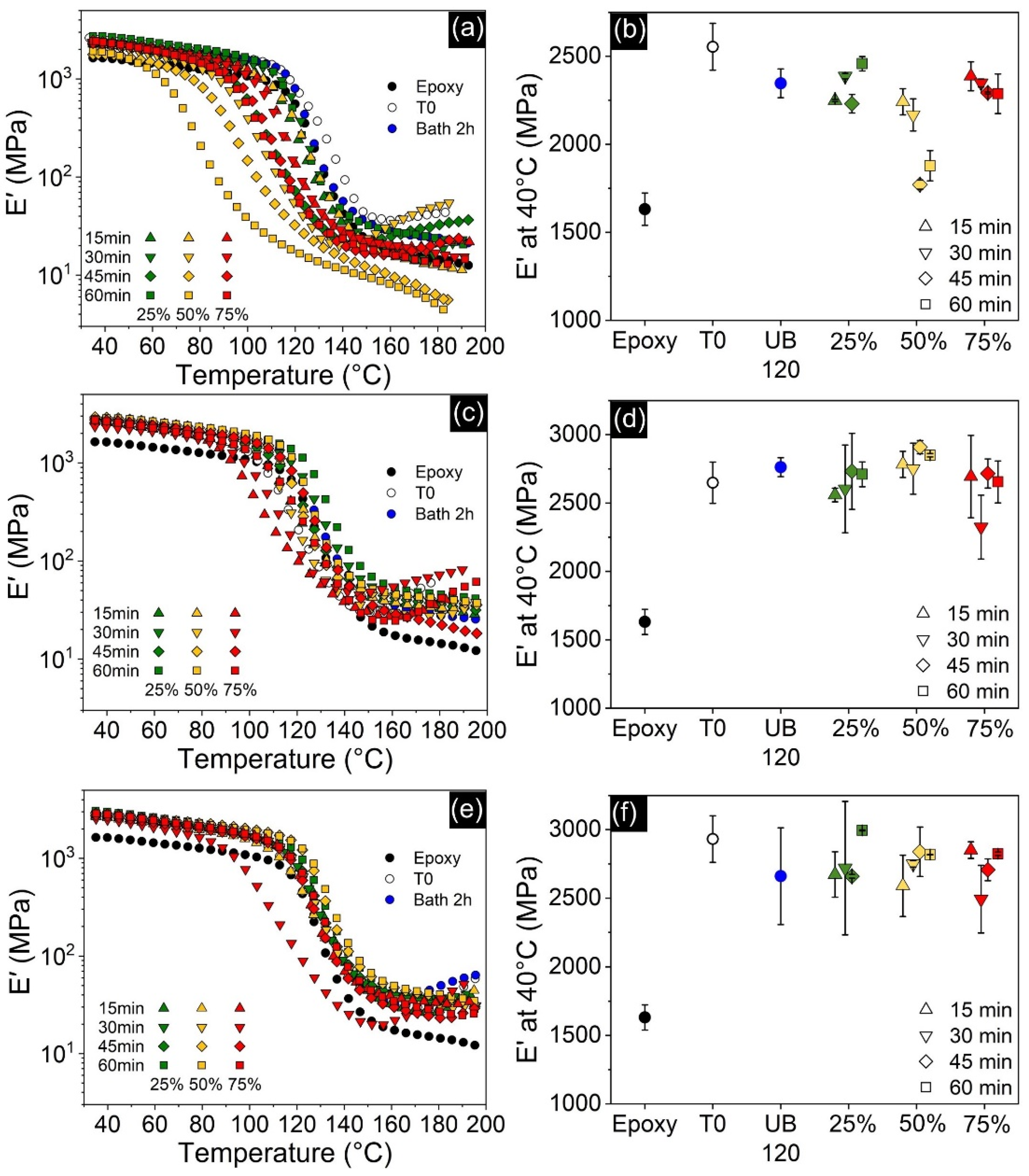
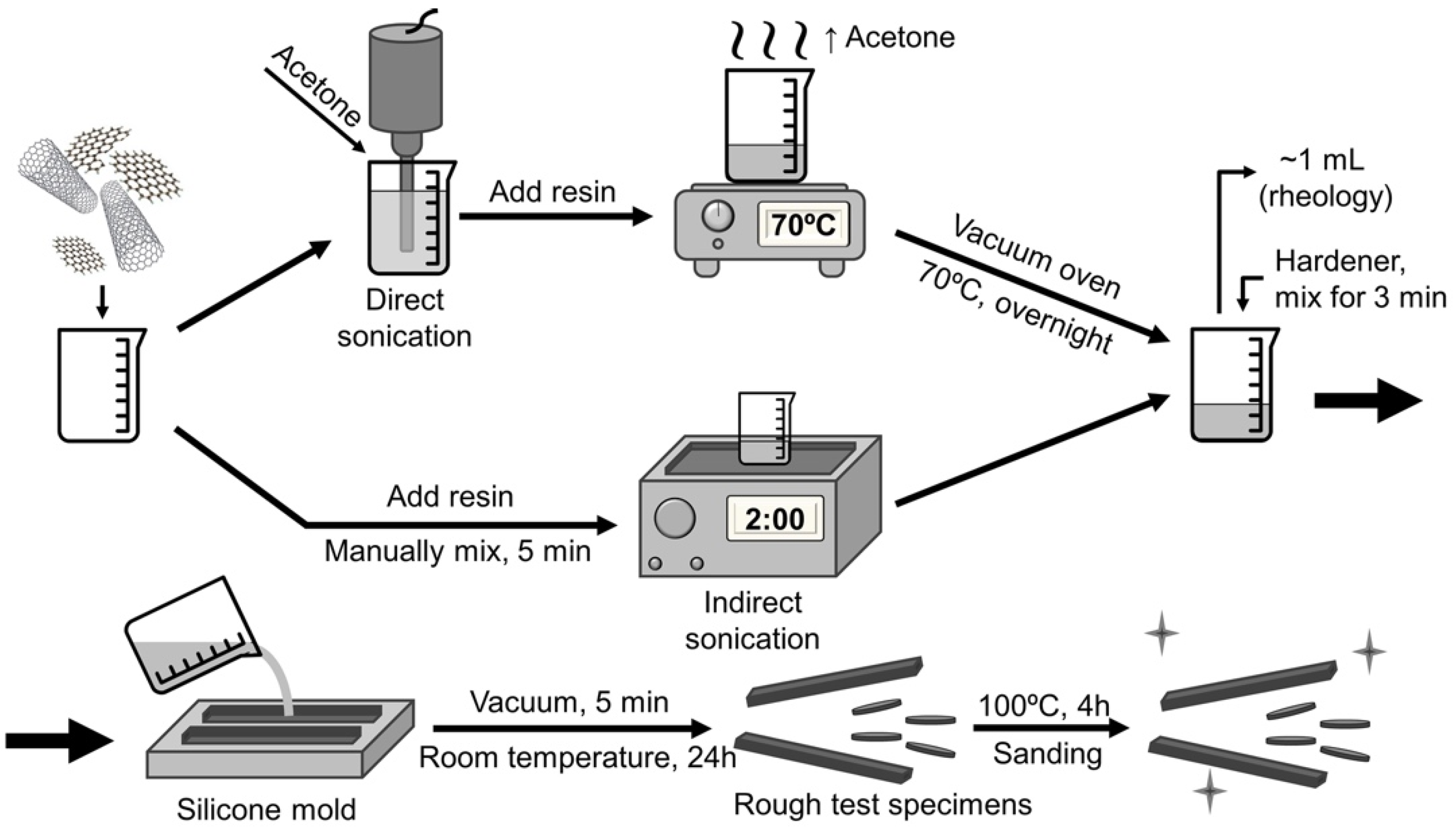
Graphene nanoplatelets (GNP) and carbon nanotubes (CNT) are used to enhance electrical and mechanical properties of epoxy-based nanocomposites. Despite the evidence of synergetic effects in the hybrid GNP-CNT-epoxy system, there is still a lack of studies that focus on the influence of different dispersion methods on the final properties of these ternary systems. In the present work, direct and indirect ultrasonication methods were used to prepare single- and hybrid-filled GNP-CNT-epoxy nanocomposites, varying the amplitude and time of sonication in order to investigate their effect on electrical and thermomechanical properties. Impedance spectroscopy was combined with rheology and electron microscopy to show that high-power direct sonication tends to degrade electrical conductivity in GNP-CNT-epoxy nanocomposites due to damage caused in the nanoparticles. CNT-filled samples were mostly benefitted by low-power direct sonication, achieving an electrical conductivity of 1.3 × 10⁻³ S·m−1 at 0.25 wt.% loading, while indirect sonication was not able to properly disperse the CNTs and led to a conductivity of 1.6 ± 1.3 × 10⁻⁵. Conversely, specimens filled with 2.5 wt. % of GNP and processed by indirect sonication displayed an electrical conductivity that is up to 4 orders of magnitude higher than when processed by direct sonication, achieving 5.6 × 10⁻⁷ S·m−1. The introduction of GNP flakes improved the dispersion state and conductivity in hybrid specimens processed by indirect sonication, but at the same time impaired these properties for high-power direct sonication. It is argued that this contradictory effect is caused by a selective localization of shorter CNTs onto GNPs due to strong π-π interactions when direct sonication is used. Dynamic mechanical analysis showed that the addition of nanofillers improved epoxy’s storage modulus by up to 84%, but this property is mostly insensitive to the different processing parameters. Decrease in crosslinking degree and presence of residual solvent confirmed by Fourier-transform infrared spectroscopy, however, diminished the glass transition temperature of the nanocomposites by up to 40% when compared to the neat resin due to plasticization effects.
Keywords: hybrid nanocomposites; processing; sonication; graphene nanoplatelets; carbon nanotubes; epoxy; electrical conductivity; synergy hybrid nanocomposites; processing; sonication; graphene nanoplatelets; carbon nanotubes; epoxy; electrical conductivity; synergy