Article

Organic Acids of the Microbiological Post-Culture Medium as Substrates to be Used for Starch Modification


1
Department of Food Storage and Technology, Faculty of Food Science, Wroclaw University of Environmental and Life Sciences, 37 Chełmońskiego Street, 51-630 Wrocław, Poland
2
Department of Biotechnology and Food Microbiology, Faculty of Food Science, Wroclaw University of Environmental and Life Sciences, 37 Chełmońskiego Street, 51-630 Wrocław, Poland
*
Author to whom correspondence should be addressed.
Polymers 2019, 11(3), 469; https://doi.org/10.3390/polym11030469
Submission received: 8 February 2019 / Revised: 8 March 2019 / Accepted: 8 March 2019 / Published: 12 March 2019
(This article belongs to the Special Issue Natural Compounds for Natural Polymers)

Abstract

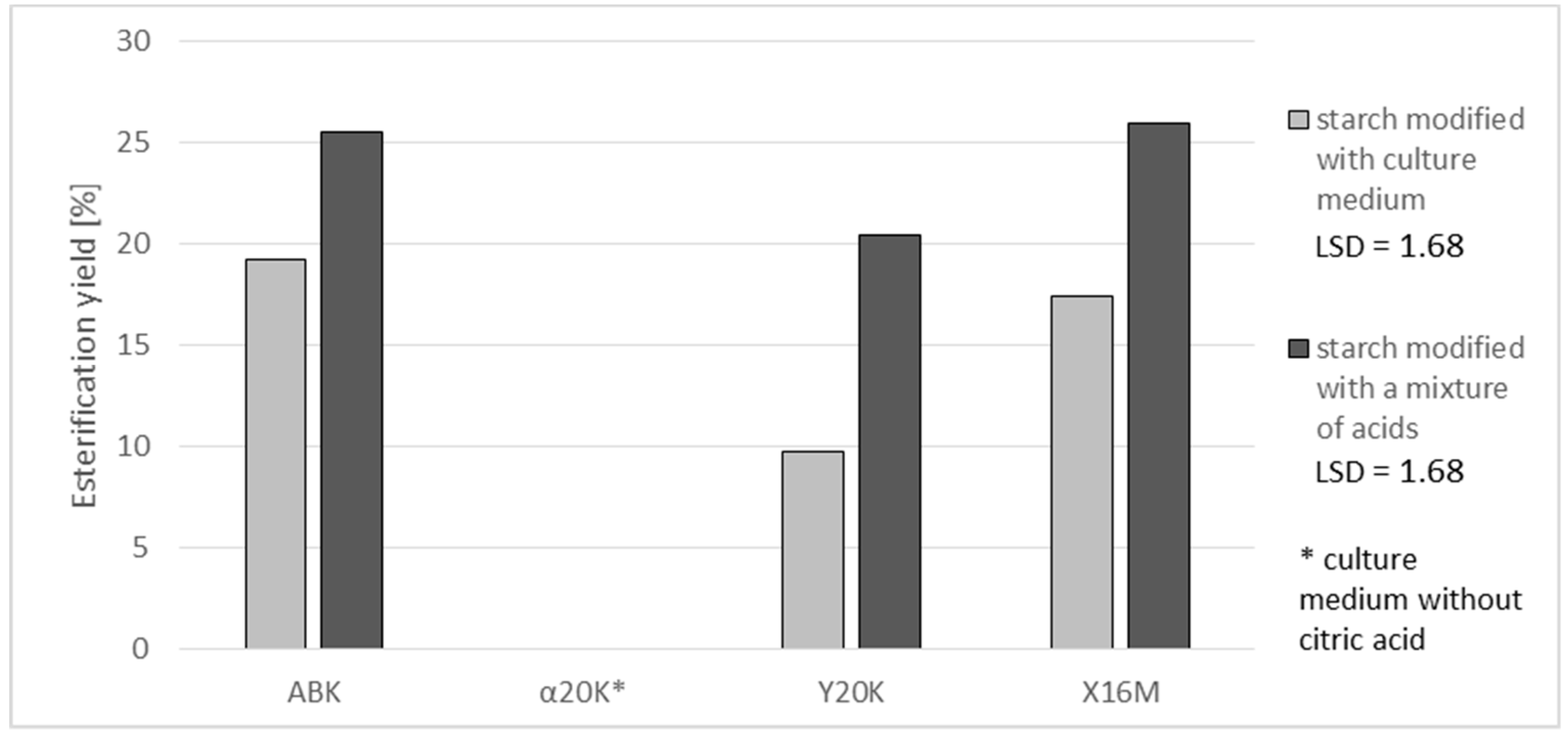
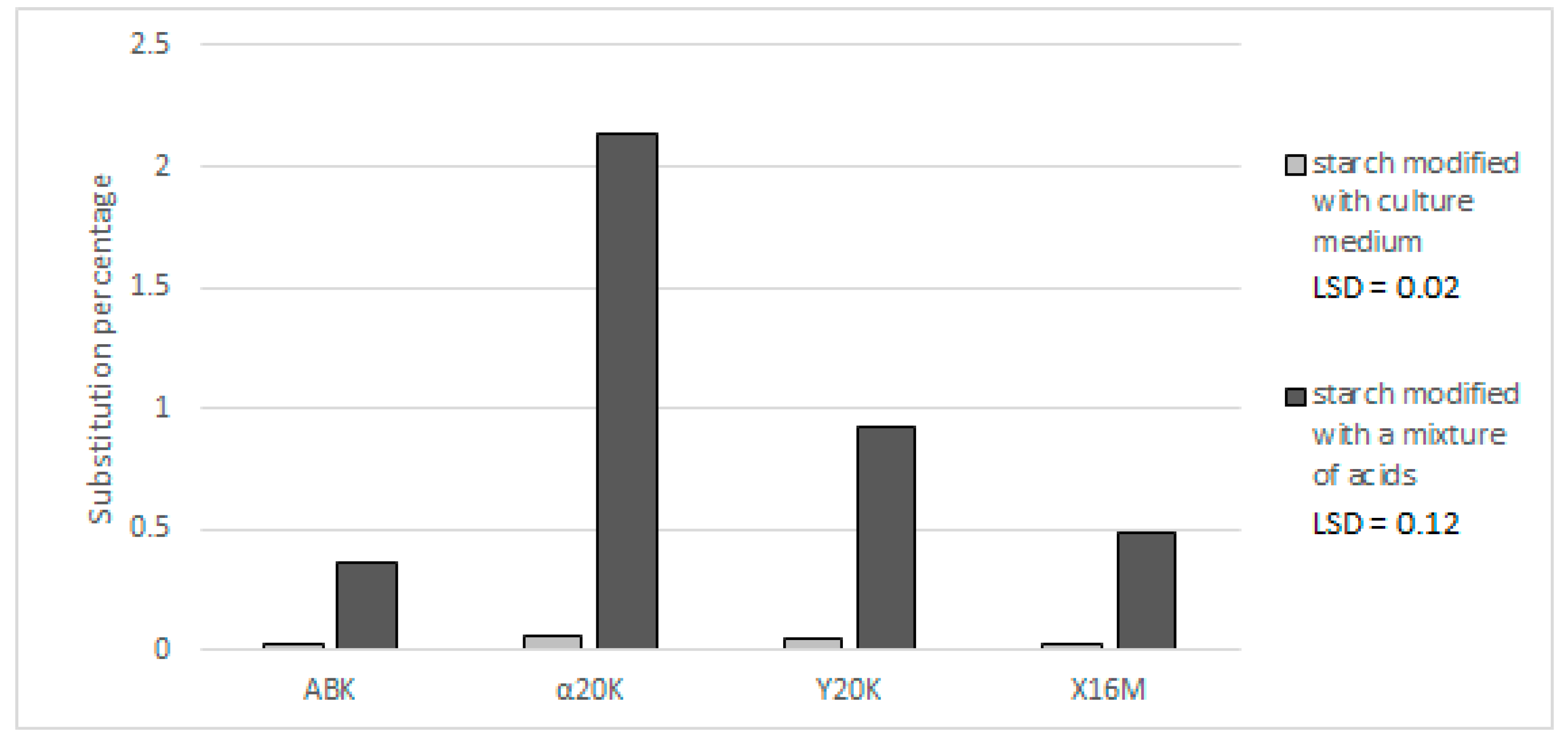
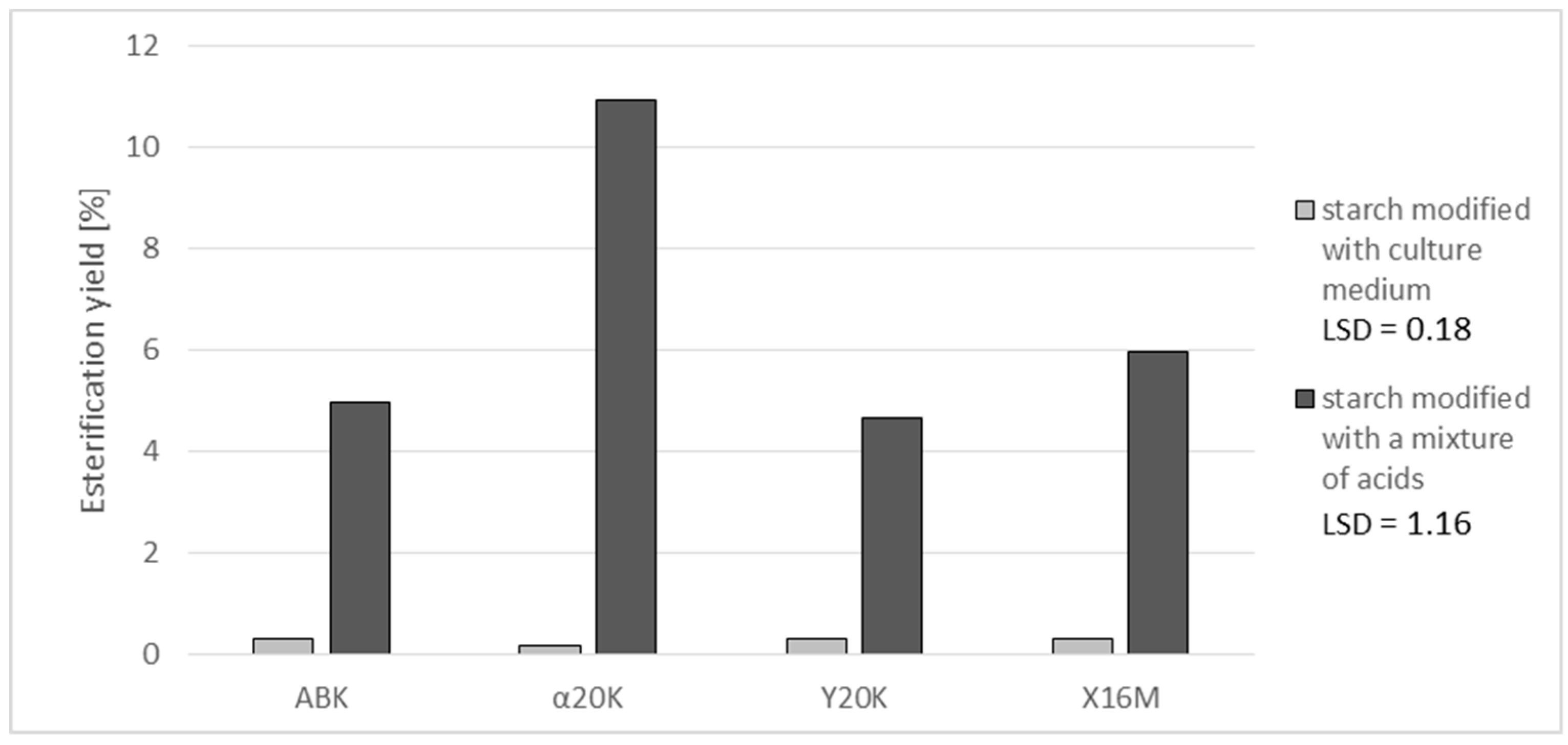
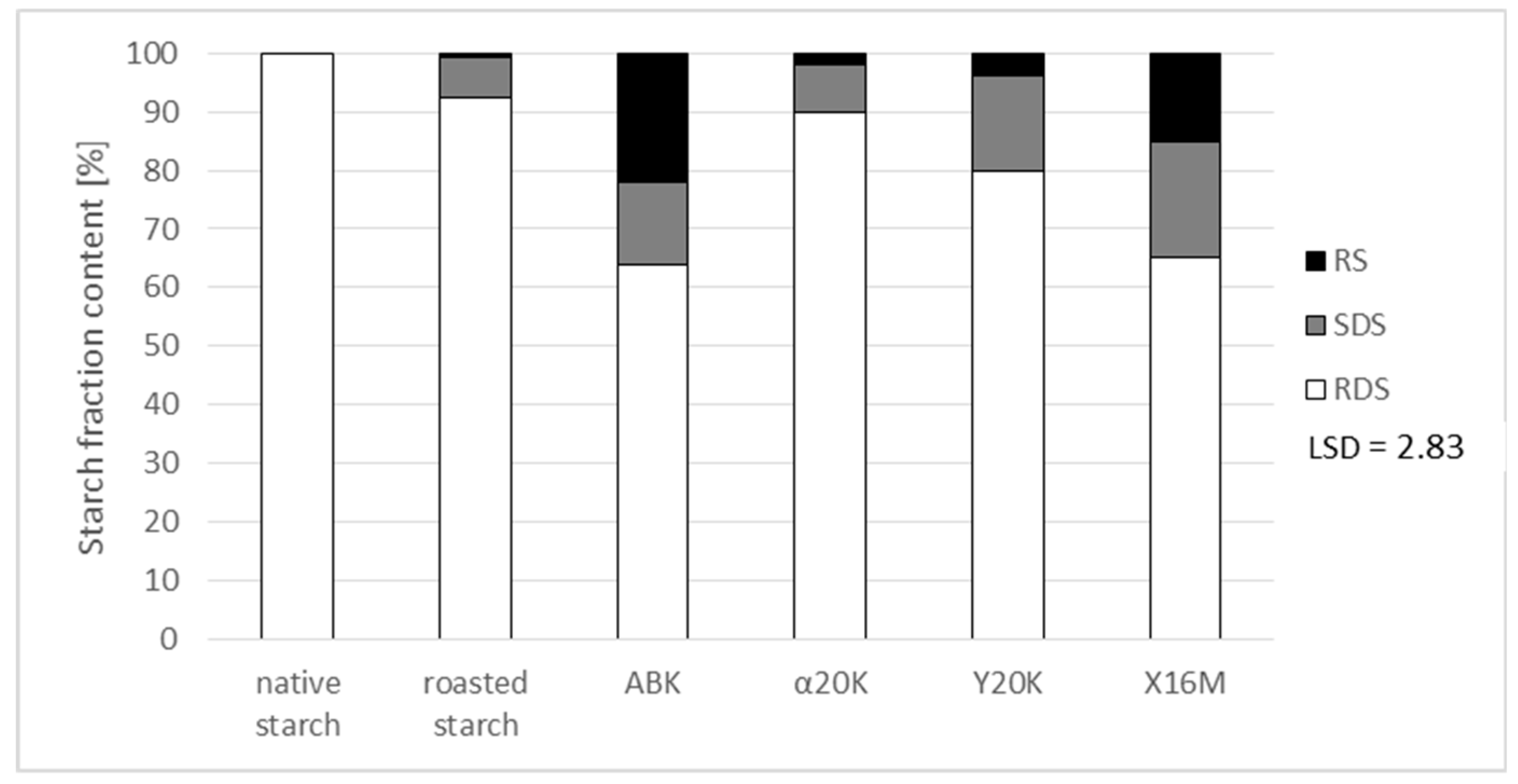
This study aimed to identify the feasibility of producing highly-substituted starch esters via thermal modification of starch using a post-culture medium of Yarrowia lipolitica yeast. This manuscript describes a successful attempt at potato starch modification with a post-culture medium of Yarrowia lipolitica yeast with different concentrations of organic acids. Starch preparations produced by roasting (130 °C) and these produced by starch reaction with a synthetic acid mixture were compared in terms of the types and number of acid residues esterified with starch. The effectiveness of starch esterification was found to depend on medium composition and to be higher upon the use of a synthetic acid mixture. In addition, a higher reactivity with starch was demonstrated for citric acid than for α-ketoglutaric acid. The highly-substituted starch esters formed as a result of potato starch modification with post-culture medium were characterized by decreased values of thermal parameters of pasting characteristics, determined with a differential scanning calorimeter (DSC), and by compromised resistance to amylolysis. The intensity of these changes increased along with an increasing total percentage of starch ester substitution.
Keywords: esterified starch; organic acid; Yarrowia lipolitica yeast; microbiological post-culture media esterified starch; organic acid; Yarrowia lipolitica yeast; microbiological post-culture media