
A Novel Cutting Force Prediction Model and Damage Analysis of Laser-Assisted Cutting CFRP at 135° Cutting Angle

Abstract
1. Introduction
2. The Simulation and Experiment
2.1. Establishment of Micro Simulation Model
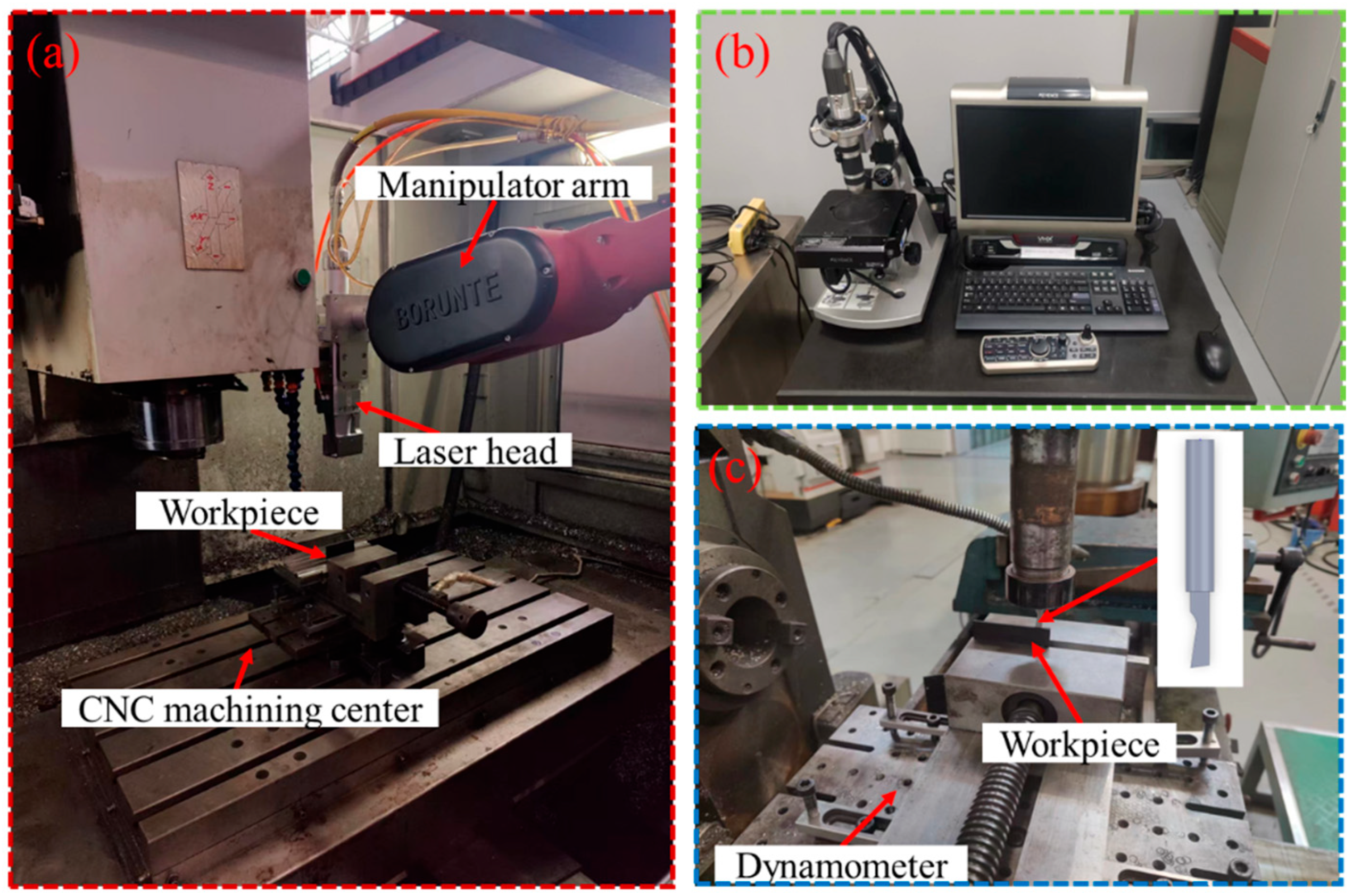
2.2. Experimental Condition
3. Establishment of Cutting Force Prediction Model
3.1. Fiber Cutting Force
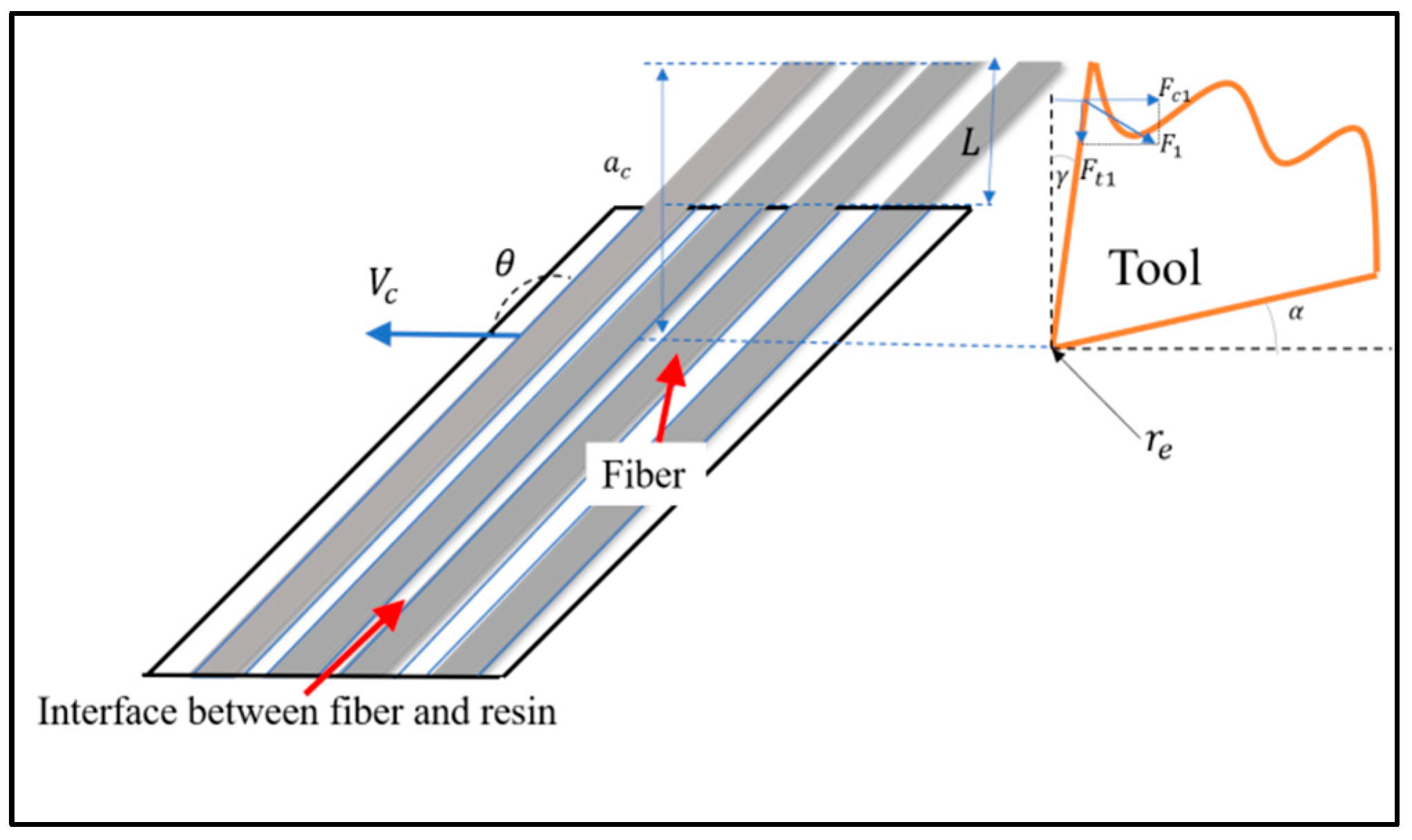
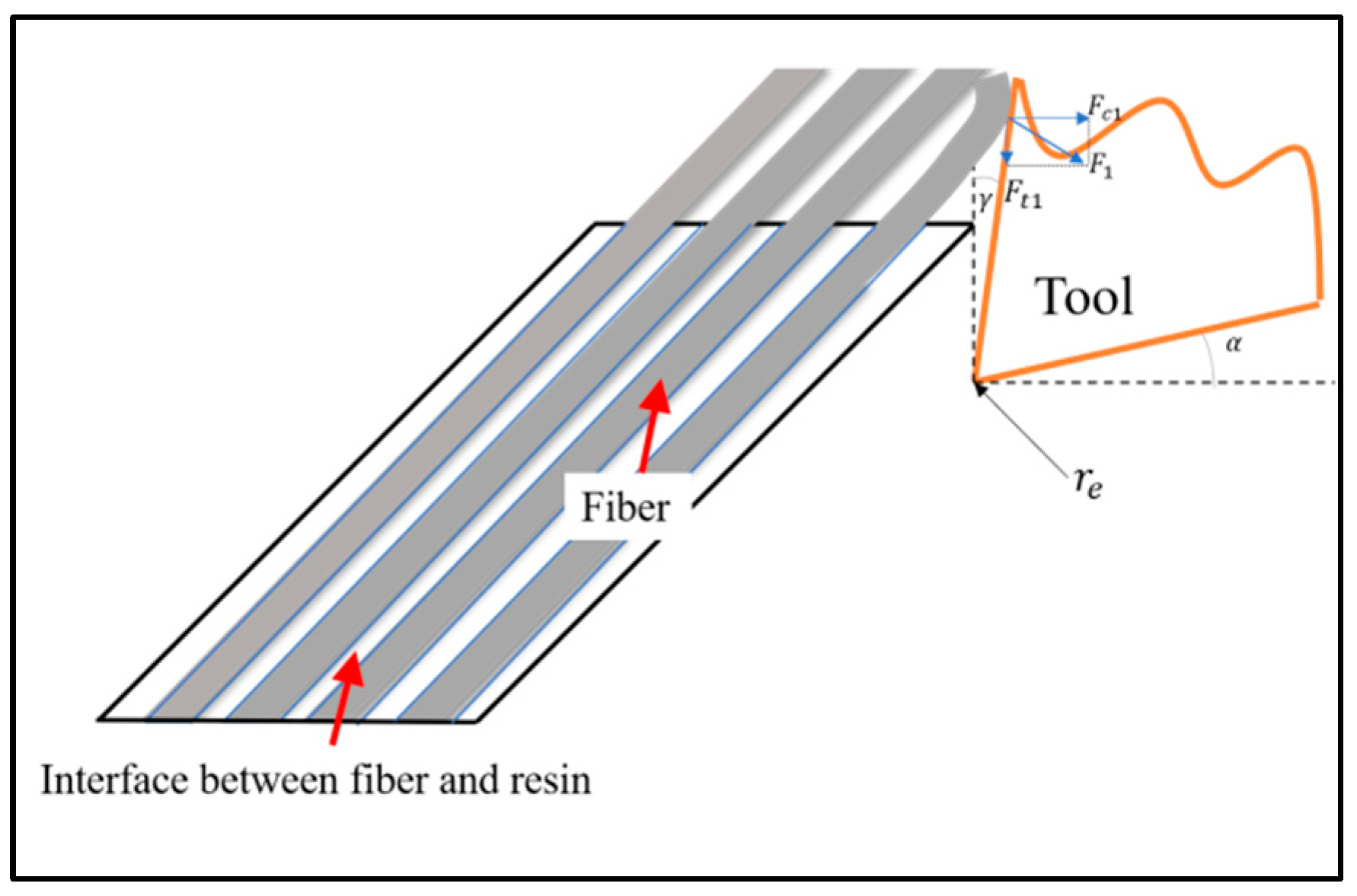
3.1.1. The Second Stage of Cutting Force
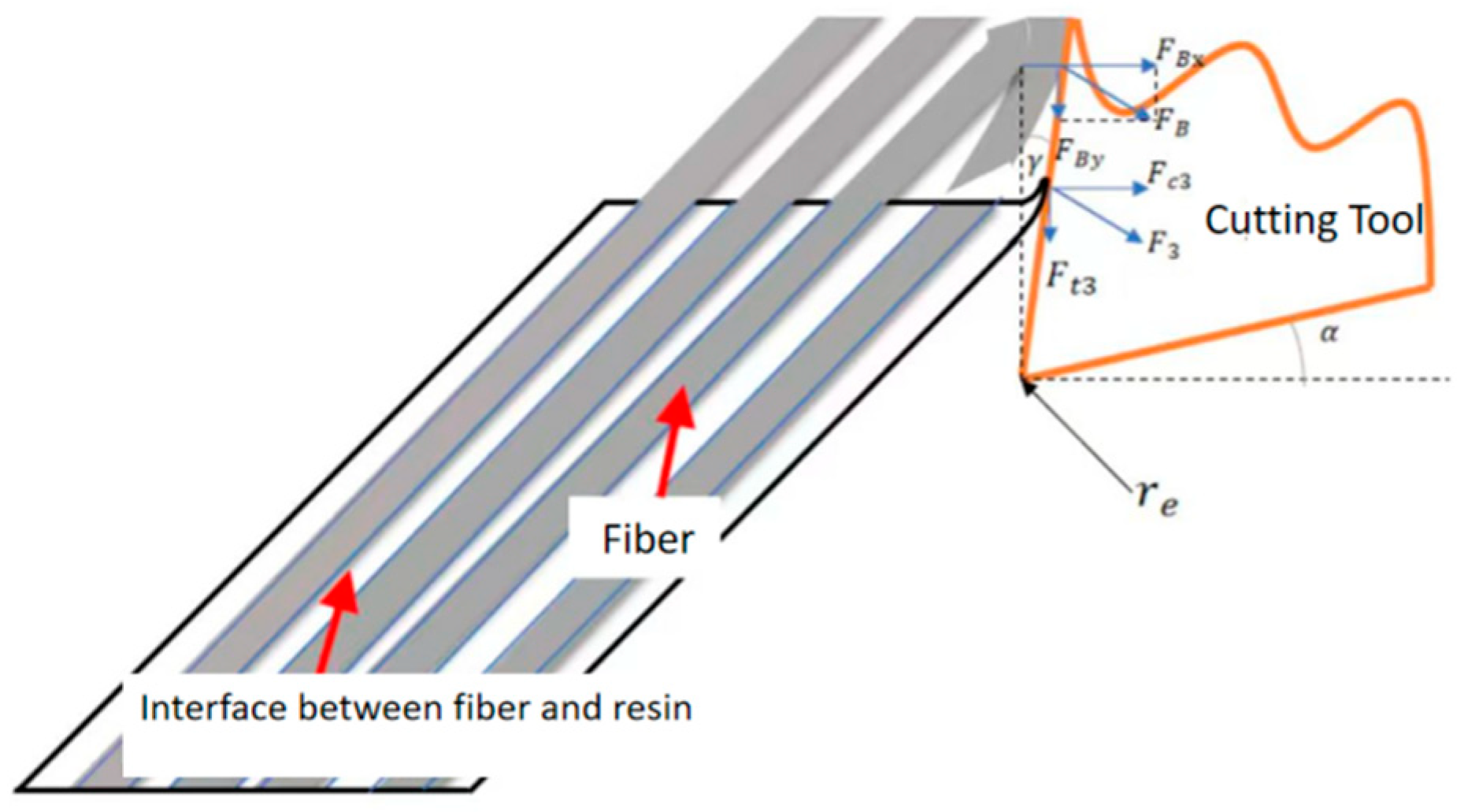
3.1.2. The Third Stage Cutting Force
3.2. Matrix Cutting Force
3.3. Total Cutting Force
4. Discussion
4.1. Comparison of Cutting Mechanism
4.2. Cutting Force Verification
4.3. Damage Analysis
5. Conclusions
- (1)
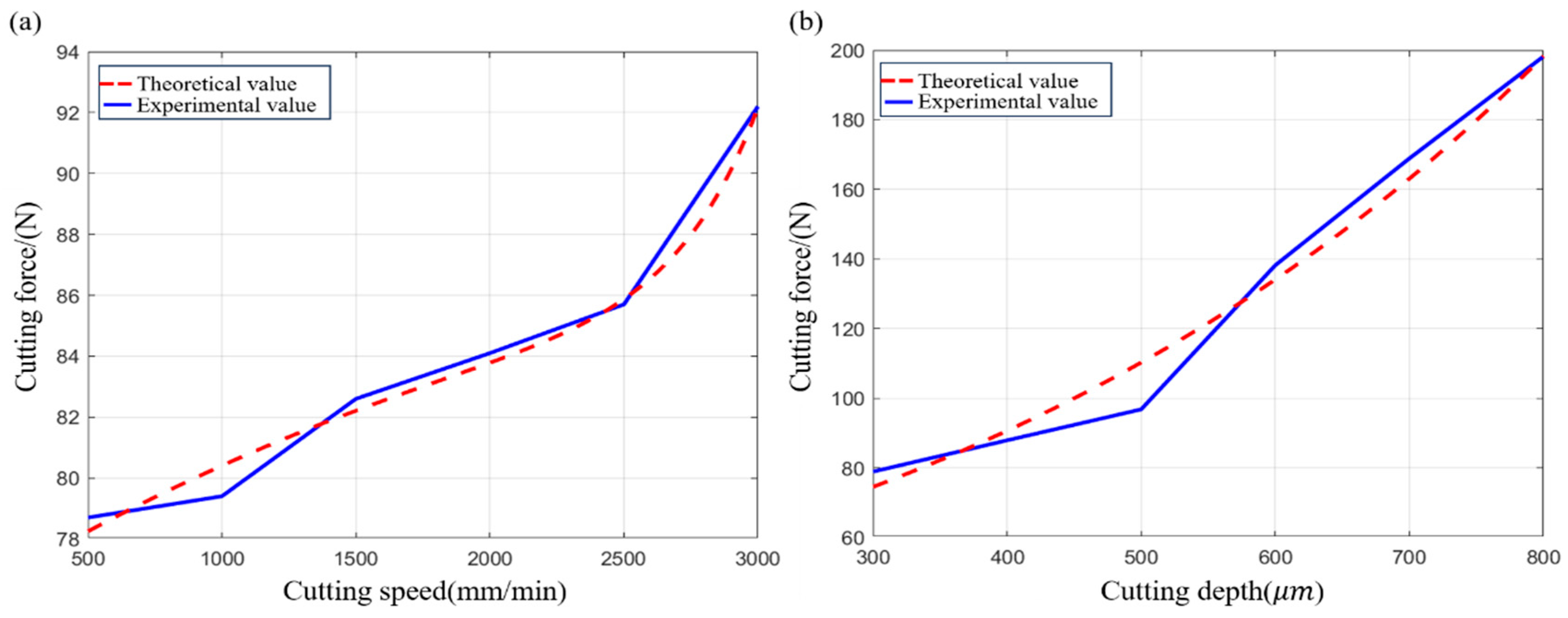
- Combined with stress analysis of the resin matrix, the complete cutting force model was constructed and validated via orthogonal cutting experiments and finite element simulations. The model demonstrates high reliability, with a relative error of only 7.81–8.99% between predicted and experimental cutting forces.
- (2)
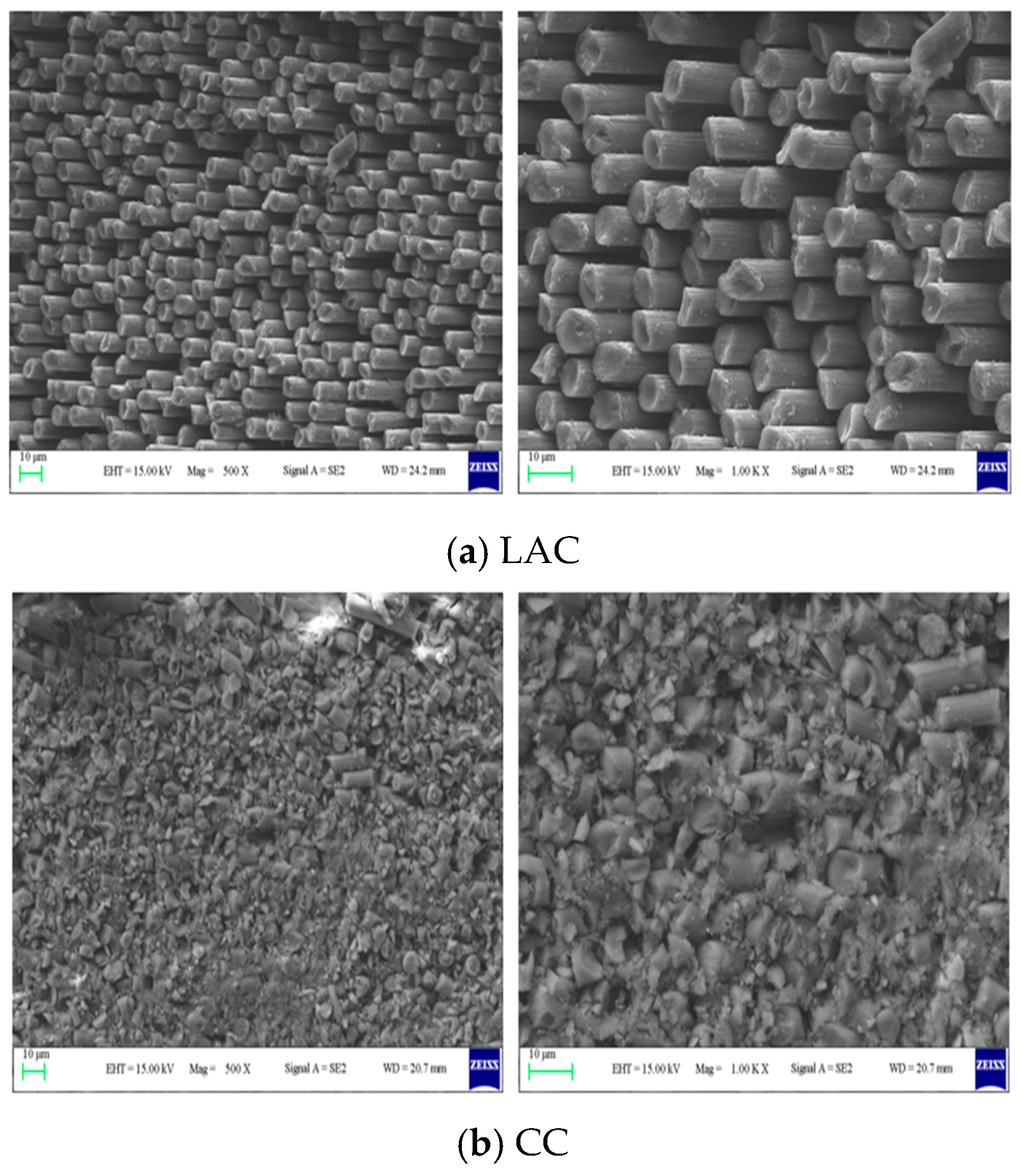
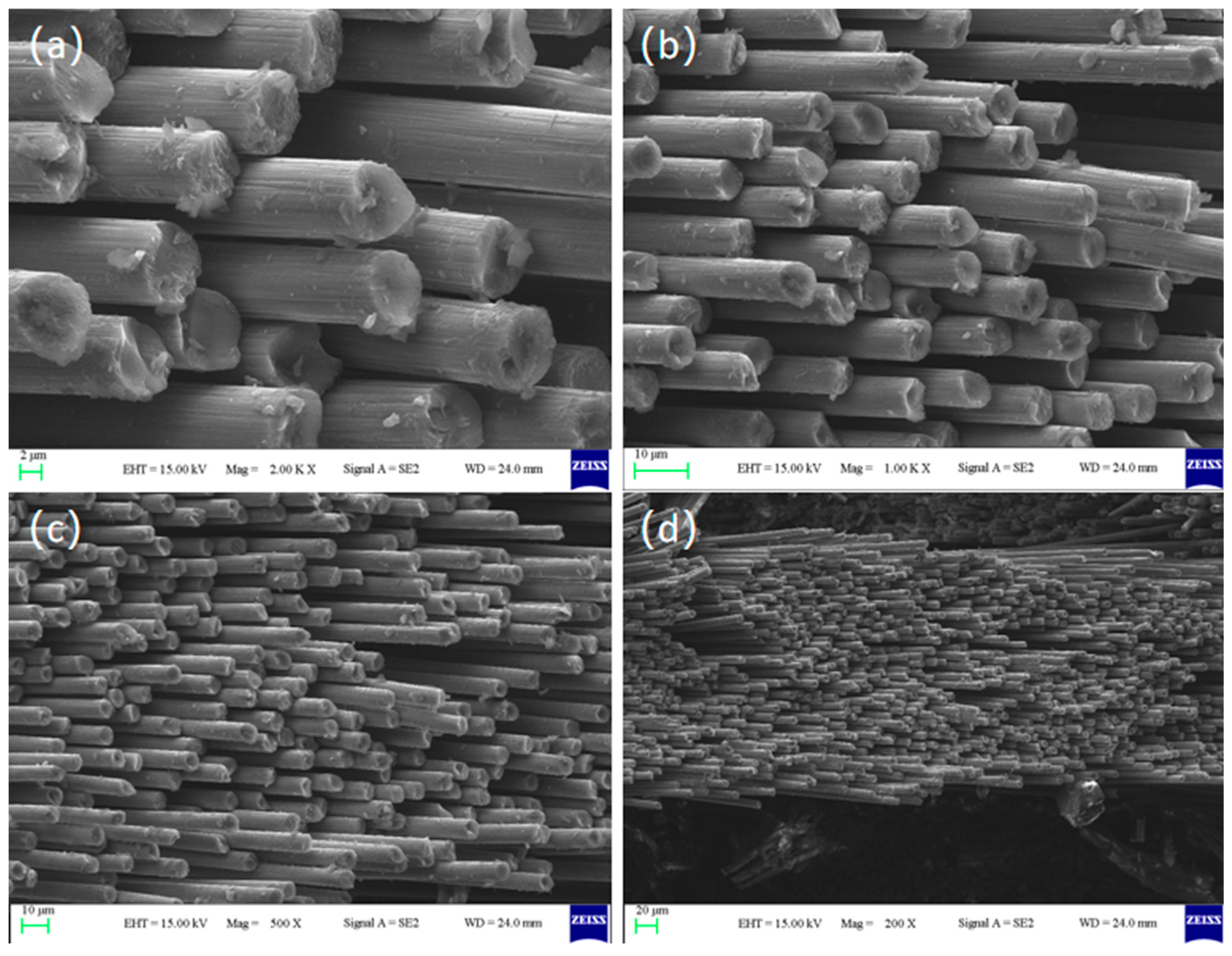
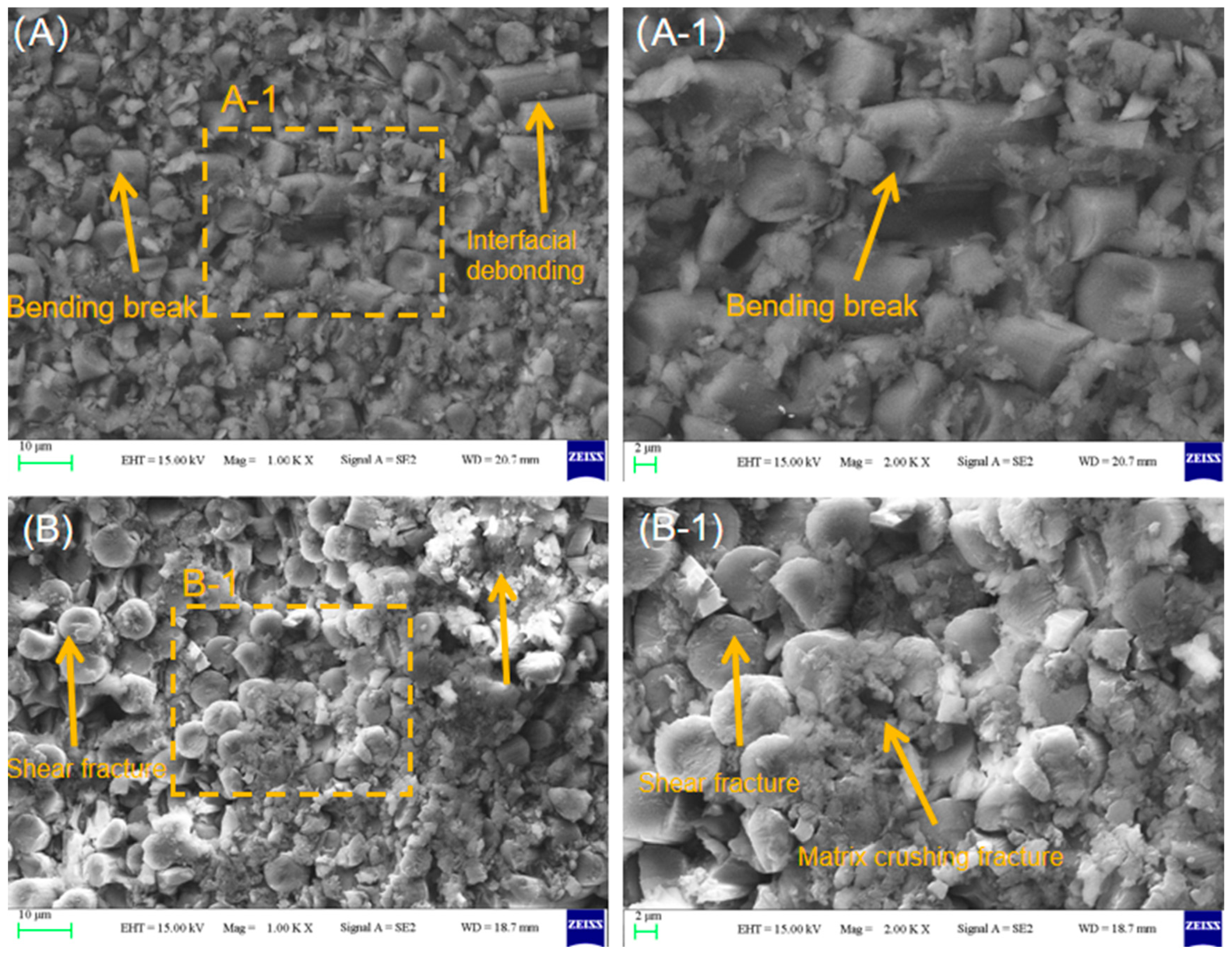
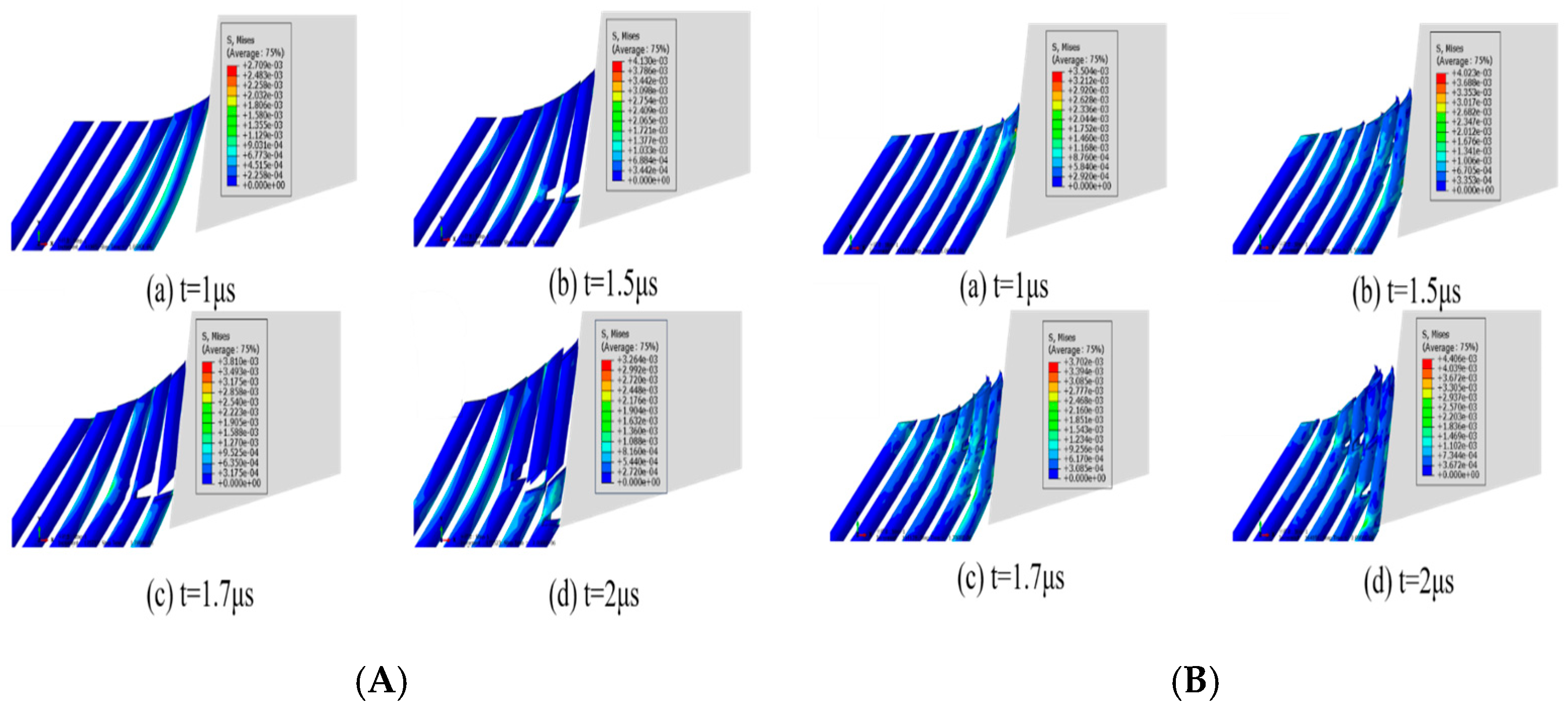
- A comparative analysis between LAC and conventional cutting (CC) revealed fundamental differences in material removal mechanisms, driven by the effect of laser selective ablation. Laser treatment removes the surface resin matrix, transitioning fibers from a fully constrained state to a partially exposed state. In LAC, exposed fibers undergo large-deflection bending fracture at the free end, resulting in flat, regular fracture surfaces with minimal interfacial debonding and no severe matrix crushing. In contrast, fibers in CC remain fully constrained by the intact matrix, exhibiting shear fracture with irregular, broken surfaces, accompanied by severe matrix crushing and extensive interfacial debonding. These differences are further reflected in chip morphology: LAC produces regular, elongated fiber fragments with larger chip volumes, while CC generates fragmented, irregular chips, confirming that LAC optimizes fiber failure modes and material removal behavior.
- (3)
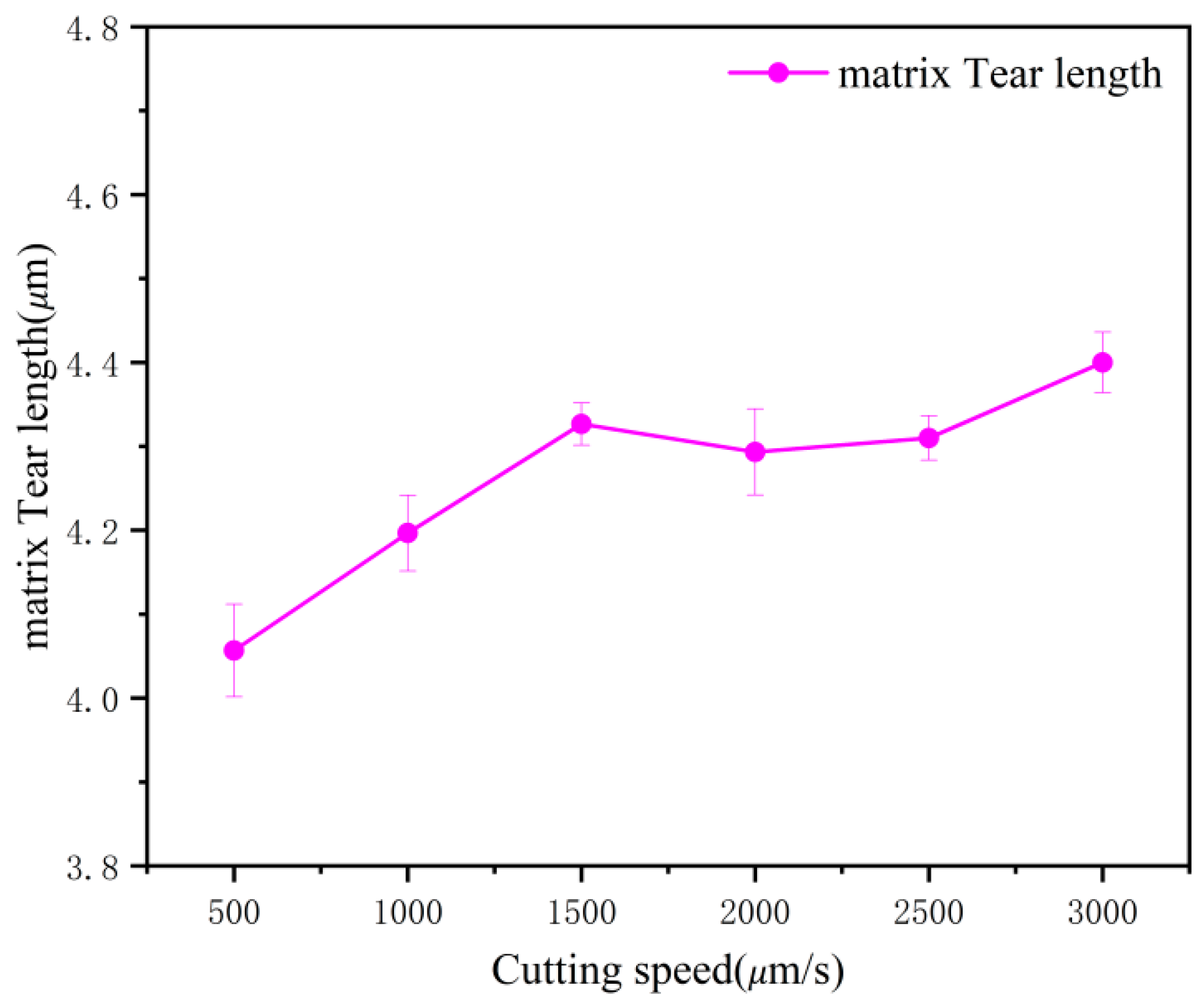
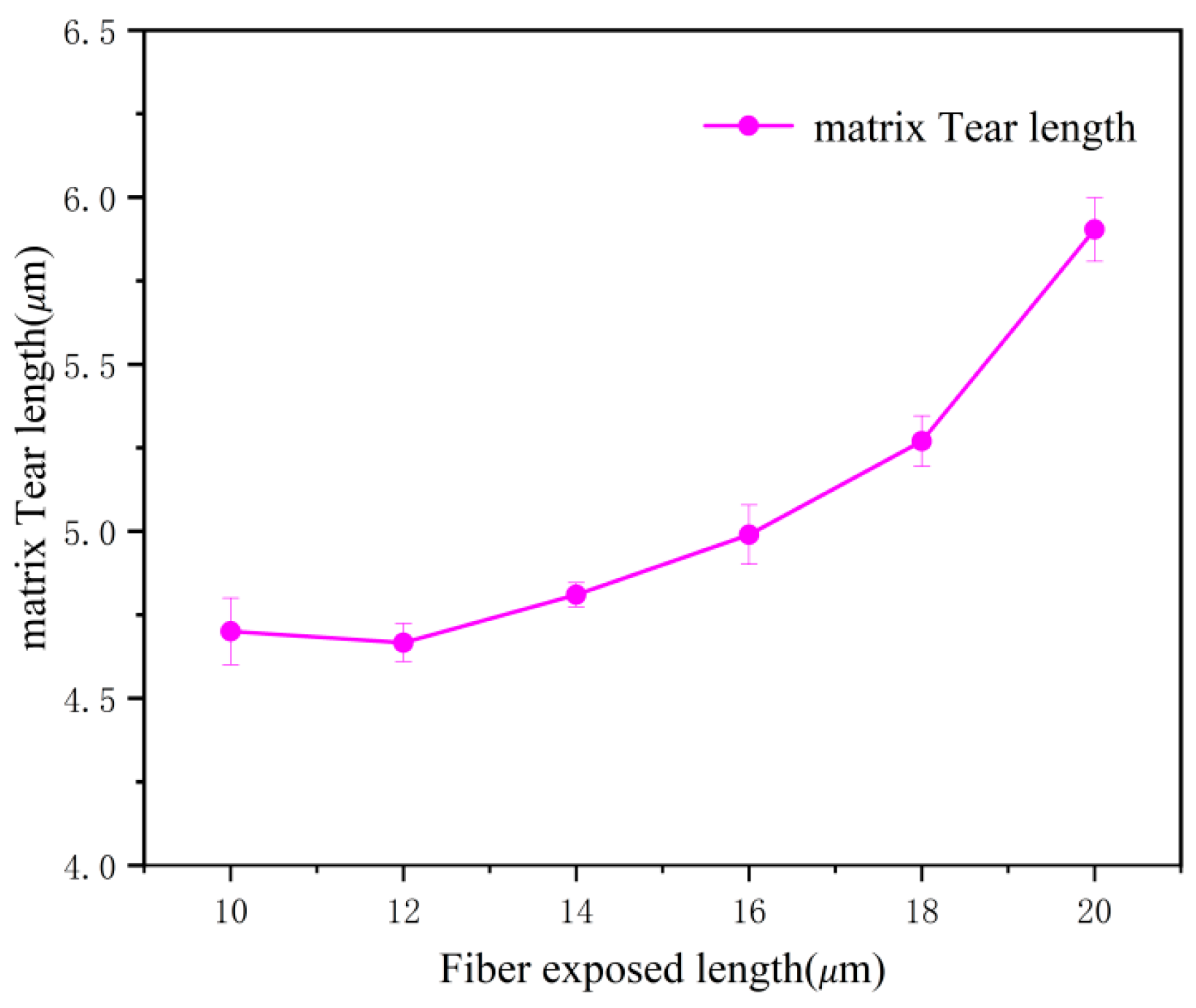
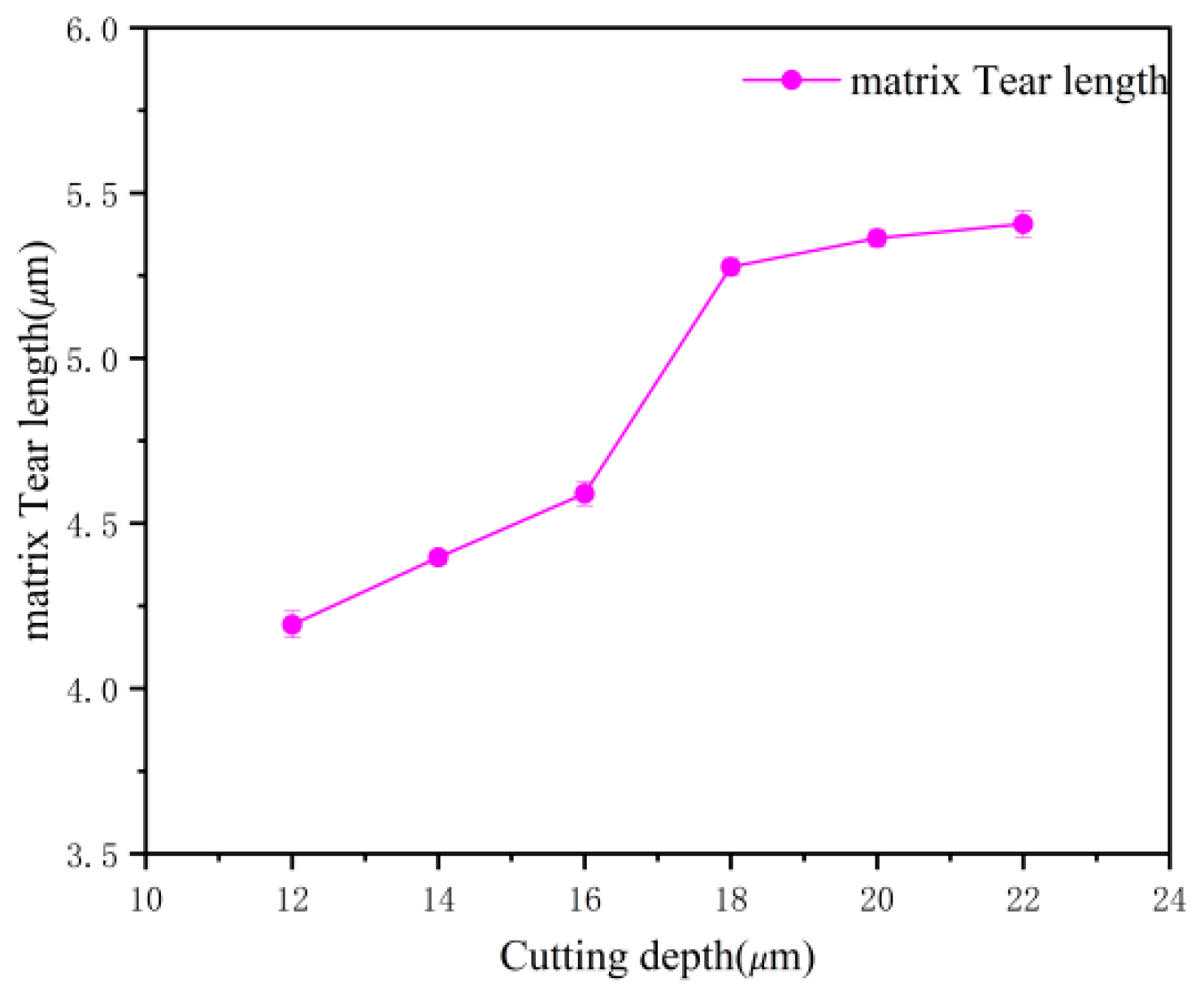
- Systematic investigation of machining damage evolution identified key influencing factors and the superior performance of LAC. Matrix tearing length is positively correlated with cutting depth, cutting speed, and exposed fiber length. Increased cutting depth enhances the matrix’s supporting effect on fibers, leading to longer matrix tearing; higher cutting speed intensifies tool–fiber contact stress and accelerates interface crack propagation; and longer exposed fiber length exacerbates fiber bending deformation and matrix damage. Compared with CC, LAC significantly suppresses fiber crushing, matrix tearing, and interfacial debonding, thereby reducing machining damage and improving the surface integrity of processed components.
Author Contributions
Funding
Data Availability Statement
Conflicts of Interest
References
- Anand, R.S.; Patra, K. Mechanistic cutting force modelling for micro-drilling of CFRP composite laminates. CIRP J. Manuf. Sci. Technol. 2017, 16, 55–63. [Google Scholar] [CrossRef]
- Geier, N.; Davim, J.P.; Szalay, T. Advanced cutting tools and technologies for drilling carbon fibre reinforced polymer (CFRP) composites: A review. Compos. Part A Appl. Sci. Manuf. 2019, 125, 105552. [Google Scholar] [CrossRef]
- Geier, N.; Xu, J.; Poór, D.I.; Dege, J.H.; Davim, J.P. A review on advanced cutting tools and technologies for edge trimming of carbon fibre reinforced polymer (CFRP) composites. Compos. Part B Eng. 2023, 266, 111037. [Google Scholar] [CrossRef]
- Kahwash, F.; Shyha, I.; Maheri, A. Meshfree formulation for modelling of orthogonal cutting of composites. Compos. Struct. 2017, 166, 193–201. [Google Scholar] [CrossRef]
- Merino-Pérez, J.L.; Royer, R.; Merson, E.; Lockwood, A.; Ayvar-Soberanis, S.; Marshall, M.B. Influence of workpiece constituents and cutting speed on the cutting forces developed in the conventional drilling of CFRP composites. Compos. Struct. 2016, 140, 621–629. [Google Scholar] [CrossRef]
- Liu, C.; Ren, J.; Shi, K.; Zhang, Y. Investigation of fracture mechanism evolution model for UD-CFRP and MD-CFRP during the milling process. Compos. Struct. 2023, 306, 116585. [Google Scholar] [CrossRef]
- Song, C.; Jin, X. Analytical modeling of chip formation mechanism in cutting unidirectional carbon fiber reinforced polymer. Compos. Part B Eng. 2022, 239, 109983. [Google Scholar] [CrossRef]
- Wang, C.; Liu, G.; An, Q.; Chen, M. Occurrence and formation mechanism of surface cavity defects during orthogonal milling of CFRP laminates. Compos. Part B Eng. 2017, 109, 10–22. [Google Scholar] [CrossRef]
- Xu, C.; Yao, S.; Wang, G.; Wang, Y.; Xu, J. A prediction model of drilling force in CFRP internal chip removal hole drilling based on support vector regression. Int. J. Adv. Manuf. Technol. 2021, 117, 1505–1516. [Google Scholar] [CrossRef]
- Hintze, W.; Clausen, R.; Schütte, C.; Kroll, K. Evaluation of the total cutting force in drilling of CFRP: A novel experimental method for the analysis of the cutting mechanism. Prod. Eng. 2018, 12, 431–440. [Google Scholar] [CrossRef]
- Qiu, K.X.; Bie, Y.X.; Qin, S.; An, Q.L.; Chen, M. A Study of Cutting Force and Force Coefficients in Orthogonal Cutting of High-Strength CFRP T700 Laminates. Key Eng. Mater. 2016, 693, 704–709. [Google Scholar] [CrossRef]
- Li, H.; Qin, X.; He, G.; Jin, Y.; Sun, D.; Price, M. Investigation of chip formation and fracture toughness in orthogonal cutting of UD-CFRP. Int. J. Adv. Manuf. Technol. 2016, 82, 1079–1088. [Google Scholar] [CrossRef]
- Koplev, A.; Lystrup, A.; Vorm, T. The cutting process, chips, and cutting forces in machining CFRP. Composites 1983, 14, 371–376. [Google Scholar] [CrossRef]
- Arola, D.; Ramulu, M.; Wang, D.H. Chip formation in orthogonal trimming of graphite/epoxy composite. Compos. Part A Appl. Sci. Manuf. 1996, 27, 121–133. [Google Scholar] [CrossRef]
- Qi, Z.; Zhang, K.; Cheng, H.; Wang, D.; Meng, Q. Microscopic mechanism based force prediction in orthogonal cutting of unidirectional CFRP. Int. J. Adv. Manuf. Technol. 2015, 79, 1209–1219. [Google Scholar] [CrossRef]
- Yan, X.; Zhang, K.; Cheng, H.; Luo, B.; Hou, G. Force coefficient prediction for drilling of UD-CFRP based on FEM simulation of orthogonal cutting. Int. J. Adv. Manuf. Technol. 2019, 104, 3695–3716. [Google Scholar] [CrossRef]
- Wang, Q.; Jia, X.; Hu, B.; Xia, W. A mechanistic prediction model of instantaneous cutting forces in drilling of carbon fiber-reinforced polymer. Int. J. Adv. Manuf. Technol. 2019, 103, 1977–1988. [Google Scholar] [CrossRef]
- Song, C.; Jin, X. Shearing-buckling mechanism in orthogonal cutting of unidirectional carbon fiber reinforced polymer. J. Mater. Process. Technol. 2020, 280, 116612. [Google Scholar] [CrossRef]
- Shen, Y.; Yang, T.; Liu, C.; Liu, S.; Du, Y. Cutting force modeling in orthogonal cutting of UD-CFRP considering the variable thickness of uncut material. Int. J. Adv. Manuf. Technol. 2021, 114, 1623–1634. [Google Scholar] [CrossRef]
- Sahraie Jahromi, A.; Bahr, B. An analytical method for predicting cutting forces in orthogonal machining of unidirectional composites. Compos. Sci. Technol. 2010, 70, 2290–2297. [Google Scholar] [CrossRef]
- Li, H.N.; Wang, J.P.; Wu, C.Q.; Zhao, Y.J.; Xu, J.; Liu, X.; Zhu, W.Q. Damage behaviors of unidirectional CFRP in orthogonal cutting: A comparison between single- and multiple-pass strategies. Compos. Part B Eng. 2020, 185, 107774. [Google Scholar] [CrossRef]
- Li, H.; Qin, X.; He, G.; Price, M.A.; Jin, Y.; Sun, D. An energy based force prediction method for UD-CFRP orthogonal machining. Compos. Struct. 2017, 159, 34–43. [Google Scholar] [CrossRef]
- Hou, G.; Luo, B.; Zhang, K.; Luo, Y.; Cheng, H.; Cao, S.; Li, Y. Investigation of high temperature effect on CFRP cutting mechanism based on a temperature controlled orthogonal cutting experiment. Compos. Struct. 2021, 268, 113967. [Google Scholar] [CrossRef]
- Chen, L.; Zhang, K.; Cheng, H.; Qi, Z.; Meng, Q. A cutting force predicting model in orthogonal machining of unidirectional CFRP for entire range of fiber orientation. Int. J. Adv. Manuf. Technol. 2017, 89, 833–846. [Google Scholar] [CrossRef]
- An, Q.; Cai, C.; Cai, X.; Chen, M. Experimental investigation on the cutting mechanism and surface generation in orthogonal cutting of UD-CFRP laminates. Compos. Struct. 2019, 230, 111441. [Google Scholar] [CrossRef]
- Abena, A.; Essa, K. 3D micro-mechanical modelling of orthogonal cutting of UD-CFRP using smoothed particle hydrodynamics and finite element methods. Compos. Struct. 2019, 218, 174–192. [Google Scholar] [CrossRef]
- Lv, D.; Chen, M.; Yao, Y.; Yan, C.; Chen, G.; Zhu, Y. High-frequency vibration effects on the hole integrity in rotary ultrasonic drilling of carbon fiber-reinforced plastic composites. Ultrasonics 2021, 115, 106448. [Google Scholar] [CrossRef]
- Ahmad Sobri, S.; Heinemann, R.; Whitehead, D. Sequential Laser-Mechanical Drilling of Thick Carbon Fibre Reinforced Polymer Composites (CFRP) for Industrial Applications. Polymers 2021, 13, 2136. [Google Scholar] [CrossRef]
- Hobbiebrunken, T.; Fiedler, B.; Hojo, M.; Ochiai, S.; Schulte, K. Microscopic yielding of CF/epoxy composites and the effect on the formation of thermal residual stresses. Compos. Sci. Technol. 2005, 65, 1626–1635. [Google Scholar] [CrossRef]
- ISO 11566:1996; Carbon Fibre—Determination of the Tensile Properties of Single-Filament Specimens. International Organization for Standardization: Geneva, Switzerland, 1996.
- Reifsnider, K.L.; Case, S.W. Damage Tolerance and Durability of Material Systems; Wiley-VCH: Weinheim, Germany, 2002. [Google Scholar]
- Zhaohua, F.; Cook, R.D. Beam Elements on Two-Parameter Elastic Foundations. J. Eng. Mech. 1983, 109, 1390–1402. [Google Scholar] [CrossRef]
- Zhang, L.C.; Zhang, H.J.; Wang, X.M. A Force Prediction Model for Cutting Unidirectional Fibre-Reinforced Plastics. Mach. Sci. Technol. 2001, 5, 293–305. [Google Scholar] [CrossRef]
- Johnson, G.R.; Cook, W.H. Fracture characteristics of three metals subjected to various strains, strain rates, temperatures and pressures. Eng. Fract. Mech. 1985, 21, 31–48. [Google Scholar] [CrossRef]
- Johnson, G.R.; Cook, W.H. A Constitutive Model and Data for Metals Subjected to Large Strains, High Strain Rates and High Temperatures. In Proceedings of the 7th International Symposium on Ballistics, Hague, The Netherlands, 19–21 April 1983. [Google Scholar]
- Criado, V.; Feito, N.; Cantero Guisández, J.L.; Díaz-Álvarez, J. A New Cutting Device Design to Study the Orthogonal Cutting of CFRP Laminates at Different Cutting Speeds. Materials 2019, 12, 4074. [Google Scholar] [CrossRef]
- Xu, J.; Samsudeensadham, S.; Jaiswal, A.P.; Magyar, G.; Lukács, T.; Geier, N.; Krishnaraj, V.; Shen, J.; Shi, Z.; Chen, M. A critical review on numerical modeling of cutting-induced damage for CFRP composites. Compos. Struct. 2026, 378, 119839. [Google Scholar] [CrossRef]
- Gaetano, D.; Greco, F.; Leonetti, L.; Pascuzzo, A. Investigation of failure in anisotropic composite structures via an efficient data-driven multiscale strategy. Meccanica 2025, 60, 3235–3256. [Google Scholar] [CrossRef]







| Parameters | Values | Parameters | Values |
|---|---|---|---|
| a × b × c | 36 × 18 × 106 μm | γ | 7° |
| α | 10° | re | 2 μm |
| ht | 30 μm | ac | 12, 14, 16, 18, 20, 22 μm |
| l | 10, 12, 14, 16, 18, 20 μm | Vc | 500, 1000, 1500, 2000, 2500, 3000 mm/min |
| Parameter | Value |
|---|---|
| cutting speed (mm/min) | 500, 1000, 1500, 2000, 2500, 3000 |
| cutting depth () | 300, 400, 500, 600, 700, 800 |
| rake angle | 7° |
| back angle | 10° |
| Symbol | Implication | Symbol | Implication |
|---|---|---|---|
| The component of the cutting force perpendicular to the fiber | Fiber radius | ||
| The component of the cutting force in the direction of the fiber | Fiber diameter | ||
| The reaction of the surrounding material against the fiber | First parameter | ||
| Depth of cutting | Second parameter | ||
| Length of desticking point | Interface equivalent modulus | ||
| Cut fiber rebound height | Young’s modulus of fiber longitudinal | ||
| Tip radius | Fiber moment of inertia | ||
| Cutting speed | Transverse elastic modulus of composite material | ||
| Coordinates along the fiber direction | Fiber shear modulus | ||
| Fiber deflection | Matrix Young’s modulus | ||
| Single fiber–matrix cross-sectional area | Number of representative volume units | ||
| Fiber micro-buckling cutting force | Critical transverse force for fiber bending | ||
| Fiber bending cutting force | Fiber volume fraction | ||
| Bare fiber length | Fiber cutting Angle | ||
| Total energy of a single fiber and surrounding matrix | Shear Angle | ||
| Fiber bending strength | Friction coefficient | ||
| Critical stress for fiber bending failure | Shear velocity | ||
| Critical stress of matrix shear failure | Tangential force in the direction of cutting speed | ||
| Matrix shear strength | Feed force in the direction of cutting thickness | ||
| Rake Angle | Shear flow stress | ||
| Cutting width | Friction Angle | ||
| Chip flow velocity | Posterior Angle | ||
| Cutting time | Matrix yield strength | ||
| Equivalent plastic strain of matrix | Matrix equivalent strain rate | ||
| Matrix reference strain rate | Matrix cutting temperature | ||
| Matrix melting point | Normal temperature | ||
| Matrix hardening modulus | Matrix strain rate induction coefficient | ||
| Strain hardening coefficient | Thermal softening coefficient |
Disclaimer/Publisher’s Note: The statements, opinions and data contained in all publications are solely those of the individual author(s) and contributor(s) and not of MDPI and/or the editor(s). MDPI and/or the editor(s) disclaim responsibility for any injury to people or property resulting from any ideas, methods, instructions or products referred to in the content. |
© 2026 by the authors. Licensee MDPI, Basel, Switzerland. This article is an open access article distributed under the terms and conditions of the Creative Commons Attribution (CC BY) license.
Share and Cite
Liu, X.; Kong, X.; Cui, H.; Wang, M.; Zhuang, X.; Li, J. A Novel Cutting Force Prediction Model and Damage Analysis of Laser-Assisted Cutting CFRP at 135° Cutting Angle. Crystals 2026, 16, 354. https://doi.org/10.3390/cryst16050354
Liu X, Kong X, Cui H, Wang M, Zhuang X, Li J. A Novel Cutting Force Prediction Model and Damage Analysis of Laser-Assisted Cutting CFRP at 135° Cutting Angle. Crystals. 2026; 16(5):354. https://doi.org/10.3390/cryst16050354
Chicago/Turabian StyleLiu, Xiaole, Xianjun Kong, Han Cui, Minghai Wang, Xin Zhuang, and Jianfeng Li. 2026. "A Novel Cutting Force Prediction Model and Damage Analysis of Laser-Assisted Cutting CFRP at 135° Cutting Angle" Crystals 16, no. 5: 354. https://doi.org/10.3390/cryst16050354
APA StyleLiu, X., Kong, X., Cui, H., Wang, M., Zhuang, X., & Li, J. (2026). A Novel Cutting Force Prediction Model and Damage Analysis of Laser-Assisted Cutting CFRP at 135° Cutting Angle. Crystals, 16(5), 354. https://doi.org/10.3390/cryst16050354