Article

Numerical Simulation Analysis of Laser Ultrasonic Detection of Defects in Silicon Carbide

State Key Laboratory of Crystal Materials, Institute of Novel Semiconductors, Shandong University, Jinan 250100, China
*
Author to whom correspondence should be addressed.
Crystals 2025, 15(2), 125; https://doi.org/10.3390/cryst15020125
Submission received: 23 December 2024 / Revised: 19 January 2025 / Accepted: 21 January 2025 / Published: 24 January 2025
(This article belongs to the Special Issue Design and Synthesis of Functional Crystal Materials)

Abstract

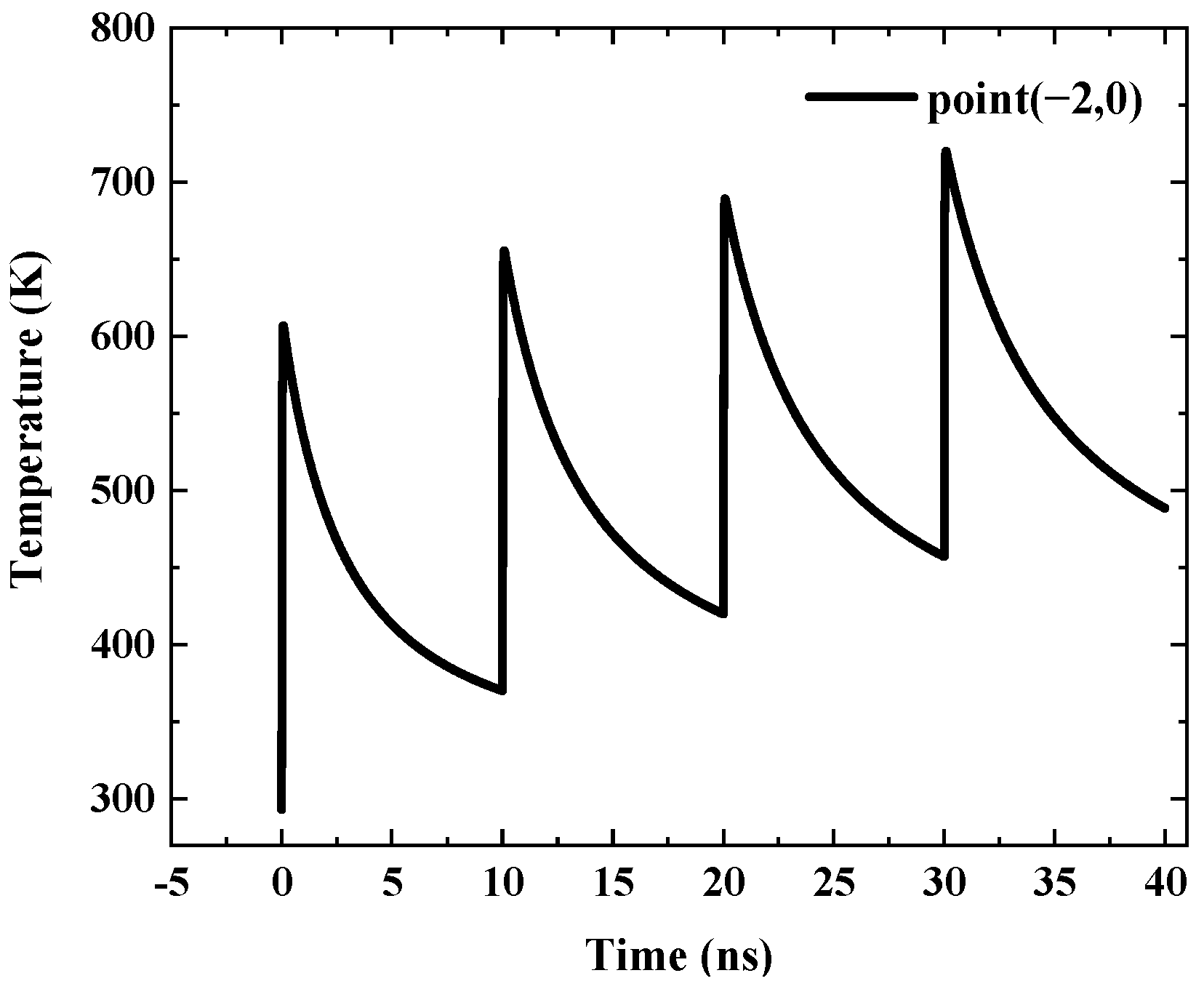
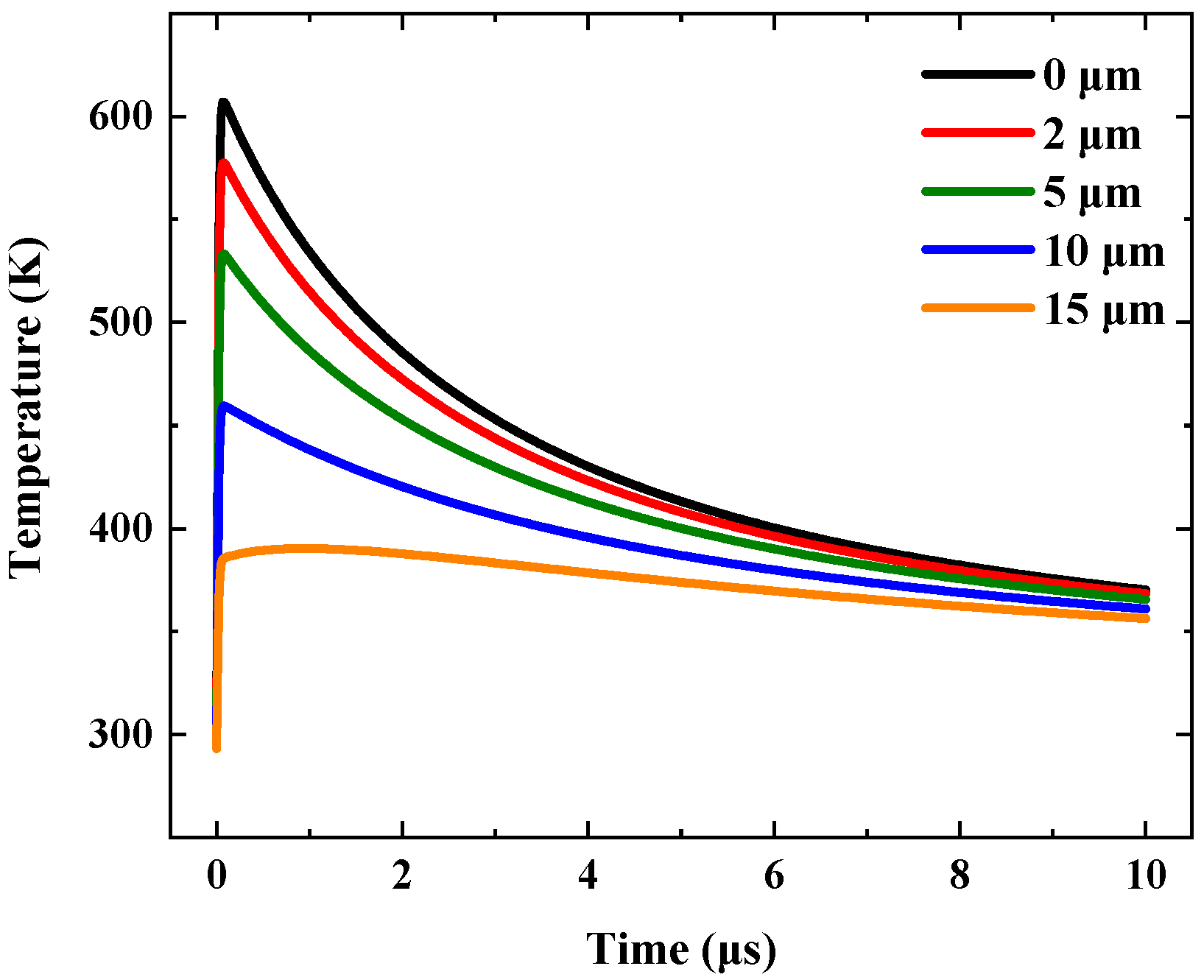
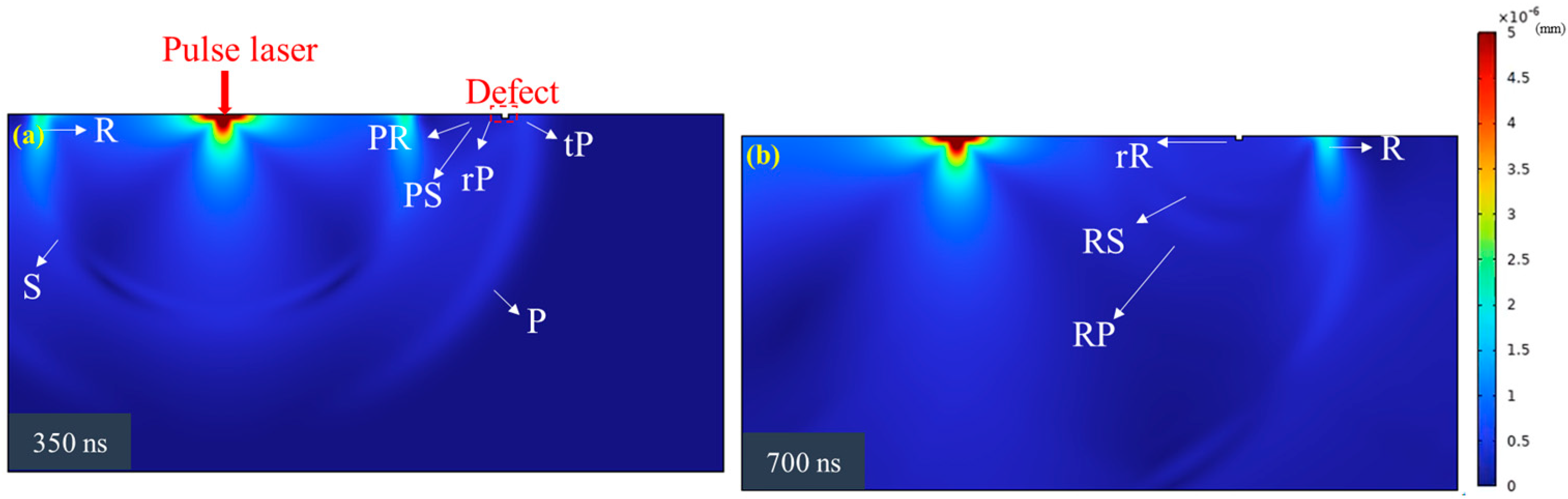
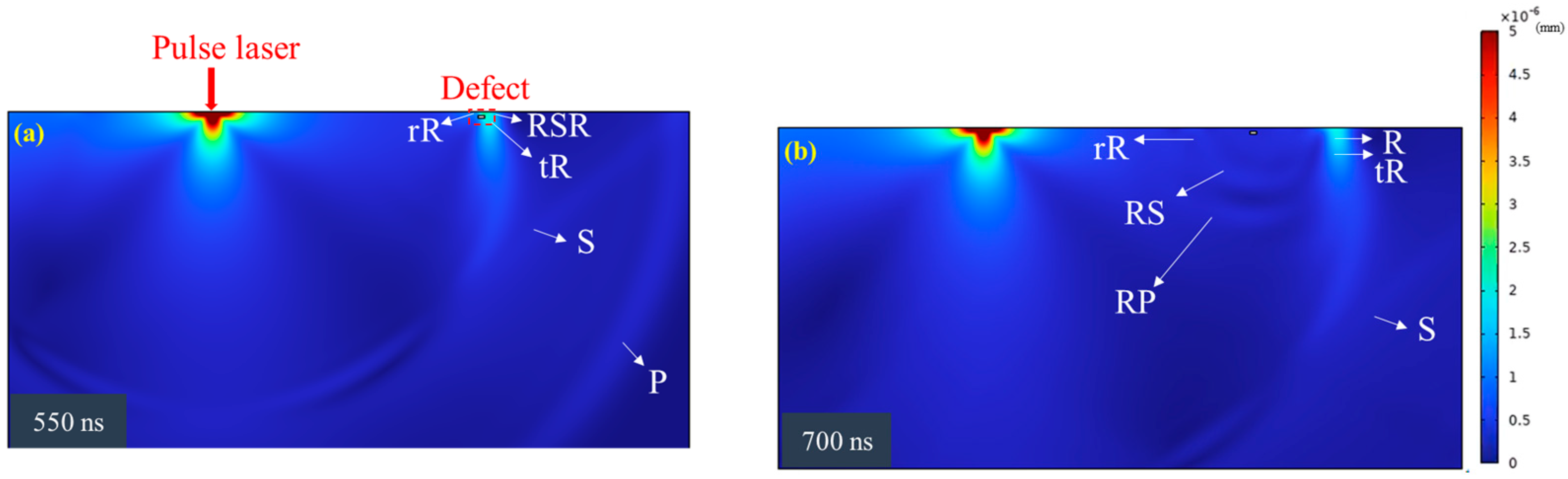
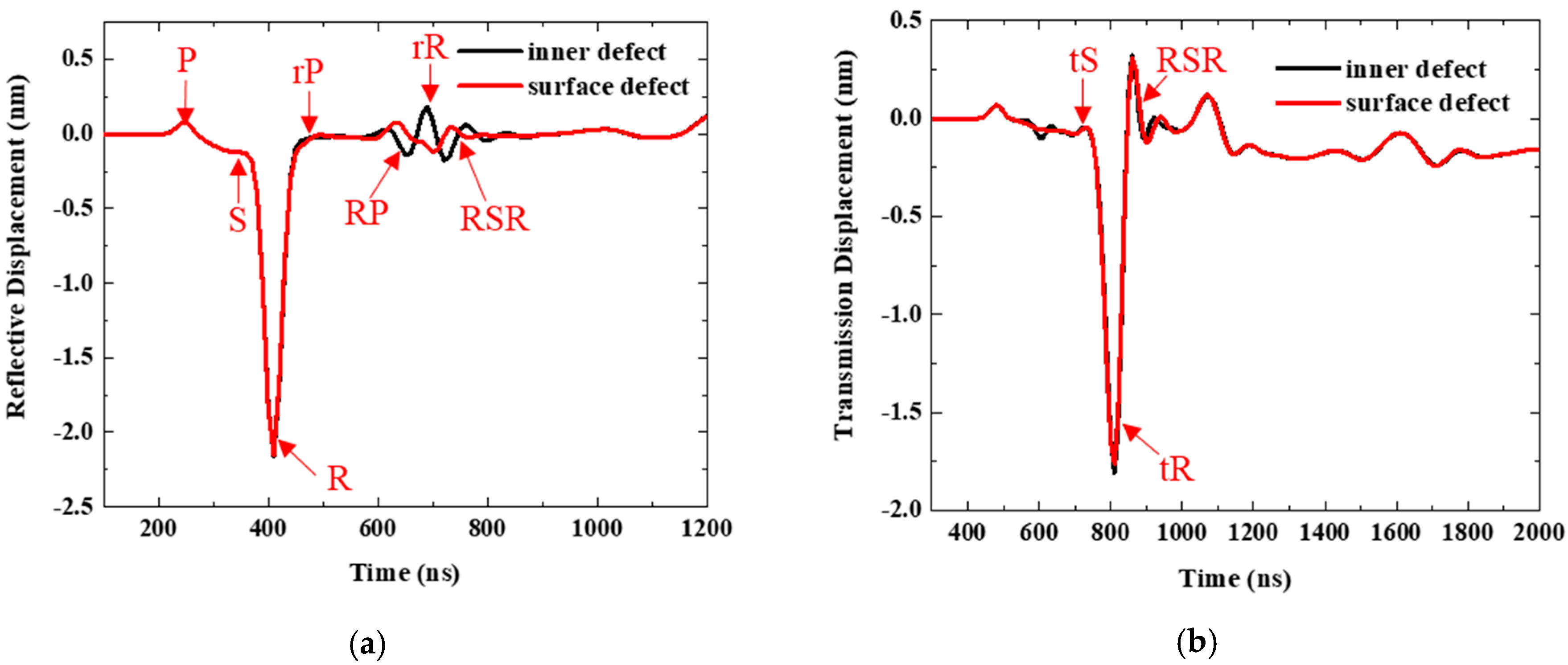
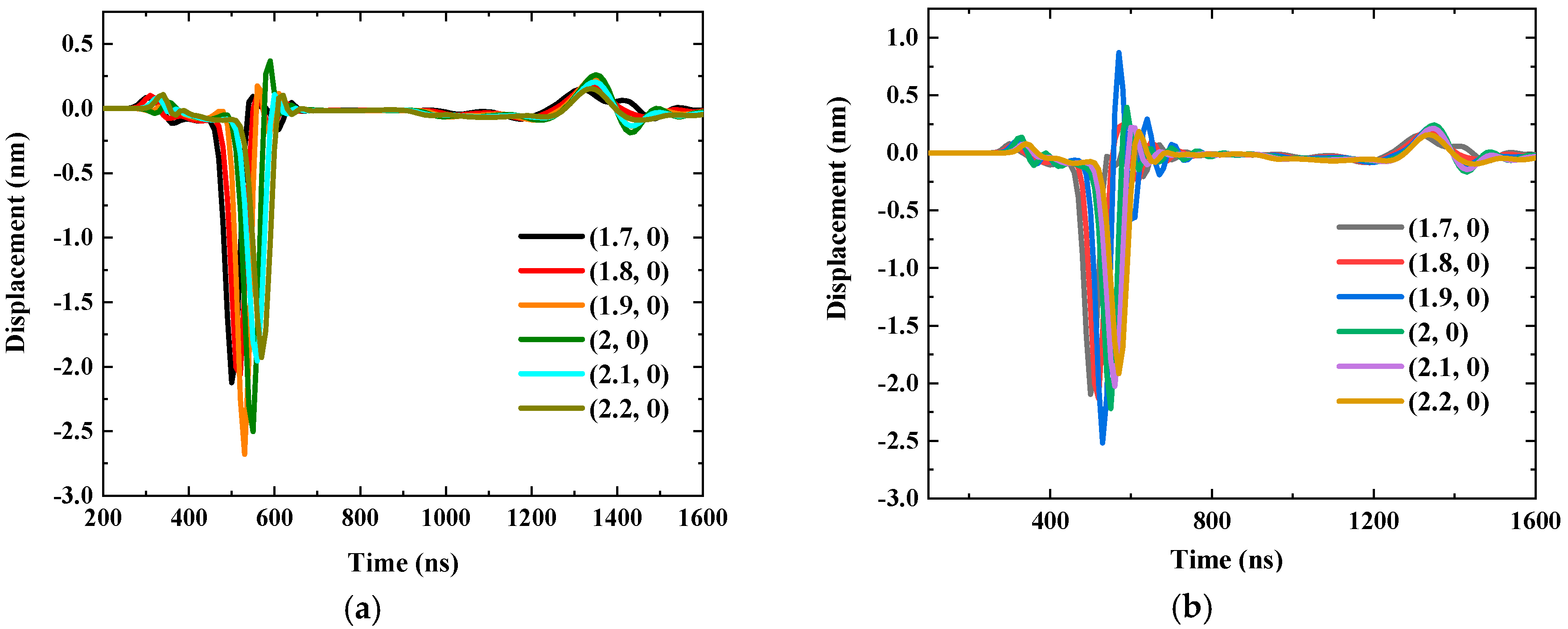
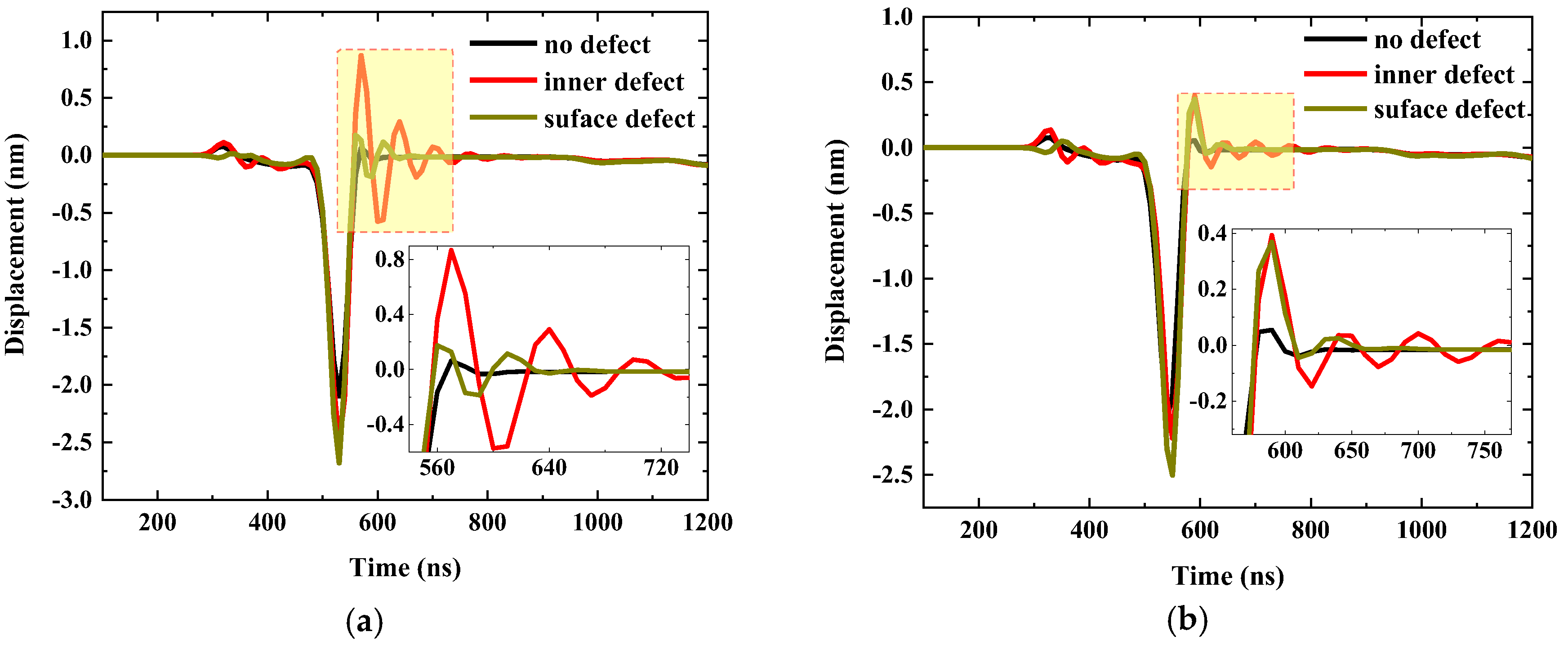
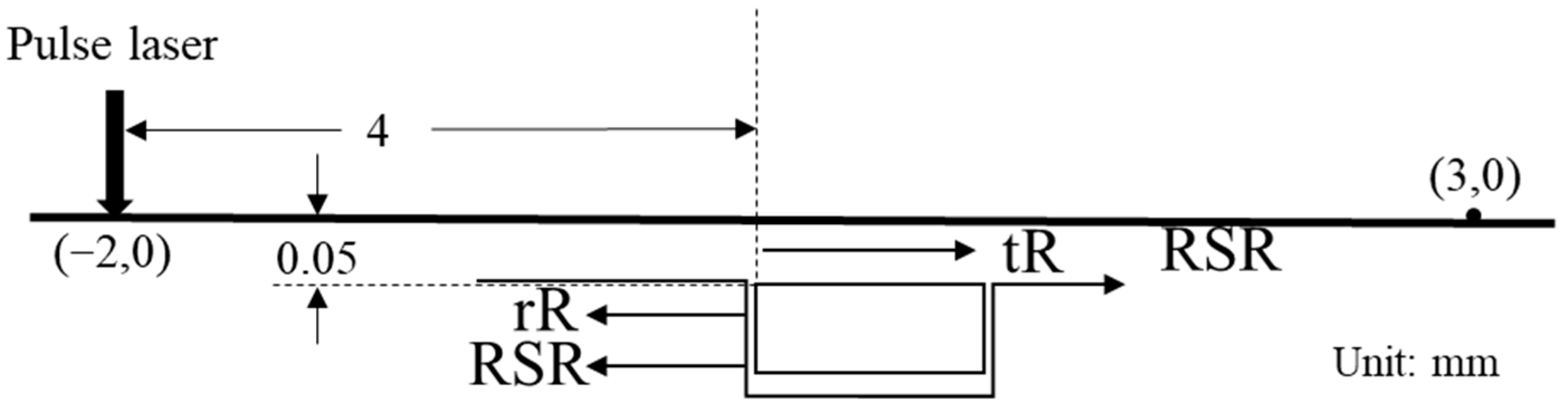
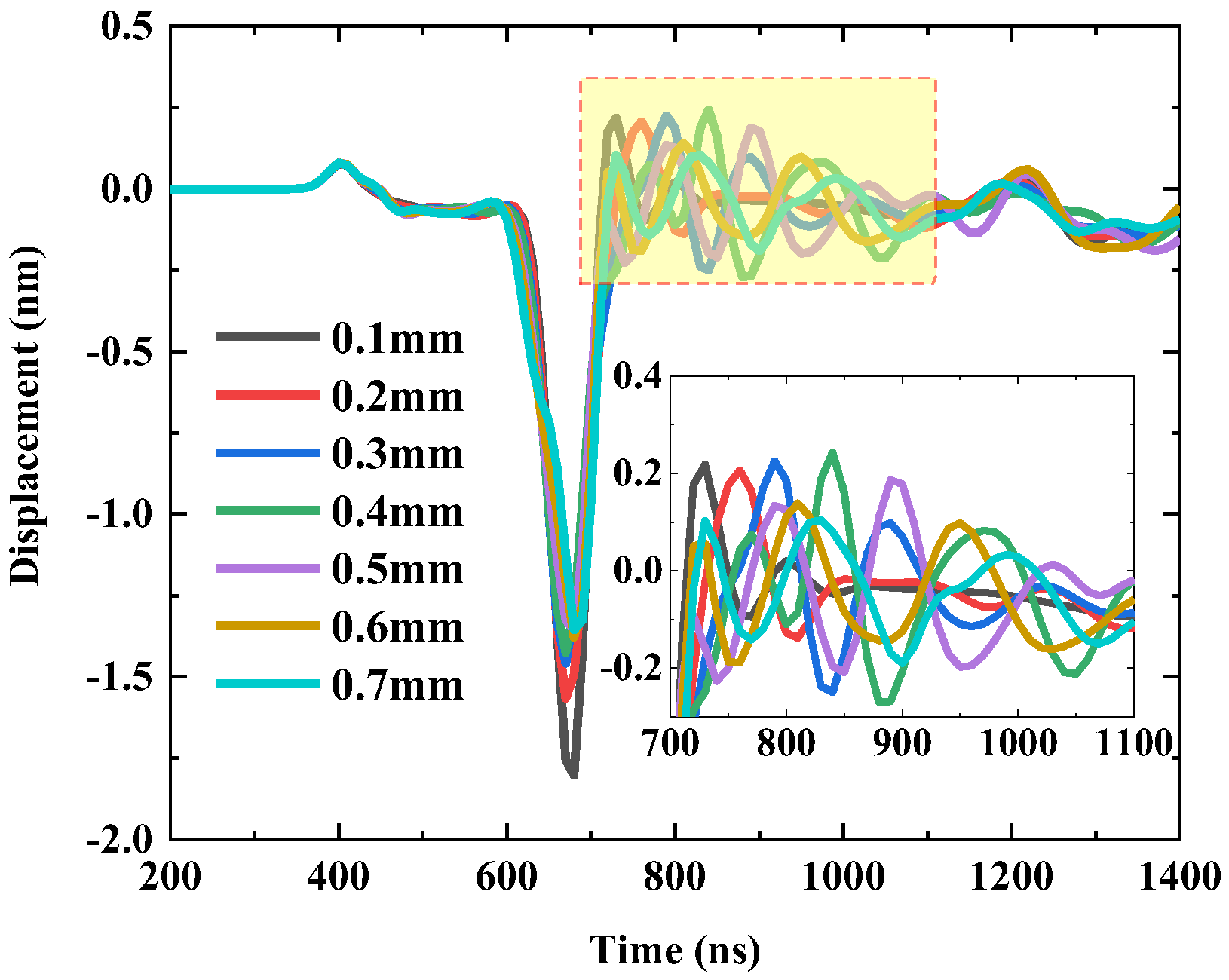
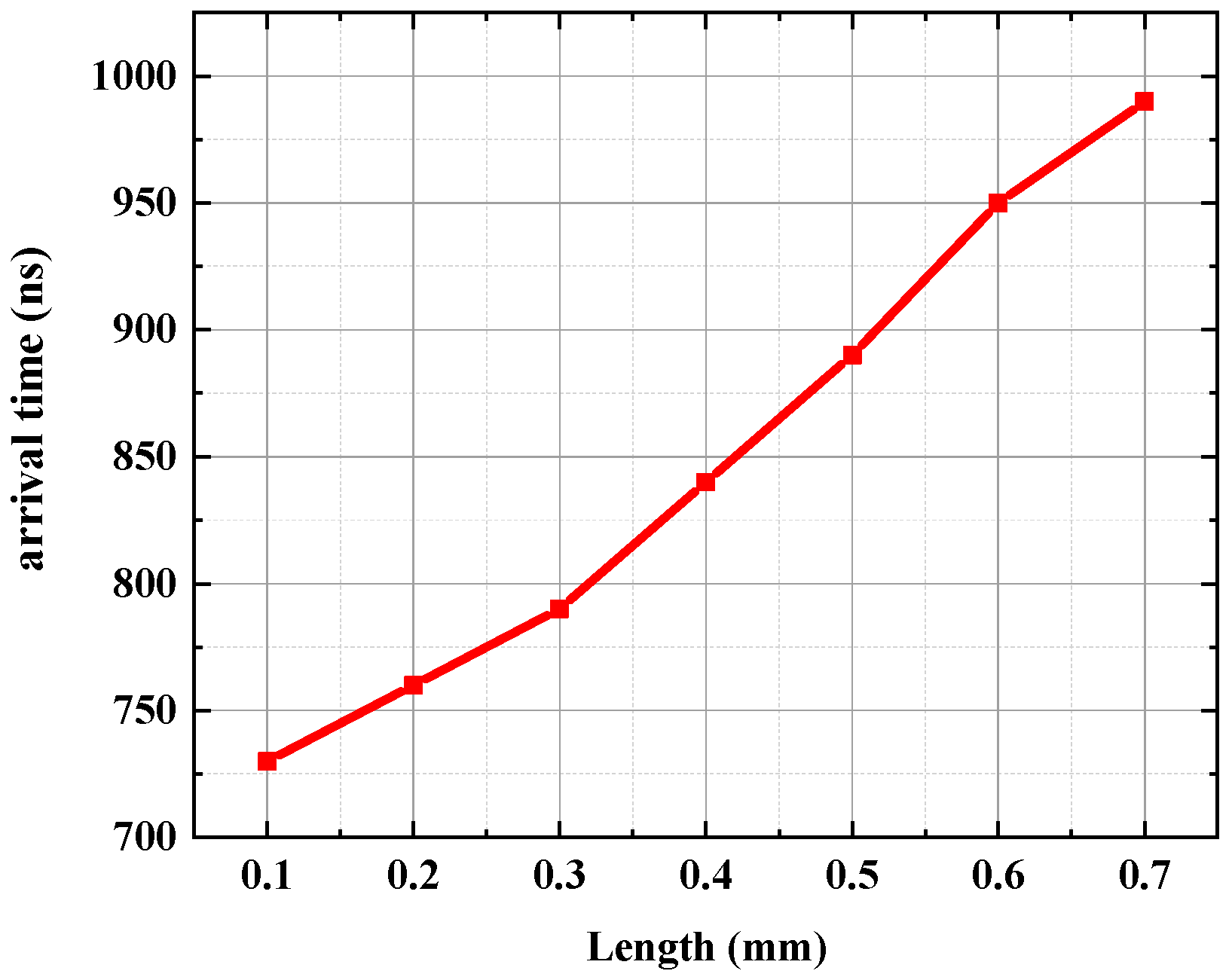
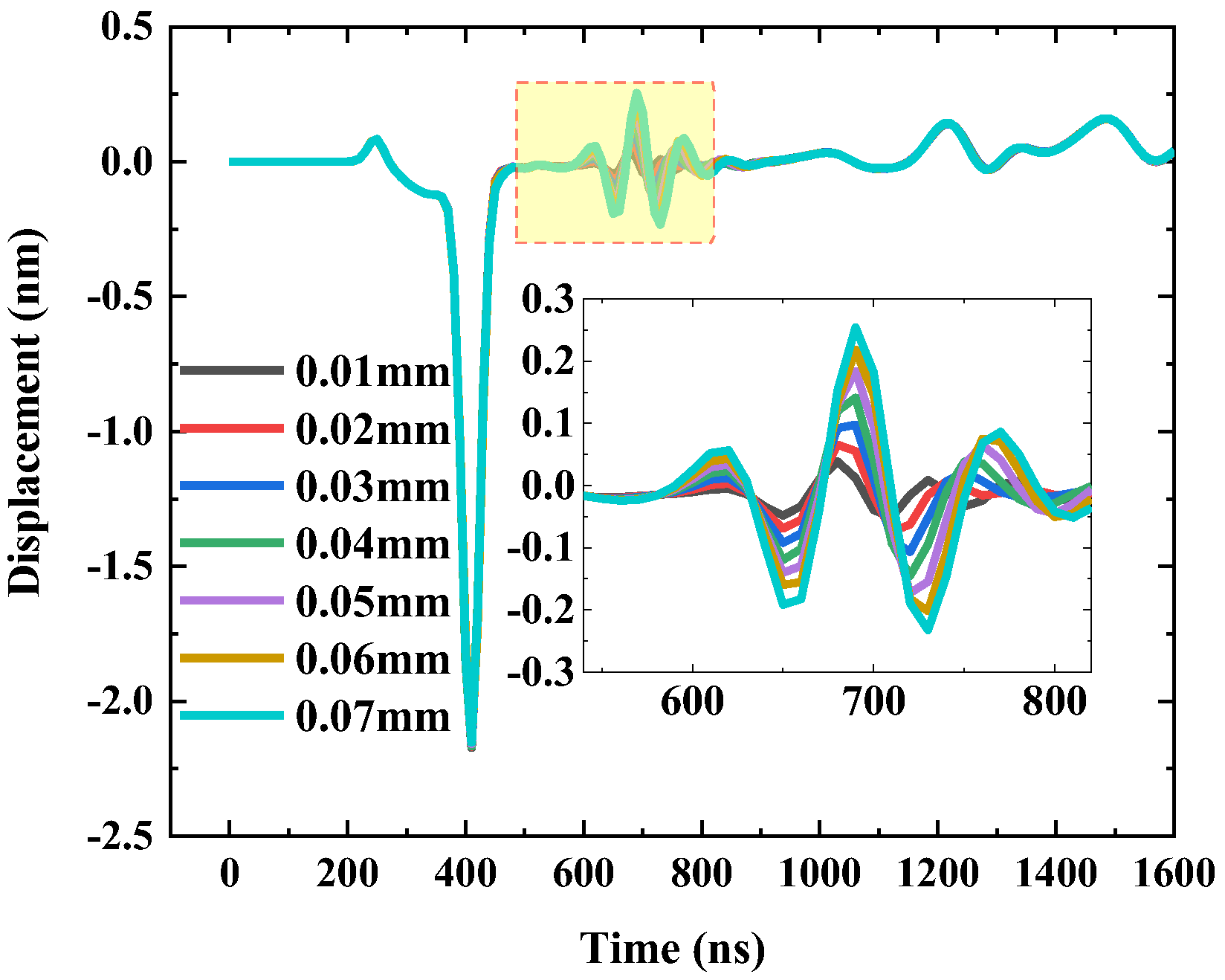
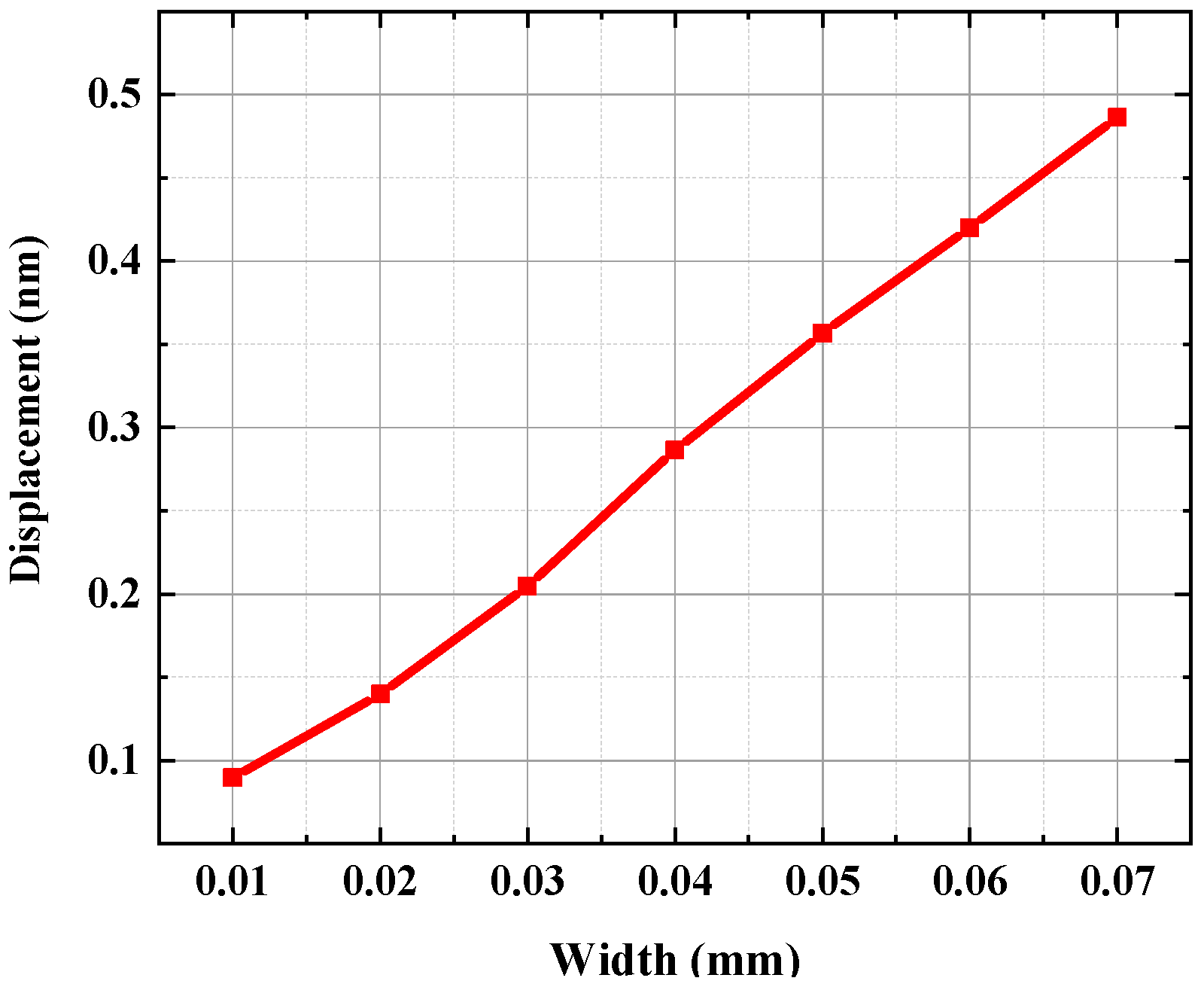
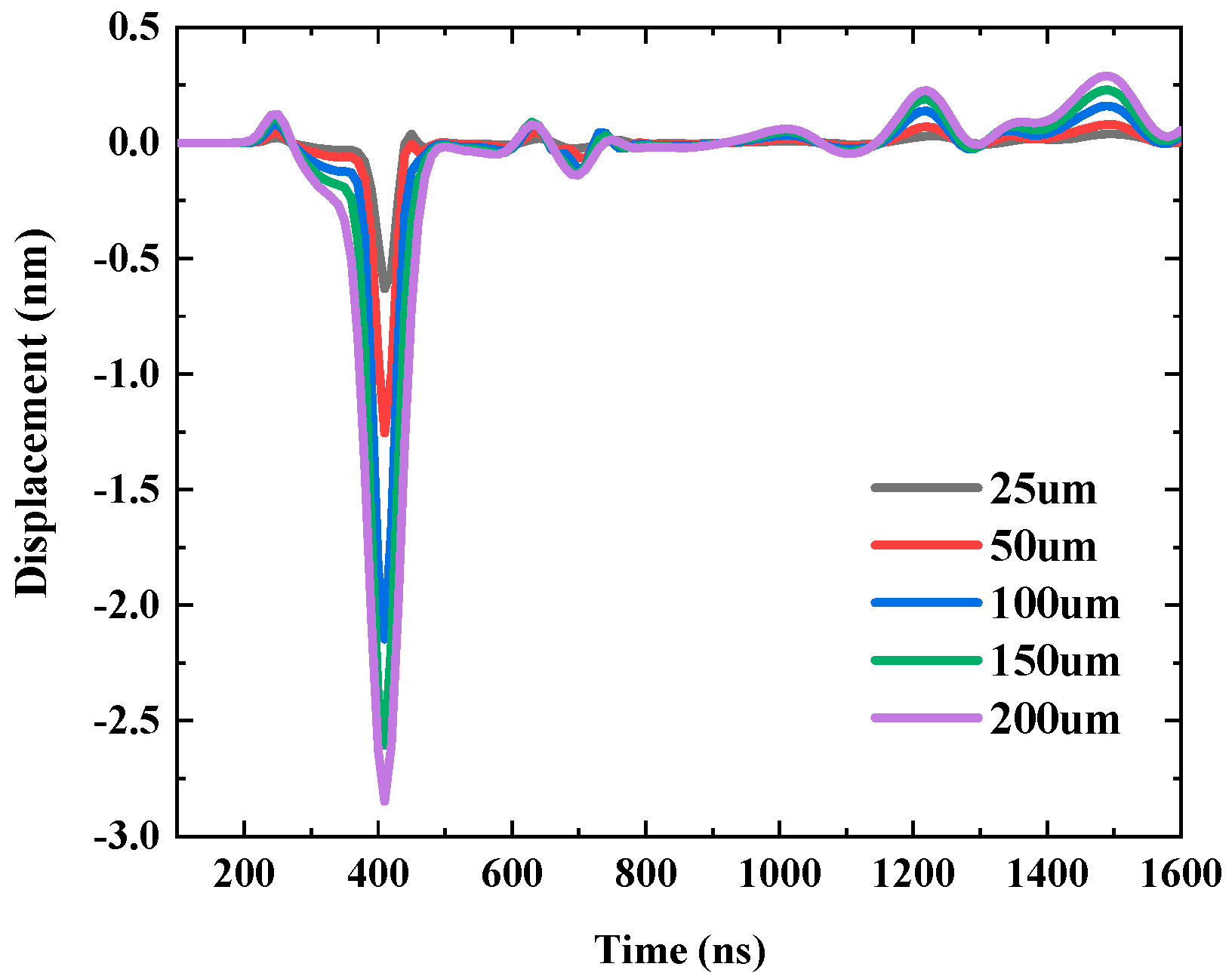
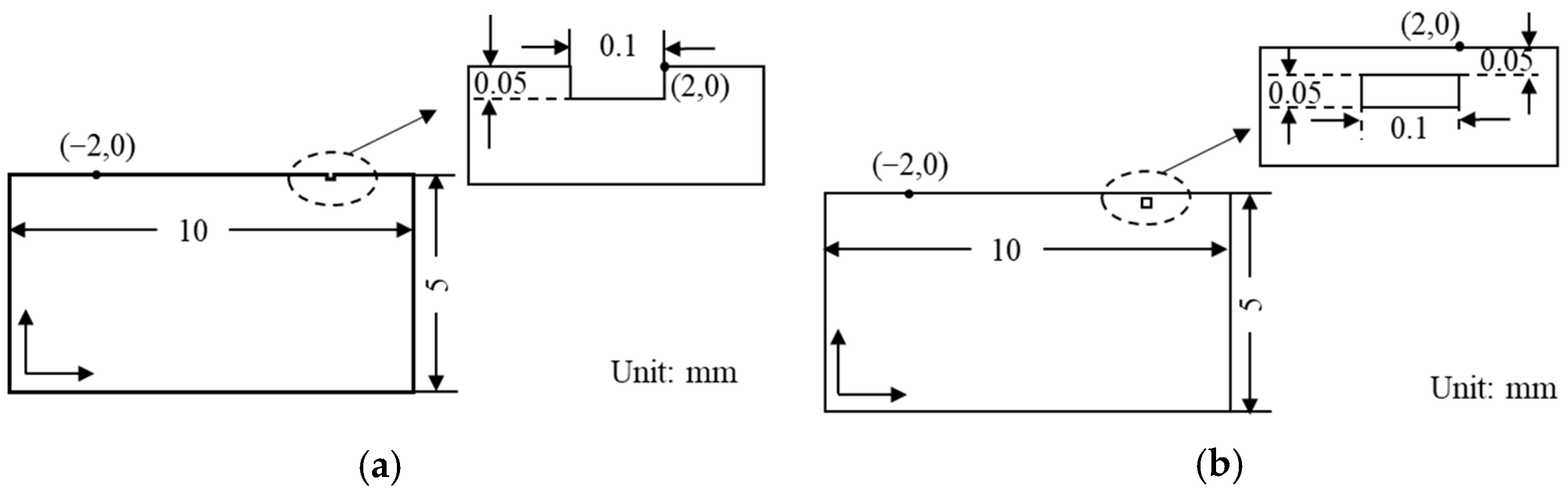
Silicon carbide (SiC) is widely used in power electronic devices and other fields, the defects of which can significantly impact its performance in device fabrication. Laser ultrasonic non-destructive testing (NDT) as a novel and effective approach can detect these defects in real time. This study introduces a numerical model for the SiC NDT that elucidates the dynamic interactions between laser-induced ultrasonic waves and surface defects, and internal defects in SiC, respectively. Results show NDT is an effective way to locate the SiC defect and the ultrasonic waves’ vibration amplitude of detection points at defect edges increases by at least 16% compared to adjacent points, with a maximum of 43%. A comparative assessment between surface and internal defect vibration responses for acoustic is also made. For internal defects, the oscillation time of the acoustic wave at the detection point on the surface away from the edge of the defect at the excitation point exceeds that of surface defects by 100 ns, and the amplitude near the excitation point is more pronounced, reaching 1.44 nm, which is 4.2 times that of corresponding surface defects. Additionally, a linear relationship is observed between the arrival time of transmitted Rayleigh Waves (RSR) and internal defect length, with a correlation coefficient of 0.9878. Similarly, a linear relationship is established between the amplitude of reflected Rayleigh Waves (rR) and defect width, with a correlation coefficient of 0.9976, providing an effective way to quantify the inner defect. Furthermore, transient temperature profiles at distinct positions and transient acoustic fields and the relationship of acoustic vibration amplitude increasing with laser spot size under a fixed laser power density are also analyzed. This model provides a theoretical foundation for laser ultrasonic NDT setup and choice of micro-vibration detection device.
Keywords: laser ultrasound; numerical simulation; surface defects; internal defects laser ultrasound; numerical simulation; surface defects; internal defects