
Skip to Content
CatalystsCatalysts
  • Article
  • Open Access

23 February 2026

Fast Biodiesel Production from Brown Grease Using a Gyrotron
,
,
,
,
and
1
Department of Chemical Engineering, Ariel University, Kiryat-ha-Mada, Ariel 4070000, Israel
2
Department of Electrical and Electronics Engineering, Ariel University, Kiryat-ha-Mada, Ariel 4070000, Israel
*
Authors to whom correspondence should be addressed.

Abstract

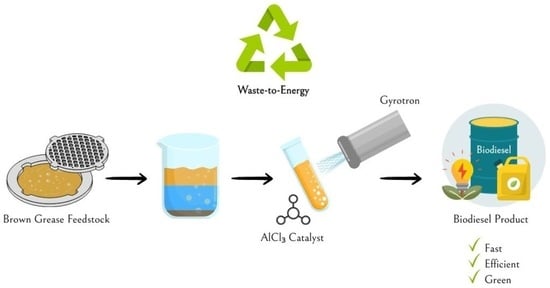
Biodiesel is a promising, renewable, and environmentally friendly alternative fuel. Numerous studies have focused on improving the biodiesel production process from various feedstocks using different activation methods and catalysts. However, the reaction times typically range from tens of minutes to hours. This study presents, for one of the first systematic studies exploring time, the potential of using millimeter-wave electromagnetic radiation generated by a gyrotron as an activation method for biodiesel production reactions. Esterification was carried out using free fatty acids and fatty waste, specifically brown grease (BG), in the presence of the Lewis acid catalyst AlCl3. Complete conversion of oleic acid was achieved after only 0.4 s of exposure to millimeter waves. When BG was used as the feedstock, a biodiesel yield of 73–76% was obtained within only 3.0 s. Gyrotron-based electromagnetic activation was benchmarked against conventional thermal and sonication-assisted methods, demonstrating high effectiveness. This study presents an efficient and novel process that reduces reaction times while utilizing fatty waste as a feedstock, aligning with the principles of green chemistry, the circular economy, and sustainable development.

1. Introduction

Global fuel consumption, which is still mainly based on fossil fuels, oil, coal, and gas, continues to increase due to population growth and industrial development [1,2,3]. Fossil fuels are limited, polluting, environmentally harmful, and contribute to economic and geopolitical instability [4,5,6,7]. Despite global efforts and supportive regulations, such as the renewable fuel standard [8], energy demand exceeds the current renewable supply [9,10] and underscores the need for alternative solutions [11]. Even partial fossil fuel replacement can improve ecological and economic conditions [12]. The development of viable and practical alternatives, such as solar energy, wind energy, biomass, and biofuels, is therefore essential, and biodiesel stands out as particularly promising [13,14].
Biodiesel is a renewable liquid biofuel produced from fatty compounds, such as triglycerides and free fatty acids (FFAs), which are derived from vegetable oils, animal fats, or waste oils [15]. The American Society for Testing and Materials defines biodiesel as monoalkyl esters of long-chain fatty acids [16]. Alkyl esters are generally produced through the esterification of FFAs or the transesterification of triglycerides with short-chain alcohols, most often methanol or ethanol, in the presence of catalysts and appropriate activation conditions [4,14,17]. To promote the equilibrium reaction toward products and increase the product yield, an excess of alcohol is needed [4,18].
Biodiesel is produced from a wide variety of fatty sources, with the choice of feedstock affecting fuel quality, cleanliness, composition, and yield. The evolution of biodiesel has been divided into four generations by the European Academies Science Advisory Council. These generations are classified based on their origin, cultivation method, crop yield, impact on the food supply, biodiesel yield, energy content, availability, and economic viability. The first generation of biodiesel is produced from edible plant sources, whereas the second generation is made from non-edible plant sources. Third-generation biodiesel is made from microalgae and waste oils, such as the fatty phase of brown grease (BG). Fourth-generation biodiesel is produced from engineered biofuels [3,19].
Brown grease is a fatty waste product collected from grease traps in commercial and industrial facilities to prevent fats from entering the sewage system [20]. The direct disposal of fat, oil, and grease (FOG) can clog sewer pipelines, posing environmental, health, and hygiene hazards [20,21]. Traditional disposal methods for fatty waste, such as incineration and landfilling, can release gases that contribute to global warming [22]. However, as demonstrated in our previous studies [23,24], BG can be utilized as a raw material for biodiesel production.
BG is an attractive source due to its availability, low cost (less than 0.01–0.03 $US per lb) [20], and high (over 15%) FFA content [20,25]. In comparison with common and polluting disposal methods, the utilization of BG for biodiesel production offers environmental, economic, and operational benefits, including reduced raw material costs, the reduction in and treatment of polluting waste by using it as a feedstock, local energy production, and improved energy security [4,6,20,26]. However, the high FFA content necessitates careful process adjustments to mitigate potential issues such as soap formation, water release, yield reduction, and impaired equipment performance [2,26,27].
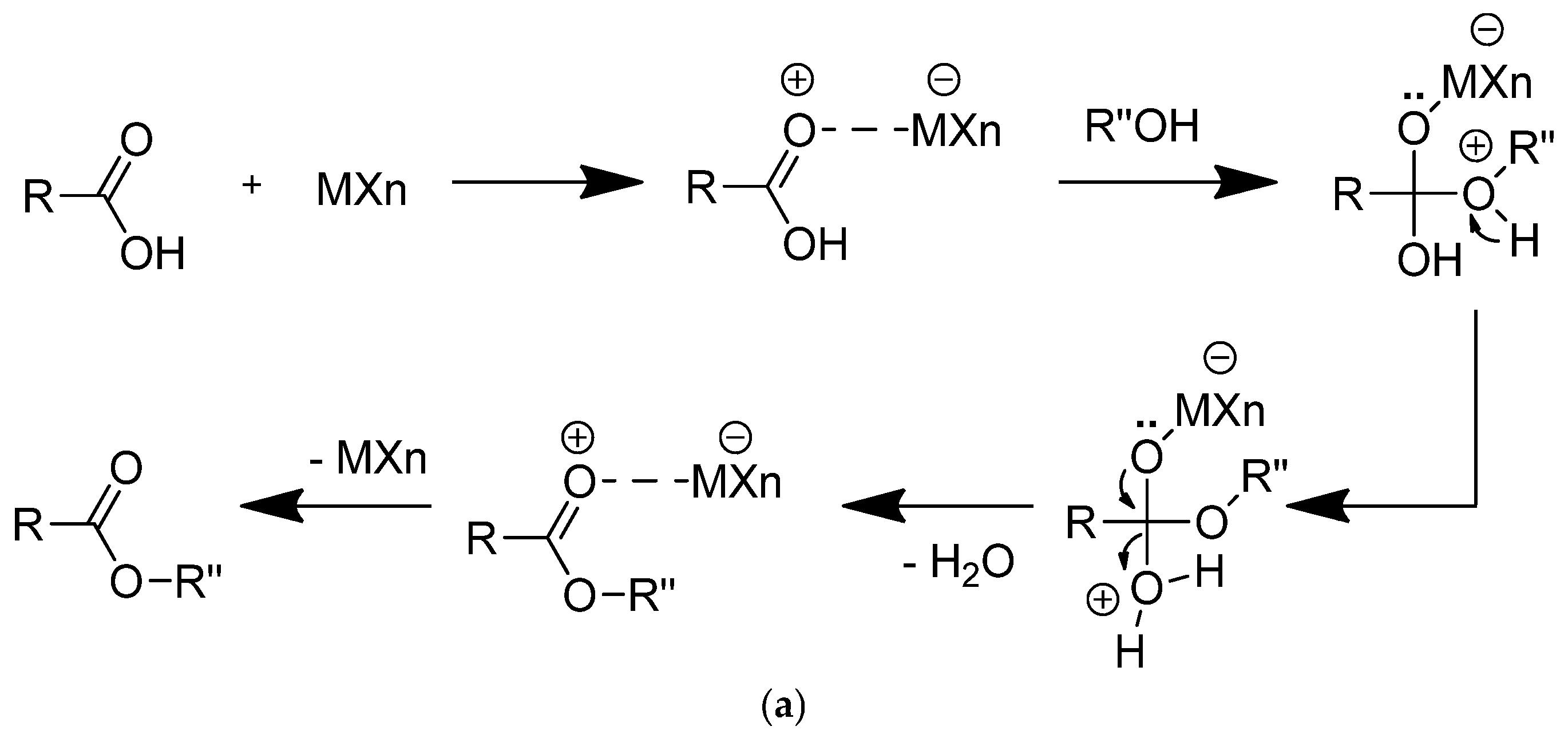
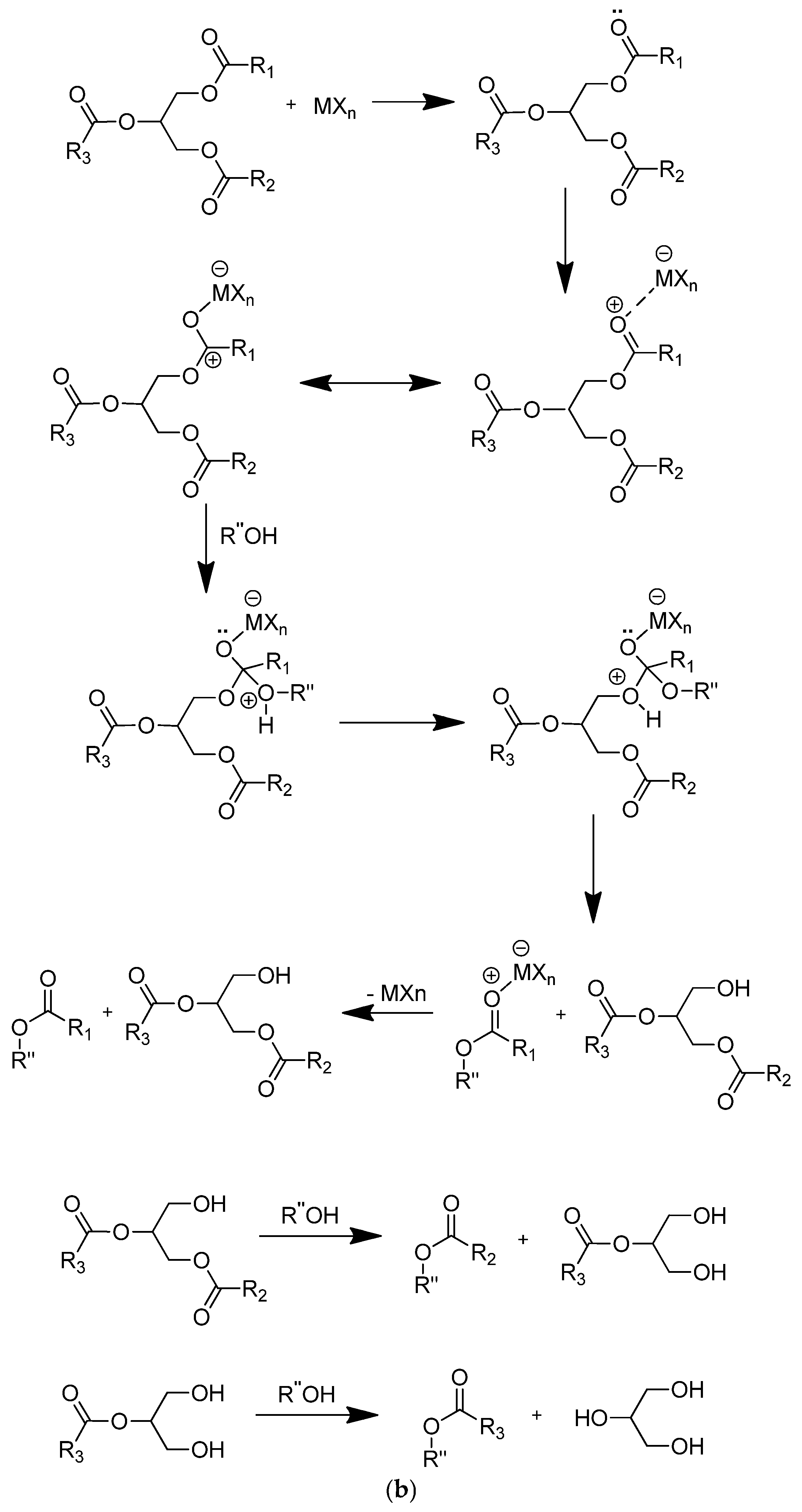
Biodiesel production via esterification and transesterification requires energy input, and catalysts are used to accelerate the reaction and increase the yield [4]. Catalysts can be heterogeneous or homogeneous, depending on the process characteristics and operating conditions [13,17,28,29]. The reaction can be accelerated by traditional catalysts, basic, acidic, or enzymatic [24,28,30,31], or by the use of Lewis acids, including AlCl3 and BF3, which have been shown to be effective catalysts, as shown in our previous work [23,32], and represent a successful solution to problems related to yield and reaction conditions. Electron deficiency in Lewis acids can activate electron-rich compounds [17]. The esterification reaction proceeds via acid-catalyzed activation of the free fatty acid, in which the catalyst facilitates protonation of the carbonyl group, increasing its electrophilicity and enabling nucleophilic attack by the alcohol molecules. Subsequent formation of a tetrahedral intermediate, followed by water elimination and catalyst regeneration, leads to the formation of the corresponding fatty acid methyl ester. The presence of the catalyst lowers the activation energy of these elementary steps, thereby accelerating the overall reaction rate, particularly under millimeter-wave activation conditions [33,34,35]. By the same principle, transesterification of triglycerides proceeds through Lewis acid coordination to the carbonyl oxygen of the ester group, enhancing its electrophilicity and promoting nucleophilic attack by methanol. This results in stepwise cleavage of the glyceride backbone via formation of tetrahedral intermediates, yielding fatty acid methyl esters, and first di-glycerids, then mono-glycerids, and finally glycerol as a by-product. As in esterification, the presence of a Lewis acid catalyst lowers the activation barriers of the elementary steps, facilitating rapid conversion under millimeter-wave activation conditions [33,34,35]. A schematic representation of the esterification and transesterification mechanisms under Lewis acid catalysis is provided in Scheme A1 (Appendix A), highlighting the key intermediates and regeneration of the active catalytic sites.
Traditional mechanical stirring and heating methods for activating the esterification reaction often require high energy inputs and long reaction times [36]. For this reason, alternative methods are being developed, including an innovative electromagnetic activation method using a gyrotron.
There are several common methods for thermal activation, with the primary approach being conventional heating, which typically results in non-uniform heat distribution and slow heat transfer. Therefore, alternative methods have been developed. In ultrasonic activation (sonication), cavitation increases local pressure and temperature, thereby enhancing mixing and mass transfer rates. Another method is microwave heating, which converts electromagnetic energy into heat. This process causes heating of the center of the sample, enabling shorter reaction times compared to conventional heating methods. Nevertheless, all these activation methods typically operate over timescales ranging from minutes to hours [6,13,17,23,37,38]. An additional and innovative activation method examined in this study employs a gyrotron [39]. A gyrotron is an electron tube capable of generating high-power electromagnetic radiation in the millimeter-wave (MMW) regime, characterized by exceptionally high power density [40], which is higher than that of other microwave devices [41]. Recently, gyrotrons have been tested to improve processes in various scientific applications [42,43].
Electromagnetic energy is a form of radiative heating that directly interacts with reactant and solvent molecules, ensuring efficient heating of the system and fast conversion into products. Heat activation depends on the dielectric properties of the material, as the interaction between the electric field and molecular dipoles induces rapid rotation of molecules and charged ions, generating heat through molecular friction. The radiation forces dipoles to align with the high-frequency electric field, and as the field alternates, the orientation of the molecule’s reverses. This molecular motion results in frequent collisions and intermolecular interactions, leading to efficient redistribution of energy throughout the reaction medium, including the substrate and the catalyst. As a result, electromagnetic radiation enables uniform heating that activates reactants and catalytic sites, reduces the reaction time and energy consumption, enhances the reaction efficiency and product quality, and supports environmentally friendly and controllable biodiesel production [13,37,38,44].
However, conventional microwave heating is still limited by its wavelength and penetration depth. These limitations can be overcome by increasing the radiation frequency through the use of millimeter-wave gyrotrons operating in the continuous-wave regime [45].
In this work, the gyrotron is harnessed for fast electromagnetic activation. In this approach, the raw material together with the catalyst is exposed to MMW radiation, which induces extremely rapid heating of the liquid on a sub-second to several-second timescale. Organic dipole molecules, such as methanol, rotate rapidly in the field of electromagnetic waves [38]. As a result, the elevated temperature, accompanying pressure increase, and fluid motion generated within the liquid lead to rapid and efficient mixing of the catalyst and the raw material, thereby achieving activation. The application of the gyrotron reduces reaction time, resulting in a higher reaction yield and eliminating the need for additional external heating, thereby leading to faster biodiesel production.
The current study proposes an innovative approach that combines efficient Lewis acid catalysts and advanced methods for biodiesel activation using a gyrotron, a technology that has not yet been applied to biodiesel production. This approach may advance effective, sustainable, and applicable processes.

2. Results and Discussion

2.1. Characterization of the BG Composition

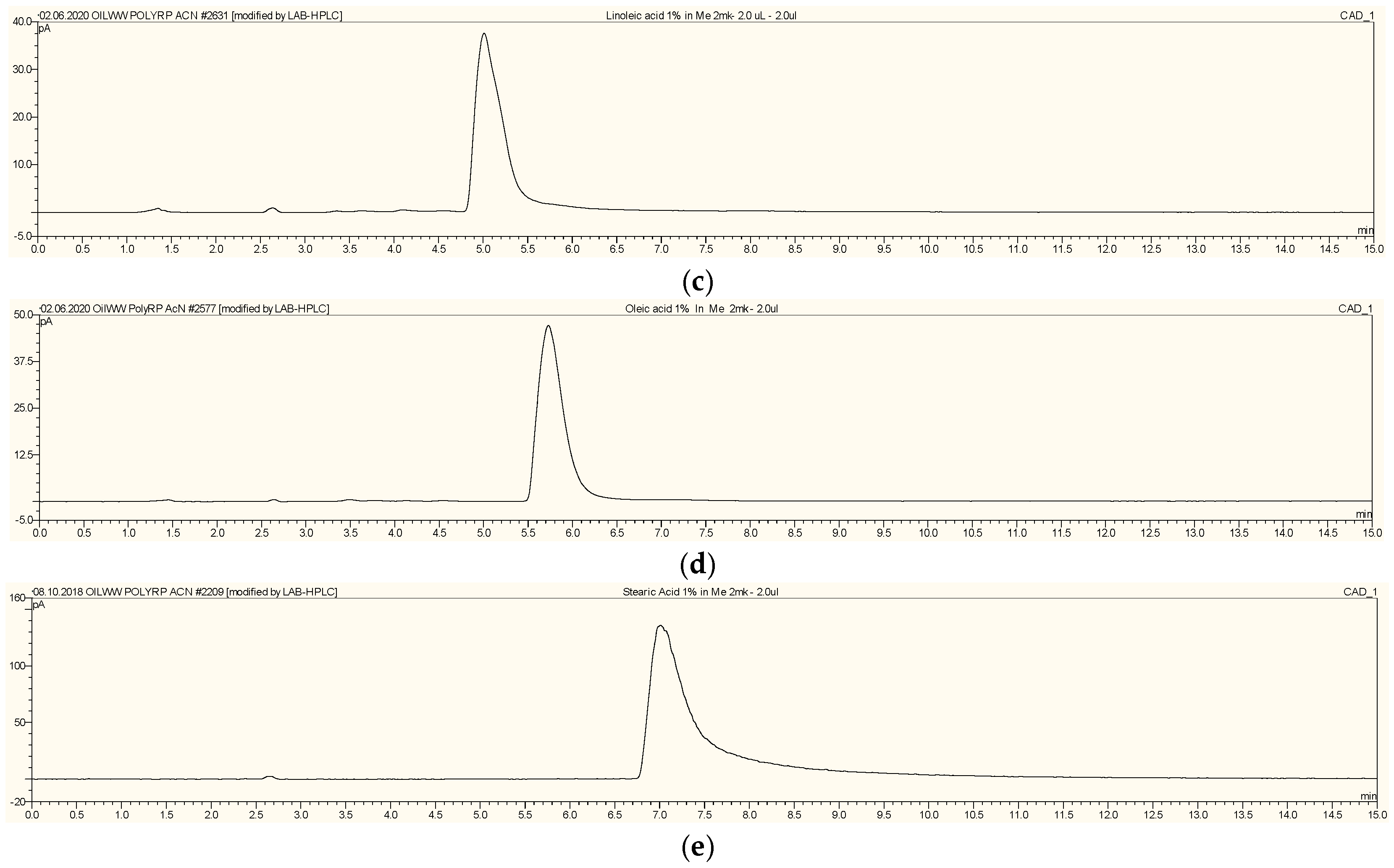
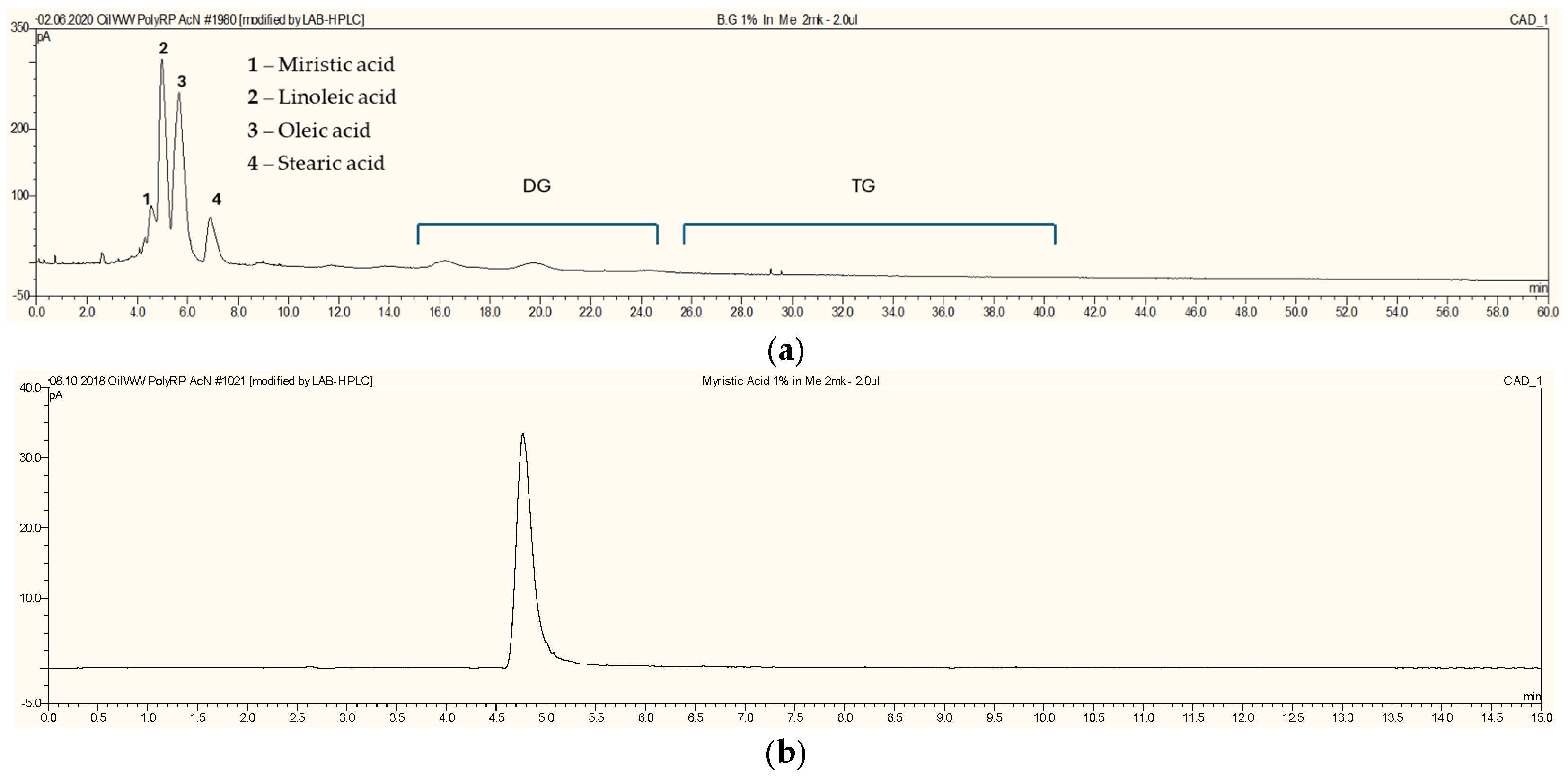
To determine the conditions for biodiesel synthesis from the BG, we first analyzed its composition. Generally, the composition of the fatty phase depends on the source of the wastewater and the frequency of pumping from the grease traps [20,21]. In our study, fatty wastewater samples contained oils, water, and solids. The upper fatty layer was separated from the middle aqueous layer and the bottom solid layer of the wastewater by centrifuging and heating as described previously [24]. Then, its composition was examined via high-performance liquid chromatography (HPLC), and the components were identified using standards of FFAs typical for edible oils. Figure 1 shows a chromatogram of the fatty layer composition after its separation. The main fatty acids present in the BG were linoleic acid (LA) and oleic acid (OA), with the presence of myristic acid (MA) and stearic acid (SA). The contents of diacylglycerols (DGs) and triglycerides (TGs) were very low, at less than 7% (Figure 1a). The retention times of the standard MA, LA, OA, and SA were 4.7, 5.1, 5.7, and 7.1 min, respectively (Figure 1b–e). The retention times of the FFAs in the BG corresponded to those of the FFA standards. The retention times of standard glyceryl dioleate (diolein) and glyceryl trioleate (triolein) were 24.0 and 31.2 min, respectively. Since edible oils contain residues of various fatty acids, we define the region of DG as ca. 15–25 min and that of TG as 25–40 min (Figure 1a).
Figure 1. Chromatograms of BG and standards of the fatty acids analyzed by HPLC: (a) BG fatty layer composition (1% (v/v) in methanol) after separation from a grease trap at Karnaff Cafeteria (Ariel University, Ariel, Israel); (b) standard of MA (1% (v/v) in methanol); (c) standard of LA (1% (v/v) in methanol); (d) standard of OA (1% (v/v) in methanol); (e) standard of SA (1% (v/v) in methanol).
TGs in edible oils are composed of a variety of fatty acids, including OA and LA. Owing to their high prevalence in oils, OA and LA are the major components of BG and can be used as models for selecting reaction conditions for biodiesel production [32,46]. In this study, biodiesel was produced via esterification of oleic acid (OA), a mixture of OA and LA, and BG, using methanol as the reaction alcohol and the Lewis acid catalyst AlCl3. The esterification reaction was activated by an innovative method using electromagnetic radiation from a gyrotron. It was hypothesized that by exposing the sample to millimeter waves for a short period (in pulses) via a gyrotron, the sample could be rapidly heated, thereby increasing the interaction between the reactants and facilitating a reaction at a higher speed and efficiency.

2.2. Esterification Reaction Under Gyrotron Activation

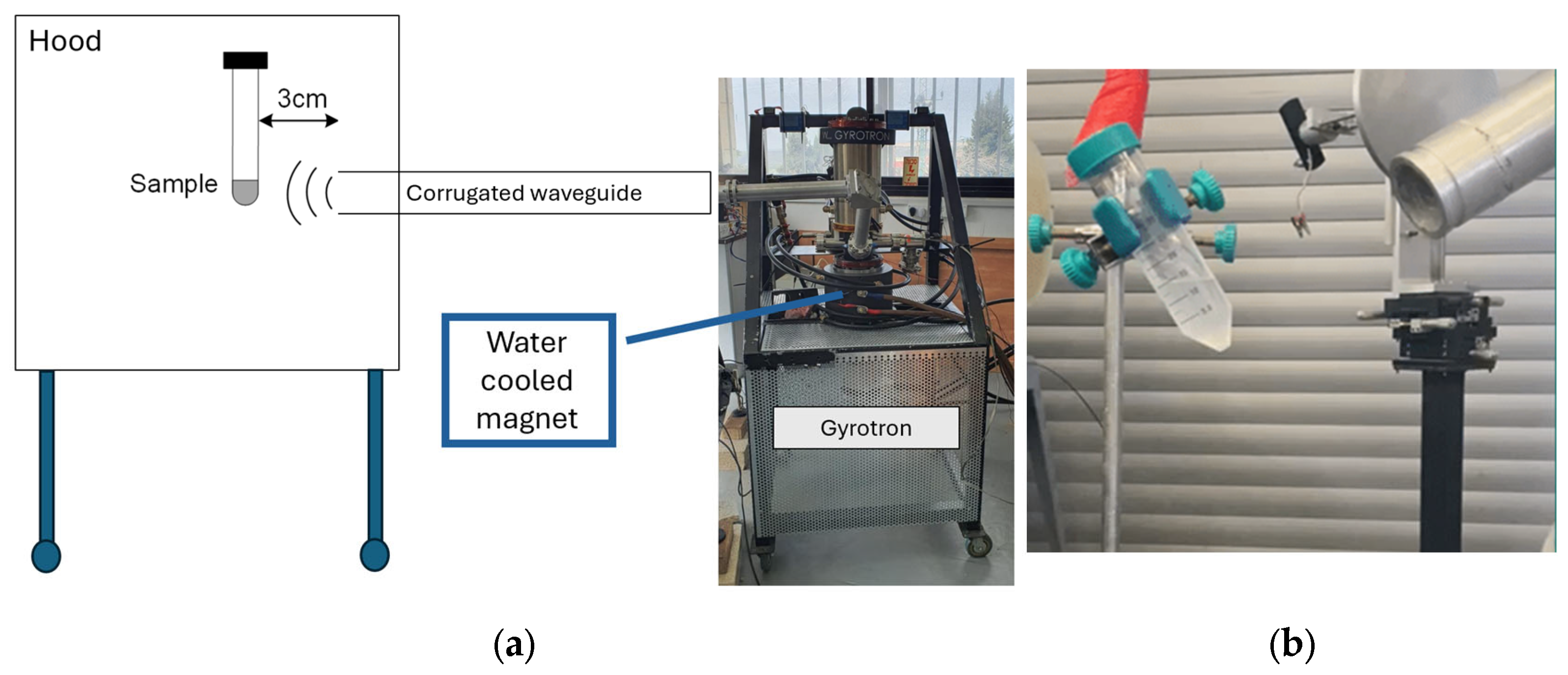
The test tube containing the reagents was placed in front of the radiation source, as shown in Figure 2a. Unlike conventional heating methods, the gyrotron, operating at 95 GHz in pulsed mode, emitted radiation pulses that penetrated the test tube wall and directly heated the liquid. The liquid in the test tube was heated at a very high rate, followed by a period of relaxation. In some experiments, more than one pulse was applied, as specified in the experimental protocol. As part of the study, the effect of the number of radiation pulses applied on the outcome was systematically investigated.
Figure 2. Scheme and photograph of the experimental setup (a) and the sample (b).
To increase the reaction efficiency during the study, the method of placing the sample tube in front of the wave beam emerging from the gyrotron was selected. The tube was held in a tilted position with a clamp, as shown in Figure 2b.
In this configuration, the sample was assumed to be directly exposed to the waves emitted by the gyrotron, resulting in efficient activation, as the waves are projected directly onto the sample tube. Additionally, during activation, the sample heats up. Therefore, the test tube should be positioned parallel to the wave-beam exit aperture to prevent the formation of a solvent vapor layer above the reaction mixture, which could cause partial shielding of the radiation. Tilting the tube increases the effective surface area of the sample exposed to the millimeter wave field.
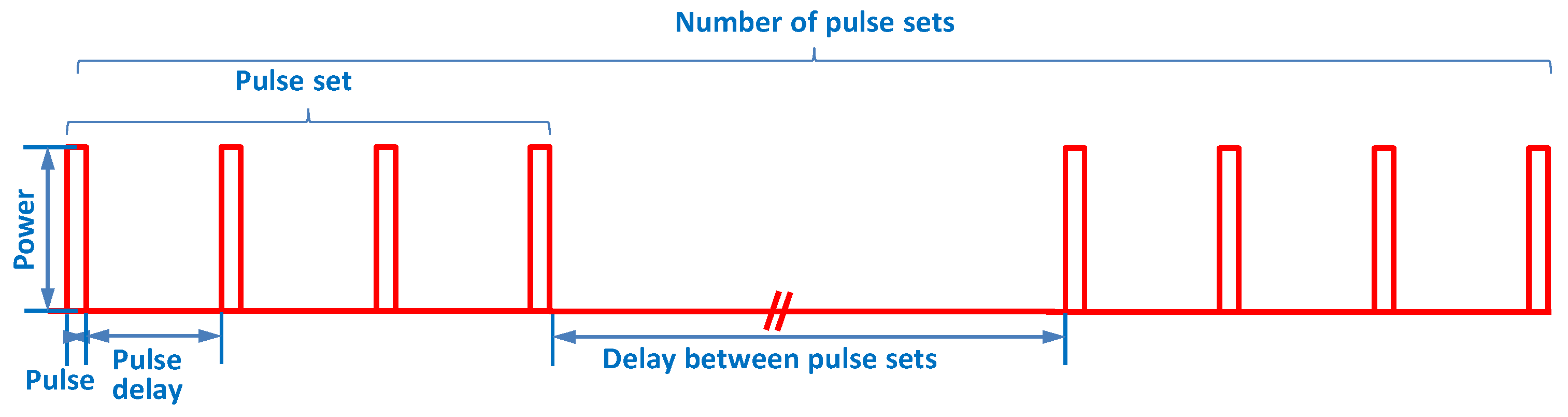
In the implemented configuration, only a part of the gyrotron output power was coupled to heat the liquid. Since the radiation beam was wider than the test tube, a portion of the radiation diverged outside the tube, whereas another portion was absorbed by the test tube itself rather than by the liquid. The gyrotron output power during the experiments was 10 kW, with approximately half of this power being absorbed by the liquid. The typical pulse duration was 100 ms, and a typical irradiation sequence consisted of four pulses, as explained in Figure 3.
Figure 3. Setup of gyrotron irradiation.
At the beginning of the study, pure OA was used as a model to examine the reaction conditions for the esterification reaction to obtain the product methyl oleate (MO) as biodiesel. An esterification reaction of OA with methanol was carried out using different loadings of the AlCl3 catalyst to determine the minimum amount required for the reaction. The reaction was activated by exposure to an electromagnetic wave beam of varying pulse durations, using an AlCl3 catalyst at loadings of 0, 4, 7, 15, and 30 mg/mL. n-Hexane was added to facilitate the dissolution of long-chain fatty acids and the separation of the fatty phase from the reaction mixture [24,47].
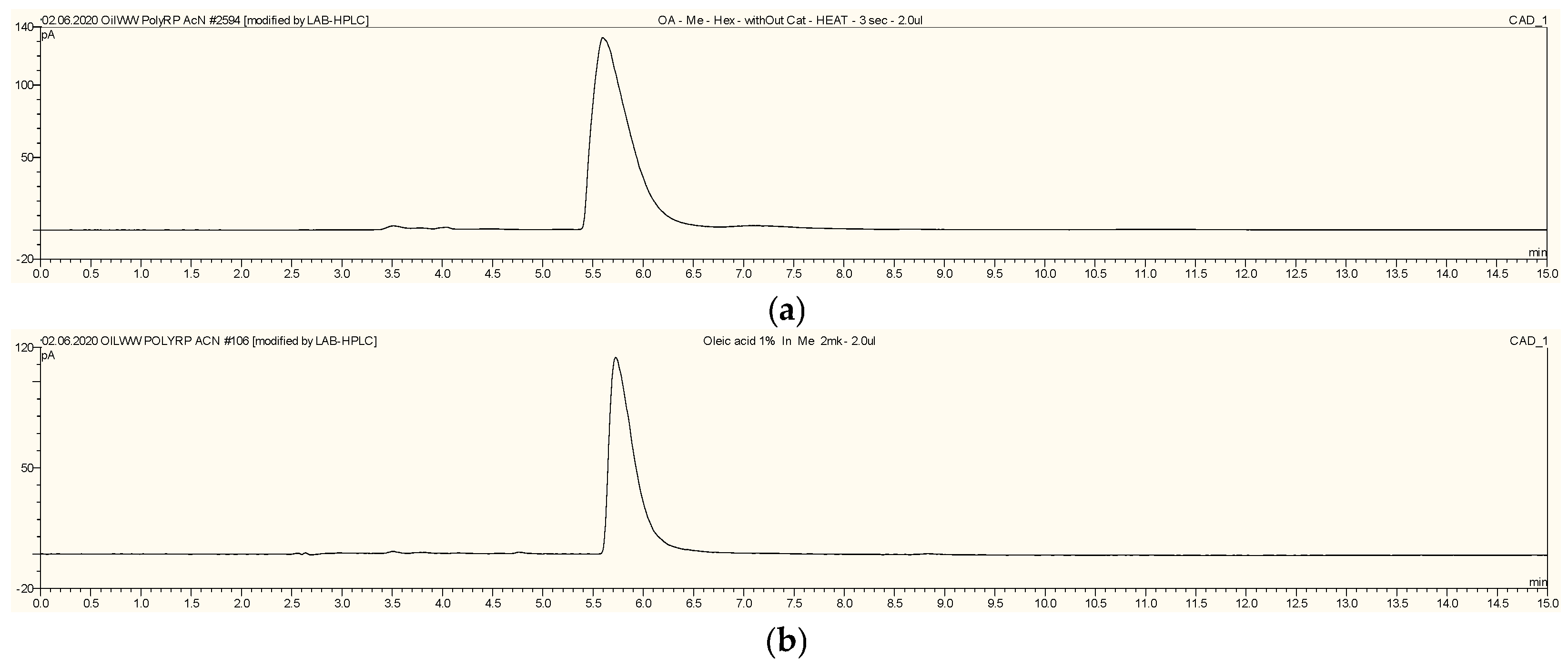
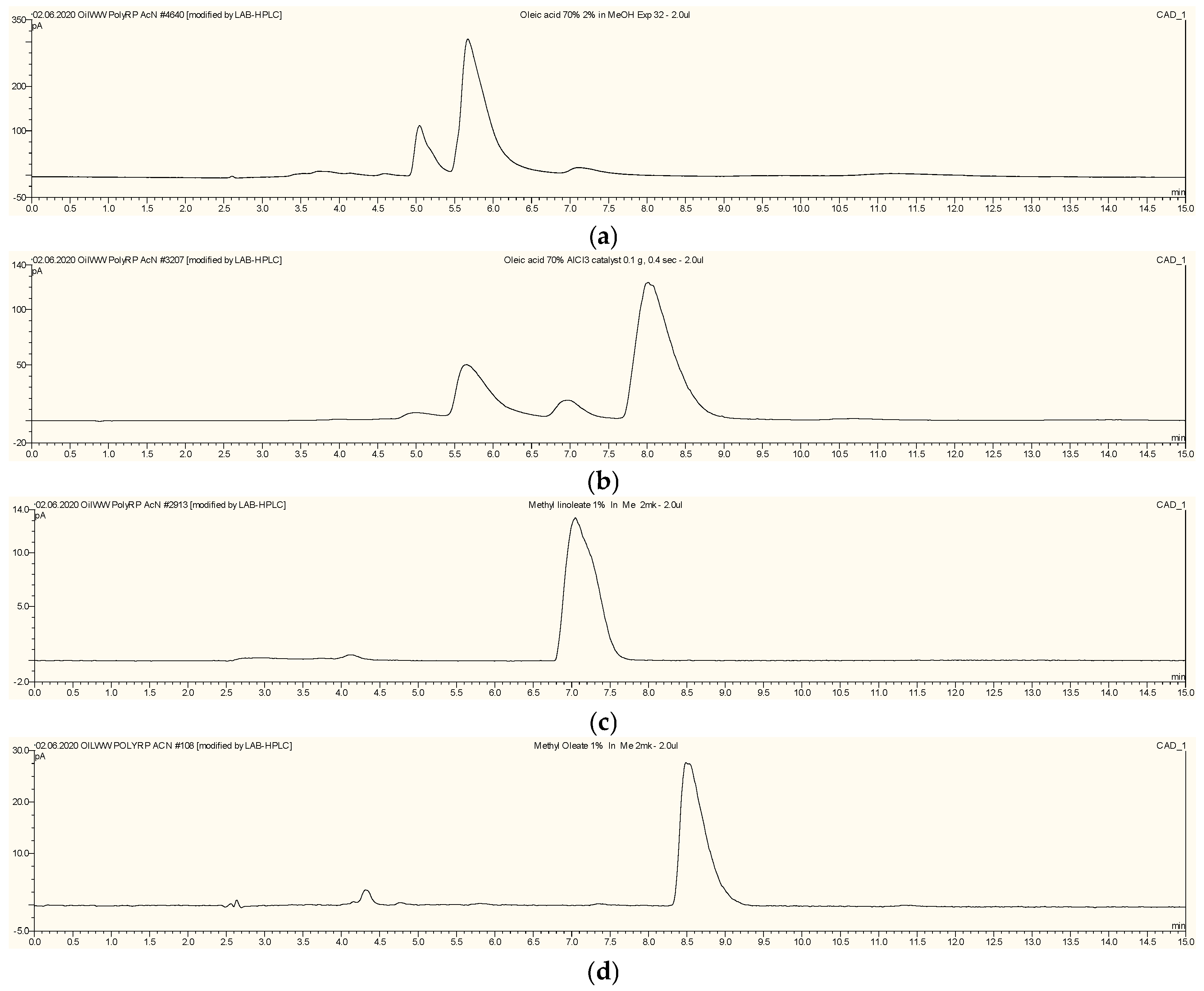
The reaction yield was evaluated from HPLC chromatograms (Figure 4) and calculated as the ratio of the peak area of the biodiesel product, MO, to the sum of the reactant and product peak areas, according to Equation (1).
Figure 4. HPLC chromatogram of OA esterification for 3.0 s under gyrotron activation. Reaction without catalyst (a), OA standard (1% v/v in methanol) (b), reaction with 15 mg/mL AlCl3 (c), and MO standard (1% v/v in methanol) (d).
Typical chromatograms are shown in Figure 4.
Figure 4 presents the HPLC chromatograms of the esterification reaction after 3.0 s without any catalyst (a) and with 15 mg/mL AlCl3 (c). Compared with the standard chromatograms of OA (b) and MO (d), it is evident that, in the absence of a catalyst, no esterification occurred. However, in the presence of AlCl3, the reaction proceeded to completion, yielding the biodiesel product MO. These results demonstrate that OA esterification can be effectively activated using MMWs generated by a gyrotron in a very short reaction time. Notably, according to the literature, direct microwave heating of OA is inefficient because of its low dielectric loss [44].
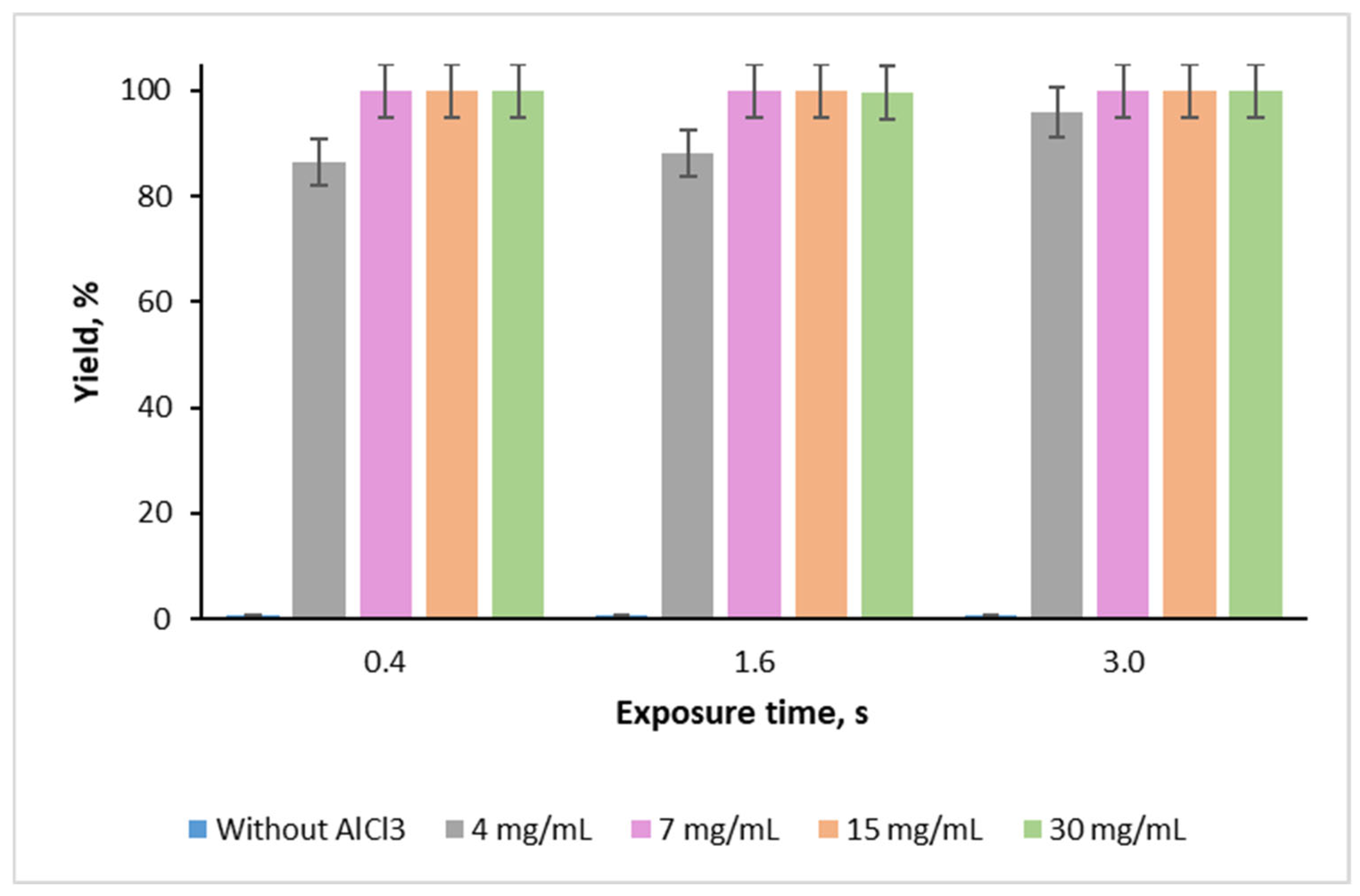
The results of the experiment are presented in Figure 5. For all catalyst loadings tested, the reaction product was obtained at a high yield. In the presence of a 4 mg/mL catalyst, the reaction yield reached 87% after 0.4 s and continued to increase with exposure time, ultimately reaching 96% after 3.0 s. At catalyst loadings of 7, 15, and 30 mg/mL, a reaction yield of >99.6% was achieved within 0.4 s, indicating complete conversion of OA fatty acids with methanol to form the biodiesel product, MO.
Figure 5. Yield (%) of the esterification reaction of OA with methanol under gyrotron activation with AlCl3 (0–30 mg/mL) at various exposure times to gyrotron irradiation.
When comparing the reactions without a catalyst and reactions with catalyst loadings of 4–30 mg/mL AlCl3, a p-value < 0.001 was obtained. These results support the claim that the Lewis acid AlCl3 is a highly effective catalyst in the gyrotron-activated esterification reaction of OA.
Gyrotron-assisted activation was compared with conventional thermal activation and sonication activation at 70 °C to demonstrate its efficiency. The reaction efficiency of OA esterification with methanol, in the presence of 30 mg/mL AlCl3, was evaluated at a reaction time of 3 s, representing the maximum effective conditions applied in the present work. Unlike gyrotron activation, which achieved complete conversion of OA (Figure 5), thermal and ultrasonic activation yielded no biodiesel.
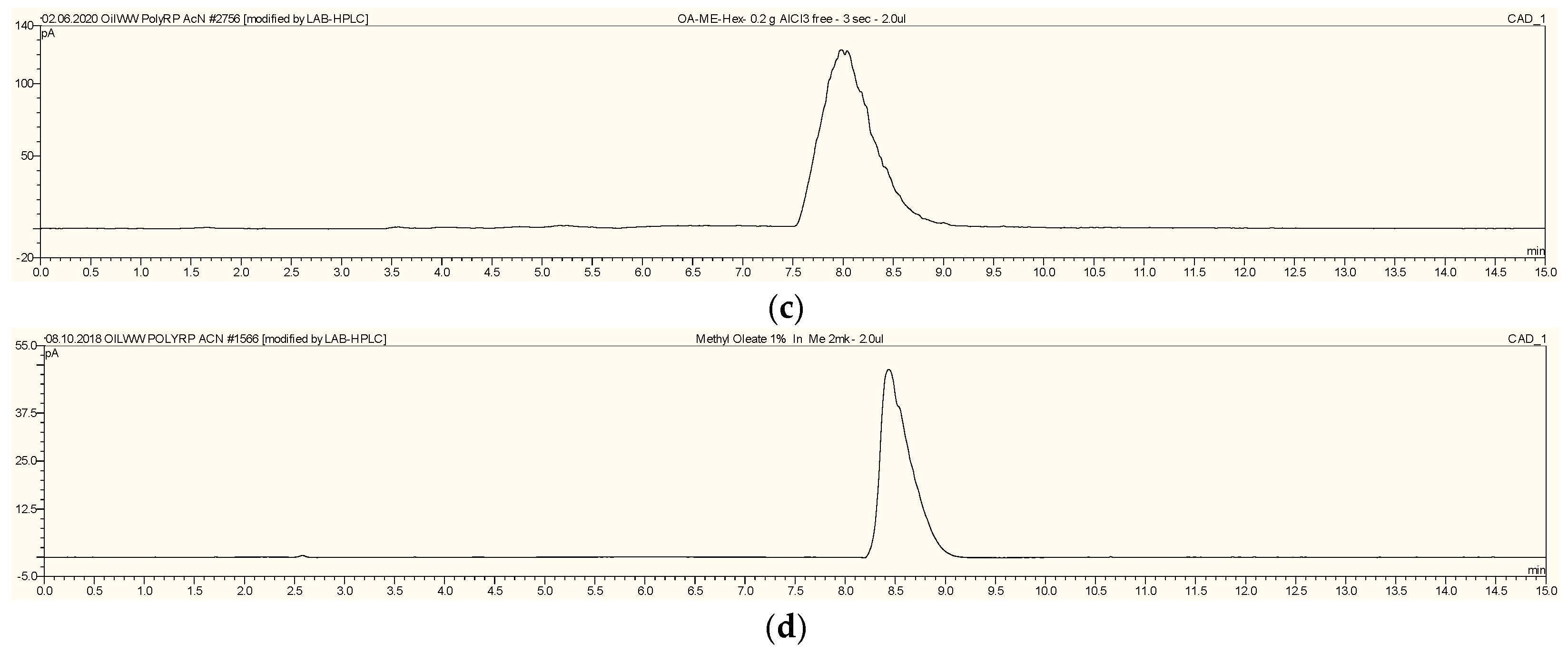
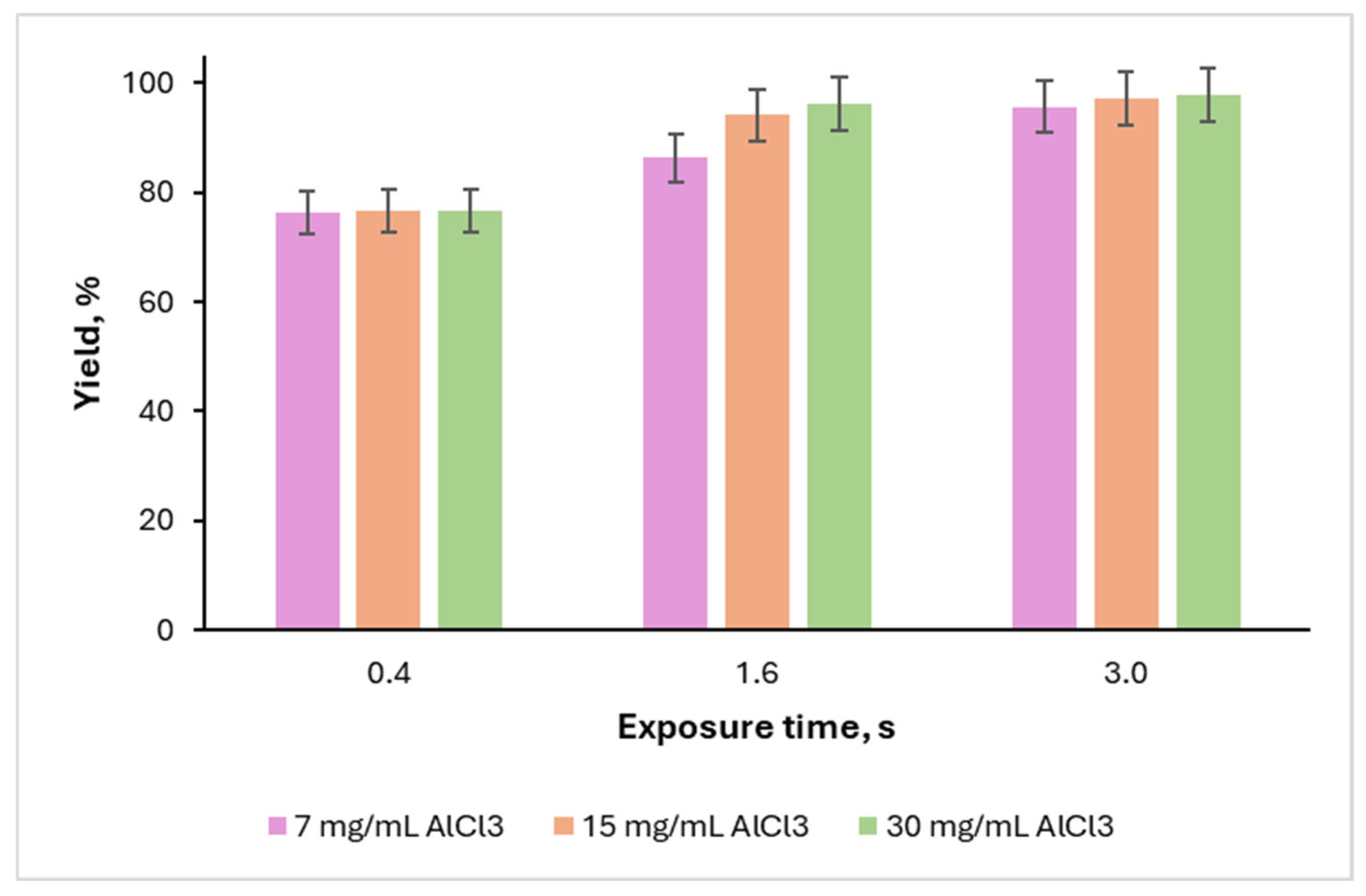
In the next step, the gyrotron-activated reaction was studied using a 70% OA/30% LA mixture. Figure 6 shows the chromatograms of this mixture before and after the reaction, and Figure 7 presents the calculated reaction yields. As shown in Figure 7, when a mixture of OA and LA was used as the raw material, a yield of 77% was observed after 0.4 s, which was significantly lower than that under the same conditions in the case of pure OA with a p-value < 0.001 (Figure 5). However, the reaction yield increased with increasing exposure time and reached 97% after 3.0 s. This observation supports the analysis performed in the review [2], which claimed that the fatty acid profile affects the reaction rate and biodiesel yield.
Figure 6. HPLC chromatograms of mixtures of 70% OA and 30% LA before (a) and after (b) esterification (with 7 mg/mL AlCl3 under gyrotron activation for 0.4 s) compared with those of the methyl linoleate (ML) standard (1% (v/v) in methanol) (c) and MO standard (1% (v/v) in methanol) (d).
Figure 7. Yield of the esterification reaction of the mixture of 70% OA and 30% LA with methanol under gyrotron activation in the presence of AlCl3 for various exposure periods.

2.3. Biodiesel Production from the BG Under Gyrotron Activation

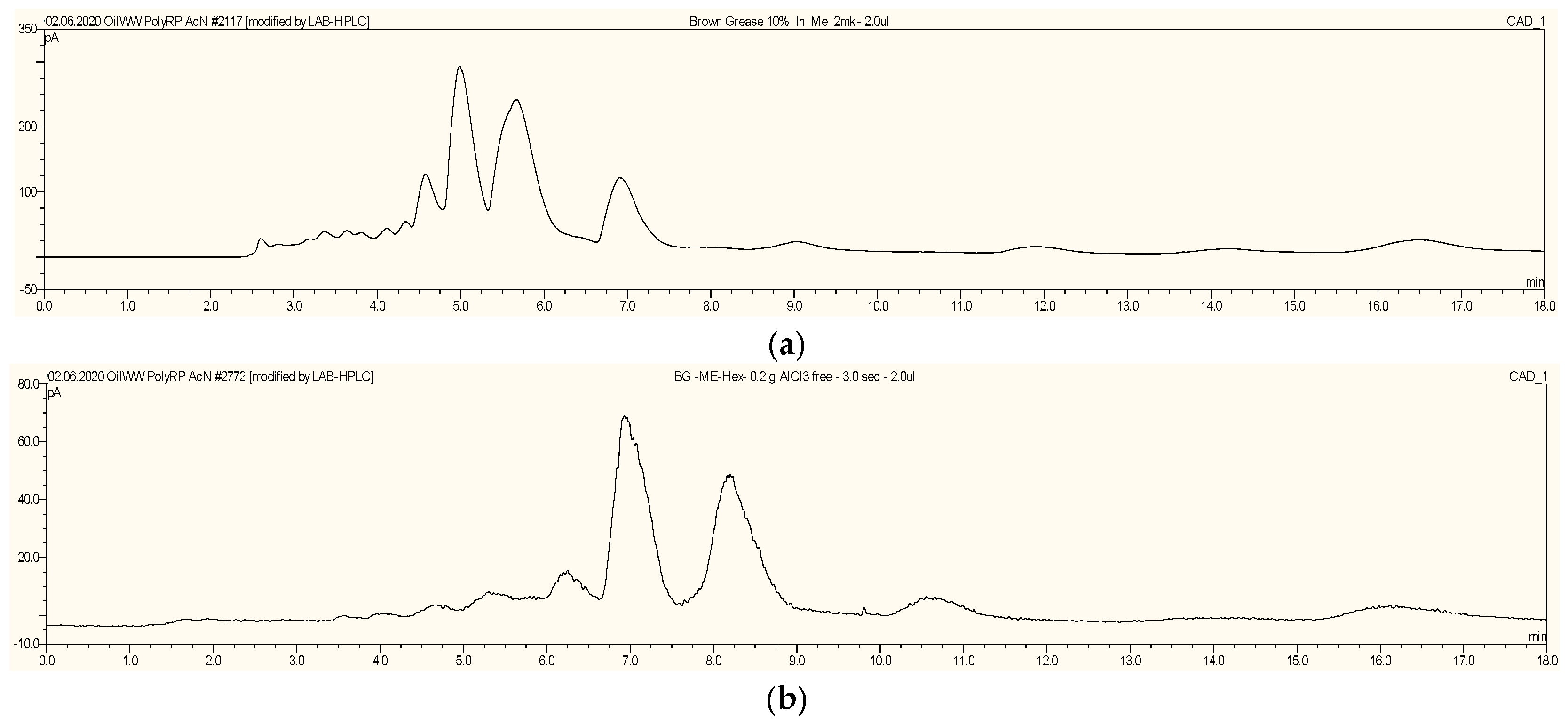
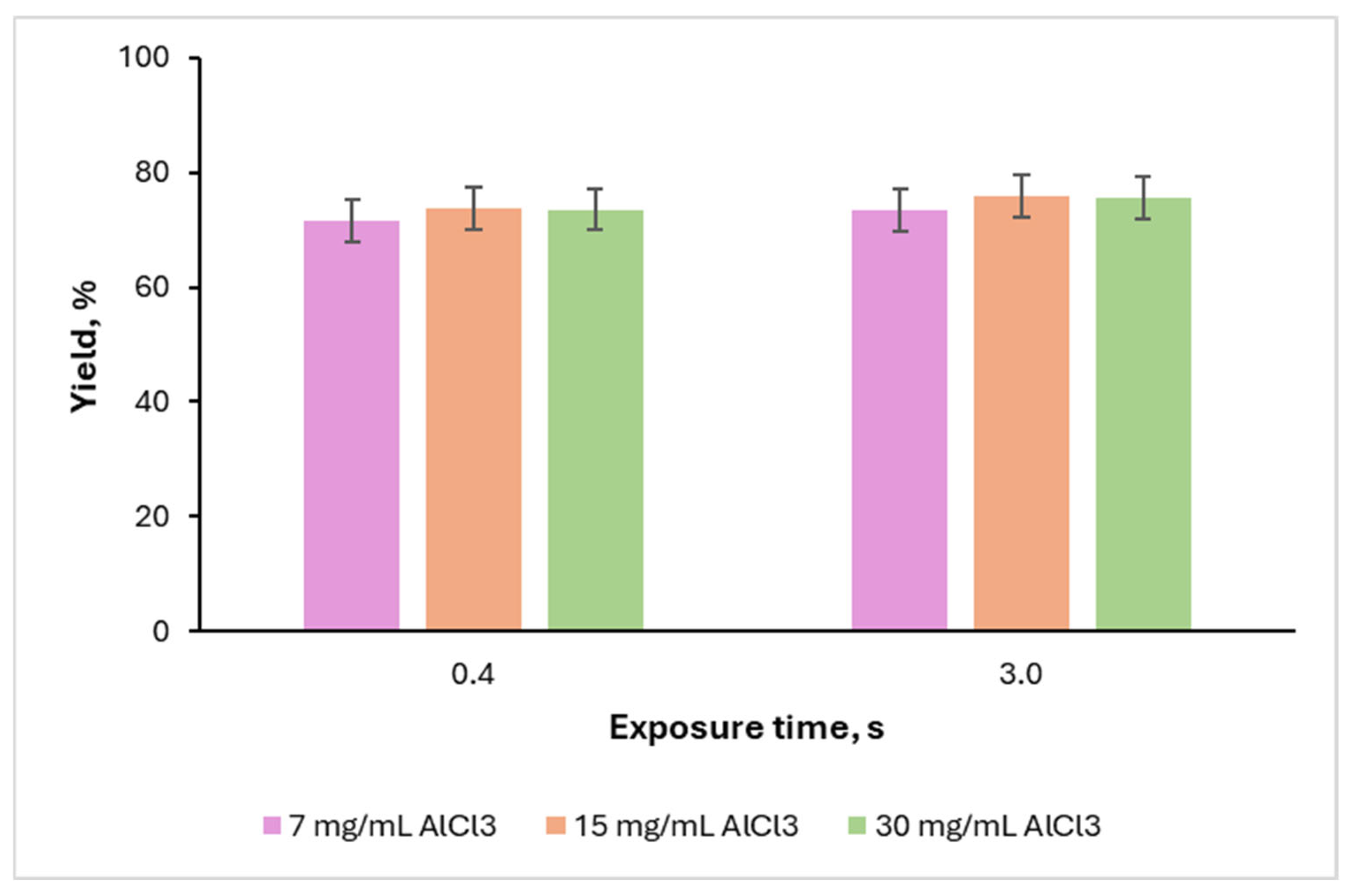
Biodiesel was produced by reacting BG with methanol using an AlCl3 catalyst at loadings of 7, 15, and 30 mg/mL. The reaction was activated using a gyrotron in pulses with total exposure times of 0.4 and 3.0 s. The results of the reaction are shown in Figure 8 and Figure 9.
Figure 8. Chromatograms of BG before (a) and after (b) the reaction with methanol in the presence of 15 mg/mL AlCl3 as a catalyst after 3 s of irradiation.
Figure 9. BG esterification yield (%) with AlCl3 (7, 15 and 30 mg/mL) under gyrotron activation at 0.4 and 3.0 s of exposure.
The reaction yield was calculated as the ratio between the peak areas of the methyl esters and the total products obtained, according to Equation (2).
As shown in Figure 9, esterification conversions reach near-maximum levels (≈74%) within 0.4 s of gyrotron irradiation, demonstrating extremely rapid activation by millimeter waves. The minimal difference in conversion between 0.4 s and 3.0 s indicates that prolonged irradiation offers little additional benefit, highlighting the efficiency of gyrotron activation at sub-second timescales. BG, as a complex fatty wastewater, contains a heterogeneous mixture of free fatty acids, glycerides, and water [26]. In contrast to model systems containing a limited number of FFAs, this complex composition negatively affects reaction yield. Nevertheless, the results demonstrate that MMW irradiation generated by a gyrotron is highly effective in activating the BG esterification reaction on a timescale of seconds.
Table 1 provides a comparative benchmark between the present results and previously reported sonication-assisted esterification processes: 15 min of ultrasonic activation (sonication bath), as previously reported by us [23], compared with the innovative gyrotron activation method applied for 0.4 s. This comparison emphasizes the significantly shorter reaction times required in the current study to reach comparable or higher conversion levels.
Table 1. Comparison between esterification reactions under electromagnetic (gyrotron) and ultrasonic activation using methanol and Lewis acid catalysts.
Table 1 shows that within 0.4 s of exposure to millimeter waves of the gyrotron, a similar yield was obtained as when the gyrotron was activated in a sonication bath; however, 15 min of ultrasonic activation was required to achieve similar results. All the results of this study confirm that the gyrotron activation method is a promising and innovative approach for biodiesel production.
The observed rapid conversion within seconds, compared to the much longer times reported for conventional heating, suggests enhanced activation. The acceleration arises from enhanced activation induced by gyrotron irradiation and should not be interpreted as direct equivalence to conventional thermal heating at the same bulk temperature.
The energy consumption of interaction is also compared. Considering the power and the duration of each method, the following results are obtained (Table 2).
Table 2. Comparison between electromagnetic (gyrotron) and ultrasonic energy consumption.
As shown in Table 2, using a gyrotron is clearly beneficial for energy consumption.
An important factor contributing to the high esterification rates observed in this study is the enhancement of mass transfer under gyrotron irradiation. Unlike conventional conductive or convective heating, millimeter-wave irradiation provides rapid volumetric heating, resulting in uniform energy deposition throughout the reaction medium. This mode of heating minimizes temperature gradients between the bulk liquid and the catalyst surface, thereby reducing local overheating and diffusional limitations. As a result, the effective contact between fatty acid molecules, alcohol, and Lewis acid catalytic sites is significantly improved, accelerating the intrinsic reaction kinetics [48,49,50,51].
Potential side reactions, including fatty acid hydrolysis, oligomer formation, and catalyst deactivation due to prolonged exposure to water or reactive intermediates, were also considered. Under conventional heating, such processes may occur due to long residence times and non-uniform thermal profiles. In contrast, the ultra-short reaction times (seconds) employed in this work substantially limit the opportunity for secondary reactions. Reduced exposure of AlCl3 to water and polar intermediates mitigates catalyst hydrolysis and preserves Lewis acidity, thereby contributing to sustained catalytic activity and selectivity [52].
Overall, the combination of enhanced mass transfer, minimized thermal gradients, and short irradiation times under gyrotron activation plays a critical role in achieving high esterification yields while maintaining catalyst stability and suppressing undesired side reactions [24,49,50,51,52,53,54].
Despite their ability to generate very high power at millimeter-wave frequencies, gyrotrons have several inherent limitations when used in industrial settings. These include the need for strong superconducting magnetic fields, complex architecture, high cost, limited efficiency, and large size, rendering them impractical for domestic settings and restricting their use to large-scale applications. [48,53,54,55,56,57,58,59].

3. Materials and Methods

3.1. Materials

Methanol, ethanol, acetonitrile, chloroform and n-hexane were purchased from Bio Lab Chemicals, Jerusalem, Israel. AlCl3 was purchased from Fluorochem, Hadfield, Derbyshire, UK. Oleic acid (C18H34O2, 99%, 0.89 g/cm3), linoleic acid (C18H32O2, 99%, 0.9 g/cm3), myristic acid (C14H28O2, 0.99 g/cm3), stearic acid (C18H36O2, 98%, 0.9408 g/cm3), and the commercial fatty acid methyl oleate (C19H36O2, 99%, 0.874 g/cm3), methyl linoleate (C19H34O2, 95%, 0.889 g/cm3), methyl myristate (C15H30O2, 99%, 0.855 g/cm3), and methyl stearate (C19H38O2, 99%, 0.9 g/cm3) were purchased from Thermo Fisher Scientific, Loughborough, UK. Diolein (glyceryl dioleate, 99%) and triolein (glyceryl trioleate, 99%) were purchased from Sigma Aldrich, St. Louis, MO, USA. Oleic acid 70% was purchased from Fisher Chemical, Geel, Belgium.

3.2. Collection of BG and Fatty Phase Separation

Fatty wastewater was obtained from the grease trap of Karnaff Cafeteria at Ariel University, Israel. The upper fatty layer was collected and stored in sealed jerrycans. Samples of the fatty layer of wastewater were heated in 50 mL centrifuge tubes to 50 °C for 15 min in a water bath (Yair Technologies, Gedera, Israel) and then centrifuged via a Sigma 4–16 KS centrifuge (Sigma, Taufkirchen, Germany) at 1500 rpm for 5 min, after which the upper fatty phase (BG) was separated and transferred to a separate container for storage.

3.3. Esterification and Transesterification Reaction for Biodiesel Production

The method for the esterification batch process was described in our previous work [23,32]. The reaction mixture contained 0.4 mL of FFA source (OA or BG) and 8.1 mL of methanol. To catalyze the reaction, AlCl3 was added at loadings of 7–30 mg/mL as a catalyst. Additionally, 5 mL of n-hexane was added to the mixture. The reaction was activated using a gyrotron and compared with activation via conventional heating at 70 °C and sonication, as detailed in our previous studies [17,23]. Reactions were performed in 50 mL plastic centrifuge tubes (Jet Biofil, Guangzhou, China) that were clamped and tilted in front of the exit of a gyrotron (Figure 2), operated at a power of 10 kW and a frequency of 95 GHz. The gyrotron delivered pulsed heating, with each pulse typically lasting 100 ms. A typical irradiation sequence consisted of four pulses. The beam pulse duration was set to µs. Following the reaction, distilled water was added (1:1 volume ratio) to facilitate phase separation. The mixture was then centrifuged (Sigma 4–16KS, Taufkirchen, Germany) at 1500 rpm for 2 min to separate the phases, and the fatty phase composition was analyzed by HPLC.
The esterification yield was evaluated using HPLC (Section 3.4) and calculated as the ratio of the peak area of the biodiesel product, MO, to the total area of the reactant and the product, according to Equation (1):
%   B i o d i e s e l   P r o d u c t i o n   Y i e l d = A   M O A   M O + A   O A × 100 %
where A MO is the peak area of MO and A OA is the peak area of OA calculated from the chromatograms of the reaction mixtures.
The transesterification yield was calculated as the ratio between the peak areas of the methyl esters and the total products obtained, according to Equation (2):
%   B i o d i e s e l   Y i e l d = A   M e t h y l   e s t e r s A   M e t h y l   e s t e r s + A   F F A s + A   D G   a n d   T G × 100 %
where A Methyl esters are the peak areas of methyl esters (MO, ML, MM, and MS); A FFAs are the peak areas of FFAs (OA, LA, MA, and SA); A DG and TG are the peak areas of di- and triglycerides.

3.4. HPLC Analysis of Samples

BG and reaction mixtures were analyzed by HPLC as described previously [17], with a Sepax Poly PP-100 (5 µm, 4.6 × 250 mm) column with 100% acetonitrile as the mobile phase (UHPLC UltiMate, Dionex, Hamburg, Germany) and a Corona Ultra RS detector (Thermo Scientific, Bremen, Germany).

3.5. Statistical Analysis

The results were obtained from at least three independent experiments, carried out in duplicate, and analyzed using single-factor ANOVA. The difference between the results was considered significant when the p-value was less than 0.05.

4. Conclusions

This study demonstrates the feasibility of using millimeter-wave electromagnetic radiation generated by a gyrotron as an ultra-fast and efficient activation method for biodiesel production from fatty acids and brown grease. The combination of Lewis acid catalysis (AlCl3) with gyrotron-based activation enabled esterification reactions to proceed on an unprecedented sub-second timescale.
Model reactions using oleic acid confirmed that complete conversion to methyl oleate can be achieved within 0.4 s under gyrotron irradiation, even at moderate catalyst loadings. When a mixed fatty acid system (oleic/linoleic acids) was employed, high conversion yields (>95%) were achieved within 3.0 s, demonstrating that the fatty acid composition influences the reaction kinetics but does not limit the effectiveness of the activation method. Importantly, biodiesel production from real brown grease feedstock was successfully achieved, yielding 73–76% yield within only 3.0 s, despite the complex composition of the waste material.
A direct comparison with conventional ultrasonic activation revealed that gyrotron activation reduces the required reaction time by more than three orders of magnitude while achieving comparable or higher conversion yields. This dramatic acceleration is attributed to rapid volumetric heating and efficient interaction between reactants and catalytic sites under high-frequency electromagnetic fields.
Overall, the results confirm that gyrotron-based activation represents a highly promising and innovative approach for sustainable biodiesel production, particularly from low-value, high-free fatty acid waste feedstocks, such as brown grease. The ability to achieve high conversion within seconds without prolonged heating or intensive mechanical mixing highlights the potential of this technology for future process intensification and industrial scalability. Further studies focusing on reactor design, energy efficiency, catalyst stability, and continuous-flow implementation are currently underway to advance this method toward practical applications.

Author Contributions

Conceptualization, M.N., M.E. and F.N.; methodology, F.N., M.P. and O.S.; software, E.-O.S.; validation, E.-O.S., M.P. and O.S.; formal analysis, E.-O.S.; investigation, E.-O.S., O.S. and M.P.; resources, M.N., M.E. and F.N.; data curation, E.-O.S., M.N. and F.N.; writing—original draft preparation, E.-O.S.; writing—review and editing, M.N., M.E. and F.N.; supervision, M.N.; project administration, M.N. and M.E.; funding acquisition, M.N., M.E. and F.N. All authors have read and agreed to the published version of the manuscript.

Funding

This research was funded by the Ministry of Energy, Israel (Grant No. 222-11-066), and by the Israeli Science Foundation Planning and Budgeting Committee, Waste to Energy Research Hub (Grant No. 0605408961).

Data Availability Statement

The data supporting the findings of this study are available in this publication.

Acknowledgments

We acknowledge the Research Authority of Ariel University, Ariel, Israel, for supporting this research. We are very grateful to Dana Abu-Saada, Gilbert Azwat, and Melad Atrash for experimental assistance.

Conflicts of Interest

The authors declare no conflicts of interest. The funders had no role in the design of the study; in the collection, analyses, or interpretation of data; in the writing of the manuscript; or in the decision to publish the results.

Abbreviations

FFAFree fatty acid
BGBrown grease
FOGFat, oil, and grease
MMWMillimeter-wave
HPLCHigh-performance liquid chromatography
LALinoleic acid
OAOleic acid
MAMyristic acid
SAStearic acid
MGMonoglycerides
DGDiglycerides
TGTriglycerides
MOMethyl oleate
MLMethyl linoleate
MMMethyl myristate
MSMethyl stearate

Appendix A

Scheme A1. Schematic representation of the Lewis acid-catalyzed esterification of free fatty acids (a) and transesterification of triglycerides (b) with methanol (inspired by [35]).
Catalysts 16 00202 sch001aCatalysts 16 00202 sch001b

References

  1. Ramos, M.J.; Fernández, C.M.; Casas, A.; Rodríguez, L.; Pérez, Á. Influence of Fatty Acid Composition of Raw Materials on Biodiesel Properties. Bioresour. Technol. 2009, 100, 261–268. [Google Scholar] [CrossRef]
  2. Farouk, S.M.; Tayeb, A.M.; Abdel-Hamid, S.M.S.; Osman, R.M. Recent Advances in Transesterification for Sustainable Biodiesel Production, Challenges, and Prospects: A Comprehensive Review. Environ. Sci. Pollut. Res. Int. 2024, 31, 12722–12747. [Google Scholar] [CrossRef]
  3. Yaghi, M.; Chidiac, S.; Awad, S.; Rayess, Y. El An Overview of Biodiesel Production via Heterogeneous Catalysts: Synthesis, Current Advances, and Challenges. Clean Technol. 2025, 7, 62. [Google Scholar] [CrossRef]
  4. Verma, T.N.; Shrivastava, P.; Rajak, U.; Dwivedi, G.; Jain, S.; Zare, A.; Shukla, A.K.; Verma, P. A Comprehensive Review of the Influence of Physicochemical Properties of Biodiesel on Combustion Characteristics, Engine Performance and Emissions. J. Traffic Transp. Eng. Engl. Ed. 2021, 8, 510–533. [Google Scholar] [CrossRef]
  5. Ettefaghi, E.; Ghobadian, B.; Rashidi, A.; Najafi, G.; Khoshtaghaza, M.H.; Rashtchi, M.; Sadeghian, S. A Novel Bio-Nano Emulsion Fuel Based on Biodegradable Nanoparticles to Improve Diesel Engines Performance and Reduce Exhaust Emissions. Renew. Energy 2018, 125, 64–72. [Google Scholar] [CrossRef]
  6. Carmona-Cabello, M.; Sáez-Bastante, J.; Pinzi, S.; Dorado, M.P. Optimization of Solid Food Waste Oil Biodiesel by Ultrasound-Assisted Transesterification. Fuel 2019, 255, 115817. [Google Scholar] [CrossRef]
  7. Jung, S.; Jung, J.M.; Lee, K.H.; Kwon, E.E. Biodiesels from Non-Catalytic Transesterification of Plant Oils and Their Performances as Aviation Fuels. Energy Convers. Manag. 2021, 244, 114479. [Google Scholar] [CrossRef]
  8. EPA. Renewable Fuel Standard (RFS) Program: RFS Annual Rules—Regulatory Impact Analysis; EPA: Washington, DC, USA, 2022. [Google Scholar]
  9. Jung, S.; Jung, J.-M.; Tsang, Y.F.; Bhatnagar, A.; Chen, W.-H.; Lin, K.-Y.A.; Kwon, E.E. Biodiesel Production from Black Soldier Fly Larvae Derived from Food Waste by Non-Catalytic Transesterification. Energy 2022, 238, 121700. [Google Scholar] [CrossRef]
  10. Gbadeyan, O.J.; Muthivhi, J.; Linganiso, L.Z.; Dziike, F.; Deenadayalu, N.; Gbadeyan, O.J.; Muthivhi, J.; Linganiso, L.Z. Recent Improvements to Ensure Sustainability of Biodiesel Production. Biofuels 2024, 15, 1063–1077. [Google Scholar] [CrossRef]
  11. Sørensen, B.; Spazzafumo, G. Implementation Scenarios. In Hydrogen and Fuel Cells; Sørensen, B.B.T., Ed.; Academic Press: Boston, MA, USA, 2018; pp. 273–411. [Google Scholar] [CrossRef]
  12. Najafi, B.; Faizollahzadeh Ardabili, S.; Shamshirband, S.; Chau, K.; Rabczuk, T. Application of ANNs, ANFIS and RSM to Estimating and Optimizing the Parameters That Affect the Yield and Cost of Biodiesel Production. Eng. Appl. Comput. Fluid Mech. 2018, 12, 611–624. [Google Scholar] [CrossRef]
  13. Lam, M.K.; Lee, K.T.; Mohamed, A.R. Homogeneous, Heterogeneous and Enzymatic Catalysis for Transesterification of High Free Fatty Acid Oil (Waste Cooking Oil) to Biodiesel: A Review. Biotechnol. Adv. 2010, 28, 500–518. [Google Scholar] [CrossRef] [PubMed]
  14. Nayab, R.; Imran, M.; Ramzan, M.; Tariq, M.; Babar, M.; Nadeem, M.; Iqbal, H.M.N. Sustainable Biodiesel Production via Catalytic and Non-Catalytic Transesterification of Feedstock Materials—A Review. Fuel 2022, 328, 125254. [Google Scholar] [CrossRef]
  15. Booramurthy, V.K.; Kasimani, R.; Subramanian, D.; Pandian, S. Production of Biodiesel from Tannery Waste Using a Stable and Recyclable Nano-Catalyst: An Optimization and Kinetic Study. Fuel 2020, 260, 116373. [Google Scholar] [CrossRef]
  16. Singh, S.P.; Singh, D. Biodiesel Production through the Use of Different Sources and Characterization of Oils and Their Esters as the Substitute of Diesel: A Review. Renew. Sustain. Energy Rev. 2010, 14, 200–216. [Google Scholar] [CrossRef]
  17. Kolet, M.; Zerbib, D.; Molina, K.; Nakonechny, F.; Nisnevitch, M. Biodiesel Production Using Lewis Catalysts under Ultrasonic Activation. Isr. J. Chem. 2020, 60, 644–651. [Google Scholar] [CrossRef]
  18. Basu, R. Evaluation of Some Renewable Energy Technologies. Min. Miner. Depos. 2017, 11, 29–37. [Google Scholar] [CrossRef]
  19. Singh, D.; Sharma, D.; Soni, S.L.; Sharma, S.; Kumar Sharma, P.; Jhalani, A. A Review on Feedstocks, Production Processes, and Yield for Different Generations of Biodiesel. Fuel 2020, 262, 116553. [Google Scholar] [CrossRef]
  20. Abomohra, A.E.F.; Elsayed, M.; Esakkimuthu, S.; El-Sheekh, M.; Hanelt, D. Potential of Fat, Oil and Grease (FOG) for Biodiesel Production: A Critical Review on the Recent Progress and Future Perspectives. Prog. Energy Combust. Sci. 2020, 81, 100868. [Google Scholar] [CrossRef]
  21. Ahmed, R.; Huddersman, K. Review of Biodiesel Production by the Esterification of Wastewater Containing Fats Oils and Grease (FOGs). J. Ind. Eng. Chem. 2022, 110, 1–14. [Google Scholar] [CrossRef]
  22. Bhatia, S.K.; Joo, H.S.; Yang, Y.H. Biowaste-to-Bioenergy Using Biological Methods—A Mini-Review. Energy Convers. Manag. 2018, 177, 640–660. [Google Scholar] [CrossRef]
  23. Atrash, M.; Molina, K.; Sharoni, E.O.; Azwat, G.; Nisnevitch, M.; Albo, Y.; Nakonechny, F. Toward Efficient Continuous Production of Biodiesel from Brown Grease. Sustainability 2023, 15, 8507. [Google Scholar] [CrossRef]
  24. Kolet, M.; Zerbib, D.; Nakonechny, F.; Nisnevitch, M. Production of Biodiesel from Brown Grease. Catalysts 2020, 10, 1189. [Google Scholar] [CrossRef]
  25. Sandesh Suresh, K.; Suresh, P.V.; Kudre, T.G. Prospective Ecofuel Feedstocks for Sustainable Production. In Woodhead Publishing Series in Energy; Azad, K., Ed.; Woodhead Publishing: Cambridge, UK, 2019; pp. 89–117. [Google Scholar] [CrossRef]
  26. Mićić, R.; Tomić, M.; Martinović, F.; Kiss, F.; Simikić, M. Reduction of Free Fatty Acids in Waste Oil for Biodiesel Production by Glycerolysis: Investigation and Optimization of Process Parameters. Green Process. Synth. 2019, 8, 15–23. [Google Scholar] [CrossRef]
  27. Di Pietro, M.E.; Mannu, A.; Mele, A. NMR Determination of Free Fatty Acids in Vegetable Oils. Processes 2020, 8, 410. [Google Scholar] [CrossRef]
  28. Talha, N.S.; Sulaiman, S. Overview of Catalysts in Biodiesel Production. ARPN J. Eng. Appl. Sci. 2016, 11, 439–442. [Google Scholar]
  29. Anguebes-Franseschi, F.; Abatal, M.; Bassam, A.; Soberanis, M.A.E.; Tzuc, O.M.; Bucio-Galindo, L.; Quiroz, A.V.C.; Ucan, C.A.A.; Ramirez-Elias, M.A. Esterification Optimization of Crude African Palm Olein Using Response Surface Methodology and Heterogeneous Acid Catalysis. Energies 2018, 11, 157. [Google Scholar] [CrossRef]
  30. Karmakar, B.; Samanta, S.; Halder, G. Delonix Regia Heterogeneous Catalyzed Two-Step Biodiesel Production from Pongamia Pinnata Oil Using Methanol and 2-Propanol. J. Clean. Prod. 2020, 255, 120313. [Google Scholar] [CrossRef]
  31. Etim, A.O.; Musonge, P.; Eloka-Eboka, A.C. Effectiveness of Biogenic Waste-Derived Heterogeneous Catalysts and Feedstock Hybridization Techniques in Biodiesel Production. Biofuels Bioprod. Biorefin. 2020, 14, 620–649. [Google Scholar] [CrossRef]
  32. Kolet, M.; Atrash, M.; Molina, K.; Zerbib, D.; Albo, Y.; Nakonechny, F. Sol-Gel Entrapped Lewis Acids as Catalysts For. Molecules 2020, 25, 5936. [Google Scholar] [CrossRef]
  33. Ejikeme, P.M.; Anyaogu, I.D.; Ejikeme, C.L.; Nwafor, N.P.; Egbuonu, C.A.; Ukogu, K.; Ibemesi, J.A. Catalysis in Biodiesel Production by Tranesterification Process-An Insight. Egypt. J. Pet. 2010, 7, 1120–1132. [Google Scholar] [CrossRef]
  34. Atadashi, I.M.; Aroua, M.K.; Abdul Aziz, A.R.; Sulaiman, N.M.N. The Effects of Catalysts in Biodiesel Production: A Review. J. Ind. Eng. Chem. 2013, 19, 14–26. [Google Scholar] [CrossRef]
  35. Islam, M.S.; Hart, C.R.; Casadonte, D. Ultrasound-Assisted Solid Lewis Acid-Catalyzed Transesterification of Lesquerella Fendleri Oil for Biodiesel Synthesis. Ultrason. Sonochem. 2022, 88, 106082. [Google Scholar] [CrossRef] [PubMed]
  36. Anantha Raman, L.; Deepanraj, B.; Rajakumar, S.; Sivasubramanian, V. Experimental Investigation on Performance, Combustion and Emission Analysis of a Direct Injection Diesel Engine Fuelled with Rapeseed Oil Biodiesel. Fuel 2019, 246, 69–74. [Google Scholar] [CrossRef]
  37. Pulidindi, I.N.; Gedanken, A. The Catalytic Production of Biofuels (Biodiesel and Bioethanol) Using Sonochemical, Microwave, and Mechanical Methods. In Nontraditional Activation Methods in Green and Sustainable Applications; Török, B., Schäfer, C., Eds.; Elsevier Inc.: Amsterdam, The Netherlands, 2021; pp. 171–239. [Google Scholar] [CrossRef]
  38. Khan, Z.; Javed, F.; Shamair, Z.; Hafeez, A.; Fazal, T.; Aslam, A.; Zimmerman, W.B.; Rehman, F. Current Developments in Esterification Reaction: A Review on Process and Parameters. J. Ind. Eng. Chem. 2021, 103, 80–101. [Google Scholar] [CrossRef]
  39. Pilossof, M.; Einat, M. 95-GHz Gyrotron With Room Temperature Dc Solenoid. IEEE Trans. Electron Devices 2018, 65, 3474–3478. [Google Scholar] [CrossRef]
  40. Pilossof, M.; Einat, M. High-Average-Power Second Harmonic W-Band Gyrotron With Room-Temperature Solenoid. IEEE Trans. Electron Devices 2020, 67, 1804–1807. [Google Scholar] [CrossRef]
  41. Karmakar, S.; Mudiganti, J.C. Gyrotron: The Most Suitable Millimeter-Wave Source for Heating of Plasma in Tokamak. In Plasma Science and Technology; Shahzad, A., Ed.; IntechOpen: London, UK, 2022; pp. 225–240. [Google Scholar] [CrossRef]
  42. Kaczmarczyk, L.S.; Marsay, K.S.; Shevchenko, S.; Pilossof, M.; Levi, N.; Einat, M.; Oren, M.; Gerlitz, G. Corona and Polio Viruses Are Sensitive to Short Pulses of W-Band Gyrotron Radiation. Environ. Chem. Lett. 2021, 19, 3967–3972. [Google Scholar] [CrossRef]
  43. Pilossof, M.; Einat, M. Note: A 95 GHz Mid-Power Gyrotron for Medical Applications Measurements. Rev. Sci. Instrum. 2015, 86, 16113. [Google Scholar] [CrossRef]
  44. Id, W.M.; Hong, T.; Xie, T.; Wang, F.; Luo, B.; Zhou, J.; Yang, Y. Simulation and Analysis of Oleic Acid Pretreatment for Microwave-Assisted Biodiesel Production. Processes 2018, 6, 142. [Google Scholar] [CrossRef]
  45. Bykov, Y.V.; Egorov, S.V.; Eremeev, A.G.; Plotnikov, I.V.; Rybakov, K.I.; Sorokin, A.A.; Kholoptsev, V.V. Millimeter-Wave Gyrotron System for Research and Application Development. Part 2. High-Temperature Processes in Polycrystalline Dielectric Materials. Radiophys. Quantum Electron. 2019, 61, 787–796. [Google Scholar] [CrossRef]
  46. Canakci, M.; Sanli, H. Biodiesel Production from Various Feedstocks and Their Effects on the Fuel Properties. J. Ind. Microbiol. Biotechnol. 2008, 35, 431–441. [Google Scholar] [CrossRef] [PubMed]
  47. Mujdalipah, S.; Sasmita, A.H.; Amalia, I.K.; Suryani, A. Separation of Glycerolysis Product Using Hexane Separation of Glycerolysis Product Using Hexane; IOP Publishing: Bristol, UK, 2016. [Google Scholar] [CrossRef]
  48. Singh, U.; Kumar, N.; Sinha, A.K. Gyrotron and Its Electron Beam Source: A Review. J. Fusion Energy 2012, 31, 489–505. [Google Scholar] [CrossRef]
  49. Palma, V.; Barba, D.; Cortese, M.; Martino, M.; Renda, S.; Meloni, E. Microwaves and Heterogeneous Catalysis: A Review on Selected Catalytic Processes. Catalysts 2020, 10, 246. [Google Scholar] [CrossRef]
  50. Adavi, K.; Amini, A.; Lati, M.; Shabanian, J.; Chaouki, J. Kinetic Study of Multiphase Reactions under Microwave Irradiation: A Mini-Review. Front. Chem. Eng. 2022, 4, 1059160. [Google Scholar] [CrossRef]
  51. Nguyen, H.C.; Wang, F.; Dinh, K.K.; Pham, T.T.; Juan, H.; Nguyen, N.P.; Ong, H.C.; Su, C. Microwave-Assisted Noncatalytic Esterification of Fatty Acid for Biodiesel Production: A Kinetic Study. Energies 2020, 13, 2167. [Google Scholar] [CrossRef]
  52. Mohamad Aziz, N.A.; Yunus, R.; Kania, D.; Abd Hamid, H. Prospects and Challenges of Microwave-Combined Technology for Biodiesel and Biolubricant Production through a Transesterification: A Review. Molecules 2021, 26, 788. [Google Scholar] [CrossRef]
  53. Kumar, N.; Singh, U.; Singh, T.P.; Sinha, A.K. A Review on the Applications of High Power, High Frequency Microwave Source. J. Fusion Energy 2011, 30, 257–276. [Google Scholar] [CrossRef]
  54. Shanthini, V.; Chitra, D.; Moorthy, G. Biodiesel: A Comprehensive Review of Properties, Catalyst Types, and Feedstock Sources. Results Chem. 2025, 18, 102678. [Google Scholar] [CrossRef]
  55. Rahayuningtyas, L.; Marwah, A.; Istinaroh, S.; Laily, A. A Review of Process Intensification Strategies in Biodiesel Production from Waste Cooking Oil to Enhance Efficiency and Sustainability. J. Clean Technol. 2025, 2, 1–13. [Google Scholar] [CrossRef]
  56. Borodin, D.; Einat, M. Copper Solenoid Design for the Continuous Operation of a Second Harmonic 95-GHz Gyrotron. IEEE Trans. Electron Devices 2014, 61, 3309–3316. [Google Scholar] [CrossRef]
  57. Solenoid, D. A Trial Experiment on Water-Cooled 1.8-T 50% Duty Solenoid. IEEE Trans. Electron Devices 2017, 64, 2683–2687. [Google Scholar] [CrossRef]
  58. Bauer, Y.; Einat, M. Spaced Bitter Solenoid Design for a Continuous Wave 95-GHz Gyrotron. IEEE Trans. Electron Devices 2016, 63, 1333–1339. [Google Scholar] [CrossRef]
  59. Kumar, N.; Singh, U.; Bera, A.; Sinha, A.K. A Review on the Sub-THz/THz Gyrotrons. Infrared Phys. Technol. 2016, 76, 38–51. [Google Scholar] [CrossRef]
Disclaimer/Publisher’s Note: The statements, opinions and data contained in all publications are solely those of the individual author(s) and contributor(s) and not of MDPI and/or the editor(s). MDPI and/or the editor(s) disclaim responsibility for any injury to people or property resulting from any ideas, methods, instructions or products referred to in the content.

Article Metrics

Citations

Article Access Statistics

Multiple requests from the same IP address are counted as one view.