1. Introduction
Decarbonizing high-temperature exhaust streams—exemplified by marine diesel engines—demands catalytic routes that operate reliably under harsh thermal cycling with minimal penalties in footprint and energy consumption. Current practice on ships still favors post-combustion carbon capture (absorption, adsorption, membranes, low-temperature routes), yet the space, energy and safety costs, as well as onboard CO
2 storage, limit adoption in many scenarios [
1,
2,
3,
4,
5,
6,
7,
8,
9]. Catalytic CO
2 conversion therefore remains an attractive complementary pathway within shipboard and other high-temperature contexts. In parallel, modern CO
2 reduction strategies span photo-, electro-, bio- and thermal catalysis; among these, thermal routes are directly compatible with high-temperature exhaust conditions [
9].
From a reaction-engineering perspective, direct CO
2-to-C conversion is strongly endothermic and non-spontaneous, so achieving practical rates requires both activation of the linear, weak-donor/strong-acceptor CO
2 molecule and robust catalysts that tolerate severe temperatures [
10]. Mixed-oxide spinels (ferrites) are promising because their defect-tolerant lattices enable concurrent tuning of cation distribution, oxygen-vacancy chemistry and microstructure—parameters linked to adsorption, redox and sintering resistance under thermal operation.
Elemental substitution in spinel ferrites provides a practical lever to stabilize the framework and control vacancy formation. Prior work shows that selected dopants can reshape redox cycles and adsorption while suppressing grain growth and sintering. For example, Zhao Xuejuan reported that metal-ion doping (Ni
2+, Co
2+, Cu
2+, Zn
2+) enhances MFO denitrification via increased surface active sites and dual Mn/Fe redox loops, with the trend Co > Ni ≈ Zn > Cu [
11]; Shin et al. analyzed Ni
xCu
1−xFe
2O
4 and observed excellent reducibility at higher Ni content and the best CO
2 decomposition at x = 0.5 [
12]. More broadly, the activity of oxygen-deficient ferrites scales with the degree of deficiency δ, although excessive deficiency can undermine structural integrity [
13,
14]. In NiFe
2O
4 specifically, Fu Maosheng et al. found that 4% Cr balances structural stability with δ and improves catalytic life and carbon deposition [
15]. These precedents motivate low-level Mg substitution as a cost-effective route to refine grains, enrich accessible vacancies and strengthen the spinel lattice against sintering.
Therefore, more effective catalysts should be designed to transform CO
2 into various compounds. Porous crystalline frameworks, such as metal–organic frameworks (MOFs), are promising for use in catalytic CO
2 conversion, owing to their strong CO
2 adsorption capacities, high surface areas, high porosity and chemical compositions, and adjustable active sites [
16].
Here, we pursue that strategy by partially replacing Ni with Mg to obtain Ni0.96Mg0.04Fe2O4 via a scalable co-precipitation route followed by in situ H2 activation to generate oxygen-deficient phases. This article will focus on the physicochemical and catalytic properties of composite oxide materials formed by partial substitution of Ni ions with alkaline earth metal element Mg. We construct an integrated structure-property-performance map using ICP, XRD, SEM, particle-size analysis, BET surface area, oxygen storage capacity, CO2-TPD and cyclic CO2 decomposition tests.
3. Preparation of Catalyst
The catalyst preparation route critically impacts texture, defect chemistry and activity. Prior studies on ferrite and ferrite-based materials have explored solid-state synthesis, co-precipitation (including microwave-assisted variants), hydrothermal routes and precursor decomposition for photocatalysis or oxidation processes, providing practical guidance on parameter windows and post-treatments [
17,
18,
19,
20,
21,
22,
23]. Guided by these reports and aiming at scalable processing, we adopted a co-precipitation method to prepare NiFe
2O
4 and Mg-modified Ni
0.96Mg
0.04Fe
2O
4.
There is an electron transfer mechanism between Mg and Fe/Ni, mainly achieved through the electric couple effect and interface electron tunneling, which is manifested as accelerating electron transfer and reducing the reaction energy barrier.
In the hydrolysis reaction between NiFe2O4 catalyst and Mg, NiFe2 acts as the active site and undergoes electronic coupling with Mg through the electric couple effect. The electrons on the surface of NiFe2 rapidly transfer to the hydrogen ions (H+) generated during the hydrolysis reaction of Mg, forming a low-energy barrier electron migration path and significantly improving the hydrolysis rate.
3.1. Preparation of NiFe2O4 and Ni0.96Mg0.04Fe2O4
Ni (NO3)2·6H2O, Fe (NO3)3·6H2O, and, where applicable, Mg (NO3)2·6H2O, were used as precursors; NaOH served as the precipitant. For NiFe2O4, Ni2+ and Fe3+ were dissolved in deionized water at a molar ratio C(Ni2+)/C (Fe3+) = 1/2, yielding a clear solution. Under stirring, 2M (mol/L) NaOH was added dropwise at 60–80 °C to adjust pH = 10–12, promoting co-precipitation. After 2–4 h aging, the slurry was centrifuged; the solid was repeatedly washed with deionized water (to near-neutral filtrate) and rinsed with ethanol to remove residual Na+ and soluble impurities. The precipitate was dried at 60–80 °C, then calcined in air at 800–1000 °C for 4–6 h to obtain NiFe2O4 with spinel structure.
For Ni0.96Mg0.04Fe2O4, the same protocol was employed but the total (Ni2+ + Mg2+) to Fe3+ concentration ratio was maintained at 1/2, and Mg(NO3)2·6H2O was introduced to achieve 4% Mg substitution on the Ni sites. The resulting Mg-modified sample was processed identically (washing, drying and calcination) to ensure comparability.
3.2. Preparation of NiFe2O4−δ and Ni0.96Mg0.04Fe2O4−δ
Following Fu Maosheng et al. [
15], oxygen-deficient NiFe
2O
4−δ was obtained by H
2 reduction at 310 °C with a hydrogen flow of 40 mL·min
−1 for 3 h, which produced δ > 0 with high structural stability and activity. Excessive temperature (≥400 °C) or H
2 flow (e.g., 160 mL·min
−1) can induce spinel collapse and formation of Fe
xNi
1−x alloy and α-Fe, thereby degrading performance [
15]. For Ni
0.96Mg
0.04Fe
2O
4, improved bond stability supports a slightly higher optimal reduction temperature of 320 °C (other conditions unchanged). In practice, a fixed-bed in a temperature-controlled reactor was used: after the H
2 reduction step, the reactor was evacuated for 20 min, purged with Ar for 20 min, and evacuated again for 10 min before introducing CO
2 and balance gas for catalytic testing (see Equations (4) and (5) for the vacancy-formation stoichiometry). The same sequence was applied to both compositions to ensure consistent pretreatment. The reaction formula for oxygen-vacancy preparation is as follows:
4. Characterization of Catalysts
Inductively coupled plasma (ICP) analysis was performed to validate the bulk stoichiometry against the nominal compositions and to ensure that co-precipitation/calcination did not introduce compositional deviation during Mg substitution. ICP composition analysis was conducted on the sample powder, and the test results are shown in
Table 2.
ICP test results show that the actual composition is Ni:Fe:Mg = 0.94:2.1:0.042, Mg doping ratio (0.042) is closest to the theoretical value (0.04), while Ni and Fe have relative deviations of −2.1% and +5.0%, respectively. Based on the analysis of potential factors such as reaction condition control, precipitation separation efficiency and testing errors, it is indicated that the deviation is mainly caused by small fluctuations in pH, temperature and other parameters during co-precipitation, as well as operational errors in ICP sample digestion or dilution. Despite local deviations, the overall composition still meets the expected structure of Ni0.96Mg0.04Fe2O4, demonstrating the feasibility of this method in doping control.
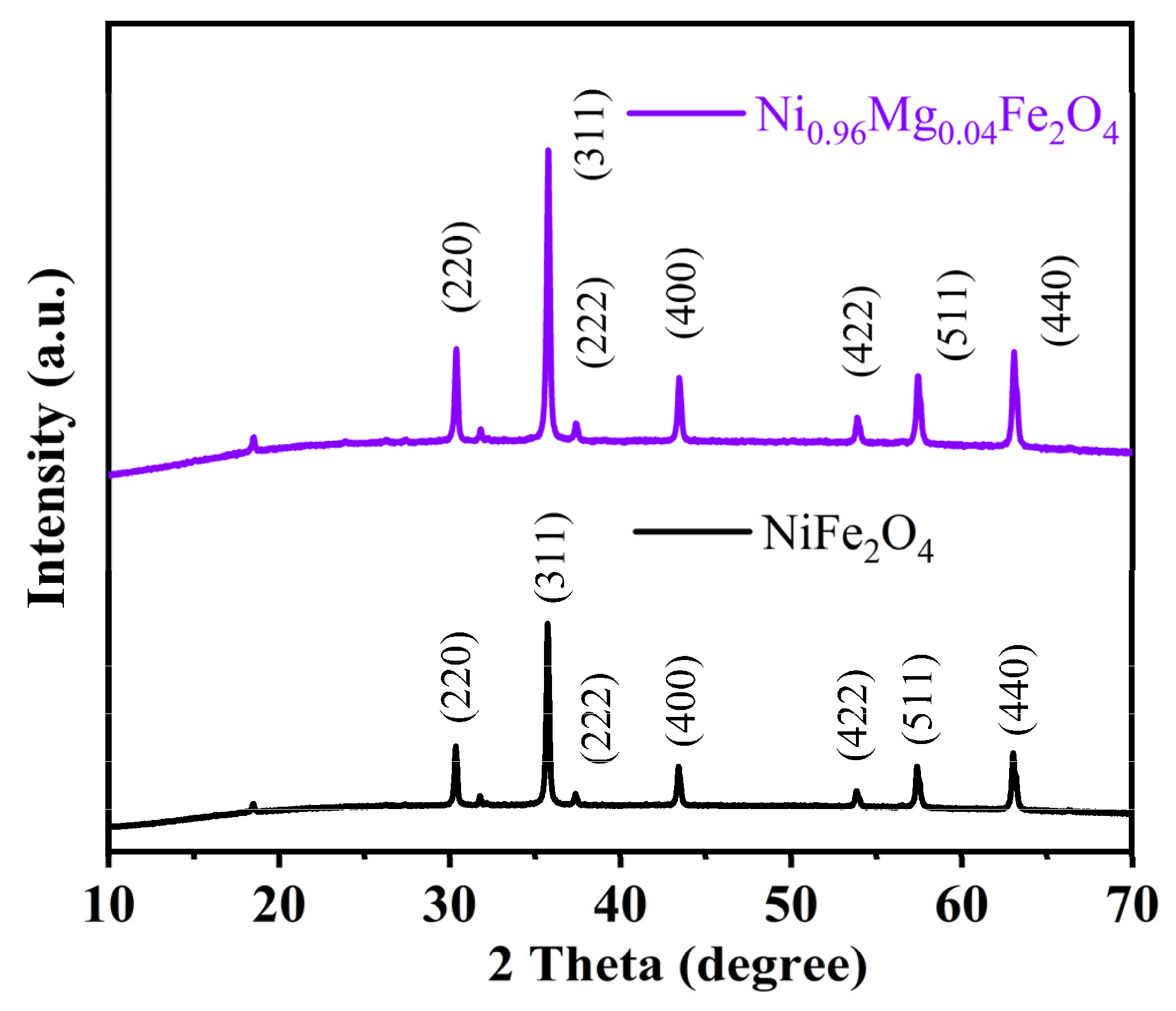
X-ray diffraction (XRD) was conducted to confirm the target crystalline phase and to assess lattice perturbations or secondary phases associated with Mg incorporation, thereby verifying the structural integrity of the perovskite. From
Figure 1, it can be seen that the main peak positions of the two samples are consistent with the standard spectrum of NiFe
2O
4 spinel, and no obvious crystalline impurity phases are detected. Only several very weak reflections are observed at approximately 19°, 33° and 67°, which are most likely attributed to trace surface/by-product species and/or instrumental background. These results indicate that Mg
2+ has entered the lattice structure of NiFe
2O
4. Due to the smaller radius of Mg
2+ (0.066 nm) compared to Ni
2+ (0.069 nm), there will be changes in the lattice constant. This lattice distortion causes the diffraction peaks to shift towards higher angles. From the figure, it can be seen that the peak intensity of Ni
0.96Mg
0.04Fe
2O
4 is significantly higher than that of NiFe
2O
4, and the characteristic peak becomes very sharp. This indicates that the grain crystallinity has been improved, which is generally beneficial for the thermal and structural stability of the catalyst.
According to the XRD average grain parameter test results in
Table 3, the average grain size of the sample decreases due to doping. The literature value of the unit cell parameters of NiFe
2O
4 is 0.834 nm. Due to the different radius sizes, when Ni
2+ in NiFe
2O
4 is replaced by Mg
2+, this will lead to a decrease in the unit cell parameters of NiFe
2O
4. It can be inferred from the reduced doping parameters that the Mg
2+ doped in the sample has successfully entered the lattice of NiFe
2O
4.
Scanning electron microscopy (SEM) with energy-dispersive X-ray mapping (EDS) was employed to resolve particle morphology, grain connectivity and the spatial distribution of Mg relative to host cations, thereby evaluating whether Mg substitution suppresses overgrowth or agglomeration and whether locally enriched domains appear. Complementary particle-size analysis and BET surface-area measurements quantify the resulting textural changes, establishing the morphological basis for subsequent CO2 adsorption performance and high-temperature durability.
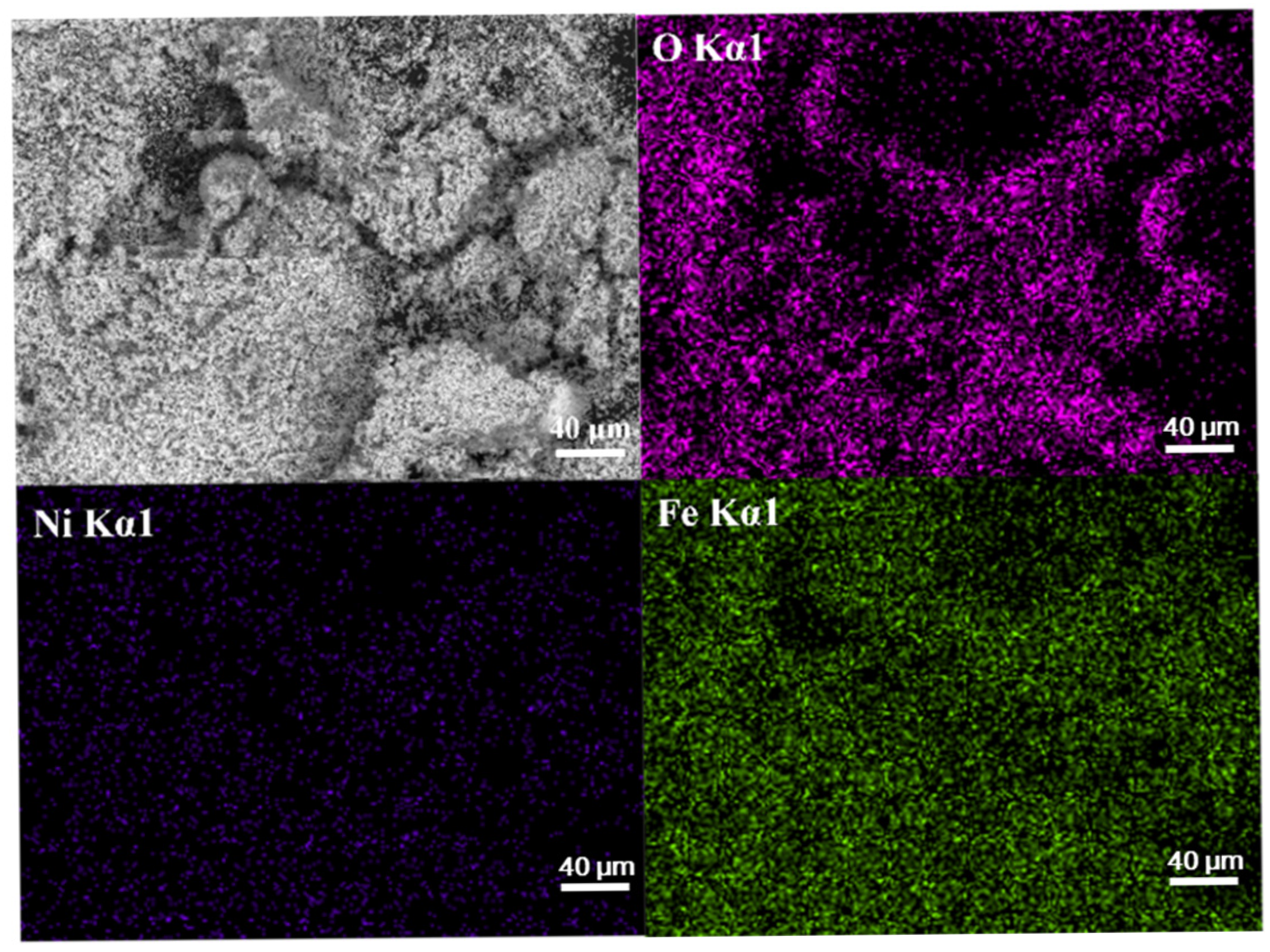
The SEM/EDS analysis of pristine From NiFe
2O
4 is illustrated in
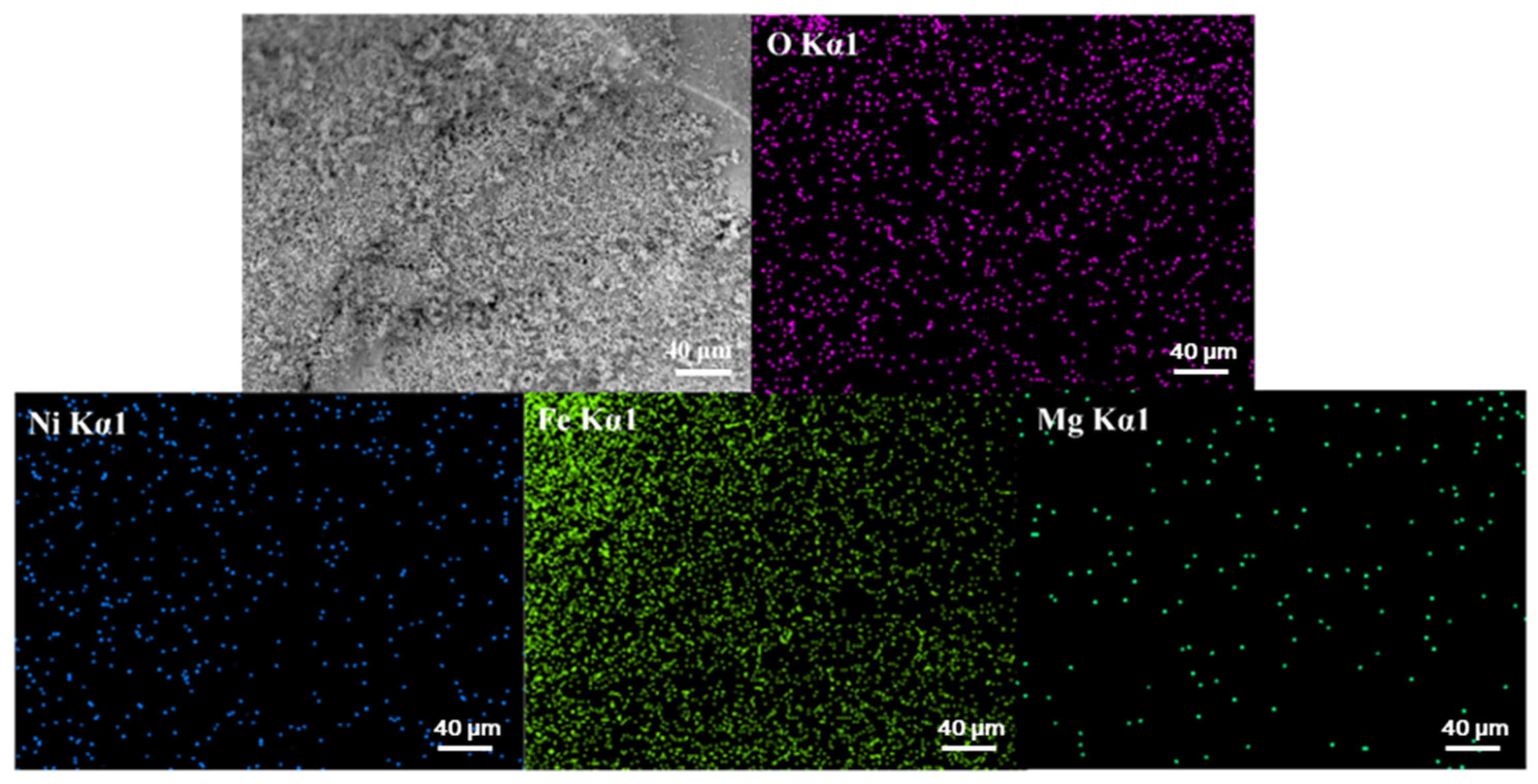
Figure 2. In comparison, it can be seen that the Mg element is evenly distributed in NiFe
2O
4, and the element amount is relatively small, which conforms to the chemical formula Ni
0.96Mg
0.04Fe
2O
4 (
Figure 3). The distribution of particles doped with Mg is more uniform, without agglomeration, and there are more pores with overlapping particles, which gives it a larger surface area. Mg doping can effectively inhibit the aggregation of NiFe
2O
4, providing a larger surface area, which means that more CO
2 can be adsorbed on the surface and the catalytic performance can be improved.
By comparing
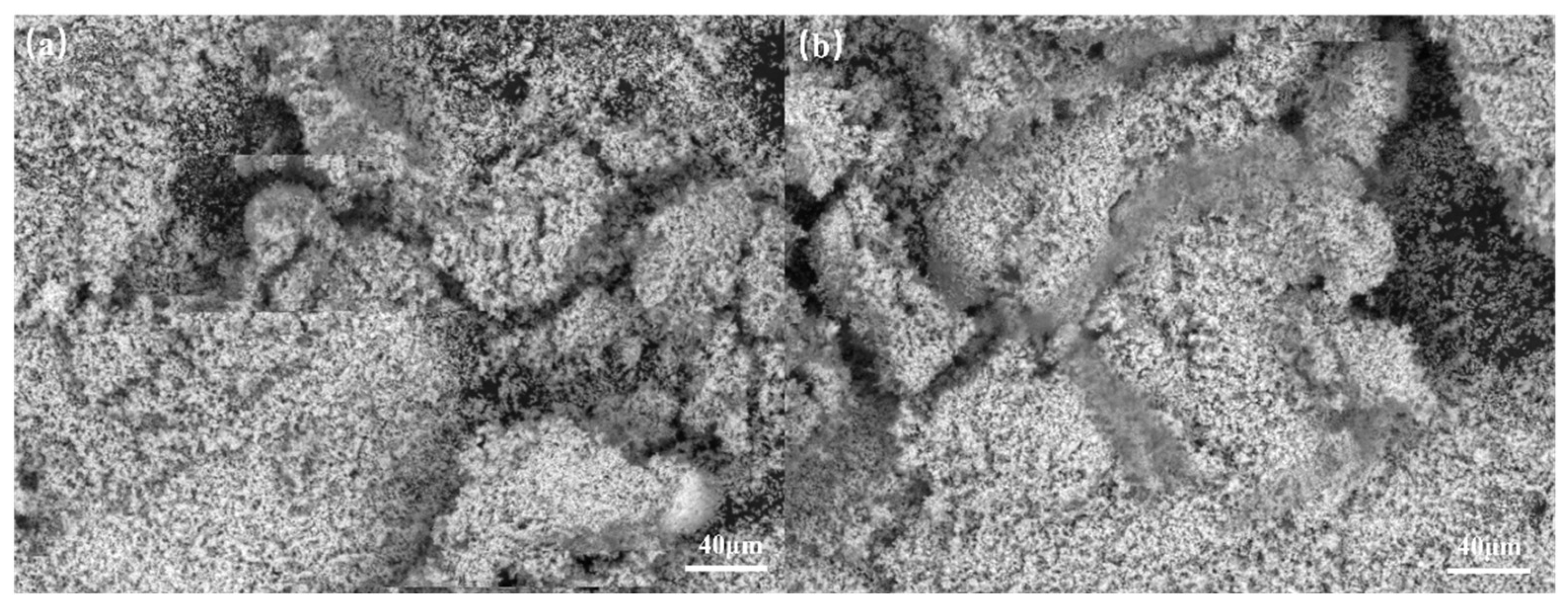
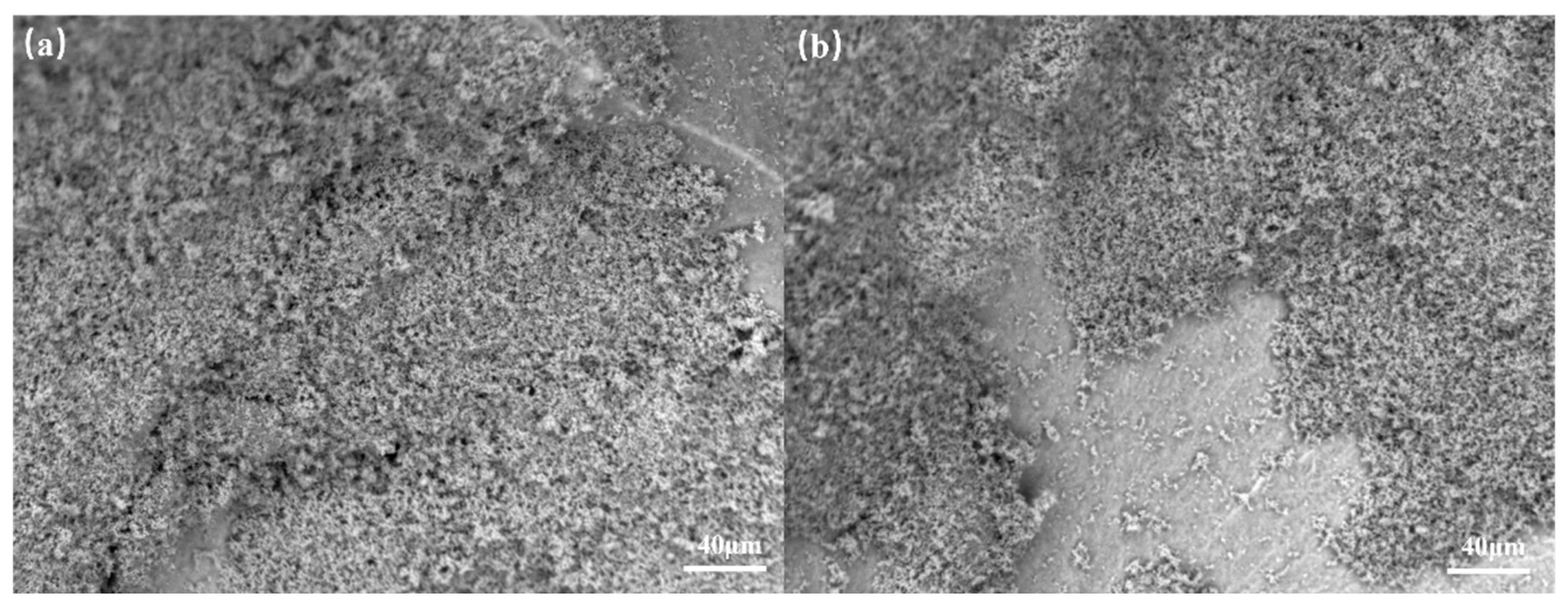
Figure 4a,b, it can be seen that sintering and agglomeration phenomena occur after thermal aging, and the particle size distribution is not very uniform. Large and small particles coexist, indicating that the grains do not grow uniformly during the growth process. Comparing
Figure 5a,b, it can be seen that there is only a small amount of sintering phenomenon before and after thermal aging, and the grains grow uniformly without agglomeration. The surface still retains fine grains and has a large surface area. The presence of a small amount of sintering phenomenon may be due to the uneven distribution of Mg, which leads to sintering in this area. This also indicates that Mg doping can indeed refine the grain size and prevent grain growth and sintering.
The specific surface area can reflect the degree of contact between the catalyst powder and the outside world. Multiphase reaction is a surface reaction, and the surface active component is the active center of the reaction. Chemical adsorption and redox reactions occur on the surface of powder particles. A larger specific surface area can optimize the contact with reactants, enhancing the adsorption and catalytic performance of the catalyst. The particle size and specific surface area of NiFe
2O
4 with different particle sizes before and after doping were measured using a laser particle size analyzer and a specific surface area analyzer, as shown in
Table 4.
By comparing the data in
Table 4, it was found that under the same preparation conditions, the particle size of each particle size grade was significantly reduced after Mg partially replaced Ni, especially the average particle size D50 of the reaction. The D50 of the catalyst doped with Mg was 2.97 μm, which was 28.1% lower than that of the undoped condition, and the specific surface area was also improved. After adding 4% Mg to the catalyst, the catalyst grains became smaller during the formation process and did not continue to grow. This may be because Mg alleviates agglomeration, thereby hindering grain growth. After doping with Mg, the specific surface area of the catalyst powder reached 69.57 m
2/g, an increase of 31.8% compared to the undoped catalyst.
Generally speaking, there is an inverse correlation between the surface area and particle size of particulate matter. However, in this experiment, the decrease in particle size was significantly less than the increase in specific surface area. The reason is that specific surface area refers to the total area per unit mass of material. Because when the particle size decreases, the number of particles per unit mass or volume increases, resulting in a significant increase in total surface area. This law has important application value in fields such as nanomaterials and catalysts.
It can be inferred that the growth rate of the surface area inside the pores of the particles exceeds the growth rate of the external surface area, leading to an increase in porosity. The increase in porosity effectively prevents the sintering phenomenon on the surface of catalyst powder, which helps to construct and improve the pore structure.
In summary, Mg plays a positive role in refining grain size, inhibiting agglomeration, and high-temperature sintering, resulting in larger specific surface area and higher porosity of the prepared powder. This is consistent with the analysis results in SEM.
5. Test Experiment of Oxygen Storage Performance and Anti-Aging Performance
We measure oxygen storage capacity at an application-relevant temperature to gauge the availability of redox-active oxygen vacancies in fresh catalysts. This baseline enables a direct comparison between undoped and Mg-modified samples and provides a quantitative bridge to CO2 adsorption/activation in later sections. Testing steps: the sample was placed into the reactor, H2 was introduced to it. The temperature of the reactor was raised to 310 °C~320 °C, the powder sample was reduced for 3 h, then N2 was used to purge, the sample was cooled to 200 °C, pulse O2 was introduced to the reactor at constant temperature, and the oxygen adsorption capacity was measured. Based on the oxygen adsorption capacity, the oxygen storage capacity of the sample was calculated.
The test results of oxygen storage capacity of NiFe
2O
4 before and after Mg doping are as follows: before being doped, the oxygen storage capacity of NiFe
2O
4 is 420 μmol/g, and after being doped, that of Ni
0.96Mg
0.04Fe
2O
4 reaches 452 μmol/g, which is 32 μmol/g higher than the former, with an increase of 7.6%.
Table 5 reflects the changes before and after being doped.
The oxygen storage performance of ferrite materials comes from the reversible conversion between Fe
2+ and Fe
3+ [
24], where gaseous oxygen is adsorbed into lattice oxygen. After Mg doping, the specific surface area of the catalyst increases, the contact area between the powder and the gas and reactants increases, and the adsorption capacity is improved. At the same time, doping ions enter the lattice, causing lattice defects, increasing oxygen vacancies, improving lattice oxygen mobility, and enhancing oxygen storage capacity.
Thermal robustness is probed by subjecting catalysts to severe aging and then comparing property retention against fresh baselines. The aging of catalyst powder is mainly manifested in changes in the surface structure and bulk structure of the powder. Under high-temperature conditions, the powders are prone to sintering and agglomeration, resulting in a decrease in specific surface area, a reduction in surface active sites, a deterioration of the contact interface with reactants and a decrease in adsorption and catalytic performance. Meanwhile, high temperature can also cause changes in the phase structure of the catalyst, severely affecting its activity or even completely losing it. The ferrite composite oxide has better anti-aging stability, and can still maintain good oxygen storage performance at about 1200 °C [
25].
The catalyst aging test method is to put a small amount of sample powder under a high temperature of 1200 °C for aging for 4 h, then it was cooled to room temperature, and its specific surface area and oxygen storage capacity were measured to evaluate the anti-aging performance. The specific parameters are shown in
Table 6.
The experimental results indicate that the surface of the sample powder will undergo varying degrees of sintering and agglomeration under high-temperature conditions, resulting in a decrease in the specific surface area and oxygen storage capacity of the powder. After thermal aging, the specific surface area of the ferrite powder decreased by 33.95 m2/g compared to before aging, with a reduction rate of 64.3%. The oxygen storage capacity decreased by 172 μmol/g, with a reduction rate of 41.0%; The specific surface area of Ni0.96Mg0.04Fe2O4 decreased by 43.14 m2/g compared to before aging, with a reduction rate of 62.0%. The oxygen storage capacity decreased by 109 μmol/g, with a reduction rate of 24.1%.
It is generally believed that the smaller the decrease in specific surface area and oxygen storage capacity of the catalyst after aging, the better its resistance to high-temperature aging. Therefore, the doping of Mg to some extent inhibits the surface sintering of catalyst powder at high temperatures, reduces the influence of high temperatures on specific surface area and oxygen storage capacity, and improves the high-temperature aging resistance of the catalyst.
6. Testing Experiments of Gas Adsorption Performance and Catalytic Activity
6.1. Testing Experiments of Gas Adsorption Performance
In multiphase catalytic reactions, the adsorption capacity of the catalyst powder surface for the reaction gas has an impact on the entire catalytic reaction process and can determine the start of the catalytic reaction. The pre-treated catalyst powder was subjected to a CO
2 temperature-programmed desorption (CO
2-TPD) experiment in a temperature-controlled reactor to evaluate its CO
2 adsorption behavior. An amount of 50 g of ground catalyst was evenly spread on a stainless steel plate inside the temperature controller reactor. First, 6 L/min argon (Ar) blew for 1 h at 400 °C and removed the adsorbed gases and moisture on the surface of the powder. Subsequently, the temperature was lowered to 200 °C in an Ar atmosphere, and Ar was replaced with a standard gas containing 1000 ppm CO
2 + He, and the temperature was programmed to 500 °C. The CO
2 concentration value was measured every minute, and the CO
2 adsorption performance was measured by the CO
2 adsorption rate at different temperatures.
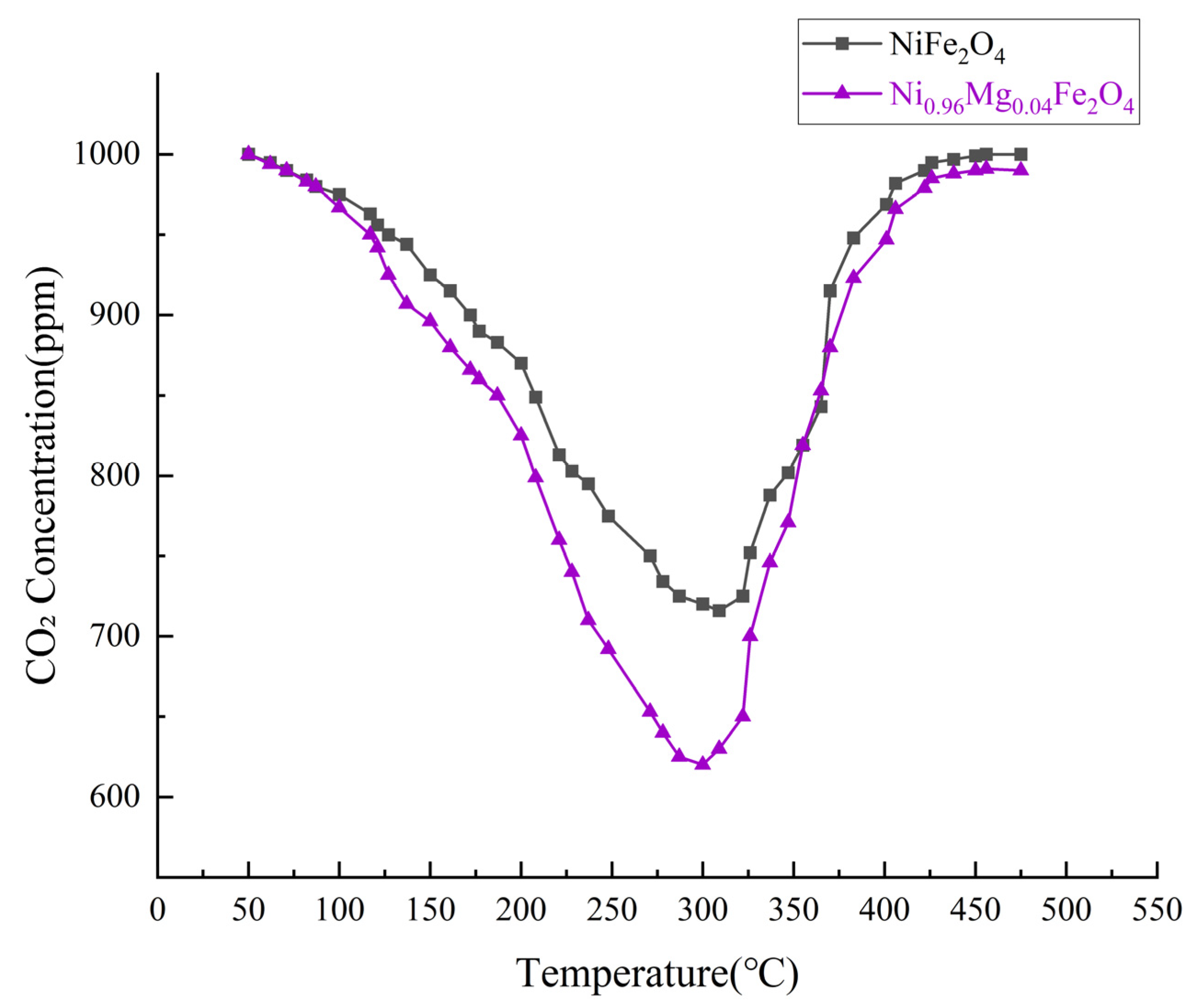
Figure 6 showed the variation curve of CO
2 concentration in the CO
2 adsorption experiment before and after Mg doping.
The decrease in CO
2 concentration represents the adsorption capacity of CO
2 on the catalyst surface. The adsorption rate is calculated by measuring the CO
2 concentration at the outlet to evaluate the adsorption performance of the catalyst.
In the Formula (6), represents the measured value of CO2 concentration at the outlet of the temperature controlled reactor. represents the absorption rate of the catalyst.
From the changes in the CO
2 concentration curve in
Figure 6, it can be observed that there are two distinct concave regions, indicating that the adsorption process can be divided into two stages: the low-temperature stage (100–200 °C) and the high-temperature stage (200–300 °C).
In the low-temperature stage, catalyst adsorption usually manifests as physical adsorption of CO2, with relatively low adsorption rate and amount, mainly caused by surface diffusion and viscosity. The adsorption curve of Ni0.96Mg0.04Fe2O4 shows a significant downward depression, and the degree of depression is greater than that of NiFe2O4. This is mainly because Ni0.96Mg0.04Fe2O4 has a larger specific surface area and better surface structure, which increases the contact area between the powder and CO2, thereby enhancing the physical adsorption capacity of Ni0.96Mg0.04Fe2O4.
During the high-temperature stage, the catalyst is activated and begins to chemically adsorb CO2. The adsorption curve of Ni0.96Mg0.04Fe2O4 is lower than that of NiFe2O4, indicating a faster CO2 adsorption rate and an increase in CO2 adsorption at each temperature point. At the same time, the adsorption peak significantly shifted downwards, and the CO2 adsorption rate reached 38.1% at the highest peak. The adsorption strength and amount of CO2 by Mg-doped NiFe2O4 were significantly improved.
After partially replacing Ni with Mg, due to the difference in atomic radius between Mg and Ni and the potential balance after Mg
2+ infiltration, there will be more structural defects and oxygen vacancies. Therefore, it indicates that Mg doping can indeed provide more CO
2 adsorption sites for catalysts. The activity, selectivity and stability of the doped sample are enhanced, as shown in
Table 7.
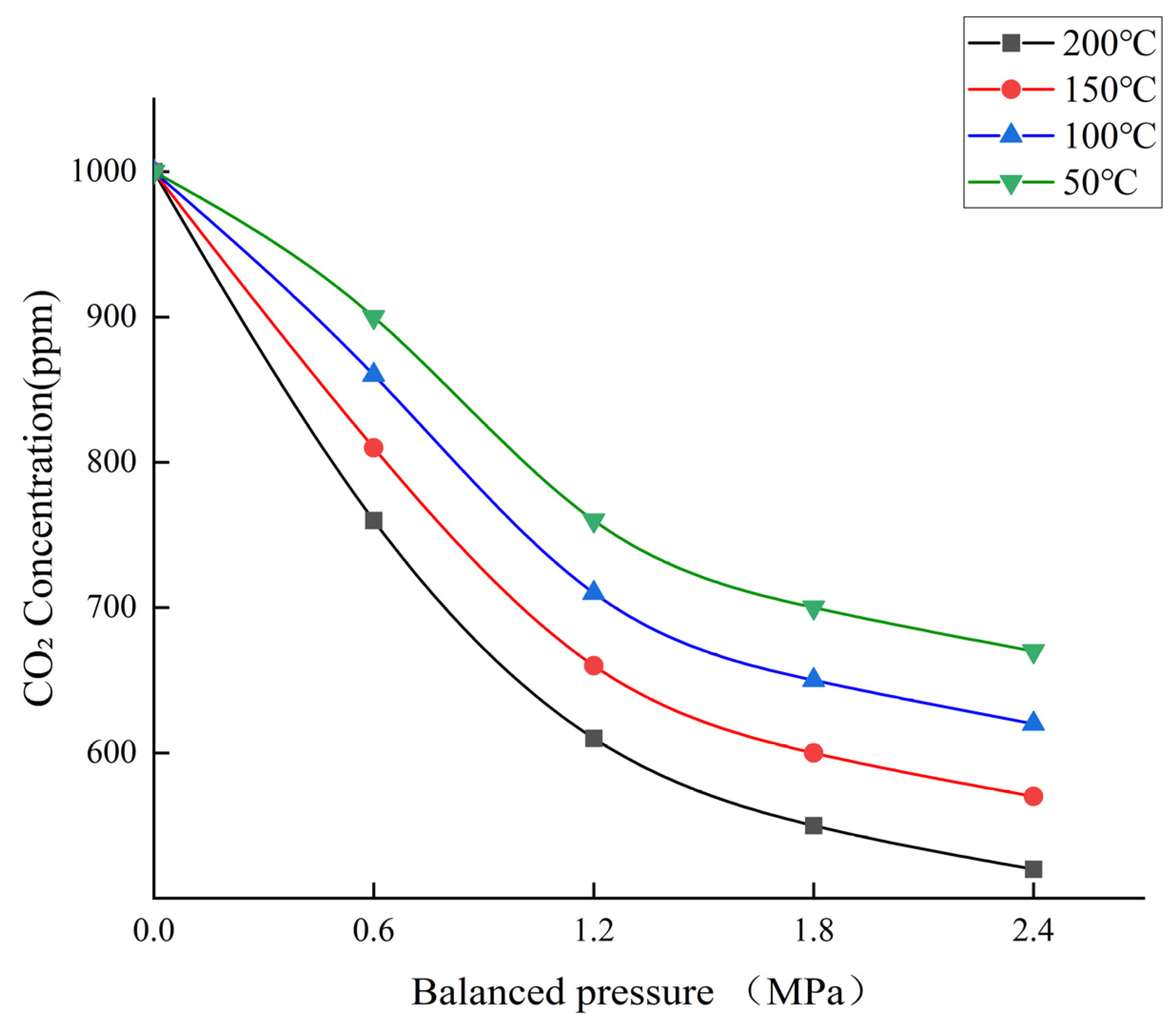
Figure 7 shows the variation curve of CO
2 concentration with balanced pressure in the CO
2 adsorption experiment after Mg doping at four different temperatures (50/100/150/200 °C). As shown in
Figure 7, as the balanced pressure increases, the CO
2 concentration decreases in the four different temperatures. This indicates that the activation performance of the catalyst improves with increasing temperature and balanced pressure.
The commonly used empirical formula for calculating the activation energy of a catalyst is the Arrhenius equation, which describes the relationship between the reaction rate constant and the reaction temperature. The specific formula is as follows:
In the formula, K is the reaction rate constant, A is the pre-exponential factor, Ea is the activation energy, R is the ideal gas constant and T is the reaction temperature.
6.2. Testing Experiments of Catalytic Activity
A temperature-controlled reactor was used as a catalytic reaction platform to evaluate catalyst activity. A total of 20 g of catalyst was loaded into the reactor, and under a hydrogen atmosphere, oxygen-deficient catalysts (NiFe
2O
4−δ, Ni
0.96Mg
0.04Fe
2O
4−δ) were prepared using a reduction temperature of 310 °C, a hydrogen flow rate of 40 mL·min
−1 and a reduction time of 3 h. After the reduction was completed, the reaction chamber was evacuated for 20 min using a vacuum pump, then purged with argon Ar for 20 min, and finally evacuated for 10 min using a vacuum pump. At this time, CO
2 was introduced to 0.1 MPa for CO
2 activity evaluation experiments, and P-t data was immediately recorded. The total reaction time was 2–4 h. When the number of cyclic reactions reaches a certain value, CO
2 cannot be completely reduced. Before starting the next cycle reaction, it is necessary to evacuate the remaining gas in the reaction system and then introduce H
2 for the next round of reduction reaction. After the cyclic reaction is completed, the sample is cooled to room temperature, then removed, and its carbon deposition is detected using an elemental analyzer. The specific reaction Equations (8)–(11) involved in this process are as follows:
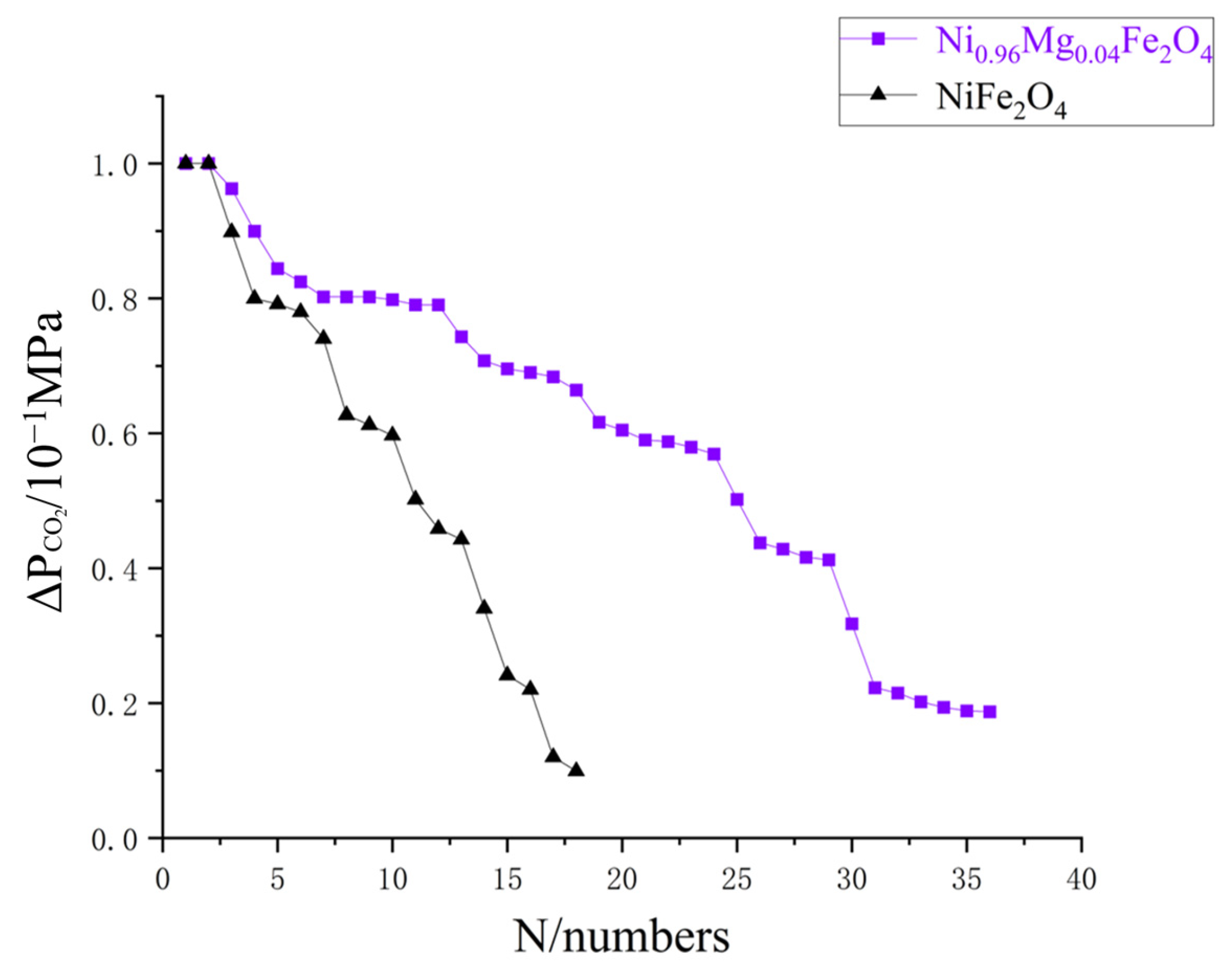
Figure 8 shows the variation curve of CO
2 pressure with the number of cycles in NiFe
2O
4 cyclic reaction before and after Mg doping. In the first and second cycles of the reaction, the internal pressure of CO
2 drops to zero, indicating that CO
2 is completely converted to C. As the number of cycles increases, the pressure change of CO
2 shows a step-like decrease, which means that the ability of oxygen vacancies for NiFe
2O
4−δ to decompose CO
2 also shows a step-like decrease.
For Ni0.96Mg0.04Fe2O4, as the number of cycles increases, the CO2 pressure change also shows a step-like decrease, but the rate of decrease in CO2 conversion is much slower than that of NiFe2O4, which means its activity decreases slower and can withstand more cycles of reaction.
In the first three cycles of the reaction, high reaction activity is observed, with almost all of CO2 converted to C. After five cycles, the conversion rate of CO2 decreases to around 82%. As the number of cyclic reactions continues to increase, the catalytic activity maintains a relatively long stability. When the number of cyclic reactions reaches 12, the CO2 conversion rate remains at around 80%, while the CO2 conversion rate of NiFe2O4 is only about 46%. After 29 cycles of reaction, the CO2 conversion rate is around 41%, and the catalytic activity quickly decreased thereafter. After 36 cycles of reaction, the CO2 conversion rate is only about 20%, indicating low decomposition activity. From this, it can be seen that Mg doping in NiFe2O4 improves its stability, significantly slowing down the rate of decomposition activity reduction after cyclic reactions, greatly increasing its cycle reaction frequency and service life.
After the cyclic reaction is completed, the carbon deposition is detected by an elemental analyzer. From the data in
Table 8, it can be seen that after 4% Mg doping, the cyclic reaction number and carbon deposition of NiFe
2O
4 have been greatly improved and enhanced. The maximum number of cyclic reactions for Ni
0.96Mg
0.04Fe
2O
4 is 36 times, with a maximum carbon deposition of 3.92 g, accounting for 19.62%. Meanwhile, NiFe
2O
4 has a maximum number of cyclic reactions of only 18 times, with a maximum carbon deposition of 2.10 g, accounting for only 10.52%.
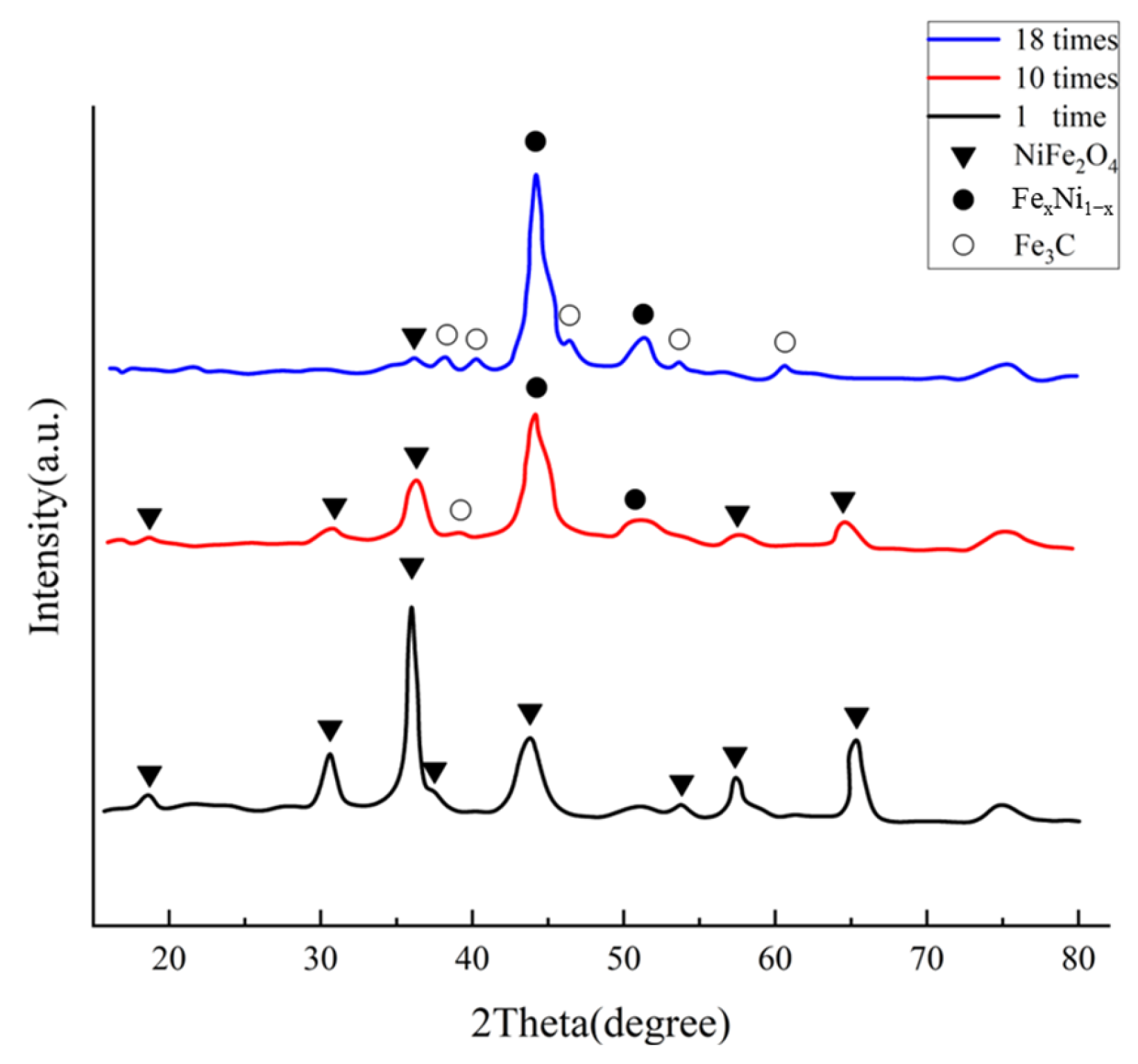
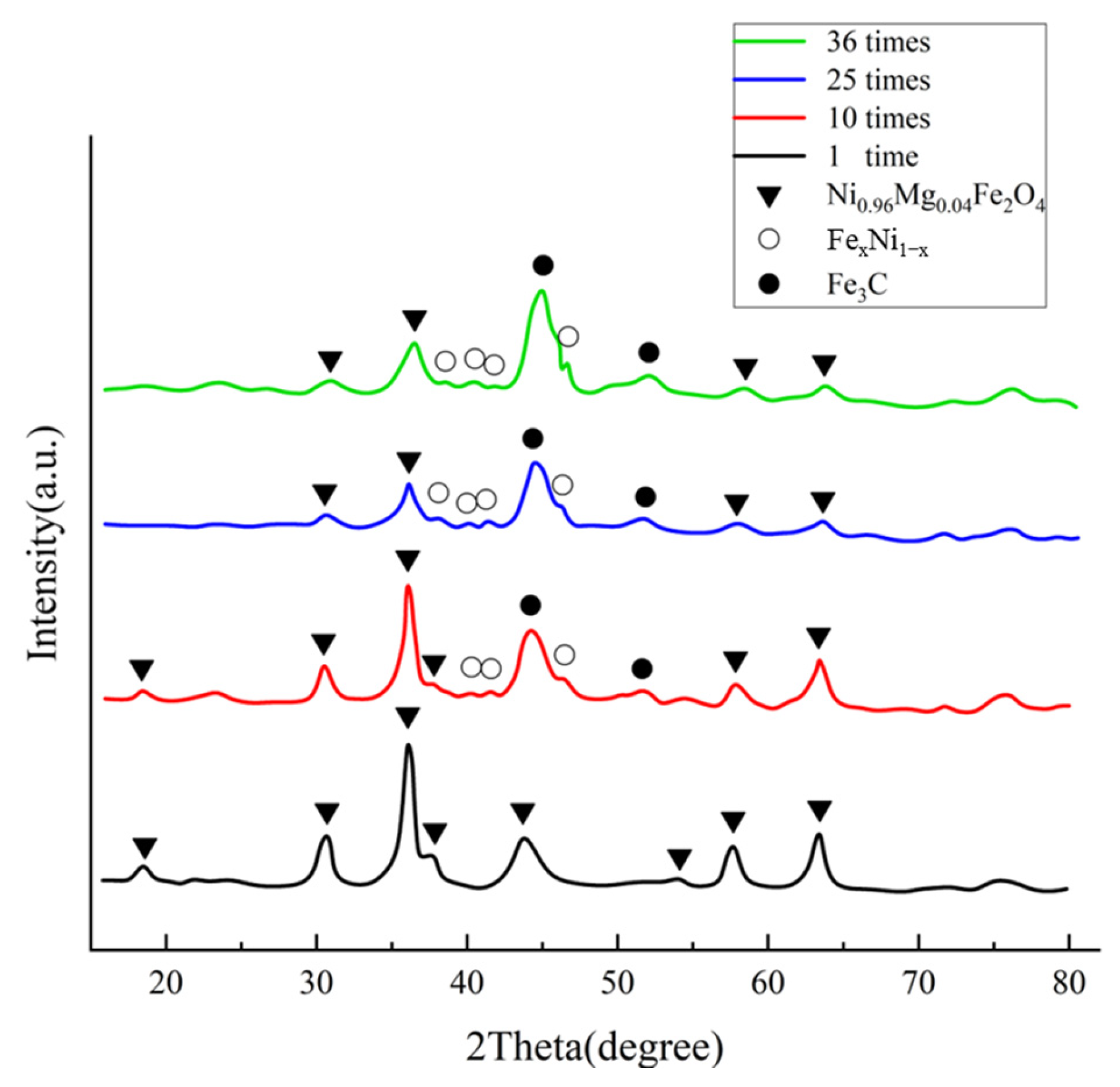
Figure 9 and
Figure 10 show the XRD patterns of NiFe
2O
4 and Ni
0.96Mg
0.04Fe
2O
4 at different reaction cycles. After increasing the number of cyclic reactions, the characteristic peaks of Fe
xNi
1−x and Fe
3C gradually appeared, and the spinel type characteristic peaks of NiFe
2O
4 and Ni
0.96Mg
0.04Fe
2O
4 are gradually weakened. This indicates a decrease in the proportion of spinel type phases in the system until they are completely dissolved. Under 10 cycles of reaction, the peak intensities of Fe
xNi
1−x and Fe
3C in NiFe
2O
4 are significantly higher than those in Ni
0.96Mg
0.04Fe
2O
4, while the peak intensity of spinel type structure is much lower than that in Ni
0.96Mg
0.04Fe
2O
4. This further proves that Mg doping improves the structural stability of catalysts, and its oxygen-deficient structure is less prone to collapse, inhibiting the disintegration rate of spinel type structure and prolonging the cycle reaction times, thereby increasing carbon deposition.