Article

Catalytic and Capacitive Properties of Hierarchical Carbon–Nickel Nanocomposites

by
Hassan H. Hammud
1,*,
Waleed A. Aljamhi
1,
Dolayl E. Al-Hudairi
1,
Nazish Parveen
1,*,
Sajid Ali Ansari
2 and
Thirumurugan Prakasam
3
1
Department of Chemistry, College of Science, King Faisal University, Al-Ahsa 31982, Saudi Arabia
2
Department of Physics, College of Science, King Faisal University, Al-Ahsa 31982, Saudi Arabia
3
Chemistry Program, Faculty of Arts and Science, New York University Abu Dhabi (NYUAD), Abu Dhabi P.O. Box 129188, United Arab Emirates
*
Authors to whom correspondence should be addressed.
Catalysts 2024, 14(3), 181; https://doi.org/10.3390/catal14030181
Submission received: 1 February 2024 / Revised: 27 February 2024 / Accepted: 27 February 2024 / Published: 5 March 2024
(This article belongs to the Special Issue Hollow and Porous Micro-/Nanostructured Materials in Catalysis)

Abstract

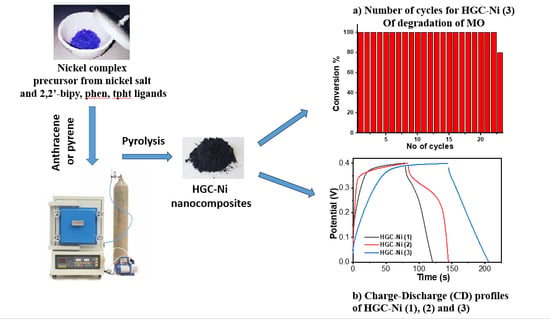
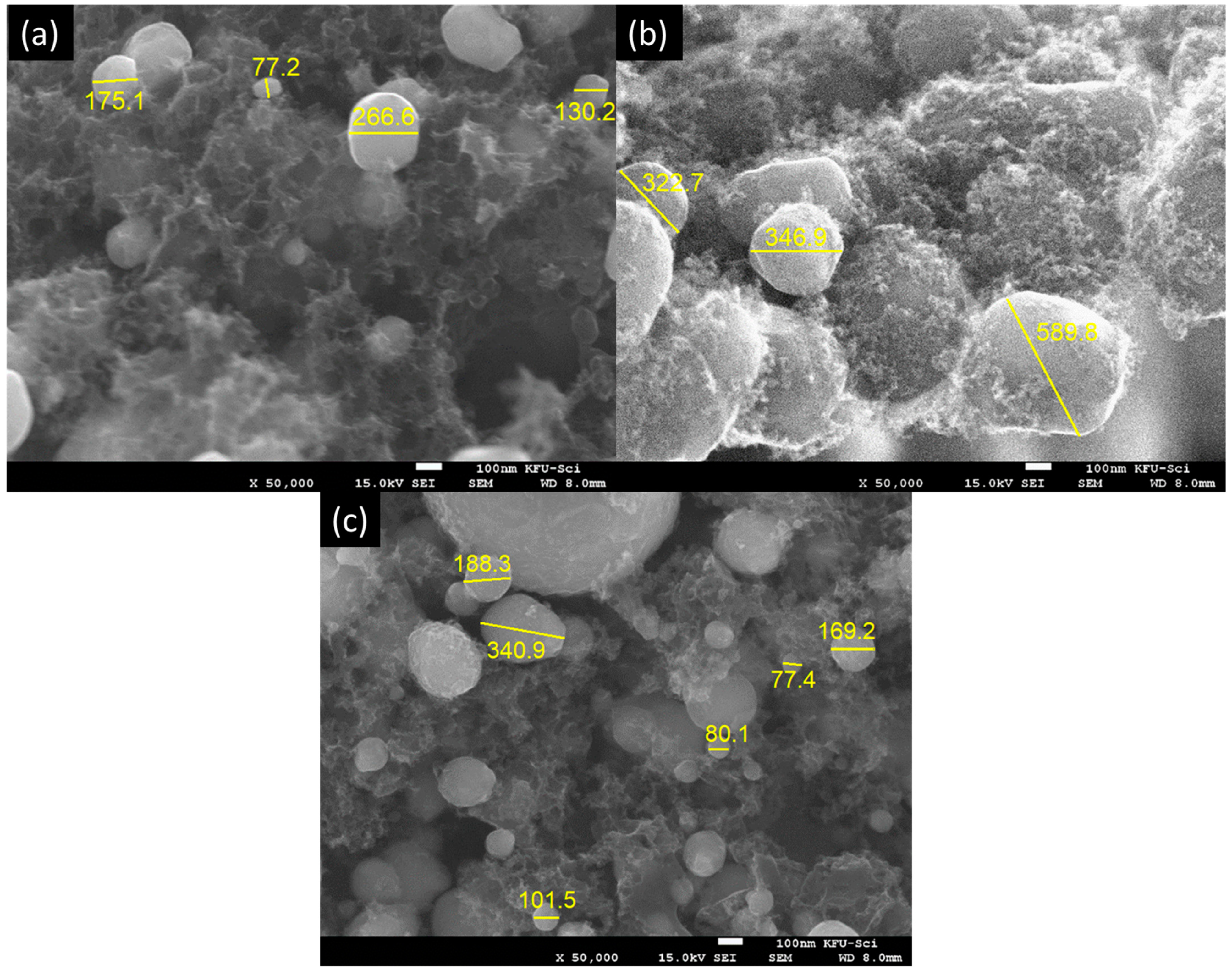
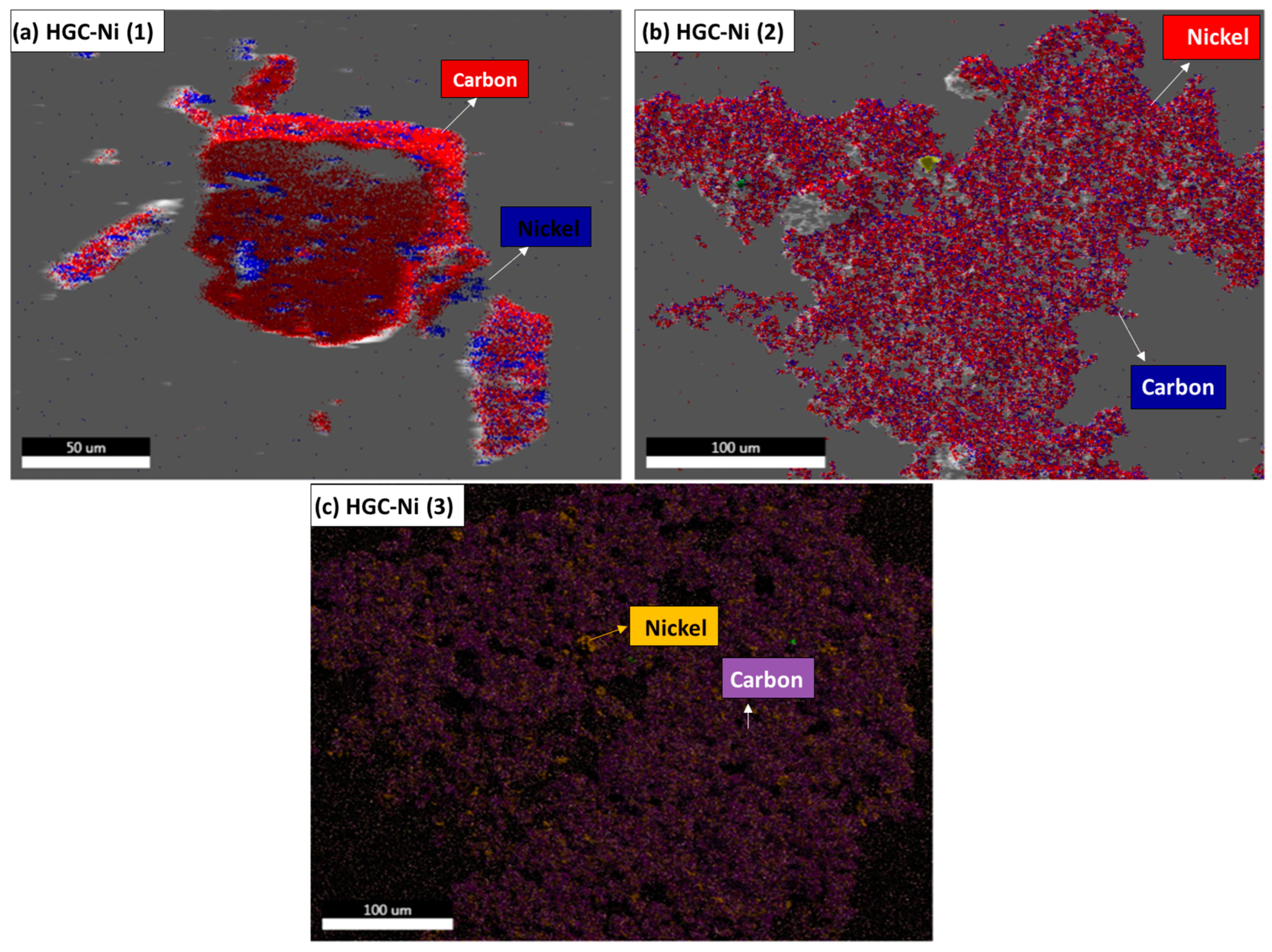
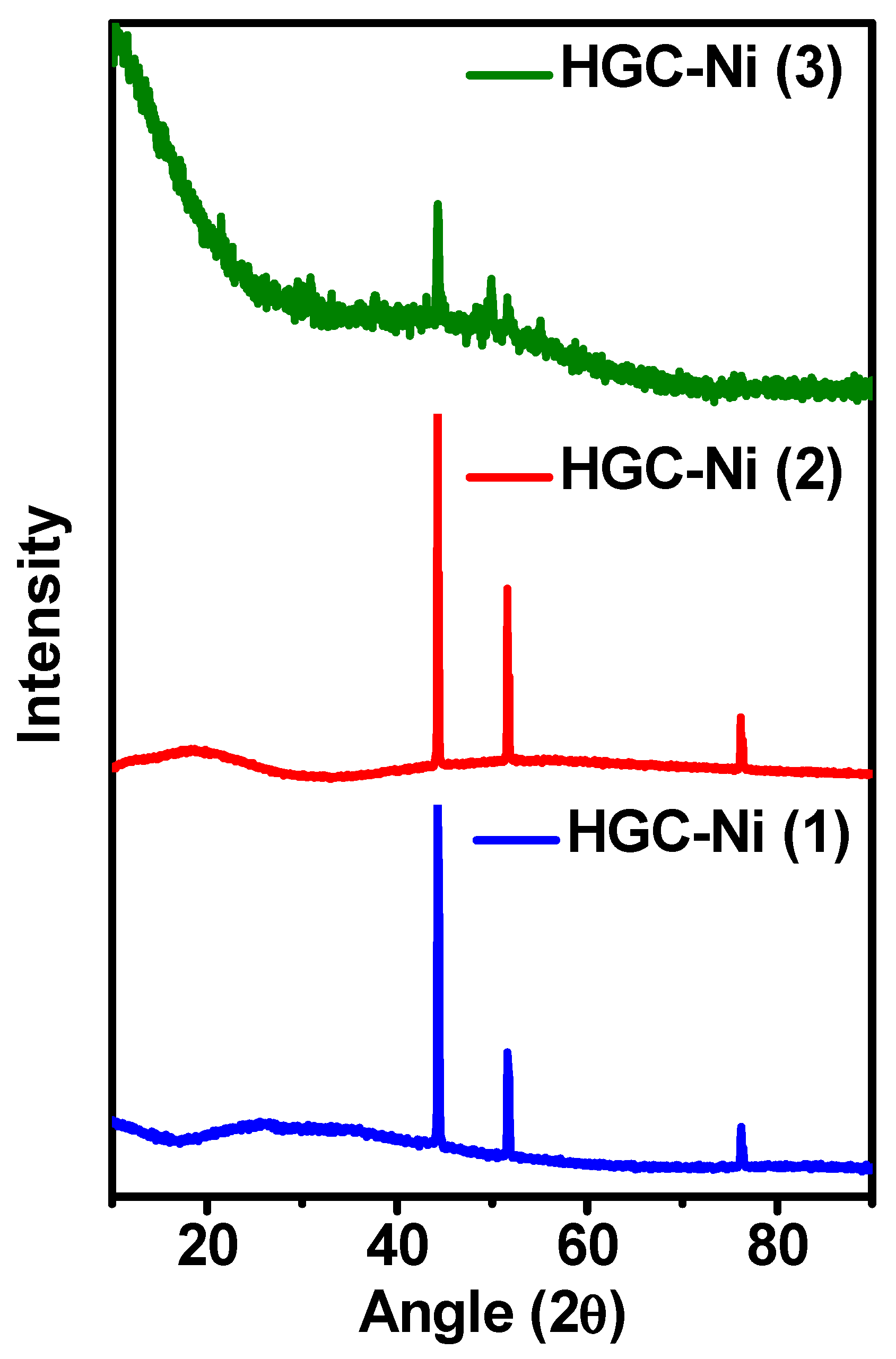
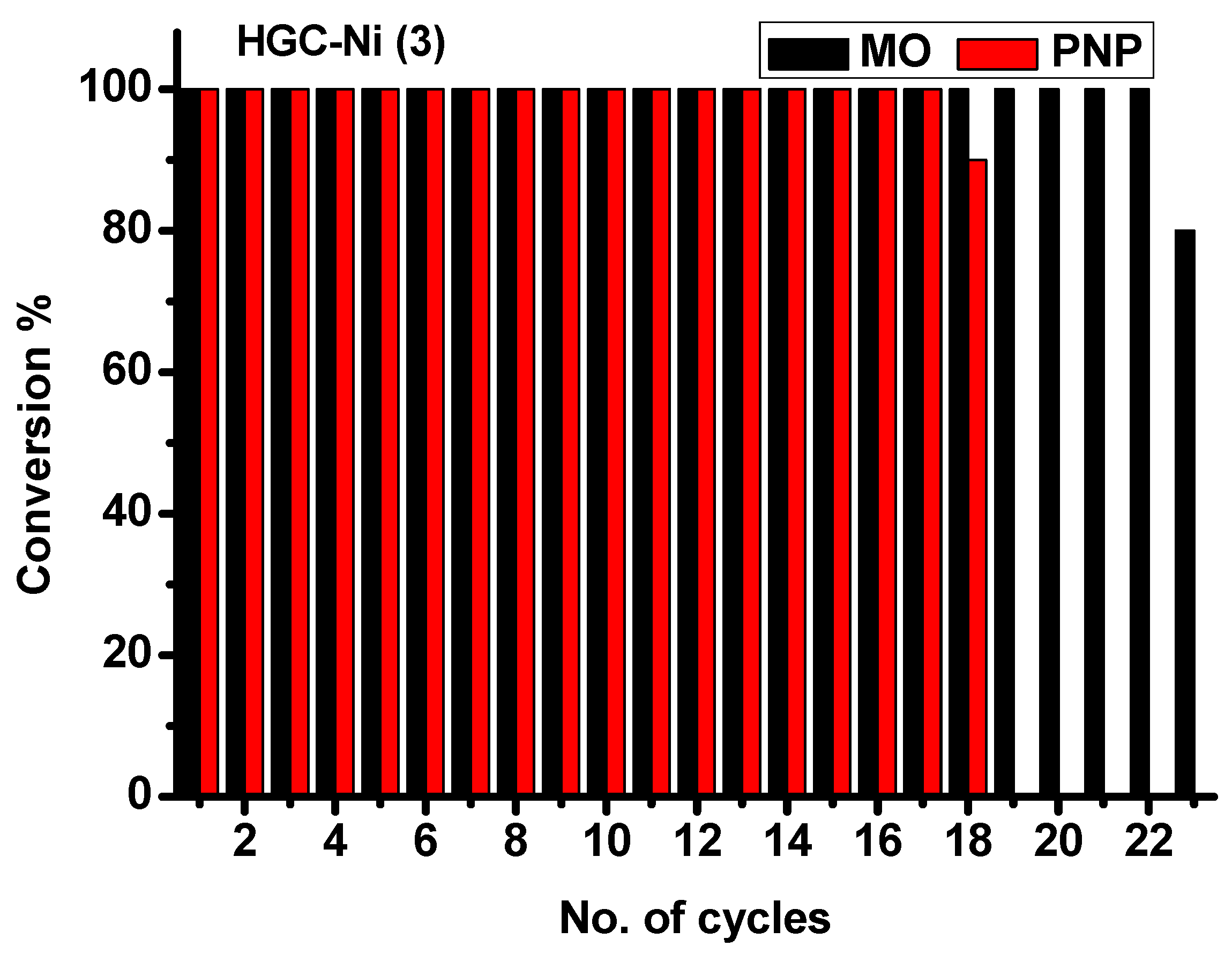
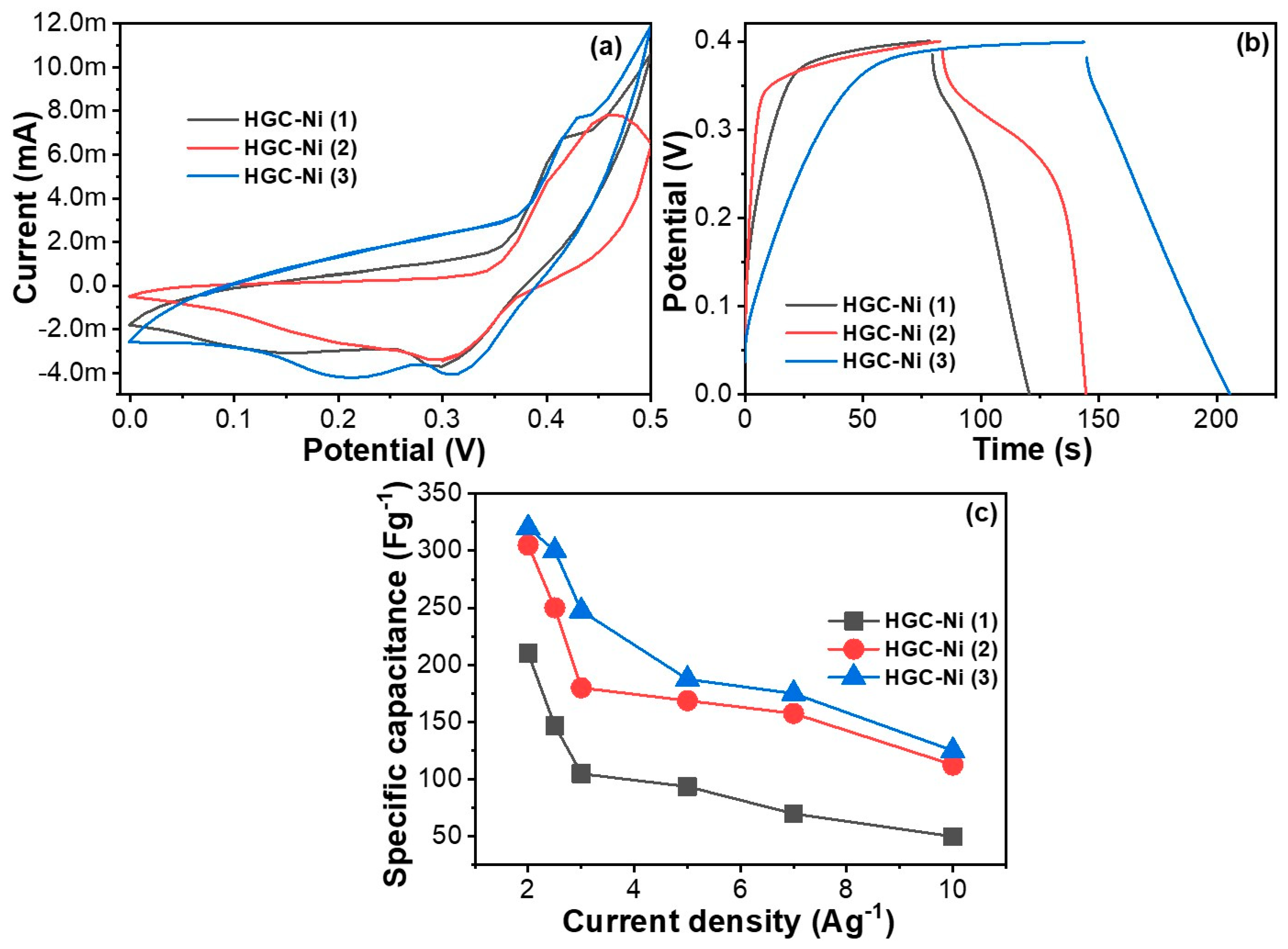
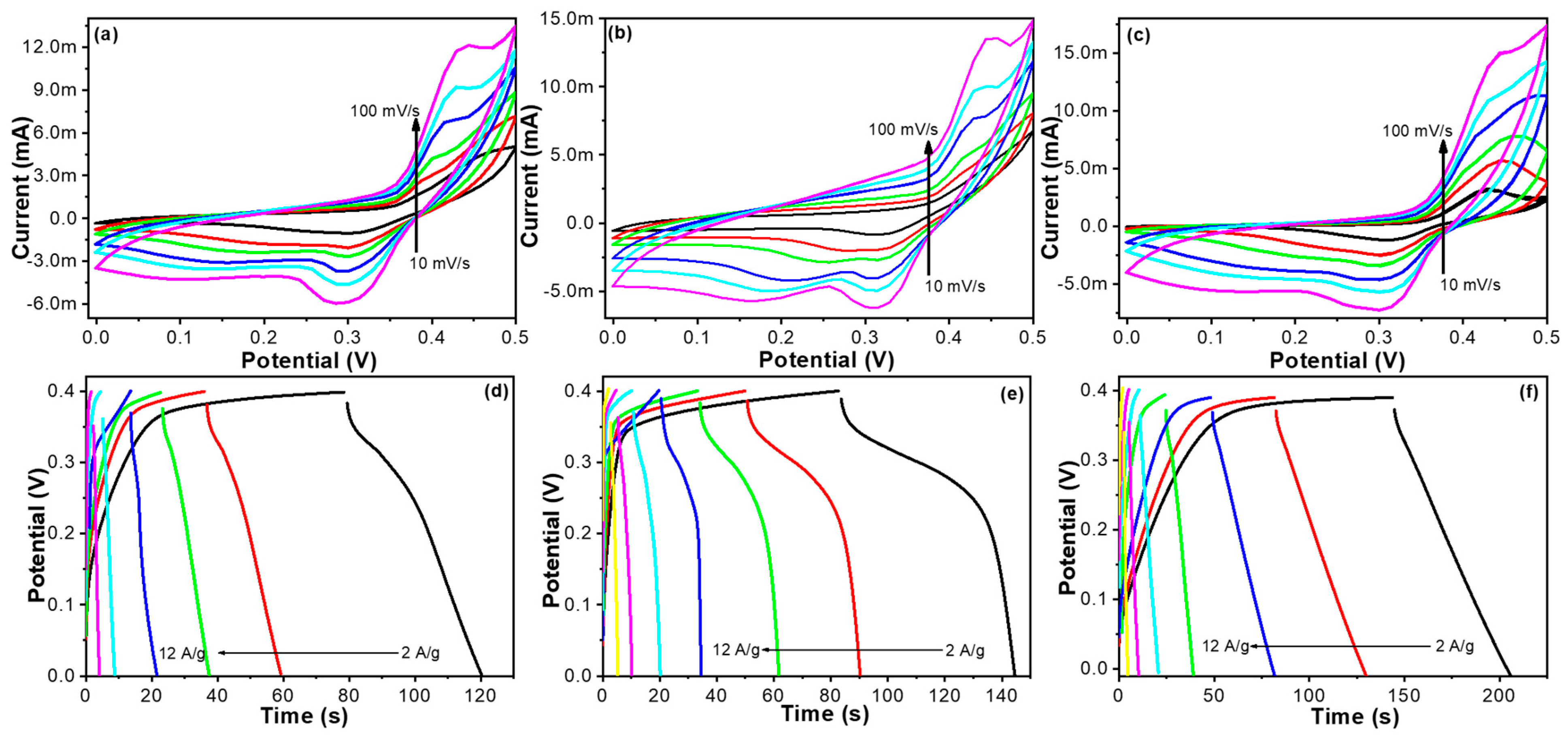
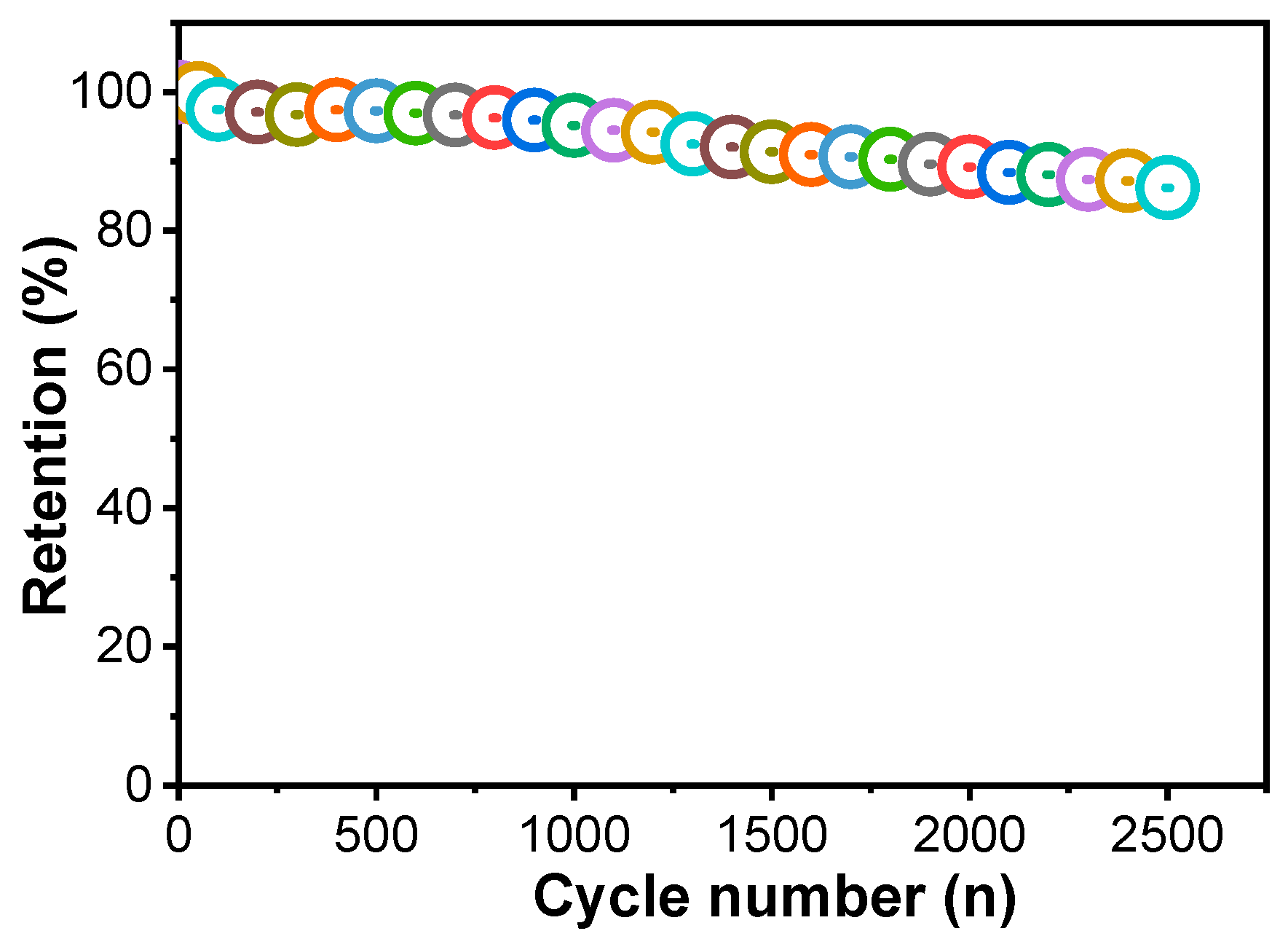
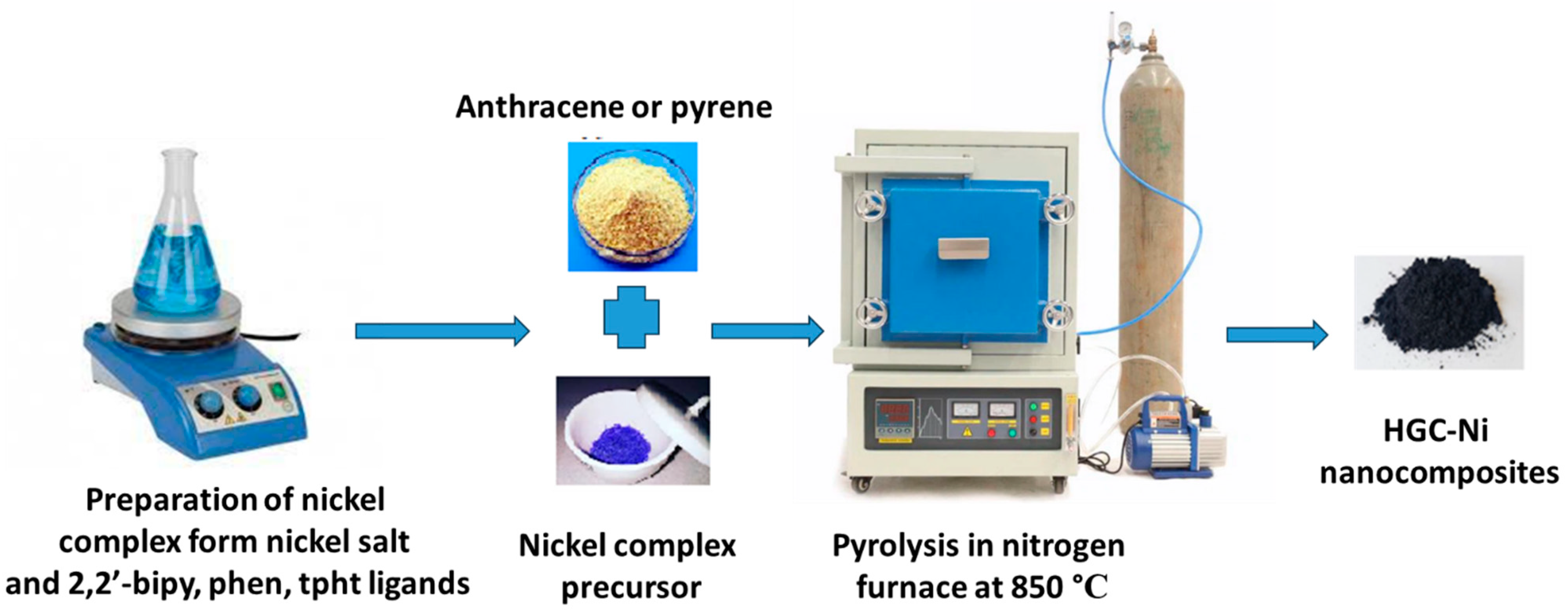
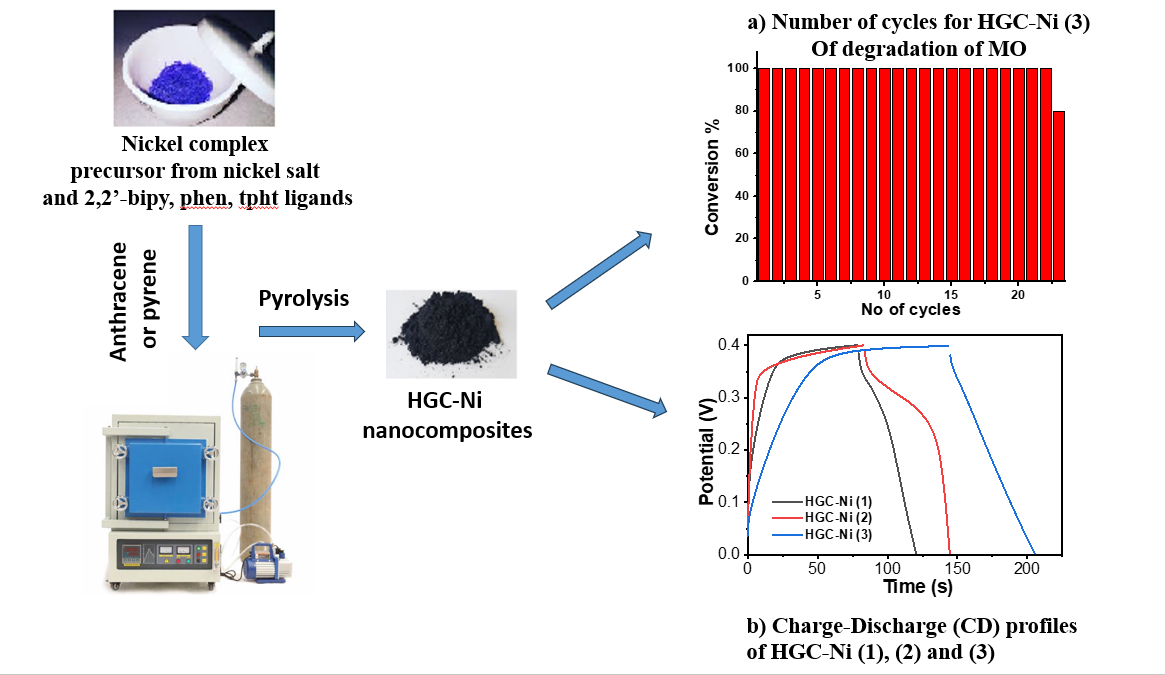
Hierarchically graphitic carbon that contained nickel nanoparticles (HGC-Ni (1), (2), and (3)) were prepared by the pyrolysis of three metal complexes as follows: nickel 2,2′-biyridine dichloride, nickel terephthalate 2,2′-bipyridine, and nickel phenanthroline diaqua sulfate, respectively, in the presence of anthracene or pyrene. SEM indicated that the structure of the HGC-Ni samples consisted of nickel nanoparticles with a diameter of 20–500 nm embedded in a thin layer of a hierarchical graphitic carbon layer. The EDAX of HGC-Ni indicated the presence of nickel, carbon, and nitrogen. Chlorine, oxygen, and sulfur were present in (1), (2), and (3), respectively, due to the differences in their complex precursor type. XRD indicated that the nanoparticles consisted of Ni(0) atoms. The turnover frequency (TOF) for the reduction of p-nitrophenol (PNP) increased for catalysts HGC-Ni (3), (2), and (1) and were 0.0074, 0.0094, and 0.0098 mg PNP/mg catalyst/min, respectively. The TOF for the reduction of methyl orange (MO) increased for catalysts (3), (1), and (2) and were 0.0332, 0.0347, and 0.0385 mg MO/mg catalyst/min, respectively. Thus, nickel nano-catalysts (1) and (2) provided the highest performance compared to the nano-catalysts for the reduction of PNP and MO, respectively. The first-order rate constant (min−1) of HGC-Ni (3), with respect to the reduction of PNP, was 0.173 min−1, while the first-order rate constant (min−1) for the reduction of MO by HGC-Ni (1) was 0.404 min−1. HGC-Ni (3) had the highest number of cycles with respect to PNP (17.9 cycles) and MO (22.8 cycles). The catalysts were regenerated efficiently. HGC-Ni exhibited remarkable electrochemical capacitance characteristics in the present study. This material achieved a notable specific capacitance value of 320.0 F/g when measured at a current density of 2 A/g. Furthermore, its resilience was highlighted by its ability to maintain approximately 86.8% of its initial capacitance after being subjected to 2500 charge and discharge cycles. This finding suggests that this HGC-Ni composite stands out not only for its high capacitive performance but also for its durability, making it an attractive and potentially economical choice for energy-storage solutions in various technological applications.
Keywords: nickel–carbon nanocomposites; nickel complex; pyrolysis; 4-nitrophenol; methyl orange; catalytic reduction; capacitance nickel–carbon nanocomposites; nickel complex; pyrolysis; 4-nitrophenol; methyl orange; catalytic reduction; capacitance
Graphical Abstract