Article

Synthesis and Characterization of Terbium-Based Metal Organic Framework for Environmental Remediation Application


1
Chemistry Department, Faculty of Science, King Abdulaziz University, P.O. Box 80200, Jeddah 21589, Saudi Arabia
2
Chemistry Department, Al-Qunfudah University College, Umm Al-Qura University, Al-Qunfudah 1109, Saudi Arabia
*
Author to whom correspondence should be addressed.
Catalysts 2023, 13(2), 241; https://doi.org/10.3390/catal13020241
Submission received: 24 December 2022 / Revised: 10 January 2023 / Accepted: 17 January 2023 / Published: 20 January 2023
(This article belongs to the Special Issue The Role of Catalysts in Functionalization of C-H and C-C Bonds)

Abstract

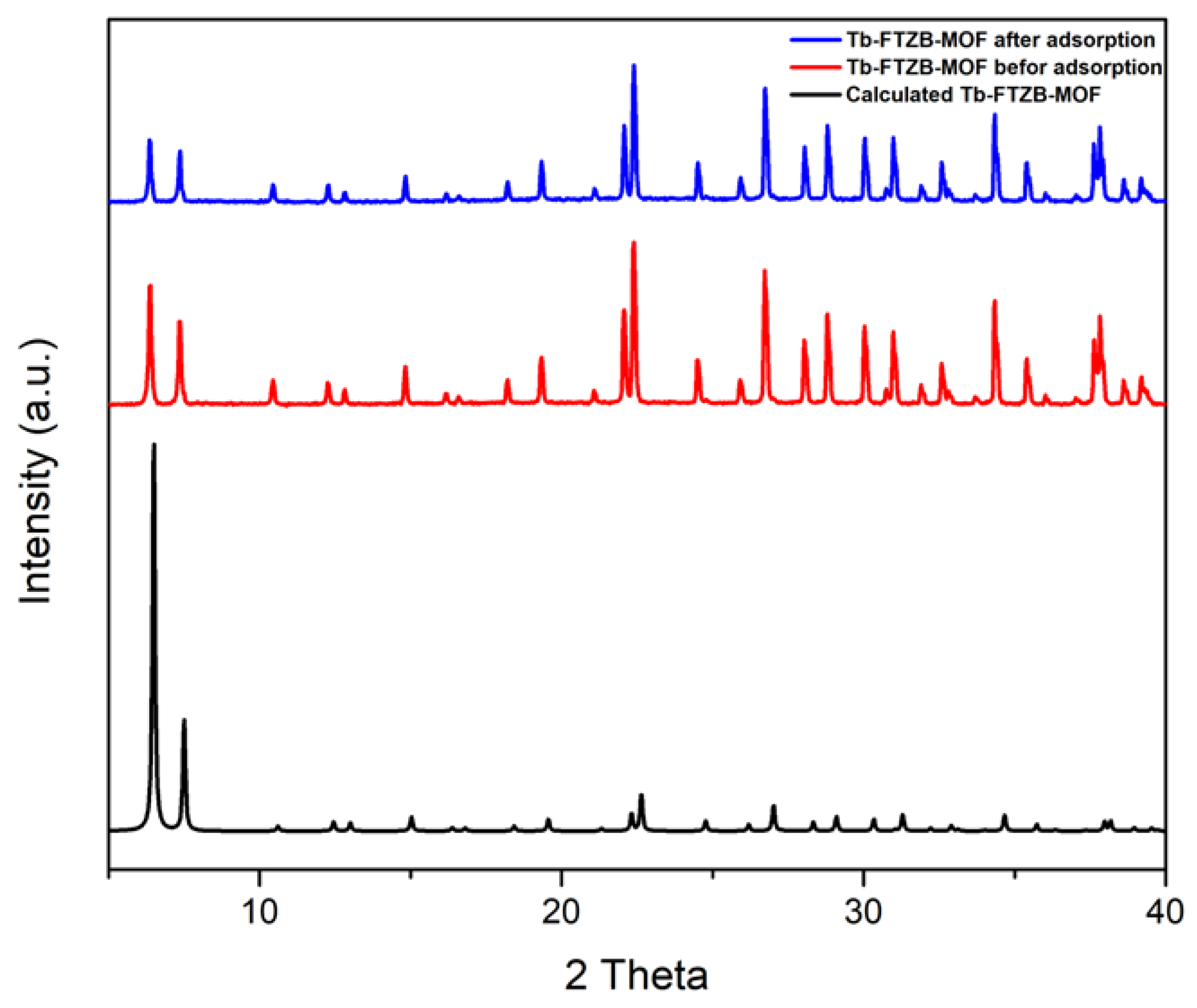
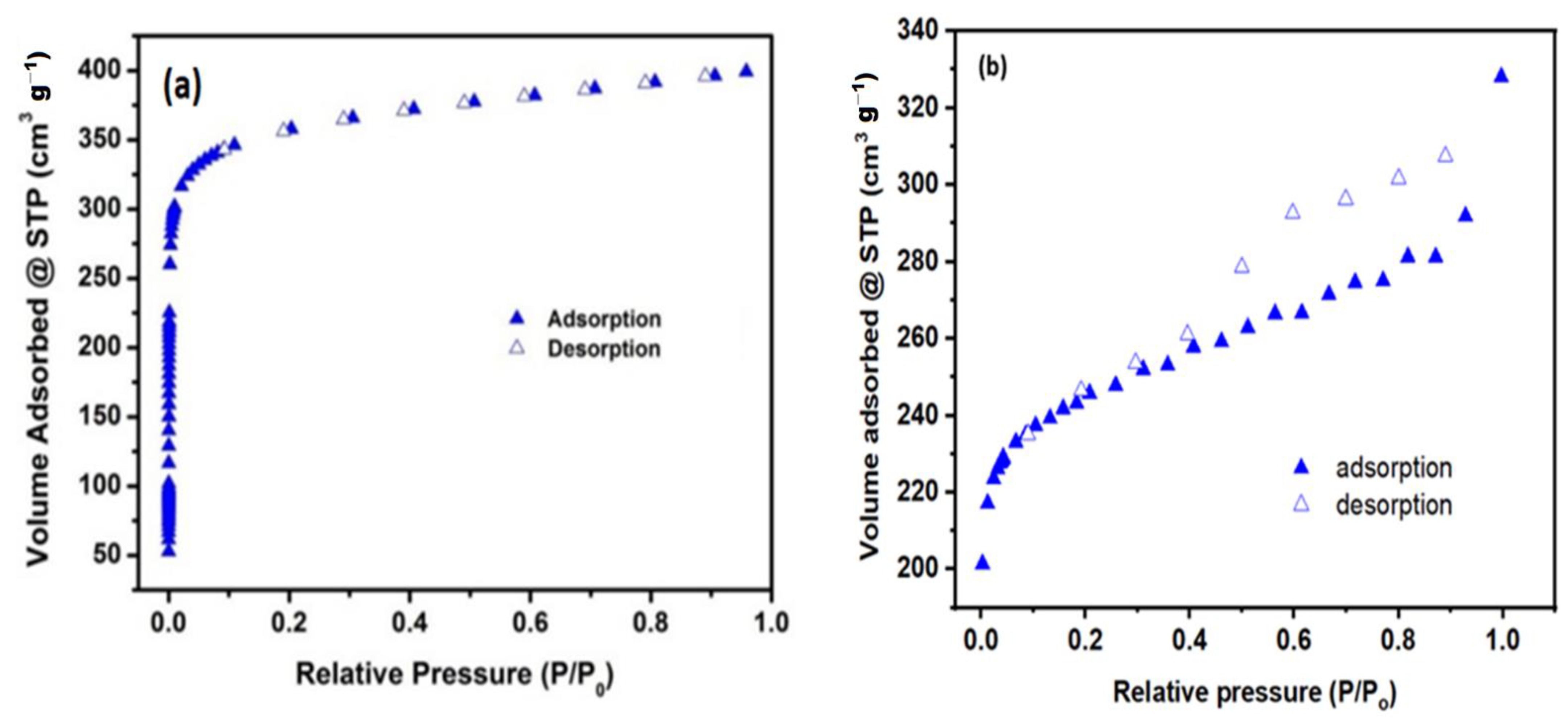
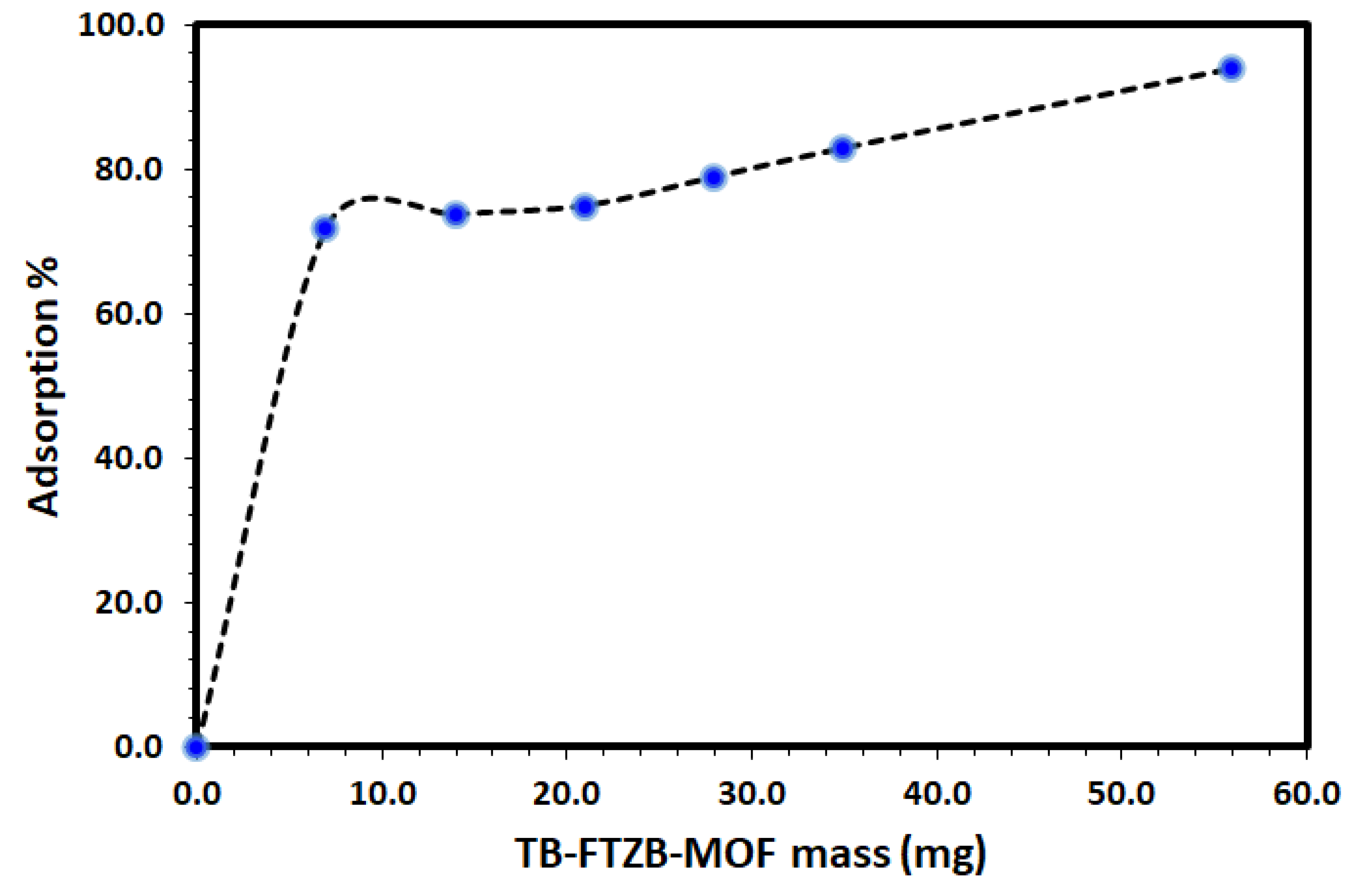
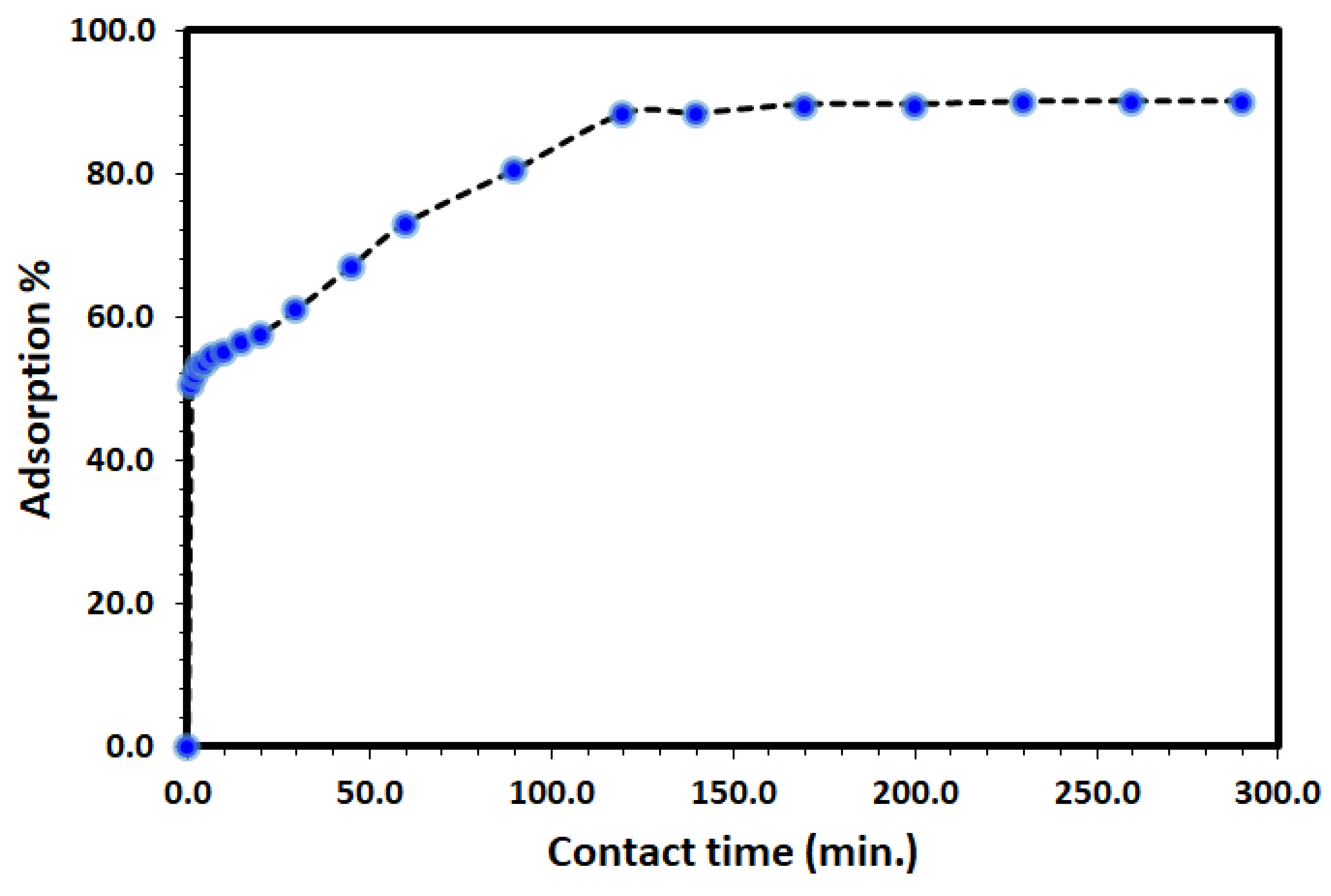
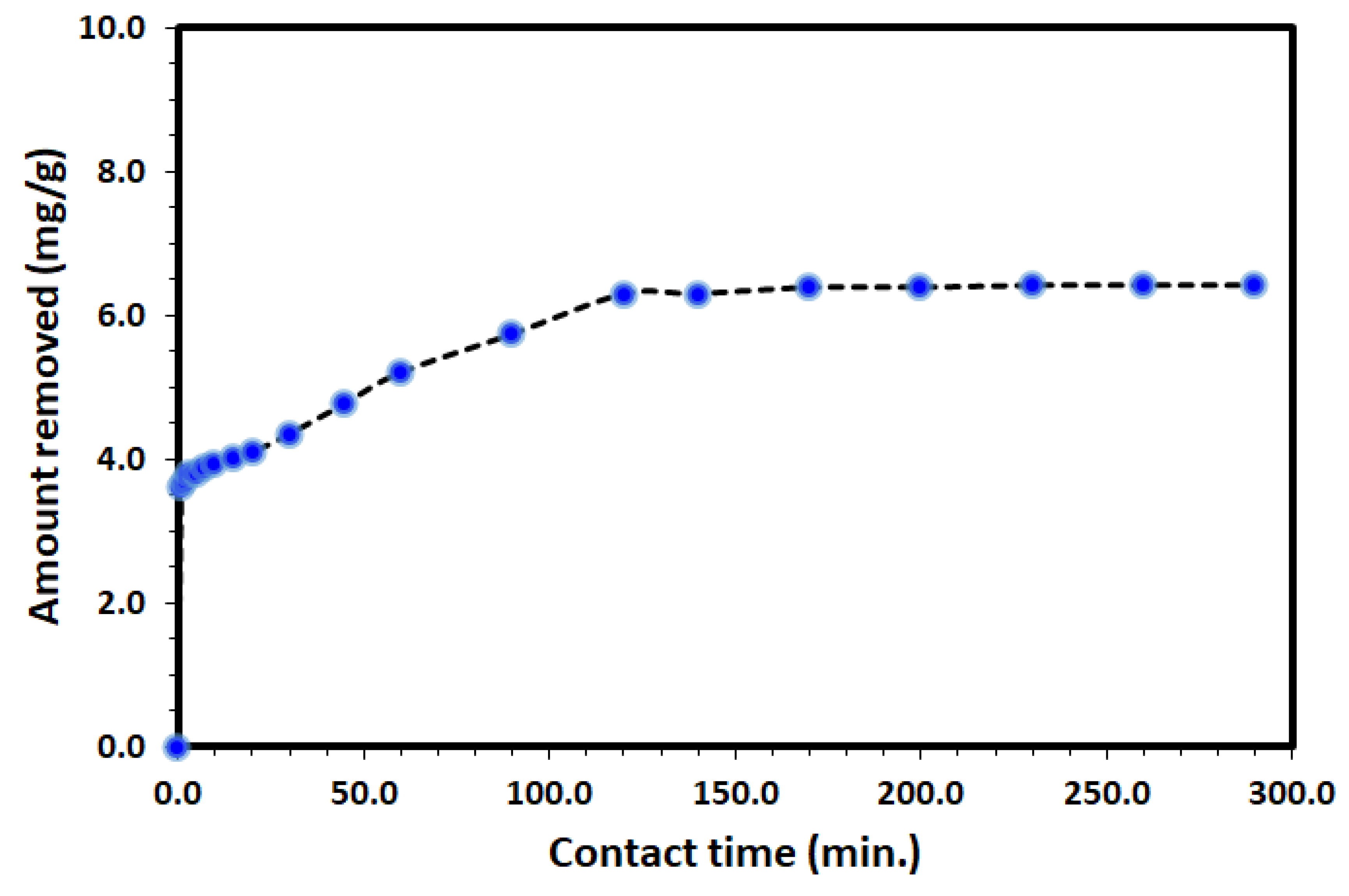
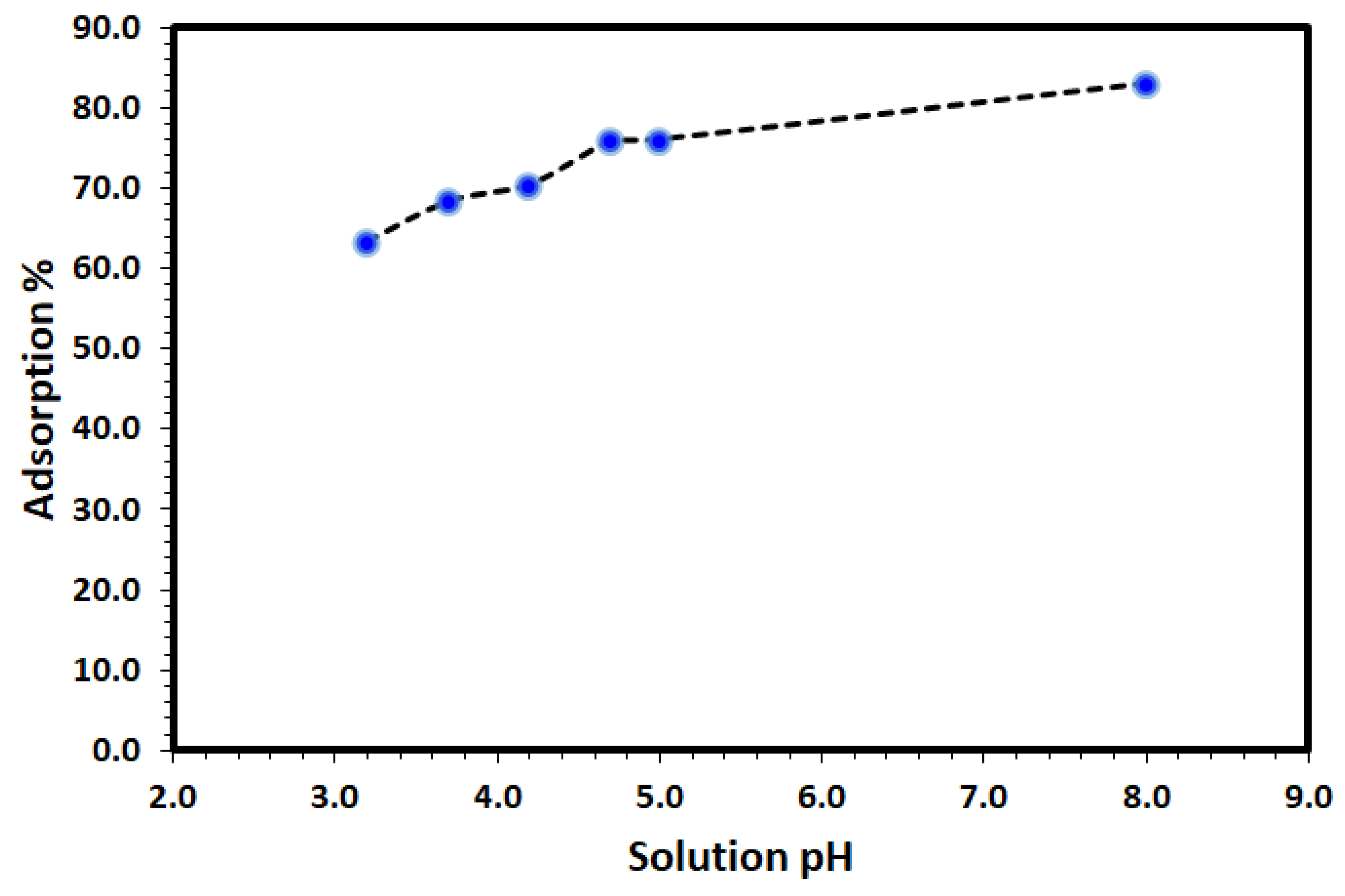
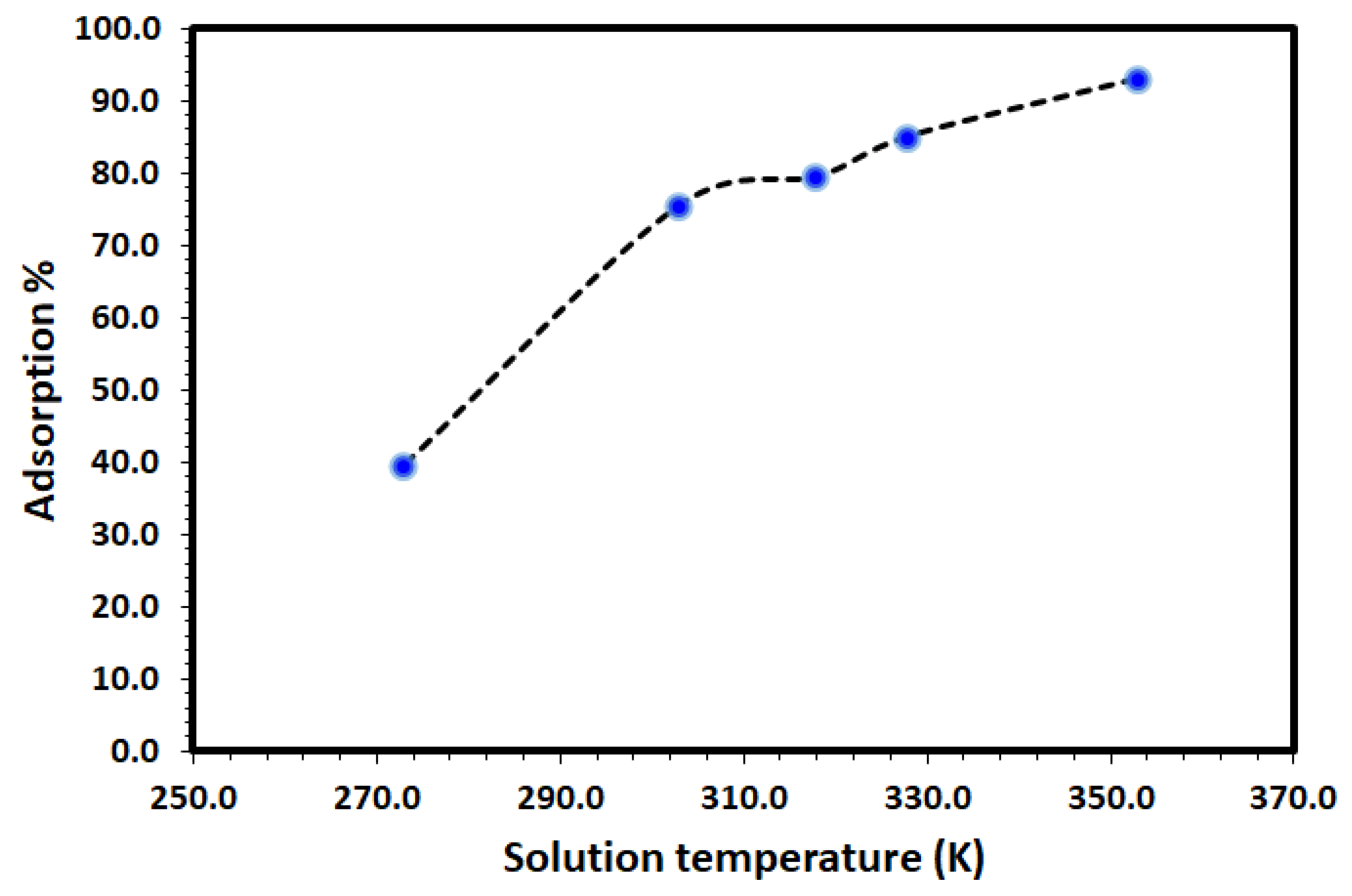
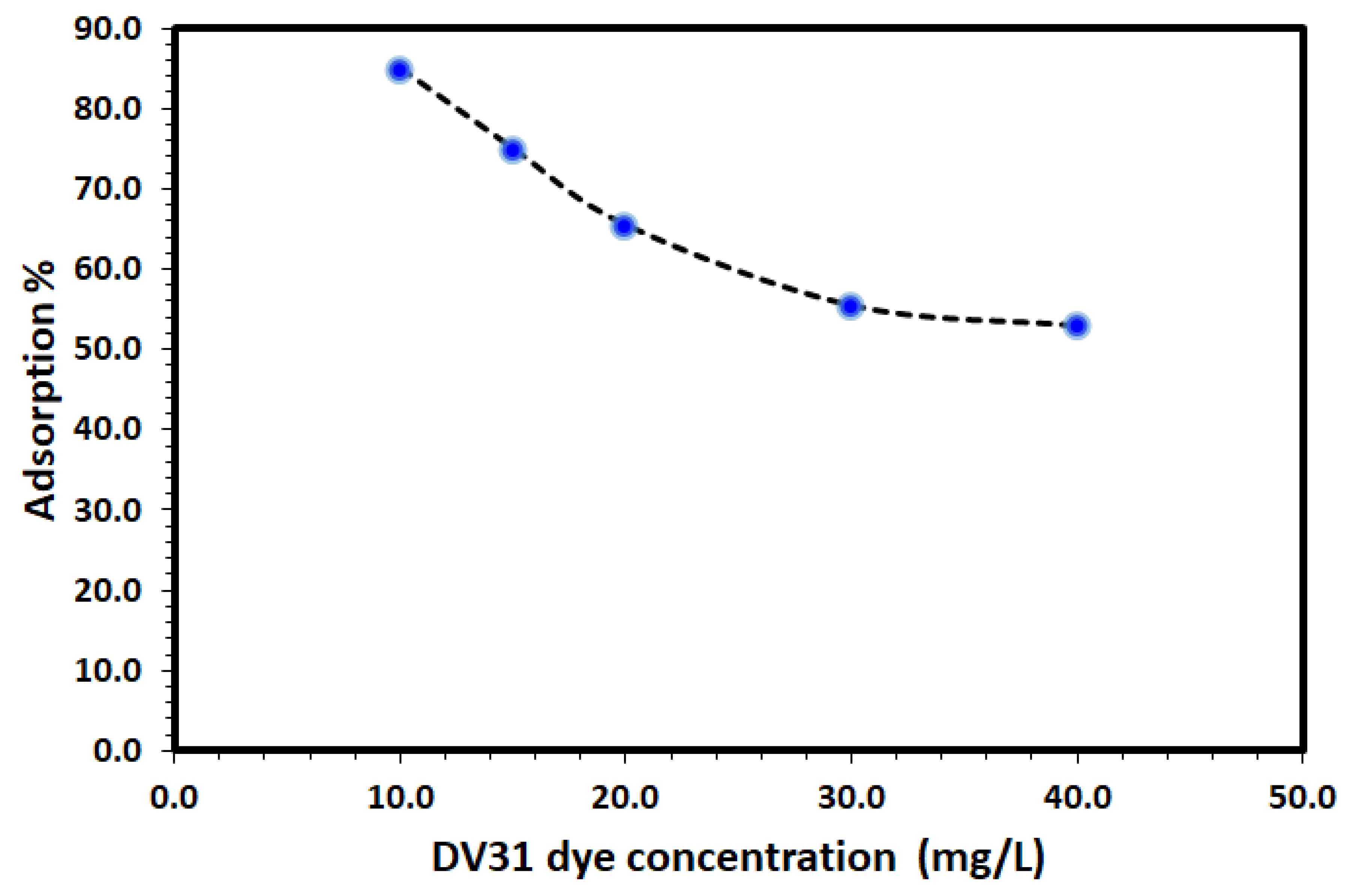
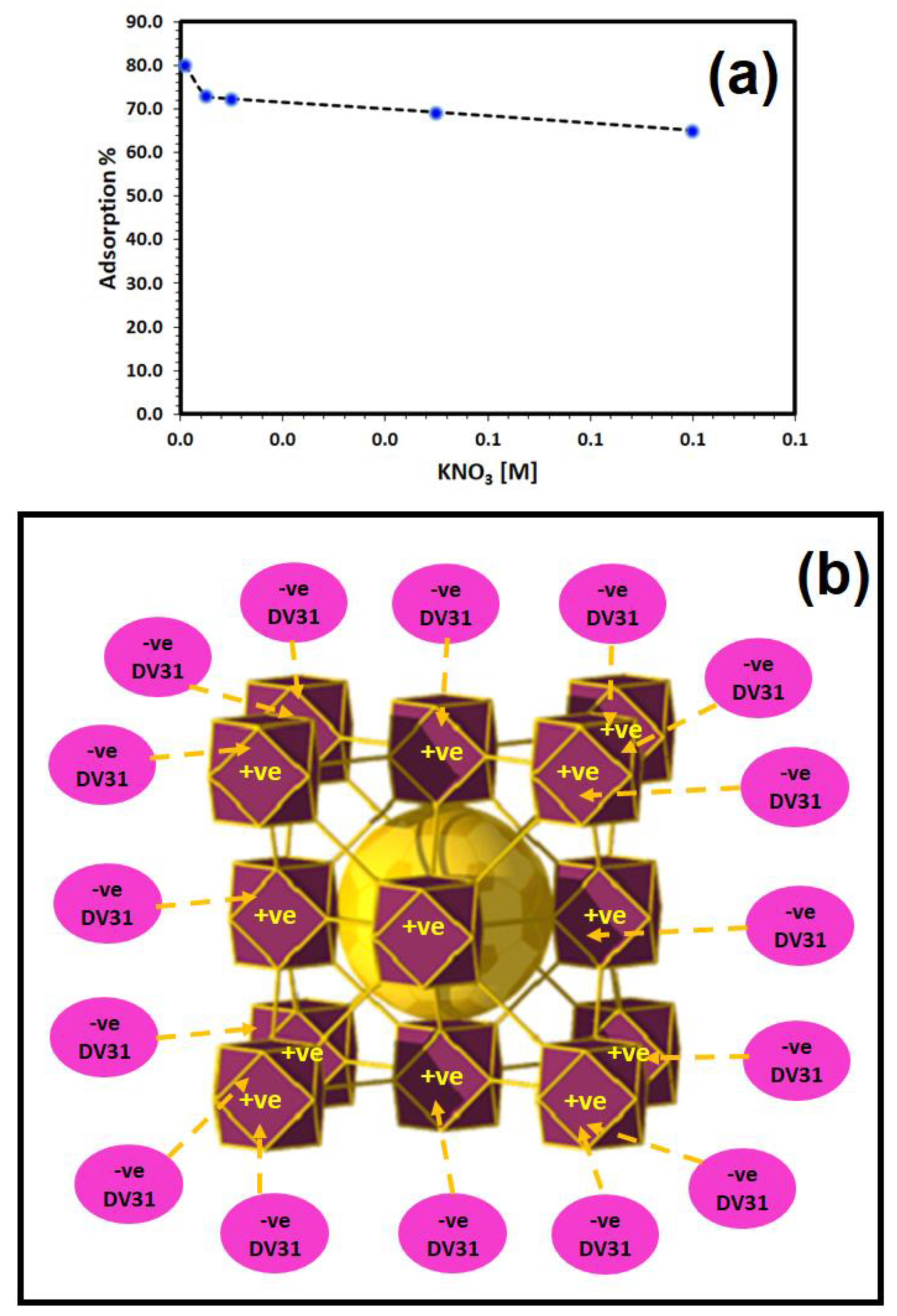
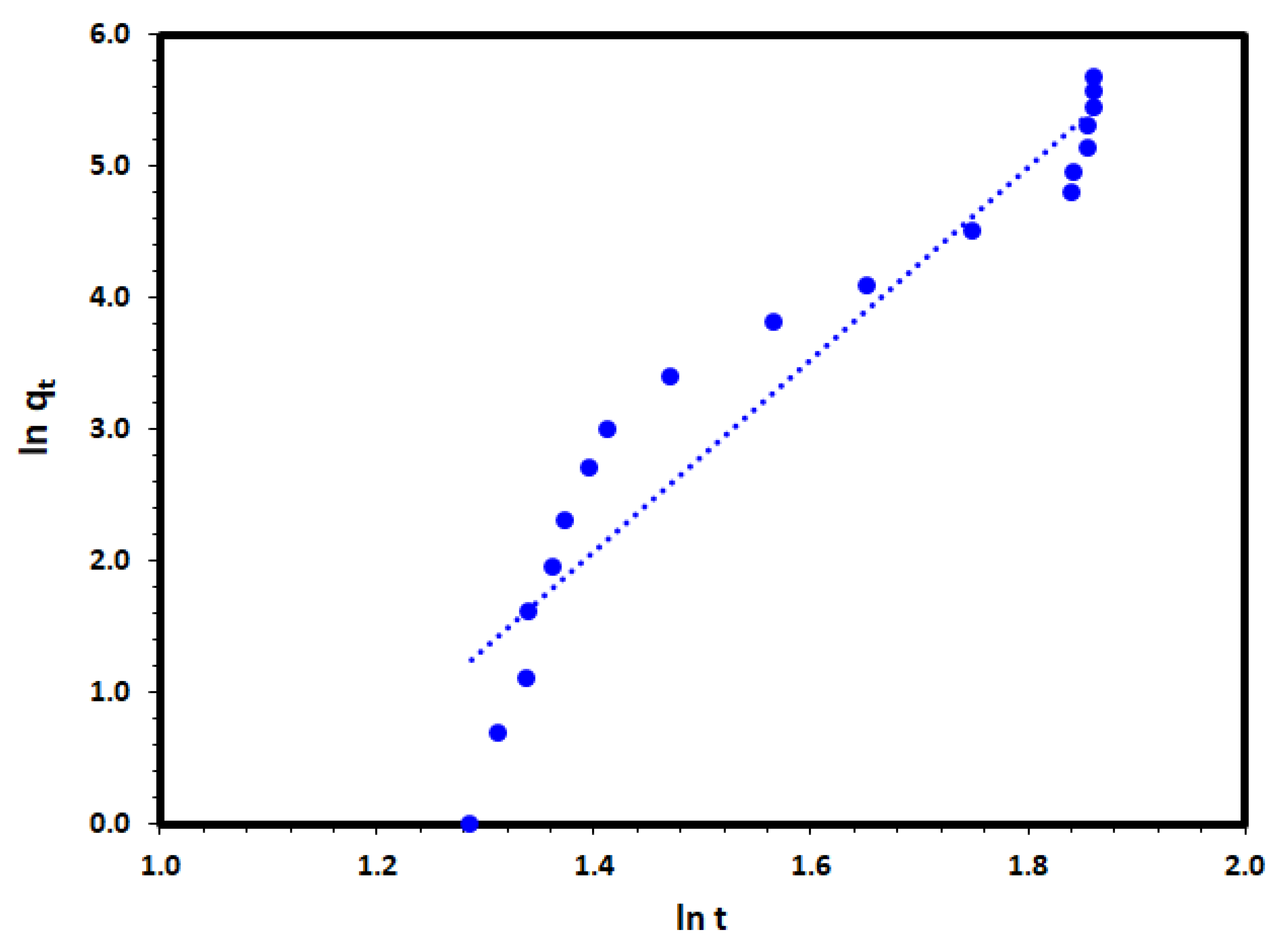
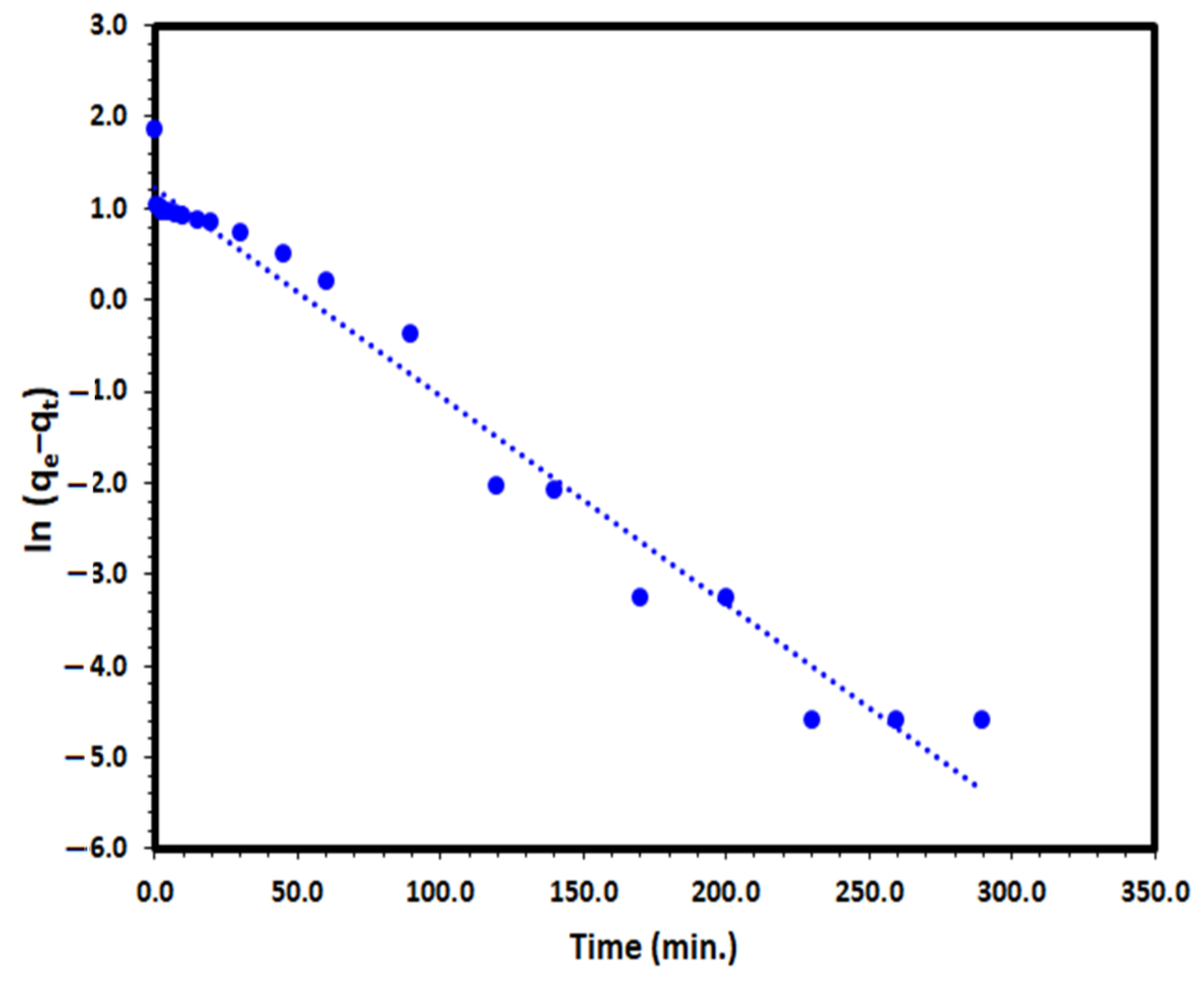
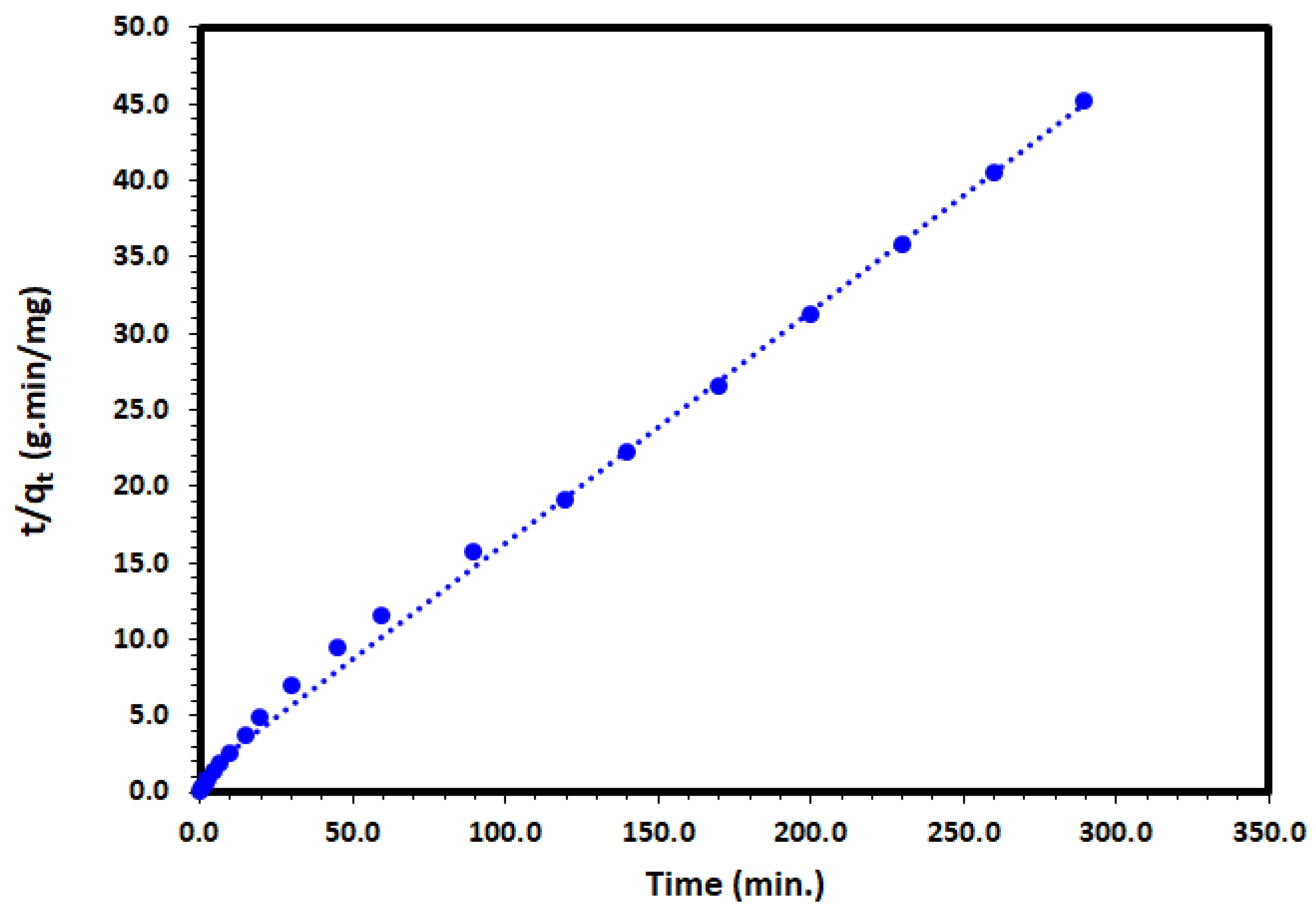
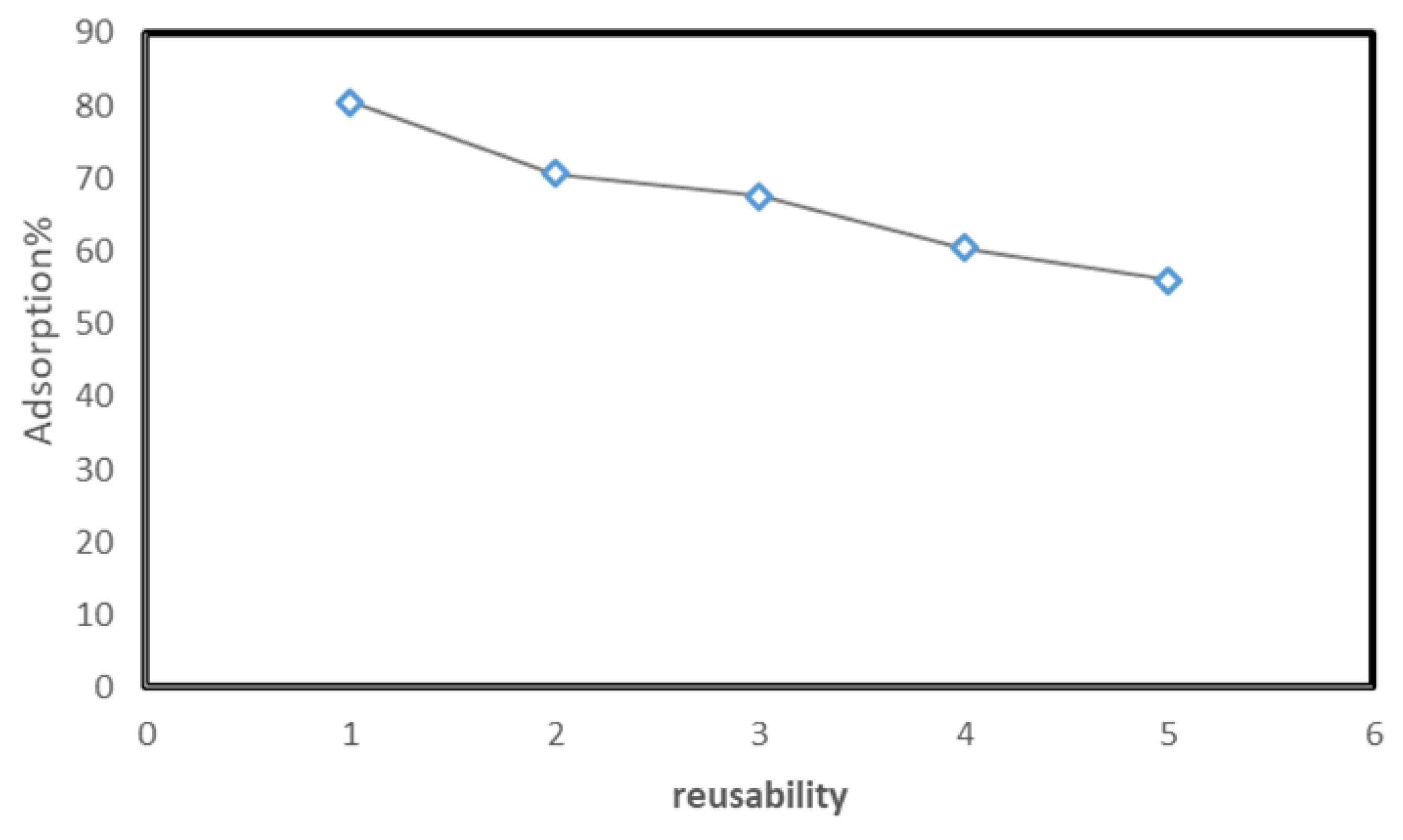
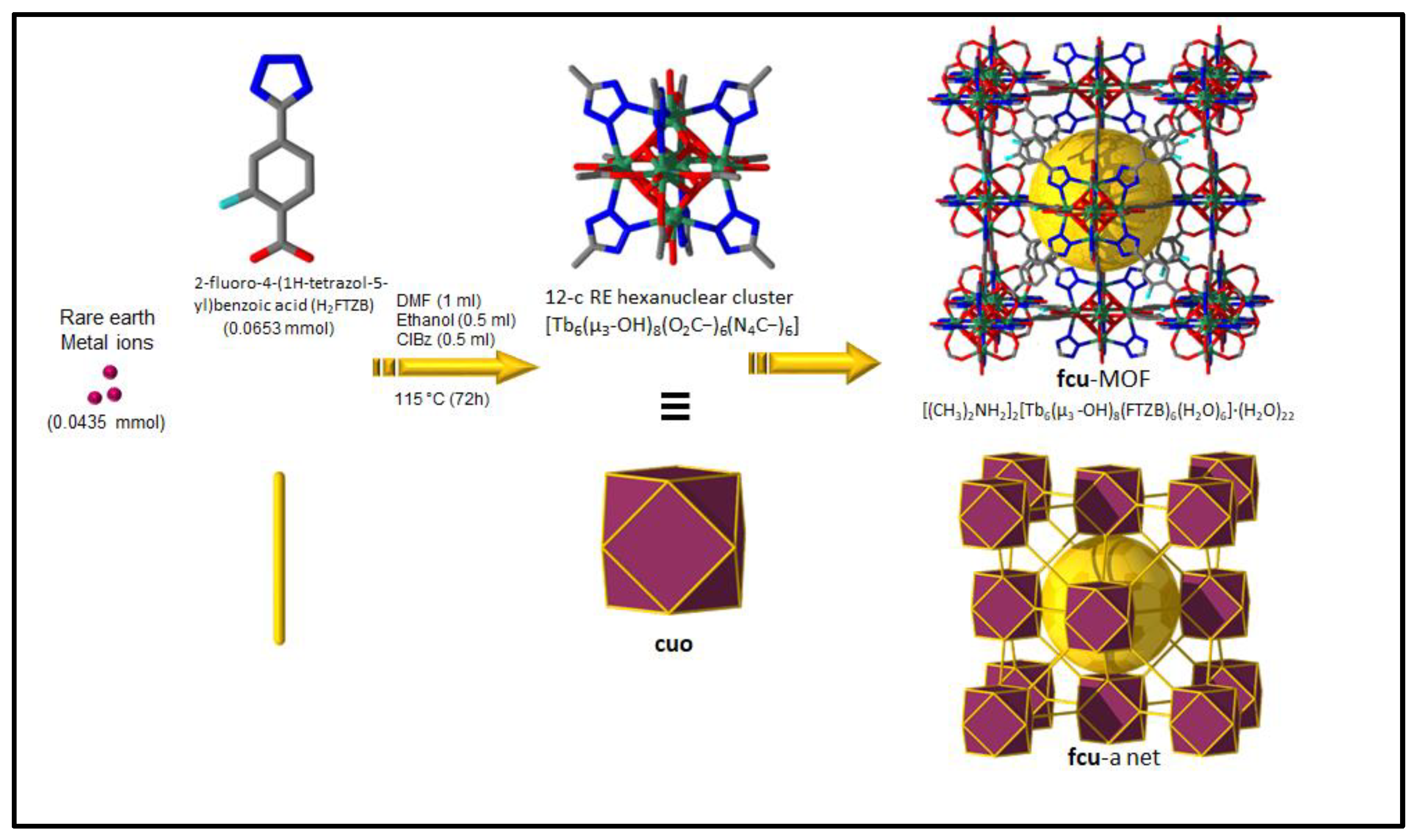
In the present study, terbium-based metal-organic frameworks (MOFs) based on fcu topology, fcu-Tb- FTZB-MOF, was synthesized using 2-fluoro-4-(1H-tetrazol-5-yl)benzoic acid (FTZB) as a linear ligand, and then was characterized using powder X-ray diffraction (PXRD) and Brunauer-Emmett-Teller (BET) analysis and to study the texture properties of the Tb-FTZB-MOF. The characterization results confirmed the successful synthesis of the high surface area Tb-FTZB-MOF (1220 m2/g). The synthesized Tb-FTZB-MOF was then applied as a catalytic adsorbent to remove direct violet 31 (DV31) dye as an example of organic pollutants, from a model and real solution. The effect of various operational parameters such as adsorbent loading, contact time, initial DV31 dye concentration, initial solution pH, different water matrix, temperature, and ionic strength have also been evaluated. Solution pH and temperature significantly influenced the adsorption of DV31 dye using Tb-FTZB-MOF, and the results should efficiently remove the DV31 dye at ambient temperature, and at pH value of 8.0 using 35 mg Tb-FTZB-MOF, within few minutes. The process was studied kinetically and found to follow the pseudo-second-order kinetic model, and thermodynamically the process was spontaneous, endothermic, with a positive entropy. Finally, the result showed that Tb-FTZB-MOF was able to adsorb a high percentage of DV31 dye and maintained reasonable efficiency even after five cycles, indicating that Tb-FTZB-MOF could be a promising adsorbent in wastewater remediation.
Keywords: Tb-FTZB-MOF; adsorbent; direct violet 31; adsorption; kinetic models Tb-FTZB-MOF; adsorbent; direct violet 31; adsorption; kinetic models