Article

Photocatalytic Degradation of Chlorpyrifos with Mn-WO3/SnS2 Heterostructure

by
Charlie M. Kgoetlana
,
Soraya P. Malinga
and
Langelihle N. Dlamini
*
Department of Chemical Sciences, University of Johannesburg, Doornfontein Campus, P.O. Box 17011, Doornfontein, Johannesburg 2028, South Africa
*
Author to whom correspondence should be addressed.
Catalysts 2020, 10(6), 699; https://doi.org/10.3390/catal10060699
Submission received: 21 May 2020 / Revised: 3 June 2020 / Accepted: 4 June 2020 / Published: 21 June 2020

Abstract

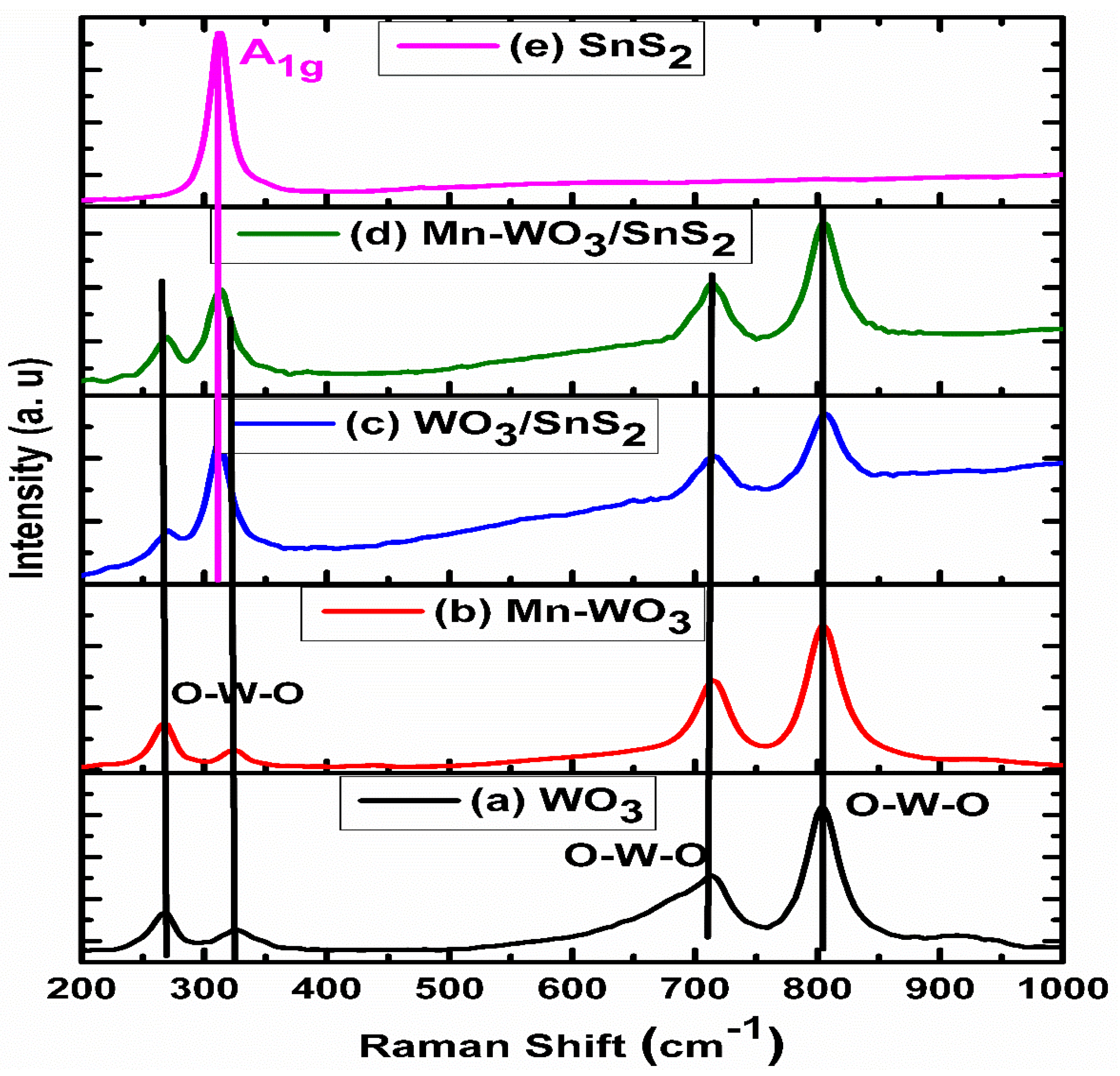
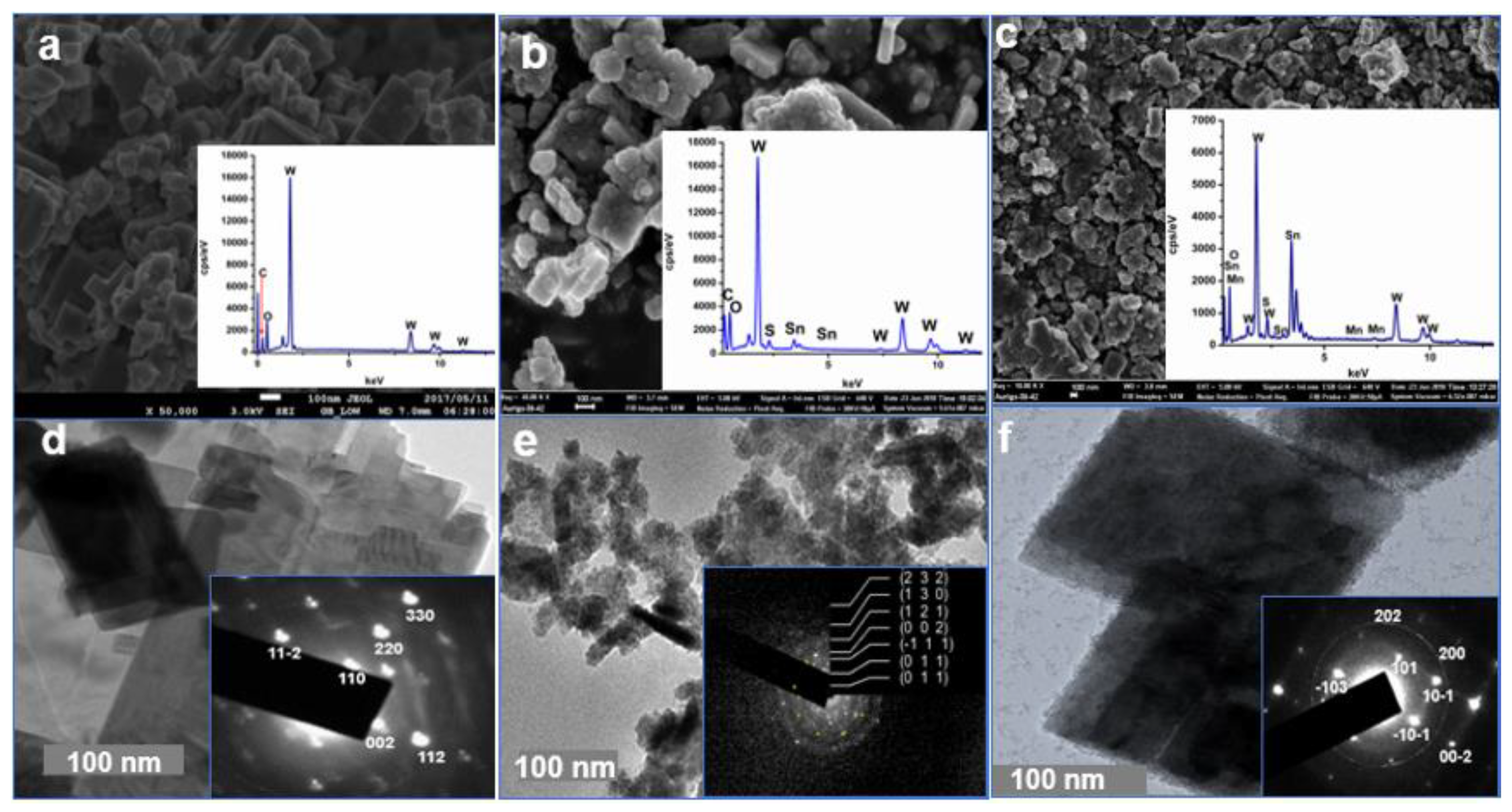
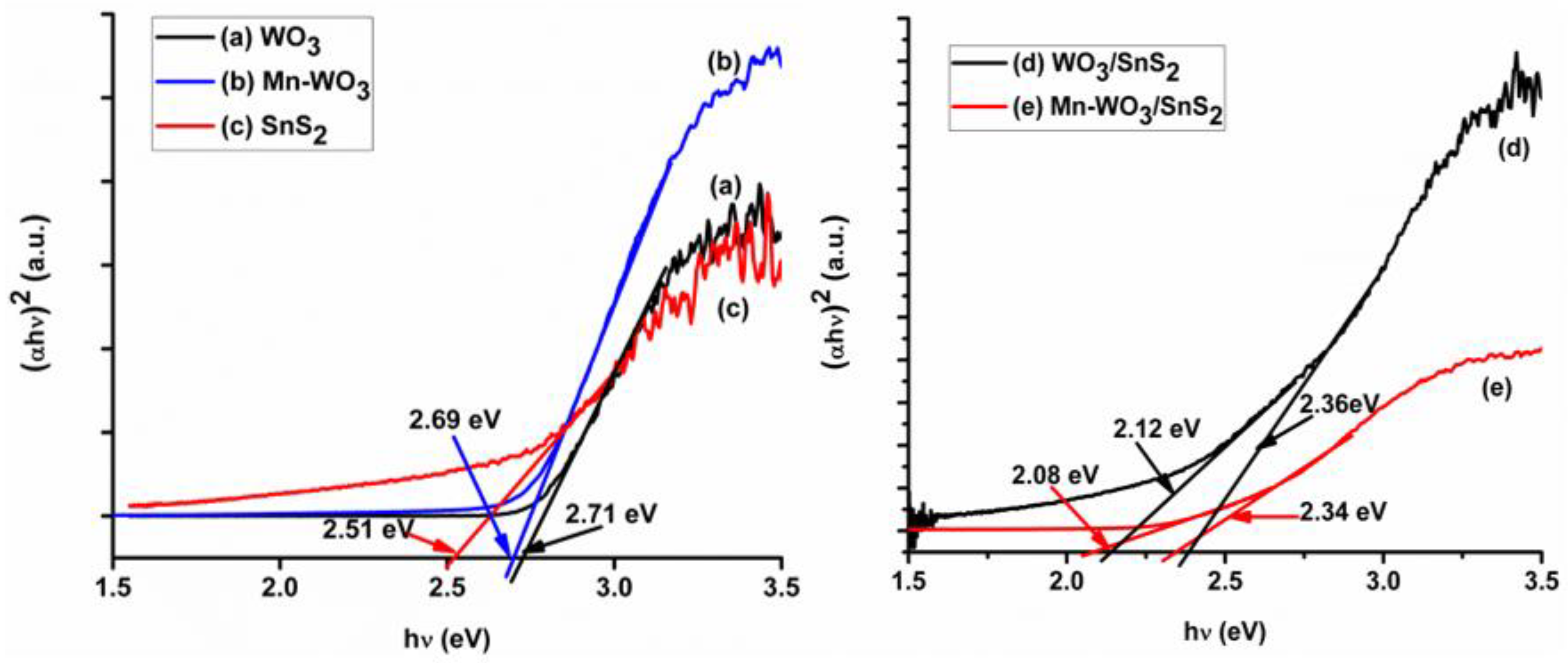
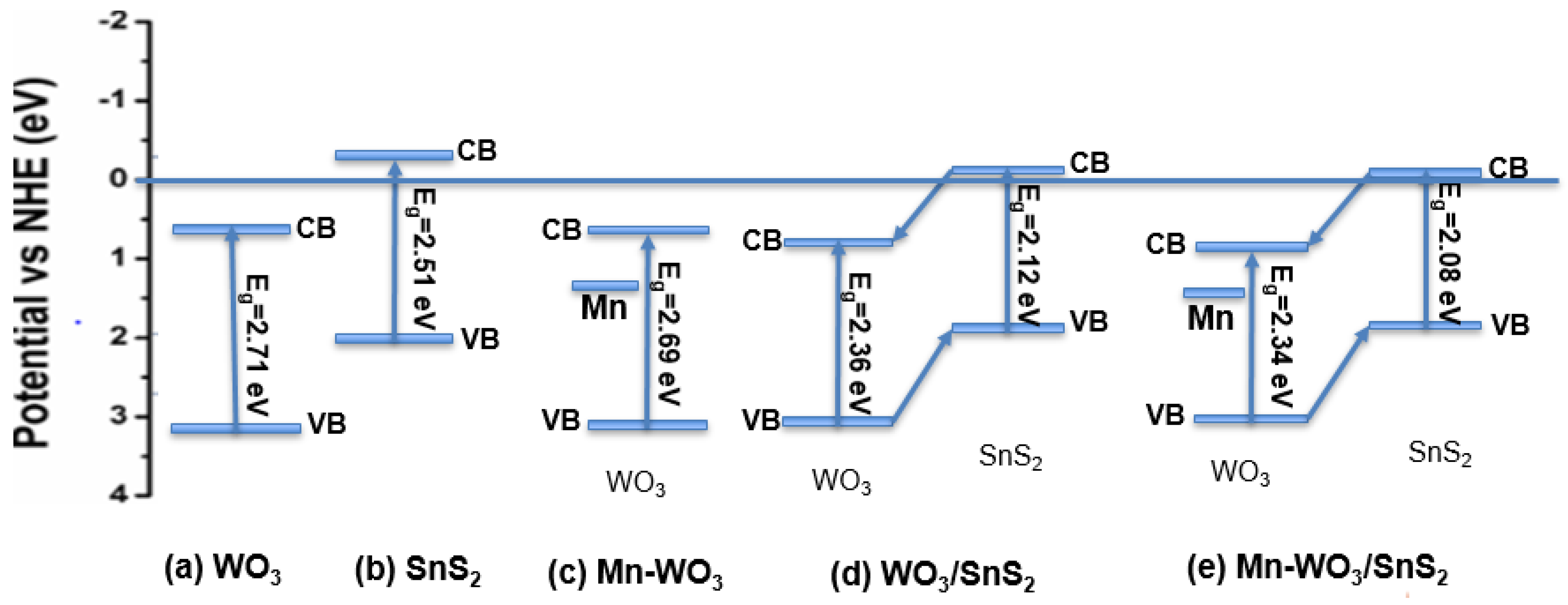
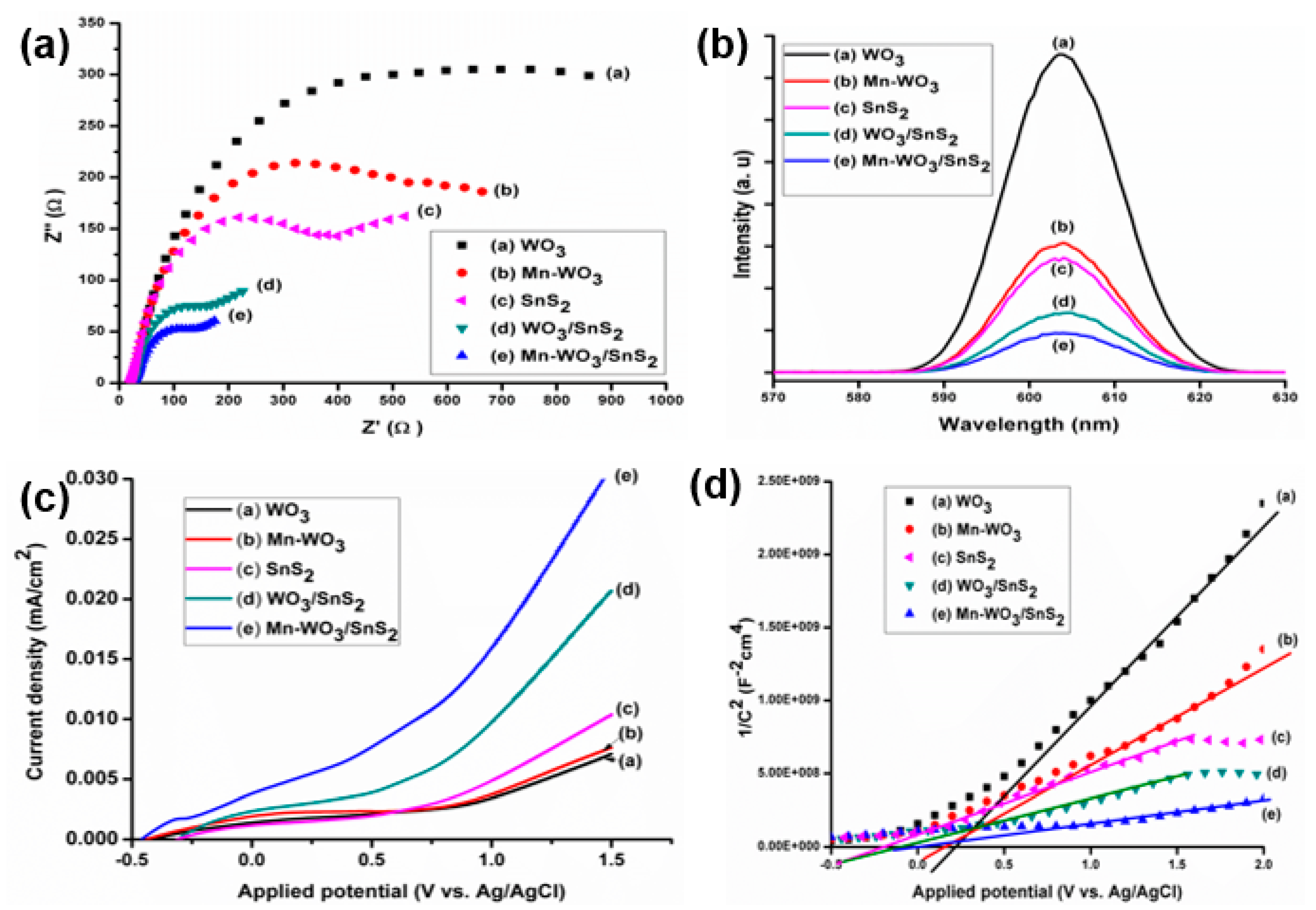
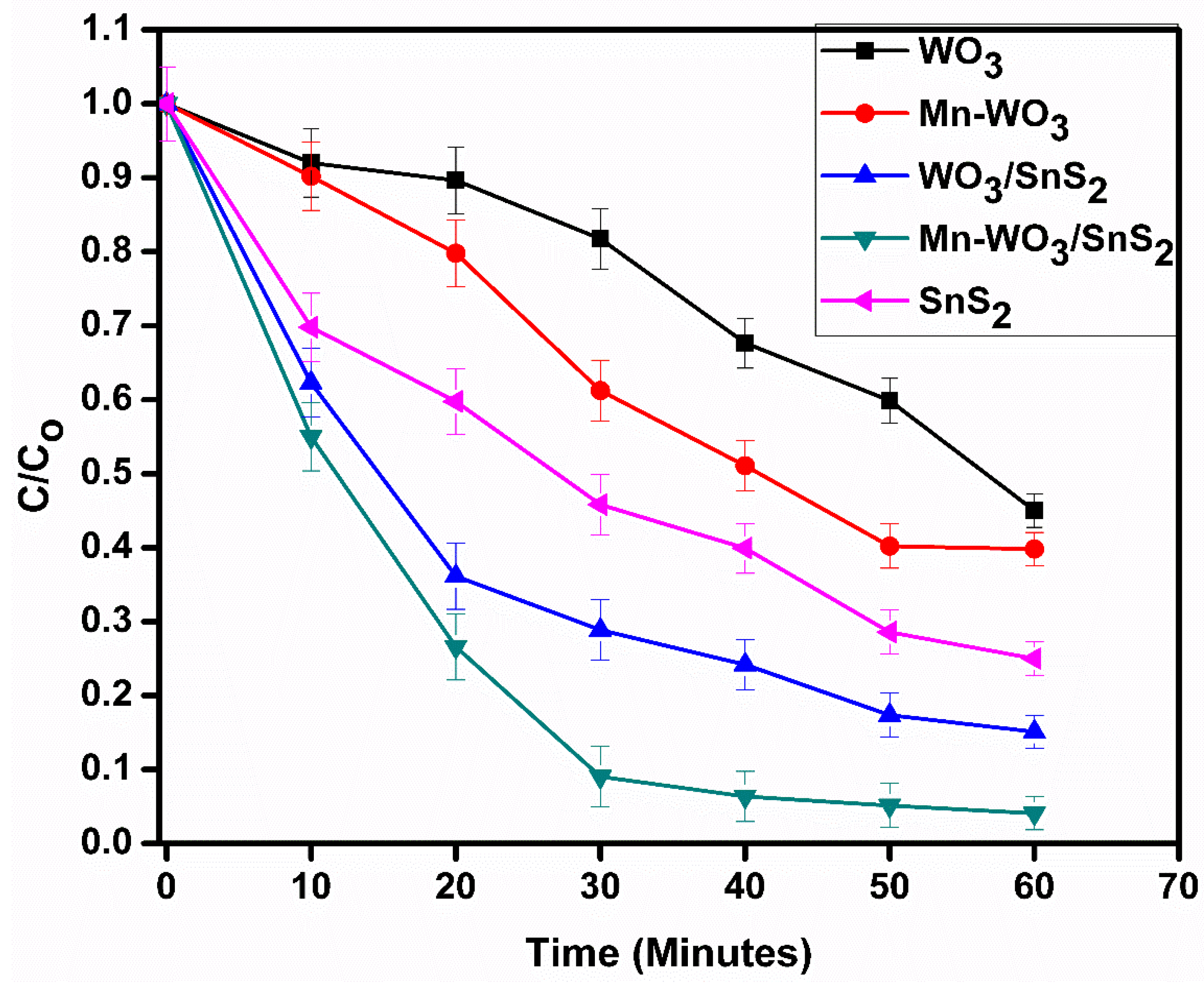
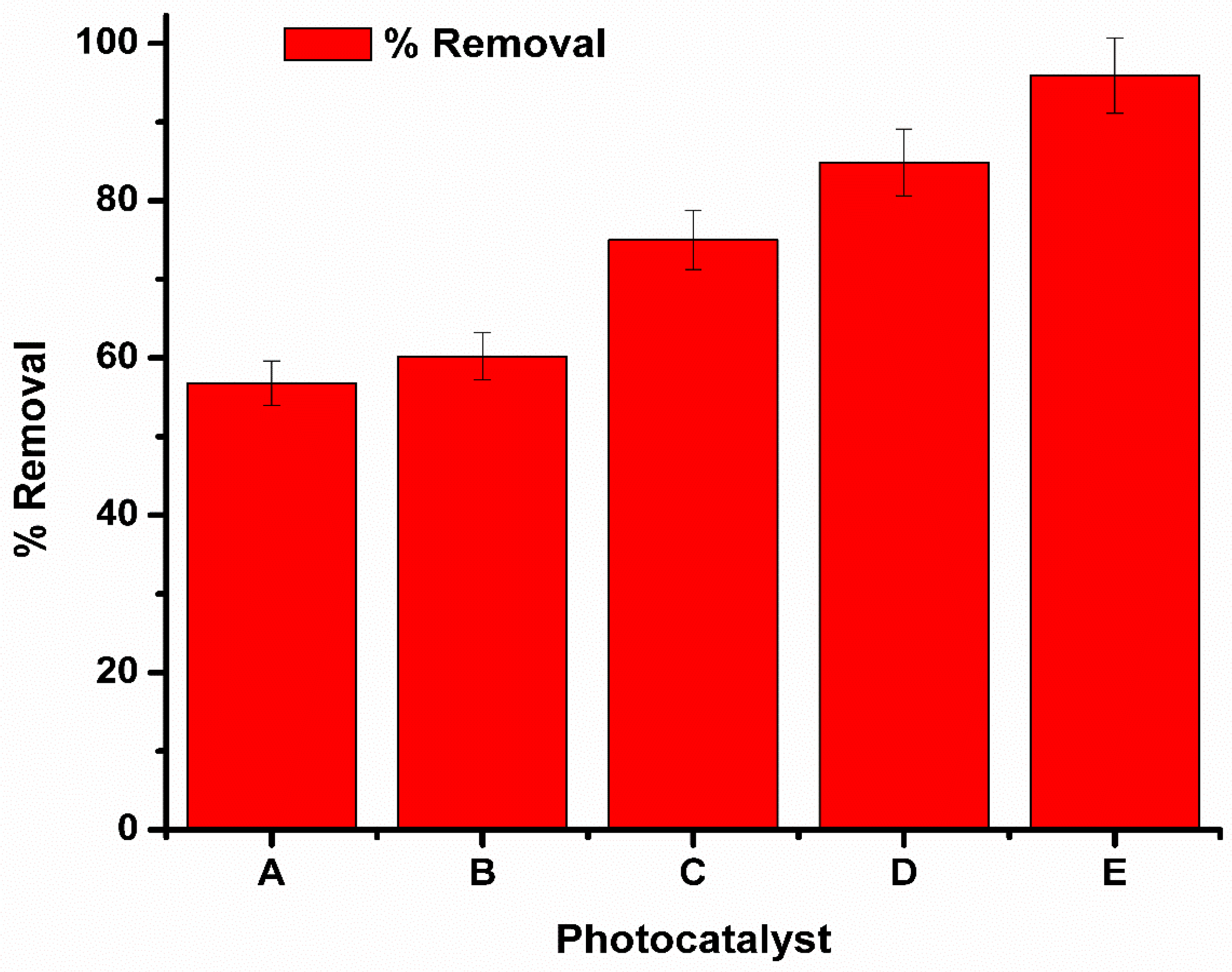
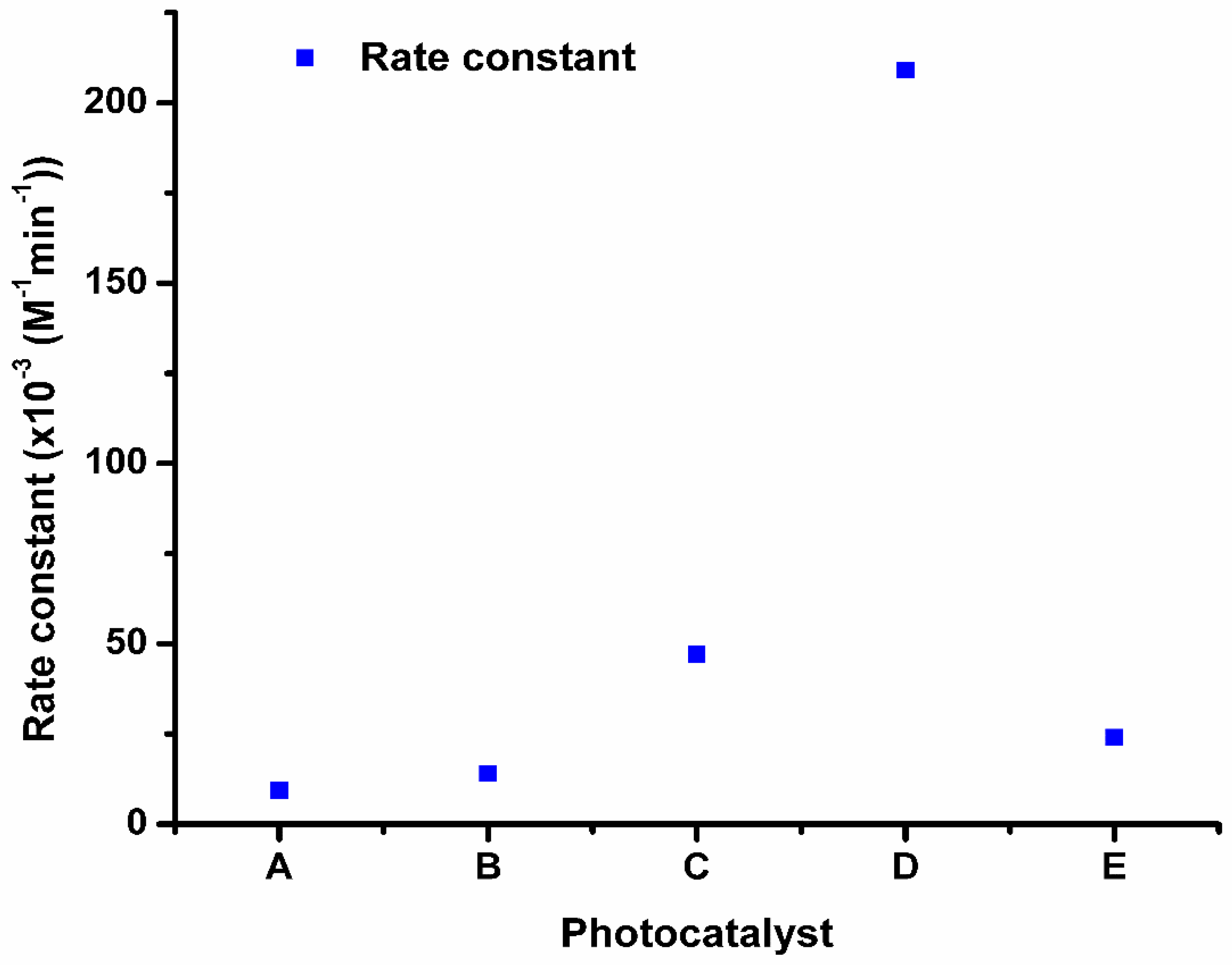
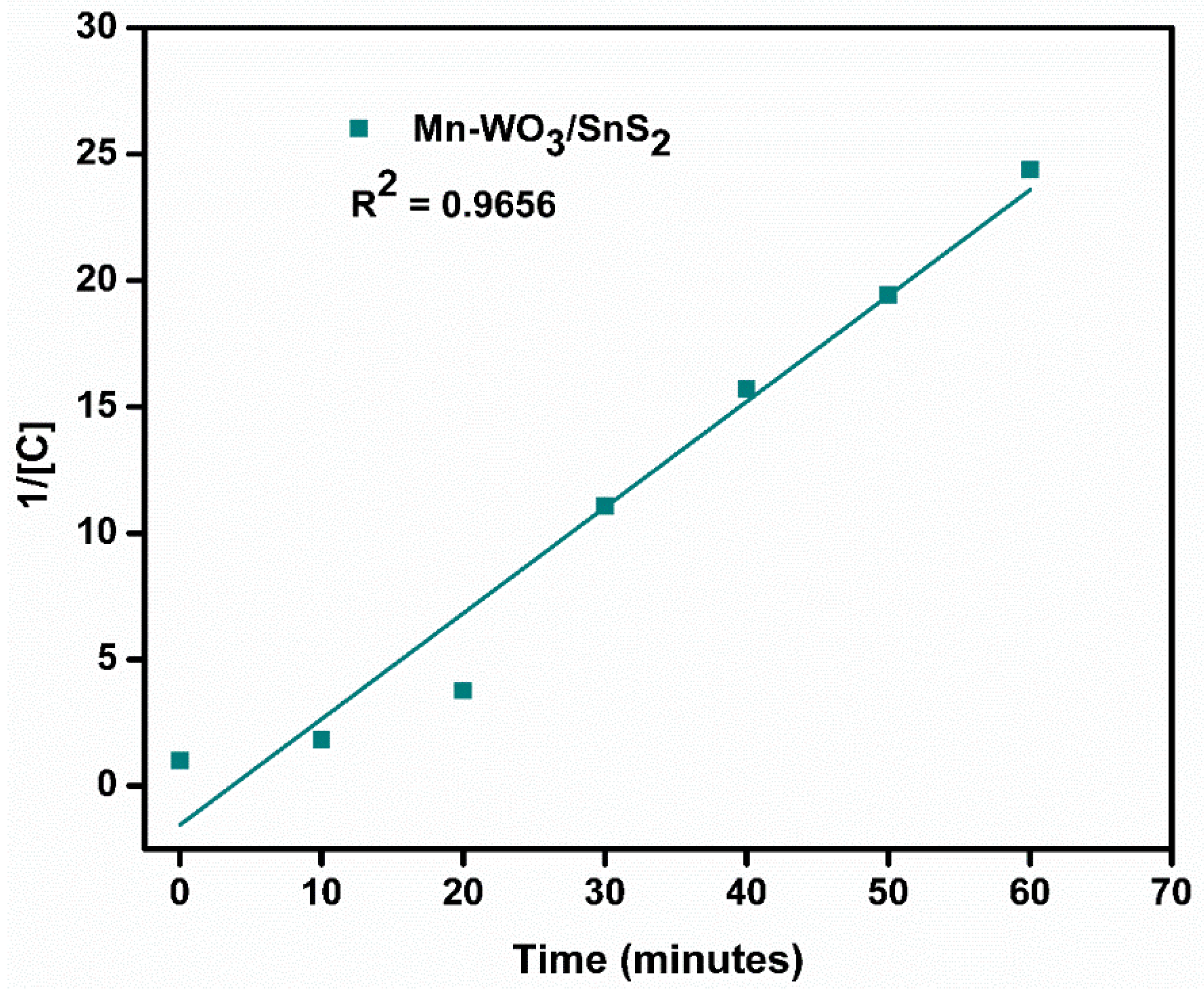
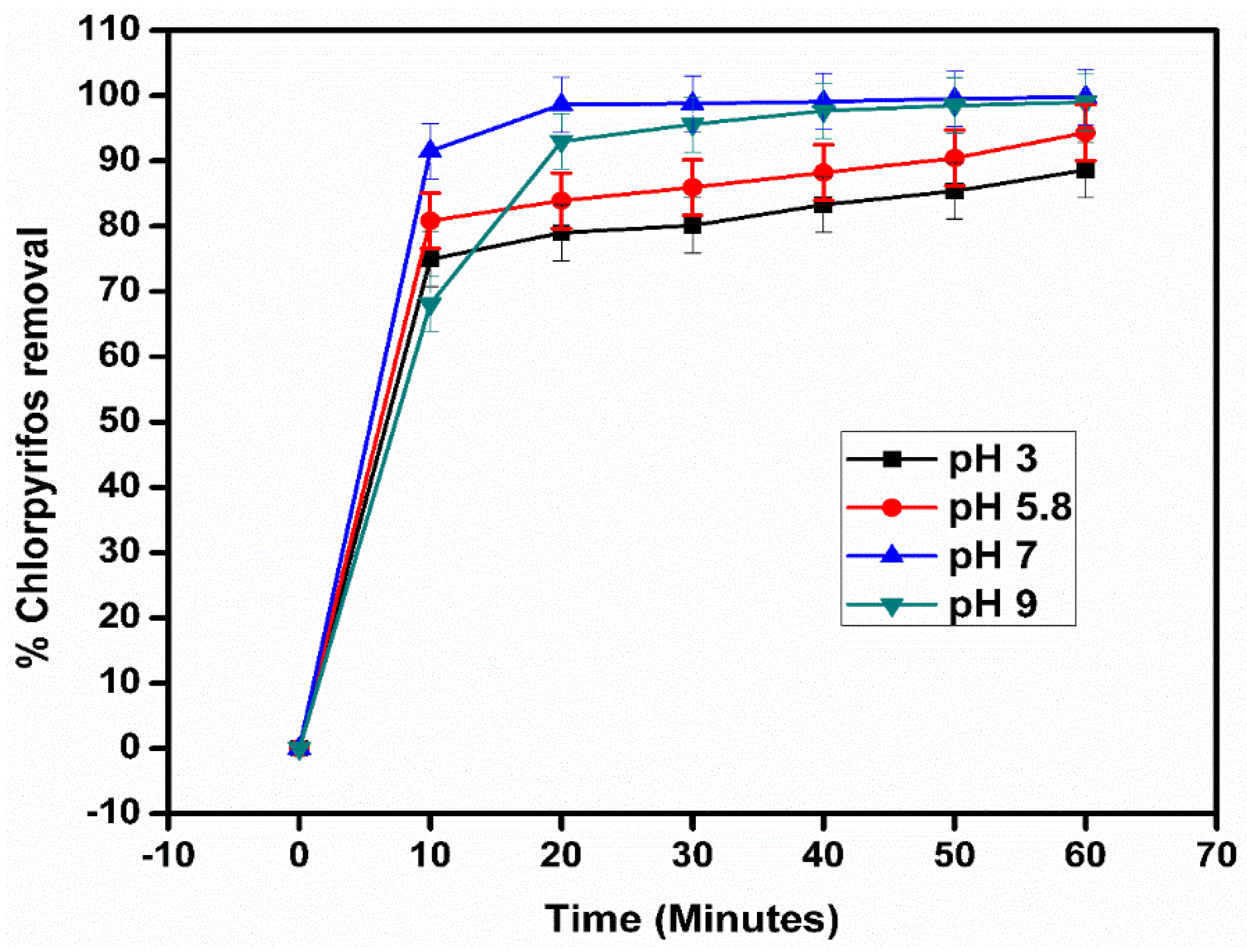
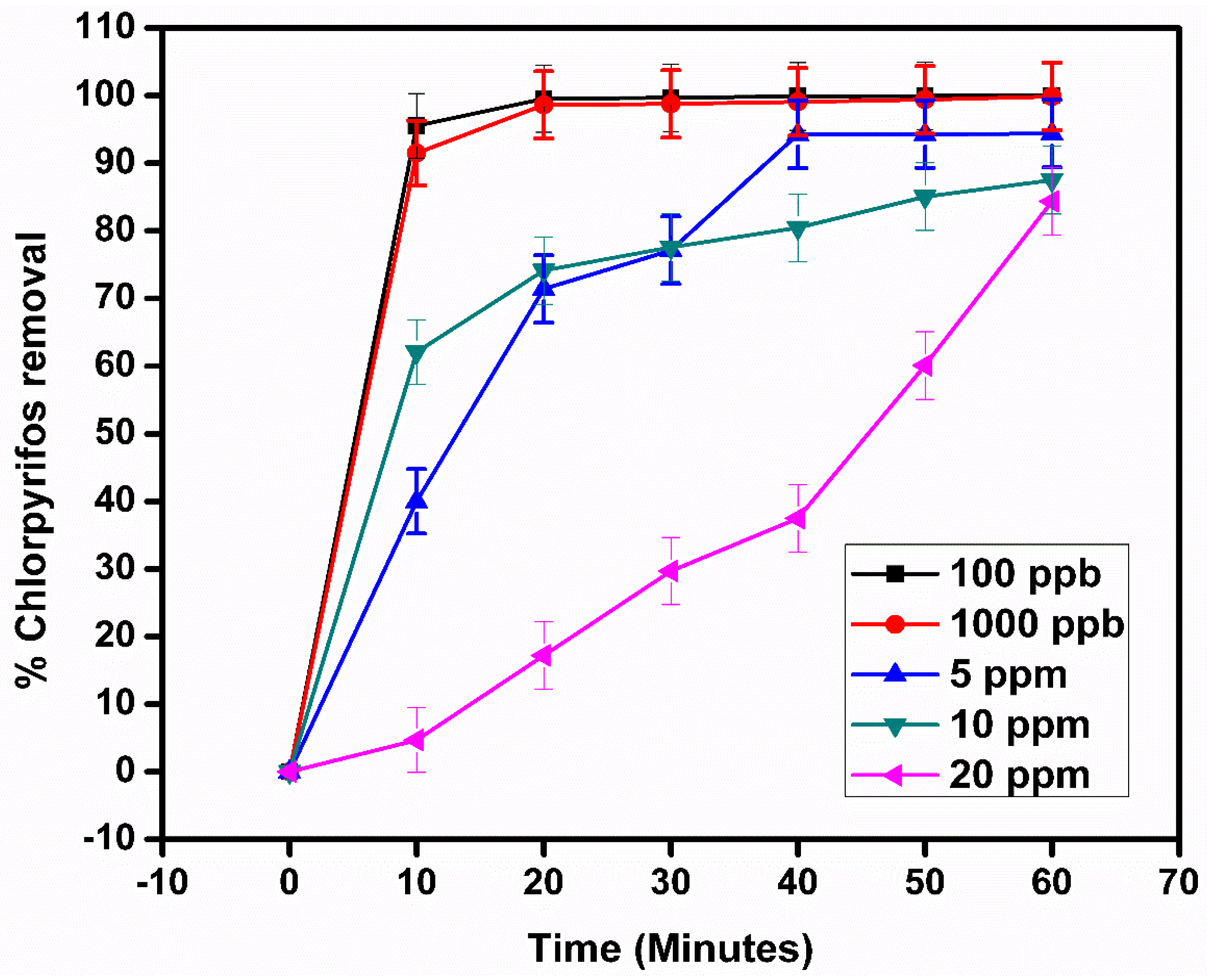
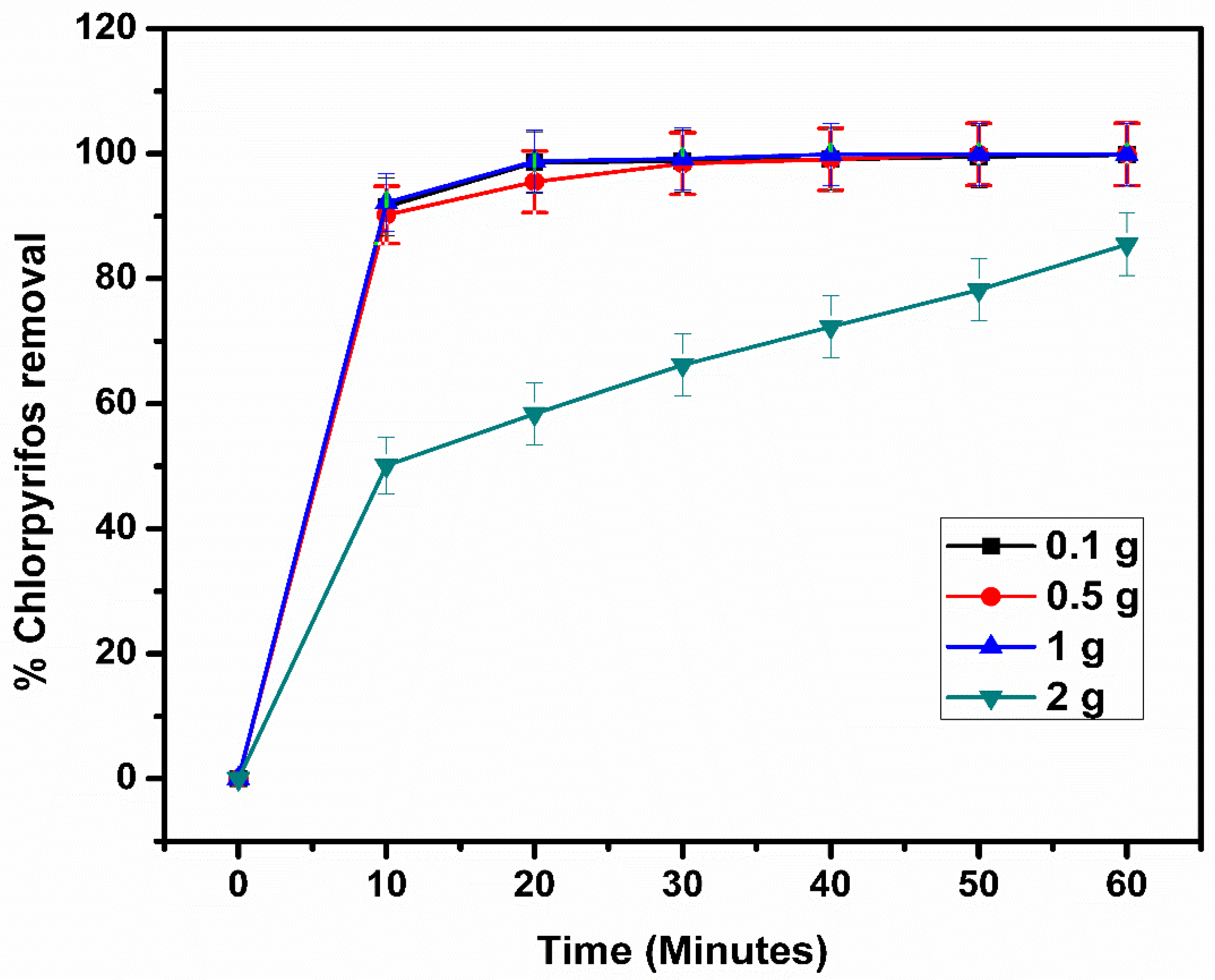
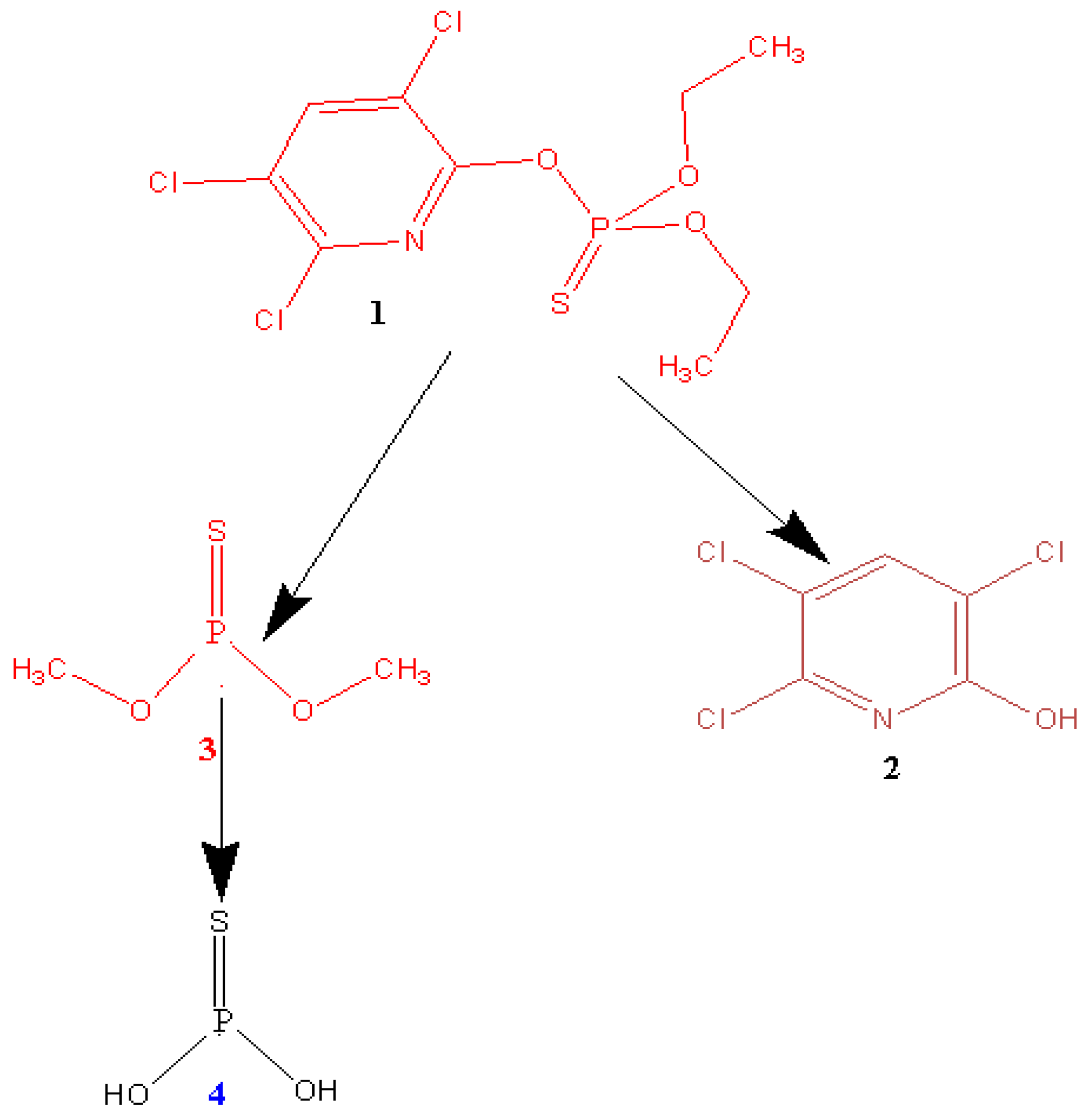
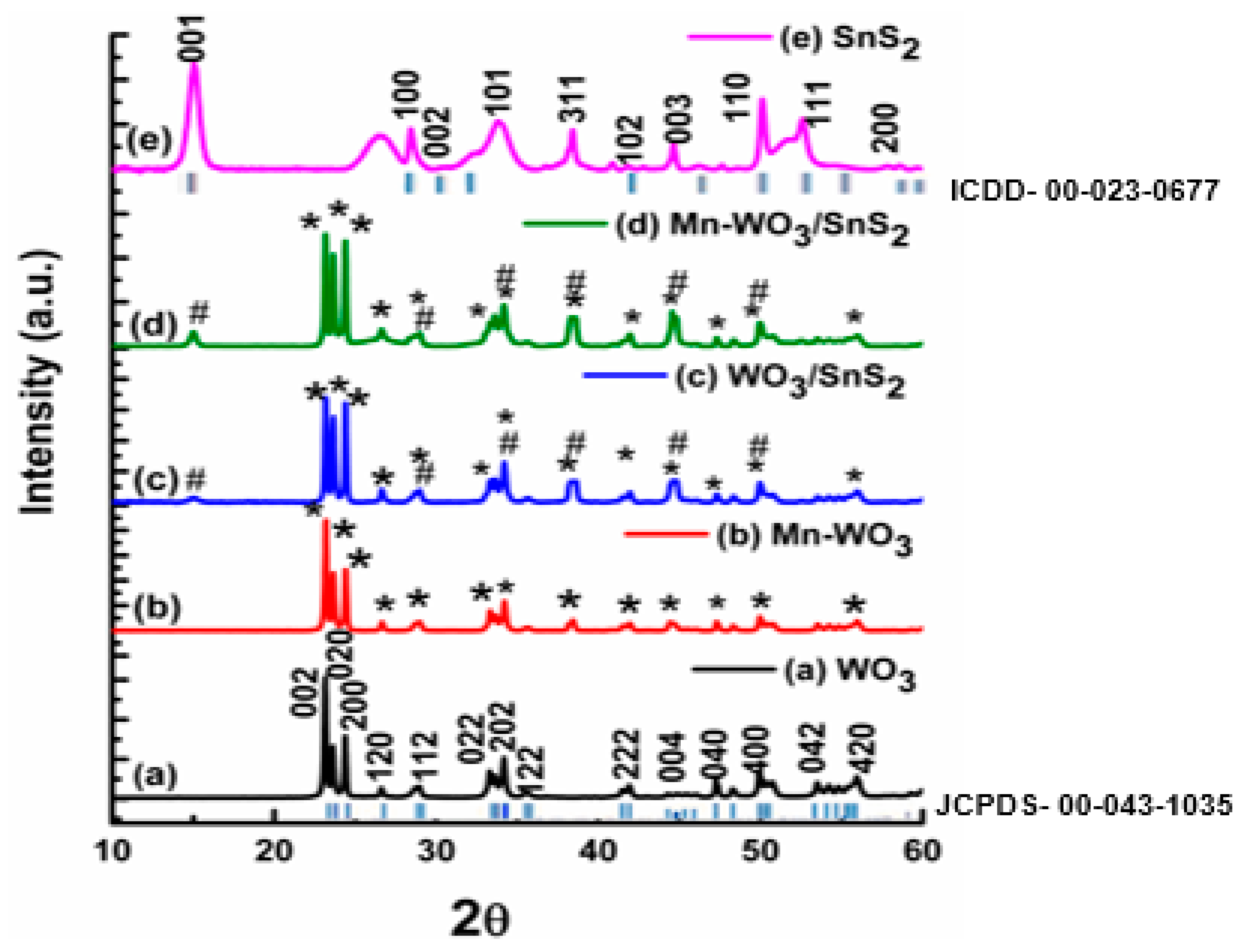
Tungsten trioxide (WO3) is a photocatalyst that has gained interest amongst researchers because of its non-toxicity, narrow band gap and superior charge transport. Due to its fast charge recombination, modification is vital to counteract this limitation. In this paper, we report on the fabrication of Mn-doped WO3/SnS2 nanoparticles, which were synthesised with the aim of minimising the recombination rates of the photogenerated species. The nanomaterials were characterised using spectroscopic techniques (UV-Vis-diffuse reflectance spectroscopy (DRS), Raman, XRD, photoluminescence (PL) and electrochemical impedance spectroscopy (EIS)) together with microscopic techniques (FESEM-EDS and high resolution transmission electron microscopy selected area electron diffraction (HRTEM-SAED)) to confirm the successful formation of Mn-WO3/SnS2 nanoparticles. The Mn-doped WO3/SnS2 composite was a mixture of monoclinic and hexagonal phases, confirmed by XRD and Raman analysis. The Mn-WO3/SnS2 heterojunction showed enhanced optical properties compared to those of the un-doped WO3/SnS2 nanoparticles, which confirms the successful charge separation. The Brunauer–Emmett–Teller (BET) analysis indicated that the nanoparticles were mesoporous as they exhibited a Type IV isotherm. These nanomaterials appeared as a mixture of rectangular rods and sheet-like shapes with an increased surface area (77.14 m2/g) and pore volume (0.0641 cm3/g). The electrochemical measurements indicated a high current density (0.030 mA/cm2) and low charge transfer resistance (157.16 Ω) of the Mn-WO3/SnS2 heterojunction, which infers a high charge separation, also complemented by photoluminescence with low emission peak intensity. The Mott–Schottky (M-S) plot indicated a positive slope characteristic of an nn heterojunction semiconductor, indicating that electrons are the major charge carriers. Thus, the efficiency of Mn-WO3/SnS2 heterojunction photocatalyst was monitored for the degradation of chlorpyrifos. The effects of pH (3–9), catalyst loading (0.1–2 g) and initial chlorpyrifos concentration (100 ppb–20 ppm) were studied. It was observed that the degradation was purely due to photocatalysis, as no loss of chlorpyrifos was observed within 30 min in the dark. Chlorpyrifos removal using Mn-WO3/SnS2 was performed at the optimum conditions of pH = 7, catalyst loading = 1 g and chlorpyrifos concentration = 1000 ppb in 90 min. The complete degradation of chlorpyrifos and its major degradation by-product 3,5,6-trichloropyridin-2-ol (TCP) was achieved. Kinetic studies deduced a second order reaction at 209 × 10−3 M−1s−1.
Keywords: heterojunction; charge separation; photocatalysis; chlorpyrifos heterojunction; charge separation; photocatalysis; chlorpyrifos