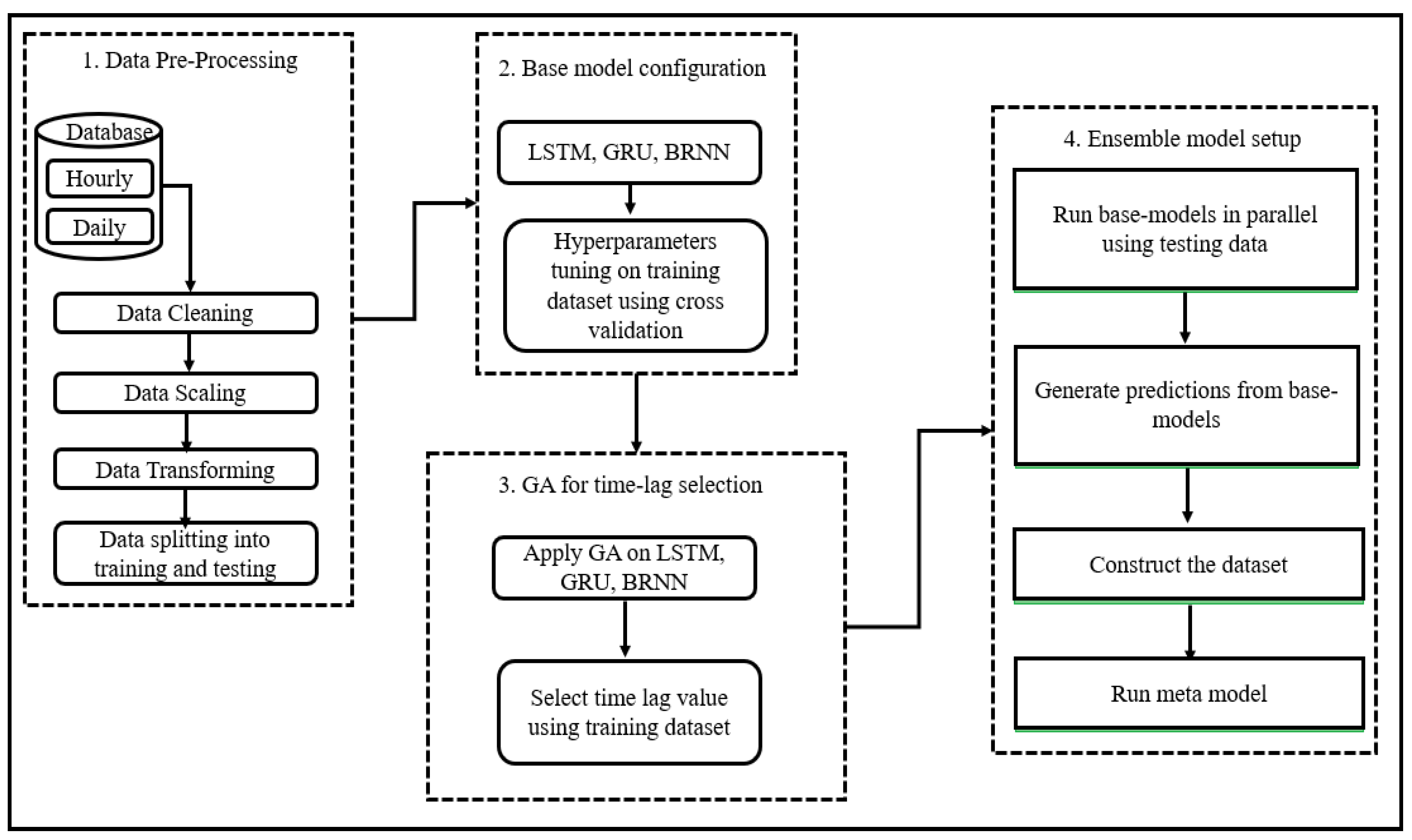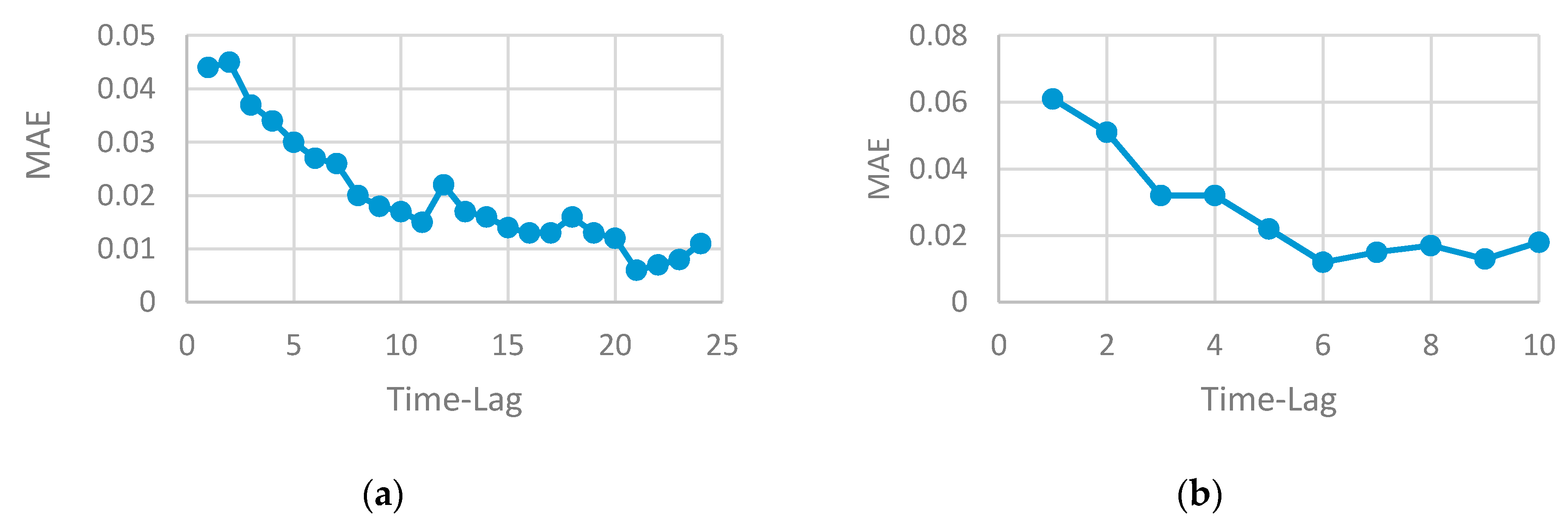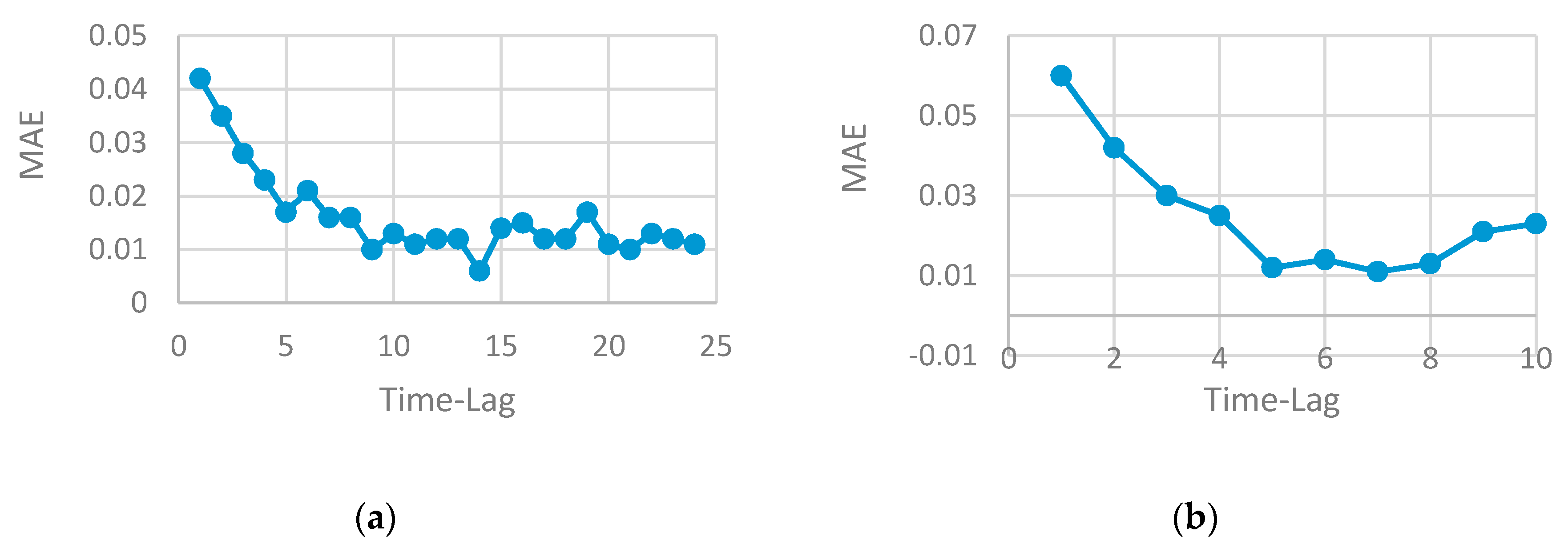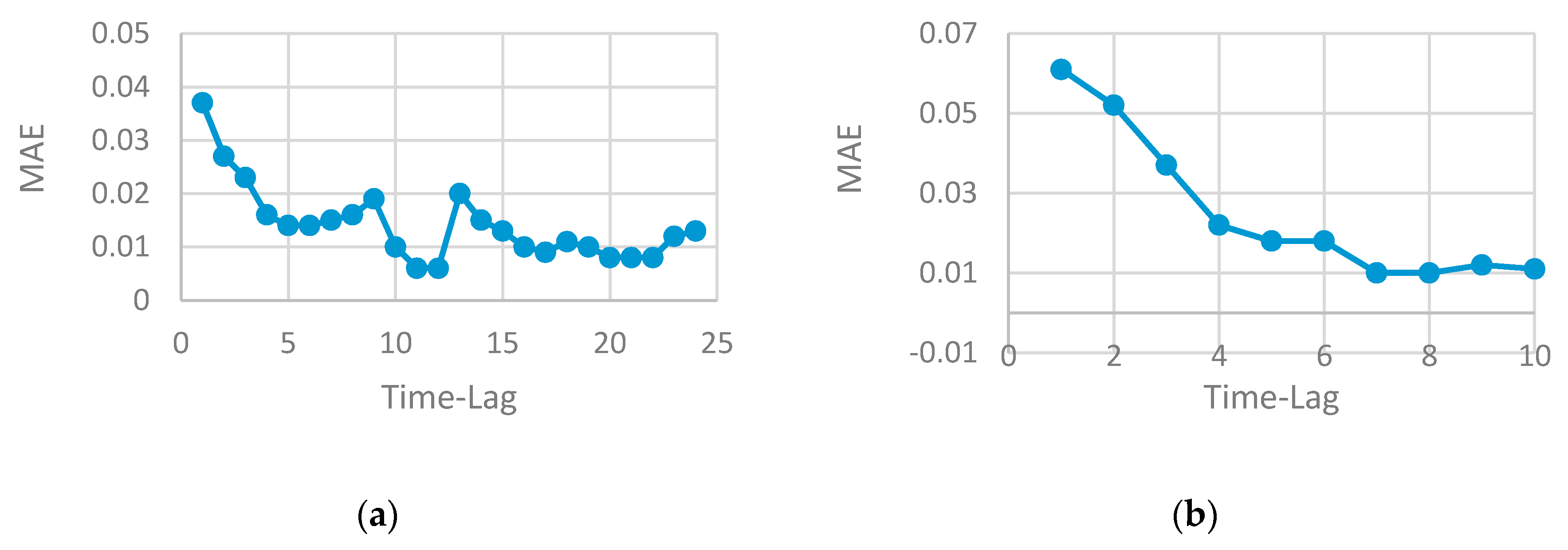
An Optimal Stacked Ensemble Deep Learning Model for Predicting Time-Series Data Using a Genetic Algorithm—An Application for Aerosol Particle Number Concentrations

 ,
, Abstract
Share and Cite
Surakhi, O.M.; Zaidan, M.A.; Serhan, S.; Salah, I.; Hussein, T. An Optimal Stacked Ensemble Deep Learning Model for Predicting Time-Series Data Using a Genetic Algorithm—An Application for Aerosol Particle Number Concentrations. Computers 2020, 9, 89. https://doi.org/10.3390/computers9040089
Surakhi OM, Zaidan MA, Serhan S, Salah I, Hussein T. An Optimal Stacked Ensemble Deep Learning Model for Predicting Time-Series Data Using a Genetic Algorithm—An Application for Aerosol Particle Number Concentrations. Computers. 2020; 9(4):89. https://doi.org/10.3390/computers9040089
Chicago/Turabian StyleSurakhi, Ola M., Martha Arbayani Zaidan, Sami Serhan, Imad Salah, and Tareq Hussein. 2020. "An Optimal Stacked Ensemble Deep Learning Model for Predicting Time-Series Data Using a Genetic Algorithm—An Application for Aerosol Particle Number Concentrations" Computers 9, no. 4: 89. https://doi.org/10.3390/computers9040089
APA StyleSurakhi, O. M., Zaidan, M. A., Serhan, S., Salah, I., & Hussein, T. (2020). An Optimal Stacked Ensemble Deep Learning Model for Predicting Time-Series Data Using a Genetic Algorithm—An Application for Aerosol Particle Number Concentrations. Computers, 9(4), 89. https://doi.org/10.3390/computers9040089