Article

Machine Learning for Predicting Key Factors to Identify Misinformation in Football Transfer News

1
Foremore B.V., Arthur van Schendellaan 4, 6711DC Ede, The Netherlands
2
Department of Computer Science, University of York, York YO10 5GH, UK
3
Department of Engineering, Manchester Metropolitan University, John Dalton Building, Chester Street, Manchester M1 5GD, UK
*
Authors to whom correspondence should be addressed.
Computers 2024, 13(6), 127; https://doi.org/10.3390/computers13060127

Submission received: 19 March 2024 / Revised: 11 May 2024 / Accepted: 21 May 2024 / Published: 23 May 2024

Abstract

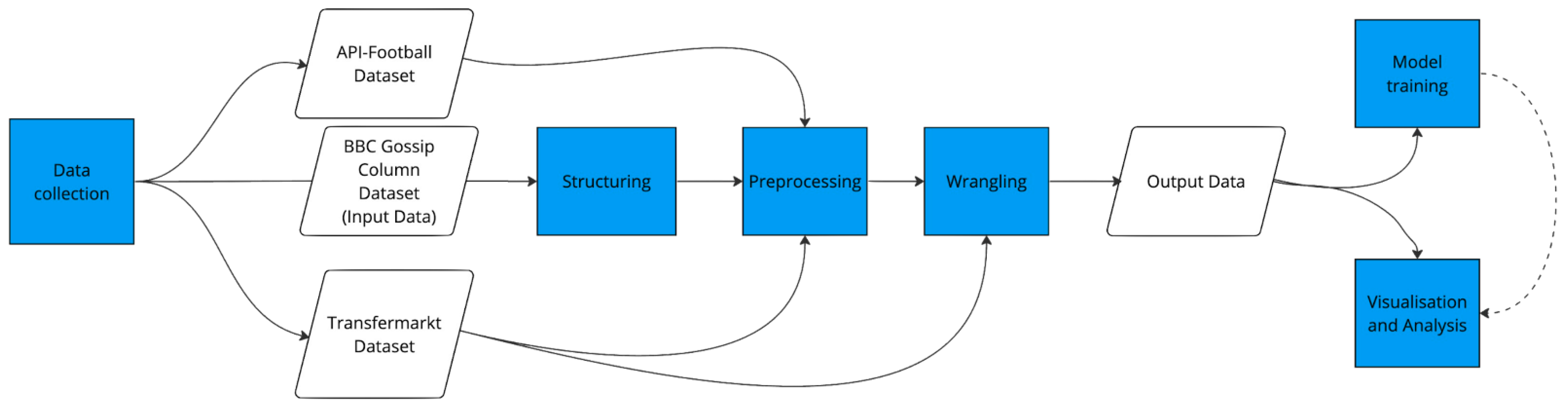
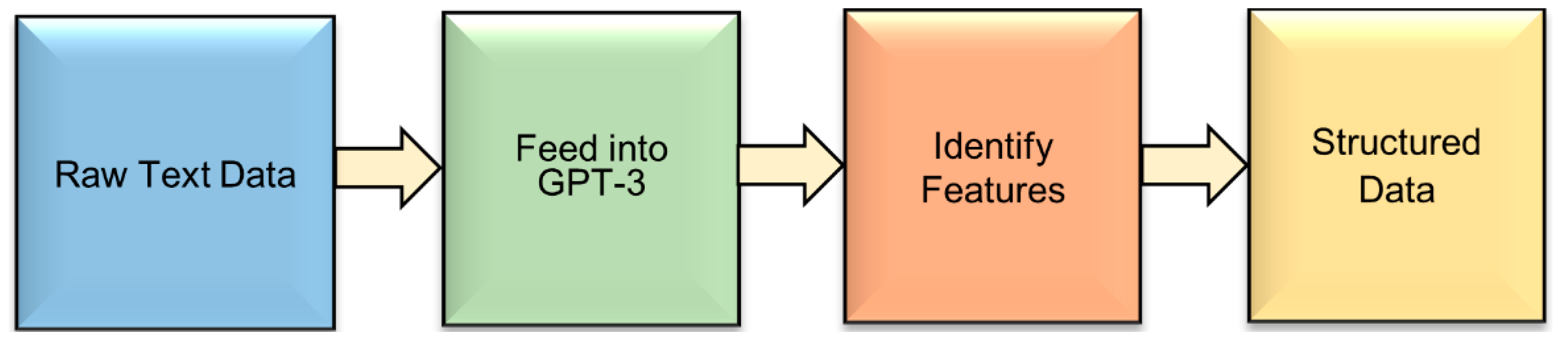
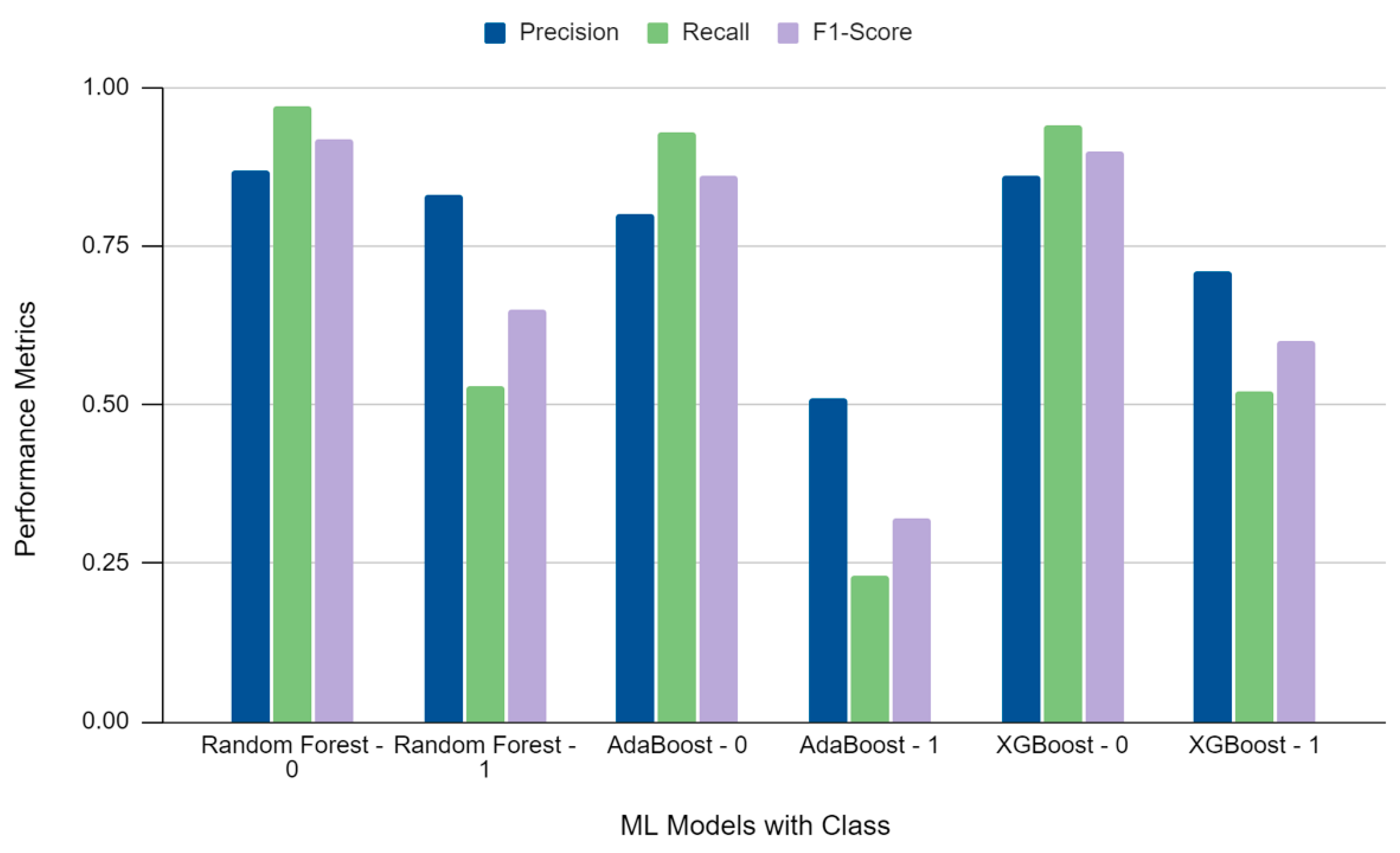
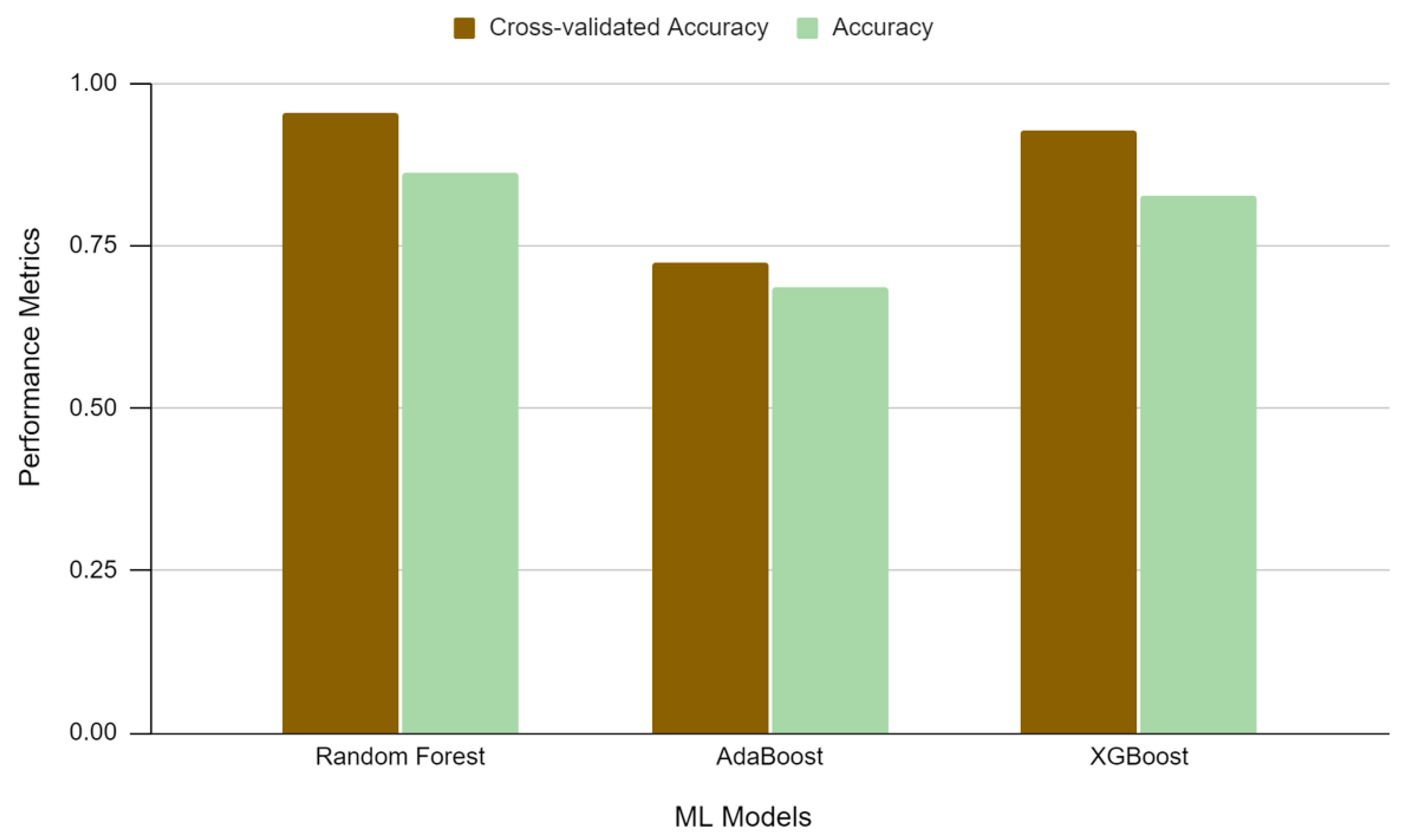
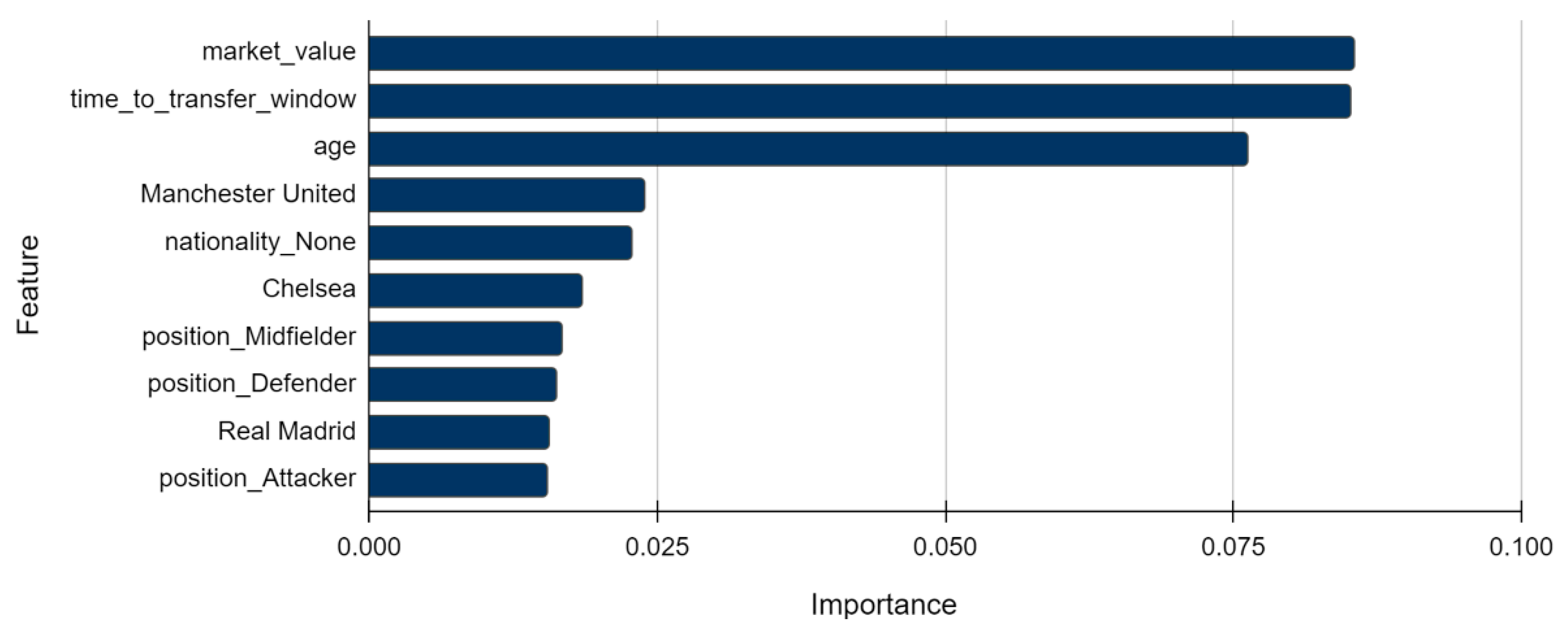
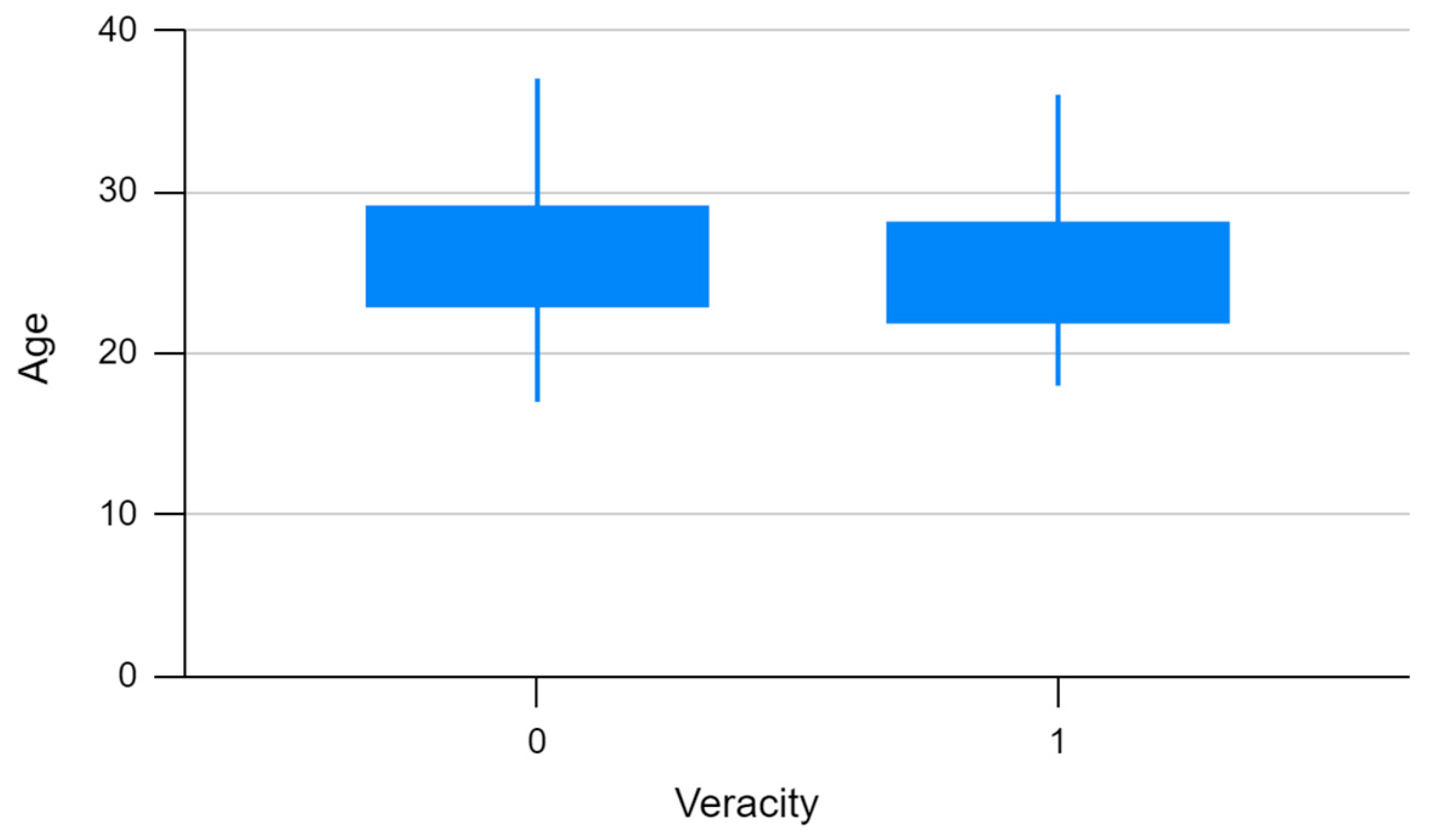
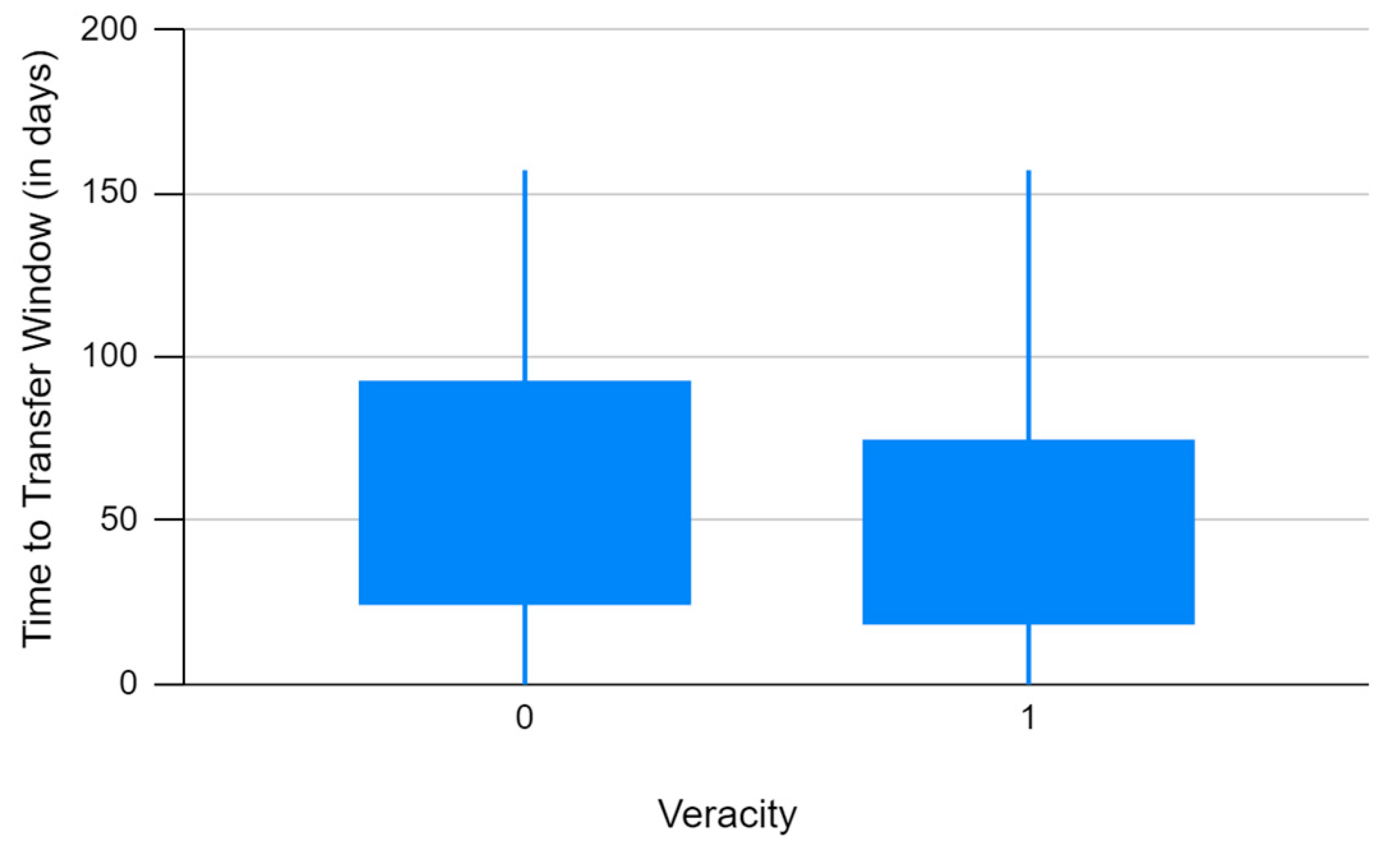
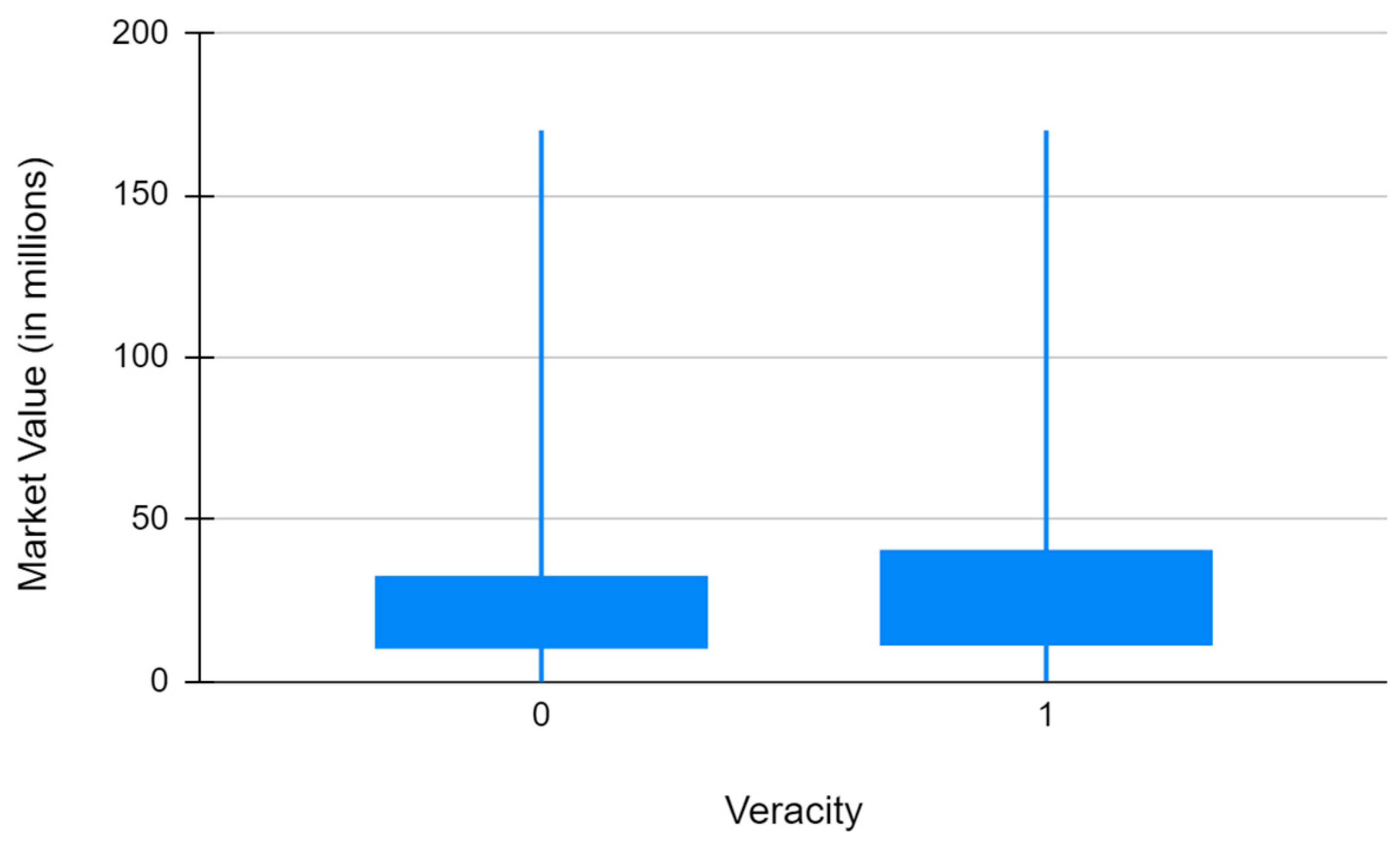
The spread of misinformation in football transfer news has become a growing concern. To address this challenge, this study introduces a novel approach by employing ensemble learning techniques to identify key factors for predicting such misinformation. The performance of three ensemble learning models, namely Random Forest, AdaBoost, and XGBoost, was analyzed on a dataset of transfer rumours. Natural language processing (NLP) techniques were employed to extract structured data from the text, and the veracity of each rumor was verified using factual transfer data. The study also investigated the relationships between specific features and rumor veracity. Key predictive features such as a player’s market value, age, and timing of the transfer window were identified. The Random Forest model outperformed the other two models, achieving a cross-validated accuracy of 95.54%. The top features identified by the model were a player’s market value, time to the start/end of the transfer window, and age. The study revealed weak negative relationships between a player’s age, time to the start/end of the transfer window, and rumor veracity, suggesting that for older players and times further from the transfer window, rumors are slightly less likely to be true. In contrast, a player’s market value did not have a statistically significant relationship with rumor veracity. This study contributes to the existing knowledge of misinformation detection and ensemble learning techniques. Despite some limitations, this study has significant implications for media agencies, football clubs, and fans. By discerning the credibility of transfer news, stakeholders can make informed decisions, reduce the spread of misinformation, and foster a more transparent transfer market.
Keywords: football transfer news; machine learning; prediction; random forest; AdaBoost; XGBoost; natural language processing football transfer news; machine learning; prediction; random forest; AdaBoost; XGBoost; natural language processing