The Imipridone ONC206 Inhibits Tumor Growth and Improves Survival in Patient-Derived Xenograft Models of Uveal Melanoma

 ,
, 
 , , , and
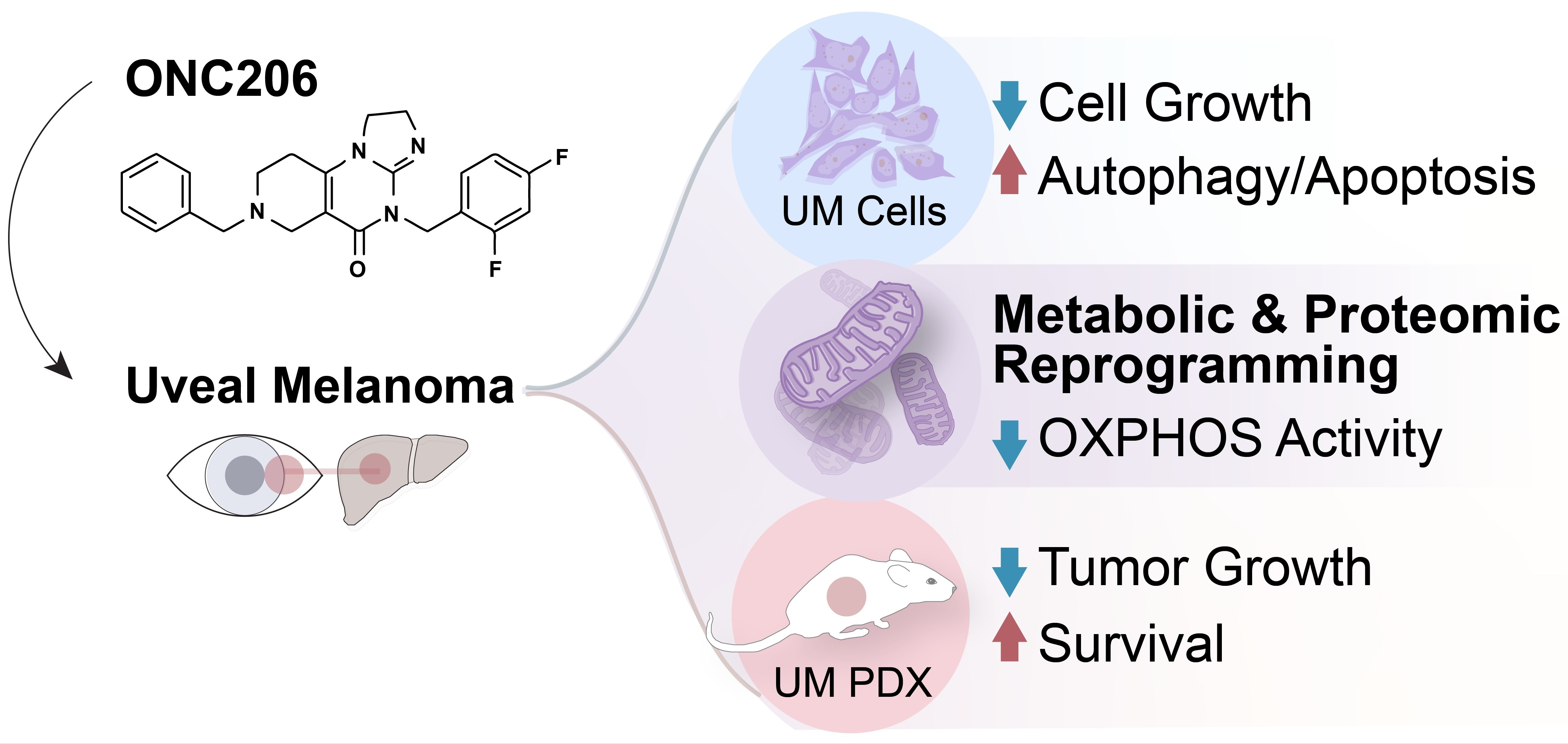
Simple Summary
Abstract
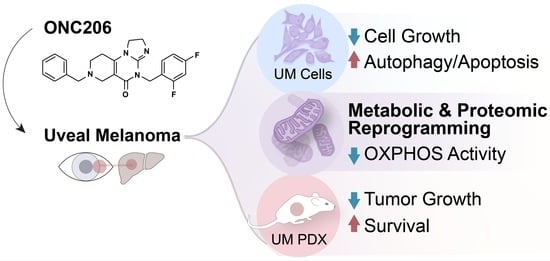
1. Introduction
2. Materials and Methods
2.1. Antibodies and Reagents
2.2. Cell Lines
2.3. Western Blotting
2.4. Colony Formation Assay
2.5. Annexin V and Propidium Iodide Flow Cytometry
2.6. Autophagy Assay
2.6.1. Acridine Orange Staining and Confocal Microscopy
2.6.2. RFP-LC3 Lentiviral Biosensor Assay and Live-Cell Confocal Microscopy
2.7. Reverse Phase Protein Array (RPPA) Analysis
2.8. Cell Viability Assays
2.9. Transfection with siRNA
2.10. Seahorse Mito Stress Test
2.11. Metabolomic Profile Analysis
2.12. Lipidomic Profile Analysis
2.13. UM PDX Models
2.14. In Vivo Treatment of UM PDX
3. Results
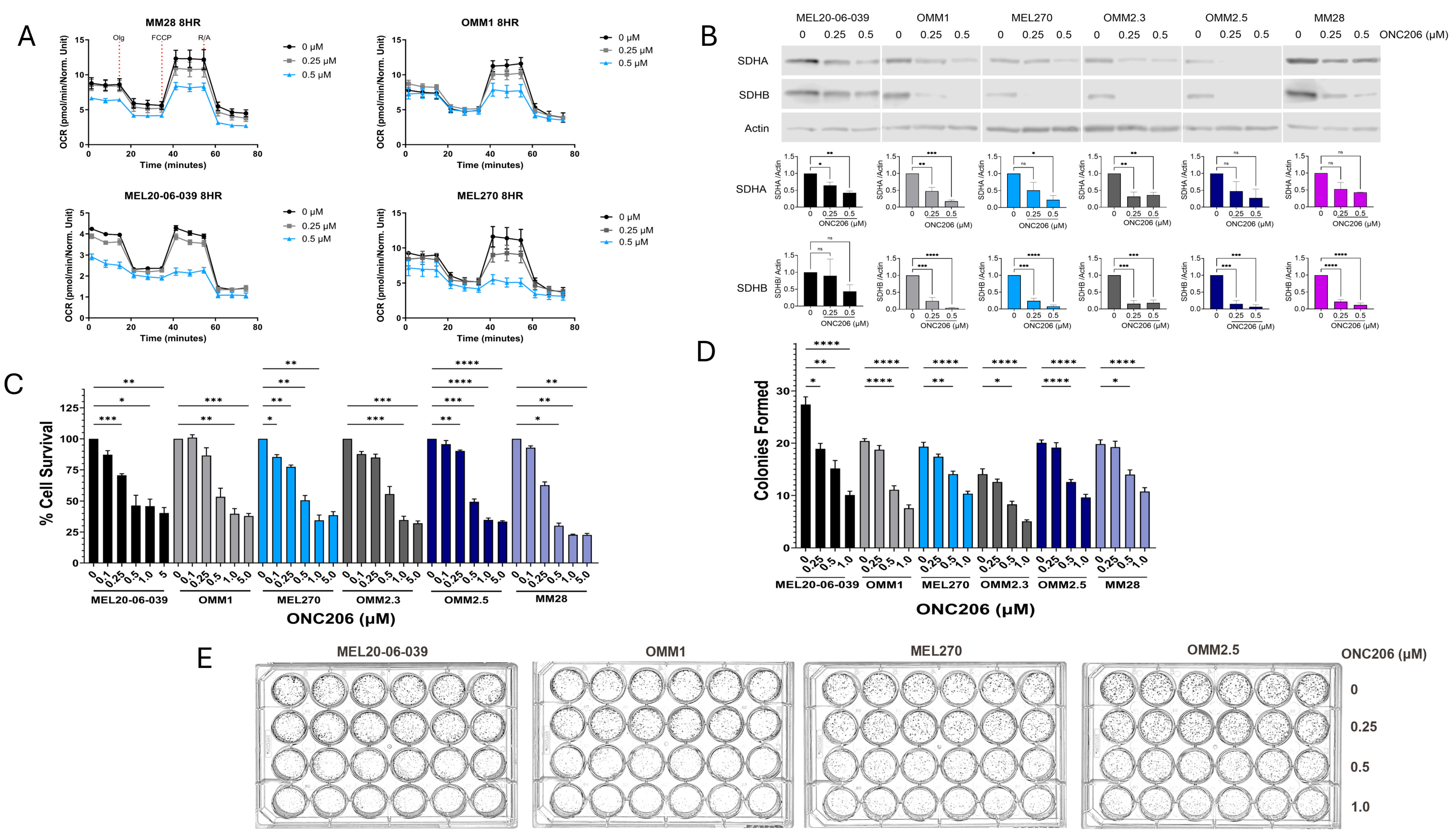
3.1. ONC206 Inhibits Oxphos and Cell Growth in UM Cells In Vitro
3.2. Treatment with ONC206 Induces Autophagy
3.3. UM Cells MM28 Demonstrate Altered Metabolic Profiles After ONC206 Treatment
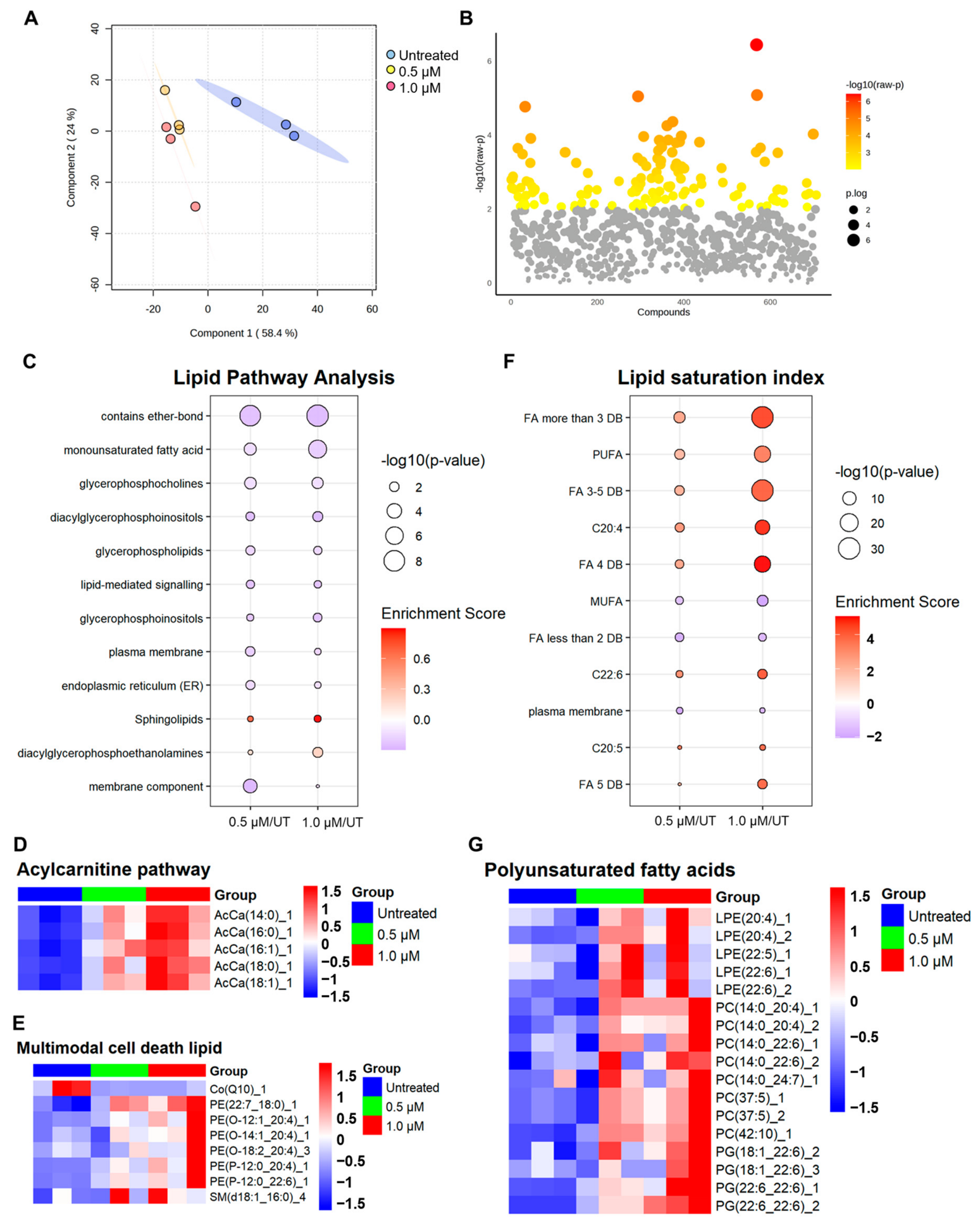
3.4. UM Cells MM28 Display Reprogrammed Global Lipid Metabolism After ONC206 Treatment
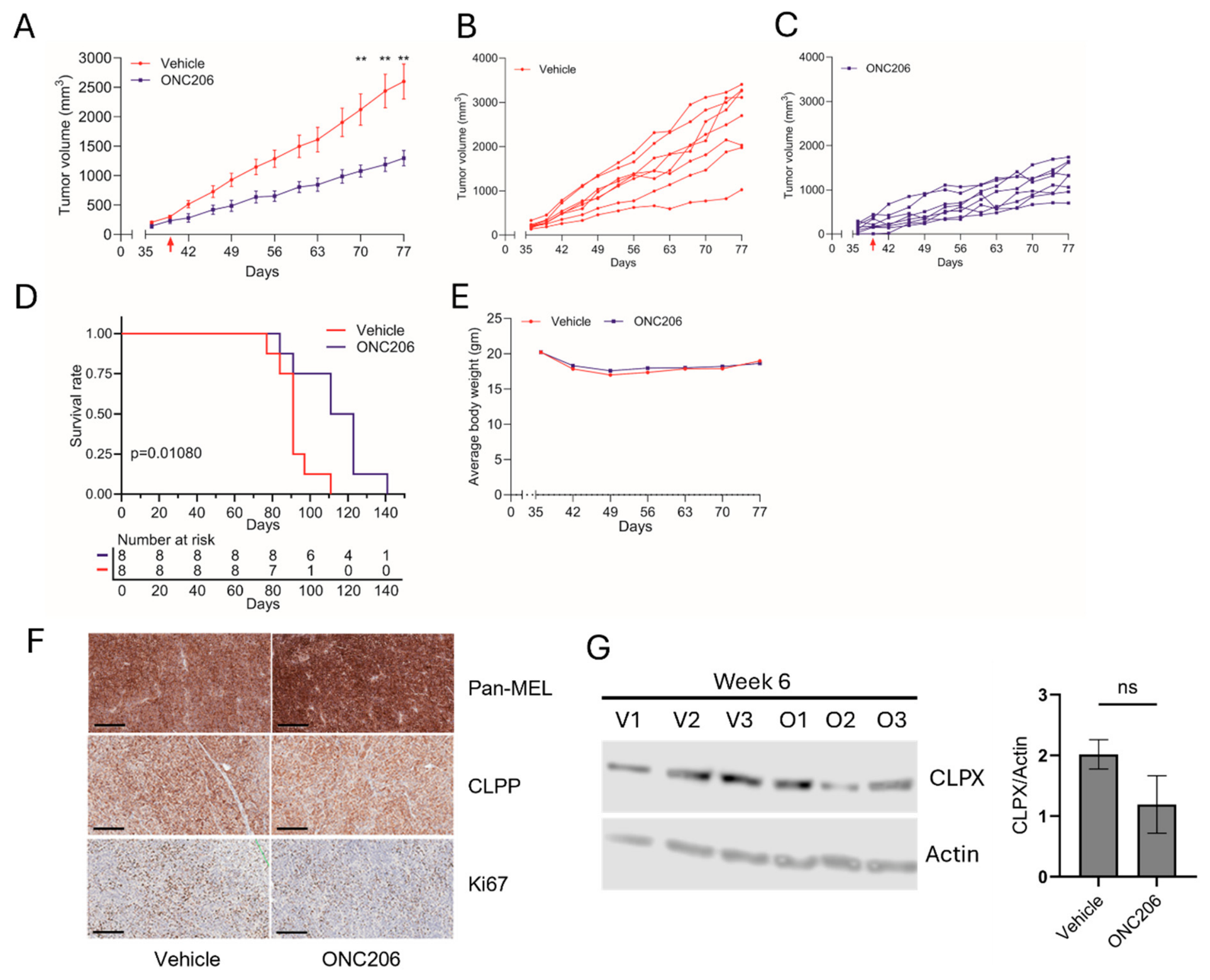
3.5. ONC206 Inhibits Tumor Growth and Improves Survival in UM PDX Models
3.6. ONC206 Alters Proteomic Profiles of UM
4. Discussion
5. Conclusions
Supplementary Materials
Author Contributions
Funding
Institutional Review Board Statement
Informed Consent Statement
Data Availability Statement
Acknowledgments
Conflicts of Interest
References
- Carvajal, R.D.; Butler, M.O.; Shoushtari, A.N.; Hassel, J.C.; Ikeguchi, A.; Hernandez-Aya, L.; Nathan, P.; Hamid, O.; Piulats, J.M.; Rioth, M.; et al. Clinical and molecular response to tebentafusp in previously treated patients with metastatic uveal melanoma: A phase 2 trial. Nat. Med. 2022, 28, 2364–2373. [Google Scholar] [CrossRef] [PubMed]
- Karydis, I.; Gangi, A.; Wheater, M.J.; Choi, J.; Wilson, I.; Thomas, K.; Pearce, N.; Takhar, A.; Gupta, S.; Hardman, D. Percutaneous hepatic perfusion with melphalan in uveal melanoma: A safe and effective treatment modality in an orphan disease. J. Surg. Oncol. 2018, 117, 1170–1178. [Google Scholar] [CrossRef] [PubMed]
- Zager, J.S.; Orloff, M.; Ferrucci, P.F.; Choi, J.; Eschelman, D.J.; Glazer, E.S.; Ejaz, A.; Howard, J.H.; Richtig, E.; Ochsenreither, S.; et al. Efficacy and Safety of the Melphalan/Hepatic Delivery System in Patients with Unresectable Metastatic Uveal Melanoma: Results from an Open-Label, Single-Arm, Multicenter Phase 3 Study. Ann. Surg. Oncol. 2024, 31, 5340–5351. [Google Scholar] [CrossRef] [PubMed]
- Jovanovich, N.; Habib, A.; Head, J.; Hameed, F.; Agnihotri, S.; Zinn, P.O. Pediatric diffuse midline glioma: Understanding the mechanisms and assessing the next generation of personalized therapeutics. Neuro-Oncol. Adv. 2023, 5, vdad040. [Google Scholar] [CrossRef]
- Johung, T.B.; Monje, M. Diffuse Intrinsic Pontine Glioma: New Pathophysiological Insights and Emerging Therapeutic Targets. Curr. Neuropharmacol. 2017, 15, 88–97. [Google Scholar] [CrossRef]
- Noon, A.; Galban, S. Therapeutic avenues for targeting treatment challenges of diffuse midline gliomas. Neoplasia 2023, 40, 100899. [Google Scholar] [CrossRef]
- Wang, M.M.; Coupland, S.E.; Aittokallio, T.; Figueiredo, C.R. Resistance to immune checkpoint therapies by tumour-induced T-cell desertification and exclusion: Key mechanisms, prognostication and new therapeutic opportunities. Br. J. Cancer 2023, 129, 1212–1224. [Google Scholar] [CrossRef]
- Algazi, A.P.; Tsai, K.K.; Shoushtari, A.N.; Munhoz, R.R.; Eroglu, Z.; Piulats, J.M.; Ott, P.A.; Johnson, D.B.; Hwang, J.; Daud, A.I.; et al. Clinical outcomes in metastatic uveal melanoma treated with PD-1 and PD-L1 antibodies. Cancer 2016, 122, 3344–3353. [Google Scholar] [CrossRef]
- Gelmi, M.C.; Houtzagers, L.E.; Wierenga, A.P.A.; Versluis, M.; Heijmans, B.T.; Luyten, G.P.M.; de Knijff, P.; Te Raa, M.; de Leeuw, R.H.; Jager, M.J. Survival in Patients with Uveal Melanoma Is Linked to Genetic Variation at HERC2 Single Nucleotide Polymorphism rs12913832. Ophthalmology 2025, 132, 299–308. [Google Scholar] [CrossRef]
- Gelmi, M.C.; de Ru, A.H.; van Veelen, P.A.; Tjokrodirijo, R.T.N.; Stern, M.H.; Houy, A.; Verdijk, R.M.; Vu, T.H.K.; Ksander, B.R.; Vaarwater, J.; et al. Protein and mRNA Expression in Uveal Melanoma Cell Lines Are Related to GNA and BAP1 Mutation Status. Investig. Ophthalmol. Vis. Sci. 2024, 65, 37. [Google Scholar] [CrossRef]
- Mies, G.; Tsao, N.L.; Houy, A.; Coupland, S.E.; Kalirai, H.; Forsti, A.; Hemminki, K.; Thomsen, H.; Stern, M.H.; Shields, C.L.; et al. Meta-analysis of uveal melanoma genome-wide association studies identifies novel risk loci and population effect size heterogeneity. Hum. Genet. Genom. Adv. 2025, 6, 100465. [Google Scholar] [CrossRef] [PubMed]
- Yang, K.; Wu, D. Recent advances in the molecular genetic mechanisms and immune microenvironment of uveal melanoma. Melanoma Res. 2026, 36, 145–157. [Google Scholar] [CrossRef]
- Chattopadhyay, C.; Oba, J.; Roszik, J.; Marszalek, J.R.; Chen, K.; Qi, Y.; Eterovic, K.; Robertson, A.G.; Burks, J.K.; McCannel, T.A.; et al. Elevated Endogenous SDHA Drives Pathological Metabolism in Highly Metastatic Uveal Melanoma. Investig. Ophthalmol. Vis. Sci. 2019, 60, 4187–4195. [Google Scholar] [CrossRef]
- Passaniti, A.; Kim, M.S.; Polster, B.M.; Shapiro, P. Targeting mitochondrial metabolism for metastatic cancer therapy. Mol. Carcinog. 2022, 61, 827–838. [Google Scholar] [CrossRef]
- Bonner, E.R.; Waszak, S.M.; Grotzer, M.A.; Mueller, S.; Nazarian, J. Mechanisms of imipridones in targeting mitochondrial metabolism in cancer cells. Neuro-Oncology 2021, 23, 542–556. [Google Scholar] [CrossRef]
- Arrillaga-Romany, I.; Gardner, S.L.; Odia, Y.; Aguilera, D.; Allen, J.E.; Batchelor, T.; Butowski, N.; Chen, C.; Cloughesy, T.; Cluster, A.; et al. ONC201 (Dordaviprone) in Recurrent H3 K27M-Mutant Diffuse Midline Glioma. J. Clin. Oncol. 2024, 42, 1542–1552. [Google Scholar] [CrossRef] [PubMed]
- Chattopadhyay, C.; Roszik, J.; Bhattacharya, R.; Alauddin, M.; Mahmud, I.; Yadugiri, S.; Ali, M.M.; Khan, F.S.; Prabhu, V.V.; Lorenzi, P.L.; et al. Imipridones inhibit tumor growth and improve survival in an orthotopic liver metastasis mouse model of human uveal melanoma. Br. J. Cancer 2024, 131, 1846–1857. [Google Scholar] [CrossRef] [PubMed]
- Burgess, B.L.; Rao, N.P.; Eskin, A.; Nelson, S.F.; McCannel, T.A. Characterization of three cell lines derived from fine needle biopsy of choroidal melanoma with metastatic outcome. Mol. Vis. 2011, 17, 607–615. [Google Scholar]
- von Euw, E.; Atefi, M.; Attar, N.; Chu, C.; Zachariah, S.; Burgess, B.L.; Mok, S.; Ng, C.; Wong, D.J.; Chmielowski, B.; et al. Antitumor effects of the investigational selective MEK inhibitor TAK733 against cutaneous and uveal melanoma cell lines. Mol. Cancer 2012, 11, 22. [Google Scholar] [CrossRef]
- Luke, J.J.; Triozzi, P.L.; McKenna, K.C.; Van Meir, E.G.; Gershenwald, J.E.; Bastian, B.C.; Gutkind, J.S.; Bowcock, A.M.; Streicher, H.Z.; Patel, P.M.; et al. Biology of advanced uveal melanoma and next steps for clinical therapeutics. Pigment. Cell Melanoma Res. 2015, 28, 135–147. [Google Scholar] [CrossRef]
- De Waard-Siebinga, I.; Blom, D.J.; Griffioen, M.; Schrier, P.I.; Hoogendoorn, E.; Beverstock, G.; Danen, E.H.; Jager, M.J. Establishment and characterization of an uveal-melanoma cell line. Int. J. Cancer 1995, 62, 155–161. [Google Scholar] [CrossRef] [PubMed]
- Jager, M.J.; Magner, J.A.; Ksander, B.R.; Dubovy, S.R. Uveal Melanoma Cell Lines: Where do they come from? (An American Ophthalmological Society Thesis). Trans. Am. Ophthalmol. Soc. 2016, 114, T5. [Google Scholar]
- Ksander, B.R.; Rubsamen, P.E.; Olsen, K.R.; Cousins, S.W.; Streilein, J.W. Studies of tumor-infiltrating lymphocytes from a human choroidal melanoma. Investig. Ophthalmol. Vis. Sci. 1991, 32, 3198–3208. [Google Scholar]
- Verbik, D.J.; Murray, T.G.; Tran, J.M.; Ksander, B.R. Melanomas that develop within the eye inhibit lymphocyte proliferation. Int. J. Cancer 1997, 73, 470–478. [Google Scholar] [CrossRef]
- Zhang, S.; Yu, D. Targeting Src family kinases in anti-cancer therapies: Turning promise into triumph. Trends Pharmacol. Sci. 2012, 33, 122–128. [Google Scholar] [CrossRef]
- Hsu, P.C.; Yang, C.T.; Jablons, D.M.; You, L. The Crosstalk between Src and Hippo/YAP Signaling Pathways in Non-Small Cell Lung Cancer (NSCLC). Cancers 2020, 12, 1361. [Google Scholar] [CrossRef] [PubMed]
- Lamar, J.M.; Xiao, Y.; Norton, E.; Jiang, Z.G.; Gerhard, G.M.; Kooner, S.; Warren, J.S.A.; Hynes, R.O. SRC tyrosine kinase activates the YAP/TAZ axis and thereby drives tumor growth and metastasis. J. Biol. Chem. 2019, 294, 2302–2317. [Google Scholar] [CrossRef]
- Calvo, E.; Bolós, V.; Grande, E. Multiple roles and therapeutic implications of Akt signaling in cancer. OncoTargets Ther. 2009, 2, 135–150. [Google Scholar] [CrossRef]
- Przystal, J.M.; Cianciolo Cosentino, C.; Yadavilli, S.; Zhang, J.; Laternser, S.; Bonner, E.R.; Prasad, R.; Dawood, A.A.; Lobeto, N.; Chin Chong, W.; et al. Imipridones affect tumor bioenergetics and promote cell lineage differentiation in diffuse midline gliomas. Neuro-Oncology 2022, 24, 1438–1451. [Google Scholar] [CrossRef]
- Paraghamian, S.E.; Qiu, J.; Hawkins, G.M.; Zhao, Z.; Sun, W.; Fan, Y.; Zhang, X.; Suo, H.; Hao, T.; Prabhu, V.V.; et al. A novel dopamine receptor D2 antagonist (ONC206) potentiates the effects of olaparib in endometrial cancer. Cancer Biol. Ther. 2023, 24, 2202104. [Google Scholar] [CrossRef] [PubMed]
- Cao, J.; Cao, F.; Wang, C.; Jiao, Z.; You, Y.; Wang, X.; Zhao, W. ONC206 targeting ClpP induces mitochondrial dysfunction and protective autophagy in hepatocellular carcinoma cells. Neoplasia 2024, 55, 101015. [Google Scholar] [CrossRef]
- Tucker, K.; Yin, Y.; Staley, S.A.; Zhao, Z.; Fang, Z.; Fan, Y.; Zhang, X.; Suo, H.; Sun, W.; Prabhu, V.V.; et al. ONC206 has anti-tumorigenic effects in human ovarian cancer cells and in a transgenic mouse model of high-grade serous ovarian cancer. Am. J. Cancer Res. 2022, 12, 521–536. [Google Scholar]
- Lim, B.; Peterson, C.B.; Davis, A.; Cho, E.; Pearson, T.; Liu, H.; Hwang, M.; Ueno, N.T.; Lee, J. ONC201 and an MEK Inhibitor Trametinib Synergistically Inhibit the Growth of Triple-Negative Breast Cancer Cells. Biomedicines 2021, 9, 1410. [Google Scholar] [CrossRef]

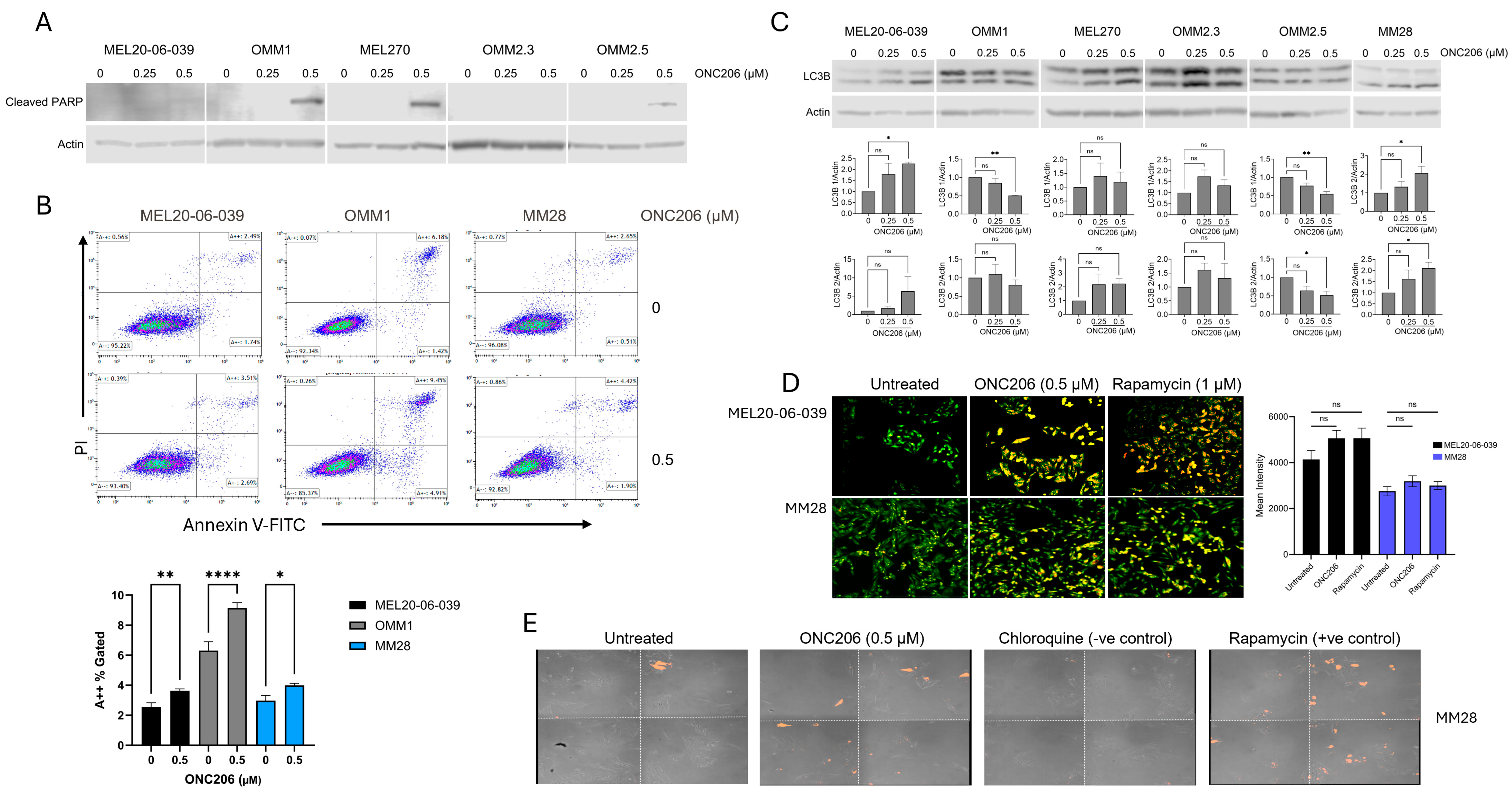
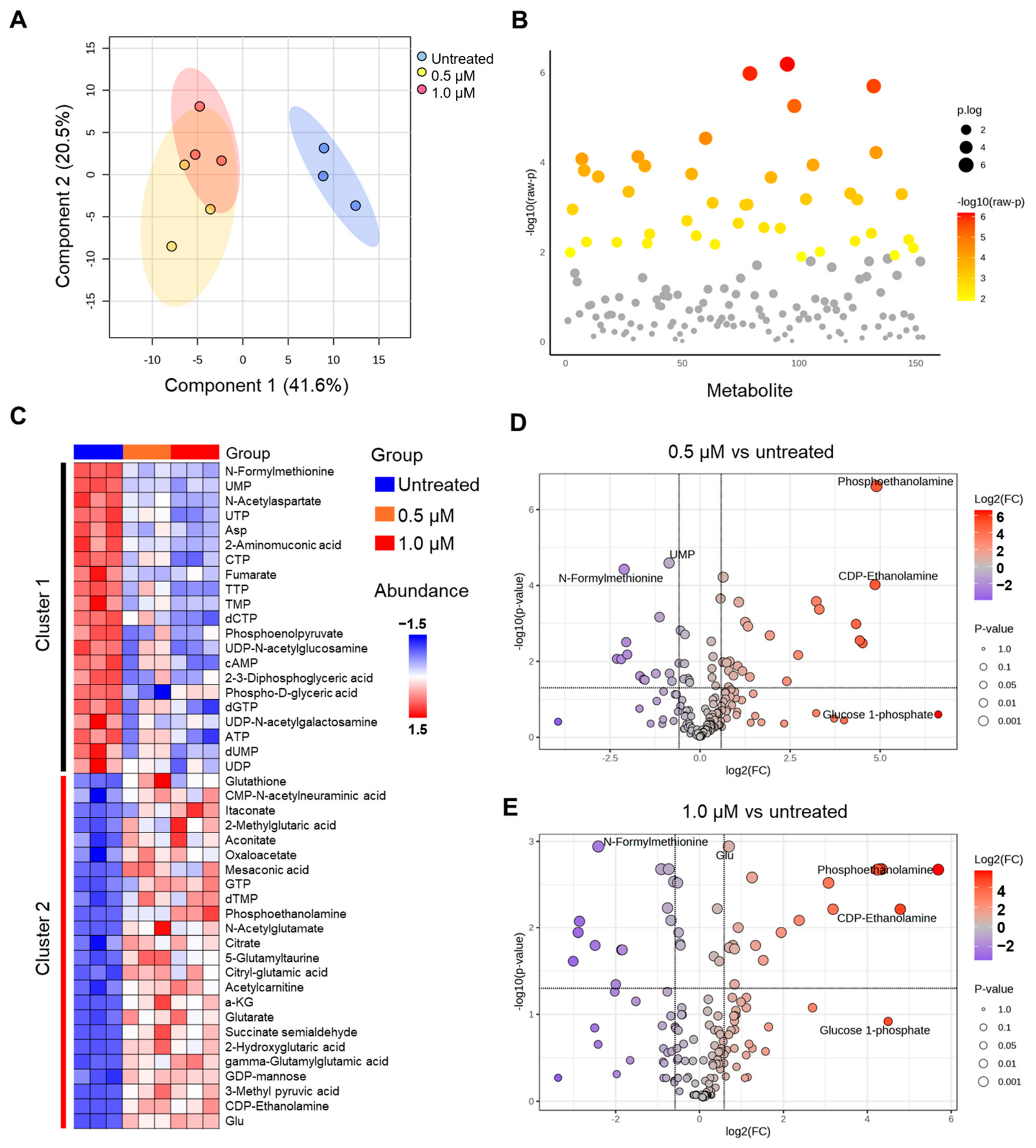


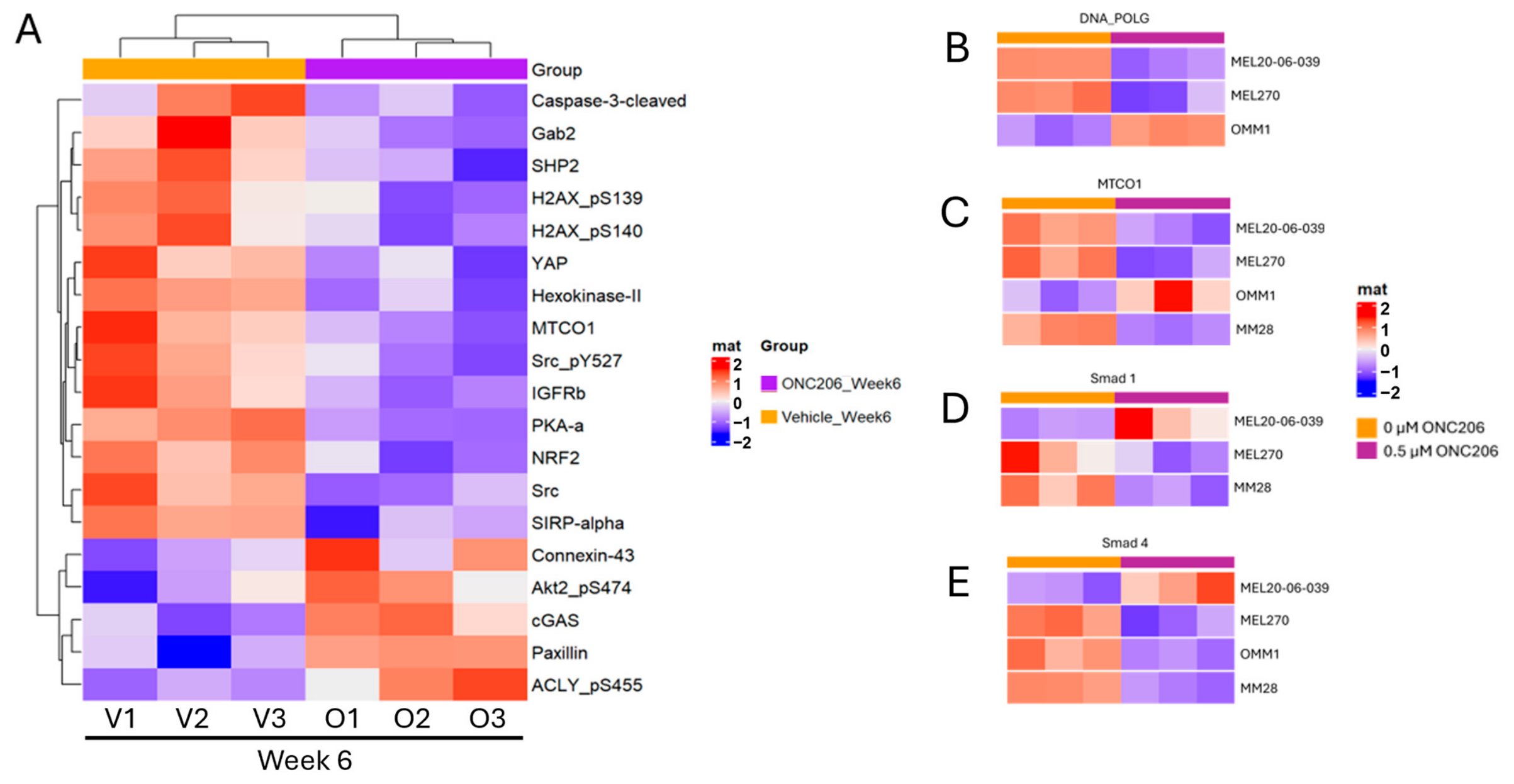
Disclaimer/Publisher’s Note: The statements, opinions and data contained in all publications are solely those of the individual author(s) and contributor(s) and not of MDPI and/or the editor(s). MDPI and/or the editor(s) disclaim responsibility for any injury to people or property resulting from any ideas, methods, instructions or products referred to in the content. |
© 2026 by the authors. Licensee MDPI, Basel, Switzerland. This article is an open access article distributed under the terms and conditions of the Creative Commons Attribution (CC BY) license.
Share and Cite
Ali, M.M.; Alauddin, M.; Mahmud, I.; Joon, A.; Momin, A.B.; Cortez, J.R.; Chen, H.; Tan, L.; Chan, W.; Anantha, R.W.; et al. The Imipridone ONC206 Inhibits Tumor Growth and Improves Survival in Patient-Derived Xenograft Models of Uveal Melanoma. Cancers 2026, 18, 1895. https://doi.org/10.3390/cancers18121895
Ali MM, Alauddin M, Mahmud I, Joon A, Momin AB, Cortez JR, Chen H, Tan L, Chan W, Anantha RW, et al. The Imipridone ONC206 Inhibits Tumor Growth and Improves Survival in Patient-Derived Xenograft Models of Uveal Melanoma. Cancers. 2026; 18(12):1895. https://doi.org/10.3390/cancers18121895
Chicago/Turabian StyleAli, Mir Mustafa, Md Alauddin, Iqbal Mahmud, Aron Joon, Aalim B. Momin, Jacob R. Cortez, Huiqin Chen, Lin Tan, Waikin Chan, Rachel William Anantha, and et al. 2026. "The Imipridone ONC206 Inhibits Tumor Growth and Improves Survival in Patient-Derived Xenograft Models of Uveal Melanoma" Cancers 18, no. 12: 1895. https://doi.org/10.3390/cancers18121895
APA StyleAli, M. M., Alauddin, M., Mahmud, I., Joon, A., Momin, A. B., Cortez, J. R., Chen, H., Tan, L., Chan, W., Anantha, R. W., Stolley, D. L., Shamsutdinova, D., Evans, K., Merric-Bernstam, F., Herlyn, M., Thomas, M., Chen, Y., Davies, M. A., & Chattopadhyay, C. (2026). The Imipridone ONC206 Inhibits Tumor Growth and Improves Survival in Patient-Derived Xenograft Models of Uveal Melanoma. Cancers, 18(12), 1895. https://doi.org/10.3390/cancers18121895