Role of Gut Microbiome in Oncogenesis and Oncotherapies
by
 , , and
Renuka Sri Sai Peddireddi
1,† ,
,
Sai Kiran Kuchana
2,†,
Rohith Kode
2,
Saketh Khammammettu
3,
Aishwarya Koppanatham
4,
Supriya Mattigiri
5,
Harshavardhan Gobburi
6 and
Suresh K. Alahari
7,*
1
Mansfield Kaseman Health Clinic, Rockville, MD 20850, USA
2
Department of Internal Medicine, Kakatiya Medical College, Warangal 506007, India
3
Apollo Institute of Medical Sciences and Research, Hyderabad 500096, India
4
Andhra Medical College, Visakhapatnam 530002, India
5
Katuri Medical College and Hospital, Guntur 522019, India
6
Department of Internal Medicine, Osmania Medical College, Hyderabad 500095, India
7
Department of Biochemistry and Molecular Biology, Louisiana State University Health Sciences Center at New Orleans, New Orleans, LA 70112, USA
*
Author to whom correspondence should be addressed.
†
These authors contributed equally to this work.
Cancers 2026, 18(1), 99; https://doi.org/10.3390/cancers18010099
Submission received: 18 November 2025
/
Revised: 23 December 2025
/
Accepted: 27 December 2025
/
Published: 29 December 2025
(This article belongs to the Special Issue Clinical Applications of Integrative Analysis of Validated Somatic and Germline Genomic Results in Oncology)
Simple Summary
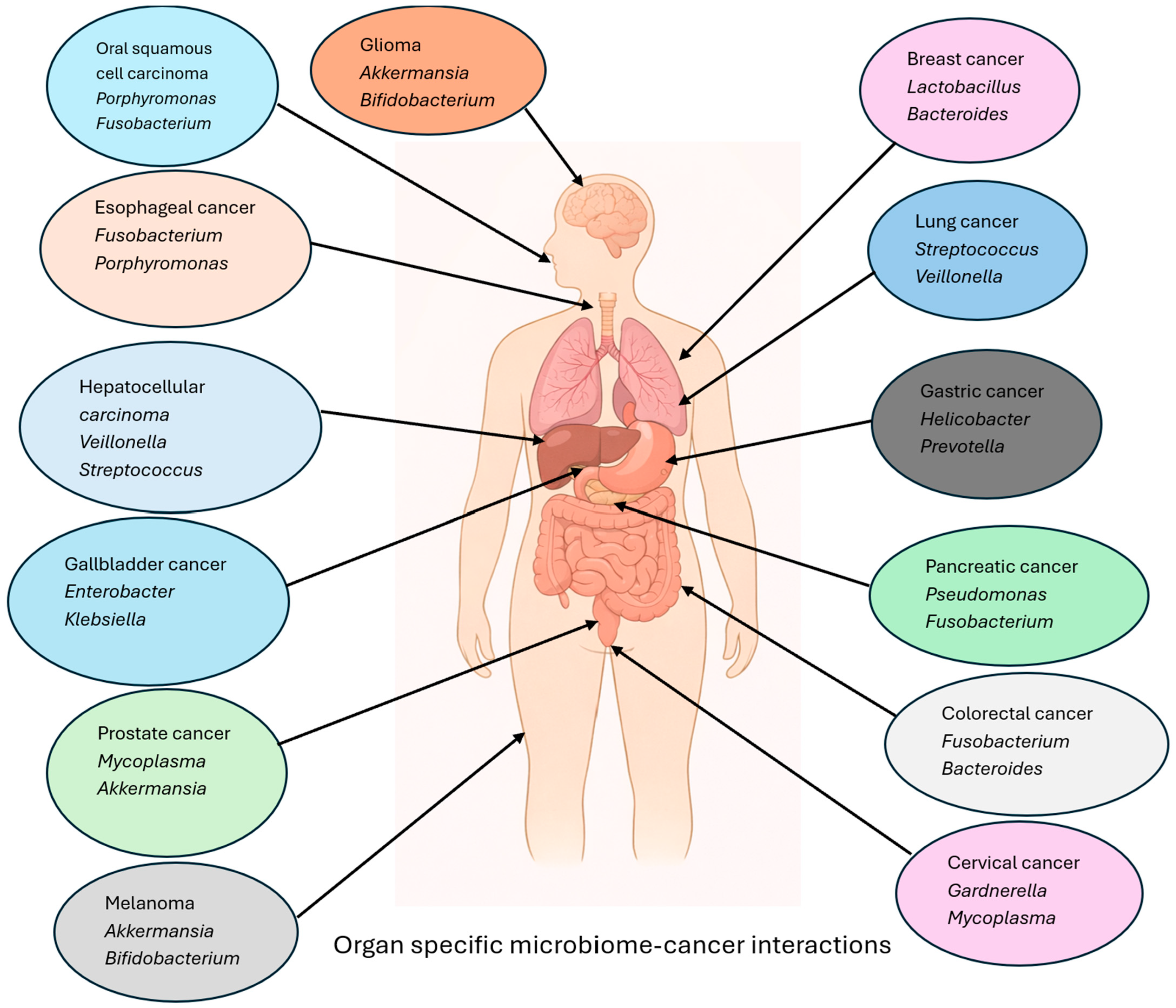
The gut microbiome, which consists of trillions of microorganisms living in the human digestive tract, plays an important role in regulating immunity, metabolism, and inflammation. Growing evidence suggests that disruptions in this microbial community may influence how cancers develop and how patients respond to cancer treatments. In this review, we summarize current research linking the gut microbiome to thirteen common cancers, including cancers of the gastrointestinal tract and cancers affecting other organs such as the breast, lung, brain, and skin. We highlight how certain microbes may promote cancer-related inflammation or DNA damage, while others appear to support immune responses that improve the effectiveness of cancer therapies, particularly immunotherapy. We also discuss emerging strategies aimed at modifying the microbiome, such as diet, probiotics, and fecal microbiota transplantation, and their potential role in future cancer care. Overall, this review provides an accessible overview of how the gut microbiome may influence cancer development and treatment.
Abstract
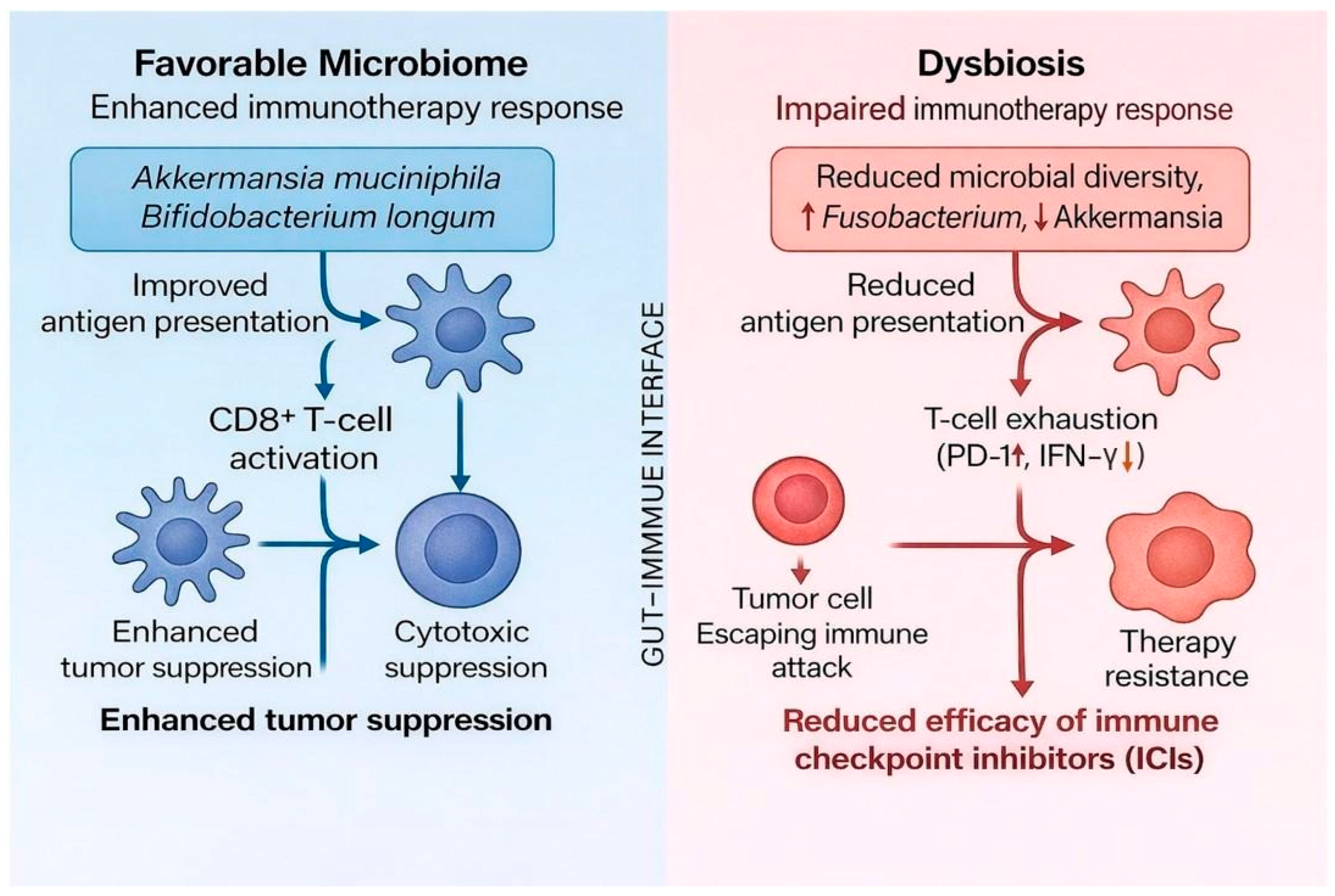
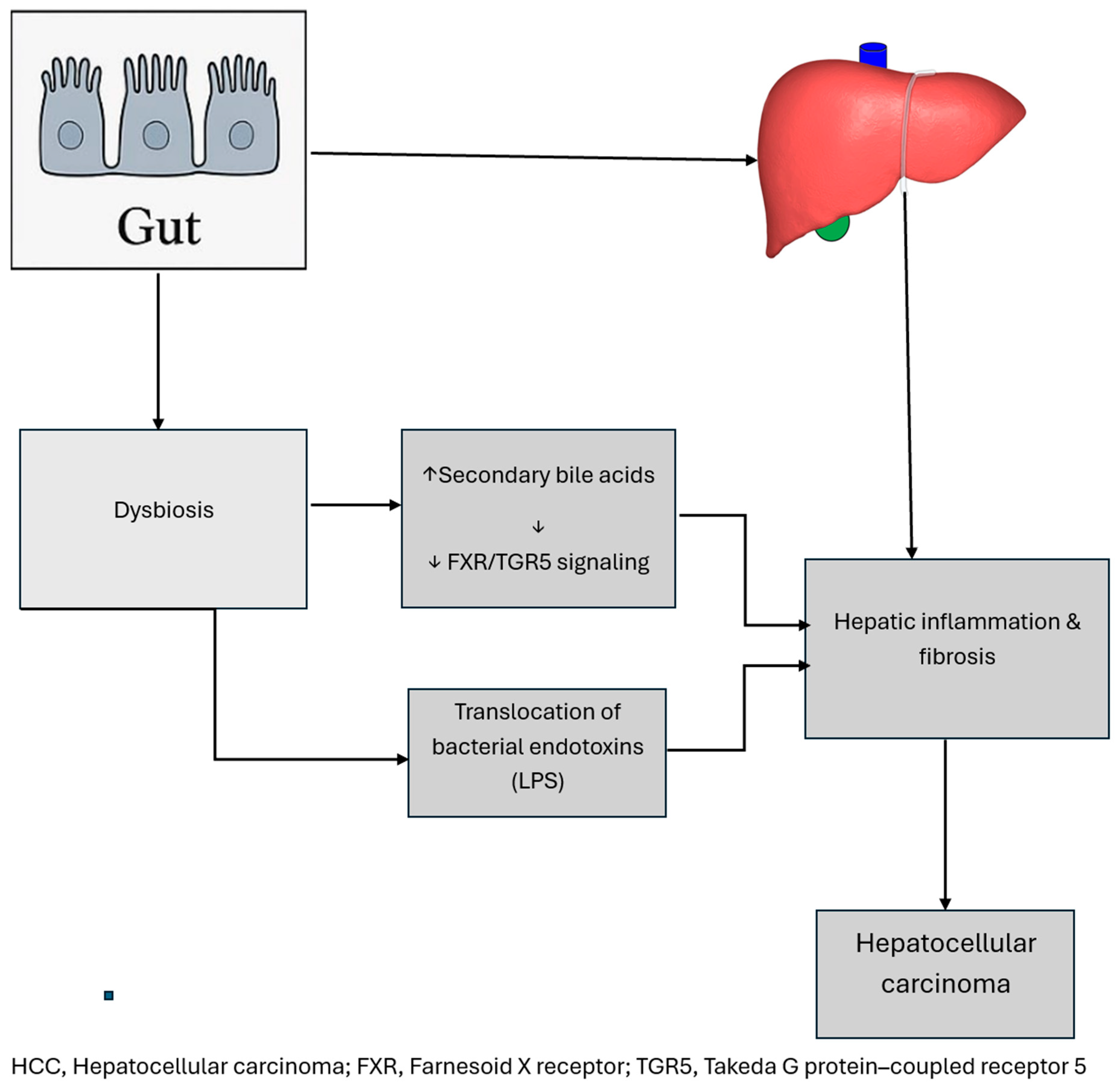
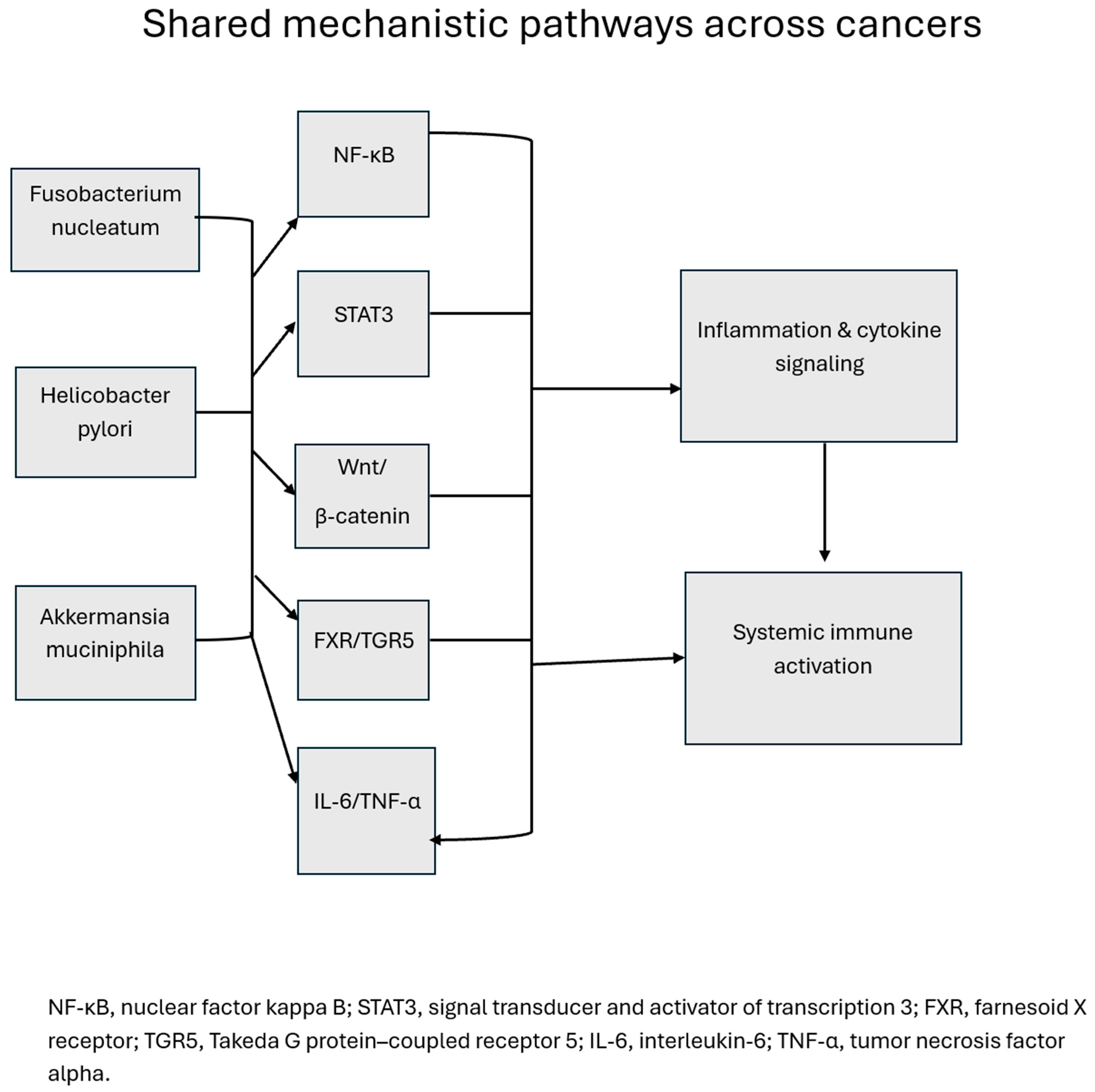
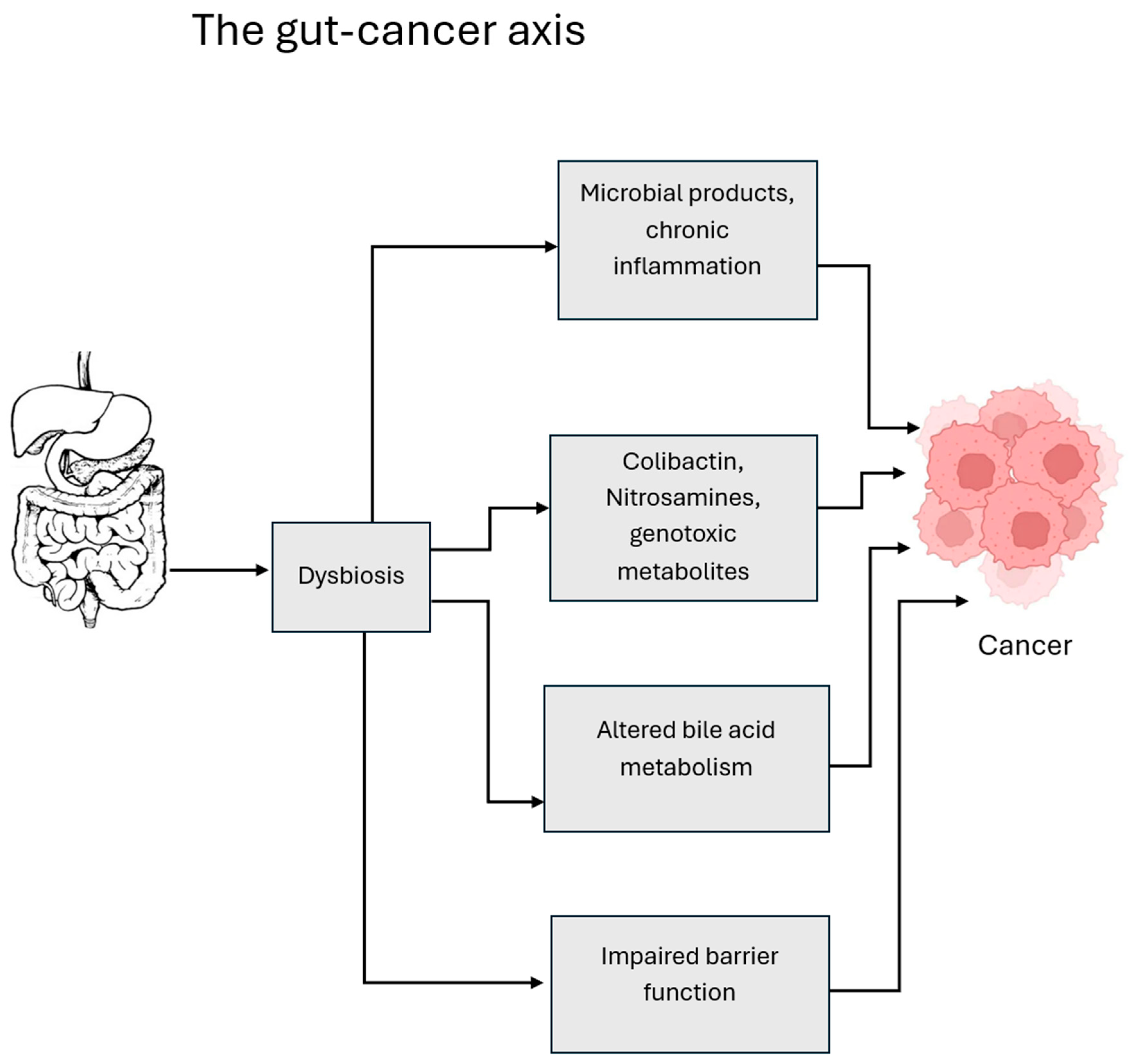
The gut microbiome has emerged as a key regulator of human health, influencing not only metabolism and immunity but also the development and treatment of cancer. Mounting evidence suggests that microbial dysbiosis contributes to oncogenesis by driving chronic inflammation, producing genotoxic metabolites, altering bile acid metabolism, and disrupting epithelial barrier integrity. At the same time, the gut microbiome significantly modulates the host response to oncotherapies including chemotherapy, radiotherapy, and especially immunotherapy, where microbial diversity and specific taxa determine treatment efficacy and toxicity. This review synthesizes current evidence on the role of the gut microbiome in both oncogenesis and oncotherapies, focusing on thirteen cancers with the strongest and most clinically relevant microbiome associations, colorectal cancer, gastric cancer, hepatocellular carcinoma, gallbladder cancer, esophageal cancer, pancreatic cancer, oral squamous cell carcinoma, cervical cancer, prostate cancer, breast cancer, lung cancer, brain cancer, and melanoma. These cancers were selected based on robust mechanistic data linking microbial alterations to tumor initiation, progression, and therapy modulation, as well as their global health burden and translational potential. In addition, we have provided mechanistic insights or clinical correlations between the microbiome and cancer outcomes. Across cancers, common microbial mechanisms included pro-inflammatory signaling (e.g., NF-κB and STAT3 pathways), DNA damage from bacterial toxins (e.g., colibactin, nitrosating species), and metabolite-driven tumor promotion (e.g., secondary bile acids, trimethylamine N-oxide). Conversely, beneficial commensals such as Faecalibacterium prausnitzii and Akkermansia muciniphila supported antitumor immunity and improved responses to immune checkpoint inhibitors. In conclusion, the gut microbiome functions as both a driver of malignancy and a modifiable determinant of therapeutic success. Integrating microbiome profiling and modulation strategies such as dietary interventions, probiotics, and fecal microbiota transplantation into oncology practice may pave the way for personalized and more effective cancer care.