Transcription of Clock Genes in Medulloblastoma



Department of Human Anatomy and Cell Science, Rady Faculty of Health Sciences, Max Rady College of Medicine, University of Manitoba, Winnipeg, MB R3E 0J9, Canada
*
Author to whom correspondence should be addressed.
Cancers 2025, 17(4), 575; https://doi.org/10.3390/cancers17040575
Submission received: 12 December 2024
/
Revised: 25 January 2025
/
Accepted: 5 February 2025
/
Published: 8 February 2025
(This article belongs to the Special Issue Circadian Rhythms, Cancers and Chronotherapy)
Simple Summary
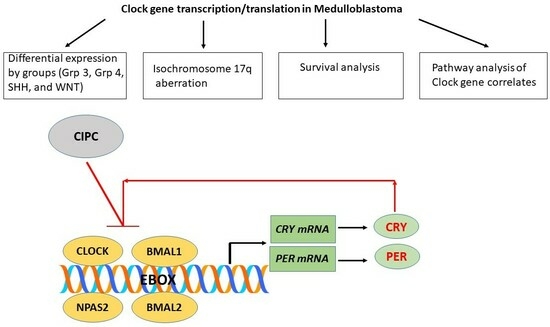
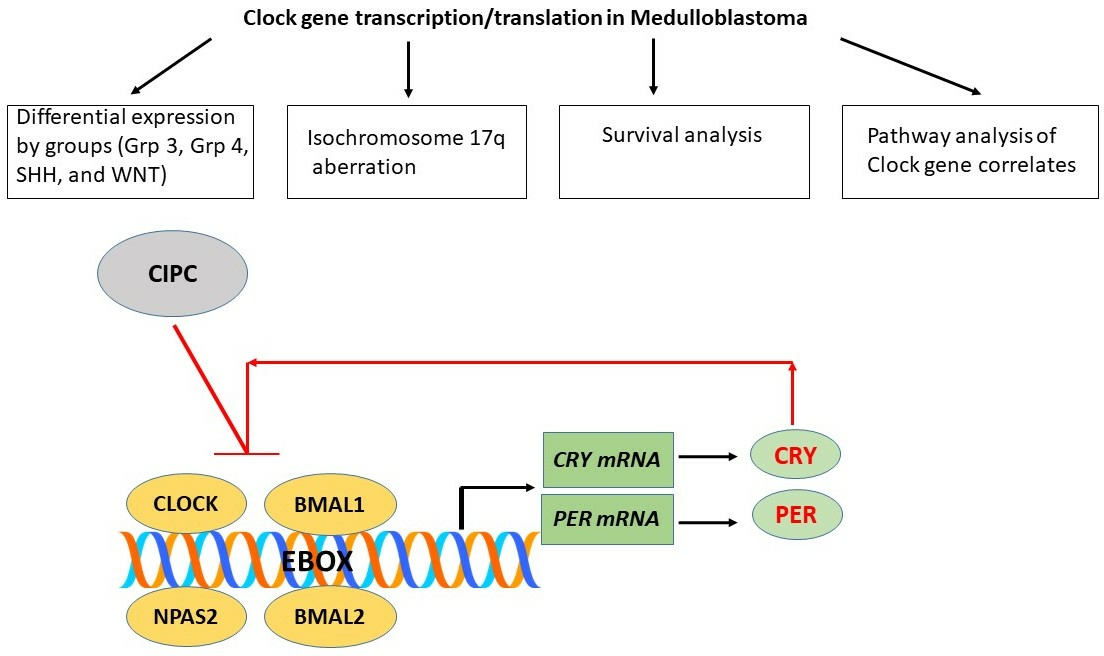
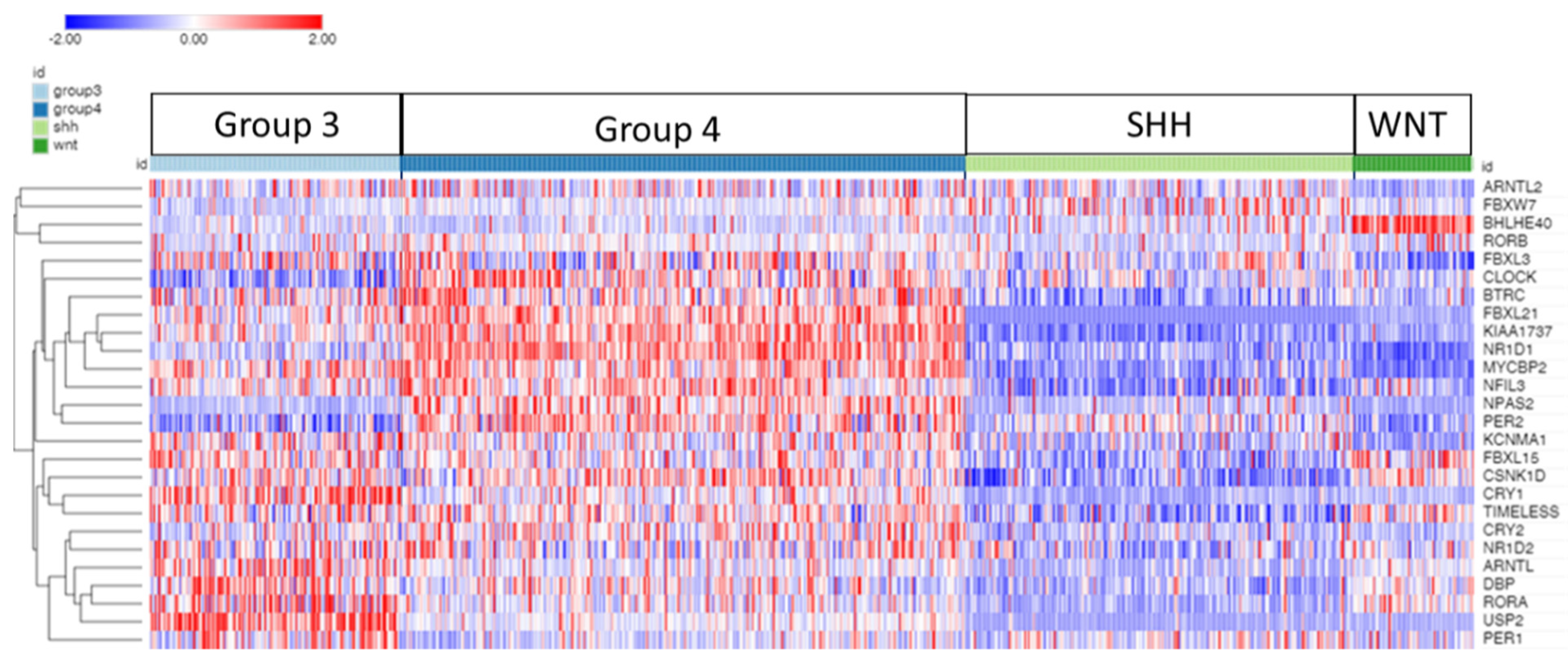
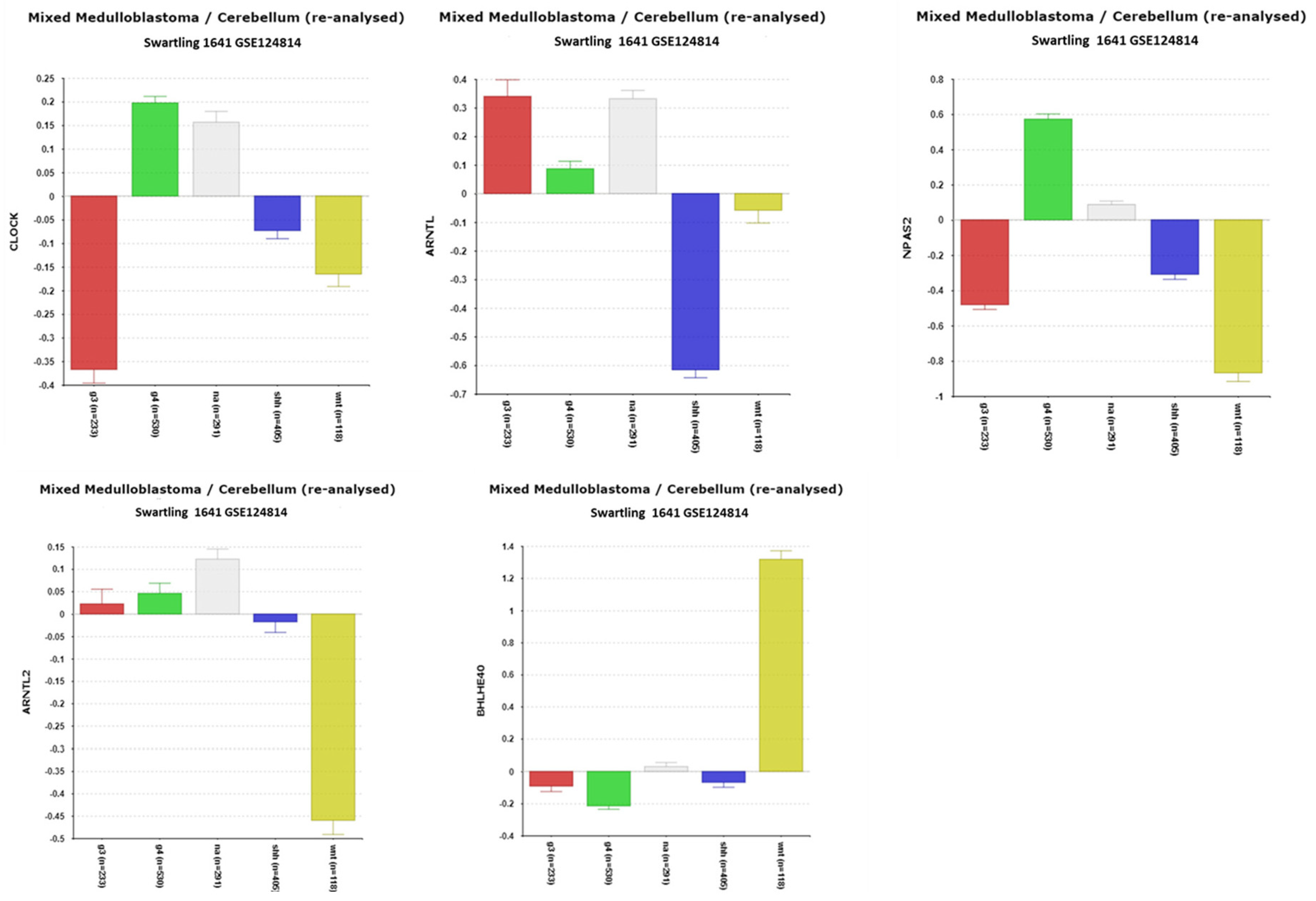
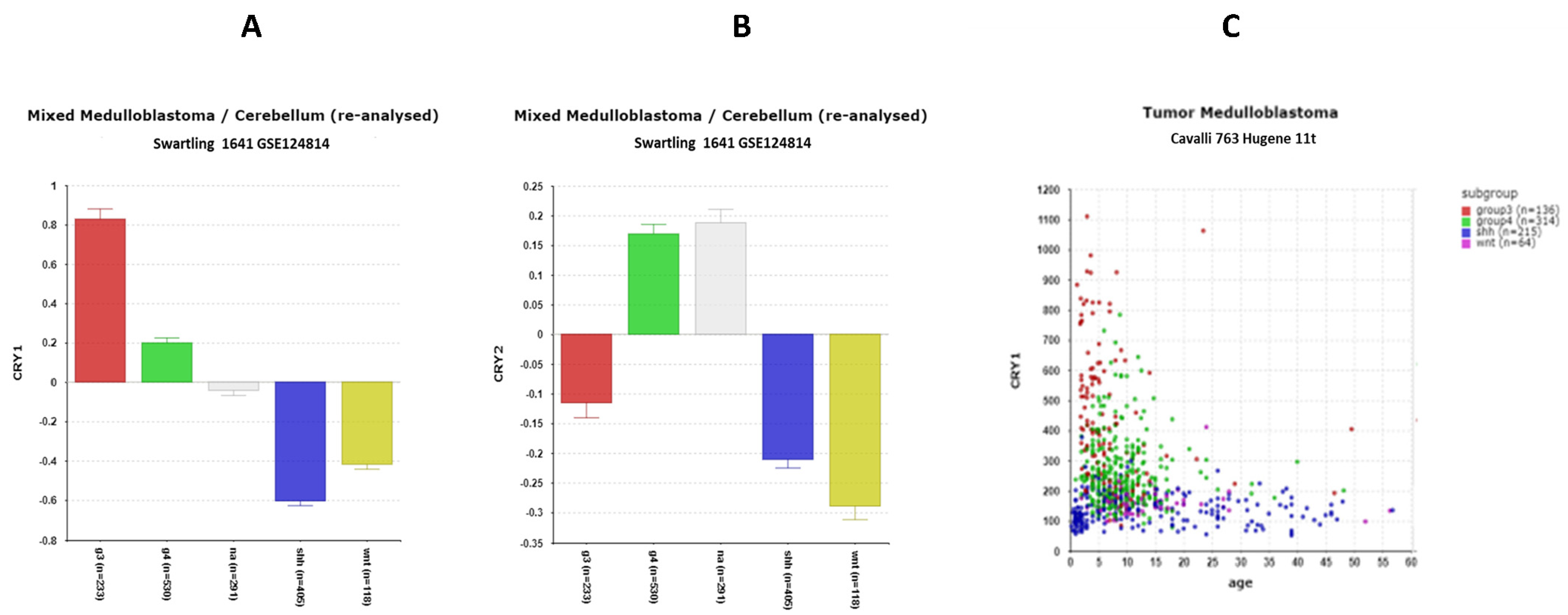
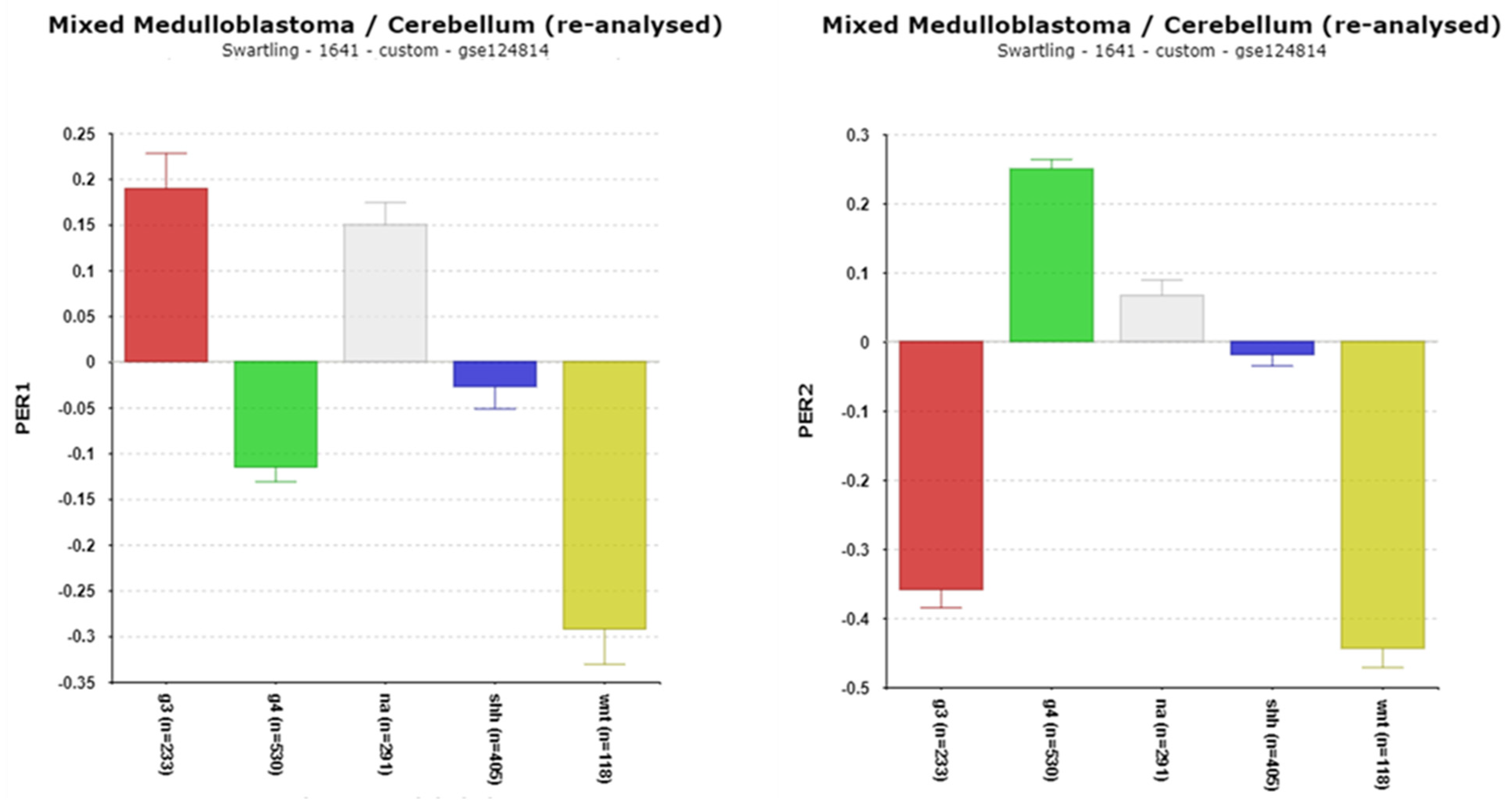
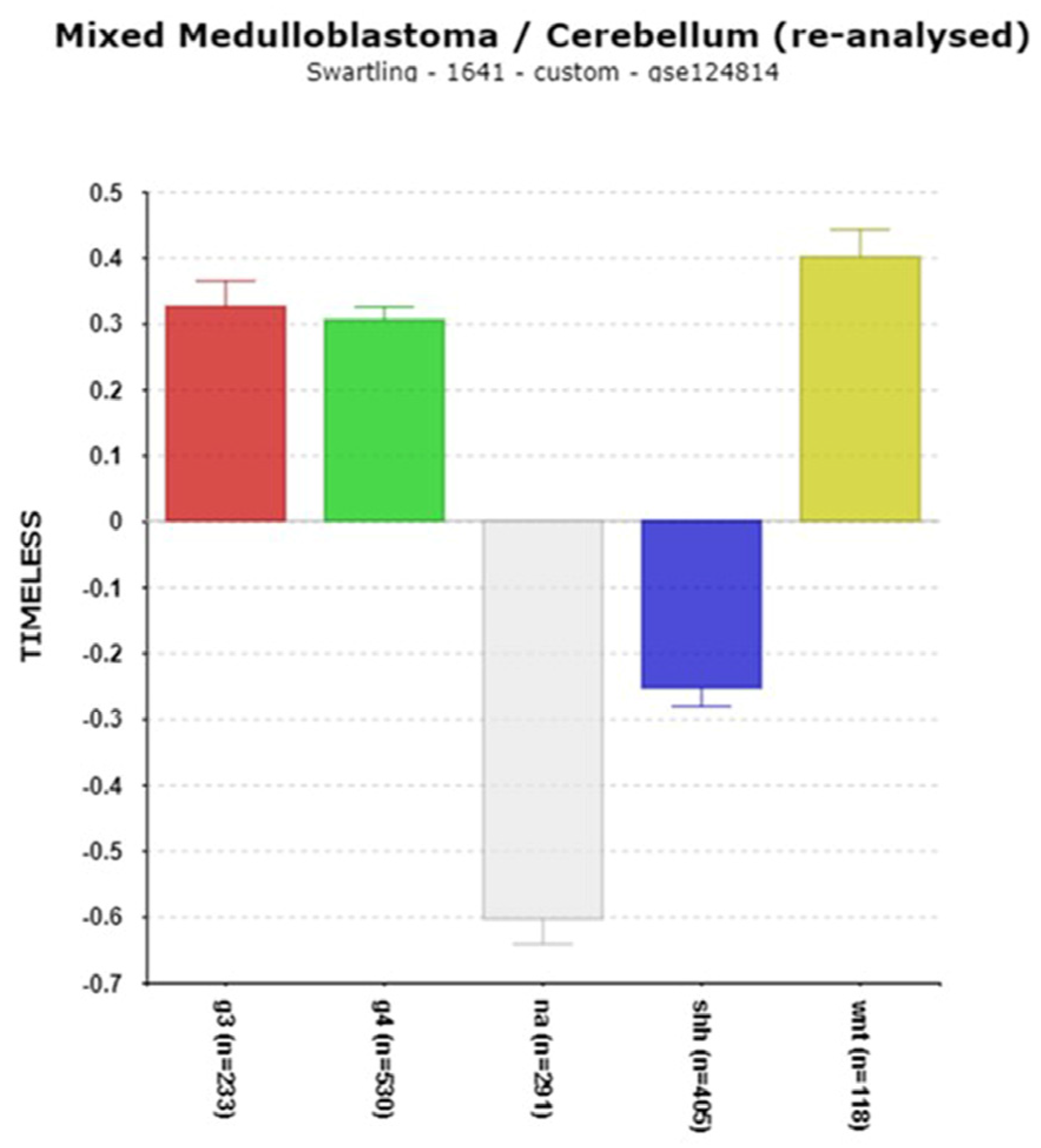
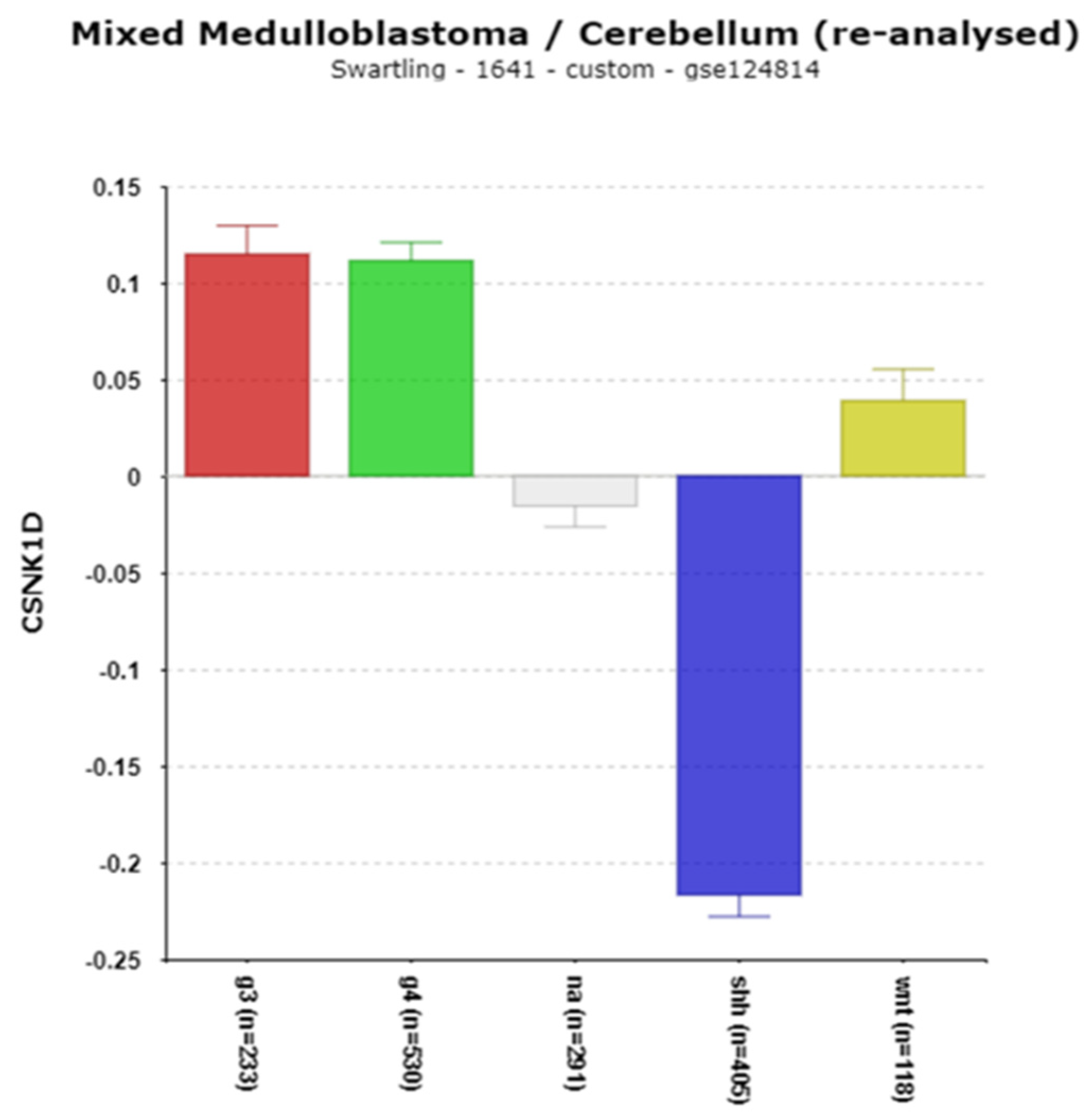
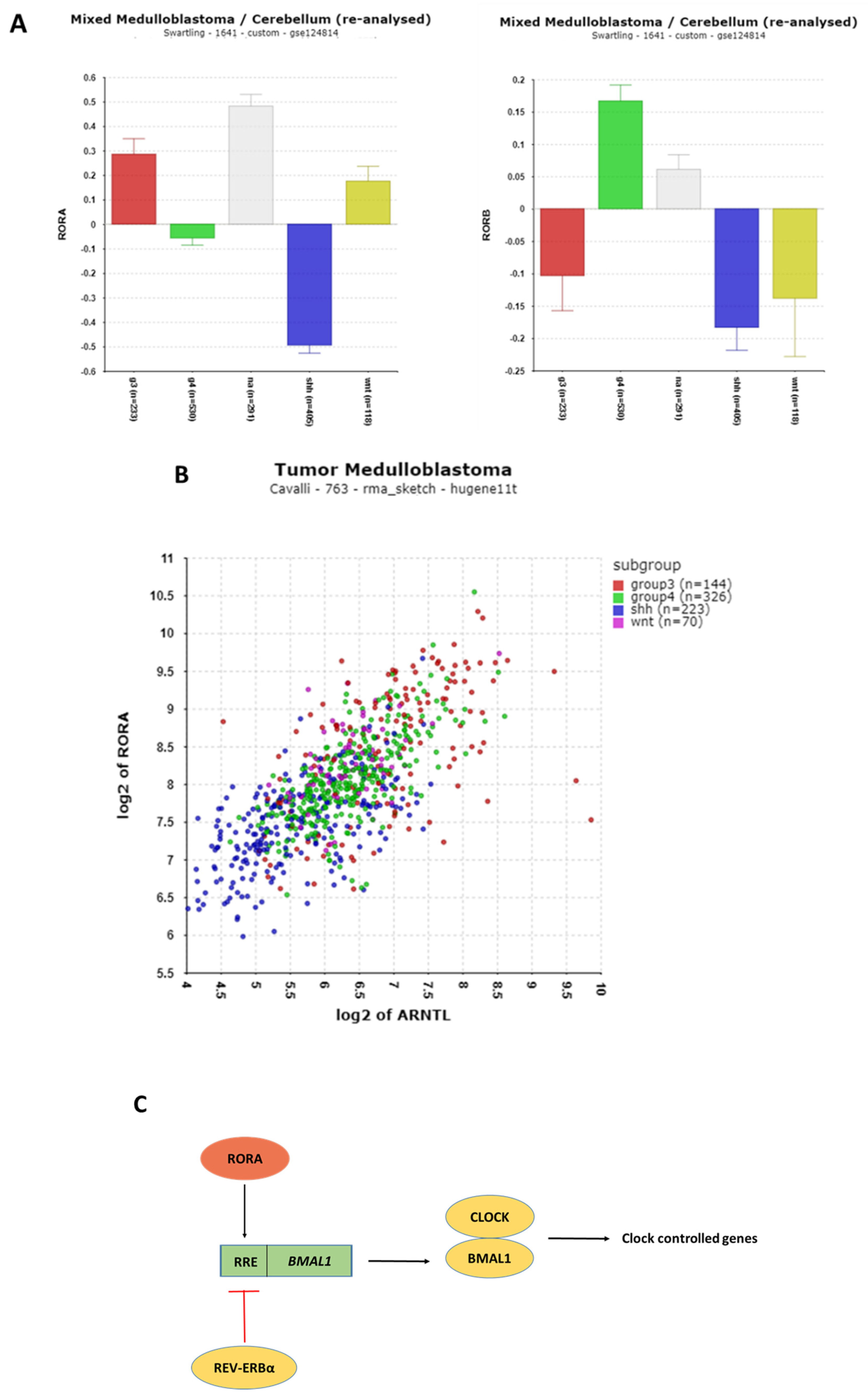
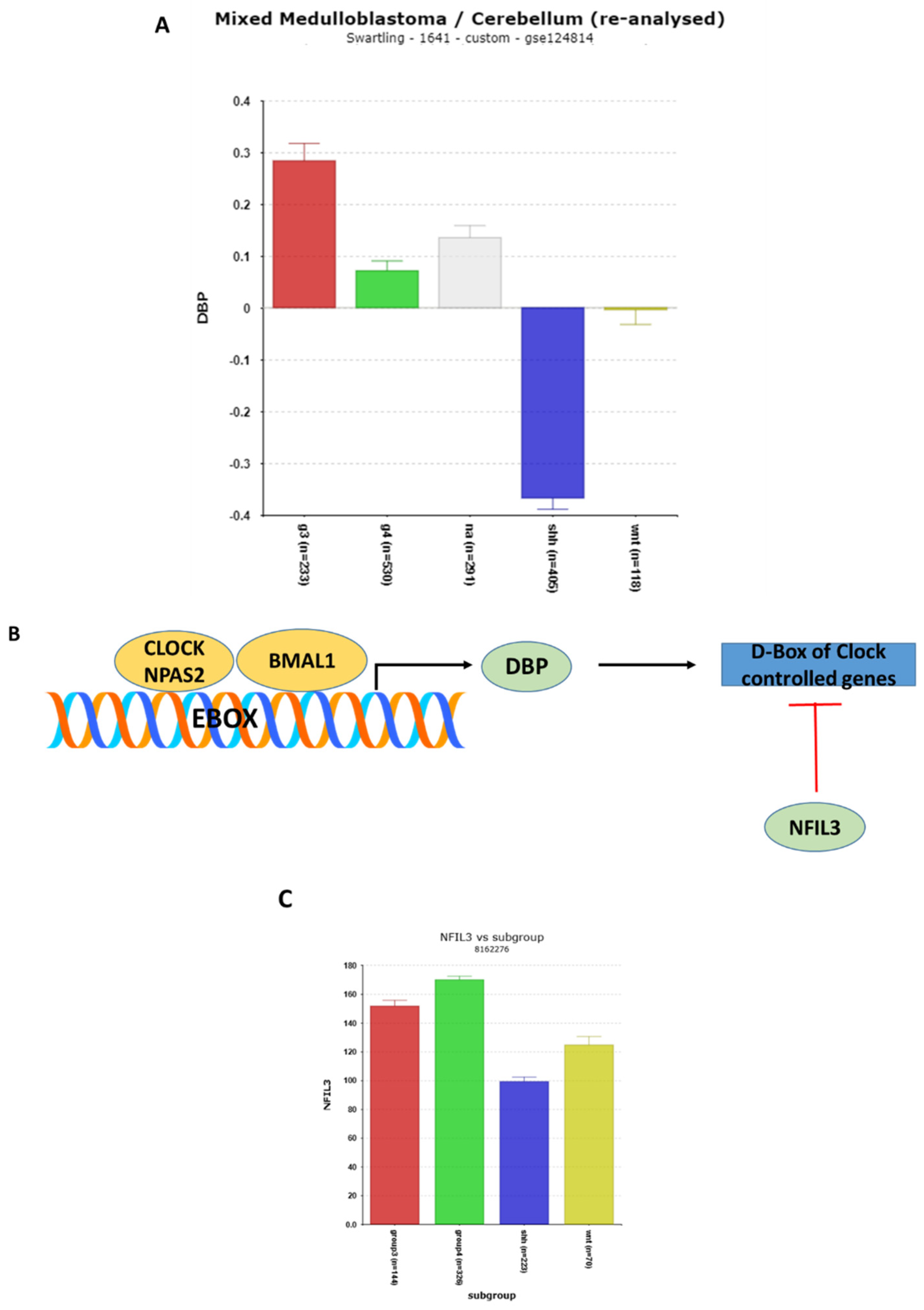
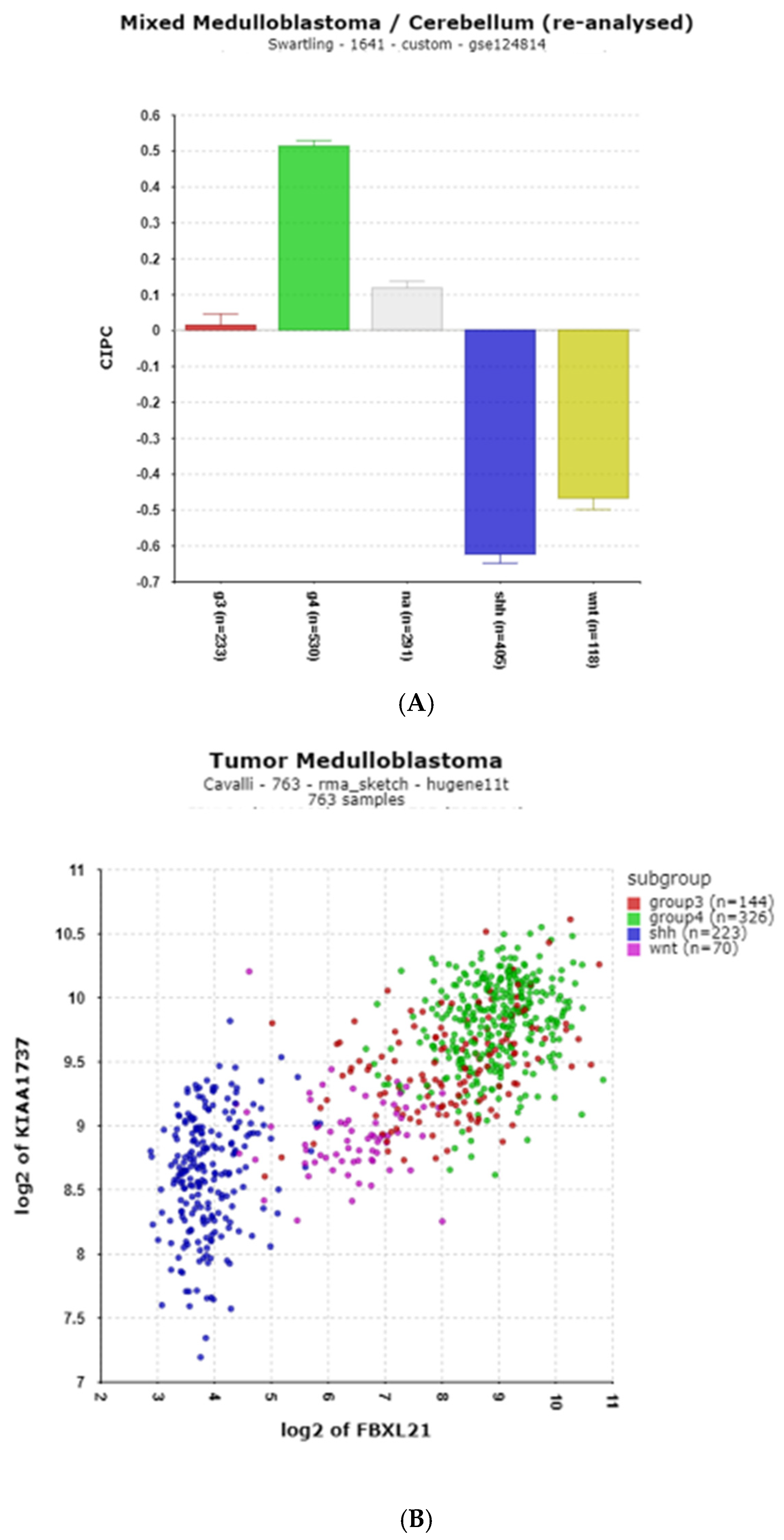
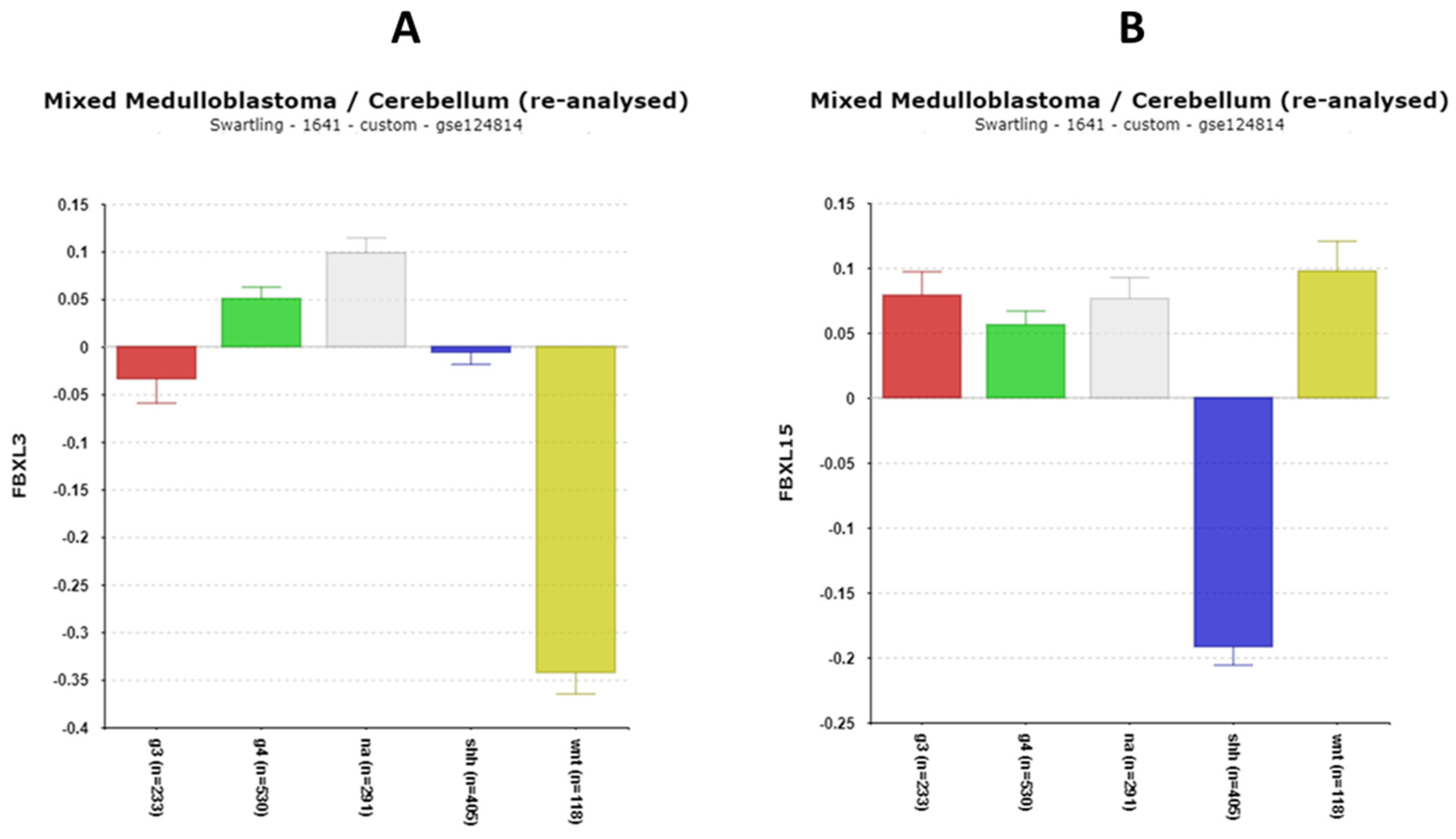
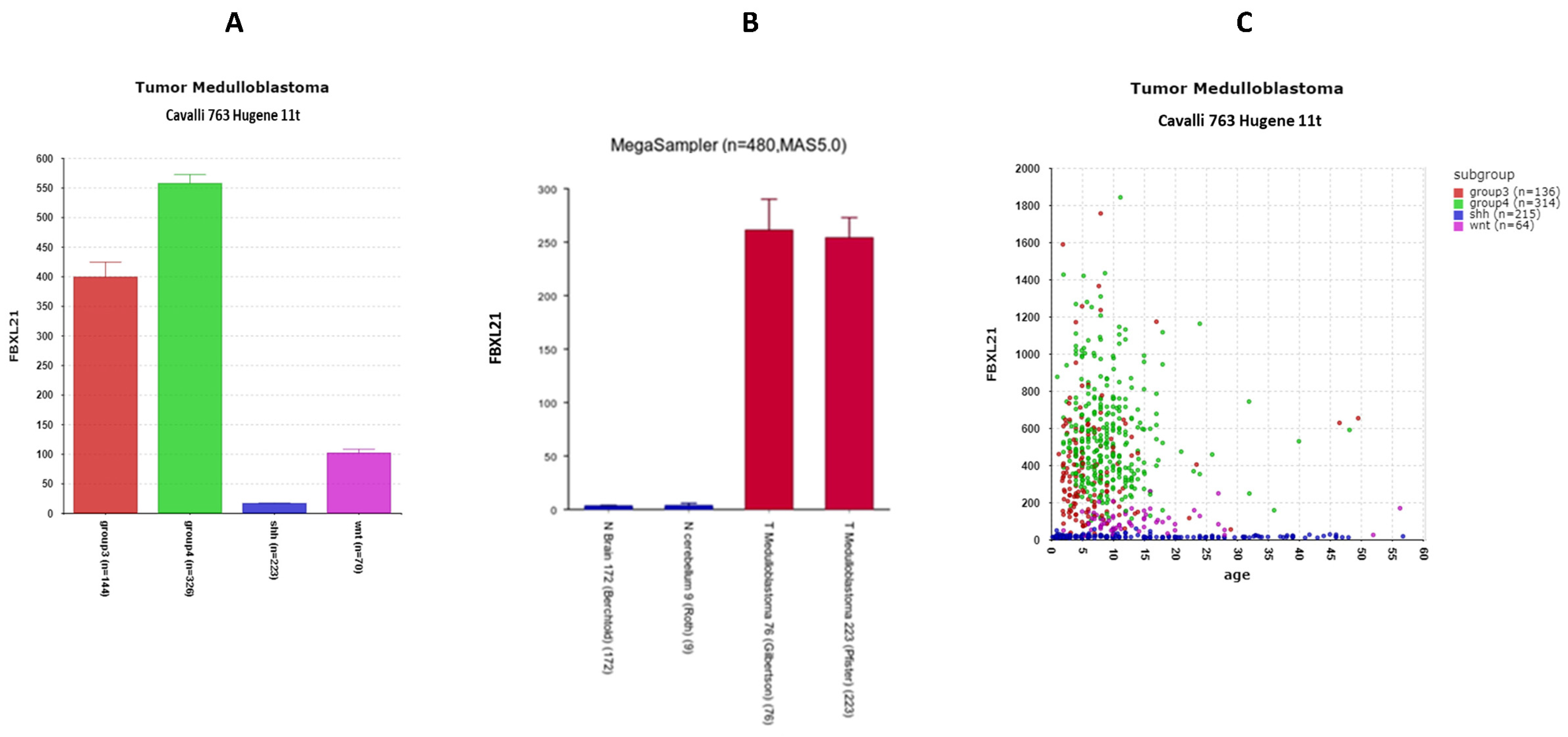
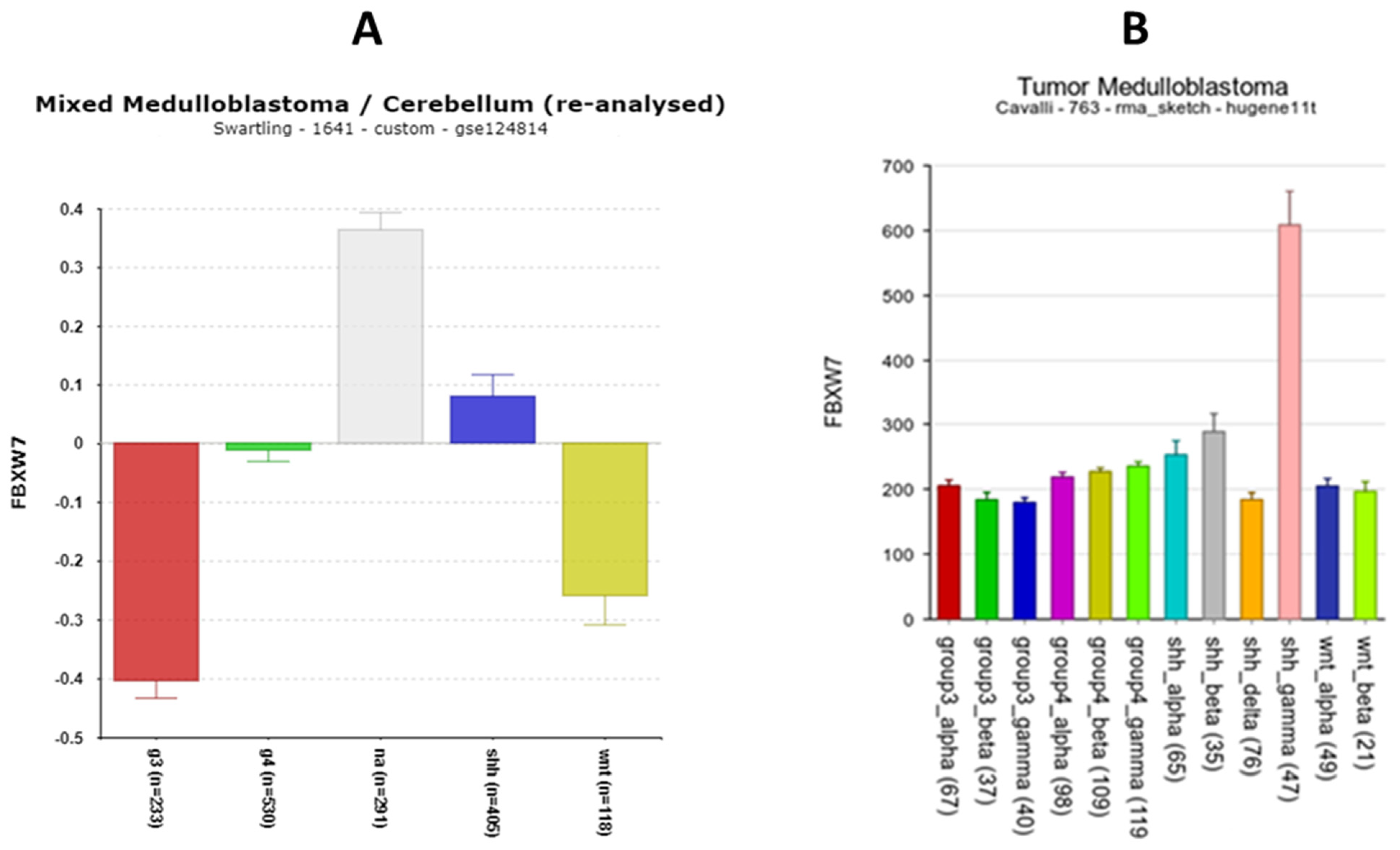
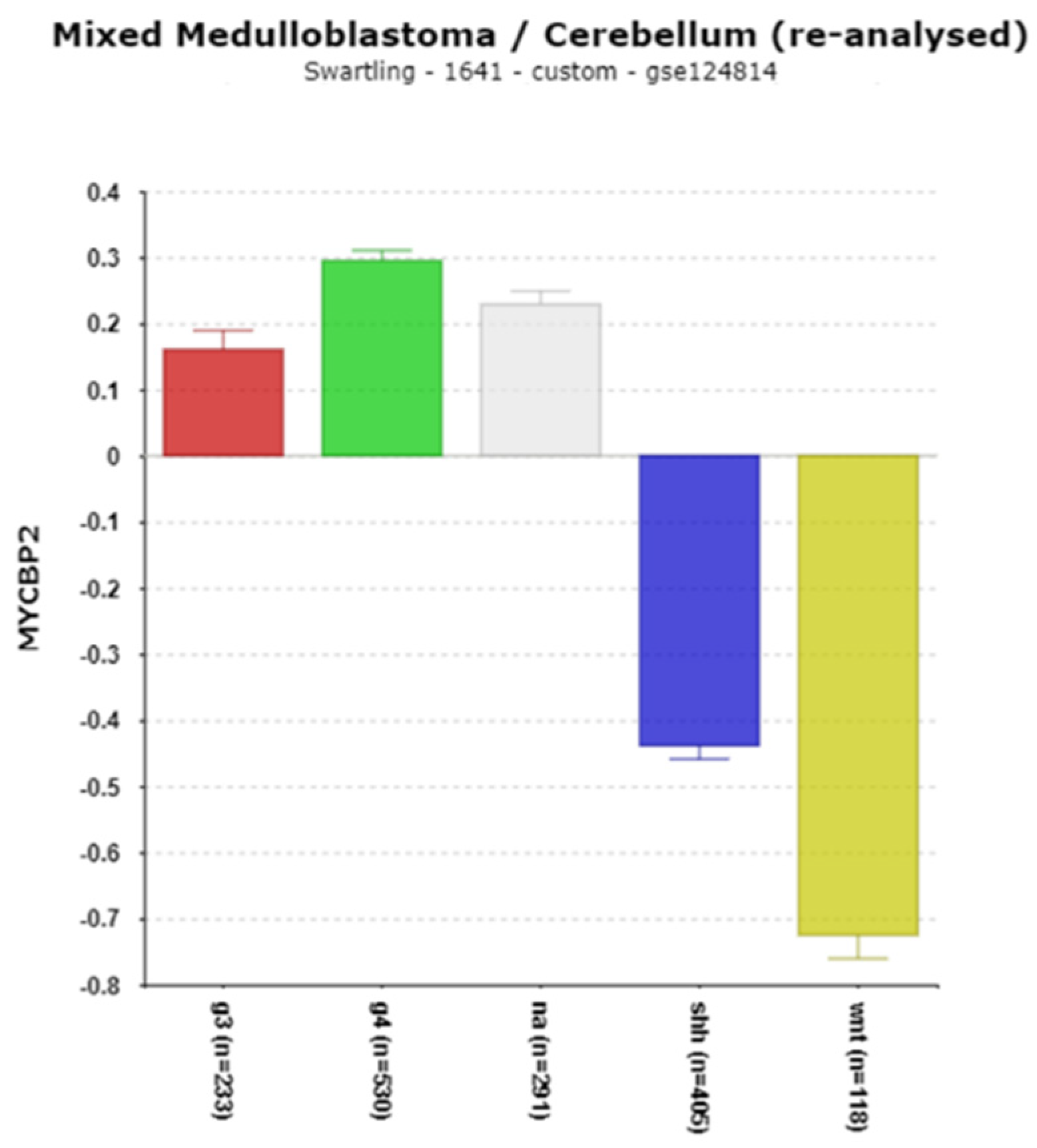
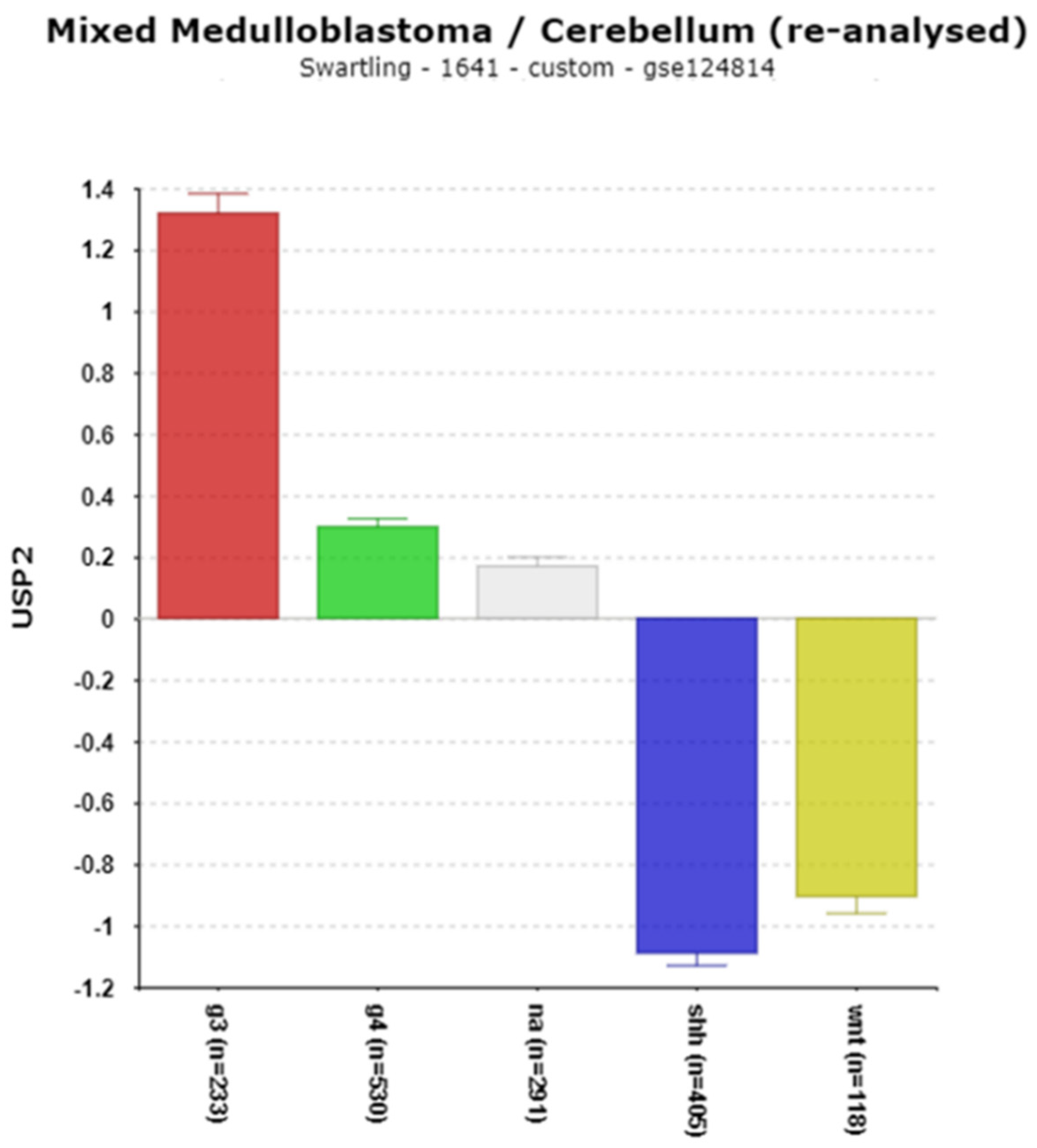
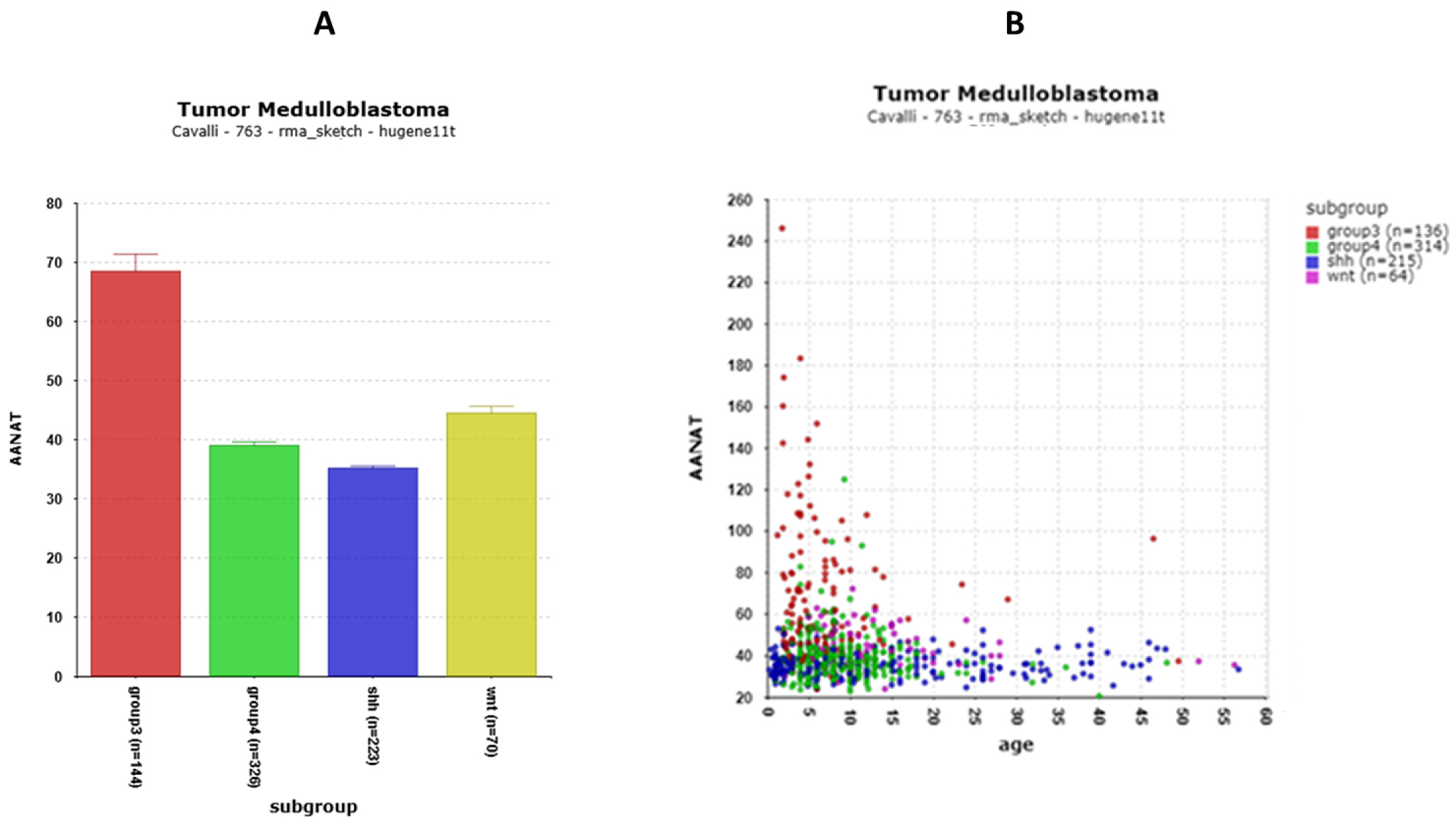
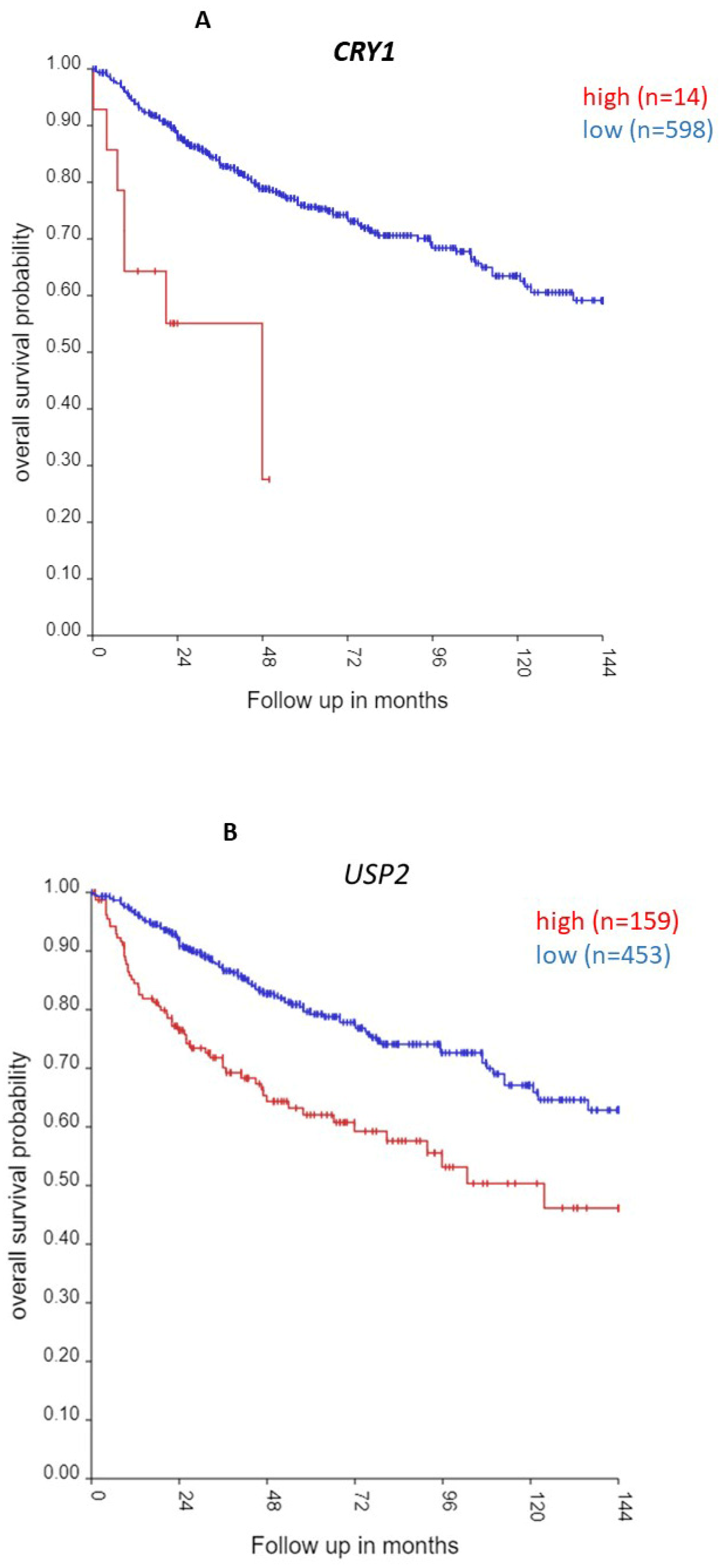
Since the expression of many genes varies throughout the day and night in various tissues of the body, we studied the expression of ‘clock’ genes in medulloblastoma (MB), a malignant brain tumor found primarily in children and young adults. Using publicly available data, we found that the core clock genes were expressed in MB tissue and that their expression was related to the four molecularly defined subgroups of MB: Group 3, Group 4, SHH, and WNT. The genetic aberration of isochromosome 17 in MB Groups 3 and 4 was associated with the over-expression of several core clock genes, including CIPC (Clock Interacting Pacemaker). The major biological pathways related to clock gene expression were the ribosome pathway and the phototransduction pathway. The two clock genes most related to patient survival were CRY1 and USP2.
Abstract
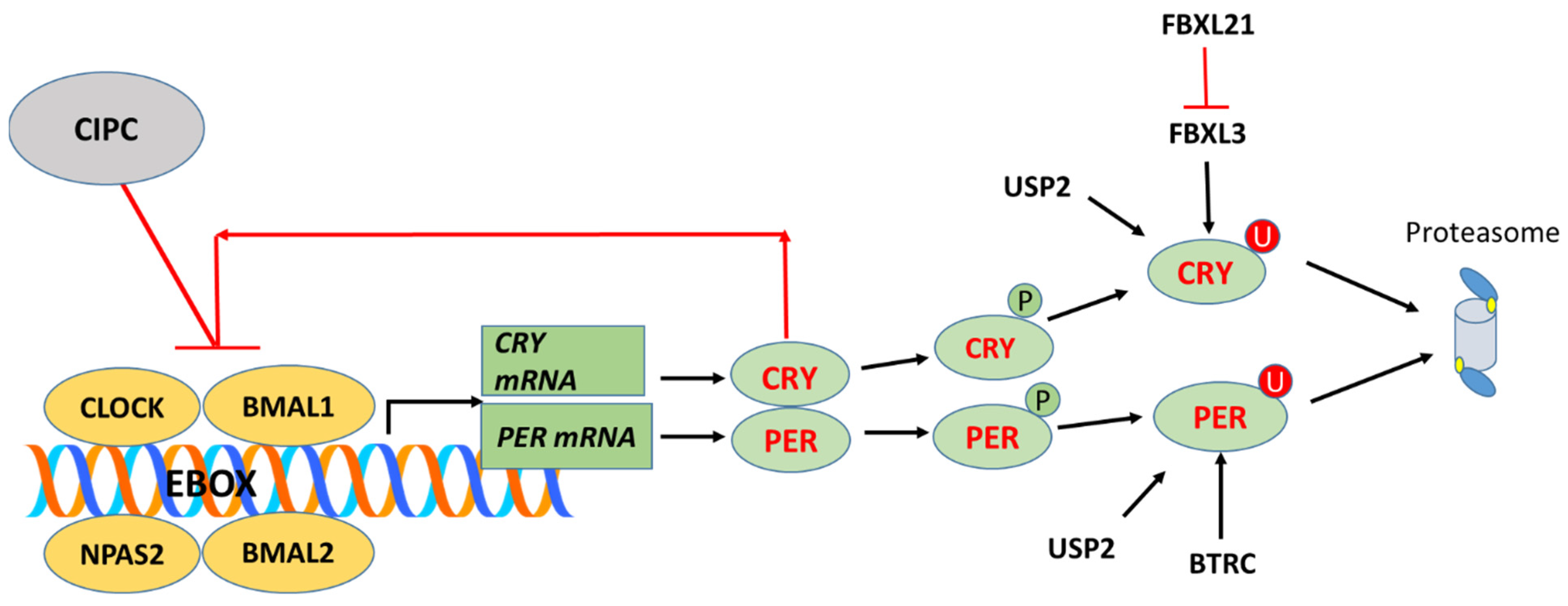
We investigated the transcription of circadian clock genes in publicly available datasets of gene expression in medulloblastoma (MB) tissues using the R2 Genomics Analysis and Visualization Platform. Differential expression of the core clock genes among the four consensus subgroups of MB (defined in 2012 as Group 3, Group 4, the SHH group, and the WNT group) included the core clock genes (CLOCK, NPAS2, PER1, PER2, CRY1, CRY2, BMAL1, BMAL2, NR1D1, and TIMELESS) and genes which encode proteins that regulate the transcription of clock genes (CIPC, FBXL21, and USP2). The over-expression of several clock genes, including CIPC, was found in individuals with the isochromosome 17q chromosomal aberration in MB Group 3 and Group 4. The most significant biological pathways associated with clock gene expression were ribosome subunits, phototransduction, GABAergic synapse, WNT signaling pathway, and the Fanconi anemia pathway. Survival analysis of clock genes was examined using the Kaplan–Meier method and the Cox proportional hazards regression model through the R2 Genomics Platform. Two clock genes most significantly related to survival were CRY1 and USP2. The data suggest that several clock proteins, including CRY1 and USP2, be investigated as potential therapeutic targets in MB.
Keywords:
brain tumor; clock genes; medulloblastoma; transcription; isochromosome 17; USP2; CYR1; survival-related genes