Nanoformulated Terpenoids in Cancer: A Review of Therapeutic Applications, Mechanisms, and Challenges
by
 , , , and
Arunagiri Sharmila
1,
Priyanka Bhadra
2,
Chandra Kishore
3,4 ,
,
Chinnadurai Immanuel Selvaraj
5,*,
Joachim Kavalakatt
6 and
and
Anupam Bishayee
6,*
1
Department of Biotechnology, School of Biosciences and Technology, Vellore Institute of Technology, Vellore 632 014, Tamil Nadu, India
2
Department of Biological Sciences, Bose Institute, Kolkata 700 091, West Bengal, India
3
Division of Pulmonary, Critical Care and Sleep Medicine, Department of Medicine, Icahn School of Medicine at Mount Sinai, New York, NY 10029, USA
4
Tisch Cancer Institute, Icahn School of Medicine at Mount Sinai, New York, NY 10029, USA
5
Department of Genetics and Plant Breeding, VIT School of Agricultural Innovations and Advanced Learning, Vellore Institute of Technology, Vellore 632 014, Tamil Nadu, India
6
Department of Pharmacology, College of Osteopathic Medicine, Lake Erie College of Osteopathic Medicine, Bradenton, FL 34211, USA
*
Authors to whom correspondence should be addressed.
Cancers 2025, 17(18), 3013; https://doi.org/10.3390/cancers17183013
Submission received: 2 July 2025
/
Revised: 31 August 2025
/
Accepted: 8 September 2025
/
Published: 16 September 2025
(This article belongs to the Collection Innovations in Cancer Drug Development Research)
Simple Summary
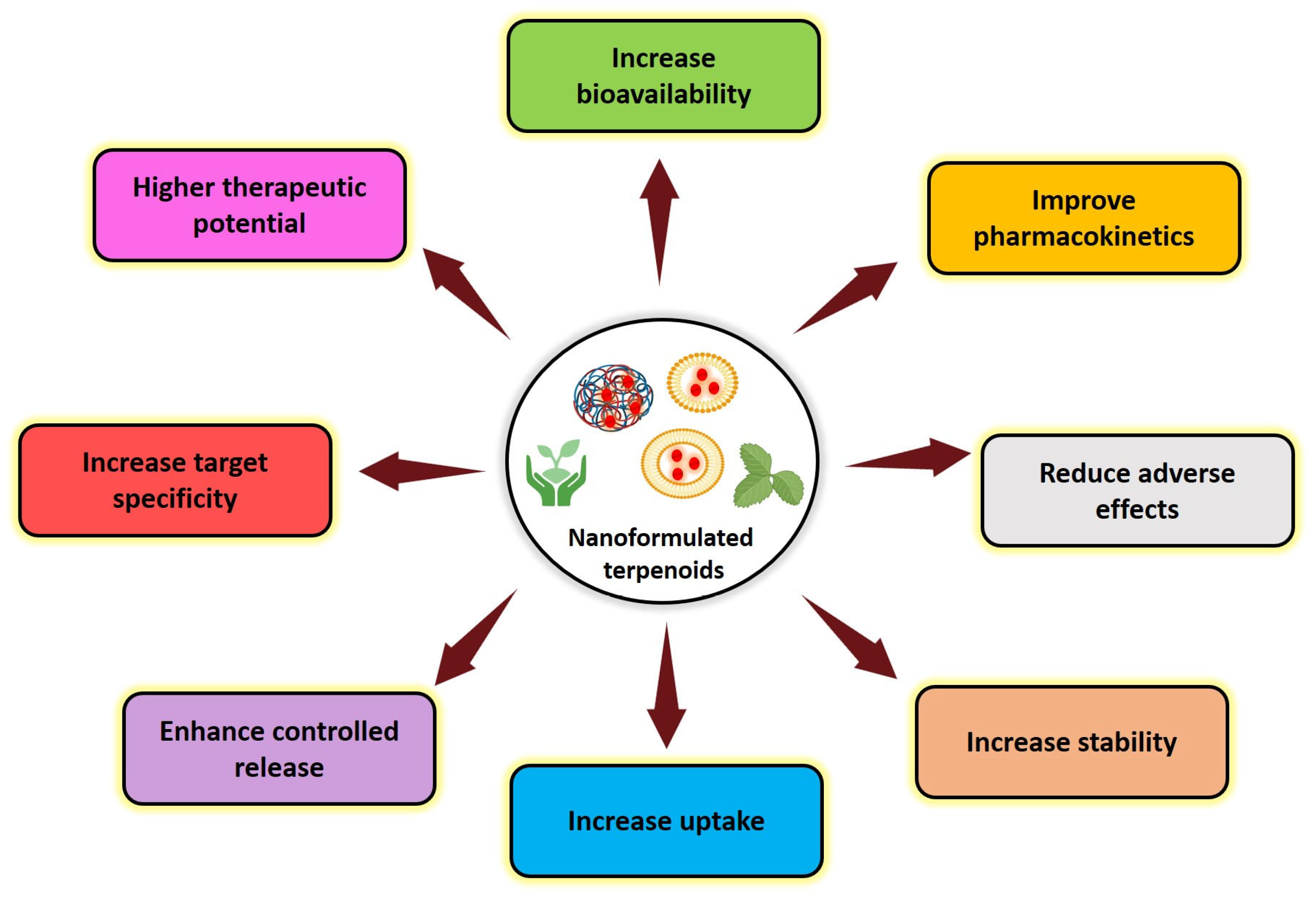
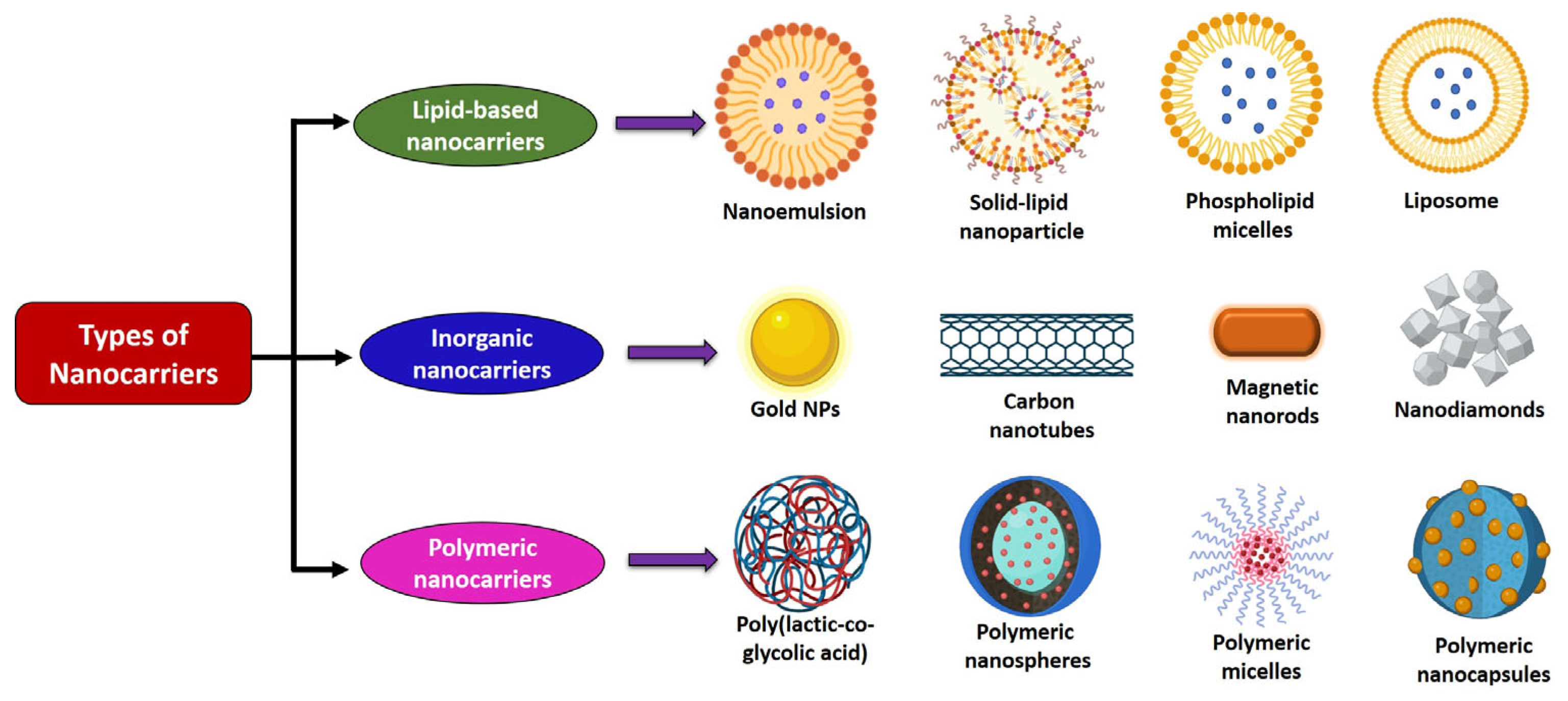
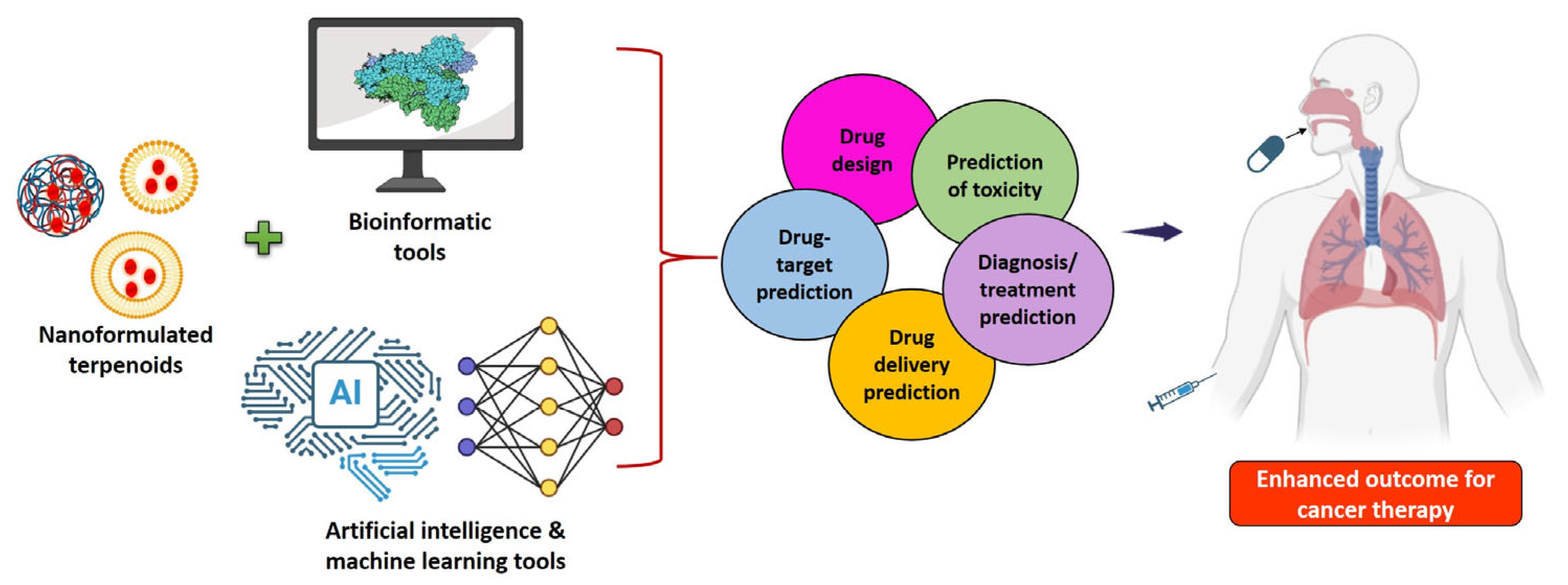
Cancer remains a significant global health concern for which safe and effective treatment is needed. Terpenoids are natural substances derived from plants that possess the ability to prevent cancer by inhibiting cell growth, inducing cell death, and preventing metastasis. Nevertheless, the clinical applicability of terpenoids is restricted by their poor bioavailability and low water solubility. This review addresses the ways in which nanoformulation techniques can improve terpenoid distribution and efficacy. It discusses several nanocarriers that facilitate the regulated release of terpenoids as well as enhance their solubility, stability, and targeted delivery. The review also highlights current issues in clinical translation as well as emerging developments, such as the integration of artificial intelligence in nanomedicine. In summary, nanoformulated terpenoids represent a potential approach for cancer treatment by combining bioactive natural compounds with advanced drug delivery systems.
Abstract
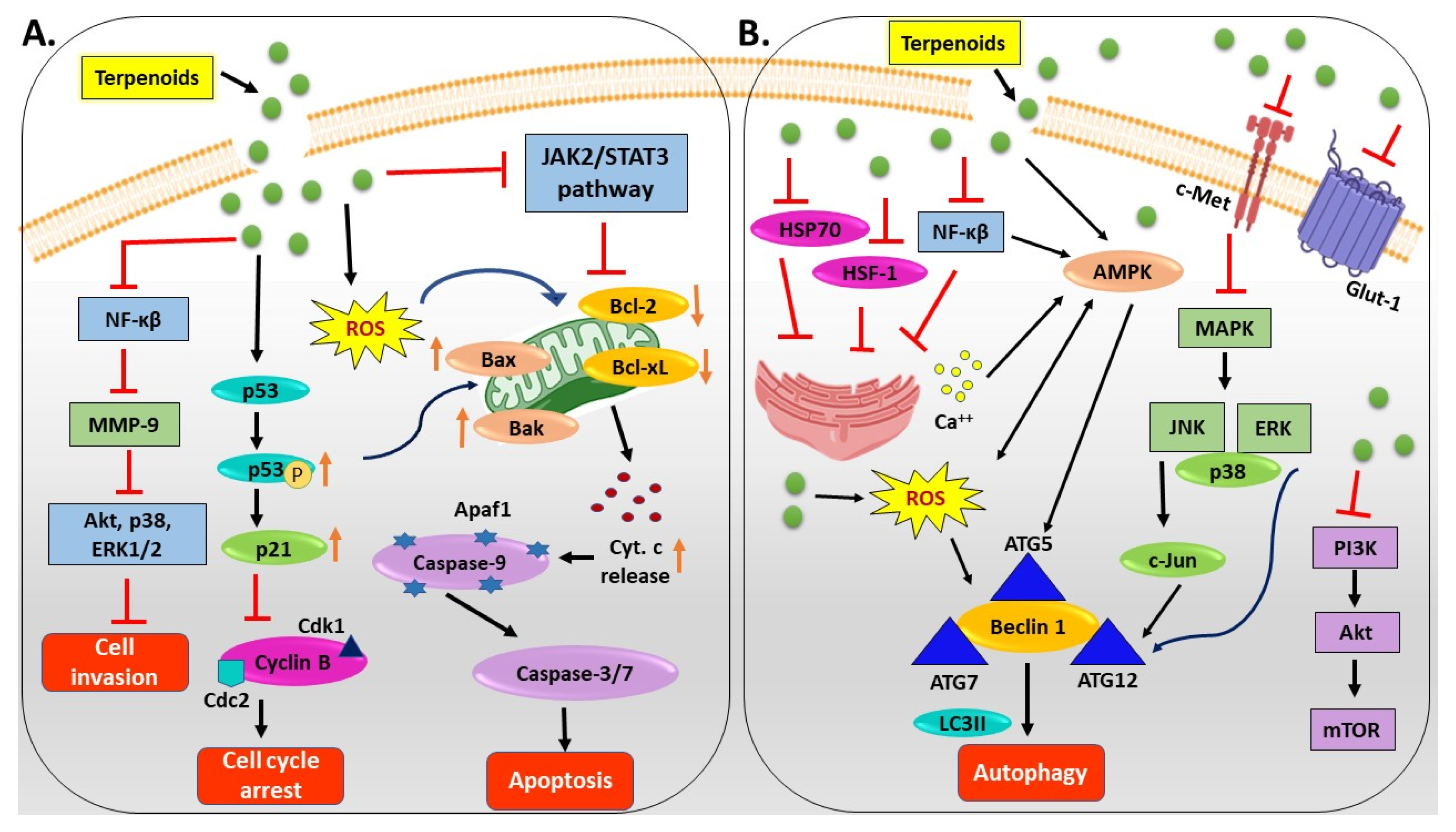
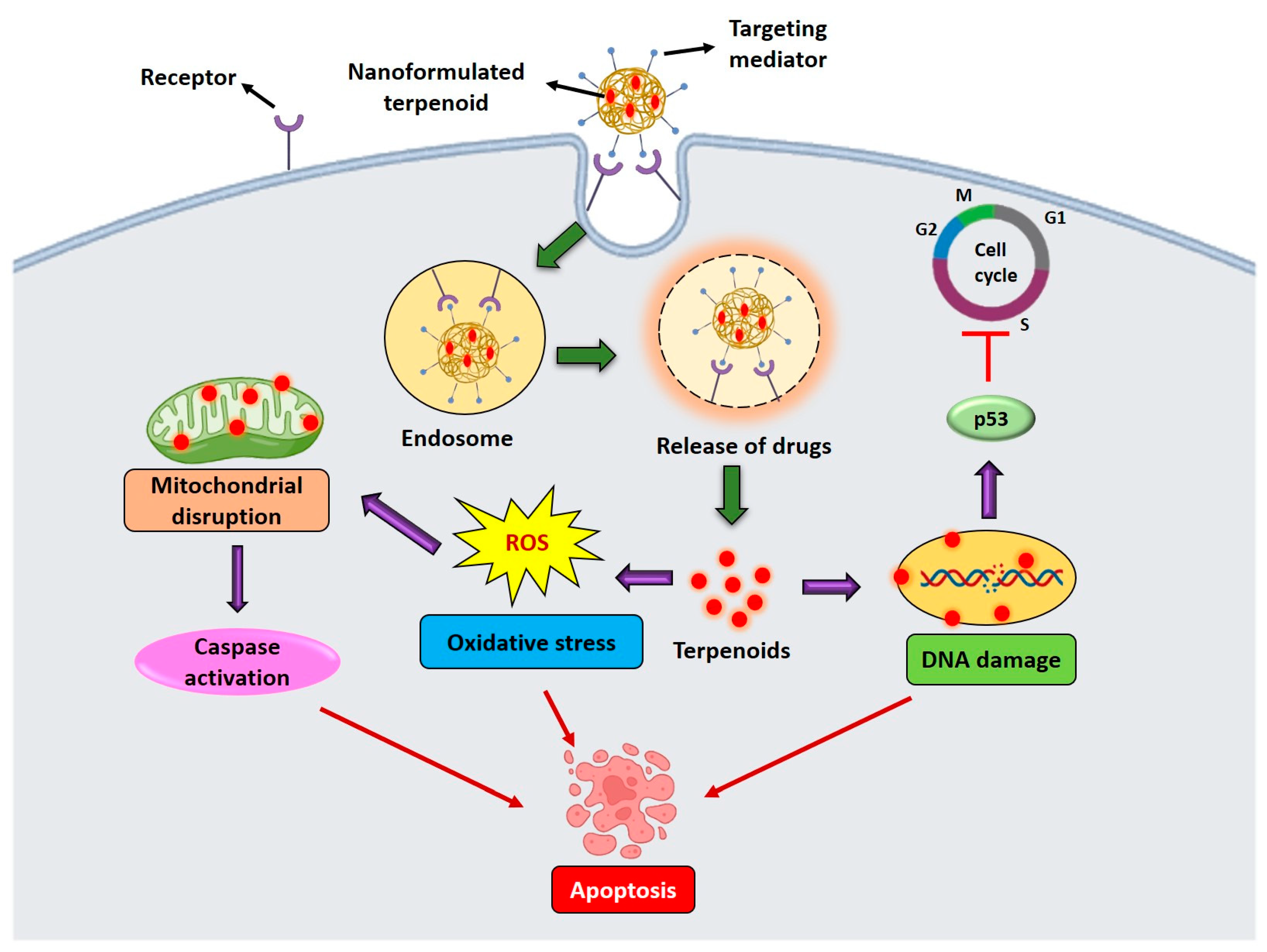
Cancer remains a major global health concern, and thus, there is a growing demand for efficient and selective therapies with low systemic toxicity. Natural bioactive compounds have emerged as promising alternatives, and terpenoids have shown notable anticancer properties. They exert antiproliferative, proapoptotic, anti-invasive, and antimetastatic effects through the regulation of multiple molecular targets and signaling pathways, including modulation of apoptosis, suppression of angiogenesis, and inhibition of tumor-promoting inflammation. However, their clinical translation is constrained by poor aqueous solubility, low bioavailability, rapid systemic clearance, and inadequate tumor accumulation. Recent advances in nanotechnology offer strategies to overcome these limitations. Nanocarrier-based systems improve the solubility, stability, and pharmacokinetics of terpenoids, while enabling tumor-targeted delivery and controlled release. Various strategies, such as enhanced permeability and retention effect, ligand-mediated active targeting, and stimuli-responsive release have been used to achieve selective tumor accumulation and improved therapeutic outcomes. The purpose of this review is to provide a comprehensive evaluation of nanoformulated terpenoids in cancer with a special emphasis on their therapeutic applications and mechanisms of action. Preclinical studies demonstrate that nanocarrier-loaded terpenoids significantly increase bioavailability, enhance apoptosis, and suppress tumor angiogenesis compared with free terpenoids. The incorporation of artificial intelligence and machine learning further holds promise for the rational design of nanomedicines, accelerating their path toward clinical translation. Collectively, these developments position nanoformulated terpenoids as a powerful platform in precision oncology with strong potential for future application in cancer therapy.