A Systematic Review of Prognostic Factors in Patients with Cancer Receiving Palliative Radiotherapy: Evidence-Based Recommendations
by
 , and
, and
Alexander Tam
1, 
Emanuela Scarpi
2,
Marco Cesare Maltoni
3,
Romina Rossi
4,
Alysa Fairchild
5,
Kristopher Dennis
6,
Marcus Vaska
7 and
Marc Kerba
1,* 
1
Cumming School of Medicine, Department of Radiation Oncology, University of Calgary, Calgary, AB T2N 1N4, Canada
2
Unit of Biostatistics and Clinical Trials, IRCCS Istituto Romagnolo per lo Studio dei Tumori (IRST) “Dino Amadori”, 47014 Meldola, Italy
3
Medical Oncology Unit, Department of Medical and Surgical Sciences (DIMEC), University of Bologna, 40126 Bologna, Italy
4
Palliative Care Unit, IRCCS Istituto Romagnolo per lo Studio dei Tumori (IRST) “Dino Amadori”, 47014 Meldola, Italy
5
Department of Radiation Oncology, Cross Cancer Institute, Faculty of Medicine, University of Alberta, Edmonton, AB T6G 2R3, Canada
6
Division of Radiation Oncology, The Ottawa Hospital and the University of Ottawa, Ottawa, ON K1H 8L6, Canada
7
Knowledge Resource Service, Tom Baker Cancer Centre, Alberta Health Services, Calgary, AB T2N 4N2, Canada
*
Author to whom correspondence should be addressed.
Cancers 2024, 16(9), 1654; https://doi.org/10.3390/cancers16091654
Submission received: 10 March 2024
/
Revised: 22 April 2024
/
Accepted: 22 April 2024
/
Published: 25 April 2024
(This article belongs to the Section Cancer Survivorship and Quality of Life)
Simple Summary
Accurately predicting survival in patients with cancer receiving palliative radiotherapy is important for clinical decision making in cancer care management and delivery. This remains a challenge due to the heterogeneity of cancer diagnoses and a wide variety of prognostic factors. This study aims to review the literature to identify prognostic factors for clinical use as well as prognostic tools available to clinicians treating this population of patients. Based on the literature, we formulated evidence-based recommendations for clinicians to implement into practice with the intention of improving prognostic accuracy and overall patient care.
Abstract
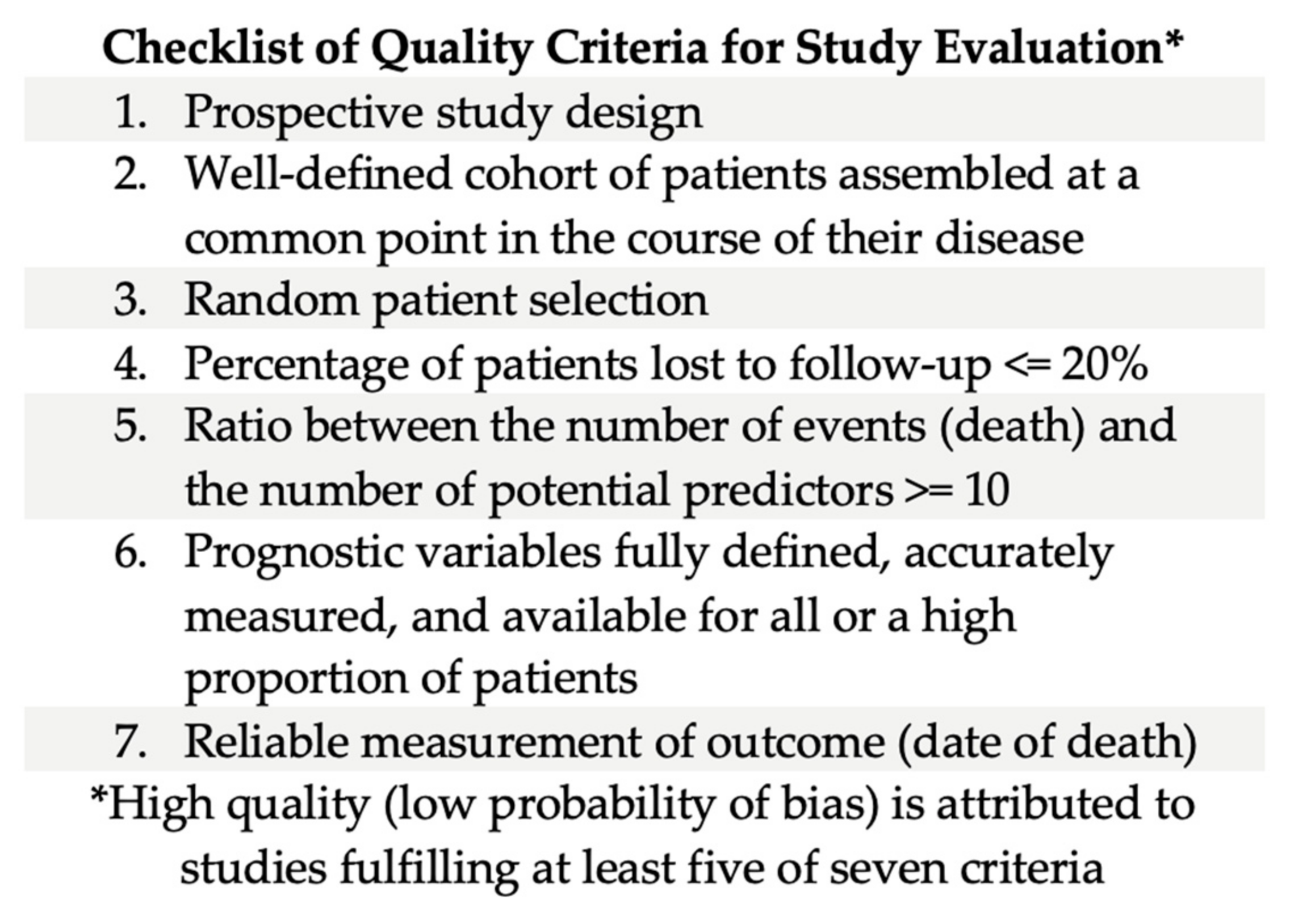
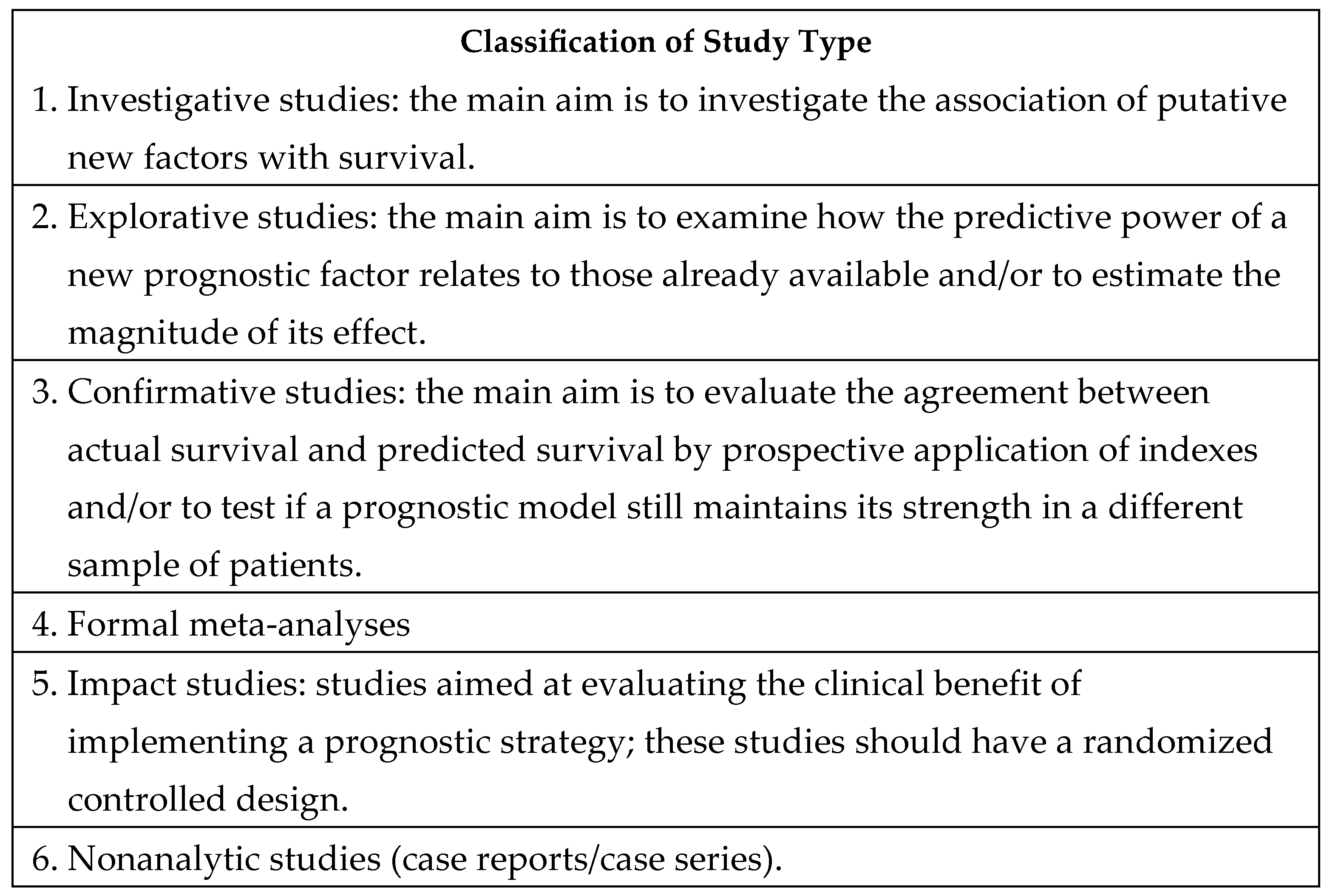
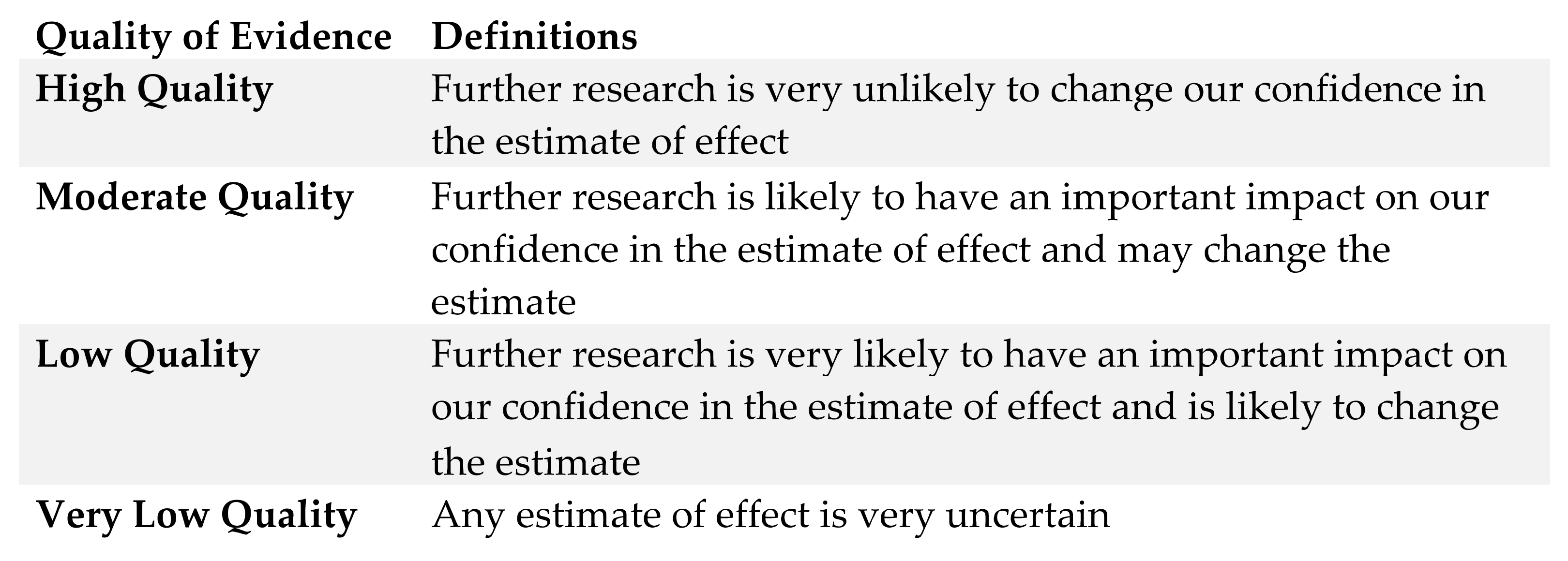
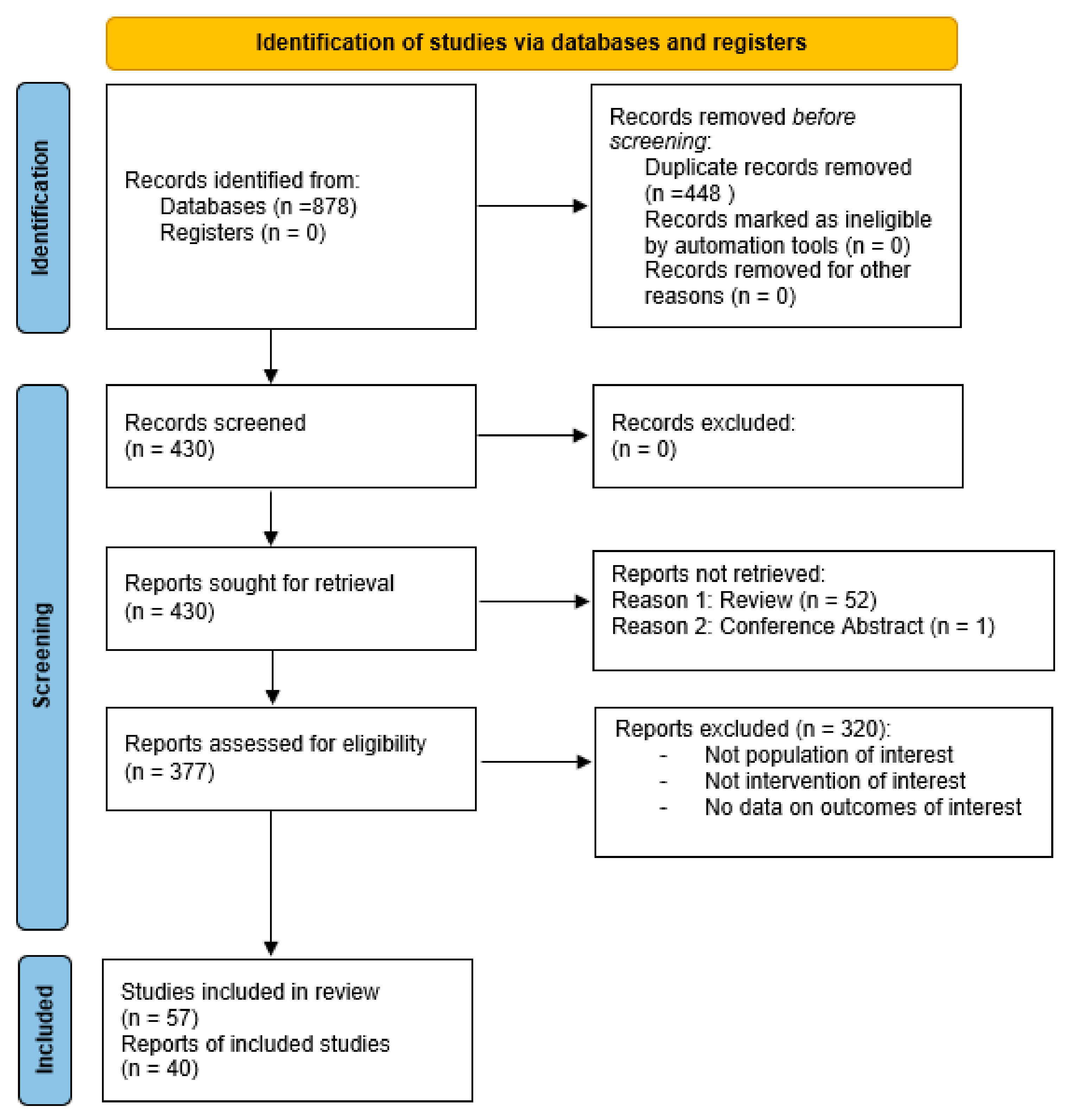
(1) Background: Prognostication in patients with cancer receiving palliative radiotherapy remains a challenge. To improve the process, we aim to identify prognostic factors in this population from the literature and offer evidence-based recommendations on prognostication in patients undergoing palliative radiotherapy for non-curable or advanced cancers. (2) Methods: A systematic review was performed on the medical literature from 2005 to 2023 to extract papers on the prognosis of palliative radiotherapy patients with advanced cancer. The initial selection was performed by at least two authors to determine study relevance to the target area. Studies were then classified based on type and evidence quality to determine final recommendations. (3) Results: The literature search returned 57 papers to be evaluated. Clinical and biological prognostic factors were identified from these papers to improve clinical decision making or construct prognostic models. Twenty prognostic models were identified for clinical use. There is moderate evidence supporting (i) evidence-based factors (patient, clinical, disease, and lab) in guiding decision making around palliative radiation; (ii) that certain biological factors are of importance; (iii) prognostication models in patients with advanced cancer; and that (iv) SBRT or re-irradiation use can be guided by predictions of survival by prognostic scores or clinicians. Patients with more favorable prognoses are generally better suited to SBRT or re-irradiation, and the use of prognostic models can aid in this decision making. (4) Conclusions: This evaluation has identified several factors or tools to aid in prognosis and clinical decision making. Future studies should aim to further validate these tools and factors in a clinical setting, including the leveraging of electronic medical records for data availability. To increase our understanding of how causal factors interact with palliative radiotherapy, future studies should also examine and include prediction of response to radiation as an outcome.