The Use of Glucagon-like Peptide-1 Receptor Agonists in Patients with Type 2 Diabetes Mellitus Does Not Increase the Risk of Pancreatic Cancer: A U.S.-Based Cohort Study


1
Department of Internal Medicine, Charleston Area Medical Center, West Virginia University, Charleston, WV 25304, USA
2
Department of General Surgery, Marshall University, Huntington, WV 25755, USA
3
Division of Gastroenterology and Hepatology, Charleston Area Medical Center, West Virginia University, Charleston, WV 25304, USA
*
Authors to whom correspondence should be addressed.
Cancers 2024, 16(9), 1625; https://doi.org/10.3390/cancers16091625
Submission received: 30 March 2024
/
Revised: 20 April 2024
/
Accepted: 22 April 2024
/
Published: 23 April 2024
(This article belongs to the Special Issue Gastrointestinal Malignancy: Epidemiology and Risk Factors)
Simple Summary
This is a retrospective national cohort study that aims to assess the risk of developing pancreatic cancer in patients with type 2 diabetes mellitus (T2DM) who are being treated with Glucagon-like Peptide-1 receptor agonists. We exclude patients with multiple risk factors for pancreatic cancer from our study. We retrospectively follow the patients for 7 years after the initiation of treatment. Current evidence is controversial about their use and the possible risk of pancreatic disease. We aim to revoke the association of pancreatic cancer with their use in support of their continued use due to their beneficial cardiovascular and renal effects.
Abstract
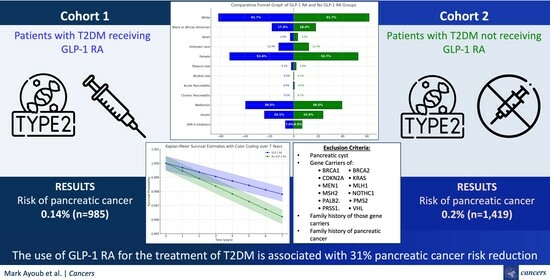
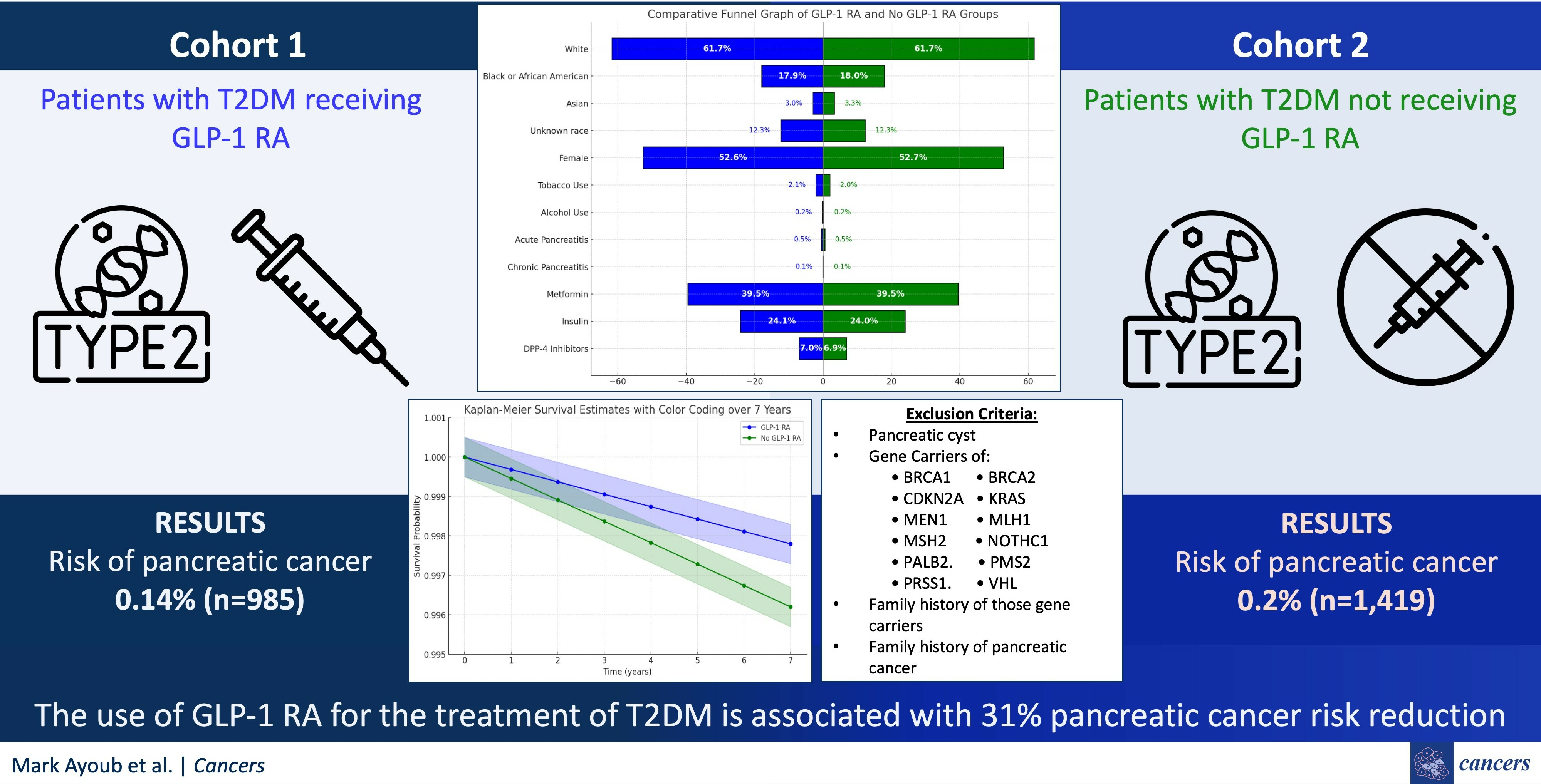
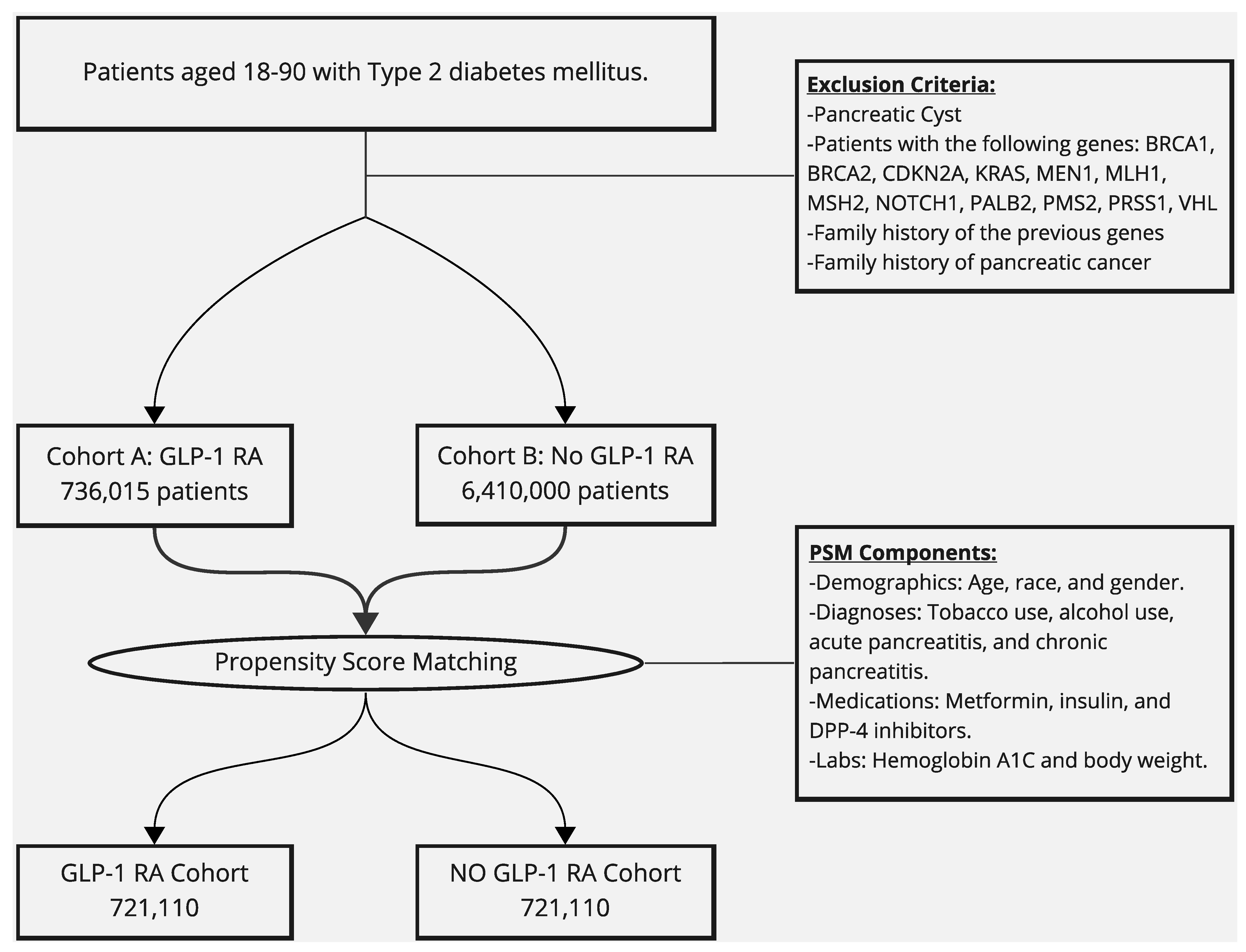
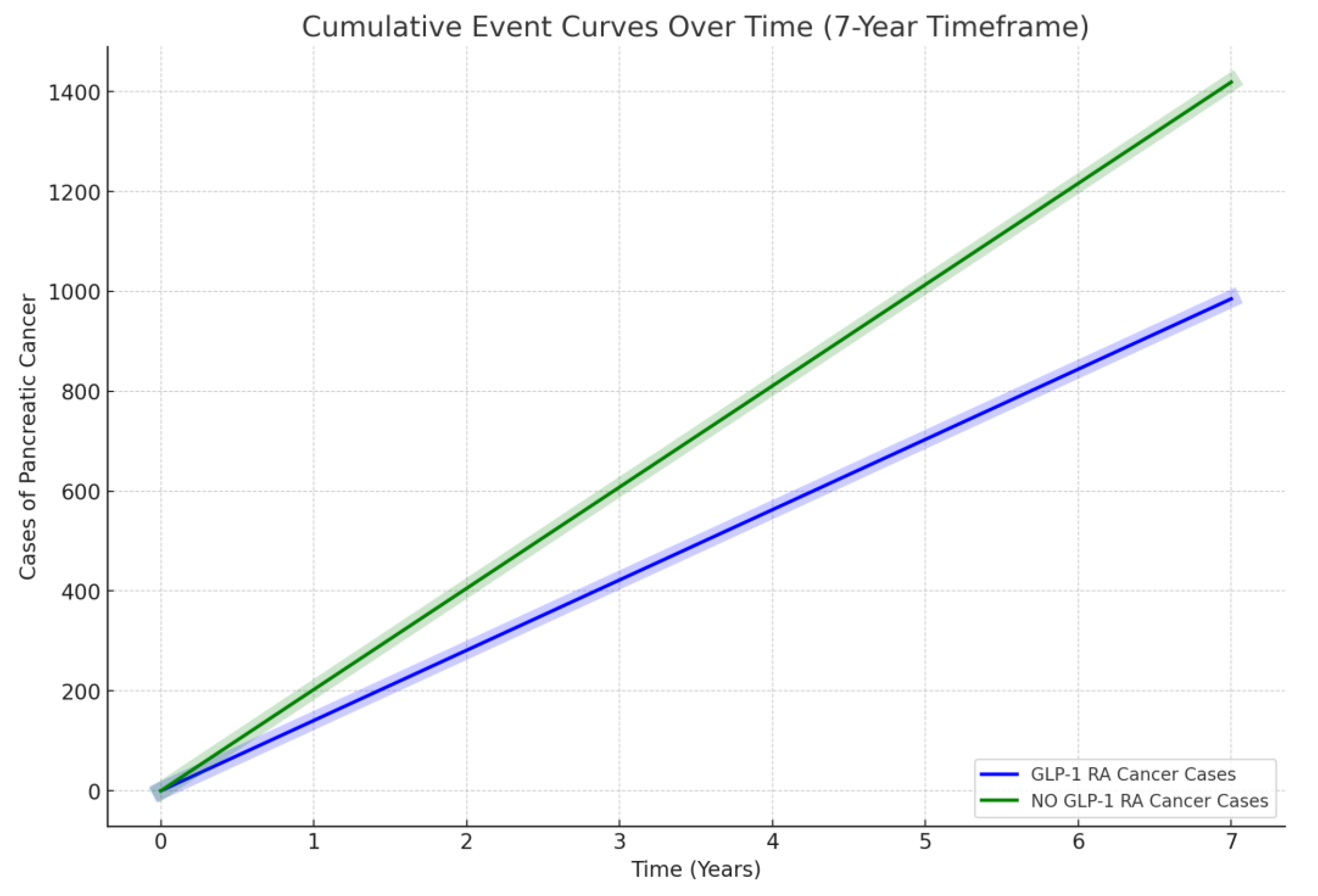
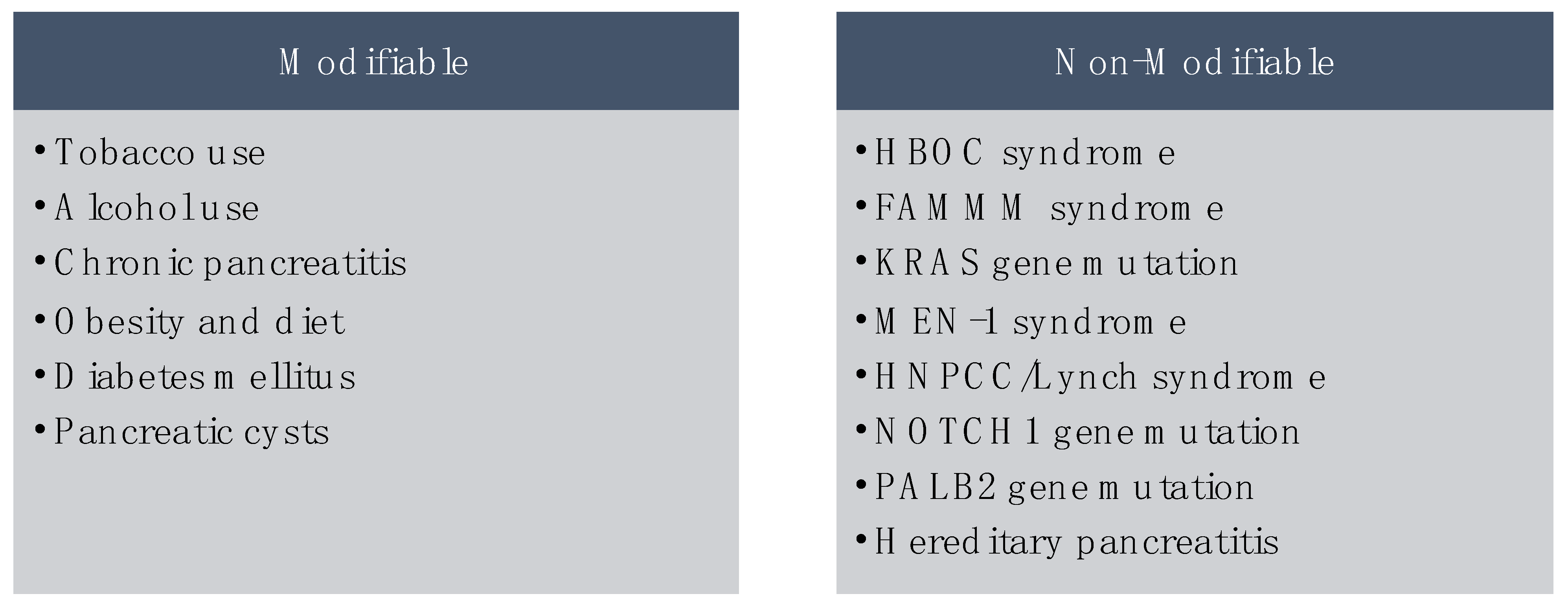
Background: GLP-1 RAs are widely used for T2DM treatment due to their cardiorenal and metabolic benefits. This study examines the risk of pancreatic cancer with GLP-1 RA use in patients with T2DM. Methods: We analyzed TriNetX’s deidentified research database using the U.S. Collaborative Network comprising 62 healthcare organizations across the U.S.A. Patients with T2DM were split into two cohorts: one receiving GLP-1 RAs, and one not receiving GLP-1 RAs. We excluded patients with known risk factors for pancreatic cancer, including pancreatic cysts, a personal or family history of BRCA1, BRCA2, CDKN2A, KRAS, MEN1, MLH1, MSH2, NOTCH1, PALB2, PMS2, and PRSS1S genes, family history of pancreatic cancer, and VHL syndrome. Using a 1:1 propensity score-matching model based on baseline characteristics and comorbidities, we created comparable cohorts. We then compared the rate of pancreatic cancer between the two cohorts at a 7-year interval. Results: Out of 7,146,015 identified patients with T2DM, 10.3% were on a GLP-1 RA and 89.7% were not. Post-PSM, 721,110 patients were in each group. Patients on GLP-1 RAs had a 0.1% risk compared to a 0.2% risk of pancreatic cancer in the 7-year timeframe. Conclusion: The use of GLP-1 RAs in patients with type 2 diabetes mellitus (T2DM) does not appear to substantially elevate the risk of pancreatic cancer; in fact, it may potentially exert a protective effect.
Keywords:
diabetes; pancreatic cancer; GLP-1 receptor agonists