Clinical [18F]FSPG Positron Emission Tomography Imaging Reveals Heterogeneity in Tumor-Associated System xc− Activity
by
 , , and
Amy R. Sharkey
1 ,
,
Norman Koglin
2,
Erik S. Mittra
3,
Sangwon Han
4,
Gary J. R. Cook
1,5,† and
and
Timothy H. Witney
1,*,† 1
School of Biomedical Engineering and Imaging Sciences, King’s College London, London SE1 7EH, UK
2
Life Molecular Imaging, 13353 Berlin, Germany
3
Division of Molecular Imaging and Therapy, Oregon Health & Science University, Portland, OR 97239, USA
4
Department of Nuclear Medicine, Asan Medical Center, University of Ulsan College of Medicine, Seoul 05505, Republic of Korea
5
King’s College London and Guy’s and St. Thomas’ PET Center, St. Thomas’ Hospital, London SE1 7EH, UK
*
Author to whom correspondence should be addressed.
†
These authors contributed equally to this work.
Cancers 2024, 16(7), 1437; https://doi.org/10.3390/cancers16071437
Submission received: 9 February 2024
/
Revised: 31 March 2024
/
Accepted: 3 April 2024
/
Published: 8 April 2024
(This article belongs to the Special Issue Molecular Imaging in Oncology: Recent Advances)
Simple Summary
This clinical study explored the use of the positron emission tomography radiotracer, [18F]FSPG, for cancer imaging. [18F]FSPG measures a process involved in antioxidant production, which is important for cancer prognosis. We compared the distribution of this imaging agent in subjects with head and neck squamous cell cancer (HNSCC) and non-small-cell lung cancer (NSCLC). Results showed similar distribution in healthy organs but varied uptake in tumors, both between subjects and across different lesions. Although [18F]FSPG PET/CT offers insights into individual tumor behavior, its diagnostic potential is limited due to this variability in tumor uptake. Variability in [18F]FSPG retention, however, may provide crucial information about how tumors respond to therapy and mechanisms of treatment resistance.
Abstract
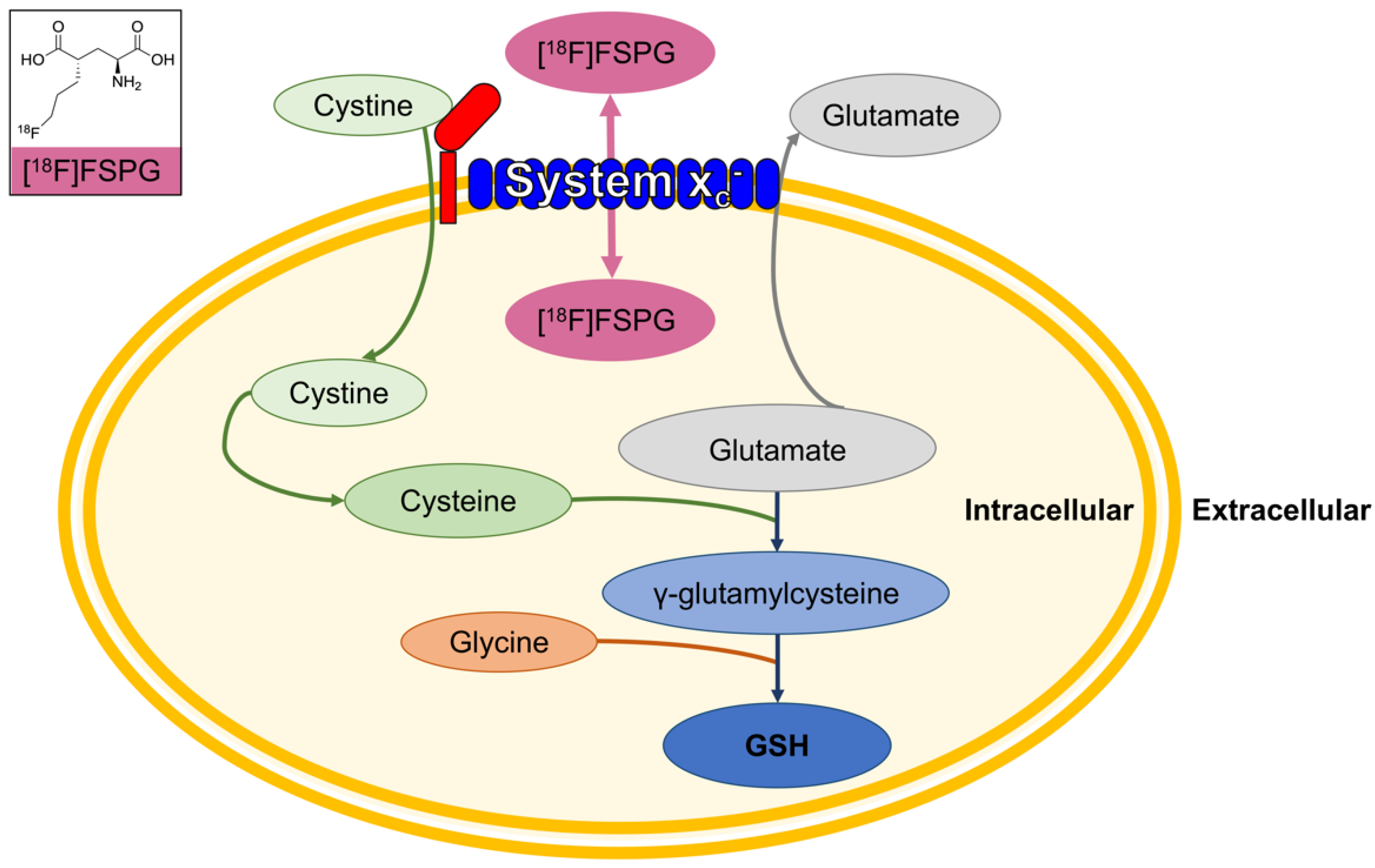
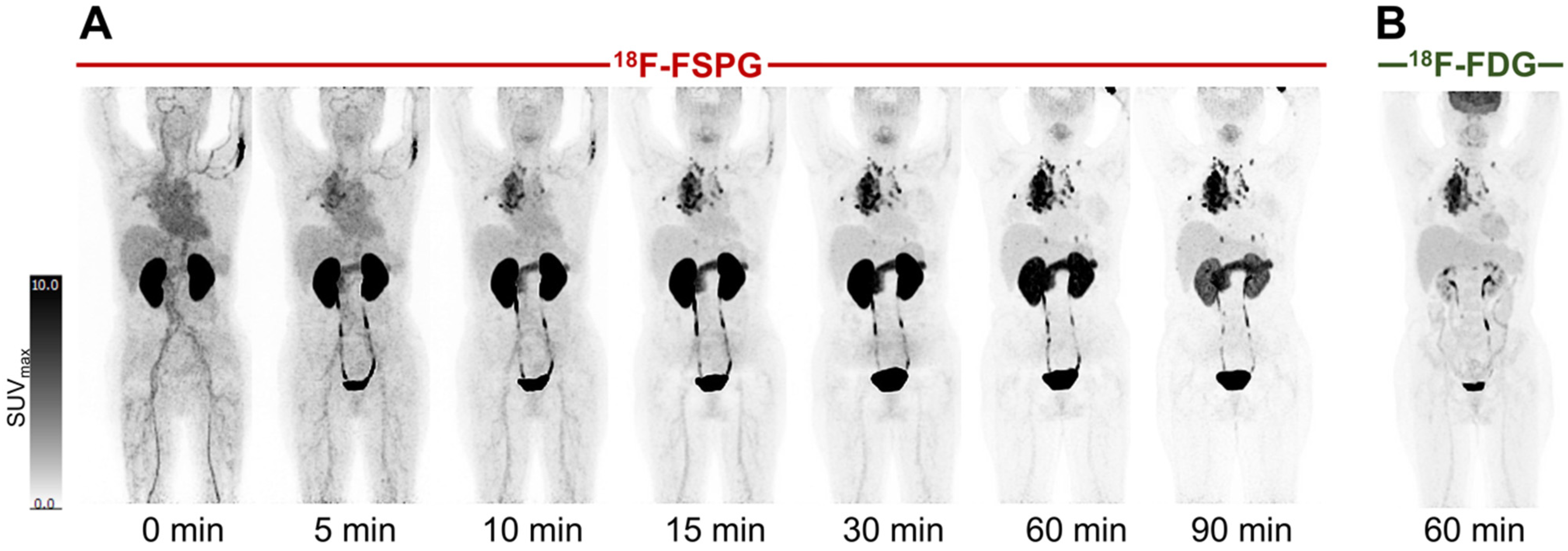
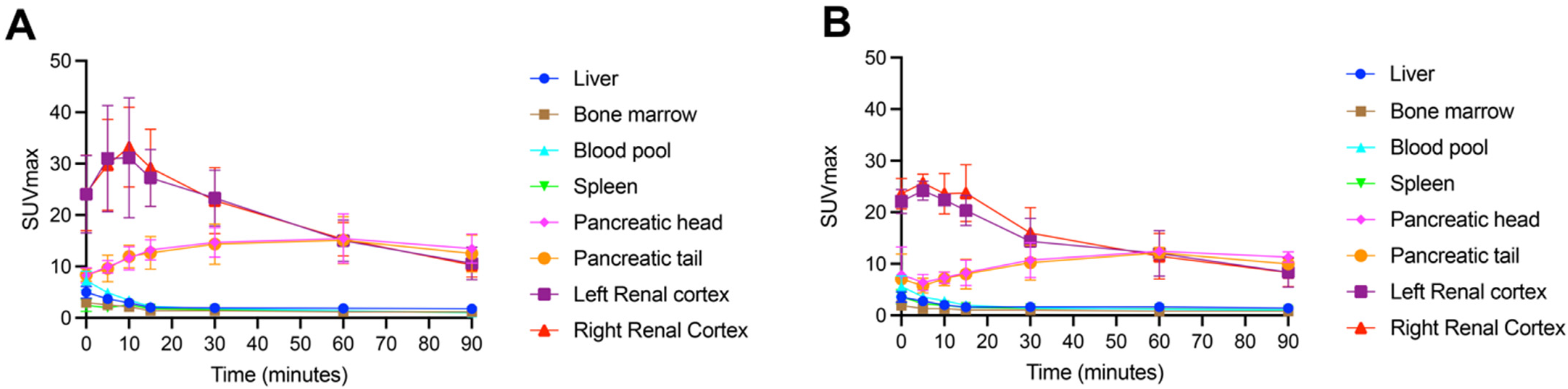
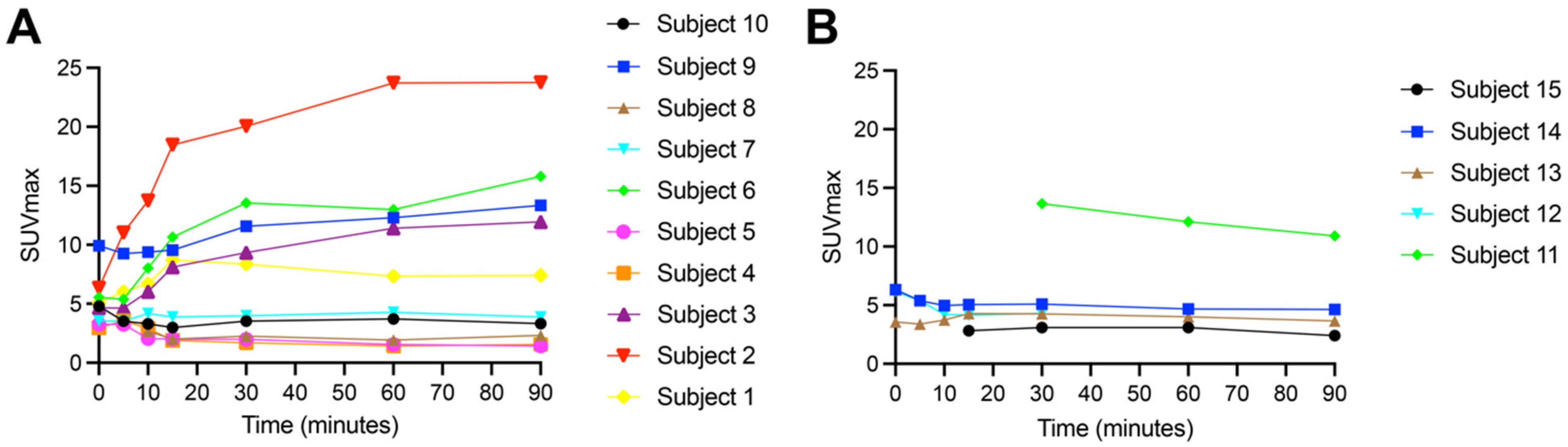
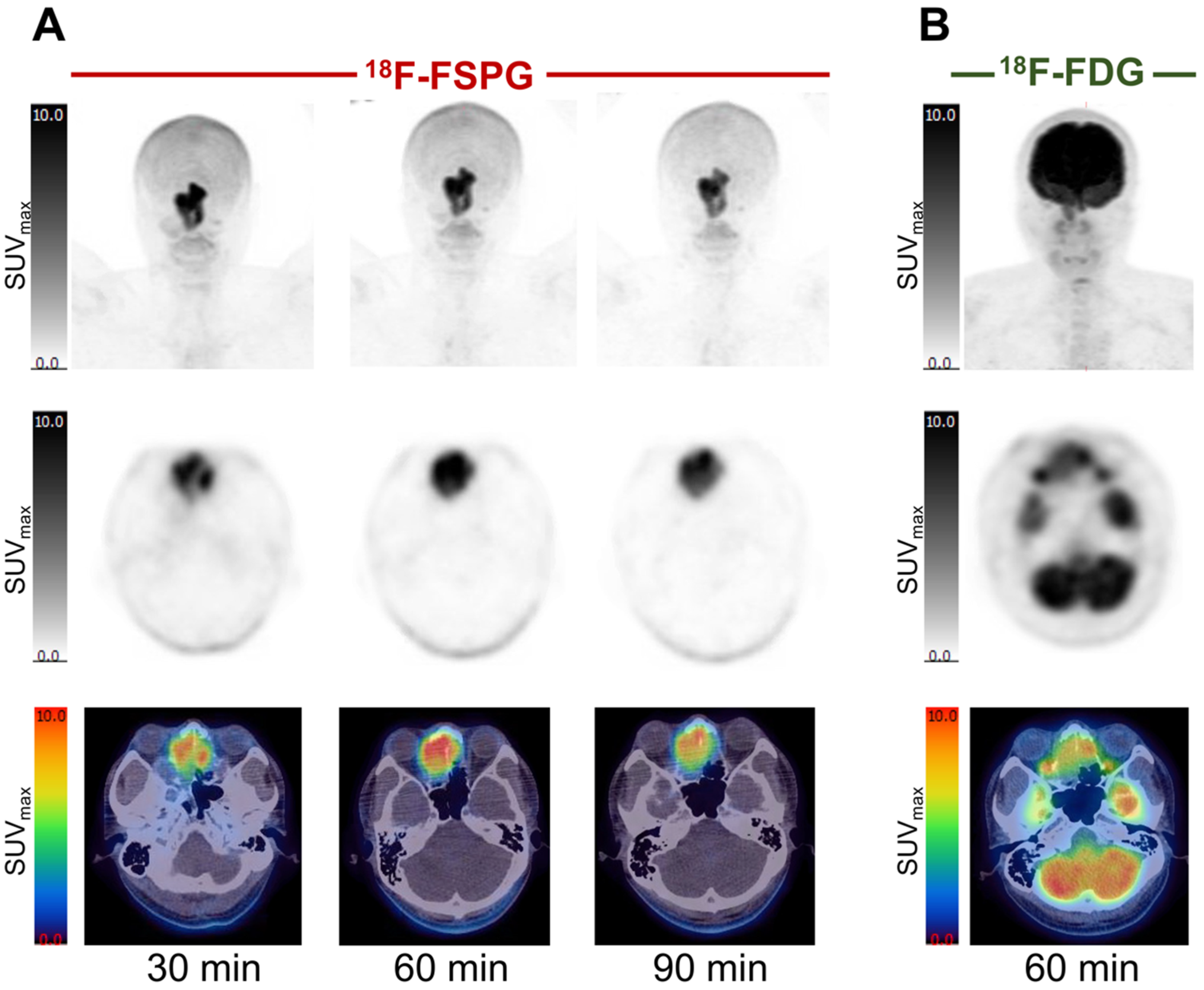
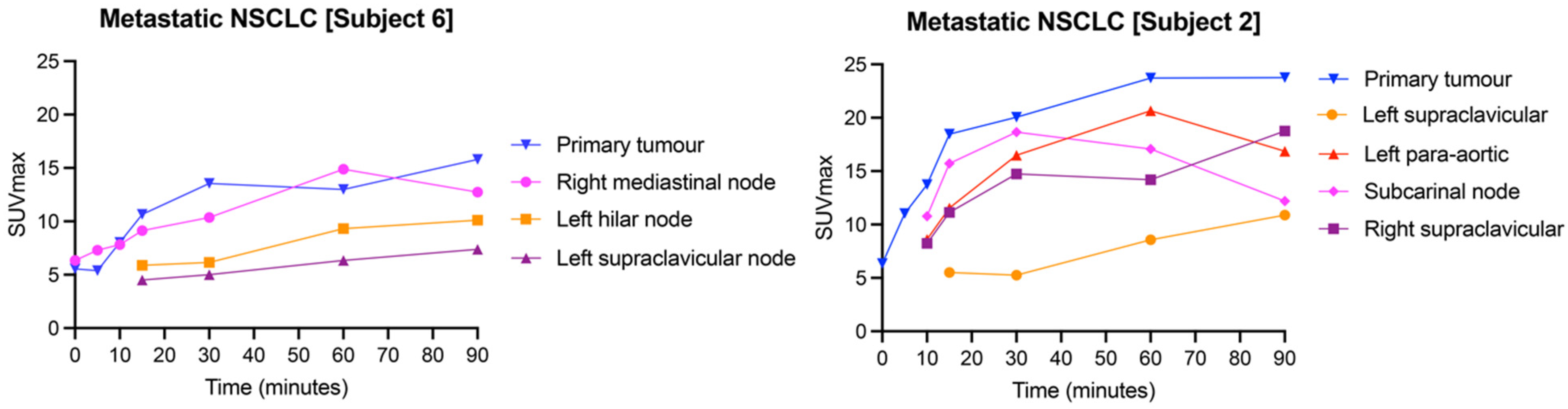
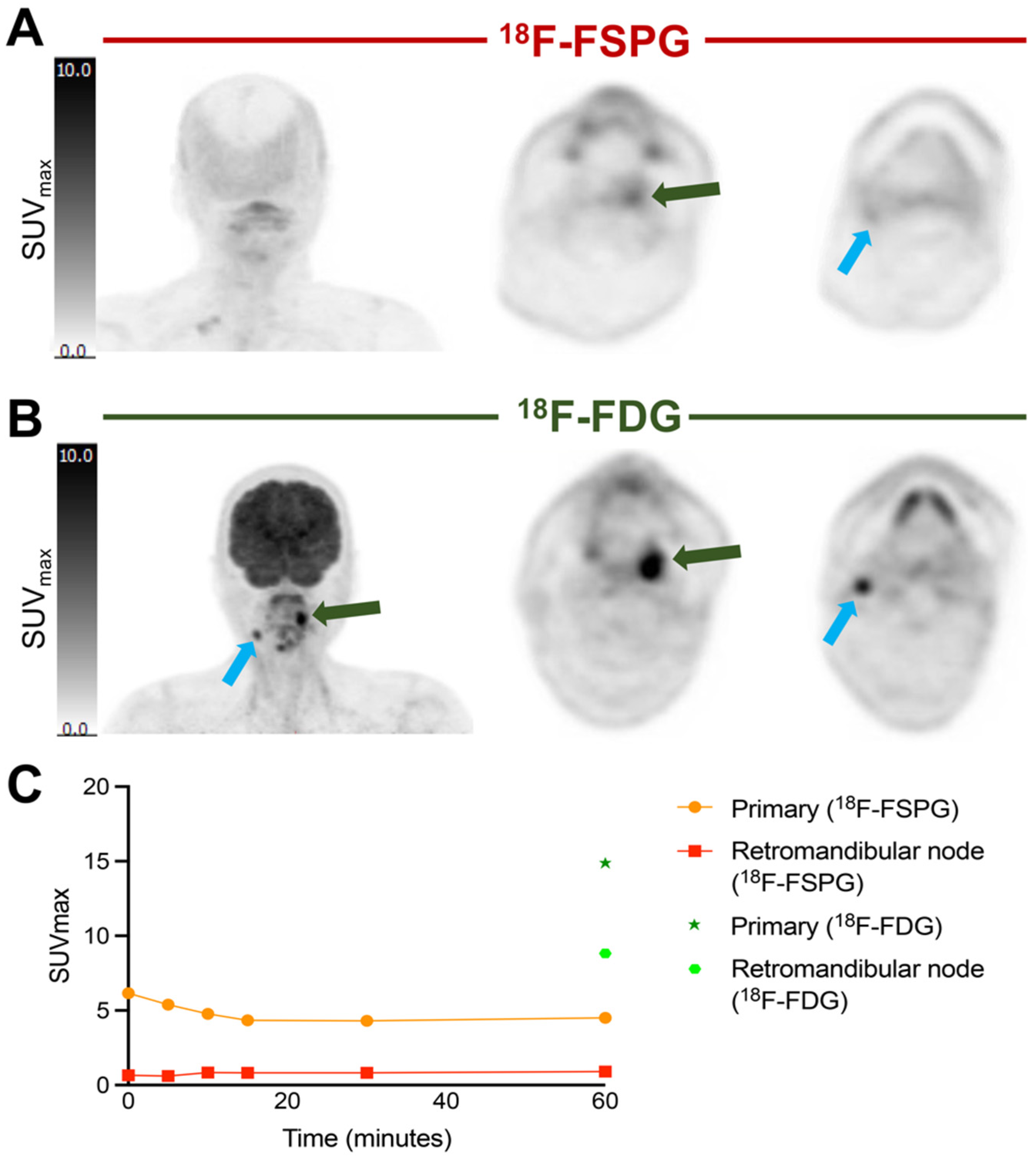
Background: (4S)-4-(3-[18F]fluoropropyl)-L-glutamic acid ([18F]FSPG) positron emission tomography/computed tomography (PET/CT) provides a readout of system xc− transport activity and has been used for cancer detection in clinical studies of different cancer types. As system xc− provides the rate-limiting precursor for glutathione biosynthesis, an abundant antioxidant, [18F]FSPG imaging may additionally provide important prognostic information. Here, we performed an analysis of [18F]FSPG radiotracer distribution between primary tumors, metastases, and normal organs from cancer patients. We further assessed the heterogeneity of [18F]FSPG retention between cancer types, and between and within individuals. Methods: This retrospective analysis of prospectively collected data compared [18F]FSPG PET/CT in subjects with head and neck squamous cell cancer (HNSCC, n = 5) and non-small-cell lung cancer (NSCLC, n = 10), scanned at different institutions. Using semi-automated regions of interest drawn around tumors and metastases, the maximum standardized uptake value (SUVmax), SUVmean, SUV standard deviation and SUVpeak were measured. [18F]FSPG time–activity curves (TACs) for normal organs, primary tumors and metastases were subsequently compared to 18F-2-fluoro-2-deoxy-D-glucose ([18F]FDG) PET/CT at 60 min post injection (p.i.). Results: The mean administered activity of [18F]FSPG was 309.3 ± 9.1 MBq in subjects with NSCLC and 285.1 ± 11.3 MBq in those with HNSCC. The biodistribution of [18F]FSPG in both cohorts showed similar TACs in healthy organs from cancer patients. There was no statistically significant overall difference in the average SUVmax of tumor lesions at 60 min p.i. for NSCLC (8.1 ± 7.1) compared to HNSCC (6.0 ± 4.1; p = 0.29) for [18F]FSPG. However, there was heterogeneous retention between and within cancer types; the SUVmax at 60 min p.i. ranged from 1.4 to 23.7 in NSCLC and 3.1–12.1 in HNSCC. Conclusion: [18F]FSPG PET/CT imaging from both NSCLC and HNSCC cohorts showed the same normal-tissue biodistribution, but marked tumor heterogeneity across subjects and between lesions. Despite rapid elimination through the urinary tract and low normal-background tissue retention, the diagnostic potential of [18F]FSPG was limited by variability in tumor retention. As [18F]FSPG retention is mediated by the tumor’s antioxidant capacity and response to oxidative stress, this heterogeneity may provide important insights into an individual tumor’s response or resistance to therapy.
Keywords:
[18F]FSPG; redox; NSCLC; HNSCC; heterogeneity